Introduction / Hook
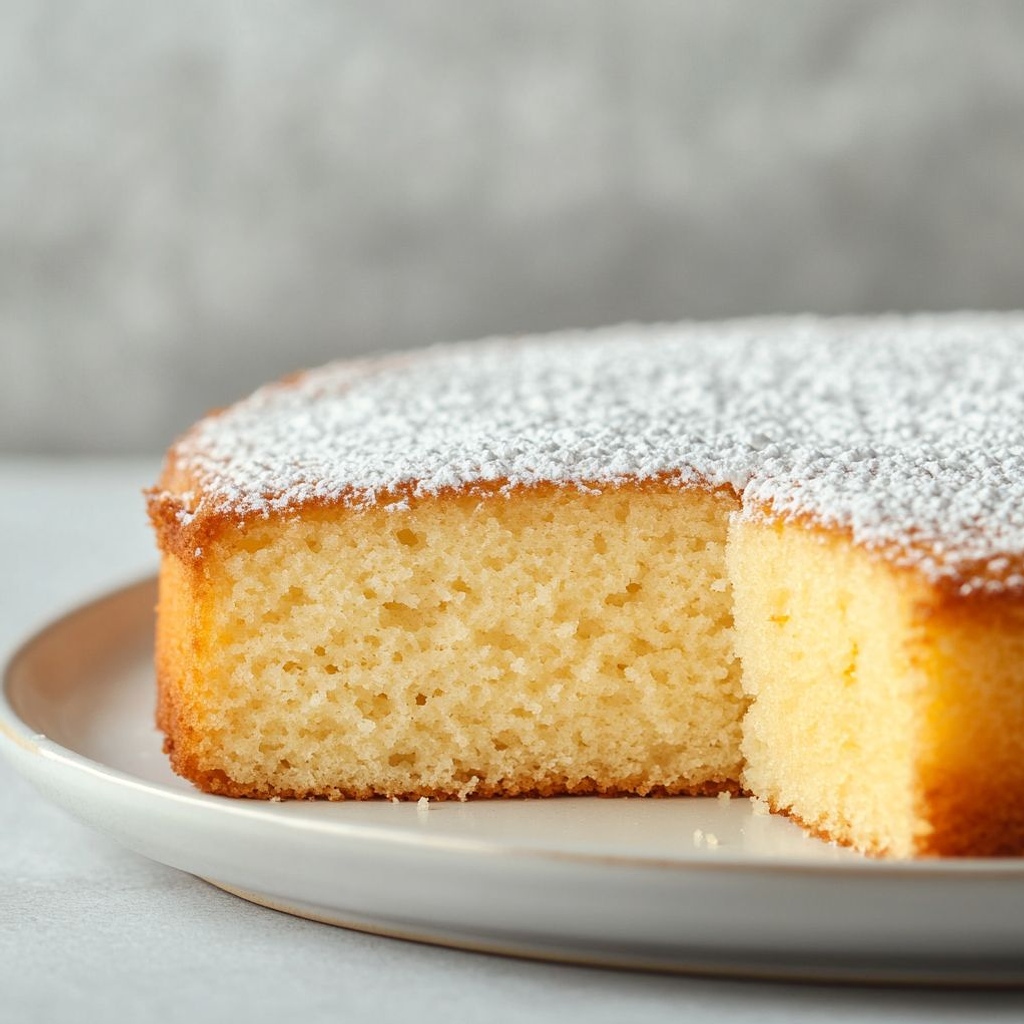
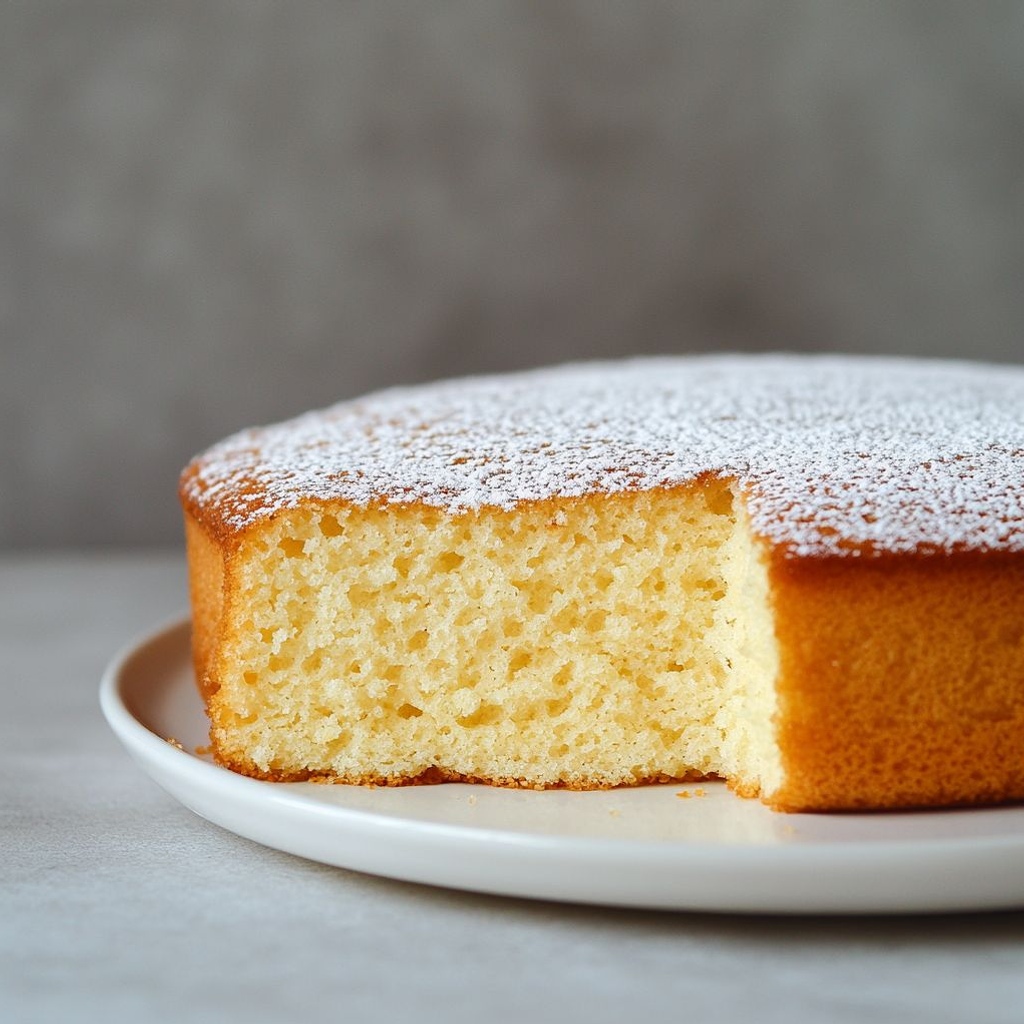
Imagine a warm slice of Torta soffice classica, its pale golden crust catching the morning light as steam rises in delicate rings. The crumb is feather-soft, like a cloud, yet sturdy enough to cradle a dollop of whipped cream or a spoonful of jam without crumbling away. The aroma fills the kitchen with a comforting blend of vanilla, butter, and citrus, inviting you to slow down, take a deep breath, and savor every bite. This is not a flashy dessert meant to steal the show; it is a timeless Italian classic, born of humble ingredients and patient technique. The Torta soffice classica embodies the heart of homemade baking: simple, honest, and deeply satisfying. It invites you to gather around the table, share stories, and watch as a batter transformed by warmth becomes a cake that feels like a hug. In every slice, you’ll taste memories of Sunday mornings, family kitchens, and the quiet pleasure of a well-made crumb that lingers long after the last bite disappears.
The Story Behind the Dish
In Italian homes, “torta soffice” translates to a soft cake—a kind of everyday indulgence that feels like a gentle hug at the end of a long day. While the exact lineage of this particular classic varies from region to region, the essence is universal: a cake that relies on the tenderness of eggs, the richness of butter or oil, and the bright lift of sugar to create a crumb that’s airy yet substantial. This is the kind of cake that grandmother and mother alike would bake when company was coming, when a rainy afternoon called for warmth, or when a child came home hungry after school and needed something comforting to sustain them through homework and play. The technique is deceptively simple: whisk air into a pale, pale batter, fold with care, and bake until the exterior whispers with a gentle crack while the inside remains lush and moist. The result is a cake that holds its own against fruit compotes, creamy fillings, or a simple dusting of powdered sugar. The ritual—measuring, whisking, smelling, and waiting—connects generations, turning a handful of pantry staples into a shared experience that transcends trends.
Why You’ll Love This Recipe
- Easy, approachable bake: a tranquil project that yields a stunning result with straightforward, pantry-friendly ingredients.
- Versatile flavor profile: vanilla and citrus notes provide a bright, comforting backbone that pairs with many toppings and accompaniments.
- Perfect texture: a delicate yet sturdy crumb with a tender interior and a light, slightly crisp crust.
- Ideal for any occasion: breakfast, tea time, dessert after a meal, or a bring-a-slice-to-a-friend moment.
- Comforting but refined:; simple enough for weeknights, yet elegant enough to serve to guests without ceremony.
- Adaptable for different diets: easy to veganize, gluten-free, or dairy-free with thoughtful substitutions (see Variations).
Flavor Profile & Texture
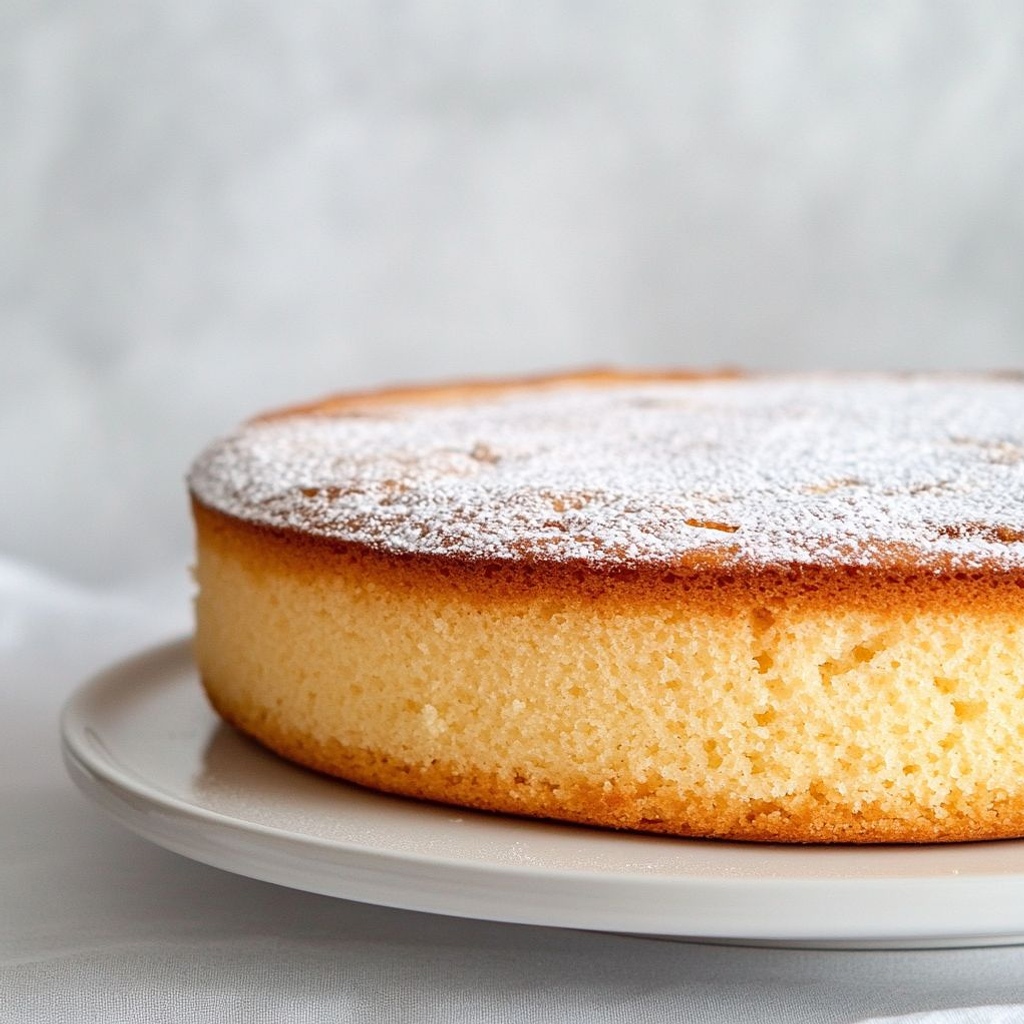
The flavor of the Torta soffice classica is gently sweet, with a soft vanilla lift that carries a whisper of citrus—often lemon or orange zest—zest lending brightness without sharpness. But beyond the taste, it is the texture that makes this cake so memorable. The interior is incredibly tender, almost cloud-like, with a fine, even crumb that melts on the tongue. The outer crust turns a pale golden hue, offering a subtle nutty aroma and a tiny, satisfying crack when sliced. The balance of fat and sugar yields a luxurious mouthfeel, while a hint of salt backstage helps the flavors sing rather than feel sugary. Depending on the bake, you may notice a slightly springy bite near the center, a sign of careful whisking and proper oven temperature. When served simply, with a cup of coffee or a dollop of yogurt, the cake shines in its own right. When paired with fresh berries, a jam, or a cloud of lightly whipped cream, it becomes a more indulgent dessert without ever tipping into heaviness. The aroma—hot butter mingling with citrus oils—invites you to pause, breathe, and prepare your cut with care, because the first bite sets the tone for the entire slice.
Occasions & Pairings
This classic cake is a versatile companion for many moments. Here are some ideas to make the most of it:
- Weekday mornings: a slice with a mug of strong espresso or a glass of milk to start the day with comfort.
- Brunch gatherings: layer with mascarpone or lemon curd between two thin rounds, or serve alongside a fruit salad for a bright, light dessert.
- Afternoon tea or coffee time: pair with a selection of jams, clotted cream, or a spoonful of ricotta for a creamy contrast.
- Family celebrations: dust with powdered sugar, drizzle with a simple glaze, or serve with seasonal berries for a pop of color.
- Kids’ parties: cut into small squares and present with a yogurt-dipped fruit skewer for a playful touch.
Pairings to consider include:
- Drinks: strong espresso, cappuccino, or a light white tea.
- Frills: fresh berries, a dollop of lightly sweetened whipped cream, or a spoonful of lemon curd.
- Accompaniments: vanilla or lemon-flavored yogurt, mascarpone, or a simple citrus glaze to add a glossy finish.
Tips, Variations & Substitutions
Here are practical ideas to adapt this classic to different preferences or occasions, without losing the essence of its soft, comforting character.
Vegan Version
To make a vegan Torta soffice classica, replace eggs with a combination of aquafaba or flaxseed meal (1 tablespoon ground flaxseed mixed with 3 tablespoons water per egg is a common binder). Use plant-based butter or a neutral oil (like avocado oil) in place of dairy butter. Opt for a dairy-free milk such as almond, oat, or soy. You’ll still get a tender crumb, especially if you whisk the aquafaba until stiff peaks form and fold it gently into the batter, preserving airiness.
Gluten-Free Version
For a gluten-free approach, use a high-quality gluten-free all-purpose flour blend that already contains xanthan or guar gum, or mix almond flour with a gluten-free starch to mimic structure. Be mindful that gluten-free batters can be denser; you may need to incorporate a touch more air by whisking the eggs well and folding gently. A teaspoon of baking powder should be included to ensure lift, but adjust according to your flour blend’s guidelines.
Flavor Twists
- Citrus variation: use orange zest with a splash of orange juice for a brighter, sunnier cake.
- Almond or Amaretto: swap a portion of the vanilla with almond extract or a teaspoon of amaretto for a nutty, inviting aroma.
- Vanilla-Only Classic: omit citrus to emphasize the vanilla profile for a purer, woolly crumb.
Regional Twists
In some Italian traditions, a small amount of grated lemon zest or orange zest is folded into the batter for fragrance, while others favor a light dusting of almond flour on the top or a delicate glaze. In coastal regions, a touch of limoncello may be brushed onto the cooled cake for a gentle boozy brightness. In the north, you might see a whisper of aromatic vanilla paired with a lemon honey glaze. These regional touches highlight how a single formula can morph into distinctly local flavors while preserving the same tender crumb.
Make-Ahead Flavor Boosts
If you want to plan ahead, prepare the batter (without baking) and refrigerate it for up to 24 hours; bring to room temperature before baking to ensure proper lift. Alternatively, bake the cake, then frost or glaze the next day—the flavors deepen with a little resting time, and the texture can become even more cohesive after a night covered in a light cloth.
Storage & Make-Ahead Ideas
The Torta soffice classica stores well and adapts to make-ahead strategies that suit busy schedules. Here are practical guidelines to keep the cake tasting as fresh as possible:
- Room temperature: Store covered at room temperature for up to 2–3 days. Keep it in a sealed container or wrapped tightly to prevent drying out.
- Refrigeration: For longer storage, refrigerate for up to 5 days. Bring slices to room temperature before serving to regain tenderness.
- Freezing: Freeze individual slices or the whole cake wrapped tightly in plastic wrap and foil. It will keep for up to 2–3 months. Thaw at room temperature and, if desired, warm gently in the oven to refresh the crumb.
- Make-ahead methods: You can prepare the batter a day in advance and bake it fresh the next day, or bake the cake in advance and reheat slices gently before serving to rejuvenate moisture and aroma.
To maximize moisture and flavor over time, consider pairing leftovers with a lightly sweetened whipped cream, or a fragrant layer of fresh fruit and a drizzle of honey or lemon syrup. If you’re making a lemon or vanilla glaze, brush it over the cooled cake to seal in moisture and add a subtle gloss that makes the surface tempting to cut into.
Fun Facts & Trivia
Did you know that the term “soffice” in Italian desserts broadly describes a texture that melts in the mouth? It’s a word that captures the essence of light, airy cake batters that are gently leavened and baked at a moderate temperature to preserve tenderness. The idea of a simple, comforting cake that can be dressed up or down is deeply ingrained in Italian home baking. Culturally, these cakes often accompany the ritual of a morning espresso, an afternoon tea, or a pastry plate that marks a small celebration—no need for grand occasions to deserve a slice. The Torta soffice classica, with its humble ingredients and generous spirit, embodies the Italian philosophy of making something memorable out of something ordinary. It’s a reminder that baking is not about showy technique alone, but about patience, balance, and the joy of sharing. A single loaf of softly risen cake has the power to turn a quiet moment into a memory and a simple dessert into a conversation starter among friends and family.
Ingredients
Torta soffice classica
-
– 4 large eggs, room temperature
→ Eggs act as the main structure and moisture backbone of the batter. In a classic torta soffice, you’ll typically beat the whole eggs with sugar until the mixture is pale and ribbons fall from the whisk, incorporating air for a light, airy crumb. Keep the eggs at room temperature (approx. 20-22°C) for maximum volume; if they’re cold, warm them in a bowl of warm water for a few minutes. After the sugar and eggs are airy, sift and fold in the dry ingredients gently to preserve air you’ve created. Do not overbeat after adding flour, or the cake may become dense.
– 140 g granulated sugar
→ Sugar tenderizes and sweetens, and it helps create the light texture by aerating with the eggs. Use standard granulated sugar; if you only have superfine sugar, you can use that to dissolve faster, but granulated works fine. Dissolve sugar into the eggs gradually as you whisk; for best results, whisk until the mixture is pale and thick, about 5-7 minutes by hand or 3-4 minutes with an electric mixer. Avoid lumps of sugar; if needed, rub sugar between fingers or sift.
– 200 g all-purpose flour (or 00 flour)
→ Flour provides the structure of the cake. Sift with the baking powder to evenly distribute leavening and remove lumps. Use all-purpose for a sturdy but tender crumb; 00 flour will yield a softer, finer crumb. Measure by scooping into the bowl and leveling with a knife, or weigh for accuracy. Do not overmix once flour is added; just fold until you no longer see dry streaks, to keep the batter light.
– 120 ml milk, warmed to lukewarm
→ Milk adds moisture and helps dissolve sugar while activating the fat and gluten in a controlled way. Warm the milk to about 35-40°C (lukewarm) so it blends smoothly with the batter and helps emulsify the butter. If using dairy-free milk, select unsweetened varieties; you may need a touch more or less depending on the brand. Add gradually to maintain batter consistency; stop when it pours slowly off a spoon.
– 60 g unsalted butter, melted and cooled
→ Butter provides richness, tenderness, and flavor; melted and cooled ensures it blends evenly without splitting the eggs. Add the cooled melted butter gradually after combining the wet and dry ingredients to avoid curdling; if you prefer dairy-free, substitute with a neutral oil like sunflower or canola in the same quantity. For extra tenderness, you can skip the butter for a lighter cake and replace with an equal amount of extra milk, but the texture will change.
– 1 teaspoon baking powder
→ Baking powder acts as a leavening agent to lift the batter and create that signature airy crumb. Sift with the flour so it’s evenly distributed; do not add too early to the eggs, as you want the air to stay intact. After adding, fold gently to avoid knocking out the air. Do not overuse; too much can cause a soapy taste and collapse.
– 1 teaspoon vanilla extract
→ Vanilla provides aroma and rounds out sweetness; use pure vanilla and avoid imitation if possible for best flavor. Add to the wet ingredients after beating eggs and sugar, ensuring even distribution. If you like a citrus note, you can substitute with a small amount of lemon zest or orange zest instead of vanilla. For stronger aroma, you can let the batter rest for 10-15 minutes before baking to allow flavors to meld.
– 1 tablespoon lemon zest (optional)
→ Lemon zest adds bright fragrance and acidity to balance sweetness, enhancing the cake’s aroma and soft crumb. Use only the outer colored layer, avoiding the bitter white pith. Grate it finely and fold into the batter or blend with sugar for faster release of oils. If not using lemon zest, you can substitute with orange zest or omit entirely.
– 1 pinch salt
→ Salt enhances overall flavor and helps balance sweetness; add a pinch to the egg-sugar mixture or to the dry ingredients. If using salted butter, adjust or omit this pinch accordingly. It also helps strengthen the crumb and make flavors pop.
Optional Add-ins
-
– Powdered sugar for dusting
→ Dusting the cooled cake with a light veil of powdered sugar provides a simple, elegant finish and a touch of sweetness without affecting texture. Dust just before serving to prevent caking; keep remaining sugar in an airtight container to avoid moisture clumping.
– Fresh berries for serving (optional)
→ Fresh berries add brightness, acidity, and color contrast that complements the soft crumb of the torta soffice. Rinse gently and pat dry; cut larger berries as needed and serve on the side or scattered over slices for a vibrant presentation.
– Chocolate chips (optional)
→ Chocolate chips introduce pockets of melted chocolate and a comforting contrast to the light crumb. Fold them in gently at the end so they distribute evenly without sinking too much; use good quality chips (semi-sweet or dark) so they don’t overpower the delicate vanilla aroma.
Instructions
- Preheat your oven to 350°F (175°C) and grease an 8-inch (20 cm) round cake pan; line the bottom with a circle of parchment and lightly flour the sides, or dust with flour for extra security.
→ This preparation ensures the delicate torta soffice releases cleanly and bakes evenly without sticking, yielding a smooth exterior for clean slicing. - In a large mixing bowl, beat the 4 large eggs and 140 g granulated sugar on high speed until the mixture is pale, thick, and falls from the whisk in glossy ribbons (about 5–7 minutes by hand or 3–4 minutes with an electric mixer).
→ The volume and structure come from aerating the eggs and sugar, which creates the light, airy crumb characteristic of this cake; avoid overbeating after adding flour to preserve that air. - Sift 200 g all-purpose flour (or 00 flour), 1 teaspoon baking powder, and 1 pinch salt together into a separate bowl; set aside.
→ Sifting distributes leavening evenly and breaks up any lumps, ensuring a tender, uniform crumb without dense pockets. - Warm 120 ml milk to lukewarm (about 35–40°C) and reserve; avoid overheating to prevent curdling and to keep a smooth emulsion with the other ingredients.
→ Lukewarm milk blends smoothly with the eggs and fat, helping to maintain the batter’s structure and prevent shock to the eggs. - Stir 1 teaspoon vanilla extract into the eggs-sugar mixture and, if using, fold in 1 tablespoon lemon zest to perfume the batter; whisk gently for about 15 seconds to distribute evenly.
→ Vanilla provides aroma and rounds sweetness; lemon zest adds brightness and a subtle acidity that complements the sponge. - Pour in the cooled melted 60 g unsalted butter in a slow, steady stream while whisking to emulsify and prevent the fat from separating.
→ Emulsification traps fat and air together for a smooth batter with a tender, rich crumb; add butter gradually to avoid curdling the mixture. - With the mixer on low or using a spatula, fold the dry ingredients into the wet in 2–3 additions, alternating with portions of the lukewarm milk, starting and ending with the flour, until the batter is just combined.
→ Gentle folding preserves the air previously incorporated and prevents toughness; stop as soon as no dry streaks remain for a light texture. - If you are using chocolate chips (optional), fold in 60 g to distribute pockets of melted chocolate without sinking; alternatively, for berries, fold in 50–80 g of fresh berries after the batter is just combined.
→ Add-ins provide flavor and texture; folding them in at the end minimizes disruption to the delicate structure and prevents uneven distribution. - Pour the batter into the prepared pan and smooth the top with a spatula; gently tap the pan on the counter once or twice to release any trapped air bubbles and ensure an even surface.
→ Leveling and degassing the batter helps the cake rise evenly and slice cleanly later. - Bake in the preheated oven for 25–30 minutes, or until the surface is pale golden and a toothpick inserted into the center comes out with a few moist crumbs.
→ The toothpick test confirms doneness without overbaking; avoid opening the oven door early to keep the batter from deflating. - Remove the pan from the oven and let it rest on a wire rack for 10–15 minutes; then run a knife around the edge and invert onto the rack to cool completely.
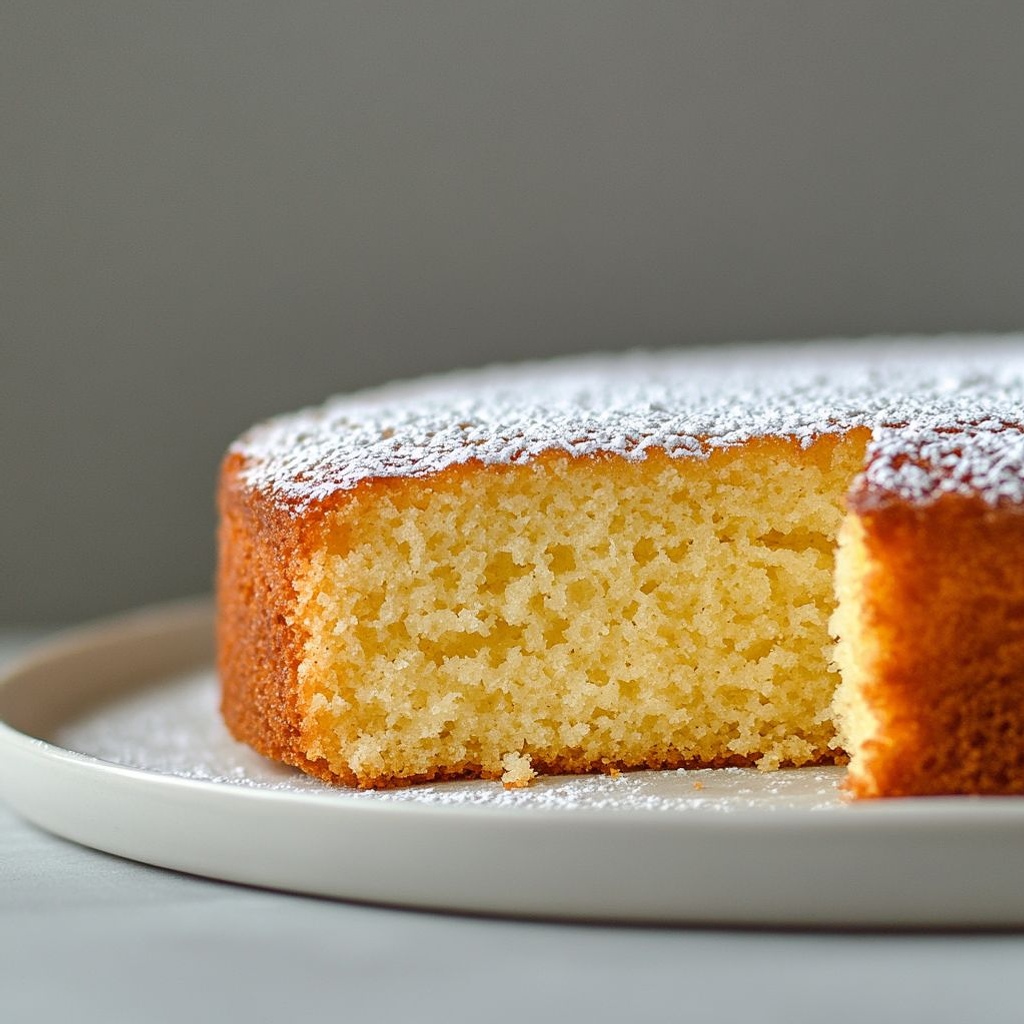
→ Gentle cooling prevents cracking and helps the crumb set so that the cake slices neatly. - Dust the cooled torta soffice with a light veil of powdered sugar just before serving, if desired.
→ Powdered sugar adds a touch of sweetness and a polished finish without altering the delicate texture.
Notes
“This classic Torta soffice classica is a tender, airy Italian sponge cake built with whisked whole eggs and sugar, yielding a light crumb and gentle sweetness. You can customize the flavor by adding lemon zest and vanilla, or swap in orange zest for a brighter note. Use room-temperature ingredients and fold the dry ingredients gently to preserve air; do not overmix after adding the flour. The batter should be smooth and pour slowly off a spoon; if it’s too stiff, loosen with a splash of milk. Bake in a preheated oven at about 175°C (350°F) for 25-35 minutes, or until a skewer inserted into the center comes out clean. Let the cake cool in the pan for about 10 minutes, then transfer to a wire rack to finish cooling. Dust with powdered sugar or serve with fresh berries for a simple finish. For a dairy-free version, substitute the melted butter with an equal amount of neutral oil and use dairy-free milk. If you need a gluten-free version, use a 1:1 gluten-free flour blend with 1/4 teaspoon xanthan gum per cup of flour and ensure all ingredients are certified gluten-free. To enhance aroma, add 1 teaspoon vanilla extract or a tablespoon of lemon zest to the batter. Always ensure your ingredients are fresh and measured precisely to achieve the classic light crumb.”
Tips
Consigli utili per Torta soffice classica
- Uova a temperatura ambiente: porta le uova a circa 20-22°C prima di iniziare. Se sono fredde, immergile per 5-10 minuti in acqua tiepida, poi asciugale bene. Uova a temperatura ambiente favoriscono una montata più volumosa e una mollica leggera.
- Tecnica di montatura: lavora le uova con lo zucchero fino a ottenere un composto chiaro, spumoso e che forma fili che cadono dalla frusta (la prova a vela). Questo passaggio crea l’aria necessaria per una torta soffice. Evita di montare troppo dopo aver aggiunto la farina.
- Incorporare le polveri: setaccia insieme farina e lievito e aggiungili al composto a cucchiaiate, piegando delicatamente dall’alto verso il basso per mantenere l’aria intrappolata nel batters.
- Latte e burro: scalda il latte a 35-40°C e fai raffreddare il burro fuso. Avere liquidi tiepidi e burro raffreddato aiuta a creare un’emulsione stabile e impedisce curdling o separazioni.
- Aggiunta del burro: aggiungi il burro fuso a filo, mescolando o versando a filo mentre la miscela è in movimento. Un’emulsione ben fatta conferisce una mollica morbida e uniforme.
- Scelta della farina: usa farina 00 per una torta più soffice o farina 00/all-purpose se preferisci una struttura leggermente più robusta. Misura con bilancia per precisione e evita di lavorare troppo una volta aggiunta la farina.
- Aromi e scorze: la vaniglia è classica, ma puoi utilizzare scorza di limone (o arancia) per un freschezza extra. Grattugia la scorza finemente e incorporala all’inizio con lo zucchero; se usi scorza, lascia riposare 10-15 minuti per esaltarne gli oli aromatici.
- Sale: una presa di sale valorizza i sapori e bilancia la dolcezza. Se usi burro salato, diminuisci o ometti il sale.
- Preparazione della teglia: oliata e infarinata o foderata con carta forno, preferibilmente stampo rotondo da 20-22 cm. Assicurati che i bordi siano ben presenti per una stratificazione uniforme dell’impasto.
- Cottura: usa il forno statico, posiziona lo stampo al centro e preriscaldalo. Evita di aprire lo sportello nelle prime fasi per non far collassare l’impasto; se la superficie si scurisce troppo, copri con un foglio di alluminio. Verifica la cottura con uno stecchino: deve uscire pulito o con briciole asciutte.
- Raffreddamento e conservazione: lascia intiepidire nello stampo per 10-15 minuti, poi sforma e raffredda su una griglia. Conserva la torta in contenitore ermetico a temperatura ambiente per 2-3 giorni, o refrigerala per 4-5 giorni. Puoi anche congelare le fette ben sigillate.
- Varianti e arricchimenti: aggiungi gocce di cioccolato, frutti di bosco o scorza di limone all’ultimo terzo dell’impasto per varietà di gusto. Per una presentazione diversa, spolvera con zucchero a velo prima di servire o accompagna con una salsa di frutti di bosco.
- Sostituzioni per diete: per una versione senza lattosio, usa latte di mandorla o avena non zuccherato e burro vegetale o olio neutro al posto del burro. La texture cambierà leggermente, ma il risultato sarà comunque soffice.
FAQ
Che cosa è la Torta soffice classica?
È un dolce semplice e morbido, con una mollica soffice e umida. È la base perfetta per varianti al limone, al cacao o farcite con crema. Si prepara con pochi ingredienti comuni come uova, zucchero, farina, latte e burro (o olio).
Quali ingredienti servono per la Torta soffice classica?
Ingredienti base (per una tortiera di circa 22–24 cm):
- 4 uova grandi
- 150 g di zucchero
- 120 g di farina 00 (o farina debole)
- 60 g di burro fuso raffreddato (o olio neutro)
- 60 ml di latte
- 1 cucchiaino di lievito per dolci
- Un pizzico di sale e un aroma a piacere (vaniglia, scorza di limone)
Qual è la base di dosi tipiche?
Una base comune è: uova 4, zucchero 150 g, farina 120 g, burro fuso 60 g, latte 60 ml, lievito per dolci 1 cucchiaino, sale e aroma. Queste proporzioni producono una torta soffice senza essere troppo compatta.
Posso fare senza burro? Quali alternative usare?
Sì. Puoi sostituire il burro con olio neutro (girellando 1:1) o con yogurt/olio di cocco per una versione più leggera. Se usi olio, la torta potrebbe risultare leggermente più umida.
Posso prepararla in anticipo? Conservazione?
Sì. Si conserva bene a temperatura ambiente, coperta, per 2–3 giorni. In frigorifero dura 4–5 giorni. Per conservarla più a lungo, avvolgila bene e congelala tagliata a porzioni; scongelala a temperatura ambiente.
Quali utensili servono?
Stampo rotondo da 22–24 cm, carta forno, ciotola capiente, fruste elettriche o a mano, setaccio, spatola, mestolo per mescolare, e eventualmente una griglia per far raffreddare.
Come si prepara l’impasto? Passaggi base
Procedimento tipico:
- Preriscalda il forno a 170–180°C (statico).
- Imburra e infarina una tortiera o rivestila con carta forno.
- In una ciotola, monta le uova con lo zucchero finché diventano chiare e spumose.
- Aggiungi miele/trucco di aroma (vaniglia) e mescola. Incorpora la farina setacciata con il lievito, alternando con il latte e il burro fuso raffreddato.
- Unisci delicatamente dal basso verso l’alto fino ad avere un impasto omogeneo.
- Versa nello stampo e cuoci per circa 25–35 minuti, controllando con uno stecchino.
- Lascia raffreddare nello stampo 10 minuti, poi trasferisci su una griglia.
Perché la torta potrebbe non lievitare bene? Problemi comuni
Cause frequenti: lievito non attivo o scaduto, forno troppo basso, mescolamento eccessivo dopo l’aggiunta della farina, uova troppo fredde, stampo troppo grande o troppo piccolo, o mancanza di aria durante la montatura. Assicurati che il lievito sia fresco, mescola delicatamente e non aprire il forno durante i primi 20 minuti.
Posso variare aromi o aggiunte?
Certo. Alcune varianti popolari includono:
- Scorza e succo di limone o arancia
- Aroma di vaniglia o rum
- Cacao in polvere per una versione al cioccolato
- Gocce di cioccolato o scorze di agrumi
- Frutta secca o crema al centro per farcire