Introduction / Hook
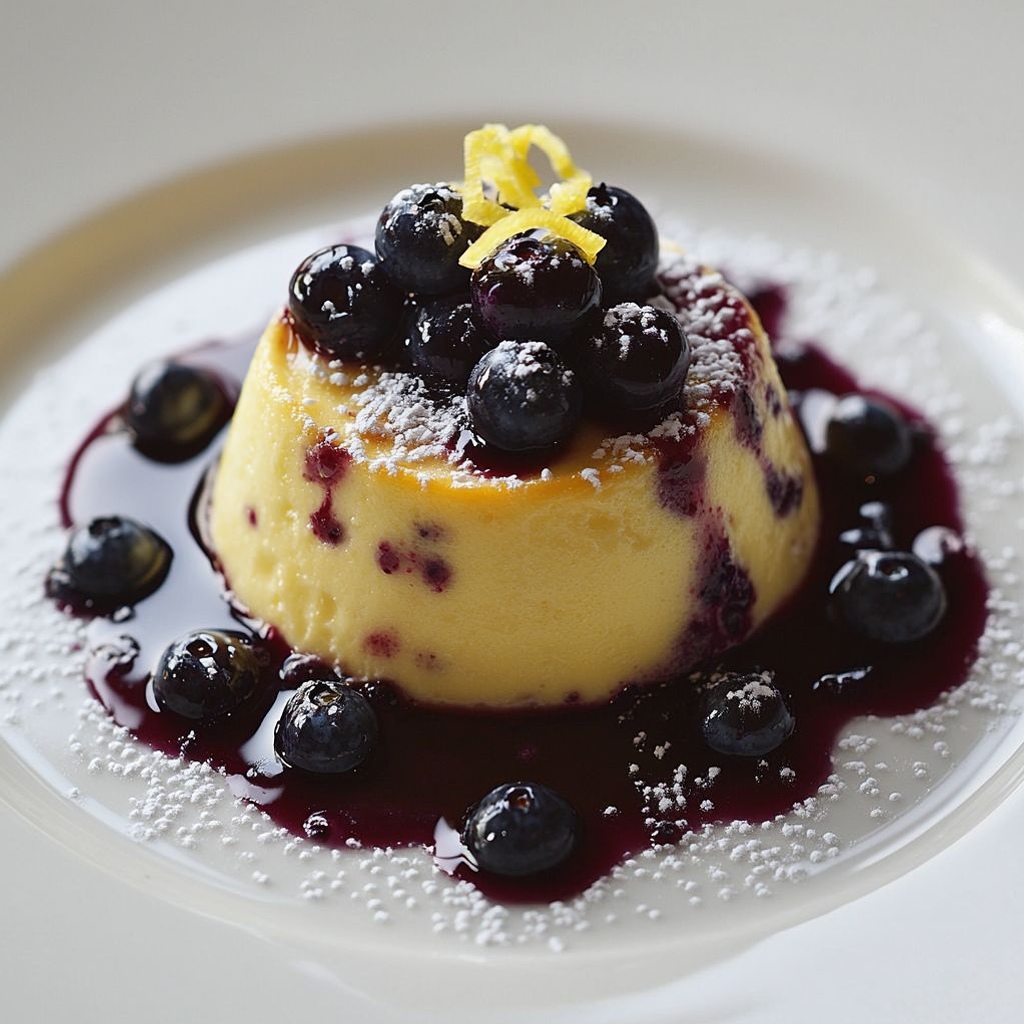
Imagine a delicate dessert that feels like a cloud and tastes of sunny mornings. A gentle wisp of vanilla envelopes the creamy, pale interior, while bursts of sapphire blueberries pop with refreshing tang. This is not a heavy slice of cake, nor a bland pudding—it’s a refined, elegant sformato that melts on the tongue and leaves a soft citrus-berry finish on the palate. Crafted from cottage cheese as its bright, protein-rich heart, this dish offers a light, airy texture that somehow feels indulgent without being cloying. It’s the kind of dessert or dessert-like course that earns a quiet, appreciative “wow” from guests, even those who think they don’t have room for something sweet. The beauty lies in its simplicity—humble ingredients coming together in a mold to create something sophisticated, almost couture in its restraint, yet wholly approachable for everyday dining and special occasions alike.
As you approach the bake, the kitchen fills with a gentle, almost vanilla-cream aroma, mingling with a hint of almond and a whisper of lemon zest. The scent alone conjures memories of family kitchens and quiet, lingering conversations after meals. When you slice into the sformato, the interior reveals a creamy, custard-like center that holds its shape with a soft, elegant firmness. The blueberries remain jewel-like flecks, their juices seeping slightly into the surrounding custard and adding a natural, sun-kissed sweetness. It’s a dish that invites slow savoring—each bite a balance of lightness, tang, and a subtle sweetness that lingers in the mouth.
The Story Behind the Dish
Sformati, in Italian culinary tradition, are molded creations that showcase the art of turning simple ingredients into a refined, sculptural dish. They often begin with a soft, custardy base and are finished with a gentle bake or set in a mold to achieve a clean silhouette at the table. The concept is deeply rooted in home cooking—an approach that values texture, temperature, and a pleasing contrast between a comforting interior and a delicate crust or top. The sformato you’re reading about—cottage cheese with blueberries—embodies a contemporary twist on this classic technique. Cottage cheese provides a light, airy body with a mild tang, a natural partner for bright berries and citrus notes, while blueberries offer the aromatic perfume of summer fruit and a jewel-like visual appeal that makes the dish feel celebratory even on a weeknight.
This particular combination reflects evolving tastes in modern kitchens, where wellness and flavor coexist without sacrificing pleasure. Cottage cheese became a beloved ingredient in many households for its protein punch and creamy texture, offering a welcome alternative to richer dairy products. Blueberries, meanwhile, have long been treasured for their vibrant color and antioxidant-rich profile, turning any simple dessert into a small, edible festival of color and aroma. When you bring these two together in a mold, you’re not just making a dessert; you’re engaging in a ritual of balance—soft, silken custard that glides across the tongue, punctuated by the lively pop of berries and a whisper of citrus that lifts the entire experience.
There is also a subtle sense of regional storytelling here. Italian kitchens often celebrate the season’s freshest produce, shaping meals and sweets to honor what’s ripe and abundant. The cottage cheese and blueberry combination leans into this tradition, marrying a wholesome, everyday ingredient with a fruit that feels festive. It’s the kind of dish that travels well—from a sunlit kitchen counter to a plated finale at a dinner party—and it invites interpretation, allowing home cooks to adapt it to what’s in their pantry or what their guests most enjoy.
Why You’ll Love This Recipe
- Light yet satisfying: a custard-like interior that feels indulgent without heaviness, thanks to cottage cheese’s soft texture and high protein content.
- Bright and balanced flavor: the tang of cottage cheese pairs beautifully with blueberries, lemon zest, and a touch of vanilla, creating a layered flavor profile in every bite.
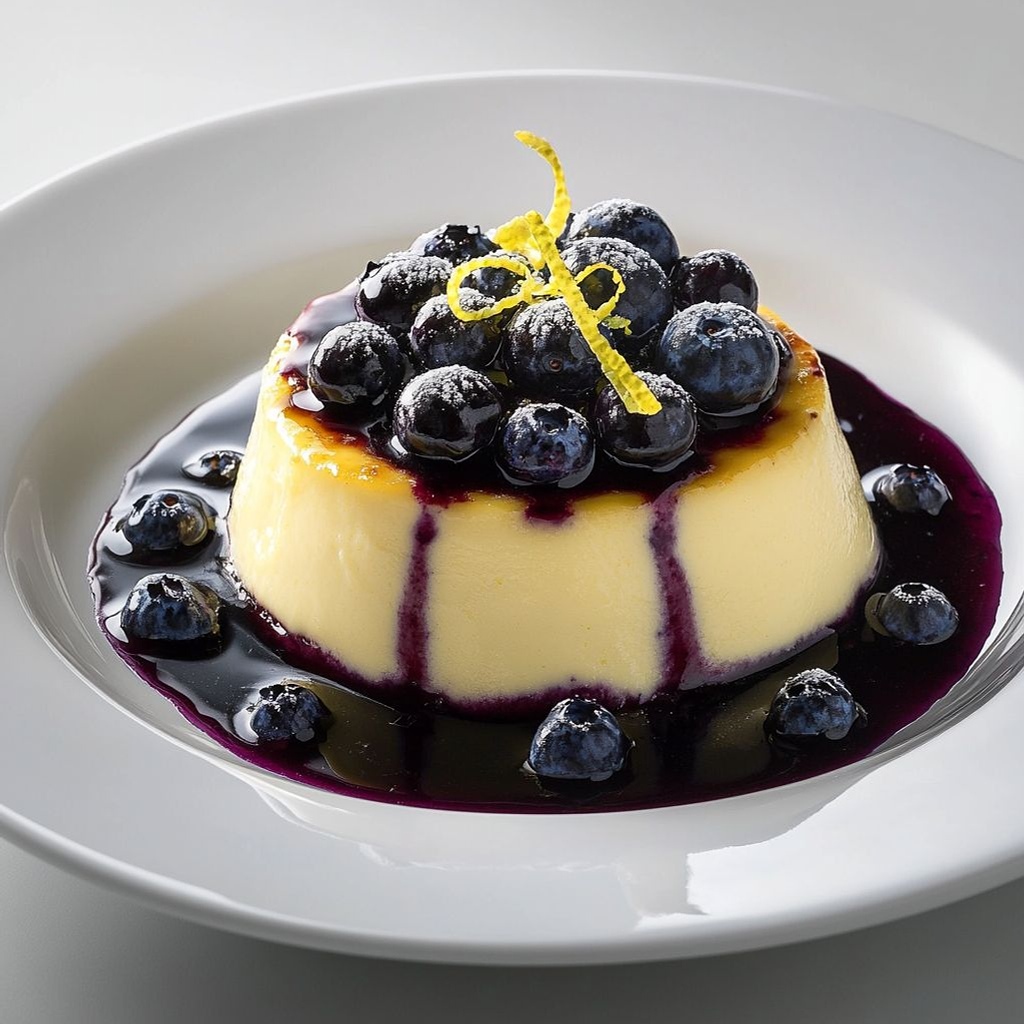
- Visual appeal: the mold’s clean lines and the jewel-toned blueberries provide an elegant presentation that elevates any table setting.
- Versatile for occasions: perfect as a brunch centerpiece, a refined dessert, or a transitional course between savory and sweet in a plated menu.
- Make-ahead friendly: set the texture in advance and finish with a gentle chill or brief reheat for a quick service, making it ideal for entertaining.
- Allergen-conscious options: naturally dairy-light relative to rich custards, and adaptable to dairy-free or gluten-free substitutions without sacrificing charm.
Flavor Profile & Texture
The flavor of this cottage cheese sformato is an elegant meditation on contrast. The interior is creamy and smooth, akin to a delicate custard or a soft cheesecake, but with a lighter body that makes every mouthful feel almost ethereal. The cottage cheese delivers a mild tang that acts as a counterpoint to the natural sweetness of blueberries, which contribute not only flavor but also bright, sunlit color. A hint of vanilla provides warmth, while lemon zest adds a refreshing zing that wakes the palate without turning the dish into lemon-forward dessert. The finish is clean, leaving a lingering note of citrus and a soft, dairy-sweet aftertaste that invites the next bite.
Texture-wise, you’ll notice the contrasting sensations—creamy, velvet-smooth center with a gentle, supportive structure that holds its form in the mold. Depending on how you bake it, you can achieve a barely set, custardy core that remains soft and tender, or a slightly firmer slice that retains a neat slice with a subtle jiggle. The blueberries contribute occasional pops of juiciness and a faint syrupy glaze as their juices mingle with the custard, ensuring that every slice is a dynamic experience rather than a uniform mouthful. When plated, a light dusting of zest or a delicate mint leaf can brighten the top, offering both aroma and a visual cue of the dish’s fresh, fruit-forward character.
In essence, this sformato is a study in balance: the gentleness of cottage cheese against the boldness of blueberries; the softness of a custard jarred into a mold against the clean edge of presentation; the comfort of familiar dairy notes with the exhilaration of berry brightness. It’s comfort with a twist, simple in construction but nuanced in sensation.
Occasions & Pairings
- Brunch staples: serve as a refined alternative to heavier pastries, paired with citrusy beverages, light herbal teas, or sparkling water with a twist of lemon.
- Holiday tables: its pale, elegant presence suits festive spreads where a lighter note is welcome between richer dishes.
- Summer gatherings: a cool, airy centerpiece that echoes the season’s berries and fresh herbs.
- End-of-meal finale: a gentle, light dessert after a hearty savory course, finishing the meal on a bright, fresh note.
- Indulgent but balanced treat: a satisfying dessert option that aligns with balanced eating goals while still delivering a sense of celebration.
Pairings to consider include a crisp sparkling wine or a light dessert wine for adult gatherings, a citrus-forward tea or infused water to echo the lemon and blueberry notes, and a simple salad with herbaceous greens to keep the menu cohesive. For sides, a delicate almond or pistachio biscuit can offer a subtle crunch without overpowering the dish, while a dollop of lightly whipped cream or Greek yogurt on the side can complement the creamy texture without competing with the main flavors.
Tips, Variations & Substitutions
- Texture tweaks: adjust the firmness by experimenting with bake time and temperature to achieve a center that is slightly custardy or more set. A gentle jiggle in the center is often a mark of perfect balance.
- Berry variations: swap blueberries for raspberries, blackberries, or a mix of berries for a different visual and flavor profile. Stone fruits such as peaches or plums can offer a seasonal twist when blueberries aren’t in peak supply.
- Flavor accents: add a touch of citrus zest (lemon or orange) or a pinch of cinnamon to accentuate warmth and aroma without overpowering the delicate dairy flavors.
- Crust ideas: if a crust is desired for a more defined edge, consider a light almond flour base or a crumb of digestive biscuits, pressed into the mold and pre-baked briefly to hold shape.
- Dairy-free option: for a vegan or dairy-free version, replace cottage cheese with a smooth silken tofu base blended with a dairy-free yogurt or cream cheese alternative, and use a plant-based milk to achieve the desired consistency. Keep in mind this will alter flavor slightly and may require adjustments to sweetness and acidity.
- Gluten-free considerations: most sformati can be gluten-free if made with gluten-free crust or no crust at all. Check any crumb or crust additions for gluten-containing ingredients if serving guests with celiac disease or gluten sensitivity.
- Sweetness control: use naturally sweet blueberries to avoid excessive sugar, and consider a light drizzle of honey or maple if you prefer a touch more sweetness with a natural flavor boost.
- Make-ahead versatility: this dish can be prepared a day in advance. Create the batter and mold, refrigerate, and finish with a gentle bake or set just before serving for the freshest texture.
Storage & Make-Ahead Ideas
Storing and preparing this sformato with foresight ensures that its texture and flavor remain at their best. If you plan to serve it later in the day or the next day, you can assemble the dish up to the mold-without-baking stage and refrigerate, covered, for several hours. When ready to serve, bake or set according to your preferred texture until the center has desired firmness. Leftovers can be stored in an airtight container in the refrigerator for up to a few days. If you prefer to freeze, consider freezing individual slices after they have cooled completely; reheat gently in a low oven or microwave to preserve the soft interior rather than drying it out.
To maximize freshness, bring the sformato to room temperature for about 15-20 minutes before serving, allowing the flavors to soften and the texture to become more luscious. A quick re-airing of the surface with a gentle torch of a warm, dry warmth can re-activate that delicate crust or edge if you included one. If you’re making it ahead for an event, a light chill is often enough to keep the dish intact, and you can add a final, small garnish of fresh blueberries or citrus zest just before serving for a burst of color and aroma.
Fun Facts & Trivia (Optional)
• The word sformato comes from the Italian verb “sfaldare,” meaning to unmold or to shift out of shape—an apt description for these softly set, elegantly molded dishes that reveal their beauty only when sliced.
• Cottage cheese as a base highlights a modern culinary trend: transforming everyday pantry staples into desserts that feel both familiar and sophisticated. Its mild tang pairs beautifully with the natural sweetness of berries, making it a favorite for light, contemporary desserts.
• Blueberries have a long cultural history in European cuisine, prized not only for their flavor but also for their rich color and healthful associations. Their presence signals summertime abundance and a touch of whimsy when tucked into a refined mold like this sformato.
Closing Thoughts
This Sformato di cottage e mirtilli is more than a dessert; it’s an invitation to savor simplicity with elegance. It celebrates the beauty of unadorned ingredients brought together in harmony, offering a texture that feels both comforting and refined. Whether you’re serving it as a charming brunch centerpiece, an impressive finish to a dinner party, or a thoughtful weekend treat, this dish embodies a philosophy of lightness and balance. Let the creamy interior and the bright fruit transport you to a sunlit kitchen where every bite is a small celebration of flavor, texture, and the joy of sharing something beautifully crafted with loved ones.
Ingredients
Sformato Base
- 500 g cottage cheese, ben sgocciolato e passato al frullatore fino a ottenere una crema liscia
→ Il cottage cheese è la base cremosa del sformato. Sgocciolalo bene per eliminare l’eccesso di liquido: più asciutto è, migliore sarà la consistenza. Per una texture ultra-setosa, frullalo alcuni secondi in più finché non sarà completamente omogeneo. Se desideri una versione più cremosa, puoi sostituire parte del cottage cheese con ricotta morbida, ma considera una leggera variazione di sapore e di consistenza. - 2 uova grandi + 1 tuorlo grande
→ Le uova forniscono struttura e legame al soufflé; il tuorlo aggiunge ricchezza e morbidezza al centro. Per una versione più leggera, puoi montare le chiare a neve e incorporarle delicatamente al composto raffreddato. - 100 g zucchero semolato (circa 1/2 tazza)
→ Otiene equilibrio tra dolcezza e acidità del limone e dei mirtilli. Se preferisci meno dolce, riduci leggermente la quantità e aggiusta al gusto. Dissolvi lo zucchero mescolando bene con uova e formaggi per evitare grumi. - 120 ml panna fresca (o latte intero per una versione più leggera)
→ La panna aggiunge morbidezza e cremosità al ripieno. Se usi latte, potresti ottenere una consistenza leggermente meno vellutata; in quel caso aumenta leggermente la quantità di amido per compensare. - 2 cucchiai di amido di mais (maizena)
→ Agisce da consolidante per dare al sformato una struttura che tenga la forma una volta raffreddato. Sciogli l’amido in 1 cucchiaio di latte freddo o di panna prima di unirlo al composto per evitare grumi. - 1 cucchiaino estratto di vaniglia (o 1 baccello di vaniglia raschiato)
→ Profuma delicatamente il ripieno; la vaniglia di buona qualità esalta la dolcezza dei mirtilli. Se usi il baccello, aggiungilo al latte caldo per un infusion più intensa, poi togli prima di unire agli altri ingredienti. - Scorza grattugiata di 1 limone + 1 cucchiaio di succo di limone
→ L’acidità e l’aroma del limone bilanciano la dolcezza e si armonizza con i mirtilli. Grattugia solo la parte gialla (zeste) evitando la parte bianca amara; aggiungi il succo dopo aver misurato la scorza. - 1/4 cucchiaino sale
→ Esalta le sfumature degli altri ingredienti e migliora la percezione di dolcezza; non aumentare oltre la quantità indicata per non rendere salato l’insieme. - 1 cucchiaio burro non salato, per ungere lo stampo
→ Uniforma la rimozione dello sformato e previene che si attacchi. Utilizza un pennello da cucina per una stesura sottile ed uniforme. - 1 cucchiaio pangrattato o farina di mandorle, per spolverare lo stampo (opzionale)
→ Creano una leggera barriera antiaderente e un fondo leggermente croccante. Se usi farina di mandorle, otterrai una nota di aroma extra e un fragrante accento nocciolato; per un’opzione senza glutine, scegli pangrattato senza glutine o farina di mandorle.
Mirtilli
- 1 tazza mirtilli freschi o surgelati, circa 150 g
→ I mirtilli danno sapore fruttato, colore e una punta di acidità. Se usi mirtilli surgelati, scongelali e asciugali bene per evitare eccesso di liquido nel composto. Non schiacciarli troppo durante l’incorporazione per mantenere dei lividi di colore e di sapore all’interno. - 1 cucchiaio zucchero (opzionale, per bilanciare l’acidità)
→ Se i mirtilli sono particolarmente aspri, aggiungi lo zucchero per ottenere un equilibrio di gusto. Puoi macerare i mirtilli con lo zucchero per 10 minuti, quindi mescolarli delicatamente al ripieno. - 1 cucchiaino amido di mais sciolto in 1 cucchiaio d’acqua fredda (opzionale)
→ Serve a addensare i succhi che rilasciano durante la cottura, evitando che i mirtilli rilasciino troppa liquido. Aggiungi solo se noti forte liquido durante la preparazione; aggiungi gradualmente e mescola delicatamente.
Finish e Servire
- Zucchero a velo per servire (opzionale)
→ Aggiungi una leggera spolverata al momento di servire per un tocco di eleganza. Non esagerare per non coprire la delicatezza del sapore del sformato. - Foglie di menta fresca per guarnire (opzionale)
→ Aggiungono freschezza e colore al piatto; spezzettale leggermente tra le dita per rilasciare l’aroma senza opacizzare il piatto.
Instructions
- Preriscalda il forno a 175°C (350°F) e prepara gli stampi: ungili con burro non salato e spolvera con pangrattato o farina di mandorle, oppure rivesti con carta da forno se usi stampi singoli; questo passaggio è cruciale per evitare che lo sformato si attacchi e per facilitare il rilascio una volta cotto.
→ Questo garantisce una superficie liscia e un rilascio pulito, evitando rotture al momento di servire. - Scola bene il cottage cheese ben sgocciolato e frullalo fino a ottenere una crema liscia e omogenea; trasferisci la crema in una ciotola pulita e raschia i bordi del frullatore per non perdere alcuna parte cremosa.
→ Eliminare l’eccesso di liquido evita una consistenza bagnata e permette al ripieno di rassodarsi meglio in forno. - In una ciotola capiente, unisci 2 uova grandi e 1 tuorlo grande e sbatti con una frusta fino a ottenere un composto omogeneo e leggermente chiaro; aggiungi lo zucchero e continua a sbattere finché lo zucchero si dissolve e il mix diventa lucido.
→ La dissoluzione dello zucchero crea una base di legante stabile senza grumi e contribuisce a una texture soffice. - Aggiungi la panna fresca al composto di uova e zucchero e mescola energicamente finché è ben incorporata; se usi latte intero, mescola fino a ottenere una consistenza leggermente meno vellutata ma comunque cremosa.
→ La panna aggiunge morbidezza e ricchezza; l’emulsione deve rimanere liscia per non separarsi durante la cottura. - Sciogli 2 cucchiai di amido di mais in 1 cucchiaio di latte freddo o panna fredda, quindi versa lentamente il composto liquido al resto degli ingredienti, mescolando costantemente con una frusta per evitare grumi.
→ L’amido funge da consolidante, garantendo che lo sformato mantenga la forma anche una volta freddo. - Aggiungi la vaniglia (estratto o i semi di 1 baccello raschiato), la scorza grattugiata di 1 limone e il succo di 1/2 limone, e un pizzico di sale; incorpora bene con una spatola finché il profumo è uniforme.
→ La vaniglia e l’agrumato del limone bilanciano la dolcezza, mentre il sale esalta gli aromi. - Unisci la crema di cottage cheese frullata al mix liquido e mescola delicatamente con una spatola, dal centro verso l’esterno, finché non ottieni un composto liscio e omogeneo; evita lavorazioni aggressive per non incorporare aria in eccesso.
→ Una miscelazione delicata mantiene una consistenza setosa e aiuta lo sformato a rassodarsi senza diventare gommato. - Aggiungi 1/4 di cucchiaino di sale e mescola brevemente per distribuire uniformemente il sapore; non superare questa quantità per non rendere salato l’impasto.
→ Il sale approfondisce i profili aromatici e mette in risalto la dolcezza dei mirtilli. - Prepara i mirtilli: sciacquali rapidamente se sono freschi o lascia scongelare e asciugare bene quelli surgelati; asciuga accuratamente per evitare eccesso di liquido nel ripieno.
→ L’umidità in eccesso può compromettere la consistenza dello sformato durante la cottura. - Se vuoi bilanciare l’acidità dei mirtilli, mescola 1 cucchiaio di zucchero con i mirtilli e lascia macerare per 10 minuti, quindi incorpora delicatamente al ripieno o distribuisci sopra la superficie prima della cottura.
→ Il maceraggio ammorbidisce l’acidità, crea una leggera salsa interna e intensifica il sapore fruttato. - Se il liquido rilasciato dai mirtilli è consistente durante l’assemblaggio, sciogli 1 cucchiaino di amido di mais in 1 cucchiaio d’acqua fredda e aggiungilo al ripieno a filo, mescolando delicatamente; procedi solo se necessario.
→ Questo addensa i succhi rilasciati e migliora la texture finale dello sformato. - Versa il composto in stampi singoli o nello stampo da sformato riempiendoli fino a circa 3/4 della loro altezza; distribuisci i mirtilli al centro o sulla superficie come preferisci, evitando di riempire troppo per permettere al volume di gonfiarsi senza traboccare.
→ Una gestione corretta dello spazio previene schizzi e assicura una crosta uniforme. - Cuoci nel forno preriscaldato a 170-180°C per 35-45 minuti, o finché i bordi risultano dorati e al centro il ripieno è appena tremolante; fai la prova stecchino: se esce con poche briciole umide, è pronto.
→ Una cottura controllata assicura una texture cremosa al centro senza eccessiva densità, mantenendo la forma una volta raffreddato. - Sforna e lascia raffreddare lo sformato nello stampo per 15-20 minuti a temperatura ambiente, poi trasferisci su un piatto da servizio e raffredda completamente in frigorifero per almeno 2 ore; il raffreddamento finale è essenziale per la tagliabilità.
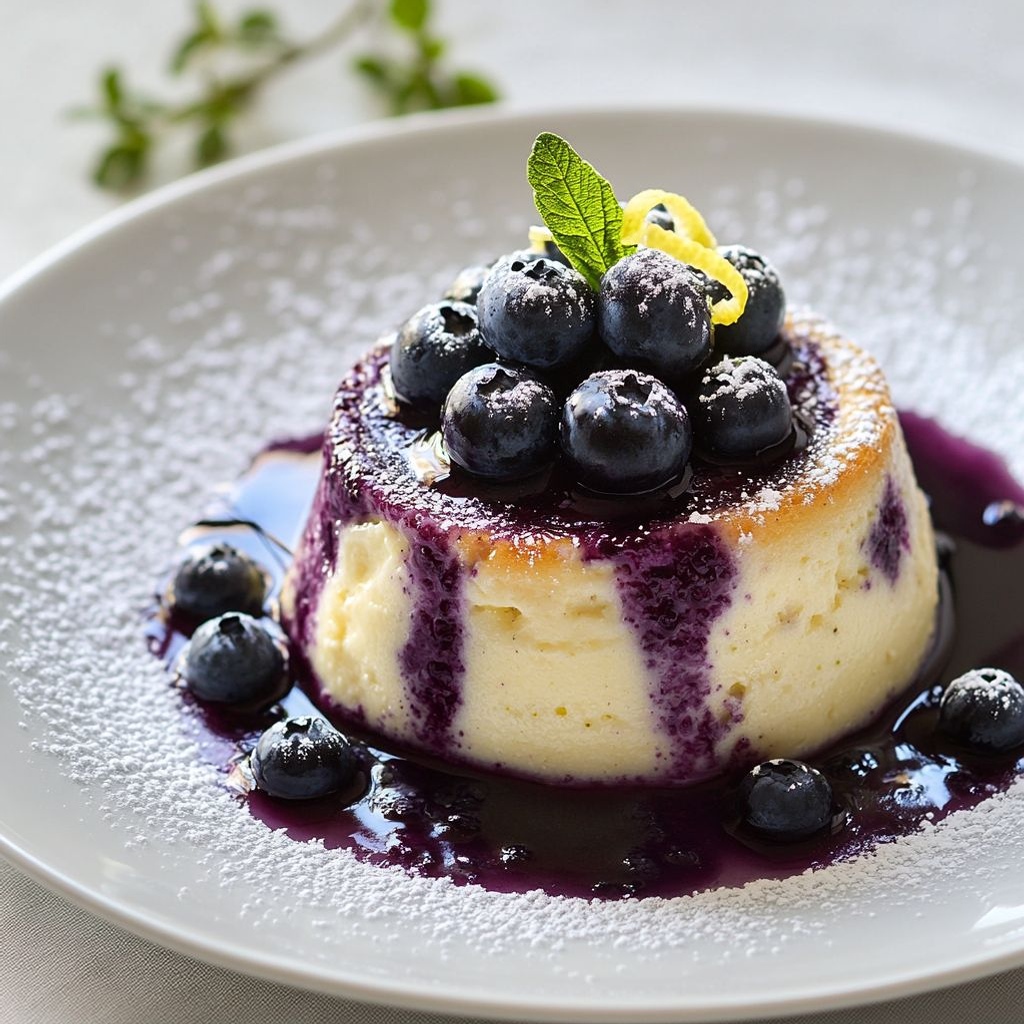
→ Il raffreddamento fa rassodare il centro, facilitando fette nette e una presentazione pulita. - Al momento di servire, spolvera con zucchero a velo e decora con foglie di menta fresca spezzettate tra le dita per liberare l’aroma; taglia con un coltello a lama liscia e servi in porzioni equilibrate.
→ L’aggiunta di zucchero a velo e la menta elevano l’occhio e il profumo, completando l’esperienza gustativa della dolcezza cremosa e dei mirtilli. - Conserva eventuali porzioni avanzate in frigorifero in contenitore ermetico per 2-3 giorni; prima di servire, lascia riposare 10-15 minuti a temperatura ambiente per una consistenza ottimale.
→ Una corretta conservazione mantiene intatte cremosità e colore, facilitando una ripresa piacevole al momento del consumo.
Notes
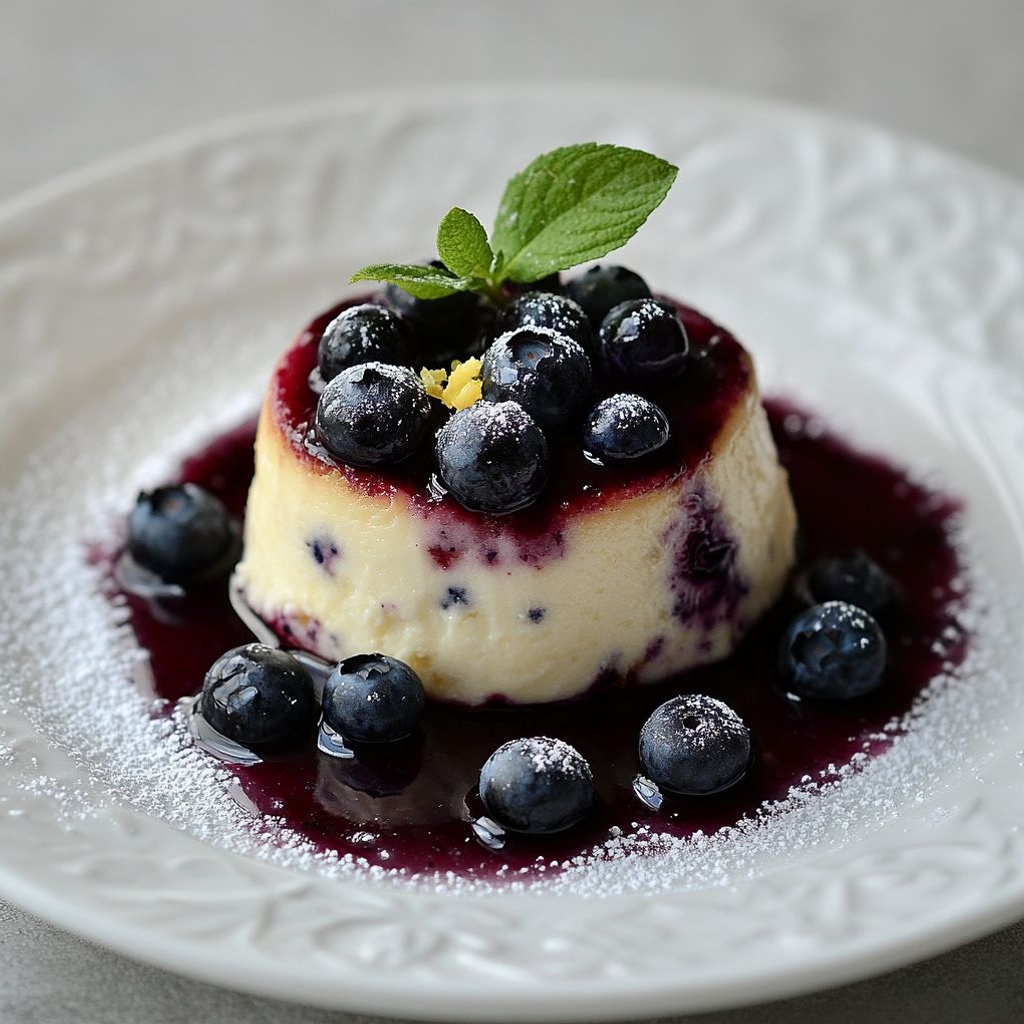
These cottage cheese and blueberry sformato is a creamy, lightly sweet Italian-inspired dessert that relies on a smooth cottage cheese base, eggs, fresh blueberries, and a whisper of lemon. For best texture, ensure the cottage cheese is well drained and blended until completely smooth, then whisk the sugar with the eggs before folding into the base to avoid grains. You can customize it by substituting part of the cottage cheese with ricotta for extra richness, or by adding a vanilla or extra lemon zest to amplify brightness. Bake until just set and let it rest a few minutes to finish setting; it can be served warm or chilled, and a light dusting of powdered sugar or fresh mint makes a pretty finish. It freezes well in individual portions for quick future desserts or brunches; rewarm gently to preserve creaminess. If you are gluten-sensitive, dust the pan with almond flour or use gluten-free breadcrumbs instead of regular flour. When using blueberries, thaw frozen berries and pat dry, or wash fresh berries and fold them in gently to keep pockets of color; a tiny amount of lemon juice helps balance sweetness and prevents color bleed. Finally, taste and adjust the sweetness depending on the berries’ tartness, and enjoy with a dollop of yogurt if you like a tangy contrast.
Tips
Consigli pratici per lo Sformato di cottage e mirtilli
- Asciuga bene il cottage cheese: lascia sgocciolare in un colino o avvolgi in una garza e premi delicatamente per eliminare l’eccesso di liquido. Più asciutto è, migliore sarà la consistenza dello sformato.
- Per una texture ultra-setosa, frulla bene il cottage cheese e, se vuoi, passa il composto nel frullatore per 5–10 secondi in più fino a renderlo completamente omogeneo.
- Se preferisci una versione più leggera, puoi separare tuorli e albumi: monta gli albumi a neve ferma e incorporali delicatamente al composto raffreddato per mantenere la sofficità.
- Per bilanciare dolcezza e acidità, sciogli lo zucchero subito con uova e formaggio durante la lavorazione per evitare cristalli e grumi inutili.
- Quando usi la panna, riscaldala leggermente prima di unirla al resto degli ingredienti e poi aggiungi l’amido: la crema risulterà più vellutata e senza grumi.
- Sciogli l’amido di mais in un cucchiaio di latte freddo o panna fredda prima di unirlo al composto: evita grumi e garantisce una tenuta migliore una volta raffreddato.
- La vaniglia arricchisce il profumo del ripieno: se usi la stecca, scaldala nel latte prima di unirla agli altri ingredienti e rimuovila prima di mescolare.
- Grattugia solo la scorza gialla del limone (evitando la parte bianca amara) e aggiungi il succo solo dopo aver misurato la scorza. L’aroma del limone aiuta a bilanciare la dolcezza dei mirtilli.
- Un pizzico di sale esalta le note degli altri ingredienti; non aumentare oltre 1/4 di cucchiaino per non rendere salato l’impasto.
- Ungere lo stampo con burro non salato aiuta l’estrazione dello sformato. Passa rapidamente lo stampo con un pennello per uno strato omogeneo e sottile.
- Se usi pangrattato o farina di mandorle per spolverare lo stampo, considera la versione senza glutine: la farina di mandorle regala un leggero aroma nocciolato.
- Per i mirtilli, asciugali bene se usi quelli congelati per evitare liquidi in eccesso nel composto; evita di schiacciarli troppo durante l’incorporazione per mantenere colori vividi e gusto intenso.
- Se i mirtilli sono molto aciduli, puoi aggiungere 1 cucchiaio di zucchero o macerarli brevemente per 10 minuti prima di unirli al ripieno; mescola delicatamente per preservare i lividi di colore.
- Se vuoi addensare il sugo di mirtelli durante la cottura, sciogli 1 cucchiaino di amido di mais in 1 cucchiaio d’acqua fredda e aggiungilo ai mirtilli verso la fine; cuoci 1–2 minuti finché non si addensa, poi unisci al ripieno freddo.
- Cuoci lo sformato a bagnomaria in forno preriscaldato a circa 160–180°C finché il centro è leggermente tremolante al tatto (non liquido). Il bagnomaria evita che lo sformato si crepi e garantisce una cottura uniforme.
- Una volta cotto, lascia raffreddare completamente nello stampo, poi riponi in frigorifero per almeno 2–3 ore: la farina di mandorle e la crema si assestano meglio, facilitando la tagliatura.
- Per servire, spolvera con zucchero a velo al momento e, se vuoi, aggiungi qualche foglia di menta fresca per un tocco di colore e freschezza; provalo anche freddo o leggermente tiepido a seconda della stagione.
FAQ
Cos’è lo sformato di cottage e mirtilli?
È un dolce al forno a strati: base di biscotti sbriciolati e burro, crema di cottage cheese (formaggio fresco) arricchita da zucchero e amido, e uno strato di mirtilli freschi o surgelati. Viene raffreddato e servito freddo, spesso con una spruzzata di limone o una salsa ai frutti di bosco.
Quali sono gli ingredienti principali e possibili sostituzioni?
Ingredienti base: biscotti digestive o frollini tritati, burro fuso; crema: cottage cheese, uova, zucchero, amido di mais, scorza di limone; frutta: mirtilli. Sostituzioni consigliate: per una versione senza lattosio usare cottage cheese senza lattosio e burro senza lattosio; per senza uova utilizzare 2 cucchiai di amido in più o una miscela di amido e latte; per versione light ridurre lo zucchero o usare dolcificante; in alternativa frutti di bosco diversi (fragole, lamponi, ribes).
Quali strumenti servono per prepararlo?
Stampo a cerniera da circa 22 cm foderato con carta forno, terrina o ciotola per mescolare, frusta o frullatore a immersione, spatola, forno preriscaldato, eventualmente stampo singolo o stampi per porzioni, e pellicola per raffreddare in frigorifero.
Come si prepara la base e la crema?
Base: polverizza i biscotti e mescolali con burro fuso fino a ottenere una massa umida, poi premi sul fondo dello stampo rivestito; metti in frigo per farlo rassodare. Crema: in una ciotola mescola cottage cheese con zucchero, uovo, amido e scorza di limone; sbatti finché la crema è liscia. Puoi aggiungere una confezione di yogurt bianco per una consistenza più cremosa.
Quali sono i tempi e la temperatura di cottura?
Cuoci in forno preriscaldato a 170–180°C per circa 30–45 minuti, finché i bordi sono compatti e al centro c’è ancora un leggero tremolio. Lascia raffreddare nel forno spento con lo sportello leggermente aperto per circa 30–60 minuti, quindi trasferisci in frigorifero per almeno 3 ore (preferibilmente tutta la notte) prima di servire.
Si può preparare una versione senza forno?
Sì. Per una versione fredda, prepara la base come di consueto, aggiungi una crema ben addensata (più amido o yogurt) e lascia rassodare in frigorifero per 4–6 ore o durante la notte. Eventualmente aggiungi una leggera gelatina o agar-agar sciolti in poca acqua calda per ottenere una migliore solidificazione, seguendo le dosi riportate sull’ingrediente scelto.
Quali sono le varianti per intolleranze o diete speciali?
– Senza lattosio: cottage cheese senza lattosio, burro e yogurt senza lattosio.
– Senza uova: sostituisci l’uovo con 2 cucchiai di amido di mais o maizena mescolati a un po’ di latte per addensare.
– Vegane: sostituisci il cottage cheese con una crema a base di tofu setoso o panna vegetale addizionata con limone, e usa una base di biscotti vegani con olio di cocco al posto del burro.
– Ridotto contenuto di zuccheri: dimezza lo zucchero o usa dolcificante adatto.
Come conservare e si può congelare?
Conservazione: in frigorifero ben coperto, si mantiene 3–4 giorni. Congelamento: si può congelare una volta tagliato in porzioni, avvolto bene e posto in congelatore fino a 1–2 mesi. Scongelare in frigorifero durante la notte e, se necessario, lucidare con una lavorazione veloce con un frullino per riacquistare cremosità.
Come servire e con quali accompagnamenti sta bene?
Servilo freddo, tagliato a fette o a porzioni. Puoi decorare con mirtilli freschi, una salsa di frutti di bosco o una leggera spolverata di zucchero a velo. Per un tocco goloso, aggiungi una cucchiaiata di yogurt greco o una salsa al limone sui bordi.
Quali sono i trucchi per evitare che la crema diventi troppo liquida o si creino grumi?
Trucchi: utilizza cottage cheese ben asciutto, possibilmente passato al mixer per una crema liscia; aggiungi l’uovo e l’amido poco per volta e mescola sempre nello stesso verso; non esagerare con i liquidi e lascia raffreddare la crema prima di versarla sulla base per evitare che Sciolga la base. Cuoci a temperatura moderata e controlla la cottura con la prova stecchino: non deve essere troppo asciutta al centro.
Quante porzioni si ottengono e quale stampo utilizzare?
Con uno stampo da 22 cm si ottengono circa 8 porzioni; se vuoi porzioni più piccole usa stampi singoli o stampi da 12 cm. Puoi adattare le dosi aumentando o diminuendo proporzionalmente in base allo stampo scelto.