Introduction / Hook
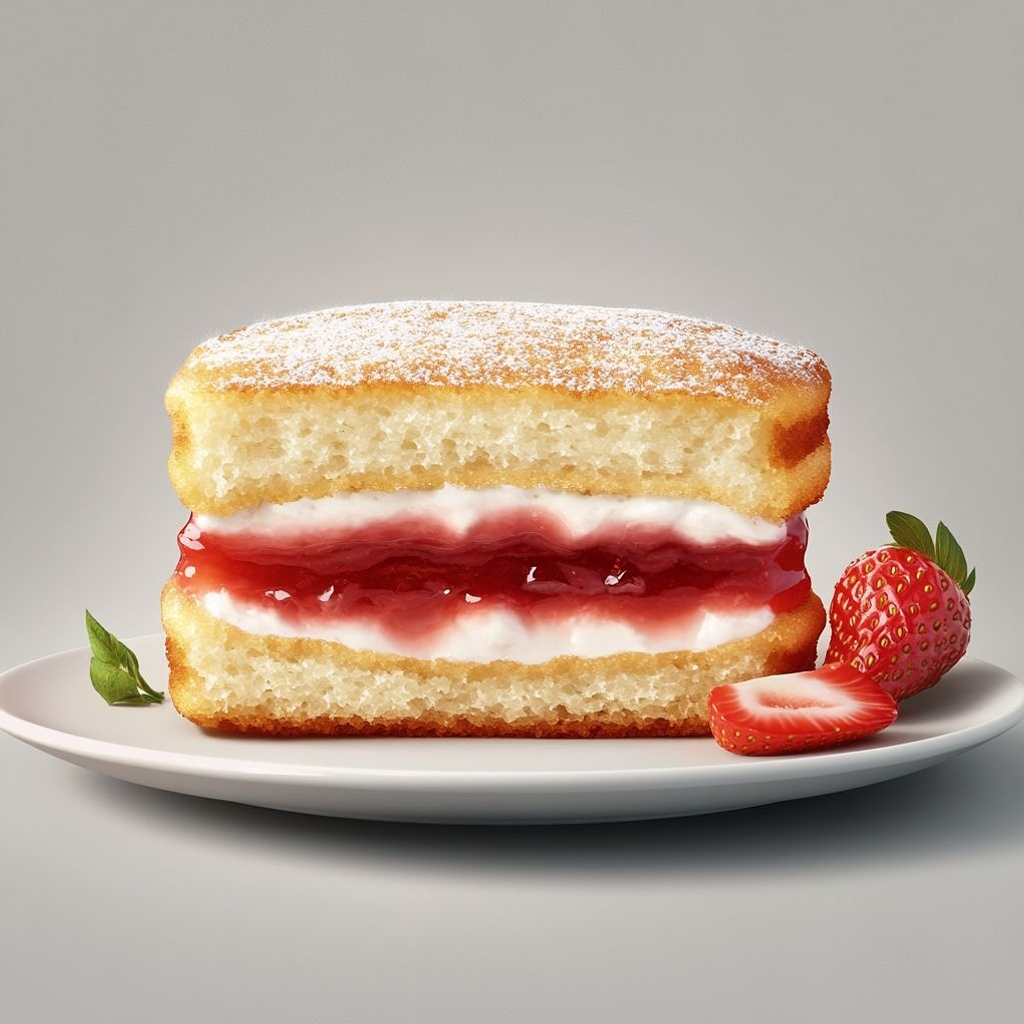
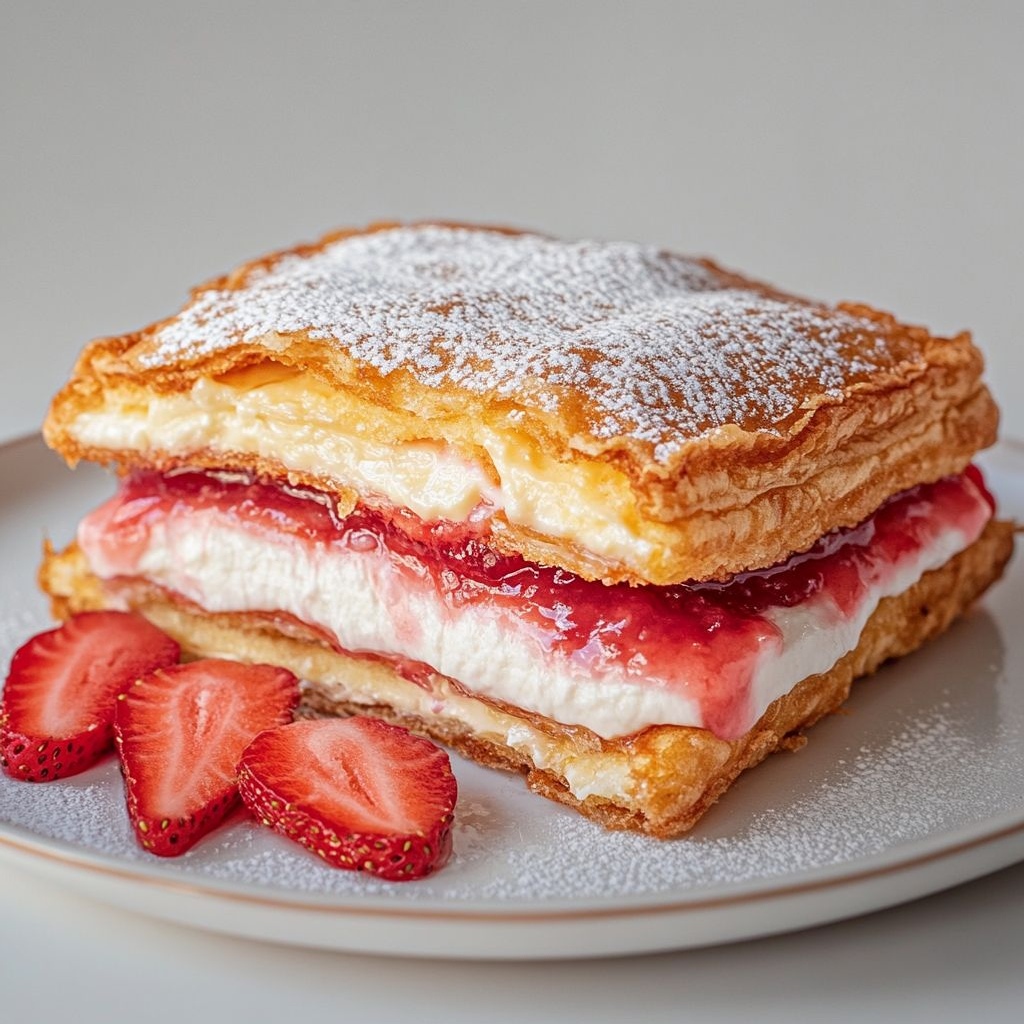
Imagine a sunlit moment on a lively Italian stroll, where the sweet scent of vanilla and ripe strawberries mingles with the warm, inviting crackle of something unexpectedly festive hitting the pan. The dish is called Sandwich cheesecake fritti fragola, a playful, couture-for-the-street-dessert that feels both timeless and thrillingly modern. Two golden, crisp-edged discs cradle a pillowy, creamy cheesecake center, while a ribbon of strawberry brightness seals the memory of summer into every bite. The moment you bite in, your senses are treated to a chorus: the satisfying crunch of a lightly battered exterior, the luxurious melt of rich cream cheese, the citrusy kiss of zest, and the juicy pop of strawberry that lingers on the palate. It’s dessert theater—elegant enough for a dinner party, irresistibly indulgent for a cozy night in, and delightfully shareable with friends and family. This dish captures contrast in the most delicious way—a warm, fried exterior giving way to an airy, almost cloudlike interior, with strawberry’s brightness acting as a perfect counterpoint to the velvet smoothness of the cheesecake. If you’ve ever wanted a dessert that feels like a celebration but is simple enough to conjure for weeknights, you’ve found a new favorite in this fritto-touched, jam-packed-with-summer-fruit wonder.
The Story Behind the Dish
The name Sandwich cheesecake fritti fragola evokes a playful fusion of traditions: the art of Italian fritti—dishes that emerge from crowded markets and bustling trattorie, where frying is beloved for its instant comfort and crowd-pleasing crunch—and the universal love of cheesecake, a dreamy, creamy canvas that travels well, from New York rooftops to home kitchens worldwide. Fragola, the Italian word for strawberry, anchors the dish in bright, seasonal fruit that many cultures reach for when summer arrives. This combination is less a single-point origin story and more a celebration of culinary cross-pollination: a dessert born from the instincts of home cooks who crave something satisfying, instantly nostalgic, and a touch theatrical.
Imagine a home kitchen where the air is filled with the comforting scent of vanilla and cream cheese mingling with the fresh, tart aroma of strawberries in bloom. One cook might have taken a classic cheesecake and imagined it transformed into a portable, shareable moment—two delicate discs that could be pressed around a kiss of strawberry filling and then fried to achieve a whisper-thin crust that crackles at first touch. Another inspiration could come from the long Italian tradition of dolci fritti—fried sweets that are both rustic and refined, beloved on festival days and weekend markets. The final dish becomes a tapestry of these impulses: a sandwich that preserves the dream-like texture of cheesecake inside, while inviting the crackle and warmth that only a quick fry can deliver. In many modern kitchens, it’s the kind of recipe that travels well across borders—what starts as a family favorite in one kitchen quickly becomes a shared experience in others, adapted with local cheeses, fruits, and techniques, yet always rooted in the same idea: a moment of pure, joyful indulgence.
Why You’ll Love This Recipe
- Immediate indulgence with a refined twist: a luxurious cheesecake core encased in a lightly crispy, fry-kissed exterior.
- Bright strawberry notes provide a vibrant counterpoint to the rich creaminess, balancing sweetness with a touch of tartness.
- Textural play at every bite—crisp outside, soft inside, with a juicy fruit surprise.
- Visually striking and perfect for entertaining, yet simple enough for a spontaneous dessert after a weeknight dinner.
- Highly adaptable: works with variations in fruit, coating, and even dairy-free or gluten-free substitutions without losing its essence.
- Portion-friendly and shareable—great for dessert trays, tapas-style gatherings, or a festive end to a celebratory meal.
- Frivolous enough to feel like a treat, but grounded in familiar flavors that comfort and delight people of all ages.
Flavor Profile & Texture
The sandwich is all about contrasts that harmonize into one memorable bite. The outer crust carries the story of a well-balanced fry: a delicate, crackly shell that yields under pressure and releases a faint, toasty aroma—think butter, pastry, and a kiss of vanilla. Inside, the cheesecake layer is whisper-soft, velvety, and serenely creamy, with just enough tang to keep things lively rather than cloying. The strawberry element acts as a bright chorus—forthright, juicy, and slightly acidic—cutting through the richness and brightening the dessert with summer sunlight. The overall texture is a dance: the crust gives way to a nearly cloudlike interior, while the fruit’s juiciness provides a refreshing counterpoint to the mouth-coating creaminess. If you close your eyes, you can imagine the first bite revealing a gradient of temperatures and textures—from the hot, crisp exterior to the cool, luscious center—creating a sensation that feels both comforting and exciting, a little bit naughty and utterly delightful.
The flavor profile leans on familiar dessert notes—vanilla, cream cheese, citrus zest, and berry brightness—yet the method of preparation invites a new sensory memory: the crackle of a freshly fried bite, the aroma of browned butter, and the way heat wakes up sugars and dairy into a more aromatic, nearly caramel-like finish. The strawberry component isn’t merely a garnish; it’s an essential player that lifts the entire experience, offering fruit-forward freshness and a color pop that makes the dish feel celebratory. The combination remains luxurious without being heavy, thanks to the lightness of the cheesecake and the crispness of the exterior. Together, these elements compose a dessert that feels elegant enough for a special occasion and approachable enough for a kitchen-table treat with a glass of sparkling wine or a hot espresso to finish the moment.
Occasions & Pairings
Sandwich cheesecake fritti fragola fits a wide range of occasions, from intimate date nights to lively gatherings with friends and family. Its dramatic presentation and universally appealing flavors make it a natural centerpiece for festive dinners, summer parties, and holiday dessert spreads. It’s equally at home on a casual weekend dessert cart after a hearty Italian-inspired dinner or as a playful finale to a brunch that wants something a touch decadent but not overly heavy.
Pair it with thoughtful accompaniments to elevate the experience:
- Drinks: a glass of Prosecco, Moscato d’Asti, or a chilled light sparkling rosé complements the strawberry and cream cheese without overpowering the dish. For a coffee finish, a bold espresso or a cortado creates a delightful contrast with the sweetness.
- Sauces and toppings: a glossy strawberry coulis or a bright strawberry balsamic reduction can be swirled around the plate or lightly drizzled on top for added color and brightness. A dusting of powdered sugar, a few microgreens of lemon zest, or a pinch of finely grated dark chocolate can add subtle complexity without stealing the show.
- Side selections: a dollop of whipped cream or a light mascarpone cream can be served on the side, enabling guests to customize their bites. Fresh fruit slices (strawberries, blueberries) provide additional texture and a freshness boost.
- Occasions: ideal for a summer patio party, a Valentine’s dessert, a birthday feast, a Mother’s Day brunch, or a celebratory end to a weekend dinner with friends.
Tips, Variations & Substitutions
Tips for a perfect bite
– Work with well-chilled cheesecake or pre-cut cheesecake pieces to maintain clean, even rounds for the sandwich. If the filling softens too much, re-chill briefly before shaping.
– For a delicate crunch, use a light batter or a fine crumb coating rather than a heavy breading. A fine breadcrumb or crushed cookie crust can give just enough texture without overpowering the cheesecake.
– Fry at a moderate temperature to ensure the interior heats through without burning the exterior; a quick fry mirror ensures a crisp shell while keeping the center soft.
Variations
– Fruit variations: swap fragola for other berries such as blueberries or raspberries, or mix seasonal stone fruits like peaches for a peach-cream cheese dream.
– Nutty accents: include a dusting of ground almonds or pistachio within the coating for a subtle praline-like crunch.
– Chocolate twist: add a thin ribbon of dark chocolate within the cheesecake layer or pair with a chocolate-dipped strawberry for a decadent duo.
– Gluten-free option: use gluten-free cookies or crisped rice crumbs for the outer crust to suit gluten-free diets, while keeping the texture light and crisp.
– Dairy-free adaptation: use a dairy-free cream cheese substitute and a plant-based butter for the coating; ensure the cheesecake filling remains creamy enough to hold its shape.
Substitutions
– If you prefer a lighter option, you can use a ricotta-based filling with a touch of cream cheese to maintain the creamy texture while reducing heaviness.
– For a tangier profile, add a hint of lemon zest to the cheesecake layer.
– If fresh strawberries aren’t in season, a high-quality strawberry compote or jam can provide the same fruity brightness.
Storage & Make-Ahead Ideas
These fried cheesecake sandwiches are best enjoyed fresh, when the crust is at its crispest and the interior remains luxuriously soft. However, you can plan ahead to streamline serving for guests or a party:
- Make-and-freeze: Prepare the cheesecake discs a day or two ahead, freeze them on a parchment-lined tray, then wrap tightly. When you’re ready to serve, fry directly from frozen for a longer warm-to-crisp transition.
- Make-ahead fillings: Prepare the fruit component and refrigerate until serving time; assemble the sandwich shortly before frying to preserve the integrity of the cream cheese filling.
- Storage after frying: If you must store fried pieces, keep them in a warm oven (around 200°C/400°F) to re-crisp before serving, but note they won’t be as crisp as the first fry. Avoid stacking when storing to prevent sogginess.
Reheating tip: reheat in a moderate oven or toaster oven to regain some of that initial crispness. If you use an air fryer, a brief blast can re-crisp the exterior without overcooking the center. Serve immediately for best texture and flavor.
Fun Facts & Trivia (Optional)
- The idea of fried desserts spans many cultures—from Italian dolci fritti to doughnuts and churros around the world—showing how universal warmth and indulgence can be.
- Fragola, the Italian word for strawberry, has long been celebrated in Italian cuisine as a symbol of summer romance and seasonal abundance.
- Cheesecake itself has a storied history, with roots stretching back to ancient civilizations and evolving into the iconic, velvety dessert we know today—this dish playfully marries that timeless creaminess with the crisp, modern technique of quick frying.
- Pairing sparkling wine with a fried cheesecake treat is not only delicious but echoes Italian aperitivo culture, where light, celebratory bites meet a glass of fizz.
- For a playful restaurant-style presentation, slice the sandwich into bite-sized rounds and secure with a decorative skewer—perfect for a dessert tasting plate.
Ingredients
Cheesecake Filling
-
– 1 cup cream cheese, softened
→ The creamy core of the sandwich filling. Use softened, full-fat cream cheese at room temperature so it blends smoothly with the sugar and lemon juice, creating a lush, stable base that will hold shape when fried. Beat until lump-free, then fold in whipped cream to keep the filling light yet firm enough to slice when chilled.
– 1/4 cup powdered sugar
→ Provides a smooth sweetness without graininess. Sift before mixing to avoid lumps, and blend with the cream cheese until airy and uniform. If your strawberries are very sweet, you can reduce the sugar slightly to keep the balance right.
– 1/2 teaspoon vanilla extract
→ Adds depth and warmth to the filling. Real vanilla is preferred for a more vibrant aroma; if using vanilla bean paste, use a pinch less extract. Avoid overpowering the lemon brightness by keeping it subtle.
– 1 tablespoon fresh lemon juice
→ Brightens the richness of the cheese and helps cut through sweetness. Use freshly squeezed juice and strain out seeds if needed; balance must be tangy but not sour to maintain a creamy profile.
– 1/4 cup heavy cream, whipped to soft peaks
→ Lightens the cheesecake filling, giving it a fluffy, mousse-like texture that holds up during frying. Whip cold to soft peaks and fold gently to keep volume; chill the blended filling before assembling the sandwich for best results.
Strawberry Component
-
– 1 cup fresh strawberries, diced
→ Provides the fruity filling and color. Choose ripe, fragrant berries for sweetness and aroma; dice evenly so they distribute well inside the sandwich. If berries are large, chop into quarter-inch pieces for consistent texture.
– 2 tablespoons granulated sugar
→ Macerates the strawberries to release juices and create a glossy, jammy texture that will integrate with the cheesecake filling. Adjust to taste based on berry sweetness; let sit 10–15 minutes for best results.
– 1 tablespoon fresh lemon juice
→ Enhances brightness of the fruit component and helps preserve color during maceration. Use bright, fresh juice and, if desired, add a pinch of zest for extra aroma.
Bread for Sandwich
-
– 2 slices brioche bread, lightly toasted and cooled to room temperature
→ Acts as the outer bread for the fried sandwich. Brioche’s tender, slightly sweet crumb pairs beautifully with the creamy filling. Toasting lightly removes surface moisture and ensures the bread doesn’t collapse or become soggy during frying; trim crusts if you prefer a cleaner look.
Frying Batter
-
– 1 cup all-purpose flour
→ Base of the batter that creates a crisp crust around the fried sandwich. Sift to remove lumps for a smoother coat; for a gluten-free version, substitute with a 1:1 gluten-free flour blend and add a pinch of xanthan gum if needed for binding.
– 1/2 cup milk
→ Hydrates the flour to form a cohesive batter that clings to the sandwich. Use cold milk to help the batter thicken gradually; adjust with a touch more milk or flour to reach a coating consistency that coats without dripping.
– 1 large egg
→ Binds the batter and adds richness. Bring to room temperature before mixing for smoother incorporation; whisk lightly to avoid tough batter while still gaining a cohesive coat.
– 1 tablespoon granulated sugar
→ Subtle sweetness within the crust that complements the filling. Optional if you want a less sweet crust; it also helps with browning aesthetics during frying.
– 1/2 teaspoon baking powder
→ Leavening agent to create a lighter, crisper crust that puff slightly as it fries. This helps prevent a dense coating and improves texture on the finish.
– 1/4 teaspoon salt
→ Enhances overall flavor and balances the sweetness of the filling and the batter. Use a fine-grain salt so it dissolves evenly and doesn’t create a salty bite.
Frying Oil
-
– Neutral oil for frying (such as canola, vegetable, or peanut) sufficient for shallow or deep frying
→ Provides a clean, unobtrusive flavor that allows the cheesecake and strawberry filling to shine. Heat to 350–365°F (175–185°C); maintain temperature and avoid overcrowding the pan to ensure a crisp, evenly browned crust and to prevent soggy results.
Toppings and Serving
-
– Powdered sugar for dusting
→ Finishes the dish with a delicate veil of sweetness and a polished presentation. Dust just before serving to prevent moisture from dissolving the crust and to keep a light, flaky texture.
– Optional strawberry sauce or extra strawberry slices for serving
→ If you like extra strawberry intensity, serve with a drizzle of warm strawberry sauce or scatter additional fresh slices on top. Sauce can be made by gently heating the macerated strawberries with their juices until saucy, then cooling slightly before drizzling.
Optional Add-ins
-
– Fresh mint leaves for garnish (optional)
→ Adds a pop of color and a refreshing aroma that complements berries. Tear or leave whole as desired for a bright, finished plate.
Instructions
- Dice the fresh strawberries and transfer them to a small bowl with granulated sugar and lemon juice; toss to coat evenly.
- Let the strawberries sit for 10–15 minutes at room temperature, stirring once or twice so juices are evenly released and the pieces don’t clump.
- Soften the cream cheese at room temperature until completely pliable, then place it in a clean mixing bowl.
- Beat the softened cream cheese with powdered sugar on medium speed until lump-free and airy, scraping the bowl every 30 seconds to maintain even texture.
- Beat in the vanilla extract and fresh lemon juice until fully incorporated and fragrant.
- Gently fold in the whipped cream with a spatula using wide, smooth strokes until the mixture is homogeneous and light, forming a mousse-like texture.
- Fold the macerated strawberries and their juices into the cream cheese mixture until evenly distributed.
- Cover the filling and refrigerate for at least 30 minutes to set and firm slightly, making it easier to spread and slice later.
- Lightly toast the brioche bread slices until just golden and dry the surfaces, then cool to room temperature before assembling.
- Spread a generous layer of the cheesecake-strawberry filling on one brioche slice, top with a second slice, and press gently to seal; refrigerate briefly to firm the sandwich before battering.
- Whisk together the frying batter: flour, milk, egg, granulated sugar, baking powder, and salt until the mixture is smooth and free of lumps.
- Preheat your oil to 350–365°F (175–185°C) in a heavy pot or fryer, using a thermometer to monitor temperature precisely.
- Dip the chilled cheesecake-stuffed brioche sandwich into the batter, turning to coat all sides; allow excess batter to drain back into the bowl.
- Gently slide the battered sandwich into the hot oil and fry for 2–3 minutes, turning once, until the crust is deep golden and crisp all over.
- Carefully remove the fried sandwich to a rack or paper towels and drain for 1–2 minutes; then transfer to a serving plate.
- Dust lightly with powdered sugar just before serving; offer optional strawberry sauce or extra strawberry slices on the side for extra fruitiness.
- Optional garnish: scatter fresh mint leaves over the plate for a pop of color and refreshing aroma.
→ Maceration helps dissolve the sugar, releases strawberry juices, and creates a glossy syrup that will integrate with the cheesecake filling for balanced sweetness and brightness.
→ This resting period ensures uniform texture and maximizes juiciness without making the filling soggy when folded in.
→ Softened cream cheese blends smoothly with sugar and lemon juice, preventing lumps and ensuring a silky base for the filling.
→ Sifting the powdered sugar first avoids gritty pockets; beating builds a light structure that stabilizes the filling after folding in whipped cream.
→ Vanilla adds depth, while lemon juice enhances brightness and cuts richness; do not overbeat to avoid a tangy aftertaste.
→ Folding preserves air in the whipped cream, yielding a filling that holds shape during frying and remains tender after chilling.
→ This creates strawberry-speckled filling with pockets of fruit flavor and color that will excite in every bite.
→ Chilling stabilizes the mixture so the sandwich holds its form during frying and slicing remains clean.
→ Toasting removes surface moisture, creates a sturdy outer shell, and prevents sogginess when the sandwich is fried; crusts may be trimmed if you prefer a neater look.
→ Chilling helps the filling set enough to withstand batter adhesion and frying, while ensuring clean, even cuts when served.
→ A smooth batter coats the sandwich evenly for a crisp, uniform crust; resting the batter for a few minutes can help hydrate the flour for better adhesion.
→ Maintaining a steady high temperature ensures a quick, even fry that seals the exterior and prevents oil penetration; overcrowding lowers the oil temperature and yields greasy results.
→ A thin, even coating yields a crisp crust without pooling batter, and letting excess drip prevents clumps that could burn or seize during frying.
→ Frying briefly at a steady temperature creates a crisp crust while the filling remains creamy; monitor and adjust heat to avoid burned edges or undercooked centers.
→ Draining removes surface oil and prevents the exterior from becoming soggy, preserving the intended crisp texture.
→ A delicate sugar dust adds a polished finish and brightens the presentation; sauce or extra berries intensify the strawberry theme and provide a contrasting warm-cold pairing.
→ Mint adds a contrasting aromatic note and visual contrast, enhancing the overall palate experience alongside the fruit and cheesecake flavors.
Notes
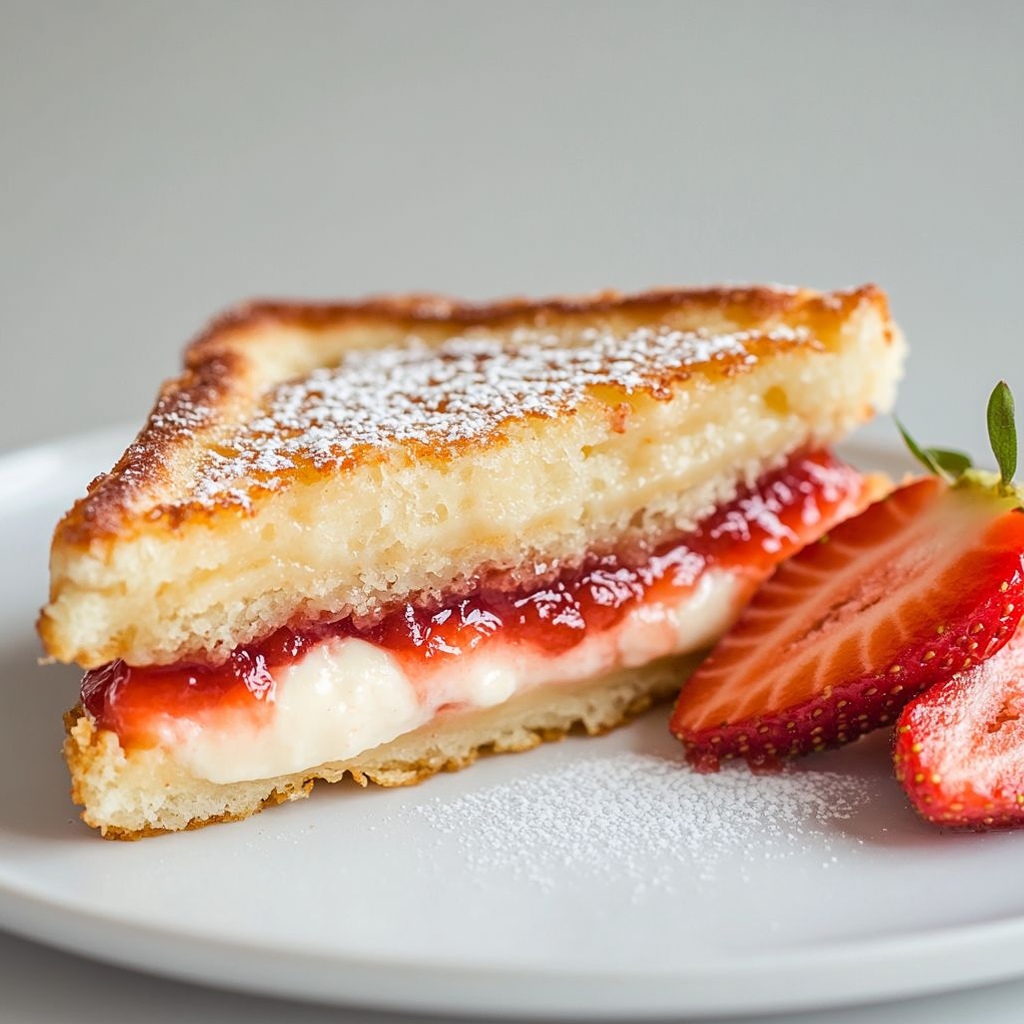
These fried strawberry cheesecake sandwiches combine a silky lemon-vanilla cheesecake filling and macerated strawberries between brioche slices, coated in a crisp frying batter for a dessert-worthy bite. For best results, soften the cream cheese and beat with powdered sugar, vanilla and lemon juice until smooth, fold in whipped cream until light, then chill; macerate the diced strawberries with sugar and a splash of lemon juice and drain before assembling; toast brioche lightly and cool; make a batter with flour, cold milk, egg, sugar, baking powder and salt (gluten-free option: 1:1 gluten-free flour and a pinch of xanthan gum); chill batter briefly; assemble with a generous amount of filling and strawberry, dunk in batter and fry in neutral oil at 350–365°F until deep golden; drain, dust with powdered sugar and serve immediately with extra strawberry sauce if desired. For best texture, fry in small batches to maintain oil temperature and keep the filling chilled to prevent leaks; leftovers can be refrigerated and reheated in a skillet for a crisper crust; you can customize with mint garnish or swap brioche for challah.
Tips
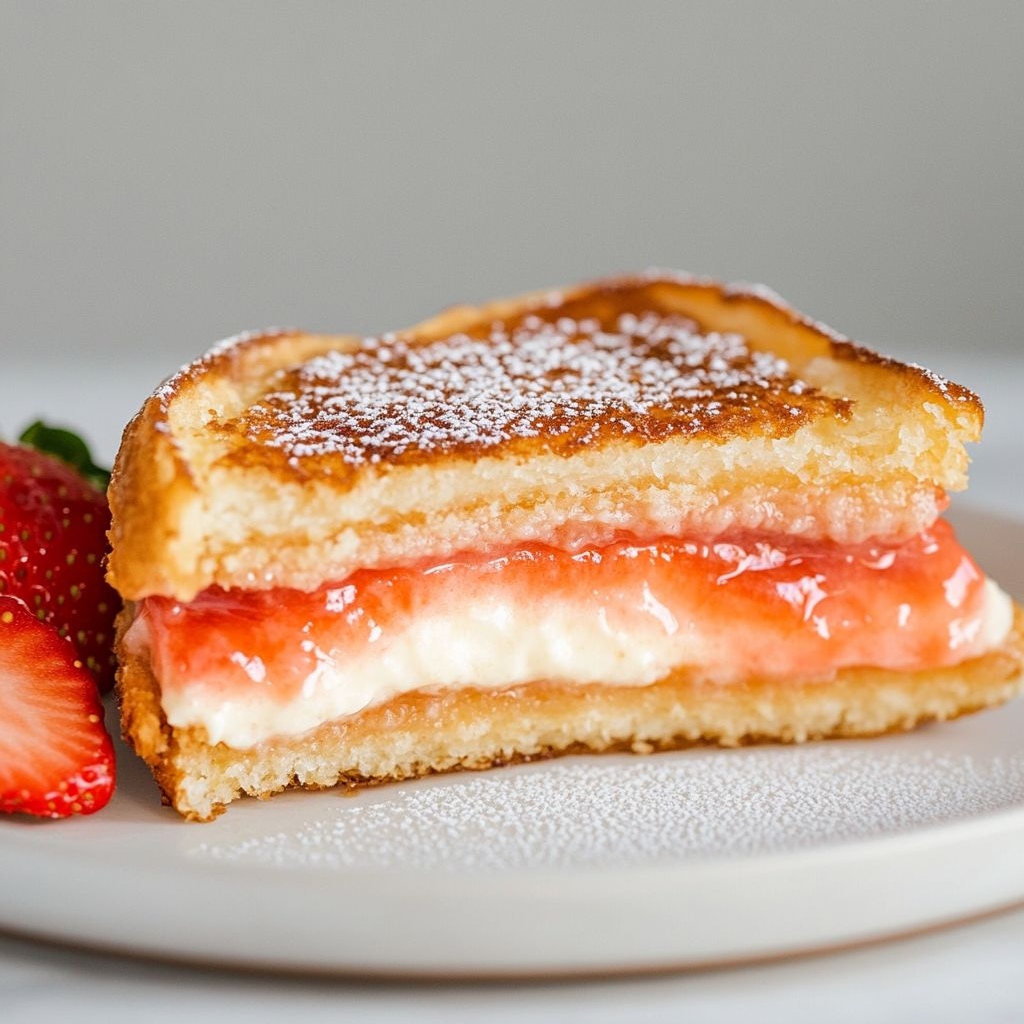
Tips for assembling and frying Sandwhich Cheesecake Fritti Fragola
Cheesecake Filling tips
- Use softened, full-fat cream cheese at room temperature to ensure a lump-free base that blends smoothly with sugar and lemon juice. Beat until completely smooth before folding in whipped cream.
- Fold in the whipped cream gently to keep the filling light and mousse-like. Overmixing can deflate the filling and affect how it holds its shape when fried.
- Add lemon juice gradually and taste as you go. The brightness should cut richness without leaning sour; strain if needed to remove any pulp or seeds.
- Chill the blended filling thoroughly (at least 30 minutes) before assembling the sandwich. A cold filling slices cleanly and holds up better during frying.
- If the filling seems too loose after mixing, chill 15–20 minutes or fold in an extra tablespoon of whipped cream to re-balance texture.
Strawberry Component tips
- Choose ripe, fragrant strawberries and dice evenly for consistent texture within the sandwich.
- Macerate with sugar for 10–15 minutes to create a glossy, jammy juice. If berries release a lot of juice, you can drain a portion before assembling.
- Add a splash of lemon juice to brighten the fruit component and, if desired, a pinch of zest for extra aroma.
Bread for Sandwich tips
- Use brioche slices lightly toasted to remove surface moisture and help the crust stay crisp during frying. Trim crusts for a cleaner look if preferred.
- Let the bread cool to room temperature before assembling to prevent the filling from melting too quickly.
- For easier handling, slightly chill the assembled sandwich (filled with strawberry and cheesecake) for 10–15 minutes before dipping in batter.
Frying Batter tips
- Sift the flour to remove lumps and whisk with dry ingredients for an even coating. Use cold milk to help the batter cling without dripping.
- Rest the batter for 10–15 minutes before dipping; this relaxes gluten and helps achieve a crisper crust.
- A light, even coat is key: dip the sandwich and let any excess batter drip off before frying. If you want extra crust, you can do a second quick dip after a short rest.
- Avoid overworking the batter; it should coat smoothly but not be so thick that it weighs down the filling.
Frying Oil tips
- Maintain neutral oil temperature at 350–365°F (175–185°C). Use a deep-fry thermometer and adjust heat as needed to prevent soggy crusts or burnt coating.
- Fry in small batches to keep the oil temperature stable and avoid overcrowding, which can lead to soft, greasy results.
- Pat the assembled sandwich dry with a paper towel before dipping to reduce splatter and ensure a crisp crust.
Toppings and Serving tips
- Dust with powdered sugar just before serving to keep the crust light and avoid sogginess.
- Offer optional strawberry sauce or extra strawberry slices on the side for added fruit intensity; warm the sauce slightly for a glossy finish.
Optional Add-ins tips
- Fresh mint leaves make a bright, color-pop garnish; tear them to release aroma, or sprinkle whole leaves for a decorative touch.
FAQ
Che cos’è il Sandwich cheesecake fritti fragola?
È un dolce fritto composto da fette di pan brioche sovrapposte con crema al formaggio e pezzi di fragola, chiuse come un sandwich, passate in pastella e fritte fino a doratura. Viene servito caldo, spesso spolverato con zucchero a velo o accompagnato da salsa di fragole.
Quali ingredienti servono per 4 pezzi?
Pan brioche: 4 fette; crema al formaggio dolce (crema di formaggio/philadelphia): circa 200 g; fragole fresche: 150 g (tagliate a cubetti); uovo: 1; latte: 60 ml; farina: 2-3 cucchiai; olio per friggere; zucchero a velo per spolverare. Opzionale: scorza di limone e una punta di vaniglia per aromatizzare la crema.
Posso prepararlo in anticipo?
Sì parzialmente. Si possono farcire i sandwich e conservarli in frigorifero per alcune ore prima di friggerli. Preparare e mescolare la pastella all’ultimo minuto aiuta a ottenere una crosticina più croccante. Evita di farcire troppo in anticipo se la crema tende a rilasciare liquidi.
Come si frigge correttamente?
Riscalda olio in una casseruola a circa 170-180°C. Immergi i sandwich nel pastello, lasciano cadere l’eccesso e friggi 2-3 minuti per lato finché sono dorati e croccanti. Non sovrapporli e asciugali su carta assorbente dopo la frittura.
È possibile cuocerlo al forno?
Sì, se vuoi una versione meno untuosa. Disponi i sandwich su una teglia rivestita con carta forno, spennellali leggermente con pastella o burro fuso, e cuoci in forno preriscaldato a 190°C per circa 8-12 minuti, girando a metà cottura finché dorati. È consigliabile servirli subito perché in forno restano meno croccanti rispetto alla frittura.
Che tipo di fragole utilizzare e come prepararle?
Scegli fragole mature, sode e profumate. Lavale rapidamente, asciugale bene e tagliale a cubetti o fettine per distribuire bene la dolcezza. Se vuoi, puoi macerarle brevemente con un cucchiaio di zucchero per liberare succo, ma non eccedere per non rendere la farcitura troppo umida. Puoi anche usare altre bacche a piacere.
Come evitare che la crema fuoriesca durante la frittura?
Utilizza una crema al formaggio abbastanza densa e ben raffreddata. Non riempire troppo i sandwich e sigilla bene i bordi. Puoi raffreddare i sandwich 15-20 minuti prima di passare al fritto e, se necessario, scudare leggermente i bordi con un po’ di pastella per chiuderli meglio.
Posso variare la farcitura o la pastella?
Certo. Varianti popolari includono crema al mascarpone, crema al limone o vaniglia, oppure l’aggiunta di gocce di cioccolato. Per la pastella, puoi usare birra leggera per una versione più leggera, o aggiungere un pizzico di cannella o scorza di limone per un aroma diverso.
Come servire e conservare le rimanenze?
Servili immediatamente per una migliore croccantezza. Le porzioni avanzate si conservano in frigorifero in contenitore ermetico per 1 giorno al massimo; riscaldale brevemente in forno o in padella per ritrovare la croccantezza. Non è consigliabile congelare una volta cucinati, poiché la consistenza potrebbe cambiare.
Quante porzioni si ottengono e approssimazione calorica?
Con 4 fette di pan brioche si ottengono circa 4 pezzi. Una porzione può contenere circa 250-380 kcal, a seconda della quantità di crema, della pastella e della quantità di fragole. Le estimazioni variano in base agli ingredienti usati.