
Introduction / Hook
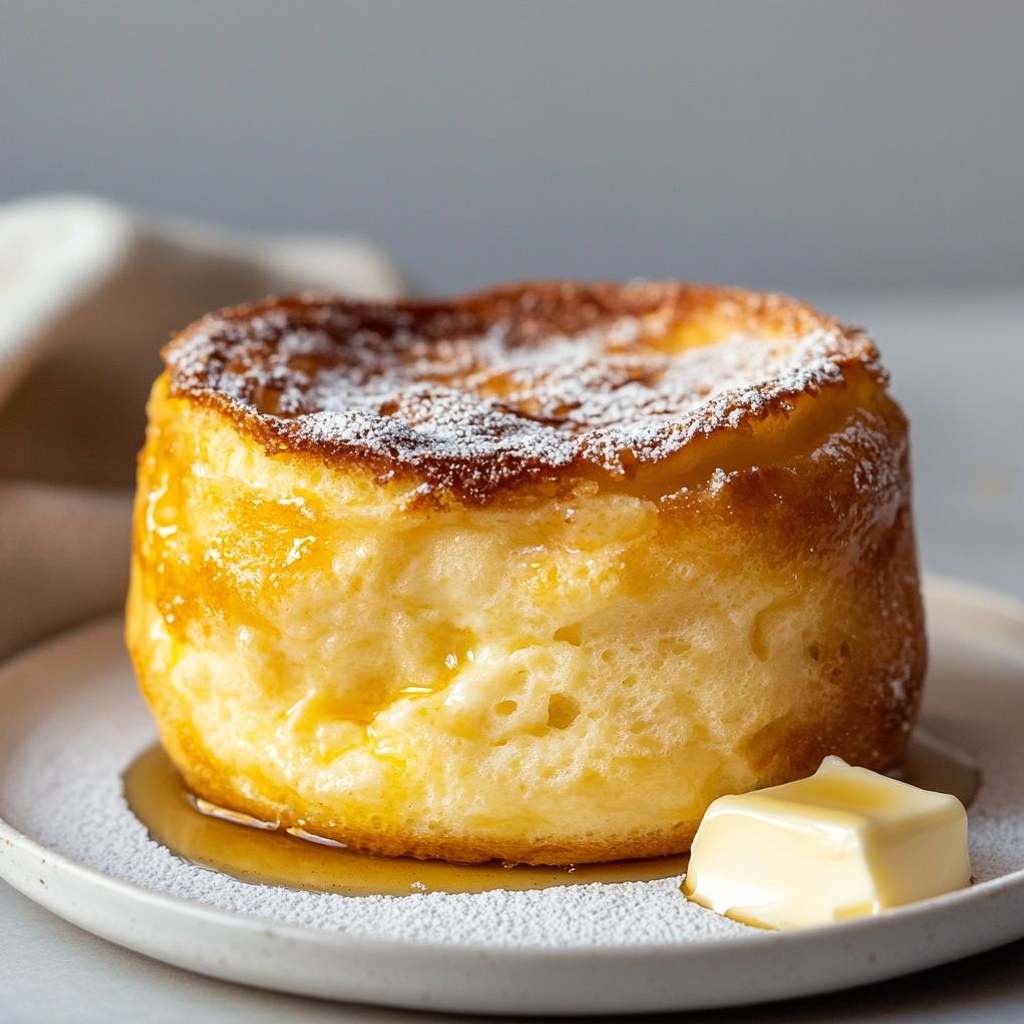
Imagine a brunch where the aroma of vanilla and cinnamon swirls through the room, and the surface of your plate glows with a caramelized crust that gives way to a cloud-soft, custard-centered center. French toast soufflé is not just a dish; it’s a celebration of morning magic. It takes the familiar finesse of classic French toast—bread kissed by fat, eggs, and sweetness—and elevates it with a delicate lift that rises like a gentle sunrise. Each bite offers a creamy, airy interior and a perfectly crisp exterior, a contrast that crackles with every forkful. The best part? It looks utterly show-stopping on the table, yet it’s surprisingly forgiving to make, turning a weekend breakfast into a memorable occasion without demanding hours in the kitchen.
From the moment the batter is poured and the mix of eggs, cream, and spices comes to life, you’ll hear the soft sizzle in the pan and feel that familiar cozy warmth spreading through the kitchen. It’s the kind of dish that makes you pause, inhale deeply, and smile at the prospect of sharing something thoughtful with people you love. The soufflé lift brings a light, almost ethereal texture that feels celebratory—like a dessert you can enjoy before noon without guilt. And because it’s built on the humble, comforting backbone of French toast, it remains approachable for cooks of all levels, inviting experimentation while staying grounded in a timeless flavor profile.
In this format, you’re not just cooking; you’re performing a tiny piece of brunch theatre—dramatic, comforting, and a little indulgent. The scent alone can trigger a cascade of memories: weekend family mornings, sleepy conversations over coffee, the first bite of summer berries against a warm, custardy kiss. And when the plate returns to the table, glistening with syrup or crowned with fresh fruit, you’ll notice the room brighten a notch. This is not just a recipe to follow; it’s an invitation to slow down, savor the moment, and start your day with a dish that feels both luxurious and deeply comforting at the same time.
The Story Behind the Dish
French toast itself has a long, winding history that goes far beyond the breakfast plate. Known in many places as pain perdu, “lost bread,” the dish originated as a practical solution to transform stale bread into something delicious, keeping waste to a minimum while delivering comforting richness. The simple combination of eggs, milk, sugar, and a bit of spice was a clever way to coax life back into day-old loaves, and it spread across Europe with regional twists—vanilla in one version, orange zest in another, a dusting of cinnamon here, a touch of rum there. Pain perdu traveled with explorers and travelers alike, adapting to local tastes, baking techniques, and available ingredients, all while retaining its humble genius: transform the ordinary into something unforgettable with a few pantry staples.
Soufflé, on the other hand, is a product of French culinary artistry that rose to prominence in the 18th and 19th centuries, celebrated for its airy lift and delicate texture achieved by beating egg whites to stiff peaks and folding them into a rich base. The soufflé is the epitome of technique—light, velvety, and capable of turning simple ingredients into something ethereal. When cooks sought to give French toast an extra dimension—height, airiness, and a more elegant structure—the idea of pairing the concept with a soufflé-style technique emerged. French toast soufflé is a harmonious fusion: the comforting, nostalgic essence of traditional French toast meets the culinary drama of a soufflé, resulting in a brunch darling that feels both familiar and astonishingly refined.
In this dish, the bread becomes a vessel for a custard that breathes with life as it bakes. The result is a gentle rise that turns crusty edges into crisp caramel and a center that stays tender and slightly wobbly, like a wisp of vanilla cloud. The history behind it is a reminder that great food often comes from two impulses: the desire to treasure something overlooked (stale bread, leftovers, pantry odds and ends) and the urge to elevate it into something celebratory. That tension—humble beginnings meeting culinary ingenuity—gives French toast soufflé its enduring appeal and its irresistible charm at a weekend table or a special brunch gathering.
Why You’ll Love This Recipe
- Impressive yet approachable. It looks spectacular on the table, but the concept is simple enough for a weekend cook to master without fancy equipment.
- A perfect balance of textures. The top forms a delicate, crisp crust while the interior remains airy, creamy, and soft—a contrast that keeps every bite interesting.
- Comforting flavors with a touch of elegance. Vanilla, warm spices, and a hint of sweetness come together with the richness of dairy and eggs to create a soothing, indulgent taste.
- Highly adaptable. The base flavor profile accepts a wide range of add-ins and toppings, from citrus zest to berries, nuts to chocolate, or a whisper of liqueur for adults.
- Brunch-friendly and forgiving. It’s forgiving in preparation and forgiving in timing, letting you pause to enjoy the moment with guests instead of hustling in the kitchen.
- Ideal for special occasions and holidays. Elevates a simple Sunday morning into a celebratory meal, making birthdays, anniversaries, and holiday weekends extra special.
Flavor Profile & Texture
The flavor profile of a French toast soufflé is warm, comforting, and gently elevated by a kiss of aroma. The custard base—egg, cream or milk, a touch of sugar, and vanilla—provides a smooth, silky backdrop that carries the aromatic spices. Think cinnamon and nutmeg with a hint of citrus zest, such as orange or lemon, which brightens the richness and keeps the dish from feeling heavy. If you choose to add a splash of orange liqueur or a whisper of almond extract, you’ll introduce a layer of nuance that makes the dish feel festive without straying from its homey roots.
The crown jewel of this dish is its texture. The center stays intentionally soft and almost custardy, thanks to the deliberate gentleness of the bake and the air introduced by whipping some egg whites into the base (a common soufflé trick). The outer crust forms a light, caramelized shell—a delicate snap gives way to the tender interior with every forkful. The contrast between the crisp edge and the plush middle is where the magic happens. When finished, the soufflé should rise slightly and hold its height for a moment, inviting you to capture that moment just as the steam carries off the memories of childhood breakfasts and the promise of a brand-new day. Pair the dish with a drizzle of pure maple syrup, a spoonful of whipped cream, or a bright berry compote to amplify the brightness and bring a balanced sweetness to contrast the creamy interior.
Occasions & Pairings
This dish shines at a variety of occasions, from intimate weekend breakfasts to festive brunch spreads. It’s particularly charming for:
- Brunch gatherings with friends and family, where you want a centerpiece that’s both indulgent and shareable.
- Holiday mornings, such as Christmas or Easter, when a touch of elegance elevates the anticipation around the table.
- Slow Saturday mornings when you want to savor time with loved ones and stagger chores around a delicious, impressive dish.
- Romantic breakfasts or anniversaries, where a dish that feels special but not fussy sets the mood for a cozy celebration.
Pairings that complement French toast soufflé include:
- Maple syrup, a classic accompaniment that enhances the toasty notes of the crust.
- Fresh berries (strawberries, blueberries, raspberries) or a warm berry compote for brightness and color.
- Whipped cream or a dollop of vanilla yogurt for extra creaminess.
- A light dusting of powdered sugar or a citrus zest twist to lift the flavors.
- A morning coffee or a glass of sparkling wine (Mimosa) to elevate the brunch experience without overpowering the dish.
- Savory contrasts optional toppings, such as crispy bacon or a delicate herb-framed ricotta, if you want a playful balance between sweet and savory.
Tips, Variations & Substitutions
Make-Ahead & Storage Ideas
One of the most delightful aspects of this dish is how well it can be planned in advance. You can assemble the batter and soak the bread a few hours ahead, or even overnight in the refrigerator, then bake fresh in the morning. The bread will soak up the custard slowly, and you’ll wake to a batter that has begun its gentle transformation into a fluffy, risen delight. If assembling ahead, cover the dish securely and refrigerate, then bake as you would on the day of serving, allowing a few extra minutes for chilling and heat distribution.
Leftovers, if any, can be stored in the refrigerator for a day or two. Reheating works best in the oven or a toaster oven to recapture crisp edges while keeping the interior soft. Avoid microwave reheating, which can make the texture feel dense or rubbery. If you freeze portions, thaw overnight in the fridge and rewarm gently in the oven. While the texture may be slightly altered after freezing, a well-prepared soufflé can still offer a satisfying experience when you’re craving a comforting breakfast on another morning.
Dietary Variations & Substitutions
- Dairy-free: Use a full-fat coconut milk or almond milk as the base and replace cream with a plant-based alternative. A neutral-tavored yogurt or silken tofu can add creaminess while keeping the custard cohesive. You may need a touch more starch or a small amount of a dairy-free thickener to help the texture stay light.
- Gluten-free: Choose your favorite gluten-free bread with a sturdy texture (gluten-free brioche or challah works beautifully). The custard base remains the same, so the soufflé lift and interior tenderness should still shine.
- Vegan twist: Replace eggs with aquafaba (the liquid from canned chickpeas) whipped to stiff peaks and folded into a plant-based custard. Use a vegan milk and plant-based butter to mimic the richness. Expect a slightly different lift, but the result remains delightfully airy.
- Low-sugar or sugar-free: Reduce sugar or use a natural sweetener that bakes well. Pair with naturally sweet toppings like ripe berries or a sugar-free syrup if desired, and rely on vanilla and cinnamon for depth of flavor.
- Flavor twists: Swap or add citrus zest (orange, lemon, or lime) for brightness; a splash of orange liqueur or almond extract can introduce a new dimension without overpowering the core flavors.
- Savory rendition: For a brunch-savvy savory version, omit the sugar and incorporate grated cheese, chopped herbs, and a pinch of black pepper. The result becomes a fluffy cheese-and-herb soufflé-inspired toast that pairs beautifully with sautéed mushrooms or smoky paprika toppings.
Regional Twists & Flavor Variations
- French toast with orange blossom and cinnamon for a Middle Eastern-inspired brunch memory.
- Brown-butter and maple cognac notes for a grown-up, dessert-like morning treat.
- Chocolate-studded version with a hint of espresso for a brunch-dessert crossover that still feels morning-appropriate.
- Cardamom and pistachio for a nutty, fragrant profile that nods to Mediterranean pastry traditions.
Storage & Make-Ahead Ideas
If you’re planning a larger brunch or a weekend gathering, consider these practical strategies to maximize flavor and minimize stress:
- Prepare the custard base ahead of time and keep it refrigerated; soak the bread slices in the mixture just before baking for optimal texture and rise.
- Assemble the dish in a baking dish the night before and refrigerate. In the morning, let it sit at room temperature for about 15-20 minutes to take the chill off, then bake as directed.
- Store any leftovers in an airtight container in the fridge. Reheat in a moderate oven to restore the crust’s crisp exterior and warm the center through, avoiding the microwave for the best texture.
- To freeze, bake a portion fully, cool completely, and freeze in a single layer before packing. Reheat from frozen in a low oven until warmed through and the crust has re-crisped.
Fun Facts & Trivia (Optional)
- The term pain perdu translates to “lost bread,” highlighting the dish’s roots in turning stale bread into something extraordinary.
- Soufflés became a symbol of French culinary finesse, often associated with higher-end patisseries and bistro menus. Combining soufflé technique with French toast is a playful nod to both traditions.
- Brunch culture as we know it—combining late breakfast and early lunch—has roots in New York and other American cities, but the elegance of this dish makes it a natural fit for modern brunch menus around the world.
- In some regions, cooks add a splash of orange liqueur or Grand Marnier to evoke a slight citrus-alcohol glow that pairs beautifully with vanilla and cinnamon.
- There’s something universally comforting about a dish that celebrates leftovers with a sense of decadence. The idea that dessert-like magic can appear at breakfast is a delight people have cherished across generations.
Ingredients
French Toast Soufflé Batter
-
– 6 cups cubed brioche or challah bread (stale)
→ The base bread should be day-old or lightly dried to absorb custard without becoming mushy. Cut into 1-inch cubes to maximize surface area and ensure slices soak evenly. Brioche or challah yields a rich, tender texture due to higher fat and egg content. If you only have sandwich bread, toast lightly and trim crusts to approximate crumb, but a richer bread gives better soufflé height and flavor.
– 4 large eggs
→ The eggs provide structure, lift, and protein to the custard. They should be at room temperature to blend smoothly with dairy and prevent curdling. Beat the eggs lightly to combine with the milk and cream before soaking the bread.
– 1 1/2 cups whole milk
→ Milk contributes moisture and helps hydrate the bread; whole milk adds body and richness. If you prefer lighter, you can substitute 2% milk; the texture will be lighter. Warm slightly before mixing to help dissolve sugar and spices.
– 1 cup heavy cream
→ Cream adds luxurious richness and helps create a custardy, soufflé-like center as it bakes. Use room temperature; emulsify with eggs. For lighter version, replace half with extra milk.
– 1/3 cup granulated sugar
→ Sugar balances sweetness and aids browning and custard texture. Dissolve well in the mixture; if you like more sweetness, increase slightly. For a lower-sugar version, reduce by 1-2 tablespoons.
– 1 teaspoon vanilla extract
→ Vanilla enhances the custard; real vanilla extract or paste yields deeper aroma. If using a vanilla bean, scrape seeds and steep with the milk and cream for more flavor; otherwise it’s fine to use extract.
– 1/2 teaspoon ground cinnamon
→ Cinnamon provides warmth; use freshly ground if possible. You can adjust to taste.
– 1/4 teaspoon ground nutmeg
→ Nutmeg adds subtle spice; too much can dominate; fresh grate if possible; optional.
– 1/4 teaspoon salt
→ Salt enhances flavors and helps set the custard by strengthening proteins; adjust to taste; use fine salt to dissolve evenly.
– 2 tablespoons unsalted butter, melted
→ Butter enriches the custard and helps grease the dish, preventing sticking; you can fold a portion into batter and brush the pan with remaining; for dairy-free skip, use oil.
Optional Add-ins
-
– 1 tablespoon orange zest (optional)
→ Fresh citrus zest brightens the custard; zest provides aroma without adding liquid. Use microplane; avoid pith. If unavailable, skip.
– 1/4 cup raisins or chopped dates (optional)
→ Soak in warm water or orange juice for 10 minutes to plump; drain before adding to mixture to avoid soggy pockets. Provides chewy sweetness.
– 1/4 cup chocolate chips (optional)
→ Fold in evenly; avoid too many to prevent sinking; choose small chips for distribution. They add pockets of melted chocolate.
– 1/2 cup diced apples or berries (optional)
→ Adds fruitiness and texture; apples should be diced small; toss with a teaspoon of lemon juice to prevent browning; fold into mixture or scatter on top before baking.
Toppings & Serving
-
– Powdered sugar for dusting
→ Lightly dust just before serving for presentation and to balance the richness; use fine icing sugar; good for photos; avoid clumping in humid climates.
– Maple syrup or honey for serving
→ Classic pairing; serve warm with syrup; drizzle gently to avoid soggy crust; you can warm the syrup to thin it slightly for even distribution.
– Fresh berries or sliced fruit for serving
→ Adds brightness and contrast; choose seasonal berries or stone fruit; wash and pat dry; cut into bite-sized pieces; a squeeze of lemon can brighten berries if desired.
Instructions
- Preheat your oven to 350°F (175°C) and grease a 9×13-inch baking dish with melted unsalted butter, ensuring every interior surface is coated; this prevents sticking and helps the soufflé rise evenly as it bakes.
→ Buttering the dish creates a slick surface for the batter to cling to as it puffs, and the even coating promotes uniform browning around the edges. - Cube the brioche or challah into approximately 1-inch pieces, ensuring the bread is day-old or lightly dried; spread the cubes in a single, even layer in the prepared dish to maximize surface area and ensure even soaking.
→ Day-old or lightly dried bread absorbs custard without becoming mushy; 1-inch cubes promote even soaking and a tender, soufflé-like interior. - In a large bowl, whisk the 4 eggs until yolks and whites are just blended; this creates a cohesive base that emulsifies with dairy during soaking.
→ Lightly beating ensures the proteins set uniformly when baked and helps prevent gaps in texture. - In a medium saucepan, whisk together 1 1/2 cups whole milk and 1 cup heavy cream with 1/3 cup granulated sugar, 1 teaspoon vanilla, 1/2 teaspoon ground cinnamon, 1/4 teaspoon ground nutmeg, and 1/4 teaspoon salt; warm the mixture over medium heat until it is steaming and the sugar dissolves, but do not let it boil.
→ Warm custard allows smoother integration with eggs and bread, and dissolving sugar ensures even sweetness and texture throughout the dish. - Gradually temper the eggs by slowly whisking a ladleful of the warm milk mixture into the beaten eggs, then whisk the tempered eggs back into the saucepan with the remaining warm dairy; continue to whisk until the mixture is homogenous and just begins to thicken; remove from heat.
→ Tempering prevents the eggs from curdling, and a thickened custard helps create a richer, cohesive soufflé filling as it bakes. - Whisk the 2 tablespoons melted unsalted butter into the warm custard once it has cooled slightly to body temperature, ensuring the butter is fully emulsified and not hot enough to scramble the eggs; this adds richness and lubricates the custard for smooth soaking.
→ Butter enhances moisture and flavor; emulsification reduces fat separation for a velvety custard. - Pour the warm custard over the bread cubes in the dish, then press gently with a spatula to submerge and evenly coat all pieces; let the mixture rest at room temperature for 20 to 30 minutes, occasionally pressing to ensure the bread absorbs custard and swells uniformly.
→ Resting lets the bread soak and swell, creating a cohesive interior rather than dry pockets and helping the soufflé rise evenly during baking. - If using optional add-ins such as orange zest, raisins, chocolate chips, or diced apples/berries, fold them gently into the soaked bread and custard now or scatter them evenly over the top before baking to ensure even distribution and to avoid sinking.
→ Add-ins provide texture and contrast; citrus zest or fruit adds brightness, while chocolate adds indulgence; fold carefully to preserve bread structure. - Scrape the soaked mixture into the prepared dish in an even layer; if you used a larger dish, gently level the surface with a spatula to promote uniform rising and browning.
→ A flat, level top ensures uniform bake and allows the soufflé to puff consistently rather than bowing in the middle. - Place the baking dish on the middle rack of the preheated oven and bake at 350°F (175°C) for 40 to 50 minutes, or until the edges are puffed and deeply golden and the center is just set with a slight wobble; a knife or skewer inserted near the center should come out clean or with a trace of custard.
→ Proper bake time yields a light, airy interior with a saturated custard interior; avoid overbaking which can dry the center. - Remove the soufflé from the oven and let it rest for 8 to 10 minutes before serving; this rest allows the interior to finish setting and the steam to distribute, resulting in cleaner slices.
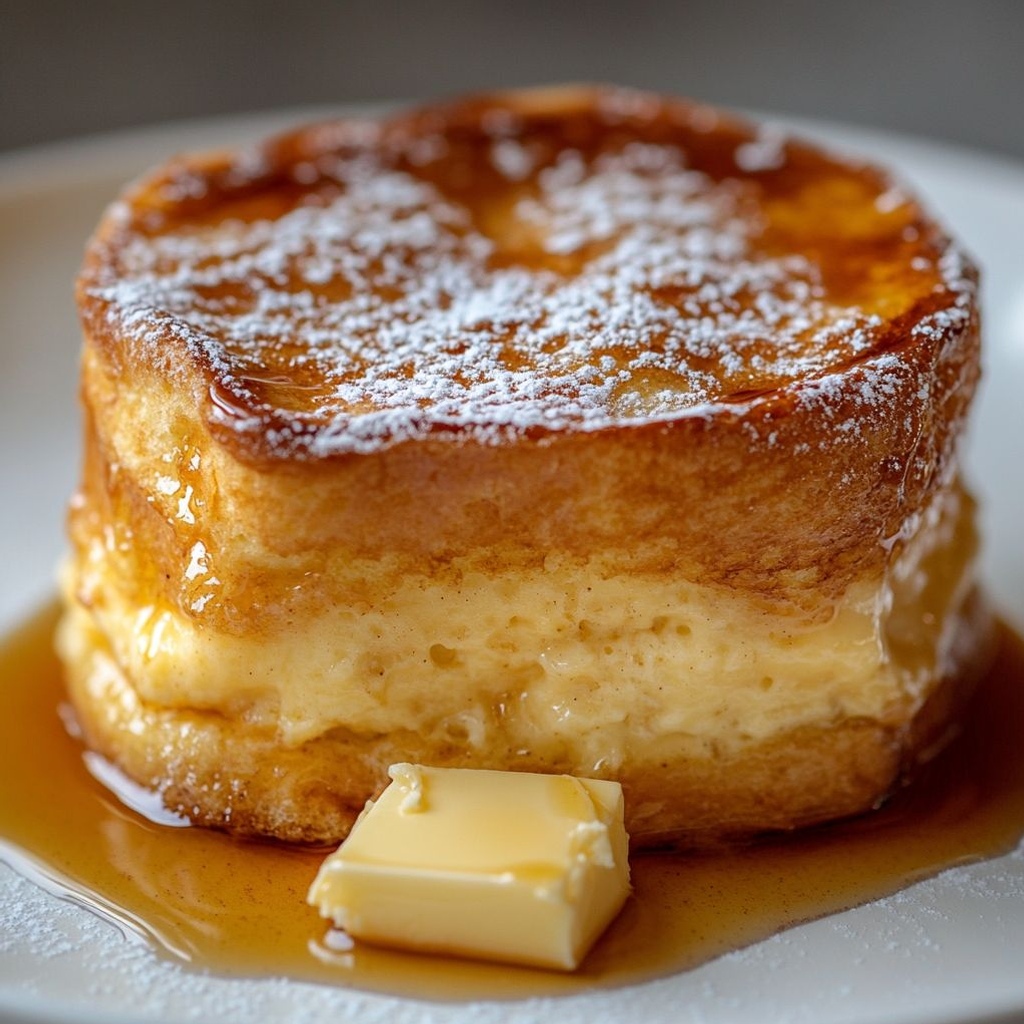
→ Resting helps stabilize the structure so the soufflé won’t collapse immediately and makes serving easier. - Dust with powdered sugar just before serving and offer maple syrup or honey and fresh berries or sliced fruit on the side for contrast; warm the syrup slightly for easy drizzle and to keep toppings from cooling the dish.
→ The sugar adds a delicate finish that balances richness, while fruit and syrup provide brightness and complementary textures. - Store any leftovers in an airtight container in the refrigerator for up to 2 days; reheat gently in a 350°F (175°C) oven for 8 to 10 minutes or in short bursts in the microwave until warmed through to preserve the soufflé-like texture.
→ Gentle reheating restores moisture and prevents the custard from turning rubbery, keeping flavors fresh for a second serving.
Notes
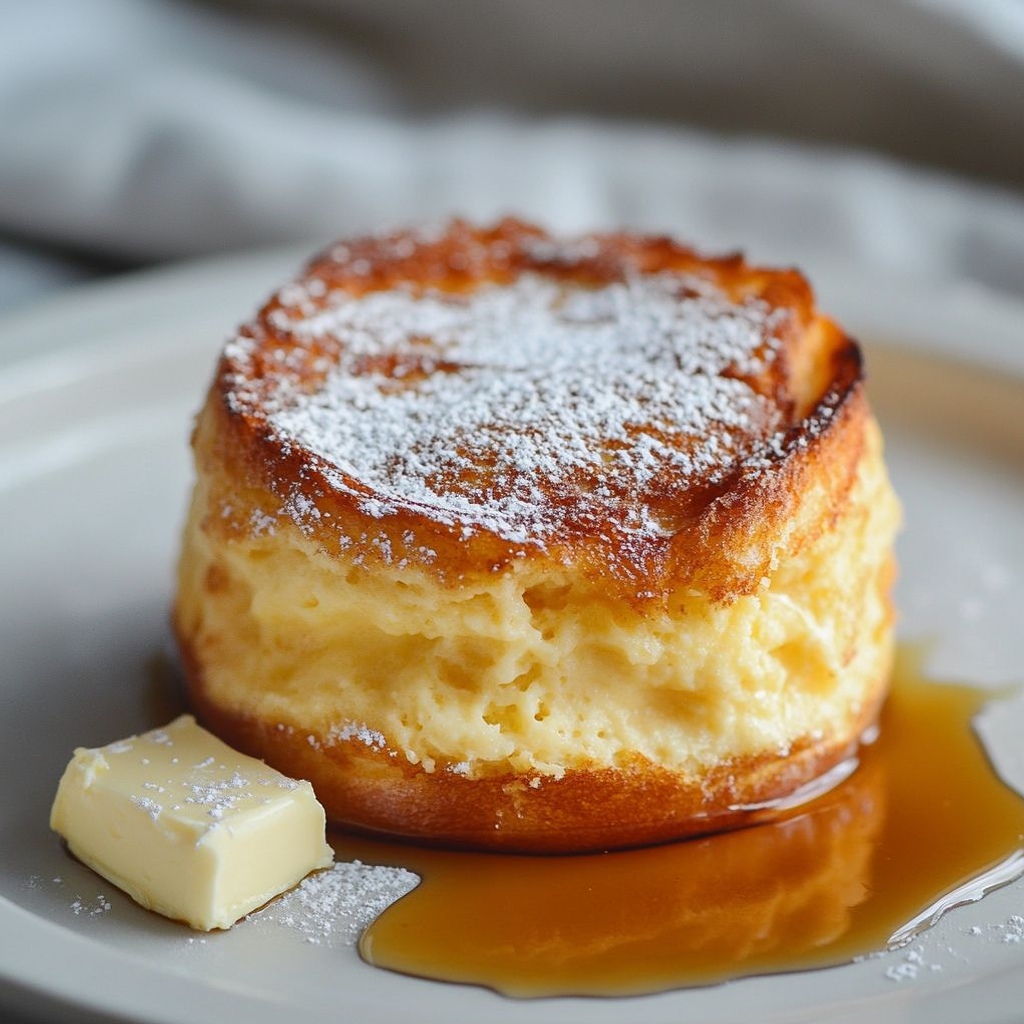
These French toast soufflés are a rich, brunch-friendly dish built on day-old brioche or challah that bake into a light, custardy center with a golden, airy top. For best texture, cube the bread into 1-inch pieces and let it stale slightly so it absorbs the custard without turning mushy; the melted butter helps prevent sticking and contributes a crisp edge. The custard is a simple blend of eggs, whole milk, heavy cream, sugar, vanilla and warm spices, which you can tailor to taste. Optional add-ins like orange zest, raisins or chopped dates, chocolate chips, or diced apples or berries add texture and brightness; toss fruits with a pinch of lemon juice to prevent browning. Bake until puffed and lightly browned, then dust with powdered sugar and serve with maple syrup and fresh fruit for contrast. Leftovers reheat well in a low oven, and you can assemble the dish a day ahead and refrigerate; bake time may be slightly longer if starting from cold. Always grease the dish well to prevent sticking and ensure the batter is evenly soaked for uniform rise.
Tips
Tips for Perfect French Toast Soufflé
- Bread selection and prep: Use day-old brioche or challah cut into 1-inch cubes. A drier bread soaks up the custard without turning mushy. If you only have sandwich bread, toast lightly and trim crusts to mimic the crumb; richer bread yields better height and flavor.
- Eggs and dairy: Use eggs at room temperature to help them blend smoothly with the dairy and prevent curdling. Warm the milk slightly to dissolve sugar and spices and to promote even mixing. Whole milk and heavy cream give a richer custard; for lighter version, substitute some or all with lighter dairy, understanding the texture may be less custardy.
- Sweetness and flavor balance: Dissolve the sugar completely in the custard. Taste and adjust vanilla or cinnamon if needed. A small amount of orange zest can brighten the custard without adding liquid; zest should be added to the milk/cream mixture before combining with eggs.
- Lifting the soufflé: For extra height, consider folding in softly whipped egg whites into the custard after whisking (optional). This will create a lighter, more soufflé-like texture but changes the batter balance slightly.
- Soaking time: Soak bread cubes in the custard for about 10–20 minutes, turning halfway to ensure even absorption. For make-ahead, refrigerate the soaked bread and custard overnight; bring to room temperature for 30 minutes before baking.
- Pan preparation: Grease the baking dish well with melted butter and, if desired, brush a little more on the top of the bread to promote browning. If avoiding dairy, use a neutral oil or dairy-free butter substitute.
- Spices and add-ins: Distribute optional add-ins (orange zest, raisins, chocolate chips, or fruit) evenly and gently. Toss dried fruit with a teaspoon of flour to prevent sinking and floods of liquid; fold add-ins just before baking to maintain texture.
- Temperature and bake: Preheat fully and bake until the top is puffed, golden, and the center is set. In convection ovens, reduce the temperature by about 25°F (15°C) and monitor closely. Do not open the oven door during the first 20 minutes to preserve lift.
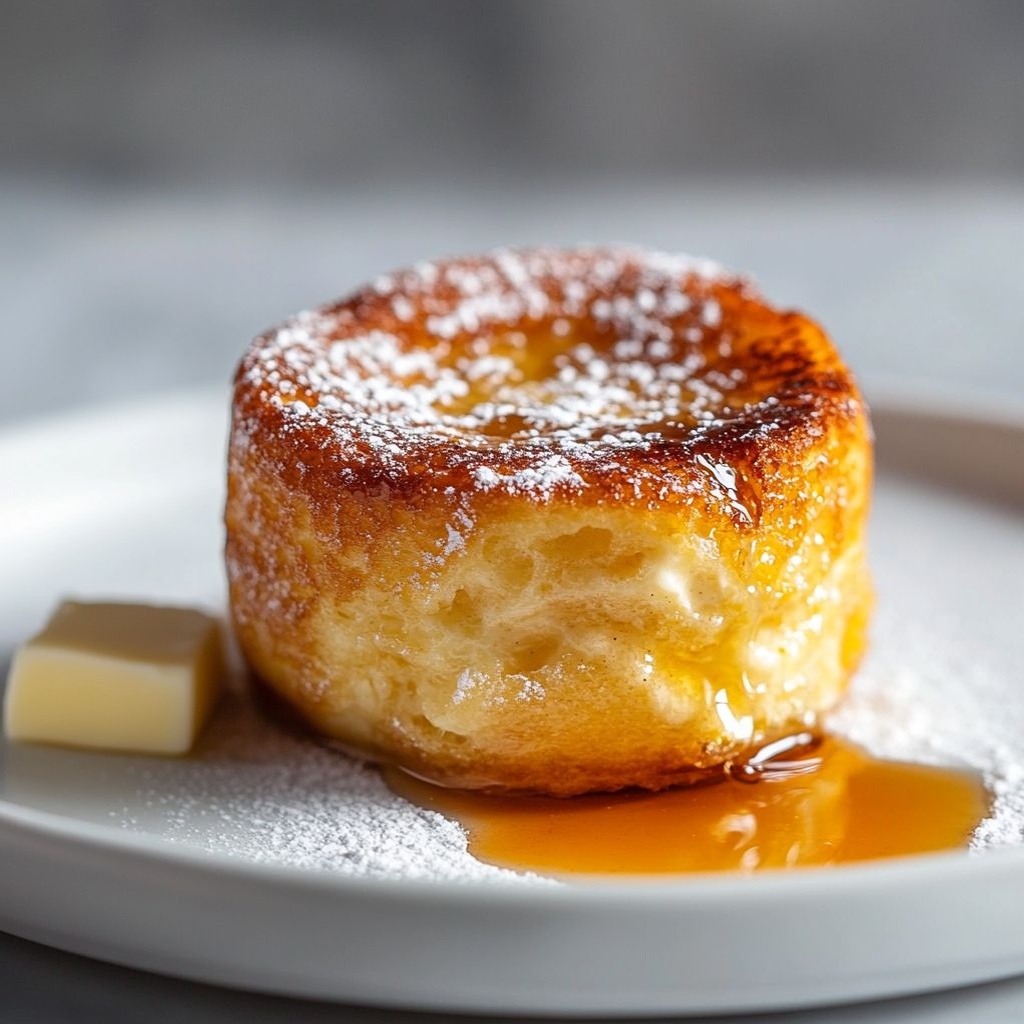
- Finish and serving: Let the soufflé rest 5–10 minutes after removing from the oven to set the custard for cleaner slices. Dust with powdered sugar and serve with warm maple syrup or fresh fruit for contrast.
- Make-ahead options: Assemble and soak the bread ahead of time; refrigerate and bake the next day for a quick brunch. Leftovers can be refrigerated for 2–3 days and reheated in a 350°F (175°C) oven for 10–15 minutes or toasted slices for a crisper edge.
- Avoid soggy edges: Use bread that is not too wet with custard, keep the bread-to-custard ratio balanced (not overly saturated), and bake in a deep, roomy pan to allow the soufflé to rise without collapsing too quickly.
- Optional browning finish: If you like a deeper gold top, finish with a brief high-heat broil (1–2 minutes) at the end, watching closely to prevent burning.
FAQ
French toast soufflé – Frequently Asked Questions
What is French toast soufflé?
A light, airy baked version of French toast. Bread is soaked in a rich custard, then the mixture is folded with whipped egg whites to lift it, and baked until puffed and golden.
How is it different from classic French toast?
Classic French toast is typically pan-fried and denser. French toast soufflé is baked, using whipped egg whites for lift to create a tall, soufflé-like texture that serves a crowd.
What ingredients do I need?
Core ingredients (serves 6–8): bread (8 slices, preferably day-old brioche or challah), eggs (4), milk (1 cup) plus optional cream (1/2 cup), sugar (1/4 cup), vanilla extract (1 tsp), ground cinnamon (1/2 tsp), pinch of salt, and butter for greasing the dish. Optional add-ins: nutmeg, lemon zest, berries for serving.
What bread works best?
Sturdy, slightly stale bread works best—brioche, challah, or thick-cut Texas toast. Slices around 1 to 1.5 cm thick soak evenly. If using gluten-free bread, choose a sturdy GF loaf and allow it to dry out lightly.
Can I make this ahead?
Yes. You can soak the bread in the custard and refrigerate up to 12–24 hours, then bake. Or assemble in the baking dish, cover, and refrigerate overnight; bring to room temperature before baking. Bake at 350°F (175°C) for 25–35 minutes, or until puffed and golden.
How long and at what temperature should I bake it?
Preheat to 350°F (175°C). Bake for about 25–35 minutes, until the top is puffed and golden and the center is set. If your dish is very large, bake a few minutes longer and check for doneness.
How do I prevent it from deflating after baking?
Fold the whipped egg whites gently into the custard to keep as much air as possible. Do not over-mix. Bake immediately after combining and avoid opening the oven door during the early stages of baking. Let it rest briefly after removing from the oven; it will stay fluffy for a short while.
What toppings pair well?
Serve with real maple syrup, dusting of powdered sugar, fresh berries or sliced fruit, a dollop of whipped cream, or a drizzle of honey. A touch of cinnamon or lemon zest can add brightness.
Can I make dairy-free or gluten-free versions?
Yes. Use dairy-free milk (almond, soy, or oat) and dairy-free butter or oil. For texture, consider a gluten-free bread that absorbs custard well. Note that gluten-free bread can be denser, so adjust soak time and bake until fully puffed.
How should I store and reheat leftovers?
Store leftovers in the refrigerator for up to 2–3 days in an airtight container. Reheat slices in a 350°F (175°C) oven or toaster oven for 8–12 minutes until warmed and lightly crisped at the edges. Microwave reheats are quicker but may make the dish softer.
What should I do if the center is undercooked?
If the center seems a bit runny, return the dish to the oven for 5–8 more minutes and check again. Ensure your oven is fully preheated and that you’re using a deep, wide dish to promote even cooking. Avoid cutting into it too soon, as it can deflate quickly.