
Introduction / Hook
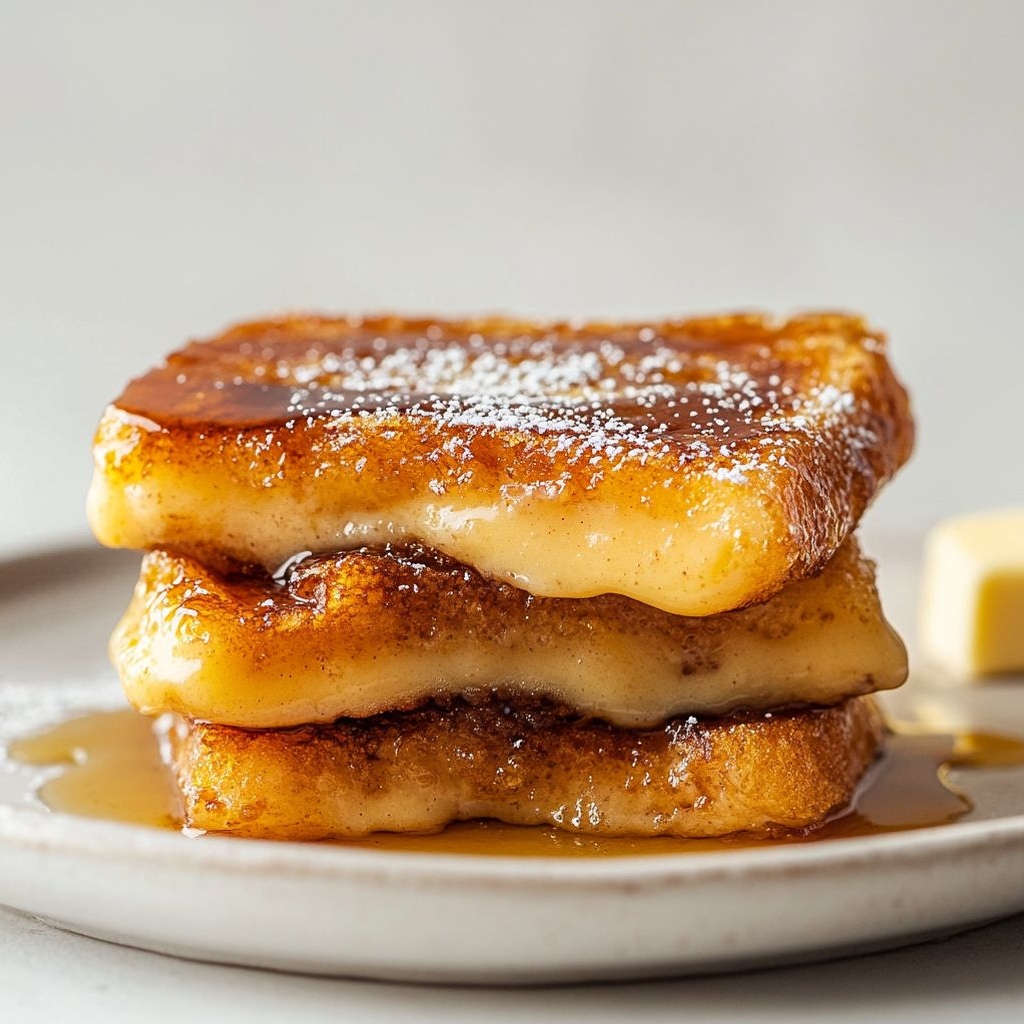
Imagine waking up to the warm, inviting scent of caramelized sugar meeting a creamy, vanilla-scented custard, all wrapped around a slice of perfectly aged bread. French toast crème brûlée is the kind of dish that sounds indulgent enough for a celebratory brunch, yet feels effortless enough for a cozy weekend morning. This recipe is more than a fancy twist on a classic breakfast; it’s a sensorial experience that plays with textures and temperatures, bringing together the familiar comfort of French toast and the decadent crunch of a brûlée top. The contrast alone—silky, custardy interior under a crackling sugar crust—is enough to make even the most devoted skeptics pause, savor, and smile. It’s not merely a dessert dressed up with breakfast vibes; it’s a refined brunch darling that can turn an ordinary table into a small, memorable celebration.
From the first whiff of toasted sugar to the soft sigh of the custard breaking on your tongue, this dish offers an irresistible journey. The aroma alone carries notes of vanilla, a whisper of citrus, and a hint of caramel that lingers long after the last bite. The technique is a playful negotiation between two worlds: the everyday comfort of French toast and the elegant finish of a crème brûlée. The result is a dessert-brunch hybrid that’s both approachable and show-stopping, comforting yet novel, familiar enough to please a crowd and intriguing enough to spark conversation at the table.
The Story Behind the Dish
Every great dish has a story, and this one unfolds at the intersection of brunch culture and classic French technique. French toast is one of those timeless comfort foods that shows up in kitchens worldwide—dressed up for holidays, tinkered with for weekend mornings, and always ready to be coaxed into something special. Crème brûlée, on the other hand, is a symbol of refinement—a custard so smooth it seems to melt on the tongue, crowned with a glassy shell of caramelized sugar that shatters with a satisfying crack. Pair them, and you get a narrative about tradition meeting innovation, a culinary wink to both the decadence of dessert and the approachability of breakfast.
The idea for a fusion like French toast crème brûlée often travels from the tastes and memories we chase in new places: a bustling city brunch where someone dreams up something that looks fancy but tastes comforting; a late-night kitchen improvisation where two textures have a conversation: soft and crisp, warm and cool, sweet and slightly bitter. You can picture a chef, perhaps at a sunlit cafe, letting a thick slice of bread absorb a lush custard before sending it under a hot flame to create that shimmering, crackling top. The dish becomes a celebration of textures: the softness of a well-soaked interior, the crisp resistance of the caramelized crust, and the smooth, almost velvet finish that lingers after the bite. It’s a modern heirloom dish, a reminder that the joy of cooking often lies in pairing the familiar with the unexpected.
Cultural threads weave through this recipe as well. Brûlée techniques originate in a tradition that loves a crisp, caramelized top—a topography of flavor and crunch that mimics the surface of sun-warmed desserts. French toast, a staple across continents, carries with it family memories: Sunday mornings, the sound of the pan, the rush of smoke and steam, the gentle drizzle of sweet syrup. By borrowing the brûlée finish and applying it to the world of French toast, cooks honor both origins while creating something new—an edible bridge between past and present, between nostalgia and novelty. It’s the kind of dish that invites conversation: where did the idea come from? how did it taste the first time you tried it? and why does it feel so indulgent yet so comforting at the same time?
Ultimately, this dish is about celebration—of technique, of ingredients, and of shared meals that linger in memory. It asks for a little patience and a lot of care: a slow soak to allow flavors to mingle, a careful caramelization to form that iconic shell, and a generous portion that invites a second, third, and perhaps a fourth bite. When plated, it tells a story of balance: richness without heaviness, technique without fuss, sophistication without intimidation. It is the kind of dish that makes ordinary brunch feel extraordinary and teaches that sometimes the most delightful surprises come from thoughtful contrasts and precise execution.
Why You’ll Love This Recipe
- Impressive yet approachable: It looks like a showpiece, but the concept is simple enough for a weekend project or a festive brunch.
- Contrasting textures: A creamy, custard-like interior with a crisp, glassy caramel shell creates a satisfying bite every time.
- Aromatics that sing: Vanilla, a hint of warmth from spices, and a subtle citrus note lift the flavors beyond the ordinary.
- Make-ahead friendly: You can prep components in advance and finish with the brûlée topping just before serving, making it ideal for entertaining.
- Versatile for many diets and occasions: The base concept can be adapted with substitutions and variations to suit different dietary needs.
- Comforting and indulgent yet balanced: The dish delivers dessert-like luxury without feeling overwhelming for a late-m morning feast.
- Pairing potential galore: It pairs beautifully with coffee, sparkling beverages, fresh fruit, or a dollop of whipped cream for added richness.
- Creative brunch centerpiece: This dish invites conversation, celebration, and a sense of occasion around the table.
Flavor Profile & Texture
At its core, French toast crème brûlée is a study in contrasts that work together as a cohesive whole. The interior is softly custardy, ethereal in its tenderness, with a gentle depth that often comes from a balanced blend of comforting flavors such as vanilla, a touch of citrus zest, and a hint of warmth from spices. The custard thickness is designed to be spoonable, not heavy—creaminess that glides across the palate and lingers with a subtle sweetness. It’s the kind of texture that invites slow savoring, a moment of quiet indulgence as the mouth cooperates with the senses.
The exterior offers a different kind of magic. Once the dish is assembled and warmed, a caramelized sugar crust forms a resilient, glassy shell that cracks with a satisfying snap when you bite into it. The top surface is glossy and amber, a visual cue that the flavors beneath are both luxurious and deeply comforting. When cracked, the shell reveals the delicate, tender custard beneath—like a pastry’s innards tucked beneath a delicate glaze. The aroma of melted sugar meeting a hot surface is intoxicating: deep caramel notes, a whisper of vanilla, and the faintest edge of citrus zest that brightens the finish.
Flavor-wise, you’ll notice a gentle but distinct sweetness that doesn’t overwhelm; instead, it amplifies the natural carousel of flavors that travel from the bread’s toasty notes to the custard’s smooth richness. The bread itself contributes a nuanced texture—soft and airy in the soak, with a slight sturdiness that holds up to the custard without becoming soggy. Some cooks incorporate a whisper of spice, such as cinnamon or nutmeg, which adds warmth and a hint of old-world café charm. A subtle citrus lift—orange or lemon zest—brightens the profile, helping the dish feel lively rather than dessert-heavy, and it pairs wonderfully with a bitter coffee or a sparkling beverage that cleanses the palate between bites.
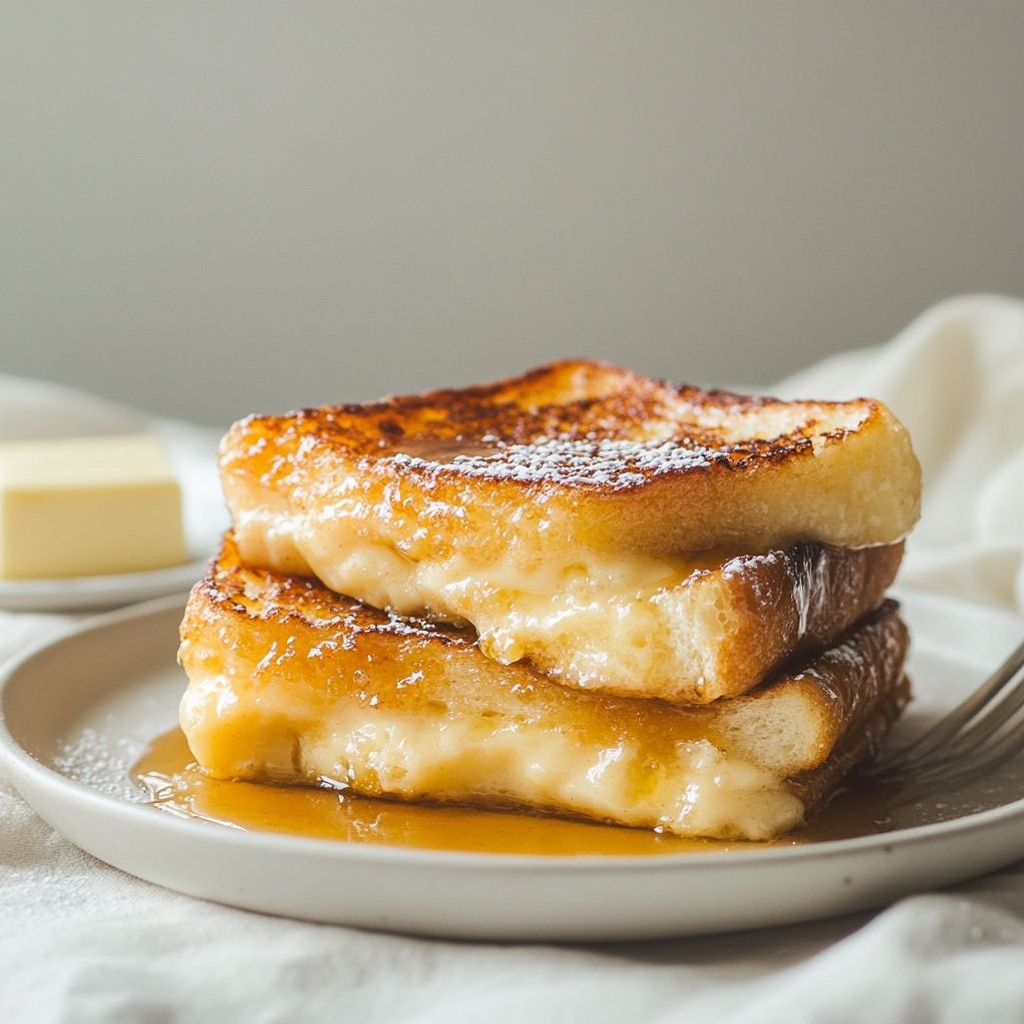
The texture journey is the dish’s signature: begin with the crack of the brûléed top, then dip into a silken interior that melts in your mouth, followed by the satisfying chew of the bread’s structure and a lingering sweetness that feels both refined and comforting. It’s a trifecta of sensory experiences—crunch, creaminess, and a warm, toasty aroma—that makes each bite feel like a carefully choreographed moment in a brunch symphony.
Occasions & Pairings
This dish shines in a variety of settings, from intimate mornings to festive gatherings. It’s equally at home on a holiday brunch table as it is on a lazy Sunday breakfast with close friends. Consider these scenarios and pairing ideas for maximum impact:
- Holiday gatherings: A show-stopping centerpiece for Christmas morning or Easter brunch, paired with a sparkling beverage or a creamy yogurt parfait to balance sweetness.
- Weekend brunch with friends: Serve alongside seasonal fruit, a light salad, and robust coffee or chai for depth and contrast.
- Special celebrations: Pair with a dessert wine or a lightly sweetened sparkling cocktail that echoes the caramel notes without overpowering the custard.
- Family-friendly mornings: Keep portions modest and present a topping bar with fresh berries, nuts, a dollop of whipped cream, and a drizzle of maple or honey for customizable sweetness.
Pairings to consider for a complete table:
- Side dishes: A citrus-inflected fruit salad, a yogurt or crème fraîche offering, and lightly dressed greens to add brightness.
- Drinks: A well-roasted coffee, a nutty latte, or a light, effervescent sparkling beverage to balance the richness; for adults, a glass of light sparkling wine or a citrus-forward cocktail can elevate the experience.
- Desserts that echo the theme: A light berry tart or a simple bowl of seasonal fruit can complement the dish without competing with the brûlée top.
Tips, Variations & Substitutions
Creative ways to customize
- Flavor twists: Swap in different aromatics such as vanilla bean, orange blossom, or cardamom to shift the scent profile and complement seasonal fruits.
- Texture shifts: If you crave extra contrast, add a subtle sprinkle of chopped nuts or toasted seeds on the top before caramelizing to introduce a crunchy layer that echoes the brûlée shell.
- Fruit accents: A light fruit compote or fresh citrus segments folded into the custard can add brightness and a splash of color, balancing sweetness with acidity.
Dietary alternatives
- Vegan option: Use plant-based bread with a custard built from a blend of plant milks and a thickener such as a cornstarch slurry, then finish with a vegan caramelized topping using sugar substitutes that caramelize well. Ensure the bread remains sturdy enough to soak without disintegrating.
- Gluten-free adaptation: Choose a sturdy gluten-free bread that holds up to soaking. The rest of the technique remains the same, preserving the contrast between a crisp top and tender interior.
- Lactose-friendly: Use lactose-free dairy or a nut-based milk blend for the custard while keeping the same finish on top to maintain texture and glaze.
Regional twists
- Spanish-inspired: Add a hint of cinnamon and citrus zest, and finish with a drizzle of orange-infused syrup to echo classic crema catalana elements.
- French café nod: Use a subtle espresso powder in the custard and finish with a dark caramel top to echo the flavors of a café au lait nightcap.
- Middle Eastern warmth: Introduce a touch of saffron or rose water into the custard for a floral note that pairs beautifully with pistachios or berries.
Storage & Make-Ahead Ideas
The beauty of this dish is that you can plan ahead while still delivering a dramatic finish. Here are practical tips to tailor the timing to your schedule:
- Make-ahead custard: Prepare the custard base and bread soaking mixture a day in advance. Store refrigerated in a covered dish, and rewarm gently the morning you serve. This can shave precious minutes off your brunch routine.
- Assemble before serving: Soak the bread in the custard in the morning, then refrigerate briefly if you’re pressed for time. When guests arrive, quickly caramelize the top and serve hot, ensuring that crisp top and warm interior are at their peak.
- Leftovers: Refrigerated leftovers can be gently reheated in a warm oven or toaster oven to refresh the interior. The brûléed top should be recreated with a quick pass under a broiler or a crème brûlée torch to recapture the signature crackle.
- Avoid sogginess: For best texture, avoid soaking the bread too long if you plan to reheat. A moderate soak yields a sturdy interior that holds up to refrigeration and re-warming without turning mushy.
Fun Facts & Trivia (Optional)
Here are a few tidbits that sprinkle extra flavor onto the tale of this dish:
- The technique of caramelizing sugar to create a hard, glassy shell is centuries old and spans many cuisines, from desserts to savory sauces. The satisfying crack is not just sensory; it signals a crisp contrast that awakens the palate.
- Crème brûlée itself has a debated origin, with both French and English-speaking culinary traditions laying claim to similar custards perfected with sugar shells. This dish playfully bridges that history with a familiar breakfast staple.
- French toast has been known by a variety of names around the world, often reflecting local pantry staples. The idea of soaking bread to absorb flavor and then cooking it until golden is a universal comfort, which makes this crème brûlée version feel both global and personal.
- Texture science tip: the torch or hot pan used to caramelize the sugar creates a thermo-gel moment where liquid sugar rapidly hardens upon contact with air, forming that iconic crack. Mastery of this moment is what elevates the dish from good to extraordinary.

Ingredients
French toast crème brûlée
French Toast Base
- 8 slices thick-cut brioche or challah bread, stale or day-old
→ The bread is the vessel that will soak up the custard without collapsing during frying. Thick-cut, rich breads like brioche or challah give a tender, flavorful crumb when soaked. If your bread is very fresh, dry it slightly in a low oven (about 300°F / 150°C) for 5–7 minutes to improve soaking and prevent sogginess. For uniform results, trim crusts if desired. - 4 large eggs
→ Eggs provide structure and help bind the custard to the bread. Use room-temperature eggs for easier whisking and even mixing. Lightly whisk to break yolks but avoid overworking to keep a creamy texture. - 1 cup whole milk
→ Milk adds moisture to the custard and helps the bread soak evenly. Whole milk keeps the mixture rich without curdling; you can substitute 2% if needed, but dairy richness will be reduced. Warm slightly before soaking to improve absorption. - 1/2 cup heavy cream
→ Adds luxurious richness and a smoother mouthfeel to the soaking mixture. Heavy cream helps create a more custardy interior rather than a dry one. If you’re limiting dairy, you can reduce to 1/4 cup, but expect a lighter texture. - 2 tablespoons granulated sugar
→ Sweetens the custard base just enough to complement the spices without overpowering the French toast. If you prefer sweeter toast, you can increase by 1–2 tablespoons. Whisk until dissolved to avoid grainy pockets. - 1 teaspoon pure vanilla extract
→ Vanilla enhances the custard’s aroma and pairs beautifully with cinnamon. For a deeper vanilla note, use a real vanilla extract or vanilla bean paste; scrape or mix thoroughly into the liquid before combining with eggs. - 1 teaspoon ground cinnamon
→ Adds classic warmth and aroma to the custard. For a more pronounced spice, increase to 1½ teaspoons or blend with a pinch of nutmeg. Freshly ground cinnamon provides a sharper flavor than pre-ground. - 1/4 teaspoon ground nutmeg (optional)
→ A hint of nutmeg contributes a subtle farewell note that complements cinnamon and vanilla. Omit if you prefer a purer cinnamon profile or if you’re serving with fruit that brings its own spice. - 1/4 teaspoon salt
→ Balances sweetness and enhances overall flavor. Salt also strengthens the perception of vanilla and cinnamon. Use fine salt for even distribution. - 2 tablespoons unsalted butter, for frying
→ Butter creates a rich, flavorful crust on the French toast and helps prevent sticking. Fry in a skillet over medium heat; cook in batches if needed. If you’re dairy-free, use a neutral oil or dairy-free butter substitute.
Crème Brûlée Custard
- 2 cups heavy cream
→ The main base for the brûlée custard, delivering silkiness and body. Heat gently to just below simmering to avoid scorching; this creates a smooth, cohesive custard with a delicate set. If you mix with the French toast layer, plan around chilling time for the brûlée shell. - 1/2 cup whole milk
→ Adds a touch of lightness to the custard while maintaining richness. If you omit milk, you’ll have a denser cream; adjust sugar accordingly to maintain balance. - 4 large egg yolks
→ Provide the creamy, set texture of the crème brûlée. Yolks contribute richness without too much airiness. Temper yolks with warm cream gradually to prevent scrambling, then return to a gentle heat until thickened. - 1/3 cup granulated sugar
→ Sweetens the custard and helps form a smooth, glossy surface when properly caramelized. Dissolve sugar well and whisk thoroughly with yolks and cream; a pinch of salt can be added to balance flavors. - 1 teaspoon vanilla bean paste or extract
→ Intensifies the vanilla character of the brûlée. Vanilla bean paste adds visible vanilla specks and a deeper flavor; if using extract, add a few extra drops to reach the desired aroma. - Pinch of salt
→ Enhances sweetness and depth of flavor in the custard, helping to round out the richness. Do not omit if you prefer a balanced finish.
Caramel Brûlée Topping
- 1/2 cup granulated sugar (for brûlée topping)
→ This sugar forms the hard, caramelized shell on top of the custard. Evenly sprinkle in a thin, uniform layer to ensure a crisp crack when torched or broiled. If sugar clumps, gently break up lumps with your fingers before caramelizing for a smooth finish.
Optional Garnishes
- Fresh berries or berry compote (optional)
→ Adds bright acidity and vibrant color to balance the rich custard. Choose berries that are in season and rinse just before serving. If using compote, add just a spoonful on top to avoid overwhelming the brûléed crust. - Powdered sugar (optional)
→ A light dusting enhances presentation and sweetness. Sift lightly just before serving to avoid clumping.
Instructions
- Preheat your oven to 325°F (165°C) and place a rack in the middle; set four to six 6-ounce ramekins in a deep baking dish to form a stable water bath; this gentle setup prevents scorching and helps the custard set evenly during baking.
- In a small saucepan combine 2 cups heavy cream, 1/2 cup whole milk, and a pinch of salt; warm over medium heat just until small bubbles form around the edges and the mixture is steaming lightly; remove from heat before it boils; this heats the dairy for even custard and helps dissolve sugar later without scorching.
- In a medium bowl whisk 4 large egg yolks with 1/3 cup granulated sugar until the mixture lightens in color and thickens slightly; this builds the custard’s structure and ensures a smooth, glossy texture after cooking.
- Slowly ladle a small amount of the warm cream into the yolks while whisking constantly to temper the yolks; then whisk the tempered yolk mixture back into the saucepan with the remaining hot cream; this prevents scrambling and yields a uniform custard base.
- Return the pot to low heat and cook, stirring with a silicone spatula, until the custard thickens enough to coat the back of a spoon and registers about 170°F (77°C); do not let it boil; this creates the proper viscosity for a crème brûlée surface.
- Strain the custard through a fine-mesh sieve into a clean bowl, then whisk in 1 teaspoon vanilla bean paste or extract; taste and adjust with an extra tiny pinch of salt if needed; this yields a velvety texture and even vanilla distribution.
- Evenly divide the strained custard among the prepared ramekins, leaving about 1/4 inch of headspace; carefully place the ramekins in the water bath and pour hot water into the outer dish until it comes halfway up the sides; this water bath guarantees gentle, uniform cooking and prevents cracking.
- Bake the custards for 40–45 minutes until the centers are just set with a slight jiggle; remove from the water bath, cool on a rack, then refrigerate for at least 2 hours or overnight; this chilling firms the surface and enhances the brûlée topping later.
- For the French toast base, whisk together 4 large eggs, 1 cup whole milk, 1/2 cup heavy cream, 2 tablespoons granulated sugar, 1 teaspoon vanilla, 1 teaspoon ground cinnamon, 1/4 teaspoon ground nutmeg (optional), and 1/4 teaspoon salt until the mixture is completely smooth and the sugar is dissolved; this forms a rich, evenly seasoned soak that flavors the bread.
- If the brioche or challah slices are very fresh, dry them slightly in a round, low oven at 300°F (150°C) for 5–7 minutes to enhance soaking and prevent sogginess; then cut slices 3/4 to 1 inch thick for sturdy soaking and fryability; this controls moisture and yields a tender interior.
- Trim crusts if desired for uniform thickness, then dip each slice into the prepared French toast soak, allowing 20–40 seconds per side for thorough absorption without tearing the bread; this produces a custardy interior when fried.
- Heat a large skillet over medium and add 2 tablespoons unsalted butter; swirl to coat the surface as the butter foams; this creates a flavorful crust and prevents sticking.
- Fry the soaked bread in the butter until deeply golden and crusty on the outside, about 2–3 minutes per side; adjust heat to maintain a steady sizzle and flip carefully with tongs when the underside is browned; transfer to a warm plate and keep warm in a low oven if needed; this yields a balanced contrast of crisp exterior and custardy interior.
- To assemble the crème brûlée topping, evenly sprinkle 1/2 cup granulated sugar over the surface of the chilled crème brûlée custards, distributing it in a thin, uniform layer; this ensures a consistent caramelized shell across the portions.
- Caramelize the sugar with a handheld culinary torch held about 2 inches (5 cm) from the surface, moving in small, overlapping circles until the sugar melts, turns amber, and forms a glossy hard crust; if using a broiler, place the ramekins on a rack under a preheated broiler for 1–2 minutes, watching constantly; this creates the signature crisp brûléed top with a satisfying crack when tapped.
- To serve, plate a couple of slices of the warm French toast alongside a poised portion of crème brûlée custard or the brûléed custards themselves; if desired, spoon a small quenelle or dollop of custard next to the toast and present the brûlée shell on top; garnish with fresh berries or a light dusting of powdered sugar to brighten the plate; this presentation highlights the contrast of temperatures and textures.
→ A water bath provides steady, indirect heat that keeps the crème brûlée custard smooth and prevents curdling or cracking at the edges.
→ Heating the dairy before mixing with yolks helps the custard set with a silky texture and reduces risk of scrambled eggs.
→ Properly beaten yolks trap air and create a tender, cohesive custard when gently cooked.
→ Tempering gradually raises the yolk temperature for a silky custard without curdling.
→ Gentle heat ensures a smooth, creamy custard that will set properly in the oven.
→ Straining removes any cooked curds and ensures a pristine, glossy custard surface.
→ The water bath moderates heat transfer, creating a smooth, well-set custard with minimal cracking.
→ A fully cooled custard yields clean slicing and a crisp caramelized top when brûled.
→ Thorough mixing ensures consistent sweetness, aroma, and spice in every slice.
→ Slight drying helps the slices absorb custard without becoming mushy during frying.
→ Proper soaking weight distributes custard evenly and avoids collapsed slices during frying.
→ Butter adds rich flavor and a crisp, golden crust to the toast while preventing it from sticking to the pan.
→ Proper browning develops aroma and texture that define classic French toast.
→ Even sugar distribution guarantees a smooth, crackable surface when brûléed and prevents thin or thick patches.
→ A precise, even caramelization yields a crisp shell that contrasts with the creamy custard beneath and provides the dish’s defining texture.
→ Pairing warm toast with cold custard and a brûné shell creates a dynamic dessert that showcases both components while appealing to multiple senses.
Notes
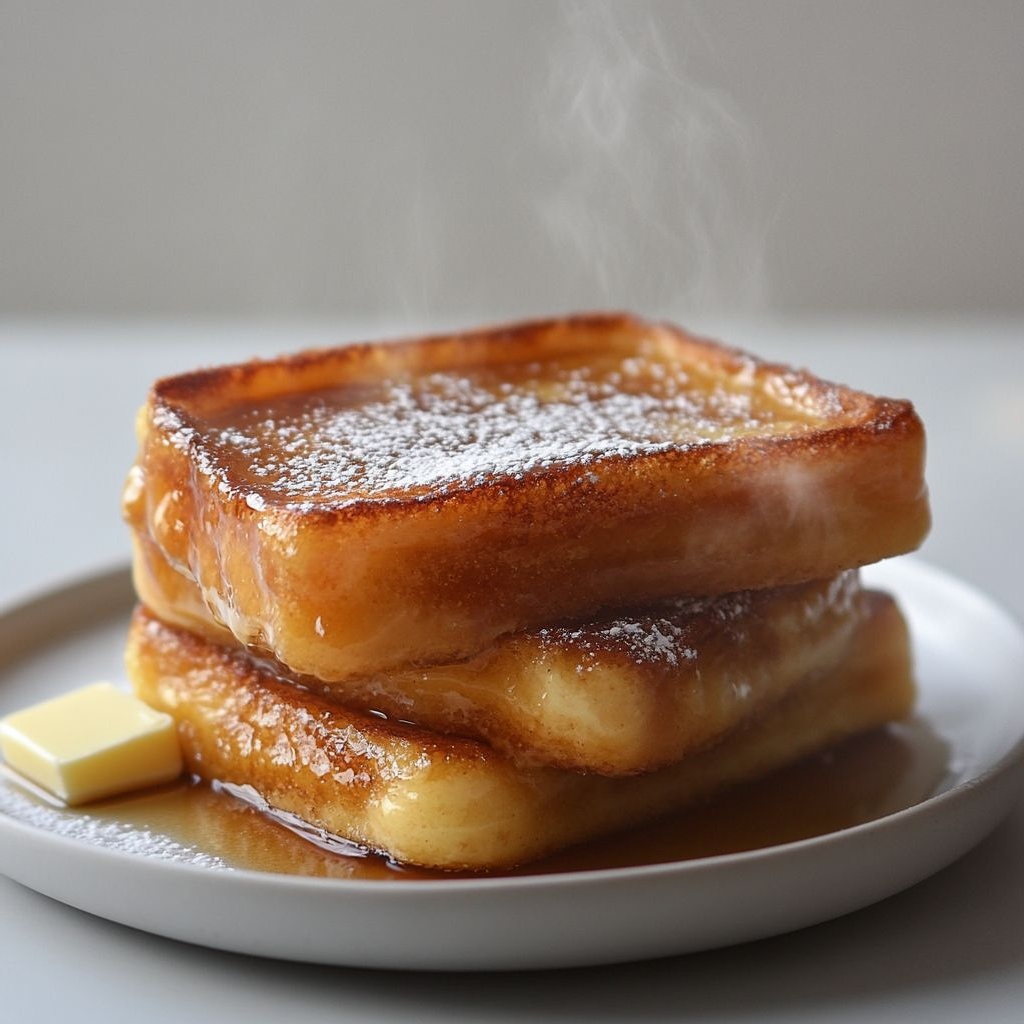
These French toast crème brûlée bring a luxurious twist to a weekend brunch by marrying the custardy richness of crème brûlée with the comforting heart of French toast. Thick slices of brioche or challah soak up a silky custard, are fried to a golden crust, and finished with a crackling sugar shell for a dessert-like breakfast that feels indulgent yet approachable. Use these notes to guide prep, customization, and timing so every component shines.
- Bread handling: Use thick-cut brioche or challah, preferably stale or day-old so the slices soak without falling apart. If bread is very fresh, dry it in a low oven (about 300°F / 150°C) for 5–7 minutes to improve absorption and prevent sogginess. Trim crusts if desired for uniform slices.
- Custard prep for soaking: Warm the milk and cream to just below a simmer to enhance absorption into the bread. Whisk the eggs with the sugar, vanilla, cinnamon, nutmeg, and salt, then gradually whisk in the warm dairy to temper. Return the mixture to a gentle heat and simmer until it thickens slightly, but do not curdle the eggs.
- Soaking and frying the base: Dip each bread slice briefly in the custard, letting excess drip off. Fry in 2 tablespoons unsalted butter over medium heat until deep golden and crisp around the edges. Cook in batches to avoid crowding the pan, and keep cooked slices warm while you finish the rest.
- Crème brûlée custard notes: The custard base for the brûlée should be rich and smooth, with yolks providing a creamy set. Temper the yolks with warm cream, then cook until it coats the back of a spoon. Chill until set as needed depending on your assembly plan.
- Caramelized topping timing: The brûlée sugar topping is added just before serving. After the assembled French toast has cooled slightly, sprinkle a thin, even layer of granulated sugar on top of the custard surface and caramelize with a kitchen torch (preferred) or under a hot broiler until the sugar forms a glossy, crackable shell. Work quickly and evenly to avoid scorching the toast underneath.
- Make-ahead strategy: You can prepare the crème brûlée custard and the fried toast components separately and assemble just before serving. The custard can be cooled and stored in the fridge for up to 1–2 days; rewarm gently before topping and torching. If desired, the brûlée topping should be applied right before plating for best texture.
- Serving and garnishes: Pair with fresh berries or a berry compote for brightness, and finish with a light dusting of powdered sugar. A dollop of whipped cream or a spoonful of natural yogurt can add richness and contrast, while a drizzle of maple syrup ties the flavors together.
- Diet and substitutions: For dairy-free adaptations, substitute dairy with full-fat coconut cream and a plant-based milk, and ensure the sugar and any toppings are dairy-free. If you prefer a lighter version, reduce the heavy cream in the custard by half and compensate with additional milk, but expect a lighter texture. Always check that all components (bread, toppings) are gluten-free if serving to gluten-sensitive guests.
Tips
Choosing and preparing the bread
- Use the bread specified: thick-cut brioche or challah. Their rich crumb soaks up the custard without collapsing during frying.
- If your bread is very fresh, dry it slightly in a low oven (about 300°F / 150°C) for 5–7 minutes to improve soaking and prevent sogginess.
- For uniform results, trim crusts if desired and aim for slices of even thickness to ensure consistent soaking and frying.
- If you can’t find brioche or challah, a stout sandwich bread can work, but you may need to adjust soak time to avoid soggy centers.
Custard base and soaking tips
- Use room-temperature eggs for easier whisking and a smoother custard. Lightly whisk to break yolks but avoid overworking.
- Warm the milk and cream slightly (to just steaming) to improve absorption by the bread without scrambling the eggs.
- Whisk the sugar into the eggs until dissolved to prevent grainy pockets in the final custard.
- Season with salt to balance sweetness and enhance vanilla and cinnamon flavors.
- Allow the bread slices to soak in the custard mixture for a few minutes on each side, then press gently to ensure even saturation without tearing the bread.
- For deeper spice notes, you can infuse the milk with a small cinnamon stick or a pinch of nutmeg during warming, then strain before mixing with eggs.
Crème brûlée custard tips
- Heat the heavy cream (and milk) to just below a simmer to create a smooth, cohesive custard when combined with yolks.
- Temper the egg yolks by gradually whisking in a small amount of hot cream, then slowly whisk in the rest to prevent scrambling.
- Strain the custard mixture through a fine-mesh sieve to remove any lumps for a silkier texture.
- Add the vanilla bean paste or extract; if you’re using extract, you may want a touch more to reach the desired aroma.
- Pour the custard over the soaked bread and chill as needed; if you intend to bake it, a gentle water bath helps prevent cracking and yields even setting.
Caramel brûlée topping tips
- Evenly sprinkle the 1/2 cup granulated sugar in a thin, uniform layer to form a crisp shell.
- Use a culinary torch for precise caramelization; keep the torch moving and glaze the surface evenly until it turns a deep amber. If using a broiler, place the dish on the middle rack and monitor closely to avoid burning.
- Let the caramelized sugar shell rest for 1–2 minutes before serving to ensure it hardens fully; a soft shell will crack less cleanly.
- If sugar clumps, break apart lumps with clean fingers before caramelizing for a smoother top.
- Caramelize just before serving for the best contrast between the crisp top and the creamy custard.
Make-ahead, assembly, and serving tips
- Custard can be prepared in advance and chilled; soak the bread closer to serving if you prefer a softer interior, or toast/fry the bread just before serving for a crispier exterior.
- Keep the brûlée topping separate until service if you plan to assemble ahead; sprinkle and caramelize right before serving to preserve a crisp shell.
- When frying the French toast slices, use a stable, medium heat and butter to achieve a rich crust without burning. Fry in batches to maintain even heat.
- Optional garnishes like fresh berries or berry compote add bright acidity; dust with powdered sugar just before serving for a polished look.
- For a dairy-free version, substitute dairy with a neutral-tavored plant milk and a dairy-free butter substitute; be aware that texture and flavor will shift slightly.
Troubleshooting and flavor tweaks
- If the custard is undercooked and wobbly after chilling, bake longer or adjust the water bath and temperature if you’re baking the custard in ramekins.
- If the custard cracks after chilling, ensure gentle heat during cooking and avoid over-baking; a slight jiggle in the center is ideal.
- If the brûléed top doesn’t form a crack when tapped, the shell may be too thick or not properly caramelized. Recaramelize a fresh layer a minute or two after the initial torching.
- Flavor variations: add a pinch of orange zest to the custard, or substitute half the vanilla with almond extract for a different aroma. Cinnamon can be enhanced or balanced with a touch of cardamom or nutmeg according to taste.
Garnish and presentation ideas
- Top with fresh berries or a berry compote to cut through richness; add just a small spoonful to avoid overpowering the brûléed crust.
- A light dusting of powdered sugar right before serving adds a refined finish and helps highlight the caramelized top.
- Serve in warm ramekins or a shallow dish to ensure the caramel shell remains intact when served.
FAQ
What is French toast crème brûlée?
A fusion dish that starts with custard-soaked French toast and finishes with a caramelized sugar crust on top, like crème brûlée. The result is a creamy interior with a crisp, brûléed top.
What ingredients do I need?
For the custard and toast base: 6–8 thick slices brioche or challah, 4 large eggs, 3/4–1 cup milk or cream, 1–2 tsp vanilla extract, 1–2 tbsp sugar for the custard, 1/2 tsp ground cinnamon, pinch of salt, and butter for cooking. For the top: granulated sugar (about 1–2 tsp per slice). Optional toppings: fresh berries, maple syrup, and powdered sugar.
What bread works best for this recipe?
Stale or day-old brioche or challah works best, because it soaks up the custard without falling apart. Use thick slices (about 1 inch) for optimal texture.
How do I soak the bread?
Whisk eggs, milk/cream, vanilla, cinnamon, sugar, and a pinch of salt in a shallow dish. Dip each bread slice to coat both sides, letting it soak 20–40 seconds per side. For extra custard, you can refrigerate the soaked bread for 30–60 minutes or overnight, then blot gently before cooking.
Should I bake or pan-fry?
Both methods work. Pan-fry slices in a little butter over medium heat until lightly golden, then finish in a 350°F (175°C) oven for 8–12 minutes to set the custard. Alternatively, bake the soaked bread in a greased dish at 350°F for about 20–30 minutes until the custard is set and the edges are golden.
How do I create the brûlée topping?
After the French toast is cooked, sprinkle a thin, even layer of granulated sugar over each slice. Use a kitchen torch to caramelize the sugar until deep amber and glossy, about 1–2 minutes per slice. If you don’t have a torch, place under a hot broiler for 1–2 minutes, watching closely to prevent burning.
Can I make this ahead?
Yes. You can prepare the custard-soaked bread and refrigerate overnight. Bake and brûlée just before serving for best texture. Leftovers can be stored in the fridge and re-brûlée briefly to refresh the top.
How should I store leftovers and reheat?
Store refrigerated in an airtight container for up to 2–3 days. Reheat in a toaster oven or 350°F oven for 5–8 minutes until warmed through. Re-brûlée the tops with a torch or under the broiler to refresh the crust.
Can I adapt this recipe for dietary restrictions?
Yes. For dairy-free, use almond, soy, or other non-dairy milk and a dairy-free butter substitute. For gluten-free, use a gluten-free brioche or challah. Texture may vary with substitutions, so you may need to adjust the soaking time or sugar slightly.
What toppings or serving ideas pair well?
Serve with fresh berries, a drizzle of maple syrup or honey, whipped cream, and a dusting of powdered sugar. A touch of cinnamon or citrus zest can brighten the flavors. For extra indulgence, add a dollop of vanilla yogurt or crème fraîche.
Tips for perfect texture and flavor
Use slightly stale bread to improve soaking, avoid over-soaking to prevent sogginess, cook until the custard is set but still moist, and caramelize the top right before serving to keep the interior tender. If you don’t have a torch, a quick broil works, but watch closely to prevent burning.