Introduction / Hook
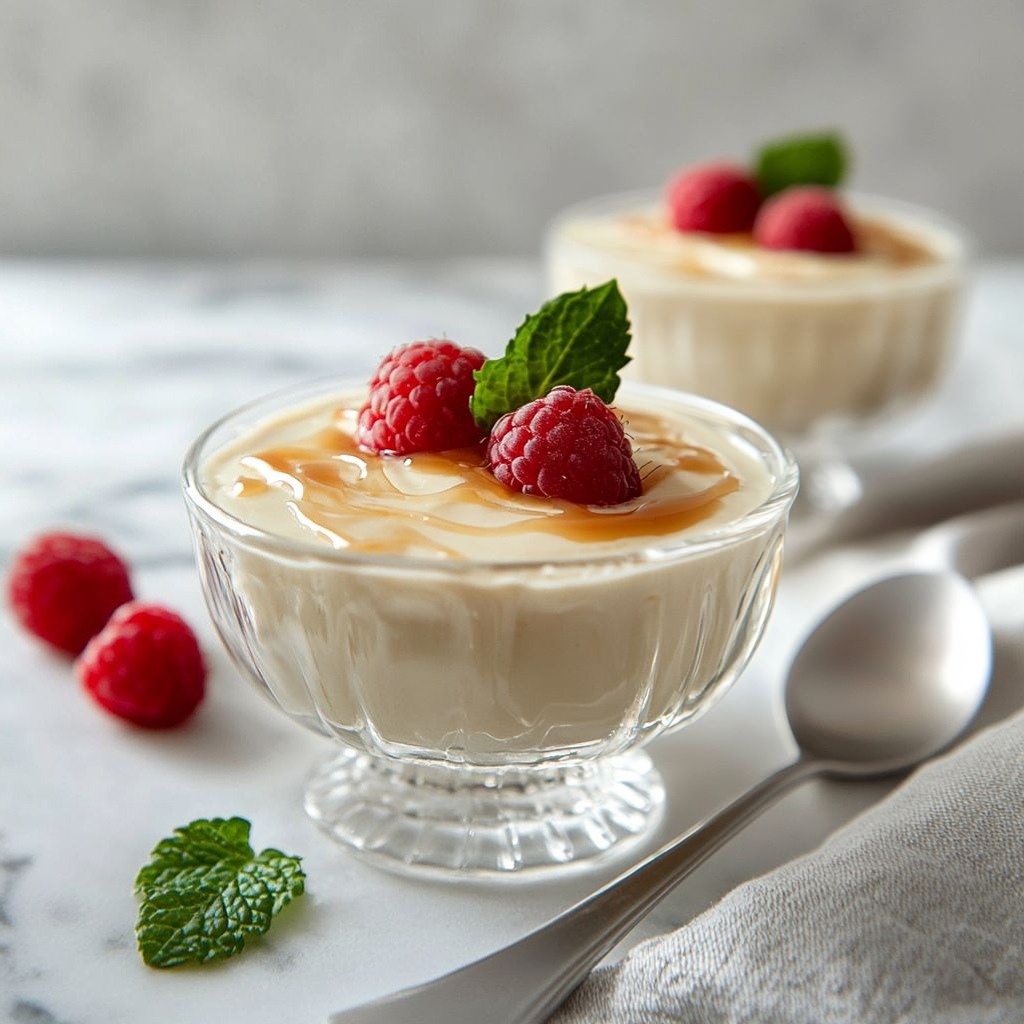
Close your eyes and imagine a spoon gliding through velvet. This is more than dessert; it’s a moment suspended between warmth and delight. Dessert cremoso invites you into a world where dairy sings softly, where sweetness is a graceful companion rather than a loud shout, and where texture becomes a language all its own. The first touch on the tongue is a whisper—silky, tender, and faintly glossy—like satin melting on a quiet afternoon. As it unfolds, you sense a nuanced balance: richness that acknowledges luxury, yet restraint that keeps the experience approachable for a weeknight treat or a celebratory finale. This dessert asks for nothing dramatic to shine, only the quiet confidence of cream, a touch of sweetness, and a canvas for your favorite flavor accents. It is the kind of dessert that transforms an ordinary moment into something memorable, a sensory pause that lingers long after the last spoonful. In its simplest form, dessert cremoso becomes a ritual of indulgence—soft enough to spoon with ease, substantial enough to feel satisfying, and endlessly adaptable to your mood, season, or pantry. The name itself—”dessert cremoso”—hints at a mood: creamy, comforting, and irresistibly smooth. Welcome to a dessert that invites you to slow down, to savor, and to discover new depth in what seems like a familiar, beloved texture.
The Story Behind the Dish
Every culture carries a version of the creamy finale that crowns a meal, and dessert cremoso is a celebration of those shared pleasures. Think of the Italian panna cotta with its glassy shimmer, the Spanish crema catalana with its delicate crust, the French crème légère that feels like whipped clouds, and the Latin American flan that glides wobbly and rich across the palate. This dish is a quiet synthesis of those traditions, a modern homage to the universal love of a dessert that glides, not sticks, on the tongue. The origin story is as comforting as the dish itself: in a sunlit kitchen perched on a hill, a home cook—perhaps a grandmother, perhaps a neighbor, perhaps you—grants milk and cream permission to mingle with vanilla, citrus zest, or a whisper of cocoa. A gentle thickener joins the party, not to overpower, but to hold the dream together. Over time, the recipe is passed along, adapted to different climates, royal to casual tables, and always inviting a little improvisation. A squeeze of lemon brightens the night, a dusting of cocoa deepens the memory, and a few berries offer a lively counterpoint. In this lineage, dessert cremoso becomes more than a dessert; it becomes a tradition you can customize, a canvas for celebration, and a comforting routine when life feels hurried. The story is not fixed; it evolves with the cook who revives it, the pantry at hand, and the flavor you crave in the moment.
Why You’ll Love This Recipe
- Versatility that rewards improvisation: start with a creamy base and finish with your preferred flavor accents, whether vanilla, citrus, coffee, chocolate, or fruit.
- Long finish, short effort: the dessert feels indulgent and luxurious, yet the hands-on time is approachable and forgiving, making it ideal for both weeknights and special occasions.
- Make-ahead friendliness: this dessert can set in advance, allowing you to prepare a stunning finale without last-minute rush.
- Silky texture that adapts to your mood: firm enough to hold a delicate slice or spoonable enough for dessert cups, it delivers a consistently creamy mouthfeel.
- Customizable sweetness: you can dial in sweetness to suit any audience—from those who crave a gentle sweetness to those who love a more pronounced dessert profile.
- Comforting nostalgia with a modern twist: while reminiscent of classic custards and creams, it embraces contemporary techniques and flavor pairings for a fresh take.
- Kid-friendly, adult-approved: its gentle flavor profile makes it accessible to younger palates while evolving with bolder toppings for grown-ups.
- Elegant presentation opportunities: the smooth surface and glassy sheen lend themselves to beautiful serving ideas—layered in透明 cups, topped with fruit, or finished with a glossy chocolate glaze.
Flavor Profile & Texture
At its heart, dessert cremoso is a study in contrast and harmony. The base offers a whisper of dairy richness—a blend of milk and cream that feels light on the tongue yet substantial enough to evoke indulgence. If vanilla plays the lead, you’ll notice a gentle orchestration of its warm, comforting perfume—a reminder of creamy custards and old-fashioned desserts enjoyed on cozy evenings. Introduce citrus zest for a lift: lemon or orange brings a bright, sunny acidity that keeps the sweetness from feeling cloying and adds a refreshing edge that cleanses the palate between bites.
When chocolate or coffee enters the scene, the texture remains impossibly smooth, but the flavor takes on a deeper, more intimate character. Dark chocolate lends a velvet, slightly bitter echo that pairs beautifully with a hint of vanilla, while coffee or espresso notes add a caramelized, roasted nuance that can be both comforting and sophisticated. If you opt for a fruit-forward approach, the creamy base becomes a stage for berries, stone fruits, or tropical treasures—each bite releasing a burst of acidity or sweetness that lifts the entire dish.
Texture-wise, dessert cremoso sits between a panna cotta’s gentle jiggle and a custard’s stable, spoon-friendly body. It’s a soft-set dream that holds its shape just enough to be elegant in presentation, yet yields easily to a spoon with a sigh. The mouthfeel is silky and luxurious, with a velvety coating that lingers. The finish can be long and satin-smooth, sometimes with a whisper of sweetness that feels like a fond memory returning. The technique behind the creaminess matters: a delicate balance of dairy, a patient set, and a light touch with thickeners to avoid a rubbery or chalky aftertaste. The result is a dessert that feels creamy, airy, and luxurious—an experience you’ll want to repeat again and again, adjusting the flavors to suit the season or the company you keep.
Occasions & Pairings
This dessert is the perfect closer for a wide range of gatherings. It shines as a finale to a casual dinner with friends, a refined end to a formal meal, or a comforting year-end treat when the weather turns cool. Its versatility makes it equally at home at weeknight dinners and weekend celebrations. For a dinner party, present individual servings in elegant coupe glasses or ramekins for a polished, shareable look. For a family meal, larger dishes or a shallow dish that’s easy to scoop from can create a warm, rustic vibe.
Pairings enrich the experience without overpowering the creamy base. Consider these ideas:
– Fresh berries or citrus segments to provide brightness and a contrasting texture.
– A light fruit coulis (raspberry, passion fruit, mango) drizzled over the top for color and acidity.
– A sprinkle of toasted nuts (walnuts, almonds, pistachios) for a gentle crunch and earthy aroma.
– A dusting of cocoa powder, espresso powder, or cinnamon to accentuate chocolate or spice notes.
– A crisp cookie or tuile on the side, offering a contrasting texture that complements the softness of the dessert.
– A sparkling dessert wine, Moscato, Prosecco, or a lightly brewed coffee to round out the sensory experience, depending on the chosen flavor profile.
For holidays or special occasions, you can elevate the presentation with decorative edible flowers, gold leaf accents, or a glossy fruit mirror that adds color and sophistication while enhancing the creamy base’s appeal.
Tips, Variations & Substitutions
- Vegan and dairy-free version: swap dairy milk with almond, oat, or coconut milk and replace cream with a plant-based cream or coconut cream. Use a thickener like agar-agar or arrowroot to achieve a stable set while maintaining a creamy mouthfeel. You can also blend silken tofu with a splash of plant milk for a silkier texture if you want to keep the dessert airy and entirely plant-based.
- Gluten-free considerations: this dish typically doesn’t rely on gluten-containing ingredients, but always check thickeners and flavorings. Cornstarch, arrowroot, or tapioca starch are gluten-free options for a smooth set.
- Flavor variations: classic vanilla-citrus is timeless, but you can experiment with almond extract, miso-caramel for a savory-sweet intrigue, or a hint of espresso for a coffee-forward version. For a chocolatey twist, fold in finely melted dark chocolate or cocoa powder into the warm base before chilling.
- Fruit-forward twists: swirl in a fruit puree (strawberry, raspberry, mango) before chilling, creating a marbled effect and a bright flavor note that pairs beautifully with the creamy base.
- Lightened texture: to maintain creaminess while reducing fat, use a higher proportion of milk and a gentle thickener, ensuring you do not overcook the mixture, which can break the emulsion.
- Texture play with toppings: a crisp tuile, brittle shards, or roasted nuts add a contrasting bite to the smoothness for an elevated finish.
- Gelatin vs. agar-agar: gelatin yields a richer, more classic custard-like set, while agar-agar provides a firmer, vegan-friendly set that still feels luxurious. Use the appropriate amount and follow the recommended blooming or simmering steps for best results.
- Make-ahead guidance: prepare the base and chill in individual serving glasses or molds up to 1 day ahead. If you’re layering flavors, assemble just before serving to keep distinct textures and colors.
Storage & Make-Ahead Ideas
Love a dessert you can prepare ahead? This creamy creation shines with that approach. After chilling until fully set, store it in the refrigerator, covered, for up to 3–4 days. Individual servings in clear glasses not only look elegant but also help you manage portions and keep surfaces pristine. If you plan to layer or glaze the dessert, it’s best to assemble the base a day ahead and add any toppings, sauces, or decorations right before serving to preserve texture and visual appeal.
Freezing a true custard-style crema can be tricky; some versions do freeze well if stabilized with the right amount of thickener, but the texture may change slightly after thawing. If you want to freeze, consider freezing in individual portions, then thaw slowly in the refrigerator and re-whip lightly or whisk to restore creaminess. For vegan or dairy-free versions using coconut cream or nut milks, freezing tends to alter texture more noticeably, so plan to serve fresh or refrigerate only for best results.
Make-ahead strategies by flavor: you can prepare a vanilla base ahead of time, then reserve flavor additions (citrus zest, espresso, fruit purée) separately and add just before serving. This keeps the dessert vibrant and ensures you always have a ready-made canvas for different menus or dietary needs.
Fun Facts & Trivia (Optional)
– The concept of creamy desserts spans cultures and culinary traditions—from the Italian panna cotta to the Spanish crema catalana and the French crème légère—each with its own approach to achieving that silky texture.
– The word crema in many Romance languages evokes creaminess and richness, a reminder that the appeal of a creamy finish is a shared human affection across continents.
– In pastry and dessert lore, the gentle art of thickening without breaking the cream is considered a mark of finesse. The science behind a smooth set—careful heat control, proper tempering, and mindful thickening—turns simple ingredients into a luxurious mouthfeel.
– Creamy desserts often rely on small amounts of stabilizers or thickeners to achieve that glossy, custard-like set. The choice of thickener—gelatin, agar-agar, cornstarch, or arrowroot—shapes not only texture but also dietary suitability and mouthfeel.
– A well-chilled dessert cremoso can feel almost weightless, yet its impact on the palate is lasting, which is why it pairs so beautifully with bright fruit, bitter chocolate, or a robust coffee.
Ingredients
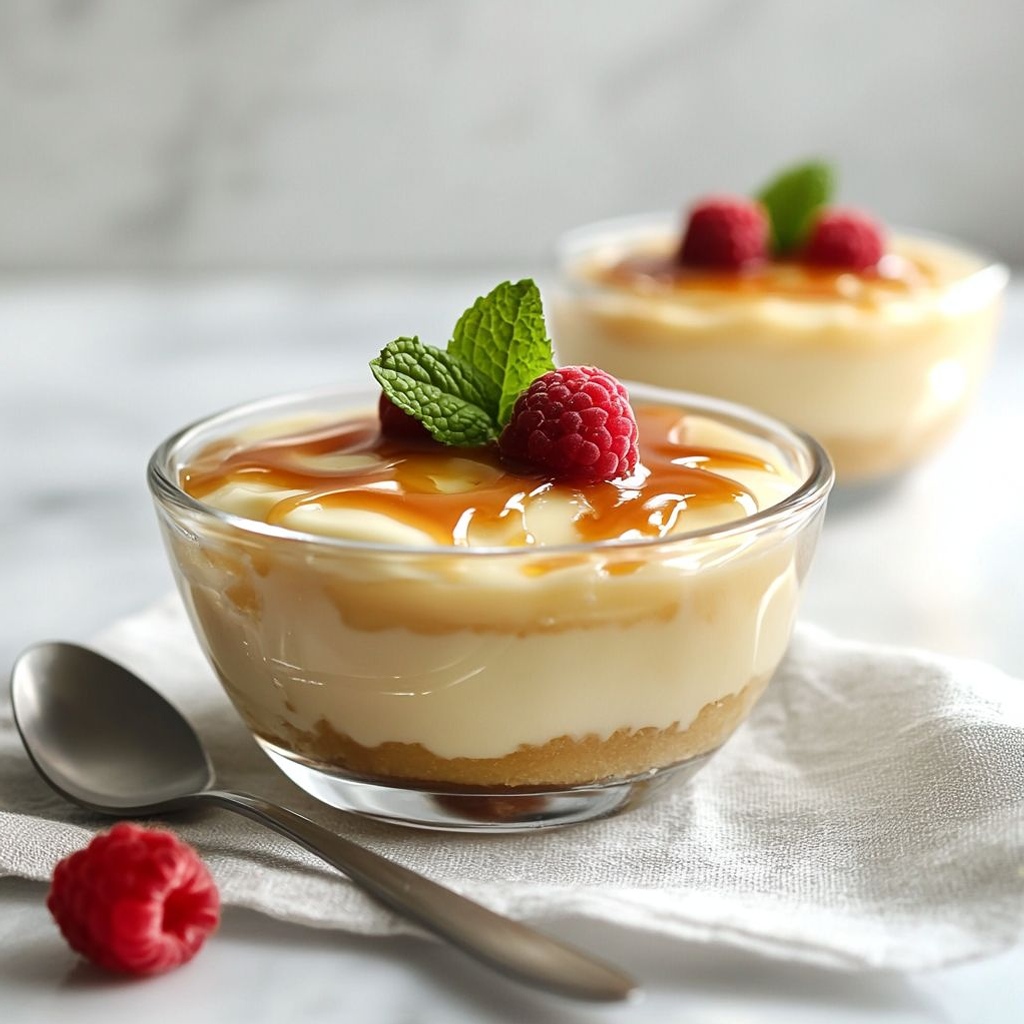
Dessert cremoso
- 2 cups whole milk
→ The base of the custard and the primary source of moisture and body. Use whole milk for a creamy texture; heat gently with the cream and chocolate, but do not boil to prevent scorching or curdling. For a lighter version, you can substitute part of the milk with a low-fat option, but the result will be less rich. - 1 cup heavy cream
→ Adds richness and silkiness to the custard, helping to create a smooth, spoonable texture. Warm with the milk (and chocolate) but avoid a full boil. If you prefer a lighter feel, you can reduce the amount slightly, but the cream is key for that velvety finish. - 150 g dark chocolate (70% cacao), finely chopped
→ Provides the dominant chocolate flavor and depth. Finely chop so it melts quickly and evenly when whisked into the warm milk-cream. Use high-quality chocolate for a pronounced aroma and glossy finish; add after removing from heat to prevent scorching, then whisk until completely smooth. - 3 large egg yolks
→ Thickens and enriches the custard, giving a luxurious, creamy mouthfeel. Whisk yolks with the sugar to create a pale, airy mixture, then temper with hot milk gradually to avoid scrambling. This step is crucial for a smooth, stable dessert. - 1/4 cup granulated sugar
→ Balances the bitterness of the chocolate and helps create a luscious custard when combined with the yolks. Whisk in with the yolks to dissolve fully; if you prefer less sweetness, you can decrease to 2–3 tablespoons, but this will affect overall balance. - 2 tablespoons cornstarch
→ Thickening agent that aids in setting the custard to a luscious, spoonable consistency. Make a smooth slurry with a little cold milk before whisking into the hot mixture to prevent lumps. If you want a firmer texture, you can increase to 3 tablespoons, but test in small batches. - 1 teaspoon pure vanilla extract
→ Adds warmth and rounds out the chocolate flavor. Use vanilla extract for a bright, aromatic note; add with the hot liquids or off the heat after thickening for maximum fragrance. If available, a vanilla bean split and scraped seeds can be infused into the milk for a deeper flavor. - 1/4 teaspoon salt
→ Enhances sweetness and intensifies the chocolate while balancing richness. A small pinch is sufficient; it helps suppress any bitter aftertaste from the chocolate. Add to the milk along with the sugar.
Optional Add-ins
- 1 tablespoon instant espresso powder (optional)
→ Deepens and intensifies the chocolate flavor with a mocha nuance. Dissolve directly in the warm milk/cream mixture and whisk until fully incorporated. Start with 1 teaspoon if you’re unsure about coffee notes; adjust to taste to avoid overpowering the chocolate. - 1 tablespoon orange zest (optional)
→ Imparts a bright citrus contrast that pairs beautifully with dark chocolate. Zest only the colored part of the peel, avoiding the white pith. Add to the milk as it heats to infuse aroma, or fold in after cooking for a milder hint. If you like a stronger citrus note, you can steep the zest briefly and strain before finishing the custard. - 2 tablespoons chopped toasted hazelnuts or almonds (optional)
→ Adds a pleasant crunch and a toasty, nutty aroma. Toast nuts until fragrant, cool, then finely chop. Fold into the custard off heat for texture, or sprinkle on top just before serving to preserve crunch. For nut-free versions, omit.
Toppings
- Whipped cream or chantilly cream (to serve)
→ Provides a light, airy contrast to the dense, creamy base. Whip cold heavy cream with a touch of sugar and a splash of vanilla until soft to medium peaks, then pipe or spoon over the dessert just before serving for an elegant finish. - Cocoa powder or shaved dark chocolate (to garnish)
→ Finely dust with unsweetened cocoa powder or scatter curls/shavings for a polished surface and an extra chocolate aroma. Garnish right before serving to keep the texture and appearance pristine. - Fresh berries (optional)
→ Adds a bright, tart counterpoint to the rich custard. Choose berries like raspberries, strawberries, or blueberries; serve a few alongside or on top for color and balance. If using frozen berries, thaw and drain well to avoid extra moisture.
Instructions
- Gather your ingredients and equipment: 2 cups whole milk, 1 cup heavy cream, 150 g dark chocolate, 3 large egg yolks, 1/4 cup granulated sugar, 2 tablespoons cornstarch, 1 teaspoon vanilla extract, 1/4 teaspoon salt, and optional add-ins such as espresso powder, orange zest, or chopped toasted nuts; also prepare a medium saucepan, a whisk, a heatproof bowl, a fine-mesh sieve, ramekins or a shallow serving dish, plastic wrap, and a spatula.
→ This ensures you have everything in reach and prevents interruptions that could cause uneven heating or curdling. - Whisk the egg yolks with granulated sugar until the mixture turns pale and slightly thickened, creating a smooth base for the custard; this stage helps to incorporate air and dissolve sugar for a silkier finish.
→ A pale, airy yolk-sugar base ensures the custard thickens evenly without graininess when heated. - Make a smooth cornstarch slurry by whisking 2 tablespoons of cornstarch with a few tablespoons of cold milk until completely lump-free; set aside for later incorporation to help the custard set firmly without curdling.
→ The slurry prevents lumps and provides a controlled thickening that yields a spoonable texture. - In a medium saucepan, combine 2 cups whole milk, 1 cup heavy cream, and 1/4 teaspoon salt; heat gently over medium-low, whisking occasionally, until the mixture is just steaming with tiny bubbles at the edge—do not boil; if using espresso powder, whisk it in now to dissolve completely; if using orange zest, add to infuse aroma.
→ Gentle heating extracts the chocolate flavor and prepares the dairy for emulsification; avoid boiling to prevent scorching and curdling. - Remove the warm dairy from heat, then whisk in the finely chopped dark chocolate until completely melted and the mixture looks glossy and uniform; this prevents chocolate scorching and ensures a smooth, velvety base.
→ Off-heat addition minimizes scorching risk and promotes a glossy, even melt for a rich chocolate aroma. - Slowly ladle a small amount of the hot dairy into the yolk-sugar mixture, whisking constantly to temper and gradually raise the yolk temperature; then whisk the tempered yolks back into the saucepan with the remaining hot dairy.
→ Tempering prevents the yolks from scrambling and creates a cohesive custard once thickened. - Whisk the prepared cornstarch slurry into the custard and continue to cook over low heat, stirring constantly with a spatula until the mixture thickens enough to coat the back of a spoon; this should take 2–4 minutes and requires patience to avoid lumps.
→ Proper thickening yields a luscious, spoonable texture and helps the custard hold its shape when chilled. - Remove the custard from heat and stir in the vanilla extract; if you infused orange zest and strained it, the zest has already imparted aroma, so whisk until smooth; taste and adjust a pinch more salt if needed.
→ Vanilla brightens the chocolate and balances the richness; a touch of salt enhances depth and counteracts sweetness. - If using optional add-ins like chopped toasted nuts, fold 2 tablespoons of them into the warm custard off the heat so they retain some crunch without becoming soggy.
→ Folding in nuts off the heat preserves texture and aroma, adding pleasant contrast to the creamy base. - Strain the custard through a fine-mesh sieve into a clean bowl to remove any lumps or bits of zest, ensuring a perfectly smooth final texture for a refined dessert.
→ Straining guarantees a glassy, uniform custard and removes any curdled remnants for a silky finish. - Divide the smooth custard evenly among ramekins or a shallow serving dish; smooth the tops with a spatula and lightly tap to release any trapped air bubbles; cover the surface directly with plastic wrap to prevent a skin from forming.
→ Portioning evenly aids even chilling and presentation, while plastic wrap minimizes the formation of a skin on the custard. - Chill the custard in the refrigerator for at least 4 hours, or overnight, until set and spoonable; the cold environment firms the texture and enhances the chocolate flavor.
→ Slow chilling prevents cracking and ensures the custard maintains its creamy, smooth mouthfeel when served. - Prepare toppings: whip cold heavy cream with a touch of sugar and a splash of vanilla until soft to medium peaks, then refrigerate until ready to serve; this yields a light, billowy contrast to the dense custard.
→ Chantilly or lightly whipped cream adds a luxurious, airy balance to the rich chocolate base when spooned on top. - Just before serving, dust the surface with unsweetened cocoa powder or scatter shaved dark chocolate curls; if desired, cap with fresh berries to add brightness and color; garnish right before serving to maintain texture and visual appeal.
→ Garnishes heighten aroma, provide visual appeal, and offer a refreshing counterpoint to the velvety chocolate custard. - To serve, spoon or pipe a portion of the chilled dessert into individual glasses or on plates, crown with whipped cream, and present immediately to enjoy the contrast between the cool, creamy center and the crisp garnish.
→ Immediate serving preserves the intended texture contrast and ensures the dessert looks and tastes its best.
Notes
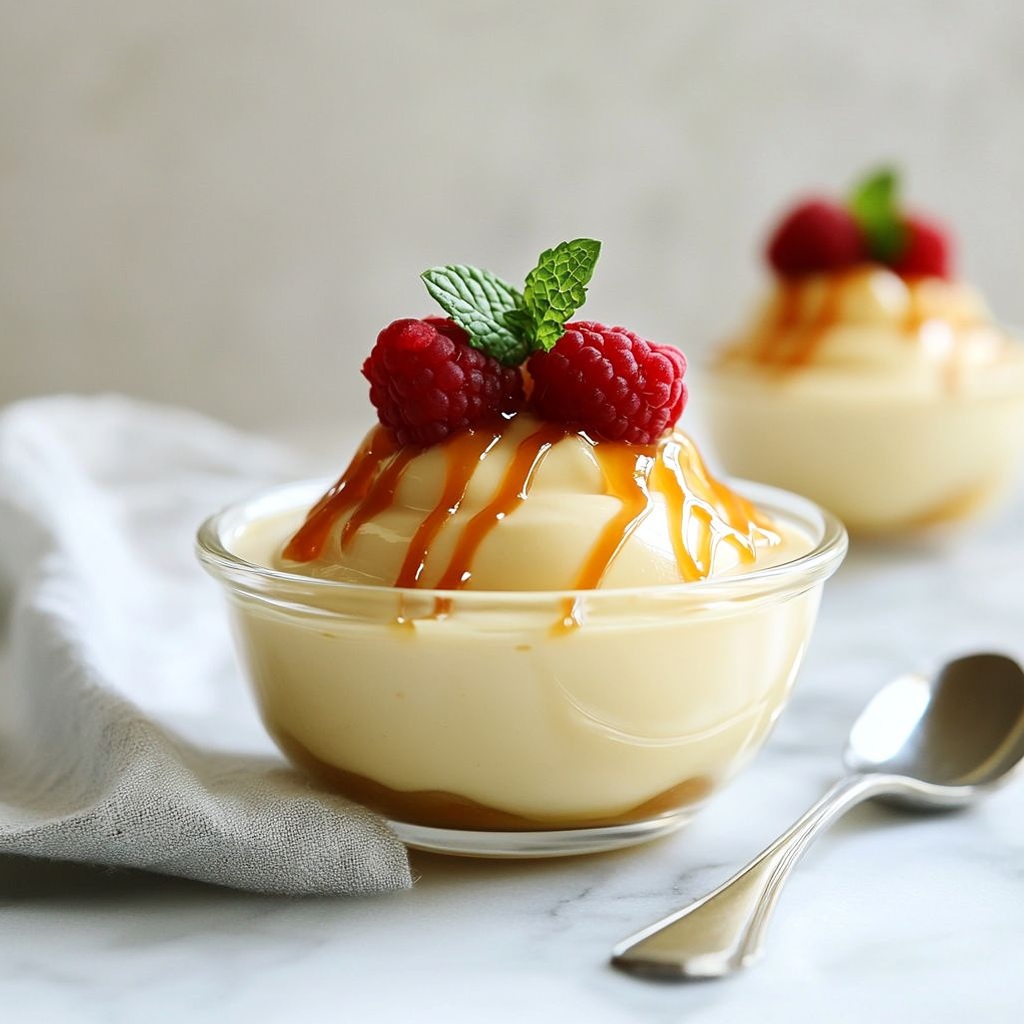
These dessert cremoso is a silky, chocolate-forward custard that comes together by gently warming whole milk and heavy cream with finely chopped dark chocolate, then thickening it with egg yolks, sugar, and a touch of cornstarch for a spoonable set. For best results, heat the dairy gently and never let it boil; melt the chocolate off the heat and whisk in until glossy, then temper the yolks with the hot milk to avoid scrambling. Use high-quality chocolate (70% cacao) to maximize depth, and season with a pinch of salt to balance sweetness. If you want a deeper mocha note, dissolve 1 tablespoon instant espresso powder in the warm milk/cream; for a citrus contrast, fold in 1 tablespoon orange zest. Optional toasted nuts (hazelnuts or almonds) add crunch; fold in off heat or sprinkle on top just before serving. Serve with whipped cream and a light dusting of cocoa or shaved chocolate, and pair with fresh berries for brightness. Chill the custard to set; it will thicken as it cools, and refrigerating for at least 2–4 hours helps develop flavor. Troubleshooting tips: if lumps form, whisk vigorously or strain; if you prefer a firmer set, increase cornstarch to 3 tablespoons and test in small batches. Storage: keep in the fridge for up to 3–4 days; reheat gently over low heat, stirring, and avoid boiling. Always handle eggs safely and consider using pasteurized yolks if desired.
Tips
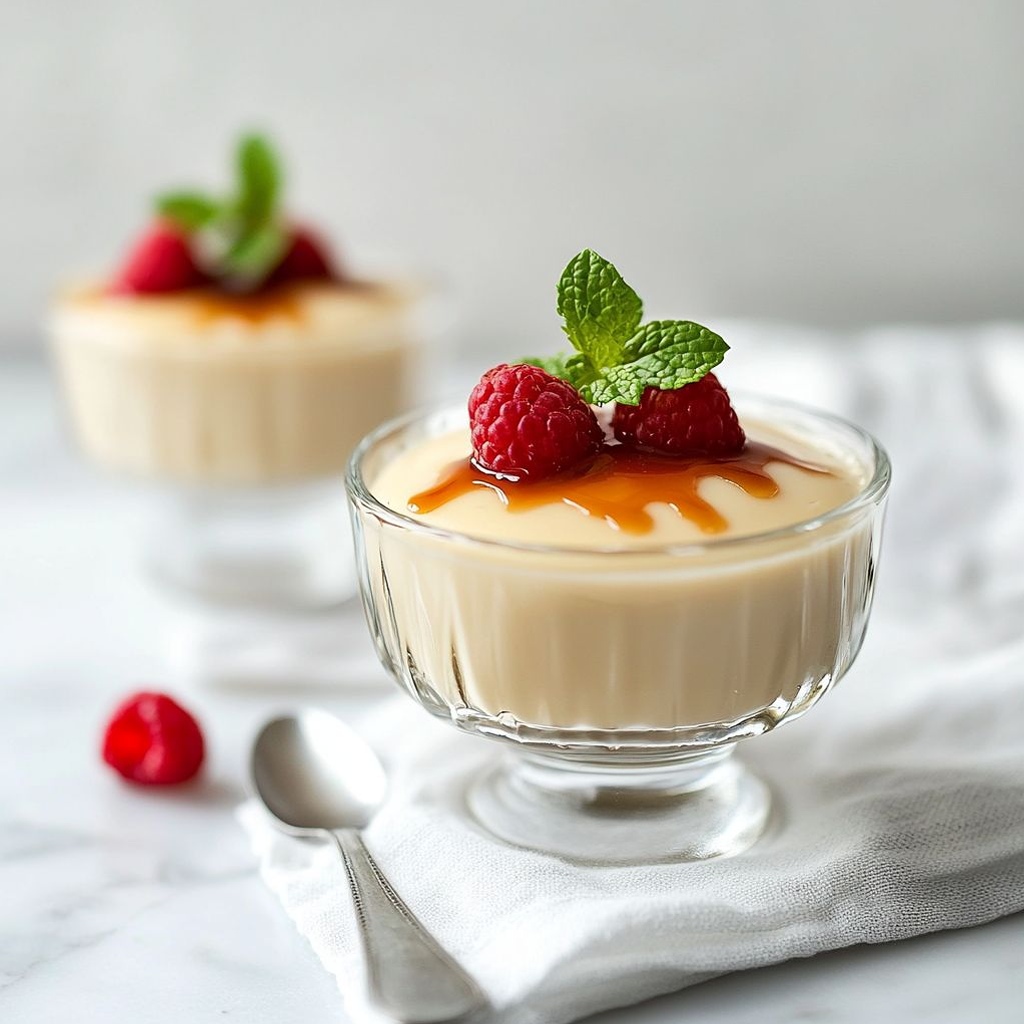
Consejos prácticos para Dessert cremoso
- Control de temperatura: calienta la leche y la crema a fuego medio-bajo y evita que hiervan. El objetivo es que la mezcla esté tibia y lista para mezclar con el chocolate, no un hervor rápido que puede curdlear los huevos.
- Tempering de las yemas: bate las yemas con el azúcar hasta que blanqueen, luego añade poco a poco una cantidad de la leche caliente mientras sigues batiendo. De este modo las yemas se aclimatan y no se cuajan al incorporarlas al resto de la crema.
- Disolución de la maicena: disuelve la maicena en un poco de leche fría hasta obtener una solución suave sin grumos antes de mezclarla con la mezcla caliente. Esto evitará grumos en el custard.
- Uso del chocolate: añade el chocolate finamente picado justo después de retirar del calor para que se funda con el calor residual. Remueve con energía hasta lograr una mezcla lisa y brillante. Si ves pequeños grumos, pasa la crema por un colador.
- Textura sedosa: evita hervir la mezcla una vez que espese; cuando alcance el punto deseado, retira del fuego y deja que el calor residual termine de crear la textura cremosa.
- Aromas y sal: la vainilla y la sal realzan el sabor del chocolate. Añádelas al final o fuera del fuego para mantener el aroma. Si usas una vaina de vainilla, infusiona la leche caliente y luego cuela antes de mezclar.
- Colado final: para una crema extremadamente lisa, cuela la mezcla caliente a través de un colador fino antes de enfriar. Esto elimina posibles grumos de las yemas o del cacao.
Consejos sobre chocolate y sabores
- Elige chocolate de buena calidad (70% cacao recomendado) para un sabor profundo y un brillo suave. Los chocolates de baja calidad pueden dejar un sabor a recalentado o aceitoso.
- Si deseas intensificar el sabor a chocolate, añade una pizca adicional de cacao en polvo tamizado a la mezcla caliente junto con la maicena, pero prueba para no desequilibrar la textura.
- Para toques mochas, incorpora el espresso en polvo como se indica en la sección opcional, disuelto en la leche caliente y ajusta al gusto para evitar que domine el chocolate.
Variaciones y añadidos opcionales
- Orilla cítrica: la ralladura de naranja aporta un contraste brillante. Añade la ralladura a la leche durante el calentamiento para infusionar aroma, o espolvorea una pequeña cantidad al final para un aroma más suave.
- Frutos secos: los 2 cucharadas de frutos secos tostados añaden crujiente y aroma. Tuéstalos ligeramente y pícalos finamente; agrégalos fuera del fuego para conservar la textura.
- Notas de cacao extra: si te gusta más intenso, añade una pizca de cacao en polvo sin azúcar al paso de la maicena y mezcla bien.
Consejos de enfriado, almacenamiento y servicio
- Una vez lista la crema, pásala por un colador fino y cúbrela con film (toque de contacto) para evitar formación de película superficial. Deja atemperar a temperatura ambiente y luego refrigera al menos 2–4 horas, o toda la noche, para una textura más firme.
- Para servir, puedes acompañar con nata montada fría y una lluvia ligera de cacao o virutas de chocolate para un acabado profesional.
- Si sobran porciones, guarda en recipientes herméticos en el refrigerador hasta 2–3 días. Para recalentar, hazlo a fuego muy suave o en microondas en intervalos cortos, removiendo entre them para evitar cuartear.
FAQ
¿Qué es exactamente un “dessert cremoso”?
Es un postre suave y sedoso, con textura parecida a una crema, mousse o pudín. Se obtiene combinando una base cremosa (leche, crema, yogur o leche vegetal) con un espesante (yemas, maicena, gelatina o agar) y saborizantes. Se sirve frío y su cuerpo debe mantenerse estable sin descomponerse.
¿Qué ingredientes son típicos en un dessert cremoso?
Base cremosa: leche o crema (o leche vegetal para versiones sin lácteos). Endulzante: azúcar, miel o estevia. Enriquecedores: huevos o yemas (en versiones cocidas), chocolate, vainilla, cacao, café o fruta. Espesantes: maicena, harina de maíz, fécula de patata, o gelatina/agar. Toques: sal y ralladura de cítricos. Opcional: galletas trituradas o fruta para textura y presentación.
¿Se puede hacer sin lactosa o en versión vegana?
Sí. Usa leche vegetal (soya, avena, almendra o coco) y crema vegana. Para espesar, emplea agar-agar o gelatina vegetal y, si quieres cremosidad sin huevo, añade puré de tofu sedoso o yogur vegetal. Evita la mantequilla y utiliza una pequeña cantidad de aceite neutro si es necesario.
¿Necesita cocción o se puede hacer sin horno?
Depende de la receta. Muchos dessert cremosos requieren cocción suave (crema pastelera o pudín). También existen versiones sin horno que se fijan con gelatina/agar o se montan como mousse con batido de crema. Elige según la consistencia deseada y los ingredientes disponibles.
¿Cómo lograr una textura cremosa sin grumos?
Tips prácticos: tamiza el espesante; calienta la base sin llegar a hervir; añade el espesante caliente poco a poco a la base caliente, batiendo constantemente; si usas yemas, tempúrarlas antes para evitar grumos; luego cuela para eliminar grumos; usa batidora o blender para una textura aún más suave.
¿Cuánto tiempo hay que enfriar o refrigerar?
En general, 2-4 horas para mousse o rellenos ligeros; 4-6 horas para cremas más densas; y preferible toda la noche para que cuaje y tome cuerpo. Mantén siempre en refrigeración a 4°C y cubre para evitar absorción de olores.
¿Cómo variar sabores y recetas de crema?
Prueba combinaciones como vainilla con chocolate, coco con mango, limón con merengue, café con chocolate, frutos rojos, o cacao y plátano. Añade puré de fruta, ralladura de cítricos, especias (canela, cardamomo) o toppings como frutos secos, galletas trituradas o salsa de caramelo para distintos perfiles.
¿Qué sustitutos usar para alérgicos o dietas especiales?
Para gluten-free: usa espesantes sin gluten (la maicena es una opción común). Para sin lactosa o vegano: leche vegetal y crema vegetal; gelatina vegetal (agar-agar) en lugar de gelatina animal. Evita huevo o utiliza sustitutos como tofu sedoso o puré de plátano para cremosidad. Usa chispas o chocolate sin leche si es necesario.
¿Cómo almacenar y cuánto dura?
Guárdalo en un recipiente hermético en el refrigerador a 4°C. Dura típicamente 2-4 días para cremosos lácteos; 3-5 días para versiones veganas. Evita dejarlo fuera del refrigerador más de 2 horas. Congelar no suele ser recomendable para mousses cremosos; pueden separarse al descongelarse.
¿Cómo servir y decorar un dessert cremoso?
Sirve frío en copas o cuencos. Decora con nata batida, frutas frescas, trocitos de chocolate, ralladura de cacao, hojas de menta o trocitos crujientes. También puedes añadir una salsa de frutas, caramelo o chocolate para realzar el sabor.
¿Qué errores comunes ocurren y cómo solucionarlos?
Errores típicos: 1) textura líquida: puede deberse a cocinar demasiado o a poco espesante; solución: recalentar con más espesante o gelatina adequada. 2) Grumos: colar o usar licuadora/blender. 3) Separación de capas: mezclar bien al preparar y enfriar gradualmente; asegurarse de que la base no esté demasiado fría al añadirla. 4) Falta de sabor: ajustar con más vainilla, cacao, ralladura, o un toque de sal.