
Introduction / Hook
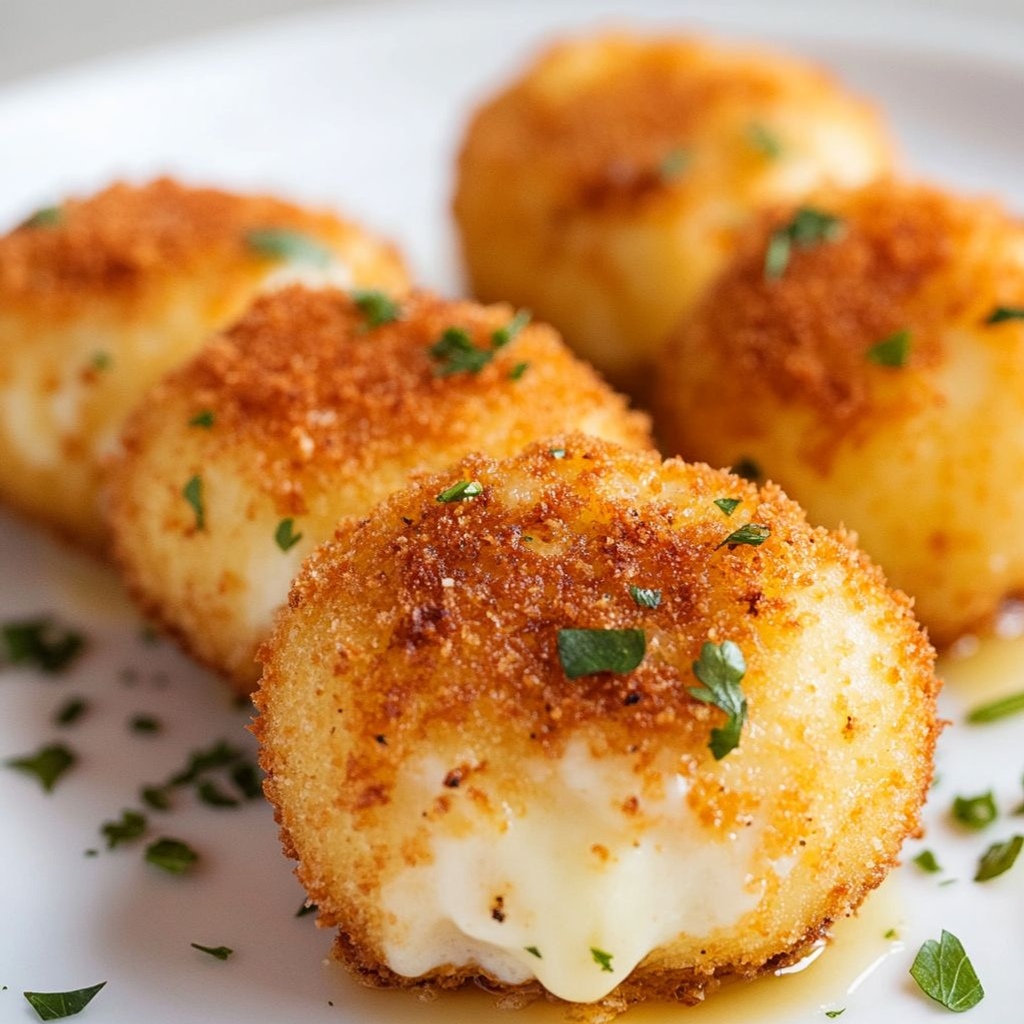
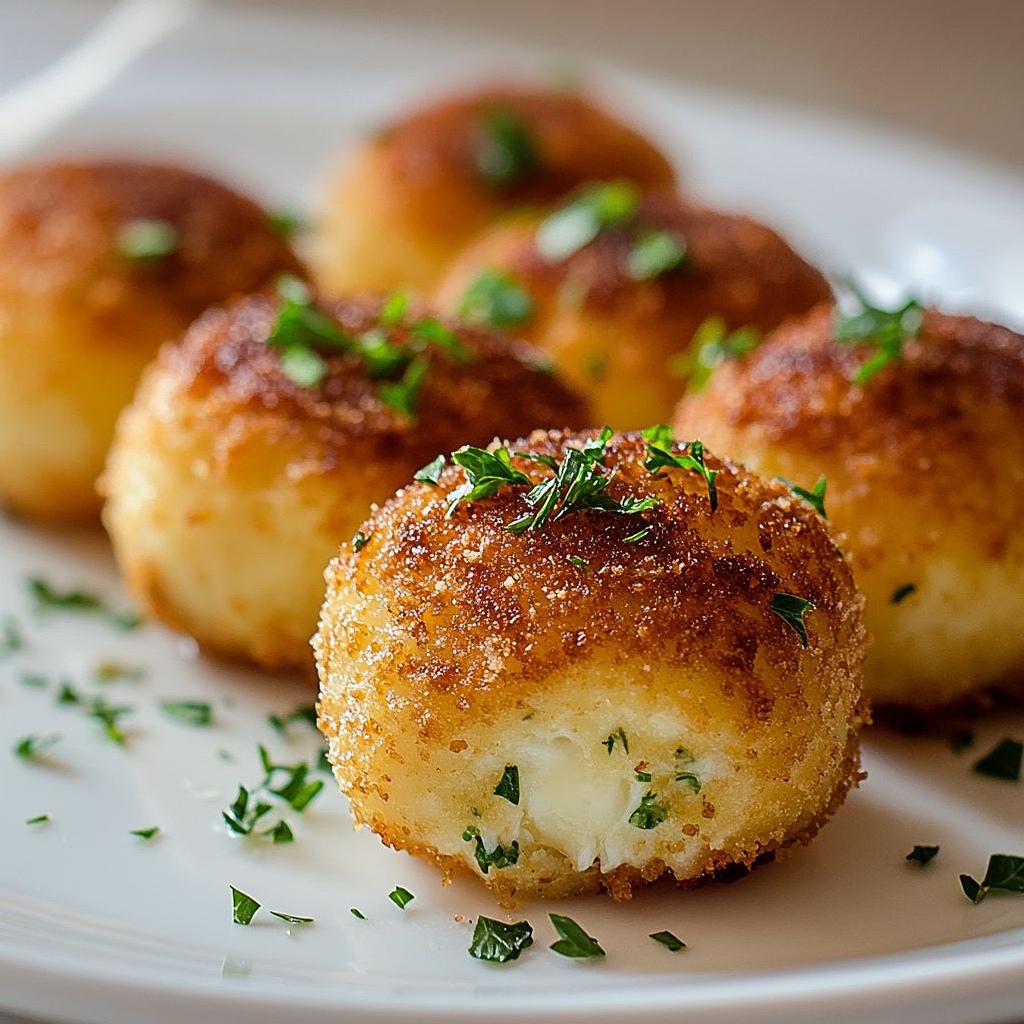
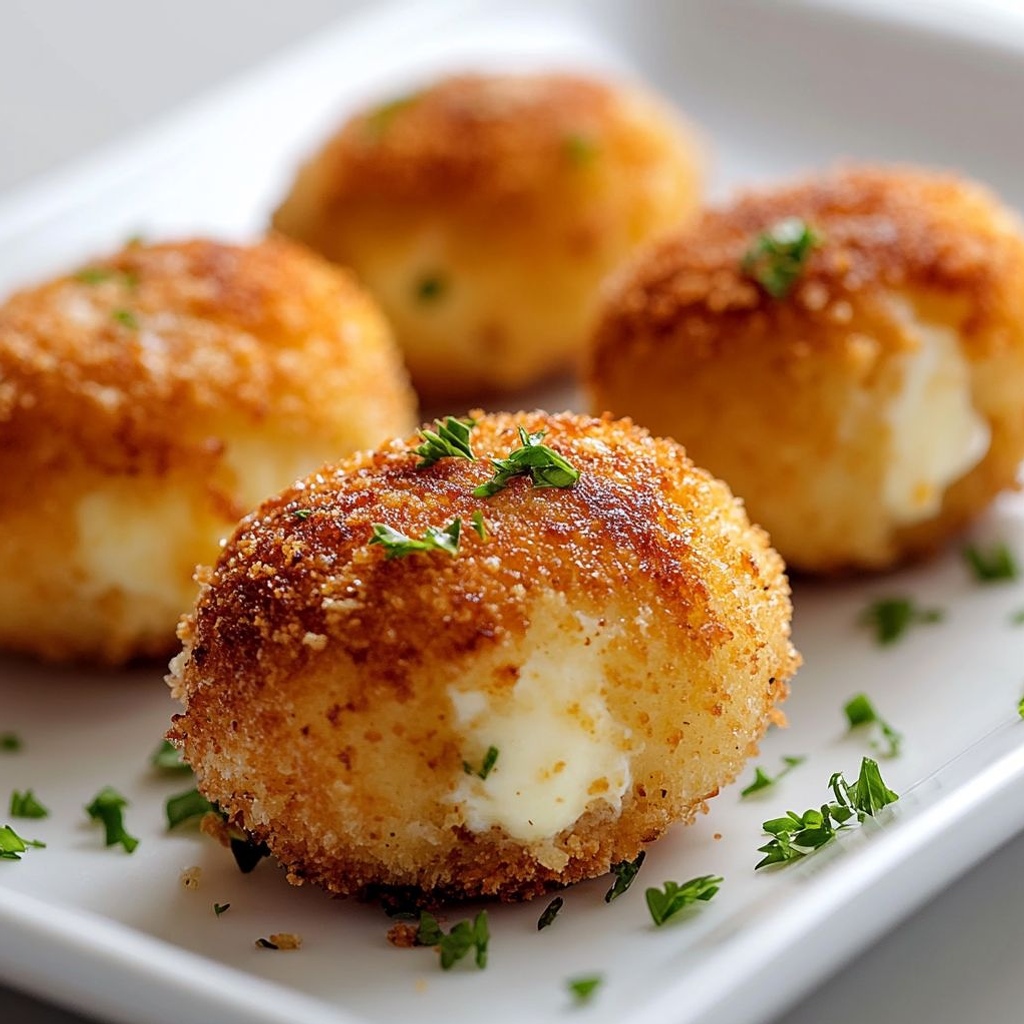
Imagine a bite-size treasure that instantly conjures cozy evenings, laughter around a sunlit table, and the irresistible aroma of garlic dancing in melted cheese. Crocchette aglio e formaggio are small, golden orbs that promise a symphony of warmth with every crunch. The exterior shimmers with a light, crisp coating that gives way to a velvety interior—a creamy, savory center perfumed with garlic and enriched by rich cheese. It’s the kind of dish that makes a simple gathering feel festive, the kind of snack you crave when the day has been long and your senses deserve a treat. The scent alone can coax smiles from a roomful of hungry people, and the first bite is a revelation: a crisp outer shell giving way to a soft, indulgent core that clings to your memory long after the plate is emptied.
This is more than a snack; it’s a small celebration of comforting flavors performed with confidence and a touch of street-food charm. The garlic isn’t sharp or overpowering; it’s mellowed by the gentleness of the cheese and the tenderness of the interior, creating a balanced, inviting warmth. The cheese adds a lush, indulgent pull, a way to feel pampered without fuss. And the crust—golden, lightly salted, and crackling sotto punta—provides that satisfying snap that makes croquettes so addictive. Whether served with a simple dipping sauce, a bright herb aioli, or a tangy tomato glaze, these crocchette become a crowd-pleaser that looks elegant on a platter and disappears faster than you’d expect.
In a world of quick bites and fast-food shortcuts, these crocchette feel like a small triumph of technique: a delicate balance between a soft, creamy center and a crisp, aromatic crust. They’re forgiving enough for a weeknight treat, yet special enough to star at a party, a tapas night, or a family gathering. The beauty lies in how approachable they are: you can coax the base to a creamy harmony, roll them gently into a coat of breadcrumbs, and watch them transform into little golden crescents of happiness. It’s a dish that invites sharing, conversation, and the comfort of a kitchen well-loved—garlic-scented joy that warms both hands and hearts.
Ready to embark on a little culinary joy ride? This recipe is designed to feel approachable, yet offer an experience that feels luxurious. You’ll notice how the simple combination of garlic and cheese, wrapped in a delicate crust, can turn an ordinary moment into something memorable. The technique is versatile, the flavors versatile, and the result universally appealing—crisp, creamy, and utterly satisfying from the very first bite to the last crumb on the plate.
The Story Behind the Dish
Crocchette, in their various regional guises, have long held a place at the heart of Italian comfort food. These small, fried delights borrow from the country’s love affair with potatoes, breading, and the gentle magic of slow flavor development. The term “crocchette” itself speaks to that signature crunch—the word evoking the satisfying crackle you hear the moment a croquette meets heat and air. While many regions have their own spin, the core idea remains the same: a tender, flavorful interior encased in a crisp exterior that delivers a multisensory experience with every bite.
The version centered on garlic and cheese taps into a timeless culinary impulse: pairing a fragrant aromatic with a luscious, melty cheese to create something both indulgent and deeply comforting. Garlic has long been a workhorse in Italian kitchens, its aroma weaving through sauces, roasted vegetables, and bread as a message from the pan that something wonderful is about to unfold. When garlic meets cheese—whether it’s a nuance of parmesan, pecorino, or a smooth, melting variety—the flavors become creamy, savory, and almost nostalgic, inviting you to slow down and savor the moment. The crocchette become a portable, shareable form of that magic: little golden pillows that travel well from pan to plate, perfect for dipping and pairing with something bright and fresh to cut through the richness.
In many households, crocchette emerge from a simple, almost ritual kitchen practice: mash a starchy base, fold in aromatics and cheese, shape with care, and roll in breadcrumbs before a quick, precise fry. The ritual is less about complexity and more about concentration—the kind of cooking where patience and attention transform humble ingredients into something memorable. It’s a dish that has traveled and evolved: a reminder that great flavors often hide in small, perfect bites—tiny moments of joy that can turn a meal into a celebration. Whether you first tasted them at a bustling street corner, in a family kitchen, or as part of an intimate gathering, crocchette aglio e formaggio carry with them the spirit of sharing, warmth, and the quiet happiness of something savory, crisp, and incredibly satisfying.
While the seeds of this dish can be traced to broader Italian comfort-food traditions, the beauty of crocchette is how adaptable they are. You can tailor the texture with different coatings, experiment with cheese varieties to suit your pantry, or pair them with sauces that reflect your mood or occasion. They bridge rustic, homey flavors with a touch of refined indulgence, and that balance is what keeps them timeless. Today, they stand as a testament to how a few well-chosen ingredients—garlic’s perfume, cheese’s melt, and a crust that crackles—can become a signature bite that’s both familiar and exciting.
Why You’ll Love This Recipe
- Quick to make, impressive to serve: These crocchette come together with ease, yet their appearance and aroma feel special enough for guests or a weekend treat.
- Comforting and indulgent: A creamy interior enriched with melted cheese contrasts with a crisp, golden crust for a satisfying texture experience.
- Versatile pairing: They pair beautifully with bright dips, zesty sauces, and fresh greens, making them suitable for antipasto platters or a light weeknight bite.
- Aromatics that sing: The scent of garlic, just warmed and mellowed, infuses the entire dish, making it irresistible even before the first bite.
- Crowd-pleasing and shareable: Perfect as an appetizer at parties, a tapas-style spread, or a cozy family snack that invites dipping and conversation.
- Evidence of technique, not fuss: Achieve a crisp outer crust without overworking the interior; a few precise steps create a texture that feels luxurious without being precious.
- Adaptable to dietary needs: With the right cheese choices and crust options, you can craft versions that suit vegan or gluten-free preferences while keeping the spirit of the dish intact.
Flavor Profile & Texture
The flavor profile is a balanced love letter to comfort foods. The garlic introduces a warm, fragrant note that doesn’t overwhelm; it’s the perfume that lingers in the air as the crocchette fry to a golden finish. The interior retains a gentle creaminess, reminiscent of a soft, well-panned mashed potate-like center, enriched by melted cheese that lends a luxurious, silky mouthfeel. The cheese contributes not only richness but a savory depth that harmonizes with the garlic rather than competing with it. Some cheese varieties offer a sharp tang, others a mellow, creamy stretch; the result is a flexible flavor canvas that can be tailored to your pantry and preference.
The crust provides the all-important texture contrast. A light, airy breadcrumb coating—possibly with a hint of herbs or parmesan for extra savoriness—crisp to a delicate crackle. This outer shell acts as a boundary that locks in the interior’s tenderness while offering a satisfying resistance with each bite. The overall sensation is a dance between heat, scent, and texture: the crunch first, then the creamy interior, finished with a gentle, lingering savor from the cheese and garlic.
In aroma terms, think of an inviting mélange: toasty breadcrumbs, warm garlic, and a hint of melted, aromatic cheese escaping into the air as they fry. The palate experiences layers—initial crispness, a gentle umami from the cheese, and a lingering mellow garlic that leaves you wanting another bite. The balance is essential; too much garlic can dominate, so achieving a soft, rounded garlic presence is key to capturing the dish’s comforting charm. The result is a harmonious, crowd-pleasing bite that feels indulgent without being heavy, elegant without being fussy, and always inviting another round.
Occasions & Pairings
These crocchette are incredibly versatile, making them an ideal choice across a spectrum of occasions. They shine as a bright antipasto at a holiday gathering, a tempting tapas addition for a casual evening with friends, or a comforting starter before a Sunday family meal. Their compact size makes them perfect for potlucks, birthday parties, or any occasion where guests relish shareable bites they can scoop up with ease. They also work beautifully as a quick weeknight treat when you crave something a touch more special than everyday snacks.
Pairing ideas to elevate the experience:
- Dips and sauces: A bright tomato-garlic sauce, a peppery aioli, a lemony herb yogurt dip, or a simple marinara can provide a tangy counterpoint to the richness. The contrast enhances the aromatic garlicky notes while offering a fresh brightness.
- Green salads and vegetables: A crisp arugula salad with lemon vinaigrette or a lightly dressed cucumber and fennel salad adds a verdant balance and refreshing bite to cut through the richness.
- Wine and beverages: A chilled white with good acidity, such as a Pinot Grigio or Sauvignon Blanc, harmonizes with the garlic and cheese. For those who prefer beer, a light, hoppy pale ale or a pilsner can be a fantastic match. For a non-alcoholic option, a sparkling mineral water with a twist of lemon or a citrusy iced tea works very well.
- Side dishes: A simple caprese-inspired platter, roasted vegetables, or a light antipasti assortment provides a well-rounded spread that complements the crocchette without competing for attention.
Tips, Variations & Substitutions
Core technique tips
To achieve that perfect balance of crisp exterior and creamy interior, keep these practical tips in mind. Maintain consistent shaping so each piece cooks evenly. If you’re pan-frying, use a moderate heat and a shallow layer of oil to encourage even browning without scorching. When baking or air-frying, give space between pieces to avoid steaming them together, which can soften the coating. For the interior, aim for a cooperative texture—soft, smooth, and cohesive rather than crumbly—so it binds well when formed into croquettes. If you’re reworking a soft base, a touch of light binding agent can help maintain shape without turning the center heavy.
Variations
- Cheese varieties: For a mellower profile, use a creamy white cheese; for a bolder bite, mix in a sharper aged cheese. You can also blend cheeses for depth—parmesan or pecorino with a milder mozzarella or fontina creates a pleasing contrast.
- Herbs and aromatics: Add chopped parsley, chives, or thyme to lift the flavors. A hint of black pepper or red pepper flakes can introduce a subtle warmth that pairs nicely with garlic.
- Coatings: Experiment with panko for an extra-crisp finish, or a seasoned flour mix for a more robust crust. A light dusting of grated parmesan on the crust can enhance savoriness and aroma.
- Diet-friendly options: Vegan version: use a plant-based meltable cheese and a dairy-free base, ensuring the texture remains creamy. Gluten-free option: use gluten-free breadcrumbs or almond flour-based crust for crunch without gluten. Low-carb approach: shape croquettes with riced cauliflower or a potato substitute and use a crispy nut or seed crumb coating.
- Regional twists: Add a pinch of smoked paprika or a dash of Italian seasoning to evoke different regional profiles. A squeeze of lemon zest just before serving brightens the dish and foregrounds the garlic and cheese.
Make-ahead ideas
Shape the croquettes and refrigerate on a parchment-lined tray for up to 24 hours before frying or baking. If you want to freeze them, lightly pre-freeze on a tray, then transfer to an airtight container. They can be baked or air-fried directly from the freezer, but you’ll want to add a few extra minutes to the cooking time. When reheating, a short fry or a hot oven return will help regain the crust’s crispiness after storage.
Storage & Make-Ahead Ideas
Leftovers, if any, deserve a place in your fridge rather than the back of the kitchen cabinet. Store cooked crocchette in an airtight container in the refrigerator for up to 2 days. When reheating, aim for a method that preserves crispness. A quick fry in a shallow pan, or a high-heat finish in the oven or air fryer, can bring back the crunch that might soften after resting. If you’ve prepared a batch ahead of time, consider cradling the crocchette on a wire rack over a sheet pan while reheating to avoid soggy bottoms. For longer-term planning, freezing before or after coating is a reliable way to extend their life. If frozen before cooking, simply place on a parchment-lined tray to flash-freeze, then transfer to a freezer bag; cook directly from frozen, adding extra minutes as needed. If frozen after coating, bake or fry from frozen, but allow a few additional minutes for the interior to heat through evenly.
Make-ahead ideas can also extend to dipping sauces or accompaniments. A bright, zesty dip can be prepared in advance and stored in the refrigerator for a couple of days, ready to re-emerge alongside a hot plate of crocchette. The combination of a make-ahead plan with a quick finish just before serving is a smart way to provide a restaurant-like experience at home without turning the kitchen into a last-minute rush.
Fun Facts & Trivia (Optional)
Did you know crocchette as a concept exist in many culinary traditions around the world? While the Italian crocchette celebrate a harmonious blend of aromatic garlic and cheese, other cultures have their own beloved bite-sized fried treats that share the same spirit of comfort and portability. The technique—creating a cohesive interior that stays tender while the outside becomes crisp—has universal appeal and has inspired countless regional adaptations. The name itself, with its emphasis on “crunch” and “crocc” in several Romance languages, hints at the universal love for a satisfying crackle that signals a well-executed fry. Garlic, a staple across cuisines, has a storied history of bringing warmth and depth to dishes, and its pairing with cheese is a timeless classic that appears in many regional specialties. The story of crocchette is a reminder that the simplest combinations—humble ingredients treated with care—can deliver moments of culinary delight that feel both familiar and novel.
In some kitchens, crocchette are more than food; they’re a memory-making ritual. They appear at family gatherings, festive celebrations, and casual evenings alike, always inviting hands to gather and noses to follow the irresistible scent to the platter. The crispy shell and warm center create a sensory moment that lingers, a tiny celebration you can share again and again. And while today’s version features garlic and cheese, the heart of the dish remains the same: a commitment to texture, balance, and a moment of pure, delicious comfort.
Ingredients
Crocchette Base
- 4 medium russet potatoes, peeled and cut into chunks
→ Boil or steam until fork-tender. Mashing hot potatoes yields a smooth, cohesive base; russet potatoes provide a light, fluffy interior with enough starch to bind without becoming gummy. Peel to avoid a muddy texture; drain well and return to heat briefly to dry out excess moisture before mashing. - 2 tablespoons unsalted butter, melted
→ Adds richness and helps create a silky, cohesive mash when stirred into the hot potatoes. Melt and whisk in so it emulsifies with the potato starch; use unsalted to control the salt level. For dairy-free, substitute with a neutral oil, though flavor will shift. - 1/4 cup milk
→ Adds creaminess and helps achieve a light, fluffy texture. Warm the milk slightly before mixing to prevent cooling the potatoes; adjust quantity to reach a batch that holds its shape but isn’t too wet. If you prefer dairy-free, use a lightly seasoned plant-based milk alternative. - 1 teaspoon fine sea salt
→ Essential for flavor; potatoes taste bland if under-seasoned. Taste the mash before adding cheese and herbs and adjust accordingly. If you plan to add salty cheese, you may reduce this a touch. - 1/4 teaspoon white pepper (or black pepper)
→ Provides a subtle kick and aroma. White pepper yields a cleaner appearance in the mash, while black pepper adds a bit more bite. Freshly grind just before using for maximum aroma.
Garlic & Cheese
- 1 tablespoon extra-virgin olive oil
→ Used to gently sauté the garlic to release its aroma without burning; olive oil adds a fruity note that complements the potatoes and cheese. Heat gently and add the minced garlic until just fragrant, then remove from heat and let cool slightly before mixing to avoid cooking the eggs. - 2 garlic cloves, minced
→ Garlic provides the signature aroma. Mince finely so it distributes evenly throughout the mash. Sauté in the olive oil until fragrant (about 30–60 seconds) and avoid browning to prevent bitterness; incorporate into the warm potato base so its flavor infuses evenly. - 100 g grated Parmigiano-Reggiano
→ Delivers sharp, savory umami and helps with binding while enriching the overall flavor. Use freshly grated cheese for the best aroma and texture; fold into the warm mash so it melts smoothly and disperses evenly through the mixture. - 150 g shredded mozzarella (optional)
→ Adds a creamy, melty center when fried. Choose a mozzarella with good melt; drain excess whey or moisture before mixing to avoid soggy croquettes. If you prefer firmer croquettes, reduce or omit this cheese. - 2 large eggs, beaten and divided
→ 1 egg is used in the potato-cheese mixture as a binder to help the croquettes hold their shape; the remaining egg is reserved for dredging the formed croquettes so the breadcrumbs adhere well. If the mixture feels too wet, chill it 15–20 minutes to firm up for easier shaping.
Coating & Finish
- 1.5 cups breadcrumbs (Italian-style or panko)
→ Creates the crisp outer crust. For extra flavor, mix in 1 tablespoon grated Parmigiano-Reggiano or a pinch of salt and black pepper. Press the crumbs onto each croquette firmly to ensure even coverage and a uniform crust. - 2 tablespoons finely chopped fresh parsley (optional)
→ Adds color and a fresh herbal note. You can mix parsley into the mash for even distribution or press additional parsley into the breadcrumb coating for a brighter finish. If using dried parsley, use 1 teaspoon as a substitute.
Frying
- Neutral oil for frying (vegetable or canola), about 1 liter (4 cups)
→ Use a high-smoke-point oil suitable for frying. Heat to approximately 180°C (350°F) and maintain temperature between batches. Fry croquettes in batches to avoid crowding, which can lower the oil temperature and result in greasy crusts. Drain on paper towels after frying and serve hot for best texture and flavor.
Instructions
- Rinse and peel the potatoes, then cut them into evenly sized chunks for uniform cooking.
→ Uniform pieces cook at the same rate, yielding a smoother mash without overcooked edges. - Place the potato chunks in a large pot and cover with cold water; bring to a boil over medium-high heat and simmer until fork-tender, about 15–20 minutes.
→ Starting in cold water ensures gradual, even heat penetration and prevents mealy outsides with undercooked centers. - Drain the potatoes thoroughly in a colander and return them to the warm pot; set over low heat for 1–2 minutes to dry surface moisture.
→ Removing excess moisture helps the mash bind properly and prevents a soggy croquette interior. - Mash the potatoes using a ricer or masher until completely smooth with no lumps.
→ A smooth base binds with the cheese and eggs to form cohesive croquettes that hold their shape during frying. - Stir in the melted unsalted butter into the hot mash until fully emulsified and integrated.
→ Butter adds richness and helps loosen the starch, creating a creamy, cohesive base that folds easily with cheese. - Warm the 1/4 cup of milk briefly (do not scald) and gradually fold it into the mash, mixing until the mixture is creamy and holds its shape but is not overly wet.
→ Warm liquid integrates smoothly with hot potatoes, preventing a cool, tacky mash that would hinder binding. - Season the mash with 1 teaspoon fine sea salt and 1/4 teaspoon white pepper; taste and adjust so the base is seasoned before adding cheese and herbs.
→ Potatoes need salt to shine; remember cheese will contribute additional saltiness, so balance carefully. - In a small skillet, heat 1 tablespoon extra-virgin olive oil over gentle heat and add the minced garlic; sauté just until fragrant, 30–60 seconds, then remove from heat and allow to cool slightly.
→ Gentle heating releases aroma without browning or bitterness, ensuring a clean garlic flavor in the final mash. - Stir the cooled garlic and its oil into the warm potato mixture along with the grated Parmigiano-Reggiano; mix until evenly distributed.
→ The cheese melts into the warmth of the mash, imparting umami and helping the mixture bind together. - If using mozzarella, fold in the shredded mozzarella and distribute evenly throughout the mash.
→ Mozzarella creates a creamy, molten center; distribute evenly to prevent pockets of moisture that can weaken binding. - Beat one large egg and fold it into the potato–cheese mixture as a binder; the mixture should become cohesive and easier to shape; if it feels too soft, chill for 15–20 minutes.
→ The egg acts as a glue that helps croquettes keep their form during frying; chilling firms the texture for easier handling. - Cover and refrigerate the mixture for 15–20 minutes if it feels too wet or sticky, allowing the starch to hydrate and the fats to settle for easier shaping.
→ Chilling firms the texture so croquettes hold their shape when formed and breaded. - Stir in 2 tablespoons finely chopped fresh parsley into the potato–cheese mixture for a bright, herbal note (optional); alternatively, reserve parsley to press into the breadcrumb coating.
→ Parsley adds color and fresh aroma; distributing it in the mash ensures even flavor throughout each croquette. - Shape the croquettes: using a spoon or small ice-cream scoop, portion the mixture and roll into evenly sized cylinders or ovals; place them on a parchment-lined tray.
→ Even sizing ensures uniform frying time and a consistent crust per piece. - Beat the remaining egg in a shallow dish; dip each shaped croquette into the egg to lightly coat, then roll in the 1.5 cups breadcrumbs (Italian-style or panko) until fully coated; press the crumbs firmly to adhere.
→ The egg wash helps breadcrumbs cling, while pressing ensures a thick, even crust that crisps nicely in hot oil. - If desired, mix 1 tablespoon grated Parmigiano-Reggiano into the breadcrumbs or sprinkle with salt and pepper for extra crust flavor; press again to set the coating.
→ A flavorful crust adds contrast to the tender interior and enhances aroma on frying. - Optionally chill the breaded croquettes for 10–15 minutes to firm the coating and reduce crumbs shedding during frying.
→ A settled crust fries more evenly and stays intact when submerged in hot oil. - Pour neutral oil (vegetable or canola) into a deep pot to a depth of about 4 inches (1 liter) and heat to 180°C (350°F); monitor with a thermometer to maintain steady temperature.
→ Maintaining the correct frying temperature yields a crisp crust without excessive greasiness or undercooked centers. - Fry the croquettes in batches for 2–3 minutes, turning as needed, until evenly golden brown and the cheese inside is melted; do not overcrowd the pan to avoid temperature drop.
→ Frying in batches preserves oil temperature, ensuring a crisp crust and a molten interior. - Transfer fried croquettes to paper towels to drain, then keep warm in a low oven if not serving immediately.
→ Draining prevents sogginess and resting briefly helps set the crust; a low oven keeps them hot without continuing to cook the interior. - Serve crocchette aglio e formaggio hot, optionally sprinkled with extra chopped parsley for color and a fresh aroma.
→ Crisp exterior, creamy cheesy interior, and bright herb notes make the dish balanced and inviting straight from the fryer.
Notes
These garlic and cheese croquettes are a comforting savory bite with a crisp outer crust and a creamy, cheesy interior. The potatoes provide the binding, while Parmigiano-Reggiano and mozzarella add depth and melt for a luscious center. For best texture, fold the cheese into the warm mashed potatoes so it dissolves evenly, then shape into uniform cylinders or ovals so they fry consistently. You can customize them by swapping Parmigiano-Reggiano with Pecorino Romano or Asiago, adding finely chopped fresh parsley, chives, or oregano, or a pinch of red pepper flakes for a subtle kick. To keep the dish gluten-free, use gluten-free breadcrumbs (or crushed gluten-free cornmeal) and ensure all other ingredients are certified gluten-free; press the crumbs firmly onto each croquette to form a thick, even crust. If dairy-free is preferred, omit or replace the cheese with a plant-based alternative and use a dairy-free butter substitute, understanding that melt and flavor will differ. If the mash seems too wet, chill it 15–20 minutes to firm up for easier shaping; if it’s too stiff, warm briefly and rehydrate with a splash of milk. Fry in neutral oil heated to about 180°C (350°F), in batches to maintain temperature and prevent soggy crusts; drain on paper towels and serve immediately for the best texture. For a lighter approach, bake on a parchment-lined tray at 200°C (400°F) for 12–15 minutes, turning once for even color. You can freeze shaped croquettes on a tray, then transfer to a bag for up to 1 month; cook from frozen, adding 1–2 minutes to frying or baking time. Serve with marinara, aioli, or a garlicky yogurt dip and a simple green salad for balance.
Tips
Tips for Crocchette aglio e formaggio
- Potato base: Use russet potatoes for a light, fluffy interior. After boiling or steaming until fork-tender, drain thoroughly and return to the pot on low heat for 1–2 minutes to evaporate excess moisture before mashing. For an ultra-smooth texture, pass the hot potatoes through a ricer.
- Mash and binding: Mash while very hot and whisk in the melted butter first, then gradually mix in warm milk. This helps emulsify the fat with the potato starch for a silkier base. Avoid over-mixing, which can make the texture gummy.
- Seasoning: Salt the mash before adding cheese and herbs; taste and adjust. If you plan to use very salty cheese, you may reduce the initial salt a touch.
- Garlic handling: Sauté minced garlic gently in olive oil until just fragrant—do not let it brown, which can introduce bitterness. Cool slightly before mixing to prevent cooking the eggs.
- Olive oil note: Use extra-virgin olive oil for a fruity, aromad note. Warm the oil and garlic briefly, then remove from heat to prevent overheating the mixture.
- Cheese strategy: Fold in freshly grated Parmigiano-Reggiano into the warm mash for sharp flavor and binding. If using mozzarella, drain excess moisture and fold in small portions so it melts evenly without making the mixture soggy.
- Eggs as binders: Use 1 beaten egg in the potato-cheese base to help the croquettes hold together; reserve the remaining egg for dredging. If the mixture feels too wet, chill 15–20 minutes to firm up for easier shaping.
- Coating texture: For a crisp crust, use 1.5 cups breadcrumbs (Italian-style or panko). Mix in a little Parmigiano-Reggiano or a pinch of salt and pepper for extra flavor, then press crumbs firmly onto each croquette to ensure even coverage.
- Herbs and color: Fresh parsley adds color and brightness; mix some into the mash or press into the breadcrumb coating. If using dried parsley, substitute 1 teaspoon.
- Shaping and chilling: Keep the potato mixture cool while shaping to help it hold form. If the dough is too soft, refrigerate 15–20 minutes before coating and frying.
- Frying technique: Fry in neutral oil (vegetable or canola) heated to about 180°C (350°F). Do not crowd the pan; fry in batches to maintain oil temperature for a crispy crust. Drain on paper towels and serve immediately while hot and crisp.
- Cooking from frozen: For make-ahead croquettes, freeze shaped croquettes on a baking sheet, then transfer to a bag. Fry or bake from frozen—add a minute or two to the frying or baking time.
- Healthier option: If you prefer to bake, preheat to 200°C (400°F). Lightly oil a baking sheet, place croquettes, brush or spray with a little oil, and bake about 15–20 minutes, flipping halfway, until golden and crisp.
- Dairy-free adaptation: Substitute dairy with a neutral oil in the mash and use a dairy-free cheese substitute. Keep in mind the flavor and melt will differ from the dairy version.
FAQ
Che cosa sono le Crocchette aglio e formaggio?
Sono bocconcini croccanti preparati con purè di patate arricchito con aglio e formaggi, panati e cotti al forno o fritti. Sono ideali come antipasto, stuzzichino o contorno.
Quali sono gli ingredienti base?
Patate lesse schiacciate, aglio (facoltativo o soffritto), formaggi grattugiati (parmigiano o pecorino) e formaggio filante (mozzarella o fontina), uovo, pangrattato, prezzemolo, sale e pepe. Opzionale: latte o panna per rendere l’impasto più morbido.
Posso cuocerle al forno invece di friggerle?
Sì. Preriscalda il forno a 200°C (con forno statico; 180°C se ventilato). Disponi le crocchette su una teglia rivestita di carta forno, spennella leggermente con olio e cuoci 20–25 minuti, girandole a metà cottura per dorarle in modo uniforme.
Come si prepara l’impasto?
Lessa le patate, falle intiepidire e schiacciale. Mescola con aglio soffritto, formaggi tagliati o grattugiati, l’uovo, prezzemolo, sale e pepe. Se l’impasto risulta troppo morbido, aggiungi un po’ di pangrattato. Forma delle crocchette o bastoncini e passale nel pangrattato (mescolato con parmigiano, se vuoi).
Qual è la temperatura e i tempi di cottura?
In olio: 170–180°C, circa 2–3 minuti per lato finché dorate. In forno: 200°C per 20–25 minuti, girandole a metà cottura per una doratura uniforme.
Posso prepararle in anticipo?
Sì. Si possono formare e conservare in frigorifero fino a 24 ore prima della cottura. Per una conservazione più lunga, surgelale: impanate e sistemate su vassoi, poi trasferitele in sacchetti. Da congelate, friggi o cuoci in forno aggiungendo qualche minuto al tempo normale.
Come conservarle e come congelarle?
Conservazione: in frigorifero si mantengono 1–2 giorni. Congelamento: si possono congelare crude o cotte. Per congelarle crude, disponile su un vassoio e congela; poi trasferiscile in sacchetti. Da congelate, friggi 3–4 minuti o cuoci in forno a 200°C per 25–30 minuti. Se sono già cotte, riscalale in forno a 180–190°C per 8–12 minuti.
Quali alternative per allergie/intolleranze?
Glutine: utilizza pangrattato senza glutine o una panatura di mais. Lattosio: scegli formaggi stagionati o formaggi senza lattosio. Vegane: sostituisci i formaggi con formaggi vegetali e legante vegetale (ad es. purè di patate arricchito con olio) e usa un sostituto dell’uovo (una miscela di acqua e amido di mais o purea di ceci) per legare. Puoi anche omettere l’aglio se preferisci una versione meno pungente.
Quali formaggi consigliate e come variare il sapore?
Consigli comuni: parmigiano reggiano e/o pecorino per sapidità, mozzarella o fontina per cremosità. Per un gusto più deciso, aggiungi cheddar o gorgonzola piccante in piccole quantità, oppure arricchisci con erbe come prezzemolo, origano o scorza di limone. Puoi anche alternare i formaggi a tuo gusto per diverse versioni.
Come ottenere una croccantezza extra?
Usa pangrattato regolato con parmigiano o pangrattato panko per una crosta più leggera e croccante. Impana bene le crocchette e asciugale leggermente prima di passarle nel pangrattato. Se le friggi, mantieni la temperatura dell’olio costante (170–180°C) e lavora poche pezzi alla volta per evitare che si abbassino la temperatura. Se le cuoci al forno, spennella con olio prima di infornarle e, se vuoi, usa una grata o una teglia che permetta una migliore circolazione dell’aria.