Introduction / Hook
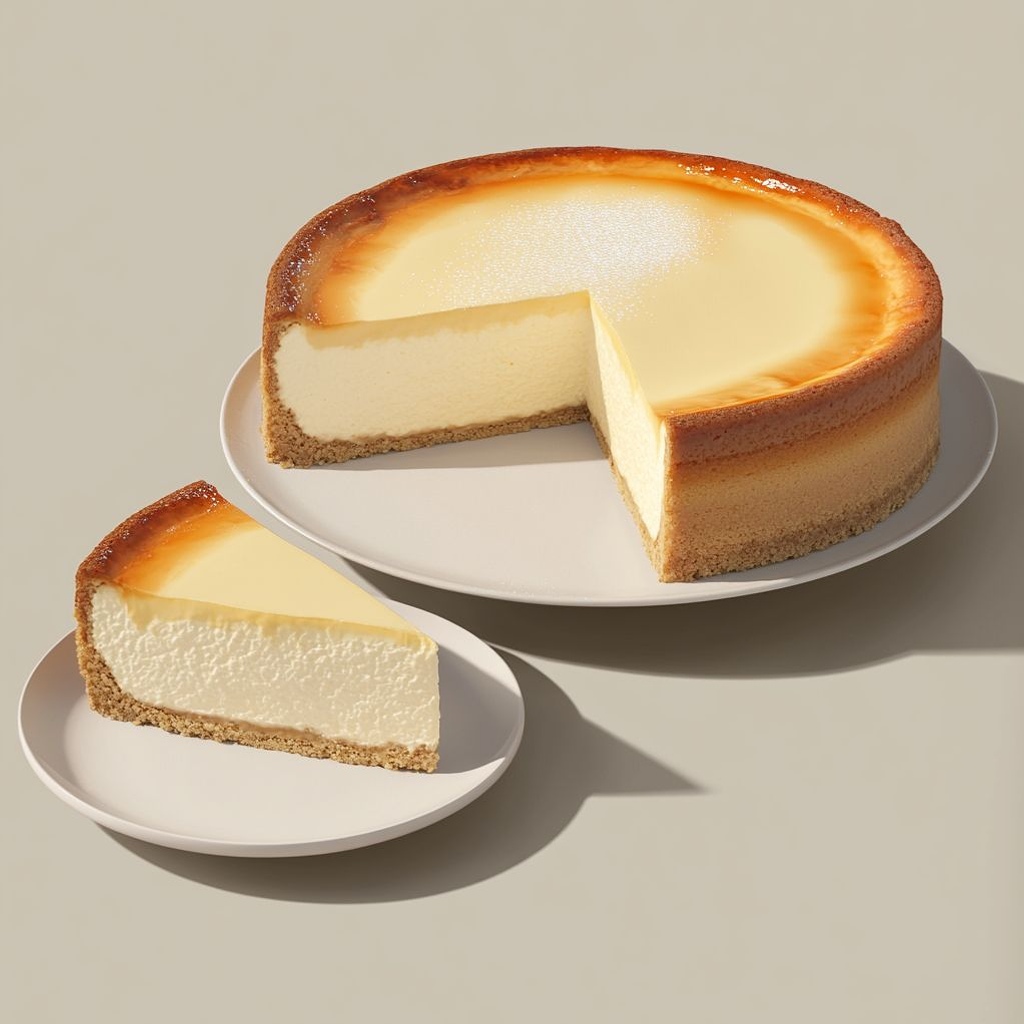
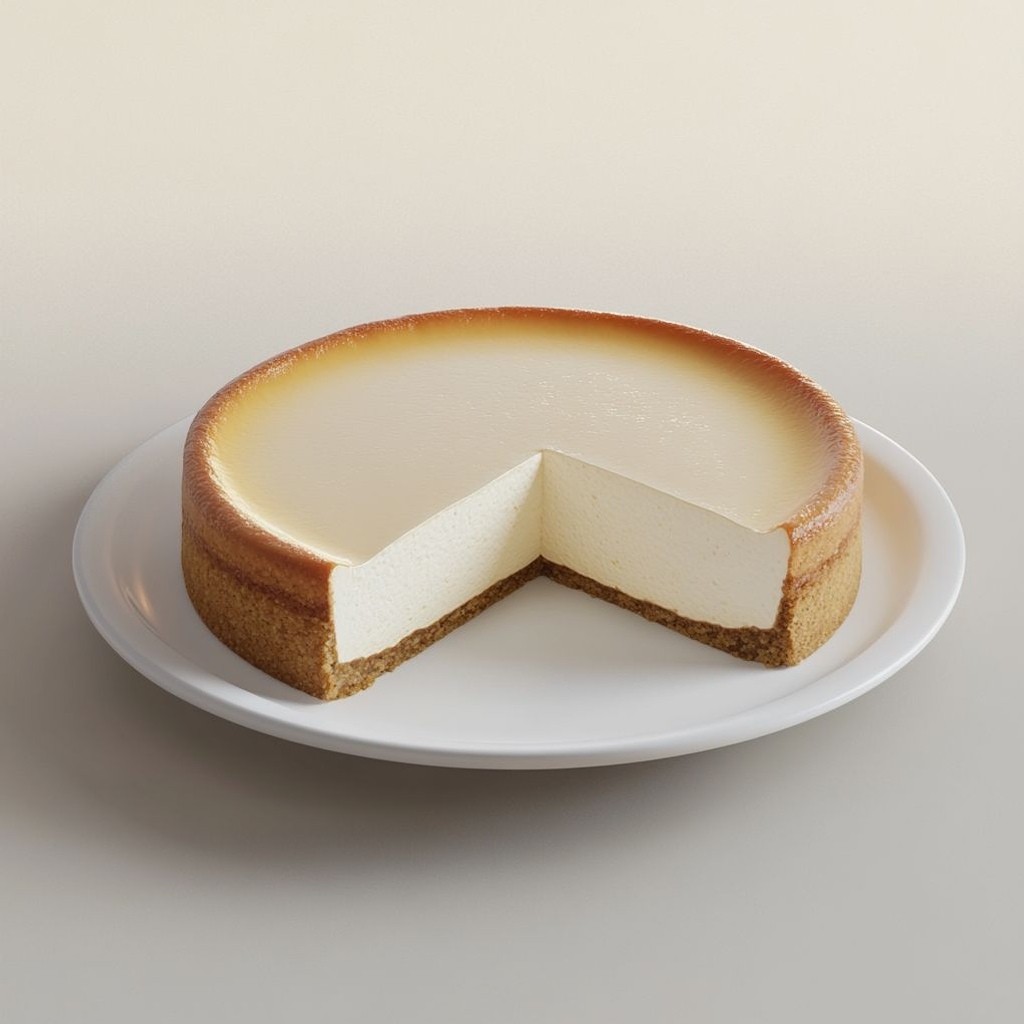
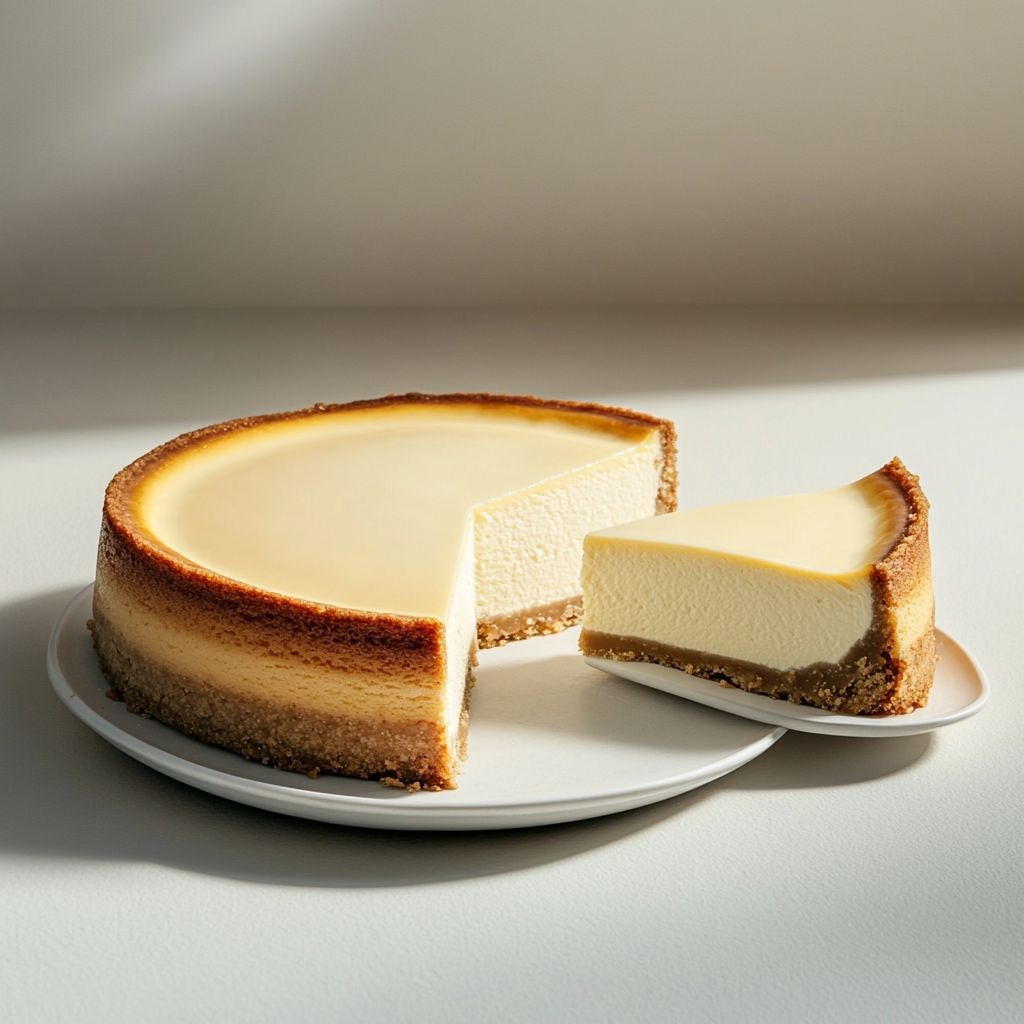
Imagine a dessert that sits lovingly at the intersection of tradition and indulgence: a custard-soft center lit from within by the warm glow of vanilla, lemon, and a whisper of cream, all cradled in a buttery crust that gives way to a sigh of creamy richness with every slice. This is Cheesecake al forno—the classic Italian baked cheesecake that turns a simple gathering into a gentle celebration. The moment it bakes, the kitchen fills with a fragrance that feels almost ceremonial: creamy cheese balancing tang from citrus, a hint of vanilla, and a crust that carries the sweet memory of butter and patience. When you cut into it, the surface might boast a delicate crack or a smooth, glossy sheen, both heralds of a proper bake. The texture is what truly captures the heart: velvety, luscious, and luxuriously silky, with a light, almost cloud-like finish that lingers on the palate. It’s the kind of dessert that invites quiet admiration and no small amount of gratitude—the kind of treat you’ll want to share, season after season, year after year.
What makes Cheesecake al forno so appealing is not merely its decadence, but its sense of place. It carries with it a sense of Italian convivio—a gathering where food becomes a language of warmth, conversation, and slow, savoring bites. This cheesecake is not a rushed finish; it is a confection that asks to be savored, to be admired for its balance between richness and restraint, and to be enjoyed with friends, family, or a moment of solitary indulgence when the house is quiet and the candles are lit.
In the end, this dish is as much about the experience as the flavor: the hush of the oven, the gentle crackle of the crust as it cools, the first forkful that dissolves on the tongue, and the lingering aroma that lingers long after the last bite has vanished. It is a dessert that grows more fragrant and more layered as it rests, a testament to the idea that sometimes the best cooking is the patient, unhurried kind that rewards you with depth, nuance, and a lasting impression.
The Story Behind the Dish
cheesecake al forno is a bridge between ancient techniques and modern palate, a creamy celebration that has traveled through cultures and kitchens to become a beloved staple in many households. The lineage of cheesecake stretches far beyond a single country or era. The earliest recipes, scribbled in ancient times, speak of a simple mixture of cheese, eggs, and sweetening agents that were pressed into a crust or set into a pan and baked. These early explorations were less about a precise formula and more about the shared joy of turning curds and sweetness into something more than the sum of its parts. As centuries rolled forward, this humble concept traveled with merchants, travelers, and home cooks who adapted it to local ingredients, creating a tapestry of regional variations that would bloom into the many cheesecake traditions we recognize today.
In Italy, the baked cheesecake evolved with a distinctive character. Rather than relying exclusively on one single type of cheese, Italian bakers embraced ricotta, mascarpone, and other fresh cheeses to achieve a light, airy, almost soufflé-like interior. The use of fresh cheese gives the cake a gentle tang—enough to keep the sweetness honest, but mellow enough that it feels comforting rather than overpowering. The crust, often made from crushed biscuits or a more rustic mix of sweetened crumbs, provides a warm, buttery counterpoint that anchors the delicate filling. The baked method itself is a nod to the traditional philosophy of cooking: the slow, steady application of heat allows the flavors to meld, the texture to set with quiet poise, and the surface to gleam with a subtle glaze that hints at the indulgence beneath.
There are stories from Italian kitchens about families gathering around a cooling pan, the scent swirling through hallways as stories and laughter rise with the steam. Some regions favor a touch of lemon zest or vanilla to brighten the dairy richness, while others appreciate a whisper of citrus or a hint of almond that echoes the country’s love affair with bright, floral notes. Across generations, bakers learned to treat the cake with care: a gentle bake with a cautious hand during the final minutes, a cool rest that allows the interior to set completely, and a reverence for the moment when a knife glides through the crust with ease. The result is a cheesecake that feels both rustic and refined—a dessert that belongs at the center of the table, yet is sophisticated enough to share with guests as the evening deepens.
Beyond Italy, this cheesecake shares a kinship with other warm, comforting desserts that have helped defined holiday tables and weekend celebrations around the world. The technique—seeded with a base of dairy, eggs, and sugar, coaxed into a creamy center by slow, patient baking—connects diverse culinary traditions. It’s a dish that demonstrates how a simple idea, when executed with care, can become a timeless favorite, capable of being personalized with family stories, seasonal fruit, or a drizzle of chocolate, coffee, or berry compote. The “al forno” approach is a celebration of that patient craft: a method that respects texture, temperature, and time as the essential ingredients that elevate comfort food into something memorable and meaningful.
The Evolution of Flavor and Form
In the modern era, cheesecakes come in many forms—glossy, smooth, crackled, or jewel-toned with fruity swirls. Yet the baked Italian style keeps a faithful honor to the idea of restraint: a filling that is rich but never cloying, a crust that offers gentle support rather than a heavy distraction, and a finish that glows with a subtle, natural sweetness. The oven does much of the storytelling here: it lightly husks the filling to a silky finish, creates a delicate surface sheen, and sets the interior to a perfect harmony of creaminess and structure. As you read about this dish, you are reading about a philosophy of dessert-making that respects the ingredients, the rhythm of the kitchen, and the shared experience of enjoying something crafted with quiet devotion.
Why You’ll Love This Recipe
- Simple elegance: It combines a few classic ingredients into a refined, crowd-pleasing dessert that looks as impressive as it tastes.
- Comforting creaminess: The interior is luxuriously soft, almost cloud-like, with a gentle tang that keeps the sweetness honest.
- Versatile flavor notes: Vanilla and citrus accents pair beautifully with the dairy richness, while optional add-ins let you tailor the cake to your mood or season.
- Make-ahead friendly: The cake can set overnight or for several hours in the fridge, making it ideal for parties, holidays, or relaxed weekend gatherings.
- Show-stopping yet approachable: It looks sophisticated on a dessert platter, but requires no fancy equipment or techniques beyond patient baking and careful cooling.
- Pairing paradise: Its understated flavor makes it a natural partner for a range of sauces, berries, chocolate, or a splash of dessert wine, letting you customize the finale to your menu.
Flavor Profile & Texture
The essence of Cheesecake al forno is a dialogue between richness and brightness. The filling carries a creamy, airy mouthfeel that seems to melt on contact, thanks to the delicate balance of dairy—often a combination of soft cheeses—eggs, and a touch of sugar. The dairy base offers a gentle tang, which can come from ricotta, mascarpone, or a mild cream cheese blend. This tang is never sharp; it is rounded by the sweetness and tempered by citrus zest, vanilla, or a hint of almond, depending on the regional or personal touch used in the bake.
The texture is the star. The inside is supremely smooth, with a silk-like glide that remains stable without being heavy. When properly baked, the center should feel set and supple, not jiggly, producing that familiar cheesecake slice that holds its shape but yields with elegance. The crust adds a contrasting bite: a delicate crunch or chew that anchors the slice, providing a satisfying counterpoint to the insubstantial, creamy center. The flavor profile is cream-forward, with a gentle caramel undertone from the crust and a whisper of vanilla or citrus that brightens the overall experience. If you serve it slightly chilled, you’ll experience a firmer, cooler texture that still carries that unmistakable creaminess; if you allow it to come closer to room temperature, the flavors become more pronounced, and the filling releases a richer aroma as the fats soften and bloom.
Texture and flavor are nearly inseparable here: soft, airy filling; crisp or crumbly crust; a light glaze on top if you choose to finish with a glaze or dusting. The result is a dessert that feels indulgent yet balanced—a testament to the art of patient baking and to the quiet magic of well-chosen ingredients. It’s not a dessert that hurries to the finish line; it invites you to slow down, to savor the moment, and to notice how the flavors evolve from bite to bite. The sensory journey—from the first inhale of vanilla and citrus to the last lingering note of dairy sweetness after a spoonful—rewards the effort of preparation with a lasting sense of satisfaction.
Occasions & Pairings
This cheesecake is a versatile guest at many occasions. It shines on holiday dessert tables, where its refined silhouette and comforting flavor offer a crowd-pleasing finale without demanding intense labor. It also makes a comforting weekend dessert after a long week, a centerpiece for a family birthday, or a sophisticated finish to a dinner party with friends. Its elegance is matched by its adaptability: it can be dressed simply with fresh berries and a dusting of powdered sugar, or enhanced with a glossy fruit coulis, a chocolate drizzle, or a light berry compote that adds a pop of color and a complementary acidity to cut through the richness.
Pairing ideas elevate the experience. Consider these options to complement and balance the dish:
- Drinks: a glass of dessert wine or a late-harvest wine, a cup of strong espresso, or an airy Italian sparkling Moscato can be ideal companions depending on your mood and dessert philosophy for the night.
- Fruit accents: fresh berries, lightly macerated strawberries, or a spoonful of bright berry coulis provide a counterpoint to the creaminess and add a vibrant visual element.
- Sauces and toppings: a chocolate ganache, a lemon or orange glaze, or a tart cherry sauce can transform the cake into a new experience while preserving its essence.
- Contrastive elements: a light, barely sweetened whipped cream or a dollop of mascarpone can add a layer of richness and heighten the cake’s luxurious texture.
When to serve it? Any time you want to mark a moment—family meals, anniversaries, or a simple Sunday supper—the Cheesecake al forno fits. Its restrained sweetness makes it suitable after a savory meal, while its richness ensures it holds its own among other dessert courses. The cake’s lingering aroma also lends itself nicely to a dessert course that wraps up with a sense of comfort and satisfaction, leaving guests with a warm memory and the wish for another slice (or perhaps two).
Tips, Variations & Substitutions
Tips for the best bake
To honor the traditional spirit of the baked cheesecake while allowing for home kitchen realities, consider these guiding ideas. A gentle bake, a careful cooling, and a patient set are the trifecta of success. Bake at a moderate temperature to encourage an even set without over-drying the edges. If you notice the top developing a deep golden hue too quickly, shield it with a sheet of parchment or a light tent of foil to prevent over-browning. Allow the cake to cool gradually in the turned-off oven or on a rack to avoid sudden temperature changes that could cause cracking. Once cooled, refrigerate for several hours or overnight; this resting period lets the filling firm and the flavors meld. When slicing, use a clean, sharp knife warmed slightly in hot water and wiped dry for the neatest cuts. A gentle wipe between slices helps maintain those pristine lines that make the dessert look as refined as it tastes.
Texture and moisture are intimately connected in a baked cheesecake, so moisture management matters. If the filling seems too loose before baking, you can opt for a slightly firmer base by masking moisture with gentle eggs and avoiding over-mixing, which can introduce air pockets that cause cracks. If you’re aiming for a lighter sensation, you can blend in a touch more ricotta or a smoother cheese mixture to achieve a silkier interior while preserving the cake’s structural integrity.
Variations to suit taste and dietary needs
- Ricotta-based variation: Emphasize the Italian roots by using ricotta as a primary filling. The texture remains creamy, with a slightly grainy charm that some find quintessentially rustic.
- Mascarpone cream: Integrate mascarpone for a richer, silkier mouthfeel and a more pronounced dairy depth. This version feels especially indulgent and luxurious.
- Lemon or citrus-forward: Intensify the bright notes with zest and a touch of citrus juice to create a lively counterpoint to the creamy base.
- Chocolate swirl: A ribbon of melted dark or white chocolate swirled into the batter before baking adds a sophisticated twist.
- No-bake adaptation: For days when the oven must stay quiet, a no-bake version uses a crumb crust and a chilled, mousse-like filling; however, note that the texture will differ from the traditional baked version.
- Gluten-free crust: Use gluten-free biscuits or almond flour-based crusts to accommodate gluten intolerance without sacrificing flavor or crumb texture.
- Vegan option: A vegan baked cheesecake can be crafted using soaked cashews, coconut cream, and a plant-based cheese substitute, set with agar or cornstarch, and baked gently to replicate the creamy interior.
- Regional twists: Consider a pinch of toasted almond meal in the crust for a nutty aroma, or a hint of cinnamon to evoke a comforting, spiced finish in cooler months.
Substitutions and pantry-friendly tweaks
If you’re working with what’s in the pantry, you can balance flavor and texture by adjusting the ratio of cheeses to eggs, or by pairing a milder cheese with a touch more cream cheese for a smoother set. A splash of vanilla extract can be replaced with vanilla bean seeds for a more pronounced aroma, and a few teaspoons of lemon juice can brighten the overall profile if citrus zest isn’t available. When choosing dairy options, fresh, high-quality products will always shine, so consider premium ricotta, mascarpone, or cream cheese as the anchors of your filling. The right balance is what makes the cake sing, so taste as you go to achieve a harmonious blend rather than a single dominant note.
Storage & Make-Ahead Ideas
Cheesecake al forno is especially friendly to advance planning. The flavors deepen with time, making it an ideal make-ahead dessert for parties or holiday meals. Here are practical tips to maximize flavor and texture after the bake:
- Refrigeration: Once fully cooled, cover the cake and refrigerate. It will keep well for several days, often tasting best after a gentle chill and a few hours to come closer to room temperature before serving.
- Make-ahead: You can bake the cheesecake up to a day in advance. If you plan to serve it cold, simply refrigerate once cooled. If you prefer slightly softer texture, pull it 30–60 minutes before serving to allow the filling to loosen a touch at room temperature.
- Freezing: Slices freeze well individually wrapped. Thaw overnight in the refrigerator and bring to room temperature before serving for the best texture. Note that the crust may soften a bit upon freezing and thawing, but the creamy center remains luxurious.
- Storing toppings separate: If you anticipate toppings (berries, chocolate, or sauces), hold them in separate containers and add just before serving for a fresh, bright finish.
Fun Facts & Trivia (Optional)
Cheesecake is a dish with a storied past. The concept of a cheese-based dessert stretches back to ancient civilizations, with various cultures adopting and adapting the idea to fit local tastes and available ingredients. The term “cheesecake” in English appears in print as early as the 19th century, but variations of this dessert existed long before. In many Italian kitchens, the baked cheesecake became a canvas for seasonal flavors and regional cheese varieties, transforming into a dish that could be as simple or as refined as the occasion required.
One delightful piece of trivia: the balance between tenderness and sturdiness in a baked cheesecake often hinges on the method—gentle heat, slow cooling, and patient rest are almost as important as the ingredients themselves. The practice of letting the cake settle in a cool environment after baking resembles the temperament of many traditional desserts from around the world, where the act of waiting quietly is part of the flavor development. In modern culinary culture, cheesecake has earned countless riffs—some light and airy, others deeply rich and decadent—but the baked Italian style retains a sense of timelessness that connects home ovens with trattorias across generations.
For dessert lovers, there is a fun ritual associated with cheesecakes: the first slice is often shared with a guest as a sign of hospitality, a small ceremonial moment that echoes the cake’s social roots. The joy of giving a slice, watching the creamy interior glisten in the light, and hearing the smile that follows is part of what makes Cheesecake al forno a beloved staple for celebrations and everyday indulgence alike.
Conclusion: A Dessert with Soul
Cheesecake al forno is more than a dessert; it is a narrative of patience, craft, and affection. It speaks of kitchens where the oven is a friend, where ingredients are treated with respect, and where a few thoughtful touches can elevate a simple recipe into a memory. Whether you choose a classic, citrus-kissed version or a more adventurous variant with a chocolate swirl or almond crust, this baked cheesecake invites you to slow down, to celebrate the everyday, and to share something that feels both timeless and deeply comforting. So preheat your imagination, gather a few select ingredients (in their best form), and let the oven work its quiet magic. In its smooth center and tender crust, you’ll find a small, perfect moment—a reminder that the simplest pleasures, when prepared with care, can become the ones you reach for again and again. Enjoy the process as much as the result, and let Cheesecake al forno become a beloved chapter in your own culinary story.
Ingredients
Cheesecake Crust
-
– 1 1/2 cups graham cracker crumbs (about 150 g)
→ The crust provides the crunchy foundation and structural support for the cheesecake. Crush the crackers into fine, even crumbs (or pulse in a processor) and mix with sugar and salt. Stir in the melted butter until the mixture resembles wet sand. Press firmly into the bottom and slightly up the sides of a prepared springform pan. For a gluten-free version, use gluten-free crackers and ensure they’re finely ground. If you prefer a crisper crust, lightly bake the crust before filling as a blind bake.
– 1/4 cup granulated sugar (optional)
→ Adds gentle sweetness to the crust and helps with binding when mixed with the butter. If your crackers are already sweetened, you can omit. Combine with the crumbs before binding; for a crisper crust, bake the pressed crust for 8–10 minutes at 350°F (175°C) before filling.
– 5 tablespoons unsalted butter, melted
→ Binds the crust together and provides rich flavor. Ensure the butter is fully melted and slightly cooled before mixing with the crumbs so the crust doesn’t become greasy. Press evenly into the pan and chill briefly or bake as part of a blind bake to set the crust.
– Pinch of fine sea salt
→ Enhances the intrinsic flavors of the crust and balances sweetness. Mix into the crumb mixture before binding to keep the crust cohesive and flavorful.
Cheesecake Filling
-
– 4 x 8-ounce blocks cream cheese, softened to room temperature (about 900 g)
→ The creamy base that defines the cheesecake texture and tang. Softened cream cheese blends smoothly with sugar and dairy, avoiding lumps. Beat until very smooth and airy, then add eggs one at a time on low speed. Avoid overbeating after adding eggs to minimize air incorporation, which can cause cracks. Room temperature ingredients emulsify better for a glossy filling.
– 1 cup granulated sugar (200 g)
→ Provides balanced sweetness to counter the tang of the dairy. Add gradually to the cream cheese while beating to ensure full dissolution and a silky batter. Using sugar crystals that dissolve easily helps prevent a gritty texture in the cake.
– 3 large eggs
→ Contribute moisture, structure, and setting. Add one at a time on low speed after the cream cheese has become smooth. Keep eggs at room temperature to promote even incorporation and minimize temperature shock that could lead to cracks.
– 1/2 cup sour cream (120 g)
→ Adds moisture, tenderness, and a subtle tang that enhances overall flavor. Whisk or fold into the filling until just combined; using full-fat sour cream gives a richer, creamier texture without thinning the batter.
– 1/2 cup heavy cream (120 ml)
→ Adds extra richness and a silky, smooth mouthfeel. Incorporate gradually to maintain a stable emulsion; room-temperature cream blends more evenly and helps prevent separation during baking.
– 2 teaspoons vanilla extract
→ Deepens flavor and aroma. Use pure vanilla extract for best results; you can also add vanilla bean seeds for extra fragrance. Add with the liquids to ensure even distribution throughout the batter.
– 1 tablespoon lemon zest (optional)
→ Brightens the filling with citrus notes that cut through richness. Zest, not juice, to avoid thinning the batter; if using lemon juice instead, start with 1 tablespoon and adjust to taste to avoid overly wet batter. The zest’s essential oils provide aroma without adding liquid.
– 1/4 teaspoon fine salt
→ Enhances overall flavor and helps balance sweetness. Even if using salted cream cheese, a small pinch can help unify the batter and prevent it from tasting flat.
Optional Toppings
-
– Fresh berries (strawberries, blueberries, raspberries) for serving
→ Adds color, freshness, and a contrasting tart sweetness. Rinse gently and pat dry; add just before serving to keep the crust crisp and the topping from becoming soggy.
– Berry compote or sauce
→ A luscious, fruity accompaniment. Simmer berries with a touch of sugar and a squeeze of lemon juice until thickened; cool completely before serving. This can be made ahead and stored in the fridge.
– Powdered sugar for dusting
→ Finishing touch that lightly sweetens and beautifies slices. Sift over cooled cheesecake to avoid clumps and create an elegant presentation.
– Caramel sauce
→ Rich, glossy topping that pairs beautifully with vanilla cheesecake. Warm slightly to drizzle; drizzle in thin streams across slices to avoid overpowering the filling. Use sparingly to maintain a balance between topping and cake.
Instructions
- Preheat your oven to 350°F (175°C) and generously grease a 9-inch (23 cm) springform pan, then wrap the exterior with heavy-duty foil to guard against water leakage during the bake.
→ Wrapping prevents water from seeping into the crust and helps the pan maintain its integrity in a water bath; greasing the interior ensures the crust releases cleanly once chilled and sliced. - In a medium bowl, combine the graham cracker crumbs, granulated sugar (optional), and fine sea salt; whisk until evenly distributed to ensure consistent flavor and texture in every bite.
→ Even distribution of dry ingredients ensures the crust binds with butter uniformly, and salt enhances sweetness while balancing the flavor. - Stir in the melted butter with the crumb mixture until the texture resembles wet sand and the crumbs hold together when squeezed.
→ Properly buttered crumbs will compact into a cohesive crust that remains intact when sliced and served. - Transfer the crumb mixture to the prepared pan and press firmly into the bottom and up the sides with the flat bottom of a measuring cup or a small glass, aiming for an even, compact layer.
→ Uniform pressure prevents thin or uneven areas that could crumble and ensures the filling sits on a stable base. - Blind bake the crust (optional) by baking for 8–10 minutes at 350°F (175°C) until the edges look set and the crust is fragrant, then cool on a rack before filling.
→ A brief bake dries the crust, creating a barrier against moisture from the filling and yielding a crisper texture. - Cool the crust completely on a rack before proceeding with the filling to avoid trapped steam that could soggify the crust.
→ A cooled crust provides a solid base that supports the dense filling and prevents cracking from heat differentials. - In a large mixer bowl, beat the softened cream cheese on low speed until completely smooth and airy, scraping the bowl as needed to remove lumps.
→ Smooth, room-temperature cream cheese emulsifies better with sugar and dairy, yielding a glossy, lump-free filling with good structure. - With the mixer on medium-low, gradually add the granulated sugar and beat until the mixture is fully incorporated and silky, ensuring there are no gritty sugar granules.
→ Full dissolution of sugar prevents a grainy texture and helps the filling set evenly during baking. - Add the eggs one at a time on low speed, beating just until each is incorporated before adding the next; avoid overmixing after eggs are added to minimize air pockets and cracks.
→ Gentle incorporation preserves a smooth batter and reduces the likelihood of surface cracking during cooling. - Beat in the sour cream and heavy cream on low speed until just combined and the mixture is uniform and glossy.
→ The dairy adds tenderness and moisture, while staying smooth prevents separation in the hot oven. - Stir in the vanilla extract and the lemon zest (if using) along with the fine salt; mix on low until evenly distributed throughout the batter.
→ Vanilla and lemon zest enrich aroma and brightness, while salt enhances overall flavor harmony. - Pour the filling over the cooled crust in an even layer and gently tap the pan on the counter to release any trapped air bubbles; smooth the top with an offset spatula for a flawless finish.
→ Even surface and free of air pockets ensure uniform bake and a clean slice. - Wrap the bottom of the springform pan with two layers of heavy-duty foil and set the pan into a larger, deep baking dish; pour hot water into the outer dish until it reaches halfway up the sides of the cheesecake to establish a water bath.
→ A water bath provides gentle, uniform heat that minimizes cracking and yields a velvety texture. - Bake the cheesecake in a preheated oven at 325°F (165°C) for about 60–70 minutes, or until the edges are set and the center still wobbles slightly when nudged.
→ The gentle bake with a bath keeps the center creamy while the edges firm; timing may vary with pan and oven, so monitor instead of strictly timing. - If the top browns too quickly, tent loosely with foil after 30 minutes of baking and continue to bake; this shields the surface while the interior firms.
→ Foil prevents excessive browning and ensures an even color and texture across the surface. - Turn off the oven, crack the door, and let the cheesecake rest in the oven for 1 hour to gradually cool and reduce the risk of cracking from abrupt temperature change.
→ Slow cooling minimizes cracks and helps set the filling evenly before chilling. - Carefully remove the cheesecake from the water bath, lift out of the outer dish, and cool completely on a rack; then refrigerate for at least 4 hours or overnight to finish setting and develop flavor.
→ Chilling hardens the texture and ensures clean, tidy slices with a glossy finish. - Just before serving, run a thin knife around the edge, release the springform, and transfer the cheesecake to a platter for presentation.
→ This guarantees a clean release and a neat, professional slice when plated. - Serve with your chosen toppings—fresh berries, berry compote, a light dusting of powdered sugar, or a drizzle of caramel—to complement the cheesecake’s vanilla and tang; display and portion with care for an elegant finish.
→ Toppings add color, brightness, and contrast in texture, enhancing the overall dessert experience.
Notes
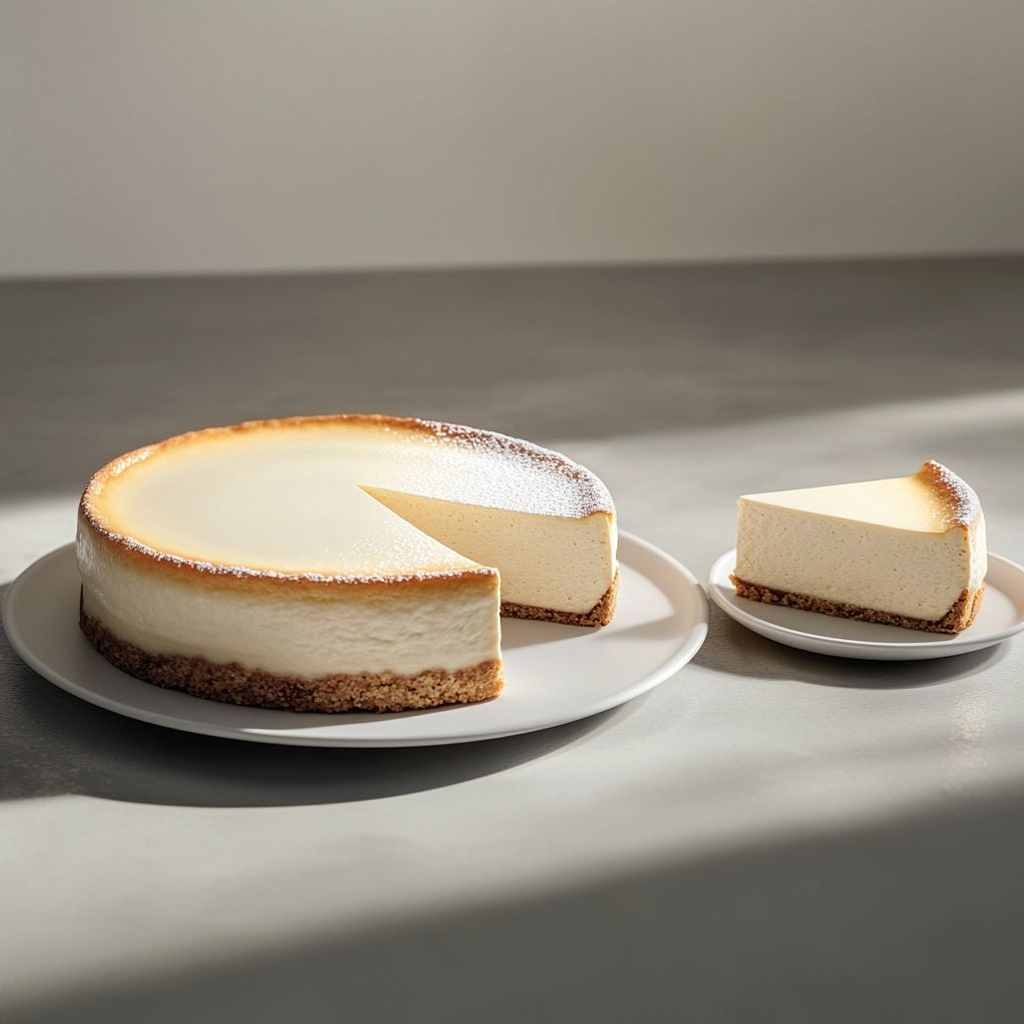
“These classic baked cheesecake slices are rich and creamy with a crisp crust and a subtle tang from the cream cheese. To ensure a smooth filling, beat the cream cheese with sugar until completely silky, then add eggs one at a time on low speed to minimize air pockets that can cause cracks. For a gluten-free crust, substitute graham crackers with finely ground gluten-free crackers or digestive biscuits and add a little extra pinch of salt to balance sweetness. Let all dairy come to room temperature before mixing to promote even emulsification. A water bath helps regulate moisture and prevents cracking; bake the cheesecake in a larger pan filled with hot water and check for a just-set center that slightly jiggles. After baking, cool gradually in the oven with the door ajar, then chill for several hours or overnight for clean, sliceable results. Toppings can include fresh berries, berry compote, or a dusting of powdered sugar. If you want a lighter texture, you can reduce the sour cream and heavy cream by a few tablespoons, but this will affect moistness and tang. Always ensure any flavorings and vanilla are gluten-free if needed, and check labels for cross-contamination.”
Tips
Tips for Cheesecake al forno
Crust tips
- Crush graham crackers to fine, even crumbs. For a gluten-free version, use gluten-free crackers and grind very finely. Mix with the optional sugar and a pinch of salt, then stir in the melted butter until the mixture resembles wet sand.
- Press the crust firmly into the bottom and slightly up the sides of a prepared springform pan. For a crisper crust, blind bake the crust at 350°F (175°C) for 8–10 minutes before filling, then cool completely before adding the filling.
- If your crackers are sweetened, you can omit the added sugar. The salt helps balance sweetness.
- Chill the crust briefly after pressing to set it before filling, which reduces crumbling and helps the filling release cleanly.
Filling tips
- Beat the softened cream cheese until very smooth and airy to create a glossy, lump-free filling. Add sugar gradually to ensure full dissolution.
- Add eggs one at a time on low speed after the cream cheese is smooth; keep eggs at room temperature to promote even incorporation and minimize temperature shock that can cause cracks.
- Whisk or fold in sour cream and heavy cream gradually until just combined for a tender, moist texture. Use full-fat dairy for richness.
- Mix in vanilla extract with the liquids. If using lemon zest, add it for brightness; if using lemon juice instead, start with 1 tablespoon and adjust to taste to avoid thinning the batter.
- Finish with a pinch of fine salt to enhance flavor and balance sweetness, even if using salted cream cheese.
- Ensure all ingredients are at room temperature to promote emulsification and a smoother batter, which helps prevent cracks and uneven texture.
Baking and handling tips
- Bake in a low oven and monitor for doneness; edges should be set while the center remains slightly jiggy. Do not overbake to avoid a dry texture.
- To minimize cracks, consider baking the cheesecake in a water bath. Wrap the pan tightly in foil and place in a larger pan with hot water, then bake. If not using a water bath, reduce mixing and bake time to avoid overcooking.
- Allow the cheesecake to cool gradually in the oven with the door slightly open for about an hour, then transfer to a rack at room temperature before refrigerating overnight for best texture.
Toppings and serving tips
- Fresh berries add color and a tart contrast; rinse gently and pat dry. Add just before serving to keep the crust crisp.
- Berry compote or sauce can be prepared ahead; cool completely before serving.
- Dust with powdered sugar for a refined finish; sift to avoid clumps.
- Drizzle caramel sauce in thin streams over slices to complement the vanilla flavor; warm slightly before serving and use sparingly to maintain balance.
FAQ
Cheesecake al forno: cos’è?
È un dolce cremoso a base di formaggio cremoso, zucchero e uova, cotto al forno. Di solito ha una base di biscotti sbriciolati con burro, ed è spesso cotto in bagno-maria per mantenere una consistenza morbida e uniforme.
Qual è la differenza tra cheesecake al forno e quella senza forno?
La cheesecake al forno viene cotta, risultando cremosa e compatta con una leggera crosticina in superficie. Le versioni senza forno si solidificano con gelatina o panna acida e non richiedono cottura, ma hanno una consistenza diversa e una preparazione leggermente diversa.
Quali ingredienti servono per la base e la crema?
Base: biscotti sbriciolati (es. digestive) mescolati con burro fuso. Crema: formaggio cremoso, zucchero, uova, panna o panna fresca, vaniglia, scorza di limone (opzionale). Opzionali: un pizzico di sale e succo di limone per bilanciare la dolcezza.
Come si prepara la base croccante?
Sbriciola i biscotti, mescolali con burro fuso finché tutto è ben umido. Versa il composto nello stampo a cerniera rivestito di carta forno, e premi bene con il dorso di un cucchiaio o con un fondo piatto. In alternativa, scotta 5-8 minuti a 180°C per stabilizzare la crosta prima di aggiungere la crema.
Come evitare crepe o sformamenti in superficie?
Cuoci a temperatura moderata, evita mescolamenti eccessivi della crema, e usa ingredienti a temperatura ambiente. Per una cottura più dolce, utilizza un bagno-maria: avvolgi lo stampo con più strati di carta stagnola e ponilo in una teglia più grande piena di acqua calda durante la cottura.
A che temperatura e per quanto tempo si cuoce?
Cuoci tipicamente a 160–165°C (325–330°F) per circa 50–70 minuti. Il centro dovrebbe cedere leggermente al tatto. Spegni il forno e lascia la cheesecake dentro con lo sportello socchiuso per circa 1 ora, poi rimuovi e lascia raffreddare a temperatura ambiente prima di refrigerare.
Come raffreddare e rassodare prima di servirla?
Lascia raffreddare completamente a temperatura ambiente, quindi trasferisci in frigorifero e lascia rassodare per almeno 4–6 ore, meglio una notte. Evita di togliere lo stampo troppo presto: aiuta a mantenere la consistenza cremosa.
Come conservarla e per quanto tempo?
Conserva in frigorifero, coperta o in un contenitore ermetico, per 3–5 giorni. Puoi congelare la cheesecake a fette ben sigillate per 1–2 mesi; scongelala in frigorifero prima di gustarla.
È possibile fare la cheesecake al forno senza glutine o senza lattosio?
Sì. Per una versione senza glutine, usa biscotti gluten-free per la base o un mix di biscotti senza glutine; evita contaminazioni. Per una versione senza lattosio, usa formaggio cremoso senza lattosio e panna senza lattosio (oppure latte di soia/mandorla per la crema, regolando zucchero e consistenza). Assicurati che anche burro o alternative siano prive di lattosio se necessario.
Quali varianti gustose si possono fare?
Varianti popolari includono cheesecake al limone (con scorza e succo di limone), al cioccolato (includendo cioccolato fondente fuso nella crema), al caffè, o con topping di frutti di bosco, coulis di frutti rossi o caramello. Puoi anche aggiungere una striscia di ganache al cioccolato sopra o incorporare frutta secca o scorza d’arancia nell’impasto.