
Introduction / Hook
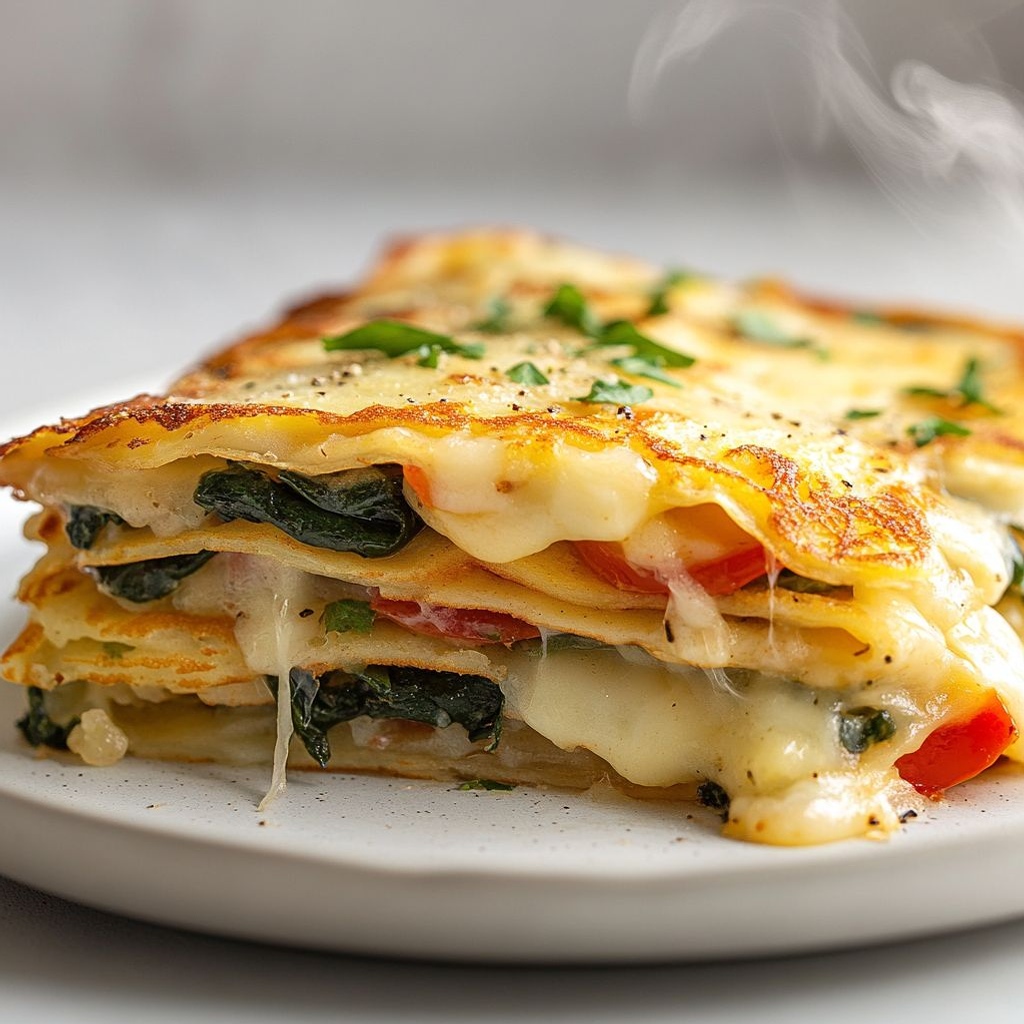
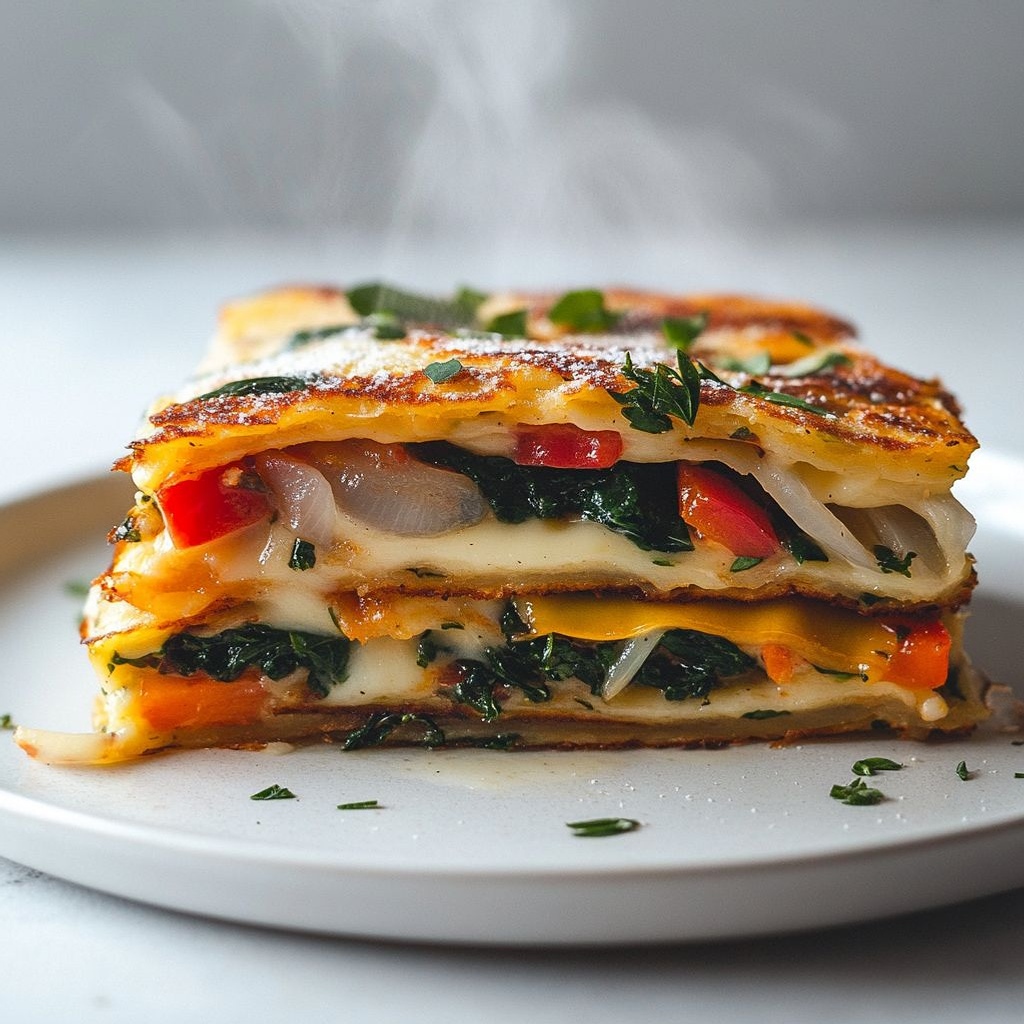
Imagine waking up to a dish that tastes like a warm, comforting hug—the kind of breakfast that fills the whole house with a soft, inviting aroma long before the first bite. The Casseruola pancake is not just a recipe; it’s a morning ritual that blends the cozy heft of a casserole with the bright, forgiving charm of a pancake. It’s the kind of dish that greets you with a golden, custardy center, edges that crisp and caramelize just enough, and a sweetness that sits lightly on the palate rather than overwhelming it. Picture vanilla-laced steam spiraling upward, butter melting into a delicate crust, and cinnamon whispering with a hint of citrus zest as your kitchen fills with a scent that promises you a slow, contented morning. This is the breakfast drama that never fails to spark a smile—a dish that tastes like home and feels like a bright, celebratory weekend in a single slice.
The beauty of the Casseruola pancake lies in its generosity. It’s not a race against the clock; it’s a gentle invitation to linger in the kitchen, to whisk, to fold, to layer, and to watch the batter transform into a comforting, shareable bake. It’s as versatile as your pantry allows: it can be a brunch centerpiece for a crowd or a soulful weekend treat for two. The texture is the star—soft, custardlike on the inside with a delicate, slightly crisp edge that makes a satisfying crack as you cut through. Flavor-wise, you’ll find vanilla creaminess tempered by a kiss of warm spice and a whisper of citrus, all mingling with the subtle richness that comes from a well-browned surface. And because it’s a casserole-style pancake, you can tailor it to your mood and your ingredients—as flexible as your imagination, yet always wonderfully comforting.
The Story Behind the Dish
Every family has a morning dish that travels through generations, picking up little twists and memories along the way. The Casseruola pancake has a spirit of both old-world warmth and modern brunch practicality. Legend has it that in a sunlit kitchen tucked along a hillside in a region where citrus groves meet almond orchards, a grandmother known for her generous heart decided to repurpose leftover pancake scraps and a few pantry staples into something bigger—something that could feed a lively breakfast table after Sunday Mass. She whisked eggs, milk, a touch of cream, and a dash of vanilla into a loose custard, then layered it with pieces of day-old pancakes, fruit slices, and a sprinkle of sugar before letting the whole thing bake until the top bronzed and the center set like a soft quilt. When it came out of the oven, the kitchen smelled of home: toasted sugar, vanilla, and the comforting aroma of milk and eggs blending into something almost magical.
As stories often do, the recipe evolved with each household that adopted it. Some families swapped in berries for fruit, some layered it with cinnamon-sugar swirls, others added a savory note to balance the sweetness. In coastal towns, a splash of citrus zest or a kiss of orange liqueur would turn the dish into a bright, seaside brunch classic. In mountain villages, a pinch of ground clove or cinnamon would deepen the warmth during winter gatherings. The beauty of the Casseruola pancake is that its essence remains the same—a patient, nurturing bake that brings people together—while its finish and flavor adapt to the memory-making rituals of whichever kitchen is fortunate enough to call it their own.
In a broader sense, this dish is a testament to culinary improvisation: a celebration of leftovers transformed into something special, a reminder that comfort foods aren’t about time or skill, but about atmosphere, generosity, and the simple joy of sharing a slice with someone you love. The term “casseruola” itself evokes a pot, a pan, a warm vessel where foods are layered and coaxed into unity. When you bring together the familiar elements of pancake batter with a gentle bake that sets the texture into something almost custardy, you are honoring the art of quiet, patient cooking that yields something greater than the sum of its parts. It’s a toast to mornings that deserve something a little more remarkable than the usual, a dish that asks you to slow down, savor, and celebrate the simple pleasure of breakfast as a family ritual.
Why You’ll Love This Recipe
- Versatile and forgiving: adaptable to whatever fruits or seasonal produce you have on hand, from apples and pears to berries or stone fruits.
- Make-ahead friendly: you can assemble and refrigerate, then bake when you’re ready, saving you precious morning time.
- Centerpiece-worthy yet cozy: looks impressive on the table, but remains approachable and comforting to eat.
- Balanced texture: a custardy, tender interior with a lightly crisped, caramelized top that adds a satisfying bite.
- Kid-friendly and crowd-pleasing: easy to portion, naturally sweet, and gentle on picky eaters while still feeling special.
- Customizable sweetness and spice: adjust sugar, vanilla, and spices to suit your mood or the season.
- Great as brunch or a weekend treat: works beautifully for gatherings, holiday mornings, or a simple, indulgent weekend ritual.
Flavor Profile & Texture
The Casseruola pancake is a study in balance. On the surface, you’ll often notice a light, praline-like crust—a gentle, caramelized edge that forms where butter and sugar mingle with the heat. Underneath, the interior reveals a comforting custard-like softness, reminiscent of a delicate bread pudding or a soft-set flan, yet with the buoyant lift of a pancake batter. The vanilla notes are creamy and fragrant, weaving through every bite without overpowering the natural sweetness of the fruit or the warmth of the spices.
Subtle citrus zest—whether lemon, orange, or even meyer lemon—punctuates the dish with a brightness that keeps the whole experience from feeling too heavy. If you opt for a cinnamon-tinged version, you’ll notice a gentle, comforting spice that whispers rather than shouts, making the dish feel cozy and familiar. The fruit component adds a layer of juiciness and tang; when it bakes, the juices release slowly, keeping the dish dariy-smooth yet lively with bursts of fresh fruit flavor in every bite. The texture is the glorious paradox of soft and sturdy at once: the center stays tender and almost wobbly in a comforting way, while the outer edges firm up and take on a delicate toasted quality that makes the dish endlessly sliceable and easy to portion for a crowd.
In terms of fragrance, expect a warm perfume of melted butter, vanilla bean or extract, sugar glazing, and a hint of citrus. The aroma alone is enough to transport you to a sunlit kitchen, with a window open to a cool morning breeze and a pot of coffee simmering nearby. The overall experience is about comfort with a touch of celebration—a pancake that behaves like a casserole, holding together enough structure to serve neatly, yet yielding a melt-in-your-mouth tenderness that makes you want to go back for seconds (and possibly thirds, if you’re inclined to indulge). It’s the soft, comforting heart of a Sunday morning given shape and color by careful technique and a love for layering flavors and textures.
Occasions & Pairings
The Casseruola pancake is your go-to for a wide range of occasions, from the casual to the festive. It excels as a weekend brunch centerpiece, a relief-bringing dish after a long week, or a charming dessert-like breakfast that feels special enough for a celebratory morning. It also travels well as a potluck option—slice it into generous squares, warm them gently, and offer alongside maple syrup, yogurt, or a bright citrus curd for a more dynamic plate.
Suggested occasions and pairings:
- Brunch with friends and family: serve with whipped cream, a drizzle of amber maple syrup, and a side of yogurt or crème fraîche to balance sweetness.
- Holiday mornings: pair with roasted fruit compotes (apples, cranberries, pears) and a small glass of sparkling cider or dry sparkling wine for adults.
- Casual weekend breakfast for two: keep portions modest and add a dollop of citrus zest and a sprinkle of toasted nuts for crunch.
- Afternoon tea-time snack: pair with a pot of strong coffee or chai and a light fruit salad to cleanse the palate.
- Kids’ parties or sleepovers: offer a topping bar with fresh berries, sliced bananas, yogurt, and a light dusting of powdered sugar for a playful, interactive experience.
Flavor combinations to consider when customizing:
- Fruity: apples with cinnamon, pears with cardamom, mixed berries with lemon zest.
- Nutty: chopped almonds or pistachios for texture and a toasty flavor.
- Zesty: a splash of orange blossom water or a teaspoon of lemon zest to brighten the dish.
Tips, Variations & Substitutions
Make it your own
One of the most delightful aspects of the Casseruola pancake is its adaptability. Here are ideas to customize without losing the essence of the dish:
- Savory twist: omit half the sugar and fold in shredded cheese (like fontina or Gruyère) along with chopped herbs such as chives or parsley. A light sprinkle of black pepper can make the dish appealing for savory breakfasts or brunch plates.
- Gluten-free version: substitute all-purpose flour with a gluten-free blend that works well for baking. Ensure the batter remains thick enough to hold layers during the bake.
- Dairy-free option: use full-fat coconut milk or almond milk with a tablespoon of dairy-free butter or oil for the fat component. You can also use a plant-based margarine to brown the top nicely.
- Vegan adaptation: replace eggs with a vegan egg substitute or a flaxseed or chia seed “egg” mixture; use a plant-based milk; use a vegan butter substitute if browning is desired.
- Low-sugar or sugar-free: reduce sugar by a third to a half and rely on the natural sweetness of ripe fruit to lift the flavor; a touch of vanilla remains key to maintaining that comforting scent and flavor.
- Fruit-forward: layer thinly sliced stone fruits (peaches, nectarines) or apples for a structured, resilient interior that lends itself to slicing for serving.
- Nutty crunch: finish with a handful of toasted nuts or a sprinkle of almond meal for extra texture and a subtle roasted note.
Flavor boosters
Consider a gentle swirl of lemon curd, a spoonful of berry compote, or a light dusting of cinnamon-sugar on top just before serving to add a punch of contrast and aroma. A light dollop of crème fraîche or yogurt on each slice offers a tangy balance to the sweetness and enhances the custard-like interior.
Storage & Make-Ahead Ideas
One of the most practical benefits of the Casseruola pancake is that it lends itself to make-ahead preparation and easy storage. Here are practical guidelines to keep your dish delicious beyond the moment it leaves the oven:
- Make-ahead reheat: Bake the dish, then cool completely. Cover and refrigerate for up to 24 hours. Rewarm gently in a low oven (about 325°F / 165°C) until warmed through and the center is set again.
- Toast-and-dry for slicing: If you prefer extra-crisp edges, allow the baked casserole to rest, then rewarm and briefly broil the top to re-crisp the surface before serving.
- Freezing option: Slice after cooling, wrap individual portions tightly, and freeze for up to 1 month. Reheat from frozen in a moderate oven until hot and the edges are crisp again.
- Storage tips: Store any leftovers in an airtight container in the refrigerator for up to 3–4 days. Reheat gently to avoid drying the custard.
- Audience-friendly planning: If you are feeding a crowd, bake in a large pan, then cut into generous squares. Keep the pan covered to retain moisture if you are serving over a longer brunch window.
Fun Facts & Trivia (Optional)
– The word casseruola is Italian for “casserole,” a vessel and a method that has historically signified warmth, communal eating, and the sharing of simple ingredients transformed into something celebratory.
– Pancake-casserole hybrids show up in many culinary traditions as a way to stretch modest ingredients into a dish that can feed a larger group, especially on busy weekend mornings when time and appetite grow together.
– Custard-like centers in baked pancake dishes are a reminder of European bakery traditions that favor gentle temperature control, allowing eggs and dairy to set without curdling or turning rubbery. The Casseruola pancake embodies this philosophy by combining batter texture with a slow bake that invites patience and care in the kitchen.
– The serve-and-share nature of this dish echoes the spirit of family breakfasts across the world, where conversations happen over plates passed around the table, voices rise with laughter, and everyone contributes a little something to the morning’s success.
As you approach the Casseruola pancake, you’re not simply assembling ingredients—you’re weaving a morning ritual that honors warmth, generosity, and the art of turning humble staples into something memorable. Each slice is a small celebration of comfort, a reminder that breakfast can be as inviting as a hug and as exciting as a shared secret. Whether you’re cooking for a full house or a quiet weekend for two, this dish invites you to slow down, savor the scent, and enjoy the moment of gathering around a table that has room for everyone’s favorites. Welcome to a breakfast experience where the past, the present, and a bit of culinary whimsy come together in a single, satisfying bite.
Ingredients
- – 2 cups all-purpose flour
→ Role: Provides the primary structure and body for the baked pancake. It thickens the batter and, with eggs, creates a tender crumb once baked. Preparation: measure by scooping into a cup and leveling; whisk with baking powder and salt to ensure even distribution. Tips: sift or whisk dry ingredients well to avoid lumps and promote uniform rise; for a gluten-free version, substitute a 1:1 gluten-free flour blend and consider adding 1/4 teaspoon xanthan gum per cup to mimic elasticity. - – 2 tablespoons granulated sugar
→ Role: Adds sweetness and helps with browning and moisture retention in the bake. Preparation: whisk into the dry mix so the sugar is evenly distributed. Tips: adjust to taste, and if you plan to serve with a very sweet topping (like maple syrup), you can reduce sugar in the batter to prevent it from becoming overly sweet; brown sugar can be used for a deeper caramel note. - – 2 teaspoons baking powder
→ Role: Leavening agent that creates air pockets and a light, puffed texture in the baked pancake. Preparation: sift with flour to distribute evenly; ensure your baking powder is fresh for optimal rise. Tips: avoid using expired powder, as it will yield a dense result; allowing the batter to rest 5–10 minutes after mixing lets the flour hydrate and the leavening activate for a taller final bake. - – 1/2 teaspoon salt
→ Role: Enhances overall flavor and helps balance the sweetness, while also strengthening the batter’s structure slightly. Preparation: mix evenly with dry ingredients. Tips: if using salted butter, reduce additional salt by about 1/4 teaspoon to prevent oversalting; for a milder palate, use fine sea salt for even distribution. - – 2 large eggs
→ Role: Bind the batter, contribute structure, and add moisture and richness. Preparation: bring to room temperature for better emulsification; whisk lightly with the milk before combining with the dry mix. Tips: do not overbeat after adding dry ingredients to keep the crumb tender; for vegan version, substitute with a flax egg or aquafaba mixed with water and adjust moisture accordingly. - – 1 1/2 cups milk (whole milk preferred; dairy-free alternatives work too)
→ Role: Hydrates the dry ingredients, provides moisture, and affects tenderness. Preparation: use room-temperature milk for easier emulsification with eggs and butter. Tips: whole milk gives a creamier, richer pancake; if using non-dairy milk, opt for unsweetened and consider increasing a touch of melted butter or oil to maintain tenderness. If batter thickens too much, whisk in a tablespoon or two of extra milk until pourable. - – 1/4 cup unsalted butter, melted and cooled
→ Role: Adds richness, flavor, and helps produce a tender crumb with a slight browning edge. Preparation: melt and let cool slightly before whisking into the batter to avoid cooking the eggs. Tips: for dairy-free version, substitute with light olive oil or melted coconut oil; ensure butter is not hot when mixing to prevent curdling of eggs. - – 1 teaspoon vanilla extract
→ Role: Flavor enhancer that rounds out the batter and complements both sweet and savory add-ins. Preparation: measure and add with wet ingredients; tips: use pure vanilla extract for the most aroma; for a brighter note, add a pinch of orange or lemon zest to the milk mixture.
- – 1/2 cup fresh blueberries or sliced strawberries
→ Role: Provides bursts of fruit flavor and moisture, adding color and complexity to the bake. Preparation: rinse and pat dry; if using frozen berries, do not thaw fully or they may bleed color. Tips: toss berries with a teaspoon of flour to help distribute evenly and prevent sinking; fold in gently to preserve their shape. - – 1/2 cup chocolate chips
→ Role: Delivers pockets of chocolate sweetness and a comforting texture. Preparation: use semisweet chips for balance; tips: coat chips in a tablespoon of flour before folding to help distribute them evenly and prevent all the chips from sinking to the bottom; for a dairy-free version, choose dairy-free chips. - – 1/2 teaspoon ground cinnamon
→ Role: Adds warm spice that pairs well with sweet toppings and fruit. Preparation: whisk into the dry ingredients so the spice is evenly dispersed. Tips: adjust to taste; if using, remove some sugar to avoid overly sweetness and let the spice shine through with toppings like maple syrup. - – Zest of 1 lemon (about 1 teaspoon) or orange
→ Role: Bright citrus note that lifts the pancake and pairs nicely with berries. Preparation: Zest carefully, avoiding the white pith; tips: add to the wet ingredients for maximum release of aroma; pair with a light dusting of confectioners’ sugar for a fresh finish.
- – Powdered sugar for dusting
→ Role: Finishing sweetness and visual appeal. Preparation: sift evenly just before serving to prevent clumping. Tips: dust lightly to avoid a soggy top; a heavy layer can dissolve into the pancake while it rests. - – Pure maple syrup or honey for serving
→ Role: Adds a final syrupy sweetness and moisture that complements the airy bake. Preparation: warm slightly to make pouring easier; tips: choose 100% pure maple syrup for the best flavor; use natural honey for a different sweetness profile. - – Fresh berries or sliced fruit (extra for serving)
→ Role: Fresh contrast in texture and brightness with the warm pancake. Preparation: wash and pat dry; tips: use seasonal fruit for best flavor and color; arrange attractively on top or serve on the side. - – Whipped cream or vanilla yogurt (optional)
→ Role: Adds creaminess and a light, airy counterpart to the pancake. Preparation: whip cream to soft peaks or dollop yogurt just before serving. Tips: stabilize whipped cream if you’re serving later to maintain shape; yogurt adds tang and provides a lighter topping option.
Instructions
- Preheat your oven to 350°F (175°C) and grease a 9×13-inch casserole dish with melted butter or nonstick spray, ensuring even coverage on the bottom and up the sides.
→ Properly greasing prevents the batter from sticking and allows clean removal and slicing after baking. - In a large bowl, whisk together 2 cups all-purpose flour, 2 tablespoons granulated sugar, 2 teaspoons baking powder, and 1/2 teaspoon salt until evenly blended and lightened of lumps.
→ Sifting or whisking dry ingredients distributes leavening and salt evenly, ensuring uniform rise and a tender crumb. - In a separate bowl, beat 2 large eggs with 1 1/2 cups milk and 1/4 cup melted, cooled unsalted butter, then stir in 1 teaspoon vanilla extract until the mixture is smooth and cohesive.
→ Room-temperature eggs emulsify better with dairy, while cooled butter prevents cooking the eggs and helps create a smooth batter. - Pour the wet ingredients into the dry ingredients and whisk just until combined, stopping as soon as there are no large streaks of flour; a few small lumps are okay.
→ Overmixing develops gluten and can create a dense texture; minimal mixing yields a lighter, cake-like pancake in a casserole. - Let the batter rest for 5–10 minutes at room temperature to hydrate the flour, activate the baking powder, and relax the gluten for a taller, tender bake.
→ Resting allows the starch to hydrate and the leavening to begin, improving rise and crumb structure in the oven. - If using optional add-ins, prepare them now: toss any berries with 1 teaspoon flour to prevent sinking, or scatter chocolate chips evenly; lightly fold these into the rested batter just until distributed.
→ Coating chips or fruit with a touch of flour helps keep them suspended during baking and prevent an uneven bottom. - Pour the batter into the prepared casserole dish, smoothing the surface with the back of a spoon or a small offset spatula for even thickness.
→ An even surface promotes uniform bake and predictable puffing around the edges. - Gently press extra berries or fruit into the top if you want a visible fruit crown, or leave the surface smooth for a uniform top; avoid pressing too hard to prevent bruising.
→ Gentle topping preserves shape during rising and prevents soggy centers. - Place the dish in the oven and bake at 350°F (175°C) for 25–30 minutes, or until the pancake is puffed, the edges are golden, and a toothpick inserted into the center comes out with a few moist crumbs.
→ The bake time may vary with pan type; aiming for puffed center and set edges ensures a tender crumb and stable slice. - Remove the casserole from the oven and let it rest on a rack for 5–10 minutes; this allows the steam to settle and makes slicing neater.
→ Resting helps the structure set and prevents the pancake from collapsing when cut. - Dust lightly with powdered sugar and serve with warm pure maple syrup or honey; offer fresh berries or sliced fruit and optionally whipped cream or vanilla yogurt for contrast.
→ Finishing with sugar and syrup enhances sweetness and moisture; fresh fruit adds brightness, while cream or yogurt provides a creamy balance. - Leftovers can be reheated gently in a low oven (about 300°F/150°C) for 8–10 minutes or reheated in a microwave at short intervals, and you can refresh the crust by a brief broil if desired.
→ Reheating preserves the texture and puff of the pancake while avoiding sogginess; broiling briefly can re-crisp the edges.
Notes
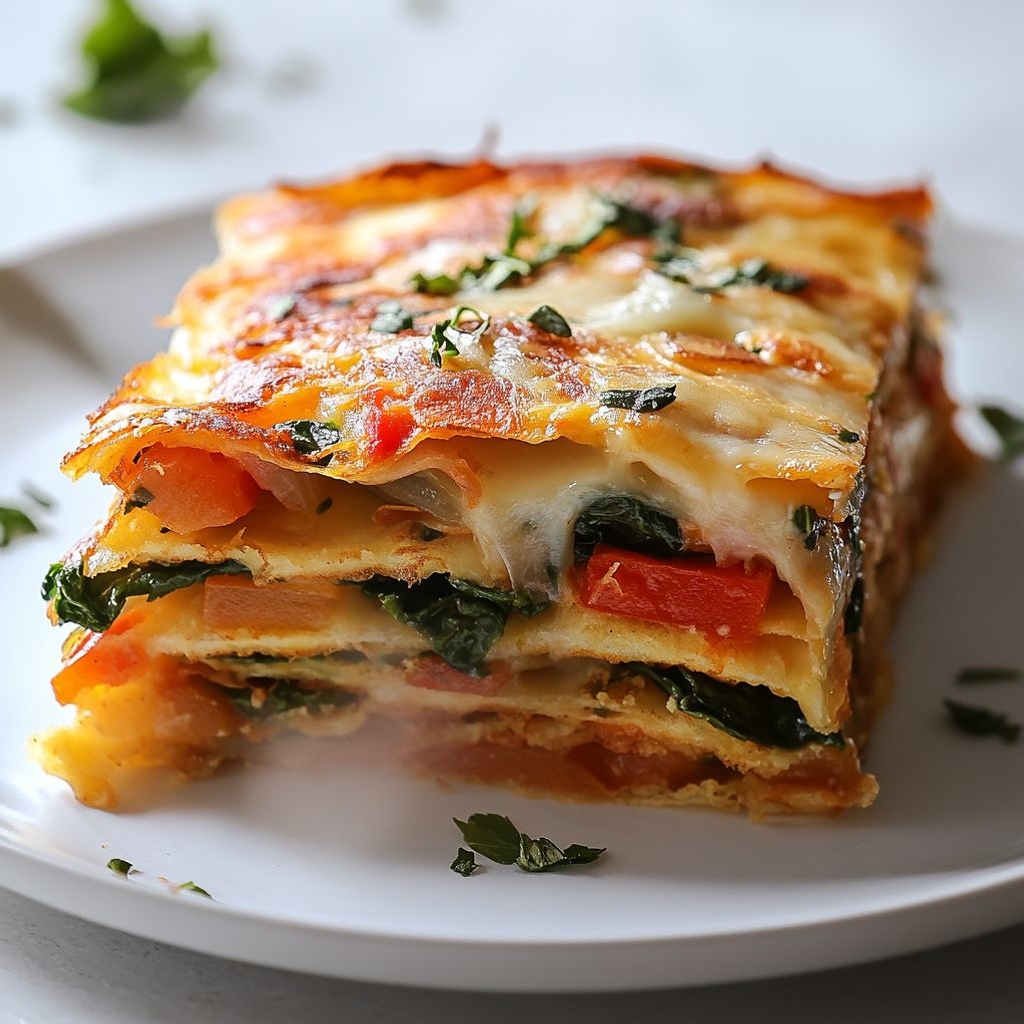
These casseruola pancakes are a cozy, baked twist on a classic pancake, yielding a light, custardy center with a bronzed top. The batter comes together easily and can be adapted for gluten-free or vegan diets: substitute a 1:1 gluten-free flour blend for the all-purpose flour and add 1/4 teaspoon xanthan gum per cup if you want extra structure; for dairy-free, use unsweetened plant-based milk and replace the melted butter with an equal amount of a neutral oil such as light olive oil or melted coconut oil. You can customize with add-ins like fresh blueberries or sliced strawberries, chocolate chips, cinnamon, or citrus zest to suit your mood. For best texture, let the batter rest for 5–10 minutes after mixing so the flour hydrates and the leavening activates; if you’re preparing ahead, you can refrigerate the batter for up to 24 hours, bringing it to room temperature and stirring gently before baking. Bake in a well-greased casserole or baking dish in a preheated oven at about 375°F (190°C) until puffed, set, and golden around the edges, usually 25–35 minutes. Serve warm with crushed powdered sugar, pure maple syrup or honey, and fresh fruit, or crown with whipped cream or vanilla yogurt for extra richness. Leftovers refrigerate for 2–3 days and reheat in a warm oven or microwave; you can also freeze individual portions for a quick future breakfast. Always tailor ingredients to your dietary needs and taste preferences, and adjust sweetness if you’re topping with very sugary syrups or fruits.
Tips
Tips for Making Casseruola Pancake
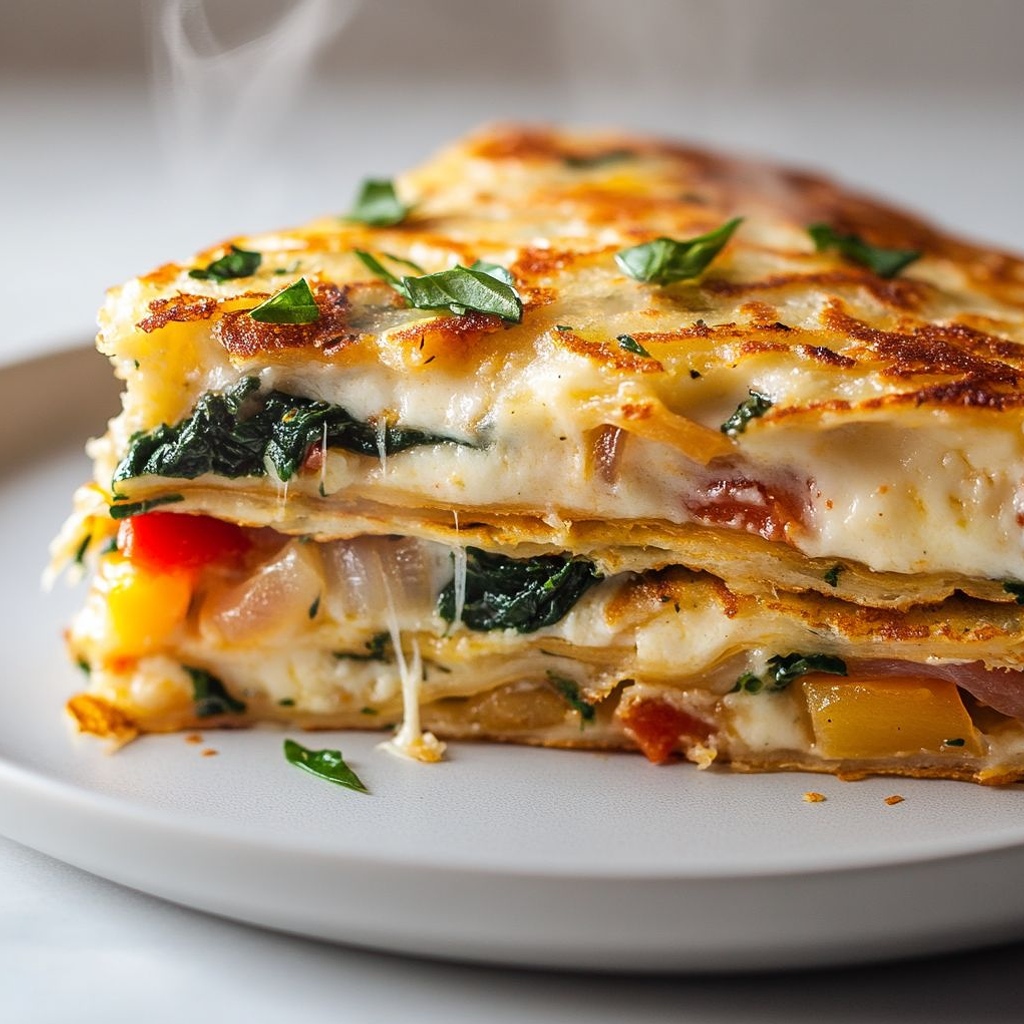
- Batter hydration and texture: Use room-temperature milk and eggs for better emulsification. If the batter thickens, whisk in extra milk a tablespoon at a time until it pours easily. Do not overbeat after adding the dry ingredients to keep the crumb tender.
- Dry ingredients distribution: Sift or whisk flour, baking powder, and salt together thoroughly to ensure even leavening and to prevent lumps.
- Resting the batter: After mixing, let the batter rest for 5–10 minutes. This hydrates the flour and activates the leavening, leading to a taller final bake.
- Egg handling and substitutions: Bring eggs to room temperature for better binding. If making a vegan version, substitute with a flax egg or aquafaba and adjust moisture accordingly; avoid overmixing to keep the crumb light.
- Butter and fat: Add melted and cooled butter to the wet ingredients to prevent cooking the eggs. For dairy-free versions, substitute with light olive oil or melted coconut oil and keep the fat warm but not hot when mixing.
- Gluten-free adjustments: For gluten-free, use a 1:1 flour blend and consider adding 1/4 teaspoon xanthan gum per cup to mimic elasticity. You may need to adjust moisture slightly since some GF blends behave differently.
- Flavor and citrus: Incorporate vanilla with the wet ingredients and consider zest from lemon or orange for brightness. A pinch of cinnamon pairs nicely with fruit add-ins and toppings like maple syrup.
- Fruit and chocolate add-ins: Toss berries or sliced fruit with a teaspoon of flour before folding to prevent sinking and color bleed; coat chocolate chips in a tablespoon of flour to distribute evenly and reduce sinking.
- Pan prep and baking: Grease your casserole dish or skillet well to prevent sticking and to encourage a golden edge. Bake until the pancake is puffed and lightly golden; a toothpick should come out with a few moist crumbs for a tender center.
- Toppings and serving: Warm maple syrup or honey slightly for easy pouring. Dust with powdered sugar just before serving to avoid a soggy top; serve with fresh berries, yogurt, or whipped cream for contrast and texture. If serving later, stabilize whipped cream to maintain shape.
- Storage and leftovers: Store cooled leftovers in an airtight container in the refrigerator for up to 2–3 days. Reheat gently in a warm oven or skillet to restore some of the original pancake texture; add a splash of milk if it tightens during reheating.
FAQ
FAQ: Casseruola pancake
Che cos’è la Casseruola pancake?
È una versione al forno dei pancake: una pastella simile a quella dei pancake viene versata in una teglia o padella adatta al forno e cotta finché non è dorata e soffice. Può essere dolce, arricchita con frutta, vaniglia e sciroppo, oppure salata con formaggi e verdure.
Quali sono gli ingredienti di base?
- Farina (00 o integrale) o una miscela per pancake
- Uova
- Latte (possibile latte vegetale come alternativa)
- Zucchero o dolcificante
- Lievito per dolci
- Sale
- Burro fuso o olio (per ungere la teglia)
- Vaniglia o scorza di limone (facoltativo)
- Add-in a scelta: frutta, cioccolato, formaggio, verdure per una versione salata
Posso prepararla in anticipo?
Sì. Puoi preparare la pastella in anticipo e conservarla in frigorifero fino a 24 ore. Se vuoi assemblare la casseruola con gli ingredienti (frutta, formaggio, ecc.) in anticipo, puoi farlo e conservarla in frigorifero, quindi infornarla al momento di servirla. Nota: i tempi di cottura potrebbero leggermente aumentare se la teglia è fredda.
Come si cuoce al forno? Quali tempi e temperatura?
Preriscalda il forno a circa 180°C (350°F). Versa la pastella in una teglia imburrata o un cast-iron skillet e cuoci per 25-35 minuti, finché è dorata in superficie e ben setta al centro. Se usi una teglia più grande o se il forno è ventilato, controlla dopo 20-25 minuti e aggiusta i tempi se necessario.
Che tegame o teglia è migliore?
Una pirofila da forno media, una teglia antiaderente o una padella in ghisa che possa andare in forno funzionano bene. L’importante è che sia abbastanza capiente da permettere alla pastella di lievitare e non si attacchi facilmente. Ungere bene la superficie è consigliato.
Come si serve la Casseruola pancake?
Servila subito calda o tiepida. Puoi accompagnarla con sciroppo d’acero o miele, zucchero a velo, una spruzzata di panna o yogurt, frutta fresca o una spolverata di cannella. Per una versione salata, aggiungi formaggio fuso e verdure cotte, e tagliala a fette per servire.
È possibile adattarla a diete particolari?
Sì. Possibili varianti:
- Senza glutine: usa una farina senza glutine o una miscela per pancake senza glutine.
- Latte-dieci: sostituisci il latte con latte vegetale (mandorla, soia, avena) e usa olio o burro vegano.
- Vegana: sostituisci le uova con semi di lino o semi di chia (1 cucchiaio di semi macinati mescolato con 3 cucchiai d’acqua per ogni uovo) e scegli latte vegetale e olio al posto del burro.
- Salata: aggiungi formaggi stagionati, verdure, prosciutto o pancetta; riduci lo zucchero e usa spezie a piacere.
Posso congelare le avanzi?
Sì. Taglia la casseruola a porzioni e congela in contenitori ermetici o sacchetti per congelatore. Per riscaldare, scongelare in frigorifero, poi scaldare in forno a bassa temperatura o microonde. Il forno permette di tornare all’aspetto più soffice.
Quali varianti sono popolari?
Varianti dolci: mela e cannella, mirtilli e limone, cioccolato fondente e zuccherino; Varianti salate: formaggio e prosciutto, spinaci e feta, funghi e erbe.
Qualche consiglio per evitare errori comuni?
Consigli utili:
- Non mescolare troppo: una pastella leggermente grumosa rende una consistenza migliore.
- Lasciare riposare la pastella 5-10 minuti prima di infornarla per permettere all’amido di assorbire liquidi.
- Se la superficie brucia troppo, copri con un foglio di alluminio verso la fine della cottura e abbassa leggermente la temperatura.
- Se è troppo liquida, aggiungi un po’ di farina o un cucchiaino di lievito per dolci e mescola delicatamente.