
Introduction / Hook
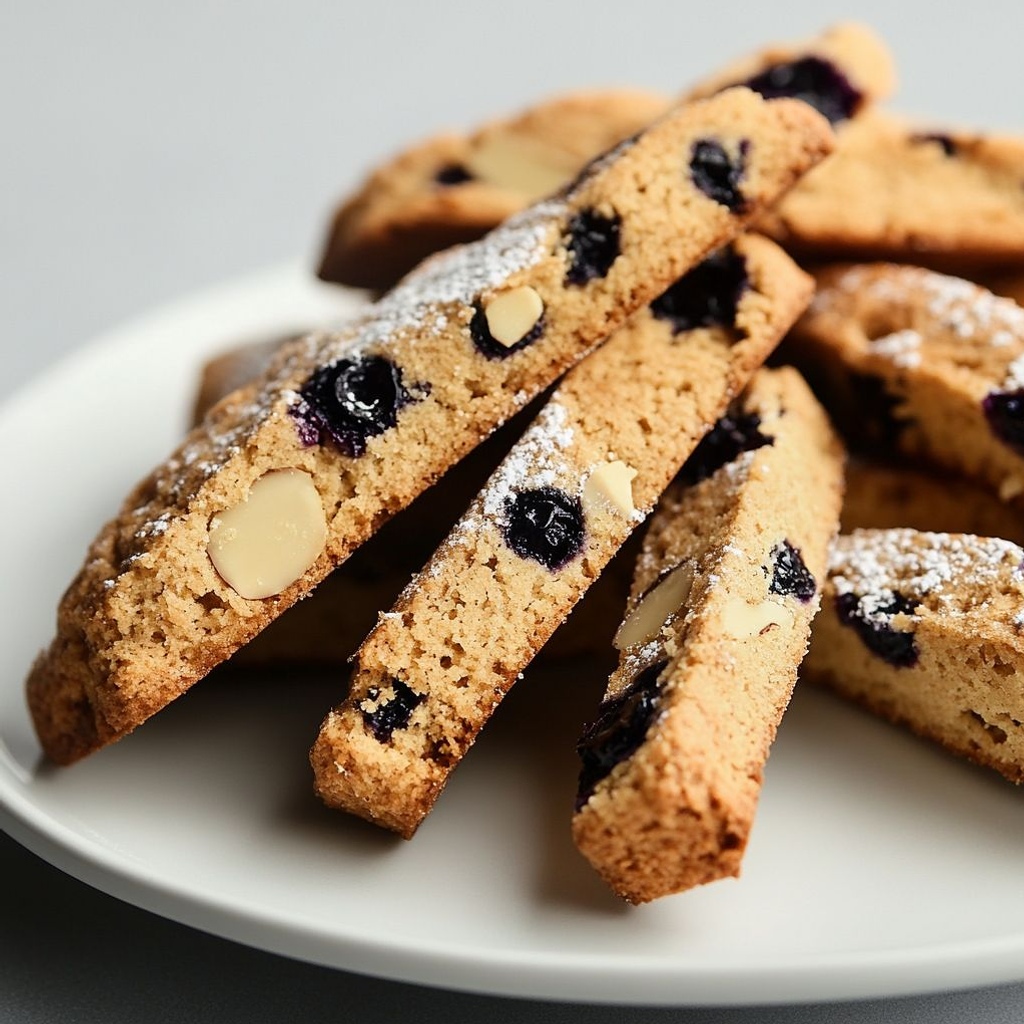
Imagine a sunlit Italian cucina where afternoons drift in with the scent of toasted almonds, a whisper of vanilla, and the bright sparkle of blueberries. Biscotti ai mirtilli is where classic Tuscan biscuit tradition meets the vivid charm of summer berries. Each bite is a delicate balance: the outer lattice is crisp and biscuit-like, giving way to a tender, almost cake-like interior that carries bursts of juicy blueberries and a kiss of citrus. It’s a dessert that feels celebratory yet cozy, elegant enough for a dinner party and approachable enough for a cozy weekend treat. When you dip these biscotti into a cup of coffee, a glass of dessert wine, or even a mug of hot tea, you’ll hear the crackle as the first bite gives way to a soft, fragrant crumb, releasing a chorus of flavors that tell a story of and beyond the pantry—fruit, nuts, sun, and a little sweetness that lingers on the palate. This is not just a biscotti; it’s a small holiday in every bite, a memory waiting to be shared with family and friends.
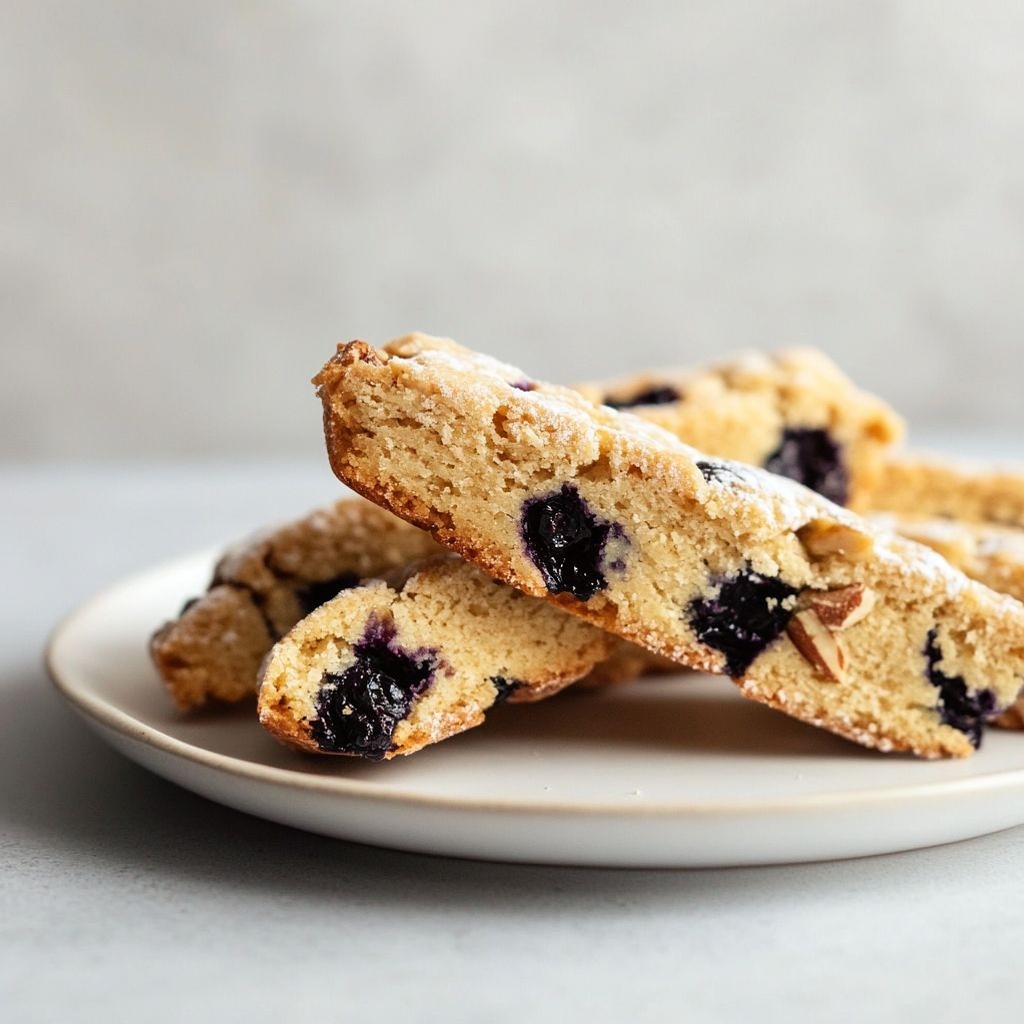
Blueberries bring a summer sun to the biscuit world—their gentle acidity brightens the almond-dusted sweetness, and their purple-blue flecks create a visual treat that makes the plate feel festive. The flavor is nuanced, not cloying: fruity notes that don’t overwhelm, complemented by a hint of vanilla and a subtle tang that makes you reach for a second bite before you know it. The texture is the star: a biscotti that’s sturdy enough to be dunked without crumbling, yet tender enough to melt on the tongue with a crumbly crumb that leaves a satisfying, nourishing finish. This recipe is all about balance—between crisp and soft, between orchard-fresh fruit and the toasty warmth of almonds, between the rustic charm of a traditional Italian cantuccino and the playful brightness of blueberries harvested at their peak.
Whether you’re planning a brunch, a teatime spread, or a dessert table that begs for a little Italian sunshine, biscotti ai mirtilli is a perfect bridge between casual and elegant. It’s a recipe that invites experimentation—swap in different berries, add a citrus twist, or fold in white chocolate for a decadent twist. Most of all, it invites sharing: crumble a few slices onto a cake plate and watch the conversations start as people pick up the first crumb and reveal the vibrant fruit inside. The beauty of this biscotti lies not only in its taste but in its versatility. It is a calling card for generosity: something you bake once and then give away to neighbors, friends, and family, each person discovering a tiny piece of your kitchen’s character in every bite.
The Story Behind the Dish
Biscotti, in its Tuscan form—often known as cantucci—has long been tied to slow, communal rituals. Traditionally baked twice, they earned their reputation as the ideal dunking companion for Vin Santo, the sweet dessert wine that cradles the flavors of toasted nuts and citrus. The idea of pairing a robust, storied biscotti with the bright, modern charm of blueberries feels like a natural evolution: a tribute to the past that welcomes the fruit-forward freshness demanded by contemporary palates. In many Italian kitchens, desserts are not merely sweet endings but conversations between seasons—harvested fruit, the scent of toasted nuts, and lingering aromas of vanilla and citrus zest that remind us of long summer days and sun-kissed mornings. Blueberries, though not native to the heart of Tuscany, embody a sense of seasonal optimism that resonates with cooks who want a snack that feels special yet approachable.
As with many beloved Italian recipes that travel, the story of biscotti ai mirtilli has grown through family kitchens, overseas communities, and food writers who love to play with tradition. The blueberries become a bridge between places: the Mediterranean pantry’s familiar almond, orange zest, and vanilla meeting berries that evoke North American summers. The result is a biscotti that honors its Tuscan heritage while wearing a fresh, vibrant coat. This dish has become a favorite during late-spring gatherings and summer picnics, a reminder that good baking can capture the moment when fruit is at its peak and the air itself seems sweet with possibility. It invites curiosity: what if you pair a centuries-old technique with a fruit that’s designed for outside warmth and bright color? The answer is a biscotti that tastes like a memory in the making—sunlight captured in a crisp, edible canvas.
Why You’ll Love This Recipe
- Accessible yet elegant: A classic biscotti technique modernized with juicy blueberries for a fresh, contemporary twist.
- Great for make-ahead moments: biscotti keep well and even improve with a day or two of rest, making them ideal for entertaining without last-minute stress.
- Perfect dunkers: The biscotti’s sturdy, crisp exterior contrasted with a tender interior makes them ideal for coffee, tea, or dessert wine.
- Color and aroma that brighten any table: the purple-blue flecks and fruity aroma add visual appeal as well as mood-lifting fragrance.
- Versatile flavor base: vanilla, almond, and citrus zest provide a warm, comforting flavor while letting the blueberries shine.
- Kid-friendly and crowd-pleasing: familiar flavors with a subtle twist that appeals to both young tasters and discerning palates.
Flavor Profile & Texture
The flavor profile of biscotti ai mirtilli is a delicate dance of contrasts. The blueberries contribute bright, tangy bursts that cut through the sweetness, leaving traces of their mild tartness on the palate. The almond-forward base provides a nutty, warm backbone—think toasted marcona almonds with a hint of buttery depth. Vanilla mirrors the fragrance of a sun-drenched kitchen, wrapping all the elements in a soft, creamy veil that lingers after the bite. A whisper of citrus zest—often lemon or orange—lifts the entire composition, adding a citrusy sparkle that keeps the flavor from feeling heavy.
Texture is key here. The biscotti offer a crisp, satisfying snap when broken, a quintessential trait that makes them ideal for dunking. Inside, the crumb is tender and slightly cake-like, a welcome softness that contrasts with the crunch of the outer layers. The blueberries stay surprisingly intact, their color mirroring a gentle jewel-toned speckle across the pale biscuit. Each slice reveals a mosaic of lightly sugared edges and chewy pockets where fruit has baked into the dough, creating pockets of juiciness that pop against the dry, brittle exterior. The experience is a long, slow dissolution of textures and flavors—from a crisp first bite to a moist, fruity finish that makes you want to reach for another slice before you’ve even finished the first.
In aroma, expect a warm orchestra: roasted almonds, a hint of vanilla bean, the citrus zests, and a subtle berry sweetness that evokes a sun-warmed summer morning. The combination is comforting yet lively, making the biscotti feel both familiar and novel at the same time. It’s a sensory invitation to slow down, savor the moment, and share a simple pleasure with someone you love.
Occasions & Pairings
This biscotti shines in many settings. It’s equally at home on a weekend brunch table as it is on a formal dessert spread. Serve it alongside:
- Robust coffee or a frothy cappuccino for a classic Italian experience.
- A dessert wine or a sparkling Prosecco to elevate a festive toast.
- Plain yogurt or lemon mascarpone for a light, easy parfait option.
- Aromatic black tea or green tea to bring out the berry brightness.
- Fresh fruit or a simple berry compote to echo the blueberry theme.
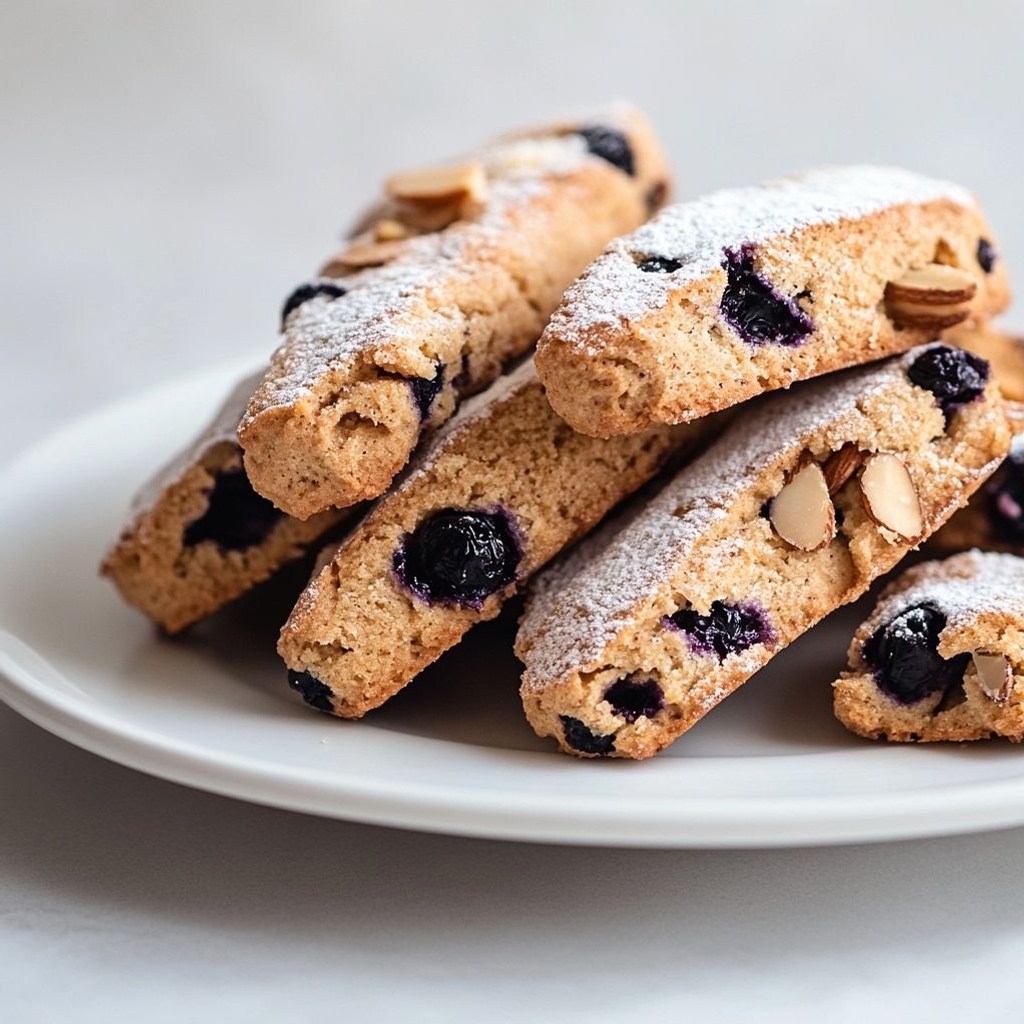
Occasionally, biscotti ai mirtilli can take center stage at a summer party: place them on a tiered platter with other cookies and pastries, pair them with a citrusy punch or a minty lemonade, and let the vibrant color sparkle against a white plate. For a more intimate moment, bring them to a coffee-and-cookie afternoon with friends or family, where the crispness and depth prompt lingering conversations about favorite memories and new discoveries in the kitchen.
Tips, Variations & Substitutions
- Berry variations: swap blueberries for blackberries, raspberries, or a mix of berries for different color and flavor notes.
- Flavor boosters: a touch of orange zest or a hint of almond extract can amplify the nutty and citrus tones without overpowering the berry brightness.
- Texture tweaks: for extra crunch, toast the nuts a bit longer or use a coarser sugar on top of the dough before shaping.
- Vegan option: replace eggs with a flaxseed or chia seed “egg” mixture and use a plant-based butter substitute to maintain richness.
- Gluten-free option: use a gluten-free all-purpose blend or finely ground almond flour to maintain a moist, dense crumb while keeping the biscotti structure intact.
- Nut-free variation: if you need to avoid tree nuts, reduce the almond content and substitute with sunflower seeds or skimp on the nuts entirely, using extra berries for moisture and flavor.
- Sweetness level: adjust sugar to taste; for a lighter version, dial back a little and rely on the natural sweetness of the fruit.
- Texture variety: experiment with adding white chocolate chips or a dusting of powdered sugar for a different aesthetic and mouthfeel.
- Regional twists: introduce a pinch of cinnamon or cardamom to evoke warm spice notes common in many Italian and Mediterranean desserts.
Storage & Make-Ahead Ideas
Biscotti are famously forgiving when it comes to storage, and biscotti ai mirtilli benefit even more from a little resting time. Once completely cool, store in an airtight container in a cool, dry place. They stay crisp and flavorful for about a week, and their flavor often deepens with a day or two of rest, giving you a chance to savor the evolving texture and aroma.
Make-ahead approach: bake the biscotti in advance, let them cool completely, and keep them airtight. When you’re ready to serve, slice and return them to a warm oven briefly to refresh the crispness. If you’re planning to freeze, freeze the un-sliced dough or the baked biscotti in a freezer-safe bag or container. Thaw at room temperature and, if needed, give them a quick re-dunk in a low-heat oven to restore their crispness.
Revisiting flavors: store-bought or homemade vanilla extract can be used to add a gentle aromatic lift between batches. A quick re-dunk in a cup of coffee right before serving can revitalize the aroma and bring the flavors back to life after a night of storage.
Fun Facts & Trivia (Optional)
Did you know that biscotti literally translates to “twice-baked” in Italian? This double-baking technique gives the cookies their characteristic crispness that makes them ideal for dunking. The tradition comes from a time when mdistribution to households lacked modern ovens streamlined the process—baking twice ensured the biscuits would last longer and endure long journeys, whether by boat or on the family table. Blueberries, while not a Tuscan staple, have a modern story of their own. When embraced by culinary explorers, they bring a sense of brightness and contemporary appeal to classic formats, creating an edible bridge between different culinary eras and geographies. The fusion of the old and the new is at the heart of biscotti ai mirtilli, a dessert that pays homage to heritage while inviting a fresh, vibrant spirit into the kitchen.
In many Italian households, the ritual of cutting biscotti with a gentle, decisive motion—then savoring the moment with a preferred beverage—becomes more than a recipe: it’s a shared ritual that signals hospitality, conversation, and time spent together. The blueberry accent adds a modern twist to this timeless practice, reminding us that even beloved classics thrive when touched by seasonal fruit and the playful curiosity of home cooks who love to experiment and share. This is food storytelling at its most delicious: a story you bake, slice, and savor with friends and family, a narrative that travels beyond borders and returns as a comforting taste of home.
Ingredients
Biscotti Base
- 3 cups all-purpose flour
→ Provides the main structure and crumb of the biscotti dough. Measure the flour accurately (scoop with a spoon and level off) to avoid a dense, hard texture. If you need a gluten-free version, substitute with a 1:1 gluten-free blend designed for cookies and consider adding a binder like 1/4 teaspoon xanthan gum per cup of flour to help with structure. - 1 cup granulated sugar
→ Adds sweetness and helps with browning and a crisp exterior during the first bake. You can reduce to 3/4 cup for less sweetness, but keep in mind it will affect browning and chewiness. If substituting with honey or maple syrup, adjust the liquid slightly to maintain dough consistency. - 2 teaspoons baking powder
→ Provides a gentle lift and helps the dough become sliceable after the first bake. Whisk into the dry ingredients to distribute evenly and prevent pockets of leavening that could cause uneven texture. - 1/2 teaspoon salt
→ Enhances overall flavor and balances the sweetness. Dissolve evenly in the dry mix to avoid salty spots in the final biscotti. If using salted butter, reduce this by half a pinch. - 3 large eggs
→ Bind the dough, add moisture, and contribute to the structure after the second bake. Beat lightly and fold into the dough with the cooled melted butter and vanilla. For a richer crumb, you can use 2 whole eggs and 1 additional yolk; avoid overmixing to keep the dough tender. - 1/2 cup unsalted butter, melted and cooled
→ Adds richness, tenderness, and flavor. Incorporating melted, cooled butter helps the dough come together smoothly and contributes to a slightly crisper crust after the second bake. For a dairy-free version, substitute with an equal amount of neutral oil (e.g., canola) but note the flavor and texture will differ slightly. - 1 teaspoon vanilla extract
→ Enhances the overall flavor profile and complements the blueberries. Use high-quality pure vanilla for the best aroma; if you only have imitation vanilla, use only a small amount to avoid artificial aftertaste. - Zest of 1 lemon, finely grated
→ Adds bright citrus aroma that pairs beautifully with blueberries. Use a microplane to grate the zest without the bitter white pith; if you don’t have lemon, orange zest can be a close substitute with a similar fresh note. - 1 cup dried blueberries
→ The star fruit component; dried berries retain shape and flavor through baking. If using large freeze-dried blueberries, they’ll stay crisp; if using rehydrated or plump dried berries, they’ll impart more moisture, so adjust flour by a tablespoon or two if needed and fold evenly to distribute. - 1/2 cup chopped almonds
→ Adds crunch and a nutty depth that pairs well with the blueberries. Toast almonds lightly in a dry skillet or oven until fragrant, then cool completely and chop into even pieces to ensure even distribution and predictable bite throughout the biscotti.
Optional Add-ins
- 1/4 teaspoon almond extract (optional)
→ Intensifies almond aroma that complements blueberries. Use sparingly to avoid overpowering the berries; add to the wet ingredients with eggs and vanilla for even distribution. - 1/2 cup white chocolate chips (optional)
→ Introduces pockets of creamy sweetness. Fold in with the dried blueberries to distribute evenly; if the chocolate seems very sweet, you may reduce the sugar slightly to maintain balance in the cookie’s overall flavor profile.
Optional Coating
- 4 ounces dark chocolate, chopped, for dipping (optional)
→ Creates a glossy, crisp chocolate shell on the biscotti. Melt gently using a double boiler or in short bursts in a microwave, then dip biscotti halfway and set on parchment. Tempering the chocolate yields a smoother, shinier finish if you have the technique. - 1 teaspoon neutral oil (optional)
→ Helps thin the melted chocolate for a smoother coating and easier dipping. Use a neutral oil such as canola or sunflower; add a little at a time to reach the desired dipping consistency without making the chocolate too greasy.
Instructions
- Preheat your oven to 350°F (175°C) and line a large baking sheet with parchment paper or a silicone baking mat.
→ This creates a nonstick surface for the dough and ensures even browning without sticking, which is essential for cleanly sliced biscotti later. - Whisk together the dry ingredients: 3 cups all-purpose flour, 2 teaspoons baking powder, and 1/2 teaspoon salt in a large bowl until evenly distributed.
→ Uniformly distributed leavening and salt prevent pockets of baking powder or salty bites, ensuring a balanced crumb and consistent texture throughout the biscotti. - Toast the chopped almonds: spread 1/2 cup almonds on a dry skillet over medium heat, stirring frequently, until lightly toasted and fragrant, about 4–6 minutes; transfer to a plate to cool and then coarsely chop.
→ Toasting concentrates nut oils for deeper aroma and flavor; cooling prevents melting into the dough and chopping ensures even crunch in each bite. - In a separate large bowl, whisk 3 large eggs with 1 cup granulated sugar until the mixture is pale and slightly thickened, 2–3 minutes; this aerates the batter and helps with structure.
→ Proper aeration creates tenderness and helps the dough hold together after baking; avoid overbeating once the flour is added to prevent toughness. - Whisk in 1/2 cup melted and cooled unsalted butter, 1 teaspoon vanilla extract, and zest of 1 lemon to the egg-sugar mixture.
→ The cooled butter adds richness and tenderness; vanilla and lemon zest brighten the flavor profile and aroma. Ensure the butter is cooled to prevent cooking the eggs. - Add the dry ingredients to the wet ingredients in two additions, mixing with a wooden spoon or silicone spatula just until a shaggy dough forms and no dry flour remains.
→ Gentle folding preserves a tender crumb and avoids developing gluten too much, which would make the biscotti denser and harder to slice. - Fold in 1 cup dried blueberries and 1/2 cup chopped almonds until evenly distributed; if using 1/2 cup white chocolate chips, fold them in with the berries.
→ Even distribution prevents clumping and ensures bursts of blueberry flavor in every bite while preserving the dough’s structure during slicing. - Optionally add 1/4 teaspoon almond extract to the wet ingredients with vanilla and lemon zest for a more pronounced almond aroma.
→ A small amount deepens the almond note without overpowering the blueberry and citrus fragrance; add sparingly to avoid masking the berries. - Cover the dough and refrigerate for 15–30 minutes to firm up, making it easier to shape into a loaf.
→ Chilling reduces stickiness and helps form a stable log that slices cleanly for the second bake. - Turn the dough out onto the prepared sheet and form into a rough 12-inch long by 3-inch wide log, tapering slightly at the ends; lightly wetting hands can prevent sticking.
→ A well-shaped log bakes evenly; smoothing the surface with wet hands prevents cracks and ensures uniform slicing after the first bake. - Bake the log at 350°F (175°C) until firm and lightly golden, about 25–30 minutes; the exterior should feel set but the inside remains pale.
→ This first bake sets the loaf so it can be sliced into biscotti without crumbling; a firm exterior helps hold the crumb together during subsequent slicing. - Remove from oven and let the loaf rest on the sheet for 10–15 minutes to rest and continue firming; then transfer to a rack to cool completely.
→ Resting allows starches to relax and retighten, making slicing cleaner and reducing crumb crumble during the second bake. - Reduce oven temperature to 325°F (165°C); once the loaf is completely cool, slice it diagonally into 1/2-inch thick slices using a sharp serrated knife; place slices on parchment-lined sheets with space between them.
→ A diagonal cut increases surface area for the second bake, promoting extra dryness and crunch while even spacing ensures uniform drying. - Return the sheets to the oven and bake the slices a second time until dry and crisp, about 10–15 minutes per side, flipping halfway; total time may vary with thickness.
→ The second bake dries out the interior and develops biscotti’s characteristic crunch; flipping ensures even crusting on all surfaces. - Remove from heat and cool completely on a rack; the biscotti will continue to crisp as they cool and become sturdier for dipping or enrobing.
→ Cooling finishes the drying process and sets the final texture, preventing soft spots that could cause breakage during storage or dipping. - Optional coating: Melt 4 ounces dark chocolate with 1 teaspoon neutral oil in a double boiler or in short bursts in the microwave, stirring until smooth; dip biscotti halfway, place on parchment, and let set at room temperature or refrigerate briefly.
→ The chocolate adds a glossy shell and additional sweetness; thinning the chocolate with oil ensures a smooth, even dip that clings without heavy pooling. - Store cooled biscotti in an airtight container at room temperature for up to 2 weeks, or freeze for longer storage; keep the chocolate-coated version in the same conditions once set.
→ Proper sealing prevents staleness and keeps biscotti crisp; freezing preserves flavor and texture for future indulgence.
Notes
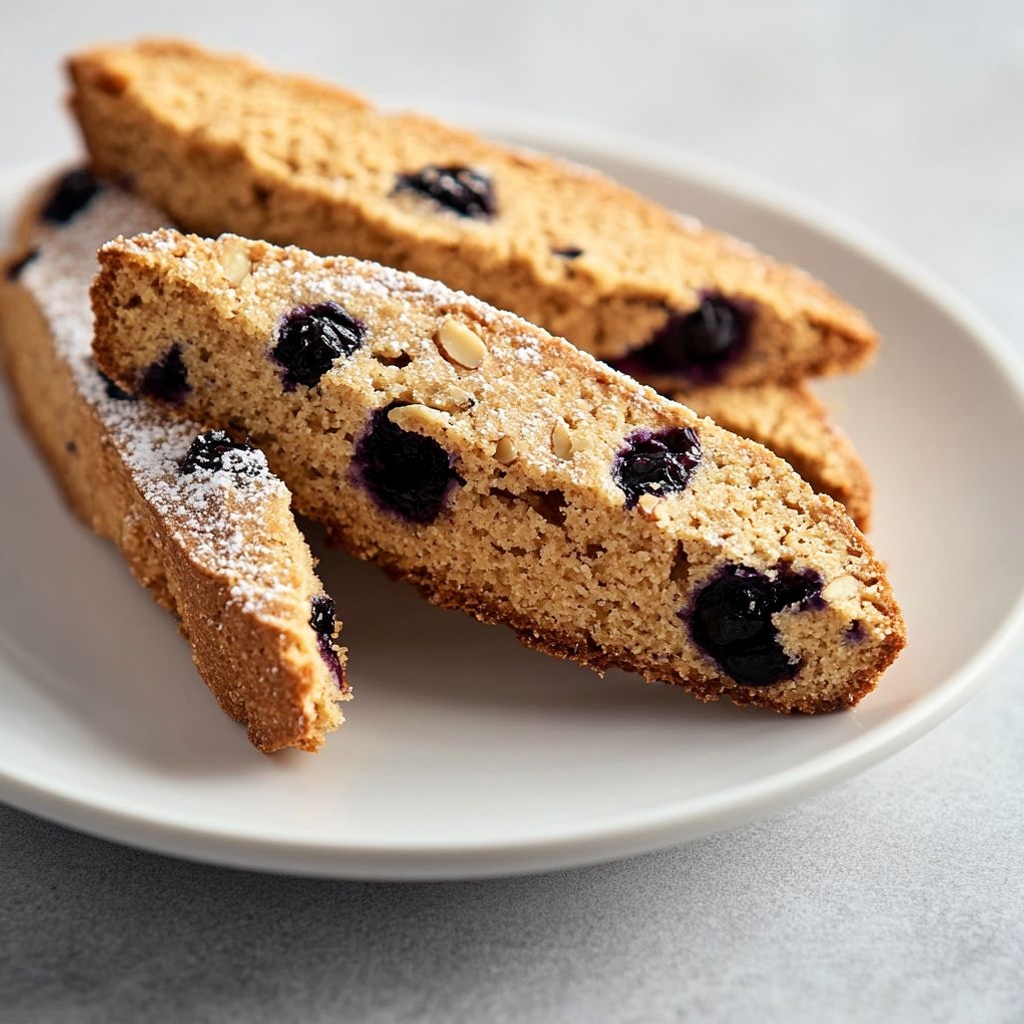
These blueberry biscotti are a twice-baked, crisp-on-the-outside, tender-on-the-inside treat that brighten the afternoon with lemon zest and sweet dried blueberries mingling with toasted almonds. The base flour provides structure, while the butter adds richness and the vanilla lifts the overall aroma; they pair beautifully with coffee, tea, or dessert wine.
You can customize them by swapping the almonds for pistachios or adding white chocolate chips for pockets of creamy sweetness. If you prefer a stronger berry bite, you can increase the dried blueberries by a few tablespoons while keeping the dough balanced with a touch more flour if needed. They freeze well and make a great grab-and-go snack. For an extra boost, serve with a dollop of mascarpone or a light lemon glaze.
Gluten-free adaptation: substitute the all-purpose flour with a 1:1 gluten-free baking blend designed for cookies and consider adding 1/4 teaspoon xanthan gum per cup of flour to help with structure. If you have gluten intolerance, always ensure your flour blend and baking powder are certified gluten-free.
Tips for handling: whisk the baking powder and salt into the dry ingredients and fold in the eggs, cooled melted butter, vanilla, and lemon zest just until combined. Shape the dough into two logs before the first bake; bake until set, then cool, slice on a bias into biscotti, and return to the oven to dry out until crisp. If the dough feels sticky, chill for 20–30 minutes before slicing to minimize crumbling. When dipping in chocolate, temper for a smoother finish or dip only the ends for a lighter touch.
Tips
Tips for Biscotti ai mirtilli
- Flour handling: For a light, tender crumb, measure flour correctly—scoop with a spoon into the cup and level off. When making a gluten-free version, use a 1:1 GF flour blend designed for cookies and consider adding 1/4 teaspoon xanthan gum per cup of flour to help with structure.
- Sugar and browning: Sugar aids browning and crispness after the first bake. If you prefer less sweetness, reduce to 3/4 cup, but be aware it will slightly affect browning and texture. If substituting with honey or maple syrup, reduce or adjust the liquid to maintain dough consistency.
- Dry ingredients distribution: Whisk or sift flour, baking powder, and salt together so leavening and salt are evenly distributed. This prevents uneven pockets of rise and improves texture.
- Eggs and binders: Eggs bind the dough and contribute to the second-bake structure. Beat them lightly and fold into the dough with the cooled melted butter and vanilla. If you want a richer crumb, you can use 2 whole eggs and 1 additional yolk, but avoid overmixing to keep the dough tender.
- Butter handling: Melted and cooled butter helps the dough come together smoothly and contributes to a crisper crust after the second bake. If dairy-free is needed, substitute with a neutral oil of equal measure, noting flavor and texture will differ slightly.
- Flavor boosters: Use high-quality vanilla and lemon zest to brighten blueberries. Add zest before zesting lemon sections to avoid bitterness from the white pith. If you don’t have lemon, orange zest can be a good substitute for a similar citrus lift.
- Fruit and nuts: Toast almonds lightly to intensify their aroma, then cool completely before chopping for even distribution. For the blueberries, ensure they’re evenly distributed so every bite has fruit. If using large freeze-dried blueberries, they stay crisp; if using rehydrated dried berries, they’ll add more moisture and may require a touch more flour.
- Optional add-ins: If using almond extract, keep to 1/4 teaspoon and add to wet ingredients for even distribution. White chocolate chips fold well with the blueberries, but if they’re very sweet, consider reducing the sugar slightly to balance flavors.
- Optional coating: If dipping in dark chocolate, melt gently using a double boiler or short microwave bursts. Dip biscotti halfway, then set on parchment. For a smoother finish, temper the chocolate or add 1 teaspoon neutral oil to thin it to your desired consistency.
- First bake strategy: Shape the dough into two even logs on a parchment-lined tray. Bake until the logs are set and lightly golden around the edges; they should be firm to the touch but not hard. This stage firms the crumb for clean slicing.
- Cooling between bakes: Cool the logs on the baking sheet for 10–15 minutes before slicing. A brief chill helps you slice cleanly and minimizes crumbling.
- Slicing technique: Use a sharp serrated knife to cut biscotti on a diagonal into about 1/2-inch slices (roughly 1.3 cm). Cutting on a bias increases surface area for the second bake and improves crispness.
- Second bake for crispness: Place slices cut-side down on the baking sheet and bake again until dry and crisp. Rotate trays halfway through to promote even drying. If you prefer chewier biscotti, shorten the second bake; for crisper results, extend it slightly.
- Storage and keeping quality: Once completely cooled, store in an airtight container at room temperature. For longer storage, freeze the baked biscotti—they freeze well and thaw quickly. Keep chocolate-coated portions separate if you plan to store for an extended period, to prevent milk or cocoa bloom from transferring.
- Troubleshooting tips: If the dough seems too sticky, chill the dough for 15–20 minutes before shaping. If the biscotti crumble after slicing, it may be overbaked or too dry; briefly misting the logs with water before the second bake can help them stay intact, but use sparingly. If using gluten-free flour, be mindful of structure—adding a binder or a touch more moisture may help.
- Variations and serving ideas: Serve with tea or dessert wine, or pair with a fruit compote or yogurt for a lighter finish. The lemon zest and blueberries pair beautifully with a light vanilla bean or a drizzle of citrus glaze on the cooled biscotti.
FAQ
Biscotti ai mirtilli – FAQ
Domanda 1: Cosa sono i Biscotti ai mirtilli?
Risposta: Sono biscotti dolci preparati con una base di farina, zucchero, burro o olio, uova e lievito, arricchiti con mirtilli freschi o secchi. Grazie alla seconda cottura risultano croccanti all’esterno e teneri all’interno, con un piacevole tono di limone/vaniglia.
Domanda 2: Quali sono gli ingredienti principali?
Risposta: Per circa 40 biscotti serve una base di:
- 250 g di farina 00
- 150 g di zucchero
- 100 g di burro morbido (o olio)
- 1 uovo grande
- 1 cucchiaino di lievito per dolci
- 1 pizzico di sale
- 150–180 g di mirtilli freschi o surgelati
- Scorza grattugiata di 1 limone e 1 cucchiaino di estratto di vaniglia
Domanda 3: Come si prepara l’impasto?
Risposta: In una ciotola mescola gli ingredienti secchi (farina, lievito, sale). In un’altra, lavora burro e zucchero fino a ottenere una crema, aggiungi l’uovo, la scorza e la vaniglia. Unisci gli ingredienti liquidi a quelli secchi, aggiungi i mirtilli e amalgama delicatamente. Forma un cilindro di impasto su carta forno e procedi alla prima cottura.
Domanda 4: Temperatura e tempi di cottura?
Risposta: Preriscalda il forno a 180°C. Cuoci per 25–30 minuti finché la superficie è dorata. Lascia raffreddare 10 minuti, taglia a fette di circa 1 cm di spessore, poi rimetti in forno a 170°C per 8–12 minuti per lato, finché sono croccanti.
Domanda 5: Posso usare mirtilli freschi o surgelati?
Risposta: Sì. I mirtilli freschi danno un sapore vivace; i mirtilli surgelati vanno usati direttamente ancora congelati (senza scongelarli) per evitare che rilascino troppa umidità. In entrambi i casi, può essere utile infarinare leggermente i mirtilli per evitare che affondino troppo durante la lavorazione.
Domanda 6: Posso sostituire la farina o rendere la ricetta senza glutine?
Risposta: Si può sostituire con una farina integrale o una miscela senza glutine 1:1, tenendo presente che la consistenza cambia e potrebbe essere necessario aggiungere 1–2 cucchiai di liquido. Se vuoi una versione meno rustica, prova una miscela senza glutine specifica per torte, ma controlla i tempi di cottura.
Domanda 7: Si possono congelare l’impasto o i biscotti cotti?
Risposta: Entrambe le opzioni funzionano. Puoi congelare l’impasto già formato (avvolto bene) e tagliarlo a fette direttamente dal freezer. Puoi anche congelare i biscotti cotti, conservandoli in contenitore ermetico; riattivali in forno a bassa temperatura per qualche minuto se vuoi renderli nuovamente croccanti.
Domanda 8: Come conservarli al meglio?
Risposta: Conserva i biscotti ai mirtilli in un contenitore ermetico in luogo fresco e asciutto. Dovrebbero mantenersi bene per 3–5 giorni. Per prolungarne la freschezza, puoi congelarli sia crudi che cotti (vedi Q7).
Domanda 9: Quali varianti di sapore si possono provare?
Risposta: Alcune idee: aggiungere scorza di limone o scorza d’arancia in omaggio al limone; utilizzare vaniglia o una fiala di estratto di mandorla; sostituire parte dei mirtilli con gocce di cioccolato o mirtilli secchi. Per una versione più profumata, aggiungi un pizzico di cannella o zenzero in polvere.
Domanda 10: È possibile una versione vegana o senza allergeni?
Risposta: Sì. Per una versione vegana sostituisci il burro con olio di cocco o olio vegetale e utilizza latte vegetale al posto delle uova (ad es. 1 cucchiaio di semi di lino macinati mescolati con 3 cucchiai d’acqua come sostituto dell’uovo). Per evitare glutine, usa una miscela di farine senza glutine 1:1. Tieni presente che la textura potrebbe variare leggermente a seconda delle sostituzioni.