Introduction / Hook
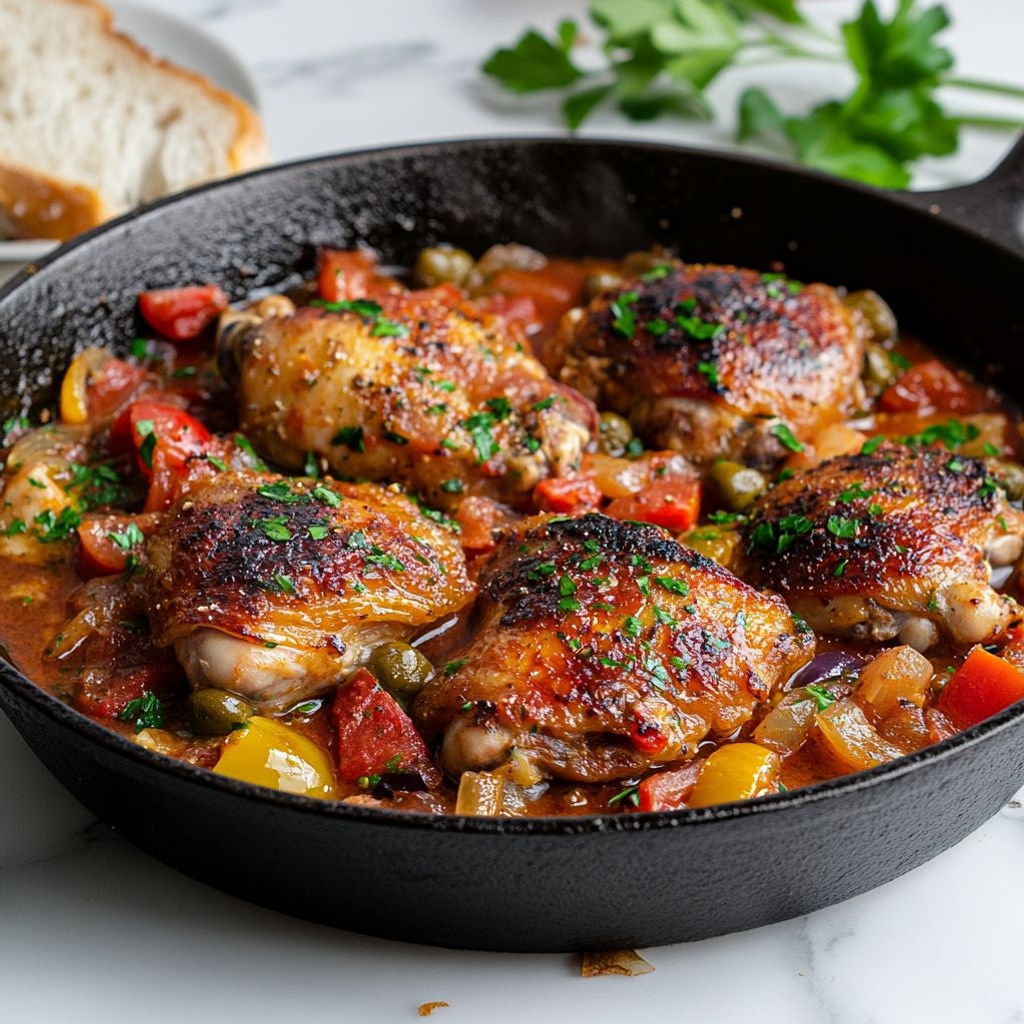
Close your eyes and imagine a warm, sunlit kitchen where a single skillet becomes a stage for comfort and celebration. The air fills with the rich fragrance of olive oil, garlic, and rosemary, mingling with the bright tang of sun-kissed tomatoes. A chorus of modest ingredients—onions, bell peppers, mushrooms, and tender chicken—come together in a single, rustic dish that feels both timeless and utterly modern. This is Tuscan Skillet Chicken Cacciatore: a one-pan triumph that carries the warmth of a Tuscan hillside dinner into your everyday meals. It’s the kind of dish that invites conversation, the kind that makes a weeknight feel like a small festival, and the kind that keeps you coming back for spoonful after spoonful because the flavors deepen with every bite. The skillet becomes a memory in the making: the crackle of the pan, the scent of herbs dancing in the air, the sight of a glossy, tomato-bright sauce clinging to perfectly cooked chicken, and the lingering finish of olive oil and wine that lingers on the palate like a fond reminiscence of a beloved table.
This recipe is a celebration of Tuscan sensibilities: regional produce, a reverence for simple technique, and a flavor profile that feels both rustic and refined. It’s not about complicated steps or hard-to-find ingredients; it’s about turning everyday ingredients into something that tastes like it belonged to a Sunday family gathering and could just as easily star on a weeknight when you want something that feels comforting, satisfying, and a touch luxurious. In this dish, the chicken’s savoriness is lifted by the brightness of tomatoes and the freshness of herbs, while the vegetables provide texture and a gentle, natural sweetness. It’s a dish that nourishes the body and warms the heart, leaving you with a pot of sauce that begs to be mopped up with crusty bread and a story to tell at the table.
The Story Behind the Dish
The term cacciatore translates from Italian as “hunter,” and the idea behind alla cacciatora is as rustic as it gets: a hunter returning from the field would throw together whatever ingredients were on hand—seasonal vegetables, tomatoes, herbs, and meat—and let them mingle in a skillet until tender and soulful. Over the centuries, this humble, improvised method evolved into a beloved culinary tradition across Italy, with each region lending its own personality. In some places, you’ll find cacciatore enriched with white wine, a touch of capers, or olives; in others, mushrooms and peppers take on a starring role. Tuscany, with its sun-warmed tomatoes, robust olive oil, and herb-forward philosophy, often celebrates a version that is both deeply flavorful and reassuringly simple. Chicken becomes the canvas, the sauce the ornament, and the skillet the instrument through which terroir and technique harmonize.
In the home kitchens of Tuscany and its neighboring hill towns, cacciatore is less about strict rules and more about embracing seasonality, local produce, and the idea that a good meal should be a social experience. The dish embodies the region’s affection for olive oil’s fruitiness, the brightness of tomatoes, and an herb-driven fragrance that makes every bite feel like a warm invitation to linger at the table. The skillet version that many home cooks adore captures the essence of this tradition: a straightforward, one-pan method that yields a comforting, deeply savory dish without fuss. It’s the kind of recipe that travels well, too—easy to scale for a family dinner or a casual gathering with friends, capable of pairing with a generous loaf of bread, a bowl of polenta, or a side of greens that reflect the season’s bounty.
Why You’ll Love This Recipe
- One-pan convenience: built to keep cleanup simple while delivering big flavors.
- Balanced, rustic flavor: bright tomatoes, aromatic herbs, and a harmonious blend of vegetables with tender chicken.
- Versatile and forgiving: adaptable to your pantry and dietary preferences without losing its soul.
- Comforting yet elevated: it feels like a special-occasion dish, but it’s accessible enough for a weeknight.
- Family-friendly and crowd-pleasing: comforting textures and familiar flavors that appeal to kids and adults alike.
- Make-ahead opportunities: the sauce often improves as it rests, making it a smart choice for meal prep or entertaining.
Flavor Profile & Texture
This dish is a study in balance. The tomato-based sauce provides a gentle acidity that brightens the richness of chicken, while olive oil lends unctuous depth and a subtle fruitiness that lingers on the palate. The vegetables contribute texture and sweetness—peppers offering a mild peppery snap, onions caramelizing to add depth, and mushrooms infusing an earthiness that anchors the dish. Fresh herbs—think rosemary, sage, and parsley—contribute piney, resinous notes that evoke the Tuscan countryside and give the dish a fragrant lift as it finishes. Salt and pepper are the quiet actors here, letting the natural flavors of the ingredients shine without ever shouting.
Texture-wise, you’ll experience a pleasing contrast: the chicken remains succulent and tender, with delicate, almost melt-in-your-mouth juiciness, while the sauce offers a velvety body that coats the meat and vegetables. The vegetables themselves provide varying bite—some pieces yielding softly to the sauce, others with a slight bite that keeps the dish interesting from first bite to last. If you encounter a version of this dish with a touch of olives or capers, you’ll notice a welcome brininess that punctuates the tomato sweetness, adding another layer of complexity without overpowering the core flavors. The overall effect is a comforting, soul-satisfying dish that tastes like home and feels a little bit special in the best possible way.
Occasions & Pairings
Because this dish is inherently versatile and comforting, it finds a natural home in a range of occasions. It’s ideal for weeknights when you want something nourishing and quick to bring to the table, as well as for weekend gatherings where friends and family linger over a lively conversation and generous portions. The warm, rustic flavors pair especially well with hearty, grain-forward sides that soak up the sauce—polenta, creamy mashed potatoes, or a slice of crusty sourdough bread are all excellent accompaniments. A simple green salad with a bright vinaigrette can cut through the richness, providing a crisp counterpoint to the dish’s softness.
Wine and beverage pairings can elevate the experience. A medium-bodied red with gentle tannins—such as Sangiovese, Chianti, or a Tuscan blend—complements the tomato-based sauce and herbal notes, enhancing the dish without overwhelming it. For non-alcoholic options, consider a sparkling water with a squeeze of lemon or a lightly infused herb tea that echoes the dish’s aromatic profile. For celebratory occasions, you can elevate the moment with a glass of prosecco or a light, fruity white that won’t compete with the depth of the tomato sauce.
This skillet-cacciatore also shines in casual entertaining. Make a larger batch for easy leftovers, then offer a crusty loaf, a bowl of polenta, and a bowl of sautéed greens on the side. Your guests can assemble plates at will, mixing textures and flavors as they please, which adds an interactive and convivial element to the meal. If you’re feeding a family with picky eaters, you’ll appreciate how the dish’s familiar components—chicken, tomatoes, and mild peppers—remain approachable while still delivering a flavor-rich experience that feels like a special treat.
Tips, Variations & Substitutions
Make-Ahead & Freezer Tips
While this dish is wonderfully quick to come together, there are useful ways to make it even more convenient. You can prepare components in advance: chop onions and peppers, mince garlic, and have herbs ready so you can assemble quickly when time runs short. The sauce often benefits from resting for a short period, so you can make it a little ahead and reheat gently when you’re ready to serve. If you’d like to freeze leftovers, portion the dish into airtight containers once cooled, and store for up to a couple of months. Thaw in the refrigerator overnight and reheat slowly to preserve the chicken’s tenderness and the sauce’s bright flavors. When freezing, avoid freezing with crusty bread or delicate garnishes, as textures can shift after freezing; instead, freeze the main dish and add fresh herbs or a drizzle of olive oil when reheating to refresh the aroma and sheen.
Dietary Variations
The beauty of this recipe lies in its flexibility. For a gluten-free version, pair with polenta or mashed potatoes that don’t rely on gluten-containing components. If you’d like to keep it dairy-free, skip any butter or dairy-based finishing touches and rely on olive oil to carry the rich flavors. For a lighter variation, use skinless chicken or chicken breasts in place of thighs, and allow the tomato-based sauce to do most of the work in keeping the meat moist. If you’re aiming for a vegan or vegetarian adaptation, you can transform the dish by centering mushrooms, peppers, tomatoes, onions, and herbs, and using vegetable stock to build depth; the result can resemble a rustic mushroom ragù with Tuscan aromatics. A touch of white wine (or a splash of grape juice and a little extra stock) can mimic the brightness of wine-based sauces in a non-alcoholic version.
Regional Twists & Flavor Variations
To lean into regional authenticity while still enjoying the Tuscan flavor profile, try adding a handful of black olives or brine-kissed capers for a briny note that brightens the sauce. Some cooks like to include artichoke hearts for a springtime lift; others prefer a touch of balsamic to deepen the color and add a whisper of sweetness. If you enjoy heat, a pinch of red pepper flakes can introduce a gentle warmth that elevates the dish without overpowering the other flavors. For a more rustic, countryside feel, you can substitute cremini mushrooms for more earthy varieties and introduce a splash of dry white wine to lift the aroma and balance the acidity of the tomatoes. The heart of the dish remains the same—the chicken, the tomatoes, the herbs—but these variations allow you to tailor the experience to your pantry and mood.
Flavor-Building Tactics
To maximize the sensory impact without complicating the dish, focus on three elements: the quality of your tomatoes, the freshness of your herbs, and the olive oil you choose. Use ripe, ripe-tomato products or seasonal tomatoes if you’re cooking in summer. Freshly minced garlic and finely chopped onions released their aromas most when treated with a gentle heat and allowed to mingle with the oil. Choose a good extra-virgin olive oil with a fruity or peppery note to provide a lasting, nuanced finish. Fresh rosemary and sage bring a piney, resinous brightness that lingers; a sprinkle of chopped parsley at the end adds a fresh, green lift that makes the dish feel light and vibrant instead of heavy.
Storage & Make-Ahead Ideas
Leftovers store well in the refrigerator for up to 3–4 days in an airtight container. The sauce tends to taste even better the next day as the flavors meld, and the chicken remains tender and juicy when reheated gently. For longer storage, you can freeze the dish for up to a couple of months; reheat slowly on the stovetop or in a low oven to preserve the texture and prevent the meat from drying out. When reheating, consider adding a splash of stock or water to loosen the sauce if it thickens too much, and finish with a quick pinch of fresh herbs to brighten the aroma and color. If you plan to serve this dish later, you can prepare the components in advance: chop the vegetables, measure spices, and have everything ready to combine when you’re ready to cook. This approach makes weeknights feel indulgent without taking you away from your schedule.
Fun Facts & Trivia (Optional)
- The word “cacciatore” means hunter in Italian, alluding to a rustic, field-to-table cooking tradition where ingredients were often assembled from what was on hand after a day in the countryside.
- Although the Italian countryside has many variations of alla cacciatora, the Tuscan accent—where olive oil is a cornerstone and tomatoes are sun-kissed and bright—gives this skillet version a uniquely comforting, wine-friendly character.
- In some regions, the dish evolves to include olives, capers, or artichokes, each adding a different dimension—briny, earthy, or vegetal—without ever clashing with the dish’s core identity.
- Chicken thighs are favored in many cacciatore preparations for their rich flavor and forgiving texture; they remain tender and juicy even when simmered for longer periods, making them an excellent choice for one-pan meals.
- One-pan dinners traditionally align with Italian culinary philosophy: simple ingredients treated with respect can yield deeply satisfying meals without the need for fuss or complex techniques.
Ingredients
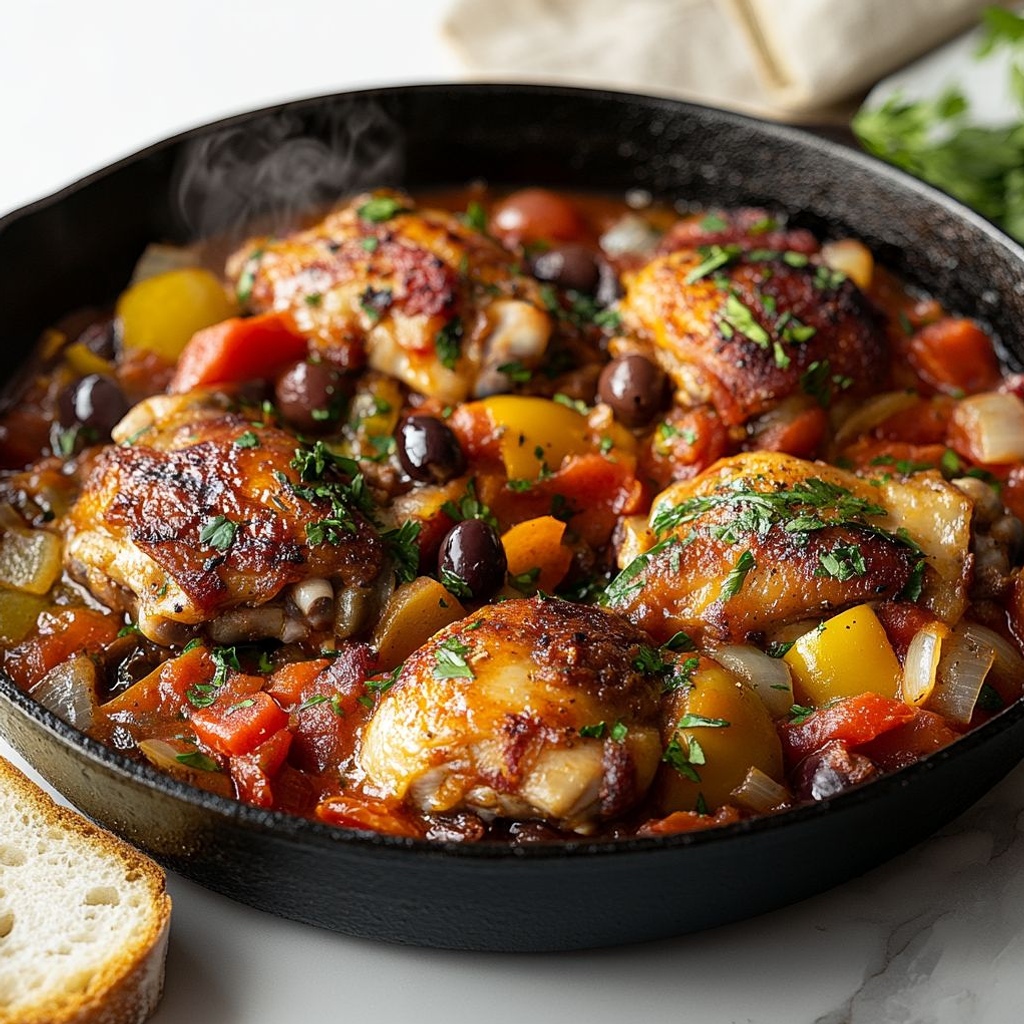
Tuscan Skillet Chicken Cacciatore
Chicken and Vegetables
- 6 bone-in, skin-on chicken thighs (about 2 1/2 pounds total)
→ Chicken thighs provide rich flavor and stay juicy during simmering. Keeping the skin on develops a tasty browning and adds depth to the sauce. If you prefer a leaner option, you can use bone-in, skinless thighs, but cooking times will vary slightly. - 1 tablespoon extra-virgin olive oil
→ Used to sear the chicken pieces until golden and to sauté vegetables, helping to build a flavorful base. Use a skillet that’s large enough to avoid crowding; otherwise, brown in batches. - 1 large onion, thinly sliced
→ Onion adds sweetness and texture; slice evenly so it cooks down without turning mushy. Sauté until translucent and slightly caramelized to boost flavor. - 3 cloves garlic, minced
→ Garlic provides aromatic pungency that deepens the savory profile. Mince finely and add after onions to avoid burning; you can grate for a punchier flavor. - 1 red bell pepper, sliced
→ Red pepper gives color and sweetness; slice into thin strips to cook quickly and distribute evenly in the sauce. - 1 yellow bell pepper, sliced
→ Adds another layer of color and mild sweetness; mix with red pepper for visual appeal. - 8 ounces cremini mushrooms, sliced (optional)
→ Mushrooms contribute umami and body; sauté them with the onions to release moisture and brown edges for depth.
Sauce, Wine, and Seasonings
- 1 (28-ounce) can crushed tomatoes
→ The tomato base forms the bulk of the sauce; crushed tomatoes offer a smooth texture with enough body to coat the chicken. If you only have whole tomatoes, crush them by hand or with a quick pulse in a blender before simmering. - 1/2 cup dry white wine (or additional chicken stock)
→ Wine deglazes the pan, lifting browned bits (fond) to intensify the sauce’s flavor. If you don’t cook with alcohol, substitute with an extra 1/2 cup chicken stock. Allow the wine to simmer a few minutes to burn off alcohol. - 1/2 cup chicken stock (plus more if needed)
→ Adds moisture and helps the sauce simmer; use low-sodium so you can control salt. Add gradually and adjust as the dish reduces. - 1 tablespoon tomato paste
→ Concentrates tomato flavor, deepens color, and thickens the sauce slightly. Stir in with the onions and peppers and let it bloom for 1–2 minutes for optimum aroma. - 1 teaspoon dried oregano
→ Provides a classic Italian-herb note; oregano pairs well with tomatoes and peppers. If you have fresh oregano, use about 1 tablespoon chopped; add late in cooking to preserve brightness. - 1 teaspoon dried thyme
→ Adds earthy, aromatic complexity; thyme is traditional in Tuscan-style sauces. Strip leaves from stems and crush between fingers to release oils. - 1 bay leaf
→ A single bay leaf provides subtle depth; remove before serving to avoid any sharp bitterness. Replace with a pinch of dried thyme if you don’t have bay leaf. - 1/2 teaspoon crushed red pepper flakes (optional)
→ Adds gentle heat; adjust to taste. Start with a pinch, then increase if you like more warmth. Remove if serving to sensitive eaters. - Salt and freshly ground black pepper to taste
→ Seasoning is essential; season gradually as the sauce reduces and the salt concentrates. Taste at the end and adjust to balance the acidity of tomatoes.
Optional Add-ins
- 1/4 cup pitted Kalamata olives, halved (optional)
→ Olives introduce briny, savory depth and a hint of Mediterranean character; add in the final stage so they retain some bite and do not dissolve. If you prefer milder flavor, use green olives without pits. - 2 tablespoons capers, drained (optional)
→ Capers contribute a tangy punch that cuts richness; rinse briefly to remove excessive salt before adding. Add near the end to retain their texture.
Finish, Garnish, and Serving
- 2 tablespoons chopped fresh parsley (for garnish)
→ Fresh parsley brightens the dish and adds a pop of color; chop finely and sprinkle just before serving to preserve vibrant flavor and aroma. - 1–2 tablespoons chopped fresh basil (optional)
→ Basil adds sweet aroma and a classic Tuscan finish; add near the end of cooking or as a fresh garnish to preserve its herbal freshness. If you don’t have basil, use a bit more parsley or replace with fresh oregano.
Instructions
- Pat the chicken thighs dry with paper towels and season them generously with kosher salt and freshly ground black pepper on both sides to promote even browning and deepen flavor as they sear.
→ Dry surfaces sear better, preventing steaming; even seasoning ensures the meat tastes delicious all the way through, especially since the thighs will render fat and contribute to the sauce later. - Heat 1 tablespoon extra-virgin olive oil in a large skillet over medium-high heat until shimmering, then prepare to brown the skin side first in a single layer; if your pan is not large enough, brown in batches rather than overcrowd to achieve crisp skin.
→ A hot, uncrowded pan creates a golden crust and renders fat efficiently, which builds flavor for the sauce and helps prevent sticking. - Place the chicken thighs skin-side down in the hot skillet and sear without moving them for 5–7 minutes, or until the skin is deeply golden and releases easily from the pan; then flip and sear the other side for 2–4 minutes, until the flesh is lightly colored; transfer to a plate and tent loosely with foil.
→ Proper browning develops fond, which is the flavor backbone of the dish; resting prevents the skin from steaming when returning to the sauce. - Add the sliced onion to the skillet with the rendered fat and cook over medium heat, stirring occasionally, until the onions are translucent and lightly caramelized (about 6–8 minutes); adjust heat as needed to prevent scorching.
→ Caramelized onions contribute sweetness and depth, and cooking them slowly builds a savory base for the sauce. - Stir in the sliced red and yellow bell peppers and continue to sauté until they soften and just begin to sweeten, about 3–5 minutes; push onions to the side if space is tight and ensure even contact with the pan.
→ Peppers release sugars that balance acidity and add color; even slicing ensures uniform cooking and texture. - Add the cremini mushrooms (if using) and cook until they brown and release their moisture, about 4–6 minutes; scrape up any browned bits from the bottom of the pan as they form useful flavor; if dry, add a splash of stock.
→ Mushrooms contribute umami and body; browning them develops deeper savory notes that enhance the sauce. - Stir in the minced garlic and cook just until fragrant, about 30 seconds, keeping the heat moderate so it does not burn; then add the tomato paste and cook, stirring, for 1–2 minutes to bloom the flavors.
→ Garlic adds aromatic sharpness that complements the vegetables, and blooming tomato paste thickens and intensifies the tomato flavor. - Pour in the white wine to deglaze the pan, scraping up the browned fond with a wooden spoon; reduce the liquid by half, about 2–3 minutes, to concentrate the aroma and flavor components.
→ Deglazing lifts all the caramelized bits, creating a richer sauce base; reducing the wine concentrates its acidity and sweetness. - Return the chicken to the skillet along with any juices collected on the plate, then stir in the crushed tomatoes, 1/2 cup chicken stock, tomato paste already in the pan, dried oregano, dried thyme, bay leaf, and crushed red pepper flakes if using; season with salt and pepper to taste.
→ Reintroducing the chicken reintroduces moisture and flavor into the sauce, while the herbs and stock build a balanced, Tuscan-style sauce with proper acidity and aroma. - Increase the heat to bring the mixture to a gentle simmer; once simmering, reduce the heat to low, cover, and simmer for 25–35 minutes, or until the chicken reaches an internal temperature of 165°F (74°C) and the sauce thickens slightly; avoid vigorous boiling to keep the chicken tender.
→ Slow simmering gently cooks the meat while letting the flavors meld; checking temperature ensures safety and tenderness, and a slightly thick sauce clings to the chicken. - Regarding optional olives and capers, add pitted Kalamata olives (if using) and/or capers during the last 5–7 minutes of simmering to retain their texture and bright salinity; do not add too early to prevent them from turning mushy or overpowering the sauce.
→ Olives and capers punctuate the dish with briny notes that cut richness; added near the end preserves their distinct bite and aroma. - Remove the bay leaf, then taste the sauce and adjust seasoning with more salt or pepper as needed; if the tomato base tastes overly acidic, balance with a small pinch of sugar or a splash of stock.
→ Finishing adjustments balance tomato acidity and highlight the dish’s final flavor profile, ensuring harmony among components. - Stir in 2 tablespoons chopped fresh parsley and, if using, 1–2 tablespoons chopped fresh basil just before serving as a finishing note; reserve a little chopped herb for garnish to brighten the plate.
→ Fresh herbs impart bright aroma and color, enhancing the overall perception of freshness and authenticity. - Serve the Tuscan skillet chicken cacciatore hot with crusty bread, mashed potatoes, polenta, or buttered pasta, spooning generous amounts of the sauce over the chicken and vegetables; provide extra sauce on the side for those who like more moisture.
→ The sauce is the star of the dish; pairing with an appropriate starch or bread helps sop up the rich flavors and ensures a satisfying meal.
Notes
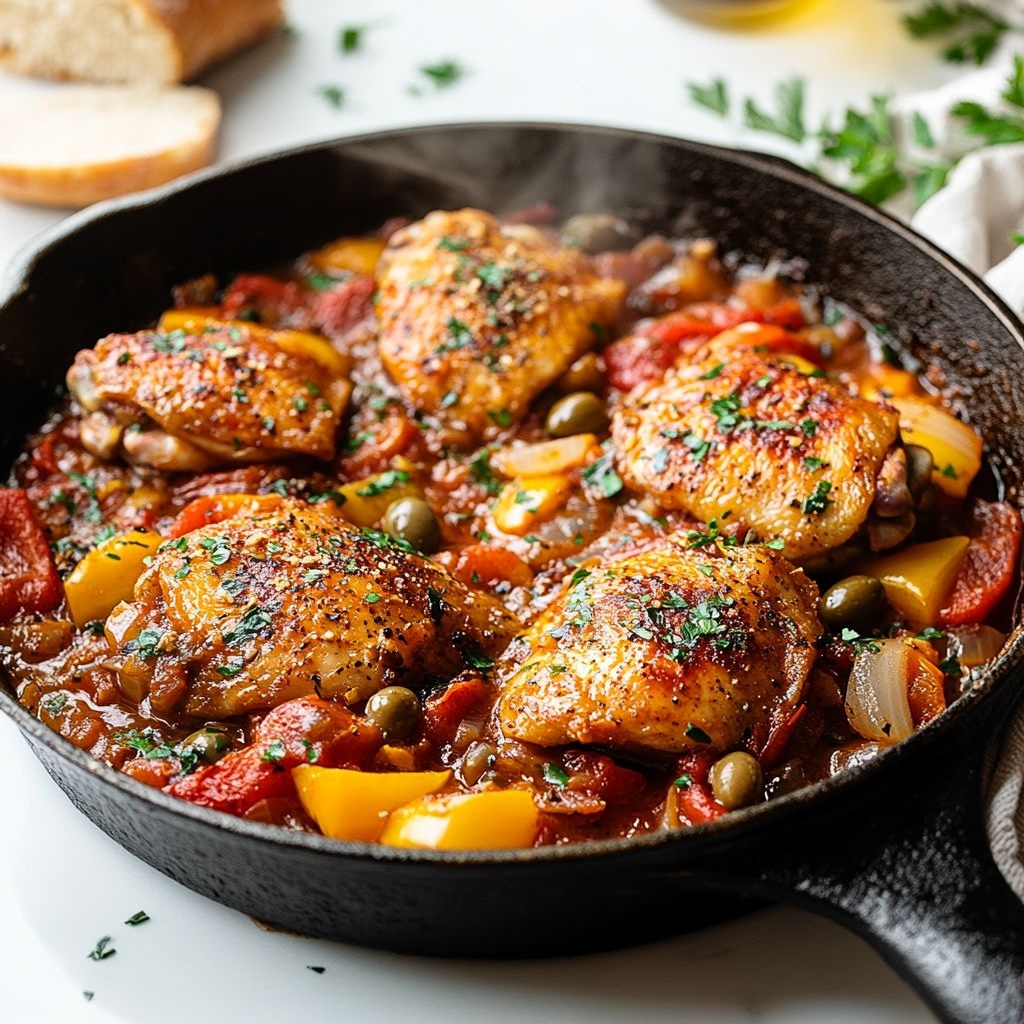
These Tuscan Skillet Chicken Cacciatore are braised in a rich tomato sauce with onions, bell peppers, garlic, and mushrooms until the chicken thighs stay juicy and deeply flavorful.
For best results, brown the chicken in batches with the skin on to develop color and moisture; crowding the pan will steam the meat and soften the crust.
Deglaze the pan with dry white wine (or an extra 1/2 cup of chicken stock) to lift all the flavorful fond, then simmer with crushed tomatoes, tomato paste, oregano, thyme, bay leaf, and a pinch of crushed red pepper flakes for warmth.
If you prefer to skip alcohol, substitute with more stock and let the sauce reduce a bit longer to marry the flavors.
Near the end, fold in optional olives and capers to introduce briny brightness; add them after the sauce has already thickened to retain their character.
Finish with chopped fresh parsley and basil for a bright, herbal finish; season with salt and pepper after the sauce reduces and tastes balanced.
To serve, pair with polenta, crusty bread, or pasta, plus a side of sautéed greens or a simple salad for contrast.
Make-ahead and storage: the dish can be braised a day ahead—the flavors deepen—then gently reheated on the stove or in the oven. Refrigerate leftovers in an airtight container for up to 3 days, or freeze portions for 2–3 months; thaw overnight and reheat gently to keep the chicken tender.
Dietary notes: this dish is naturally gluten-free as written, but always check labels on canned tomatoes, wine, and stock to ensure they are gluten-free if you have gluten sensitivity.
Tips
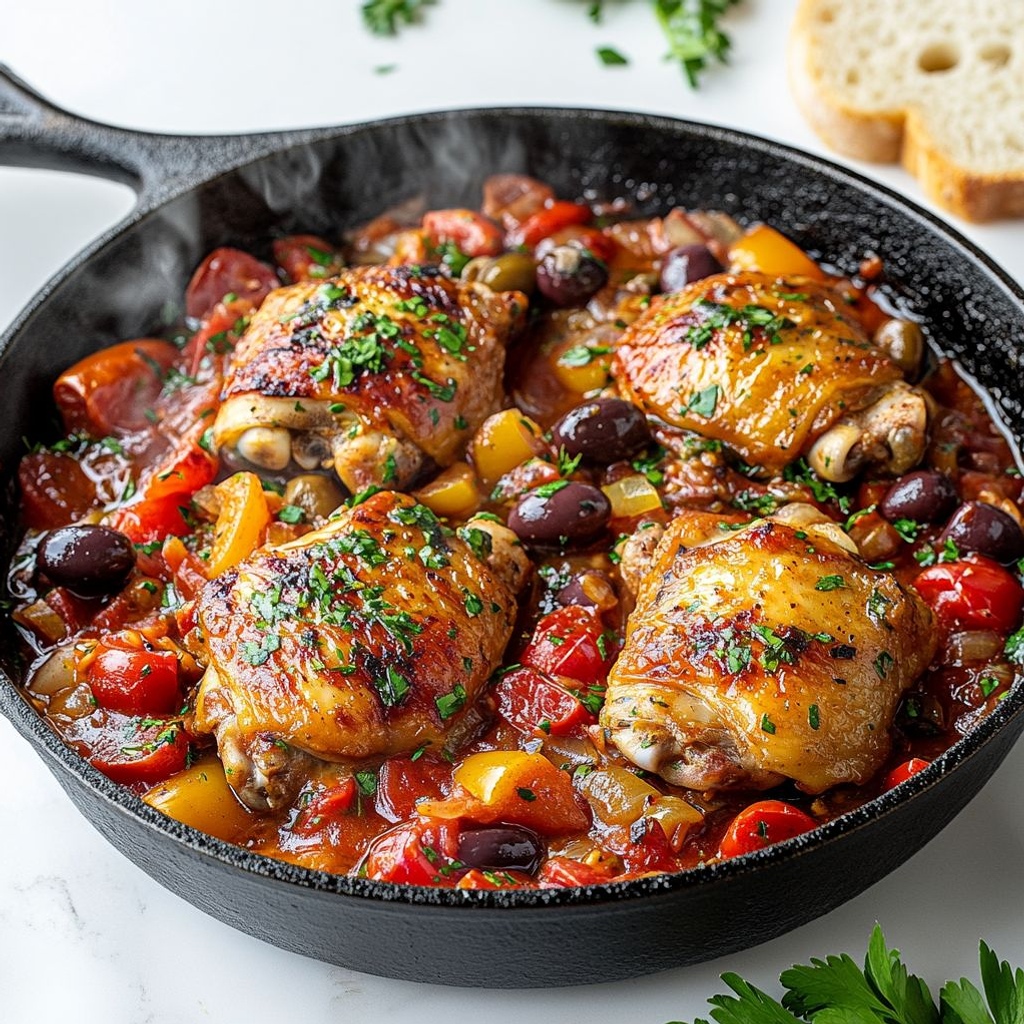
Tips for Perfect Tuscan Skillet Chicken Cacciatore
Prep and browning the chicken
- Pat the chicken thighs dry with paper towels before cooking to promote a crisp, golden skin. Moisture on the surface will steam instead of sear.
- Season the thighs generously with salt and pepper. Let them rest 10–15 minutes to help seasonings penetrate the meat.
- Use bone-in, skin-on thighs for the richest flavor and juiciest texture. If you prefer a leaner option (bone-in, skinless), be aware that cooking times will vary slightly and the sauce may need a touch more liquid.
- Brown the chicken in batches if your pan isn’t large enough; crowding lowers the temperature and leads to steaming rather than browning.
- Brown skin-side down first until deep golden, then flip just long enough to color the other side; remove and set aside while you build the sauce.
Sautéing vegetables and aromatics
- Sauté the onion until translucent and slightly caramelized to deepen sweetness and flavor.
- Add minced garlic after the onions have softened to avoid burning; you can grate garlic for a punchier, more uniform garlic flavor.
- Slice peppers evenly so they cook at the same rate and distribute color and sweetness throughout the dish.
- Include optional mushrooms early in the sauté so they release moisture and brown nicely, adding extra depth to the sauce.
Sauce base, deglazing, and aromatics
- Deglaze the pan with dry white wine to lift the browned fond from the bottom; simmer briefly to burn off the alcohol and concentrate flavor.
- Bloom the tomato paste with the aromatics for 1–2 minutes to deepen color and intensity before adding the tomatoes.
- If you only have whole tomatoes, crush them by hand or pulse briefly in a blender to achieve a smooth yet rustic texture.
- Use crushed tomatoes for a sauce with body that clings to the chicken; if you prefer chunkier texture, use a mix of crushed and whole tomatoes.
Herbs, seasoning, and balance
- Oregano and thyme provide classic Italian-Tuscan notes; fresh oregano or basil can brighten the sauce—add fresh oregano near the end to preserve its aroma.
- Bay leaf adds subtle depth; remove before serving to avoid bitter notes.
- Crushed red pepper flakes add gentle heat—start with 1/4 teaspoon and adjust to taste.
- Taste and adjust salt toward the end as the sauce reduces and intensifies; tomatoes can vary in acidity, so a pinch of sugar can balance if needed.
Liquids, simmering, and texture
- Use 1/2 cup dry white wine and 1/2 cup chicken stock; keep the stock low-sodium to control the final saltiness.
- Add stock gradually and simmer the sauce, allowing it to reduce to a creamy coating consistency; add more stock if the sauce becomes too thick.
- Maintain a gentle simmer rather than a vigorous boil to keep the chicken tender and the vegetables intact.
Finish, garnishes, and serving
- Stir in olives and capers toward the end of cooking to retain their texture and brightness (optional).
- Finish with fresh parsley and basil for color and aroma; add herbs toward the end of cooking to preserve their fresh notes.
- Let the dish rest off heat for 5–10 minutes after cooking to allow the flavors to meld and the sauce to thicken slightly.
Make-ahead, storage, and reheating
- The flavors deepen overnight; refrigerate leftovers in an airtight container for up to 3–4 days.
- Reheat gently on the stove over medium-low heat, adding a splash of stock if the sauce thickens too much.
- Freezing is possible for the sauce, but the texture of olives or capers may change after thawing; if freezing, consider adding olives/capers fresh when reheating.
Substitutions and variations
- For an alcohol-free version, substitute the wine with an extra 1/2 cup chicken stock and a splash of red wine vinegar or balsamic for depth.
- If you dislike olives or capers, omit them or substitute with sautéed sun-dried tomatoes for a different briny note.
- As a herb variation, if you don’t have fresh basil, increase chopped parsley or add a pinch of fresh oregano near the end.
FAQ
What is Tuscan Skillet Chicken Cacciatore?
Tuscan Skillet Chicken Cacciatore is a hearty, one-pan Italian-inspired dish featuring chicken, bell peppers, onions, garlic, and tomatoes simmered with olives, capers, and herbs. It’s bright, savory, and great served over pasta, polenta, or crusty bread.
What ingredients do I need to make this Tuscan Skillet Chicken Cacciatore?
Core ingredients typically include:
- Chicken thighs (boneless, skinless) or breasts
- Olive oil
- Onion and garlic
- Bell peppers (red and/or yellow)
- Canned crushed or diced tomatoes
- Olives (kalamata or green), pits removed
- Capers
- Sun-dried tomatoes (optional)
- White wine or chicken broth
- Herbs (rosemary, thyme, oregano, basil) and red pepper flakes (optional)
- Salt and pepper
Can I use chicken breasts instead of thighs?
Yes. Chicken breasts can be used, but thighs stay juicier and more flavorful. If using breasts, cook until the internal temperature reaches 165°F (74°C) and consider slightly longer simmering or slicing the breasts to keep them tender.
How long does it take to cook?
Plan about 30–40 minutes total: a quick 6–8 minute sear on the chicken, then 18–25 minutes of simmering until the sauce thickens and the chicken is cooked through.
What size skillet should I use?
A 12-inch (30 cm) skillet works well. You want space to brown the chicken and reduce the sauce without crowding. A large cast-iron or high-sided sauté pan is perfect.
How can I customize the flavors for this dish?
Adjust to taste: use more or fewer olives and capers, add artichoke hearts or spinach, or swap in sun-dried tomatoes. For a brighter note, add a squeeze of lemon. If you like heat, keep red pepper flakes. If you’re short on fresh herbs, dried herbs work—use about half the amount.
Can I make this ahead or freeze leftovers?
Yes. The sauce often tastes even better the next day. It can be stored in the refrigerator for 3–4 days. For freezing, cool completely, then freeze in an airtight container for up to 2–3 months. Thaw overnight in the fridge and reheat gently.
How do I store and reheat leftovers?
Store in an airtight container in the fridge for up to 3–4 days. Reheat on the stovetop over medium heat, adding a splash of broth if the sauce thickens. You can reheat chicken pieces in the sauce or add them back to the pan and simmer briefly.
What should I serve this with?
Common options include pasta (spaghetti, pappardelle), creamy polenta, mashed potatoes, or crusty bread to soak up the sauce. A simple green salad or sautéed greens pairs nicely as well.