
Introduction / Hook
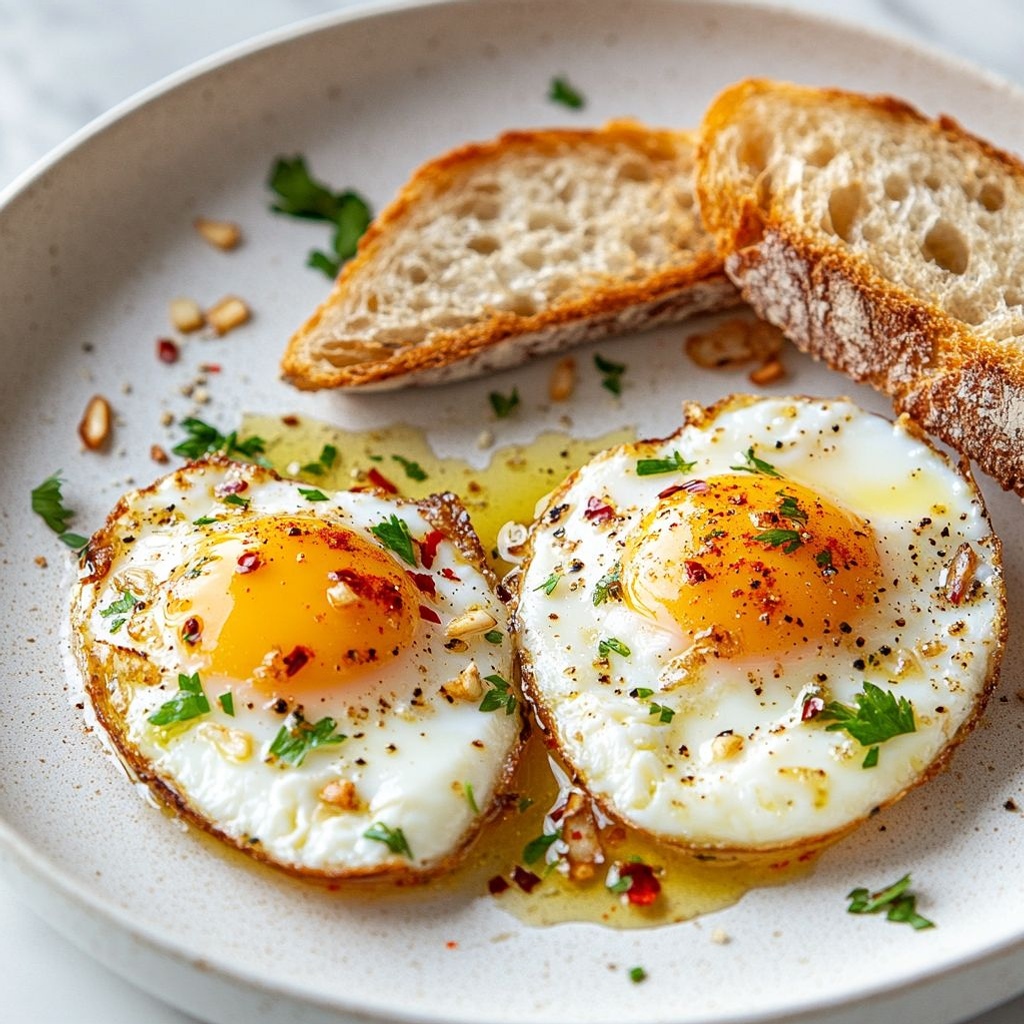
The moment the pan touches the heat, the kitchen fills with a warm, sunlit aroma—the perfume of Spanish olive oil, the sharp kiss of garlic, and the soft, almost hypnotic crackle of eggs meeting a hot skillet. Spanish Garlic Eggs are a celebration of simplicity: a handful of pantry staples transformed into something comforting, rustic, and utterly satisfying. Imagine a shallow pool of glossy olive oil, its fruitiness carrying the scent of toasted garlic, a moment of sizzle, and then—gentle, glossy yolks that yield to a touch of the spoon, mingling with the garlicky oil like a secret conversation between humble ingredients. This dish is not just breakfast; it’s a ritual. It’s a midday tapas bite that tastes like a sunlit Spanish terrace, like a sleepy afternoon in Valencia, like a grandmother’s kitchen where every gesture is a memory in the making. Spanish Garlic Eggs invite you to slow down, breathe in the savory warmth, and let the flavors unfold with you—simple, bold, and deeply satisfying from the first bite to the last drizzle of olive oil on crusty bread.
The Story Behind the Dish
Eggs have long been a universal canvas, and in Spain they often meet the country’s beloved trio: garlic, olive oil, and bread. This dish belongs to a lineage of simple, pantry-friendly preparations that Spanish cooks have perfected over generations. In many households, the morning ritual begins with a skillet, a lazy heat that coaxs sweetness from garlic and a glossy sheen from olive oil. The result is not a heavy, complicated creation but a direct celebration of ingredients, seasons, and technique. Garlic, a staple that travels through countless Spanish recipes—from tortilla de patatas to pan con tomate—takes center stage here in a way that feels both intimate and universally inviting.
Historically, Spain’s coastline introduced the Iberian palate to olive oil as a primary cooking medium—an elixir that carries flavor with a light touch. Garlic, harvested with the same regional pride, becomes sweeter and mellower when warmed slowly in good oil, turning essence into warmth. The eggs bring protein and a gentle richness, turning a quick breakfast into a satisfying, almost restorative meal. Some tell the tale of zinc pans and early mornings in Andalusia, where neighbors swap stories as the pan hisses and the garlic aroma drifts through courtyards. In any retelling, the essence remains: a humble dish, born of practical skill and a love for flavor that doesn’t demand complexity to deliver delight.
If you’ve ever enjoyed a lazy weekend brunch or a tapas spread that feels both rustic and refined, you’ll recognize the spirit of Spanish Garlic Eggs. It’s the kind of dish that makes you believe that good food can be crafted with a few honest ingredients, patience, and a willingness to let the simplest elements speak for themselves. The aroma alone tells a story—garlic turning buttery-soft in glossy oil, the eggs gliding in and transforming in the heat, the bread soaking up that treasure of flavor. In a world of fast-cook recipes, this is a reminder that time, attention, and a handful of pantry staples can yield something memorable and comforting—something you’ll want to repeat again and again.
Why You’ll Love This Recipe
- Quick and effortless: Perfect for busy mornings or a spontaneous tapas night, with a minimal cleanup and maximum satisfaction.
- Pantry-friendly: A few staple ingredients—garlic, olive oil, eggs, and bread—come together to create a dish that tastes special without a long grocery list.
- Versatile and forgiving: You can adjust the number of eggs, tweak the heat, or add a pinch of paprika or chili flakes to suit your palate.
- Comforting and cozy: The warm, garlicky aroma and the silky texture of the eggs create a comforting sensation that feels like a hug from the kitchen.
- Ideal for pairing: It works beautifully as a light breakfast, a robust tapas bite, or a simple supper when served with crusty bread and a crisp salad.
- Budget-friendly: It delivers luxury in flavor without taxing your wallet, making it perfect for weeknight dinners or weekend indulgence.
- Crowd-pleasing: The familiar flavors appeal to both adventurous eaters and those who prefer traditional, comforting dishes.
Flavor Profile & Texture
Spanish Garlic Eggs are a study in contrast and balance. The oil’s fruit-forward richness acts as a velvet backdrop for the sharpness of garlic, which, when gently heated, releases a mellow sweetness that is both warming and inviting. The eggs bring a gentle, almost custardy richness, with yolks that can be spooned and swirled into the garlicky oil. When you dip crusty bread into the pan, you experience a symphony of textures: the crisp edge of bread meeting slick oil, followed by the creamy, runny center of the egg that’s just set enough to hold its shape but soft enough to flow with every bite.
Key flavor cues include:
– Garlic: Toasted and softened in oil, releasing a fragrant, nutty-sweet aroma that lingers pleasantly without overpowering.
– Olive oil: A fruit-forward, velvety base that ties everything together and carries notes of grassy green olives depending on the oil you choose.
– Eggs: Mild, creamy, and luxuriously comforting, offering a delicate balance between tenderness and a slight, pleasing bite at the edges.
– Optional accents: A pinch of smoked paprika, chili flakes for heat, or fresh herbs like parsley or cilantro can add bright green notes and a fresh finish. A squeeze of lemon or a sprinkle of zest provides a fleeting brightness that brightens the dish without masking the core flavors.
– Bread: The vehicle that soaks up the garlicky oil and yolk, turning a simple plate into a satisfying, textural experience.
Together, these elements create a dish that tastes deeply rooted in Spanish authenticity while remaining light enough for a morning meal or a late-night snack. The technique—gentle warmth, careful timing, and the art of letting flavors bloom in the oil—is what makes Spanish Garlic Eggs feel both timeless and incredibly approachable.
Occasions & Pairings
Where to enjoy Spanish Garlic Eggs? The versatility of this dish makes it suitable for various occasions:
- Brunch bliss: A standout option for weekend gatherings or a relaxed mid-morning feast with friends and family.
- Tapas night: Serve as a small plate with other Spanish-inspired bites, such as olives, grilled peppers, and crusty bread. A pitcher of sangria or a chilled white wine elevates the experience.
- Weeknight comfort: A quick, nourishing dinner when you want something comforting without spending hours in the kitchen. Pair with a simple green salad and a glass of dry white wine.
- Breakfast with a twist: A hearty start to the day that satisfies hunger and mood—great on weekends or after a workout when you crave something warm and satisfying.
- Romantic or intimate dinners: The dish’s simplicity and aromatics create a sensory moment that feels thoughtful without being fussy.
Pairings that sing with Spanish Garlic Eggs:
- Cranbed crusty bread or rustic country loaf, toasted until the crust is crisp and the interior remains soft.
- Fresh tomato salad with a drizzle of olive oil and a pinch of sea salt to echo the bread’s savoriness.
- Grilled or roasted peppers for a sweet, smoky contrast that complements the garlic oil.
- A bright salad with citrus dressing to cut through the richness.
- Wine options: A crisp Albariño, Verdejo, or a dry Cava; or a light, well-chilled rosé if you want something fruit-forward and refreshing.
Tips, Variations & Substitutions
Basic technique tips
To achieve the ideal texture and aroma, focus on gentle heat and timing. Start with a generous amount of olive oil in the pan and let it warm slowly. Add the minced garlic and let it simmer just enough to release its fragrance without browning too quickly. If garlic starts to color quickly, lower the heat; burnt garlic can impart a bitter note that overwhelms the dish. When the aroma is inviting but not sharp, carefully crack in the eggs. Let them meet the oil and gently cook until the whites are set and the yolks reach your preferred consistency. If you desire, poke a small hole in the yolk with the edge of a spatula to encourage a silkier texture and a more dramatic runny center. Finish with a light dusting of salt and, if you like, a last whisper of chopped herbs for color and brightness.
Variations to customize
- Smoky version: Add a pinch of smoked paprika to the oil for a subtle, smoky depth that pairs beautifully with the garlic’s sweetness.
- Spicy kick: Sprinkle red pepper flakes or minced fresh chili into the oil for a gentle heat that lingers on the palate.
- Herb-forward brightness: Finish with finely chopped parsley, chives, or cilantro to add a fresh, green note that contrasts with the richness.
- Cheffy finish: A squeeze of lemon or orange zest at the end can lift the dish with a citrusy brightness that brightens the garlic oil.
- Garnish variety: Toasted pine nuts, a light dusting of crumbled feta, or a sprinkle of manchego shavings offer different textures and saline notes that complement the eggs.
Dietary alternatives
- Vegan twist: Replace eggs with softly scrambled firm tofu or thick chickpea flour omelet that yields a similar texture and can soak up garlic oil.
- Gluten-free: The dish is naturally gluten-free as long as you use gluten-free bread for dipping or serve with gluten-free sides.
- Low-carb option: Serve with a side of sautéed greens or a light vegetable medley instead of bread to keep carbohydrates lower while maintaining a comforting feel.
Storage & Make-Ahead Ideas
Because this dish is best enjoyed fresh for its aroma and the delicate texture of the eggs, it’s not typically made in advance. However, you can prepare components to streamline weeknight cooking or a future brunch:
- Garlic oil: You can make a batch of garlic-infused olive oil ahead of time. Store it in a sealed container in the refrigerator for up to a week. Reheat gently before using to preserve aroma and flavor.
- Leftover oil usage: The garlic-infused oil makes a wonderful base for sautéing vegetables, drizzling over bread, or finishing other eggs, so repurpose it rather than discarding.
- Egg considerations: If you anticipate leftovers, cook eggs to a slightly firmer set and reheat gently in a skillet with a bit more garlic oil to reintroduce aroma. Note that reheated eggs may lose some of their silken texture, so plan to enjoy them fresh when possible.
Fun Facts & Trivia
Delve into some tasty tidbits that connect Spanish Garlic Eggs to broader culinary lore:
- The country’s love affair with olive oil is deep-rooted, with Spain one of the largest producers in the world. The oil’s quality—from robust, peppery early harvests to lighter, fruit-forward varieties—can dramatically shift the dish’s character.
- Garlic is celebrated across Spanish cuisine, often used not just for flavor but for its perceived digestive and warming properties. It’s common to see garlic appear in sauces, stews, and simple pan preparations like this.
- There’s a family-friendly tradition in which bread is used as the vehicle for soaking up flavorful oils and runny yolks, a practice shared in many countries but given its own affectionate place in Spanish home cooking.
- Huevos a la flamenca is a classic Spanish dish where eggs are baked with tomatoes, peas, and chorizo; while different in form, it echoes how eggs are celebrated in bold, simple Spanish preparations that center on a few pantry staples.
- In Spain, tapas culture thrives on small plates designed to share, and this dish translates perfectly to that concept: a bright, flavorful bite that starts a conversation and invites more rounds around the table.
- Pairings often emphasize regional beverages. Albariño from Galicia, Verdejo from Rueda, or a sparkling cava can elevate a casual meal into a festive, unhurried dining experience.
Make-Ahead Ideas & Final Thoughts
Even though the essence of Spanish Garlic Eggs shines brightest when enjoyed freshly, you can design a plan that makes it part of a relaxed, recurring routine. Consider building a brunch menu around the flavors of garlic, olive oil, and bread. A simple ritual could be:
- Begin with garlic-infused olive oil prepared a day in advance, allowing the aromatic compounds to steep and concentrate.
- Toast bread and slice it for dipping as the final moments of cooking approach, ensuring the bread remains something you look forward to dipping rather than something you rush to plate.
- Set a small platter with herbs and optional toppings—parsley, chili flakes, paprika, lemon zest—so every guest can customize their own plate, adding a playful, interactive element to the dining experience.
In the end, Spanish Garlic Eggs are about celebrating the ordinary and elevating it with technique and care. They invite you into a kitchen where a few honest ingredients become something memorable, where the scent of garlic and olive oil marks the moment you begin to savor, and where the simple pull of a runny yolk and a piece of crusty bread becomes more than a meal—it becomes a little ritual of comfort, connection, and joy.
Ingredients
Spanish Garlic Eggs
Eggs & Base
- 4 large eggs
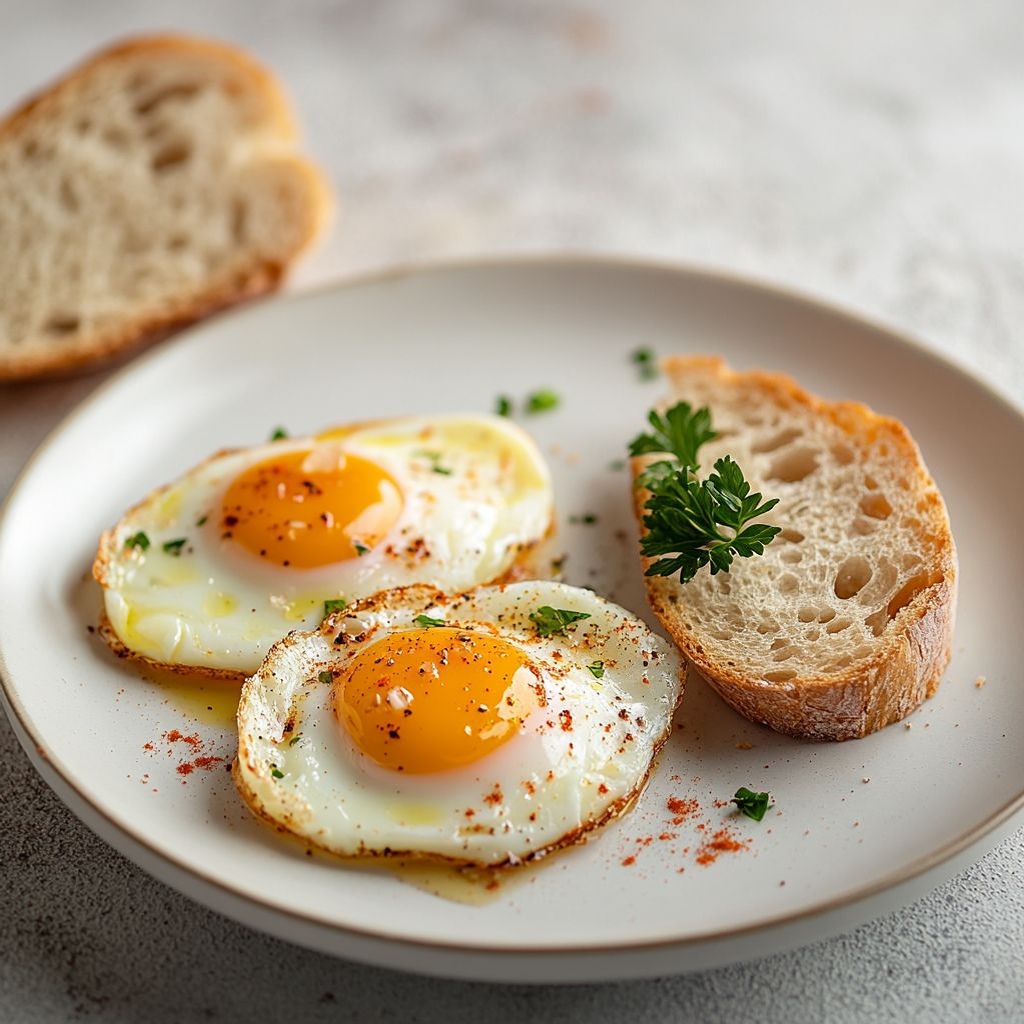
→ Eggs provide the protein-rich base of this dish. For the most even cooking, let the eggs come to room temperature before cracking. Crack them into the skillet when the garlic-infused oil is hot and fragrant, and cook until the whites are set but the yolks remain soft for a saucy, luscious finish. If you prefer firmer eggs, cook longer or flip briefly to set the yolks more.
Garlic & Oil
- 6 cloves garlic, thinly sliced
→ Garlic is the signature aroma and flavor carrier in huevos al ajillo. Slice cloves evenly so they infuse the oil quickly without burning. Peel and trim the ends, then sauté in the warm olive oil until they are pale golden and very fragrant. Keep heat low to avoid bitterness; if they start to color too quickly, remove the pan from heat briefly and return once the oil cools a touch. - 3-4 tablespoons extra-virgin olive oil
→ The olive oil is both the cooking medium and the flavor vehicle. Use a high-quality, fruity EVOO and warm it gently—just until it shimmers—before adding garlic. This helps extract the garlic’s aroma without deep-frying it. If you like a lighter dish, you can start with less oil and add more only if needed to cook the eggs.
Seasonings
- 1/2 teaspoon fine salt
→ Salt enhances garlic and egg flavor and helps balance the richness of the oil. Sprinkle into the oil as it warms or season the eggs at the end to taste. If you use kosher salt, measure into volume accordingly since grains differ. Always taste and adjust before serving. - 1/4 teaspoon freshly ground black pepper
→ Freshly ground pepper adds gentle heat and aroma that complements garlic. Grind just before cooking and incorporate when the garlic is aromatic but not burnt to preserve brightness. You can adjust to taste at the end. - 1/2 teaspoon smoked paprika (pimentón)
→ Smoked paprika provides a smoky, mildly sweet depth typical of Spanish cuisine. Use the smoked variety for authentic flavor; add after the garlic begins to perfume the oil but before you add the eggs. Do not let it burn, as that will turn bitter, and adjust the amount to match how smoky you want the dish.
Optional Heat & Deglaze
- Pinch red pepper flakes (optional)
→ If you like a little kick, add a pinch of red pepper flakes along with the paprika. They contribute subtle heat without overpowering the garlic. Adjust the amount to your tolerance and stir to distribute evenly. - 1 tablespoon dry white wine or dry sherry (optional)
→ A small splash of wine or sherry helps deglaze the pan, lifting any browned bits and adding a touch of acidity to balance the richness. Allow it to simmer away almost completely before adding the eggs to keep the dish from becoming watery. If avoiding alcohol, substitute with a splash of chicken stock or white grape juice.
Finish & Serve
- 1 tablespoon chopped fresh parsley
→ Parsley adds a fresh, bright note and a pop of color. Stir the chopped parsley into the pan off heat at the end to maximize its aroma and avoid wilting. For best color, add just as the eggs finish cooking and serve promptly. - Crusty bread, for serving
→ A good crusty loaf is essential for soaking up the garlicky oil and egg yolk. Lightly toast or warm the slices so they stay sturdy when dunking. Slice just before serving to keep the crust crisp; serve warm alongside the eggs for a complete Spanish-style experience.
Instructions
- Let the eggs come to room temperature by resting them on the counter for 20–30 minutes before cracking.
→ This reduces the shock of hot pan cooking and helps the whites set evenly around the yolk for a more uniform texture. - Thinly slice the garlic cloves into uniform pieces so they infuse quickly and evenly without burning.
→ Even thickness ensures consistent browning and a bright garlic aroma rather than uneven bitter notes. - Warm 3–4 tablespoons of extra-virgin olive oil in a wide, heavy skillet over low–medium heat until the oil shimmers lightly.
→ A shimmering surface indicates the oil is hot enough to carry the garlic aroma without scalding it, which preserves sweetness and prevents bitterness. - Add the sliced garlic to the warm oil and sauté slowly, stirring frequently, until the edges are pale golden and the kitchen fills with a fragrant scent.
→ Slow cooking draws out sweetness from the garlic and prevents harsh, acrid flavors; constant agitation keeps pieces from sticking and burning. - Stir in the smoked paprika and cook briefly to bloom its flavor, about 20–30 seconds, keeping the heat steady to avoid scorching.
→ Blooming releases smoky, paprika-driven aroma and color, enhancing depth without turning bitter from overcooking. - If using red pepper flakes, add a pinch at this point and distribute evenly through the oil.
→ The flakes partner with paprika to provide a gentle heat that complements the garlic, without overpowering the dish. - Pour in 1 tablespoon of dry white wine or dry sherry, then simmer until almost completely reduced to concentrate flavor and lift any browned bits from the pan.
→ Deglazing lifts fond from the pan, adding brightness and balance; allow it to reduce so the mixture isn’t watery when the eggs are added. - Season the oil with 1/2 teaspoon fine salt and 1/4 teaspoon freshly ground black pepper, then taste and adjust before adding the eggs.
→ Proper seasoning at this stage ensures the garlic–oil base is savory and balanced, which enhances the eggs’ flavor as they cook. - Crack four eggs into separate small bowls, then gently slide each egg into the garlicky oil, spacing them evenly and avoiding breaking the yolks.
→ Placing eggs individually allows precise placement and reduces the chance of yolk rupture; it also helps the whites set around each yolk evenly. - Cook the eggs over gentle heat until the whites are set but the yolks remain soft and saucy, about 2–4 minutes; for firmer yolks, cook a little longer or flip briefly to set the tops.
→ Gentle heat preserves a luscious, runny yolk; extending time or flipping briefly can create a firmer texture if preferred. - Turn off the heat and immediately stir in 1 tablespoon chopped fresh parsley, letting it release its bright aroma without wilting.
→ Off-heat addition preserves the parsley’s fresh fragrance and vibrant color, adding a final, lively note to the dish. - Serve immediately with crusty bread, lightly toasted or warmed, so it can soak up the garlicky oil and the runny yolk.
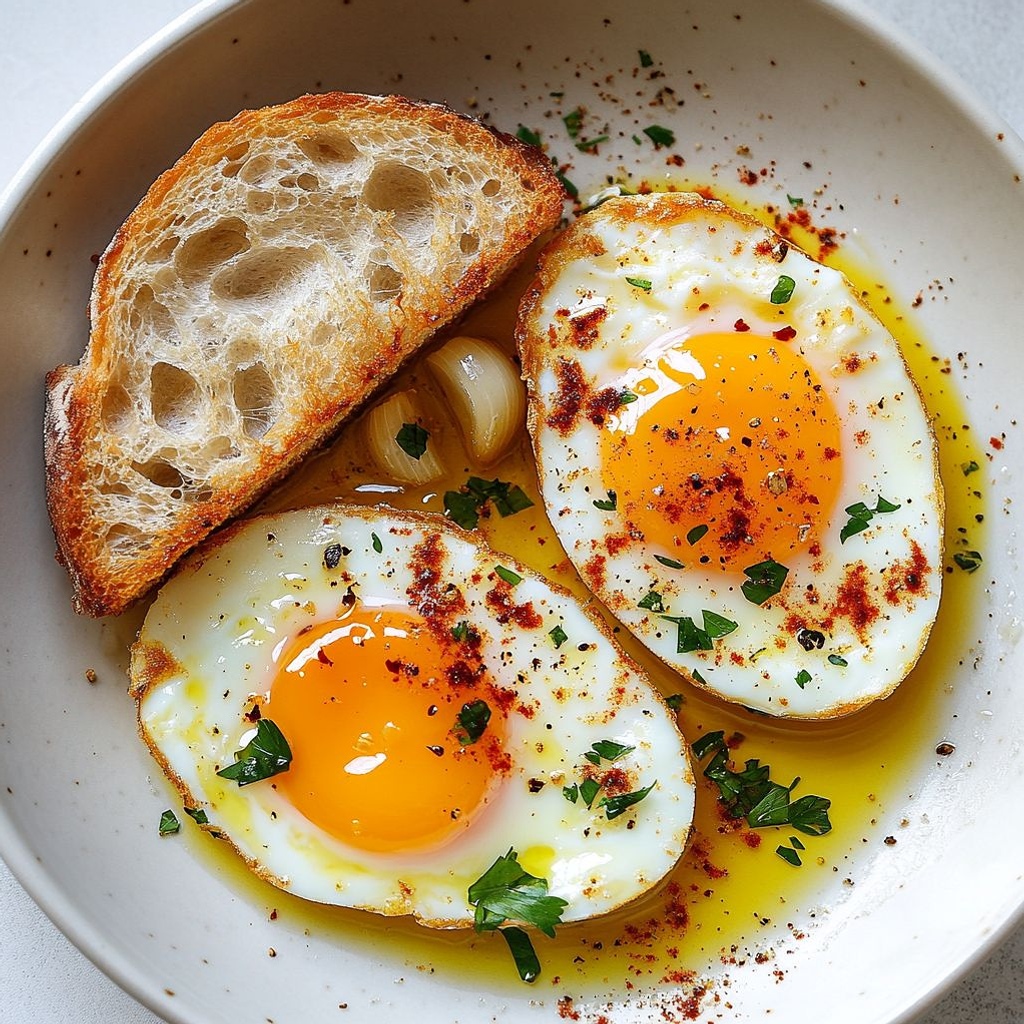
→ A sturdy bread provides the perfect vehicle for dipping and mopping up the saffron-garlic oil and yolk for a complete Spanish-style experience.
Notes
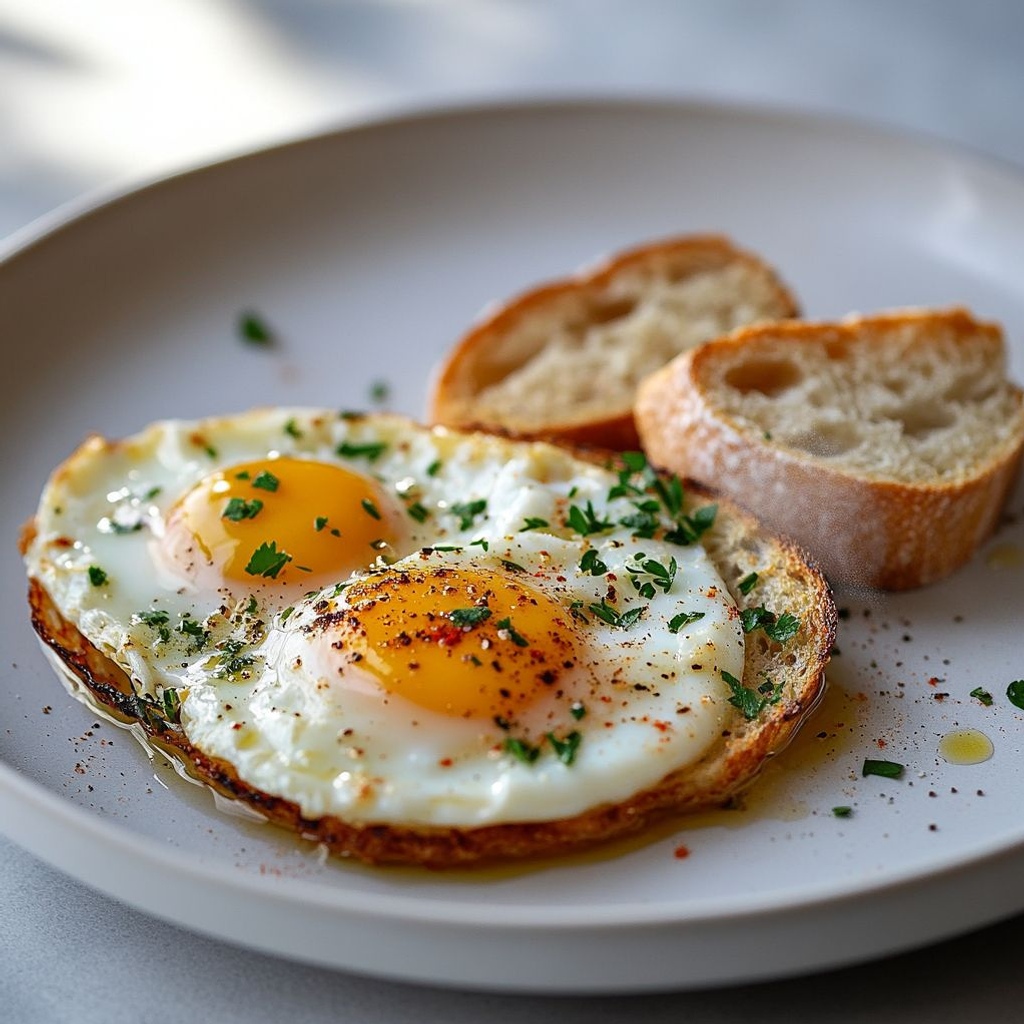
These Spanish Garlic Eggs are a quick, pantry-friendly dish that celebrates garlic, olive oil, and tender eggs. For best results, bring the eggs to room temperature before cracking and add them to a skillet when the garlic-infused oil is hot and fragrant; cook until the whites are set but the yolks remain soft for a saucy finish. If you prefer firmer yolks, cook a little longer or flip briefly to set the yolks more. Use a gentle heat with high-quality extra-virgin olive oil and thinly sliced garlic so it infuses the oil without burning; pale gold and fragrant garlic will deliver the classic aroma. Season the oil with salt, pepper, and smoked paprika after the garlic begins to perfume the oil but before the eggs go in, and adjust to taste. If you like a touch of heat, add a pinch of red pepper flakes. A splash of dry white wine or sherry helps deglaze the pan and lift browned bits; let it reduce almost completely before adding the eggs to avoid watering the dish. Finish with chopped fresh parsley off the heat for a bright note and color. Serve with crusty bread to mop up the garlicky oil and yolk; if you need gluten-free options, use gluten-free bread or serve with bread on the side. Leftovers refrigerate well for a day or two; reheat gently to avoid toughened eggs. Variations: you can add thinly sliced chili, a few olives, or a handful of chopped parsley at the end for extra brightness. Always taste and adjust salt and heat before serving.
Tips
- Room-temperature eggs help ensure even cooking. Let the eggs sit at room temperature for about 20–30 minutes before cracking, so the whites set evenly and the yolks stay pleasantly soft.
- Garlic prep matters. Slice cloves evenly so they infuse the oil quickly without burning. Keep heat low and watch closely; pale golden garlic is fragrant, but browned or bitter bits will overpower the dish.
- Use quality olive oil and gentle heat. Choose a high-quality extra-virgin olive oil and warm it just until it shimmers. Heating too hot can burn garlic and create bitterness.
- Timing for paprika. Add the smoked paprika after the garlic begins to perfume the oil, but before the eggs go in. Stir quickly to release color and aroma without letting the spice burn.
- Seasonings deserve balance. Sprinkle salt as the oil warms and taste before serving. Freshly ground black pepper should be added when the garlic is aromatic, not burnt, to maintain brightness.
- Optional heat and deglazing. A pinch of red pepper flakes adds a subtle kick—adjust to taste. If using wine or sherry, add a tablespoon and simmer until almost dry to lift browned bits; substitute with stock or white grape juice if avoiding alcohol.
- Care with deglazing liquids. Allow wine or sherry to reduce almost completely to avoid thinning the sauce; this keeps the eggs saucy without making the dish watery.
- Eggs in the pan technique. Crack the eggs into the hot oil and cook until the whites set while the yolks remain soft for a saucy finish. If you prefer firmer yolks, cook longer or flip briefly to set the yolk more.
- Finish with parsley off heat. Stir in the chopped parsley after removing the pan from heat to preserve its bright aroma and color; serve promptly for the best effect.
- Serve with crusty bread. Lightly toast or warm slices so they stay sturdy for dunking. Bread should be served warm and sliced just before plating to keep the crust crisp and ready to soak up the garlicky oil and yolk.
FAQ
What are Spanish Garlic Eggs?
Spanish garlic eggs, or huevos al ajillo, are a quick tapas-style dish where eggs are gently poached in a pool of garlic-infused olive oil. The result is garlicky, savory eggs with a silky yolk, perfect for sopping up with crusty bread.
What ingredients do I need to make them?
Typical ingredients include:
- Eggs (2–4, depending on servings)
- Good quality extra-virgin olive oil (about 2–4 tablespoons)
- Garlic cloves, thinly sliced or minced (4 clovers)
- Salt and pepper to taste
- Optional: chopped parsley for garnish
- Optional: red pepper flakes or smoked paprika for heat
- Optional: crusty bread for serving
How do I cook Spanish Garlic Eggs?
Here’s a simple method:
- In a skillet, heat olive oil over medium-low heat.
- Add the sliced garlic and gently sauté until fragrant and just starting to color—careful not to burn it.
- Reduce heat to low, crack in the eggs, and let them cook until the whites are set but the yolks remain runny (or to your preferred doneness).
- Season with salt and pepper, add parsley if using, and serve hot with bread to mop up the oil.
Can I make it spicier or adjust the flavor?
Yes. Add a pinch of red pepper flakes or a dusting of smoked paprika when sautéing the garlic for extra warmth. A squeeze of lemon zest or a splash of sherry vinegar after cooking can brighten the dish.
Can I substitute ingredients or make it dairy-free?
Traditional huevos al ajillo uses olive oil and dairy-free by default. If you want a different fat, you can mix in a little butter for nuttier flavor, but olive oil is authentic. For a dairy-free option, simply stick to olive oil and omit any butter.
How should I serve Spanish Garlic Eggs?
Serve immediately, straight from the pan, with plenty of crusty bread to soak up the garlicky oil. They also pair nicely with a light green salad, roasted potatoes, or a slice of jamón if you eat meat. A glass of dry white wine or a crisp sherry complements the flavors well.
How long does it take to cook?
From start to finish, including prep, it takes about 10–15 minutes. The garlic takes ~2–3 minutes to flavor the oil, and the eggs cook in 3–6 minutes depending on how runny you like them.
Can I prepare this in advance or store leftovers?
This dish is best enjoyed fresh. You can prepare the garlic oil ahead and keep it warm, then add the eggs when ready to cook. Leftovers can be stored in the fridge for 1 day, but quality declines as the eggs firm up. Reheat gently in a skillet with a little oil to refresh the flavors.
What are some delicious variations I can try?
Try these ideas:
- Add thinly sliced chorizo or pancetta for a meaty version.
- Stir in chopped spinach or kale for greens.
- Finish with a sprinkle of paprika or lemon zest for brightness.
- Use prawns or small shrimp for a seafood twist.
Is this dish suitable for vegetarians or vegan diets?
It is vegetarian (as long as meat products aren’t added). It is not vegan unless you substitute the eggs with a plant-based alternative. For a vegan option, you could make a garlic-tomato oil base and serve with crusty bread, or use firm tofu or chickpeas cooked in the garlic oil as a stand-in.