
Introduction / Hook
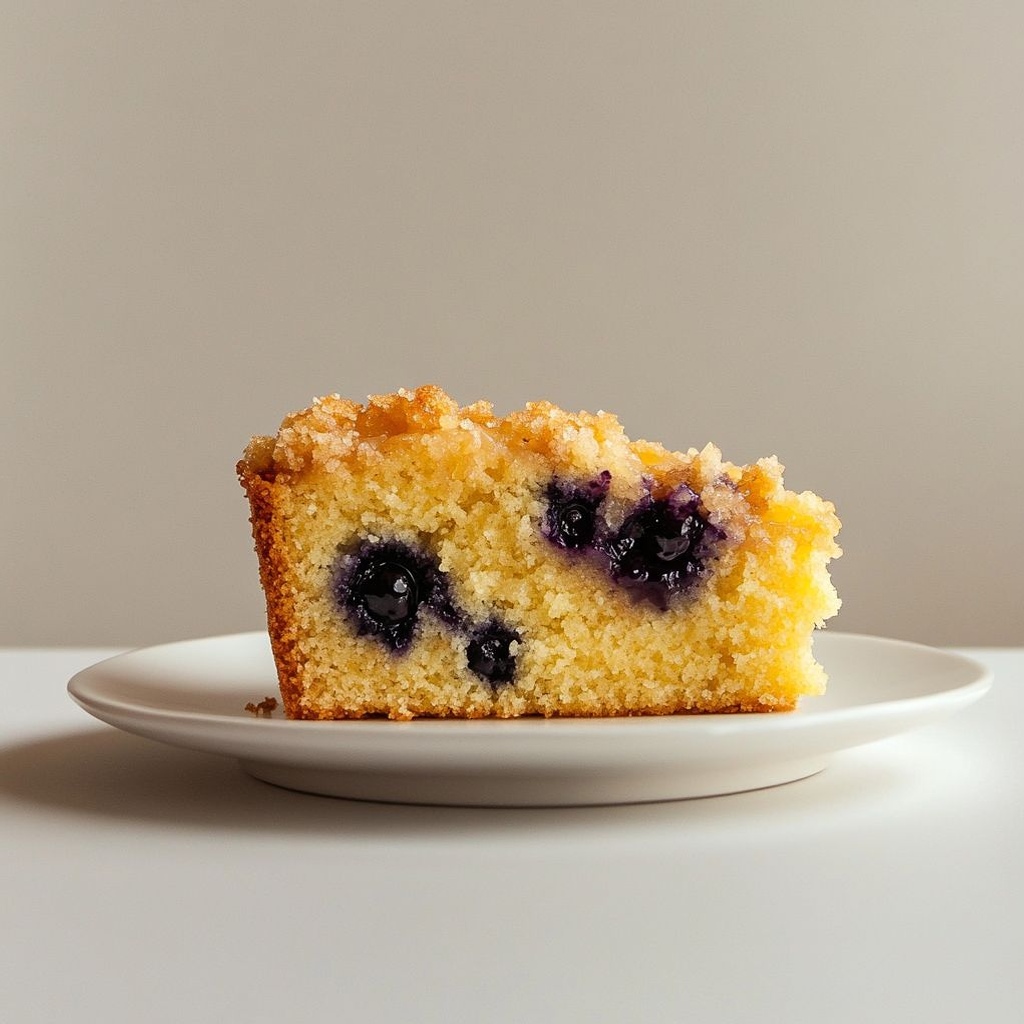
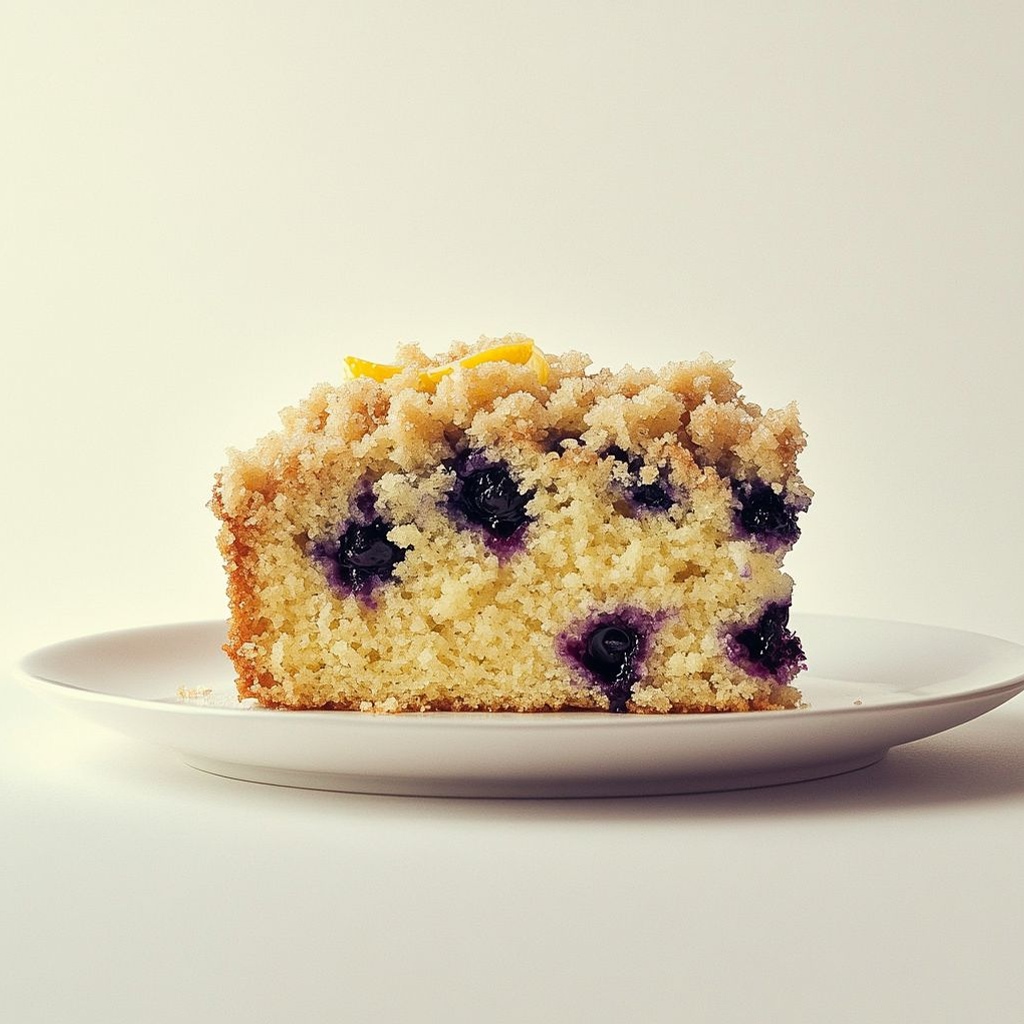
Imagine a warm loaf that smells like sunshine: bright lemon zest dancing with juicy blueberries, all crowned by a craggy, toasty streusel that crackles when you slice through. Lemon Blueberry Streusel is not merely a dessert or a brunch treat; it’s a mood. It’s the kind of cake that makes ordinary mornings feel like a celebration and everyday afternoons feel like a picnic on a windy coast. The scent alone—zesty citrus, warm butter, and a hint of vanilla—tells a story of sunny kitchens and the easy happiness of sharing something homemade with people you love. When you bite in, the lemon tang wakes up the palate, the blueberries burst with sweetness and slight tartness, and the crumb topping provides a satisfying crunch that contrasts with a tender, moist interior. It’s comfort with a bright twist, a dessert and a pastry hybrid that looks as lovely as it tastes, and somehow it feels both indulgent and approachable at the same time.
This Lemon Blueberry Streusel isn’t meant to be finicky. It’s forgiving and homey, built for moments when you want something impressive yet simple enough to throw together on a weekend morning or a Tuesday afternoon. It pairs beautifully with a hot cup of coffee, a dollop of whipped cream, or a cooling spoonful of yogurt. The lemon gives a clean finish that isn’t cloying, while the blueberries lend pockets of juicy sweetness that pop with every bite. And that streusel—oh, that streusel—adds a warm, nutty crunch that makes the whole slice feel like a tiny celebration in pastry form. If you’re thinking about a baked treat that brings sunshine to the table without requiring a long list of hard-to-find ingredients, this is your dish.
The Story Behind the Dish
The name “streusel” itself comes from German baking tradition, where crumbly toppings made with butter, flour, and sugar are sprinkled generously over quick breads, coffee cakes, and fruit pies. It’s a topping that travels well, adding texture and a toasty sweetness that elevates humble ingredients into something memorable. In the American kitchen, streusel adaptations often pair with berries and citrus, turning everyday fruit into a dessert that feels festive without being fussy. The blueberries in this creation nod to the North American love affair with the berry—sweet, juicy, and perfectly able to stand up to a burst of lemon without losing their delicate Candida-like bloom in heat. Pair that with the brightness of lemon, and you have a combination that has long been a staple in family bakeries, church picnics, and weekend brunch menus across the continent.
Personally, this flavor profile has a comforting lineage. Think of early summer mornings when grandmother would greet you with a slice of something lemon-kissed and berry-scented, the kitchen glowing with sunlight and the scent of vanilla and warm butter drifting through the air. The streusel topping, crisp and golden, echoes the comforting crunch of a crusted pastry while staying lighter than a dense cake. It’s the sort of dessert that travels well, making it a favorite for potlucks, holiday gatherings, and casual get-togethers where the goal is to share joy in a slice. The dish embodies a culinary bridge: classic, familiar ingredients transformed with a citrus glow and a crumbly crown that makes every bite an experience rather than a mere bite of cake.
In many kitchens, this kind of bake also carries a practical charm. It’s sturdy enough to slice beautifully, slices neatly for plates or lunchboxes, and remains moist without becoming heavy. The lemon zest acts like a bright conductor, guiding the blueberries and the crumb into a harmonious symphony of texture and taste. The result is a friendly dessert that doesn’t require a formal occasion to shine. It’s a showpiece you can proudly set on the table, and yet it’s casual enough to be enjoyed after a weekday dinner or with a cup of tea on a rainy afternoon.
Why You’ll Love This Recipe
- Bright, uplifting flavors: The lemon provides a clean, lively zing that makes every bite feel fresh and summery, while the blueberries add natural sweetness and a little tartness.
- Contrasting textures: A moist, tender crumb cake is topped with a buttery, crisp streusel that adds a satisfying crunch and a comforting, bakery-style finish.
- Versatility at its core: This bake works beautifully as a breakfast pastry, a dessert, or a brunch centerpiece. It pairs with yogurt, whipped cream, or a simple glaze without losing its character.
- Forgiving and approachable: The batter is forgiving, the bake is forgiving, and you don’t need fancy equipment or hard-to-find ingredients to achieve a stunning result.
- Make-ahead friendly: You can prepare components ahead of time and assemble before baking, saving time when you’re entertaining or feeding a busy family.
- Excellent for gifting: A loaf or a cut slice travels well and can be wrapped neatly for a thoughtful, homemade present.
Flavor Profile & Texture
The star of this bake is the interplay between bright citrus, tender cake, succulent fruit, and a toasty crumb. The lemon introduces aromatic oils from the zest and a gentle acidity that brightens the overall sweetness. The zest acts like a flavor amplifier, lifting the blueberries’ natural aroma and giving the entire cake a citrus lift that lingers on the palate. The lemon juice, if used in your version of this dish, contributes a subtle tang and helps balance the blueberry sweetness, keeping the finish clean rather than cloying.
The blueberries themselves are the little flavor bursts that define the experience. When baked, they release their juices, creating tiny pockets of juicy sweetness that contrast beautifully with the cake’s soft crumb. Depending on the berry’s ripeness, some bites may be slightly tart, while others feel like a little jam pocket tucked into the slice. This variance is part of the delight—each slice offers a slightly different mosaic of fruitiness.
The streusel topping is where texture becomes theater. Typically a combination of flour, sugar, and butter (sometimes a touch of oats or chopped nuts for extra crunch), the topping bakes into a golden, crumbly crust that shatters with a gentle press. The warmth of the butter in the crumble is essential—it’s what gives that characteristic crumble that remains crisp against the soft interior. The balance of sweetness in the streusel, sometimes with a pinch of salt, provides a lingering, toasty note that echoes through each bite.
Together, the components create a dessert that is not purely sweet or purely tart, but a harmonious blend of bright citrus, fruity sweetness, and comforting crumb. It’s a texture journey—soft and moist within, crisp and crumbly on top—paired with a flavor journey of lemon’s brightness, blueberries’ natural sweetness, and a touch of vanilla or almond-like warmth that unites the flavors in a gentle, satisfying way.
Occasions & Pairings
This Lemon Blueberry Streusel shines in many moments. It fits seamlessly into brunch tables as a centerpiece pastry, tucked beside a fruit salad and a pot of coffee. It’s equally happy as a weekend dessert after a simple meal, or as a sweet afternoon treat to accompany a cup of tea. The bright citrus note makes it feel festive enough for celebrations while staying easy enough for casual everyday indulgence. It’s a confident bake that says, without shouting, that you put care into what you prepare—even when you’re cooking for a small group or just yourself.
Pairings to consider include:
- Whipped cream or vanilla bean yogurt for a creamy counterpoint that lightens the richness of the crumb.
- A dollop of lemon glaze or a light dusting of powdered sugar for a glossy finish and a touch more sweetness.
- Fresh berries on the side to echo the blueberry notes and add a fresh burst of fruit.
- Bright beverages like sparkling water with a splash of lemon, a light latte, or a cup of black coffee to balance the lemon’s tang.
- For a more indulgent pairing, serve with a scoop of vanilla ice cream or a spoonful of lemon curd to heighten the citrus experience.
Occasions where this cake would truly shine include spring and summer gatherings, weekend family brunches, Mother’s Day breakfasts, book club evenings, or a comfort dessert after a long workday. It travels well to potlucks because it looks beautiful on a platter, and the aroma alone will attract hungry guests before the first slice is cut. If you’re hosting a brunch, consider doubling the batch and offering a light glaze on the side so guests can customize their slices with a drizzle of citrus sweetness.
Tips, Variations & Substitutions
Here are ideas to tailor this Lemon Blueberry Streusel to your tastes, dietary needs, or whatever’s in your pantry—without sacrificing the charm of the dish.
Gluten-Free
Swap in a gluten-free baking mix or a blend of almond flour and a gluten-free all-purpose flour. If you’re using almond flour, you may want to adjust the other dry ingredients slightly to maintain structure. A gluten-free crumble can still achieve a satisfying crunch with a few extra breadcrumbs-like texture from crushed nuts or seeds.
Dairy-Free
Use a plant-based butter alternative or coconut oil for both the batter and the streusel. Some brands of non-dairy butter have a bit more moisture, so you may want to adjust by adding a touch less liquid if the batter seems too loose. A splash of dairy-free yogurt can also help maintain moisture and tenderness while keeping the crumb flavorful.
Vegan Version
Combine dairy-free butter with plant-based milk, and rely on the natural moisture from blueberries and a careful balance of fats in the streusel to keep the crumb crumbly and flavorful. Ensure your sugar is vegan if you’re strict about ingredients, and consider a vegan-friendly vanilla extract to preserve the dessert’s aroma.
Fruit Variations
Blueberries are the classic pairing, but you can experiment with raspberries, blackberries, or sliced strawberries. If using more tart berries (like blackberries), you might want a touch more sugar in the batter to maintain balance. Mixed berries can create a lively mosaic of colors and flavors in every slice.
Flavor Tweaks
Increase zest for a more pronounced citrus aroma, or swap some of the lemon zest with lime or orange zest for a different citrus character. A pinch of grated ginger or a dash of vanilla bean can add an extra layer of warmth. For a more nutty profile, fold in chopped almonds or pecans into the streusel topping.
Make-Ahead Variations
Prepare the streusel topping and the batter separately the day before. Store the dry components in an airtight container and the wet in the fridge. In the morning, combine, assemble, and bake for a quick, impressive result. If you want to bake muffins instead of a loaf, portion the batter into lined muffin tins and reduce the bake time accordingly. The texture will remain tender with a crispy crown.
Storage & Make-Ahead Ideas
Streusel-based desserts are wonderfully forgiving when it comes to storage. The flavor tends to deepen slightly after sitting for a day, and the crumb remains pleasantly crisp if stored properly. Here are practical tips to keep your Lemon Blueberry Streusel at its best:
- Storage: Once cooled, wrap the bake well and store in the refrigerator for up to four days. The lemon flavor actually brightens with a little time, so a day of chilling can enhance the citrus notes.
- Room temperature: If you plan to serve the next day, you can keep slices at room temperature for a few hours; the crumb will stay tender and the topping crunch will still be enjoyable.
- Freezing: Freeze slices individually, well wrapped, for up to two months. Thaw overnight in the refrigerator and rewarm gently in a low oven or microwave just until warm.
- Make-ahead crumble: If you prefer a super-crisp streusel, bake the topping separately until deeply golden, then crumble it over the batter halfway through baking or sprinkle on top right before serving as a finishing crunch.
- Glaze storage: If you add a lemon glaze, keep it separate and drizzle just before serving to prevent the topping from becoming soggy.
Fun Facts & Trivia
- The term “streusel” comes from the German word for “to sprinkle” or “to streusel,” reflecting the way this topping is scattered over the surface before baking. It’s a simple idea that yields a big texture payoff.
- Blueberries are a quintessential North American fruit, celebrated for their deep color, natural sweetness, and resilience during baking. They hold their shape well when heated, which is why they’re beloved in quick breads and coffee cakes.
- Lemon has long been prized in baking for its ability to cut through richness and balance sweetness. The zest contains essential oils that deliver a strong citrus aroma; the juice can brighten flavors without overwhelming texture.
- In the world of pastries, lemon-blueberry pairings show how citrus can elevate fruit-forward desserts without masking their fruit-forward character. This balance is why many bakeries feature lemon-berry pastries as a staple for spring and summer menus.
Final Thoughts
Whether you’re seeking a comforting weekend bake, a bright brunch centerpiece, or a dessert that travels gracefully to share with friends, Lemon Blueberry Streusel offers a little bit of everything you crave in a single slice. It’s a recipe that invites improvisation—swap in different berries, invert the citrus, or change up the topping—while still feeling inherently cohesive and delicious. The first bite delivers a friendly, familiar sweetness, the lemon notes clean the palate, and the streusel brings a satisfying crunch that lingers. It’s a bake that invites conversation, shared plates, and the simple pleasure of enjoying something that feels like it was made with care. If you’re flipping through your cookbook looking for something that’s elegant enough for a celebration yet accessible enough for a busy weeknight, this lemon-blueberry streusel stands at the ready to become a treasured staple in your baking repertoire.
Ingredients
Lemon Blueberry Streusel
Cake Base
- 2 cups all-purpose flour (240 g)
→ This flour provides the structure and body of the cake. Use all-purpose for a reliable, tender crumb. For gluten-free needs, substitute with a 1:1 gluten-free flour blend and add 1/4 teaspoon xanthan gum per cup of flour to mimic elasticity. Sift with the leavening to ensure even distribution and to prevent lumps. - 1 1/2 tsp baking powder
→ Leavening that helps the batter rise and creates a light, airy crumb. Freshness matters—check expiry, and whisk with the dry ingredients to distribute evenly so the rise is uniform. - 1/2 tsp baking soda
→ Provides additional lift and tenderness, especially when combined with the lemon juice and dairy. It can brighten the crumb, but use as directed; too much will impart a metallic taste. - 1/4 tsp fine salt
→ Enhances flavor by balancing sweetness and accentuating citrus notes. Use fine grain salt for quick and even distribution. - 1/2 cup unsalted butter, softened (115 g)
→ Creaming the butter with sugar traps air, which helps create a tender, moist crumb. Ensure the butter is truly softened to room temperature—not melted—for easy incorporation and even mixing. - 3/4 cup granulated sugar (150 g)
→ Provides sweetness and browning; creaming with the butter helps develop a light, cake-like texture. If you prefer a less sweet batter, reduce slightly. - 2 large eggs, room temperature
→ Bind the batter and contribute to structure and richness. Room-temperature eggs emulsify better with butter-sugar mixtures, yielding a smoother batter with a finer crumb. - 1/2 cup sour cream or plain yogurt, room temperature
→ Adds moisture, tenderness, and a touch of tang that pairs beautifully with lemon. Use full-fat dairy for a richer crumb; if using yogurt, you can strain briefly to remove excess whey for a thicker batter. - 1/4 cup milk, as needed
→ Used to adjust batter consistency if it seems too thick. Start with 1/4 cup and add a tablespoon at a time until the batter drops slowly from a spoon. Whole milk yields a richer crumb; skim milk keeps it lighter. - 2 tsp lemon zest
→ Infuses bright citrus oils into the batter. Zest before juicing the lemons to maximize aroma, and avoid the bitter white pith. Fresh zest delivers the strongest lemon flavor. - 2 tbsp lemon juice
→ Adds brightness and helps balance sweetness. Use freshly squeezed juice for the best flavor. If batter looks overly acidic, compensate with a touch more sugar or flour to maintain structure. - 1 tsp vanilla extract
→ Deepens overall flavor and enhances the citrus notes. Use high-quality vanilla or vanilla bean paste for a more pronounced aroma. - 2 cups fresh blueberries, rinsed and thoroughly dried
→ Blueberries provide bursts of tart sweetness and color throughout the cake. To prevent sinking and color bleed, lightly dust the berries with 1 tablespoon all-purpose flour before folding into the batter. Gently fold to keep berries intact; if using frozen, thaw completely and pat dry before adding. - 1 tablespoon all-purpose flour (for tossing blueberries)
→ Used to dust the blueberries so they stay suspended in the batter and don’t sink. This small step helps distribute the fruit evenly and maintains visible pockets of berry goodness in every slice.
Streusel Topping
- 1/2 cup all-purpose flour
→ Forms the crumb base of the streusel. When combined with sugar and cold butter, it creates a crumbly, sandy texture that crisps up on top during baking. Avoid overmixing; you want small, pea-sized lumps rather than a smooth dough. - 1/3 cup light brown sugar, packed
→ Provides moisture and a caramel note that complements the lemon and berries. Packing the sugar ensures consistent sweetness and crumb formation; you can substitute 1/3 cup dark brown sugar for a deeper flavor. - 4 tablespoons cold unsalted butter, cubed
→ The fat that melts into the flour to form the crumb structure. Keep the butter cold and work quickly to create pea-sized lumps; if it warms, chill the mixture briefly before baking to maintain crumbly texture. - 1/2 teaspoon ground cinnamon (optional)
→ Adds a subtle warmth that pairs nicely with lemon; omit if you want a purer, lemon-forward topping. - Pinch of salt
→ Balances the sweetness and enhances the toasty flavors in the streusel. A small amount goes a long way.
Glaze (optional)
- 1 cup powdered sugar
→ Creates a smooth, glossy glaze that complements the lemon without overpowering the cake. Sift to remove any lumps, then whisk with lemon juice to your desired consistency. - 2-3 tablespoons fresh lemon juice
→ Thins the glaze to the perfect drizzle consistency and enhances lemon brightness. Start with 2 tablespoons and add more as needed; too much liquid will make the glaze runny. - 1/2 teaspoon lemon zest (optional)
→ Adds an extra hit of citrus aroma; zest should be added sparingly if you’re keeping the glaze light and glossy. - Pinch of salt
→ Balances sweetness and sharpens the citrus flavor in the glaze. Whisk well to ensure a smooth, even coating.
Instructions
- Preheat your oven to 350°F (175°C) and grease and line a 9×13-inch baking pan with parchment paper or a nonstick spray.
→ This ensures the cake releases cleanly from the pan and prevents sticking, making slicing neat and easy. - In a medium bowl, whisk together 2 cups all-purpose flour, 1 1/2 teaspoons baking powder, 1/2 teaspoon baking soda, and 1/4 teaspoon fine salt until well combined.
→ Sifting or whisking distributes leavening evenly and prevents lumps, ensuring a uniform rise and a tender crumb. - In a large mixing bowl, cream 1/2 cup unsalted butter (softened) with 3/4 cup granulated sugar on medium-high speed until pale and fluffy, about 3-4 minutes.
→ Proper creaming traps air and helps create a light, cake-like texture; scrape the bowl halfway to ensure even aeration. - Add 2 large eggs, one at a time, beating after each addition until fully incorporated and the mixture looks glossy.
→ Eggs emulsify the fat and sugar for a smooth batter and contribute structure without overworking the gluten. - In a separate bowl, whisk 1/2 cup sour cream or plain yogurt, 1/4 cup milk, 2 teaspoons lemon zest, 2 tablespoons lemon juice, and 1 teaspoon vanilla extract until smooth.
→ The dairy adds moisture and tenderness; lemon zest and juice brighten the batter with fresh citrus aroma and acidity that interacts with leavening for a finer crumb. - With the mixer on low or using a spatula, add the dry ingredients to the wet ingredients in three additions, alternating with the lemon dairy mixture in two additions; begin and end with dry, mixing just until combined after each addition.
→ Alternating dry and wet ingredients prevents overdevelopment of gluten and yields a tender, even crumb. Do not overmix; stop as soon as you see no streaks of flour. - Dust 2 cups fresh blueberries with 1 tablespoon all-purpose flour in a small bowl, tossing gently to coat.
→ The flour helps suspend the berries in the batter and reduces color bleed; keep them dry and do not overcoat to avoid flour lumps. - Gently fold the floured blueberries into the batter with a wide spatula just until evenly distributed; stop as soon as the berries are coated and evenly dispersed.
→ Gentle folding preserves berry integrity and prevents the batter from turning blue while maintaining a moist crumb. - Spread the batter evenly in the prepared pan using an offset spatula, smoothing the top to ensure uniform cake height.
→ An even surface bakes uniformly and makes slicing easier with straight edges. - Prepare the streusel by whisking together 1/2 cup all-purpose flour, 1/3 cup light brown sugar, 4 tablespoons cold unsalted butter cut into small cubes, 1/2 teaspoon ground cinnamon (optional), and a pinch of salt until the mixture resembles coarse crumbs; the butter should remain cold and in small pea-sized pieces.
→ The cold butter shards melt during baking to form a crisp, crumbly topping that contrasts with the soft cake beneath. If butter starts to soften, refrigerate briefly before continuing. - Evenly sprinkle the streusel over the cake batter, breaking up large clumps with your fingers to create a coarse, sandy texture.
→ A uniform layer ensures every bite has the characteristic crunchy topping and caramelized flavor. - Bake in the preheated oven at 350°F (175°C) until the top is golden and a toothpick inserted into the center comes out with a few moist crumbs; rotate the pan halfway through baking if your oven heats unevenly.
→ The toothpick test confirms doneness without overbaking; the cake should be set but still tender inside. - Let the cake cool in the pan for 15-20 minutes, then lift out using the parchment overhang or flip onto a rack to cool completely before glazing.
→ Allowing it to cool stabilizes the structure so the sliced pieces hold their shape and the glaze adheres properly if used. - If desired, prepare the glaze by whisking 1 cup powdered sugar with 2-3 tablespoons fresh lemon juice and 1/2 teaspoon lemon zest and a pinch of salt until smooth; adjust thickness by adding more sugar or juice to achieve a glossy drizzle.
→ A glaze adds brightness and moisture; the sugar must be sifted first to avoid lumps and achieve a silky finish. - Drizzle the lemon glaze over cooled cake in a light, even stream, letting it set slightly before slicing; cut into squares or wedges as preferred.
→ The glaze not only adds citrus aroma but also helps balance the sweetness and invites a glossy finish that makes the cake more appealing.
Notes
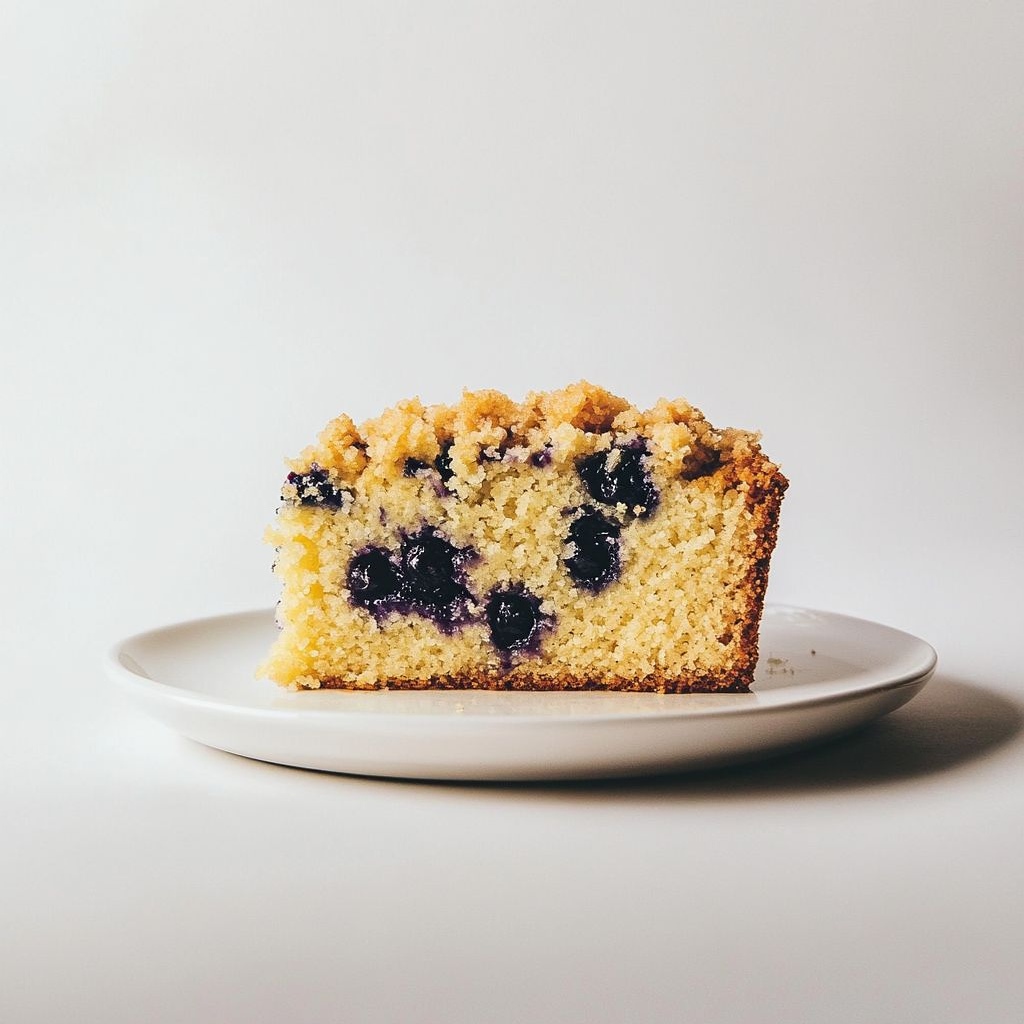
These lemon blueberry streusel cake slices are bright, tender, and studded with juicy berries in every bite. To prevent sinking and color bleed, lightly dust the blueberries with a tablespoon of flour before folding them into the batter and fold gently. For gluten-free needs, use a 1:1 gluten-free flour blend with 1/4 teaspoon xanthan gum per cup of flour and consider gluten-free streusel if desired; sift dry ingredients with the flour and leavening for even distribution. If dairy-free, substitute sour cream or yogurt with a thick dairy-free yogurt and use a plant-based butter, noting a slight change in texture. Keep the streusel cold and mix quickly to form pea-sized crumbs; chilling briefly if the mixture softens helps maintain structure. The cake keeps well: store in an airtight container at room temperature for 2–3 days, refrigerate up to a week, or freeze slices for 2–3 months. For an extra citrus lift, drizzle with a lemon glaze (powdered sugar mixed with lemon juice) or serve with a dollop of whipped cream or yogurt. Always use fresh lemon zest and juice for the brightest flavor and ensure your baking powder is fresh for a light, airy crumb.
Tips
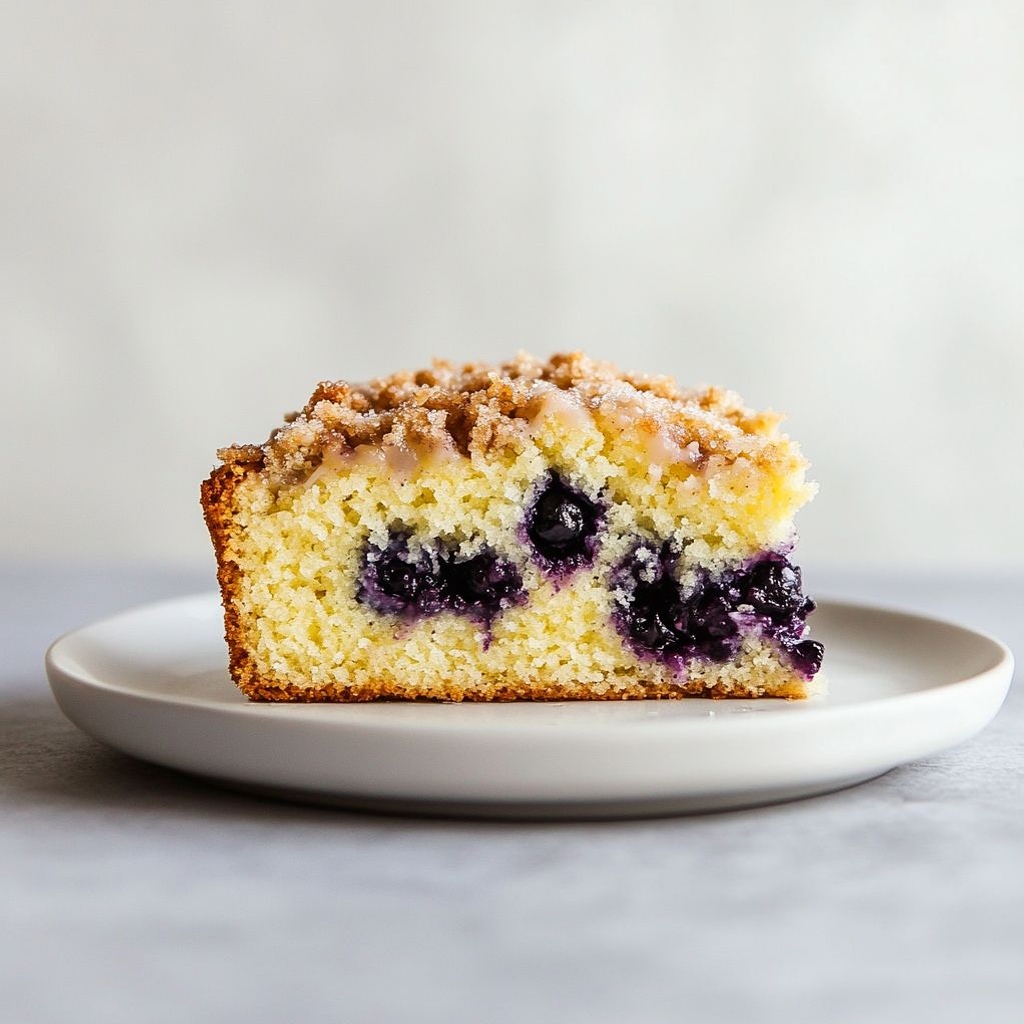
Tips for Perfect Lemon Blueberry Streusel
- Bring all refrigerated ingredients to room temperature before starting: butter, sour cream or yogurt, eggs, and milk. This helps emulsify fats with sugar and ensures a tender, even crumb.
- For the lemon flavor to bloom, zest the lemons before juicing. Fresh zest provides more aroma than bottled zest; avoid the white pith as it tastes bitter.
- Whisk the dry ingredients (flour, baking powder, baking soda, salt) with the leaveners to evenly distribute them and help the batter rise uniformly.
- Cream the butter and granulated sugar until pale and fluffy, about 3–5 minutes on medium speed. This traps air and yields a light, cake-like crumb.
- When adding eggs, add them one at a time and alternate with dry and wet ingredients. Do not overmix after adding the flour to keep the crumb tender.
- Incorporate sour cream or yogurt and milk as directed; if the batter seems thick, add milk a tablespoon at a time until it flows off a spoon with a slow, steady drop.
- Blueberries: pat dry and toss with 1 tablespoon flour (as listed). This helps prevent sinking and color bleed; fold in gently to keep berries intact.
- Make sure the streusel crumbs stay crumbly by keeping the butter cold and cutting it into small pea-sized pieces. If the mixture warms, refrigerate briefly before topping the cake to maintain crumbly texture.
- Optional cinnamon in the streusel adds warmth; omit if you want a purer, lemon-forward top.
- Bake on the center rack and test for doneness with a toothpick; it should come out with a few moist crumbs, not wet batter. The top should be golden brown.
- Glaze tips: sift powdered sugar, then whisk in lemon juice gradually to reach your desired drizzle. A touch of lemon zest in the glaze adds bright aroma if you like.
- Make-ahead and storage: the cake is best the day it’s baked, but it keeps well covered at room temperature for 1–2 days or refrigerated for up to 5 days. You can freeze baked slices for longer storage.
- Gluten-free option: use a 1:1 gluten-free flour blend plus 1/4 teaspoon xanthan gum per cup of flour; whisk with the leaveners to maintain structure.
- Flavor variations: add a splash of vanilla to the batter or a drop of almond extract to the glaze for a different citrus-fruit profile.
FAQ
What is Lemon Blueberry Streusel?
A lemon blueberry streusel is a light, moist cake or coffee-cake-like dessert studded with blueberries and brightened with lemon zest and juice, topped with a buttery, crumbly streusel crumble for a crunchy finish.
What ingredients do I need for the batter?
Common batter ingredients include: flour, granulated sugar, baking powder, salt, lemon zest, lemon juice, eggs, milk or yogurt, and melted butter or oil. Optional vanilla adds depth.
What ingredients go into the streusel topping?
Streusel usually contains flour, brown sugar, oats (optional), and cold butter cut into small pieces. Some recipes add a pinch of cinnamon or a little lemon zest for extra brightness.
Can I use frozen blueberries?
Yes. Use frozen blueberries directly or thaw them slightly and pat dry. Do not thaw completely to avoid extra moisture. Toss lightly with a teaspoon of flour before adding to the batter to help prevent sinking.
Can I make this gluten-free?
Absolutely. Substitute with a gluten-free all-purpose flour blend (1:1). You may want to increase a touch of milk or yogurt if the batter seems too thick. Ensure the streusel also uses a gluten-free flour blend.
Is there a dairy-free option?
Yes. Replace butter with a dairy-free butter substitute or coconut oil, and use dairy-free milk (such as almond, soy, or oat milk). If using oil, you may need to adjust the moisture slightly.
How do I mix the batter and streusel without overworking them?
For the batter, mix the dry ingredients separately, then whisk in the wet ingredients just until combined. Fold in the blueberries gently. For the streusel, cut cold butter into the flour and sugar until a crumbly texture forms. Sprinkle evenly over the batter before baking.
What oven temperature and bake time should I use?
Preheat to 350°F (175°C). Bake for about 40–50 minutes, or until a toothpick inserted into the center comes out with a few moist crumbs. If baking as muffins, bake for 18–22 minutes, or until a toothpick comes out clean.
How should I store leftovers?
Let the cake cool completely, then store in an airtight container at room temperature for up to 2 days, or refrigerate for up to 5 days. For longer storage, cover and freeze for up to 2–3 months; thaw at room temperature and rewarm gently.
How can I prevent the blueberries from sinking?
Taw blueberries with a little flour (about 1 tablespoon) before adding to the batter, and fold them in gently at the end. Do not overmix the batter, which can also cause sinking.