Introduction / Hook
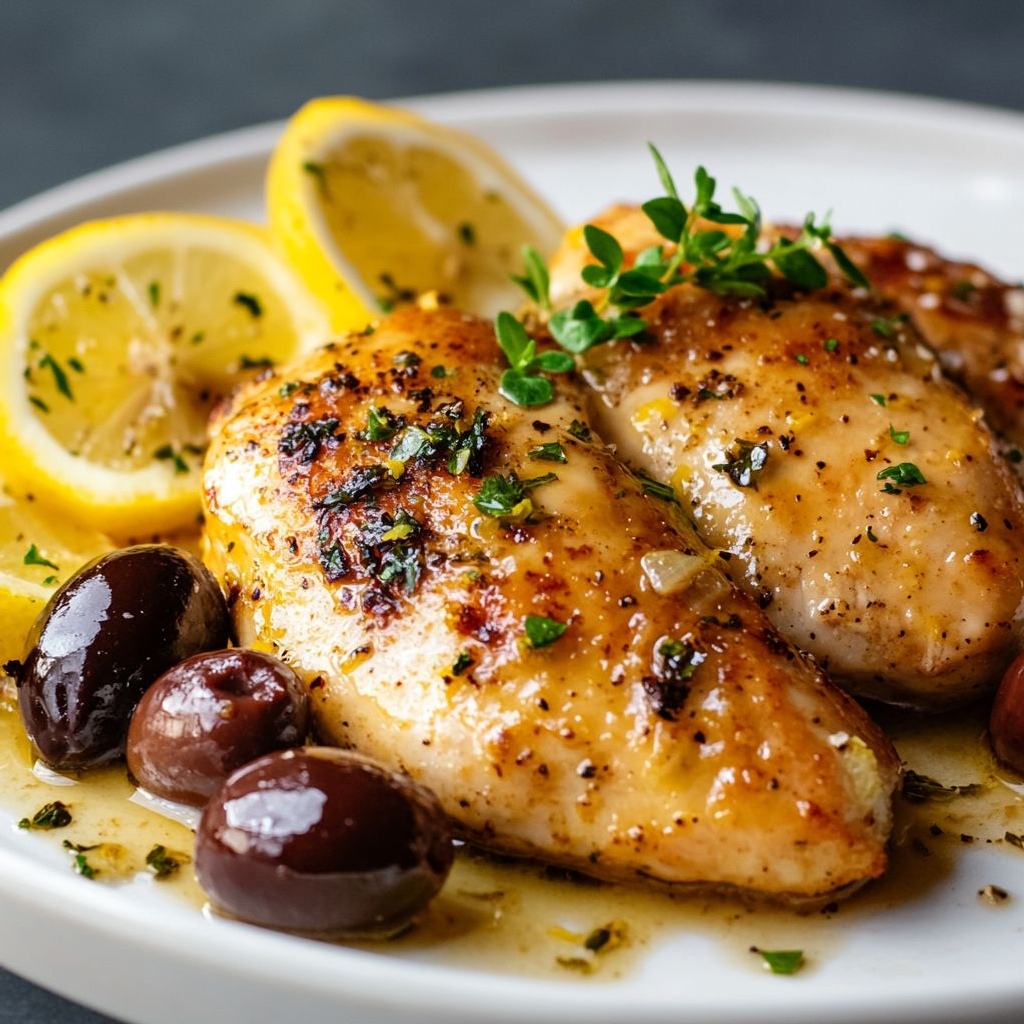
Imagine a kitchen that smells like sunlit citrus and a gentle breeze off the Aegean Sea. A pan on the stove releases a perfume of bright lemon, aromatic garlic, and peppery oregano, all kissed by a generous drizzle of olive oil. The chicken, taking on a rich, honey-gold color, glistens with juices that promise a bite of something both comforting and lively. This is Greek Lemon Chicken in its most inviting form: a dish that feels like a hug from the Mediterranean, a reminder of family tables on sun-soaked Sundays, and a reminder that simple ingredients can sing when treated with care. It’s not just dinner; it’s a travelogue in the kitchen, a quick escape to seaside tavernas where the air carries whispers of sea salt, oregano, and thyme. In a single pan, the recipe captures the heart of Greek home cooking: bright, honest, and deeply satisfying.
The Story Behind the Dish
Greek Lemon Chicken, sometimes affectionately referred to by home cooks as Kotopoulo Lemonato, sits comfortably at the crossroads of history, geography, and family tradition. Greece’s culinary identity is built on a trio of core elements: quality olive oil, vibrant citrus, and herbs that thrive in the sun–drenched landscapes of the mainland and its island shores. This dish embodies that triad, marrying the tang of lemon with the warmth of oregano and garlic, all coaxed to tenderness by olive oil and slow, attentive cooking. The result is a meal that recalls Sunday lunches in coastal villages, where neighbors gather to share a pan of roasted chicken, potato wedges, and bowls of olives, tzatziki, and crusty bread.
The origins of lemon-touched chicken in Greek kitchens are as humble as they are enduring. Lemons arrived along trade routes and with traveler’s stories, eventually becoming a staple that balanced the generous richness of olive oil and the heartiness of meat. Oregano, that pungent evergreen herb, is practically a culinary ambassador for Greece. It grows wild in sun-drenched fields and is tailed by the scent of thyme and bay, lending a rustic brightness to dishes that might otherwise lean heavy. In Greek households, a lemony roast chicken is not just a weekday meal; it’s a centerpiece that signals warmth, hospitality, and the joy of feeding people you love. The kitchen becomes a theater where the lemon’s acidity plays off the sweetness of caramelized garlic and the savory comfort of perfectly seared chicken. The dish is both simple and profound, a reminder that Greek cuisine often revels in few but extraordinary ingredients, treated with technique that honors their natural glory.
Why You’ll Love This Recipe
- Bright, approachable flavor: Lemon, garlic, and oregano deliver a clean, vibrant profile that feels both refined and approachable.
- One-pan comfort: The chicken, the aromatics, and any accompanying vegetables meld together in a single pan, reducing cleanup and maximizing flavor.
- Versatile and forgiving: Works with different cuts of chicken, and it adapts easily to pan-searing, roasting, or even skillet-braising techniques.
- Family-friendly and crowd-pleasing: The familiar Greek flavor profile is comforting without being spicy, making it ideal for weeknights or larger gatherings.
- Pantry-friendly and budget-conscious: The core ingredients are simple pantry staples—lemon, garlic, oregano, olive oil—yet the result feels indulgent.
- Make-ahead potential: The bright citrus and herb notes benefit from a little time to meld, making it suitable for meal-prep or a pull-taster on busy days.
- Pairing versatility: Serves beautifully with roasted potatoes, rice, or a crisp salad; it also shines over a bed of orzo or with a side of yogurt-dill sauce.
Flavor Profile & Texture
The dish is an alchemy of contrasts working in harmony. The lemon introduces an acid brightness that cuts through the meat’s natural richness, leaving a clean, refreshing finish on the palate. Garlic contributes a mellow warmth, its sweetness blooming as it caramelizes against the pan or roasting surface. Oregano brings a Mediterranean, almost sun-warmed pine-like fragrance, earthy and slightly peppery, with a lingering herbal afterglow that makes the dish feel distinctly Greek. Olive oil acts as the velvet rope that ties everything together, enriching each bite with luscious fat and a silky mouthfeel, while also aiding in browning and a savory crust that delivers a satisfying crackle when you bite into the skin or crust.
Texture-wise, you can expect a range: crisp edges from well-seared skin or roasted surfaces, tender, juicy meat from properly rested chicken, and soft, honey-colored potatoes or vegetables (if you include them) that have absorbed the lemony, garlicky bath. When plated, the dish offers a tapestry of textures—nigglingly crisp components giving way to luscious, succulent bites, with the herbaceous aroma lingering in the air as you bring the fork to your mouth. The lemon’s brightness lingers without souring the palate, and the oregano leaves a fragrant memory that invites the next bite, the next mouthful becoming a small, celebratory ritual. It is comfort made bright, a reminder that everyday cooking can carry the soul of a sun-drenched Greek coastline into your home kitchen.
Occasions & Pairings
This dish is remarkably versatile, able to anchor weeknight dinners as easily as it can anchor a weekend feast. Here are a few ideal contexts and pairing ideas to elevate the experience:
- Weeknight dinners: A fast, satisfying centerpiece that comes together with minimal fuss and is forgiving for busy days.
- Sunday family meals: Serve with a side of roasted potatoes, a crisp Greek salad, and a dollop of yogurt or tzatziki for dipping.
- Holiday gatherings: Elevate with a few extra lemon wedges, a scattering of olives, and a wine pairing that complements citrus and herbs.
- Summer suppers: Pair with grilled vegetables, a light cucumber salad, and a glass of white wine with bright citrus notes.
Pairings to consider:
- Side dishes: Roasted potatoes (classic), lemony rice or orzo, grilled or roasted vegetables, or a simple saffron-tlecked couscous for texture variation.
- Salads: A crisp Greek salad with cucumbers, red onion, tomatoes, olives, and feta; or a refreshing herb yogurt salad to balance the citrus.
- Sauces & accoutrements: Tzatziki or a light lemon-dill yogurt can echo the lemony notes; a drizzle of extra virgin olive oil enriches the presentation.
- Wines & drinks: A dry white like Assyrtiko, Sauvignon Blanc, or a light Chardonnay; for a red option, a softly fruity Pinot Noir can work well if the dish leans heartier with potatoes.
Tips, Variations & Substitutions
- Protein options: If you prefer a different cut, boneless, skin-on chicken thighs stay wonderfully juicy and yield crispier skin. You can also use bone-in thighs for deeper flavor. For a non-chicken adaptation, consider firm tofu or chickpeas as a vegetarian alternative, adjusting cooking time accordingly to retain tenderness and savoring the lemon-herb profile.
- Herb and citrus variations: Dried oregano can substitute fresh if needed, though fresh herbs provide a brighter, more aromatic result. A hint of thyme or dill can alter the aroma in a pleasing way, depending on what you have on hand.
- Seasoning balance: Use sea salt to enhance the citrus and olive oil; a pinch of black pepper adds warmth; a small amount of lemon zest intensifies fragrance and depth.
- Hands-off options: If you’re pressed for time, you can sear the chicken to develop color and then finish in the oven with lemon slices and garlic for a gentle, even cook. This keeps the dish approachable while preserving its signature brightness.
- One-pan versatility: When vegetables are included, choose potatoes, onions, and peppers that will roast well together; their natural sugars caramelize, adding sweetness that balances the acidity of lemon.
- Low-carb or gluten-free: This dish is naturally compatible with gluten-free diets if you avoid any breadcrumb coatings or gluten-containing add-ins; pair it with a simple green salad or cauliflower mash for a satisfying meal.
- Make-ahead flavor boost: The flavors deepen after resting for a few hours or overnight in the fridge, which makes this a wonderful option for meal-prep or a make-ahead dinner party.
Storage & Make-Ahead Ideas
Storage and make-ahead options help you plan your week with ease. Proper handling ensures the dish remains flavorful and safe to enjoy over several days.
- Storage: Refrigerate leftovers in an airtight container for up to 3–4 days. Reheat gently on the stovetop or in a moderate oven to preserve moisture and texture.
- Freezing: Cooked chicken can be frozen for longer storage, although the texture of the lemony glaze may intensify upon thawing. For best results, freeze without any fresh herbs that lose brightness after freezing, and reintroduce fresh lemon zest and herbs when reheating.
- Make-ahead: The dish benefits from a little rest time after cooking, allowing the lemon, garlic, and oregano flavors to mingle. If you intend to serve later, consider finishing the chicken in the oven or pan and then adding a final warm splash of lemon juice to brighten the dish before serving.
- Leftover transformations: Shred the chicken and fold into a warm, light pilaf, or toss with vegetables and greens for a quick Mediterranean-inspired bowl. The lemony notes translate well into sauces and wraps for the following day’s lunches.
Fun Facts & Trivia (Optional)
Nothing anchors a recipe like a few delightful tidbits. Here are some morsels of Greek culinary lore to savor alongside your lemony chicken experience:
- Oregano, the “joy of the mountains,” is a staple herb in Greek gardens and markets. Its scent is so closely tied to Greek cooking that the herb is almost a cultural emblem, offering a peppery, slightly bitter note that pairs beautifully with lemon and garlic.
- Lemons have long been a brightening force in Greek cuisine, often used to balance the richness of olive oil in both meat dishes and seafood preparations. The acidity helps to cut through fat while lifting the overall aroma of the dish.
- Avgolemono, a traditional Greek lemon-egg sauce, demonstrates how lemon can transform savory soups and sauces into silky, zesty ensembles. While this dish doesn’t use the sauce, the lemon-forward philosophy is evident in its flavor structure.
- Olive oil, the “liquid gold” of Greece, is not just a fat but a flavor-maker. The quality of olive oil used can noticeably alter the depth and aroma of the dish, making it a centerpiece in many Greek home preparations.
- Herb-and-creathe cooking: Greek kitchens often rely on the piney, resinous notes of oregano, thyme, and bay leaves to carry dishes forward without overwhelming the base ingredients. This is a testament to how balance and restraint can yield powerful flavor without complexity.
Ingredients
Greek Lemon Chicken Recipe
Chicken & Marinade
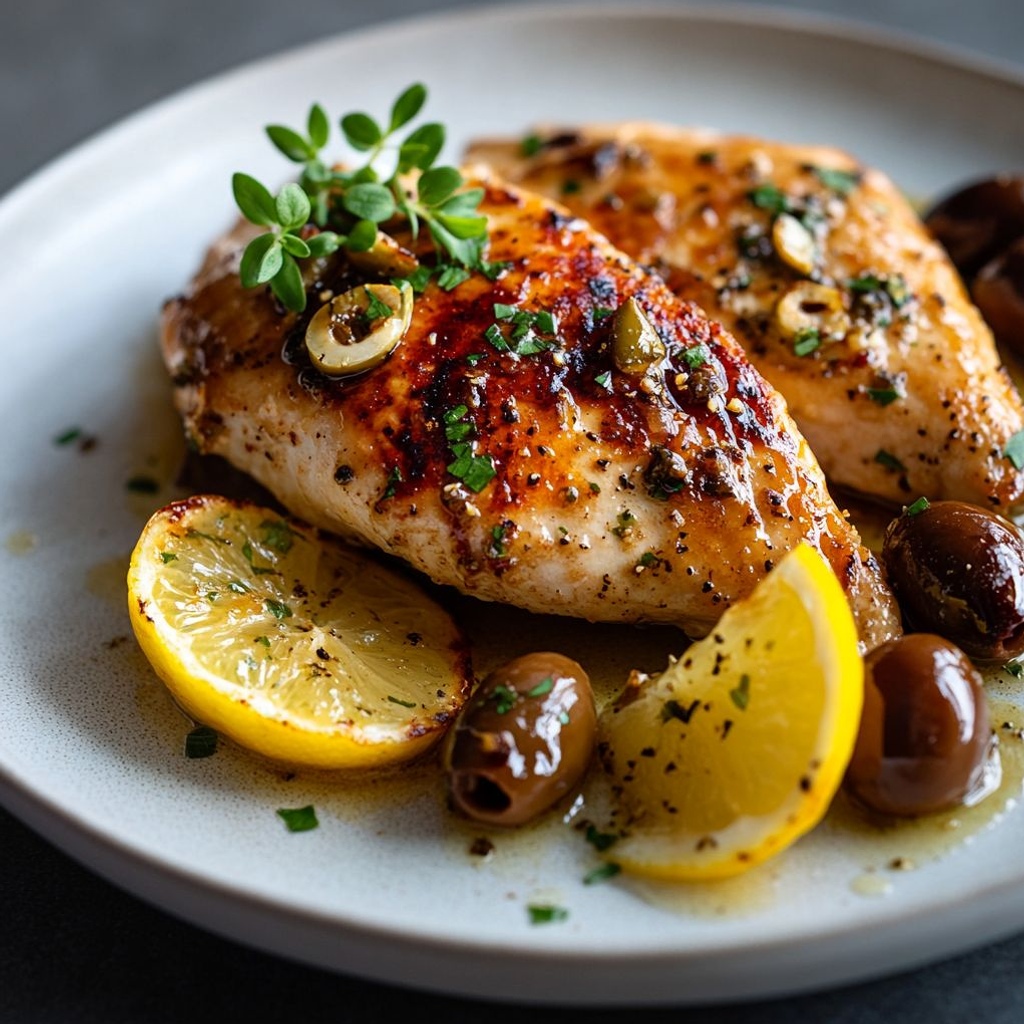
- 4 bone-in, skin-on chicken thighs (about 2 pounds / 900 g)
→ For best flavor and juiciness, bone-in thighs with skin provide richer taste and stay moist during roasting; the skin crisps and adds texture. If you prefer boneless, reduce cooking time and monitor moisture carefully. - 1/4 cup fresh lemon juice (from about 1–2 lemons)
→ Lemon juice provides acidity to balance the oil and salt, helps tenderize the chicken, and brightens the overall dish. Strain seeds if any and measure after squeezing. - Fresh lemon zest (from 1 lemon)
→ Adds fragrant citrus oils that perfume the dish; zest before juicing to capture the essential oils; use a fine grater and avoid the white pith for a cleaner lemon aroma. - 4 garlic cloves, minced
→ Garlic provides savory depth and aroma; mince finely to distribute evenly; crush to release more flavor and ensure even integration into the marinade. - 3 tablespoons extra-virgin olive oil
→ The oil carries the marinade flavors onto the chicken and helps keep the meat moist during roasting; use good-quality EVOO; avoid using oil that has cooled too much and clumping. - 1 teaspoon dried oregano (Greek oregano preferred)
→ Classic Greek flavor; dried oregano adds warmth and herbal notes; if you have fresh, use 1–2 tablespoons chopped instead of dried; mix into the marinade evenly. - 1/2 teaspoon dried thyme (optional)
→ Adds earthy herbaceous notes that complement lemon and oregano; if using fresh thyme, substitute with 1 teaspoon chopped; omit if you prefer a purer oregano-forward profile. - 1 teaspoon kosher salt
→ Essential for seasoning and to help draw out moisture from the chicken during marination; adjust to taste and consider salt in the broth if you are using salted stock. - Freshly ground black pepper, to taste
→ Adds warmth and a subtle bite; grind just before cooking for the best aroma and distribute evenly in the marinade.
Sauce & Cooking Liquids
- 1 cup low-sodium chicken broth
→ Forms the base of the pan sauce and keeps the chicken moist as it roasts; using low-sodium broth helps control salt and lets the lemon and herbs shine. You can reduce to concentrate flavors during roasting. - 1/4 cup dry white wine (optional)
→ Adds acidity and depth to the pan sauce; if you prefer not to use alcohol, substitute with an equal amount of extra broth or water; allow wine to reduce for a velvety finish. - 1 tablespoon cornstarch
→ Thickens the lemon pan sauce to a glossy finish; make a slurry with 2 tablespoons cold water before adding; whisk vigorously to prevent lumps as it cooks. - 2 tablespoons cold water
→ Part of the cornstarch slurry to create a smooth, lump-free sauce; ensure water is very cold for the best emulsification. - 2 tablespoons fresh lemon juice (additional to marinade)
→ Brightens the sauce and adds a clean citrus note; adjust to taste at the end of cooking, balancing with salt and broth.
Add-ins & Garnish
- 1/2 cup pitted Kalamata olives (optional)
→ Introduce a briny contrast typical of Greek flavors; add them about halfway through cooking to prevent them from becoming mushy; rinse to remove excess brine and pat dry before adding. - 1/2 cup crumbled feta cheese (optional)
→ Adds tangy creaminess; sprinkle on top just before serving or gently warm to melt a little while maintaining crumbly texture; avoid overmelting if you want distinct chunks. - Fresh parsley, chopped (about 2 tablespoons)
→ Fresh green notes brighten the dish and add color; chop leaves finely and sprinkle over before serving; stems can be saved for stock. - Lemon wedges for serving (optional)
→ Extra citrus brightness at the table; guests can squeeze onto chicken for a personalized zing.
Roasted Potatoes (optional side)
- 1 1/2 pounds baby potatoes, halved
→ Classic Greek accompaniment; halved potatoes roast evenly with the chicken, soaking up lemon, oregano and olive oil flavors; cut sides down promote caramelization. - 1 tablespoon olive oil
→ Helps potatoes crisp and brown; toss with salt, pepper, and oregano for an even roast; drizzle and toss to coat evenly. - Salt and pepper to taste
→ Season potatoes evenly; they will absorb some salt from the chicken and broth, so adjust at the end of roasting. - 1 teaspoon dried oregano (optional)
→ Echoes the chicken’s Greek flavors; if you have fresh oregano, use 1 tablespoon chopped for stronger aroma.
Instructions
- Preheat your oven to 425°F (220°C) and line a large rimmed baking sheet with parchment paper or lightly grease it with oil to prevent sticking and promote even browning.
→ High heat helps render the skin and achieve a crisp exterior; parchment ensures easy cleanup and prevents the chicken from sticking to the pan. - Pat the chicken thighs dry with paper towels and season lightly on all sides with 1/2 teaspoon kosher salt and freshly ground black pepper to create a flavorful surface and promote browning.
→ Moisture on the surface can steam the meat rather than brown it; drying before seasoning allows the heat to contact the skin directly for a crisp finish. - In a large bowl, whisk together 1/4 cup fresh lemon juice (strained to remove seeds), lemon zest from 1 lemon, 4 garlic cloves (minced), 3 tablespoons extra-virgin olive oil, 1 teaspoon dried oregano (Greek oregano preferred), 1/2 teaspoon dried thyme (optional), 1 teaspoon kosher salt, and freshly ground black pepper.
→ This creates a balanced, emulsified marinade that penetrates the meat and perfumes the chicken; strain seeds from the lemon juice before adding to ensure a smooth mixture and accurate acidity. - Gently loosen the skin of each thigh with your fingers and rub the marinade under the skin as well as over the exterior to maximize flavor distribution and create a barrier that keeps moisture in during roasting.
→ Placing marinade under the skin seasons the meat more evenly and helps render the fat to baste the flesh from within as it cooks; use clean hands or a blunt utensil to prevent tearing. - Place the seasoned chicken in the bowl or a resealable bag with the remaining marinade, turning to coat all surfaces evenly, then cover and refrigerate for 30 minutes to 2 hours (or up to overnight). If time is short, you can marinate at room temperature for about 20-30 minutes, but do not exceed 2 hours at room temperature.
→ Marinating allows the acids and oil to permeate the meat, which tenderizes slightly and infuses deeper flavor; keeping it refrigerated slows bacterial growth for safety. - If you are including Roasted Potatoes, pre-toss 1½ pounds baby potatoes (halved) with 1 tablespoon olive oil, salt, pepper, and 1 teaspoon dried oregano, and spread them on a separate parchment-lined sheet or around the chicken on the same sheet.
→ Potatoes roast in the same oven and soak up the lemony, herby flavors; halved potatoes caramelize better with cut sides down, which encourages browning. - Transfer the marinated chicken to the prepared baking sheet in a single layer, skin side up, leaving space between pieces; if using potatoes, nestle the potatoes around the chicken so they roast evenly and absorb the pan flavors.
→ Even spacing ensures uniform heat exposure and prevents steaming, which helps the skin crisp and the meat cook evenly. - Roast uncovered in the preheated oven for 28–35 minutes until the thickest part of the chicken reaches 165°F (74°C) on an instant-read thermometer and the skin is deeply golden and crisp; if the skin isn’t browning after 25 minutes, broil for 1–2 minutes, watching carefully to prevent burning.
→ Proper internal temperature ensures safety and juiciness, while a hot oven and exposed skin maximize browning and texture. - While the chicken roasts, prepare the pan sauce by combining 1 cup low-sodium chicken broth and 1/4 cup dry white wine in a small saucepan; bring to a simmer and reduce by half to concentrate the flavors.
→ Deglazing the roasting pan later with this reduction enriches the sauce with fond and minerals drawn from the chicken and herbs. - In a separate small bowl, whisk 1 tablespoon cornstarch with 2 tablespoons cold water to make a smooth slurry; set aside for thinning and thickening the sauce as needed.
→ Cold slurry spreads easily and prevents lumps when added to hot liquid, yielding a glossy, cohesive sauce. - Gradually whisk the reduced broth and wine back to the pan, then whisk in the cornstarch slurry in small additions until the sauce clings to the back of a spoon; simmer for 1–2 minutes until the sauce thickens to a coating consistency.
→ The starch activates heat to achieve a velvety texture; avoid over-thickening by adding slurry gradually and tasting for balance. - Stir in 2 tablespoons fresh lemon juice to brighten the sauce, then season with salt and freshly ground black pepper to taste; keep warm over very low heat while the chicken finishes resting.
→ Lemon juice in the sauce adds a bright, clean citrus note that cuts richness and ties the dish together with the marinade. - When the chicken comes out of the oven, tent loosely with foil and rest for 5–10 minutes to allow the juices to redistribute and the skin to set; this yields more tender chicken and prevents rapid juice runoff when carving.
→ Resting relaxes muscle fibers and reabsorbs moisture, improving juiciness and flavor distribution. - If using Kalamata olives, scatter ½ cup pitted olives around the chicken about halfway through roasting (approximately 15 minutes before the end) so they heat through without becoming mushy; pat dry to avoid extra brine.
→ Olives provide a briny contrast characteristic of Greek flavor profiles, and late addition preserves their texture and flavor. - Just before serving, crumble ½ cup feta cheese over the chicken or sprinkle it on individual plates so it remains slightly crumbly rather than fully melted; garnish with chopped fresh parsley (about 2 tablespoons) and lemon wedges on the side.
→ Feta adds tangy creaminess without overpowering the lemon and oregano; parsley adds color and a fresh finish that brightens the plate. - If you prepared Roasted Potatoes, transfer them to a serving dish, spoon over a portion of the pan sauce, and finish with a light sprinkle of chopped parsley; adjust seasoning with salt if needed.
→ The potatoes absorb extra sauce and citrus essence, creating a cohesive, lemony Greek-inspired plate.
Notes
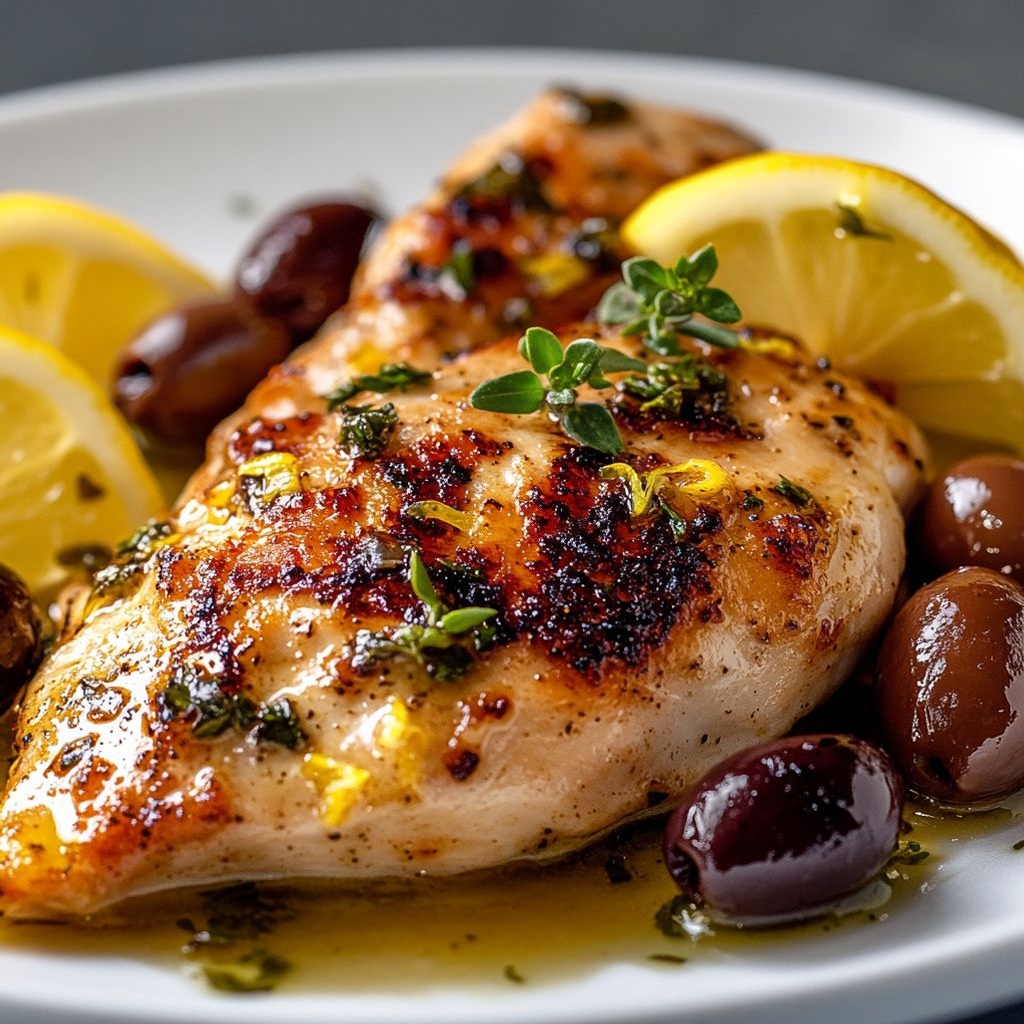
These Greek Lemon Chicken thighs are juicy and bright, marinated with lemon, garlic, oregano, thyme, and olive oil to form a fragrant base for roasting. Bone-in, skin-on thighs stay moist and develop a crisp, flavorful skin, making them a reliable choice for a weeknight or special occasion dinner. For best results, marinate for at least 2 hours (or up to 12 hours in the refrigerator). If time is tight, a 30-minute quick marinate still yields great aroma and flavor.
Prep tips: pat the chicken dry before marinating to promote crisp skin, and mix the marinade ingredients thoroughly so every piece gets seasoned. If possible, rub some marinade under the skin for deeper garlic-lemon notes. Reserve a small portion of marinade (without raw chicken contact) to brush on during roasting for extra flavor. Strain the lemon juice and zest to remove seeds and prevent bitterness, then add to the marinade or sauce as directed.
Roasting and pan sauce: roast in a hot oven (around 425°F / 220°C, or 400°F if using a gentler heat) until the thickest part of the meat reaches 165°F (74°C) and the skin is golden and crisp. Use low-sodium chicken broth as the roasting liquid to control salt and let the lemon and herbs shine; if you like more depth, add the optional white wine and let it reduce. To finish a glossy pan sauce, whisk a cornstarch slurry (1 tablespoon cornstarch whisked with 2 tablespoons cold water) into the simmering sauce and cook until slightly thickened. Brighten the sauce with 2 tablespoons additional lemon juice, then taste and adjust salt and acidity as needed.
Add-ins and garnishes: if using olives, add 1/2 cup pitted Kalamata olives halfway through cooking to preserve their texture and briny character. Sprinkle 1/2 cup crumbled feta on top just before serving or warm briefly to soften without losing its crumbly texture. Finish with fresh parsley (about 2 tablespoons) and lemon wedges for a vibrant, color-rich presentation. If you prefer a dairy-free option, omit feta and olives or substitute with artichoke hearts for a different tangy note.
Optional side and adjustments: classic Greek roasted potatoes pair beautifully with this dish. Halved baby potatoes tossed with 1 tablespoon olive oil, salt, pepper, and optional oregano roast alongside the chicken to soak up the lemony pan flavors. The pan drippings can also serve as a quick, bright sauce base—reduce with broth and lemon until glossy. For gluten-free considerations, ensure the broth is labeled gluten-free and that any wine used is gluten-free. Leftovers refrigerate well for 3–4 days and can be reheated in the oven or a skillet; you can also freeze portions for later meals, though texture may soften slightly after freezing.
Tips
Tips for Perfect Greek Lemon Chicken
Marinade and flavor development
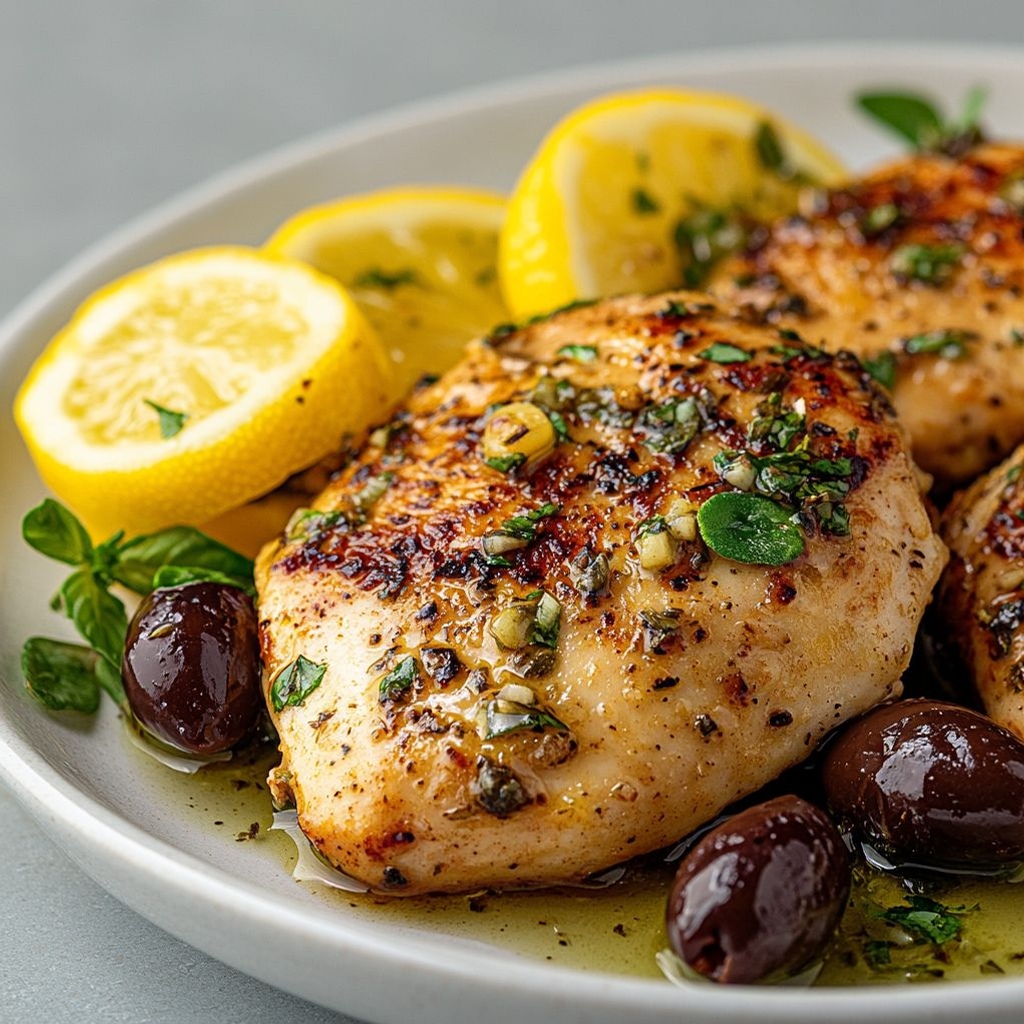
- For maximum flavor, gently loosen the skin of the chicken thighs and dollop the marinade underneath the skin as well as on the surface. This helps aromatics penetrate the meat and keeps the meat juicy during roasting.
- Use fresh lemon zest and juice. Zest before juicing to capture essential oils, and strain the juice to avoid seeds in the marinade.
- Marinate thighs for 2–6 hours in the refrigerator for depth. Overnight is fine, but avoid overly long marinades if using delicate cuts or if you’re using highly acidic components.
- Pat the chicken very dry before roasting. Excess surface moisture prevents skin from crisping and can steam the meat instead of browning.
- Season evenly by mixing salt and pepper into the marinade and rubbing it under the skin. Remember the broth used later will contribute salt, so taste before roasting.
Roasting and texture
- Preheat your oven to a hot range (about 425°F / 220°C) to render fat from the skin and develop a crisp exterior. If your oven runs cool, start at 400°F (200°C) and watch closely for browning.
- Roast the thighs skin-side up so the fat renders and the skin browns evenly. If your pan starts to smoke, reduce heat slightly and continue roasting.
- Use a meat thermometer to check doneness: 165°F (74°C) in the thickest part of the thigh. If using bone-in thighs, the bone can stay a bit warmer; aim for safe internal temp without overcooking the meat.
- Halfway through roasting, spoon a little of the pan juices over the chicken to keep it moist and flavorful. This also helps season the meat evenly.
Pan sauce and balance
- Combine broth, wine (if using), and lemon juice in the pan after the chicken roasts for a bright, acidic pan sauce. If you prefer not to use wine, substitute with extra broth or water and allow a gentle simmer to concentrate flavors.
- Whisk in the cornstarch slurry (2 tablespoons cold water + 1 tablespoon cornstarch) gradually to achieve a glossy, clingy sauce. Keep the sauce simmering until thickened, whisking to prevent lumps.
- Finish the sauce with a final squeeze of lemon juice and a pinch of salt to taste. If the sauce tastes flat, a small pinch of sugar or a splash more broth can balance sharp acidity.
- Retain some of the browned fond from the pan—it’s full of flavor. If necessary, scrape and deglaze a bit more to lift the fond before thickening the sauce.
Add-ins and serving
- Kalamata olives add a briny contrast. Add them about halfway through cooking to prevent them from becoming mushy, and rinse to remove excess brine before adding.
- Feta adds tangy creaminess. Sprinkle crumbled feta on top just before serving or briefly warm to soften slightly while keeping some texture.
- Fresh parsley brightens the dish. Chop finely and scatter over the finished chicken for color and freshness.
- Lemon wedges at the table let guests brighten the dish to their taste.
Roasted potatoes (optional side)
- Roast potatoes cut side down for maximum caramelization and flavor absorption from the lemon, oregano, and olive oil.
- Toss potatoes with 1 tablespoon olive oil, salt, pepper, and oregano (fresh if possible) for even browning and a Greek flavor profile.
- For crisper skins, give potatoes a head start: parboil or pre-roast for 5–7 minutes before combining with the chicken, then finish together in the same pan to mingle flavors.
- Adjust salt at the end, considering the salt in the broth and any feta that may be added later.
FAQ
Greek Lemon Chicken Recipe – FAQs
What is Greek Lemon Chicken?
Greek Lemon Chicken is a bright, tangy dish featuring chicken cooked with lemon juice and zest, garlic, oregano, and olive oil. It’s often roasted with potatoes and onions for a flavorful, Greek-inspired meal, finished with fresh parsley.
What ingredients do I need for Greek Lemon Chicken?
- Chicken thighs or breasts (bone-in or boneless, skin-on recommended for extra flavor)
- Fresh lemons (juice and zest)
- Olive oil
- Garlic, minced
- Dried oregano (or 1-2 tbsp fresh)
- Salt and black pepper
- Optional: potatoes and onion wedges
- Optional: olives, white wine or chicken broth, parsley for garnish
Can I use chicken breasts or thighs?
Both work. Thighs stay juicier and more forgiving in the oven; breasts cook faster and can dry out if overcooked. If using breasts, consider bone-in, skin-on for more flavor, and monitor cooking time closely.
How do I marinate the chicken?
Whisk together lemon juice, lemon zest, minced garlic, oregano, olive oil, salt, and pepper. Toss the chicken in the marinade, cover, and refrigerate for 30 minutes to up to 24 hours for deeper flavor.
Can I bake it in the oven, and at what temperature?
Yes. Preheat to 425°F (220°C). Arrange the marinated chicken (and optional potatoes/onions) on a baking sheet or in a shallow pan. Pour the marinade over and roast until cooked through and lightly browned, about 25–40 minutes depending on thickness and whether you use bone-in pieces.
How long does it take to cook in the oven?
Bone-in pieces typically take 35–40 minutes; boneless breasts can finish in about 25–30 minutes. Start checking doneness around 25 minutes if using breasts, and let juices run clear with an internal temperature near 165°F (74°C).
How do I know when the chicken is done?
Check that the thickest part reaches 165°F (74°C) with an instant-read thermometer. The juices should run clear, and the meat should be tender and not pink.
How do I make the lemony sauce and pan juices delicious?
After baking, transfer the chicken and any pan juices to a small pan. Simmer briefly with a splash of chicken broth or water, plus a squeeze of lemon juice. You can thicken slightly with a cornstarch slurry if desired, then pour over the chicken or serve on the side.
What are good serving suggestions or accompaniments?
Serve with roasted potatoes and onions from the pan, or alongside rice, or a Greek salad. Garnish with chopped parsley and extra lemon slices for a fresh finish.
How can I customize or variations for this recipe?
Variations include adding olives, capers, or cherry tomatoes; swapping oregano for thyme or adding a pinch of cinnamon for a warmer note; using lime juice for a different citrus profile; and finishing with feta crumbles for a salty tang.
How should I store leftovers and can I freeze this?
Store cooled leftovers in an airtight container in the refrigerator for up to 3–4 days. Reheat gently in the oven or skillet. For freezing, freeze cooked chicken (without potatoes) for up to 2–3 months; thaw in the fridge before reheating and serving.