
Introduction: A Warm Hearth in Every Bowl
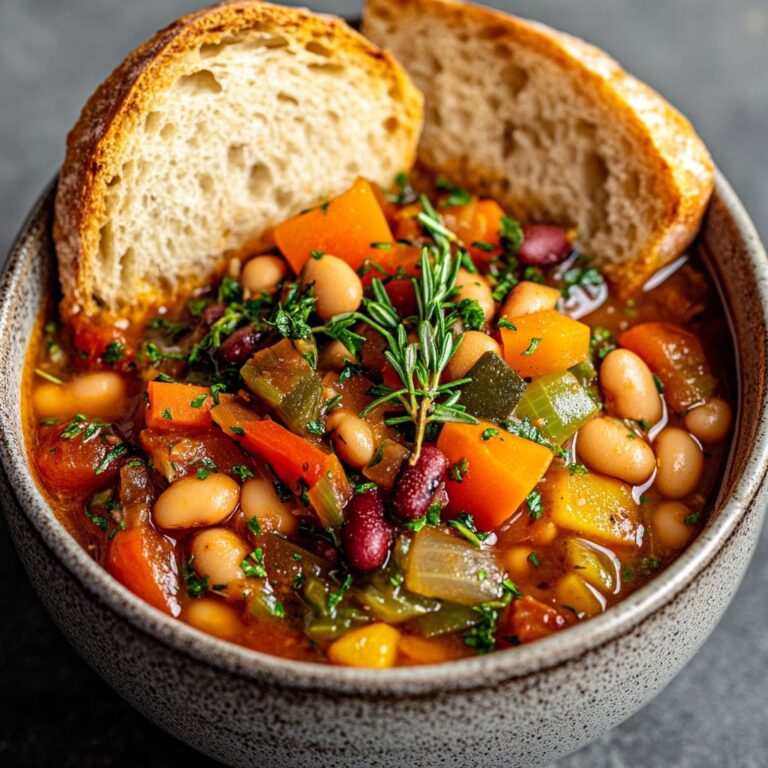
Imagine a brisk evening after a long day, the air crisp with a hint of wood smoke, and the comfort of home awaiting you. There’s nothing quite like returning to a warm and rustic meal that envelops you in its aromatic embrace. Enter the Rustic Veggie and Bean Stew with Crusty Bread, a hearty dish that transcends mere sustenance and becomes an experience of culinary warmth and nourishment. Each spoonful reveals layers of flavors that evoke images of rolling hills and bountiful gardens, while the accompanying crusty bread serves as the perfect vessel for soaking up every last drop.
The Story Behind the Dish: A Tale of Tradition and Comfort
This stew traces its roots back to the humble homes of rural Europe, where every meal was a testament to the land’s bounty and the hands that tended it. Originally, such stews were crafted from whatever vegetables were in season, complemented by beans and grains that formed the backbone of rural diets. Over time, this dish has become a beloved staple across many cultures, each adding its local twist, yet always maintaining its heartwarming simplicity and rustic charm.
In contemporary kitchens, this stew offers a nod to the past, inviting us to slow down and savor. It’s a dish that tells the story of harvests past and present, where each ingredient serves a purpose and adds to the overall tapestry of flavors. Whether shared around the family table or enjoyed in solitude, every serving is a reminder of culinary heritage and the joy of simple, real food.
Why You’ll Love This Recipe
- Hearty and Filling: Packed with protein-rich beans and fiber-filled vegetables, this stew satisfies even the most prodigious of appetites.
- Easy to Prepare: With straightforward steps and minimal preparation, this dish can be on the table with little fuss, making it ideal for weeknight dinners.
- Healthy and Nutritious: Full of vitamins, minerals, and antioxidants, it aligns with a variety of dietary preferences, including vegetarian and vegan diets.
- Versatile and Adaptable: Whether you have a surplus of root vegetables in winter or fresh greens in summer, this stew is easily adaptable to whatever produce is at hand.
Flavor Profile & Texture: Layers of Earthy Goodness
The Rustic Veggie and Bean Stew presents a symphony of flavors that dance around the palate. The earthy notes of potatoes and carrots meet the sweetness of slow-cooked onions and tomatoes, creating a deep, caramelized flavor base. Beans introduce a creamy texture contrasted by the crispness of tender vegetables. Each mouthful offers a complex interplay – the robustness of garlic and herbs mingling with a subtle smoky undertone, often enhanced by a splash of wine or a hint of chili for those who desire a touch of heat.
The accompanying crusty bread, whether a dense sourdough or a light baguette, provides the perfect contrast with its crunchy exterior and tender crumb, enhancing the overall experience by offering a satisfying texture and flavor complement.
Occasions & Pairings: Perfect for Every Gathering
This stew is as versatile in its service occasions as it is in flavor. It’s ideal for:
- Family Dinners: Serve it on weeknights for a quick yet satiating meal.
- Winter Gatherings: Its hearty nature warms up any cold night, perfectly suitable for festive get-togethers during the holiday season.
- Picnics and Potlucks: Easy to transport, it can be a star attraction at outdoor gatherings.
- Pairings: Enjoy it with a robust red wine or a crisp, chilled cider, and consider pairing it with a simple green salad dressed with vinaigrette for a complete meal.
Tips, Variations & Substitutions
This stew invites creativity and adaptation, allowing you to tailor it to individual tastes or dietary needs:
- Vegetarian/Vegan: Naturally vegan, add nutritional yeast for an extra umami touch or incorporate greens like spinach or kale for a nutritional boost.
- Protein Variants: Substitute beans with lentils or chickpeas for different textures or add cubed tofu for extra protein.
- Flavor Enhancers: Experiment with spices such as smoked paprika or cumin for a more robust flavor profile.
- Regional Twists: Add curry powders for an Indian twist or incorporate olives and artichokes for a Mediterranean feel.
- Thickening Options: For a creamier stew, consider blending a portion of the beans to serve as a thickener.
Storage & Make-Ahead Ideas
One of the beauties of this stew is its excellent storage capability, which lets it shine as a make-ahead meal:
- Refrigeration: Keep it in an airtight container in the fridge for up to four days, allowing the flavors to deepen over time.
- Freezing: Store in portion-sized containers for up to three months. Defrost in the fridge overnight and reheat on the stovetop until piping hot.
- Make-Ahead: Prepare the stew up to two days in advance, allowing flavors to meld, and reheat before serving, ensuring it remains the texture you prefer.
Fun Facts & Trivia (Optional)
The concept of bean and vegetable stews dates back to ancient times when communal pots simmered over open fires. As a dish that nourished both body and soul, it’s said that such stews represented the earliest form of true slow cooking. Across Africa, similar stews are prepared in huge pots over outdoor fires during festivals, symbolizing unity and community gathering, offers a culinary connection with our forebearers, whose ingenuity laid the groundwork for the rich culinary diversity we enjoy today.
In the context of today’s climate-conscious society, stews like these serve as a perfect example of sustainable eating. Utilizing both fresh and leftover ingredients, they exemplify a zero-waste philosophy. As you ladle this aromatic stew into your bowl, you’re not just partaking in a meal but a time-honored tradition of frugal innovation and savory satisfaction, resilient through the ages.
Ingredients
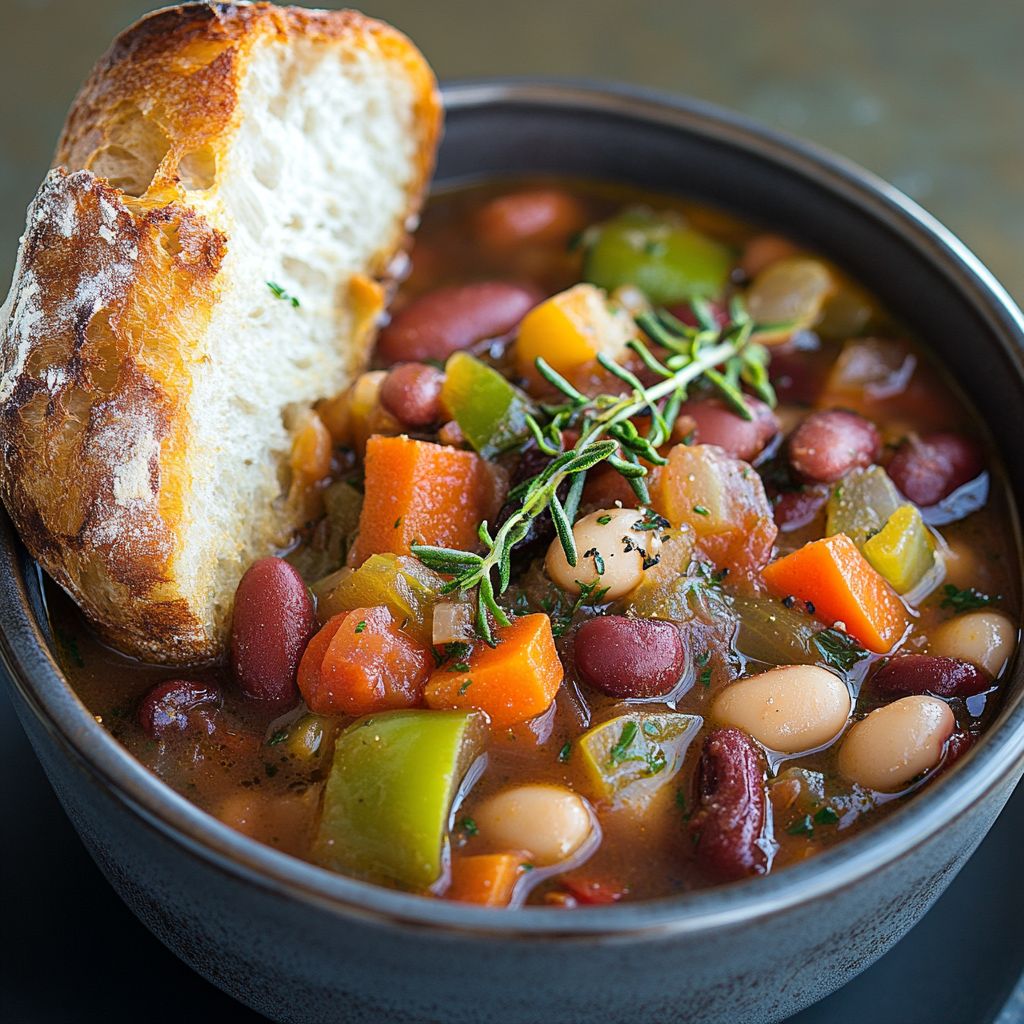
Rustic Veggie and Bean Stew Base
-
2 tablespoons olive oil
→ Olive oil serves as the primary cooking fat in this stew, providing richness and depth of flavor. Use extra virgin olive oil for the best taste, and heat it gently to avoid burning, which can impart a bitter flavor to the dish. -
1 medium onion (diced)
→ Onions are essential for building the flavor base of the stew. Dice them finely to ensure they cook evenly and soften quickly, releasing their sweetness in the process, which enhances the overall taste of the dish. -
3 cloves garlic (minced)
→ Garlic adds a fragrant and savory element to the stew. Mince the garlic to a fine consistency so it blends seamlessly into the dish, maximizing its aromatic qualities and ensuring it doesn’t overpower the stew. -
2 medium carrots (chopped)
→ Carrots add sweetness and a slight crunch to the stew. Chop them into uniform pieces to promote even cooking. Young, tender carrots are preferred for their sweetness and vibrant color; however, any variety can be used. -
2 medium potatoes (diced)
→ Potatoes help to thicken the stew and provide heartiness. Dice them into even cubes so they cook at the same rate as other vegetables. Use starchy varieties, like Russets, for a creamier texture or waxy types for more bite. -
1 bell pepper (chopped)
→ Bell peppers add a pop of color and a sweet, earthy flavor. Choose any color you prefer and chop them into bite-sized pieces. For added flavor, consider roasting them before adding to the stew. -
1 can (15 oz) diced tomatoes (with juice)
→ Diced tomatoes provide acidity and moisture to the stew, balancing the flavors of the other ingredients. Use them directly from the can without draining for a chunky, rich addition. Opt for fire-roasted varieties for added depth of flavor. -
1 can (15 oz) cannellini beans (drained and rinsed)
→ Cannellini beans offer a creamy texture and serve as a protein source, making the stew hearty and satisfying. Rinse them thoroughly to remove excess sodium and enhance their flavor. They can also be substituted with other beans, like kidney or black beans, as per preference. -
4 cups vegetable broth
→ Vegetable broth serves as the liquid base for the stew, infusing it with savory flavors. For the best results, use low-sodium broth to control the salt level in the stew. You can also use homemade broth for an added depth of flavor. -
1 teaspoon dried thyme
→ Thyme adds an herbal aroma and pairs well with the vegetables. Use dried thyme for convenience, but fresh thyme can be used if available — just increase the quantity slightly as fresh herbs are less concentrated. -
1 teaspoon smoked paprika
→ Smoked paprika imparts a warm, smoky flavor to the stew. Use it sparingly, as it can be strong; start with a small amount and adjust to taste based on your preference for smokiness. -
Salt and pepper to taste
→ Salt enhances the natural flavors of the ingredients, while pepper brings a hint of heat. Add salt gradually during the cooking process, tasting frequently to avoid oversalting. Freshly cracked black pepper adds the best flavor.
Crusty Bread
-
1 loaf crusty bread (preferably sourdough or baguette)
→ A crusty loaf provides the perfect vessel for soaking up the flavorful stew. Choose a loaf with a firm crust and a soft interior for a satisfying contrast. Allow the bread to sit for a few hours at room temperature before serving for the best crust.
Instructions
-
Heat 2 tablespoons of olive oil in a large pot over medium heat until shimmering.
→ Heating the oil properly allows you to sauté the vegetables without them sticking or burning. You should see faint wisps of smoke rising from the oil before adding anything to the pot, signaling that it’s at the right temperature. -
Add 1 medium diced onion to the pot and sauté for about 5 minutes or until it becomes translucent and soft.
→ Cooking the onion first helps develop the base flavor for your stew. Stir frequently to prevent it from browning too much; caramelized bits can add depth but should not dominate the base flavor. -
Stir in 3 minced garlic cloves and sauté for an additional 1-2 minutes until fragrant.
→ Garlic can burn quickly, which can impart a bitter taste, so it’s added after the onion. Stir continuously just until you can smell its aroma, ensuring it becomes aromatic without darkening. -
Add 2 medium chopped carrots to the pot and cook for about 3-5 minutes until they start to soften.
→ The carrots bring a nice sweetness to the stew. Ensure they are chopped uniformly so they cook at the same rate as the other vegetables, providing a more consistent texture in the stew. -
Incorporate 2 diced medium potatoes and 1 chopped bell pepper into the pot, stirring well to combine.
→ The potatoes add heartiness, while bell peppers offer sweetness and color. Uniform dicing is crucial for even cooking; that way, everything reaches tenderness simultaneously. -
Add 1 can of diced tomatoes (with juice) to the mixture and stir thoroughly.
→ The tomatoes will create a rich base for your stew, adding acidity and depth. Use the juice from the can as it helpsintegrate the flavors of the stew and balances the sweetness of the vegetables. -
Add 1 can of drained and rinsed cannellini beans to the pot, followed by 4 cups of vegetable broth.
→ Rinsing the beans is essential for reducing sodium content and removing any metallic taste from the can. The broth is the liquid foundation of your stew, bringing all ingredients together; it should fully cover the vegetables for proper cooking. -
Sprinkle in 1 teaspoon of dried thyme and 1 teaspoon of smoked paprika, then season with salt and pepper to taste.
→ Thyme and smoked paprika should be added now to infuse the stew as it cooks. Salt enhances the natural flavors, while freshly cracked black pepper adds a layer of complexity; add gradually, as it’s easier to adjust than to fix an oversalted dish. -
Bring the stew to a gentle boil, then reduce the heat to low to let it simmer. Cover the pot, leaving a small crack for steam to escape, and cook for about 30-40 minutes.
→ Simmering allows the flavors to meld beautifully, while the covered pot helps retain moisture. Check periodically; you want it simmering gently, with small bubbles breaking the surface — not boiling vigorously. -
After 30-40 minutes, check the doneness of the vegetables by piercing them with a fork; they should be tender but not mushy.
→ This step ensures all vegetables have cooked properly. Taste the stew at this point, checking for seasoning, and adjust salt and pepper as needed for balance. -
While the stew finishes simmering, prepare your crusty bread by slicing it into thick pieces.
→ Thick slices are ideal for soaking up the stew, creating a satisfying experience when eaten together. If using sourdough or baguette, a diagonal cut gives larger surface area for dipping and enhances the visual appeal. -
Toast the sliced bread in a toaster or under a broiler for a couple of minutes until golden brown and crispy.
→ Toasting the bread adds a delightful crunch and warmth, enhancing the textural contrast when served with the stew. Monitor closely to prevent burning. -
Serve the rustic veggie and bean stew in bowls, garnishing with additional pepper or fresh herbs if desired, alongside the crusty bread.
→ Presentation is key; a sprinkle of fresh herbs not only adds color but also freshens the dish. Offer crusty bread on the side for an authentic rustic experience, allowing diners to enjoy both components together.
Notes
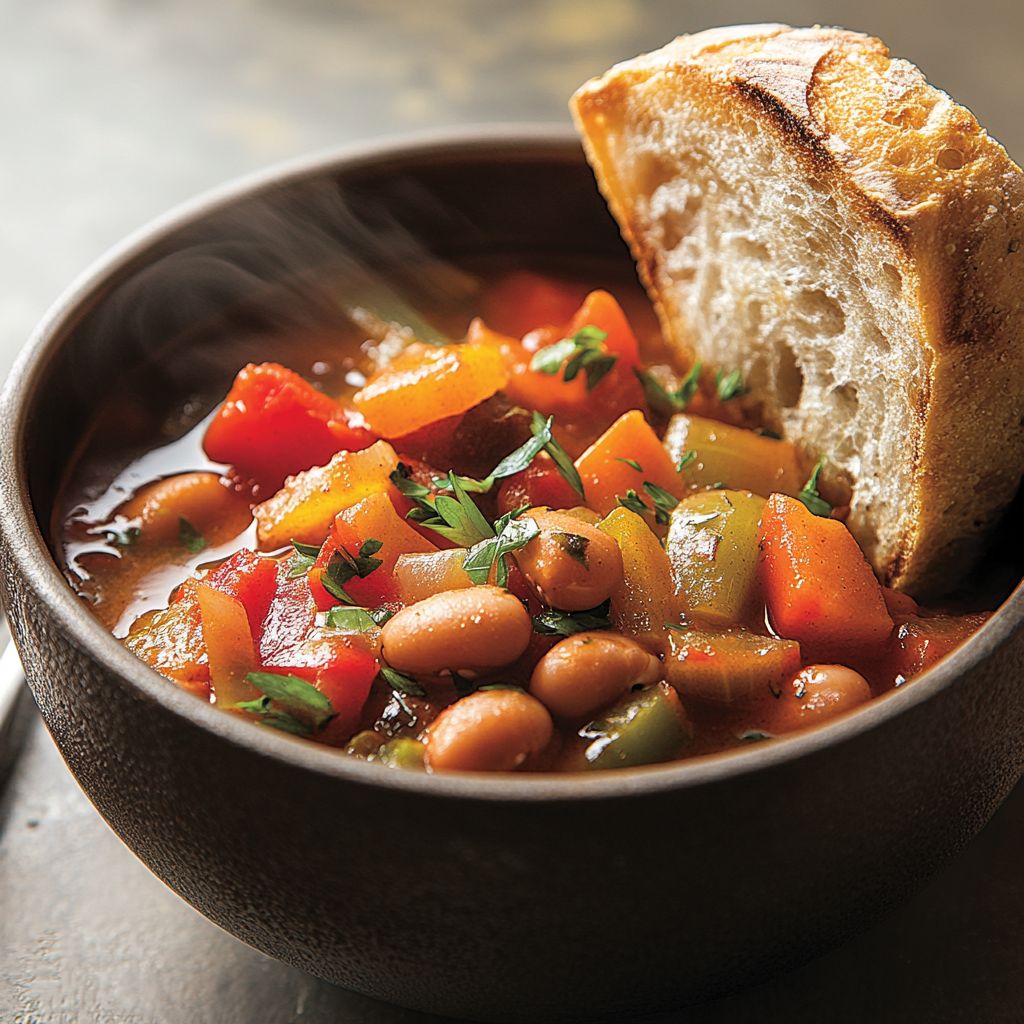
This Rustic Veggie and Bean Stew is a nourishing and hearty dish that makes perfect use of seasonal vegetables and pantry staples. The combination of fresh produce and canned beans creates a deliciously satisfying meal. Consider using a variety of vegetables based on availability — zucchini, spinach, or green beans work wonderfully as well.
For the perfect depth of flavor, allow the stew to simmer gently to let the ingredients meld together fully. If you prefer a thicker stew, mash a few of the beans against the side of the pot while cooking, or you can blend a portion of the stew and return it to the pot.
To enjoy this stew to the fullest, serve it hot alongside a slice of crusty bread, which will soak up the rich flavors, making every bite delightful. Adding a sprinkle of fresh herbs like parsley or basil right before serving can elevate the dish even further with a pop of freshness.
Leftovers can be stored in an airtight container in the refrigerator for 3 to 4 days or frozen for up to 3 months. Reheat gently on the stove, adding a splash of vegetable broth if necessary. This stew also works wonderfully as meal prep, allowing for easy lunches throughout the week!
Tips
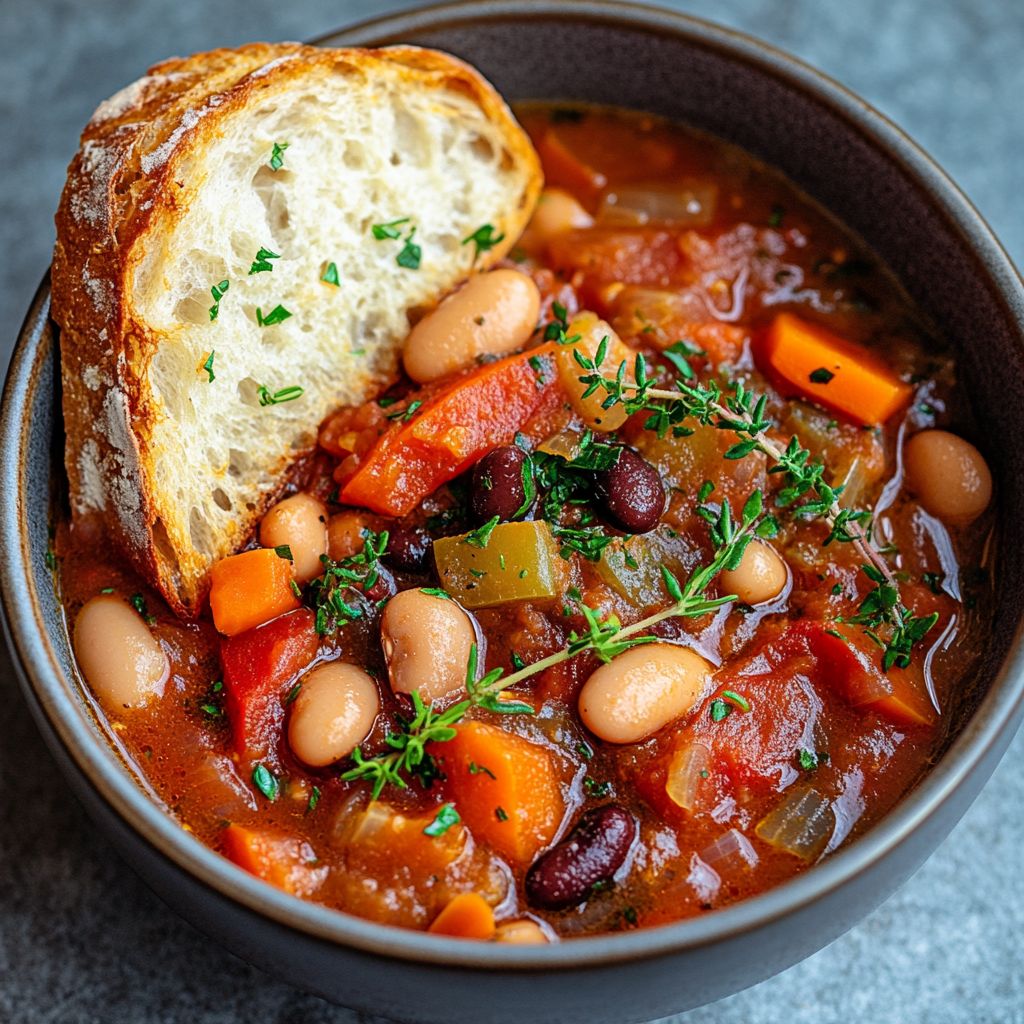
Cooking Tips for Rustic Veggie and Bean Stew
- Prepare Your Ingredients Ahead: Before you start cooking, chop and measure all your ingredients. Having everything ready to go will streamline the cooking process and help avoid any last-minute scrambles.
- Use a Large Pot: Since this is a stew, make sure to use a large, heavy-bottomed pot or Dutch oven. This ensures even cooking and prevents the ingredients from overcrowding, which can lead to uneven flavors and textures.
- Layer the Flavors: Start by sautéing the onions, garlic, and bell pepper in olive oil until they are soft and translucent. This will create a rich flavor base for your stew. Add the carrots and potatoes next, allowing them to cook for a few minutes before adding the tomatoes and beans.
- Adjust the Consistency: If the stew is too thick for your liking, you can add more vegetable broth a little at a time. If it’s too thin, let it simmer uncovered for a while to allow some of the liquid to evaporate and thicken the stew.
- Season Gradually: Since different broth and ingredient types can vary in saltiness, it’s best to start with less salt and gradually add more to taste after the stew has cooked for a while. This prevents oversalting.
- Let It Simmer: Allow the stew to simmer for at least 30-40 minutes. This not only helps the flavors meld together but also ensures the vegetables are tender. If time allows, longer simmering can intensify the flavors even more.
- Serve with Fresh Herbs: Consider garnishing your stew with fresh parsley or basil before serving. This adds a fresh note to the dish and enhances its visual appeal.
- Perfectly Pair with Bread: When serving the crusty bread, consider toasting it lightly for an extra crunch. This provides a delightful contrast to the hearty stew. Serve butter or olive oil on the side for dipping.
- Store Leftovers Properly: Any leftover stew can be stored in an airtight container in the refrigerator for up to five days. Reheat gently on the stove, adding a splash of broth if it has thickened too much.
FAQ
What ingredients are needed for the Rustic Veggie and Bean Stew?
The main ingredients include mixed vegetables such as carrots, bell peppers, and zucchini, canned beans (like kidney and black beans), vegetable broth, tomatoes, onions, garlic, and your choice of herbs and spices. Don’t forget the crusty bread for serving!
How long does it take to prepare the Rustic Veggie and Bean Stew?
The preparation time is approximately 15 minutes, and the cooking time is about 30-40 minutes, making the total time around 55 minutes to 1 hour.
Can I use frozen vegetables instead of fresh?
Yes, frozen vegetables can be used in place of fresh ones. They’re convenient and can save time while still being nutritious.
What type of bread pairs well with this stew?
A crusty baguette, sourdough, or ciabatta are excellent choices to complement the Rustic Veggie and Bean Stew, perfect for dipping into the broth.
Is this stew suitable for vegans?
Yes, the Rustic Veggie and Bean Stew is entirely plant-based and suitable for vegans, as it is made with vegetables and beans without any animal products.
Can I add meat to the stew?
Absolutely! You can add cooked chicken, sausage, or beef for a heartier version of the stew, but it will alter the dish’s rustic vegetarian character.
How can I store leftover stew?
Leftover stew can be stored in an airtight container in the refrigerator for up to 3-4 days. It can also be frozen for longer storage, lasting up to 2-3 months.
What spices work well in this stew?
Common spices include cumin, paprika, thyme, and bay leaves. Feel free to experiment with your favorite herbs and spices to customize the flavor to your liking.