
Introduction / Hook
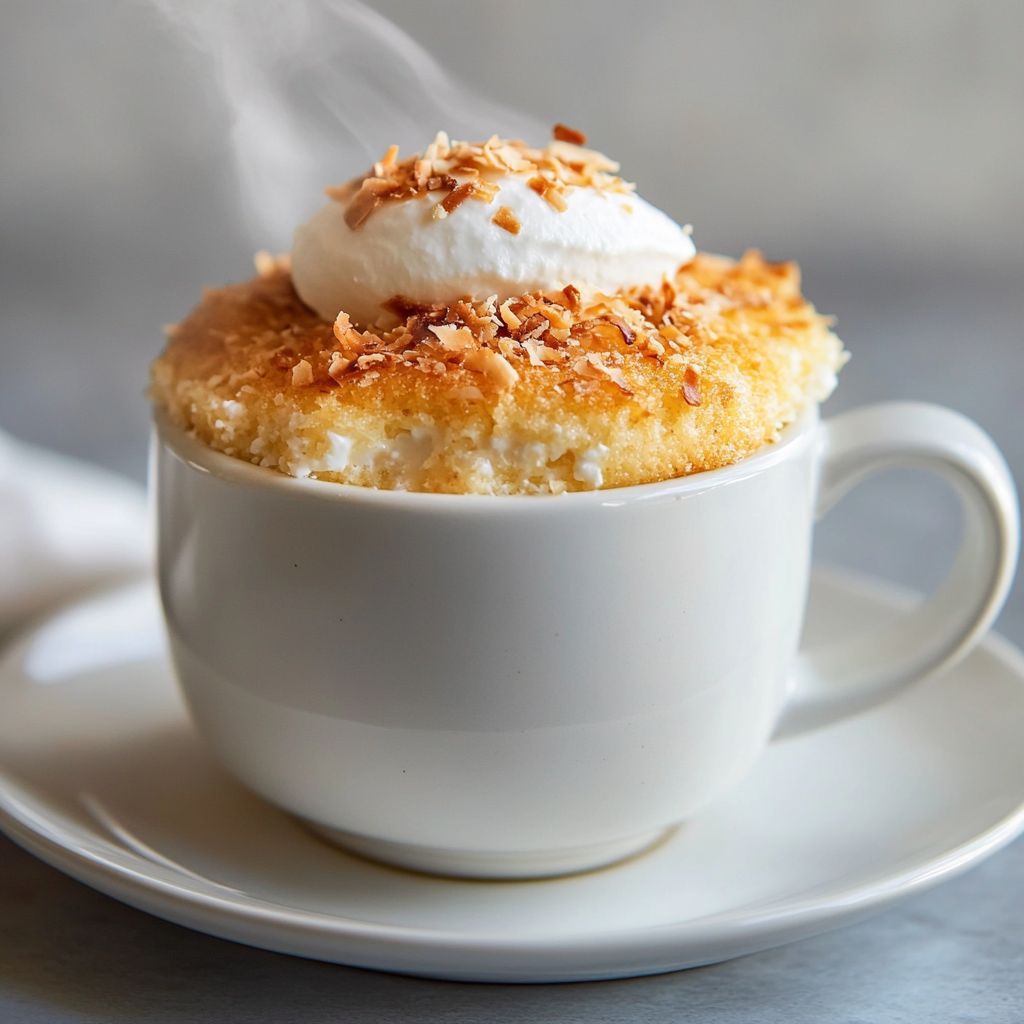
Imagine a warm, comforting treat that fits in the palm of your hand, ready in minutes, and powered by simple staples you likely already have in your kitchen. The Vanilla Coconut Cottage Cheese Mug Cake is more than a dessert—it’s a tiny moment of indulgence that feels luxurious without demanding a long list of ingredients or a marathon of steps. The moment you lift a spoon to that first bite, you’re met with a delicate vanilla perfume, a whisper of coconut that conjures tropical sunshine, and a creamy center that tames sweetness with a tangy, satisfying tang. It’s the kind of recipe that makes you pause, take a breath, and appreciate how good a simple idea can taste when you treat it with a little care. In just a few minutes, a humble mug becomes a stage for flavor, texture, and mood-boosting comfort. It’s speed, it’s charm, and it’s that rare bite that feels both wholesome and crave-able—all in one delectable package.
The beauty of this mug cake lies in its balance. The cottage cheese provides a velvety, protein-rich base that keeps the crumb light rather than heavy, while vanilla lends warmth and depth. Coconut contributes a sunny aroma and a delicate crunch, especially if you let a tiny bit of toasty bits greet your palate. The result is not just sweetness; it’s a layered experience: creamy, fragrant, slightly tropical, with a tender crumb that melts on contact. Whether you’re craving a quick breakfast that tastes like a treat, a post-workout pick-me-up, or a comforting late-night bite, this cake adapts to your rhythm. It invites curious experimentation—swap in a citrus zest for brightness, fold in dark chocolate for a cozy contrast, or top with fresh fruit for a lively finish. And because it’s mug-sized, you can tailor portions to match your mood, your schedule, or your appetite without waste or guilt.
The Story Behind the Dish
There’s a quiet delight in mug cakes—the art of delivering a dessert-worthy moment with the simplest of tools. The concept grew out of late-night kitchen improvisations and the modern desire for quick, portion-controlled treats that don’t compel you to fire up the oven. Cottage cheese, with its soft curds and mild tang, emerged as a surprising hero in these tiny culinary rituals. Its high protein content helps create a creamy texture that feels indulgent yet lighter than heavier dessert bases, making it a favored ingredient in quick desserts and smoothies alike. Vanilla, with its warm, comforting aroma, has a timeless ability to evoke memories—grandmother’s kitchen, a perfect Sunday breakfast, or a lazy afternoon spent with a book. Coconut brings a bright, sun-kissed note that hints at beaches and vacation moments, even when you’re tucked into a quiet evening at home.
As a family, as a solo cook, or as a busy student juggling routines, the mug cake concept travels well across cultures. It’s not tied to a single tradition; rather, it’s a modern kitchen adaptation that respects the love of good taste without demanding an entire afternoon to prepare. The Vanilla Coconut Cottage Cheese Mug Cake captures that spirit: a small, intimate treat that travels with you from morning to night, adaptable to your pantry and your cravings. A story emerges in the aroma while it bakes—one of resourcefulness and joy—that makes every bite feel like a little celebration of everyday life.
Over time, cooks have learned to pair this mug cake with a spectrum of accompaniments, from a splash of warm coffee to a dusting of cinnamon or a handful of fresh fruit. The story behind the dish is as much about the moment as it is about the ingredients: a brisk morning ritual that becomes a noon-time pick-me-up, a post-workout reward, or a dessert that feels both satisfying and light. It’s a dish that invites personal touches and stories—every variation telling a small anecdote about who you are at the moment you savor it. And because it’s built on pantry-friendly staples—vanilla, coconut, cottage cheese—it travels easily from kitchen to kitchen, offering a reliable, comforting, and surprisingly sophisticated bite wherever you are.
Why You’ll Love This Recipe
- Quick and convenient: a full-flavored treat in minutes, ideal for busy mornings or late-night cravings.
- Protein-rich base: cottage cheese adds creaminess and a gentle protein boost without heaviness.
- Versatile flavor platform: vanilla and coconut pair beautifully with a wide range of toppings and mix-ins.
- Low-fuss indulgence: the portion-controlled mug keeps servings reasonable while still delivering satisfaction.
- Gluten-free and adaptable: naturally aligns with gluten-free diets and welcomes substitutions for dairy-free or vegan preferences.
- Wholesome comfort: the aroma and texture evoke cozy, comforting moments that feel like a treat without guilt.
- Beginner-friendly concept: a simple, forgiving base that shines with small creative touches.
- Child-friendly appeal: gentle flavors and creamy texture make it a winner for picky eaters or lunchbox snacks.
Flavor Profile & Texture
The flavor journey of this mug cake begins with a warm, enveloping vanilla note. It isn’t harsh or overpowering; it’s the aroma of vanilla tucked into a cozy bakery corner, inviting you to take a first bite. The coconut contributes a delicate tropical brightness that lifts the profile without dominating, delivering faint toasty hints that recall coconut macaroons and sunny climates. The cottage cheese provides a subtle tang that steadies the sweetness and adds a lush creaminess—think velvet-soft interior with a slightly airy crumb instead of a dense, heavy bite. In the mouth, you’ll encounter a gentle contrast: a tender, almost custard-like center that yields to a light, cake-like exterior. If you’ve ever bitten into a dessert that melts on contact while staying distinctly flavorful, you’ll recognize the joy here. The texture is key: not dry, not overly dense, but with a delicate spring that makes each mouthful feel rewarding and substantial despite the small portion.
Even without extra adornments, the base presents a satisfying balance between richness and brightness. When you add toppings or mix-ins—think a whisper of citrus zest, a sprinkle of cinnamon, or a few dark chocolate shards—the flavor expands into a layered, nearly festive experience. The interplay between the mellow tang of cottage cheese, the vanilla’s warmth, and the coconut’s light sparkle creates a comforting profile that can lean comforting-homemade or playful-experimental, depending on your mood. In short, it’s a small cake that feels big on personality: creamy, aromatic, and wonderfully crumb-tender, with enough character to keep every bite interesting yet familiar enough to feel like “home” in a mug.
Occasions & Pairings
This mug cake is at home in a spectrum of moments. It’s ideal for busy weekdays when time is tight but you still want something satisfying and not a junk-food feel. It’s equally welcome as a weekend treat that doesn’t derail your routine, and it can be a gentle dessert after a simple weeknight dinner. Because the flavors are light and flexible, it works for breakfast-adjacent moments too—think a cozy morning bite that still feels like a little luxury as you rise and greet the day.
Pairing ideas to elevate the experience:
- Morning coffee or a cup of tea: the warm notes of vanilla and coconut complement a robust brew or a fragrant chai.
- Fresh fruit: slices of mango, pineapple, berries, or kiwi offer bright contrast and a burst of acidity to balance the creamy base.
- Whipped cream or yogurt dollop: a light crown adds extra creaminess and a gentle tang.
- A dusting of spices: cinnamon, nutmeg, or a pinch of cardamom can shift the mood toward cozy or tropical.
- Chocolate accents: a few dark-chocolate shavings or chips introduce a delightful contrast and depth.
- Small indulges: a drizzle of honey or maple syrup can amp up sweetness if desired, without overpowering the core flavors.
For celebrations or brunches, present the mug cake on a small plate with a decorative drizzle or a delicate garnish. It can also be portioned into mini mugs for a crowd, letting everyone choose their preferred embellishments. It’s the kind of dish that adapts to the moment—whether you’re offering a quick bite before a meeting, treating yourself after a workout, or winding down with a dessert that won’t derail your goals.
Tips, Variations & Substitutions
- Flavor twists: swap a portion of the vanilla with almond extract for a nutty, fragrant lift. A splash of coconut extract can intensify the tropical vibe without adding bulk.
- Texture tweaks: for extra creaminess, blend the cottage cheese until it’s ultra-smooth before combining with the other elements. If you prefer a lighter crumb, whisk the mixture a little more to introduce air.
- Fruit and zest: a tiny amount of citrus zest (orange or lemon) can brighten the profile and cut sweetness nicely. Fresh fruit toppings can add a fresh, juicy contrast.
- Chocolate option: a handful of mini chocolate chips or cacao nibs folded into the batter creates pockets of rich, melted goodness that play beautifully with vanilla and coconut.
- Dairy-free adaptations: for a dairy-free version, use a dairy-free yogurt or blended firm silken tofu in place of cottage cheese, and consider a plant-based milk that you enjoy. The texture will shift slightly, but the result remains satisfying.
- Low-sugar or sugar-free approach: use a natural sweetener like a touch of maple syrup or a zero-calorie sweetener to suit your preference, and balance with a touch more vanilla or citrus zest to maintain aroma and flavor depth.
- Gluten-free considerations: the base is generally gluten-free, but always check any added ingredients. If you’re adding mix-ins like oats, choose certified gluten-free oats to stay fully compliant.
- Make-ahead variations: you can prepare a batch of the dry flavor base in small jars for quick future use, then just add cottage cheese and a little liquid to bring it together when you’re ready to bake or warm.
- Portion control: the mug concept naturally supports portion control, but you can scale up to a mini-mcone or a larger dessert if needed by adjusting the ratio of ingredients and using a bigger cup or ramekin.
Storage & Make-Ahead Ideas
Because this treat centers on a friendly, easily assembled batter-like base, there are comfortable ways to plan ahead. If you want to keep a batch ready to go for busy mornings, consider these ideas:
- Make-ahead dry mix: combine the dry flavor components in a jar or container and store in the pantry. When you’re ready, you simply add cottage cheese and any additional liquid or flavor boosters for quick assembly.
- Refrigerating prepared batter: you can prepare a batter-equivalent ahead of time and refrigerate for a short window, typically up to a day. Allow it to come closer to room temperature before finishing, as this can help with texture when you eventually heat it.
- Freezing portions: portion the base into small freezer-safe containers or silicone molds. Thaw in the refrigerator overnight and warm gently before enjoying. Freezing works well for occasional cravings and reduces waste when you have extra ingredients.
- Storage suggestions after baking: single servings can be stored in the refrigerator for a couple of days, covered, and reheated gently to preserve the soft texture. Avoid long storage in the freezer, as the texture can transform more than you’d expect for this delicate cake.
When you’re ready to enjoy, bring the prepared element to a comfortable temperature, then savor the aroma as it rises to the occasion. The simplicity of this dish makes it ideal for quick re-creations, weekend experiments, or emergency dessert cravings that still feel special. The mug cake’s portability means you can savor it wherever you are—at home, in a dorm, or in a small kitchen turned into a cozy cafe for a moment.
Fun Facts & Trivia (Optional)
– Vanilla is one of the most beloved flavoring agents in the world, with a long history that spans ancient civilisations and modern kitchens alike. Its warmth can instantly conjure feelings of comfort and nostalgia.
– Coconut adds not only flavor but a sunny aroma that can boost mood and transport you to tropical locales, even if you’re just in a rain-soaked city apartment.
– Cottage cheese has a unique protein profile and a gentle tanginess that makes it a surprisingly versatile base for both savory and sweet dishes, especially when you’re aiming for lighter, protein-rich desserts or snacks.
– Mug cakes surged in popularity as a playful, fast way to enjoy a personalized treat. They celebrate the magic of single-serving desserts that don’t require oven preheating or multi-step preparation, aligning perfectly with busy lives and spontaneous cravings.
– The combination of vanilla, coconut, and cottage cheese is a learnable, approachable gateway to more adventurous flavor pairings—great for cooks who want to experiment with texture and aroma without committing to a longer recipe.
Ingredients
Mug Cake Base
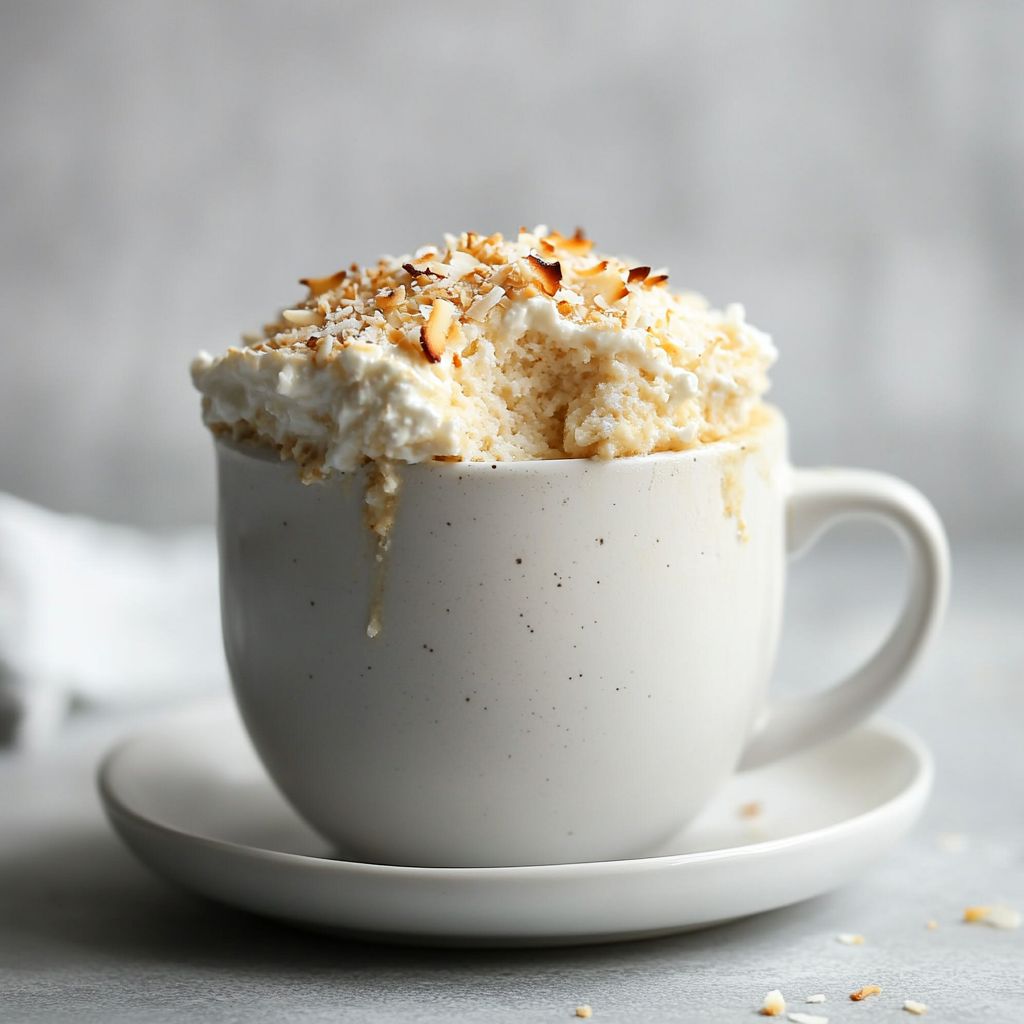
- – 1/4 cup cottage cheese, blended until smooth
→ Cottage cheese provides moisture and protein to the batter, helping create a soft, tender crumb and adding creaminess without heavy fat. For best results, blend the cottage cheese in a blender or with a whisk until very smooth to avoid lumps; use full-fat if you can for richer texture; drain any excess whey if it’s very watery to prevent a too-runny batter. - – 1 large egg, lightly whisked
→ Eggs act as the primary binder and structure-builder in this quick mug cake, helping the batter set into a light, cake-like texture. Lightly whisk the egg to emulsify with the cottage cheese; room-temperature eggs mix more evenly. If you want a fluffier crumb, whisk the whites separately and fold in lightly. - – 2 tablespoons unsweetened coconut flour
→ Coconut flour is highly absorbent and yields a soft, cake-like crumb. It requires moisture and eggs to behave; 2 tablespoons is a restrained amount to avoid a dense result. If substituting with almond flour, use about 3 tablespoons. Sift to remove lumps and, if batter seems too thick, add a splash of milk in small increments. - – 1 tablespoon granulated sugar (or 1 tablespoon maple syrup)
→ Sugar sweetens the cake and helps with browning and moisture balance in the quick microwave bake. If you swap in maple syrup or honey, reduce the liquid slightly and whisk longer to ensure even dispersion; adjust sweetness to taste. - – 1/2 teaspoon baking powder
→ Baking powder provides lift for a light, tender crumb in the microwave. Ensure it’s fresh for maximum effectiveness. Do not substitute with baking soda without adjusting acidity in the batter. - – 1/2 teaspoon pure vanilla extract
→ Vanilla adds aroma and depth to the batter. Use high-quality pure vanilla extract for best flavor; if you have vanilla paste, you can substitute with 1/4 teaspoon paste for an intensified vanilla experience. - – Pinch of salt
→ A small pinch enhances sweetness and helps coconut and vanilla flavors pop. Even a tiny amount makes a noticeable difference in balance; skip only if you’re using salted ingredients and prefer a cleaner-salt profile. - – 2 tablespoons shredded unsweetened coconut
→ Adds texture and a pronounced coconut note throughout the cake. You can toast the coconut lightly in a dry pan to boost aroma before mixing. If you prefer, reserve some to sprinkle on top after cooking for contrast in texture. - – 1-2 tablespoons unsweetened almond milk (optional, to loosen batter)
→ Depending on the absorbency of the coconut flour and the moisture in the cottage cheese, the batter may be quite thick. Add 1 tablespoon at a time until it reaches a thick, spoonable consistency. Use unsweetened to control sweetness and avoid thinning the batter too much.
Optional Add-ins
- – 1 tablespoon mini chocolate chips (optional)
→ Chocolate chips add pockets of sweetness and a touch of indulgence. Fold them in after the batter is mixed, so they distribute evenly without sinking completely. For a lighter chocolate flavor, choose milk chocolate chips; for a richer bite, go with dark chocolate. - – 1 tablespoon toasted coconut flakes (optional)
→ Toasted coconut adds a crunchy contrast and a deeper coconut aroma. Toast briefly in a dry skillet until fragrant, then fold into the batter or sprinkle on top after microwaving for extra texture and aroma.
Instructions
- Blend cottage cheese until completely smooth, using a blender on high for 30–45 seconds or whisk vigorously with a whisk until there are no lumps; drain any excess whey if the mixture seems watery to prevent a too-runny batter.
→ Smooth cottage cheese creates a creamy, uniform base and avoids a grainy texture; draining whey concentrates the proteins for better structure in a quick microwave cake. - Whisk one large egg in a small bowl until fully combined and lightly foamy to help with emulsification and structure.
→ A lightly foamy egg distributes more evenly through the batter, aiding a light, cake-like crumb rather than a dense result. - Stir in 1/2 teaspoon pure vanilla extract into the cottage cheese and egg mixture until evenly incorporated.
→ Vanilla enhances aroma and depth, creating a more rounded coconut flavor profile as the cake cooks. - In a separate small bowl, whisk together 2 tablespoons unsweetened coconut flour, 1 tablespoon granulated sugar (or 1 tablespoon maple syrup, noting that maple syrup adds liquid), 1/2 teaspoon baking powder, and 1/2 teaspoon salt; sift to break up any lumps.
→ Coconut flour is highly absorbent, so proper distribution of leavening and sugar is essential for a light, tender crumb; sifting prevents dense pockets that can undermine rise. - Pour the wet mixture from step 2 into the bowl of dry ingredients from step 4 and stir with a spatula just until the batter comes together and no streaks of flour remain; avoid overmixing to keep the crumb tender and airy.
→ Mixing until just combined ensures the coconut flour hydrates without developing a tough texture; overmixing can lead to a gummy bite in microwave-baked goods. - Fold in 2 tablespoons shredded unsweetened coconut, distributing evenly; if you like, toast the coconut lightly in a dry skillet for 1–2 minutes to boost aroma before folding.
→ Toasting amplifies coconut fragrance and adds a subtle depth of flavor that contrasts with the creamy base. - If desired, fold in 1 tablespoon mini chocolate chips, ensuring they are evenly dispersed without sinking; avoid excessive stirring to keep chips from clumping.
→ Chocolate chips create pockets of sweetness and texture without overpowering the coconut notes. - If the batter seems very thick, whisk in 1–2 tablespoons unsweetened almond milk, adding a little at a time until the batter is thick but spoonable; do not over-wet the batter.
→ Almond milk adds just enough moisture to hydrate the coconut flour without thinning the batter too much, preserving structure for microwaving. - Lightly grease or spray a microwave-safe mug with cooking spray or oil to prevent sticking and ensure easy removal after cooking.
→ Proper coating prevents a fragile cake from tearing when you unmold or scoop it out, and makes cleanup easier. - Spoon the batter into the mug, filling it to about halfway to leave room for the cake to rise in the microwave.
→ Filling only halfway prevents overflow and ensures a tall, domed center rather than a flat disk. - Microwave on high power for 1 minute 30 seconds to 2 minutes, depending on your microwave wattage; start checking at 1:30 and test for doneness with a gentle press—the top should be set and a toothpick inserted near the center should come out with a few moist crumbs.
→ Microwave ovens vary; testing and short intervals prevent overcooking, which can make the cake dry, while undercooking leaves a gummy center. - Carefully remove the mug from the microwave and let it rest for 1 minute to finish cooking through carryover heat and to set the crumb for clean slicing or scooping.
→ Resting allows the moisture to redistribute, yielding a uniform, tender crumb and easier handling. - Optionally top with 1 tablespoon toasted coconut flakes or a light sprinkle of shredded coconut, then serve warm; if desired, add a dollop of extra cottage cheese or a drizzle of vanilla for contrast.
→ Finishing with toasted coconut enhances aroma and texture, while extra dollop or vanilla intensifies the creamy, vanilla-coconut profile. - Store any leftovers in a covered container in the refrigerator and reheat briefly in the microwave in 15–20 second bursts, testing for warmth to preserve moisture and texture.
→ Freshness and texture are best when reheated gently to avoid drying out the crumb.
Notes
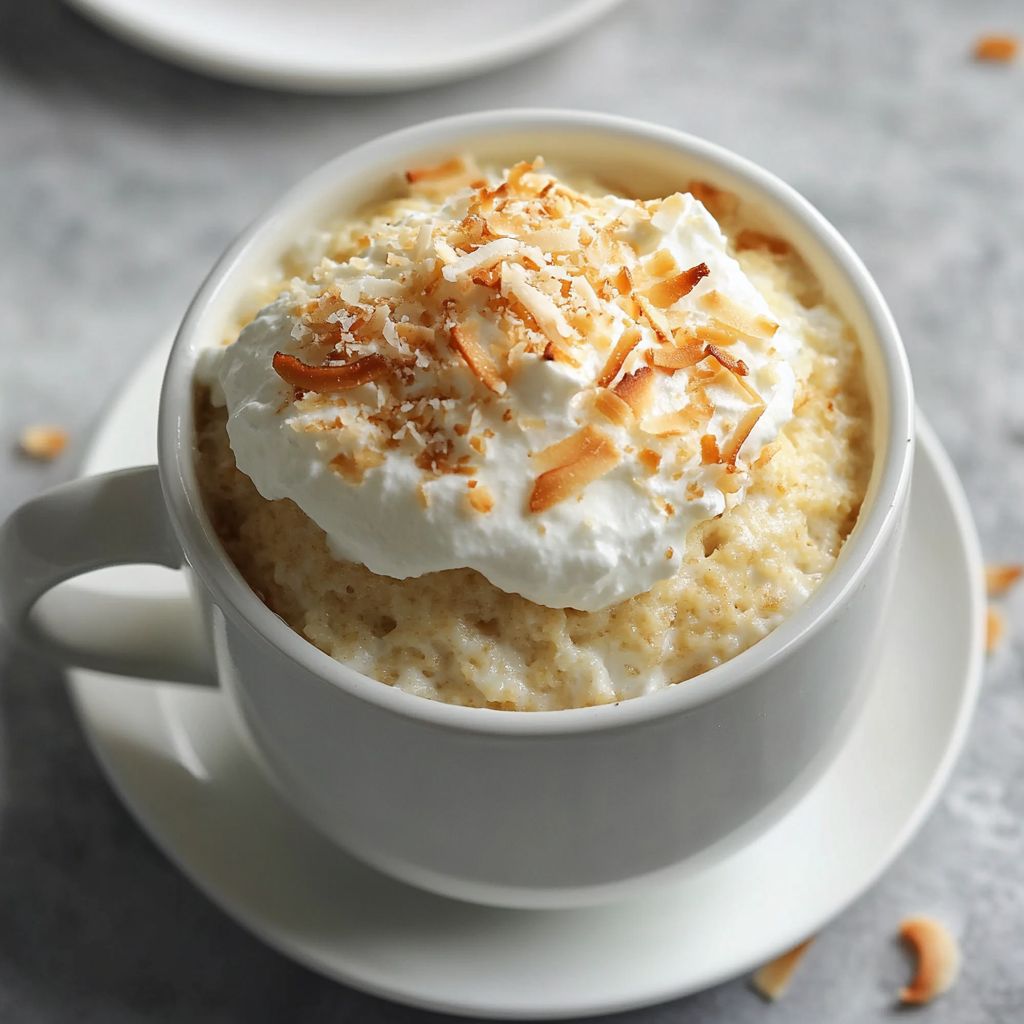
These vanilla coconut cottage cheese mug cakes are quick, protein-rich treats that come together in minutes with just a blender or whisk and a short microwave bake. For the smoothest batter, blend the cottage cheese until completely lump-free and whisk the egg with vanilla to distribute aroma. Because coconut flour is very absorbent, the batter will be naturally thick; if it looks too stiff, whisk in 1 tablespoon at a time of unsweetened almond milk until it reaches a thick, spoonable consistency. Use fresh baking powder for a light, tender crumb, and keep in mind that substitution with baking soda requires acidity adjustments. A pinch of salt enhances sweetness and makes the vanilla and coconut pop. The shredded coconut adds texture and tropical notes—toast it briefly in a dry skillet to boost aroma, then fold into the batter or sprinkle on top after microwaving. If you prefer a sweeter result, you can swap the sugar for maple syrup, but reduce the added liquid slightly and whisk longer to ensure even incorporation. Optional add-ins: fold in 1 tablespoon mini chocolate chips after batter is mixed, or sprinkle extra toasted coconut on top for crunch. Microwave times vary by wattage—start with 60-70 seconds on high for a typical 1000–1100W microwave, check doneness, and nudge with 10–15 second bursts until the center is set; let rest 1–2 minutes before eating. This mug cake is delicious warmed with a dollop of yogurt or a drizzle of nut butter. Store any leftovers in the fridge for up to 2 days and reheat briefly. Always ensure your ingredients are gluten-free if you have gluten intolerance.
Tips
Tips for Perfect Vanilla Coconut Cottage Cheese Mug Cake
- Blending cottage cheese until completely smooth is essential. Lumps can create a dense, uneven crumb. If you don’t have a blender, whisk vigorously or push through a fine-mesh sieve after mashing to smooth out the texture.
- Fresh, full-fat cottage cheese yields the richest, creamier results. If using lower-fat varieties, you may notice a lighter crumb; consider a touch more coconut milk or a splash more milk to compensate for moisture differences.
- Fresh baking powder is crucial for lift in the microwave. If the powder is older or clumped, the cake may turn out dense. Sift the powder with the dry ingredients to ensure even distribution.
- Microwave times vary with wattage. Start at 60–70 seconds on a 800–1000W microwave. If the center is still jiggly, microwave in 10–15 second bursts until set. Avoid overheating, which can make the cake dry or tough.
- To keep the top from drying out, avoid overcooking. If you notice a dry or crusty top, try reducing the cook time by 10–15 seconds next time, or cover the mug loosely with a microwave-safe plate to trap moisture.
- Tip for fluffier texture: whisk the egg well and, for extra height, fold in lightly whisked egg whites or whip the eggs separately and combine at the end. This adds air and a cake-like crumb.
- Moisture balance is key with coconut flour. If the batter seems too thick, add 1 tablespoon of unsweetened almond milk at a time until it reaches a thick, spoonable consistency. Avoid adding too much liquid, which can make the mug cake gummy.
- Toast the shredded coconut briefly in a dry skillet until fragrant to deepen the coconut aroma before mixing. You can also reserve a portion to sprinkle on top after microwaving for textural contrast.
- If using optional add-ins: fold in mini chocolate chips after the batter is mixed to prevent sinking. For a lighter chocolate flavor, use milk chocolate chips; for a richer bite, use dark chips.
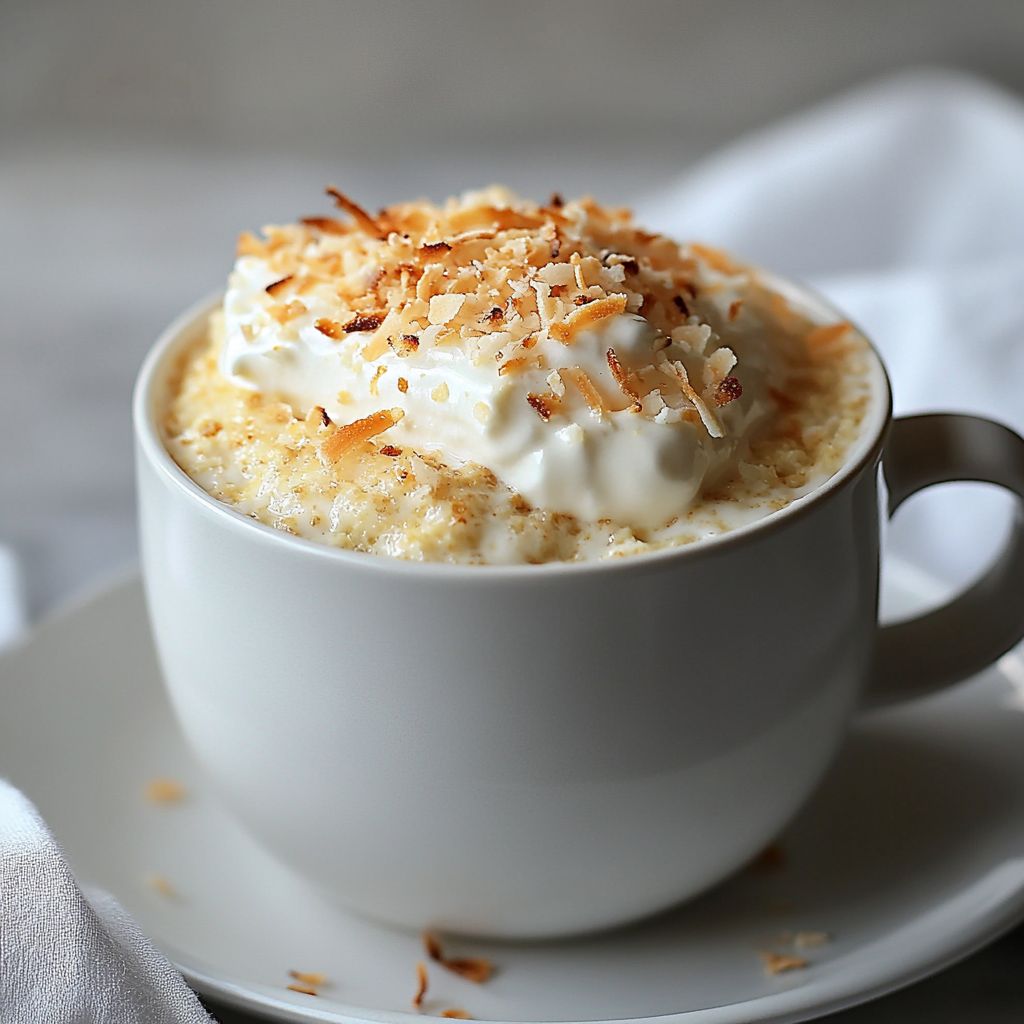
- Toasted coconut flakes on top after cooking add an appealing crunch and aroma. A light sprinkle of extra vanilla or a drizzle of maple syrup over the top can amplify flavor just before serving.
- Storage and reheating: mug cakes are best fresh. If needed, store the batter (unbaked) in the fridge for up to 24 hours, or refrigerate leftovers and reheat in 10–15 second bursts to avoid drying out.
- Flavor variations: for a deeper vanilla, use 1/4 teaspoon vanilla paste or a pinch of vanilla bean seeds. A pinch of cinnamon can complement the coconut nicely if you’re in the mood for a warm note.
FAQ
What is Vanilla Coconut Cottage Cheese Mug Cake?
A quick, single-serving mug cake you bake in the microwave using cottage cheese, vanilla, coconut and a few pantry staples. It’s protein-packed, naturally sweetened, and ready in minutes.
What ingredients do I need?
- 1/2 cup cottage cheese (low-fat or full-fat)
- 1 large egg
- 1–2 tablespoons sweetener (granulated sugar, maple syrup, honey, or your preferred sugar substitute)
- 1/2 teaspoon vanilla extract
- 1–2 tablespoons shredded coconut or 2 tablespoons coconut flour
- Pinch of salt
- Optional: 1/4 teaspoon baking powder for extra rise
How do I make it (step-by-step)?
- Blend or mash cottage cheese until smooth.
- Whisk in egg, vanilla, sweetener, salt and baking powder until well combined.
- Stir in shredded coconut or coconut flour.
- Grease a microwave-safe mug and pour batter inside.
- Microwave on high for 1–2 minutes, checking after 1 minute and then in 15–20 second increments until set but soft in the middle.
- Let cool briefly, then enjoy.
How long does it take to cook in the microwave?
Typically 1–2 minutes on high in a standard 1000W microwave. Every microwave varies, so start at 1 minute and add 15–20 second increments until just set.
Can I make a dairy-free or vegan version?
Yes. Replace cottage cheese with silken tofu or a dairy-free yogurt, and use a vegan egg substitute (such as a flax egg) if needed. For best texture, blend the tofu until smooth and adjust with a little extra coconut flour if the batter is too loose.
What are good substitutions or variations?
Try these variations: add chocolate chips or cocoa powder for a chocolate twist; swap in almond flour or more coconut flour for different textures; add cinnamon or nutmeg; top with fresh berries, shredded coconut, or a drizzle of maple syrup after baking.
How should I store leftovers?
Store in an airtight container in the fridge for 2–3 days. Reheat in the microwave in 15–20 second bursts until warm. The texture is best fresh, but it will reheat okay for a quick snack.
How can I prevent it from overflowing or being rubbery?
Use a mug with extra headroom (at least 12 oz). Do not overfill. Blend cottage cheese until completely smooth to avoid lumps. Do not over-mix the batter, and if it looks very loose, add a touch more coconut flour or a pinch more baking powder.
Is this recipe high in protein?
Yes. The cottage cheese and egg provide protein, roughly 14–16 g per serving depending on the exact brands and amounts used. This makes it a satisfying, protein-forward snack or dessert.
Serving suggestions
Top with a dollop of yogurt or whipped cream, a drizzle of almond butter or maple syrup, and a handful of fresh berries or toasted coconut for extra flavor and texture.