Introduction / Hook
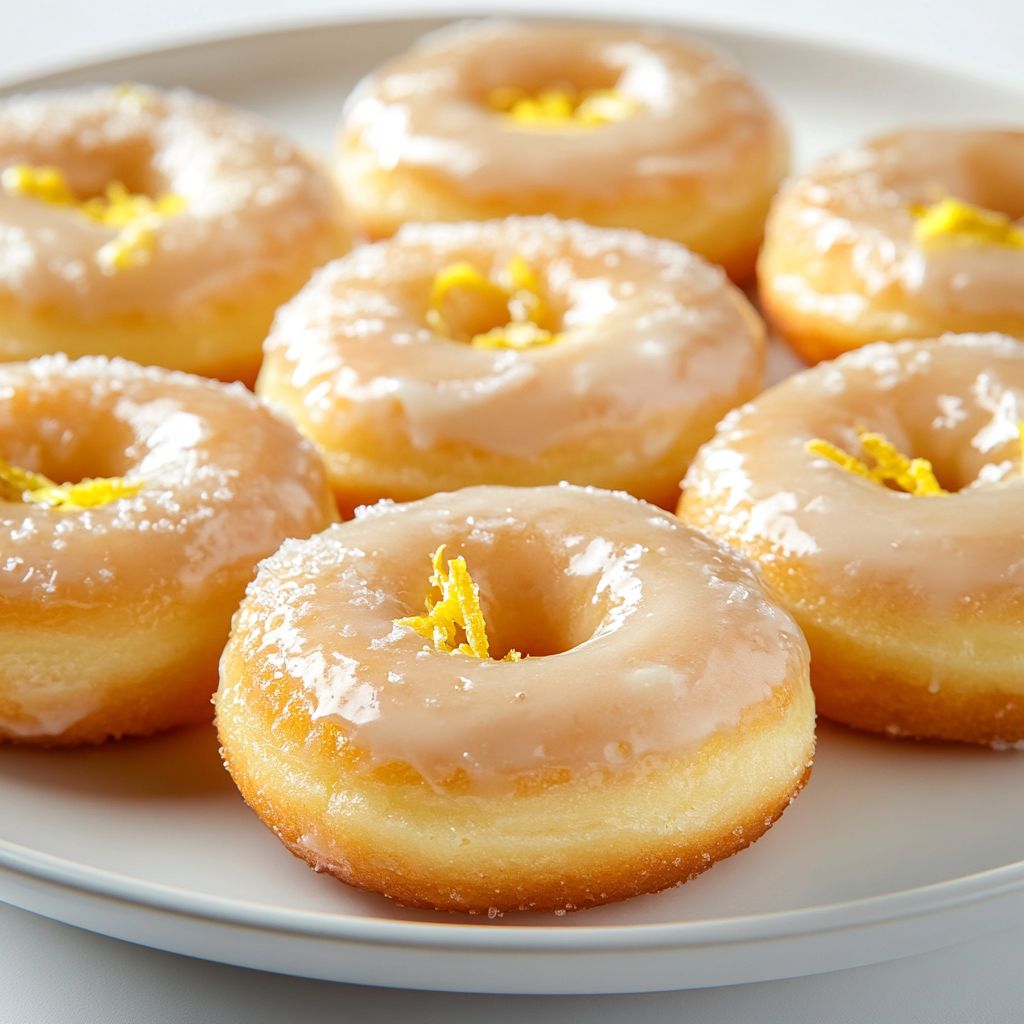
Imagine biting into a lemon-scented cloud that dances on your tongue with bright, sunny zest and just the right kiss of sweetness — all without derailing your daily nutrition goals. The Best 100 Calorie Lemon Donuts are not just a treat; they’re a tiny celebration of balance: fluffy, citrus-forward bites that feel indulgent yet leave you feeling light and satisfied. When the oven timer chimes and the warm scent of vanilla, citrus oil, and a whisper of springtime sugar fills your kitchen, you’ll be transported to a sunlit bakery window where every donut is a promise of flavor without excess. These donuts prove that you don’t have to choose between flavor and wellness; you can have both, in harmony.
The Story Behind the Dish
Donuts have a storied place in the history of quick comfort foods, from bustling urban bakeries to cheerful backyard gatherings. They began as humble fried rings and rings of dough that became synonymous with weekend rituals and coffee chats. Over the decades, cooks have reimagined donuts in countless ways: baked versions that cut calories, gluten-free takes that widen the circle, and flavor profiles that nod to seasonal produce. The lemon variation is a bright homage to the citrusy freshness that lifts dull days and adds a zing to ordinary mornings. My own journey with this recipe started on a Saturday when I wanted something that tasted like a vacation in a bite—airy, citrusy, and light enough to pair with a mug of good coffee without weighing me down. I experimented with a few batters, a touch of yogurt for tenderness, a hint of citrus zest for aroma, and a glaze that would gleam like morning sun on a plate. The result wasn’t just a pastry; it was a reminder that delicious food can be both uplifting and mindful. The lemon’s acidity cuts through the sweetness, leaving a balance that feels almost celebratory rather than indulgent. It’s the kind of recipe that travels well, too—perfect for brunch spread, potlucks, or a quick weekday pick-me-up.
Why You’ll Love This Recipe
- Portion-perfect indulgence: Each donut is designed to be approximately 100 calories, offering a satisfying treat without derailing your nutrition plan.
- Bright, uplifting flavor: The lemon zest and juice brighten every bite, with a glaze that adds a glossy sheen and a gentle sweetness that doesn’t overwhelm the tang.
- Light, fluffy texture: A careful balance of moisture and airiness yields a crumb that feels almost cake-like, yet remarkably tender and delicate.
- Versatile and forgiving: This recipe lends itself to substitutions and tweaks, so you can tailor it to your dietary needs or mood for the day.
- Quick to make: With common pantry staples and a quick bake, you can enjoy a tray of citrusy donuts in under an hour, including cooling time.
Flavor Profile & Texture
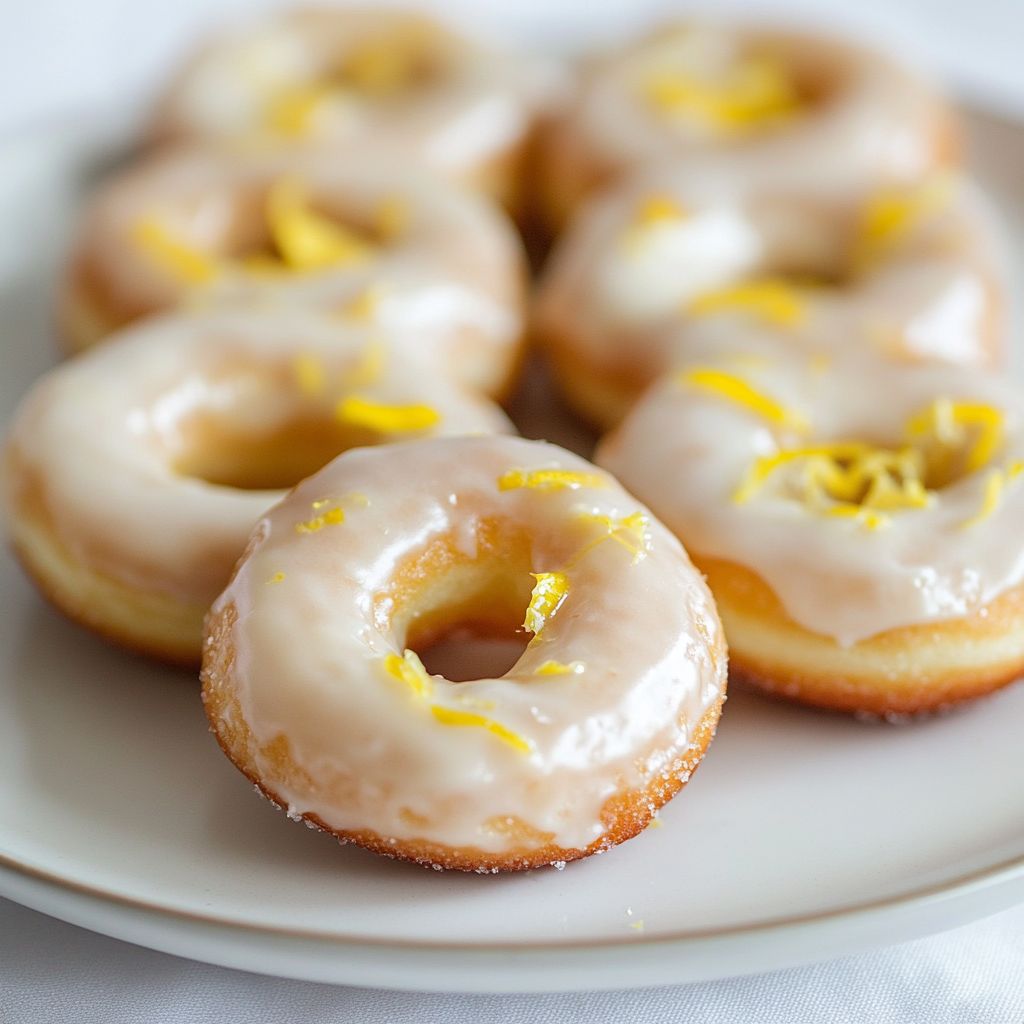
The flavor profile of these lemon donuts is a conversation between bright acidity and soft sweetness, wrapped in a tender, melt-in-your-mouth crumb. The lemon zest releases essential oils that perfume the batter with sunshine—the kind of aroma that makes you pause mid-thought and smile. A whisper of lemon juice sharpens the citrus notes and brightens the overall balance, ensuring that the sweetness never feels cloying. The glaze (which is light in thickness and high in gloss) provides a delicate citrus-sugar finish that catches the light as you take a bite, offering a glossy contrast to the matte pale crumb inside.
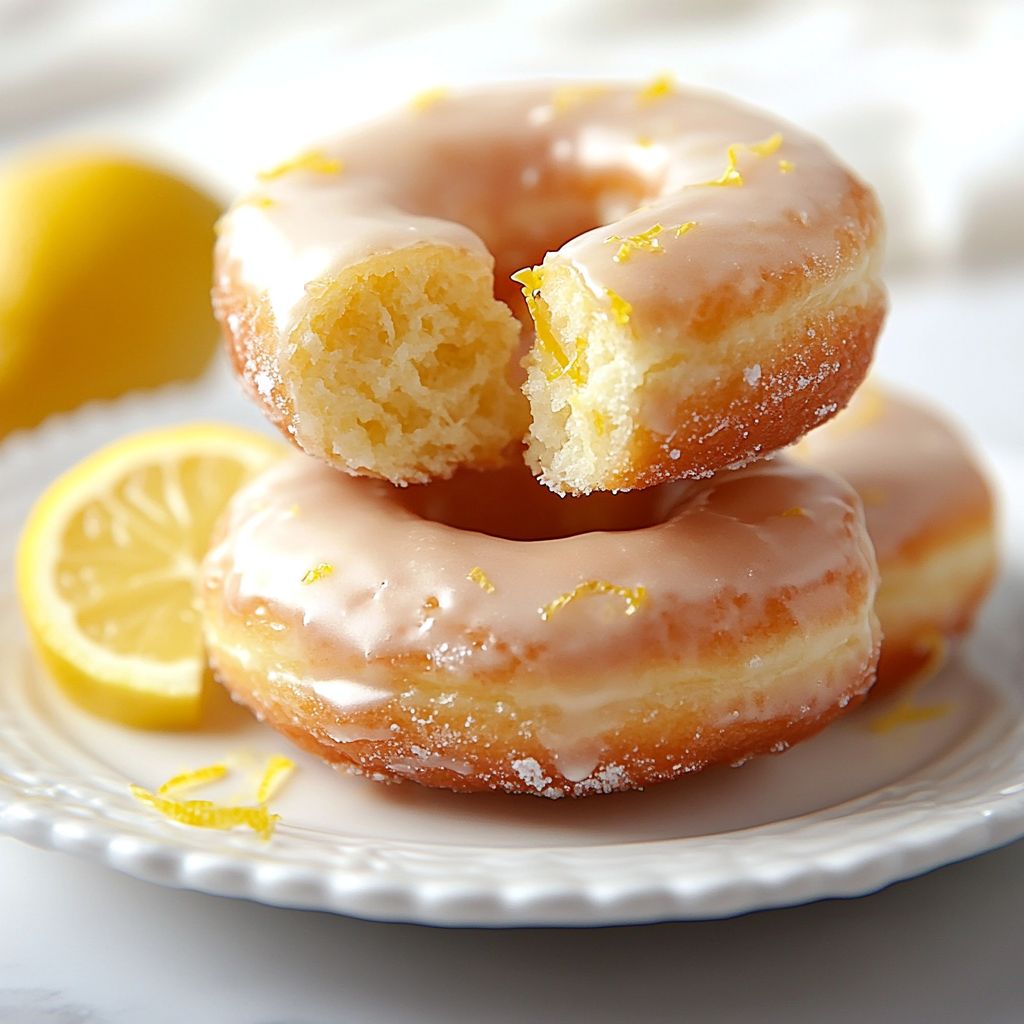
Texture-wise, expect a regimen of gentle moisture that keeps the donut from feeling dry, while still maintaining a crisp, almost sugar-frosted exterior where a fine crust forms during baking. The interior should be tender but not crumbly, with a fine crumb that sustains the bite and carries the lemon aroma through to the last mouthful. The combination of moisture, citrus brightness, and a touch of glaze creates a multi-sensory experience: you hear a soft crackle on the first bite, taste the zing of lemon, appreciate the sweetness that lingers on the tongue, and feel a light, airy crumb that makes you reach for another without guilt.
Occasions & Pairings
This lemon donut is a versatile guest at many occasions. It shines in a relaxed weekend brunch alongside a spread of fresh fruit, yogurt parfaits, and a pot of hot coffee or herbal tea. It also works beautifully as a quick weekday treat that pairs nicely with a glass of sparkling water or a light citrus-infused tea. For a party or potluck, arrange a dozen donuts on a platter with a few lemon-thyme sprigs for garnish, and you’ve got an eye-catching center that still feels approachable and wholesome.
Pairing ideas to elevate the experience without complicating it:
- Drinks: A cup of medium-roast coffee, hot or iced tea (especially green or chamomile with a lemon twist), or a light sparkling beverage with a hint of citrus.
- Sides: Fresh berries, a dollop of light yogurt or whipped ricotta, or a small side of citrus curd for a more decadent option.
- Dessert enhancements: A floral honey drizzle or a dusting of powdered sugar with a touch of lemon zest for extra brightness.
Tips, Variations & Substitutions
- Make them vegan: Swap dairy with a plant-based yogurt or milk of choice and use a flax or chia egg replacement to keep the batter cohesive. Ensure the glaze uses a plant-based sugar glaze if needed.
- Gluten-free option: Use a well-balanced gluten-free flour blend designed for baking. You may need a touch more moisture or a substitute such as applesauce to maintain tenderness.
- Flavor twists: While lemon is the star, you can experiment with lime for a more tart bite, orange for a sweeter, mellow citrus, or a mix of citrus zest for a more complex aroma.
- Sweetener choices: If you prefer a lower sugar profile, consider a simple glaze with a sugar substitute suitable for baking, or glaze with a lemon-sugar syrup with just enough sweetness to sweeten without heaviness.
- Texture tweaks: For an even lighter crumb, incorporate a small amount of yogurt or a dairy-free alternative that brings moisture without adding density. Conversely, a touch of mashed banana can add moisture in a pinch, though it will subtly alter the flavor.
- Make-ahead glaze: If you’re preparing in advance, store the glaze separately and drizzle just before serving to keep that glossy finish intact.
- Oven-first approach: For consistent results, bake in a donut pan rather than making free-form muffins. A shaped pan ensures a uniform texture and ensures a gentle rise that preserves portion control.
- Flavor layering: Garnish with a tiny pinch of citrus zest on top right before serving for a fresh burst of aroma as guests bite in.
- Meal prep angle: Bake a batch ahead of time and reheat gently in a low oven to revive the soft crumb and glow of the glaze without drying out the dough.
Storage & Make-Ahead Ideas
To keep these 100-calorie lemon donuts at peak freshness, store them properly and plan ahead. Because the goal is to preserve tenderness and brightness, layering them with parchment between each donut helps prevent sticking and keeps their surface glaze pristine.
Storage guidelines:
- Room temperature: In an airtight container, these donuts stay fresh for up to 2 days. If you’re keeping them at room temperature, consider a light glaze that sets quickly to lock in moisture.
- Refrigeration: While refrigeration can extend freshness, it may slightly dry the crumb. If you must refrigerate, wrap tightly and reheat gently in a warm oven or toaster oven before serving to revive the texture and aroma.
- Freezer-friendly: Freeze baked donuts without glaze or with a separate container for the glaze. They can be frozen for up to 2 months. Thaw at room temperature and apply glaze just before serving for the best texture and glow.
- Make-ahead strategy: If you’re hosting a brunch, bake a batch the night before and store in an airtight container. In the morning, glaze and dust with zest for a fresh, just-made appearance.
Fun Facts & Trivia (Optional)
Did you know that citrus zest contains essential oils that are more potent than the juice itself when it comes to aroma? That’s why recipes often call for zest rather than solely relying on juice to deliver fragrance. Lemon donuts also highlight a clever culinary trick: moisture and airiness can be achieved with the right blend of wet and dry ingredients, without the need for heavy fats or long frying times. The concept of 100-calorie desserts isn’t new, but it’s a growing trend that helps people enjoy sweets with confidence, balancing pleasure with mindful eating. The term “donut” itself has a charming origin, potentially derived from the Dutch word “o[n]donut” or from an older phrase referring to “any hollow or rounded bread.” Whatever the story, these small citrus delights carry a sense of nostalgia for weekend mornings and cozy gatherings while staying rooted in modern wellness-minded cooking.
Some culinary trivia for lemon lovers: lemon zest is known to brighten not only baked goods but savory dishes as well, where it can lift richness and cut through heavy sauces. The delicate glaze on lemon pastries often uses powdered sugar to achieve a glossy finish, but you can experiment with natural sweeteners like maple or honey for nuanced sweetness. If you’re curious about regional twists, lemon desserts appear in many cultures—from Italian sfogliatelle with citrus notes to Greek loukoumades with a lemon-honey glaze—each bringing a unique culinary memory to the table. This particular recipe sits at a delightful intersection: it’s familiar comfort with a modern, lighter frame, inviting you to savor a moment of brightness without excess.
Ingredients
Donut Base
-
– 1 cup gluten-free rolled oats, ground into fine oat flour (certified gluten-free)
→ Oat flour provides gluten-free structure with a light, tender crumb. Grinding the oats to a fine, uniform powder ensures even hydration and a cake-like texture. After grinding, sift to remove any large bits for smoother batter. Using certified gluten-free oats helps keep the recipe safe for those with gluten intolerance.
– 1/2 cup fat-free plain Greek yogurt
→ Yogurt adds moisture, tenderness, and a bit of protein without added fat. It helps create a soft crumb and improves mouthfeel. For dairy-free options, substitute with an unsweetened plain dairy-free yogurt (almond, soy, or coconut) and whisk until smooth before mixing.
– 2 large egg whites
→ Egg whites contribute lift and structure without the extra fat of yolks. For best results, bring eggs to room temperature and lightly whisk whites until just frothy to help incorporate air into the batter. If you prefer a richer crumb, you can use 1 whole egg plus 1 extra white, but this will raise calories slightly.
– 1/2 cup unsweetened almond milk
→ Provides moisture and helps hydrate the oat flour without added fat. If you’re dairy-free, any unsweetened plant-based milk (soy, oat, or rice) with a similar thickness will work; adjust as needed if batter is too thick or thin.
– 1 tablespoon lemon zest
→ Delivers bright lemon aroma without extra liquid. Use a microplane to grate the zest finely, taking only the yellow outer layer and avoiding the white pith, which can taste bitter. The zest enhances flavor depth throughout the batter.
– 2 tablespoons fresh lemon juice
→ Adds acidity for balancing sweetness and aids a light rise when combined with the leaveners. Fresh juice is best for vibrant flavor; squeeze just before mixing to maximize brightness. If you prefer more lemon intensity, increase zest rather than juice to prevent thinning the batter too much.
– 1 tablespoon honey (optional)
→ Provides a touch of natural sweetness and moisture; reduces the need for refined sugar. For a strict 100-calorie target per donut, you can omit entirely or reduce to 1 teaspoon and compensate with extra lemon zest for flavor. Opt for local, raw honey if available for nuance, but it’s optional.
– 1 teaspoon vanilla extract (optional)
→ Enhances overall flavor and pairs nicely with lemon. Use pure vanilla extract for best aroma; if unavailable, you can omit and rely on lemon zest for brightness.
– 1 teaspoon baking powder
→ The primary leavening agent that helps the donuts rise to a light, cakey crumb. Ensure the powder is fresh for full effect; sift with the dry ingredients to distribute evenly and prevent clumps.
– 1/4 teaspoon baking soda
→ Works with the lemon’s acidity to further lift the batter and tenderize the crumb. About a pinch of baking soda in combination with lemon juice yields a softer texture; measure carefully to avoid any soapy taste.
– Pinch of fine salt
→ Balances sweetness and enhances lemon flavor, helping all other flavors shine. Use a fine sea salt or table salt; mix it evenly with the dry ingredients.
Lemon Glaze
-
– 2 tablespoons fresh lemon juice
→ Provides the tangy lemon flavor in the glaze and helps reach a glossy, pourable consistency. Freshly squeezed juice yields the brightest taste; adjust by adding a touch more sugar if the glaze is too thin.
– 1/4 cup powdered sugar
→ Creates a smooth, glossy glaze that clings to the donut surface. Sift to remove any lumps, and add sugar gradually until the desired thickness is achieved. For a lighter glaze, use slightly less sugar and a bit more lemon juice.
– 1/2 teaspoon lemon zest (optional)
→ Extra lemon brightness that enhances aroma and complements the glaze. Grate the zest finely and whisk into the glaze until evenly distributed. This is optional if you prefer a simpler glaze.
– Pinch of salt
→ A tiny amount sharpens sweetness and brightens the citrus notes. Balance the glaze by tasting and adjusting with a touch more lemon juice or sugar if needed.
Optional Toppings
-
– Fresh lemon zest for garnish
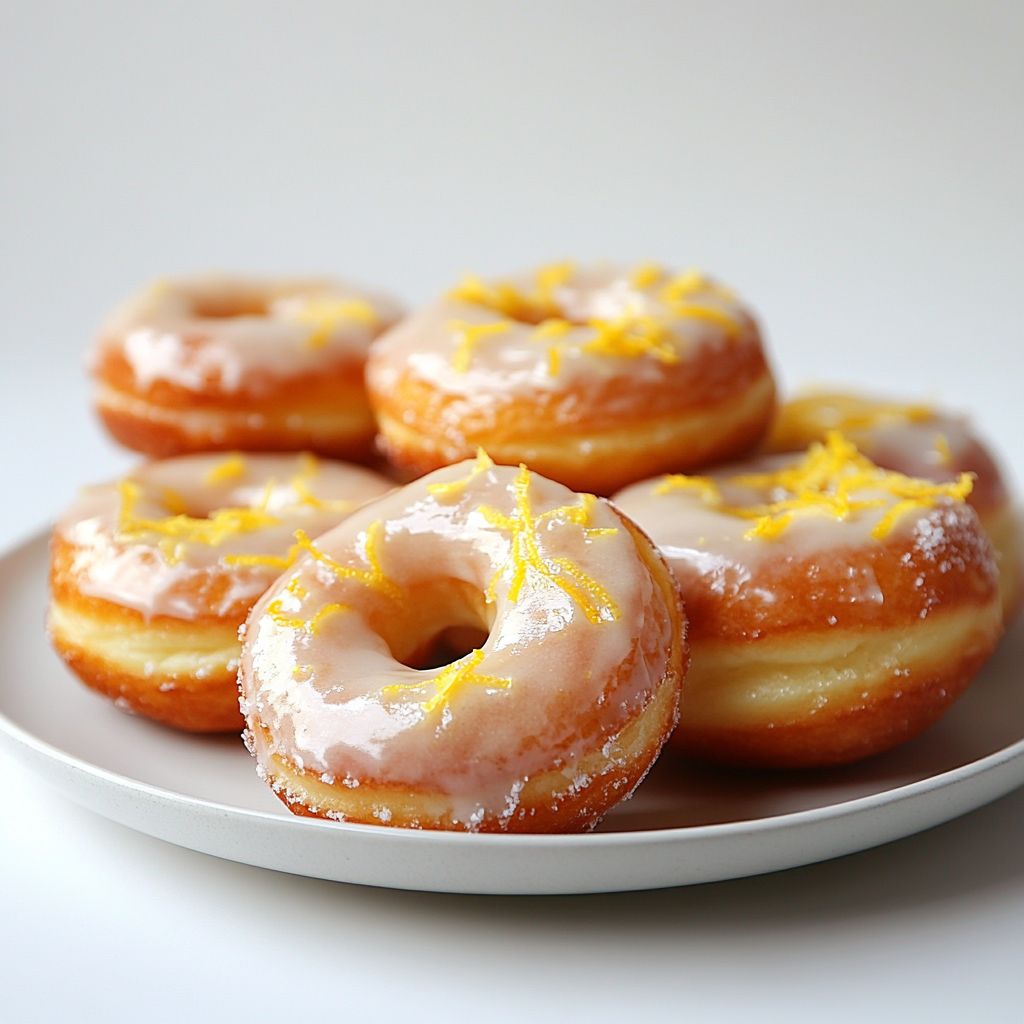
→ Finishing touch that adds aroma and a pop of color. Sprinkle a few fine strands over the glazed donuts after the glaze sets. Zest should be grated very finely to avoid large pieces that can detract from the glaze.
– 1 tablespoon poppy seeds (optional)
→ Provides subtle crunch and a speckled appearance that contrasts with the soft interior. Lightly toast the seeds in a dry pan for extra aroma before sprinkling on top if desired.
– 1 tablespoon finely chopped almonds (optional)
→ Adds a crunchy, nutty texture. Toast almonds lightly before chopping to deepen flavor, then sprinkle on top for an appealing finish. Suitable if you want a bit more protein and texture without deep fat.
Instructions
- Preheat your oven to 350°F (175°C) and generously grease a donut pan with nonstick spray or light oil; ensure every cavity is coated evenly to prevent sticking as the batter contains no fat besides the yogurt and milk and may cling if the surface isn’t prepared.
→ A well-greased pan guarantees clean release and preserves the donut shape, especially important for gluten-free batters that can be more prone to sticking. - Grind 1 cup gluten-free rolled oats in a high-speed blender or spice grinder until you obtain a fine, uniform oat flour, then sift and measure exactly 1 cup of flour for the batter; grinding to a uniform powder ensures even hydration and a cake-like crumb.
→ Fine oat flour permits even moisture distribution and consistent texture throughout the donuts, while sifting removes larger bits that could create uneven pockets. - Whisk together the dry ingredients: 1 cup oat flour, 1 teaspoon baking powder, 1/4 teaspoon baking soda, a pinch of fine salt, and 1 tablespoon lemon zest in a medium bowl until fully combined; blending the leaveners with the flour helps them distribute evenly for uniform lift.
→ Even distribution of baking powder and soda prevents uneven rising and ensures a light, cakey crumb with lemon aroma integrated from the start. - Whisk the wet ingredients: 1/2 cup fat-free plain Greek yogurt, 2 large egg whites at room temperature (lightly whisked to frothy), 1/2 cup unsweetened almond milk, 2 tablespoons fresh lemon juice, and 1 teaspoon vanilla extract (optional) in a separate bowl; room temperature eggs mix more smoothly and air pockets are better preserved for height.
→ Yogurt adds moisture and tenderness without fat, while lemon juice balances sweetness and aids lift when combined with the leaveners. - Fold the wet ingredients into the dry ingredients by creating a well in the center and stirring gently with a silicone spatula until just combined; avoid overmixing to keep a tender, cupcake-like crumb.
→ Overmixing gluten-free batters can develop toughness and create a denser texture; gentle mixing preserves lightness and even crumb structure. - Spoon the batter into the prepared donut cavities about 2/3 full using a small cookie scoop or piping bag, then smooth the tops with the back of a spoon or a small spatula to ensure even height and a uniform shape.
→ Filling to two-thirds prevents overflow during baking and yields a classic donut silhouette with a delicate rise. - Bake for 12–14 minutes at 350°F (175°C), or until the edges are lightly golden and a toothpick inserted into the center comes out with few moist crumbs; rotate the pan if your oven bakes unevenly.
→ Ovens vary, so checking with a toothpick confirms doneness without overbaking, which would dry the crumb of these delicate gluten-free donuts. - Cool the donuts in the pan for 5 minutes, then transfer to a wire rack to cool completely before glazing; this resting period allows the interior to finish setting and prevents the glaze from sliding off.
→ Proper cooling solidifies the structure and ensures the glaze adheres evenly for a smooth finish. - Prepare the lemon glaze by whisking 2 tablespoons fresh lemon juice, 1/4 cup powdered sugar, 1/2 teaspoon lemon zest (optional), and a pinch of salt in a small bowl until smooth and glossy; adjust with more sugar or juice to achieve a thick yet pourable consistency.
→ Fresh juice and zest deliver bright lemon flavor; the glaze should be thick enough to coat but thin enough to drip in a controlled way for an appealing finish. - Dip each cooled donut into the glaze or drizzle a thin, even coat over the top; allow any excess glaze to run back into the bowl and set the donuts on the rack until the glaze firms.
→ A uniform glaze creates a polished look and prevents soggy surfaces; dipping ensures consistent coverage on the domed tops. - Finish the glazed donuts with optional toppings: a light scatter of fresh lemon zest for aroma, and, if desired, lightly toasted poppy seeds or finely chopped almonds for contrast in texture; toast seeds or nuts briefly in a dry skillet to deepen toasty aroma before using.
→ Zest enhances fragrance and visual appeal, while seeds and almonds add crunch and nutty notes that complement the lemon glaze. - Store any leftovers in an airtight container at room temperature for up to 2 days (or refrigerate for up to 4 days); for best texture, keep the glaze dry by placing parchment between layers if stacking. Rewarm briefly before serving if desired to restore softness.
→ Proper storage preserves the delicate, cake-like crumb and prevents the glaze from becoming tacky or the donut from drying out.
Notes
These gluten-free lemon donuts are light and tender, built with finely ground gluten-free oats for a soft crumb and Greek yogurt for moisture and structure.
You can customize them by adding your favorite nuts, seeds, or dried fruits such as toasted almonds, poppy seeds, or dried cranberries to introduce texture and flavor.
They freeze well and make a great grab-and-go snack; thaw at room temperature or warm briefly before enjoying.
For an extra boost, serve with a dollop of yogurt or a drizzle of lemon glaze to enhance brightness and keep them feeling fresh.
For a strict 100-calorie-per-donut option, omit the optional honey or reduce to 1 teaspoon and adjust lemon zest to compensate for flavor; always measure portions to stay within target.
Always ensure your oats and baking powder are certified gluten-free if you have gluten intolerance.
Tips
Tips for Perfect 100 Calorie Lemon Donuts
- Grind the gluten-free rolled oats until they reach a fine, uniform powder. After grinding, sift the flour with the dry ingredients to remove any lumps for a smoother batter and a lighter crumb.
- Using certified gluten-free oats helps keep these donuts safe for gluten-sensitive eaters. If you can’t grind oats finely enough, substitute with store-bought gluten-free oat flour.
- Let yogurt and almond milk come to room temperature before mixing. Warm, not hot, liquids help the batter hydrate more evenly and the oats dissolve better.
- Whip the egg whites to soft peaks before folding them into the batter. This adds lift without extra fat, giving a lighter, cakier texture. Be careful not to overbeat; you want airy but not dry.
- Mix the dry ingredients and wet ingredients separately, then fold together just until combined. Overmixing gluten-free batters can lead to a tougher crumb.
- Grate the lemon zest finely with a microplane, avoiding the white pith. The zest provides aroma and flavor without adding extra liquid.
- Fresh lemon juice adds brightness and helps with a light rise when balanced with baking powder and baking soda. Squeeze just before mixing to preserve acidity and flavor; if you want more lemon intensity, increase zest rather than juice to avoid thinning the batter too much.
- If you’re keeping this dairy-free, use unsweetened plain dairy-free yogurt and an unsweetened plant-based milk with similar thickness. Adjust the batter with a touch more milk if it feels too thick.
- Fresh, not bottled, lemon juice is best for vibrant flavor. If your glaze seems too thin, whisk in a touch more powdered sugar until you reach a glossy, pourable consistency.
- Ensure the leavening agents (baking powder and baking soda) are fresh for proper lift. Sift them with the dry ingredients to distribute evenly and prevent clumps.
- A pinch of fine salt balances sweetness and enhances citrus notes. Mix salt evenly with dry ingredients for uniform flavor.
- Let the batter rest for a few minutes after mixing. This hydration period helps the oats fully absorb liquids, improving texture before baking.
- Grease a mini donut pan well or line with silicone cups to prevent sticking. A light spray of neutral oil works well; avoid heavy coatings that could weigh the batter down.
- For uniform portions and to support the 100-calorie target, use a small cookie scoop or piping bag to portion batter into the pan. This helps each donut bake evenly and portion control is easier.
- Monitor bake time by checking for a pale, set center and a toothpick that comes out clean or with a few moist crumbs. GF donuts can go from moist to dry quickly, so start checking a bit earlier than you think.
- To glaze: whisk lemon juice, powdered sugar, and optional lemon zest until smooth and glossy. If the glaze is too thick, thin with a tiny splash of more lemon juice or water; if too thin, whisk in a bit more sugar gradually.
- Toast optional toppings like poppy seeds or almonds lightly in a dry pan to deepen their aroma before sprinkling on the cooled glaze. This adds texture without adding fat.
- Store baked donuts in an airtight container at room temperature for up to 1-2 days. For longer storage, freeze baked donuts and rewarm gently to preserve softness.
FAQ
What makes these 100 calorie Lemon Donuts so light?
They use a small donut size, bake instead of fry, and rely on bright lemon flavor with lighter ingredients to keep each donut around 100 calories.
How many donuts does this recipe yield?
Typically about 6 standard donuts or 12 mini donuts, depending on the size of your donut pan.
What are the main ingredients?
Common components include yogurt or skim milk, a small amount of sugar or a sugar substitute, an egg or egg white, flour (or a gluten-free alternative), baking powder, lemon zest and juice, salt, and optional lemon glaze or flavor enhancers.
Should I bake or fry the donuts to keep calories low?
Baking is recommended for the lowest calories. You can also air-fry, but avoid deep frying to preserve the 100-calorie goal per donut.
Are there substitutions for dietary restrictions?
Yes. For gluten-free, use almond or oat flour blends. For dairy-free, swap yogurt/milk with plant-based alternatives. For vegan, use flax egg or another egg substitute. For lower sugar, use a sugar substitute like erythritol or a small amount of natural sweeteners.
How can I adjust the lemon flavor?
Increase lemon zest and a splash of lemon juice for more zing. If you like a glaze, mix lemon juice with a bit of powdered sugar, but remember glazing adds calories.
How long and at what temperature should I bake them?
Preheat oven to about 350°F (175°C). Bake standard donuts for 12–14 minutes, or 8–10 minutes for mini donuts, until lightly golden and a toothpick comes out clean.
How should I store or keep them fresh?
Store in an airtight container at room temperature for 1–2 days, refrigerate up to 5 days, or freeze for up to 1 month. Reheat briefly before serving for best texture.
Can I use a muffin tin instead of a donut pan?
You can bake the batter in a muffin tin if you don’t have a donut pan, but the shape won’t be classic donuts. Baking times may vary slightly, so watch closely.
What tools do I need to make these?
Donut pan (or muffin tin), mixing bowls, whisk or electric mixer, measuring cups/spoons, spatula, and a cooling rack. A pastry brush is handy if you apply glaze.