
Introduction / Hook
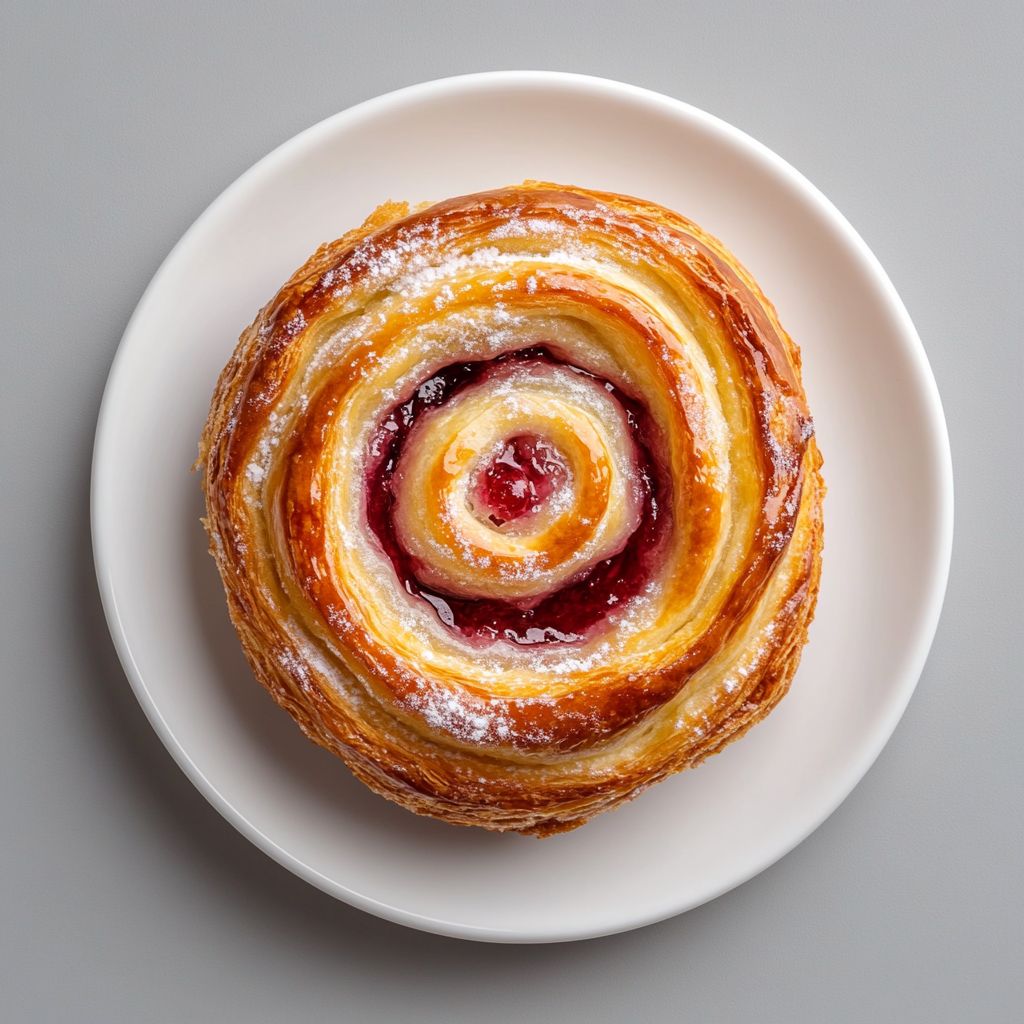
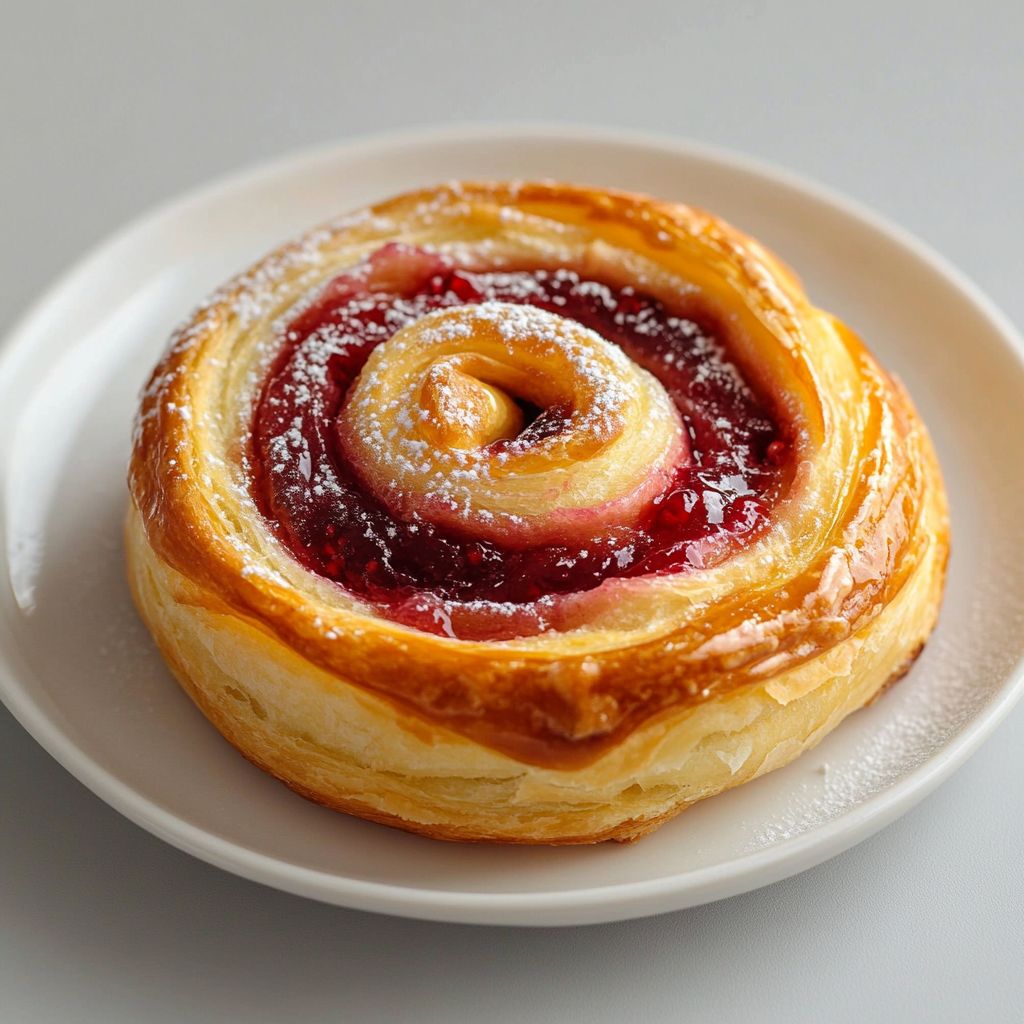
Picture a pastry that welcomes you with a warm, golden glow the moment you lift the lid on the bakery box. A light, silky steam escapes, carrying the comforting scent of butter and vanilla, mingled with the bright sweetness of ripe raspberries. The Sugar Raspberry Danish Bun is a celebration of morning rituals: a flaky, laminated dough that behaves like a whispered secret, layers rolling into delicate folds with every bite. Imagine bite-sized pockets of jammy brightness tucked between buttery sheets, a kiss of sugar glaze catching the light, and a soft, tender crumb that melts on the tongue. This bun isn’t merely a pastry; it’s a sensory invitation—an aroma that lingers in the kitchen, a texture that delights both the eye and the palate, and a moment of quiet indulgence that turns an ordinary breakfast into a small, luxurious ceremony. If you crave something that feels both nostalgic and irresistibly modern, this is the pastry that welcomes you to slow mornings, bright with fruit, and finished with a touch of sweetness that sings in harmony with coffee or tea. Welcome to a bake that feels like a warm hug from the oven, a memory in the making, and a dessert-like treat that tastes just as good next to a steaming mug as it does as a centerpiece for a weekend brunch.
The Story Behind the Dish
Sweet, buttery laminated pastries have a storied history that travels across continents and centuries. The concept of a Danish pastry, often called a viennoiserie marvel, originated when bakers in Vienna perfected a layered, yeasted dough and then traveled northward and westward, where local tastes and local ingredients wove new narratives. Denmark, with its own rich baking traditions and a knack for turning fruit into art, embraced this technique and transformed it into morning pastries that could be filled, rolled, and glazed with an artful balance of sweetness and tang. The Sugar Raspberry Danish Bun sits at the intersection of that heritage and a modern craving for bright, fruit-forward fillings. Raspberry, with its tart-to-sweet journey from fresh-picked summer to jam-dotted fillings, provides a vivid contrast to the deep, toasty butter of the dough. In many homes, a danish is more than a pastry; it’s a memory of weekend breakfasts, a grandmother’s kitchen, or a café where a pastry case becomes a colorful window into the season. The sugar glaze adds a subtle sparkle, a reminder of morning sunlight catching on the glaze as the bun rests on a plate. This recipe honors tradition while inviting you to personalize it—whether you’re a purist who loves the classic, a creative home cook who enjoys a twist, or someone who wants a comforting, elegant treat for a special morning.
Why You’ll Love This Recipe
- Versatile breakfast or brunch centerpiece: These buns look and taste impressive, yet they’re approachable enough for a weekday treat or a weekend celebration.
- Flaky, tender texture with a fruity counterpoint: The laminated dough delivers a delicate, layered bite, while the raspberry pockets provide bright contrast and juiciness.
- Sensory appeal in every bite: You’ll notice the aroma of butter and vanilla, the sugary glaze catching the light, and the soft crackle of the crust giving way to a plush interior.
- Make-ahead-friendly: Prep the dough in advance, rush through a gentle rise, and bake when you’re ready to savor the moment—perfect for weekend anticipation and party planning alike.
- Customizable to fit dietary needs: The concept scales well with substitutions, from dairy-free to gluten-conscious adaptations, without losing its charm or structure (see Tips & Variations).
- Crowd-pleasing and shareable: A dozen bites disappear quickly at gatherings, elevating coffee, tea, or a mid-afternoon chat with friends.
- Perfect balance of sweetness and fruit brightness: The raspberries lend a natural acidity that keeps the pastry tasting lively rather than cloying, while the sugar glaze adds gentle shine and a touch of crunch.
- Elegant yet comforting: This bun feels celebrations-ready but remains cozy enough to enjoy with a mug of cocoa in the early hours or after a long day.
Flavor Profile & Texture
The Sugar Raspberry Danish Bun is a study in contrasts: the crust is crisp and pale-golden at the edges, yielding to an interior that is whisper-soft and richly layered. Each bite reveals a mosaic of textures—a light, flaky lattice that cracks neatly, a tender crumb that dissolves on the palate, and pockets of ruby-red raspberry that pop with brightness. The dough offers a gentle butteriness, a calm sweetness that never overwhelms, and a comforting depth that comes from a long, patient lamination process. The raspberry filling (or jam) provides a tart-sweet counterpoint that wakes the senses, with a slightly jammy, jam-like center that stays moist without being wet. A whisper of vanilla from the dough or a note of almond from the glaze can lift the aroma into something almost fragrant, reminiscent of warm, sunlit pastry windows on a spring morning. The glaze adds a tiny gloss and a delicate sugar finish—enough to catch the light and add a subtle snap as you separate the layers. In total, the flavor is a harmonious duet: buttery warmth on the outside, bright fruitness on the inside, and a final kiss of sweetness that invites another bite without stealing the show from the raspberry’s lively personality.
Occasions & Pairings
These buns shine in many settings, making them a reliable choice for various occasions and moods.
- Weekend brunch: A showpiece that pairs beautifully with a pot of coffee, a citrusy yogurt parfait, or a fruit salad.
- Holiday mornings: Elevate a table with a tray of warm buns and a few berry-topped desserts for a balanced dessert-and-breakfast spread.
- Afternoon tea or coffee break: The pastry sits well with tea accompaniments and a light cheese board for a sophisticated, relaxed moment.
- Giftable treat: A cinnamon-sugar-dusted or lemon-zested twist can be packaged as a thoughtful, homemade gift to friends and neighbors.
- Brunch-for-a-crowd: Bake a batch and slice into elegant mini portions to serve as a pastry assortment alongside quiches and fruit tarts.
Pairing suggestions to complement the Sugar Raspberry Danish Bun include:
- Drinks: a light-bodied coffee like a Brazilian or Colombian roast, a vanilla latte, Earl Grey tea, or a glass of dry sparkling wine for a celebratory touch.
- Side dishes: creamy yogurt with vanilla or lemon zest, fresh fruit medleys, a simple ricotta drizzle, or a mild cheese board to balance the sweetness.
- Dessert companions: a tart lemon or berry compote on the side, a dollop of whipped cream or crème fraîche, or a light almond pastry cream if you’re feeling decadent.
Tips, Variations & Substitutions
The beauty of a Sugar Raspberry Danish Bun lies as much in its adaptability as in its classic charm. Here are ideas to tailor the pastry to your kitchen, dietary preferences, or seasonal produce while preserving its character.
- Vegan version: Use plant-based butter and a dairy-free milk in the dough, and select a dairy-free glaze. Many bakers achieve excellent lamination with high-fat vegan margarines designed for baking; look for options labeled suitable for laminated dough if you’re attempting a closer mimic of traditional textures.
- Gluten-conscious adaptations: Traditional laminated dough relies on gluten for structure. A lighter gluten-free approach often uses a mix of gluten-free flours and a binding agent like xanthan gum, plus careful handling to maintain tenderness. Expect a slightly different texture, but you can preserve the idea of multiple thin, flaky layers with patient resting and chilling between folds.
- Different fruit fillings: Swap raspberries for blueberries, blackberries, or a peach-berry compote. A citrus zest twist—lemon, orange, or lime—can brighten the filling and complement the buttery notes of the dough.
- Almond or pistachio accent: A thin layer of almond paste or a sprinkle of finely chopped toasted pistachios can add a nutty depth that plays wonderfully with fruit fillings.
- Spice notes: A pinch of cinnamon, cardamom, or a hint of nutmeg can elevate the pastry, especially in autumn and winter versions. Start with a small amount and adjust to taste.
- Sweetness balance: If you prefer less sweetness, reduce the glaze or use a glaze with a splash of lemon juice to cut the richness.
- Alternative sweeteners: For a more caramelized finish, brush with a light honey or maple glaze instead of classic sugar glaze. If using alternative sugars, consider their moisture content to maintain a tender crumb.
- Make-ahead variations: Prepare the dough, shape the buns, and freeze unbaked. Thaw and proof before baking for a fresh-baked result with minimal day-of effort.
Storage & Make-Ahead Ideas
Having a plan for storage and make-ahead preparation helps you enjoy these buns whenever the mood strikes, without sacrificing texture or flavor.
Store baked Sugar Raspberry Danish Buns at room temperature in an airtight container for up to two days for best texture. If you need to keep them longer, refrigerate for up to four days, but be mindful of potential drying; reheat gently to restore softness. For longer-term storage, freeze baked buns individually wrapped in plastic and stored in a freezer bag for up to two to three months. Reheat in a low oven (around 300°F / 150°C) until warmed through, or microwave briefly for a quick indulgence that still retains some of the pastry’s tenderness.
Make-ahead strategies include:
- Dough preparation: Mix, shape, and layer the dough as you would for a weekend bake, then chill or freeze the formed buns. When you’re ready, thaw in the refrigerator, proof, and bake to a just-out-of-the-oven finish.
- Filling prep: Prepare raspberry fillings or compotes in advance. A quick, fresh-trozen berry compote can be stirred into the center when you fill the buns for a burst of color and flavor that’s as vibrant as a market stall in summer.
- Glaze timing: If you’re serving later in the day, glaze buns just before serving to maintain the glossy finish and a slight crunch from the sugar.
Fun Facts & Trivia (Optional)
Delving into pastry lore reveals delightful tidbits about our favorite sweet treats. For example, the name “danish” in Danish pastries reflects a broad European influence on the dough technique, rather than a single country’s origin, and the iconic laminated layers owe much to the early 19th century innovations in butter-rich doughs. Raspberry, with its vibrant color and balance of tart and sweet, has long been a beloved filling in pastries across many cultures, from classic jam tarts to elegant chandeliers of pastry in patisseries. The sugar glaze is not merely decorative; its crystalline surface can provide a whisper of sweetness that enhances the pastry’s aroma as it cools. Some bakers even stress the importance of a patient rest between folds—the quiet time that allows butter to stay cold and the dough to relax—because texture, more than any other factor, determines the joy of a laminated pastry. When you bake a Sugar Raspberry Danish Bun, you’re participating in a centuries-old dialogue between technique, fruit, and the alchemy of heat—an ordinary morning turned into a small, exquisite ritual that travels well from kitchen to table.
Ingredients
Sugar Raspberry Danish Bun
Danish Dough
-
– 3 1/2 cups all-purpose flour (or bread flour)
→ The backbone of the Danish dough. all-purpose flour yields a tender crumb, while bread flour provides more gluten and a chewier bite. Measure by scooping into the cup and leveling for accuracy, then whisk with the salt to distribute evenly.
– 2 1/4 teaspoons active dry yeast (or 1 packet instant yeast)
→ Leavens the dough to create a light, airy bun. If using active dry yeast, activate in warm milk with a pinch of sugar for 5–10 minutes until foamy before mixing with the rest; instant yeast can be mixed directly with dry ingredients.
– 1/2 cup granulated sugar
→ Provides gentle sweetness and helps feed the yeast early in fermentation; also contributes to browning. Adjust to taste if you prefer a less sweet dough.
– 1 teaspoon fine salt
→ Balances sweetness, strengthens gluten development, and enhances overall flavor. Distribute evenly with the flour so the salt isn’t concentrated in one spot.
– 3/4 cup warm milk (110–120°F/43–49°C) or dairy-free milk alternative
→ Hydrates flour and activates the yeast; warmth is crucial for proper rise. If using dairy-free milk, pick one without strong flavors and consider a touch of neutral oil to mimic richness.
– 2 large eggs, room temperature
→ Enriches dough, addsStructure, and improves crumb. Room-temperature eggs blend more smoothly; keep the dough from overheating to avoid curdling.
– 6 tablespoons unsalted butter, softened and cut into pieces
→ Provides tenderness, flavor, and moisture. Softened butter folds in more evenly; for a laminated feel, you would incorporate butter later in a layering process, but here it enriches a smooth, tender dough.
– 1 teaspoon vanilla extract
→ Enhances overall aroma and sweetness; use pure vanilla for best flavor. Add to the wet ingredients for even distribution.
– 1/2 teaspoon lemon zest (optional)
→ Adds a bright citrus note that balances the sweetness and accents the raspberry filling. Zest finely to avoid large pieces that could tear the dough.
Raspberry Filling
-
– 1 cup fresh raspberries (or 1/2 cup seedless raspberry jam)
→ The tangy, fruity center of the Danish. Fresh raspberries give texture and brightness; jam provides a glossy, uniform center. If using fresh berries, gently crush a few to release juice while keeping some whole for pockets of sweetness.
– 1–2 tablespoons granulated sugar (adjust if using sweetened jam)
→ Balances tartness from raspberries; reduce if your jam is already sweet. Add gradually, tasting as you go.
– 1 teaspoon lemon juice (optional)
→ Brightens the filling and helps cut through richness. Use freshly squeezed juice for best aroma and flavor.
– 1–2 teaspoons cornstarch (or arrowroot)
→ Thickens the filling as it cooks, preventing runny centers. Make a slurry with a small amount of cold water before stirring into the berries; simmer briefly if using fresh berries.
Glaze and Topping
-
– 1 cup powdered sugar (confectioners’ sugar)
→ Creates a smooth, glossy glaze that lightly sweetens the buns. Sift to remove lumps for a silky finish, then whisk with liquid to desired consistency.
– 2–3 tablespoons milk (or dairy-free alternative)
→ Adjusts glaze thickness; add gradually until you reach a drizzle-able texture that coats without dripping excessively. Vanilla extract can be added here for extra depth.
– 1/2 teaspoon vanilla extract (optional)
→ Deepens the glaze flavor; use if you want a richer finish. Add with the milk to infuse the glaze evenly.
– Pearl sugar or coarse sanding sugar (for topping, optional)
→ Provides a crunchy, bakery-style finish and attractive sparkle. Scatter on the formed buns just before baking so it adheres and browns slightly.
– 1 large egg, beaten with 1 tablespoon water (for egg wash)
→ Helps the outer crust develop a shiny, golden color and crisp texture. Brush over the risen buns before baking to promote even browning.
Instructions
- Bloom the yeast in warm milk: If using active dry yeast, whisk 2 1/4 teaspoons of yeast into 1/4 cup of the warm milk (110–120°F / 43–49°C) with a pinch of sugar and let sit 5–10 minutes until foamy; if using instant yeast, skip this bloom and mix the yeast directly with the dry ingredients. This confirms the yeast is alive and ready to leaven the dough so your buns rise properly.
→ This step ensures the yeast is active before combining with flour, preventing dense, heavy pastries. - Whisk the dry ingredients: In a large bowl, whisk together 3 1/2 cups all-purpose flour (or bread flour), 1/2 cup granulated sugar, and 1 teaspoon fine salt until evenly distributed; this creates a uniform dough and prevents salt pockets from killing the yeast.
→ Even distribution of salt and flour promotes consistent gluten development and flavor throughout the dough. - Beat the wet ingredients: In a separate bowl, whisk 2 large eggs, 3/4 cup warm milk, 1 teaspoon vanilla extract, and 1/2 teaspoon lemon zest (optional) until well combined; this enriches the dough with fat-soluble flavors and helps emulsify the butter later.
→ Using room-temperature eggs and warm liquids aids smooth incorporation and prevents curdling or uneven texture. - Combine the wet and dry ingredients and begin kneading: Pour the wet mixture into the dry ingredients and mix with a spatula or dough hook until a shaggy dough forms; then knead on a lightly floured surface until smooth and elastic, about 8–10 minutes; this develops gluten structure for a tender yet sturdy Danish crumb.
→ Proper kneading aligns gluten strands for strength without tearing, yielding a dough that can hold the filling without collapsing. - Incorporate the butter gradually: With the mixer on low or by hand, add 6 tablespoons unsalted butter, softened and cut into pieces, one piece at a time, until fully absorbed; the dough will become glossy and softer as the fat envelops the gluten.
→ Gradual incorporation prevents tearing of the dough and creates a rich, velvety crumb with delicate layering. - First fermentation: Lightly oil a large bowl, place the dough inside, turn to coat, cover with plastic wrap or a damp towel, and let rise in a warm, draft-free place until doubled in size, about 60–90 minutes; this fermentation builds flavor and gas bubbles for a light crumb.
→ Allowing proper rise creates air pockets that yield a soft, airy interior once baked. - Prepare the raspberry filling: In a small saucepan, combine 1 cup fresh raspberries (or 1/2 cup seedless raspberry jam), 1–2 tablespoons granulated sugar, and 1 teaspoon lemon juice; heat gently to release juices and meld flavors, optionally crushing a few berries; whisk in 1–2 teaspoons cornstarch (slurry with a little cold water) and simmer briefly until thickened; cool completely before using.
→ Thickened filling prevents ooze during baking and concentrates raspberry brightness for a defined center. - Roll out the dough and apply the filling: After punching down, roll the dough on a lightly floured surface to a 12-by-18-inch rectangle; spread an even, thin layer of cooled raspberry filling over the surface, leaving a 1/2-inch border to seal; a careful, even layer prevents gaps and promotes tidy spirals.
→ A uniform filling ensures each bite has consistent flavor and prevents leakage during baking. - Roll, seal, and chill the dough: Starting from the long edge, roll the dough tightly into a log; pinch the seam to seal and wrap loosely; refrigerate 15–20 minutes to firm the butter and make slicing easier, which helps achieve clean, defined spirals.
→ Chilling firms the fats so slices hold their shape during cutting and baking. - Slice and arrange the buns: Remove the log and cut into 12 equal slices with a sharp serrated knife; place slices cut-side-up on parchment-lined baking sheets, spacing about 2 inches apart to allow expansion; this forms the classic raspberry Danish appearance with visible centers.
→ Even spacing prevents sticking and ensures even heat distribution for uniform browning. - Second proof and preheat: Cover the formed buns loosely and let rise until puffy, about 30–45 minutes; while they proof, preheat the oven to 350°F (175°C) and line the sheets again if needed; this ensures a quick, even bake and a glossy crust.
→ A proper second rise yields a soft, airy interior and a well-formed surface during baking. - Egg wash the buns: Brush each bun with a beaten egg mixed with 1 tablespoon water; this promotes a shiny, gold crust and helps any toppings adhere; avoid pooling along edges to prevent soggy bottoms.
→ The egg wash encourages browning and a professional-looking finish. - Bake the buns: Bake in the preheated oven for 15–18 minutes until tops are golden and the centers reach about 190–195°F (88–90°C); rotate the baking sheets halfway for even browning.
→ Proper baking ensures a fully cooked interior with a crisp, flavorful exterior. - Prepare the glaze: While the buns bake or while they cool slightly, whisk 1 cup powdered sugar with 2–3 tablespoons milk and 1/2 teaspoon vanilla extract until smooth and drizzly; add milk a drop at a time to reach a glaze consistency that coats without running.
→ A glossy glaze adds sweetness and a polished bakery-style finish to the buns. - Finish with topping and glaze: Once the buns are warm, drizzle the glaze over the tops; if desired, scatter pearl sugar or coarse sugar while the glaze is still tacky to add a satisfying crunch and sparkle; this completes the visual and textural presentation.
→ The glaze sets with a gentle sheen, and the sugar topping provides a contrasting crunch against the tender crumb.
Notes
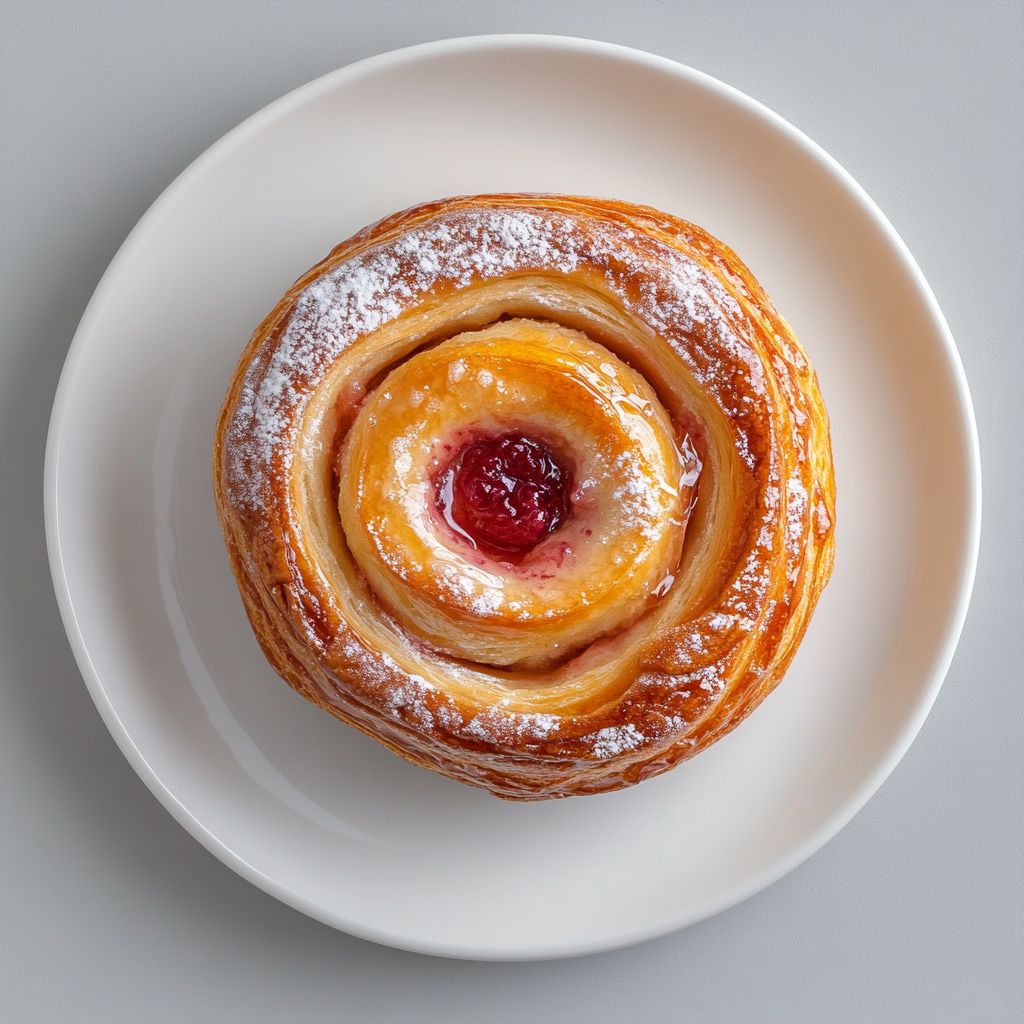
These Sugar Raspberry Danish Buns are a buttery, flaky treat with a tangy raspberry center and a glossy vanilla glaze. For the best texture, keep the Danish dough cold and handle it gently to preserve the layers; chilling the dough between folds helps achieve a laminated-like crumb. Use warm milk around 110–120°F to activate the yeast; if you’re using active dry yeast, proof it in warm milk with a pinch of sugar until foamy before mixing with the rest. The filling should be brightened with lemon juice and lightly sweetened; cook it briefly with a cornstarch slurry until thick and glossy, then cool before using to avoid leakage. You can customize the filling by swapping in other berries or adding citrus zest to the dough. Bake until the buns are deeply golden and the centers are set; finish with a glaze made from confectioners’ sugar and milk, adding vanilla or lemon for depth, and scatter pearl sugar on top for bakery-style sparkle. These buns freeze well when cooled; reheat in a low oven (about 325°F) for 8–10 minutes to refresh the flaky texture. Always ensure your yeast is fresh and your ingredients are at room temperature for a smooth, even rise.
Tips
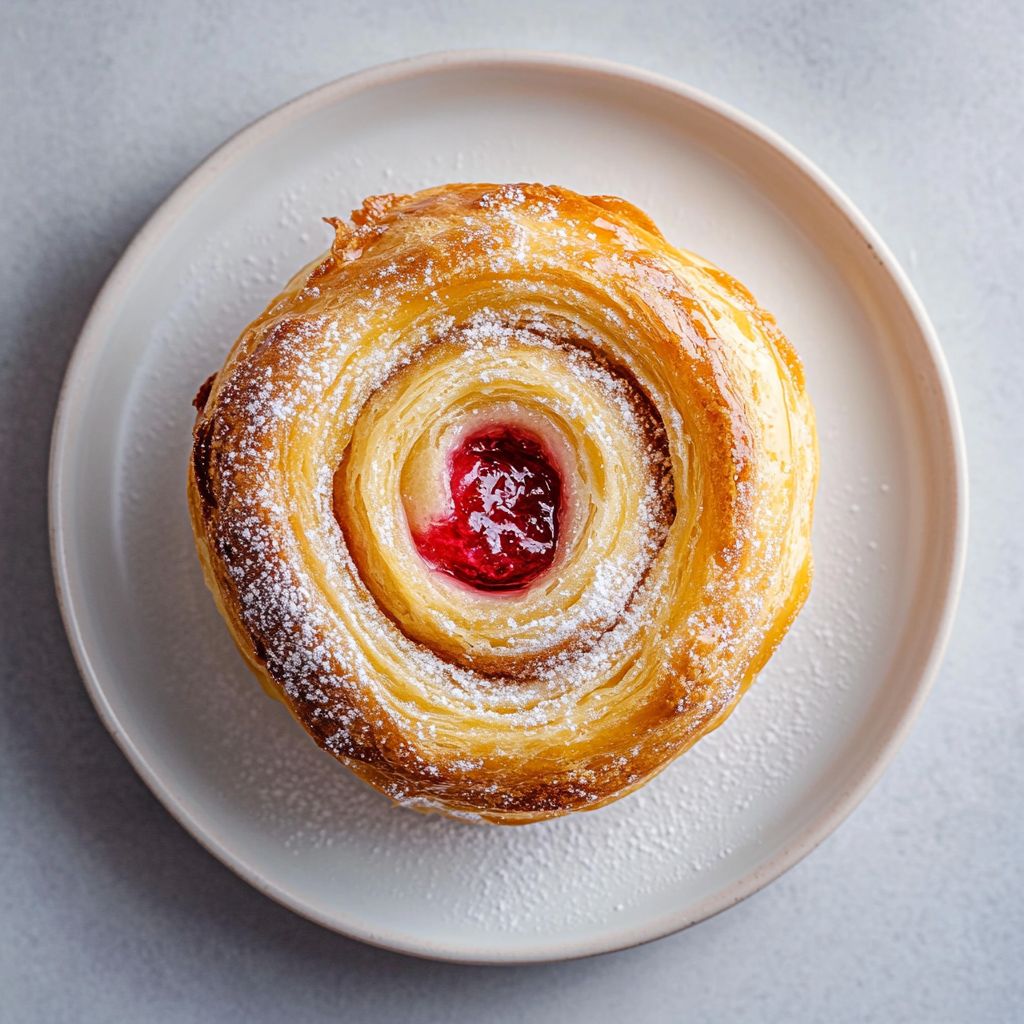
Tips for Sugar Raspberry Danish Bun
- Measure flour accurately: for best results, weigh flour; if using cups, scoop lightly into the cup and level off with a knife, then whisk with salt to distribute evenly.
- Yeast handling: if using active dry yeast, proof in warm milk with a pinch of sugar until foamy (5–10 minutes); instant yeast can be mixed directly with dry ingredients.
- Temperatures matter: warm milk around 110–120°F (43–49°C) to activate the yeast without killing it; eggs should be at room temperature for smooth emulsification.
- Butter integration: use softened, not melted, butter cut into small pieces; fold in gradually to avoid tearing the dough and to keep a tender crumb.
- Flavor boost: add vanilla and optional lemon zest to the wet ingredients for a fragrant dough; zest finely to avoid large specks.
- Raspberry filling prep: with fresh raspberries, gently crush a few berries to release juice while keeping some whole for pockets; if using jam, it will be glossier and easier to fill evenly.
- Thickening the filling: make a slurry of cornstarch with a small amount of cold water before stirring in the berries; cook briefly to activate the starch and thicken the center.
- Balance sweetness: taste the filling as you add sugar; 1–2 tbsp may be adjusted depending on jam sweetness and berry tartness.
- Prevent runny centers: cook the filling until slightly thickened or let cool completely before filling the dough to avoid seepage during baking.
- Shaping tips: keep the dough cool while rolling and filling; if it springs back, rest it for 10–15 minutes to relax the gluten.
- Egg wash and glaze: brush buns with the egg wash for a shiny crust; glaze the cooled buns with sifted powdered sugar mixed with milk; add vanilla to glaze if desired.
- Texture and finish: sprinkle pearl sugar or coarse sugar on top before baking for a bakery-style crunch and sparkle.
- Storage and make-ahead: unbaked buns can be frozen on a tray, then transferred to a bag; bake from frozen, adding a few extra minutes; baked buns keep 2–3 days in an airtight container.
- Troubleshooting: if dough is too dry, add milk a teaspoon at a time; if too sticky, refrigerate the dough for 15–20 minutes to firm up before shaping.
FAQ
What is a Sugar Raspberry Danish Bun?
A Sugar Raspberry Danish Bun is a laminated, buttery pastry similar to a croissant, filled with a sweet raspberry filling and often a delicate glaze or cream cheese topping. It combines flaky, tender layers with a bright raspberry center and a touch of sweetness from sugar in the dough and filling.
What ingredients do I need for the dough, filling, and glaze?
Dough: flour, sugar, salt, milk (or dairy-free milk), active dry yeast, eggs, and butter. Filling: raspberries (fresh or thawed frozen), sugar, and a little cornstarch for thickening. Optional glaze: cream cheese glaze or a simple powdered sugar glaze. You may also add vanilla or lemon zest for extra aroma.
Can I make this recipe without a stand mixer?
Yes. You can mix the dough by hand. Combine dry ingredients, whisk in wet ingredients, then knead on a floured surface until smooth. You’ll need a bit more kneading time to develop the gluten. After the first rise, fold in and roll out the butter as you would in a laminated dough, keeping the butter cold.
How do I shape the buns for the classic Danish look?
Roll out the dough into a rectangle, spread a thin layer of butter, fold, roll again, and chill. Cut into smaller rectangles, place spoonfuls of raspberry filling along the center, then roll up or fold to form individual buns with visible layers. Seal edges well and place on a baking sheet with space to rise.
Do I need to chill the dough between folds (lamination)?
Chilling between folds helps keep the butter solid and creates distinct flaky layers. Chill the dough for 20–30 minutes between each set of folds, and allow a final longer chill before shaping to slow fermentation and maintain structure.
How do I bake them to perfection?
Bake at a moderate temperature (about 375–190°C) until the buns are puffed and golden brown, about 20–25 minutes depending on size. If the bottoms brown too quickly, cover loosely with foil for the last few minutes. Check for an internal temperature around 190–200°F (88–93°C) if you’re unsure.
Can I freeze the dough or baked buns?
You can freeze both. Freeze shaped, unbaked buns on a tray until solid, then transfer to a bag. Bake from frozen, adding a few extra minutes. Alternatively, freeze fully baked buns and rewarm in a low oven or microwave, though they may lose some flakiness.
How should I store leftovers and how long do they stay fresh?
Store baked buns in an airtight container at room temperature for up to 2 days, or refrigerate for up to 5 days. Reheat gently in a 300–325°F (150–165°C) oven for 5–8 minutes to restore flakiness. Freeze for longer storage.
Can I use frozen raspberries or other fruit substitutes?
Frozen raspberries work well as long as you thaw and drain excess liquid before filling, or lightly thicken with a touch of cornstarch. You can substitute with other berries (strawberries, blueberries) or a jam swirl, but berries with seeds may alter texture.
Are dairy-free or gluten-free variations possible?
Yes. Use dairy-free butter and milk to make the dough dairy-free, and consider gluten-free flour blends designed for laminated pastries; note that gluten-free laminated doughs can be harder to handle and may yield a denser result. For strict gluten-free, consider a gluten-free puff pastry base and adjust as needed.
What are good serving suggestions for Sugar Raspberry Danish Buns?
Serve warm with a cup of coffee or tea. A light cream cheese glaze or a dusting of powdered sugar complements the sweetness. You can also pair with fresh raspberries or a light lemon glaze for a tart contrast.