Introduction / Hook
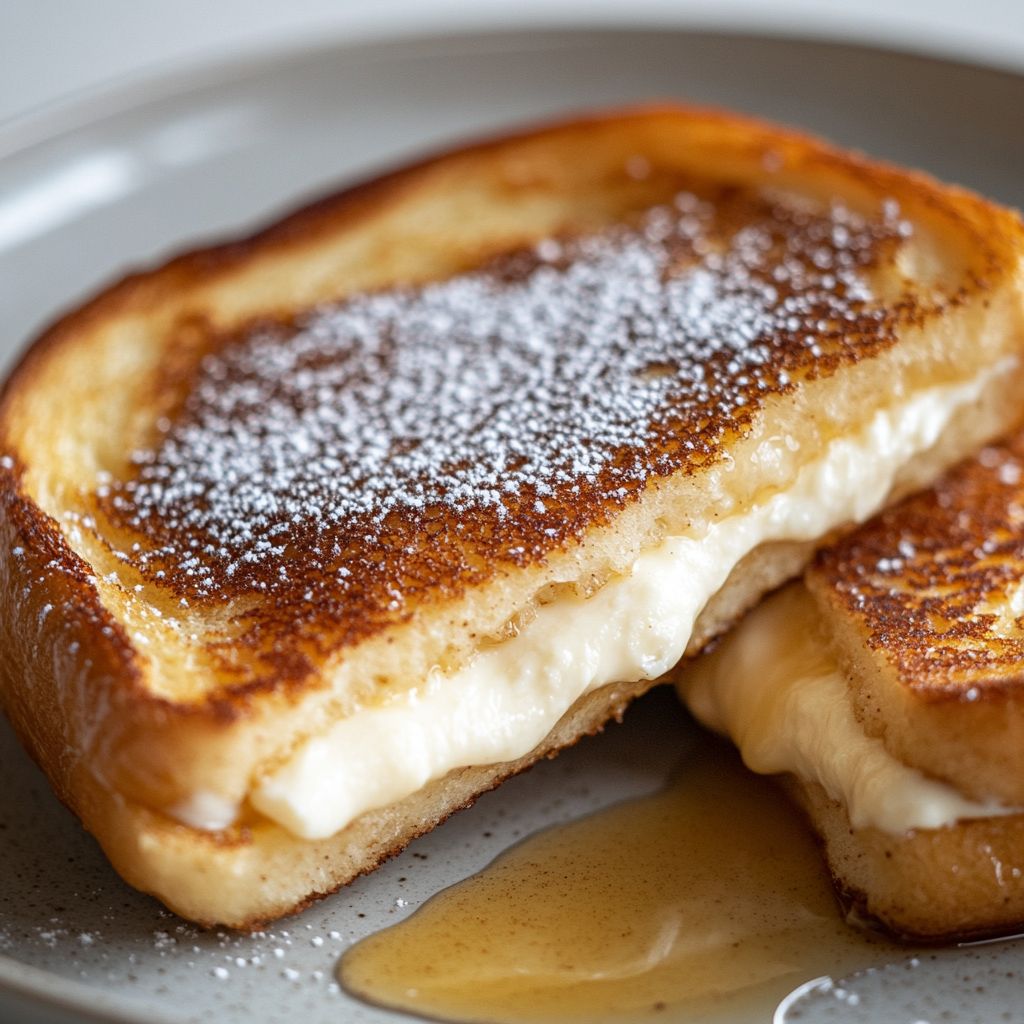
Imagine waking up to a brunch that feels indulgent yet comforting, a dish that sounds like a treat but behaves like a cozy morning companion. Stuffed Cream Cheese French Toast is that irresistible paradox—a golden, custardy slice of happiness with a silky pocket of cream cheese tucked inside. The moment you bite in, the exterior gives way to a soft, custard-kissed interior, while the cream cheese center melts into a subtle tang that keeps every mouthful balanced and swoon-worthy. The scent alone is enough to coax sleepy heads from beneath the covers: a warm perfume of vanilla, cinnamon, and toasty bread that drifts through the house like a friendly invitation. This is not just breakfast; it’s a small celebration you can carry to the table with a smile. Comfort food with a twist, pure and simple, yet deeply memorable. Whether you’re feeding a weekend crowd, planning a special family brunch, or treating yourself to something special on a slow Sunday, this stuffed French toast elevates the humble slice into something that feels celebratory and just a little luxurious.
What makes it so special is the harmony of textures and flavors—the crackle of a lightly crisped edge giving way to a soft, custardy interior, the cream cheese providing a creamy, slightly tangy surprise in the middle, and a whisper of vanilla and warmth that lingers on the palate. It’s a recipe that invites playfulness: you can customize the filling, the add-ins, and the finish to suit your mood or the season. It’s as much about the ritual—the dipping, the assembly, the sweet steam rising from the pan—as it is about the final bite. And because it’s stuffed, you get that extra moment of anticipation with every slice: a little hidden treasure waiting to be discovered in the center, a soft surprise that makes even the most ordinary morning feel a touch more magical.
The Story Behind the Dish
French toast, in its most archetypal form, traces its roots to the concept of reviving stale bread—what the ancients might have called a practical miracle. The term “pain perdu” appears in old French cookbooks as a way to rescue bread that would otherwise be wasted, transforming it into something comforting and irresistible. Across centuries and continents, toast transformed from a method of sustenance to a ritual of indulgence, with cooks adding their own twists, spices, and textures to suit local palates. The idea of stuffing bread to elevate it even further is a natural extension of that impulse: who wouldn’t crave a little surprise inside a beloved dish?
This iteration—Stuffed Cream Cheese French Toast—speaks to the modern brunch table that cherishes both decadence and approachability. The cream cheese filling nods toward cheesecake-inspired richness, while the eggs and milk-based custard retain the classic French toast ethos: a humble, bread-based cradle for flavors that feel like a celebration. It’s a fusion of tradition and whimsy, a dish that travels easily from a quiet family morning to a lively weekend brunch with friends. The concept is simple, but the memory it carries is lasting: the memory of a kitchen awash in warm light, the sizzle of butter in a skillet, and the first bite that seems to linger just a moment longer than you expect. This is the kind of dish that earns a place in your rotation, not through flash alone, but through the feeling it leaves behind—a soft, satisfied sigh and a promise to return to its comforting magic time and again.
There’s a subtle narrative in the texture and aroma, too. The outer crust forms a temptingly crisp shell—a gentle caramelization that crackles against the tender interior. Inside, the bread becomes custardy and plush, a stage for the creamy centerpiece that spreads across the tongue in a cloud of smooth richness. The aroma carries traces of vanilla, cinnamon, and a hint of sweetness from the bread, with a whisper of tang from the cream cheese that keeps the sweetness from tipping too far into sugary territory. It’s the kind of dish that makes you pause, savor, and relish the moment before you dive back into the next bite, as if each slice is a small, edible love letter to slow mornings and shared conversations.
Why You’ll Love This Recipe
- Decadent comfort, without fuss. A luxurious flavor profile that feels special enough for celebrations, yet simple enough for a weekend morning.
- Minimal equipment, maximal impact. A single skillet and a bowl are enough for a crowd-pleasing brunch centerpiece.
- Customizable to your mood or season. The cream cheese filling is a perfect canvas for flavored swirls, fruit additions, or a hint of citrus zest.
- Make-ahead potential. You can prep elements in advance and assemble when you’re ready to cook, saving you time when guests arrive.
- Kid-friendly and crowd-friendly. The flavors are familiar and comforting, while the stuffed center sparks curiosity and delight.
- Versatility in sweetness and texture. The toast delivers a satisfying crisp edge, while the center remains creamy and indulgent, offering a contrast that keeps every bite interesting.
Flavor Profile & Texture
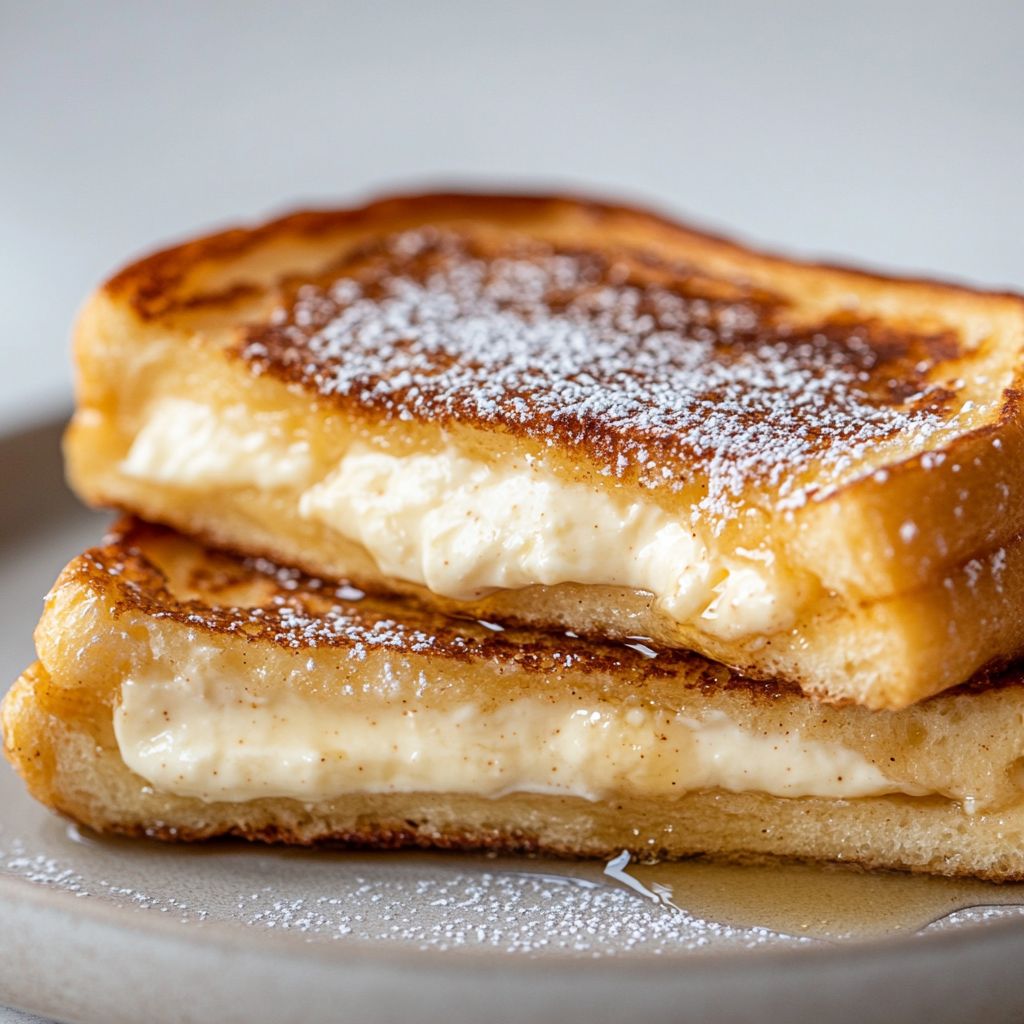
The first bite is a study in balance. There’s a delicate sweetness that arrives on the palate, not cloying, but gently honeyed by the natural sugars in the bread and a soft, vanilla-kissed custard. The stuffed center—the creamy cream cheese—adds a subtle tang that mirrors a cheesecake-like note, lending depth and a luxurious mouthfeel. The cinnamon and vanilla in the custard create a warm, cozy perfume that fills the room, inviting conversation and lingering taste memories. The exterior offers just the right amount of bite: a light caramelized crust that crackles under teeth and yields to a plush interior that seems to melt away, delivering a silky, almost cloud-like finish.
Texture-wise, you get an appealing spectrum: a crisp, caramelized edge that gives way to a custardy interior, with the cream cheese working as a soft, luscious core. Depending on how you cook it, you might notice a slightly firmer center that showcases the melted cream cheese more distinctly, or a more evenly creamy texture if the heat is gentler. The interplay between the bread’s chew, the custard’s softness, and the filling’s smoothness creates a multi-sensory experience—one that’s satisfying from the first bite to the last. Pairs well with a bright fruit accompaniment or a drizzle of real maple syrup, and even a light dusting of powdered sugar can feel like a final, delicate kiss on top of a well-loved dessert-for-breakfast.
In terms of balance, the dish achieves harmony by tempering sweetness with tang. The cream cheese center isn’t overwhelmingly sweet; it brings a whisper of tang and a velvety mouthfeel that keeps the overall flavor elegant rather than overly sugary. The spice notes—often cinnamon and a hint of nutmeg or cardamom in some variations—hug the bread, enhancing the warmth without overpowering the cream cheese nuance. The result is a flavor profile that feels familiar enough to comfort, but refined enough to feel special—precisely the vibe that makes this stuffed French toast perfect for celebrations, anniversaries, or a quintessential Sunday morning.
Occasions & Pairings
Stuffed Cream Cheese French Toast shines in moments that call for a little extra warmth and a lot of smiles. It’s ideal for:
- Weekend brunches with family or friends
- Birthday breakfasts or celebratory mornings
- Holiday gatherings where a comforting, crowd-pleasing dish is on the table
- Sleeps-over with loved ones where a special breakfast signals the start of a cozy day
Pairing ideas to elevate the experience without changing the core dish:
- Fresh fruit compotes or bright berry sauces to cut through richness
- A light dusting of powdered sugar or a drizzle of pure maple syrup
- Whipped cream or a dollop of yogurt for contrast and balance
- Bright citrus segments or a zest of orange to lift flavors
- A simple side of crisp bacon or ham for a savory counterbalance, should you crave a fuller brunch plate
- A cup of strong coffee, a vanilla or caramel latte, or a small glass of fresh orange juice for a complete morning ensemble
Tips, Variations & Substitutions
Make it your flavor canvas
While the classic stuffed French toast is delightful as written, you can tailor the experience to your pantry, dietary needs, or mood. Here are ideas to get creative without straying too far from the essence of the dish:
- Flavorful fillings. In place of standard cream cheese, consider mascarpone for extra creaminess, ricotta for a lighter texture, or a mixture of cream cheese with a touch of lemon zest for a citrusy twist. A swirl of vanilla bean paste in the filling intensifies the perfume and depth.
- Fruit-forward variations. Add a layer of berry preserves or a quick reduction of berries to the outer surface, allowing pockets of fruity sweetness to peek through the custard.
- Chocolate option. A hint of cocoa powder whisked into the custard or a delicate chocolate swirled cream cheese center can transform this into a dessert-for-breakfast sensation.
- Citrus lift. A touch of orange or lemon zest in the custard, or a bright citrus glaze on top after cooking, brings a lively brightness that echoes spring mornings.
- Herby surprise. A pinch of finely chopped fresh basil or mint can offer an unexpected, refreshing note that pairs surprisingly well with the creaminess.
Dietary friendly twists
- Gluten-free: Use a sturdy gluten-free bread that can hold up to soaking without becoming mushy. The rest of the concept stays the same, and you’ll still enjoy a plush interior with a creamy center.
- Vegan version: Use a plant-based cream cheese alternative and a dairy-free milk blend. Ensure the bread you choose is vegan, and consider using an egg replacer or aquafaba to mimic the custard’s binding if needed.
- Low-sugar approach: Reduce optional toppings and omit syrups; rely on the natural sweetness of ripe fruit or a light dusting of powdered sugar to keep flavors approachable.
bread & texture tweaks
- Bread choice: Brioche or challah yields a softer, richer result; sturdier breads like French bouillettes or thick-cut whole-grain loaves offer a heartier bite. If using day-old bread, you’ll benefit from a slower soak that prevents sogginess.
- Texture control: For a crisper crust, cook a touch longer on medium heat; for a more custardy center, reduce heat slightly and give it a bit more time on the skillet, covering briefly to trap steam if needed.
Storage & Make-Ahead Ideas
Planning ahead makes this dish especially friendly for entertaining. Here are practical ways to save time and keep the experience peak:
- Make-ahead filling: Prepare the cream cheese filling (or its alternative) the day before and refrigerate in an airtight container. When you’re ready, spoon into pockets in the bread and cook as usual. This can shave minutes off a brunch rush.
- Prepped bread: Slice bread and lay flat on a tray, covered, up to a day ahead. Refrigeration helps the slices hold their shape for stuffing and cooking.
- Storing leftovers: Refrigerate cooked slices in an airtight container for up to 2–3 days. Reheat gently in an oven or toaster oven to restore some crispness to the exterior. Avoid microwaving if you want to preserve texture.
- Freezing tips: Freeze assembled, cooked slices in a single layer first, then seal in an airtight container. Reheat in the oven, low-and-slow, until heated through and the crust regains its crisp edge.
Fun Facts & Trivia (Optional)
Delightful tidbits that deepen the appreciation for this dish and its cousins around the world:
- The concept of rescuing stale bread with a custard-like soak is a universal kitchen hack that appears in many cultures under various names, from pain perdu in France to tostada de pan francés in some Latin American traditions.
- Cream cheese has a storied history in the United States, with early cream cheese innovations dating to the 19th century. Its creamy, tangy character is what gives stuffed French toast its signature contrast against the bread’s sweetness and warmth.
- Brunch culture—a term that blends breakfast and lunch into a social ritual—rose to prominence in the 19th and 20th centuries and reached a modern peak through late 20th-century comfort-food movements. A dish like Stuffed Cream Cheese French Toast embodies that evolution: familiar breakfast elements elevated for special occasions and shared moments.
- Texture contrasts in cooking have long been celebrated in gastronomy. The combination of a crisp-edged exterior with a soft, custardy interior is a classic technique to create a memorable mouthfeel that satisfies many senses at once.
Ingredients
Stuffed Cream Cheese French Toast
Bread
- 4 thick-sliced brioche or challah bread slices (about 1 inch thick, sturdy enough to hold the cream cheese filling)
→ The bread is the vessel for the stuffed center. Thick-cut, slightly stale bread soaks up the custard without falling apart. If you only have fresh bread, toast lightly to dry it out a bit before assembling.
Cream Cheese Filling
- 8 oz (1 cup) cream cheese, softened to room temperature
→ The creamy, tangy center for the stuffed toast. Softening ensures a smooth, spreadable mixture that blends well with sugar and vanilla. If the cream cheese is still firm, give it a few minutes at room temperature or whisk with a splash of milk to loosen. - 2 tablespoons granulated sugar
→ Sweetens the filling and helps achieve a balanced, creamy texture. For an ultra-smooth finish, you can substitute with 2 tablespoons powdered sugar, which blends more easily and yields a silkier filling. - 1/2 teaspoon vanilla extract
→ Adds warm, aromatic depth to the filling. Use pure vanilla for best aroma; if possible, avoid imitation vanilla for a more robust flavor. - 1/2 teaspoon lemon zest or orange zest (optional)
→ Provides a bright citrus note that cuts richness and brightens the flavor profile. Zest finely and avoid the white pith. - Pinch of salt (optional)
→ Enhances sweetness and depth; omit if using salted cream cheese. - 2 tablespoons fruit jam or preserves (optional)
→ Swirl into the cream cheese for fruity contrast that pairs well with cinnamon and vanilla. If using, soften the jam slightly to mix easily with the filling.
Egg Custard (Dip)
- 2 large eggs
→ The eggs set the custard coating and help bind the stuffed toast as it cooks, creating a cohesive, custardy exterior. For richer flavor, whisk in a tablespoon of cream or milk with the eggs. - 3/4 cup whole milk or half-and-half
→ Provides moisture to the bread and forms a creamy, custard-like coating. Half-and-half yields a richer texture; use dairy-free milk with a splash of dairy-free butter substitute if needed. - 1 teaspoon vanilla extract
→ Layer of aroma in the custard that complements cinnamon and the cream cheese filling. Use good-quality vanilla for best results. - 1/2 teaspoon ground cinnamon
→ Adds warmth and depth to the custard, harmonizing with the filling and bread. For a stronger spice note, increase to 3/4 teaspoon. - Pinch of salt
→ Enhances sweetness and helps flavors pop in the custard.
Coating & Flavor Enhancers (optional)
- 1 tablespoon granulated sugar (optional)
→ If you want a light cinnamon-sugar crust on the outside, dust the dipped bread with a mixture of sugar and cinnamon before frying for a subtle crunch and aroma. - 1/2 teaspoon ground cinnamon (optional)
→ Part of the optional cinnamon-sugar outside coating or sprinkled over finished toast for extra warmth.
Cooking Fat
- 2 tablespoons unsalted butter, for frying
→ Provides rich flavor and helps achieve a golden crust without sticking. Cook on medium heat to prevent burning; if dairy-free, substitute with neutral oil and a little dairy-free butter substitute.
Serving & Toppings
- Pure maple syrup, for serving (about 1/4 cup)
→ A classic pairing that adds sweetness and moisture as you pour over the warm toast. Warm the syrup for easier pouring and to keep the toast from cooling too quickly. - Powdered sugar for dusting (optional)
→ A light, snowy finish that adds a touch more sweetness. Sift finely to avoid clumps. - Fresh berries or sliced fruit (optional)
→ Adds brightness and contrast to the richness. Choose strawberries, blueberries, raspberries, or a mix; rinse and pat dry before serving.
Instructions
- Soften the cream cheese to room temperature and beat it with the granulated sugar, vanilla extract, citrus zest (optional), and a pinch of salt until the mixture is smooth, light, and fluffy.
→ Softening prevents lumps and ensures a spreadable filling that mixes evenly with the custard later, producing a uniform creamy center in every bite. - If using jam, fold or swirl 2 tablespoons of fruit jam into the cream cheese filling until evenly distributed; allow the jam to soften slightly so it blends rather than remaining chunky.
→ Integrates fruity aroma throughout the filling without creating pockets that could burst during cooking. - Assemble two stuffed sandwiches by spreading the prepared cream cheese filling on two slices of bread and topping with the remaining slices to form two complete, sealed slabs; press the edges lightly to prevent filling from leaking during frying.
→ Creating a tight seal keeps the filling contained and helps the bread maintain its structure while cooking. - Whisk the eggs, milk or half-and-half, vanilla extract, ground cinnamon, and a pinch of salt in a wide, shallow dish until the mixture is fully integrated and lightly frothy.
→ This custard forms a cohesive coating that sets into a creamy outer layer without separating, ensuring a silky texture when fried. - Optionally mix 1 tablespoon granulated sugar with 1/2 teaspoon ground cinnamon in a small bowl to create a light cinnamon-sugar coating for the exterior if desired.
→ The cinnamon-sugar crust adds aroma, a subtle crunch, and a hint of sweetness that complements the filling. - Dip each stuffed bread sandwich into the custard, turning to coat all sides; allow it to soak for about 20-30 seconds per side, then lift and let excess custard drip back into the dish.
→ Soaking ensures the bread absorbs enough custard to stay moist and tender inside while forming a custardy exterior during frying. - Place a large skillet over medium heat and add 2 tablespoons unsalted butter, allowing it to melt and foam; swirl the pan to coat evenly and monitor to prevent browning too quickly.
→ The butter provides rich flavor, helps achieve a golden crust, and prevents sticking; foaming indicates the right temperature to begin frying. - Carefully lay each soaked sandwich into the hot skillet and cook undisturbed for 2-3 minutes until the underside is deep golden and crisp.
→ A proper crust forms when the surface caramelizes, sealing in the filling and creating a texture contrast with the creamy interior. - Flip the sandwiches and cook the other side for 2-4 minutes until golden brown and the custard is set through the center; press lightly with a spatula to ensure even browning and interior heat.
→ Even browning ensures consistent texture and prevents soggy centers by promoting thorough cooking. - If using the optional cinnamon-sugar exterior, sprinkle the mixture on the outer surfaces of the toast after flipping or during the last minute of cooking and allow it to toast briefly to set a delicate crust.
→ The sugar caramelizes against the hot pan, creating aroma and a subtle crunch without overpowering the filling. - Transfer finished stuffed French toast to a warm oven (about 200°F/95°C) on a baking sheet to keep warm while you complete the remaining slices.
→ Holding the hot pieces briefly ensures even serving temperature and prevents crowding from cooling too quickly. - Serve the stuffed cream cheese French toast with warm maple syrup (about 1/4 cup per serving) and optional dusting of powdered sugar, plated with fresh berries or sliced fruit for brightness.
→ Maple syrup adds moisture and sweetness that complements the cream cheese filling, while berries provide acidity and contrast to the richness.
Notes
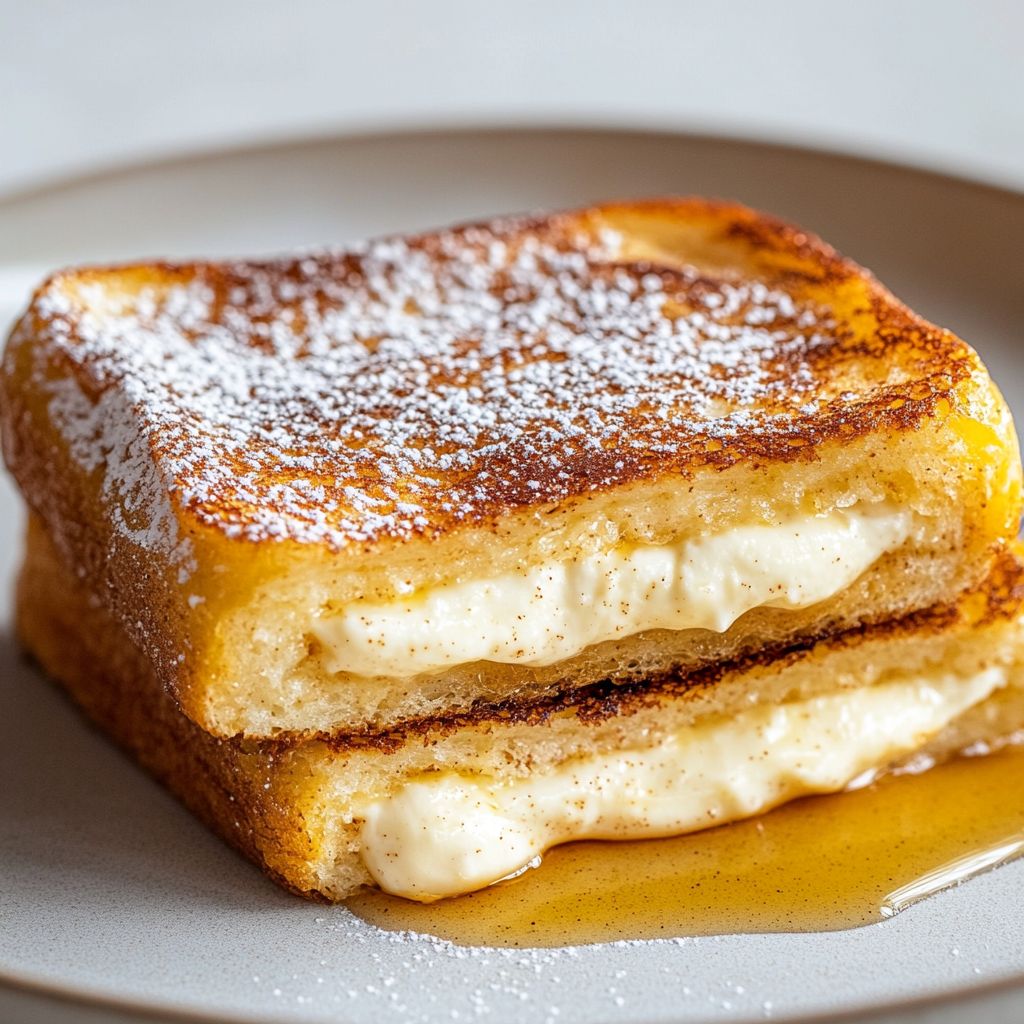
These stuffed cream cheese French toast are a rich, indulgent brunch option featuring thick-sliced brioche or challah filled with a creamy cream cheese center and coated in a lightly cinnamon-sweet custard. You can customize them by adding a swirl of fruit jam, a touch of citrus zest, or a dusting of cinnamon-sugar for extra warmth. For best results, use bread that is a bit stale or lightly toast fresh slices to help them soak up the custard without falling apart. Softened cream cheese blended with sugar, vanilla, and citrus zest creates a smooth, spreadable filling that pairs beautifully with the cinnamon and bread.
Tips and technique: ensure the custard is balanced—eggs, milk, vanilla, and cinnamon—so the coating is creamy rather than gummy. When assembling, spread the cream cheese mixture evenly between slices and seal with another slice, pressing gently to keep the filling inside. Dip the assembled sandwiches in the custard, allowing a brief soak so the bread absorbs the flavors without becoming soggy, then fry in butter over medium heat until deeply golden and the filling is warmed through. For dairy-free versions, use a neutral oil for frying and a plant-based cream cheese with a splash of dairy-free milk in the custard.
Make-ahead and storage: the stuffed sandwiches can be assembled and refrigerated for a few hours before cooking, or cooked and cooled to reheat later. Leftovers refrigerate well for 2–3 days and can be reheated in a skillet or oven. If you want to prepare in advance for a crowd, assemble the filling and bread up to the point of dipping, refrigerate, then finish frying and serving just before brunch. Serve with pure maple syrup, fresh berries, or sliced fruit, and consider a light dusting of powdered sugar for an extra touch of sweetness.
Tips
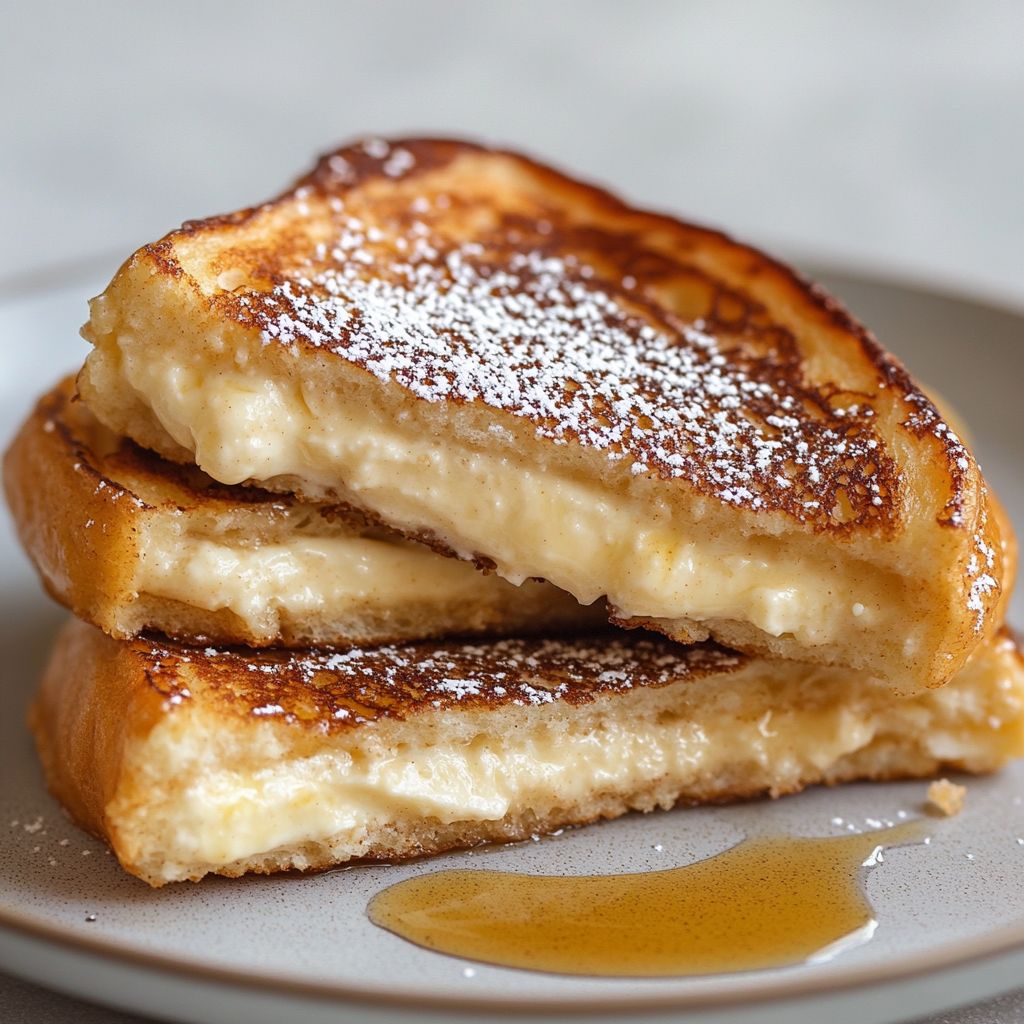
Tips for Perfect Stuffed Cream Cheese French Toast
- Bread choice and prep: Use 4 thick-sliced brioche or challah slices about 1 inch thick. If the bread is fresh, toast lightly or dry out slightly to help it soak up the custard without falling apart. Slightly stale bread yields the best texture.
- Keep the filling smooth: Soften the 8 oz cream cheese to room temperature and beat until silky. If it’s still a bit firm, whisk in a splash of milk or beat longer to remove lumps so the center fills evenly.
- Flavor balance in the filling: Use 2 tablespoons sugar and 1/2 teaspoon vanilla to create a creamy, balanced center. If you like a silkier texture, substitute 2 tablespoons powdered sugar for a smoother finish.
- Optional citrus brightness: Add 1/2 teaspoon lemon zest or orange zest to the cream cheese filling for a bright note. Zest finely and avoid the white pith for best aroma.
- Salt considerations: A pinch of salt enhances the filling’s sweetness. Omit only if your cream cheese is salted.
- Jam swirl tip: If using 2 tablespoons of jam, soften it slightly and swirl into the cream cheese rather than fully mixing. This creates pockets of fruity contrast without leaking too much during frying.
- Custard depth: For the dip, whisk 2 large eggs with 3/4 cup whole milk or half-and-half. For richer texture, whisk in a tablespoon of cream or extra milk.
- Vanilla in the custard: Add 1 teaspoon vanilla extract to the custard for aroma that complements the cream cheese filling. Use pure vanilla if possible.
- Cinnamon and salt in custard: Include 1/2 teaspoon ground cinnamon and a pinch of salt to deepen flavor and balance sweetness.
- Optional dairy-free option: If you’re dairy-free, use a neutral oil plus a dairy-free butter substitute for frying, and substitute dairy with plant-based milk in the custard as needed.
- Coating idea for a subtle crust: If you like a light cinnamon-sugar crust, dust dipped bread with 1 tablespoon granulated sugar and 1/2 teaspoon cinnamon before frying.
- Frying fat and temperature: Use 2 tablespoons unsalted butter for frying on medium heat to achieve a rich, golden crust without burning. If needed, swap in neutral oil and a dairy-free butter substitute.
- Dipping technique: Dip each stuffed slice into the custard briefly—about 20–30 seconds per side—so the bread absorbs flavor without becoming overly soggy. Let any excess drip off before frying.
- Cooking time and care: Fry the stuffed toast 3–4 minutes per side until golden and set. Adjust heat to avoid burning the butter while ensuring the center is warmed through.
- Serving ideas: Serve with warm pure maple syrup (about 1/4 cup) and a dusting of powdered sugar if desired. Garnish with fresh berries or sliced fruit for brightness and a counterpoint to richness.
- Make-ahead and leftovers: Assemble the cream cheese filling in advance and refrigerate bread assembled with filling for up to 24 hours. Dip and cook just before serving for best texture. Store leftovers in the fridge and rewarm in a 350°F oven for a few minutes to refresh the crust.
FAQ
What is Stuffed Cream Cheese French Toast?
Stuffed Cream Cheese French Toast is a breakfast treat where thick slices of bread are sandwiched with a creamy, sweet cream cheese filling, then dipped in an eggy custard and cooked until golden. It’s typically served with maple syrup, fresh fruit, or a dusting of powdered sugar.
What ingredients do I need?
Core components include:
- Thick-cut bread (brioche or challah recommended)
- Cream cheese, softened
- Sugar (granulated or to taste)
- Vanilla extract
- Optional lemon zest for brightness
- Eggs
- Milk or cream
- Cinnamon
- Pinch of salt
- Butter or oil for cooking
- Suggested toppings: maple syrup, powdered sugar, fresh fruit
How do I assemble the stuffed toast?
Steps:
- Mix the cream cheese with a little sugar and vanilla to make a smooth filling. Optional: add lemon zest.
- Spread a layer of filling on one slice of bread, then top with a second slice to make a sandwich. Repeat for remaining slices.
- Chill the assembled sandwiches for 15–30 minutes to help set the filling.
- Whisk eggs, milk (or cream), vanilla, cinnamon, and a pinch of salt to make the custard.
- Dip each sandwich in the custard, turning to coat on all sides. Let excess drip off.
- Cook on a buttered skillet over medium heat until golden on both sides, or bake in a preheated 350°F (175°C) oven until set and golden.
How can I prevent the filling from leaking?
Tips to keep filling inside:
- Use thick-cut bread and bread that’s a day or two old for better structure.
- Chill the assembled sandwiches before dipping to help set the filling.
- Avoid oversoaking; dip briefly and let excess custard drip off.
- Press edges gently to seal, and consider trimming crusts if they seep too easily.
Can I make this ahead of time?
Yes. You can:
- Assemble the sandwiches, wrap, and refrigerate up to 24 hours before cooking. Then dip in custard and cook as directed.
- Alternatively, mix the custard in advance and refrigerate; soak bread shortly before cooking.
What cooking method should I use?
Two common methods:
- Pan-fry: Cook in a buttered skillet over medium heat, about 2–3 minutes per side until golden and the filling is warm.
- Bake: Place on a lined sheet pan and bake at 350°F (175°C) for 25–35 minutes, turning once for even browning.
How long does it take to cook?
Pan-frying usually takes about 6–8 minutes total per batch. Baking typically takes 25–35 minutes. Plan for a bit more time if cooking in large batches.
Can I make dairy-free or gluten-free versions?
Yes. Options include:
- Use dairy-free cream cheese and plant-based milk (almond, soy, oat) for the custard.
- Use gluten-free bread if needed.
- For extra richness, use dairy-free butter for cooking.
What toppings and flavor variations work well?
Try these suggestions:
- Maple syrup or honey, fresh berries, sliced bananas
- Powdered sugar, a dusting of cinnamon
- Add-ins: chocolate chips, fruit jam swirled into the cream cheese filling, or citrus zest in the custard
How should I store leftovers?
Store refrigerated in an airtight container for 2–3 days. Reheat in a skillet over medium heat or in a 350°F (175°C) oven until warmed through. For longer storage, freeze cooked portions or assemble and freeze unbaked sandwiches to cook later.