
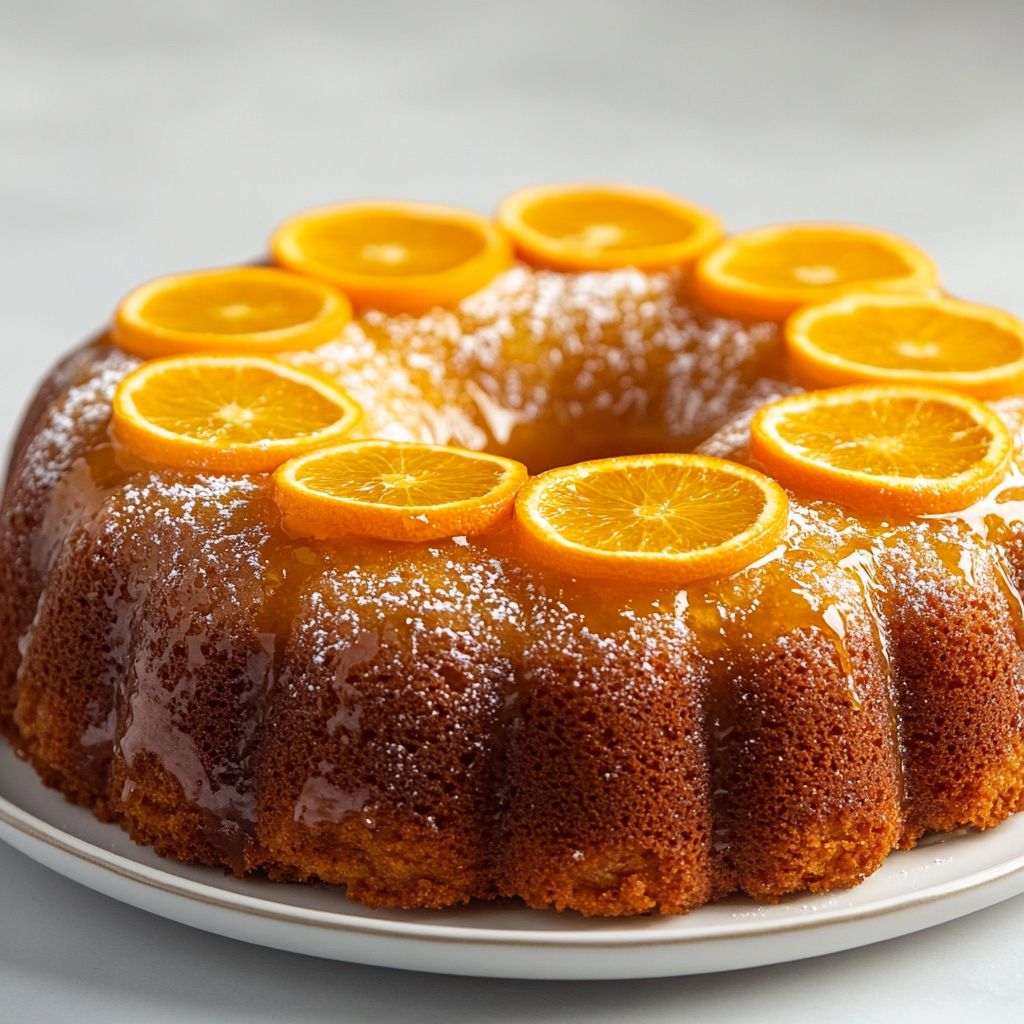
Introduction / Hook
Imagine a sun-drenched kitchen in Sicily, where the air is sweet with citrus and the warmth of a wood-fired oven lingers on the walls. You slice into a cake that gleams with the pale glow of orange zest and almond-flecked crumb, its aroma rising in soft, fragrant swirls that wrap around you like a coastal breeze. The Sicilian Whole Orange Cake is more than a dessert; it is a celebration of the island’s citrus bounty, a comforting ritual that turns simple ingredients into something radiant and unforgettable. Every bite offers a harmony of brightness and warmth: the fruit’s natural sweetness, the nutty depth of almonds, and the gentle, fruity perfume of orange oil, all wrapped in a moist, tender crumb that feels at once rustic and refined. It’s the sort of cake that invites lingering, conversation, and the quiet joy of sharing something made with love.
What makes this cake so enchanting is not just its flavor, but its philosophy. In many Sicilian kitchens, whole citrus fruits are beloved for the way they dissolve into batter, releasing oils and pulpy goodness that enrich the texture and aroma. There’s a sense of resourcefulness and reverence here: no part of the fruit is wasted, and the result is a cake that carries the sun and sea of the Mediterranean in every slice. This cake embraces that spirit—fragile, sunny, and deeply satisfying all at once—making it a perfect centerpiece for a family gathering, a tea-time ritual, or a memorable end to a weeknight meal.
Bold yet comforting, bright yet soothing, the Sicilian Whole Orange Cake is a recipe that speaks to contrasts in the most delicious way: a moist, almost custard-like interior with a slightly nutty undertone, a crisp crust that yields to a soft, cloud-like center, and an aroma that lingers long after the plate is cleared. It’s a cake that rewards patience and care, inviting you to notice the way the orange’s essential oils bloom when heated, how the almonds lend a toasty whisper, and how a drizzle of syrup or a dusting of powdered sugar can elevate the experience without overpowering it. If you’re searching for a dessert that tastes like a memory in the making, this is the one.
The Story Behind the Dish
The tale of the Sicilian Whole Orange Cake begins in the groves that dot the slopes of Sicily, where orange trees reach toward the blue Neapolitan sky and the fragrance of blossoms drifts on the afternoon air. Throughout the island, citrus is more than a flavor; it is a cultural lifeblood, woven into traditional pastries, savory sauces, and everyday life. Historically, households made do with what was abundant, turning what could be considered a simple fruit into something celebratory and enduring. The idea of using a whole orange—peel, pith, and pulp together—stems from a long-standing belief in optimizing the fruit’s natural oils and sweetness. When baked with almond meal or finely ground nuts, the fruit helps to create a cake that is plush and vibrant in one breath.
Stories from coastal towns tell of markets buzzing with the scent of citrus, of families gathering around warm ovens as the night cools and the harbor lights begin to twinkle. In these households, desserts were not merely ends to meals but expressions of hospitality—an invitation to linger, to sip a sweet wine or a cup of strong espresso, and to savor the moment of togetherness. The whole orange cake embodies that ethos: a simple, honest recipe that emerges from the pantry, transforms with gentle heat, and returns as a shared pleasure. There is a sense of heritage in every slice, a quiet nod to generations of bakers who knew that citrus carries sunshine, flour carries memory, and patience yields tenderness.
As with many traditional Sicilian sweets, this cake carries a touch of regional identity in its technique and mood. It echoes the coastal climate—bright and uplifting, with a hint of sea salt carried on the breeze—and the inland warmth of almonds and olive oil that ground the sweetness in a comforting, earthy foundation. The result is a dessert that doesn’t demand attention by shouting its greatness; it earns appreciation by unfolding gradually, allowing a bite to reveal more complexity than the last, much like a seaside conversation that leaves you feeling enriched and a little wiser.
Why You’ll Love This Recipe
- Quick, approachable elegance: it feels special enough for guests, yet simple enough for a busy weeknight.
- Bright and comforting flavor in every bite: the orange’s acidity balances the almond’s warmth, creating a nuanced, satisfying sweetness.
- Moist, tender crumb with a delicate crust: a texture contrast that is endlessly comforting without being heavy.
- Low-key glamour: no fancy garnish required—natural citrus aroma and a subtle golden hue speak for themselves.
- Versatile for many occasions: perfect for brunches, holidays, tea time, or an after-dinner treat with espresso.
- Flexible flavor scaffolding: adapts well to substitutions and regional twists, so you can tailor it to your pantry or preferences.
One of the most delightful aspects of this cake is its adaptability. It’s a canvas that invites you to lean into familiar flavors or to experiment with small twists. A splash of vanilla or a pinch of citrus zest can heighten the aroma, while a handful of toasted nuts or a light glaze can add a new textural dimension. Because the base relies on the citrus and nutty components, you can confidently substitute or adjust ingredients to suit dietary needs or seasonal availability without losing the cake’s essence. The result remains recognizably Sicilian in spirit: sunny, generous, and deeply comforting.
Beyond flavor, this cake feels nourishing in a way that pairs beautifully with shared moments. It’s the kind of dessert that invites conversation and lingering, whether around a family table, a potluck with friends, or a casual Sunday afternoon. The aroma alone has a way of pulling people in—the bright citrus lifting spirits, the almond warmth evoking cozy memories, and the gentle sweetness that feels both indulgent and wholesome. If you’re seeking a dessert that makes ordinary occasions feel a touch more extraordinary, this cake rewards curiosity and care with every slice.
Flavor Profile & Texture
The flavor profile of the Sicilian Whole Orange Cake is a harmonious duet between citrus brightness and almond-nutty depth. Your first encounter is likely the aroma: an intoxicating blend of sweet orange blossoms, fresh zest, and a whisper of olive oil that wafts up as the crust warms. As you cut into the cake, the surface reveals a faint golden crust that yields to a moist, almost custard-like interior. The crumb tends to be tender and light, with a subtle density that comes from finely ground nuts or almond meal. The orange’s natural sweetness is tempered by its slight tartness, creating a balanced sweetness that doesn’t veer into cloying territory.
In texture, imagine a cake that feels soft and pillow-like yet carries a gentle structure. The crust provides a delicate crispness that contrasts with the inner softness, making each bite a layered experience. The almonds contribute a gentle nuttiness that lingers on the palate, like a comforting memory of warm bakery windows on a cool Sicilian morning. If a glaze or syrup is incorporated, it adds a glistening sheen and an extra kiss of citrus, enhancing the aroma without masking the bread-like, yeasty comfort of the base. The overall mouthfeel is luxurious but approachable, inviting you to savor slowly rather than rush through the slice.
The citrus character is not just bright; it’s complex. The peel oils release delicate bitterness that keeps the sweetness from becoming one-note, adding dimension and a touch of sophistication. This is dessert with nuance: a sunny expression tempered by factured notes of nutty warmth and a faint, almost floral citrus bouquet. People often remark on how the orange’s perfume lingers after the last bite, a reminder of the fruit’s prominence in the crumb and the way heat unlocks its essential oils. The result is a sensory experience that feels both grounded and uplifting—an edible celebration of Sicily’s most emblematic fruit.
Occasions & Pairings
This cake shines in a variety of settings, making it a versatile addition to any dessert repertoire. Its sunny character makes it an ideal centerpiece for spring gatherings, Easter desserts, or a celebratory weekend brunch. It also wears well as a simple, comforting finish to a weeknight dinner, particularly when paired with a cup of strong coffee or a post-dinner espresso. For holiday menus, it can offer a bright counterpoint to richer dishes, providing balance and a sense of festive optimism.
Pairing ideas to consider:
- Drinks: a lightly sweet dessert wine or a sparkling Moscato pairs beautifully with the citrus and nutty notes. For non-alcohol options, a fragrant black tea or a lightly brewed green tea complements the cake without overpowering it.
- Side dishes: a dollop of lightly whipped cream, a spoonful of citrus curd on the side, or a small scoop of vanilla gelato can elevate the dessert with contrasting textures and temperatures.
- Desserts: serve alongside almond biscotti, pistachio brittle, or a tangy citrus sorbet to create a multi-component tasting experience.
- Occasions: elegant enough for a dinner party finale, cozy enough for a family Sunday, and festive enough for birthdays or anniversaries with a Sicilian flair.
If you’re entertaining, you can present the cake with a simple garnish that nods to its Mediterranean roots: a light dusting of powdered sugar, a few thin citrus slices arranged artistically, or a drizzle of a minimal citrus glaze to catch the light. The visual appeal is understated but effective, letting the cake’s luminous interior steal the show.
Tips, Variations & Substitutions
The beauty of the Sicilian Whole Orange Cake lies in its adaptability. Here are ideas to tailor the bake to your preferences, dietary needs, or pantry:
- Fruit options: in place of a single orange, you can experiment with a combination of citrus fruits (e.g., orange and lemon) for a brighter, more tart edge, or use blood oranges for a deeper color and a slightly different aroma.
- Nut options: almonds are traditional, but you can blend in pistachios or hazelnuts for a more pronounced nutty note. If you have a family member with nut allergies, substitute with oat or coconut flour for a differently textured, nut-free version.
- Flour/fiber substitutions: to create a gluten-free version, use a finely ground almond flour or a gluten-free flour blend with added almond meal to preserve the crumb’s tenderness and moisture.
- Oil choices: olive oil brings a characteristic Mediterranean nuance, but a light neutral oil or melted butter can shift the flavor profile slightly toward a more classic cake taste.
- Sweetness and texture tweaks: for a glossier finish, you can finish with a light citrus glaze or dust with a very fine powdered sugar. If you prefer a denser crumb, you can reduce the almond content slightly and use a touch more fruit puree (subject to testing if you’re translating a recipe).
- Flavor enhancers: a hint of vanilla, a pinch of cinnamon, or a trace of cardamom can add warmth and complexity without overpowering the citrus.
- Vegan option: use a plant-based egg substitute and replace dairy ingredients with almond or soy milk if included in your adaptation. The citrusy brightness and almond backbone hold well in vegan versions.
- Storage-friendly twists: the citrus and almond combination tends to improve with a day or two in the fridge, so this cake is particularly good for make-ahead preparation.
When experimenting, start with small changes and keep tasting as you go. The most important aspect is preserving the cake’s delicate balance between brightness and warmth, so adjustments should enhance rather than overshadow the core citrus-almond character. The result should feel like a sunlit bite that comforts the soul as much as it delights the palate.
Storage & Make-Ahead Ideas
The Sicilian Whole Orange Cake stores well and travels nicely, making it a reliable choice for parties, potlucks, and weekend baking projects. Here are practical tips to maximize freshness and flavor:
- Cooling and storage: allow the cake to cool completely before storing. Keep it covered at room temperature for a day or two, or refrigerate it to extend freshness for up to several days. If you’re refrigerating, bring slices to room temperature before serving to regain softness and aroma.
- Make-ahead strategy: bake the cake a day or two in advance and wrap tightly. The flavors often develop more depth after a short rest, so fretting about timing isn’t necessary—this cake benefits from a little age.
- Freezing options: slice the cake and freeze individual portions wrapped securely. Thaw at room temperature and, if desired, warm slightly for a comforting, aromatic serving. A light glaze can be re-applied after thawing if you like extra shine or brightness.
- Reheating and serving: for the best aroma, reheat slightly or leave at room temperature for a gentle refresh. Fresh slices with a cup of coffee or tea are a classic pairing that never goes out of style.
If you’re planning ahead for a holiday table or a weekend gathering, consider baking the cake a day early and finishing with a simple citrus glaze just before serving. The glaze can add a glossy finish and extra zing, while still letting the cake’s natural citrus fragrance shine through. The simplicity of storage and the flexibility of serving options make this cake a dependable choice for cooks who value both flavor and convenience.
Fun Facts & Trivia (Optional)
– Sicily’s citrus tradition dates back centuries, with influence from Mediterranean trade routes, agricultural practices, and a climate that supports year-round fruit production. The orange is not just a flavor; it is a cultural symbol that appears in crafts, literature, and daily life across the island.
– The idea of using a whole orange in baked goods is a testament to the Italian culinary ethos of minimizing waste and maximizing flavor. The fruit’s oils, pith, and pulp all contribute to moisture and aroma, creating a nuanced, multi-layered texture.
– Almonds have long been a staple in Sicilian desserts, from the classic cassata to various almond-based cakes and cookies. Their warmth and subtle sweetness complement citrus beautifully, giving baked goods a distinctive Mediterranean character.
– In some versions of this concept, bakers incorporate a light glaze or dust with powdered sugar to brighten the final appearance and add a touch of sweetness that enhances the citrus notes without overpowering them.
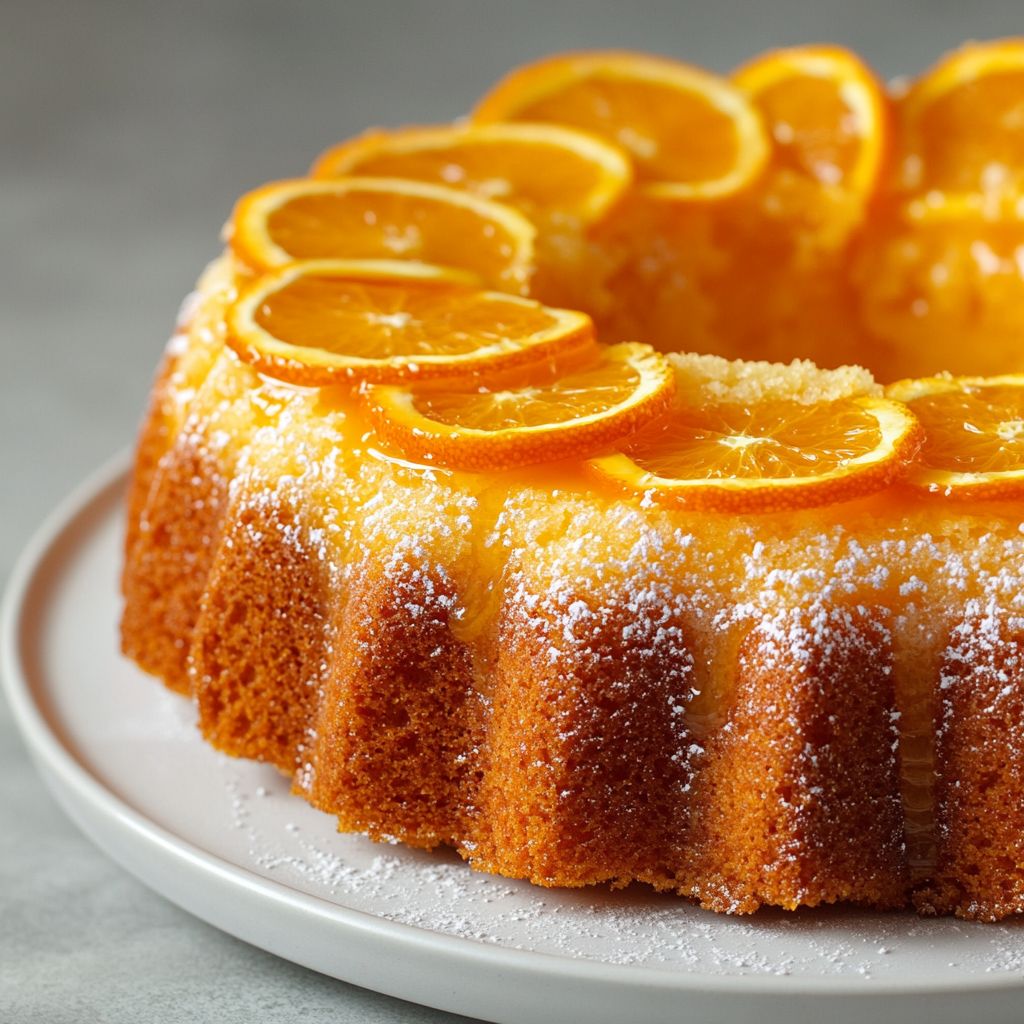
Ingredients
Sicilian Whole Orange Cake
Cake Base
- – 1 whole orange (unpeeled, about 250–300 g)
→ The orange is simmered in water to soften the entire fruit so you can blend it into a smooth, fragrant puree with its rind. Do not discard the peel; the zest and oils from the rind provide the cake’s signature bright aroma. After cooling slightly, remove seeds if present and blend with a small amount of the cooking water until completely smooth. Reserve a spoonful of the cooking water if the puree is too thick, to help achieve the right batter consistency. - – 3 large eggs
→ Eggs act as the primary binder and help create a tender yet structured crumb. Bringing them to room temperature before mixing helps them blend smoothly into the orange puree and oil, creating a uniform batter. Beat lightly to combine yolks and whites, then fold with other ingredients—avoid overmixing once the flour is added to prevent a dense texture. - – 1 cup granulated sugar
→ Sugar supplies sweetness and contributes to browning and moisture-retention in the crumb. It also helps emulsify with the eggs for a smoother batter. If your orange puree is particularly sweet, you can reduce by 1–2 tablespoons; for a lighter sweetness, consider boosting with a touch of vanilla or orange zest. - – 1/2 cup extra-virgin olive oil
→ Provides moisture and a subtle fruitiness characteristic of Sicilian desserts. Use a good-quality EVOO with a mild to medium fruitiness so it complements rather than overpower the citrus. Whisk the oil with the eggs to form a smooth emulsion before combining with the orange puree; add to the batter gradually to keep it cohesive. - – 1 teaspoon vanilla extract (optional)
→ Enhances the overall aroma and rounds out sweetness; if you prefer a pure citrus-forward flavor, you can omit it and rely on the orange zest for fragrance. - – Zest of 1 orange (optional)
→ Intensifies citrus aroma without adding liquid. Grate only the orange part of the zest, avoiding the white pith, then fold evenly into the batter with the dry ingredients for an even citrus glow throughout the cake. - – 1 1/2 cups all-purpose flour
→ Provides the structure and body of the cake. Sift before measuring to remove lumps and ensure the batter distributes evenly with the leavening agent. If you want a lighter crumb, substitute up to one-third of this with almond flour or a gluten-free blend that behaves similarly. - – 1 teaspoon baking powder
→ Leavening that gives lift and a tender crumb. Use fresh baking powder for maximum rising power. If you use self-raising flour, omit this item or reduce accordingly, depending on your flour choice. - – 1/4 teaspoon salt
→ Balances sweetness and enhances citrus flavor; a small quantity helps the cake taste more vibrant. Use fine table salt or sea salt for even distribution. - – 1/4 cup almond flour (optional)
→ Adds moisture, tenderness, and a delicate nutty note that pairs beautifully with orange. If you skip almond flour, you can replace with an additional 2–3 tablespoons of all-purpose flour to maintain structure, or use another gluten-free option if needed.
Optional Add-ins
- – 2 tablespoons sliced almonds for topping (optional)
→ Provides a toasty crunch and visual contrast on the cake’s surface. Toast the slices in a dry pan until lightly golden to maximize aroma before scattering on top before baking. Evenly sliced almonds help with uniform browning. - – 1/4 cup chopped pistachios (optional)
→ Adds color, flavor, and a pleasant crunch. Fold a portion into the batter for specks of green, and reserve a few to press on top for an attractive finish. Do not overmix to avoid breaking the pistachios into fine pieces.
Sugar Syrup / Finish
- – 1/2 cup confectioners’ sugar (for glaze, optional)
→ Creates a light, glossy finish when brushed or drizzled on cooled cake. If you prefer a thinner glaze, whisk in 1–2 tablespoons orange juice or water until you reach the desired consistency. Apply while the cake is still warm for best absorption. - – 2 tablespoons orange juice (optional)
→ Liquefies the glaze and amplifies citrus flavor. Use fresh juice; adjust the amount to reach the glaze consistency you like. If you used a lot of orange zest in the batter, this glaze helps balance extra sweetness and keeps the surface shiny.
Instructions
- Preheat your oven to 350°F (175°C) and grease a 9-inch round cake pan, then line the base with parchment to ensure easy release later.
→ This creates a reliable nonstick surface and prevents the cake from sticking, preserving a smooth, clean bottom for slicing. - Place the whole orange in a medium saucepan and cover with water by at least 2 inches, then bring to a gentle boil and simmer until the fruit is very tender, about 60–75 minutes.
→ Softening the entire fruit, including the rind, integrates the citrus oils into the puree for a bright, cohesive orange flavor without bitterness. - Carefully remove the orange from the water and allow it to cool slightly, then cut into quarters, remove any seeds, and discard the hard core or excessive white pith.
→ Seed-free fruit prevents bitterness and seeds from interrupting the puree’s texture, ensuring a silky batter. - Place the warm orange quarters into a blender with 2–4 tablespoons of the cooking water and blend on high until completely smooth, adding more water a little at a time if the mixture is too thick to blend.
→ A smooth puree distributes evenly through the batter, unlocking the orange aroma and zest without leaving fibrous bits. - If the orange puree seems thick, reserve a spoonful of the cooking water and stir it in gradually after blending to reach a thick, spoonable consistency; set the puree aside.
→ The right thickness ensures the batter emulsifies properly and bakes with a tender crumb rather than a dense texture. - Meanwhile, bring the eggs to room temperature by leaving them out for 20–30 minutes, then lightly whisk to combine yolks and whites without incorporating air.
→ Room-temperature eggs emulsify better with the oil and sugar, yielding a smoother batter and even rise. - In a large mixing bowl, whisk the 3 eggs with the granulated sugar until the mixture is pale, thick, and slightly ribboned when the whisk is lifted.
→ This aerates the eggs and sugar, creating a light foundation for the batter and improving volume during baking. - Fold the orange puree into the egg-sugar mixture until fully integrated and uniform in color, scraping down the sides to ensure there are no pockets of raw orange.
→ Uniform distribution of puree guarantees consistent citrus flavor throughout the cake rather than concentrated patches. - With the mixer on medium speed, slowly drizzle in the 1/2 cup extra-virgin olive oil in a fine, steady stream, continuing to whisk to form a smooth emulsion.
→ A controlled oil incorporation creates a cohesive batter and a moist, tender crumb without separation or greasy streaks. - Stir in the optional vanilla extract and the zest of 1 orange if using, distributing them evenly through the batter with a gentle fold.
→ Vanilla deepens aroma while orange zest amplifies citrus oils; folding avoids crushing the zest’s delicate oils. - Sift together the all-purpose flour, almond flour (if using), baking powder, and salt, then whisk to combine and aerate the dry ingredients.
→ Sifting and whisking ensure even distribution of leavening and prevent lumps, contributing to a uniform crumb. - Gently fold the dry ingredients into the wet mixture in 2–3 additions until just combined, stopping as soon as there are no visible flour streaks.
→ Overmixing develops gluten and can make the cake dense; folding preserves tenderness and lift. - If using pistachios, fold in 1/4 cup chopped pistachios now, reserving a few to press on top for color and crunch, then, if desired, fold in the sliced almonds for topping and toast them separately.
→ Nuts add texture and flavor; folding evenly distributes them without crushing pieces, while toasting enhances aroma. - Pour the batter into the prepared pan, then lightly tap the pan on the counter to settle any large air pockets and level the surface with a spatula.
→ This eliminates air pockets that can cause uneven doming and helps the cake bake uniformly. - Bake in the preheated oven for about 40–50 minutes, or until the top is golden and a toothpick inserted into the center comes out with a few moist crumbs; rotate the pan halfway through to ensure even browning.
→ The toothpick test confirms doneness without overbaking, while rotation prevents hot spots from darkening one side too quickly. - Allow the cake to cool in the pan for 15–20 minutes, then invert onto a wire rack and let cool completely before glazing.
→ A proper cool ensures the crumb sets and the cake slices cleanly, while glazing on a cooled surface prevents the glaze from running off. - Prepare the glaze by whisking 1/2 cup confectioners’ sugar with 2 tablespoons orange juice until smooth and glossy; adjust by adding more sugar for thickness or more juice for a runnier glaze.
→ A balanced glaze adds sheen and citrus brightness; the consistency should be thin enough to coat without pooling excessively. - Brush or drizzle the glaze over the cooled cake, letting it set for a few minutes to form a thin, glossy finish, then scatter any reserved nuts or zest for an attractive finish.
→ The glaze enhances flavor and moisture, while the decorative toppings provide contrast and visual appeal. - Store leftovers covered at room temperature for up to 2 days or refrigerate for up to 5 days; bring to room temperature before serving for the best aroma and texture.
→ Proper storage maintains moisture and prevents the cake from drying out, while resting before slicing helps the flavors to mellow and blend.
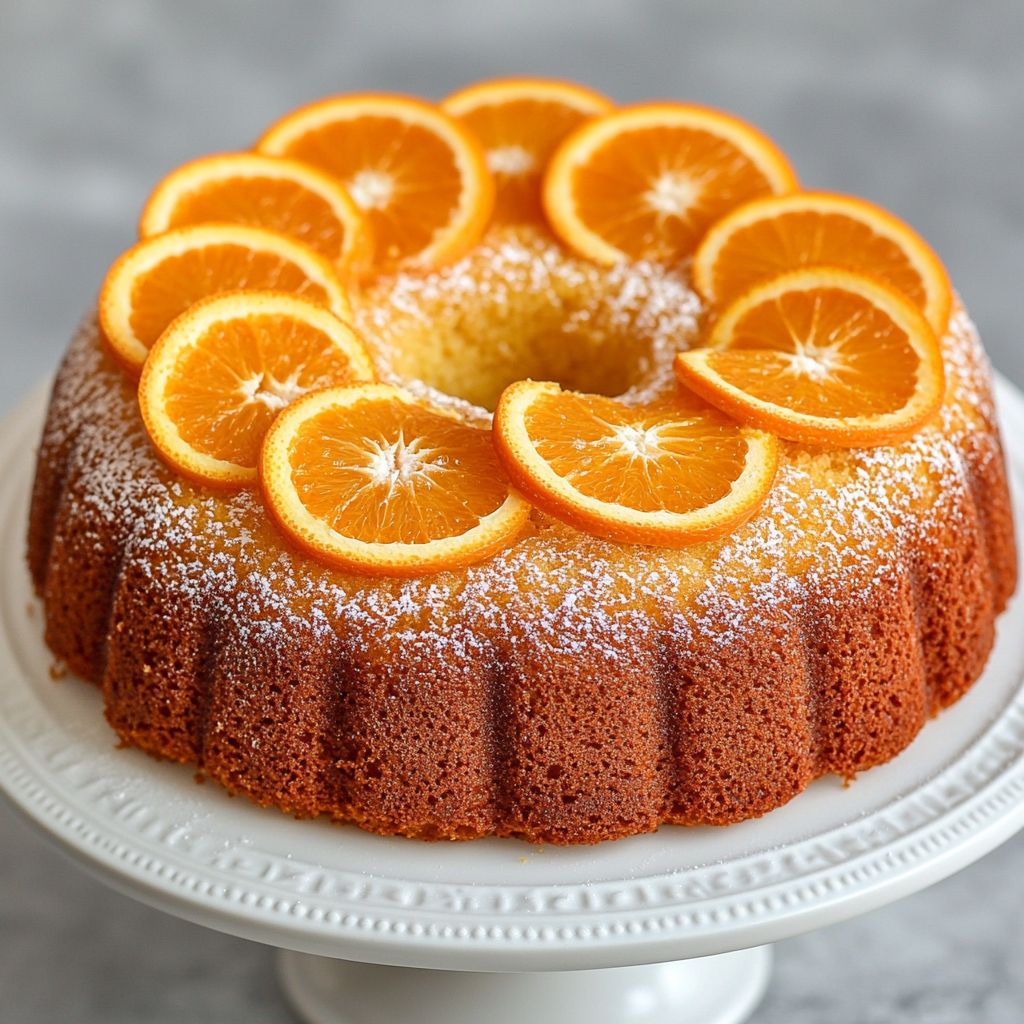
Notes
These Sicilian Whole Orange Cake notes guide you to a citrus-forward bake built from a whole orange simmered until tender and blended with a little cooking water to a smooth puree, rind and all, for intense aroma and moist texture. The eggs provide structure while the olive oil keeps the crumb tender and light; if you wish, fold in orange zest for extra brightness and, optionally, a small amount of almond flour for a softer crumb. Customize with toppings such as toasted sliced almonds or chopped pistachios, or stir in extra citrus zest evenly into the batter. Finish with a glaze or a light orange syrup; brush the glaze on while the cake is warm to help it set and shine. The cake stores well wrapped at room temperature for a few days, or refrigerates for up to a week; it also freezes well for longer. For a gluten-free version, substitute the all-purpose flour with a gluten-free flour blend and ensure your baking powder is gluten-free; the optional almond flour can remain, or you can omit it if you prefer a more traditional crumb. For best results, bring the eggs and orange puree to room temperature before mixing to help them emulsify into a silky batter.
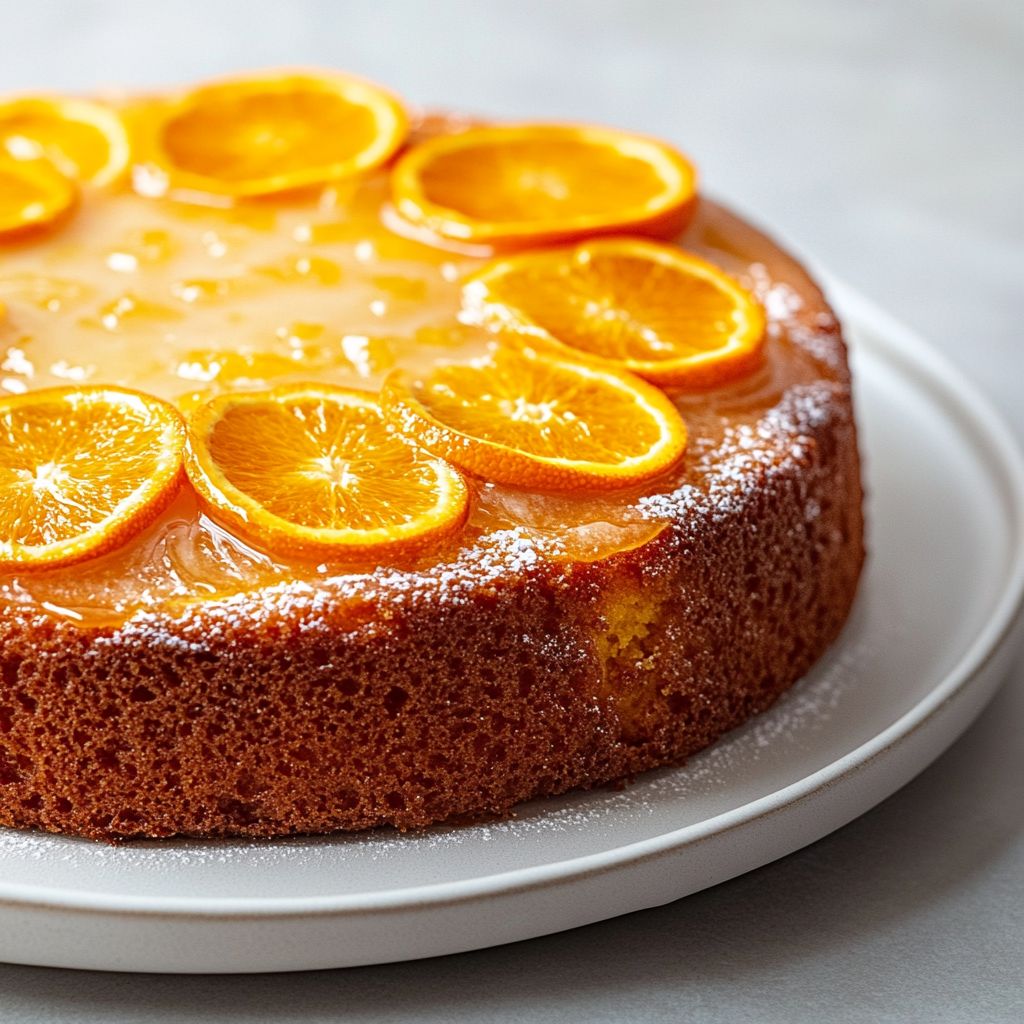
Tips
Tips for making Sicilian Whole Orange Cake
Preparation and orange purée
- Choose a medium to large orange that is well-weighted and fragrant. Since the peel is part of the flavor, wash thoroughly or use organic if possible to avoid any waxy residues.
- Simmer the whole orange until tender (about 30–40 minutes). This softens the rind and allows the zest and oils to infuse the batter with citrus aroma. Save a few tablespoons of the cooking water to adjust the purée consistency if needed.
- Cool slightly before removing any seeds. Blend the entire fruit with a little of the cooking water until completely smooth; the rind adds brightness, so don’t skip this step.
- If the purée seems thick, add a spoonful of the reserved cooking water gradually until you reach a pourable, spoonable batter consistency.
Batter, emulsification and flavor
- Bring the eggs to room temperature to help them blend smoothly with the orange purée and oil, creating a lighter crumb.
- Whisk the eggs with the sugar just enough to combine; overbeating at this stage can emulsify too much and affect texture.
- Whisk the extra-virgin olive oil with the eggs to form a smooth emulsion before adding to the orange purée. Pour the oil mixture in a thin, steady stream to maintain a cohesive batter.
- Add vanilla only if you want a warmer sweetness; for a brighter citrus-forward cake, you can omit it and rely on the orange zest for aroma.
- Fold in orange zest (if using) evenly with the dry ingredients for a consistent citrus glow without adding extra liquid.
Dry ingredients and texture
- Sift the flour and baking powder to remove lumps and ensure even distribution in the batter. If you replace part of the flour, consider using almond flour or a gluten-free blend as suggested in the recipe notes.
- Combine the dry ingredients with the wet ingredients gently—fold until just incorporated to keep the cake tender. Overmixing can lead to a dense crumb.
- For a nuttier, moister crumb, keep the optional almond flour but remember it may alter the texture slightly; if skipped, compensate with a touch more all-purpose flour (about 2–3 tablespoons).
Optional add-ins and toppings
- Toast sliced almonds in a dry pan until lightly golden to maximize aroma; scatter on top before baking for a crisp finish and attractive appearance.
- Chopped pistachios add color and crunch. Fold a portion into the batter for specks of green, and reserve some to press on top for a decorative finish. Avoid overmixing to keep pistachios chunky.
Sugar syrup and glaze finishes
- If using the glaze, whisk confectioners’ sugar with orange juice or water to reach your desired consistency. Apply while the cake is still warm so the glaze can soak in and set with a glossy finish.
- For a lighter glaze, start with 1 tablespoon of liquid and add gradually until the glaze flows evenly; for a thicker glaze, add more sugar. A smooth, drizzly consistency gives a beautiful sheen without pooling.
- Freshly squeezed orange juice brightens the glaze; adjust the amount to balance sweetness with acidity, especially if your orange purée was very sweet.
Make-ahead, storage and serving
- Purée can be prepared ahead (even freeze in portions) and thawed before mixing. This helps streamline bake day and ensures a bright citrus flavor.
- Bake the cake in advance and cool completely before glazing; otherwise the glaze may not adhere well.
- Store the finished cake in an airtight container at room temperature for 1–2 days, or refrigerate for up to 4–5 days. Bring to room temperature before serving for the best texture and aroma.
- Reheat slices gently in a low oven (about 150°C/300°F) for 5–7 minutes if you’d like the cake to feel freshly baked and the glaze to soften again.
FAQ
What is Sicilian Whole Orange Cake?
A moist, citrusy cake from Sicily that uses whole oranges (with peel) blended into the batter. It’s typically made with eggs, sugar, olive oil, and almond flour or ground almonds, plus a leavening agent. The result is a fragrant, dense loaf with intense orange flavor and a natural sweetness from the fruit.
What oranges should I use?
Choose medium, thin-skinned oranges with lots of zest. Organic or unwaxed oranges are ideal since you blend the whole fruit. Blood oranges or Seville/valencia oranges can add different flavor profiles and color.
Do I need to boil the oranges before blending?
Yes. Most traditional recipes require boiling the whole (unpeeled) oranges until tender, then cooling and blending them into a smooth purée with the other ingredients. This softens the rind and helps it emulsify into the batter.
What are the main ingredients?
Typical ingredients include:
- 2–3 medium whole oranges (with peel)
- Eggs
- Sugar
- Almond flour or finely ground almonds
- Baking powder
- Olive oil
- Pinch of salt
Optional extras: vanilla, a little lemon zest, or a splash of almond extract.
Is this cake gluten-free?
It can be gluten-free if you use almond flour or finely ground almonds instead of wheat flour and a gluten-free baking powder. If you use regular all-purpose flour, it won’t be gluten-free.
Can I make it dairy-free or vegan?
Yes. For dairy-free, rely on olive oil as the fat (no butter). For vegan, substitute eggs with flax eggs or aquafaba (for example, 2 flax eggs: 2 tablespoons ground flaxseed + 6 tablespoons water, mix and let thicken). Note that texture may differ slightly from the classic version.
What pan size and baking time should I use?
Common options:
- 9-inch (23 cm) round cake pan or springform
- 8×8 inch (20×20 cm) square pan
Bake at about 350°F (180°C) for 40–60 minutes, depending on pan size and oven. Check doneness with a skewer—it should come out clean or with a few moist crumbs.
How should I store and serve the cake?
Let the cake cool completely before slicing. Store in an airtight container at room temperature for 2–3 days, or refrigerate up to 4 days. It freezes well—slice and wrap portions for easy thawing. Serve on its own or with a dollop of yogurt, ricotta, or a light dusting of powdered sugar. A drizzle of light orange glaze also works nicely.
What are common troubleshooting tips?
If the cake is dense or dry: ensure the orange purée is smooth and well incorporated, don’t overmix, and don’t overbake. If it sinks in the center: oven temperature may be too high or the batter was overmixed; try a shorter bake and let it cool in the oven with the door ajar for a few minutes. If it browns too quickly: cover loosely with foil and lower the oven temperature slightly.
Can I add flavors or variations?
Yes. Try these variations:
- Swap a portion of almond flour for coconut or mix in about 2–3 tablespoons almond flour with a bit of all-purpose flour (for texture adjustments).
- Add a teaspoon of vanilla or a pinch of cinnamon for warmth.
- Fold in chocolate chips or chopped almonds for contrast.
- Finish with a light orange glaze or a dusting of powdered sugar.