Introduction / Hook
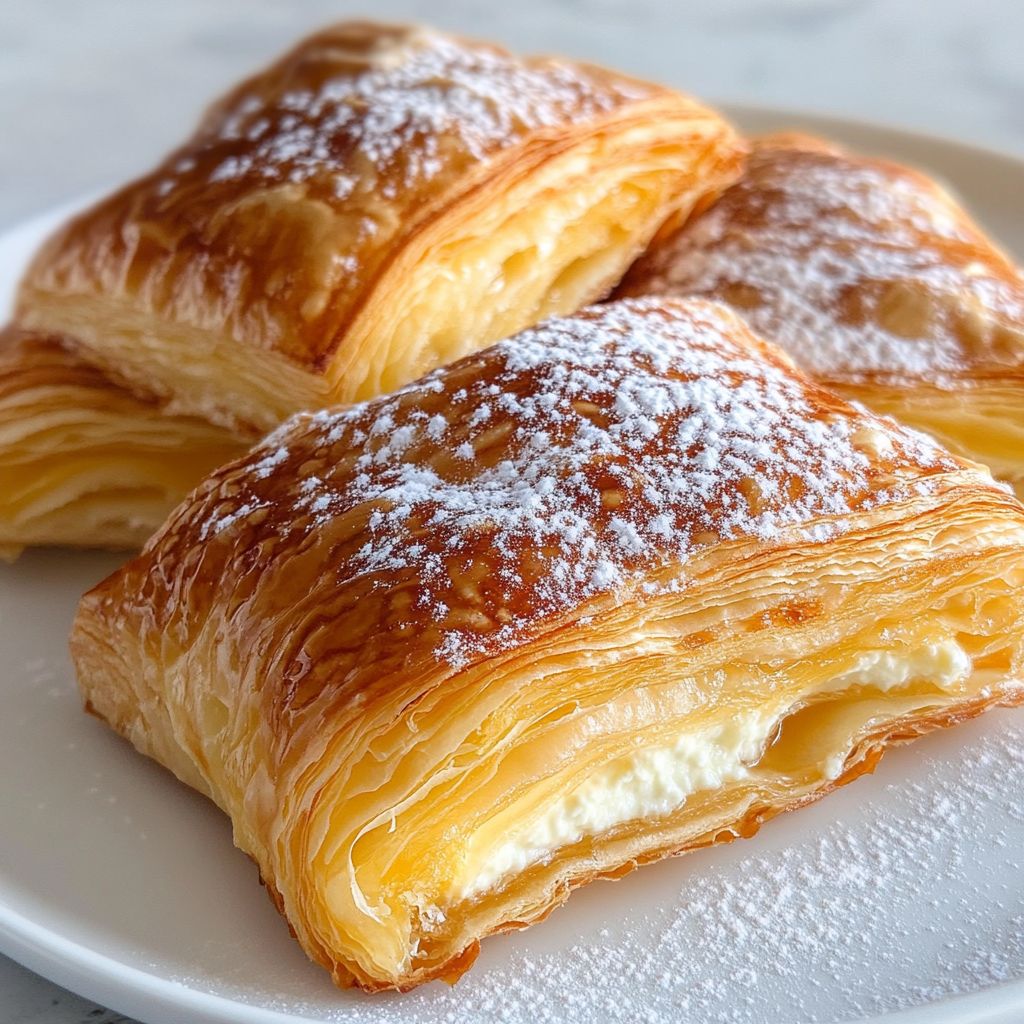
Imagine a pastry that unfolds like a delicate seashell at dawn, each glimmering lamination revealing a whisper-thin layer of dough kissed by butter. The aroma rises first—warm notes of vanilla, citrus, and almond drifting through a sunlit Neapolitan bakery. Then comes the bite: a crisp, crackling outer crust that shatters into a chorus of tiny paper-thin sheets, giving way to a luscious, creamy heart that hugs the palate with a softly sweet, comforting sweetness. This is sfogliatelle, the iconic Neapolitan treasure that feels as much like a memory as it does a dessert. Its allure lies not only in its spectacular appearance but in the symphony of textures and flavors that play across the tongue—the crackly exterior, the silky ricotta-vanilla center, and the faint citrus glow that lingers long after the last bite. It’s a pastry that invites slow savoring, a moment of indulgence in the hustle of everyday life, and a reminder of the craftsmanship that turns simple ingredients into a work of edible art.
To encounter sfogliatelle is to step into a quiet world where time slows, the kitchen air grows sweet with butter and citrus, and the act of eating becomes a small ceremony. The shell is a testament to patience and technique—an orchestration of many, many ultra-thin sheets layered with care—and the filling speaks of comfort and home: a creamy ricotta mixture, sometimes studded with hints of semolina, vanilla, citrus zest, and a touch of sugar that brightens the day. The combination feels both intimate and grand, like a morning spent along the Amalfi coast, where the sea-salt breeze mingles with the scent of roasted coffee and citrus groves. This description is your invitation to slow down, to appreciate the artistry behind every puff and curl, and to imagine the warm, golden pastry arriving at the table, ready to be shared with friends and family.
Whether you’re a seasoned baker drawn to the technical marvel of laminated dough or a curious eater seeking a gateway to Italian pastry traditions, sfogliatelle offer a bridge between labor and luxury. It’s a treat that rewards patience—every bite delivering a chorus of textures that feel almost sculptural in their perfection. And yet, despite the complexity of its craftsmanship, sfogliatelle remains a deeply comforting, recognizably homey pastry. It’s the kind of dessert that makes weekend mornings feel ceremonial, conversations linger longer over coffee, and guests feel a little pampered by something that looks as if it came from a confectioner’s dream—and tastes as if it belongs to a beloved neighborhood bakery where every slice carries a story.
The Story Behind the Dish
Across the Italian landscape, few pastries conjure the aroma of a city like sfogliatelle do for Naples. The pastry is inseparably tied to Campanian devotion to pastry craftsmanship, where butter, flour, and patience are treated as art forms. The name itself—sfogliatella—invites curiosity: it translates to “little leaf,” a nod to the pastry’s most defining feature—the many paper-thin layers that resemble a shell or the delicate pages of a folded leaf. This leaf-like appearance is no accident; it is the product of lamination, a technique that has delighted bakers for generations and that, in the case of sfogliatelle riccia (the curly, layered version), reaches near-extravagant levels of finesse. The dough is repeatedly rolled and folded with butter, turning simple ingredients into a cascade of countless golden sheets. The result is a shell that cracks with a satisfying sigh, each layer revealing a glimmer of what lies within.
There are two major streams of sfogliatelle that have traveled through time and geography to become regional icons: the riccia, with its intricate, ridged, multi-layer crust, and the frolla, a softer, smoother, shortcrust version. The riccia is the showstopper—the pastry that steals the spotlight in bakeries and markets, standing tall on a plate as if it’s artfully caught in a moment of wind. The frolla, while less elaborate in its surface, carries its own charm—a crisp bite with a velvety interior that glides along the palate in a more understated, comforting fashion. Both versions are beloved in Naples and beyond, each offering a doorway into the city’s rich tradition of pastry making.
The origin stories of sfogliatelle are as layered as the pastry itself. Like many beloved regional specialties, they date back to a time when convent kitchens and bakery benches shared ideas, techniques, and the same unyielding devotion to quality. A recurring thread in tales about sfogliatelle speaks of monasteries and convents where nuns and monks, disciplined in the art of dough and patience, gave shape to a dessert that would support the day’s prayers with sweet sustenance. Over the centuries, bakers across Naples and the broader Campania region refined the process, passing down tips, tricks, and a reverence for the dough’s temperature, resting times, and the precise thickness of each sheet. The result is a pastry that is at once a culinary achievement and a cherished symbol of a city’s soul. In modern days, sfogliatelle have become a beloved carry-through snack, a bakery window wonder, and a cherished festival offering, linking grand culinary artistry to the intimate rituals of family breakfasts and afternoon coffees.
Origins & Etymology
The word sfogliatella embodies the philosophy behind the pastry: thinness, layering, and the transformation of simple ingredients into something luminous. Literally translated, “sfogliatella” hints at tiny leaves, an echo of its layered, leaf-like texture. The technique—lamination—has cousins in other European pastries, most famously the croissant, but sfogliatelle elevate the craft to a distinctly Neapolitan expression, where citrus perfumes, vanilla, and a creamy ricotta core converge inside a shell that seems almost architectural in its delicacy. The etymology and the appearance remind us that food often travels with language and lore as much as with methods. Each bite testifies to generations of bakers who have held a quiet pride in their craft, and to the communities that welcomed and celebrated that craft with morning rituals, family gatherings, and citywide pride.
The historical tapestry of sfogliatelle is also a reminder of how regional cuisine adapts, absorbs, and elevates outside influences. The lamination technique, borrowed and refined from broader European pastry traditions, becomes uniquely Neapolitan when the filling—smooth ricotta, semolina, citrus zest, vanilla, and a touch of sweetness—enters the scene. It’s a union of technique and sensibility: precise work that yields a forgiving, comforting interior; bold, dramatic exterior that commands attention without shouting. The pastry’s story is, at its heart, a story about community: about the baker who dreams a little bigger, the shop window that invites a passerby to pause, and the family that shares a plate as a morning ritual or a Sunday treat.
Why You’ll Love This Recipe
- Striking yet approachable: The dramatic shell makes a powerful impression, perfect for special occasions or a weekend breakfast, while the technique remains a gratifying challenge for home bakers who love lamination and pastry craft.
- Contrasting textures: A crisp, crackly outer shell gives way to a creamy, lush filling that feels indulgent but balanced, with hints of vanilla, citrus, and a gentle sweetness that never overpowers.
- Versatility in a single bite: The pastry pairs beautifully with both coffee and dessert courses, making it equally at home beside an espresso cup as it is plated for a celebratory dessert course.
- Heritage and modernity: Sfogliatelle embody a storied tradition while inviting contemporary interpretations, whether through fillings, citrus varieties, or subtle twists in the dough’s fat and flour ratio.
- Make-ahead potential (with care): While best enjoyed fresh, sfogliatelle can be planned as a weekend project with thoughtful make-ahead strategies, making this a feasible chef-davorite for holiday mornings or brunch gatherings.
Flavor Profile & Texture
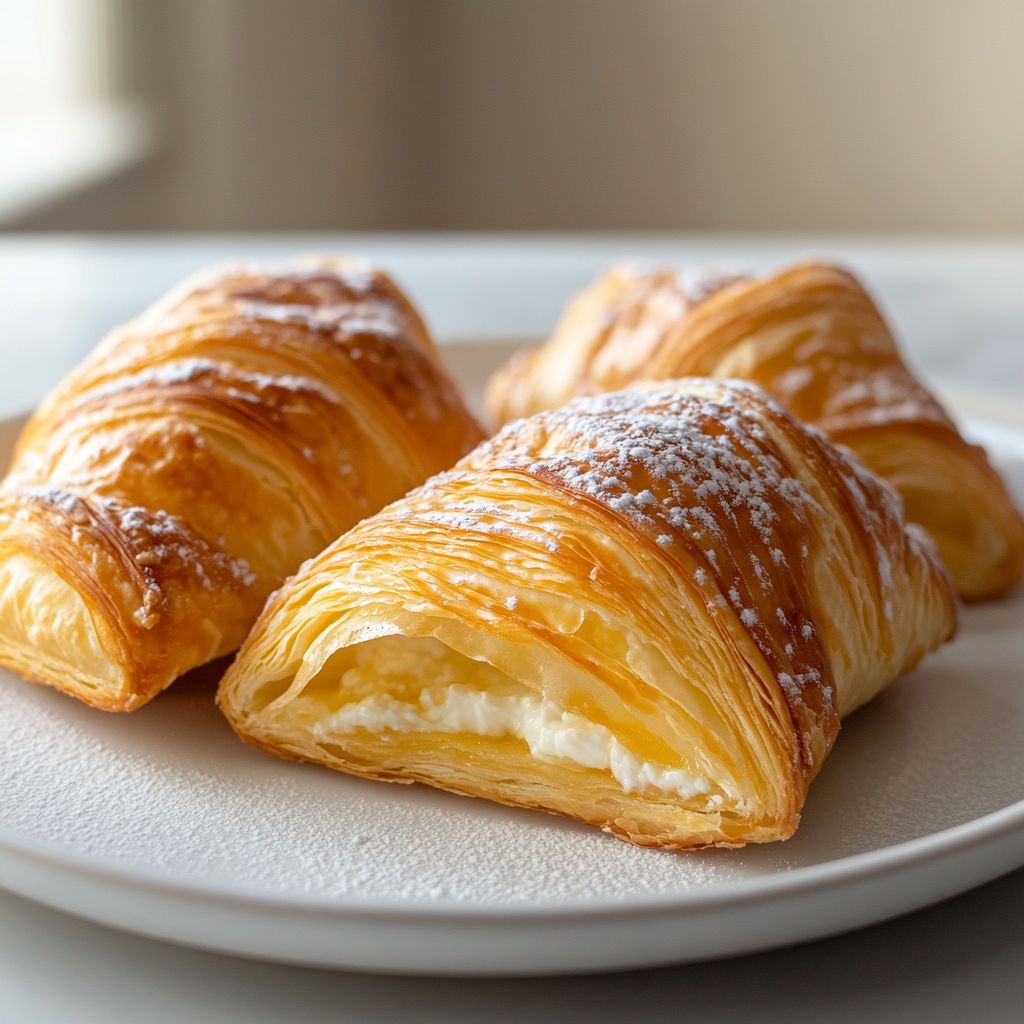
The flavor profile of sfogliatelle is a study in balance. The outer crust delivers a brittle crackle, a testament to properly laminated sheets meeting the heat of the oven. Each layer has a light, toasty note—almost nutty—contributing depth without heaviness. The inside is where the pastry reveals its tenderness: a filling that is often a silky blend of ricotta cheese, a touch of semolina for a gentle granular texture, vanilla for a comforting sweetness, and citrus zest—usually lemon or orange—that lifts the palate with bright, aromatic notes. The citrus tang acts as a beacon, cutting through the richness of the ricotta and inviting the next bite with a renewed curiosity. The texture harmony feels almost musical: a chorus of crisp, delicate leaves giving way to a creamy, mouth-coating richness that lingers with a whisper of sweetness.
Texture-wise, sfogliatelle are about tension in the best possible way. The shell must be crisp enough to crack like dried leaves under a gentle press, yet not so brittle that it shatters into shards. The interior filling should be smooth and comfortable, with enough body to hold its shape inside the shell but soft enough to melt on contact with warm air in the mouth. When served warm or at a gentle room temperature, the interplay of heat, butter, and filling creates a most satisfying sensation: a light, almost ephemeral shell that encases a rich, indulgent center. Aromas of vanilla and citrus buoy the senses before the bite even happens, making the anticipation as much a part of the experience as the flavor itself. The overall effect is sophisticated enough to feel celebratory, yet intimate enough to enjoy in a quiet moment of personal indulgence.
Occasions & Pairings
Sfogliatelle are versatile enough to brighten a weekday morning yet refined enough to star in a festive dessert table. They pair beautifully with coffee rituals and can be a heroic centerpiece for brunch spreads, holiday breakfasts, or intimate gatherings. Serve them for an after-dinner treat that leaves guests sighing with contentment, or present them as a showpiece sweet to elevate a simple afternoon tea with friends.
Recommended pairings:
- Coffee culture: A bold espresso or a rich cappuccino provides a perfect counterpoint to the pastry’s sweetness and enhances the vanilla-citrus aroma.
- Dessert wines and liqueurs: A light, citrusy dessert wine or a small glass of amaro can elevate the tasting experience without overpowering the delicate flavors.
- Complementary bites: A plate of candied citrus peels, toasted almonds, or a small wedge of almond macaron can echo the nutty, citrus notes and add a textural contrast.
- Seasonal twists: In warmer months, serve sfogliatelle with a dollop of citrus zest-infused whipped cream or a drizzle of sweet orange glaze for a brighter finish.
Occasions span from everyday indulgence to celebration-ready treats. They shine on Easter morning, Christmas breakfasts, or a weekend brunch when you want to make a lasting impression. They also travel well as a charming addition to a pastry platter at a party or a cultural-themed dinner, where their storied origins and stunning silhouette spark conversation and appreciation for Italian confectionery craft.
Tips, Variations & Substitutions
Classic Variations
The two classic forms of sfogliatelle—riccia and frolla—offer distinct experiences. Riccia excels in drama, with its multi-layered, ridged shell that shimmers with light and a more pronounced crunch. Frolla is the softer, rounder sibling, presenting a smoother surface and a slightly sturdier interior that still delights with a crisp snap. When choosing between them, consider your own patience for lamination and your preferred texture in the crust. Both deliver the signature contrast with the creamy filling; the choice is more about texture balance and personal preference than about quality.
Vegan & Gluten-Free Options
For vegan adaptations, you can explore plant-based formulations that aim to preserve the lamination’s integrity and the filling’s creaminess. This often involves a carefully chosen vegan fat that behaves similarly to butter in laminated dough and a ricotta-like cream that uses almond, cashew, or soy-based fillings with vanilla and citrus. Gluten-free lamination is more challenging because the gluten helps create the delicate layers that define the pastry. In gluten-free versions, bakers might rely on carefully balanced gluten-free flours or alternative starches, combined with a stabilizing fat to mimic the texture of traditional dough while maintaining the distinct layers. The result is delicious in its own right, though the texture will inherently differ from the classic wheat-based version. If you pursue these variations, treat them as explorations of texture and aroma rather than exact replicas of the traditional form.
Regional Twists & Flavor Variations
Beyond the core vanilla-citrus profile, sfogliatelle invite friendly experimentation. Consider a subtle zest interplay, such as lemon and orange together, or the addition of light almond paste within the filling for a deeper nutty aroma. Some regional interpretations incorporate pistachios or a touch of almond liqueur for a more aromatic experience. For a brighter finish, a whisper of citrus glaze on the exterior can echo the filling’s brightness while adding a glossy sheen. These variations are a celebration of local ingredients and personal creativity, and they let the pastry evolve without losing its essential character—the spectacular lamination, the crisp shell, and the creamy heart that makes sfogliatelle so beloved.
Storage & Make-Ahead Ideas
Fresh sfogliatelle have their own magic, but thoughtful storage can extend that magic. If you anticipate enjoying them over a couple of days, store them in a cool, dry place covered loosely to allow the shell to maintain its crispness. For longer-term planning, you can freeze sfogliatelle or the components of the dough and filling separately, then reassemble and warm to revitalize the aroma and texture. Reheating gently in a low oven can help restore the crispness of the shell while preserving the creamy interior. If you have unbaked shells or a portion of laminated dough ready, you might freeze the dough sheets and then complete the assembly when you’re ready to bake. The key is to keep the dough and filling as cold as possible before baking to preserve the delicate layers and prevent the butter from melting too soon, which would compromise the shell’s crispness. With a little planning, you can enjoy sfogliatelle even on an ordinary weekday, echoing the sense of ceremony that makes this pastry so special.
Fun Facts & Trivia (Optional)
– The name says it all: sfogliatelle are all about thin leaves—layers upon layers—that resemble an unfolding shell. The visual drama is part of the culinary experience, and many bakers take immense pride in the symmetry and lift of the outer shell.
– Two distinct traditions exist within the same family: the crisp, layered riccia and the smoother, more compact frolla. Each has its own devoted fans, and both contribute to the pastry’s enduring popularity across Campania and beyond.
– The Neapolitan love for coffee, citrus, and delicate sweets is perfectly embodied in sfogliatelle. The pastry is a frequent companion to a morning espresso, a ritual that has traveled beyond Italy as part of global appreciation for Italian pastry culture.
– Modern interpretations often honor the pastry’s roots while exploring new flavors, making sfogliatelle a versatile canvas for pastry chefs who want to pay homage to tradition while inviting contemporary appetites to the table.
Ingredients
Sfogliatelle
Dough
-
– Semolina flour (fine grind) 2 1/2 cups (320 g)
→ The backbone of sfogliatella dough. Semolina provides the distinctive texture and helps form ultra-thin, pliable sheets that laminate into the flaky layers after brushing with butter. Use finely milled semolina for a smooth dough and accurate hydration. Sift before measuring and weigh if possible to ensure consistent results. Allow the dough to rest to relax gluten and improve elasticity, which is crucial for rolling very thin without tearing.
– Cold water 1 cup (240 ml)
→ Hydrates the dough to bring it together without melting the laminated fat. Keep water ice-cold to prevent the fat from softening prematurely, which would hinder lamination. Add gradually, just until the dough holds its shape; too much water will make the dough sticky and tough to roll thin.
– Salt 1/2 teaspoon
→ Enhances overall flavor and tightens the dough structure just enough to help the sheets hold together during lamination. Dissolve in the water or sprinkle into the flour first for even distribution.
– Unsalted butter for laminating (cold, in blocks) 1 cup (225 g)
→ This is the fat that creates the flaky, layered structure characteristic of sfogliatelle. Keep it cold and pliable, not melted. A square or rectangular block works best for folding into the dough; handle quickly and keep the dough cool between folds to prevent butter from seeping through the dough.
Filling
-
– Ricotta cheese, whole-milk, well-drained 1 1/2 cups (375 g)
→ The creamy center of the pastry. Use high-quality, fresh ricotta and drain well to avoid a watery filling. For a silkier texture, press the ricotta through a sieve or wrap in cheesecloth and let it rest for at least 30 minutes to remove excess moisture before mixing with the rest of the filling. Do not skip draining, or the shells may leak and become soggy during baking.
– Fine semolina 2 tablespoons
→ Mixed into the filling to help thicken and texturize it, giving a slight custard-like bite that holds together inside the crisp shells. You’ll combine it with milk and cook briefly to form a smooth paste before cooling and folding into the ricotta mixture.
– Milk 1/2 cup (120 ml)
→ Used to hydrate and cook the semolina in the filling, creating a thick, creamy paste. Warm the milk gently, then whisk in the semolina until smooth and free of lumps; cook just until the mixture thickens, then cool completely before folding into the ricotta.
– Granulated sugar 1/3 cup (67 g)
→ Provides sweetness that balances the tang of the ricotta and the brightness of citrus zest. Adjust to taste, keeping in mind that the coated shells will also pick up some sweetness from the dusting of powdered sugar after baking.
– Egg yolks 2 large
→ Bind and enrich the filling, helping it set inside the shells as they bake. Use room-temperature yolks for easier incorporation and a smoother texture. If you prefer a lighter filling, you can reduce to 1 yolk, but the richness will be slightly less.
– Lemon zest 1 teaspoon
→ Adds a fresh, bright citrus aroma that complements the ricotta. Use finely grated zest and avoid the white pith, which can impart bitterness.
– Orange zest 1 teaspoon
→ Contributes a classic Sfogliatella scent and flavor. Pair with vanilla for a traditional profile; zest should be fresh and finely grated for even distribution.
– Vanilla extract 1/2 teaspoon
→ Enhances the creamy ricotta and bright citrus notes. Use pure vanilla extract rather than imitation for a warmer, more pronounced aroma.
– Candied orange peel, finely chopped 2 tablespoons (optional)
→ Optional burst of citrus sweetness and chewy texture that echoes the pastry’s traditional aromatics. If used, chop finely so it distributes evenly in the filling and doesn’t puncture the dough.
– Orange blossom water 1/4 teaspoon (optional)
→ A traditional floral note that elevates the filling. Use sparingly, as it can quickly overpower other flavors. If you don’t have it, you can skip this ingredient and rely on zest and vanilla for aroma.
Finish
-
– Powdered sugar for dusting 1/4 cup to 1/2 cup
→ Finishes the baked sfogliatelle with a delicate sweetness and a subtle sheen. Dust while the pastries are still warm to help the sugar adhere to the ridges of the flaky shells. Use a fine-mesh sieve to distribute evenly for a professional look.
Instructions
- Prepare the dough by combining the finely milled semolina flour and salt in a large mixing bowl, then add the ice-cold water gradually and mix with a fork or spoon until a cohesive dough forms; turn it out onto a lightly floured surface and knead for 5–7 minutes until smooth and elastic, then wrap in plastic and rest for 20–30 minutes to allow the gluten to relax for easier lamination.
→ Resting prevents the dough from springing back during rolling, which helps you achieve ultra-thin sheets without tearing. - Shape the cold butter into a uniform square or rectangle about 7 by 7 inches (18 by 18 cm) and chill until firm but pliable, ready to seal inside the dough; keep it wrapped and away from heat to prevent melting or soaking into the dough.
→ A cold, evenly shaped butter block is essential for clean laminations; if the butter warms, it leaks and sabotages the layers. - Roll the rested dough into a rectangle large enough to encompass the butter block, then place the cold butter block in the center and fold the dough over to completely enclose it, pinching the edges to seal; you should have a secure, butter-filled packet with no gaps.
→ This step creates a sealed butter envelope that will laminate within the dough during rolling, forming the characteristic flaky layers. - Roll the butter-encased dough into a long rectangle about 1/4 inch (6 mm) thick, keeping the edges straight and corners square; rotate 90 degrees every few passes to maintain an even thickness and prevent the butter from breaking through.
→ Uniform thickness ensures consistent layering and even puff during baking; rotate to avoid creating asymmetrical folds that could tear. - Perform the first fold by folding the dough into a classic “letter fold” (one third over the center, then the opposite third over that), seal any gaps, wrap, and chill for 30–45 minutes; this traps the butter and sets up the lamination.
→ The initial fold creates the first multi-layer structure; chilling prevents the butter from melting and leaking as you work. - Roll out the dough again to the original rectangle thickness, then repeat the second fold; wrap and chill for another 30 minutes to build additional layers and tighten the structure.
→ Repeating the folds multiplies the flaky lamination, contributing to the delicate, crisp texture of the final shells. - Roll out for a final time to a very thin sheet (about 1/16 inch or 1.5 mm) and ensure the surface is lightly flour-dusted to prevent sticking; trim uneven edges to obtain a neat rectangle ready for cutting.
→ A super-thin sheet yields the delicate, paper-thin layers that create the signature sfogliatella texture once baked. - Preheat your oven to 375°F (190°C) and line two baking sheets with parchment paper; position them ready for your shaped shells so you can bake promptly once assembled.
→ A hot, well-prepared oven promotes quick setting of the structure and even browning of the delicate shells. - Cut the laminated dough into long rectangles about 4 by 10 inches (10 by 25 cm); these will serve as the shells that encase the ricotta filling.
→ Matching the rectangle size to the filling amount ensures you can wrap and shape the dough without tearing or overfilling. - Prepare the filling by draining the ricotta very well for at least 30 minutes, pressing the ricotta through a sieve if possible to achieve a silkier texture; this prevents watery centers that can hinder crisp shells.
→ Well-drained ricotta keeps the filling cohesive and prevents soggy pastries during baking. - Make a semolina custard by whisking together the milk and fine semolina in a small saucepan, then cooking over medium heat until the mixture thickens to a smooth, spoonable paste; cool completely before folding into the ricotta.
→ The semolina paste provides body and a gentle toothiness to the filling, helping it stay put inside the shells as they bake. - Whisk the cooled semolina paste into the drained ricotta, then add the granulated sugar, egg yolks, lemon zest, orange zest, and vanilla extract; fold until evenly combined, then fold in chopped candied orange peel if using and, optionally, orange blossom water; chill the filling for at least 30 minutes.
→ The citrus zest and vanilla brighten the ricotta while the yolks help set the filling; chilling helps it hold its shape during assembly. - Prepare the shells for filling by brushing a thin line of water along the inner long edge of each rectangle; dollop about 2–3 tablespoons of filling onto the bottom third of the sheet in a straight line.
→ The water helps seal the dough when you roll, and the line of filling keeps the center well-populated for a dramatic, classic sfogliatella look. - Roll the rectangle up jelly-roll style from the filling edge toward the opposite edge to form a tight log, then place the log seam-side down on the parchment; gently press edges to secure and shape into a curved or conical shell, using light pressure to avoid squeezing out the filling.
→ Rolling around the filling creates a compact core that bakes into a defined shell, while careful sealing prevents leaks and maintains shape during rising. - Repeat the filling and rolling process for the remaining rectangles, placing the formed shells on the prepared baking sheets with space between them for expansion; if desired, lightly flatten the tops to encourage a more uniform height while baking.
→ Even spacing prevents sticking and ensures even heat distribution; flattening slightly helps each shell bake evenly to a crisp exterior. - Bake the shells in the preheated oven until they are deeply golden and crisp, about 18–22 minutes; rotate the trays halfway through to ensure even browning and avoid hot spots.
→ A uniform bake yields evenly crisp layers and a glossy, appealing crust that contrasts with the creamy filling. - Remove the pastries from the oven and cool on a rack for 10–15 minutes before dusting with powdered sugar; dust while still warm so the sugar adheres and outlines the ridges of the flaky shells.
→ Dusting warm pastries creates a delicate sweetness that highlights the pastry’s texture and provides a professional finish. - Serve the sfogliatelle slightly warm or at room temperature, storing any leftovers in an airtight container for up to 2 days; re-crisp gently in a 300°F (150°C) oven before serving if desired.
→ Proper storage keeps the shells from becoming soggy; a gentle reheat brings back the crisp, flaky texture.
Notes
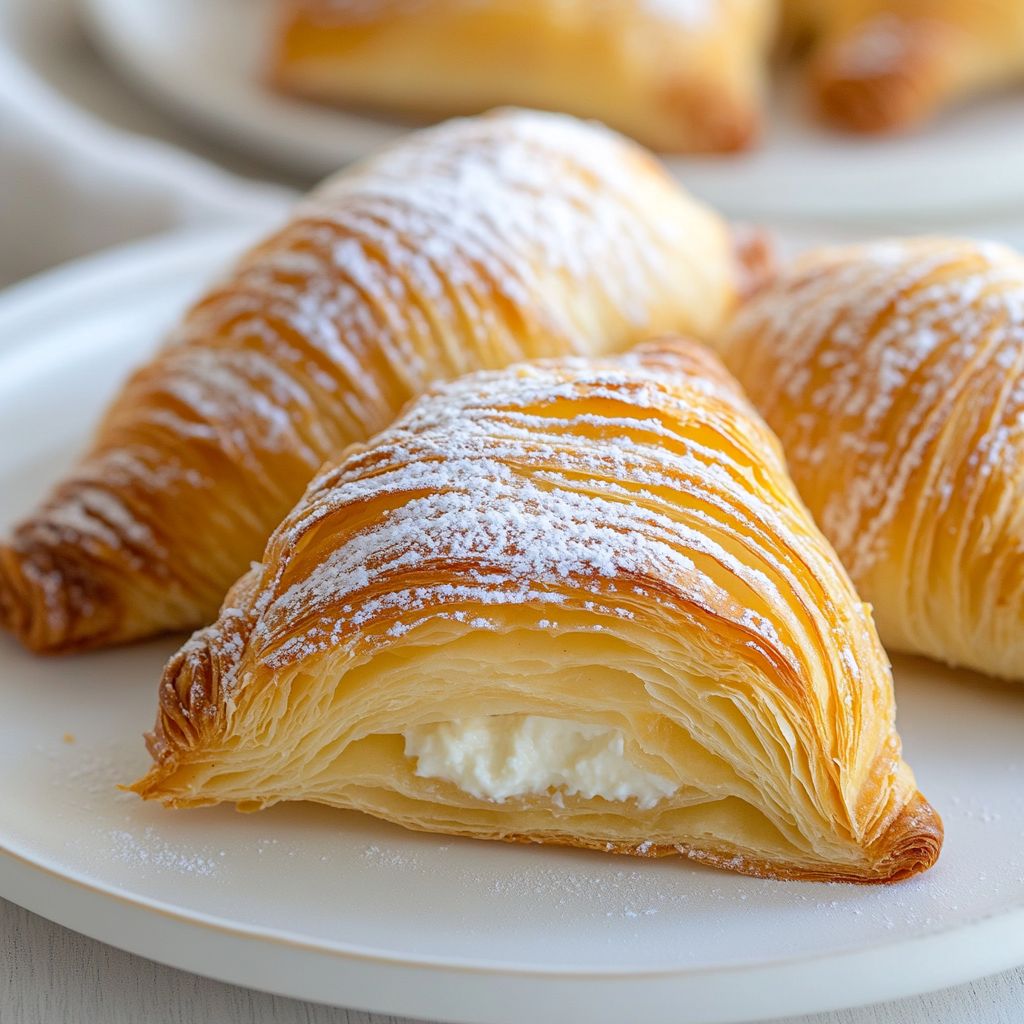
These traditional sfogliatelle are a celebration of Italian pastry, with crisp, multi-layered shells and a creamy ricotta filling perfumed by citrus. The secret lies in a very cold, laminated dough built with fine semolina and chilled butter; work quickly and keep the dough cool between folds to maintain distinct laminated layers. Roll the dough as thin as possible, brushing and folding (classic three-turn method) to achieve the flaky texture; let the dough relax after each roll and cover to prevent drying. Drain the ricotta thoroughly and cook the semolina with milk to make a smooth paste that will fold easily into the ricotta—this prevents a soggy filling. Mix in sugar, egg yolks, zest, vanilla, and optional candied orange peel and orange blossom water in small amounts to keep the filling bright but not overpowering. When shaping, wrap the filling smoothly in the dough so you get the characteristic shell shape, and seal the ends well to prevent leakage during baking. Bake in a hot oven (around 350-375°F / 180-190°C) until the shells are deeply golden and crisp, then cool briefly before dusting with powdered sugar. These are best on the day they’re baked, but you can store cooled pastries in an airtight container for a day or two and re-crisp them briefly in a warm oven before serving. If you can’t find orange blossom water, omit it or substitute a tiny splash of vanilla for aroma.
Tips
Tips for Perfect Sfogliatelle
- Keep the dough and butter as cold as possible during lamination. Chill after each fold and work quickly on a cool surface to maintain the flaky, distinct layered texture.
- Let the dough rest to relax gluten before rolling again. Resting (20–30 minutes or longer) helps you roll very thin without tearing the sheets.
- Hydration matters: use ice-cold water and add gradually until the dough just comes together. Too much water will make the dough sticky and difficult to roll into ultra-thin sheets.
- Fine semolina is key: sift before measuring and weigh if possible for consistency. Proper hydration of the semolina in the dough improves pliability and texture.
- Butter for laminating: use a cold, pliable block of unsalted butter shaped to fit the dough, and keep it cool between folds to prevent leakage into the dough.
- Drain ricotta thoroughly: press through a sieve or wrap in cheesecloth for at least 30 minutes to remove excess moisture; this prevents soggy shells and helps the filling set nicely.
- Filling paste: cook the semolina with milk to a smooth, thick paste and cool completely before folding into the ricotta; this creates a creamy, well-set center without runny filling.
- Balance citrus and sweetness: grate lemon and orange zest finely (avoid the white pith); use pure vanilla extract; orange blossom water is optional—start with a small amount and adjust to taste to avoid overpowering the filling.
- Mind the sugar: the filling’s sugar should balance tangy ricotta, but remember the finished shells will pick up some sweetness from the dusting of powdered sugar after baking.
- Egg yolk binding: two yolks enrich the filling and help it stay intact inside the shells; if you prefer a lighter texture, you can use 1 yolk, knowing it will be slightly less rich.
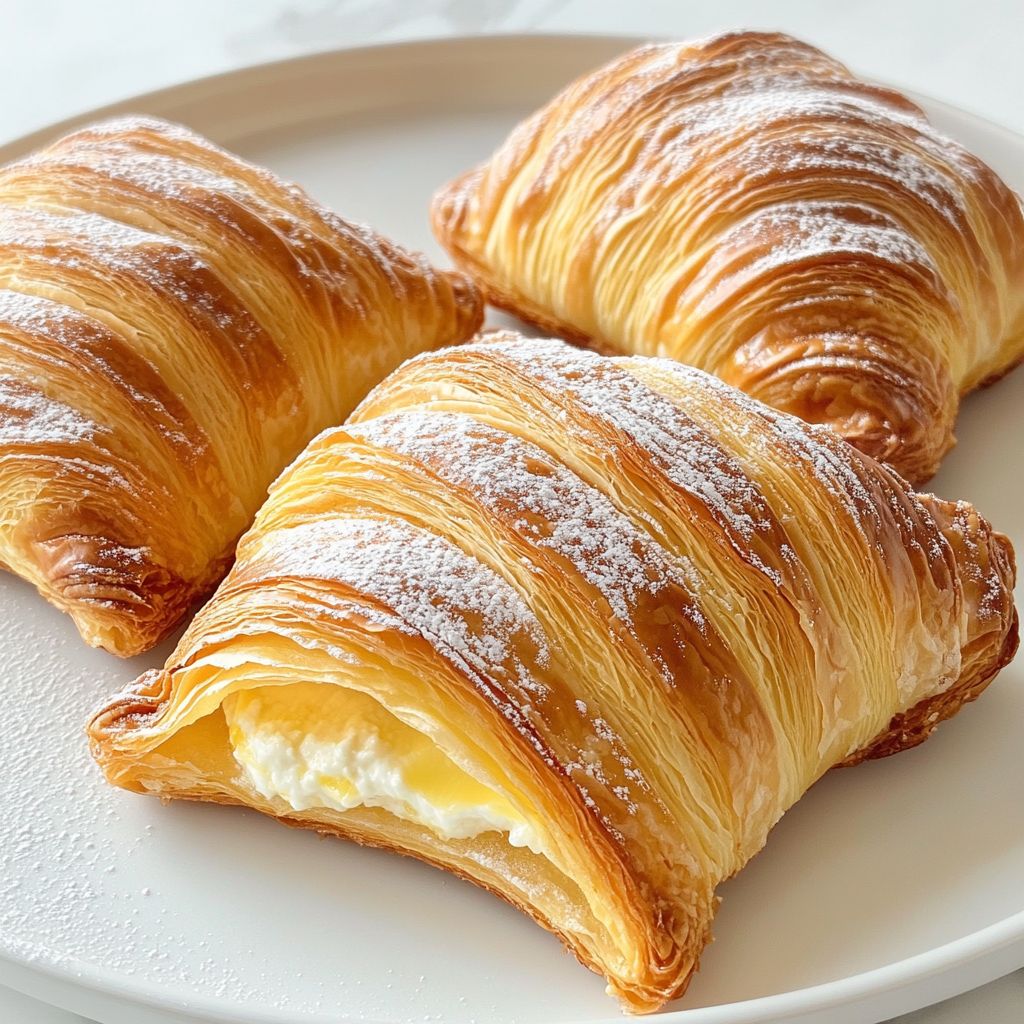
- Shaping tips: roll dough wafer-thin and cut to fit around the filling; seal edges well to prevent filling from leaking during baking, and avoid trapping air pockets.
- Baking guidance: bake until the shells are deeply golden and crisp to ensure the laminated layers separate nicely during cooling; rotate trays if using multiple shelves for even browning.
- Storage and serving: sfogliatelle are best fresh; dust with powdered sugar while warm for a delicate finish. For make-ahead, freeze unfilled shells and fill/bake from frozen, finishing with sugar just before serving.
FAQ
What are sfogliatelle?
Sfogliatelle are a classic Neapolitan pastry from Naples, Italy. They feature a shell-shaped, laminated dough with hundreds of ultra-thin layers that encase a sweet filling, traditionally a ricotta- and semolina-based cream. There are two main varieties: sfogliatella riccia (flaky and ridged) and sfogliatella frolla (smooth and compact).
What is the difference between sfogliatella riccia and sfogliatella frolla?
Riccia is the flaky, ridged version made with a laminated dough that forms many delicate layers, giving a crisp, crinkled shell. Frolla uses a smoother, shortcrust-like dough, producing a softer, less layered shell. Both are filled with a ricotta-based cream, but the textures are distinct.
Where did sfogliatelle originate?
Sfogliatelle originate in Naples, in the Campania region of Italy. They are a beloved Neapolitan pastry with a long tradition, tied to local bakeries and pastry-making techniques that emphasize thin, layered dough.
What are the traditional fillings and flavors?
The classic filling is a ricotta- and semolina-based cream, flavored with vanilla, milk, and sugar, often scented with orange blossom water and zest from candied citrus. Some modern versions use crema pasticcera (custard) or alternate fillings, but the traditional pairing is ricotta-based with citrus notes.
How do you pronounce sfogliatelle?
In Italian, it’s pronounced roughly as “sfoh-lya-TEL-lah” (singular sfogliatella, plural sfogliatelle). The “gli” sound is a soft palatal sound common in Italian.
How should sfogliatelle be stored and served?
Best eaten fresh on the day they’re made. If needed, store at room temperature in an airtight container for up to 1–2 days; they may dry out over time. To refresh, reheat in a 160–180°C (325–350°F) oven for 5–7 minutes to restore crunch, then dust lightly with powdered sugar before serving.
Can you make sfogliatelle at home? Is it difficult?
Making true sfogliatelle at home is challenging because of the laminated dough that creates the many thin layers. It requires careful rolling, resting, and shaping. A doable approach is to start with a simpler dough (or pre-made shells) and use a ricotta-cream filling. If you want the classic flaky texture, you’ll need to practice the lamination technique or consider using puff pastry as a shortcut for the outer shell while keeping a traditional ricotta filling.
Can you freeze sfogliatelle?
Yes. You can freeze unbaked shells or baked sfogliatelle. Wrap individually, freeze for up to 1–2 months. Thaw at room temperature and reheat in a preheated oven at 160–180°C (325–350°F) for about 8–12 minutes to refresh the texture. Avoid microwaving, which can soften the layers.
Are there regional variations or flavors beyond the classic?
While the Neapolitan classic is the most well-known, you’ll find variations across Campania and beyond, including different citrus infusions, chocolate chips or chocolate fillings, and occasional seasonal variations. The shaping and level of crispness can also vary by bakery, giving each version a unique character while staying true to the lamination and creamy filling concept.