Introduction / Hook
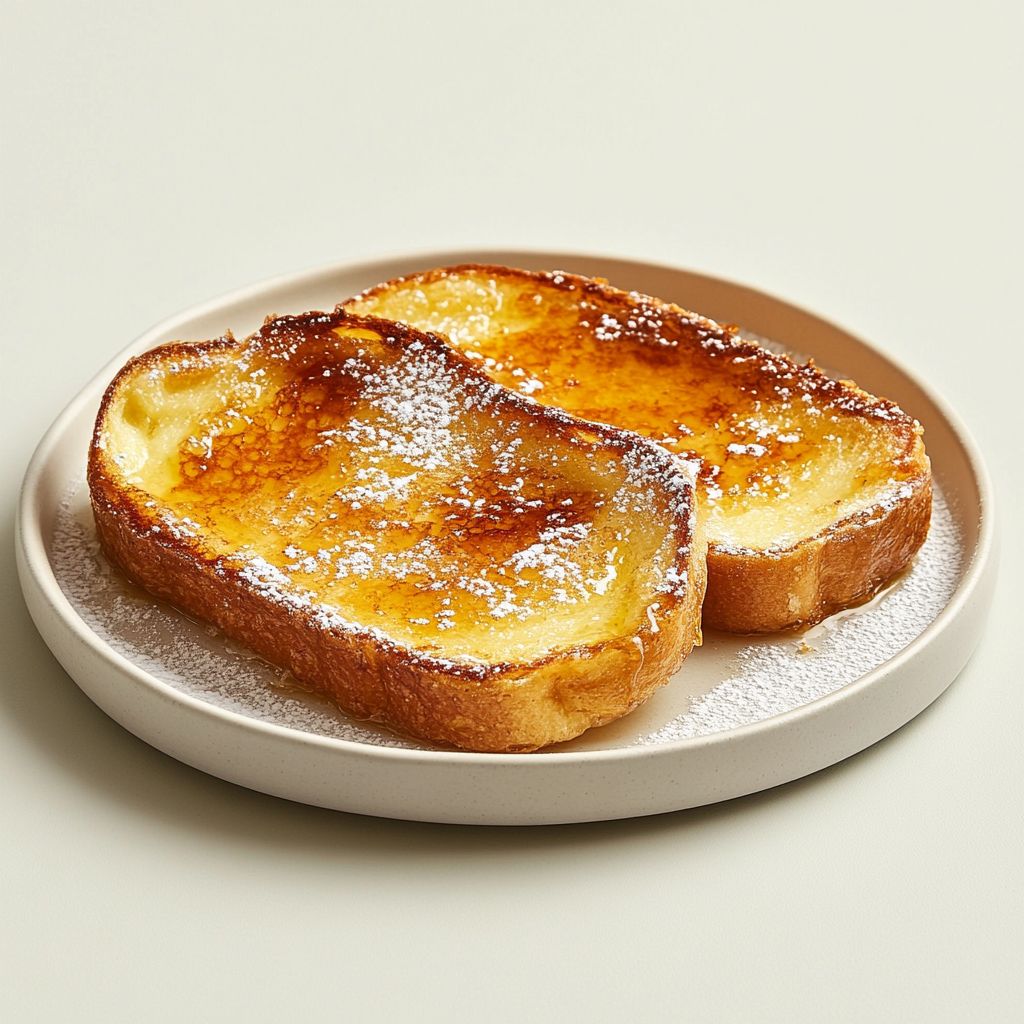
Imagine waking to the warm, inviting scent of vanilla and caramel drifting through the kitchen, a soft hum of espresso in the air, and a tray of breakfast that looks like a dessert and somehow tastes like a comforting hug. Overnight Crème Brûlée French Toast turns a humble loaf into an indulgent morning ritual, marrying the custardy richness of crème brûlée with the forgiving, dreamy texture of French toast. The magic happens while you sleep: you soak slices of bread in a lush custard mixture overnight, then in the morning you wake to a dish that is quivering with creamy depth yet crowned with a crisp, caramelized sugar crust that crackles like tiny winter fairy dust. It’s the kind of brunch centerpiece that makes guests swoon, kids cheer, and weekday mornings feel like a celebration. The scent alone—a blend of warm cream, vanilla bean, a hint of citrus, and a touch of cinnamon—promises comfort and elegance in every bite. If you’ve ever wished for a perfect balance between “make-ahead” and “special-occasion flavor,” this recipe is your answer. It feels luxurious, yet it’s surprisingly practical: simple pantry ingredients, a hands-off overnight rest, and a reveal that turns a plain breakfast table into a memory-making moment. And because it’s French toast with the crème brûlée vibe, you get that nostalgic brunch treat without abandoning the cozy familiarity of home. The result is a slice that’s custardy and lush, with a glossy sweetness that doesn’t overwhelm, a crust that shatters when tapped with a spoon, and a lingering vanilla-sugar perfume that lingers long after the last bite. This is breakfast that thinks it’s dessert, and dessert that knows it’s breakfast—perfect for weekends when you want to slow down, but still want to feel pampered from the first bite.
The Story Behind the Dish
Crème brûlée and French toast share a delightful kinship: both are celebrations of custard’s silken interior and a top layer that crackles with caramelized sugar. In many ways, Overnight Crème Brûlée French Toast is a love letter to the indulgent brunch traditions of Western Europe, reimagined for modern mornings. The concept draws from two classics: the custard-rich richness of crème brûlée, usually crowned with a brittle sugar crust, and the creamy, comforting simplicity of French toast, soaked bread transformed into a custard-soaked dream through gentle heating. The “overnight” twist is where the magic truly happens. Bread becomes a sponge, absorbing the flavors of eggs, cream, vanilla, and a whisper of zest. The next day, a quick bake or pan-sear sends the surface into a delicate, lacquered caramelization that crackles under the spoon, releasing the warm, vanilla-forward aroma that has made crème brûlée a timeless favorite. This dish, in its most comforting form, is the result of holiday brunches, lazy Sunday mornings, and improvised gatherings around a sunlit table. It embodies the spirit of hospitality—preparation that respects everyone’s time, flavors that evoke nostalgia, and the joy of sharing something you poured time into crafting. There’s a playful story in every slice: the patience of an overnight soak, the transformation from soft bread to a custard-laden centerpiece, and the triumphant moment when the sugar crystallizes into a glassy top. It is, in essence, a contemporary homage to a classic French dessert, distilled into a practical, crowd-pleasing morning that feels decadent without demanding top-tier culinary finesse—or hours of labor.
Why You’ll Love This Recipe
- Make-ahead brilliance: assemble the custard-soaked bread the night before and wake up to a nearly effortless brunch centerpiece.
- Ridiculously comforting: the custard is velvety and rich, with warm vanilla, a hint of citrus, and a whisper of spice that lingers in the palate.
- Textural contrast: a soft, tender interior with a crisp, caramelized top that crackles under a fork, delivering that satisfying “crunch then melt” moment.
- Versatile and forgiving: a forgiving recipe that works with everyday bread or a richer loaf, making it adaptable to what you have on hand.
- Showstopper presentation: the caramelized crust adds an elegant, bakery-like finish that’s as impressive as it is delicious.
- Family-friendly without feeling fussy: it feels like a treat, but it’s simple enough for weekend mornings or special occasions alike.
- Customizable base: you can tailor the flavor profile with your favorite spices, citrus zests, or a hint of liqueur to suit the occasion.
Flavor Profile & Texture
The core of this dish is a custard-forward experience: the bread is gently soaking in a mixture of eggs, cream, milk, and vanilla, absorbing sweetness without becoming soggy. The vanilla anchors the flavor, while a touch of citrus zest—often lemon or orange—lifts the profile with a bright citrus note that keeps the custard from feeling heavy. A whisper of cinnamon or nutmeg can be introduced for warmth, and a pinch of salt heightens the sweetness, creating a balanced, dessert-like breakfast that doesn’t skew overly sweet. When baked or finished under heat, the surface of the dish develops a delicate caramelized layer: a thin, glossy crust that crackles under pressure, releasing a fragrant sugar perfume and a satisfying snap. Beneath that top lies a creamy, luscious interior, each slice holding its own soft, custardy richness—like a luxurious bread pudding with the elegance of crème brûlée. The texture is key: the interior should be smooth and tender, not dense; the outer crust should provide a delightful counterpoint with a light crunch that shatters into the melt-in-the-mouth center. The overall sensation is a harmonious duet of silk and snap, a temperature play between warm, comforting custard and the crisp top that adds a celebratory feel. The flavor is decadently vanilla-forward, but not cloying, so it pairs beautifully with maple syrup, fresh fruit, a dollop of whipped cream, or a splash of citrus-infused syrup. This is a dish that invites you to savor the process as much as the result—the anticipation of a sleep-time soak, the moment of the first golden bite, and the lingering aroma that makes the entire house feel instantly welcoming.
Occasions & Pairings
Overnight Crème Brûlée French Toast shines at a variety of occasions, from extra-special weekend breakfasts to festive holiday brunches. It’s a showstopper that feels grand enough for Christmas morning or a birthday celebration but approachable enough for a lazy Sunday with family and close friends. Because it’s forgiving and easy to scale, it’s also perfect for brunch with a crowd: you can prepare a large pan of it in advance and simply bake it to serve, freeing you to mingle rather than slave over the stove. This dish pairs beautifully with a range of accompaniments and beverages, enabling a cohesive brunch spread:
- Fruit accents: fresh berries, sliced pears, or citrus segments provide bright contrast and a palate-cleansing note between rich bites.
- Sweet accompaniments: a drizzle of maple syrup or honey, a dusting of confectioners’ sugar, or a quick berry compote elevates the dish without overpowering its vanilla essence.
- Creamy counterpoints: a dollop of lightly sweetened whipped cream or a spoonful of vanilla yogurt adds a light, airy balance to the custard’s depth.
- Beverage pairings: a bright, lightly sparkling beverage—orange juice with a splash of sparkling water, or a lightly roasted coffee—complements the creamy richness; for guests who enjoy a more decadent pairing, a sparkling wine or a light dessert wine can elevate the experience.
- Side dish harmony: consider a simple, crisp green salad with citrus vinaigrette to cut through the richness, or a side of roasted fruit to mirror the caramel notes.
Tips, Variations & Substitutions
Every good recipe has room for personalization, and this one is particularly adaptable. Here are many ways to tailor Overnight Crème Brûlée French Toast to your pantry, dietary needs, or flavor preferences:
- Flavor boosters: add a pinch of salt to the custard for balance, and mix in citrus zest (lemon, orange, or grapefruit) for a brighter aroma that complements the vanilla.
- Spice palette: cinnamon and nutmeg are classics, but you can experiment with cardamom, ground ginger, or even a hint of clove for a warmer profile.
- Oral nutrition tweaks: use a lighter cream or dairy-free milks (almond, soy, oat) with a touch more rice or cornstarch to maintain a custardy texture; for a richer vegan version, blend coconut milk with a neutral oil and a plant-based butter; for a gluten-free option, choose your favorite sturdy gluten-free bread that holds up to soaking.
- Sweetness control: if you’re watching sugar, you can reduce the sweetness in the custard slightly and rely on the caramelized top for the sugar bite; for extra caramel crunch, finish with an extra sprinkle of sugar and a brief torching or broiling (carefully, with an oven-safe pan).
- Bread choices: thicker-sliced brioche, challah, or a sturdy pull-apart loaf works beautifully; day-old bread with a slight staleness helps the custard soak evenly without getting soggy.
- Nutty notes: a handful of toasted almonds, pecans, or pistachios sprinkled on top before baking adds texture and a toasty aroma.
- Alcoholic twist: a splash of Grand Marnier, Rum, or Brandy in the custard can deepen the dessert-like quality; ensure it’s balanced with the creaminess and not overpowering.
- Fruit-forward variation: fold in a layer of thinly sliced apples or peaches between bread slices for a fruity contrast that pairs well with the vanilla and caramel.
- Make-ahead strategy: you can assemble the soaked bread in a casserole dish, cover tightly, and refrigerate for up to 12 hours before baking. If your schedule is tighter, you can reduce the soak time to a few hours, though the overnight method tends to yield the most indulgent texture.
Storage & Make-Ahead Ideas
One of the biggest advantages of the overnight approach is how well it stores and reheats. If you have leftovers or you want to prepare for the next day, here are practical tips to maintain flavor and texture:
- Refrigeration: after soaking, cover the dish tightly and refrigerate. This helps the custard set slightly and lets flavors meld. The dish can rest in the fridge for up to 12 hours.
- Reheating methods: for best results, bake the dish in the oven until the top crispest to your liking and the interior is heated through; you can also rewarm individual portions in a skillet with a splash of milk to rehydrate the custard, then finish with a quick caramelization on top.
- Leftover storage: refrigerate slices in an airtight container for up to 2-3 days. For best texture, reheat gently to avoid drying out the custard.
- Freezing: the dish can be assembled, then frozen before baking; bake from frozen, adding extra time and watching for the top to crisp up right as the interior fully warms.
- Make-ahead tips: if you’re entertaining, prepare the custard and the bread a day in advance, arrange the slices in the dish, cover, and refrigerate. In the morning, you’ll simply bake and serve, turning prep time into a seamless flow from countertop to table.
Fun Facts & Trivia (Optional)
Curious notes that enrich the story behind this breakfast-forward treat:
- Crème brûlée’s iconic crack is created by a very hot surface caramelization that creates a glassy sugar layer. In this breakfast adaptation, that crack is echoed on the top of the French toast, offering a playful breakfast-dessert contrast within each bite.
- French toast itself is a centuries-old method known as “pain perdu” in France, which translates to “lost bread.” It’s a clever way to rescue day-old bread by turning it into a luscious, custard-soaked dish that tastes like a real treasure.
- The combination of custard and caramelization is a nod to the culinary technique that blends egg-based custards with sugar work, bridging brunch and dessert in a way that feels both nostalgic and modern.
- Vanilla, a star in crème brûlée, has long been celebrated for its aromatic complexity—its pods and vanillas origins in tropical climates add a globally inspired fragrance to this brunch staple.
- Texture is a universal language in comforting foods; the crisp top in an otherwise soft custard interior evokes the sensory memory of a bakery, making this dish a crowd-pleaser across ages and cultures.
Ingredients
-
– Bread
– 8 thick-sliced brioche or challah bread, about 1.5-2 inches thick
→ These rich, sturdy slices soak up the custard without falling apart. If possible, use day-old bread for better texture; trim crusts if you prefer neater slices, but crusty edges add nice contrast when fried.
– Crème Brûlée Custard
– 6 large eggs
→ Eggs provide structure and richness to the custard. Using a mix of whole eggs helps create a firm yet silky set during baking or chilling. Whisk thoroughly to emulsify the mixture.
– 4 large egg yolks
→ Yolks deliver extra silkiness and depth to the custard, creating that classic Crème Brûlée mouthfeel in French toast form. Strain if you want an ultra-smooth finish.
– 1 1/2 cups heavy cream
→ The creamy base of the custard; use real heavy cream for a luscious texture. For a lighter version, substitute part with milk, but expect a looser set.
– 1/2 cup whole milk
→ Adds a touch of lightness and helps the custard soak into the bread evenly. If you want richer flavor, reduce or omit, keeping more cream instead.
– 1/2 cup granulated sugar
→ Sweetens the custard and helps balance the vanilla. Whisk until completely dissolved to avoid graininess; adjust to taste.
– 2 teaspoons vanilla extract (or 1 vanilla bean, scraped)
→ Vanilla provides aromatic depth that pairs perfectly with caramelized sugar. Vanilla bean seeds offer a more intense, natural flavor; if using a bean, simmer the milk and cream with the pod first, then whisk in the seeds.
– 1/4 teaspoon salt
→ Enhances overall flavor and helps bring out sweetness; a pinch makes the custard taste more vibrant.
– Optional Spices
– 1 teaspoon ground cinnamon
→ Adds warm spice that complements the brûléed crust. You can whisk cinnamon into the custard or dust lightly on top for aroma.
– 1/4 teaspoon ground nutmeg
→ Classic pairing with custards; use sparingly so it doesn’t overpower the vanilla and creaminess.
– Brûlée Topping
– 2-3 tablespoons granulated sugar (for finishing)
→ The caramelized layer that creates the signature crack. Spread evenly in a thin layer; evenness ensures a uniform crust when torched.
– Pan-Frying
– 1-2 tablespoons unsalted butter
→ Used to fry the soaked bread slices until golden and crisp. Maintain medium-low heat to avoid burning; you can add a touch of oil if you prefer a higher smoke point.
– Toppings and Finish
– Fresh berries (optional), 1 cup mixed berries
→ Provide a bright counterpoint to the rich custard. Rinse and pat dry; slice larger berries for even distribution.
– Powdered sugar, for dusting (optional)
→ A light dusting adds a festive touch and a touch of sweetness. Sift to prevent clumps for a clean finish.
– Maple syrup or caramel sauce
→ Drizzle just before serving to add moisture and extra sweetness; maple syrup lends a warm, nuanced sweetness, while caramel offers a richer, toffee-like finish.
Instructions
- Whisk together 6 large eggs, 4 large egg yolks, 1 1/2 cups heavy cream, 1/2 cup whole milk, 1/2 cup granulated sugar, 2 teaspoons vanilla extract, and 1/4 teaspoon salt until completely smooth and the sugar is dissolved.
→ This creates a cohesive custard base with no grainy pockets, promoting a silky, uniform set during cooking or chilling. - Whisk in the optional spices: 1 teaspoon ground cinnamon and 1/4 teaspoon ground nutmeg with the vanilla, ensuring even distribution; whisk until the spices are fully incorporated.
→ Even distribution prevents concentrated spice spots and keeps the aroma balanced in every bite. - Lightly toast the bread slices just enough to dry the surface and firm the crumb without drying out the interior; use a toaster or a gentle bake in a 300–325°F (150–165°C) oven for 1–2 minutes per side.
→ A lightly toasted crust helps the slices soak up the custard evenly and holds their shape during overnight soaking. - Arrange the bread slices in a large shallow dish and pour the custard evenly over all slices, turning them once to coat both sides; press gently with a spatula so every face absorbs custard.
→ Ensuring complete contact with the custard yields uniform texture and prevents dry edges when cooked. - Cover and refrigerate the assembled dish overnight (8–12 hours) to allow thorough penetration of custard into the bread; if possible, flip the slices halfway to promote even soaking.
→ A long soak yields a custardy interior and prevents soggy exterior, giving a balanced bite after frying. - Preheat a heavy skillet or cast-iron pan over medium-low heat and melt 1–2 tablespoons unsalted butter, swirling to coat the surface; this fat adds flavor and helps form a crisp, golden crust.
→ Proper fat distribution and controlled heat prevent sticking and scorching, producing an evenly browned crust. - Remove the slices from the custard one at a time, letting excess drip back into the soaking dish and allowing the surface to set briefly on a rack or plate; this prevents soggy patches in the skillet.
→ Draining keeps the crust from steaming in the pan and ensures a crisp exterior. - Fry each soaked slice until deeply golden on both sides, about 2–3 minutes per side, adjusting the heat to maintain a steady sizzle without burning; flip once with tongs for even browning.
→ A steady medium-low heat yields a crisp exterior while preserving a custardy interior and avoiding a tough texture. - Sprinkle 2–3 tablespoons granulated sugar evenly over the top of each slice and use a culinary torch to caramelize the sugar in even, overlapping sweeps, holding the torch 4–6 inches away; if using a broiler, place on a rack and broil 1–2 minutes until a crackling amber crust forms.
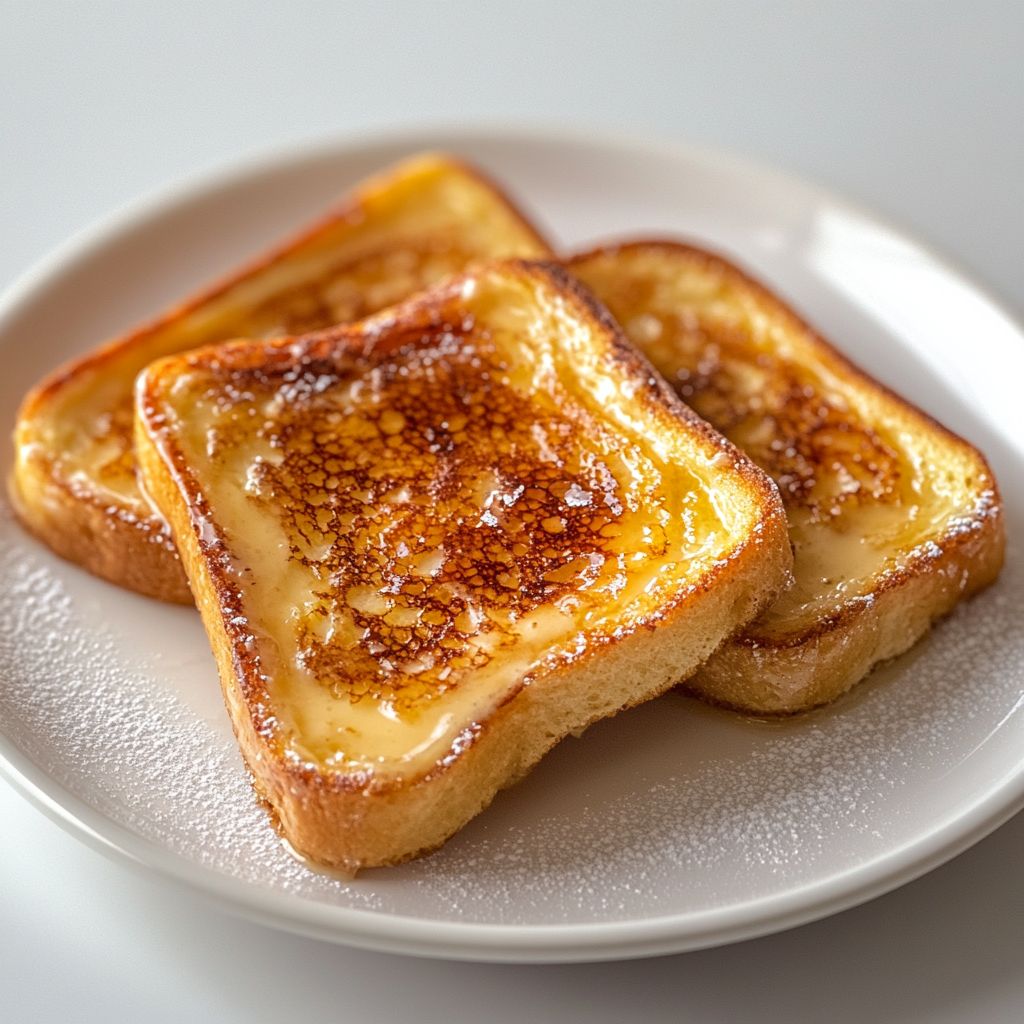
→ The brûlée layer provides the signature crack and a contrast of textures between the crisp crust and creamy center. - Plate the brûléed French toast immediately, garnish with fresh berries if desired, dust with a light veil of powdered sugar, and finish with a drizzle of maple syrup or caramel sauce to taste.
→ Fresh fruit brightens the dish, while the syrup adds moisture and enhances the overall sweetness and lacquer-like glaze.
Notes
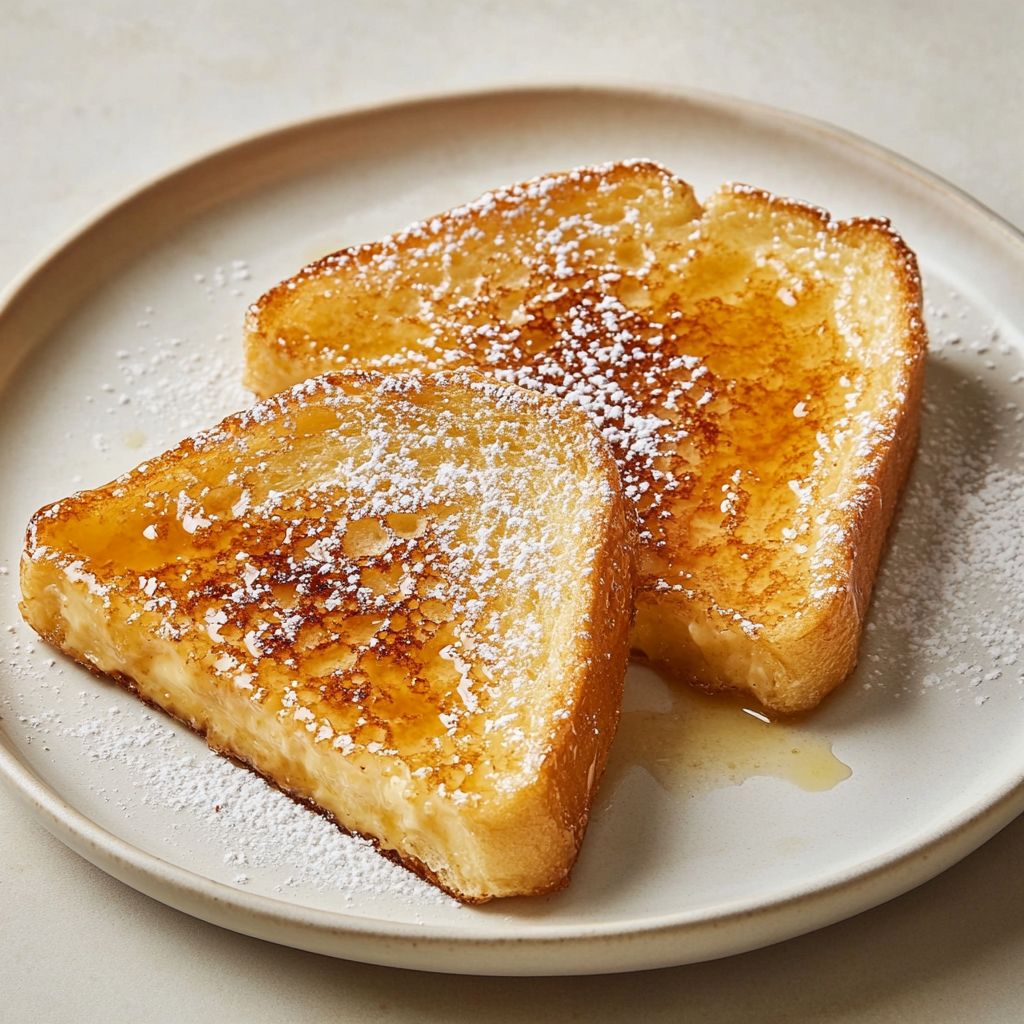
These overnight crème brûlée French toast are ultra-decadent, with custard-soaked brioche that bakes into a silky center and a crackly brûléed top. You can customize them by adding citrus zest (orange or lemon), a splash of vanilla or liqueur, or by finishing with toasted nuts, fresh berries, or a dollop of whipped cream. They refrigerate well and can be assembled the night before for a make-ahead breakfast; you can freeze assembled slices (unbaked) for up to 2-3 months and bake from frozen when ready to serve. For an extra indulgent finish, serve with warm maple syrup, caramel sauce, or a dusting of powdered sugar. Always ensure your bread is gluten-free if you have gluten intolerance, and check that all add-ins and toppings are gluten-free if needed.
Tips
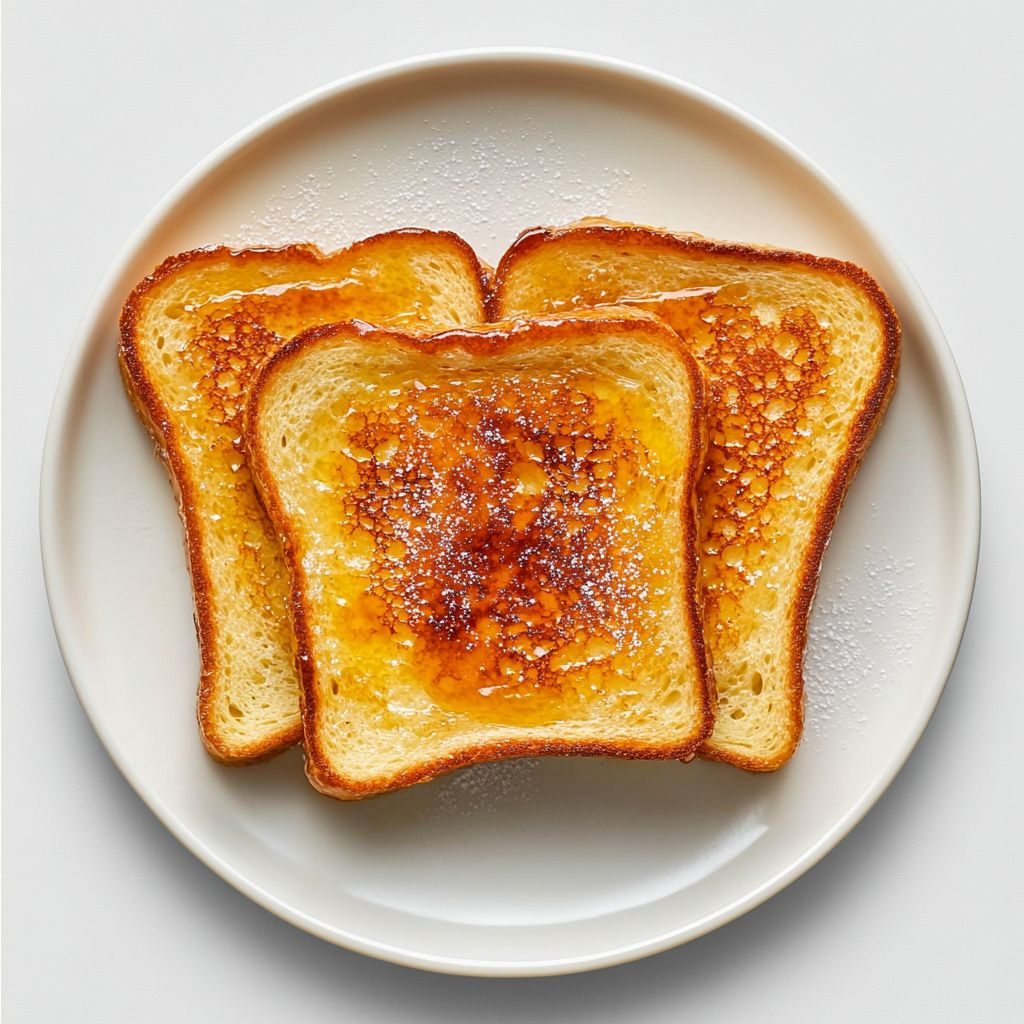
Tips for Perfect Overnight Crème Brûlée French Toast
Bread selection and soaking
- Use sturdy, rich bread: 8 thick-sliced brioche or challah around 1.5–2 inches thick absorbs custard without breaking.
- If possible, use day-old bread for the best texture; it holds up better during soaking and frying.
- Trim crusts if you prefer neater slices, but don’t worry about removing all crusts—crusty edges add nice contrast when fried.
- Slice slices evenly to ensure uniform soaking and cooking; consider toasting lightly if bread feels very fresh to help it soak evenly.
Custard mix: texture and balance
- Whisk eggs, yolks, and sugar thoroughly until the mixture is smooth and pale to ensure a silky set.
- Warm the cream and milk with vanilla (or vanilla bean) to help emulsify; temper the hot dairy into the eggs gradually to prevent curdling.
- For an ultra-smooth finish, strain the custard through a fine-mesh sieve after mixing.
Flavoring and spices
- Vanilla is key—use extract or scrape a vanilla bean for deeper aroma; if using a bean, simmer with the dairy and whisk in the seeds off heat.
- Ground cinnamon and nutmeg add warmth; add sparingly so they enhance the vanilla and creaminess rather than overpower it.
- Salt helps balance sweetness and enhances overall flavor; a small pinch makes the custard taste more vibrant.
Sugars: sweetness and texture
- Whisk the sugar into the custard until fully dissolved to avoid a gritty, grainy texture.
- Before serving, dust the brûlée surface with a thin, even layer of granulated sugar to guarantee a smooth, crackly crust.
Overnight soak and chilling
- Pour the cooled custard over the bread in a single layer, then cover and refrigerate overnight to let the bread soak and flavors meld.
- Remove the dish from the fridge about 15–20 minutes before cooking to promote even cooking and prevent a cold center.
Brûlée topping: caramelization tips
- Spread 2–3 tablespoons of sugar evenly across the surface for a uniform, crisp crust.
- Use a culinary torch for precise caramelization; keep the flame moving in thin, overlapping passes to avoid scorching the sugar.
- Alternatively, finish under a hot broiler for 1–2 minutes, watching closely to prevent burning.
Pan-frying vs. baking: cooking method
- For a crispy exterior, fry in 1–2 tablespoons unsalted butter over medium-low heat; add a touch of oil if you’re concerned about butter burning.
- Cook until the underside is golden and crisp, then flip gently and cook the other side to set the custard center without overbrowning.
- Or bake: preheat to 350°F (175°C) and bake for about 25–35 minutes, until the custard is set and edges are lightly golden; finish with brûlée topping after baking if desired.
Assembly, resting, and serving
- Let fried slices rest briefly on a rack to drain excess butter and keep surfaces crisp.
- Top with fresh berries for brightness; a light dusting of powdered sugar adds a festive touch without sweetness overwhelming the dish.
- Drizzle maple syrup or caramel sauce just before serving to add moisture and flavor; maple gives warm nuance, caramel offers a rich toffee note.
Make-ahead, storage, and leftovers
- Assemble and soak overnight, then refrigerate; this makes breakfast service easier and ensures maximum flavor absorption.
- Leftovers refrigerate for 2–3 days; reheat in a 350°F oven or toaster oven to refresh the crust, and re-brûlée the top for extra crackle if desired.
FAQ
What is Overnight Crème Brûlée French Toast?
A rich breakfast casserole where day‑old brioche or challah is soaked in a vanilla custard inspired by crème brûlée. The bread absorbs the custard, is baked until set, and the top is caramelized to create a crisp brûlée crust when served.
What ingredients do I need?
- 6 cups cubed brioche or challah bread (day-old works best)
- 4 cups heavy cream
- 1 cup whole milk
- 6 large eggs
- 1/2 cup granulated sugar
- 1 teaspoon vanilla extract
- 1/4 teaspoon salt
- Optional: 1/2 teaspoon ground cinnamon and/or zest of 1 orange or lemon
- Extra granulated sugar for the brûlée topping
- Optional toppings: maple syrup, fresh berries, powdered sugar
What equipment do I need?
- 9×13 inch baking dish (or similar)
- Mixing bowls and a whisk
- Measuring cups and spoons
- Parchment paper or plastic wrap for chilling
- Oven or stovetop for cooking the brûlée topping
- Culinary torch or broiler to caramelize the top
How do I make the custard and soak the bread?
Steps:
- Whisk together the eggs, cream, milk, sugar, vanilla, salt, and optional cinnamon and citrus zest until smooth.
- Place the bread cubes in the baking dish in a single or lightly layered layer.
- Pour the custard over the bread, pressing gently to ensure each piece is soaked.
- Cover and refrigerate overnight (or at least 6–8 hours) to let the bread absorb the custard.
How long can I refrigerate the soak before cooking?
Let the bread soak overnight for best flavor and texture. You can refrigerate for 6–24 hours. If you’re short on time, even a 2–4 hour soak will work, but the texture won’t be as rich.
How do I bake it and how long does it take?
Directions:
- Preheat the oven to 350°F (175°C).
- Uncover the soaked dish and bake, covered, for 30–40 minutes until the center is almost set.
- Uncover and bake for another 15–20 minutes, or until the top is lightly browned and a knife inserted near the center comes out with just a few moist crumbs.
- Let it cool for a few minutes before brûlée topping.
How do I brûlée the top?
Caramelize the sugar on top for a brûlée crust:
- Sprinkle an even layer of granulated sugar over the baked French toast.
- Use a culinary torch to caramelize the sugar until it forms a deep amber crust. Move slowly to avoid burning.
- Alternatively, place under a hot broiler for 1–3 minutes, watching constantly until caramelized.
- Let the top rest for a couple of minutes before slicing and serving.
How do I serve and store leftovers?
Serving suggestions:
- Serve warm with fresh berries, a drizzle of maple syrup, or a dollop of whipped cream.
- Dust with a light sprinkling of powdered sugar for presentation.
Storage:
- Leftovers refrigerate well for 2–3 days. Reheat gently in the oven or microwave and, if desired, re-brûlée the top briefly to restore crustiness.
Can I customize flavors or add mix-ins?
Yes. Try:
- Spices: cinnamon, nutmeg, or cardamom
- Citrus zest: orange or lemon
- Flavor boosters: orange blossom water, almond extract, or a splash of liqueur
- Mix-ins: chocolate chips, chopped nuts, or dried fruit
- Bread swap: gluten-free bread or brioche if available
Can I make a dairy-free or gluten-free version?
Yes, with substitutions:
- Dairy-free: use coconut milk or almond milk with a dairy-free cream substitute; keep eggs and sugar the same.
- Gluten-free: use a sturdy gluten-free bread (or certified gluten-free brioche/challah) that can soak up the custard without falling apart.
Note: The brûlée topping depends on sugar caramelization, so ensure the sugar used is gluten-free if needed.
Any quick shortcuts or tips for best results?
Tips:
- Use day-old brioche or challah for the best texture; it soaks up custard without getting soggy.
- More custard = creamier center; if you want a richer dish, increase cream by 1/2 cup and reduce milk slightly.
- Let the dish rest 5–10 minutes after baking before brûléeing to ensure the center sets properly.