Introduction / Hook
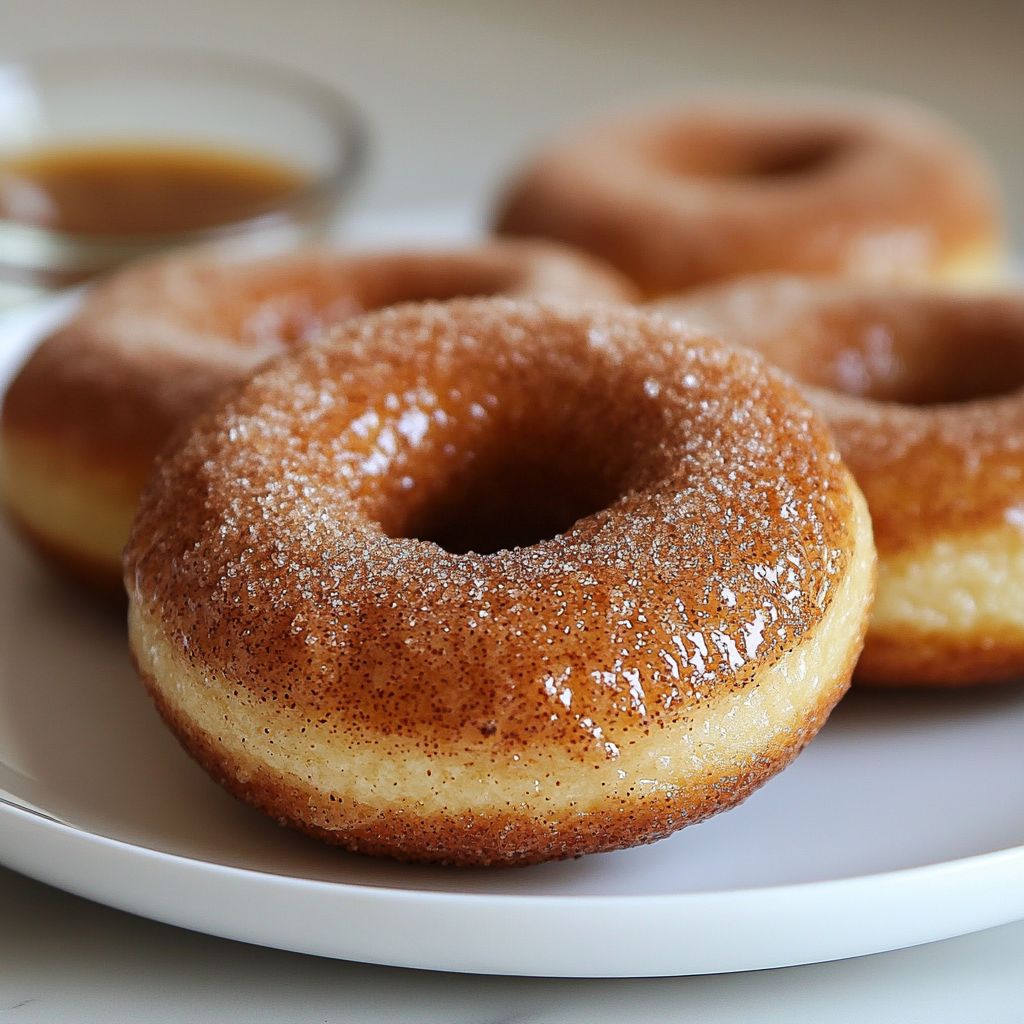
Step into a kitchen that smells like autumn: the air perfumed with cinnamon, warm vanilla, and the bright orchard glow of apples. No Sugar Apple Cider Donuts invite you to taste a classic treat without the extra sugar that often lingers on the palate. These donuts deliver a soft, tender crumb that melts in your mouth, a delicate kiss of spice, and a sunshine-bright apple cider sweetness that comes from the fruit itself and the cider you use—as natural and comforting as a hug from a cozy sweater. Picture biting into a freshly baked donut that feels indulgent in the best possible way, yet somehow light enough to enjoy with a morning coffee or a mug of hot cider. The magic lies in balancing depth and brightness: orchard-fresh apple notes, a whisper of fall spices, and a texture that stays moist without weighing you down. This is more than a donut; it’s a small ritual that invites you to slow down, savor, and celebrate the harvest season in every bite.
No Sugar Apple Cider Donuts are built for moments when you crave something comforting and familiar, but you want to keep things a touch more mindful. They honor the generosity of the harvest—apples that sweeten naturally, cider that brings a crisp orchard sharpness, and spices that evoke crackling fireplaces and pumpkin patches. The experience is sensory from the first inhale—the warm, toasty aroma that rises as the donuts bake, to the final satisfying bite that leaves a gentle glow rather than a heavy aftertaste. It’s the kind of treat you can share with family and friends, knowing that the joy comes from simplicity, balance, and the subtle power of fruit-forward sweetness. Whether you’re baking for a weekend brunch, a seasonal gathering, or a quiet morning at home, these donuts offer a comforting, thoughtful indulgence that warms the heart as much as the belly.
The Story Behind the Dish
Apple cider donuts have long held a special place in autumn traditions across many parts of the United States, especially in regions where cider pressing is a seasonal ritual. In towns where orchards line the hills and farmstands glow with baskets of russet and gold, the donut becomes more than dessert; it’s a memory stitched into the fabric of harvest time. The original versions—often rolled in sugar or dusted with cinnamon—were beloved for their crisp exteriors and fluffy interiors, a testament to the joy of celebrating the season with something both comforting and celebratory. Over the years, home bakers and professional kitchens alike began exploring ways to keep the comforting nostalgia while making the indulgence a touch lighter or more inclusive for different dietary preferences. The idea behind No Sugar Apple Cider Donuts is to honor that heritage while adapting to contemporary cravings for more natural sweetness and balanced flavors. The result is a pastry that nods to its roots but speaks to today’s kitchen.
In this tale, the apple is more than an ingredient—it’s a symbol of the orchard’s generosity. Apples are picked at peak flavor, their sugars are complex and nuanced, and when pressed into cider they yield a bright tang that complements the spices perfectly. The kitchen becomes a small workshop where memory and science meet: the Maillard reaction on the crust promises a kiss of caramel, while the inside remains tender and moist, a canvas for the orchard’s fruit-forward sweetness to shine through. The no-sugar concept isn’t about denying sweetness; it’s about letting the natural sweetness of ripe fruit, the gentle caramelization during baking, and the warm spices do most of the work, so the diner experiences a clean, balanced finish rather than an overt sugar crash. This approach resonates with families looking for comforting treats that fit a mindful lifestyle, as well as bakers who love a challenge and a dash of culinary storytelling in their kitchen adventures.
Why You’ll Love This Recipe
- Balanced sweetness that relies on natural fruit flavors rather than refined sugar, making every bite feel bright and lively rather than cloying.
- Soft, springy crumb with a delicate crumb structure that stays tender even after cooling—perfect for a breakfast treat or a mid-afternoon pick-me-up.
- A fragrant aroma that fills the house as they bake, turning ordinary mornings into a cozy celebration of harvest flavors.
- Family-friendly and inclusive, appealing to kids and adults who crave a comforting treat without a heavy sugar load.
- Versatile for different dietary needs. The concept can accommodate variations to suit gluten-free or vegan preferences without sacrificing flavor or texture.
- Simple pantry-friendly approach that embraces the season’s produce, encouraging a less-processed, more natural sweetening approach.
- Great make-ahead potential. The donuts hold their tenderness well, making them a reliable option for weekend gatherings or weekday mornings.
- Pairs beautifully with warm beverages—coffee, tea, or a spiced cider—creating an inviting sensory experience from first bite to last.
Flavor Profile & Texture
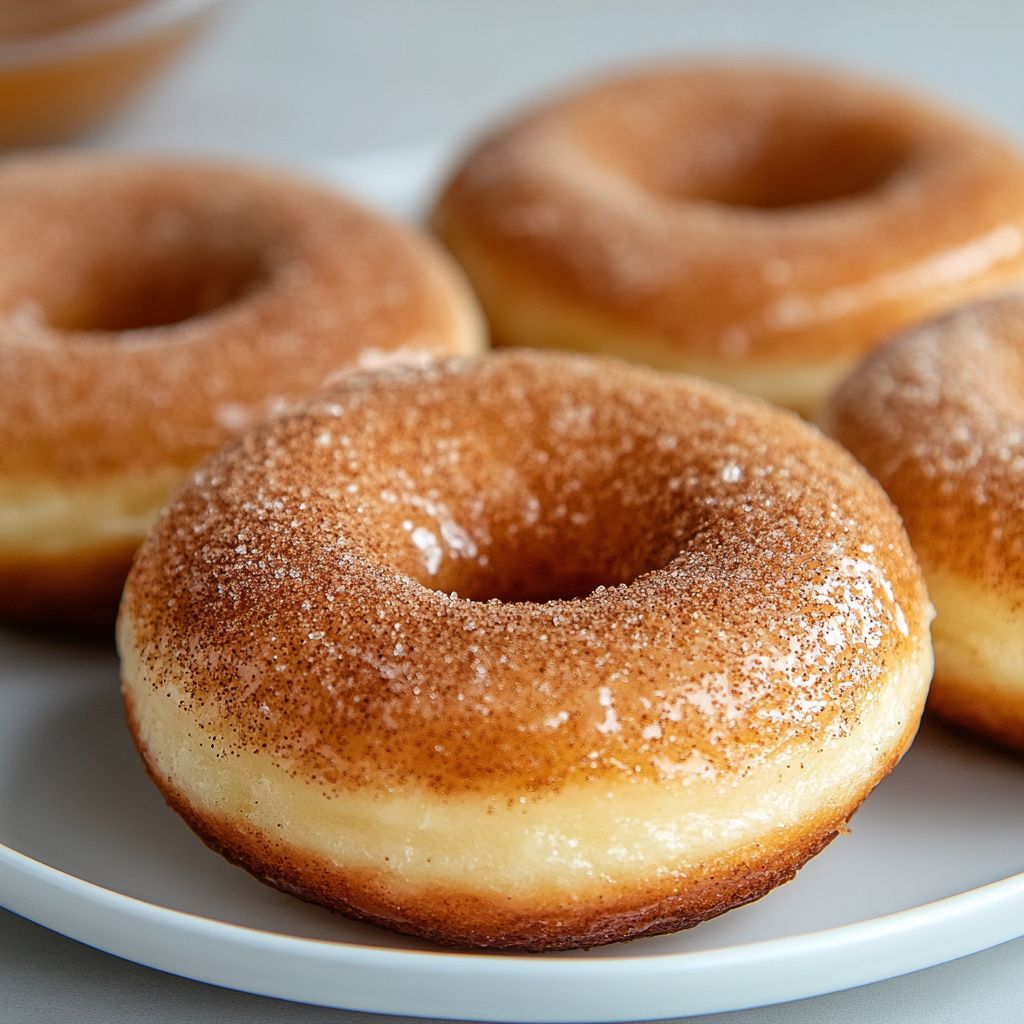
From the first bite, No Sugar Apple Cider Donuts reveal a balance of bright fruitiness and cozy warmth. The apple cider brings a crisp acidity that lifts the richness of the donut’s crumb, creating an orchard-fresh backdrop for the spices. Think cinnamon’s familiar comfort wrapped around a core of apple sweetness that is present but not overpowering. There’s a whisper of vanilla, which smooths the edges and adds a hint of bakery-lab magic to the batter, while a touch of allspice or nutmeg can enhance the fall character without tipping into heavy nostalgia. The aromas are intoxicating—apple, cinnamon, vanilla, and a toasty note from the bake—like stepping into a sunlit kitchen on a cool autumn morning.
Texture wise, these donuts present a tender, cake-like interior with a slight density that keeps them satisfying. The exterior offers a gentle crust, a result of careful baking that encourages a light browning and a soft, not overly sugary, finish. What sets them apart is the restraint: the sweetness is governed by the natural sugars within the fruit and cider, so you taste the orchard and the spice more than any confectionery sweetness. This creates a harmonious contrast between the fruity, tangy notes and the warmth of the spices. The result is a donut that feels indulgent yet balanced, giving you a comforting sense of fullness without heaviness. If you ever crave that nostalgic donut moment, these deliver it in spades while keeping your palate refreshed and rejuvenated—an ideal balance for autumn daylight and crisp morning air.
Occasions & Pairings
These No Sugar Apple Cider Donuts shine in autumnal moments but are versatile enough for year-round enjoyment. Consider them for:
- Weekend breakfasts that feel like a special occasion without requiring a long cleanup or a heavy sugar load.
- Brunch menus that want to offer a lighter, fruit-forward pastry alongside richer savory dishes.
- Autumn gatherings, harvest festivals, or potlucks where a comforting, crowd-pleasing treat fits seamlessly with seasonal flavors.
- Cozy evenings by the fireplace, paired with a warm cup of cider, a latte, or a chai for a comforting nightcap.
Pairing ideas: a hot cup of coffee or tea that carries notes of cinnamon and vanilla; a glass of apple cider or a spiced tea blend to echo the donuts’ flavors; a simple yogurt or a light custard to offer a creamy contrast that lets the donuts remain the star. For celebrations, you can present them with a dusting of rustic spices or a light drizzle of a glaze that complements the natural sweetness without adding substantial sugar. The beauty of these donuts lies in their adaptability: they can anchor a fall-themed dessert table or simply elevate a quiet weekend morning with a touch of orchard-inspired luxury.
Tips, Variations & Substitutions
- Keep the sweetness natural: embrace the fruit’s own sugars and the cider’s brightness. If you want a touch more sweetness without refined sugar, explore ultra-ripe fruit influences or a small amount of naturally sweeteners that align with your dietary preferences, keeping in mind that the goal is to preserve balance rather than overshadow the fruit’s character.
- Texture considerations: if you’re aiming for a lighter crumb, allow the batter to rest briefly or consider gentle folding techniques to maintain airiness. Avoid over-mixing, which can toughen the crumb.
- Dietary adaptations without sacrificing flavor: the concept translates well to different dietary needs. For a gluten-free approach, seek alternatives that mimic the tenderness of gluten without introducing heavy flavors. For a vegan version, choose plant-based substitutes that preserve moisture and provide a similar crumb. In all cases, aim to keep the batter cohesive and soft rather than wet or crumbly.
- Flavor twists: while staying true to the core apple-cider-spice profile, you can explore complementary notes such as a touch of citrus zest (orange or lemon) for brightness, a hint of almond aroma for warmth, or a pinch of clove for a deeper spice profile. These tweaks can help you tailor the donuts to seasonal menus or personal preferences.
- Regional twists: in places where cider is a year-round staple, you can swap in regional apple varieties or local spice blends to reflect local harvests. The essence remains the same—fruity sweetness balanced with autumn spices, delivered in a soft, comforting donut.
- Avoiding over-sweetness in toppings: if you choose to add a glaze or finishing touch, keep it light and complementary. A thin glaze that enhances the donut’s natural flavors rather than masking them works best for the no-sugar philosophy.
- Make-ahead ideas: these donuts can be prepared ahead of time for gatherings. Store them in a single layer at room temperature for a day or two, or freeze them after baking and reheat gently when ready to serve to preserve tenderness and aroma.
Storage & Make-Ahead Ideas
To preserve the tenderness and aroma of No Sugar Apple Cider Donuts, proper storage is key. If you’re keeping them for a short period, store them in an airtight container at room temperature, ideally in a single layer to prevent sticking or crushing the surface. For longer storage, you can freeze baked donuts. Wrap each donut individually to protect against freezer burn and maintain moisture. Reheat gently in a warm oven or toaster oven to restore that just-baked softness, and if you’d like, finish with a light glaze before serving for an extra touch of sweetness that remains true to the “no sugar” concept by relying on fruit-driven sweetness and a touch of spice. When making ahead for a brunch or party, consider baking the donuts a day in advance and refreshing them with a brief reheat and a soft glaze right before guests arrive. The key is to maintain moisture and prevent drying, so avoid overbaking and keep storage conditions moderate to preserve the delicate texture.
Fun Facts & Trivia (Optional)
Did you know that apple cider has a long history as a seasonal staple in many parts of the world? In colonial America, cider was a common beverage long before the widespread availability of bottled drinks, and orchards thrived in the Northeast, where generations learned to press, ferment, and enjoy the fruit’s juice in a variety of ways. Apple cider donuts themselves became a beloved autumn treat in farmstands and fairs, where the aroma of frying or baking donuts would draw crowds like a welcoming beacon on crisp mornings. The fragrance of cinnamon and warm spices often evokes images of harvest festivals, corn mazes, and family gatherings. The “no sugar” approach taps into a modern sensibility: celebrate the essence of seasonal produce while steering toward lighter, kinder indulgence. It’s a bridge between nostalgia and contemporary mindful eating, a reminder that comforting flavors can be enjoyed with balance and intention.
From a culinary standpoint, donuts are a study in texture: a moist crumb with a delicate crust, achieved through careful temperature control and gentle mixing. The choice of apple cider—not just as a flavor but as a leavening and moisture agent—adds a layer of complexity. The flavors of the orchard in bloom—apple, pear, or even quince when in season—can all offer nuance to this base concept, inviting bakers to adapt the dish to their local landscape. As autumn advances, these donuts become more than a pastry; they become a small celebration of the land’s bounty, a nod to family recipes passed down through generations, and a modern reinterpretation that invites everyone to enjoy seasonal sweetness without excess.
In folklore and culinary lore, autumn is a time of gathering, sharing stories, and savoring simple pleasures. No Sugar Apple Cider Donuts are a compact embodiment of that ethos: a treat that tastes like a memory in the making, a reminder that sweetness can be graceful, and a reminder to slow down and relish the moment with those you love. Whether you’re chasing a quiet morning breeze or hosting a bustling brunch, these donuts offer a story in every bite—one that begins in the orchard and ends with a satisfied smile.
Ingredients
Donut Base
- 2 cups all-purpose flour
→ Provides the main structure and crumb of the donuts. For a lighter, more tender crumb, sift the flour first and measure by lightly spooning into the cup before leveling; if gluten-free is desired, substitute with a 1:1 gluten-free blend and consider adding 1/2 teaspoon xanthan gum per cup if your blend doesn’t include it. - 1 1/2 teaspoons baking powder
→ Leavening that helps the batter rise during baking, giving the donuts a soft, airy center. Keep baking powder fresh by storing in a cool, dry place; test freshness by a small pinch in warm water if you’re unsure. - 1/2 teaspoon baking soda
→ Additional leavening that works with the acids in applesauce and cider to produce a light crumb. Ensure even distribution by whisking with the dry ingredients; avoid overmixing once the wet ingredients are added to preserve tenderness. - 1/4 teaspoon fine salt
→ Enhances flavor balance and helps control perceived sweetness. Use fine salt for uniform distribution; mix with dry ingredients to ensure even seasoning throughout the batter. - 1 teaspoon ground cinnamon
→ Imparts warm, classic spice flavor that pairs with apple. For a stronger aroma, toast the spice lightly in a dry pan for a few seconds before adding to the dry mix, and use freshly ground cinnamon if possible. - 1/4 teaspoon ground nutmeg
→ Adds subtle warmth and depth to the apple-cider flavor. Nutmeg is potent, so measure carefully; omit if you prefer a milder spice profile. - 2 large eggs (at room temperature)
→ Provide structure, moisture, and help bind the batter for a sturdy yet tender crumb. Room-temperature eggs blend more smoothly with the fats and liquids; if they’re cold, warm them gently in warm water for a few minutes. Do not overbeat after adding dry ingredients to avoid toughness. - 1/2 cup unsweetened applesauce
→ Adds moisture and natural sweetness without refined sugar, contributing to a tender crumb and helping to bind the batter. Use smooth applesauce for a uniform texture; for more apple flavor, choose a slightly chunkier version and fold gently at the end. - 1/2 cup milk (dairy or plant-based)
→ Hydrates the dry ingredients to form a pourable batter and aids in releasing donuts from the pan. Use unsweetened varieties to maintain the no-sugar intent; choose a milk that complements the flavor you prefer (dairy for richness, almond or oat for dairy-free options). - 1/4 cup melted unsalted butter or neutral oil
→ Provides moisture and tenderness by coating flour particles to limit gluten development. Melted butter adds a rich flavor; neutral oil yields a lighter crumb. Whisk the fat with the wet ingredients to ensure even distribution. - 1 teaspoon vanilla extract
→ Enhances overall flavor and rounds the apple-cinnamon notes. Use pure vanilla for the best aroma; if you like a stronger vanilla presence, you can increase to 1 1/2 teaspoons, but avoid overpowering the spices. - 1/2 cup apple cider
→ Delivers apple-forward aroma and a touch of natural sweetness; complements the applesauce and spices. If your cider is very tart, you can balance with a touch more applesauce or a splash of vanilla; for a more intense cider flavor, reduce the cider to concentrate it before measuring.
Optional Add-ins
- 1/2 cup finely chopped apples
→ Adds bursts of apple flavor and moisture throughout the donuts. Toss the apples in a teaspoon of flour before folding to prevent sinking and to distribute pieces evenly. For juicier apples, pat dry with a paper towel before adding to batter. - 1/4 cup chopped walnuts or pecans (optional)
→ Introduces a pleasant crunch and nutty note. Toast the nuts lightly in a dry skillet to enhance aroma before chopping and folding into the batter; omit if nut-free is required.
No-Sugar Glaze (optional)
- 1/2 cup powdered erythritol
→ Creates a sugar-free glaze that coats the donuts without adding refined sugar. For best results, ensure donuts are completely cooled before glazing, and sift the powder to remove lumps. If the glaze is too thick, thin with a little citrus juice or dairy-free milk. - 2-3 tablespoons lemon juice or dairy-free milk
→ Use lemon juice for a bright, tangy glaze; dairy-free milk yields a creamier glaze. Add gradually to reach a pourable, but not runny, consistency that coats the donuts evenly without pooling. If using lemon juice, balance with a touch of vanilla to offset acidity.
Instructions
- Preheat your oven to 350°F (175°C) and grease a donut pan (6- or 12-cavity) or line with nonstick liners; this ensures the batter releases cleanly and maintains the smooth shape of the donuts.
→ Proper greasing prevents sticking and helps donuts release intact after baking, preserving the delicate crumb. - Whisk and sift together the dry ingredients: all-purpose flour, baking powder, baking soda, fine salt, ground cinnamon, and ground nutmeg; sifting aerates the flour and distributes leaveners and spices evenly for a light, tender crumb.
→ Sifting removes lumps and ensures even leavening and spice distribution throughout the batter. - In a separate large bowl, whisk the wet ingredients: eggs at room temperature, unsweetened applesauce, milk, melted butter or neutral oil, vanilla extract, and apple cider until smooth and fully incorporated; if eggs are cold, warm them gently in warm water for a few minutes to reach room temperature.
→ Proper emulsification yields a uniform batter with even moisture and prevents streaks of fat or egg. - Pour the wet mixture into the dry ingredients and stir with a spatula or wooden spoon until just combined; stop as soon as the flour disappears and a few small lumps remain to avoid developing gluten and making the donuts tough.
→ Overmixing creates a denser, tougher crumb; mixing only until moistened preserves tenderness and a light texture. - If using optional add-ins, fold in finely chopped apples (tossed first in a teaspoon of flour to prevent sinking) and chopped walnuts or pecans; add these after the batter has come together and fold gently to distribute without deflating air pockets.
→ Floured apples distribute evenly and resist sinking; toasted nuts add aroma and crunch. - Spoon or pipe the batter into the prepared donut pan cavities, filling each about 1/2 to 2/3 full for a balanced dome; avoid overfilling to prevent overflow and uneven rising, and use a small spatula to level the batter for uniform appearance.
→ Even portions ensure uniform bake and shape; 2/3 full yields a gentle dome without overflow. - Bake in the preheated oven for 12 to 14 minutes, rotating the pan halfway if your oven has hot spots; test doneness by inserting a toothpick or skewer into the center of a donut—if it comes out with a few moist crumbs (not wet batter), they are done.
→ Rotating promotes even browning and a consistently tender crumb; proper doneness prevents underbaking or drying out. - Remove the donuts from the oven and allow them to rest in the pan for about 5 minutes, then transfer to a wire rack to cool completely before glazing or storing; this sets the structure and prevents steam from softening the glaze.
→ Cooling on a rack prevents condensation and keeps any glaze from becoming soggy. - Prepare the glaze if desired by whisking powdered erythritol with lemon juice or dairy-free milk to a smooth, pourable consistency; start with 2 tablespoons of liquid and add in small increments until the glaze coats the donuts without pooling.
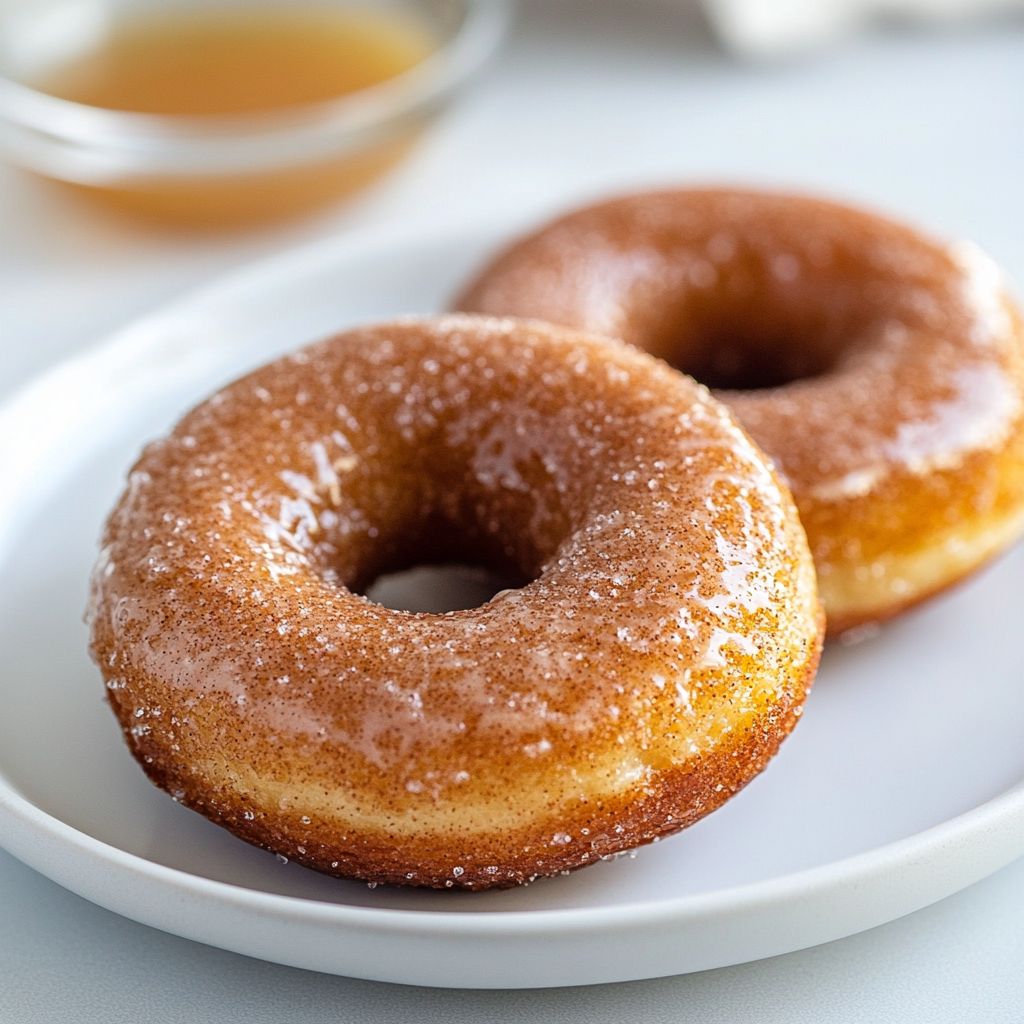
→ Sifting the erythritol helps achieve a glossy, smooth glaze; controlling moisture yields a coating that clings evenly. - Dip the cooled donuts into the glaze or drizzle evenly over the tops using a steady motion; allow the glaze to set for about 10 to 15 minutes, applying additional thin coats if a thicker glaze is desired.
→ A thin, even coating sets faster and prevents pooling, while multiple light coats build a more pronounced glaze without becoming sticky. - Store unglazed donuts in an airtight container at room temperature for up to 2 days, or freeze unfrosted donuts for longer storage; glazed donuts keep best for up to 1 day at room temperature, or wrap securely and refrigerate for up to 3 days.
→ Proper storage maintains moisture and prevents staling or texture changes that dull the flavor.
Notes
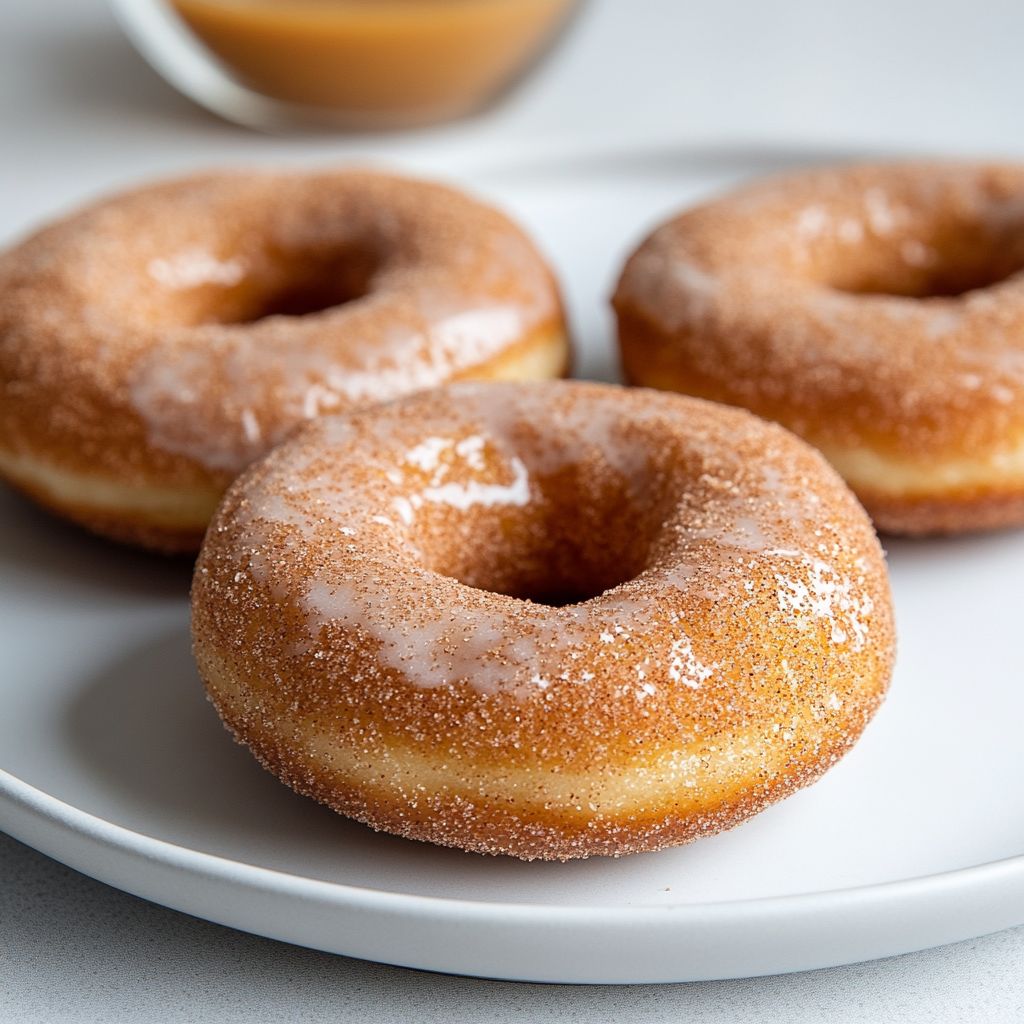
These no-sugar apple cider donuts are tender, warmly spiced, and naturally sweetened by ripe apples and apple cider, with no refined sugar added. You can customize them by folding in finely chopped apples or toasted nuts for texture and extra flavor. They freeze well and make a great grab-and-go treat or dessert with coffee or tea. For a dairy-free option, use your favorite plant-based milk and an equal amount of melted coconut oil or neutral oil; if you’d like a glaze, use a sugar-free glaze made from powdered erythritol whisked with lemon juice or dairy-free milk. Always ensure your flour is gluten-free if you have gluten intolerance, and choose a 1:1 gluten-free blend if you need a gluten-free version (consider adding 1/2 teaspoon xanthan gum per cup if your blend doesn’t include it).
Preheat oven to 350°F (175°C) and generously grease a donut pan or use silicone molds. In a bowl, whisk together the dry ingredients: flour, baking powder, baking soda, fine salt, ground cinnamon, and ground nutmeg. In a separate bowl, whisk the wet ingredients: eggs, unsweetened applesauce, milk, melted butter or neutral oil, vanilla, and apple cider. Pour the wet mixture into the dry and stir just until combined; avoid overmixing to keep the crumb tender. If you’re using add-ins, fold in the apples and/or nuts now. Spoon batter into the prepared pan about two-thirds full. Bake 12–15 minutes, until a toothpick inserted into a donut comes out with a few moist crumbs. Let the donuts cool in the pan for 5 minutes, then transfer to a rack to cool completely before glazing or dusting with cinnamon sugar.
For a no-sugar glaze, whisk 1/2 cup powdered erythritol with 2–3 tablespoons lemon juice or dairy-free milk until smooth. Drizzle over cooled donuts and let the glaze set. Store leftovers in an airtight container at room temperature for 2–3 days, or freeze baked donuts for up to 2 months; rewarm in a 350°F oven for 5–8 minutes to refresh tenderness. If you prefer a dairy-free version, swap the butter for a neutral oil and use plant-based milk. When using gluten-free flour blends, add 1/2 teaspoon xanthan gum per cup if your blend does not already contain it to help mimic gluten’s structure.
Tips
Tips for Perfect No Sugar Apple Cider Donuts
- Prepare the dry ingredients first: sift the flour and whisk it with baking powder, baking soda, salt, cinnamon, and nutmeg. This ensures an even distribution of leaveners and spices for a lighter crumb.
- Use room-temperature ingredients when possible. Eggs, milk, applesauce, and cider mix more smoothly and evenly, yielding a more cohesive batter with less risk of lumps.
- Fresh leavening matters: check that your baking powder is active (a small pinch in warm water should fizz). If it’s older, replace it for optimal lift; likewise, whisk baking soda with the dry ingredients to ensure even distribution.
- Avoid overmixing: once you add the wet ingredients to the dry, mix just until the flour disappears. Overmixing develops gluten and can make the donuts dense and chewy.
- Balance the fats: melted butter provides a rich flavor, while neutral oil yields a lighter crumb. Whisk fat into the wet ingredients to help create a tender, cohesive batter.
- Apple pieces and chunkier texture: if you include optional finely chopped apples, toss them in a teaspoon of flour before folding to prevent sinking, and pat dry if they release a lot of moisture.
- Glaze guidance: to keep things sugar-free, sift the erythritol and add lemon juice or dairy-free milk gradually until you reach a pourable, coatable consistency. Fully cool the donuts before glazing to prevent sliding.
- Donut pan prep: thoroughly grease or spray the pan to minimize sticking. If your batter is thick, let it rest 5–10 minutes to relax the batter before spooning or piping into the molds.
- Flavor layering: the combination of cider, applesauce, and spices is key. If your cider is very tart, a touch more applesauce or a hint of vanilla can round the flavor without adding sugar.
- Adaptations for dietary needs: for gluten-free baking, use a 1:1 GF flour blend with 1/2 teaspoon xanthan gum per cup if the blend lacks it, and ensure all ingredients (cider, applesauce) are certified GF. For dairy-free, use plant-based milk and oil or melted dairy-free butter.
- Storage and freshness: bake ahead and store cooled donuts in an airtight container for up to 2–3 days at room temperature, or freeze unfrosted donuts for longer storage. Reheat briefly to restore tenderness.
- Optional glaze variations: add a splash of vanilla or a pinch of citrus zest to the glaze for a bright finish, but keep portions modest to preserve the no-sugar concept.
Quick Troubleshooting
- If donuts are dense: double-check your leaveners are fresh, don’t overmix, and don’t overbake. A short rest of the batter before baking can help.
- If the glaze won’t coating evenly: ensure donuts are completely cooled, and adjust the glaze thickness with a little dairy-free milk or citrus juice in small increments.
FAQ
What makes these No Sugar Apple Cider Donuts “no sugar”?
They are made without refined sugar. The sweetness comes from unsweetened apple cider and ripe apples, with optional sugar-free sweeteners like erythritol or monk fruit if you want extra sweetness. If you skip all sweeteners, the donuts will still have warm apple flavor from the spices and fruit.
Are these donuts baked or fried?
They are designed to be baked for a lighter, simpler process. Bake in a donut pan at about 350°F (175°C) for 10–12 minutes. You can also adapt for an air fryer at 350°F for 6–8 minutes. Frying is possible with neutral oil, but that adds fat and calories.
Can I make these gluten-free?
Yes. Use a 1:1 gluten-free all-purpose flour blend (preferably with xanthan gum). You can also substitute with almond or coconut flour, but you’ll need to adjust the moisture and eggs. Check the blend’s guidance for best results.
Can I make these dairy-free or vegan?
Absolutely. Use plant-based milk (almond, soy, oat, etc.) and replace butter with a neutral oil (like canola) or melted coconut oil. For eggs, use a flax egg (1 tablespoon ground flaxseed + 3 tablespoons water per egg) or applesauce (¼ cup per egg). The batter should remain pourable but not overly loose.
How do I sweeten without sugar?
Options include sugar-free sweeteners such as erythritol, xylitol, monk fruit, or stevia blends. Erythritol and monk fruit often substitute 1:1 with sugar, while stevia blends require much smaller amounts. You can also rely on the natural sweetness from apples and applesauce.
What are the basic ingredients?
Common ingredients include: flour (regular or gluten-free blend), baking powder, cinnamon, salt, unsweetened applesauce, unsweetened apple cider, eggs (or vegan substitute), non-dairy milk, and a neutral oil. Optional vanilla extract, diced apples, and a sugar-free sweetener can be added for extra flavor. Toppings or glaze ideas follow below.
How do I store and reheat leftovers?
Store baked donuts in an airtight container at room temperature for 1–2 days, or refrigerate up to 1 week. Reheat in a 325–350°F oven for 5–7 minutes, or briefly in the microwave (about 15–20 seconds) to warm through.
Can I freeze the donuts?
Yes. Cool completely, freeze in a single layer on a baking sheet, then transfer to a freezer bag or container. They keep for 2–3 months. Thaw at room temperature and reheat as above.
Can I customize flavors or toppings?
Definitely. Add diced apples or chopped nuts to the batter. For toppings, use a cinnamon-sugar mix made with a sugar-free sweetener, or drizzle a glaze made from a sugar-free powdered sugar substitute with a little milk and vanilla. Ground nutmeg or allspice can add extra warmth as well.