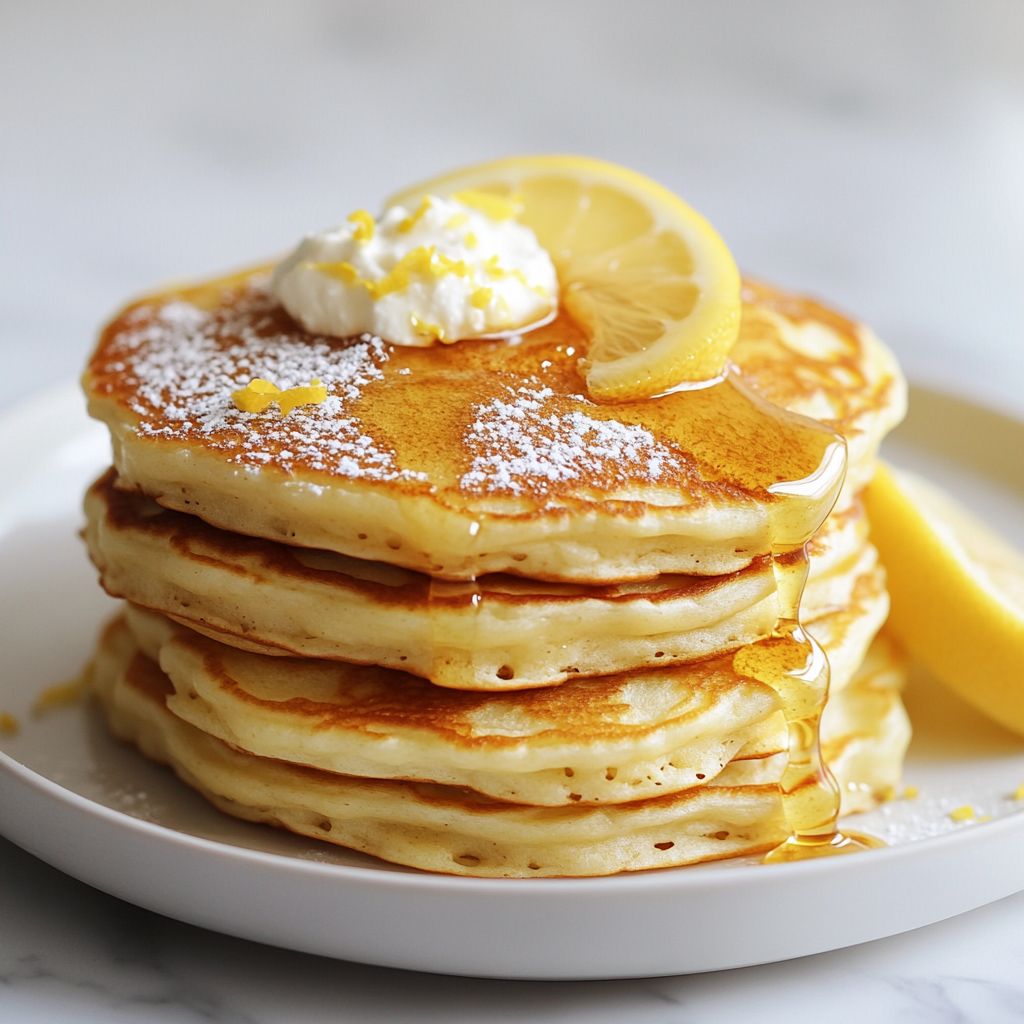
Introduction / Hook
Imagine a Saturday morning where sunlight slides across your kitchen counter, filling the air with a bright tang of citrus and the soft, comforting scent of warm batter. Lemon ricotta pancakes are the kind of breakfast that makes the ordinary feel special—airy, almost cloud-like at the center, with a delicate lemon kiss that wakes up the senses without overpowering them. Each bite offers a tender, pillow-soft crumb that folds gently around creamy pockets of cheese, like little citrusy sighs that linger on the tongue. The aroma alone can turn a simple kitchen into a stage for celebration, a stage where patience rewards you with a stack of pancakes that glisten with a glaze or a dusting of powdered sugar, and perhaps a handful of fresh berries to crown the plate. This is not just a breakfast; it’s a ritual of comfort and brightness, a way to start the day with a sense of occasion even on routine weekdays. If you’ve ever wished for pancakes that feel indulgent yet light, indulgence without heaviness, lemon ricotta pancakes answer that call with a poised, elegant balance you’ll want to revisit again and again.
The Story Behind the Dish
Ricotta has long been a beloved soft cheese across Italian kitchens, a gentle, creamy ingredient born from the simple act of transforming milk into something luxuriously delicate. While many desserts and pastas showcase ricotta, its role in breakfasteering is a quieter tribute to regional Italian breakfasts and Sunday morning famiglia gatherings. The lemon, meanwhile, is a sun-drenched ambassador from the southern coast—think Amalfi or Sorrento—the zest releasing oils that perfume the batter with a bright, sunny lift. The idea of pairing ricotta with lemon in pancake form is a natural marriage of two sensibilities: the rustic warmth of a Sunday stack and the refined brightness of citrus. In many homes, these flavors evoke memories of freshly peeled lemons on a kitchen table, a grandmother’s gentle insistence on “zest, not just juice,” and the shared joy of flipping pancakes that puff up like soft little boats on a morning breeze. Over time, cooks have softened this tradition into a modern brunch classic—fluffy, tender, and airy enough to be served with a drizzle, a dollop, or a scattering of fruit—without losing the essence of its Italian heritage. The story of lemon ricotta pancakes is, in many ways, a story of cross-cultural comfort: a humble breakfast that travels well, adapts to different kitchens, and rewards both the chef and the eater with a sense of bright conviviality every time the skillet meets batter.
Why You’ll Love This Recipe
- Cloud-light texture: The ricotta adds moisture and a tender crumb, while gentle aeration keeps the pancakes impossibly soft inside and lightly crisp on the edges.
- Bright, balanced flavor: The lemon brings a zippy citrus note that lifts the richness of the dairy without turning it too sour or heavy.
- Versatile and forgiving: This batter behaves well in a busy kitchen, forgiving minor deviations in timing or temperature and still delivering delicious results.
- Make-ahead friendly: Whether you’re batch-prepping for a crowd or preparing snacks for the week, you can streamline your morning routine with smart prep ideas.
- Customizable: From a light glaze to a berry-topped stack, these pancakes invite you to tailor toppings and accompaniments to your mood and season.
- Kid- and family-friendly: Creamy texture, gentle lemon fragrance, and a subtle sweetness make these a hit with little ones and grown-ups alike.
- Brunch-ready with little fuss: They pair beautifully with fresh fruit, yogurt, maple syrup, or a dollop of whipped cream for a show-stopping plate without complicated techniques.
Flavor Profile & Texture
The first impression is the aroma—the lemon oils rise from the hot skillet, carrying a clean citrus note that’s not piercing but gently uplifting. When you bite in, you’re met with a double-layered texture: a tender, almost custardy center that feels luxurious and a lightly crisp exterior that adds just the right amount of bite. The ricotta contributes the subtle, milky sweetness and a soft, creamy mouthfeel—enveloped by a batter that’s enriched enough to stay moist yet light enough to permit airy rising. The lemon’s brightness unfolds in stages: a fresh zest aroma that nudges the palate, followed by a quiet tartness that acts as a balancing counterpoint to the natural sweetness of the batter. If you close your eyes, you might imagine a delicate balance of flavors that echoes a sunlit citrus grove and a cozy, butter-warm kitchen at the same time. The texture is equally expressive—tender, almost pillow-like at the core, edged with a delicate crust that hints at the careful heat of the pan. And while the flavor is delicate, it’s not shy; it invites a chorus of toppings—berries, yogurt, honey, or a glossy glaze—to complete the symphony without overpowering the base character of the pancake itself.
Occasions & Pairings
These pancakes are the sort of dish that makes sense in many settings. They shine on weekend brunch tables, where a bright plate counters the lingering heaviness of late-night gatherings. They’re equally at home on a holiday breakfast spread, where a lemony lift can bring a sense of wakeful celebration to the morning. For a casual weekday breakfast, they offer a comforting promise of something special without requiring a lot of time or effort. Pairing ideas to elevate the experience:
- Fresh fruit: Sliced strawberries, blueberries, raspberries, or a citrus segments provide a juicy contrast and a pop of color.
- Dollop-worthy toppings: A light yogurt or ricotta dollop, whipped cream, or a drizzle of maple syrup creates a luxurious finish.
- Bright accents: A spoonful of lemon curd or a dusting of powdered sugar adds visual appeal and enhances the citrus note.
- Side dishes: A small fruit salad, a yogurt parfait, or a crisp bacon strip can balance the plate for a well-rounded brunch.
- Drink pairings: A sparkling beverage with a hint of citrus, such as a light lemon spritz or iced tea with a citrus twist, complements the pancakes without competing with them.
Tips, Variations & Substitutions
Tips for Perfect Pancakes
For best results, let the batter rest briefly before cooking to hydrate the components and promote tenderness. Use a nonstick skillet or a well-seasoned griddle to ensure a gentle release, and moderate your heat so the pancakes cook evenly without browning too quickly. A light touch when folding in any extra mix-ins (berries, zest, or a touch of vanilla) helps maintain the airy crumb we’re chasing.
Variations
- Vary the citrus: Swap lemon for orange or a mix of citrus zest for a slightly different aroma and sweetness profile. A touch of grapefruit zest can introduce a more sophisticated tang.
- Blueberry ricotta pancakes: Fold in a handful of fresh or frozen blueberries for bursts of fruity sweetness that pop as you bite through the pancake.
- Herbal brightness: A whisper of fresh thyme or mint zest can add an unexpected, refreshing note that complements lemon nicely.
- Glaze or drizzle options: A light maple-lemon glaze, a lemon glaze with a hint of vanilla, or a simple honey drizzle can finish the stack with glossy allure.
Substitutions & Dietary Adaptations
- Vegan option: Use a plant-based ricotta substitute (or blend silken tofu with a little lemon zest and a touch of dairy-free yogurt) and replace eggs with a flax or chia “egg” or commercial egg replacer. Use non-dairy milk and a vegan butter substitute. A vegan lemon glaze can complete the effect.
- Gluten-free option: Use a gluten-free all-purpose flour blend, or opt for almond or oat flour blends that suit a gluten-free diet. The leavening may require slight adjustment, so test a small pancake first to gauge batter thickness.
- Low-fat option: Use part-skim ricotta and reduce any added fats in the cooking process; the batter’s moisture typically keeps the pancakes tender even with lighter dairy.
- Low-sugar option: Rely on the natural sweetness of the batter and the fruit toppings rather than a heavy glaze.
- Regional twists: Add a pinch of vanilla or almond extract for a different fragrance, or fold in finely chopped pistachios for a nutty crunch that pairs beautifully with lemon.
Storage & Make-Ahead Ideas
Leftovers can be a practical joy or a challenge, depending on how you plan. If you’re cooking for a crowd, consider cooking a larger batch and storing the pancakes properly for later enjoyment. Here are practical strategies to keep the pancake experience fresh:
- Make-ahead batter: You can rest the batter for a short period in the refrigerator before cooking, which helps flavors to meld and improves texture. Do not overmix; a light whisk is enough to bring everything together.
- Storing cooked pancakes: Allow pancakes to cool completely, then layer them with parchment between each pancake in an airtight container. Refrigerate for up to 2–3 days; reheat gently in a skillet or in a warm oven to revive softness.
- Freezing: Freeze individual pancakes on a tray first, then transfer to a freezer bag. Reheat directly from frozen in a skillet with a small splash of milk or water, covered, until warmed through. This method preserves texture better than thawing and reheating from a block.
- Make-ahead topping ideas: Prepare a citrusy yogurt or ricotta topping, fruit compote, or a light syrup ahead of time and store in the fridge for quick assembly on busy mornings.
Fun Facts & Trivia (Optional)
Did you know that the word “ricotta” literally means “recooked” in Italian? It refers to the traditional method of making ricotta by reheating the whey to coax out extra curds. This humble technique yields a delectable, creamy texture that’s perfect for folding into batters or dolloping atop warm pastries. Lemons, with their aromatic zest and bright juice, have long been prized in Mediterranean cuisines for their ability to brighten both sweet and savory dishes. In desserts and breakfasts alike, lemon’s invigorating scent is often associated with clear mornings and springtime gatherings, making lemon-infused pancakes a favorite for family celebrations and casual brunches alike. The combination of lemon and ricotta can be seen as a bridge between rustic Italian comfort and modern brunch elegance—a reminder that good cooking often emerges when simple ingredients meet thoughtful technique and a little culinary imagination. For those who love pancakes that feel special yet comforting, lemon ricotta pancakes offer a balanced, memorable experience that travels well—from kitchen to table, from memory to tradition, and from weekend to weekday without losing its charm.
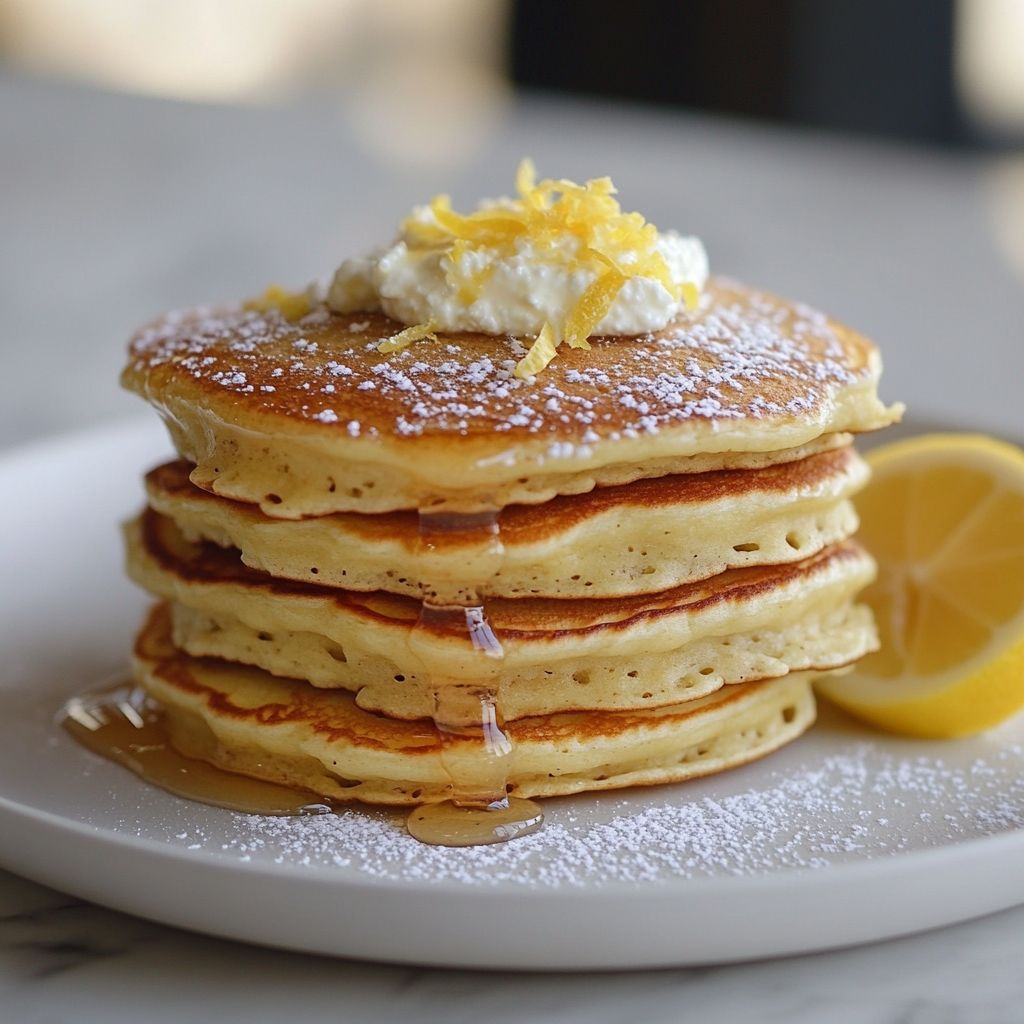
Ingredients
Lemon Ricotta Pancakes
Batter
- 1 cup all-purpose flour (120 g)
→ All-purpose flour provides the foundational structure and body for the pancake batter. It carries the leavening action to create a light, tender crumb when cooked. To ensure even distribution of leavening and salt, whisk the dry ingredients (flour, sugar, baking powder, baking soda, and salt) together before adding liquids. If you need a gluten-free option, substitute with a 1:1 gluten-free flour blend and consider adjusting the leavening slightly. Allow the batter to rest for 5–10 minutes to hydrate the flour and relax the gluten, which yields fluffier pancakes. For best texture, measure the flour properly (spoon and level) to avoid dense results. - 2 tablespoons granulated sugar
→ Provides gentle sweetness and helps promote browning on the pancake surface, contributing to a velvety exterior. It also balances the lemon’s acidity. If you prefer less sweetness, reduce to 1 tablespoon or omit. Ensure sugar is evenly dispersed by whisking with the dry ingredients so the batter browns evenly as it cooks. In dairy-based batters, sugar can slightly enhance moisture retention; if the batter seems too stiff, whisk in a teaspoon of extra milk. - 1 teaspoon baking powder
→ The primary leavening agent that creates air pockets and lifts the pancakes to a light, fluffy texture. It reacts with liquids and acids during cooking to produce CO2. Fresh, not stale, baking powder is essential for reliable rise; sift it into the dry ingredients to avoid clumps, and don’t overmix once the wet and dry are combined, as too much handling can deflate the batter. - 1/2 teaspoon baking soda
→ Adds extra lift and helps brighten the crumb when paired with the lemon juice and ricotta. Use sparingly to avoid any soapy or metallic taste; if you omit lemon juice, you can reduce to 1/4 teaspoon. Ensure it’s evenly distributed by whisking with the dry ingredients. If you notice an off-flavor, you may reduce or omit slightly and compensate with a touch more baking powder. - 1/4 teaspoon salt
→ Enhances overall flavor and helps balance the sweetness and acidity from the lemon. Salt also subtly strengthens gluten (where present) and improves browning. Dissolve it in the dry mix for even distribution, and consider using a fine salt for uniform flavor. - 1/2 cup ricotta cheese (about 120 g)
→ The star of these pancakes, adding richness, moisture, and a tender crumb with a slight tang. For best results, drain any excess whey if the ricotta is very watery; otherwise the batter may be a bit loose. Gently fold the ricotta into the wet ingredients to distribute evenly without deflating the mixture. If you use very thick ricotta, you may whisk it with a small amount of milk to loosen before combining with the wet ingredients. - 2 large eggs
→ Provide structure, moisture, and binding to the batter. Beating the eggs into the wet components helps emulsify fats and liquids for a cohesive batter. If you want extra light pancakes, you can separate the eggs, whip the whites to soft peaks, then fold them in at the end to lift the batter without overmixing. - 1/2 cup milk (dairy or non-dairy)
→ Hydrates the batter, thinly blending the ricotta with the dry ingredients to achieve a pourable pancake batter. Adjust to achieve the desired consistency: the batter should be thick but pourable. If the ricotta is very thick, increase to 2/3 cup; if using very thin ricotta, use closer to 1/3 cup and compensate with a touch more flour. Dairy-free milks will work fine and may add a hint of nuttiness depending on the option chosen. - 2 tablespoons fresh lemon juice
→ Imparts bright lemon acidity that heightens flavor and activates the baking soda for extra lift. Use freshly squeezed juice for the best brightness; bottled juice can taste flat. Add the lemon juice to the wet ingredients so it can mingle with the ricotta and eggs, contributing to a cohesive lemony batter. If you substitute with lime or orange for variation, keep the acidity balanced with the baking soda to avoid over-tenderizing the batter. - 2 tablespoons lemon zest
→ Delivers a vibrant lemon aroma and intense flavor without the bitterness of the pith. Use a microplane to finely grate the zest and avoid the white zest (pith). Add the zest to the dry ingredients or whisk it into the wet ingredients to distribute evenly. Fresh zest yields the most fragrant, pronounced lemon notes; zesting ahead and letting it rest a few minutes can intensify the aroma. - 1 teaspoon vanilla extract (optional)
→ Adds warmth and rounds the lemon’s brightness, enriching the overall flavor profile. Keep this as an optional boost if you prefer a clean lemon flavor without competing sweetness. For a stronger vanilla note, use a high-quality extract or real vanilla bean content; if you’re avoiding alcohol, look for alcohol-free vanilla flavor. - 2 tablespoons unsalted butter, melted and cooled
→ Contributes richness and tenderness to the batter, helping to create a soft, moist crumb. Ensure the butter is fully cooled before adding to the wet ingredients to prevent cooking the eggs. If you prefer a dairy-free option, substitute with melted neutral oil (such as canola or grapeseed) in the same amount; you may notice a slightly lighter texture as a result. - 1–2 teaspoons unsalted butter or neutral oil for cooking
→ Used to grease the pan or griddle between batches, preventing sticking and promoting an even, golden crust. Start with 1 teaspoon and add a touch more between pancakes if needed. Cook on medium heat to avoid burning the outside before the inside cooks through; reapply fat as necessary to maintain a nonstick surface.
Toppings
- Pure maple syrup for serving
→ Classic sweet drizzle that pairs beautifully with lemony ricotta pancakes. Real maple syrup has a deeper flavor than many pancake syrups and complements the citrus notes. Warm the syrup slightly for easier pouring, but avoid simmering as it can darken and intensify overly sweet flavors. If you prefer, honey or agave can be used as alternatives. - Fresh berries (blueberries or raspberries), optional
→ Adds bright, juicy contrast and a pop of color to balance the lemon’s acidity. Use ripe berries for maximum sweetness and flavor; if using frozen berries, thaw and pat dry to prevent a watery pancake topping. Berries also contribute a pleasant tart note that complements the ricotta’s richness. - Powdered sugar for dusting (optional)
→ Lightly dusts the finished pancakes for an appealing finish and a touch of sweetness. Sift a small amount over the top after the pancakes have rested briefly to avoid melting the sugar into the surface. This is purely for presentation and a hint of extra sweetness at the end. - Extra lemon zest for garnish (optional)
→ A final burst of lemon aroma that enhances the presentation and reinforces the citrus theme. Grate finely over the stack just before serving so the oils are fresh and aromatic. This is especially nice if you’re serving with a light lemon glaze or syrup.
Instructions
- Whisk the dry ingredients together in a medium bowl until evenly combined, ensuring you whisk thoroughly to distribute the baking powder, baking soda, salt, and sugar.
→ Even distribution of dry components prevents uneven rise and flavor; sifting or whisking helps break up any clumps and yields a lighter batter. - Drain any excess whey from the ricotta and measure 1/2 cup (about 120 g) into a separate large bowl, breaking up any large clumps with a fork.
→ Removing excess moisture prevents a batter that’s too loose, which can cause pancakes to spread and cook unevenly; breaking up lumps helps the ricotta integrate smoothly. - Whisk the eggs, milk, lemon juice, lemon zest, and vanilla extract (if using) into the ricotta until the mixture is smooth and homogeneous.
→ This creates a cohesive wet base with bright lemon aroma; whisking emulsifies fats and liquids for a tender, uniform batter without separating. - Gently fold the dry ingredients into the ricotta–egg mixture with a spatula until just combined, leaving some small lumps; avoid overmixing to keep the pancakes tender.
→ Gentle folding preserves air pockets formed by the leaveners and prevents gluten overdevelopment, which would make the pancakes tough. - Let the batter rest at room temperature for 5–10 minutes to hydrate the flour and relax the gluten while allowing the leavening agents to activate.
→ Resting improves texture by giving the starches time to swell and the batter to emulsify, resulting in fluffier pancakes with a finer crumb. - Preheat a nonstick skillet or griddle over medium heat and lightly grease with 1 teaspoon of unsalted butter or neutral oil, warming until a drop of water sizzles.
→ Proper preheating ensures even browning and prevents sticking; a thin film of fat creates crisp edges and facilitates easy flipping. - Scoop approximately 1/4 cup of batter for each pancake onto the skillet, leaving space between portions; lightly tap the batter to distribute and shape into a round disk if needed.
→ Uniform portions promote even cooking across the surface and stack; shaping helps pancakes cook consistently rather than spreading unevenly. - Cook until bubbles appear on the surface and the edges look set, about 2–3 minutes, then flip carefully with a spatula and cook the second side until golden and cooked through, about 1.5–2 minutes more.
→ Monitoring for surface bubbles and edge set indicates sufficient structure; flipping when caramel color is achieved yields a crisp exterior and moist interior without burning. - Transfer the cooked pancakes to a warm plate and repeat with the remaining batter, re-greasing the pan as needed between batches.
→ Keeping pancakes warm prevents drying and stacking issues; re-greasing maintains a nonstick surface for even browning on subsequent pancakes. - Serve the stack with pure maple syrup, fresh berries if using, a dusting of powdered sugar, and a final pinch of extra lemon zest for aroma just before serving.
→ Toppings brighten and balance the lemon ricotta pancakes; warm syrup pours smoothly, berries add contrast, and lemon zest amplifies citrus fragrance.
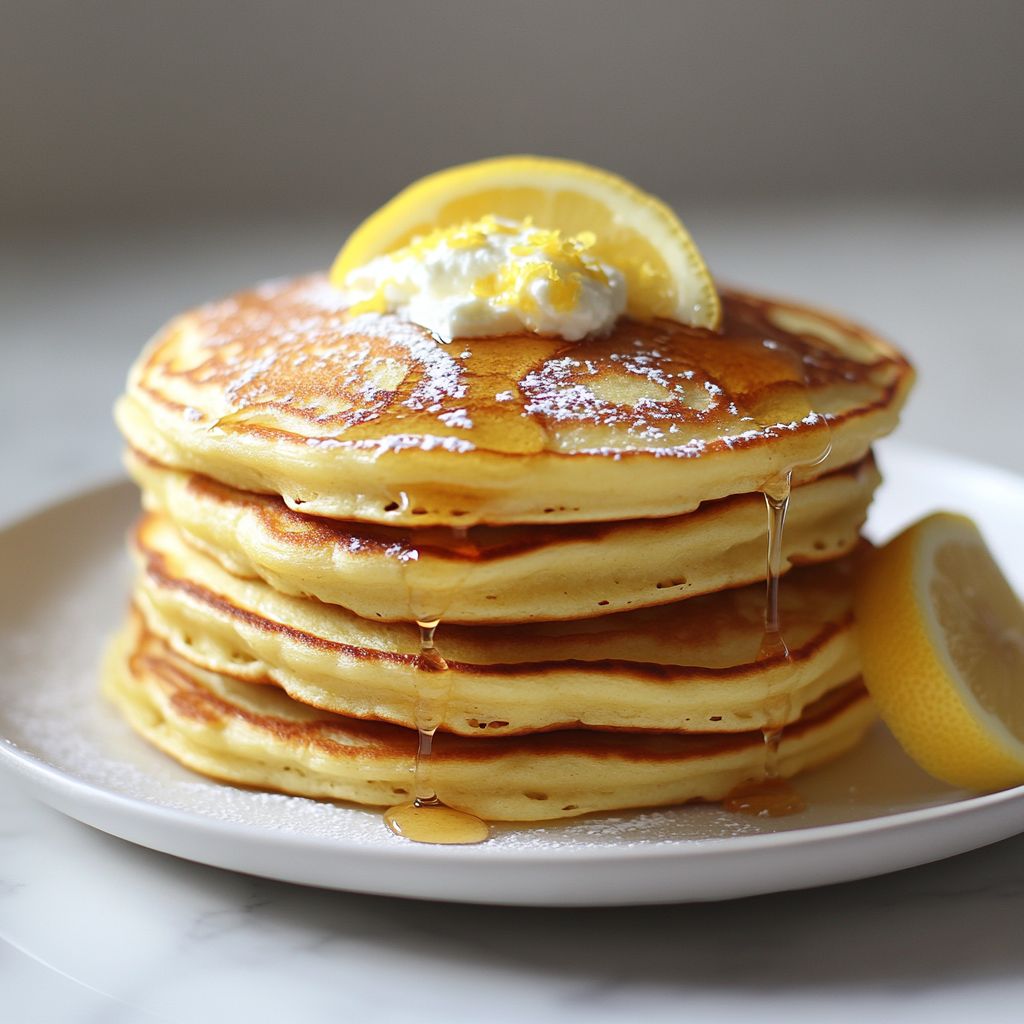
Notes
These lemon ricotta pancakes are light and fluffy with a bright lemon tang from fresh lemon juice and zest, enriched by creamy ricotta for a tender crumb.
You can customize them by folding in fresh berries (blueberries or raspberries), a spoon of lemon curd, or a dollop of yogurt and a drizzle of honey. For a dairy-free option, substitute the ricotta with a dairy-free alternative or blended silken tofu with a splash of lemon juice.
They pair beautifully with pure maple syrup, extra lemon zest, and perhaps a light dusting of powdered sugar. Fresh berries add color and contrast to the lemon brightness.
Tips for best texture: rest the batter 5–10 minutes to hydrate the flour and relax the gluten, whisk the dry ingredients well, and avoid overmixing once the wet and dry are combined. Cook on medium heat and grease the pan between batches to prevent sticking; adjust with a touch more milk if the batter is too thick or a bit more flour if too thin.
Make-ahead and storage: cooked pancakes freeze well—layer with parchment between stacks and reheat in a skillet, toaster oven, or microwave with a damp paper towel to prevent drying out. The batter can also be made ahead and kept chilled for up to 24 hours.
Gluten-free option and substitutions: use a 1:1 gluten-free flour blend in place of all-purpose flour and ensure your baking powder is gluten-free. If needed, add a little extra milk or a touch more lemon zest to balance flavor. For a lighter lift, you can separate the eggs and fold in whipped whites at the end.
Flavor notes: add an extra 1/2 teaspoon of vanilla extract if you like a warmer aroma, and keep the lemon zest fresh by grating just before cooking. For variation, swap lemon juice for lime or orange, adjusting the leavening to maintain balance with the acid.
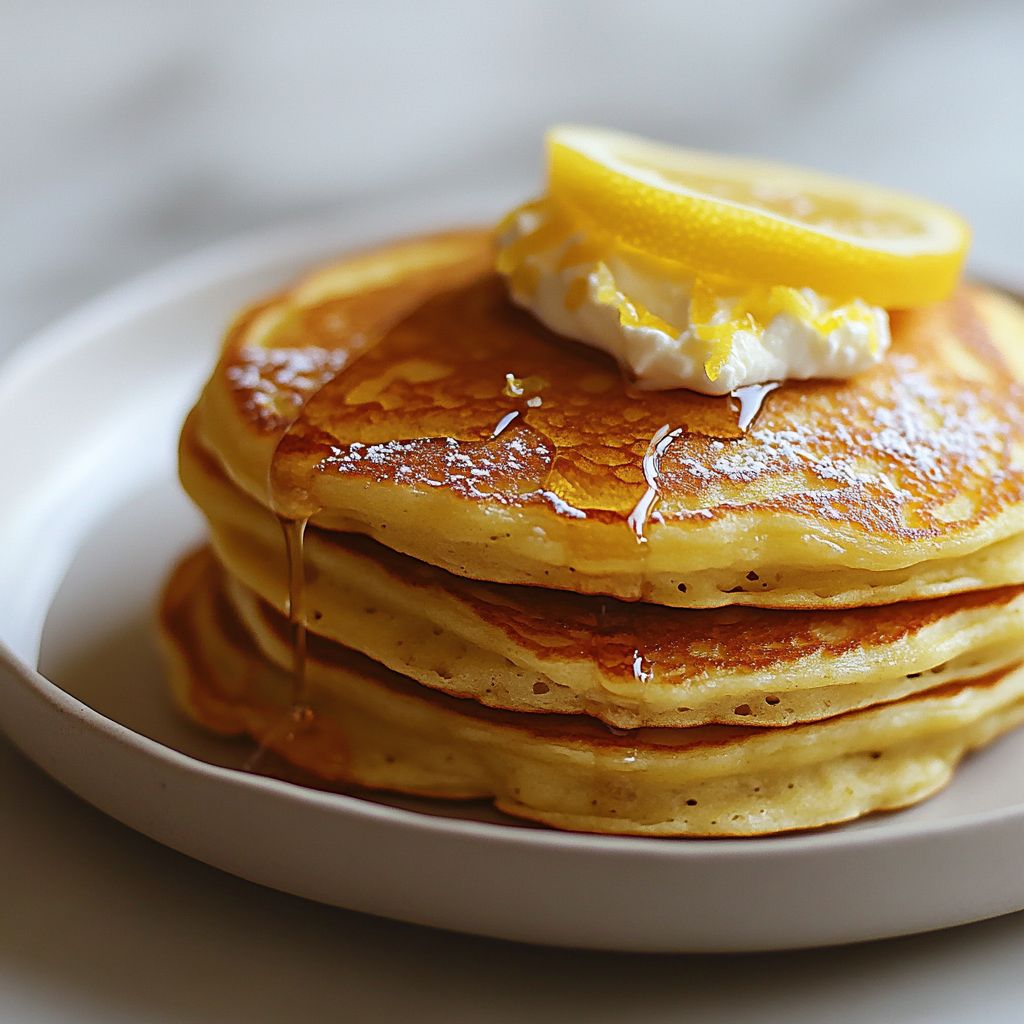
Tips
Batter and Mixing Tips
- Whisk the dry ingredients (flour, sugar, baking powder, baking soda, and salt) together thoroughly, then whisk the wet ingredients in a separate bowl. This helps ensure even leavening and a smoother batter.
- Drain excess whey from the ricotta before folding it into the wet ingredients. A very loose batter can make the pancakes spread too thin and cook unevenly.
- Fold the ricotta in gently. Overmixing can deflate the batter and reduce tenderness; a few soft folds to combine is ideal.
- Let the batter rest for 5–10 minutes after mixing. This hydrates the flour and relaxes the gluten, yielding fluffier pancakes.
- For brighter lemon flavor, stir the lemon zest into the dry ingredients and the lemon juice into the wet ingredients. Fresh zest and juice give the most vibrant aroma and acidity.
- If you want extra lift, you can separate the eggs: whip the whites to soft peaks and fold them in at the end, but this is optional for a lighter texture.
- Adjust thickness by adjusting milk in small amounts. If the ricotta is very thick, you may use up to 2/3 cup milk; if very loose, use closer to 1/3 cup and a touch more flour to balance.
- When using gluten-free flour, you may need a touch more liquid or a touch more leavening. Start with the same measurements and adjust as needed for the batter to drop slowly off a spoon.
Cooking Tips
- Preheat your pan or griddle over medium heat and lightly grease with 1 teaspoon of butter or oil. Wipe away any excess fat to prevent greasy pancakes.
- Test a small amount of batter first. It should sizzle gently and form small bubbles on the surface within 1–2 minutes.
- Cook the pancakes until the edges look set and small bubbles form on the surface, then flip and cook the other side until golden brown. The second side should cook more quickly, so watch closely to prevent overbrowning.
- Keep pancakes warm on a rack set over a baking sheet in a 200°F (95°C) oven while you finish the rest of the batter to prevent them from steaming and becoming soft.
Toppings and Serving Tips
- Warm pure maple syrup enhances the lemon notes; if you prefer, a light glaze made from lemon juice and powdered sugar can be brushed on the stack for extra brightness.
- Fresh berries add contrast and brightness. If using frozen berries, thaw and pat dry to avoid a soggy pancake topping.
- Dust with powdered sugar after pancakes rest briefly to keep the surface crisp and prevent sogginess.
- Finish with extra lemon zest for aroma right before serving. Finely grated zest releases essential oils that wake up the lemon flavor.
FAQ
What are Lemon Ricotta Pancakes?
Fluffy breakfast pancakes made with ricotta cheese and bright lemon zest/juice that create a light, creamy interior and a tangy-sweet flavor. They pair with fresh berries and maple syrup.
What ingredients do I need?
Basic batter includes: all-purpose flour (or a gluten-free blend), baking powder, salt, sugar; wet mix of ricotta cheese, eggs, milk (dairy or plant-based), lemon zest and juice, and a little vanilla. For cooking: butter or oil. Optional toppings: berries, maple syrup, lemon curd, powdered sugar.
How do I make the batter fluffy and moist?
Whisk dry ingredients separately, whisk ricotta with eggs and milk, stir in lemon zest/juice and vanilla, then fold wet into dry until just combined. Do not overmix; a few lumps are fine. Let the batter rest 5-10 minutes to hydrate the flour and loosen the ricotta.
Can I make a dairy-free or vegan version?
Yes. Use a plant-based ricotta (or use almond or soy yogurt and a small amount of olive oil to mimic ricotta texture), and choose unsweetened plant milk. If using vegan ricotta, you may need a touch more flour or a bit of baking powder to help with rise. Keep the lemon for brightness. Use a light oil or dairy-free butter for cooking.
What about a gluten-free version?
Use a gluten-free all-purpose flour blend that includes xanthan gum, or mix 1 cup GF flour with 2 tsp cornstarch to mimic structure. GF blends can vary, so start with a 1:1 substitution and adjust with a little extra milk if the batter seems too thick.
How do I cook them to perfection?
Heat a nonstick skillet or griddle over medium heat and lightly grease. Scoop 1/4 cup batter per pancake, cook until bubbles form and edges look set, about 2-3 minutes, then flip and cook 1-2 minutes more until golden. Adjust heat if they brown too fast.
How should I store and reheat leftovers?
Store cooled pancakes in an airtight container in the refrigerator for up to 3 days, or freeze individually with parchment between them for up to 1 month. Reheat in a warm skillet, toaster, or microwave until heated through. A quick re-warming with a light drizzle of lemon juice helps keep brightness.
What toppings pair best with lemon ricotta pancakes?
Fresh berries (strawberries, blueberries, raspberries), a dollop of yogurt or whipped cream, lemon curd, a drizzle of maple syrup, or a dusting of powdered sugar. For extra zing, add a small squeeze of lemon juice on top just before serving.
Can I customize flavors or add-ins?
Yes. Great add-ins include blueberries, sliced strawberries, grated lemon zest in the batter, a touch of orange zest, or a teaspoon of vanilla. If adding heavy mix-ins, fold them in gently to avoid deflating the batter.