Introduction / Hook
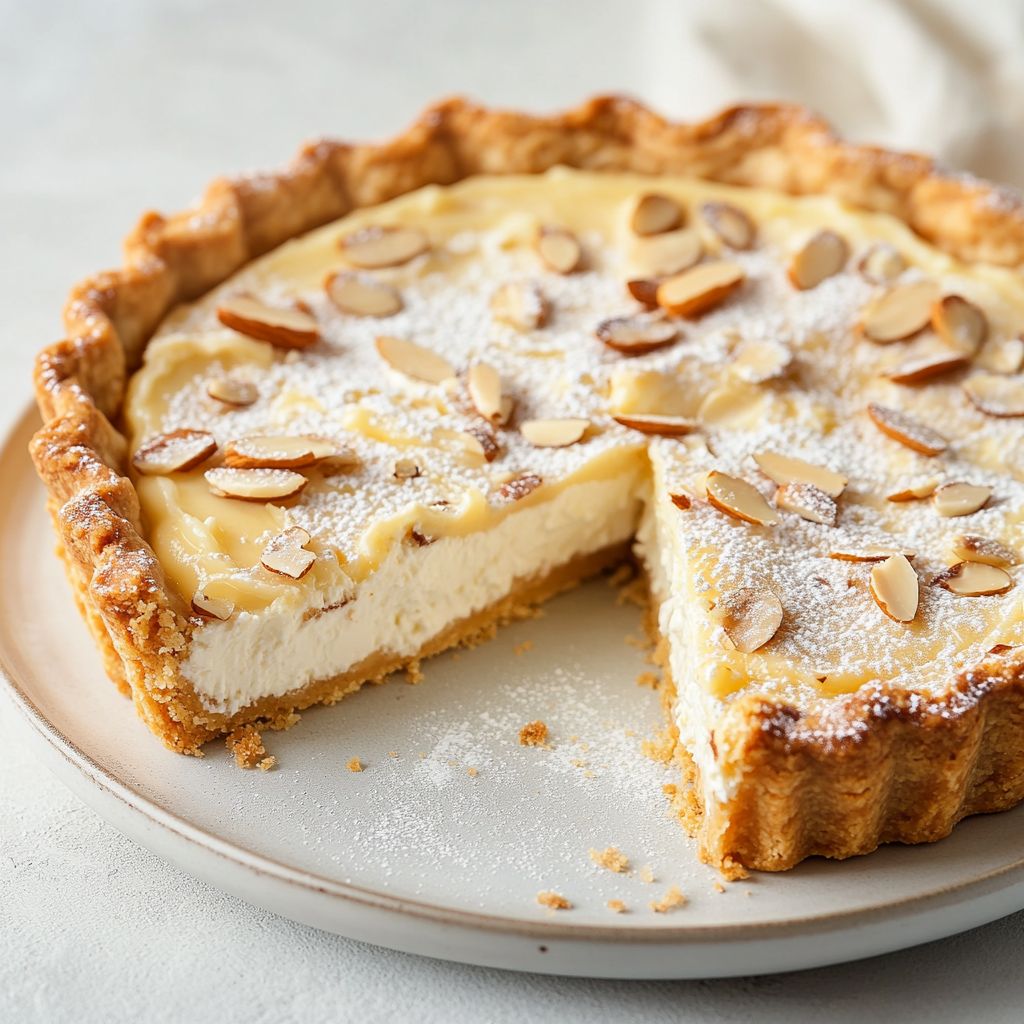
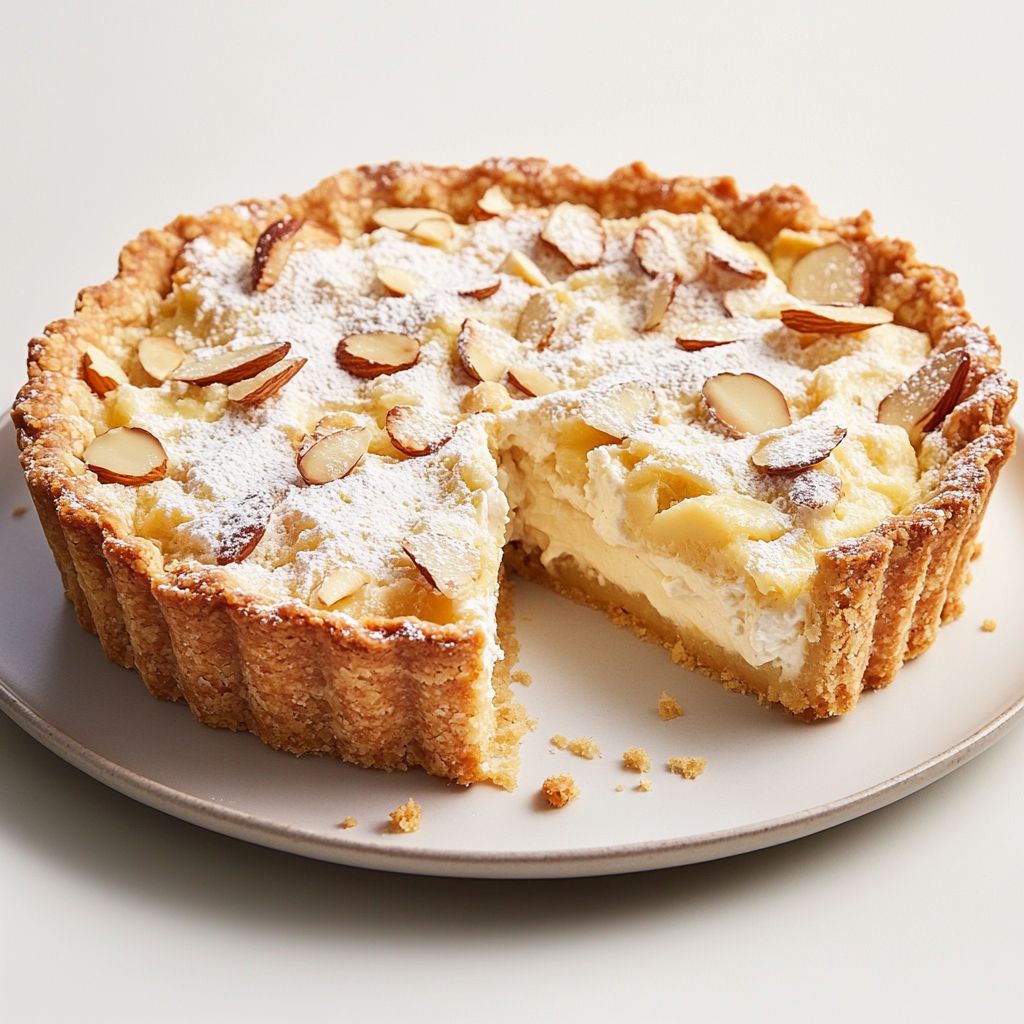
Imagine stepping into a sun-washed Italian kitchen where the air is perfumed with the warm, nutty sweetness of toasted almonds and the creamy, delicate whisper of ricotta. An almond and ricotta tart is not merely dessert; it’s a sensory embrace—the crisp edges giving way to a tender, custard-like heart, brightened by a kiss of citrus and a whisper of vanilla. The crust, butter-scented and gently crumbly, cradles a smooth filling that feels luxuriously indulgent yet unexpectedly light. Every bite carries a tapestry of textures: a flaky crust that shatters softly, a creamy core that glides across the palate, and a hint of almond paste that lingers like a fond memory. This tart invites you to slow down, to savor simple ingredients elevated through balance and technique, and to share a moment of pure Italian warmth with family and friends. It’s the kind of dessert that makes a weeknight feel special and a weekend feast feel intimate, a celebration tucked into a single, elegant slice.
The Story Behind the Dish
Origins and Influence
Almonds have long been a beloved ingredient in Italian patisserie, especially in the southern regions where almond trees flourish in the chaparral sunshine. The marriage of almonds and ricotta in Italian dessert tradition speaks to a philosophy of transforming humble pantry staples into something luminous and celebratory. Versatile and comforting, ricotta–soft, mild, and delicate–offers a gentle canvas that loves the warmth of almonds and the brightness of citrus. In many coastal and inland Italian kitchens, bakers have drawn from a shared heritage of crostate (tarts) and pasticcini that celebrate seasonal produce, local dairy, and the subtle artistry of crusts that crumble softly on first bite. The Italian almond and ricotta tart embodies that historical spirit: a modern expression of classic Sicily-state pastries and southern Italian teatime sweets, where citrus peels, vanilla, and honey might accompany almonds and ricotta in harmony rather than in competition.
As with many Italian desserts, memory and place color the dish as much as its ingredients. A grandmother’s kitchen might recall the scent of roasted almonds mingling with lemon zest when creamy ricotta is whisked into a silken filling. A grandmother’s wooden spoon, a flour-dusted table, and the comforting crackle of a delicate crust—these memories echo in every slice, reminding us that dessert can be both a nod to tradition and a personal, modern expression. The tale of this tart is not just about flavors; it’s about honoring the quiet rituals of family, harvest seasons, and the Italian devotion to turning simple ingredients into something soulful and shareable.
Why You’ll Love This Recipe
- Elegant yet approachable: A bakery-worthy finish without requiring advanced pastry skills or exotic ingredients.
- Balanced sweetness: The almond sweetness, ricotta’s creamy tang, and citrus brightness create a harmonious, not cloying, finish.
- Versatile for occasions: Perfect for Easter feasts, Sunday dinners, or a refined dessert for guests, yet simple enough for a weeknight treat.
- Texture play: Crisp, buttery crust gives way to a silky, almost custard-like center with a faint almond bite.
- Make-ahead friendly: The tart lends itself to ahead preparation, making entertaining easier and more relaxed.
- Adaptable to diet preferences: Naturally adaptable to gluten-free or dairy-alternative diets with small tweaks (see Tips & Variations).
Flavor Profile & Texture
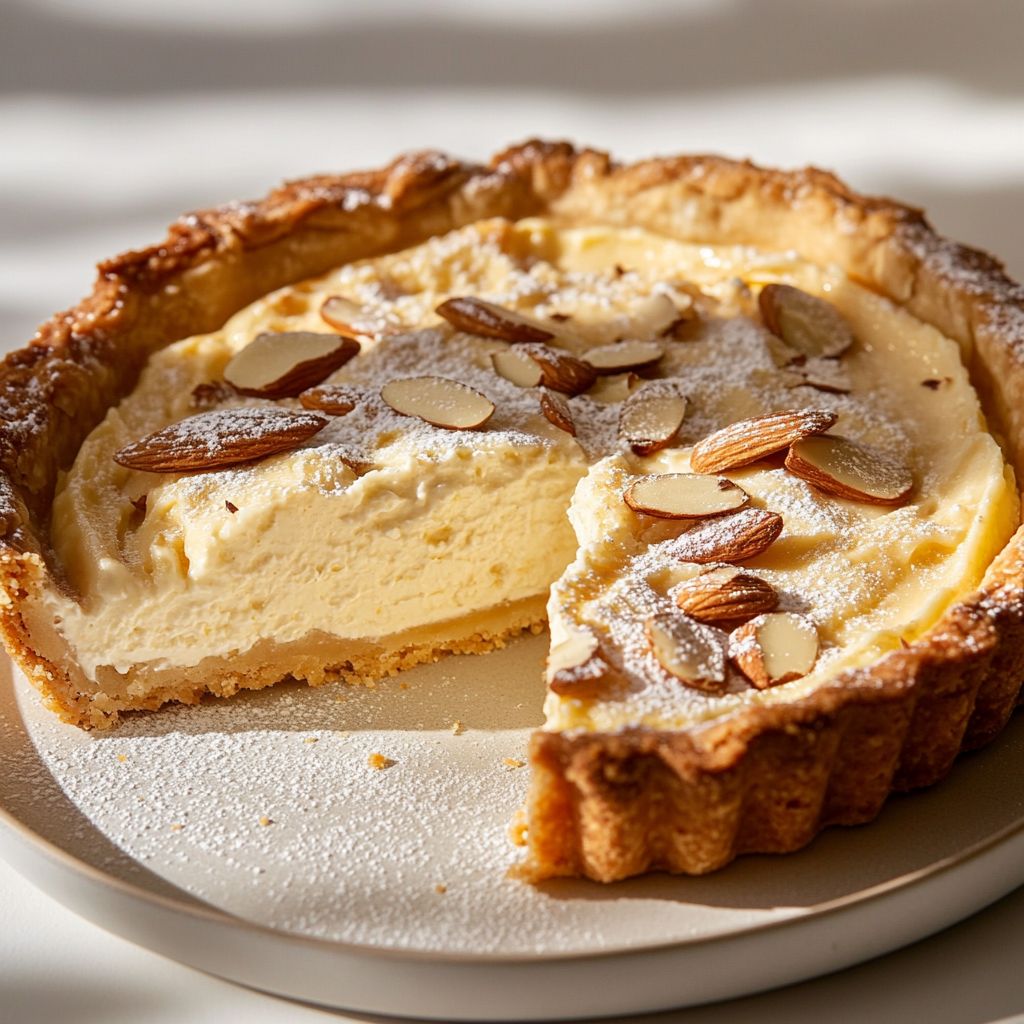
This tart is a study in balance. The crust is a study in texture—fragrant with butter, a hint of almond flour or finely milled almonds, and a delicate crumb that holds together yet shatters gently under a fork. The filling is where the magic happens: ricotta provides a lush, milky body that feels decadently rich on the palate, but remains surprisingly light due to its moisture content and the subtle lift from whisked eggs or a touch of cream (if used in a non-vegan variation). The almond notes are front and center, delivering a warm, toasty aroma that echoes through the bite, while citrus zest (generally lemon or orange) slices through the richness with a clean, bright zing. Vanilla adds a whisper of sweetness and a velvety perfume that lingers on the finish. Subtle sugar, a pinch of salt, and perhaps a hint of almond extract intensify the nutty, creamy symphony without ever shouting over the other flavors. The overall effect is complex yet harmonious: a dessert that feels luxe but remains comforting, refined but intimate.
Texture-wise, you experience a delightful trio: a crisp, shortcrust-like edge that offers a satisfying snap, a tender midsection that yields to a creamy center, and a delicate almond crumbiness that punctuates each mouthful with a gentle grain. Some incarnations introduce a light marbling of almond paste within the filling, which can add a faint caramelized sweetness and a more pronounced almond finish. The citrus note acts like a bright finishing bow, ensuring the tart doesn’t feel indulgent to the point of heaviness. When served slightly warm or at room temperature, the interplay between the crust and the filling grows even more pronounced, inviting the aroma of toasted almonds to fill the room and prompting murmurs of appreciation from guests who discover layers they did not expect in a single slice.
Occasions & Pairings
Italian Almond & Ricotta Tart shines in a variety of contexts, from casual afternoons to festive gatherings. It is equally at home on a Sunday brunch table as it is gracing a celebratory dessert spread. Its adaptability makes it a dependable choice for entertaining, offering an option that feels special without demanding exhaustive effort.
When to Serve
- Weekend family brunches and teatime treats
- Holiday dinners as a refined end note
- Afternoon gatherings and book club meetings
- Celebrations like birthdays or anniversaries where a lighter, elegant dessert is preferred
Suggested Pairings
- Beverages: Moscato d’Asti, Prosecco, or a lightly sweet sparkling wine can lift the tart’s almond notes. For non-alcoholic options, a lemon-verbena or orange blossom tea complements the citrus and creaminess.
- Side bites: Fresh berries (strawberries, raspberries) or a light berry compote provide a tart contrast that echoes the citrus brightness. A dollop of lightly whipped cream or a spoonful of vanilla yogurt can add a touch of tanginess and richness, depending on your preference.
- Accompaniments: A simple almond biscotti or a crumbly amaretti cookie can echo the nutty theme, while a velvety crema or a small scoop of saffron-infused custard would elevate the dessert for a special occasion.
Tips, Variations & Substitutions
General Guidelines
Because this tart rests on the harmony between its components, any variation should keep the balance intact. The almond presence remains a guiding flavor, the ricotta maintains the creamy heart, and the citrus zest keeps the palate awake. Small adjustments can produce new personality while preserving the essence of the dish.
Gluten-Free & Dairy-Friendly Variations
- Gluten-free crust: Use finely ground almonds or almond flour, blended with a light amount of gluten-free flour or a mix that suits your dietary needs. Butter or a dairy-free butter substitute helps achieve a crumbly, fragrant crust that mirrors the traditional texture.
- Dairy-free option: Replace ricotta with a high-quality dairy-free ricotta-style alternative, and opt for a dairy-free butter in the crust. A touch of coconut cream can help replicate the richness while keeping the filling smooth.
- Vegan adaptation: For a fully vegan version, use a plant-based ricotta substitute that maintains creaminess, and bind with a flax or chia egg if needed (or rely on a ready-made vegan filling). Ensure the crust uses vegan margarine or coconut oil appropriately blended with almond flour.
Flavor Twists
- Lemon or orange zest swap: If you prefer, swap lemon zest for orange or a combination of both for a different citrus profile that brightens the filling in new ways.
- Spice notes: A pinch of cardamom or a whisper of cinnamon can add warmth, particularly in cooler months, without overpowering the core flavors.
- Cherry-almond variation: A few chopped candied cherries or a touch of almond extract can create a more pronounced almond-cherry profile reminiscent of classic amaretti flavors.
- Herbal accents: A subtle hint of thyme or lemon thyme in the crust can bring an unusual but delightful herbaceous note that pairs with almonds nicely.
Regional Twists
Drawing on regional Italian influences, you can tailor the tart to evoke a specific locale. For a Sicilian accent, emphasize caster sugar and lemon zest with a touch of orange blossom water; for a Piedmontese influence, pair almond flavors with a light dusting of cocoa in the crust or a drizzle of chocolate to finish. Each regional approach gives the tart its own personality while staying faithful to its core: almond, ricotta, and bright fruit notes balanced in a tender crust.
Storage & Make-Ahead Ideas
This tart is forgiving and forgiving in the best possible way: it can be prepared ahead of time and still maintain its charm when served. Storage and make-ahead strategies help you entertain with confidence rather than last-minute stress.
Make-Ahead Tips
- Crust can be prepared hours to a day in advance. If your crust contains egg or dairy, refrigerate the dough and allow it to come to room temperature slightly before rolling to reduce tearing and shrinkage.
- Filling can be prepared ahead of time and stored in the refrigerator, especially if you’re using ingredients that benefit from resting, like letting flavors meld. Whisk lightly before pouring into the crust if necessary to restore a smooth consistency.
Storage
- Refrigerator: Store leftover slices (covered) for up to 3-4 days. The flavors will mellow and the texture will stay pleasant; some people even prefer the tart slightly chilled as the filling firms a touch.
- Freezer: If you want to freeze, freeze the baked tart in slices or as a whole, wrapped well to protect from moisture and odors. Thaw in the refrigerator overnight before serving. Note that the texture of ricotta can be affected by freezing, so the filling may be slightly denser after thawing, but still delicious.
Fun Facts & Trivia (Optional)
Did you know almonds were once considered a symbol of fertility and plenty in many Mediterranean cultures? Their presence in desserts—from tignosa cookies to almond-taste fillings—reflects both practical farming abundances and a long-standing love for the nut’s aromatic profile. Ricotta’s name itself means “recooked” in Italian, referring to the traditional method of making it from whey. The marriage of these two ingredients—almonds and ricotta—paints a picture of Italian culinary ingenuity: turning byproducts and humble pantry staples into something that glows with elegance and comfort. In some Italian villages, crostata variations with almond frangipane (almond paste) and ricotta filling are served to celebrate spring festivals, symbolizing renewal and sweetness. The citrus note in this tart nods to the Italian love of bright acidity that lifts sweetness and cleanses the palate, a hallmark of many regional desserts that aim to balance richness with a refreshing finish.
Ingredients
Crust
- 2 cups all-purpose flour
→ The crust’s base provides structure and a tender crumb that can hold the ricotta filling. For extra nuttiness and tenderness, you can substitute up to 1/2 cup of the flour with almond flour. Use cold ingredients and handle the dough as little as possible to keep the fat intact. Whisk the dry ingredients together, cut in the cold butter until the mixture resembles coarse crumbs, then mix in the egg yolk and ice water gradually until the dough just comes together. Chill for at least 30 minutes, then roll between parchment to fit a 9-inch tart pan. If you plan to blind bake, line with parchment and weight with pie weights, then bake until lightly golden. - 1/2 cup almond flour (finely ground almonds)
→ Adds a nutty flavor and extra tenderness to the crust, helping create a slightly crumbly, melt-in-your-mouth texture. It also helps the crust hold together without relying solely on gluten. If desired, toast the almond flour lightly before mixing to deepen aroma. Use a gentle folding method and avoid overworking the dough to maintain a delicate crust. - 1/2 cup granulated sugar
→ Provides sweetness and aids browning of the crust. Keep in mind that the filling will be sweetened as well, so balance accordingly. Cream butter and sugar briefly if your dough requires it, then incorporate with the other dry ingredients to ensure even sweetness distribution. - 1/4 teaspoon fine sea salt
→ Enhances overall flavor and balances the sweetness. Salt in small amounts helps to heighten the aromatics of the vanilla and zest in the filling and crust. - 1/2 cup unsalted butter, very cold, cut into small cubes
→ Fat is essential for a flaky, tender crust. Cold butter creates pockets of steam as the crust bakes, yielding flakiness. Handle quickly, using a pastry blender or fingers, and stop as soon as the mixture resembles coarse crumbs. If the butter melts slightly, chill the dough again before rolling. - 1 large egg yolk
→ Adds richness and acts as a binder to hold the crust together. Use yolk rather than whole eggs for a crisper crust. If you need to make this dairy-free, you can substitute with 1 tablespoon cold water plus 1 teaspoon lemon juice, though the texture may differ. - 2–3 tablespoons ice-cold water
→ Just enough moisture to bring the dough together without making it sticky. Add a little at a time, mixing until the dough forms a cohesive mass. If you see large crumbles, add a touch more water, but avoid over-wetting, which can toughen the crust. - 1 teaspoon vanilla extract
→ Adds a subtle vanilla aroma that complements the almond and ricotta filling. Use pure vanilla extract for best flavor; if you prefer, you can omit it for a more neutral crust.
Filling
- 2 cups whole-milk ricotta, well drained
→ The creamy core of the tart. Drain ricotta for at least 15–30 minutes (or longer in cheesecloth) to remove excess moisture that could make the filling runny. Whisk until smooth before folding in other ingredients to ensure a velvety texture. - 1/2 cup almond flour (finely ground)
→ Adds structure and a pronounced almond flavor to the custard-like filling, helping it set without becoming dense. Ensure it is well incorporated to avoid graininess. - 3/4 cup granulated sugar
→ Sweetens the filling and balances the bright lemon zest. You can adjust to taste, especially if your ricotta is very sweet or if you plan to serve with a sugary glaze. - 2 large eggs
→ Provide structure and creaminess to the filling. Add eggs one at a time to prevent curdling. Let eggs come to room temperature for smoother incorporation; if needed, whisk lightly before adding. - 1 teaspoon vanilla extract
→ Rounds out the almond and citrus notes; use pure vanilla for best aroma. If you already have almond extract in the pantry, you can use a drop or two in place of part of the vanilla for a stronger almond presence. - Zest of 1 lemon
→ Brightens the filling with fresh citrus notes that pair beautifully with ricotta and almonds. Use only the bright yellow zest, avoiding the bitter white pith. - Pinch of salt
→ Balances sweetness and enhances the lemon and vanilla flavors. A tiny pinch is enough to sharpen the overall taste without making the filling salty. - Optional: 1 tablespoon lemon juice
→ Extra brightness to the filling if you like a more zippy citrus profile. Add sparingly and taste as you go since lemon juice can thin the filling if overused. - Optional: 2 tablespoons heavy cream
→ Adds silkiness and helps keep the filling ultra-creamy. Use only if your ricotta is a bit dry or if you want a looser custard; adjust the sugar slightly if needed to maintain balance.
Optional Add-ins
- 1/4 teaspoon almond extract (optional)
→ Intenseens the almond flavor without needing more almond flour. Use sparingly to avoid overpowering the ricotta’s subtle dairy notes; combine with the lemon zest for a bright almond note. - 1 tablespoon finely grated orange zest (optional)
→ Adds a fragrant citrus layer that pairs well with almond and ricotta. Zest before juicing the fruit to maximize essential oils, and include only the outermost colored layer to avoid bitterness.
Toppings & Glaze
- 1/4 cup sliced almonds, toasted
→ Provides a decorative crunch on top and a toasty almond flavor that echoes the filling. Toast almonds in a dry skillet over medium heat until golden and fragrant, then sprinkle evenly over the tart before baking or after cooling for added texture. - 2 tablespoons apricot jam, warmed and thinned with 1 teaspoon water
→ Glaze that gives the tart a glossy finish and a kiss of sweetness. Strain if necessary to remove fruit bits, and brush over the cooled tart for a professional shine. If you prefer, use peach or orange marmalade for a different fruit note. - Powdered sugar, for dusting (optional)
→ Finishing touch that adds a delicate snow-like veil over the tart. Dust just before serving to avoid moisture from the filling dissolving the sugar.
Instructions
- Preheat your oven to 350°F (175°C) and prepare a 9-inch tart pan by greasing it well or lining it with parchment; this ensures the crust releases cleanly and bakes evenly, producing a tender, flaky base that can support the ricotta filling.
→ A properly heated oven and prepared pan help the crust set evenly without sticking. - Whisk together 2 cups all-purpose flour, 1/2 cup almond flour, 1/2 cup granulated sugar, and 1/4 teaspoon fine sea salt in a large bowl to ensure even distribution of sweetness and salt across the crust.
→ Even dry ingredients prevent pockets of sweetness or salt and promote uniform browning and texture. - Cut in 1/2 cup unsalted butter, very cold and cut into small cubes, using a pastry blender or two knives until the mixture resembles coarse crumbs with some pea-sized bits of butter remaining.
→ Cold fat creates steam pockets during baking, yielding a light, flaky crust; overworking the mixture warms the fat and tightens the texture. - Add 1 large egg yolk and 2–3 tablespoons ice-cold water gradually, mixing with a fork until the dough just comes together; stop as soon as it masss forms to avoid a tough crust.
→ The yolk provides richness and binding, while minimal moisture prevents gluten overdevelopment and keeps the crust tender. - Shape the dough into a rough disk, wrap tightly in plastic, and chill for at least 30 minutes to relax gluten and keep the butter firm.
→ Chilling helps prevent shrinkage during baking and makes the dough easier to roll. - Roll the dough between two sheets of parchment into a circle about 12 inches in diameter, then transfer it to a lightly floured surface if needed and ease it into a 9-inch tart pan, pressing into corners and up the sides; trim any excess and crimp the edge as desired.
→ Rolling between parchment minimizes sticking, while pressing into the pan ensures an even crust along the bottom and sides for uniform bake. - Dock the crust all over with a fork to perforate the dough and prevent air bubbles, then chill again for 15–20 minutes to minimize shrinkage during baking.
→ Chilling sets the shape and reduces puffing, giving a cleaner, more professional crust. - If you plan to blind bake, line the crust with parchment and fill with pie weights or dried beans, then bake for 12–15 minutes until the edges just begin to color; remove weights and parchment and bake 5–7 minutes more until the crust is lightly golden, then cool before filling.
→ Blind baking ensures the crust stays crisp and prevents sogginess from the ricotta filling. - While the crust bakes, drain 2 cups whole-milk ricotta in a fine sieve for 15–30 minutes to remove excess moisture, then whisk until smooth to create a velvety filling base.
→ Removing moisture prevents a watery filling and contributes to a silky texture after baking. - Stir in 1/2 cup almond flour into the drained ricotta until fully incorporated, ensuring even almond flavor and added structure without grittiness.
→ Almond flour adds nutty aroma and helps the filling set with a delicate bite. - In a separate bowl, whisk 3/4 cup granulated sugar with 2 large eggs until light and slightly thickened, then whisk in 1 teaspoon vanilla extract and the zest of 1 lemon.
→ The sugar dissolves evenly and the eggs provide structure; lemon zest infuses bright citrus notes that pair with almond and ricotta. - Season the filling with a pinch of salt and, if desired, whisk in optional 1 tablespoon lemon juice for extra brightness; add optional 2 tablespoons heavy cream only if the ricotta seems very thick to achieve a silkier custard.
→ Salt sharpens flavors, lemon juice brightens the profile, and cream adjusts the texture for silkiness. - Fold the lemon-zested, vanilla-scented mixture into the almond-ricotta base until completely combined and smooth, ensuring no streaks remain for an even custard.
→ Thorough folding prevents uneven color or texture and keeps the filling silky. - Pour the filling into the cooled crust, smoothing the top with a spatula and smoothing any ridges to ensure even baking and a neat final slice.
→ A level surface bakes evenly and presents clean slices for serving. - Bake the tart at 350°F (175°C) for 35–45 minutes, or until the center is just set and the edges are lightly golden; if the center still wobbles slightly, bake a few minutes longer and test again.
→ The custard should be gently set and not jiggle like jelly to ensure clean slices and proper texture. - Transfer the tart to a rack and cool completely at room temperature, then refrigerate for at least 1–2 hours to allow the filling to firm and the flavors to mellow.
→ Chilling helps the filling hold its shape when sliced and enhances flavor concentration. - Toast 1/4 cup sliced almonds in a dry skillet over medium heat until golden and fragrant, then set aside to cool for crunchy top notes.
→ Toaster almonds add a toasty aroma and a contrasting texture that echoes the almond filling. - Warm 2 tablespoons apricot jam with 1 teaspoon water until liquid and brushable, then strain if desired to remove any bits for a glossy glaze.
→ A thin glaze provides a professional shine and a subtle sweetness that complements the ricotta and citrus. - Brush the cooled tart with the warmed apricot glaze in a thin, even layer to create a glossy surface, then sprinkle the toasted almonds evenly over the top for a decorative crunch.
→ The glaze seals moisture on the surface and the almonds finish the presentation with color and texture. - Lightly dust with powdered sugar just before serving if desired, taking care not to saturate the surface, which can soften the glaze.
→ Powdered sugar provides a delicate, snowy finish and a touch of extra sweetness without masking flavors.
Notes
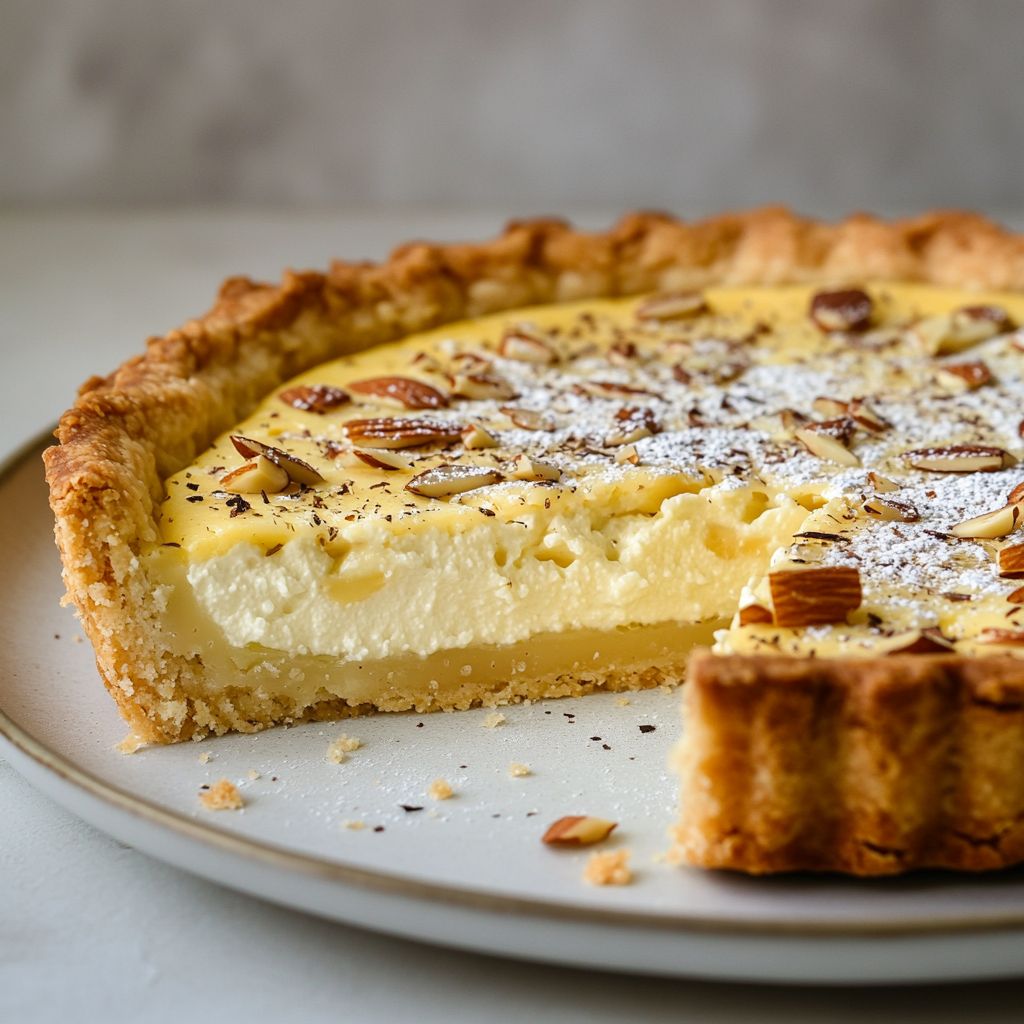
This Italian Almond & Ricotta Tart delivers a crisp almond crust and a silky ricotta filling brightened with lemon zest. For best texture, keep ingredients cold, cut the butter into the flour and mix just until the mixture resembles coarse crumbs, then bind with the egg yolk and a little ice water and chill the dough for at least 30 minutes; you can swap up to 1/2 cup of the all-purpose flour for almond flour for extra nuttiness. If blind baking, line with parchment and weigh with pie weights and bake until lightly golden to prevent a soggy bottom. Drain the ricotta well (15–30 minutes or longer) and whisk until smooth before folding into the filling; use room-temperature eggs added one at a time to avoid curdling, and stir in the lemon zest, vanilla, and a pinch of salt. Optional: a teaspoon of lemon juice or a tablespoon of heavy cream can brighten or loosen the filling if desired, but adjust sugar accordingly to maintain balance. Optional add-ins like 1/4 teaspoon almond extract or 1 tablespoon orange zest deepen the almond-citrus profile. For a glossy finish, brush the cooled tart with warmed apricot jam thinned with a teaspoon of water, then top with toasted sliced almonds and dust lightly with powdered sugar just before serving. Serve at room temperature to enjoy the filling’s creaminess and the crust’s crisp contrast; store leftovers covered in the fridge for up to 3 days, and rewarm gently or enjoy cold. If you prefer a dairy-free version, substitute dairy-free butter, use a dairy-free ricotta substitute, and adjust the egg count to suit the chosen textures.
Tips
Tips for Italian Almond & Ricotta Tart
- Work with cold ingredients, especially the butter, and handle the dough as little as possible to maintain flakiness. If the dough looks dry, drizzle in water a teaspoon at a time until it just comes together.
- To make the crust more flavorful and tender, consider substituting up to 1/2 cup of the all-purpose flour with almond flour. Toast the almond flour lightly before mixing to deepen aroma.
- Roll the dough between parchment paper to prevent sticking and ease transfer to a 9-inch tart pan. Chill the rolled dough until firm before blind baking, and line with parchment and pie weights if you blind bake.
- Blind bake until the crust is lightly golden to help prevent sogginess from the filling. If you don’t have pie weights, you can use dried beans or rice, but be sure to cool the crust completely before filling.
- Drain the ricotta well for 15–30 minutes (or longer in cheesecloth) to remove excess moisture; this keeps the filling velvety rather than watery. Whisk the ricotta smooth before folding in other ingredients.
- For the filling, whisk in the almond flour to help set the custard; make sure it’s evenly integrated to avoid graininess.
- Allow the eggs to come to room temperature and add them one at a time, whisking between additions to prevent curdling and ensure a smooth custard.
- When zesting the lemon, only use the bright yellow outer layer. The white pith is bitter. If you want extra citrus brightness, add lemon juice gradually and taste as you go to avoid thinning the filling.
- Use 1 teaspoon vanilla extract as the base; if desired, you can add a tiny amount (up to 1/4 teaspoon) of almond extract to intensify almond aroma, but avoid overpowering the ricotta’s delicate flavor.
- For extra depth, you can mix in the optional 1 tablespoon lemon juice or 2 tablespoons heavy cream; add lemon juice gradually and adjust sugar to maintain balance, and use cream to loosen the custard if needed.
- To finish, toast sliced almonds in a dry skillet until golden and fragrant, then sprinkle on top for texture and aroma. Brush a glaze of warmed apricot jam (thinned with 1 teaspoon water and strained) over the cooled tart for a glossy finish.
- Just before serving, dust with powdered sugar if desired. This gives a delicate finish that won’t melt into the filling if the tart is well chilled.
- Storage tips: store baked tart covered in the fridge for 2–3 days; allow to come to room temperature before serving. The tart can be frozen after baking for up to 1 month; thaw in the fridge and bring to room temperature before serving for best texture.
FAQ
Italian Almond & Ricotta Tart — FAQ
What is Italian Almond & Ricotta Tart?
A custardy filling of ricotta and almond flavors on a crisp, buttery crust, finished with a hint of lemon and vanilla—an Italian-inspired dessert with a delicate, nutty sweetness.
What are the main ingredients?
Crust: butter, sugar, flour (or almond flour for gluten-free), pinch of salt. Filling: ricotta cheese, almond meal (or finely ground almonds), granulated sugar, eggs, lemon zest, vanilla extract. Optional toppings: sliced almonds and a light dusting of powdered sugar.
Can I make this tart gluten-free?
Yes. Use almond flour or a gluten-free all-purpose blend for the crust. Make sure the filling ingredients are gluten-free as well. You may need a touch more binding if the dough is very crumbly.
Should I drain the ricotta before using?
Yes. Drain the ricotta for 15–30 minutes to remove excess moisture. If very watery, blot with paper towels to prevent a soggy filling.
How do I blind bake the crust?
Chill the dough, roll it out, and press into the tart pan. Line with parchment and fill with pie weights or dried beans. Bake until the edges are just set, then remove weights and parchment and bake a few minutes longer until the base is dry and lightly golden.
What are the baking times and temperatures?
Bake at 350°F (175°C) for about 25–35 minutes, or until the filling is set and the top is lightly golden. Oven temperatures vary, so start checking around 25 minutes.
How can I tell if the tart is done?
The center should be set with a slight jiggle. The edges should be golden and the top lightly browned. A toothpick inserted near the center should come out with just a few moist crumbs.
How should I store leftovers?
Keep in an airtight container in the refrigerator for 3–4 days. Bring to room temperature or warm gently before serving for the best texture.
Can I freeze this tart?
Yes. Freeze baked tart wrapped well for up to 1–2 months. Thaw in the refrigerator overnight and rewarm gently before serving. Note that texture may be slightly softer after freezing.
What are some serving or topping ideas?
Top with sliced almonds before baking for a crunchy edge, dust with powdered sugar, and serve with fresh berries or a drizzle of honey or lemon glaze. You can also mix a bit of mascarpone into the ricotta for a richer filling.