Introduction / Hook
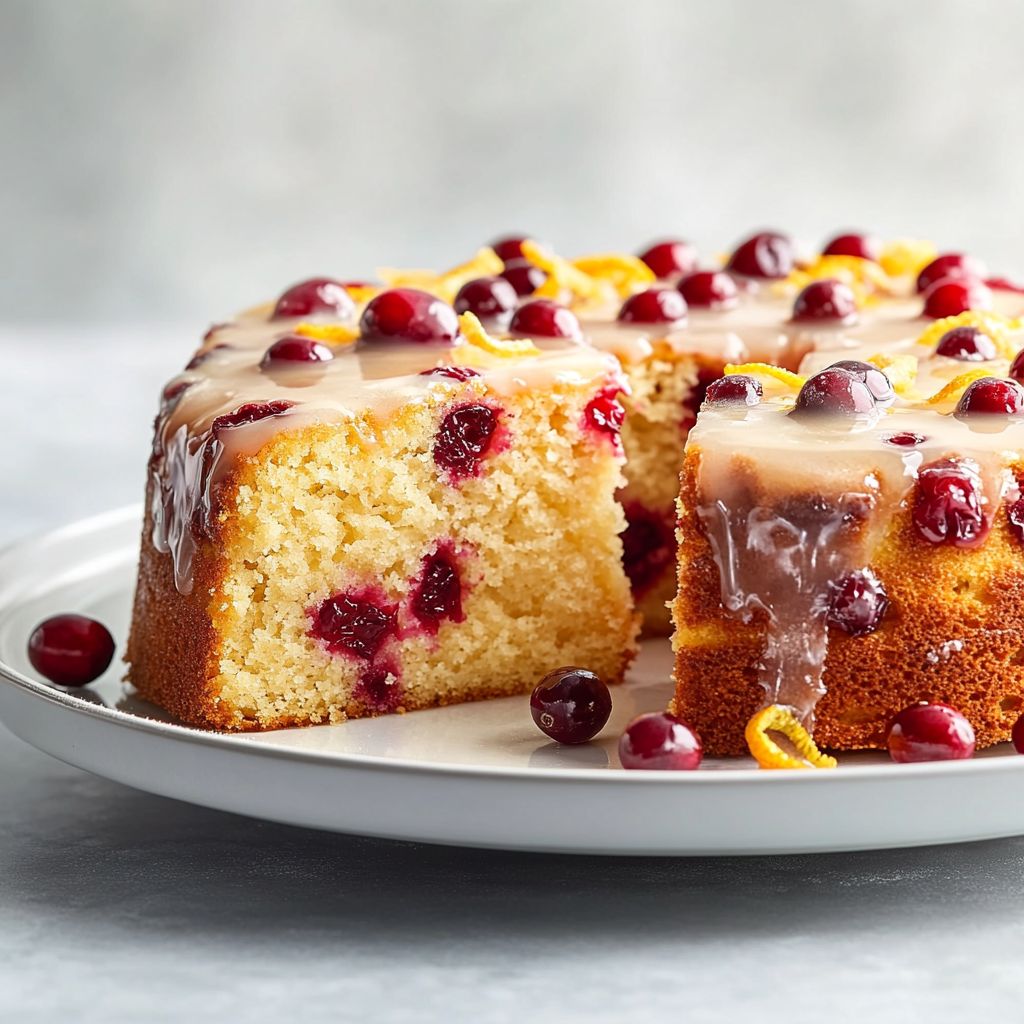
Imagine a slice that carries the crisp memory of autumn mornings and the warm, inviting glow of a sugared kitchen. The Irresistible Cranberry Orange Cake is not just dessert; it’s a celebration in crumb and aroma. As you lift the first forkful, you’re greeted by a chorus of bright citrus notes, tart cranberries that lightly pucker the palate in the most agreeable way, and a tender, moist interior that clings softly to the spoon. The top wears a delicate, crackled glaze that glints like captured sunlight, inviting you to dive in. There’s something soul-satisfying about a cake that feels both festive and comforting at once—the kind of recipe that becomes a family favorite, whispered about after the last bite, requested again by friends who couldn’t stop talking about it. This cake is the warm hug you want on a rainy afternoon, the scent that lingers in the house long after the oven cools, and the kind of treat that makes ordinary tea time feel like a holiday moment. The magic rests in the balance: the tang of cranberry, the sunny brightness of orange, and a crumb that’s airy yet substantial enough to stand up to a dollop of cream or a scoop of vanilla ice cream. It’s not merely a cake; it’s an invitation to slow down, savor, and share.
The Story Behind the Dish
Cranberries have long been woven into the fabric of North American culinary traditions, especially in the cool, tart-happy months of autumn and early winter. They grow on low, boggy marshlands, where the vines thrive in damp, peaty soil and the air carries a crisp edge that seems to sharpen every flavor. Historically, cranberries were valued by indigenous communities long before European settlers arrived, prized for their bright color, long shelf life, and the way they could preserve a sense of brightness during long winters. Over time, cranberries migrated from rustic sauces and preserves into the realm of baking, where their tart punch could meet the mellowness of a sweet batter and become something wholly new and modern.
The idea of pairing cranberries with citrus is a natural culinary conversation that many kitchens have enjoyed for generations. Oranges add a cheery aromatic lift that cuts through the tartness of the berries, while the rind’s essential oils contribute a perfume that makes the kitchen feel almost holiday-like even on a Tuesday. This cake, in its best moments, feels like a bridge between generations: it nods to old-world technique—folding, balancing, resting—and embraces contemporary flavors, textures, and a glaze that gleams with a glossy finish. In many homes, a citrus-and-cranberry dessert signals a desire to celebrate abundance, to share something that travels well to gatherings, and to offer a dish that remains comforting even as it feels refined. The Cranberry Orange Cake is, in a sense, a small cultural artifact—the result of centuries of seasonal eating, of cranberry bogs and citrus groves sharing the kitchen counter, and of bakers learning that tart fruit and sun-bright zest can carry a cake toward something memorable and just a little bit magical.
Why You’ll Love This Recipe
- It’s a crowd-pleaser that never feels heavy—a balance of tart and sweet with a tender crumb that slices neatly for a party tray or a cozy family dinner.
- The citrus aroma is intoxicating: orange zest brightens every bite and fills the room with a sunny, uplifting scent as the cake bakes and cools.
- Versatility shines here. The cake holds up well for brunch, teatime, or dessert, and it pairs beautifully with whipped cream, vanilla yogurt, or a scoop of vanilla ice cream.
- Make-ahead-friendly. The flavors mingle beautifully overnight, so you can bake in advance and finish with a glaze or dusting right before serving.
- Great balance of textures—from a slightly crisp, delicate glaze to a moist, springy interior that remains soft even after a day or two when stored properly.
- Simple pantry-friendly ingredients mean you can whisk this up with ease—even on a busy weeknight, with a little planning, it can feel like a special weekend treat.
Flavor Profile & Texture
The flavor journey of this cake begins with a fragrant citrus lift. Orange zest introduces a sunny brightness that feels almost like sunshine captured inside tender cake, while the cranberries supply punctuated bursts of tang that pop against the sweetness. The fruit’s tartness isn’t aggressive; it settles into the crumb with a gentle zing that lingers after the last bite. When you bite into the slice, you’ll notice a soft, moist interior—airy yet sturdy enough to hold its shape without crumbling. The crumb is enriched with a comforting density that makes each mouthful substantial, but never heavy.
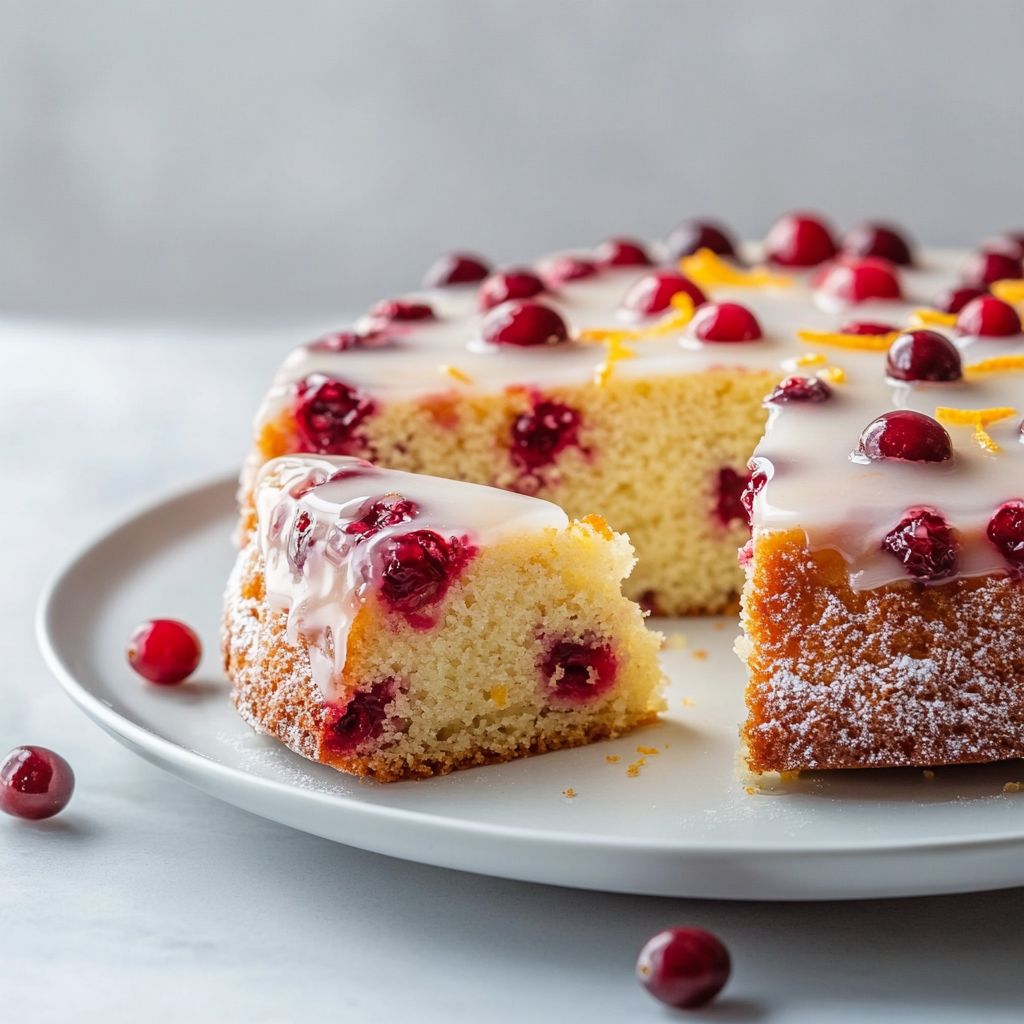
The surface offers a subtle contrast: a glaze or glaze-like finish that shimmers and crackles ever so slightly as it cools. This glaze provides a whisper of sweetness and a touch more gloss, making the cake feel festive and polished. There’s a gentle, almost velvety mouthfeel from the natural oils in the zest, which coat the palate and invite the next bite. If you want a richer impression, a light dusting of powdered sugar or a dollop of softly whipped cream can add another layer of creaminess that complements the tart brightness without overpowering it. The cranberry pieces, slightly tart, are jewel-like pockets throughout the slice, offering bursts of color and acidity that balance the cake’s sweetness and contribute to a lively, multi-dimensional texture.
Occasions & Pairings
This cake shines in seasonal celebrations—the kind of dessert that feels right at home on a holiday table, a fall potluck, or a weekend family brunch. Its color and fragrance evoke warmth and conviviality, making it a natural centerpiece for gatherings that celebrate harvest, togetherness, and the simple joy of sharing something homemade. It also adapts well to everyday enjoyment, providing a touch of ceremony to a quiet afternoon tea or a Sunday afternoon with friends.
Pairings to consider include:
- Vanilla ice cream or softly whipped cream for a classic contrast between cool cream and bright fruit flavors.
- A light dusting of cinnamon or a pinch of cardamom for an extra layer of warmth that echoes the autumnal vibe.
- Fresh citrus segments, such as orange or blood orange slices, for a bright, aromatic counterpoint.
- Herbal tea or a lightly bitter coffee to balance the sweetness and cleanse the palate between slices.
- A sparkling beverage, like a dry sparkling wine or a cidery fizz, to elevate the cake’s celebratory feel.
- For a more decadent presentation, a drizzle of white chocolate or a yogurt-based citrus glaze can complement without masking the cake’s core personality.
Tips, Variations & Substitutions
Every kitchen has its own quirks, and this Cranberry Orange Cake is forgiving enough to accommodate thoughtful tweaks. Here are ideas to tailor the bake to your preferences, dietary needs, or what you have on hand:
- Gluten-free option: Use a 1:1 gluten-free baking blend that’s formulated for cup-for-cup substitution. You may notice a slightly lighter crumb; a small addition of almond flour can add richness if your blend permits.
- Vegan adaptation: Replace eggs with a flaxseed or chia seed slurry (1 tablespoon ground seeds + 3 tablespoons water per egg, set to gel) and swap butter for a plant-based margarine or coconut oil. A plant-based yogurt can help maintain moisture if your batter requires it.
- Dairy-free version: Use a high-quality dairy-free butter substitute or melted coconut oil. Ensure any glaze you apply complements dairy-free options if you choose to glaze.
- Sweetness control: If you prefer less sweetness, reduce the sugar or swap part of it with a touch of honey or maple syrup. Cranberries themselves bring tart brightness, which helps offset sweetness.
- Flavors that twist beautifully: Add a pinch of ground coriander, rosemary, or thyme for an herby citrus note that works surprisingly well with cranberries. A handful of chopped pistachios or walnuts adds texture and color.
- Other fruit variations: Sub in dried cherries or cranberries with a splash of orange juice for a different texture and a deeper fruit profile. Fresh raspberries can add a punch of tang if you’re aiming for a more vibrant look and taste.
- Texture tweaks: If you love a slightly crumblier crumb, reduce liquid by a tablespoon or two. For extra moisture, consider folding in a tablespoon of yogurt or sour cream if you’re not keeping vegan or dairy-free requirements.
- Glaze dynamics: A glaze can be as simple as a light citrus glaze made from powdered sugar and orange juice, or you can omit the glaze and finish with a light dusting of superfine sugar for a cleaner, more cake-forward presentation.
Storage & Make-Ahead Ideas
The cake is wonderfully forgiving when it comes to storage and make-ahead planning. Here are practical tips to keep it fresh and tasting at its best:
- Room temperature storage: Once fully cooled, store the cake in an airtight container or wrapped in plastic wrap. It will stay moist and flavorful for 2–3 days at room temperature, especially if the glaze has set and seals the surface.
- Refrigeration: If your kitchen is warm or you want to keep the cake longer, refrigerate for up to 5 days. Bring slices to room temperature before serving for the best texture and aroma.
- Make-ahead: You can bake the cake a day or two in advance. The flavors typically deepen as the cake rests, so a short rest period before serving is beneficial. If you plan ahead, you can prepare the glaze separately and apply it just before serving to maintain that glossy finish.
- Freezing options: Freeze the whole cake or individual slices, well wrapped to prevent freezer burn. Thaw overnight in the refrigerator and bring to room temperature before serving. A light re-warm in the oven can refresh both texture and aroma if you want that freshly-baked feel.
- Stale-day rescue: If the cake dries a bit over time, a quick warm-up plus a drizzle of citrus glaze or a dollop of whipped cream can restore moisture and dreaminess to the slice.
Fun Facts & Trivia (Optional)
- The cranberry is a true American native fruit, with wild varieties historically used by Indigenous peoples long before European settlers arrived on the continent.
- Cranberries are known for their brilliant red color, which comes from anthocyanins—compounds that also offer antioxidant benefits and give autumn dishes their signature hue.
- Many cranberry harvests in New England are synchronized with “bog harvesting,” where bogs are flooded to allow machines to loosen the berries. The berries float to the surface and are collected for processing.
- The combination of cranberry and orange appears across many cultures’ desserts and baked goods, because the citrus oils in the zest lift the cranberries’ tartness, creating a bright, balanced flavor that’s instantly comforting.
- In baking history, citrus zest is often called the “essence of sunshine” in a recipe. Its oils carry fragrance long after the oven is turned off, explaining why citrus-scented cakes feel so inviting and uplifting.
Conclusion & Encouragement to Bake
There is something deeply reassuring about a cake that harmonizes bright fruit, comforting sweetness, and a texture that invites you to cut another generous slice. The Irresistible Cranberry Orange Cake is more than a dessert; it’s a bridge between seasons, a dish that can anchor a meal or crown a teatime, and a creation that travels well to gatherings or a cozy night in. By embracing tart cranberries, sunny orange, and a tender crumb, you craft a slice that feels both timeless and modern—worthy of celebrations, yet perfectly at home on a weeknight table. So preheat your oven, breathe in the citrusy aroma, and let the cake do its quiet magic: the transformation from plain batter into something that lifts the spirit with every bite. Happy baking, and may every slice bring a little more warmth, conversation, and joy to your table.
Ingredients
Irresistible Cranberry Orange Cake
Cake Base
- – 2 1/2 cups all-purpose flour (unbleached)
→ The flour provides the structure for the cake. For a lighter crumb, you can replace part of the flour with a bit of cake flour or a 1:1 gluten-free baking blend if you need a GF version. Sifting with the leavening helps distribute air for a tender crumb. - – 1 1/2 teaspoons baking powder
→ Leavening to help the cake rise and create a light, airy crumb. Use fresh baking powder for the best lift; old powder may yield a denser texture. - – 1/2 teaspoon baking soda
→ Reacts with the yogurt and orange juice to produce lift and a soft crumb. Avoid replacing it with baking powder alone, as it may alter the balance of acidity and texture. - – 1/2 teaspoon fine salt
→ Enhances flavor and helps balance the sweetness, bright citrus, and tart cranberries. Fine salt distributes more evenly in the batter. - – 1 cup granulated sugar
→ Provides sweetness, browning, and moisture retention. If you prefer a lighter cake, reduce to 3/4 cup and compensate with extra citrus zest and yogurt. - – 1/2 cup unsalted butter, softened to room temperature
→ Contributes richness and a tender crumb. Cream with sugar until pale and fluffy to incorporate air; this step is key for a light texture. Use high-quality butter for best flavor. - – 2 large eggs, at room temperature
→ Bind the batter and contribute structure. Room-temperature eggs integrate more smoothly with the butter-sugar base. If needed, warm refrigerated eggs in warm water for a few minutes. - – 1/2 cup plain yogurt (full-fat)
→ Adds moisture and tenderness with a slight tang that complements orange and cranberries. For a dairy-free option, use a full-fat dairy-free yogurt alternative and adjust baking time slightly; whisk until smooth before adding. - – 1/4 cup freshly squeezed orange juice
→ Provides bright citrus acidity to balance sweetness and helps activate the baking soda for lift. Use fresh juice for the best aroma and flavor. - – Zest of 1 large orange (about 2-3 teaspoons)
→ Delivers intense citrus aroma without extra liquid. Grate only the colorful zest; avoid the white pith, which is bitter. Distribute zest evenly through the batter to maximize flavor. - – 1 teaspoon vanilla extract (optional)
→ Adds warmth and rounds the citrus notes. If using vanilla bean paste, you can use a smaller amount (about 1/2 teaspoon) to avoid overpowering the orange. - – 1 1/2 cups fresh cranberries, rinsed and dried (whole or halved)
→ Provide tart bursts and festive color. If using frozen cranberries, keep them frozen until mixing or dust with a tablespoon of flour to prevent color bleed and sinking; fold in gently to preserve shape.
Optional Glaze
- – 1 cup powdered sugar
→ Creates a smooth, glossy glaze when whisked with orange juice. Sift to remove lumps; adjust thickness by adding more sugar or juice to reach drizzle consistency. - – 2-3 tablespoons fresh orange juice
→ Liquid for the glaze; start with 2 tablespoons and add more as needed to reach the desired drizzle. Use freshly squeezed juice for brightness. - – 1 teaspoon orange zest (optional)
→ Adds extra citrus aroma to the glaze; grate finely and mix in last to avoid clumping. A small amount goes a long way.
Instructions
- Preheat your oven to 350°F (175°C) and grease two 8-inch round cake pans, then line the bottoms with parchment rounds and lightly flour the sides; This ensures the cakes release cleanly and bake evenly without sticking or tearing when you unmold.
- Whisk together the all-purpose flour, baking powder, baking soda, and fine salt in a medium bowl until evenly distributed and aerated; This distributes leavening and salt through the batter for a tender, balanced crumb.
- Cream the unsalted butter and granulated sugar in a large mixing bowl on medium-high speed until the mixture is pale, fluffy, and nearly double in volume, 3–5 minutes; This incorporates air for a light texture and helps emulsify the batter later.
- Beat in the eggs one at a time, allowing each egg to fully incorporate before adding the next; This creates a stable emulsion that prevents curdling and yields a finer crumb.
- Beat in the vanilla extract (if using) just until combined; This adds warmth and rounds the citrus notes without overpowering them.
- Whisk the plain yogurt, freshly squeezed orange juice, and orange zest together in a separate bowl until smooth; This mixture provides moisture, tang, and a bright citrus aroma that complements the cranberries.
- With the mixer on low (or using a spatula), add the dry ingredients in three additions, alternating with the yogurt mixture in two additions (dry, wet, dry, wet, dry) until just combined; Do not overmix, as excessive stirring can develop gluten and create a denser cake.
- Fold in the fresh cranberries gently with a silicone spatula, and if using frozen cranberries, keep them frozen or toss with a tablespoon of flour to prevent color bleed and sinking; Fold just until evenly distributed to preserve berries and color.
- Divide the batter evenly between the prepared pans, smoothing the tops with a small offset spatula and tapping the pans firmly on the counter to release any trapped air pockets; This promotes level domes and uniform baking.
- Bake in the center of the oven until the cakes are golden and a toothpick inserted into the center comes out with a few moist crumbs (about 25–30 minutes for two 8-inch rounds or 35–40 minutes for a single 9×13 pan); Rotate the pans halfway through for even browning and check for doneness a few minutes before the shorter time ends to prevent overbaking.
- Cool the cakes in the pans for 10–15 minutes, then invert onto a wire rack and let them cool completely before glazing or stacking; This resting period allows the structure to set and prevents tearing or crumbling when removing from pans.
- Prepare the glaze: Sift 1 cup powdered sugar into a small bowl, then whisk in 2–3 tablespoons fresh orange juice until smooth and pourable; If needed, add more sugar to thicken or a splash more juice to loosen for the desired drizzle; This yields a glossy, citrusy finish that enhances the cranberry flavor.
- Add orange zest to the glaze (optional): Whisk in 1 teaspoon orange zest at the very end to heighten aroma and provide a tiny bright zing without clumping; The zest should be finely grated and incorporated just before glazing.
- Glaze the cooled cake: Place the fully cooled cake on a rack over a tray; Pour or drizzle the glaze in a thin, even stream across the top, allowing it to run down the sides for a natural drip; If layering, spread a thin layer of glaze between the layers and finish with a top drizzle; Let the glaze set for 15–20 minutes before slicing to ensure clean cuts and a neat finish.
Notes
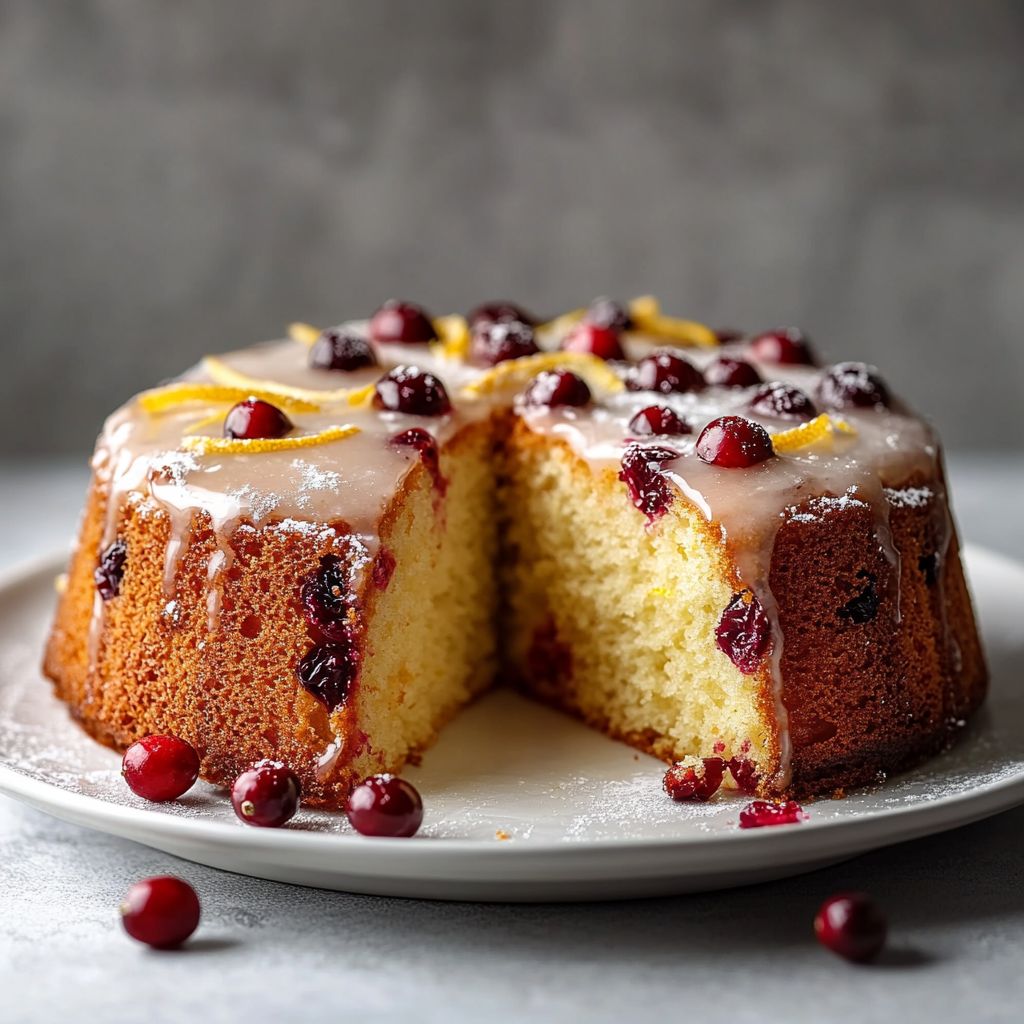
These Irresistible Cranberry Orange Cake notes will help you bake a tender, citrus-bright cake studded with tart cranberries. Start by bringing the ingredients to room temperature and creaming the softened butter with the granulated sugar until light and fluffy to create a tender crumb. In a separate bowl whisk eggs with the plain yogurt, freshly squeezed orange juice, and orange zest, then fold this mixture into the butter–sugar base, alternating with the dry ingredients to keep the batter smooth without overworking it. Gently fold in the cranberries, being careful not to overmix; if using frozen cranberries, keep them frozen or dust with a tablespoon of flour to prevent color bleed and sinking. Bake in a preheated oven until a skewer inserted into the center comes out with a few moist crumbs and the edges are lightly golden. If you’d like a glaze, whisk powdered sugar with orange juice until smooth, adding more juice or sugar to reach drizzling consistency; a touch of orange zest in the glaze adds extra fragrance. For a gluten-free version, substitute the all-purpose flour with a 1:1 gluten-free baking blend and consider adding an extra tablespoon of yogurt or milk to maintain moisture. Let the cake cool completely before glazing or slicing; this helps the crumb set and makes slicing neater. To store, wrap tightly and keep at room temperature for up to 2 days or refrigerate for up to 5 days; you can freeze baked slices for longer storage. This cake pairs beautifully with a dollop of yogurt or a scoop of vanilla ice cream, and you can customize with a pinch of cinnamon or cardamom for a warm-spice twist. Always use fresh orange juice and zest for the brightest citrus aroma, and ensure your leavening agents are fresh for optimal lift.
Tips
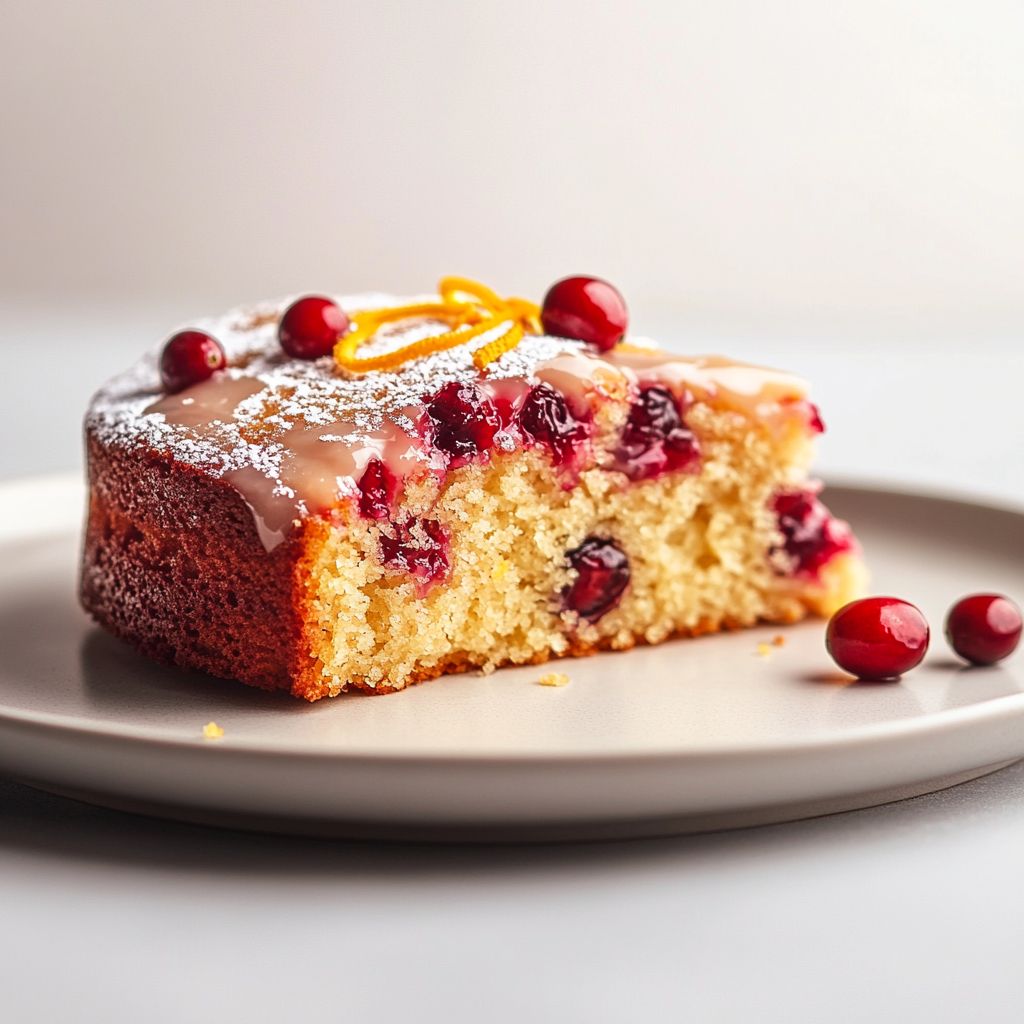
Tips for Irresistible Cranberry Orange Cake
- Preheat the oven to 350°F (175°C) and prepare your pan (greased and lightly floured or lined with parchment). This ensures even baking and easy release.
- Bring ingredients to room temperature: butter, eggs, yogurt, and orange juice should be warm to the touch but not melted. Room-temperature ingredients emulsify better, resulting in a smoother batter.
- Cream the butter and sugar thoroughly: beat until pale and fluffy (about 3–5 minutes). This incorporates air and helps create a lighter crumb.
- Sift the dry ingredients (flour, baking powder, salt) to distribute leavening evenly and prevent dense pockets in the batter.
- Prepare the cranberries properly: pat them dry to prevent excess moisture. If using frozen cranberries, keep them frozen or dust with a tablespoon of flour to reduce sinking and color bleed.
- Distribute orange zest evenly: grate only the colorful zest and fold it in with the dry ingredients so the citrus aroma disperses throughout the batter.
- Alternate adding dry and wet ingredients: add dry ingredients in 2–3 portions, alternating with yogurt and orange juice, to maintain moisture without overmixing.
- Mind the acidity balance: yogurt and orange juice react with baking soda to create lift; avoid substituting baking powder for baking soda entirely, or the texture may be affected.
- Do not overmix after adding cranberries: mix just until combined to keep the cake tender and prevent a dense crumb.
- Bake until done and test for doneness: a toothpick should come out with a few moist crumbs. If your oven runs hot, rotate the pan halfway through baking for even browning.
Glaze tips (Optional)
- Prepare a smooth glaze by whisking 1 cup powdered sugar with 2–3 tablespoons fresh orange juice. Adjust with more sugar to thicken or more juice to thin for your desired drizzle.
- Add orange zest to glaze (about 1 teaspoon) for extra aroma; fold in last to avoid clumping.
- Let the cake cool completely before glazing to ensure a glossy finish that sets nicely.
Make-ahead and variations
- Dairy-free option: use full-fat dairy-free yogurt and a plant-based butter substitute; note slight texture changes and adjust bake time as needed.
- Storage: once cooled, store covered at room temperature for 2–3 days or refrigerate up to 5 days. Slices freeze well for longer storage.
FAQ
Irresistible Cranberry Orange Cake – Frequently Asked Questions
What ingredients are needed for Irresistible Cranberry Orange Cake?
Common ingredients (serves 8–10): 2 cups (250 g) all-purpose flour, 1 cup (200 g) granulated sugar, 2 tsp baking powder, 1/2 tsp salt, 1/2 cup (115 g) unsalted butter, softened, 2 large eggs, 1/2 cup (120 ml) milk or yogurt, 1/2 cup (120 ml) freshly squeezed orange juice, zest of 1 orange, 1 cup (150 g) fresh or frozen cranberries, optional vanilla extract (1 tsp) and/or 1/2 cup chopped nuts. Optional glaze: 1 cup powdered sugar with 2–3 Tbsp orange juice.
Can I make this cake gluten-free?
Yes. Use a 1:1 gluten-free all-purpose flour blend that contains xanthan gum, or add 1/2 tsp xanthan gum per cup of flour. Maintain the same leavening and moisture balance; you may need to bake a few minutes longer and keep an eye on doneness.
Can I use frozen cranberries?
Yes. Use frozen cranberries directly without thawing to avoid color bleed. Toss them lightly with a tablespoon of flour to prevent sinking, then fold into the batter. If using frozen fruit, you may need a few extra minutes of bake time; test with a toothpick.
Can I make this into cupcakes?
Absolutely. Line a muffin tin and fill each cup about 2/3 full. Bake at 350°F (175°C) for about 18–22 minutes, or until a toothpick comes out clean with a few moist crumbs. Cool completely before glazing or frosting.
How do I zest and juice the oranges properly?
Use a microplane to grate the bright orange zest, avoiding the bitter white pith. For juice, roll the orange on the counter to loosen the juice, then squeeze to measure 1/2 cup (120 ml). Fresh juice yields the best flavor and aroma.
Should I use a glaze or frosting, and how do I make it?
A light glaze adds a citrusy finish. Whisk together 1 cup (120 g) powdered sugar with 2–3 Tbsp orange juice until smooth. Add a pinch of zest if you like. Drizzle over cooled cake. For a thicker frosting, use a simple buttercream (softened butter, powdered sugar, and a splash of orange juice) if you prefer.
How long and at what temperature should I bake it, and how do I know it’s done?
Bake at 350°F (175°C) for about 45–50 minutes, or until a toothpick inserted into the center comes out with only a few moist crumbs. If using a bundt pan, check a little earlier or later as needed. Let the cake cool in the pan for 10–15 minutes, then transfer to a wire rack to cool completely.
How should I store leftovers, and can I freeze the cake?
Store at room temperature in an airtight container for 1–2 days. Refrigerate for up to 5 days. Wrap tightly and freeze for 2–3 months. Thaw overnight in the fridge or at room temperature. The glaze will set as the cake cools.
Can I customize the flavor with add-ins like nuts or chocolate?
Yes. Add 1/2 cup chopped walnuts or pecans for crunch, or 1/2 cup mini chocolate chips for a chocolate-orange twist. You can swap half of the cranberries for dried cranberries or add a teaspoon of vanilla or almond extract for extra depth. Toast nuts beforehand for more aroma.
Is a dairy-free or vegan version possible?
Yes. Use dairy-free butter (or coconut oil) and plant-based yogurt or milk in place of dairy. For eggs, use flax eggs (1 tablespoon ground flaxseed + 3 tablespoons water per egg) or a commercial egg replacer. The texture stays tender with proper moisture and leavening balance.
Can I adjust the sweetness or citrus intensity?
Yes. Increase or decrease sugar to taste, up to 1 cup if you want it sweeter. For a brighter citrus flavor, add a little more orange zest or a teaspoon of orange extract. If the batter is too thick, a splash more milk or yogurt will loosen it nicely.