Introduction / Hook
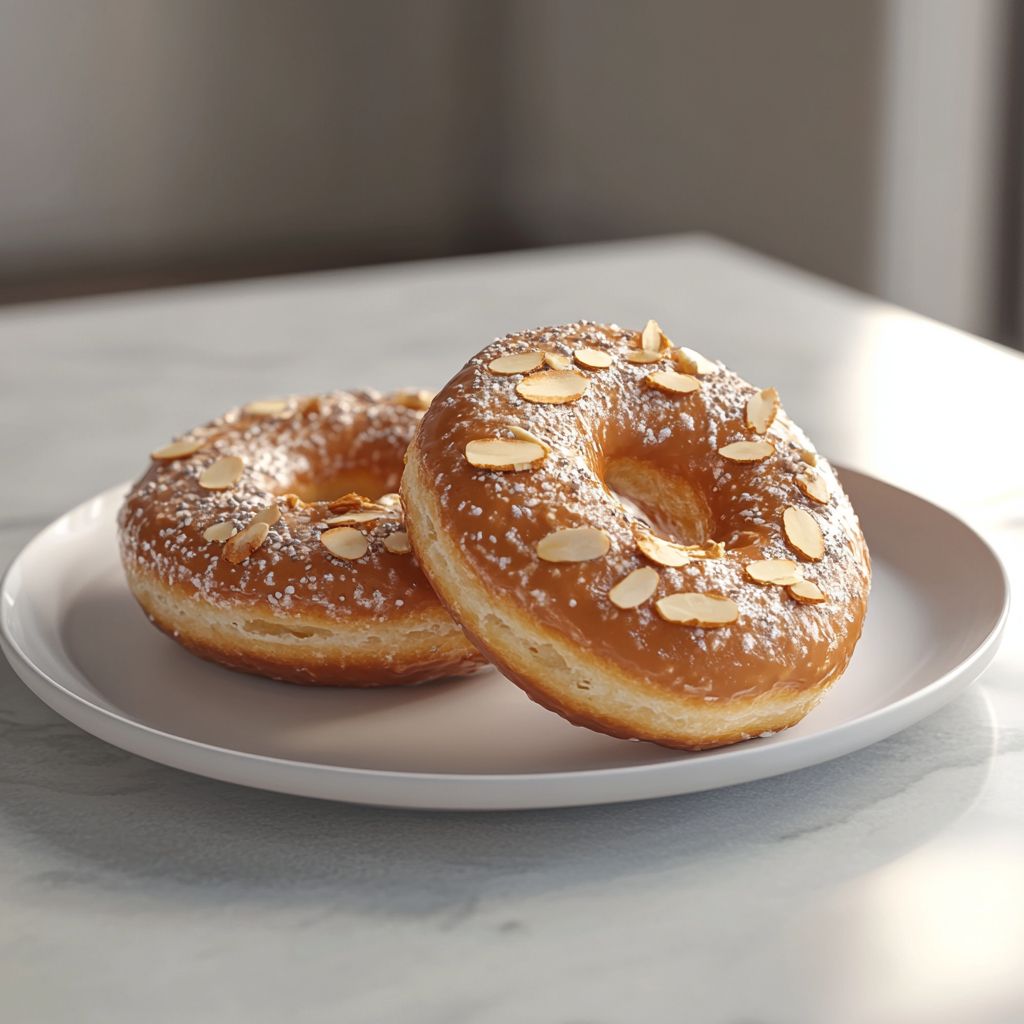
Imagine biting into a cloud-soft donut that tastes like a comforting glaze-dusted treat, yet secretly fuels your morning with a protein punch. Picture the aroma of vanilla and warm spices wafting through your kitchen, mingling with the rich scent of almonds or cocoa as the crust gives way to a tender, airy crumb. These aren’t just any donuts; they’re high-protein delights designed to satisfy a craving for something indulgent while supporting an active lifestyle. Every bite should feel like a small reward after a workout, a protein-packed pick-me-up that doesn’t compromise on flavor. This is where pastry magic meets modern nutrition—the moment you realize you can have your treat and your gains too. Welcome to high-protein donuts, a bakery-inspired experience that fits into busy mornings, post-workout rituals, or cozy weekend moments without guilt or sacrifice.
The Story Behind the Dish
The concept of turning a beloved indulgence into a functional, nourishing snack has roots in the evolving dance between desserts and wellness. Donuts have long stood for comfort, casual coffee shop chats, and weekend rituals—golden rings that signal “pause” in a bustling day. Yet as fitness culture grew and people sought ways to balance taste with protein goals, the idea of “protein-forward pastries” began to take shape. Home bakers and professional chefs alike started experimenting with ingredients that could deliver a satisfying texture and familiar sweetness while skimming off extra sugar and empty calories. The result is a modern donut that doesn’t pretend to be a health food, but instead embraces both worlds: a luscious, moist crumb and a protein-rich profile that keeps you moving with energy and focus. These donuts aren’t about deprivation; they’re about redefining cravings. They celebrate the joy of baking, the precision of science, and the pleasure of a treat that loves you back—hour after hour, bite after bite.
The lineage of this recipe echoes a broader culinary trend: the fusion of comfort desserts with practical nutrition. In many kitchens, athletes, teachers, and parents discovered that you could bake something truly satisfying while layering in protein from whey, casein, or plant-based powders, along with nutrient-dense ingredients like Greek yogurt, nut flours, and portions of fruit puree. The result is a donut that feels like a classic, but behaves like a performance snack—soft on the inside, lightly crisp on the outside, and versatile enough to adapt to different dietary needs. This is the story of a treat that refuses to be pigeonholed as “off-limits” and instead invites everyone to indulge mindfully, with texture, aroma, and a smile that lingers after the last crumb vanishes.
Why You’ll Love This Recipe
- Protein-forward without sacrificing the beloved donut texture. The crumb stays moist and springy, thanks to a careful balance of ingredients that support structure while keeping the bite light.
- Versatile serving options. Whether you prefer a simple, lightly sweet glaze, a bold chocolate finish, or a fruity yogurt drizzle, these donuts are an ideal canvas for flavor experimentation.
- Balanced sweetness that satisfies cravings and keeps you on track with daily macros. You can adjust sweetness with natural sweeteners while maintaining a tender crumb and a polished finish.
- Short, everyday prep time. The batter comes together quickly, making these donuts a fantastic option for a Sunday bake, a weekday morning, or a post-workout treat.
- Kid-friendly and adult-approved. The flavor profile remains approachable and familiar, so it’s easy to bake together as a family activity or enjoy with friends over a cup of coffee.
- Customizable for dietary needs. Whether you’re gluten-free, dairy-free, vegan, or simply looking to lower sugar, there are many substitutions that preserve texture and taste.
Flavor Profile & Texture
High-protein donuts possess a nuanced flavor that straddles bakery sweetness and wholesome nourishment. The dominant notes are often vanilla, almond, or cocoa, depending on your chosen flavor direction. A whisper of natural sweetness comes from fruit purée, yogurt, or a dab of maple, not overpowering the dairy-free or dairy-containing base. The aroma, when these donuts bake, is a magnet: warm vanilla, toasty almond, and a hint of caramelized crust that grows more alluring as the donuts rise and set. The exterior forms a very delicate crust—soft, almost satin-like—while the interior reveals a luxurious, airy crumb. It’s a balance between the comfort of a classic treat and the lift of a protein-enhanced batter.
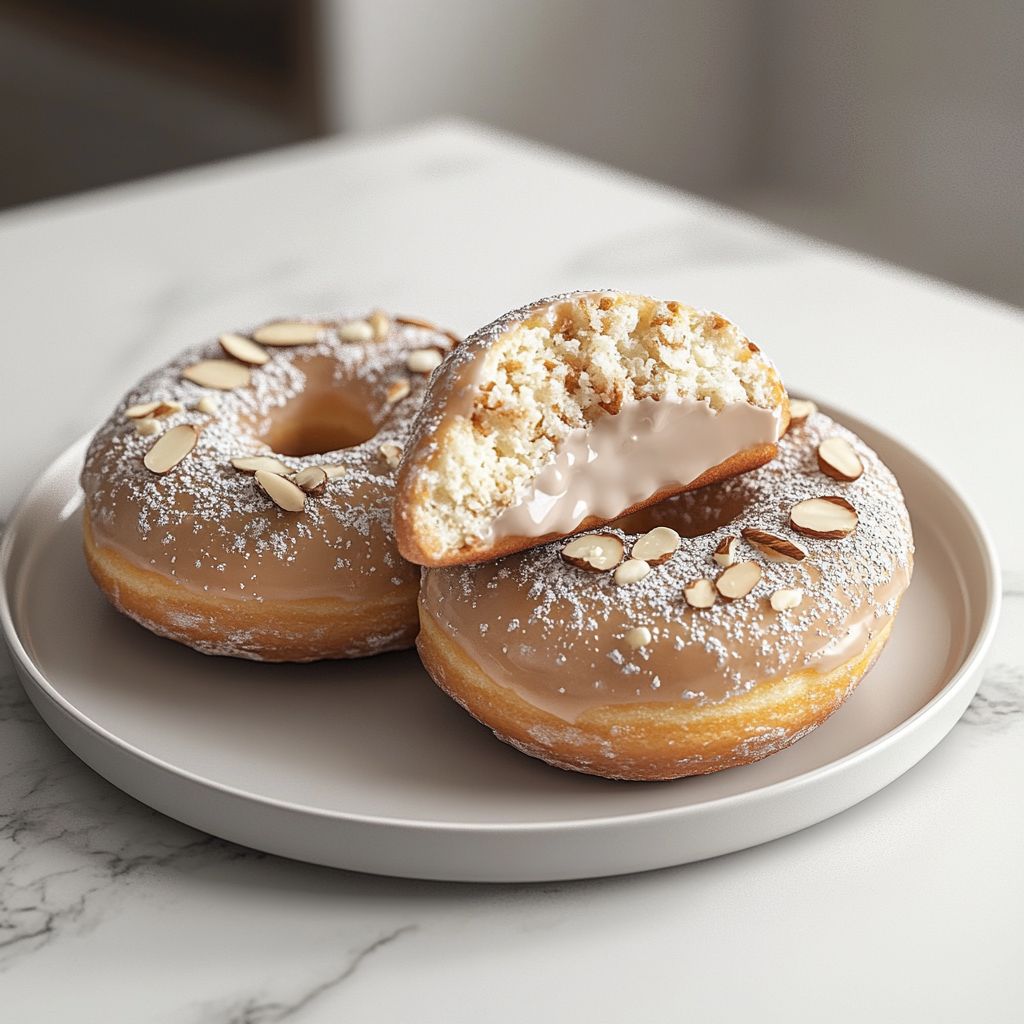
The texture is central: think of a donut that’s light enough to melt in your mouth, yet sturdy enough to hold a glaze or a fruit topping. The protein component is carefully integrated so it contributes to the structure rather than creating a dense mouthfeel. For many, the result is a pleasing compromise: a donut that tastes indulgent and satisfies a craving for something a little sweet, but with a more satisfying, lasting finish than typical bakery donuts. In short, these donuts deliver the sensation of a bakery-bought indulgence, while adding protein that supports energy, fullness, and recovery after activity. The result is a comforting bite that remains somewhat forgiving on the teeth—never crumbly, never dry—thanks to careful moisture management, the right kind of flour, and a touch of yogurt or dairy to help lock in tenderness. If you close your eyes and take a bite, you’ll likely notice a gentle sweetness that lingers, a soft crumb that resists crumbling, and a finish that invites the next bite rather than signaling “end of the line.”
Occasions & Pairings
High-protein donuts are surprisingly versatile. They shine in a plethora of moments, from brisk weekday breakfasts to leisurely weekend brunches. They pair beautifully with a hot cup of coffee or tea, a cold glass of milk, or a splash of almond milk for a dairy-free option. For a more indulgent vibe, pair them with a dollop of yogurt and a handful of fresh berries, turning a simple snack into a balanced mini-meal. They’re equally at home as a post-workout reward—the kind of treat that makes a cool-down feel like a victory lap. For families, these donuts can become a weekend ritual, a way to start Saturday with energy and a sense of accomplishment, especially when kids help mix, shape, and decorate.
If you’re entertaining, these donuts make a laid-back yet impressive addition to a brunch spread. Create a little donut bar with a few glaze options, fruit compotes, and chopped nuts, so guests can customize their own 성yled treat. They also pair nicely with a glass of cold-brew coffee or a warm latte, where the coffee’s roast complements the donut’s vanilla- or chocolate-forward flavors. For a special occasion, consider topping with a light glaze and a sprinkle of citrus zest for an aroma that’s bright and festive, or fold in hints of cinnamon or cardamom for a warm, spiced profile that feels cozy on cooler mornings. In essence, these donuts invite you to tailor the experience to your moment—whether you want a quick, nourishing breakfast, a celebratory brunch, or a comforting snack during a busy afternoon.
Tips, Variations & Substitutions
One of the best things about high-protein donuts is how forgiving they can be while still delivering a premium taste and texture. Here are ideas to customize and tailor this concept to your pantry, dietary needs, and flavor preferences:
- Protein powder choices. Whey, casein, soy, or pea-protein powders each bring different textures and flavors. Select a powder that aligns with your dietary goals and taste preferences. For a smoother crumb, casein and whey blends often work well; for a fiber-rich, plant-based option, plant-based proteins can be excellent with the right moisture balance.
- Flour options. Almond flour provides richness and a delicate crumb, while a small amount of oat flour or whole-wheat pastry flour can improve structure. If you’re gluten-free and want a lighter texture, consider a gluten-free blend designed for baking, but be mindful of moisture and binding requirements.
- Moisture and binding. Greek yogurt or dairy-free yogurt can lend tenderness; adding a little applesauce or mashed banana can increase moisture without weighing down flavor. If you prefer a dairy-free version, choose a yogurt alternative and adjust the liquid balance accordingly.
- Sweetener choices. Natural sweeteners like honey, maple syrup, or coconut sugar can impact moisture and browning. Start with a small amount and adjust to taste. If you’re watching sugar intake, you can reduce sugar slightly and rely on ripened fruit purée for gentle sweetness.
- Flavor directions. Classic vanilla is a reliable base, but you can experiment with lemon zest for brightness, orange zest for a sunny citrus note, or a hint of cinnamon, cardamom, or chili powder for warmth and depth.
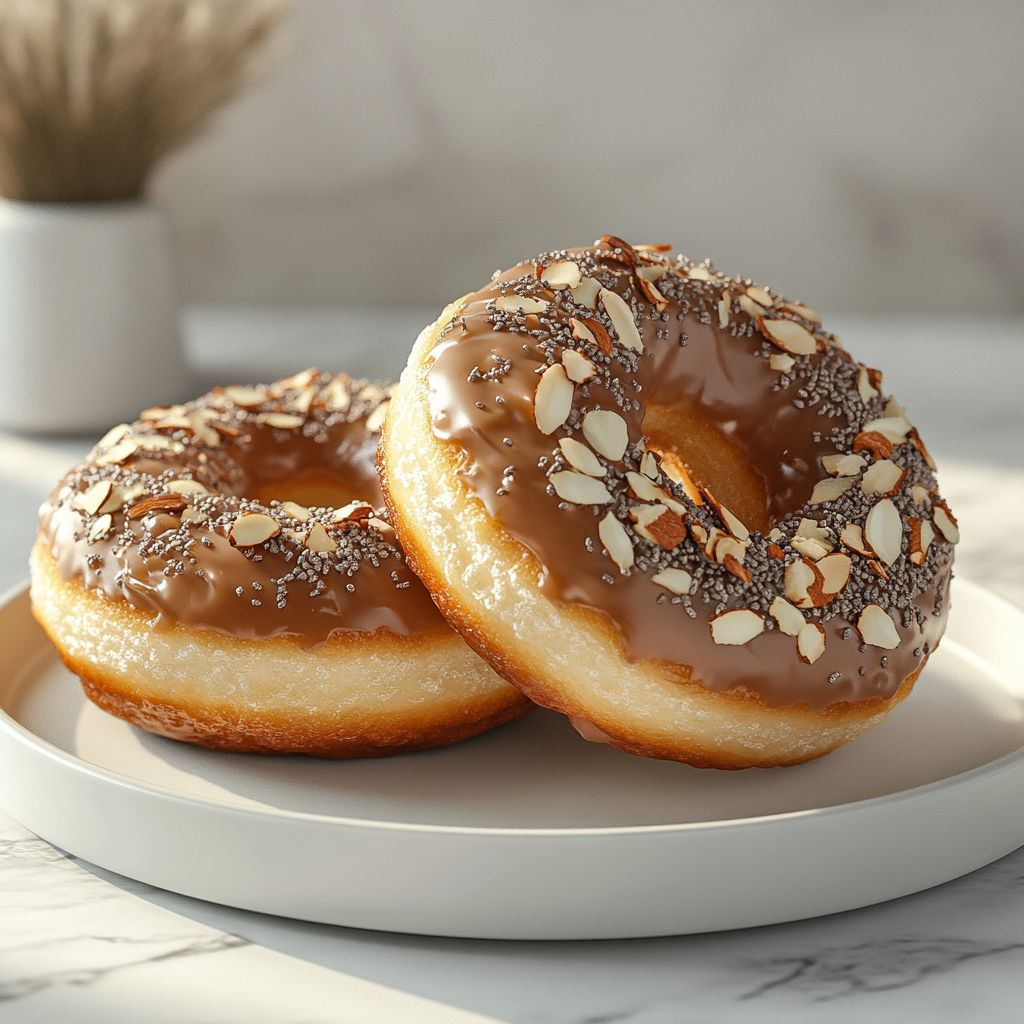
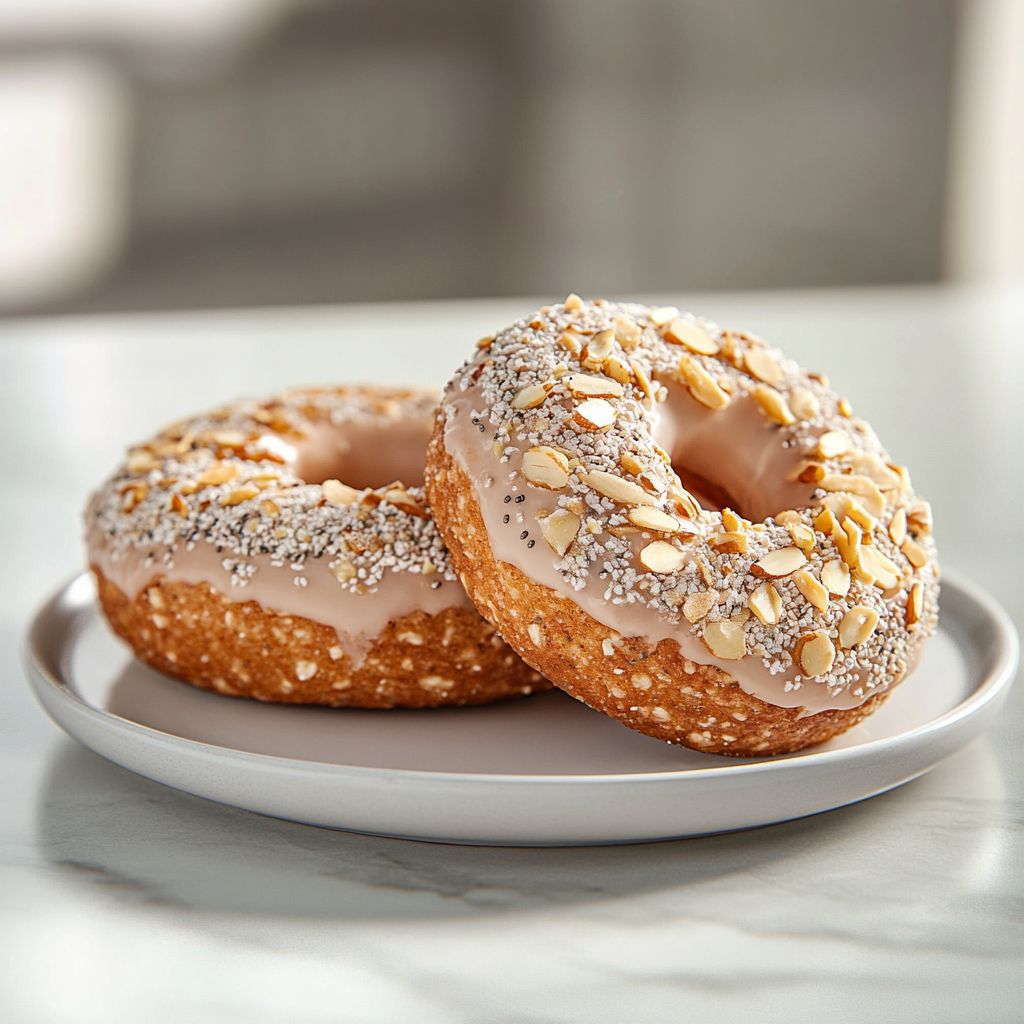
- Glazes and toppings. A yogurt-based glaze, a light chocolate drizzle, a lemon glaze, or a berry compote can elevate the donut without making it heavy. Nuts, chia seeds, or cacao nibs add texture and crunch—use them as toppings to maintain the donut’s soft interior while offering delightful contrast on the crust.
- Vegan or dairy-free variations. Replace dairy ingredients with plant-based milks and yogurt alternatives, and use a vegan protein powder. Depending on the powder, you may need to add a little extra moisture or a binding agent like flax egg to maintain structure.
- Portion and shaping. If you don’t have a donut pan, you can bake in mini muffin tins for a similar experience with a slightly different texture. The important part is achieving a glossy, lightly browned exterior and a moist interior.
- Flavor variations. For chocolate lovers, add a tablespoon of cocoa powder and a splash of espresso for a mocha profile. For a fruity twist, swirl in berry purée or fold in finely chopped dried fruit for pockets of sweetness.
- Make-ahead notes. These donuts bake well in advance and can be stored and refreshed through gentle reheating. If you’re planning ahead, consider baking multiple batches and freezing them—they thaw quickly and reheat with minimal loss of moisture.
Storage & Make-Ahead Ideas
To keep your high-protein donuts at their best, proper storage is key to preserving moisture, tenderness, and flavor. If you bake a batch for the week, place cooled donuts in an airtight container or wrap individually in parchment and store in the refrigerator for up to five days. For longer storage, they freeze beautifully. Place cooled donuts on a tray to freeze individually, then transfer to a freezer-safe bag or container. This prevents them from sticking together and makes it easy to grab one or two as needed. When you’re ready to enjoy, reheat gently to restore that just-baked feel. A quick 10- to 15-second zap in the microwave or a few minutes in a 350°F (175°C) oven will revive texture and aroma, especially if you add a light glaze or a dusting of powdered sugar or cocoa for a finishing touch. If you have time, you can re-bake donuts at a low temperature for a few minutes to refresh the exterior crust and re-soften the interior, which can feel like stepping back into a bakery oven. For make-ahead ideas, consider portioning the dry ingredients and wet ingredients separately. When you’re ready to bake, combine and bake, saving you time while preserving the integrity of the protein-enriched batter. If you organize your freeze-and-reheat routine mindfully, you’ll always have a quick, satisfying, high-protein treat ready to go after workouts, early mornings, or between meetings.
Fun Facts & Trivia (Optional)
– Donuts have a long history dating back to Dutch settlers in early America, with the “oil-fried” shape becoming iconic in the 19th century. The modern ring donut is a later evolution, popularized by mass-produced bakeries and coffee houses. The ring shape offers a uniform bake and a pleasing symmetry that many bakers still adore today.
– Protein-enriched baked goods are part of a broader movement that blends indulgence with nourishment. The idea is to maintain flavor and texture while delivering functional benefits such as satiety, muscle maintenance, and energy, rather than simply adding empty calories.
– Donuts aren’t inherently unhealthy; it’s all about portion, ingredients, and balance. A high-protein donut can fit into a well-rounded diet when enjoyed in moderation and as part of a diet that includes fiber, protein, healthy fats, and a variety of micronutrients.
– Texture science matters in baked goods. A delicate balance of moisture, fat, and protein content can influence crumb structure, crust formation, and mouthfeel. Good bakers experiment with these variables to achieve that classic donut bite without sacrificing nutrition.
– The sensory experience—the aroma, the contrast between the soft crumb and subtle crust, and the gleam of glaze—creates a memory that invites return. In many cultures, desserts are more than just food; they’re moments of connection, comfort, and celebration. High-protein donuts aim to preserve that magic while aligning with contemporary dietary goals.
Ingredients
High Protein Donut Batter
- 1 cup almond flour
→ Almond flour provides a gluten-free, moist base with a rich nutty flavor and tenderness. Use blanched almond flour for a finer crumb. Measure by lightly spooning into the cup and leveling, rather than scooping, to avoid packing and dense donuts. - 1/2 cup vanilla whey protein powder (or plant-based protein powder)
→ Adds high-quality protein to boost the donut’s nutrition profile and help with structure. Choose a vanilla-flavored powder for taste; if using unflavored, you may want to add a touch more vanilla extract or a pinch of sweetener. Sift to remove clumps and blend evenly with dry ingredients before combining with wet ingredients. - 2 large eggs
→ Provide structure, moisture, and helps the batter bind. For best results, bring eggs to room temperature before mixing to improve emulsification. If making vegan, substitute with 2 flax eggs (2 tablespoons ground flaxseed mixed with 6 tablespoons water, set 5–10 minutes). - 1/2 cup plain Greek yogurt
→ Contributes moisture, creaminess, and extra protein while helping to keep the donuts tender. Use full-fat for richer flavor; if using non-fat yogurt, consider slightly increasing the wet to maintain batter consistency. Stir yogurt until smooth before adding to the wet mixture. - 1/4 cup unsweetened almond milk
→ Adds light moisture and helps achieve a pourable batter consistency. Use milk of choice if preferred (cow’s, soy, oat). If batter seems thick, whisk in small increments of milk until just combined; avoid overmixing to keep donuts light. - 2 tablespoons melted coconut oil
→ Provides richness and helps keep donuts tender and moist. Prefer melted but cooled oil to avoid cooking the eggs; if you don’t have coconut oil, you can use light olive oil or avocado oil. For best texture, let the melted oil cool slightly before whisking into the wet ingredients. - 1/3 cup unsweetened applesauce or mashed banana
→ Acts as a natural binder and moisture source, reducing the need for extra fats while adding subtle sweetness. Use applesauce for a neutral flavor or ripe banana for extra banana flavor; mash thoroughly to avoid chunks that can disrupt batter smoothness. - 1 teaspoon vanilla extract
→ Enhances overall flavor and brightens the protein-rich batter. Use pure vanilla extract rather than imitation for a cleaner, deeper flavor. If you have vanilla bean paste, you can use a half-teaspoon for an intensified vanilla note. - 1–2 tablespoons maple syrup or honey (optional)
→ Adds a touch of sweetness and helps balance acidity from yogurt and protein powder. Adjust to your preferred sweetness and consider using sugar-free syrups if needed. If using a sweetened protein powder, you may omit this. - 1 teaspoon baking powder
→ Leavening agent that helps the donuts rise and become light. Ensure it’s fresh and not expired for reliable lift. If your batter seems dense, a touch more leavening may help; but avoid over-leavening to prevent a coarse crumb. - 1/4 teaspoon baking soda
→ Works with acidic yogurt to contribute extra rise and a softer crumb. If your yogurt is very low in acidity, the effect will be milder, but it still aids tenderness. Sift together with dry ingredients to distribute evenly. - 1/4 teaspoon salt
→ Balances sweetness and enhances flavors overall. Use fine sea salt for even distribution; omit if using salted butter or very salty ingredients elsewhere in the batter. - 1/2 teaspoon ground cinnamon
→ Adds subtle warmth and classic donut flavor. You can increase to 3/4 teaspoon if you love cinnamon, or replace with pumpkin spice blend for a seasonal twist. For less spice, reduce to 1/4 teaspoon.
Optional Add-ins
- 1/4 cup mini chocolate chips (optional)
→ Chocolate chips provide pockets of melted chocolate and extra indulgence. Toss them with a small amount of almond flour before folding to help distribute evenly and prevent sinking to the bottom during baking. - 1/4 cup chopped nuts (e.g., walnuts or pecans) (optional)
→ Adds texture and healthy fats. Lightly toast the nuts before chopping to deepen flavor, and chop into small, even pieces so they distribute well without tearing the batter.
Glaze
- 1/2 cup powdered sugar
→ Creates a smooth, glossy glaze that complements the protein-rich donuts. If you prefer a thinner glaze, start with 2 tablespoons milk and add more until you reach desired consistency. Sift sugar to avoid lumps. - 2–3 tablespoons milk (dairy or plant-based)
→ Adjusts glaze consistency; add gradually to avoid a runny glaze. For a richer glaze, use half-and-half or cream; for a lighter glaze, use skim milk or a non-dairy option. - 1/2 teaspoon vanilla extract
→ Adds depth to the glaze flavor. You can skip if you want a simple sugar glaze, or add a pinch of almond extract for a different aroma.
Instructions
- Preheat your oven to 350°F (175°C) and line a 12-cup muffin tin with paper liners or grease it well.
→ This ensures the donuts release cleanly after baking and prevents sticking, which helps maintain their shape and makes icing or toppings easier to apply. - Whisk the dry ingredients together in a medium bowl: almond flour, vanilla whey protein powder, baking powder, baking soda, salt, and ground cinnamon.
→ Sifting or whisking distributes leavening evenly and the spice across the batter, preventing dense pockets and ensuring a uniform crumb. - Whisk the wet ingredients in a separate bowl: eggs at room temperature, plain Greek yogurt, unsweetened almond milk, melted coconut oil (slightly cooled), unsweetened applesauce or mashed banana, vanilla extract, and optional maple syrup or honey.
→ Room-temperature eggs emulsify more readily, yogurt adds moisture and tenderness, and combining wet ingredients before integrating keeps the batter smooth without streaks of oil; the optional sweetener can balance flavors if your protein powder is unsweetened. - Gently fold the wet ingredients into the dry ingredients using a wide spatula until just combined, stopping as soon as you see no large pockets of flour.
→ Gentle folding preserves the batter’s lightness and prevents overworking the mixture, which can make the donuts tough or dense. - If using optional add-ins, toss chocolate chips or chopped nuts with a spoonful of almond flour and fold them in evenly to suspend them throughout the batter.
→ Coating add-ins in a little flour helps prevent sinking to the bottom and ensures even distribution in every bite. - Spoon or scoop the batter into the prepared muffin tin, filling each cup about 3/4 full to create a generous dome without overflowing.
→ This fill level promotes even rise and a classic donut-top dome rather than a flat, dense top. - Bake in the preheated oven for 14–18 minutes, or until the tops are lightly golden and a toothpick inserted into the center comes out with only a few moist crumbs.
→ The bake time accommodates the protein-rich batter; testing with a toothpick confirms doneness without overbaking and drying the crumb. - Allow the donuts to cool in the pan for 5–7 minutes, then transfer them to a wire rack to cool completely before glazing.
→ Resting helps the structure set and prevents breaking; cooling on a rack prevents condensation from making the bottoms soggy. - Prepare the glaze by whisking powdered sugar with 2–3 tablespoons milk and vanilla extract until smooth and free of lumps, then adjust the thickness by adding more sugar or milk as needed.
→ A smooth, glossy glaze adheres evenly to the cooled donuts; gradual adjustments prevent a runny or overly stiff glaze. - Glaze the cooled donuts by drizzling or dipping the tops, then set them on a rack or parchment to allow the glaze to firm and set completely.
→ A thin, even coat that dries evenly gives a professional finish and prevents messy hand-sticky surfaces. - Store any leftovers in an airtight container at room temperature for up to 2–3 days, or freeze unfrosted for longer storage.
→ Proper sealing preserves moisture and texture; freezing extends shelf life without compromising crumb.
Notes
These gluten-free high-protein donuts are naturally sweetened with ripe bananas and Greek yogurt, offering a satisfying, protein-rich treat with no refined sugar. You can customize them by adding your favorite mix-ins, such as mini chocolate chips or chopped nuts, or a swirl of sugar-free syrup for extra flavor. They freeze well and make a convenient grab-and-go snack. For an extra boost, serve with a dollop of nut butter or a light yogurt glaze. Always ensure your almond flour is blanched and your baking powder is gluten-free if you have gluten intolerance.
Tips
Prep and Equipment
- Preheat your oven to 350°F (175°C). Grease a donut pan thoroughly with a neutral oil spray or brush, or use a light coating of melted coconut oil to ensure easy release.
- Measure almond flour by lightly spooning into the cup and level with a knife—do not scoop straight from the bag, which can pack the flour and make the donuts dense.
- If you don’t have a donut pan, this batter can be baked as muffins or mini cakes; adjust bake time accordingly and monitor for doneness.
Mixing and Batter Consistency
- Sift dry ingredients (almond flour, protein powder, baking powder, baking soda, salt, and cinnamon) to break up clumps and distribute leaveners evenly.
- Whisk wet ingredients separately: eggs (brought to room temperature), yogurt (stirred smooth), milk, vanilla, and cooled melted coconut oil before combining with dry ingredients.
- Combine wet and dry ingredients just until incorporated. Overmixing can develop gluten- or starch-containing batters and yield a tougher crumb.
- If the batter feels too thick, whisk in small increments of milk until you reach a pourable, scoopable consistency. If it’s too loose, fold in a bit more almond flour.
Flavor Balance and Substitutions
- For a vegan version, substitute 2 flax eggs (2 Tbsp ground flaxseed + 6 Tbsp water, mixed and set 5–10 minutes) for the eggs.
- If using unflavored protein powder, consider adding a touch more vanilla extract or a pinch of sweetener to compensate for flavor loss. Thoroughly sift to remove clumps before mixing.
- Use full-fat yogurt for richer flavor and moisture; if you use non-fat yogurt, you may need a bit more wet ingredients to maintain batter consistency.
- Sweetness can be adjusted with maple syrup or honey. If your protein powder is sweetened, you may omit the additional sweetener.
Optional Add-Ins
- To prevent chocolate chips from sinking, toss them first with a little almond flour before folding into the batter.
- Toast chopped nuts lightly to deepen flavor, then fold in evenly so they distribute without tearing the batter.
Glaze Tips
- Sift powdered sugar before whisking with milk to avoid lumps; start with 2 tablespoons milk and add more until the glaze reaches your desired thickness.
- Vanilla enhances the glaze; add 1/2 teaspoon vanilla extract to the glaze or substitute with a pinch of almond extract for a different aroma.
- For a richer glaze, use half-and-half or cream; for a lighter glaze, use skim milk or a non-dairy option.
Baking, Cooling, and Storage
- Check doneness by inserting a toothpick—aim for a few moist crumbs, not wet batter. Don’t overbake to keep them moist and tender.
- Let donuts cool in the pan for 5–7 minutes, then transfer to a rack to finish cooling. This helps prevent sticking and keeps the crust from becoming soggy.
- Store leftovers in an airtight container at room temperature for up to 3 days; refrigerate for up to a week. For longer storage, freeze baked donuts up to 2–3 months and rewarm in the microwave for 10–15 seconds or in a warm oven.
FAQ
What makes these High Protein Donuts?
These donuts get a protein boost by using protein powder and yogurt, plus eggs for moisture and structure. This helps increase the protein content compared to regular donuts while still keeping a satisfyingly soft texture.
What ingredients do I need?
Most ingredients are pantry staples with a protein-focused swap. You can adapt with what you have on hand.
- Protein powder (whey, casein, or plant-based)
- Flour option: almond flour, oat flour, or a gluten-free blend
- Eggs
- Greek yogurt or dairy-free yogurt
- Milk or plant-based milk
- Sweetener of choice (sugar, honey, maple syrup, or a sugar substitute)
- Baking powder
- Vanilla extract
- Pinch of salt
- Optional add-ins: chocolate chips, berries, mashed banana, peanut butter
How much protein is in each donut?
Typically about 8–12 g of protein per donut, depending on the protein powder type, exact ingredients, and the donut size. You can adjust by using more or less protein powder or making smaller/larger donuts.
Can I customize flavors?
Yes. Try these ideas to switch things up:
- Vanilla with cocoa powder for a chocolate twist
- Lemon zest and blueberries
- Banana-nut or peanut butter swirl
- Chocolate-chips or white chocolate-chips
Are these donuts baked or fried?
They are baked for a lighter, protein-forward treat. Bake at about 350°F (175°C) for 12–15 minutes, or until a toothpick comes out clean.
What protein powder works best?
Whey or casein tends to give the best texture and rise. Plant-based proteins (pea, rice, soy) work well too—just note they can be a touch grittier or thinner, so you may need to adjust liquids slightly. Choose a flavor you enjoy, as it will affect the final taste.
Are these gluten-free or dairy-free?
Gluten-free: use a gluten-free flour blend or certified gluten-free oats. Dairy-free: use non-dairy yogurt and plant-based milk, and a plant-based protein powder if needed. Always check labels if you have dietary restrictions.
How should I store them and how long do they last?
Store in an airtight container. At room temperature, they last about 1–2 days; in the fridge, 5–7 days. For longer storage, freeze them and reheat as needed (see below).
Can I freeze them for later?
Yes. Freeze cooled donuts in a single layer, then transfer to an airtight bag or container. Reheat in the oven at 300–350°F (150–175°C) for 5–8 minutes or briefly in the microwave until warmed through. They keep well for up to 3 months.
Can I make them vegan?
Yes. Use flax eggs or chia eggs (1 tablespoon ground flaxseed or chia seeds + 3 tablespoons water per egg), dairy-free yogurt, non-dairy milk, and a plant-based protein powder. You may need to adjust the moisture slightly.
Troubleshooting: the donuts are dense or dry. What can I do?
Common fixes:
- Avoid overmixing the batter to keep air incorporated.
- Ensure you aren’t overbaking; remove when a toothpick comes out with a few crumbs.
- Mix enough wet ingredients with the dry to avoid dryness (add a splash more yogurt or milk if needed).
- Check that your leavening agents (baking powder) are fresh.
Can I glaze or top them?
Absolutely. A light glaze works well with protein donuts. Options:
- Powdered sugar glaze (or sugar-free variant) with a touch of milk or yogurt
- Chocolate glaze using melted dark chocolate and a splash of milk
- Peanut butter drizzle or chopped nuts for crunch