
Introduction / Hook
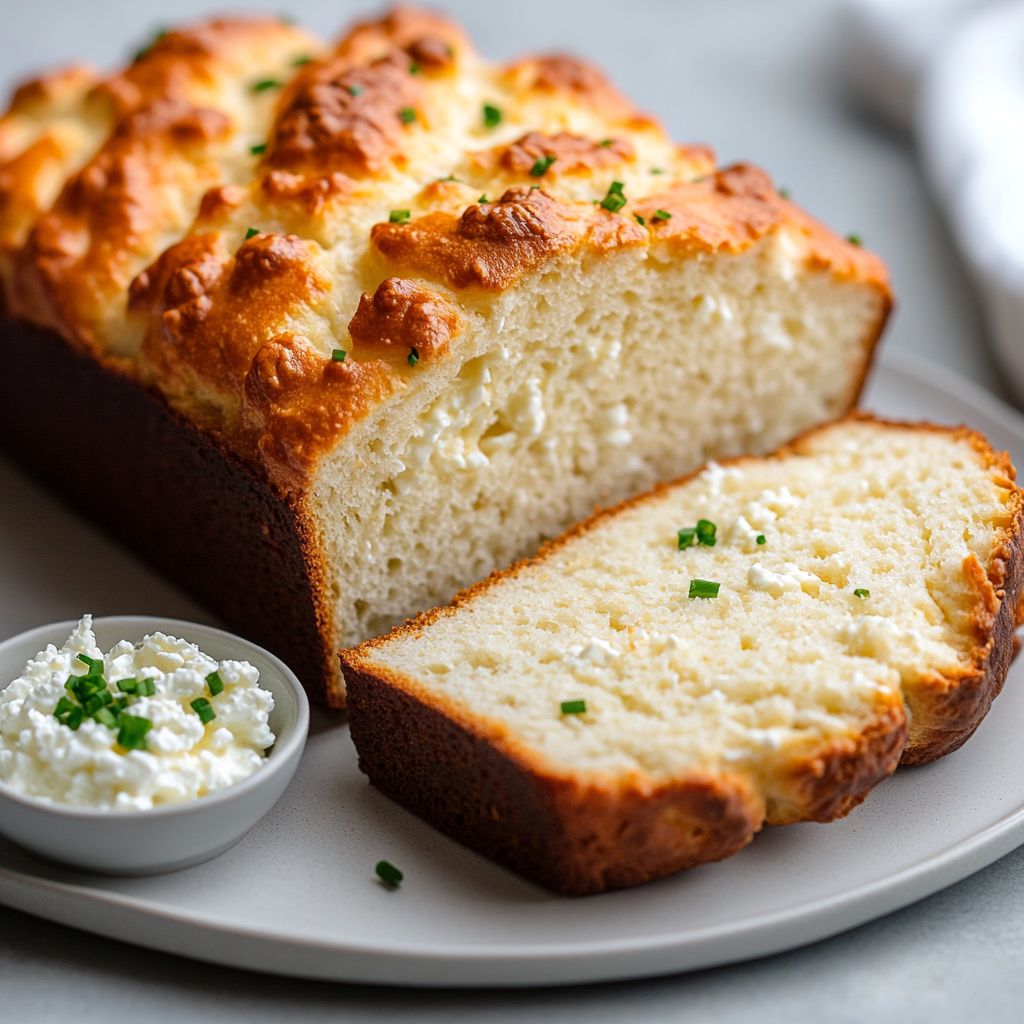
Imagine a loaf that rises with a quiet confidence, its crust lightly crackling as it cools, releasing a warm, inviting aroma of toasted grain and creamy dairy. A slice breaks with a gentle sigh, revealing a tender, moist crumb that carries a subtle tang and a comforting, almost buttery richness without the heaviness of traditional breads. This is High Protein Cottage Cheese Bread—the kind of loaf that makes quick breakfasts feel special, snacks feel nourishing, and everyday meals feel like a small celebration. The secret behind its comforting texture and protein-packed punch lies in the humble cottage cheese, a dairy ally that infuses each bite with moisture, a velvety crumb, and a nutrition boost that satisfies both appetite and goals. It’s a bread that comforts, yet it’s remarkably versatile, effortlessly slipping into your busy mornings, post-workout rituals, and lazy weekend brunches with equal grace.
As you slice into it, you’ll notice how the aroma of lightly toasted seeds and a gentle dairy sweetness mingles with the aroma of warm bread. The crust offers a delicate crunch, not a rugged bite, while the interior remains wonderfully soft, almost cloud-like, and wonderfully forgiving. This is bread that tastes both familiar and a touch uplifting—a modern spin on comfort that nods to wellness without demanding dietary sacrifice. It’s the kind of loaf that invites experimentation, whether you prefer a savory finish with herbs and cheese or a lightly sweet version with fruit preserves and nut butter. The beauty of this cottage cheese bread is in its balance: protein to satisfy, fat to carry flavor, and carbohydrates to fuel your day—delivered in a way that feels indulgent but wholesome.
Whether you’re feeding growing teens, fueling a post-workout recovery, or simply seeking a healthier alternative to standard bakery loaves, this bread delivers. It’s not about chasing perfection; it’s about finding a reliable, everyday bread that supports an active lifestyle while still delivering a cozy, homey experience. The recipe becomes a sort of kitchen companion—easy to make, gentle on your schedule, and endlessly adaptable to your preferences. Read on to discover the story, the texture, and the countless ways you can make this High Protein Cottage Cheese Bread your own signature loaf for any time of day.
The Story Behind the Dish
Bread has always carried more than sustenance; it carries memory, culture, and a sense of place. Cottage cheese bread, in particular, represents a humane shift in baking—a modern interpretation of traditional, protein-forward loaves that honor both flavor and function. The idea grew from a simple observation: cottage cheese, with its creamy moisture and protein-rich profile, can act as a natural tenderizer and moisture-retainer in doughs. Bakers and home cooks started experimenting by blending cottage cheese into batters and doughs to produce a loaf that is surprisingly light, yet robust enough to hold up to toppings and fillings. The result is a bread that feels indulgent without tipping the scales toward heaviness, a dream for anyone who wants more protein in their daily slice without resorting to heavy meat-centric dishes.
This dish also echoes a broader culinary trend: the marriage of comfort foods with modern nutritional mindfulness. It’s a response to busy lives where mornings race and athletes crave quick, nutritive options that don’t require lengthy prep. Cottage cheese bread fits neatly into that niche—soft, satisfying, and incredibly forgiving. It’s a loaf that welcomes creativity: fold in seeds for texture and crunch, swirl in herbs for a savory twist, or pair with a bright fruit jam for a gentle sweetness. In many households, bread has long been a canvas for family rituals and seasonal flavors. This rendition preserves that spirit while inviting contemporary twists that keep it fresh, nourishing, and accessible to a wide range of eaters.
Beyond its practical appeal, this recipe embodies a philosophy of baking that prioritizes texture and balance. The protein from cottage cheese helps tenderize the crumb and contribute to a more satisfying slice, while the gentle acidity of dairy stimulates a tender rise and an open-crumb interior. The result is a loaf that can stand up to robust spreads, hearty soups, or simply a drizzle of olive oil and a sprinkle of sea salt. It’s not about achieving a single perfect loaf but about offering a reliable, flexible foundation that can be adapted to moods, seasons, and dietary needs—every time you bake.
Why You’ll Love This Recipe
- Protein-forward without sacrificing tenderness: Cottage cheese introduces moisture and protein that yield a soft, resilient crumb.
- Versatile flavor foundation: A mild, slightly tangy profile that pairs beautifully with both savory and sweet additions.
- One-bowl ease: Simple mixing that minimizes cleanup and maximizes homemade satisfaction.
- Quick assembly for busy days: A forgiving dough or batter that comes together with ease, ideal for weeknights and weekend indulgences alike.
- Adaptable to dietary needs: Works well with gluten-free substitutes and dairy-free tweaks if you’re willing to experiment with the right balance of textures and moisture.
- Moist, long-lasting crumb: A loaf that stays tender for days thanks to the moisture-retaining properties of cottage cheese.
- Great for meal prep: Slice, freeze, and reheat with minimal loss of texture—perfect for lunch boxes and on-the-go mornings.
- Economical and crowd-pleasing: Uses pantry staples to create something special without breaking the bank.
Flavor Profile & Texture
This bread offers a gentle, comforting flavor that sits comfortably at the intersection of homey bakery loaf and nutritious staple. The predominant taste comes from the dairy sweetness and a slight tang that cottage cheese naturally provides, tempered by the neutral, toasty notes of the grain base. You may detect whispers of nuttiness from seeds or grains that often accompany this loaf, which adds a satisfying crunch and a layered mouthfeel. The interior crumb is moist and soft, with a light spring that yields to the gentle press of a finger. It’s not dense, but it’s not airy to the point of crumbling either—a balanced, resilient crumb that holds its shape when you cut it and when you spread toppings on top.
The crust, when given a chance to brown, offers a delicate crunch that contrasts lovely with the tender core. It’s not shattery or brittle; it maintains a gentle bite that becomes more nuanced as you toast or lightly grill slices. The overall texture is forgiving, forgiving enough that you can mix in seeds, herbs, or even a swirl of honey without worrying about destabilizing the loaf. The flavor interactions are subtle and adaptable: a smear of almond butter, a slice of pear, a spring of rosemary, or a hint of smoked salt can all elevate the experience without overpowering the bread’s fundamental character.
In terms of mouthfeel, this loaf shines because the cottage cheese contributes moisture and a slight dairy richness that prevents dryness—a common pitfall in lean breads. This makes it particularly nice for mornings when you want a gentle, satisfying bite that won’t fatigue the palate. It’s also friendly to toppings that want to cling: jams, ricotta, whipped yogurt, or a thin layer of nut butter all sit nicely on the surface and within the crumb. The texture is a stage for flavor to perform rather than a barrier to it, inviting you to pair, top, and build your ideal bite with confidence.
Occasions & Pairings
This loaf shines in many settings, from a quick breakfast on rushed mornings to a cozy weekend brunch centerpiece. It’s equally at home as a nourishing component of a light lunch or a comforting accompaniment to a bowl of soup on a chilly evening. The protein-rich loaf makes a practical post-workout snack that doesn’t feel heavy, helping to replenish energy while satisfying hunger. It’s a flexible canvas for a wide array of pairings and accompaniments:
- With spreads and toppings: think yogurt-based spreads, herb-infused cream cheese, capers, or fruity jams for a delightful contrast of flavors.
- With soups and salads: a slice alongside a bowl of creamy soup or a hearty salad adds texture and a protein boost without feeling out of place.
- As a toast base: toast slices until golden and top with avocado, a poached egg, or sautéed mushrooms for a quick, balanced meal.
- For brunch gatherings: serve a tray of lightly toasted slices with an assortment of toppings—smoked salmon, hard cheese, roasted vegetables, and compound butters make a crowd-pleasing spread.
- With beverages: it pairs beautifully with coffee in the morning, tea in the afternoon, or a glass of sparkling water with a splash of citrus as a refreshing palate cleanser.
Seasonally, you can tailor the loaf to the moment. In cooler months, a touch of cinnamon and vanilla can transform it into a cozy, lightly sweet breakfast option. In warmer seasons, folded-in herbs such as chives, dill, or parsley and a pinch of lemon zest can give the bread a bright, summery profile that’s perfect for picnics and light lunches.
Tips, Variations & Substitutions
One of the joys of this High Protein Cottage Cheese Bread is its adaptability. Below are ideas to tailor the loaf to your pantry, dietary needs, and flavor preferences. Remember, the goal is to maintain a tender crumb and pleasant aroma while accommodating your lifestyle.
Gluten-Free & Dairy-Free Variations
To make a gluten-free version, swap in a blend designed for bread and adjust moisture as needed. Gluten-free flours often require a binder (like xanthan or psyllium) and careful moisture management, so start with a blend that has worked for you in other breads and keep an eye on the texture as you mix. For dairy-free diets, use a dairy-free cottage cheese alternative or a blend of blended silken tofu with a splash of lemon juice to imitate the tang. You may need to experiment with additional moisture or fat to mimic the creaminess provided by dairy, but the structure and rise can still be achieved with appropriate gluten-free flour choices and binders.
Flavor Twists & Add-Ins
- Herb-forward loaf: add finely chopped fresh herbs (rosemary, thyme, chives) and a pinch of garlic powder for a savory morning loaf.
- Seeded or nutty crunch: fold in a mix of sesame, poppy, flax, or sunflower seeds for texture and a toasty aroma.
- Savory cheese boost: incorporate grated hard cheese or a sprinkle of parmesan on top before baking for a crisp, umami crust.
- Sweet touches: swirl in a touch of honey or maple syrup and a handful of chopped dried fruit for a breakfast-friendly, lightly sweet variation.
- Spice notes: add a hint of cinnamon and vanilla for a breakfast-friendly version that pairs beautifully with fruit preserves.
Regional & Ingredient Substitutions
- Try almond flour or oat flour as part of a gluten-friendly or gluten-free base when you want a lighter crumb, adjusting liquids accordingly.
- Replace part of the cottage cheese with yogurt for a tangier note and a slightly different moisture profile, keeping the overall texture balanced.
- In some climates, adding a tablespoon of olive oil or melted butter can intensify tenderness and flavor, especially when making a heartier, savory loaf.
Storage & Make-Ahead Ideas
Meal-prep-friendly and forgiving, this bread lends itself to thoughtful storage. After it cools completely, you can wrap slices in parchment and place them in a freezer-safe bag for individual portions. Reheat gently in a toaster or a low-temp oven to restore the crust’s crispness and the crumb’s softness. If you’re not freezing, store at room temperature in a paper bag or a bread box for up to three days; the crust will stay gently crunchy for a while and the interior will remain moist and tender. For those who like to bake in batches, consider making a double batch and freezing half; that way you’ll always have a protein-rich loaf ready to go. If life gives you mushy bread, a quick toast or a light broil will revive some of the crust’s snap and bring back the aroma of freshly baked bread.
Make-ahead tip: If you’re hosting brunch or planning a weekend spread, bake the loaf the day before, let it cool completely, and rewarm just before guests arrive. The anticipation of the warm aroma filling the room will set the mood perfectly, and you’ll have more time to focus on toppings, drinks, and conversation rather than kitchen hustle.
Fun Facts & Trivia (Optional)
Did you know that cottage cheese has a long history as a kitchen staple across many cultures? Its mild flavor and high moisture content make it a versatile ally for both sweet and savory baking. In recent years, nutritionists and bakers have highlighted cottage cheese as a clever way to boost protein in bread without resorting to dense meat-based additions. Its lactic tang is a natural amplifier for flavors, giving a gentle lift to milder grains and a harmonious base for herbs and spices. The rise of protein-enriched breads reflects a broader shift toward meals that feel satisfying and complete while still aligning with modern wellness goals. Even traditional bread lovers who crave a more nutritious option are finding it easier to embrace breads that honor flavor, texture, and function in one delicious package.
Historically, bakers have always experimented with dairy and grain combinations to achieve particular textures. Cottage cheese, with its blend of moisture and protein, unlocks a unique crumb that’s both forgiving and resilient. The resulting loaf is not merely a nutritious alternative; it’s a testament to how thoughtful ingredient choices can transform a staple into something both practical and indulgent. And because this bread is so adaptable, it invites a little culinary storytelling—whether you’re crafting a savory, herb-scented version for a rustic farm-table dinner or a fruity, velvety-sweet slice for a weekend brunch, you’re participating in a tradition of experimentation that makes baking feel personal and joyful.
In the end, High Protein Cottage Cheese Bread is more than a recipe. It’s a philosophy about nourishment that doesn’t compromise on flavor, a celebration of textures that invite you to savor every slice, and a reliable canvas for creativity in the kitchen. It’s bread, but not as you once knew it—a modern classic that proves you can honor tradition while embracing wellness, speed, and versatility all at once.
Ingredients
-
Cottage Cheese Base
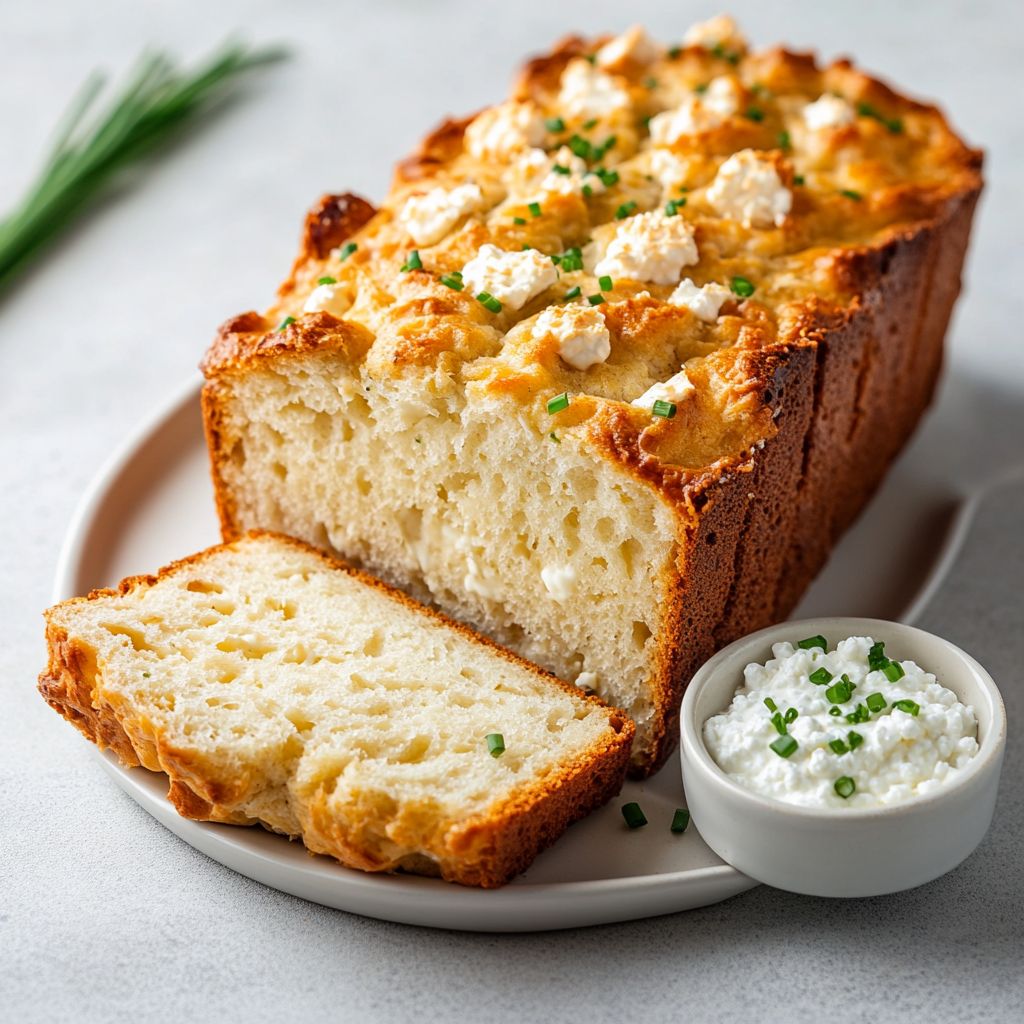
– 1 cup (240 g) cottage cheese, blended until smooth
→ Cottage cheese provides high protein and moisture, giving the bread a tender crumb. Blending removes curds for a creamy, uniform batter. Use well-drained cottage cheese to avoid an overly wet batter; for a richer flavor, choose full-fat cottage cheese, or a lower-fat version if desired.
– 2 large eggs, lightly whisked
→ Eggs act as binders and contribute to the bread’s structure and moisture. Whisk eggs until completely combined before adding to the wet ingredients to prevent lumps; room-temperature eggs mix more smoothly into the batter, helping achieve an even crumb.
– 1/2 cup milk or unsweetened plant milk
→ Adds necessary moisture to reach a thick, spoonable batter. Dairy milk yields a slightly richer crumb; plant-based milk keeps the loaf dairy-free. Use room temperature to avoid curdling with the cottage cheese and adjust to reach the desired consistency.
– 1/2 cup plain Greek yogurt (optional)
→ Provides extra moisture and protein, enriching tenderness. If using yogurt, reduce the milk by about 2–3 tablespoons to maintain proper batter consistency. Use plain for a neutral tang; full-fat yogurt gives a creamier crumb, while low-fat keeps it lighter.
– 1 teaspoon vanilla extract (optional)
→ Enhances aroma and sweetness, balancing the tang of the cottage cheese. Use pure vanilla for best flavor; if avoiding vanilla, a touch of almond extract can be used sparingly instead.
Dry Mix
– 2 cups whole wheat flour
→ Provides structure and fiber for a hearty loaf. Whole wheat yields a denser, more flavorful crumb; for a lighter loaf, substitute with all-purpose flour 1:1. For gluten-free needs, use a certified gluten-free flour blend and consider a binder like xanthan gum.
– 1/2 cup unflavored whey protein powder (or plant-based protein powder)
→ Boosts protein content and helps create a sturdier, bakery-style crumb. Protein powders absorb more moisture, so you may need to add a little extra milk if the batter looks dry. Use unflavored to avoid altering the taste.
– 2 teaspoons baking powder
→ Primary leavening for a quick bread; helps the loaf rise and creates a light, tender crumb. Ensure freshness and distribute evenly by whisking with the dry ingredients; sift to prevent clumps.
– 1/2 teaspoon baking soda (optional)
→ Additional lift and helps balance acidity from dairy; use if you’re using acidic ingredients like yogurt. If not using yogurt, this can be omitted.
– 1/2 teaspoon salt
→ Enhances flavor and tightens crumb; distribute evenly by dissolving into the dry mix. If using salted butter, adjust accordingly.
Wet & Fat Additions
– 2 tablespoons honey or maple syrup (optional)
→ Adds a touch of natural sweetness to counteract tang and keep crumb soft. If skipping, reduce any extra liquid slightly to maintain batter consistency. Great for a slightly sweeter quick bread.
– 2 tablespoons olive oil or melted coconut oil
→ Provides moisture and tenderness, contributing to a softer loaf that stays fresh longer. Use neutral oil to avoid altering flavor; if you prefer a richer crumb, you can use melted butter but adjust liquids accordingly.
Add-ins (Optional)
– 1/4 cup chopped walnuts (optional)
→ Adds crunch and a nutty depth. Toast walnuts lightly before adding to boost aroma; chop evenly so they distribute through the batter and don’t sink.
– 1/4 cup dried cranberries or raisins (optional)
→ Introduces subtle sweetness and chewy texture. If using very dry fruit, soak briefly in warm water for 10 minutes, then pat dry to prevent soggy batter; alternatively, toss with a spoonful of flour to help distribute.
– 1/4 cup seeds (sunflower, pumpkin, or chia) (optional)
→ Extra texture and nutrition; lightly toast seeds to deepen flavor and brightness. Add to batter or press into the top before baking for a speckled crust.
Topping (Optional)
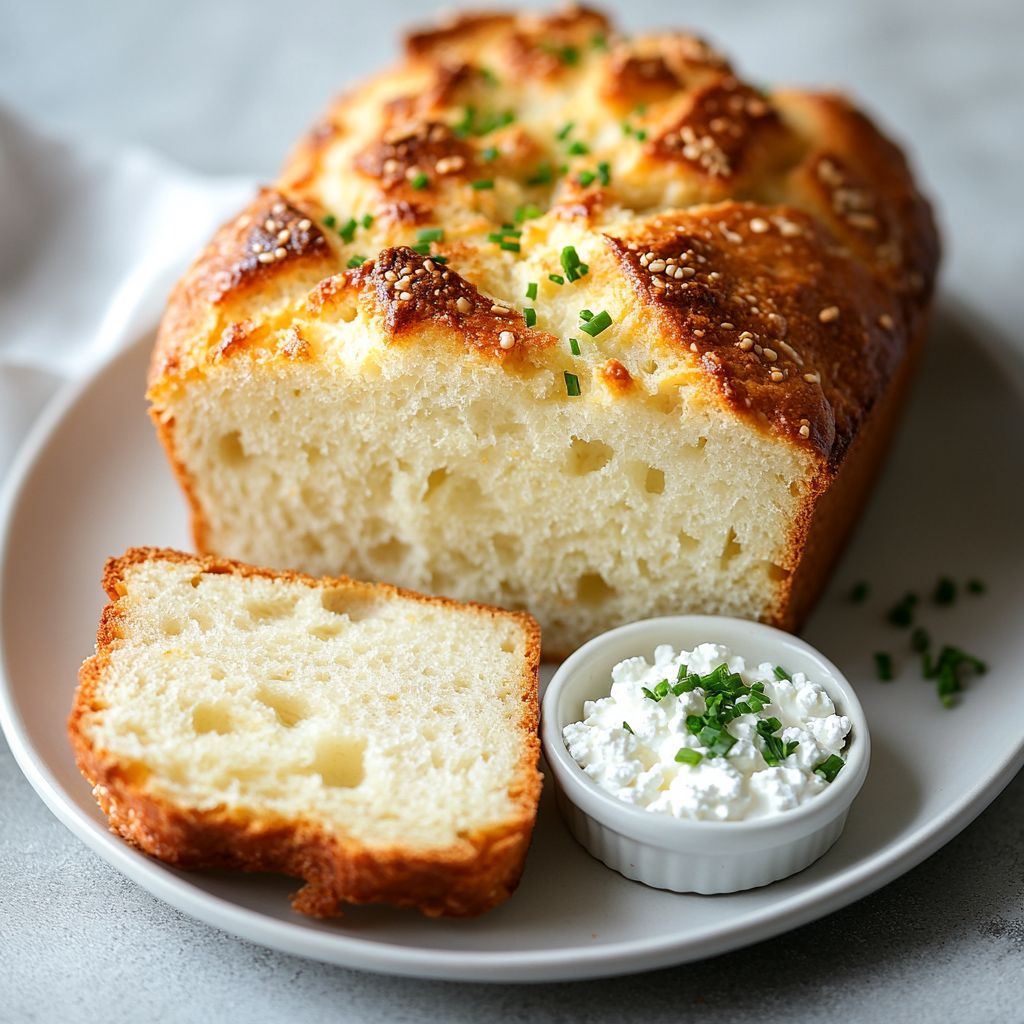
– 1 tablespoon sesame seeds or rolled oats for topping (optional)
→ Creates a decorative, flavorful crust. Brush the loaf with a little milk or water to help seeds or oats adhere, then bake until golden. Sesame seeds add a mild nutty note, oats give a rustic crunch.
Instructions
- Preheat your oven to 350°F (175°C) and grease a 9×5-inch loaf pan or line it with parchment for clean removal.
→ Preheating ensures the batter begins cooking immediately when it enters the oven, and greasing or parchment prevents sticking so you can slice the loaf neatly. - Drain the cottage cheese well and blend until completely smooth in a blender or food processor for 1–2 minutes.
→ Blending breaks up the curds for a uniform batter and ensures even moisture distribution; excess moisture makes the loaf dense, so use well-drained cottage cheese. - Whisk the eggs vigorously until completely combined and lightly pale, about 30–45 seconds, then set aside.
→ Fully whisked eggs emulsify with fats and dairy to create a cohesive batter and a tender crumb; room-temperature eggs mix more smoothly and prevent temperature shocks that could separate ingredients. - Whisk together the dry ingredients in a large bowl: whole wheat flour, whey or plant-based protein powder, baking powder, baking soda (if using), and salt; whisk until evenly distributed and any clumps are broken apart.
→ Even distribution of leavening and salt ensures consistent rise and flavor; sifting helps break up protein powder clumps that can cause graininess. - In another bowl, whisk together the wet ingredients: blended cottage cheese, milk or plant milk, vanilla extract, and honey or maple syrup if using; if you are using Greek yogurt, whisk it in here and reduce the milk by 2–3 tablespoons as needed.
→ Blending wet ingredients creates a smooth, uniform batter; adjusting liquids when yogurt is present preserves proper thickness and crumb. - Combine the wet and dry mixtures by pouring the wet into the dry and stirring with a spatula just until the batter comes together; stop as soon as there are no dry streaks.
→ Minimal mixing preserves a tender crumb by avoiding gluten overdevelopment; a few lumps are acceptable and will hydrate during resting in the pan. - Fold in add-ins (if using): chopped walnuts, dried cranberries or raisins, and seeds; distribute evenly by gently folding several times and avoid overworking the batter.
→ Add-ins contribute texture and flavor; evenly distributed pieces prevent sinking and ensure bites of interest in every slice. - Scrape the batter into the prepared loaf pan, leveling the top with a spatula and gently tapping the pan on the counter to release any large air pockets.
→ A level surface promotes uniform baking; tapping eliminates large air gaps that could create an uneven crumb or a dome-shaped loaf. - Sprinkle the optional topping (sesame seeds or rolled oats) over the surface and brush a light wash of milk or water to help the topping adhere.
→ The topping adds texture and visual appeal; a light wash ensures seeds or oats stick during baking for an attractive crust. - Bake at 350°F (175°C) for 45–60 minutes, rotating halfway if your oven bakes unevenly, and cover loosely with foil after 25–30 minutes if the crust is browning too quickly.
→ The time range accounts for batter density from protein powder and whole wheat; a thermometer reading of 195–205°F (90–96°C) confirms doneness; foil prevents over-browning while the interior finishes cooking. - Allow the loaf to cool in the pan for 10–15 minutes, then transfer to a wire rack to cool completely before slicing.
→ Resting allows starches to set and the crumb to stabilize, making slices cleaner and preventing crumbling; cooling completely preserves structure for storage. - Slice the bread with a serrated knife and serve as a protein-rich snack or as toast; store leftovers in an airtight container at room temperature for 2–3 days or freeze for longer storage.
→ Slicing with a sharp, gentle sawing motion yields clean slices without tearing; proper storage maintains moisture and prevents staling.
Notes
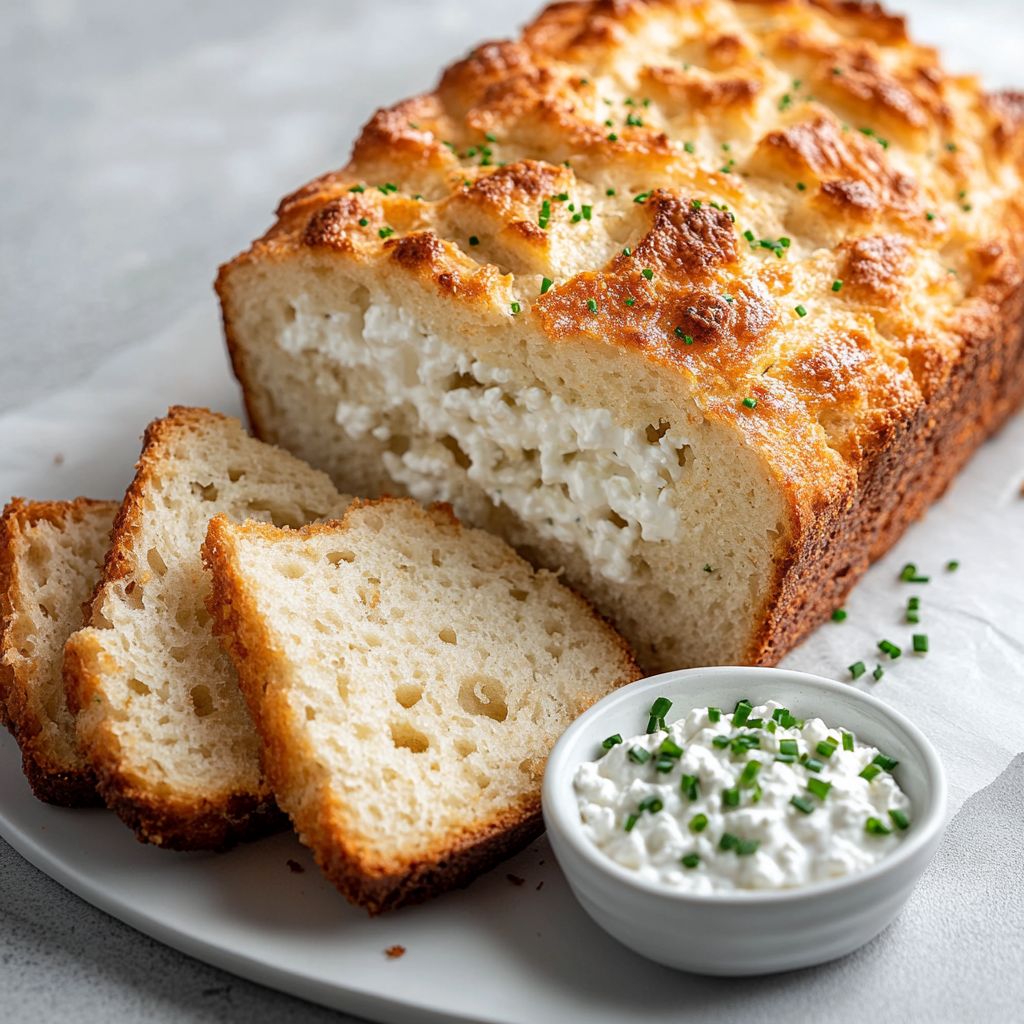
“This high-protein cottage cheese bread is a versatile quick bread that delivers a moist, tender crumb thanks to cottage cheese and added protein powder. For the smoothest batter, blend the cottage cheese until completely lump-free and drain well to avoid excess moisture; room-temperature ingredients help everything combine evenly. If you’re making a gluten-free version, use a certified gluten-free flour blend with a binder (such as xanthan gum) and whisk it thoroughly with the protein powder to distribute lift. The batter can be thick, so you may add a splash more milk or yogurt to reach a scoopable consistency. Optional additions: 2 tablespoons honey or maple syrup for a touch of sweetness, and 2 tablespoons olive oil or melted coconut oil for moisture and a soft crumb. If using yogurt, reduce the milk slightly to maintain balance. For extra texture and flavor, stir in 1/4 cup chopped walnuts, 1/4 cup dried cranberries or raisins, or 1/4 cup seeds; finish with a top of sesame seeds or rolled oats if desired. Bake until golden and a toothpick comes out clean, then cool in the pan for 10 minutes before turning out to slice. The loaf freezes well and slices nicely for quick breakfasts or snacks. To ensure the best rise, bake with freshly opened baking powder and, if dairy-free substitutions are used, ensure the alternatives are well-integrated. Finally, let the loaf rest briefly after baking to set the crumb before slicing.”
Tips
Tips for Perfect High Protein Cottage Cheese Bread
- Blend the cottage cheese until completely smooth and drain well to avoid a wet batter. If you see excess liquid, pour it off before mixing with the eggs.
- Use room-temperature ingredients where possible. Room-temperature eggs and milk emulsify more smoothly with the cottage cheese, giving a finer crumb.
- Whisk the eggs thoroughly before adding to the wet mix to ensure even distribution and to help bind the batter.
- Measure accurately and consider weighing ingredients (cottage cheese 240 g, flour 2 cups). If you must use cups for flour, spoon and level to avoid a dense loaf.
- Whisk the dry ingredients (whole wheat flour, protein powder, baking powder, salt, and optional baking soda) together first to ensure even leavening.
- Use unflavored protein powder to avoid altering the bread’s taste; if you must use flavored powder, reduce additional sweeteners accordingly.
- If the batter looks dry after adding the dry mix, add a little extra milk (a tablespoon at a time) until you reach a thick but spoonable batter. Protein powders absorb more moisture.
- For a richer crumb, choose full-fat cottage cheese and full-fat yogurt (if using). If you prefer lighter bread, use lower-fat options or omit yogurt and slightly reduce the milk.
- Optional yogurt adds moisture and tenderness; if added, reduce the milk by 2–3 tablespoons to maintain batter consistency.
- Sweeteners like honey or maple syrup are optional; they help balance tang and keep the crumb soft. If you skip them, slightly reduce any extra liquid to maintain consistency.
- Neutral oil keeps the loaf tender and helps moisture retention; if using butter, melt and cool first, and adjust liquids to compensate.
- Toast any add-ins (nuts) lightly before folding into the batter to boost flavor; chop nuts evenly so they distribute without sinking.
- Fold in add-ins gently to avoid overworking the batter, which can make the loaf dense.
- Optional toppings like sesame seeds or rolled oats add texture and visual appeal; brush the top with a little milk or water to help the toppings adhere.
- Preheat your oven to about 350°F (175°C). Bake until the bread is golden and a toothpick inserted in the center comes out clean, typically 40–55 minutes depending on pan and moisture.
- For a consistent crust, line an 8×4-inch loaf pan with parchment or lightly grease it; this also makes slicing easier.
- Check the internal temperature; aim for 200–205°F (93–96°C) for a fully set center.
- Let the loaf cool in the pan for 10–15 minutes, then transfer to a rack to cool completely before slicing to prevent crumb tearing.
- Store leftovers wrapped or in an airtight container in the refrigerator for up to 5 days; slice and freeze for longer storage (1–2 months).
- To reheat slices, warm in a toaster oven or microwave briefly to restore softness—avoid overheating, which can dry the crumb.
- Flavor variations: add a pinch of cinnamon or citrus zest to the dry mix for a different profile; vanilla enhances aroma, but almond extract can be used sparingly as an alternative.
- If dairy is an issue, you can experiment with dairy-free cottage cheese alternatives, but texture and crumb may differ; you may need to adjust moisture accordingly.
FAQ
What is High Protein Cottage Cheese Bread?
A loaf-style bread baked to be higher in protein by using cottage cheese as a primary binder, along with eggs and protein-rich flours or blends. It yields a moist, dense crumb and pairs well with savory toppings or spreads.
What ingredients are essential for this bread?
Core ingredients typically include cottage cheese, eggs, a flour or flour blend (all-purpose, whole wheat, or gluten-free blends), baking powder or baking soda, a pinch of salt, and a fat source such as olive oil or melted butter. Optional protein powder can boost protein further.
Can I use different flours or flour blends?
Yes. You can use all-purpose flour, whole wheat, or gluten-free blends. For gluten-free versions, use a blend with xanthan gum or add a small amount of psyllium husk to improve structure. Adjust liquids slightly if needed, since different flours absorb moisture differently.
Can I use low-fat or fat-free cottage cheese?
Yes, but it may produce a drier, slightly denser crumb. If you use low-fat cottage cheese, consider adding a bit more moisture (an extra tablespoon of oil or a splash of milk) or a touch more eggs to help with tenderness.
Can I substitute yogurt or sour cream for cottage cheese?
You can substitute plain yogurt or sour cream in part of the cottage cheese to add moisture and tang. This may alter the texture slightly, making the crumb softer. Use the same total amount of dairy as the recipe calls for in cottage cheese.
Is there a gluten-free version of this bread?
Yes. Use a gluten-free flour blend, and consider adding ¼ teaspoon xanthan gum per cup of flour if your blend lacks it. You may also increase the eggs slightly to help with structure. Monitor the batter consistency, as gluten-free flours vary in absorbency.
How can I boost the protein even more?
Add a scoop (about 20–30 g) of unflavored protein powder (whey isolate, casein, or a plant-based blend). Start with one scoop and reduce or increase liquid as needed to maintain a workable batter. Be aware protein powder can affect texture, so adjust gradually.
How do I bake this bread and know when it’s done?
Preheat to about 350–375°F (175–190°C). Bake for 30–40 minutes in a standard loaf pan, or 25–35 minutes for mini loaves, until the top is golden and a toothpick inserted into the center comes out clean. For a precise check, aim for an internal temperature of 190–200°F (88–93°C).
How should I store leftovers?
Cool completely, then store in an airtight container at room temperature for up to 2–3 days, or in the refrigerator for about 4–5 days. For longer storage, freeze slices wrapped tightly in plastic, then place in a freezer bag for up to 2–3 months; reheat before serving.
Can I make this dairy-free?
You can try a dairy-free approach by using a plant-based cottage cheese alternative (if available) or blending firm silken tofu with a little lemon juice and salt to mimic cottage cheese texture. You may need to adjust moisture and add a binder like flaxmeal or aquafaba to help with structure.
What pan sizes work best and how do I prep them?
Use a standard loaf pan (8×4 inches) for a single loaf, or smaller mini loaf pans for shorter baking times. Lightly grease and/or line with parchment for easy release. If using a dark or nonstick pan, check for doneness a few minutes earlier as they can brown faster.
Can I add mix-ins or flavor enhancers?
Yes. Savory mix-ins like chopped herbs, grated cheese, sun-dried tomatoes, olives, or seeds work well. If you want a sweeter note, consider a small amount of honey or maple syrup and optional cinnamon, but keep sweeteners modest so the loaf remains bread-like rather than cake-like. Add any mix-ins after the batter comes together but before portioning into the pan.
Can I scale the recipe up or down?
Yes. You can halve or double the recipe, keeping the ratios of cottage cheese, eggs, and flour consistent. If you scale, adjust the pan size and baking time accordingly, and monitor closely for doneness as larger loaves may need more time.