Introduction / Hook
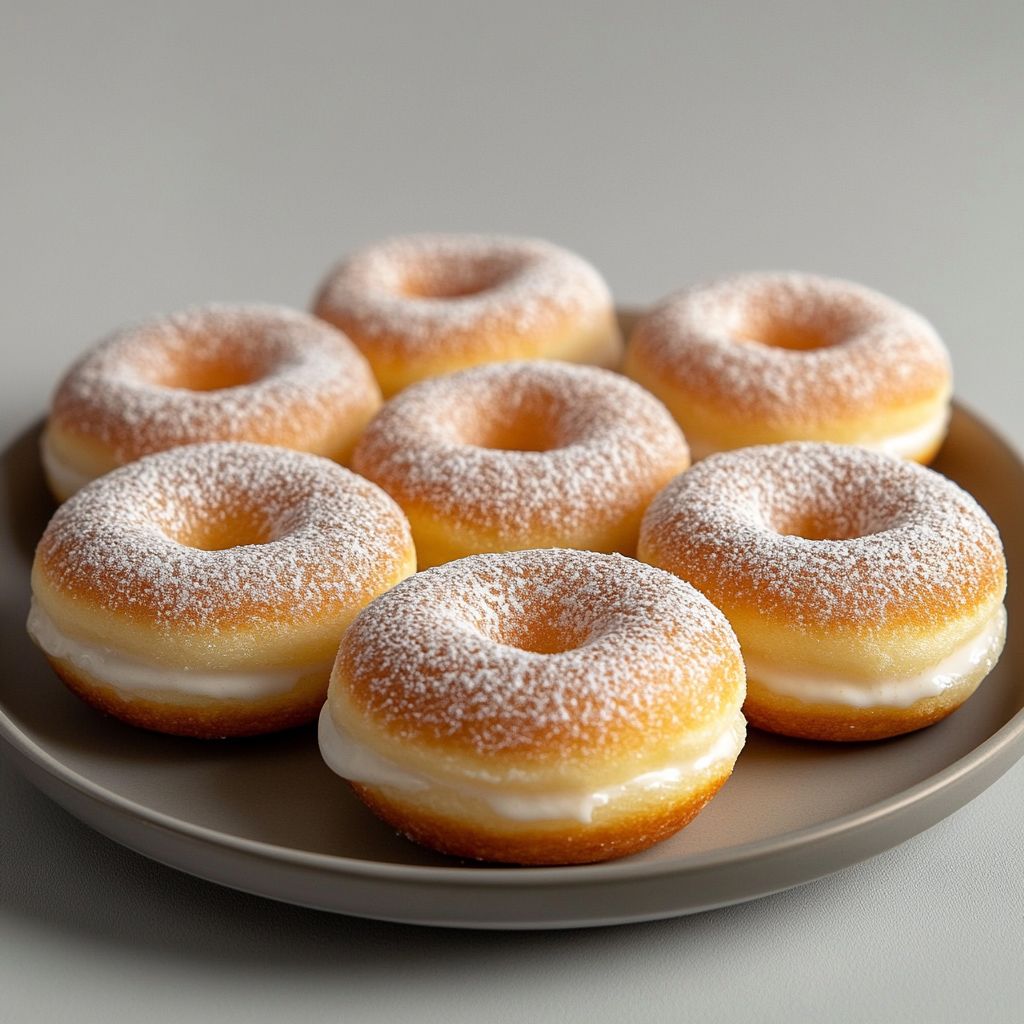
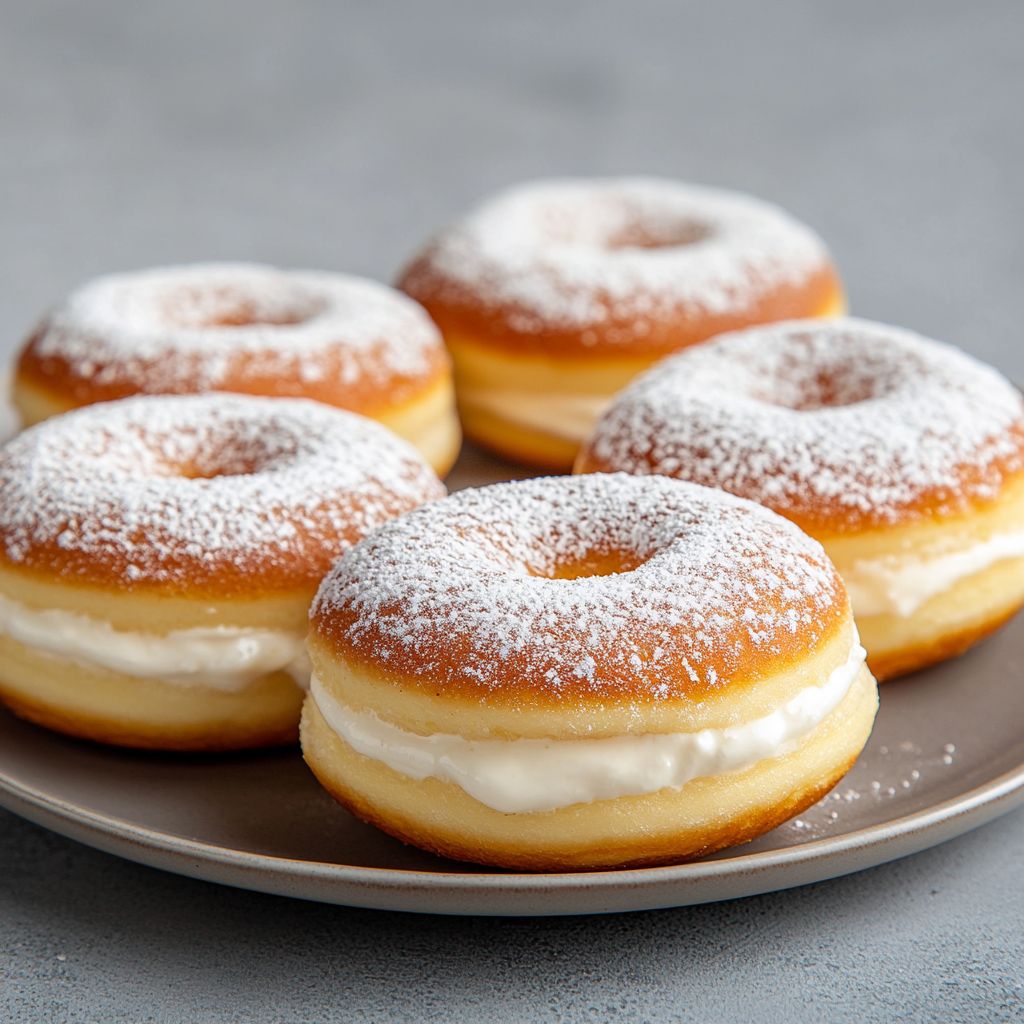
Imagine a bite of pastry so soft it feels like a warm cloud resting on your tongue, infused with the gentle sweetness of milk and vanilla, and finished with a glossy kiss of glaze that gleams like morning dew. Fluffy Korean Milk Cream Donuts are not just treats; they’re a gentle invitation to slow down, inhale the comforting aroma of freshly fried dough, and surrender to a melt-in-your-mouth moment that lingers long after the last bite. This isn’t your typical donut. It’s a refined, cloud-soft indulgence born from the fusion of Korean bakery techniques and classic comfort food, designed to be the centerpiece of a weekend breakfast, a gleaming centerpiece for a tea party, or a bright gift tucked into a box for someone you adore. The first bite releases a whisper of sweetness and a velvet crumb that sighs with tenderness, while the milky cream filling—feather-light and not overly sweet—coaxes a delighted exhale from even the most supply-conscious snackers. Beyond the taste, the ritual matters: the dough that yields to a gentle press, the sighing steam as the glaze sets, and the satisfying, airy bite that leaves a pristine clean finish on the palate. This recipe is a celebration of texture as much as flavor, a celebration of patience paid off with a pastry that’s as comforting as a warm hug and as refined as a cafe-quiet morning in a city that moves at a brisk but grateful pace. Read on to discover a donut that feels like a memory you’ve yet to make, a promise of softness that’s always worth a little extra time, and a dessert that invites conversation as easily as it invites another bite.
The Story Behind the Dish
Donuts have traveled the world, but the version we’re celebrating here has a distinctly East Asian heart: a nod to the softness of milk-bread traditions and the artistry of Korean bakery culture that elevates everyday pastries into momentary luxuries. In Korea, bakery counters glow with the glow of fresh breads, buns, and sweets that strike a balance between comforting familiarity and modernist finesse. The concept behind Fluffy Korean Milk Cream Donuts owes much to two comforting influences: the tender, milk-forward crumb of enriched dough, and the meticulous filling that creates a creamy center without tipping into heaviness. The technique often employed in Korean brød (bread) shops—gentle folding, careful fermentation, and sometimes a tangzhong-style starter—creates a dough that remains supremely soft and moist, even after cooling, which is ideal for a donut that’s meant to stay pillowy as you bite into it hours later.
The milk cream element adds another layer of story. Cream fillings are a beloved feature in many Asian pastries, where the cream is luxuriously smooth yet bright in flavor, designed to complement the natural sweetness of the bread without overwhelming it. The idea is to marry the cloud-like exterior with a center that feels like liquid silk—an internal surprise that makes each bite feel like meeting a beloved cousin you haven’t seen in a while. In many bakery showcases across Seoul, Busan, and beyond, you’ll see pastries that emphasize milk, vanilla, and light citrus notes as a signature trio. This donut is a playful tribute to that spirit: not a heavy, fried dessert, but a soft, comforting, and refined pastry that invites you to savor the moment, not just finish it.
If you’ve ever stood at a bakery window on a rainy afternoon, watching steam rise from the donuts while the world outside drifts by, you’ve glimpsed the mood we’re aiming for: a pastry that feels almost therapeutic, a bite that anchors you in the present with a gentle, nostalgic sweetness. The origin story here is less about a single city street and more about a philosophy—the idea that the best treats are made with intention, patience, and a willingness to let texture do much of the talking. The result is a donut that’s airy enough to float on a bite, yet substantial enough to feel like a small, satisfying meal on its own. It’s a pastry that asks you to slow down, to breathe in the milk-rich aroma, and to linger a little longer in the happy glow of a dessert that’s both everyday-friendly and a touch special for special occasions.
Why You’ll Love This Recipe
- Incredible tenderness: The enriched dough, often aided by a tangzhong technique, yields a crumb that’s light as a feather with a memory-foam-like resilience. Each bite rebounds gently, inviting you to take another, then another.
- Creamy, not cloying filling: The milk cream center is luxuriously smooth and subtly sweet, balancing the dough’s natural milkiness without becoming heavy.
- Glossy, inviting glaze: A simple glaze creates a mirror-like finish that stays crisp for longer and adds a bright finish that enhances flavor rather than overpowering it.
- Versatile and approachable: While decadent, these donuts are approachable for weekend bakers and impressive enough for entertaining guests. They pair beautifully with a cup of tea or coffee, making them a reliable showstopper for any brunch table.
- Make-ahead potential: The dough can be prepared ahead, and the filling can be kept separate until serving, allowing you to assemble fresh donuts with minimal daily effort.
- Comforting nostalgia, with modern refinement: The recipe feels comforting and familiar, yet the technique elevates it, giving you the best of both worlds—a sense of home and a touch of bakery sophistication.
Flavor Profile & Texture
From the first bite, Fluffy Korean Milk Cream Donuts present a symphony of textures and flavors. The exterior offers a delicate crackle from a light surface fry or bake, followed by a breakthrough into a soft, pillowy interior that is impossible to rush through. The crumb is tender, almost bouncy, with a faint, comforting dairy sweetness that doesn’t shout but speaks softly, resonating with warmth. The milk-forward note is rarely overpowering; it lingers like a fond memory of fresh bread and warm milk on a cold morning. Vanilla provides a gentle fragrance, enhancing the natural sweetness of the dough while keeping a clean, comforting finish on the palate.
The milk cream center acts as a velvet heart, lightly sweet and decadently smooth. It carries hints of vanilla and a whisper of salt to keep the flavor grounded and balanced. The cream should feel airy, almost like a cloud that melts into the surrounding dough as you bite, releasing a soft, luxurious mouthfeel that contrasts beautifully with the slightly crisp glaze or dusting on the exterior. The glaze itself—often a simple confectioners’ sugar-based coating or a refined, thin vanilla glaze—offers a glossy, mirror-like sheen and a sweetness that adds a final layer of brightness without overwhelming the delicate flavors inside. Depending on your glaze choice, you can introduce citrus notes for a zing, or a deeper cocoa or matcha tone for a robust finish. The overall flavor profile is a gentle, comforting sweetness with a subtle dairy roundness, a touch of vanilla, and optional accents that can shift the donut toward warmth or brightness, depending on the occasion and your mood.
Occasions & Pairings
These donuts are surprisingly versatile. They shine on weekend brunch tables as a star pastry, they make a refined dessert for a tea party, and they’re a thoughtful gift when presented in a pretty box. Their understated elegance means they don’t overwhelm the table, yet their beauty and aroma make them memorable. Consider the following occasions and pairings to maximize the appeal of Fluffy Korean Milk Cream Donuts:
- Weeknight treat: A quick, comforting dessert after a long day, paired with a mug of jasmine tea or a small glass of cold milk.
- Brunch centerpiece: Place on a cake stand alongside light fruit, yogurt parfaits, and delicate pastries for a balanced spread.
- Gifts & celebrations: Bundle a dozen in a decorative box with a handwritten note for birthdays, anniversaries, or thank-you gestures.
- Pairings: Coffee with a dash of cream, matcha latte, hojicha or roasted almond milk beverages, and light citrusy desserts like lemon curd tarts to complement the donut’s milk-forward profile.
- Seasonal twists: In autumn, pair with chai spice beverages; in spring, a bright yuzu glaze can lift the florals in the air and on the table.
Tips, Variations & Substitutions
Flavor versatility is part of the charm here. The base concept can be adapted to suit dietary needs or regional tastes without losing the essence of the dish. Use these ideas to customize your Fluffy Korean Milk Cream Donuts:
- Vegan option: Use plant-based milk (such as almond, oat, or soy) and a dairy-free butter substitute. For the filling, use a coconut cream-based filling with a touch of vanilla and a pinch of sugar. Glazes can be made with powdered sugar and dairy-free milk for a glossy finish.
- Glaze variations: Classic vanilla glaze, lemon glaze for a citrus uplift, or matcha glaze for a subtle green tea twist. A light chocolate glaze can add depth without overpowering the milk notes.
- Flavor twists: Add 1-2 teaspoons of matcha powder to half of the glaze for a Matcha Milk Cream Donut, or swirl in a little black sesame paste for a nutty, toasty note.
- Texture tweaks: For an even lighter crumb, incorporate a small amount of whipped egg white into the dough (if you aren’t avoiding eggs), or experiment with a tangzhong starter to lock in moisture.
- Glaze-free option: Dust with a light veil of granulated sugar or a fine dusting of powdered sugar mixed with a hint of vanilla to keep the focus on the dough and the cream.
- Gluten-free adaptation: Use a high-quality gluten-free flour blend designed for bread to help maintain chew and structure, though the texture will naturally differ from the wheat-based version.
- Regional twists: Incorporate sesame or pine nut toppings for a roasted, nutty aroma that complements the milk sweetness, or finish with a light dusting of kinako powder for a subtle soybean-nutty aroma.
- Mini variants: Turn the dough into donut holes for a playful, bite-sized version that’s perfect for parties or kids’ lunches.
Storage & Make-Ahead Ideas
Knowing how to store and plan ahead can extend the joy of these donuts beyond a single sitting. Here are practical tips to keep them at their best:
- Freshness window: Donuts are best the day they’re assembled, but they’ll stay soft for up to 2 days if stored properly. Keep them in an airtight container at room temperature away from direct sunlight.
- Reheating: To revive softness, reheat gently in a low oven (about 300°F / 150°C) for 3-5 minutes, or a quick 10-15 seconds in a microwave to regain a slight warmth without drying the crumb.
- Make-ahead dough: If you’d like to prepare ahead, assemble the dough and refrigerate it overnight. Allow it to come to room temperature and complete the shaping before frying or baking. This can improve flavor development and still yield a tender interior.
- Make-ahead filling: Keep the milk cream filling refrigerated until serving. Fill donuts just before serving to maintain the ideal texture and avoid sogginess.
- Freezing option: Freeze unfilled, completely cooled donuts in a single layer, then transfer to a bag for longer storage. Thaw at room temperature and fill just before serving to preserve best texture.
Fun Facts & Trivia (Optional)
Delightful little historical tidbits add texture to the story of these donuts. For instance, the tangzhong method—often used in Asian breads to keep crumbs ultra-soft—was popularized in Asia as a clever way to lock in moisture and extend freshness. While it’s commonly associated with breads like Japanese milk bread, its influence has spread to many delicate pastries, including glazed and filled donuts, where it helps create that “cloud-like” bite that stays tender even after cooling. Milk-based fillings have long been cherished in many cultures for their smooth, comforting mouthfeel. In Korean bakeries, cream-filled pastries frequently feature a light, vanilla-forward profile with subtle sweetness to align with the delicate nature of the dough. The combination of milk, vanilla, and a gentle glaze captures a modern bakery aesthetic that resonates across continents, turning a simple donut into something that feels sophisticated yet familiar. And as with many beloved treats, these donuts are best enjoyed with company—sharing them amplifies the warmth and the sense of celebration that the recipe is meant to evoke. If you’re lucky enough to have a friend with a vintage recipe box or a grandmother who can recall the exact texture of a childhood favorite, you’ll know that the small details—quiet patience, precise timing, and a forgiving, loving approach to baking—are what elevate a good donut to something memorable.
Ingredients
Donut Dough
- 3 cups all-purpose flour
→ Provides the primary structure and chew of the donuts. All-purpose flour yields a balanced gluten development that supports a light, airy interior when combined with yeast. For a slightly lighter crumb, you can substitute up to 1 cup with cake flour, but keep in mind this will reduce chewiness. Sift the flour before measuring and keep excess flour nearby for dusting the surface while shaping the dough. - 1/4 cup granulated sugar
→ Adds gentle sweetness and helps feed the yeast, contributing to a pleasant browning and tender crumb. Sugar also helps with moisture retention during frying, reducing the risk of a dense texture. Use regular granulated sugar for consistent results, and avoid replacing it with sugar substitutes in this yeast dough. - 2 1/4 tsp active dry yeast
→ The primary leavening agent that produces the fluffy, airy donut after frying. Proof the yeast in a small amount of the warm milk with a pinch of sugar for 5–10 minutes until foamy to ensure it’s active; if it doesn’t foam, start over with fresh yeast. For instant yeast, you can mix it directly with the dry ingredients, but you may need a slightly shorter rise time. - 1 cup warm whole milk
→ Hydrates and nourishes the dough, while the fat in whole milk contributes tenderness and flavor. Temperatures around 105–110°F (40–43°C) are ideal for activating the yeast without killing it. Use whole milk for a richer crumb; skim or 2% will yield a lighter, less moist result. If using freshly warmed milk, be mindful not to overheat. - 2 large eggs
→ Enrich the dough with moisture and structure, helping the donuts develop a tender yet sturdy crumb. Bring eggs to room temperature to promote smooth emulsification and even distribution. Add one egg at a time after the initial mixing to keep the dough from curdling and to maintain a glossy, cohesive mixture. - 4 tbsp unsalted butter, melted and cooled
→ Adds flavor and a tender, pillowy texture by shortening gluten strands. Ensure the butter is melted and cooled to just warm (not hot) before whisking it in to avoid cooking the eggs. For extra richness, you can substitute part of the butter with a light oil, but melted butter keeps the classic donut bite. - 1/2 tsp salt
→ Balances sweetness and enhances overall flavor while aiding gluten development for a proper structure. Dissolve or distribute salt evenly by mixing it with the flour early in the process to prevent concentrated pockets. - 1 tsp vanilla extract
→ Infuses the dough with warm, aromatic notes that pair beautifully with the milk-based filling. Use pure vanilla extract for the most vibrant flavor; add with the liquids to ensure even dispersion throughout the dough. - 4 cups neutral oil for frying (e.g., canola or sunflower)
→ The medium for cooking the donuts; a neutral oil prevents flavor transfer and yields a crisp, golden exterior. Heat the oil to about 350–360°F (175–180°C) and maintain steady temperature; avoid overcrowding the pot to ensure even cooking. Have a thermometer handy and drain on paper towels after frying for a light, non-greasy finish.
Milk Cream Filling
- 1 cup whole milk
→ The base liquid for the pastry cream, contributing to a smooth, rich consistency. Whole milk yields a creamier filling than skim milk. Heat the milk until just steaming, then gradually temper the yolk mixture to avoid curdling. Do not boil once the mixture starts thickening. - 3 tablespoons granulated sugar
→ Sweetens the custard base and helps balance the egg yolks’ richness. Adjust to taste if you prefer a less sweet filling, but keep some sugar to maintain proper consistency and mouthfeel of the pastry cream. - 2 large egg yolks
→ Thickens the filling and provides a smooth, glossy texture. Bring yolks to room temperature to prevent curdling and whisk vigorously when tempering with hot milk to create a stable custard base. - 2 tablespoons cornstarch
→ Thickener that enables a creamy, pudding-like pastry cream without curdling. Sift cornstarch to avoid lumps and whisk it with a little of the cooled milk to create a smooth slurry before adding to the hot mixture. Do not skip this step if you want a true custard-like filling. - 1 teaspoon vanilla extract
→ Deepens flavor and provides a warm aroma that pairs perfectly with the milk filling. Add off the heat after the custard has thickened to preserve aroma. - 1 tablespoon unsalted butter
→ Finishes the pastry cream with richness and a silky texture. Stir in off the heat so the butter melts smoothly and the custard remains glossy; you can whisk in small pieces until fully incorporated. - 1/4 cup heavy cream, cold (to whip and fold, optional)
→ Optional to lighten the filling and create a creamier, mousse-like texture. Whip to soft peaks and fold gently into the cooled pastry cream for a lighter consistency, then keep chilled until filling the donuts.
Milk Glaze
- 1 1/2 cups powdered sugar
→ Provides the sweet, glossy coating for the donuts. Sift to remove lumps and achieve a smooth glaze. The glaze sets quickly, so adjust thickness with the milk as you mix. - 3 tablespoons whole milk
→ Thin enough to pour and drip over the donuts; adjust with more or less milk to reach your desired consistency. Use a little at a time to avoid a runny glaze that won’t set. - 1/2 teaspoon vanilla extract
→ Adds a gentle aroma that complements the milk-based filling. Use pure vanilla for best flavor, and mix in with the glaze after the sugar has dissolved for even distribution. - 1–2 tablespoons sweetened condensed milk (optional)
→ For a richer, creamier glaze with a subtle dairy sweetness and a slightly opaque finish. Add cautiously, whisking into the glaze until you reach your preferred thickness and color. If used, reduce the plain milk accordingly to keep glaze from becoming too thick.
Optional Toppings
- 1/4 cup toasted sesame seeds (optional)
→ Adds a nutty crunch and an aromatic note that pairs well with the milk theme. Toast seeds until fragrant and cool before sprinkling on the glaze for best adhesion and flavor. Use sesame oil-free to keep glaze clean and crisp. - 1/4 cup shredded coconut, toasted (optional)
→ Introduces a subtle tropical sweetness and texture contrast. Dry-toast coconut in a skillet over low heat until lightly golden, then sprinkle over the glaze for visual appeal and enhanced aroma. - 1/2 cup pastel or multicolor sprinkles (optional)
→ Fun, kid-friendly finish that adds color and sweetness. Apply sprinkles while glaze is still tacky so they adhere well; avoid overloading to keep the creamy filling visible inside the donut.
Instructions
- Proof the yeast in a small mixing bowl by whisking 1/4 cup warm whole milk (105–110°F/40–43°C) with a pinch of sugar, then sprinkling 2 1/4 tsp active dry yeast over the surface and letting it sit 5–10 minutes until foamy and aromatic.
→ This confirms the yeast is alive and active; foamy bubbles indicate proper fermentation readiness, which is essential for a light, fluffy donut crumb. - Whisk together 3 cups all-purpose flour, 1/4 cup granulated sugar, and 1/2 tsp salt in a large bowl until evenly distributed and any lumps are broken up to ensure uniform dough texture.
→ Uniform dry ingredients promote consistent gluten development and even sweetness distribution, preventing dense pockets in the final pastry. - In a separate bowl, whisk 2 large eggs, the remaining 3/4 cup warm milk (105–110°F/40–43°C), 4 tbsp melted cooled unsalted butter, and 1 tsp vanilla extract until smooth and emulsified; these wet ingredients will provide moisture, richness, and aroma to the dough.
→ Temperature control ensures eggs emulsify and fat remains integrated, yielding a cohesive, tender crumb rather than a greasy or separated dough. - Pour the foamed yeast mixture into the dry ingredients, then add the wet mixture and stir with a wooden spoon or dough hook until a shaggy dough forms, scraping the bowl as needed to incorporate all flour; knead on a lightly floured surface or with a stand mixer on low for 6–8 minutes until the dough is smooth, elastic, and passes the windowpane test.
→ Proper kneading develops gluten to create structure and chew; the windowpane test ensures the dough is adequately developed without overworking it. - Transfer the dough to a lightly oiled bowl, turn to coat with oil, cover with plastic wrap or a damp towel, and let rise in a warm, draft-free spot until doubled in size, about 60–90 minutes depending on ambient temperature.
→ A proper first rise builds internal gas bubbles for a light, airy donut; avoid placing in direct heat or a cold draft, which can stall fermentation. - Gently punch down the risen dough to release built-up gas, then turn it onto a lightly floured surface and roll it to 1/2 inch (12–13 mm) thickness, rotating the dough a quarter turn halfway through to maintain an even sheet.
→ Rolling to a consistent thickness ensures uniform frying and uniform donut height; torquing the dough evenly prevents thin edges that cook too quickly. - Cut donuts using a 3-inch round cutter and a 1-inch circle cutter to create the classic ring shape; re-roll scraps and cut repeatedly, ensuring you maintain consistent thickness and shape for even frying.
→ Multiple passes with the scraps maximize yield while preserving uniform cooking times and texture across all donuts. - Arrange the cut donuts on parchment-lined sheets or a lightly floured tray, cover loosely, and allow a second proof at room temperature for 30–45 minutes until puffy and slightly springy to the touch.
→ The second rise relaxes the gluten after shaping and enhances a light, open crumb after frying; do not skip this step for a fluffier donut. - Pour neutral oil into a heavy, deep pot to a depth of 3–4 inches, attach a deep-fry thermometer, and heat to 350–360°F (175–180°C); maintain a steady temperature by adjusting the heat as needed and monitor with the thermometer for accuracy.
→ A stable fry temperature yields a crisp exterior and a tender interior, while preventing greasy donuts and uneven color. - Carefully slide donuts into the hot oil in small batches, frying 1–2 minutes per side or until golden brown and evenly colored; flip with tinged tongs, adjust heat to keep the oil in range, and avoid overcrowding to preserve oil temperature.
→ Gentle, controlled frying ensures uniform doneness and a crisp exterior without undercooking the center; overcrowding causes temperature drops and soggy donuts. - Transfer fried donuts to a rack or paper towels to drain briefly, then allow to cool completely before filling to prevent the pastry cream from melting or seeping out the filling.
→ Cooling stabilizes the donut structure and prepares a clean surface for piping the filling, ensuring a tidy finish and proper filling uptake. - Make the pastry cream filling by scalding 1 cup whole milk in a medium saucepan; in a separate bowl whisk 2 large egg yolks with 3 tablespoons granulated sugar and 2 tablespoons cornstarch until pale and smooth; gradually whisk a splash of hot milk into the yolks to temper, then whisk the yolk mixture back into the saucepan with the milk and cook over medium heat, whisking constantly until the mixture thickens to a nappe and just coats the back of a spoon; do not allow it to boil, then remove from heat and whisk in 1 teaspoon vanilla extract and 1 tablespoon unsalted butter until glossy; cover with plastic wrap touching the surface and chill until very cold, optionally folding in 1/4 cup cold heavy cream whipped to soft peaks for extra lightness.
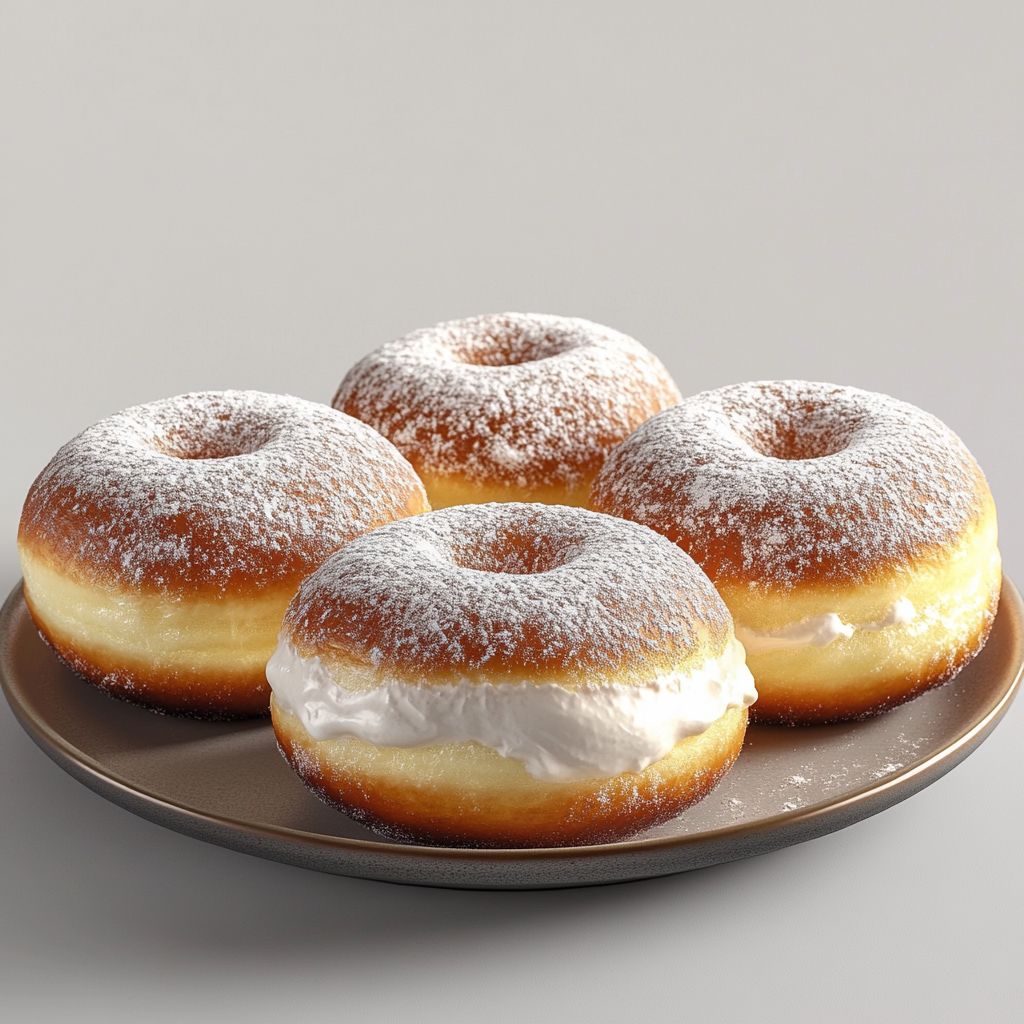
→ Tempering prevents curdling; cooking to thick consistency ensures stable filling; chilling firms the pastry cream for clean piping and prevents leakage during filling. - Fill each cooled donut by piping pastry cream into the center or inserting a small hole with a paring knife and injecting filling with a narrow-tip pastry bag; fill until the donut feels slightly plump but not bulging, then wipe any excess filling from the surface to maintain a neat appearance.
→ Proper filling distributes flavor evenly and prevents overstuffing, which can tear the donut or overwhelm the delicate bread structure. - Prepare the glaze by whisking 1 1/2 cups powdered sugar with 3 tablespoons whole milk and 1/2 teaspoon vanilla until smooth and lump-free; adjust thickness by adding a little more milk or powdered sugar as needed, then whisk in optional 1–2 tablespoons sweetened condensed milk for a richer, creamier glaze if desired.
→ A smooth glaze adheres well to the slightly warm surface of the donut and provides a glossy coating that sets nicely as it cools. - Dip the top of each filled donut into the glaze or spoon glaze over the domed surface, allowing any excess to run off; let the glaze set for about 5–10 minutes before applying optional toppings for best adhesion.
→ A tacky, not fully set glaze will capture toppings like sesame, coconut, or sprinkles, while a fully set glaze can crack or crumble under toppings. - Finish with optional toppings: lightly press toasted sesame seeds, shredded coconut, or pastel sprinkles onto the still-tacky glaze in small, even amounts to avoid overpowering the filling’s flavor and to ensure visual appeal.
→ Toasted sesame seeds provide a nutty aroma and crisp texture; coconut adds a tropical note; sprinkles give a playful finish; use them sparingly for balance. - Serve the donuts fresh and enjoy promptly, or store in an airtight container at room temperature for up to 1–2 days; avoid stacking them while glazing to prevent sticking, and rewarm gently if desired to revive softness.
Notes
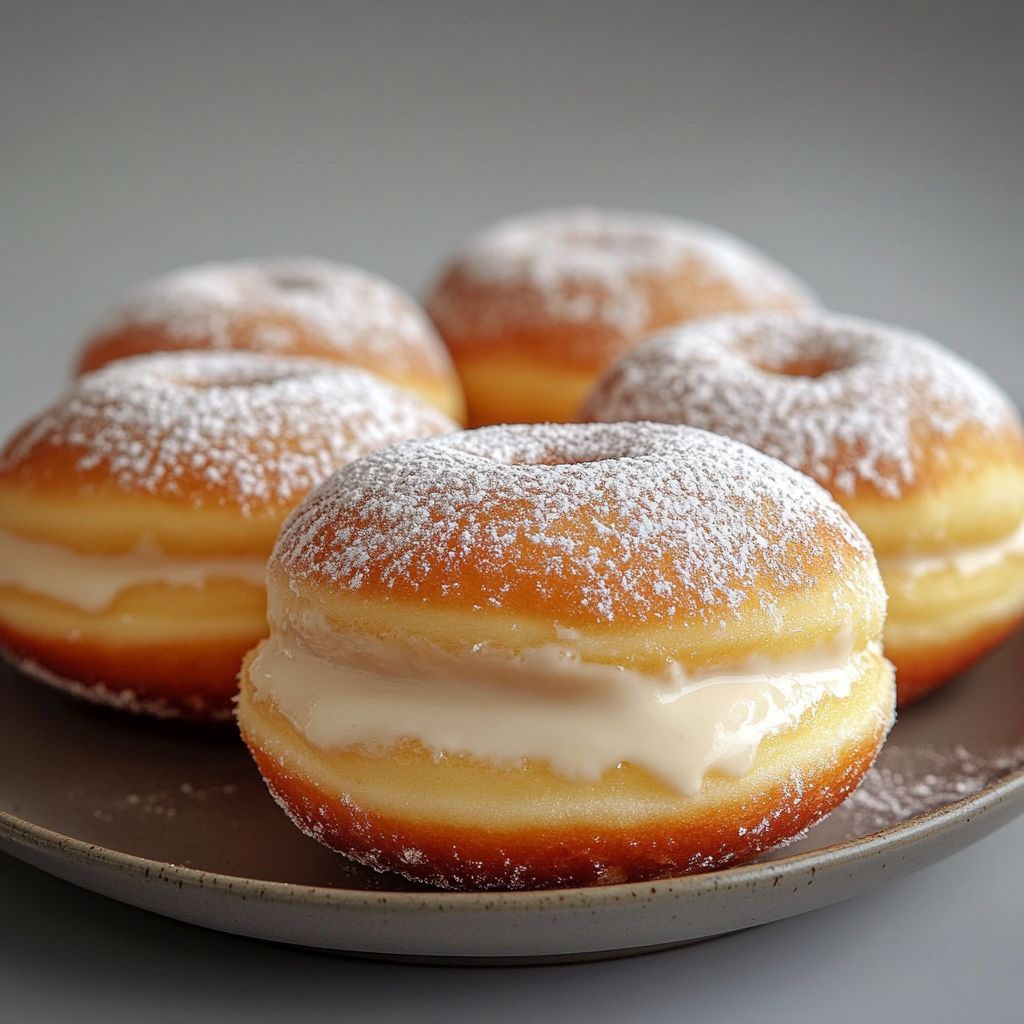
These fluffy Korean Milk Cream Donuts showcase a soft, tender crumb and a luscious milk custard filling that feels indulgent yet balanced. To achieve their airy texture, measure and sift the flour, proof the yeast in warm milk with a pinch of sugar, and avoid overmixing the dough once the flour is integrated; let it rise until doubled for maximum lightness. For best results, bring the eggs and milk mixture to room temperature, and whisk in the melted butter gradually to create a glossy, cohesive dough. The pastry cream filling should be silky and thickened with cornstarch and tempered yolks; heat the milk gently, temper the yolks, then cook until thick but not boiling, finishing with butter and vanilla. The glaze should be glossy but not too thick; adjust with extra milk or powdered sugar until it coats the donuts with a delicate sheen. You can customize with optional toppings like toasted sesame seeds, shredded coconut, or pastel sprinkles, and you can store unfrosted donuts in an airtight container for 1–2 days or freeze them unfrosted for longer; glaze the donuts just before serving for best texture. When frying, maintain the oil at 350–360°F (175–180°C) and avoid overcrowding the pan to ensure even cooking and a crisp exterior.
Tips
Tips for Fluffy Korean Milk Cream Donuts
Dough foundation and yeast activation
- Proof the active dry yeast in a small amount of the warm milk with a pinch of sugar. It should become foamy within 5–10 minutes. If it doesn’t, discard and start again with fresh yeast to ensure a proper rise.
- Keep the milk at a steady 105–110°F (40–43°C) when hydrating the yeast. If the liquid is too hot, it can kill the yeast and flatten your rise; if it’s too cool, the dough will ferment slowly.
- When adding eggs, add them one at a time after the initial mixing to maintain a glossy, cohesive dough and prevent curdling. Room-temperature eggs emulsify more evenly with the fat and liquids.
- For a lighter crumb, you can substitute up to 1 cup of the all-purpose flour with cake flour, but expect a softer, less chewy texture. Always sift flour before measuring to avoid dense pockets.
Texture, kneading, and temperature management
- Keep melted butter cooled to just warm before whisking into the dough. Hot butter can cook the eggs and seize the dough, while cold butter can lead to a stubborn, dense crumb.
- The dough will be soft and slightly sticky. Lightly flour your work surface and your hands as needed, but avoid adding too much flour or you’ll risk a dry, tough interior.
- Allow the dough to rise in a warm, draft-free spot until doubled in size. Typical rise times range from 60 to 90 minutes, but environmental factors may vary. If your kitchen is cool, use a turned-on oven at a low temperature (about 100–110°F / 38–43°C) as a warming station.
Shaping and resting
- After the first rise, gently shape the dough into rounds with lightly floured hands. Don’t over-press, or you’ll press out the air you’ve worked to build. Dust with flour to prevent sticking, not to add structure.
- If you’re not frying immediately, you can refrigerate shaped dough disks for a short rest to slow fermentation and maintain control over the dough’s temperature before frying.
Frying technique
- Maintain the oil between 350–360°F (175–180°C). A stable medium-high heat yields a crisp, golden exterior with a tender interior. Use a thermometer and adjust the heat as you fry.
- Avoid overcrowding the pan. Fry in small batches to keep the oil temperature steady and to prevent uneven cooking.
- After frying, drain donuts on a rack or paper towels. While hot donuts absorb oil, a quick drain helps prevent a greasy finish.
Milk cream filling technique
- For a silky pastry cream, temper the egg yolks by slowly whisking hot milk into them, then return to the stove and cook until thick enough to coat the back of a spoon. Do not boil, or the custard may curdle.
- Whisk cornstarch with a little cooled milk to form a smooth slurry before adding to the hot mixture to ensure a lump-free custard.
- Strain the pastry cream after cooking to remove any lumps, then whisk in vanilla and butter off the heat for a glossy finish. Chill completely before filling the donuts.
- If using whipped heavy cream folded into the cooled pastry cream, whip the cream to soft peaks and fold gently to keep a light, mousse-like texture.
Glaze consistency and application
- Sift the powdered sugar to remove lumps. The glaze should be thick enough to coat but thin enough to drip for a glossy finish. Adjust with more milk or sugar to reach the desired thickness.
- Dip cooled donuts into the glaze while it’s still warm but not hot. Let the glaze set briefly before applying toppings to ensure proper adhesion.
- For a richer glaze, whisk in a little sweetened condensed milk and adjust the plain milk amount accordingly to maintain a glaze that sets with a smooth, slightly opaque sheen.
Toppings and texture contrasts
- Toast sesame seeds until fragrant for best aroma; sprinkle on while glaze is still tacky to help them adhere firmly.
- Dry-toast shredded coconut until lightly golden to add a tropical note and crunch; scatter just after glazing for best adhesion.
- Apply pastel sprinkles while the glaze is tacky, but don’t layer too heavily so the creamy filling inside remains visible and inviting.
- You can refrigerate the dough after the first rise for up to 12–18 hours; bring to room temperature and finish the second rise before frying for consistent results.
- Store filled donuts in an airtight container for up to 1–2 days. Rewarm briefly in a low oven (around 325°F / 160°C) to refresh the texture before serving.
- Unglazed, unfrosted donuts freeze well for up to 1 month. Thaw at room temperature, then glaze and fill before serving for best texture.
- If the donuts come out pale or dense, check that the yeast is active and that the oil temperature stays within the recommended range.
- If the glaze won’t set, it may be too thin. Let it rest a few minutes and add a touch more sugar or reduce the milk slightly.
- If the filling is too runny, chill the pastry cream longer or whisk in a touch more cornstarch slurry, then refrigerate before filling.
FAQ
What are Fluffy Korean Milk Cream Donuts?
These are soft, pillowy yeast donuts filled with a silky milk cream. Inspired by Korean bakery styles, they pair a tender, fluffy dough with a rich, milky filling and optional glaze, making them look and taste indulgent yet light.
What ingredients do I need for the dough, filling, and topping?
Dough:
- 2 1/4 cups (280 g) bread flour
- 1/4 cup (50 g) granulated sugar
- 2 teaspoons instant yeast
- 1/2 teaspoon salt
- 1/2 cup (120 ml) warm milk (about 110°F/43°C)
- 1 large egg
- 2 tablespoons (28 g) unsalted butter, softened
Milk cream filling:
- 1 cup (240 ml) milk
- 2 tablespoons cornstarch
- 1/4 cup (50 g) granulated sugar
- 1 teaspoon vanilla extract
- 1–2 tablespoons butter (optional, for extra richness)
Optional glaze/topping:
- 1 cup powdered sugar
- 2–3 tablespoons milk
- Vanilla or cocoa powder for flavoring
What makes these donuts fluffy and tender?
Fluffiness comes from a well-proofed yeast dough and careful handling. Key factors are using warm (not hot) milk to activate the yeast, kneading until the dough develops gluten, giving it a second rise after shaping, and frying at the right temperature so the outside sets quickly without absorbing excess oil.
Can I prepare this ahead of time or freeze the dough?
Yes. You can mix and knead the dough, let it rise once, then refrigerate the dough (covered) overnight. Bring it to temperature, shape into rounds, let them rise again, and fry or bake the next day. You can also freeze shaped, unfilled donuts on a parchment-lined tray until firm, then transfer to a bag. Thaw and fill before serving.
How do I fill the donuts with milk cream properly?
Cool the milk cream until it’s thick but pipeable. Use a piping bag fitted with a long narrow tip. Poke a small hole from the edge of each donut (or insert from the bottom) and pipe in a generous amount of filling until you feel resistance. Repeat for all donuts and dust with sugar or glaze if desired.
What oil and frying temperature should I use?
Use a neutral oil with a high smoke point (like vegetable, canola, or peanut oil). Heat to about 340–360°F (170–180°C). Fry 1–2 minutes per side until golden. Don’t overcrowd the pot; maintain a steady temperature for even cooking.
Can I bake these donuts instead of frying?
You can bake as a lighter alternative. Preheat to 375°F (190°C). Bake on a parchment-lined sheet 12–15 minutes, or until lightly golden and cooked through. The texture will be softer and a bit different from fried donuts, but they still pair well with milk cream.
How should I store and reheat them?
Store unfrosted donuts in an airtight container at room temperature for 1–2 days. Filled donuts are best eaten the same day, but can be refrigerated 1 day max; allow to come to room temperature before serving. To reheat, warm in a low oven (300°F / 150°C) for 5–7 minutes or briefly in the microwave if needed, then fill if not already filled.
What are common issues and how can I troubleshoot them?
Troubleshooting tips:
- Dough won’t rise: Check that your yeast is active and not expired, and that the milk is warm but not hot. Ensure you knead enough to develop gluten and give it a proper second rise.
- Donuts are dense or heavy: Avoid over-kneading or under-proofing. Also ensure the oil isn’t too cold, which can cause dense insides.
- Donuts absorb too much oil or are greasy: Fry at the correct temperature and don’t overcrowd the pan, which lowers oil temperature.
- Milk cream won’t set or tastes thin: Cook the filling long enough for the starch to thicken, or increase cornstarch by a little. Add a touch more vanilla for flavor depth.
Can I customize the flavor or toppings?
Absolutely. You can add a few variations:
- Flavor boosters: a splash of almond or matcha powder in the dough, or a hint of citrus zest in the filling.
- Fillings: swirl in coffee or caramel for a different milk-cream experience.
- Toppings: glaze with vanilla, cocoa, or strawberry, and finish with chopped nuts, crushed cookies, or edible glitter.