Introduction / Hook
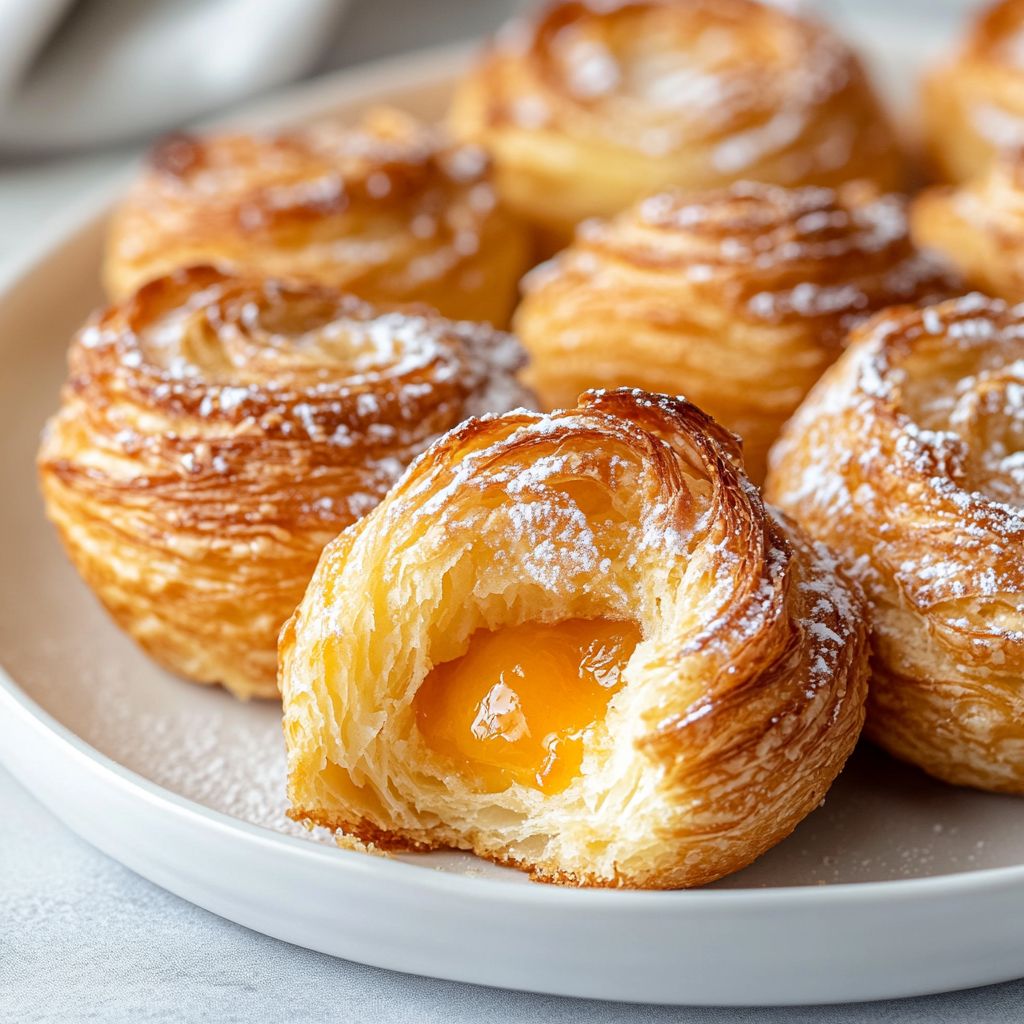
Imagine stepping into a kitchen where the air is perfumed with warm butter, vanilla, and a hint of caramelized sweetness. The oven bells and the soft crackle of delicate, laminated pastry layers create a symphony that whispers, “stay a while.” Flaky Homemade Cruffins are not merely pastries; they are edible postcards from a morning spent whisking, rolling, and patiently waiting for that first perfect bite. Each cruffin is a tiny, portable pastry sculpture: a croissant’s whisper-thin lamination folded into the familiar muffin’s pocket, yielding a dessert-turned-brunch-staple that looks as stunning as it tastes. The moment you break into one, you’ll hear the sigh of a crisp crust giving way to a tender, airy crumb, followed by the soft, butter-kissed interior that smells like sunlight on a cool morning. This is comfort, elevated—yet approachable enough for a weekend project or a show-stopping brunch centerpiece.
But there’s more to these beauties than their eye-popping appearance and irresistible aroma. Cruffins invite curiosity: they tempt you to taste not just with your palate but with your memory. They conjure childhood mornings when bakery bells rang from the corner shop and every pastry carried a story from the oven. They invite you to play with textures and flavors, to fold in surprises, to drizzle a glaze that gleams like morning dew, or to tuck a pocket of jam or cream inside for a playful, indulgent bite. In short, flaking, buttery layers meet muffin-size portability, creating a pastry that’s as comforting as a hug and as exciting as discovering a new favorite.
This long-form description will guide you through the soul of Flaky Homemade Cruffins—the craft, the warmth, the tradition-and-twist balance that makes them stand out. It’s a celebration of technique, an ode to simplicity done with intention, and a reminder that great pastries aren’t rushed; they’re coaxed from dough through patient folding, steady chilling, and a watchful eye on heat. If you’re craving an impressive, crowd-pleasing treat that still feels intimate and homey, you’ve found your muse in these cruffins.
The Story Behind the Dish
Cruffins are a modern pastry hybrid that grew out of the playful overlap between two beloved generations of dough: croissants and muffins. The idea is simple on the surface—combine laminated, butter-sweet layers with the handheld convenience of a muffin—but its execution is a delicate art. The lamination that gives croissants their signature flakiness requires patience, precise temperature control, and a gentle hand. To transform that dough into a muffin-sized pastry, bakers coax the dough into a dozen-nook form, letting each crescent of buttered layers create pockets of air that expand into a mosaic of crisp, honeyed edges and tender interiors.
Origin stories for cruffins vary by city and bakery, each claiming a tiny spark of inspiration: a pastry chef who wanted the portability of a muffin without sacrificing lamination’s flaky grandeur; a brunch cart that needed something that could be served with fingers and still feel luxurious; a home baker who decided that a crescent roll’s flakiness deserved a deeper, more complex texture. What’s beyond dispute is the sense of delight these pastries spark when they emerge from the oven—golden crowns perched atop a tray, a sheen that catches the light, and a scent that wraps the room in memory and anticipation.
Historically, the croissant as a laminated dough is rooted in layers of European technique—rolled folds that build countless sheets of butter and dough. The muffin, with its American heart, brought there a form that could be served warm in a hand, with a bite-sized convenience that made it a staple for weekend gatherings and breakfast buffets. The cruffin fuses these two traditions into a single, modern pastry that respects both lines of craft: the croissant’s lamination and the muffin’s ease of use. The result is a pastry that feels both familiar and refreshingly new—a glossy, knobby crown with a delicate interior, a symbolic bridge between morning ritual and culinary play.
Why You’ll Love This Recipe
- Effortlessly impressive: The look of a cruffin in a tray is irresistible, yet the technique rewards patience rather than brute force. The reward is bakery-quality flakiness that sits comfortably in a home kitchen.
- Versatile and forgiving (within reason): While laminated dough demands care, the flavor and texture adapt to many fillings and glazes, making each batch feel unique without starting from scratch.
- Perfect for brunch and celebrations: These little pastries are conversation starters, ideal for holiday mornings, birthdays, or a cozy family weekend.
- Textural variety in every bite: Expect the initial crisp, a delicate crumble, and a soft, airy center that melts in your mouth, with butter-forward notes that linger pleasantly.
- Customizable fillings and toppings: From vanilla bean cream to jam, chocolate, lemon curd, or almond paste, the interior can be a playful secret—sealed until the first bite.
- Make-ahead friendly: Once shaped, cruffins can be chilled or frozen for later finishing, making them ideal for feeding a crowd with limited day-of prep.
Flavor Profile & Texture
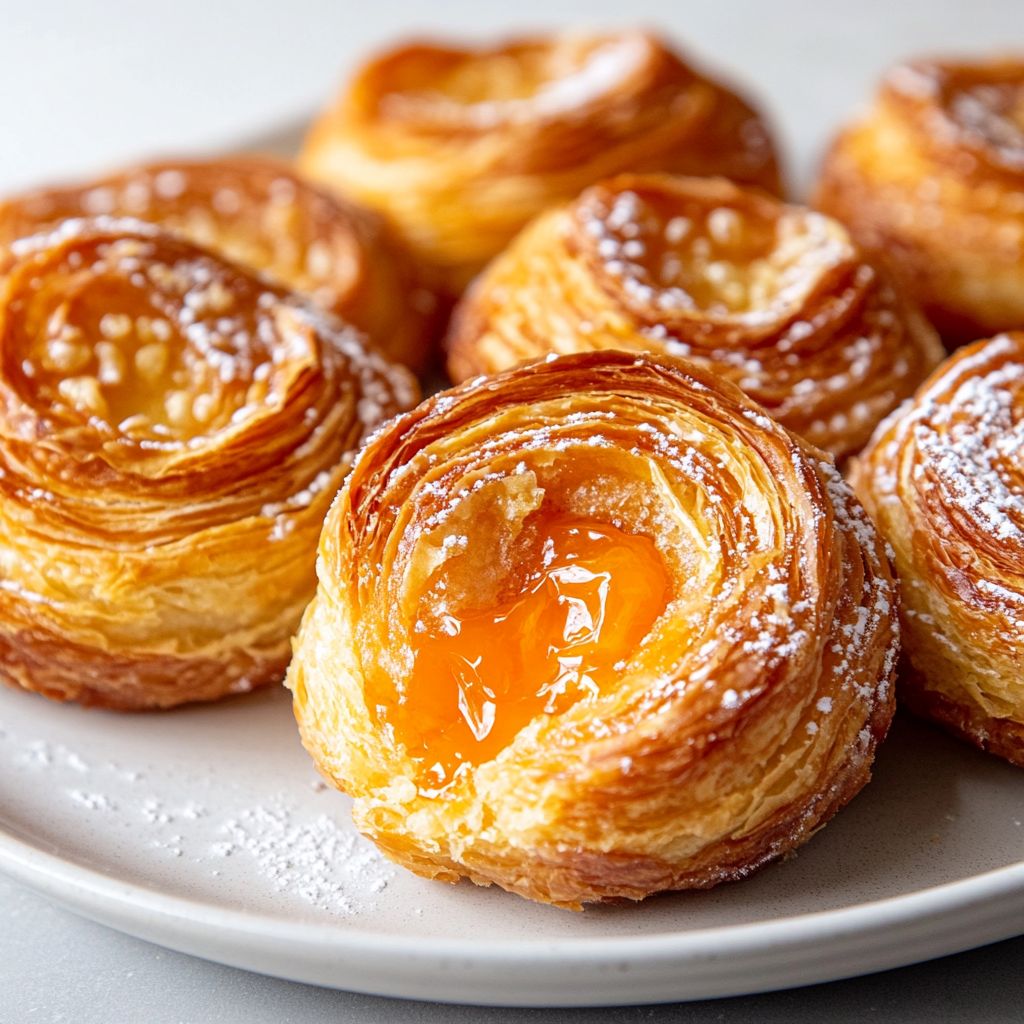
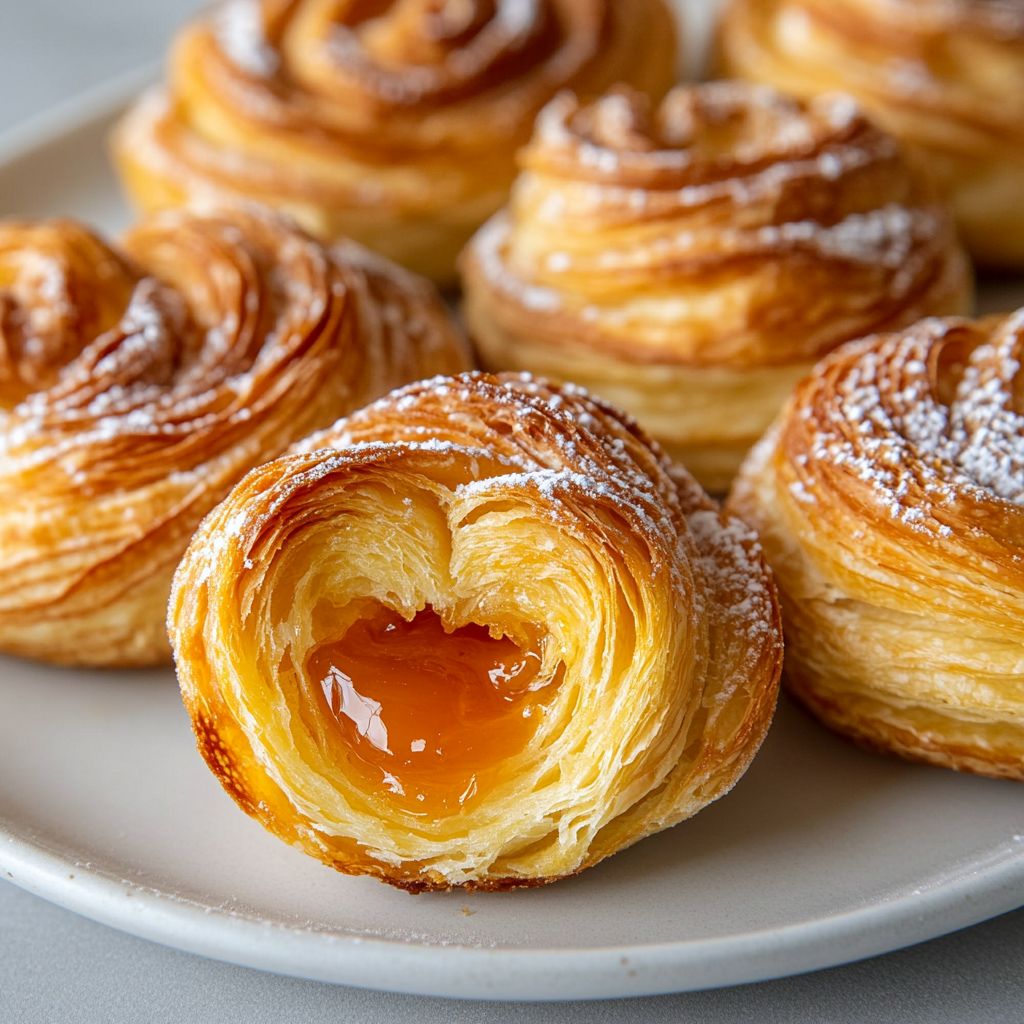
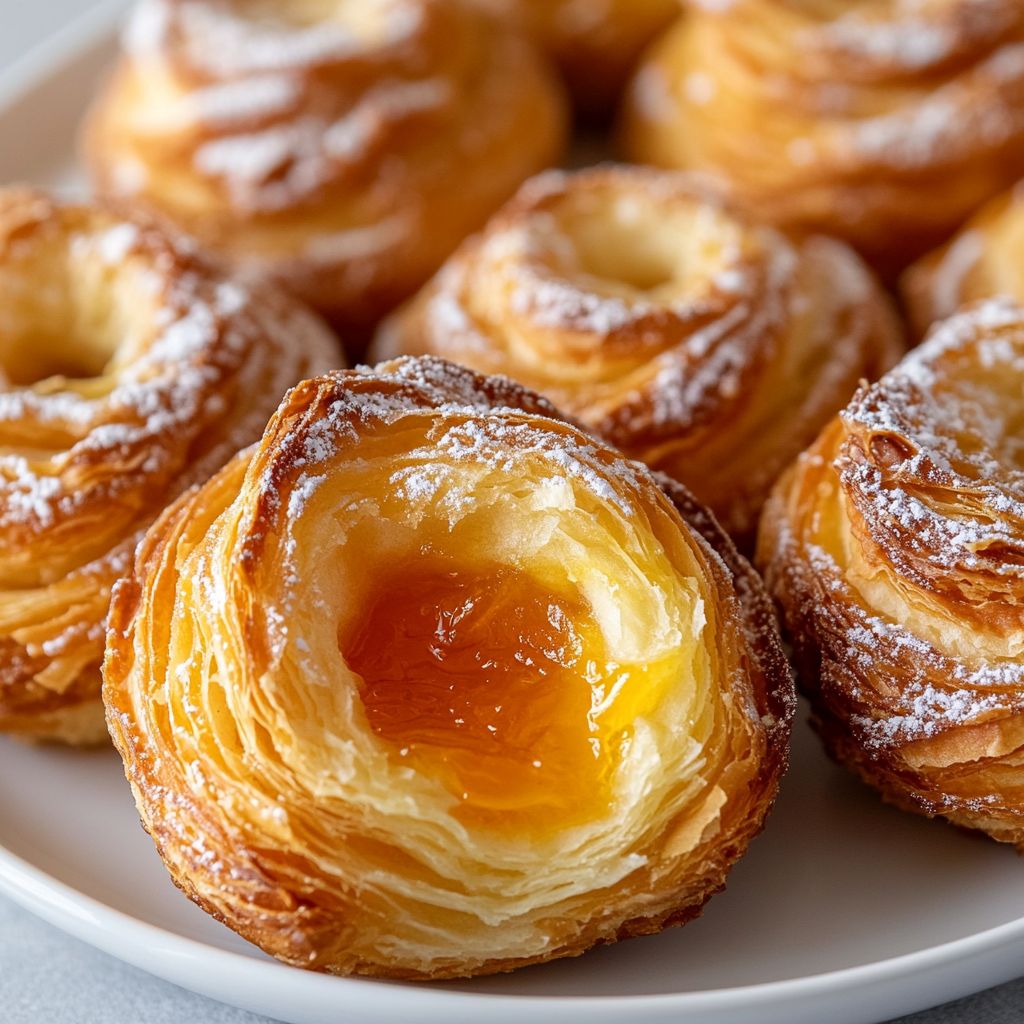
Flaky Homemade Cruffins deliver a symphony of textures that keep the palate intrigued. The exterior presents as a glossy crust with a honey-gold sheen and delicate crackles that yield under the bite. The lamination—the multiple sheets folded with butter—offers an almost wafer-like crispness that dissolves into a tender, cloud-light interior. The texture is enriched by the crumb structure: small, even air pockets that create a soft, pillowy bite rather than a dense chew. The flavors are deeply butter-forward, with a gentle, almost vanilla-sweet aroma that hints at toasted sugar and caramelization around the edges.
In terms of taste, the pastry carries a balanced sweetness that makes it versatile for both breakfast and dessert contexts. The croissant-like layers deliver a nutty, toasty note, while the folded muffin format invites a touch of caramelization near the crust, which intensifies as the pastry bakes. If you opt for fillings and glazes, the flavor spectrum broadens: a vanilla-cream center can lend a pudding-like softness; a tart raspberry or citrus curd can cut through sweetness with bright acidity; a dark chocolate or almond paste can add depth and a lovely contrast to the buttery profile.
The aroma is every bit as compelling as the texture and flavor. When the cruffins emerge, the kitchen fills with an inviting perfume: a blend of butter, malted pastry, and a whisper of sweetness that promises comfort and celebration in equal measure. The sensory experience—the sight of golden rims, the crackle of the crust, the melt-in-your-mouth interior, and the lingering scent—creates a moment of anticipation that makes you pause, savor, and smile.
Occasions & Pairings
These pastries shine in many settings. They’re perfect for slow Sunday mornings, weekend brunch buffets, gift boxes for friends and neighbors, or a show-stopping dessert course at a dinner party. Because they’re both elegant and approachable, cruffins bridge casual and festive occasions with ease.
Offer a selection of fillings and glazes to create a mini pastry flight. A citrus glaze, peppermint dusting, or a berry compote can elevate the trays for winter gatherings; a vanilla-bean glaze with a pinch of saffron or orange zest can feel sunny for spring events. Serve warm with a mug of hot chocolate, tea, or an espresso-based drink. A simple jam or lemon curd can become a comforting ratio that feels like a hug after a long day.
For pairing ideas beyond beverages, consider small cream-based treats (think pastry cream or whipped cream with fresh berries), a light mascarpone topping, or a dusting of powdered sugar with a citrus zest for a crisp, bright finish. If you’re hosting a brunch or tea, a platter of cruffins alongside scones, croissants, and fruit tarts creates a balanced visual and flavor spectrum that invites guests to explore.
Tips, Variations & Substitutions
The beauty of Cruffins lies in their flexibility and the opportunity to tailor them to your pantry, dietary preferences, and seasonal flavors. Here are practical ideas to customize your batch while preserving the signature lamination and the tender crumb.
- Fillings: Classic vanilla pastry cream, lemon curd, berry compote, almond cream, chocolate ganache, or salted caramel are all excellent. For a lighter touch, consider a light mascarpone with honey and citrus zest or a whipped cream folded with vanilla and a splash of liqueur.
- Glazes & Finishes: A simple glaze of powdered sugar and milk or cream, a lemon glaze for brightness, or a chocolate glaze for decadence. A light dusting of powdered sugar or a sprinkle of citrus zest adds a decorative finish that highlights flavor.
- Flavor Enhancers: A pinch of cardamom, cinnamon, or orange blossom water can add warmth, while a touch of vanilla bean paste elevates the aroma without overpowering the pastry.
- Vegan Adaptation: Use dairy-free laminated dough alternatives and plant-based butter. Be mindful that vegan laminated doughs can behave differently; chill and roll with extra care to preserve lamination and structure. A coconut milk glaze can complement the butter substitute nicely.
- Gluten-Free Variants: The laminated dough format is challenging to render gluten-free with the same flakiness, but you can achieve impressive results by using a high-fat gluten-free puff pastry or a specialty gluten-free laminated dough from reputable shops. Expect slightly different texture, with crispness anchored by the fat content of the dough.
- Regional Twists: Replace vanilla with a pulverized eugenia seed mix for a nod to classic European flavors, or fold in citrus zest and poppy seeds for a northeast European-inspired twist. A pistachio paste center gives a Middle Eastern meets Mediterranean feel, while a dark cherry filling nods to a cherry bake tradition.
- Make-Ahead Variations: Shape the cruffins and store the formed dough in the fridge overnight. Bake them the next day for a fresh-out-of-the-oven experience. You can also freeze unbaked cruffins on a tray, then transfer to a bag for up to a month; bake directly from frozen, adding a few minutes to the bake time.
A key tip for variations is to keep the core lamination intact: keep the butter cold, avoid overworking the dough, and maintain consistent thickness. The better you respect the dough during rolling and folding, the more pronounced the delicate layers will be when baked.
Storage & Make-Ahead Ideas
One of the practical joys of cruffins is that they’re friendly to planning. You can stretch the joy from a single bake into several days of breakfasts and treats with minimal stress.
- Room Temperature: Keep baked cruffins in an airtight container for up to 2 days. If your house is warm or humid, refrigerate to maintain freshness and texture, then reheat gently before serving.
- Reheating: Reheat in a 350°F (175°C) oven for about 5-8 minutes or until the pastry regains its crispness. Avoid microwaving, which can soften the flaky layers and dull the texture.
- Make-Ahead Frozen: Freeze unbaked formed cruffins on a sheet tray, then transfer to a freezing bag. Bake from frozen, adding 8-12 minutes to the bake time and watching closely for the desired golden color.
- Fridge Prep: The dough can be prepared in advance and chilled. This not only helps with scheduling but can also improve the lamination as the fat remains firm and the dough relaxes, resulting in better layers when baked.
Fun Facts & Trivia (Optional)
– The word “cruffin” is a portmanteau of “croissant” and “muffin,” reflecting the pastry’s hybrid nature. It’s a modern invention but one that draws deep from the lore of two centuries of European baking artistry.
– The laminated dough technique used for cruffins owes its origins to French patisserie traditions, where butter and dough are rolled and folded into countless thin sheets. Each fold is a promise of more delicate layers and more satisfying crunch when baked.
– In some bakeries, cruffins are piped with pastry cream or cream cheese fillings before being baked, creating a cross between a filled donut and a croissant—with half the effort and twice the wow factor.
– Cruffins pair beautifully with coffee culture because their richness cuts nicely with a robust roast, while their lightness makes them a gentle partner to a milky latte or a smoky espresso.
– For a celebratory touch, some bakers finish cruffins with a delicate glaze and edible confetti or a glaze that subtly gleams like morning dew, turning a simple pastry into a centerpiece for the table.
Ingredients
-
Flaky Cruffin Dough
- Preheat your oven to 350°F (175°C) and line a 12-cup muffin tin with paper liners or grease it well.
→ This ensures the cruffins have a clean, non-stick surface and hold their shape as they bake upright in the cups. - Bloom the active dry yeast in the warm 1 cup milk (105–115°F / 40–46°C) with a pinch of sugar for 5–10 minutes until foamy.
→ Foaming confirms the yeast is alive and ready to leaven; if you see no foam, warm the liquid slightly more within the safe range or start with fresh yeast. - Whisk together 4 cups all-purpose flour, 1/3 cup granulated sugar, and 1 teaspoon fine salt in a large bowl to ensure even distribution of sweetness and fermentation agents.
→ Dry ingredients must be evenly mixed so the dough proofs with a uniform crumb rather than concentrated pockets of salt or sugar. - In a separate bowl, whisk 2 large eggs (if using) with the remaining warm milk from the bloom and the 2 tablespoons melted and cooled butter until the mixture appears glossy and homogeneous.
→ The eggs (if used) add richness and help emulsify the dough; keeping the butter cool prevents it from seizing the dough and tearing the gluten network. - Make a well in the center of the dry ingredients and pour in the foamy yeast mixture plus the liquid egg mixture; stir with a wooden spoon or dough whisk until a shaggy dough forms.
→ A shaggy dough indicates enough hydration for the gluten to develop without overmixing; this will yield a tender crumb after lamination. - Turn the dough out onto a lightly floured surface and knead briefly for 4–5 minutes until cohesive and smooth, then fold in the 2 tablespoons melted butter in small additions until fully incorporated.
→ Incorporating the fat at this stage adds tenderness and helps the dough shear later during lamination; do not rush the emulsion or overwork, which can toughen the crumb. - Shape the dough into a disc, wrap, and refrigerate for 30–60 minutes to relax the gluten and firm the fats, making the dough easier to roll for lamination.
→ Chilled dough holds its shape during the rolling and folding steps and prevents butter from oozing into the dough, which would blur the flaky layers. - Meanwhile, prepare the laminated butter block by placing 1 1/2 cups unsalted butter between two sheets of parchment or plastic wrap and shaping it into a square roughly the same size as the dough sheet; dust with 2 tablespoons flour and chill until pliable but still cold, about 15–20 minutes.
→ A cold, pliable butter block is essential to form distinct, even laminations; too warm and it will blend into the dough, too hard and it will crack and tear the dough. - Roll the chilled dough on a lightly floured surface into a rectangle about 10×14 inches (25×35 cm); place the chilled butter block on the lower two-thirds of the dough, leaving a margin all around.
→ The butter must be sheltered within the dough so it can be enclosed by rolling; this creates the signature laminated layers when folded and rolled later. - Fold the top third of the dough down over the butter and then fold the bottom third up to enclose the butter completely, sealing the edges; this is the first turn. Chill for 15–20 minutes to set the butter barrier.
→ The initial turn traps the butter between dough layers; chilling prevents the butter from melting into the dough during subsequent rolls and helps form crisp layers. - Roll the dough again into a long rectangle, about 10×24 inches (25×60 cm), and perform a second turn by folding the top third down and the bottom third up; chill again for 15–20 minutes.
→ Repeated turns build multiple alternating fat and dough layers; patience here ensures a flaky, layered crumb rather than a dense pastry. - Roll the dough a third time into a rectangle and perform a final turn, then chill the dough for at least 20–30 minutes until fully stiff and easy to handle.
→ The final turn sets the last set of laminations and permits clean, even curls when shaped into cruffins. - Roll the laminated dough into a 12×24 inch (30×60 cm) rectangle and trim to neat edges; if you want optional cinnamon or citrus zest in the outer layers, dust evenly now.
→ Even distribution of flavorings within the outer sheets enhances aroma and provides a subtle swirl when the cruffins bake, without overpowering the filling. - If using optional fillings, distribute them as follows: for chocolate chips, scatter 1/2 cup evenly over the dough; for jam, pipe short lines or dollops along the center; for almond paste, crumble small bits across in a thin, even layer; for chopped nuts, sprinkle evenly; if using a combination, distribute in balanced portions.
→ Placing fillings before rolling ensures pockets of flavor throughout the cruffins rather than concentrated pools that can leak during baking. - Roll the rectangle into a tight log along the longer axis, seal the seam, and chill for 15 minutes to set the shape; then cut the log into 12 equal pieces.
→ Tight logs prevent air pockets and ensure uniform baking; equal portions guarantee consistent lift and crust color across all cruffins. - Gently lift each portion and place it into a greased or lined muffin cup, curling or coiling the dough to form an upright spiral that fills the cup about 2/3 full; repeat with all pieces.
→ Positioning the dough in the cup allows the pastry to proof upward into tall, croissant-like cruffins and ensures they bake evenly in their own cups. - Cover the pan loosely with a clean towel and proof at room temperature (70–75°F / 21–24°C) for 45–60 minutes until puffy and visibly risen; avoid over-proofing which can cause a flat final bake.
→ Proper proofing augments lift and tenderness; too short yields dense pastries, too long can cause gaps or collapsed centers. - While the dough proofs, whisk 1 large egg with 1 tablespoon water to prepare the egg wash; this will give the crust a glossy, golden finish.
→ The wash helps the surface color evenly and aids any optional toppings to adhere during baking. - Just before baking, brush the tops of the cruffins lightly with the egg wash and sprinkle with optional toppings such as coarse sugar or pearl sugar for additional crunch and sparkle.
→ Egg wash promotes browning and shine; toppings add texture and visual appeal that contrast with the tender interior. - Bake the cruffs in the preheated oven for 18–22 minutes, rotating the pan halfway through, until the tops are deeply golden and the internal temperature reaches about 190°F (88°C).
→ Even heat distribution ensures uniform color and doneness; a thermometer confirms the ideal crumb temperature for a flaky, fully set center. - Remove the pan from the oven and let the cruffins cool in the pan for 5–10 minutes, then transfer to a wire rack to cool completely before filling or glazing; this resting period sets the crumb and makes removing from cups easier.
→ Cooling stabilizes the butter in the layers, preventing collapse and allowing the steam to escape gradually for a crisp exterior and tender interior. - Optionally glaze or dust with powdered sugar once cooled, or serve warm with jam, butter, or citrus zest; store any leftovers in an airtight container for up to 2 days or freeze for longer storage.
→ Finishing touches personalize the flavor, while proper storage preserves flakiness and prevents staling. - Lamination and dough handling: Keep ingredients cold, chill after every fold, and roll with a light touch to maintain distinct butter layers. Do not overwork the dough; warmth is the enemy of lamination.
- Butter block management: Shape the butter into a square that matches the dough sheet, wrap well, and chill between folds. Dust lightly with flour only as needed to prevent sticking—excess flour can dull the layers.
- Fillings and distribution: If using chocolate, jam, or almond paste, apply in modest amounts along the dough before rolling to avoid seepage. Slice or pipe fillings evenly to ensure balanced bites throughout the cruffins.
- Shaping and proofing: Roll dough into a long rectangle, cut into strips, and roll into cylinders to form the cruffins. Place in muffin cups if desired, then proof until puffed but not overly airy. Temperature and time will depend on room conditions and yeast activity.
- Baking and finishing: Brush with a beaten egg wash for a glossy, golden finish and optional sheen from the sugar topping. Bake at a moderate to high heat until deeply golden and crisp on the outside, with a tender interior.
- Make-ahead and storage: Freeze unbaked, shaped cruffins on a tray, then transfer to an airtight container. Bake from frozen, adding a few extra minutes. Baked cruffins store 2–3 days at room temperature and can be frozen for 1–2 months; reheat in a 350°F (175°C) oven for 5–8 minutes to refresh the layers.
- Substitutions and tips: For dairy-free options, use plant-based butter and milk substitutes while keeping fat content similar. If dough seems too sticky, chill longer; if butter leaks, re-chill the dough between folds. Adjust fillings and sugar depending on sweetness preference and desired richness.
- Toppings: Coarse sugar or pearl sugar added before baking creates a pleasant crunch and sparkle. You can finish with a light dusting of cinnamon or citrus zest for extra aroma.
- Keep ingredients cold and handle the dough gently. Use the spoon-and-sweep method to measure flour, then weigh it for accuracy to prevent overworking the dough which can reduce lamination.
- To get a richer, crumby crumb, you can substitute up to 1 cup of all-purpose flour with bread flour, or use a 75/25 blend of all-purpose and bread flour. Cold ingredients help maintain the fat layers during rolling.
- If you’re using eggs, you may reduce the warm liquid by 1–2 tablespoons to keep the dough from getting too soft. If you omit eggs, add a touch more liquid to maintain hydration.
- When blooming the yeast, aim for a foamy result in warm milk (105–115°F / 40–46°C). If you’re using instant yeast, you can whisk it directly with the dry ingredients and skip blooming for a quicker mix.
- Keep the laminated butter block cold and pliable. Shape it into a square that roughly matches the dough sheet to ensure even lamination, and chill between folds to prevent the butter from seeping into the dough.
- Dust the rolling surface lightly with flour—only as needed. Excess flour can dampen the butter and hinder crisp, distinct layers.
- If the butter block becomes too soft, refrigerate briefly to regain body before continuing with the folds.
- Maintain a warm, draft-free spot for fermentation. If your kitchen is cool, extend resting times but monitor dough for a gentle rise rather than a rapid expansion.
- A gentle, steady rise helps develop flavor without overproofing. If the dough has risen too quickly, refrigerate to slow fermentation and improve lamination integrity.
- Chill the dough and the butter between folds to keep layers distinct. Typically, perform 3 full folds (turns) with rests in between for consistent lamination.
- Roll to even thickness; uneven thickness can cause uneven baking and dusing. If the dough sticks, dust lightly with flour and peel away with a tapered roller to avoid tearing.
- Work quickly but calmly to maintain consistent temperature between dough and butter. Warm dough will smear the butter and fuse layers, reducing flakiness.
- Choose thick jams or preservatives to prevent runny centers. If using jam, pipe or dollop a small amount toward the center before rolling to create a centered swirl.
- When adding chocolate, use small chips or finely chopped chocolate to avoid large pools that can leak during baking.
- Almond paste or frangipane should be crumbled or spread in a thin layer and kept slightly chilled for easy handling; this helps distribute flavor evenly without oozing.
- Toast nuts lightly to heighten aroma before folding or sprinkling for even distribution and better crunch.
- Brush with an egg wash (1 large egg beaten with 1 tablespoon water) lightly for a glossy, golden finish and to help toppings adhere. If avoiding eggs, consider a plant-based wash or a milk wash for subtler color.
- Apply toppings like coarse sugar or pearl sugar just before baking for maximum crunch and sparkle. Pearl sugar caramelizes nicely, while coarse sugar adds a crunchier bite.
- Bake until the crust is deeply golden and the interior is fully set. If you’re unsure, rotate the pan halfway through and check for even color.
- Let cruffins cool on a wire rack to stop the steam from making the bottom soggy. Once cooled, pull apart or slice to reveal the flaky layers inside.
- Unbaked shaped cruffins can be frozen on the tray, then transferred to a freezer bag for long-term storage. Bake directly from frozen, adding a few extra minutes as needed.
- Store baked cruffins in an airtight container at room temperature for up to 2 days. Reheat briefly in a warm oven to restore flakiness, or re-crisp in a toaster oven.
- If the lamination seems to be failing (butter leaking into the dough), chill the dough and butter longer, or reduce the rolling speed to maintain clean layers.
- If cruffins are dense or gummy, ensure you haven’t overworked the dough during mixing or rolling. Allow adequate rest between folds and avoid rushing the process.
– 4 cups all-purpose flour (plus extra for dusting)
→ Provides the gluten structure and foundation for the laminated dough. Measure by spoon-and-sweep and then weigh for accuracy to avoid overworking the dough. For a flakier, richer crumb you can substitute up to 1 cup with bread flour or use a 75/25 blend of all-purpose and bread flour. Keep ingredients cold and handle the dough gently to maximize lamination.
– 1/3 cup granulated sugar
→ Adds gentle sweetness and helps feed the yeast during fermentation. If you prefer a less sweet pastry, reduce to 2 tablespoons. Mix sugar evenly with the flour so the dough preuves an even crumb rather than concentrated pockets of sweetness.
– 2 1/4 teaspoons active dry yeast (1 standard packet)
→ The leavening that lifts the laminated dough. Bloom the yeast in warm milk (around 105–115°F / 40–46°C) with a pinch of sugar for 5–10 minutes until foamy; if you’re using instant yeast, you can whisk it directly with the dry ingredients and skip blooming. Use fresh yeast for best results.
– 1 teaspoon fine salt
→ Balances flavor and helps control fermentation. Dissolve in the warm liquid before combining with the flour to ensure even distribution; avoid adding salt directly to the yeast to prevent inhibiting activity.
– 1 cup warm milk or water (105–115°F / 40–46°C)
→ Hydrates the dough and activates the yeast; milk yields a richer crumb, while water produces a lighter texture. If you use eggs, you may reduce the liquid by 1–2 tablespoons to maintain proper dough consistency. Do not exceed the recommended temperature to avoid killing the yeast.
– 2 large eggs, room temperature (optional)
→ Adds richness and helps bind the dough for a softer, more tender crumb. If you omit eggs, increase the liquid by 1–2 tablespoons to maintain hydration and adjust slightly for a crumbier texture.
– 2 tablespoons unsalted butter, melted and cooled
→ Enriches the dough with fat and flavor; helps tenderize the crumb. Add after the initial mixing so the butter doesn’t seize the dough. Ensure the melted butter is cooled so it doesn’t melt the dough’s fat layer prematurely.
Laminating Butter Block
– 1 1/2 cups unsalted butter, cold and pliable, for the laminated block
→ The signature flaky layers come from the butter block. Keep the butter cold but pliable, shape it into a square that roughly matches the dough sheet, and chill between folds so it remains solid enough to create distinct, separated layers rather than mixing into the dough.
– 2 tablespoons all-purpose flour, for dusting
→ Dusting helps prevent sticking when rolling and folding the butter block. Use sparingly; excess flour can dampen the butter’s ability to create crisp layers. Re-dust the rolling surface as needed.
Egg Wash & Finish
– 1 large egg, beaten with 1 tablespoon water (egg wash)
→ Gives the croissant-like cruffins a glossy, golden finish and helps any toppings adhere. Brush lightly on the surface after shaping and before baking. If you’re avoiding eggs, use a plant-based wash or milk for a subtler color.
Optional Fillings
– 1/2 cup chocolate chips or chopped dark chocolate (optional)
→ Creates pockets of melted chocolate inside the flaky layers. Use small chips or finely chopped chocolate to prevent large pools of melted chocolate that could leak during baking. Distribute evenly for balanced bites.
– 1/2 cup fruit jam or preserves (optional)
→ Adds fruity sweetness and aroma; choose a thick jam/preserve so it doesn’t run too much during baking. Pipe or spoon a small amount along the dough before rolling to form a centered swirl or filling.
– 1/2 cup almond paste or frangipane (optional)
→ Imparts a rich almond flavor and a creamy contrast within the flaky layers. Crumble or thinly spread a thin layer inside the dough before rolling to distribute evenly; keep it slightly chilled so it’s easy to work with.
– 1/4 cup finely chopped nuts (optional)
→ Adds crunchy texture and depth of flavor. Toast nuts lightly to heighten aroma before folding them into the dough or sprinkling over the rolls before shaping for even distribution.
– 1/2 teaspoon ground cinnamon or citrus zest (optional)
→ Introduces warmth (cinnamon) or brightness (citrus) to complement fillings. Add to the dough during the dry-mix stage or sprinkle inside the roll for a subtle swirl.
Optional Toppings
– Coarse sugar or pearl sugar for topping (optional)
→ Creates an appealing crunch and sparkle on the baked crust. Sprinkle evenly after shaping and just before baking to maximize texture and sweetness. Pearl sugar will caramelize and give a distinct bite; coarse sugar adds more crunch.
Instructions
Notes
These flaky cruffins are croissant-inspired pastries built from a laminated dough that yields distinct, buttery layers and a tender crumb. Keep everything cold and work quickly to maximize lamination; the dough should remain chilled between folds to prevent the butter from melting into the dough. You can customize them by filling with chocolate, jam, almond paste, or nuts to create a variety of bite-sized treats. They bake beautifully with an egg wash that gives a glossy, golden crust, and they freeze well for make-ahead breakfasts or snacks. For the best results, bake from cold or partially chilled dough and rewarm gently to restore that just-baked aroma. If you prefer dairy-free, you can adapt with plant-based butter and milk substitutes, but aim to maintain a similar fat content for flaky layers.
Tips
Tips for Flaky Homemade Cruffins
Dough preparation tips
Laminating butter block tips
Fermentation and temperature tips
Rolling, folding, and lamination
Fillings and flavor balance
Shaping, egg wash, and finishing
Baking, cooling, and serving
Make-ahead, storage, and reheating
Troubleshooting quick tips
FAQ
What exactly is a cruffin?
A cruffin is a croissant-muffin hybrid. It uses laminated, buttery dough rolled and folded to create many delicate layers, then baked in a muffin tin to form a tall, flaky pastry with a crispy exterior and a soft, airy interior.
What ingredients do I need for flaky homemade cruffins?
You’ll typically need all-purpose flour, sugar, salt, yeast (instant or active), milk (or water), eggs, and butter for the dough. For lamination you’ll use additional cold butter. Fillings and glazes are optional but popular choices include chocolate, vanilla cream, jam, or almond paste. Keep everything cold to maintain distinct layers.
Do I need special equipment beyond a muffin tin?
Basic tools work well: a rolling pin, bench scraper, a pastry brush, parchment paper or plastic wrap, and a cooling rack. A stand mixer can help mix the dough, but you can mix by hand. A thermometer helps ensure the dough stays within the right temperature range during lamination.
How do you laminate the dough for flaky layers?
After making a soft dough, chill it. Prepare a cold slab of butter as the lamination layer. Encase the butter in the dough, roll it out, and perform folds (often a three-turn/turn-and-fold method). Refrigerate between turns to keep the butter from melting. Repeat turns to build many delicate layers, then rest the dough well before shaping.
Can I skip steps or make a quicker version?
Lamination gives the flaky texture, but you can make a quicker, non-laminated version with a butter-blend dough or use puff pastry as a shortcut. The result will be less layered, but still tasty. If you’re short on time, you can also bake a croissant-like dough in muffin cups with less folds, though the classic cruffin flavor is in the laminated layers.
How should I shape and bake cruffins in a muffin tin?
Roll the laminated dough into a wide rectangle, cut into strips, and wrap each strip into a spiral, placing the seam side down in lightly greased muffin cups. Let them proof until puffy, then bake until deeply golden. The muffin tin helps form a tall, cup-shaped pastry with even rise.
What is the recommended bake time and temperature?
Preheat the oven to about 375–400°F (190–200°C). Bake for roughly 18–25 minutes, or until the tops are deeply golden and the sides are well set. Ovens vary, so start checking around the 18-minute mark.
How do I know when the cruffins are done?
They should be deeply golden and pull away slightly from the muffin cups. The crust should be crisp, and the interior should be flaky with many visible layers. If pressed, they should feel hollow inside when tapped near the top.
What fillings pair well with cruffins, and how do I add them?
Popular fillings include chocolate ganache or chips, vanilla or almond cream, fruit preserves, lemon curd, or almond paste. You can place a small amount of filling in the center of the dough strip before wrapping it in the cup, or swirl fillings into the pastry before shaping. For a simple finish, dust with powdered sugar or drizzle glaze after baking.
How should I glaze or finish cruffins?
Options include a simple sugar glaze (powdered sugar plus a little milk or water), vanilla glaze, chocolate glaze, or a citrus glaze. A light brush of melted butter right after baking keeps the crust shiny and flavorful. You can also sprinkle sliced almonds or coarse sugar for extra texture.
Can I make these ahead or freeze them?
You can prepare the laminated dough and shape the cruffs ahead, then refrigerate overnight before baking. Baked cruffins freeze well; cool completely, wrap individually, and freeze. Reheat in a 350°F (175°C) oven for 6–10 minutes until warmed through. For best texture, re-crisp in a hot oven briefly.
What are common troubleshooting tips?
If the dough doesn’t rise well, check yeast activity and ensure the dough stays cold during lamination. If butter leaks or the layers merge, chill the dough longer between folds. If the final product isn’t flaky enough, increase the number of turns or chill time between folds. Overproofing can cause flat pastries, so proof until puffy but not overly soft.