
Introduction / Hook
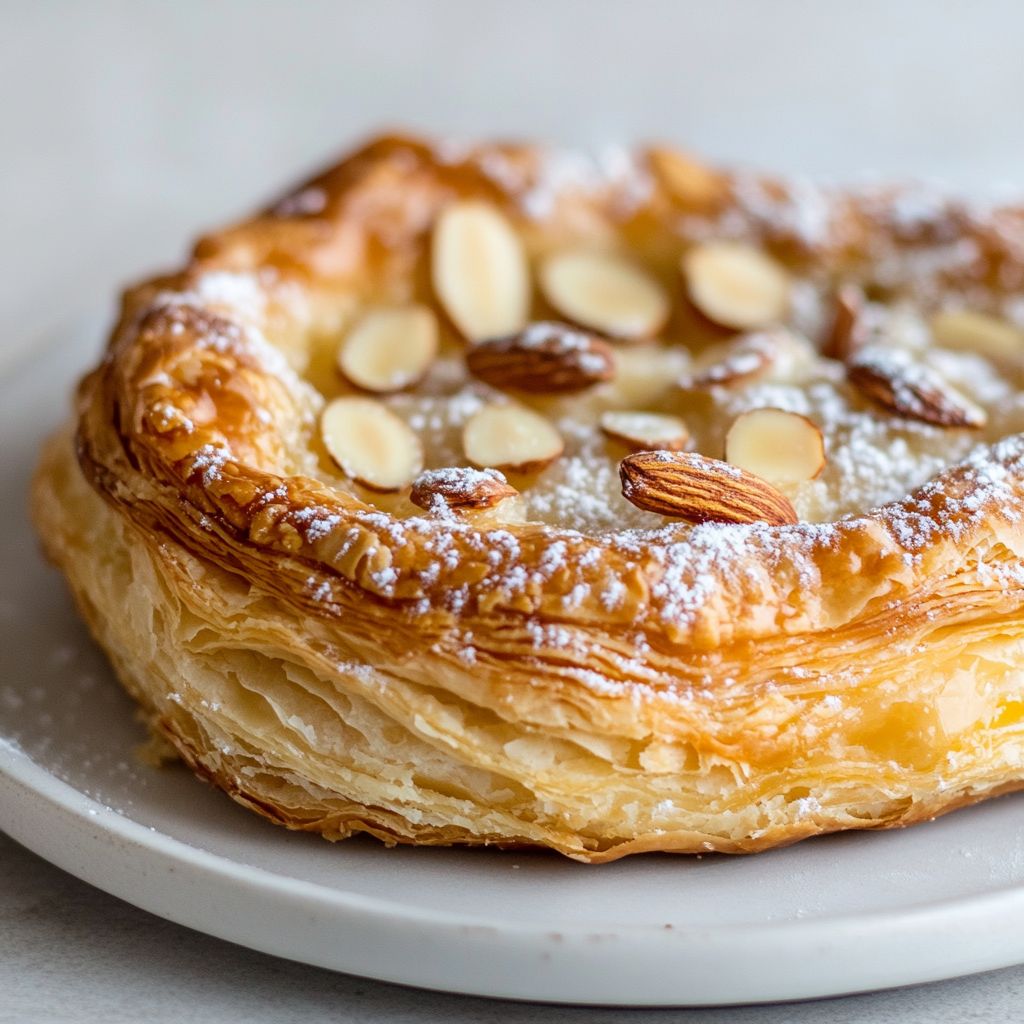
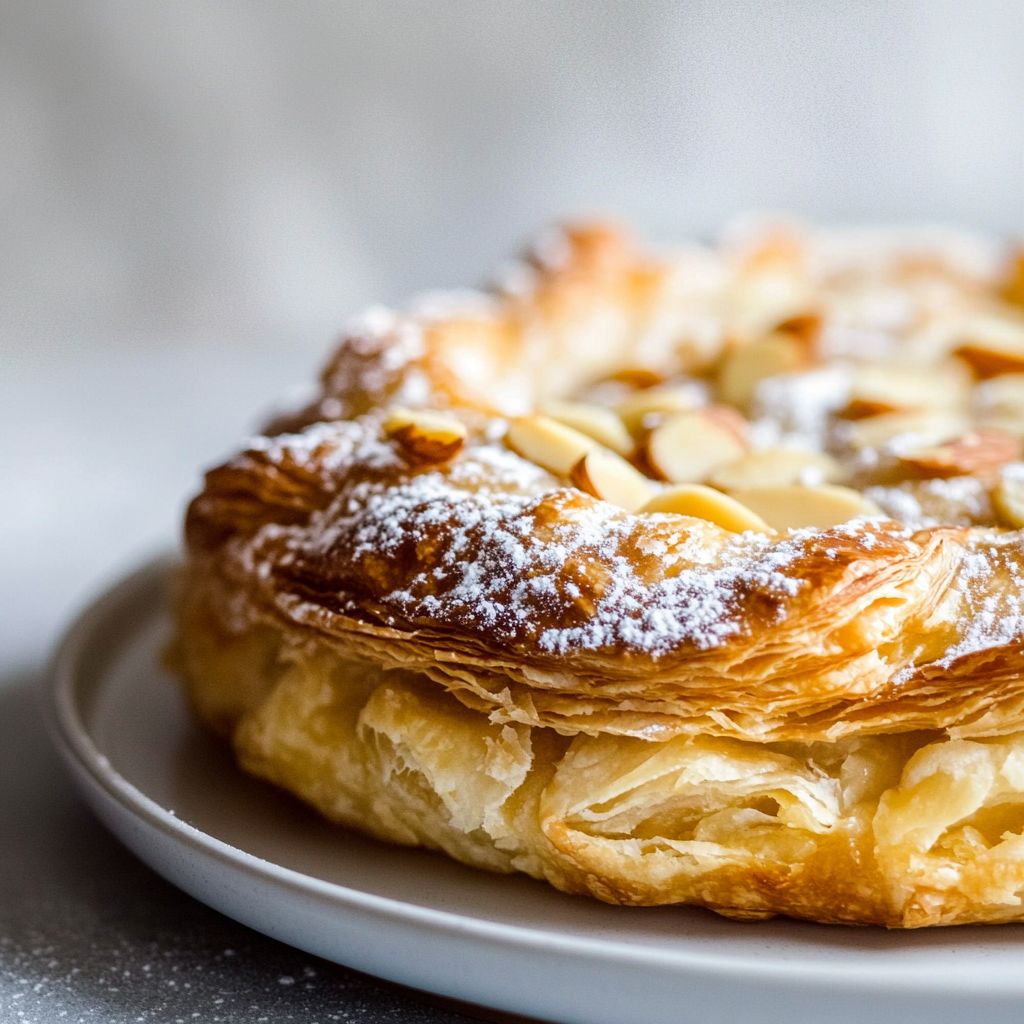
Picture a delicate, sun-kissed pastry that melts at the edge of a bite, releasing a warm whisper of almonds and vanilla. Easy Flaky Sweet Almond Pastry is not just dessert; it’s a memory waiting to unfold on your plate. The first bite is a crisp, whisper-light crunch that gives way to a tender, almost cloudlike interior. You’ll taste toasty almond sweetness that dances with a kiss of caramelized sugar and a hint of citrusy brightness, as if the pastry itself were telling a soft, comforting story. The aroma rises with every bake, a comforting invitation that fills the kitchen like a cozy and fragrant hug. This is the kind of pastry that feels luxurious without demanding perfection; it rewards attention with a flaky texture that seems to puff up with friendly pride. It’s the kind of treat you reach for on a quiet weekend morning, when the sun slides through the blinds just so, turning the kitchen into a stage for cinnamon-dusted dreams and almond-laced reveries. Yet it’s simple enough to pull off on a weekday afternoon, a testament to the idea that extraordinary flavor can be coaxed from humble ingredients and patient, careful layering. The result is not merely a pastry, but a memory you’ll want to recreate—the scent of almonds lingering in the air, the flaky layers yielding to a soft, buttery crumb, and a sweetness that feels balanced, comforting, and utterly irresistible.
The Story Behind the Dish
Flaky pastry and almonds share a long, interwoven history that spans continents and centuries. The concept of a crust that rises into delicate, almost snow-light layers traces back to the evolution of puff pastry, a technique that transformed simple dough into a tapestry of thin sheets that crackle and sigh with every bite. Almonds, meanwhile, have a treasure-laden lineage in pastries worldwide—from the marzipan dreams of European patisseries to the almond-honey notes found in North African and Middle Eastern sweets. The marriage of almond flavor with a buttery, flaky crust feels as if it were written in the margins of kitchen journals across generations: a practical, comforting solution that elevates a humble crumb into something festive and familiar at once. In many homes, a pastry like this has been a staple during family gatherings, holidays, or the quiet, sunlit hours when the best conversations happen around the scent of warm pastry cooling on a rack. The sweetness is gentle, almost motherly in its warmth, while the almond undertone carries a just-right nuttiness that doesn’t shout but lingers—inviting another slice, then another, then another until the plate is bare and the memories linger on the palate.
A Personal Note on Craft and Comfort
For generations, bakers have understood that the joy of pastry lies less in complexity and more in restraint—the precision of layers, the patience to chill, the gentle rolling that preserves the lightness. This Easy Flaky Sweet Almond Pastry is designed to honor that tradition while embracing modern kitchens. It’s a nod to the timeless technique of lamination, but presented in a way that feels approachable: no intimidation, just a rhythm you can follow, a rhythm that rewards careful handling with a final product that is at once refined and warmly familiar. The dish invites you to slow down a touch, to take a moment to listen for the quiet crackle of the crust as it yields to the first bite, to notice how the almond notes unfold in stages—nutty and toasty, then softly sweet, and finally linger with a gentle, comforting aftertaste. It’s a pastry that celebrates contrasts—the crisp exterior meeting a soft interior, the brightness of citrus with the depth of toasted almond, the simple pleasure of butter and dough transformed into something a little magical. It’s not merely about feeding the body; it’s about feeding the senses, the nostalgia, and the small daily rituals that make life feel a little more delicious.
Why You’ll Love This Recipe
- Effortless elegance: A bakery-worthy flaky crust that you can achieve with careful technique, without needing professional equipment.
- Versatile sweetness: A delicate almond sweetness that pairs beautifully with coffee, tea, or a glass of dessert wine.
- Comforting nostalgia: The familiar aroma of toasted nuts and butter evokes memories of family kitchens and festive gatherings.
- Impressive texture: Layered, light, and crispy on the outside with a tender, almost melt-in-your-mouth interior.
- Beginner-friendly sophistication: A recipe that feels special yet rewards beginners with a forgiving, approachable process.
- Make-ahead friendly: The pastry can be prepared in stages, allowing you to plan ahead for busy days or entertaining.
- Customizable base: While the classic version shines, this pastry lends itself to fillings or flavor variations that can be adapted to seasons or dietary needs.
- Kid-friendly charm: A sweet indulgence that can be enjoyed as a weekend treat or a special school-day dessert with minimal fuss.
- Pairs well with conversation: Its aroma invites lingering at the table, making it a delightful centerpiece for gatherings and shared moments.
Flavor Profile & Texture
The flavor profile of Easy Flaky Sweet Almond Pastry unfolds in layers. The first impression is a crisp, delicate crackle from the outer crust, a sensory whisper of butter that seems almost to sigh with the shift of air as the knife glides through. As you bite deeper, you encounter the core—an interior texture that remains tender, almost airy, with a brief moment of flakiness that dissolves into creamy sweetness. The almond presence is the star, offering a nutty richness that is simultaneously toasty and bright. It’s not a heavy almond flavor; rather, it’s a refined, well-balanced essence that carries hints of sweetness without tipping into cloying territory. A subtle kiss of vanilla or citrus zest—depending on adjustments you might enjoy—brightens the almond notes, lifting them just enough to feel lively rather than heavy. The pastry’s base carries a mild butteriness that serves as a comforting foundation, enhancing the sense of warmth and indulgence, while a gentle sugar glaze or dusting (optional in some variations) provides a whisper of gloss and a final note of sweetness that lingers pleasantly on the tongue. The overall experience is one of harmony: the crispness of the crust, the soft resilience of the interior, the aromatic fragrance that fills the room, and the sweetness that feels refined rather than overbearing. It’s a dessert that respects the palate with balance and invites you to slow down and savor each moment of the tasting journey.
Occasions & Pairings
This pastry shines in a variety of settings, from quiet weekday mornings to festive weekend gatherings. It’s equally at home as a refined brunch component, a dramatic centerpiece for a tea party, or a comforting after-dinner treat alongside a warm beverage. For occasions, consider:
- Brunch gatherings: Serve alongside coffee, espresso, or a light citrusy yogurt parfait for a balanced spread.
- Holiday mornings: A refined alternative to cinnamon rolls—pair with sparkling or a light dessert wine to elevate the experience.
- Afternoon tea or coffee break: A perfect companion to a pot of tea, especially Earl Grey, chai, or vanilla latte.
- Seasonal celebrations: The pastry’s almond base adapts well to glazes or garnishes that reflect seasonal flavors—citrus zest in winter, berry compotes in summer, or a touch of orange blossom in spring.
Pairing suggestions to complement the flavor and texture include:
- Beverages: Black tea, espresso, or a lightly sweetened almond milk latte; dessert wines such as Moscato or a light Riesling can work nicely if you desire a touch of sweetness at the end of a meal.
- Side dishes: A light vanilla yogurt or a citrus-infused fresh fruit compote can contrast beautifully with the pastry’s richness.
- Desserts: A simple, fresh berry salad or a scoop of vanilla bean ice cream creates a pleasing balance of hot/cold and crisp/soft textures.
Tips, Variations & Substitutions
Here are practical ideas to tailor Easy Flaky Sweet Almond Pastry to your preferences, dietary needs, or seasonal ingredients:
- For a vegan version: Use plant-based butter and a dairy-free egg wash (or skip the wash entirely) to maintain the flaky texture. Some recipes also use yoghurt or almond milk substitutes in the dough to preserve moisture.
- Gluten-free option: Replace the all-purpose flour with a high-quality gluten-free pastry blend. Add a touch more cold butter and chill the dough thoroughly to preserve lamination and flakiness.
- Nut-free adaptation: If you’re avoiding almonds, consider a pastry made with sunflower or hazelnut alternative paste, or rotate to a cinnamon-sugar twist with a subtle citrus note to maintain balance.
- Flavor twists: Fold in a touch of lemon zest or orange blossom water into the pastry dough (or sprinkle zest on top before baking) to brighten the almond profile without overpowering it.
- Texture tweaks: For extra flakiness, ensure the dough remains cold and perform gentle, rapid folds during shaping. Avoid overworking the dough to keep the layers distinct and light.
- Sweetness control: If you prefer a sweeter pastry, finish with a light glaze made of powdered sugar and a splash of citrus juice; for a more restrained sweetness, serve with fresh fruit or a dusting of powdered sugar instead of a glaze.
- Regional flavor twists: In regions with a rich tradition of marzipan, a thin layer of marzipan tucked inside before the final roll can create a delightful, concentrated almond profile that melts into the pastry as it bakes.
Storage & Make-Ahead Ideas
To preserve the pastry’s texture and flavor, consider these practical storage strategies and make-ahead options:
- Make-ahead: Prepare and chill the dough in advance. If you prefer, you can roll and even bake the pastry ahead of time, then reheat gently to crisp up the crust just before serving.
- Room temperature storage: The pastry keeps well for 1–2 days when stored in an airtight container at room temperature. A light parchment layer between slices will help prevent sticking and maintain the crispness of the outer crust.
- Refrigeration: For longer storage, refrigerate wrapped pastries for up to 3–4 days. Reheat gently in a low oven to restore crispness before serving.
- Freezing: The baked pastry can be frozen for up to 1 month. Wrap tightly to prevent freezer burn, and reheat in a moderate oven to regain texture. If freezing unbaked dough, keep it well-wrapped and chill for a few minutes to firm before baking as usual.
Fun Facts & Trivia (Optional)
Did you know that almonds have been treasured for thousands of years in Mediterranean and Middle Eastern cuisines? They were once considered a symbol of good fortune and prosperity in some cultures. Marzipan, a sweet paste made from almonds and sugar, became a beloved candy across many European kitchens and is often associated with festive seasons and celebratory confections. The artistry of flaky pastry—its pleated layers and delicate crackle—owes much to the invention of laminated doughs, a technique that requires patience and precise temperature control. The magic of this Easy Flaky Sweet Almond Pastry lies in the quiet science of fat distribution, flour quality, and the moment when the dough’s layers unlock their light, airy internal structure in the heat of the oven. This harmony of tradition and technique is what makes a seemingly simple pastry feel like a small triumph every time you bake it.
Ingredients
Easy Flaky Sweet Almond Pastry
Dough (Flaky Pastry)
- 2 1/2 cups all-purpose flour (unbleached)
→ The base structure of the crust, providing the framework for flakiness. Sift and chill the flour to minimize gluten development and keep the fat cold for distinct laminated layers. Using unbleached flour helps produce a cleaner flavor and texture. - 1/2 cup almond flour (finely ground, blanched if possible)
→ Adds a delicate almond flavor and extra tenderness to the crust. Blanched almond flour keeps the crust lighter in color and texture; if using almond meal, the crust may be slightly nuttier and crumblier. - 2 tablespoons granulated sugar
→ Subtle sweetness in the crust and helps with browning. Adjust to taste; reduce if serving with a very sweet filling. - 1 teaspoon fine sea salt
→ Enhances overall flavor and balances sweetness; use fine salt for even distribution. - 1 cup cold unsalted butter, cut into 1/2-inch cubes
→ The cornerstone of flaky pastry. Cold butter creates separate, tender layers when the dough is baked. Keep butter as cold as possible and handle the dough with a light touch to avoid melting the fat. - 1 large egg yolk, lightly beaten
→ Enriches the crust and provides gentle binding for a sturdier roll-out. The yolk adds tenderness and richness; use along with the icy water to bring the dough together. - 2-3 tablespoons ice-cold water (as needed)
→ Adds just enough moisture to bind the dough. Add gradually and mix until the dough just holds together. Too much water makes the crust tough; stop as soon as it comes together. - 1 teaspoon white vinegar or lemon juice (optional)
→ A touch of acidity helps to tenderize gluten slightly and promote flakiness. Keep on the small side to avoid altering flavor; refrigerate dough before rolling for best results.
Almond Filling (Frangipane)
- 1/2 cup unsalted butter, softened
→ Creates a rich, creamy base for the frangipane. Beat until smooth and airy with the sugar to help the filling set with a tender, custardy texture. - 2/3 cup granulated sugar
→ Provides sweetness and balances the almond flavor. Adjust to taste, especially if the crust is already sweet. - 1 cup almond flour (finely ground)
→ Key component of the frangipane, delivering intense almond flavor and a moist, custard-like texture when baked. Use finely ground flour to avoid graininess. - 2 large eggs
→ Bind the mixture into a cohesive filling that holds its shape as it bakes. Room-temperature eggs mix more evenly for a smooth frangipane. - 1 teaspoon pure vanilla extract
→ Deepens and brightens the almond flavor. Use high-quality vanilla for best aroma and sweetness balance. - 1/2 teaspoon almond extract (optional)
→ Intensifies almond aroma. Use sparingly to avoid overpowering the filling; combine with vanilla for a rounded almond profile. - 1 tablespoon all-purpose flour
→ Helps stabilize the filling and prevents weeping during baking. Use a light hand to keep the custard silky. - Pinch of salt
→ Enhances flavors and balances sweetness in the filling.
Egg Wash
- 1 large egg, beaten with 1 tablespoon water
→ Provides a shiny, golden finish on the baked pastry and helps seal edges. Brush lightly to avoid pooling; reserve any extra wash for brushing other surfaces if needed.
Glaze and Toppings
- 1/4 cup apricot jam, warmed and strained to remove chunks (glaze)
→ Creates a glossy finish that complements almond flavor. Warm and strain to brush smoothly; brushing onto the cooled pastry yields a bright sheen without clumping. - 1 tablespoon water (to thin jam)
→ Adjusts the glaze consistency for brushing; add as needed to reach a spreadable, brushable texture. - 1/4 cup sliced almonds, lightly toasted
→ Decorative and adds a pleasant crunch that echoes the almond theme. Toast until lightly golden to maximize flavor; scatter over the filling before final bake or right after cooling for texture. - 1-2 tablespoons confectioners’ sugar (optional, for dusting)
→ Finishing touch for a dessert-like look. Dust after the pastry has cooled to prevent the sugar from dissolving into the glaze.
Instructions
- Whisk together the dry ingredients for the dough: 2 1/2 cups all-purpose flour (unbleached), 1/2 cup almond flour, 2 tablespoons granulated sugar, and 1 teaspoon fine sea salt, until completely blended.
→ The dry mix ensures even sweetness, tenderness, and salt distribution so the crust bakes evenly and tastes balanced. - Cut in the cold butter: add 1 cup cold unsalted butter, cut into 1/2-inch cubes, and work it into the dry ingredients with a pastry blender, two forks, or fingertips until the mixture resembles coarse cornmeal with small, pea-sized bits of butter remaining.
→ Cold butter creates distinct laminated layers as the pastry bakes, yielding flakiness; avoid warming the butter to keep those layers intact. - Whisk the egg yolk with 2-3 tablespoons ice-cold water and 1 teaspoon white vinegar or lemon juice (optional) in a small bowl to make the binding liquid.
→ The yolk provides richness and tenderness, while the small amount of acid can help relax gluten slightly and improve tenderness; keep the liquid cold so it doesn’t melt the butter. - Drizzle the yolk mixture over the flour and fat and mix gently with a fork until the dough just begins to cling together in a shaggy mass.
→ Minimal moisture helps maintain a tender, flaky crumb; stop as soon as the dough holds together to avoid a tough crust. - Turn the dough onto a lightly floured surface, press into a rough disk, wrap tightly in plastic, and refrigerate for at least 60 minutes.
→ Chilling relaxes gluten and keeps fat solid, which promotes easier rolling and flakier layers when baked. - Prepare the almond frangipane filling by beating 1/2 cup softened unsalted butter with 2/3 cup granulated sugar in a medium bowl until pale and fluffy.
→ Creaming introduces air, producing a tender, custard-like base that set nicely during baking. - Beat in 1 cup almond flour until smooth, then add 2 large eggs one at a time, beating after each addition until the mixture is glossy and cohesive.
→ Almond flour provides the characteristic almond custard texture; adding eggs gradually prevents curdling and ensures a silkier filling. - Stir in 1 teaspoon pure vanilla extract and 1/2 teaspoon almond extract (if using), plus 1 tablespoon all-purpose flour and a pinch of salt; mix until the frangipane is smooth and uniform in color.
→ Vanilla and almond extracts deepen aroma and flavor; the flour helps stabilize the custard so it does not weep while baking. - Preheat your oven to 350°F (175°C) and place a rack in the middle of the oven.
→ Even heating ensures consistent crust and filling browning without scorching the bottom. - Roll the dough on a lightly floured surface to about 1/8 inch (3 mm) thickness and gently transfer it to a 9-inch tart pan with a removable bottom, pressing into corners and up the sides.
→ A thin, uniform thickness promotes even baking and crisp edges; a removable-bottom pan makes unmolding easier after cooling. - Trim the overhang, flute the edge with your fingers, dock the bottom with a fork to prevent air pockets, and chill the lined pan for 15-20 minutes.
→ Chilling re-solidifies the fat, reduces shrinkage during baking, and helps maintain an even crust during blind baking. - Line the chilled crust with parchment and fill with pie weights or dried beans to weight the crust during blind baking.
→ Weights prevent the dough from puffing and shrinking, ensuring a flat, sturdy foundation for the frangipane. - Bake the crust in the preheated oven for 12-15 minutes until the edges just begin to color; carefully remove the parchment and weights and bake 5-8 minutes more to dry and set the base.
→ Blind baking creates a firm surface that won’t become soggy when the moist filling is added; this step preserves the crust’s crispness. - Spread the frangipane evenly into the pre-baked crust, smoothing with an offset spatula to the edges for a uniform layer.
→ A flat, even surface ensures the filling bakes evenly and slices cleanly; excess height near the edges can overbrown while the center remains underdone. - Brush the exposed crust edges with the prepared egg wash to promote even browning and a glossy finish.
→ The wash aids browning and helps the crust achieve a professional, golden sheen along the rim. - Return the tart to the oven and bake at 350°F (175°C) for 25-30 minutes, or until the frangipane is puffed, set in the center, and the edges are deeply golden.
→ The gentle bake sets the custard without burning the crust; you can test doneness by gently jiggling the center—if it has a slight wobble, it will firm as it cools. - Warm 1/4 cup apricot jam with 1 tablespoon water and strain to remove chunks, then brush a thin, even glaze over the cooled tart surface.
→ The glaze provides a glossy finish and a subtle sweetness that complements the almond flavor while sealing the surface for a lasting sheen. - Lightly toast 1/4 cup sliced almonds in a dry skillet over medium heat until lightly golden, about 3-5 minutes, then scatter them over the glazed surface while the jam is still tacky.
→ Toasting intensifies almond aroma and adds a pleasant crunch; placing them while the glaze is tacky helps them adhere. - Dust with confectioners’ sugar if desired after the tart has completely cooled, for a delicate finish and dessert-like presentation.
→ A light dusting enhances visual appeal and sweetness without overwhelming the almond flavor. - Slice and serve the Easy Flaky Sweet Almond Pastry at room temperature; store any leftovers covered in the refrigerator for up to 3 days.
→ Refrigeration slows moisture migration and maintains the pastry’s texture while keeping flavors fresh for subsequent servings.
Notes
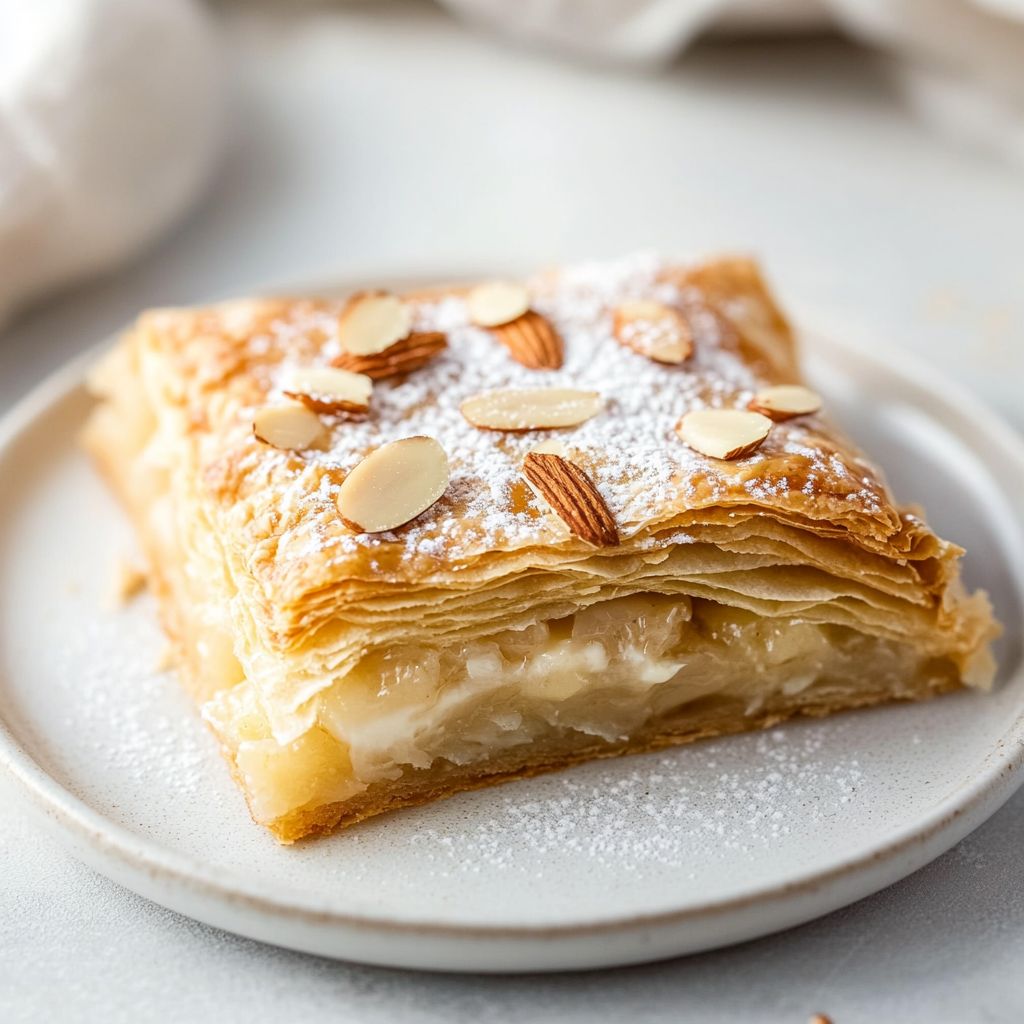
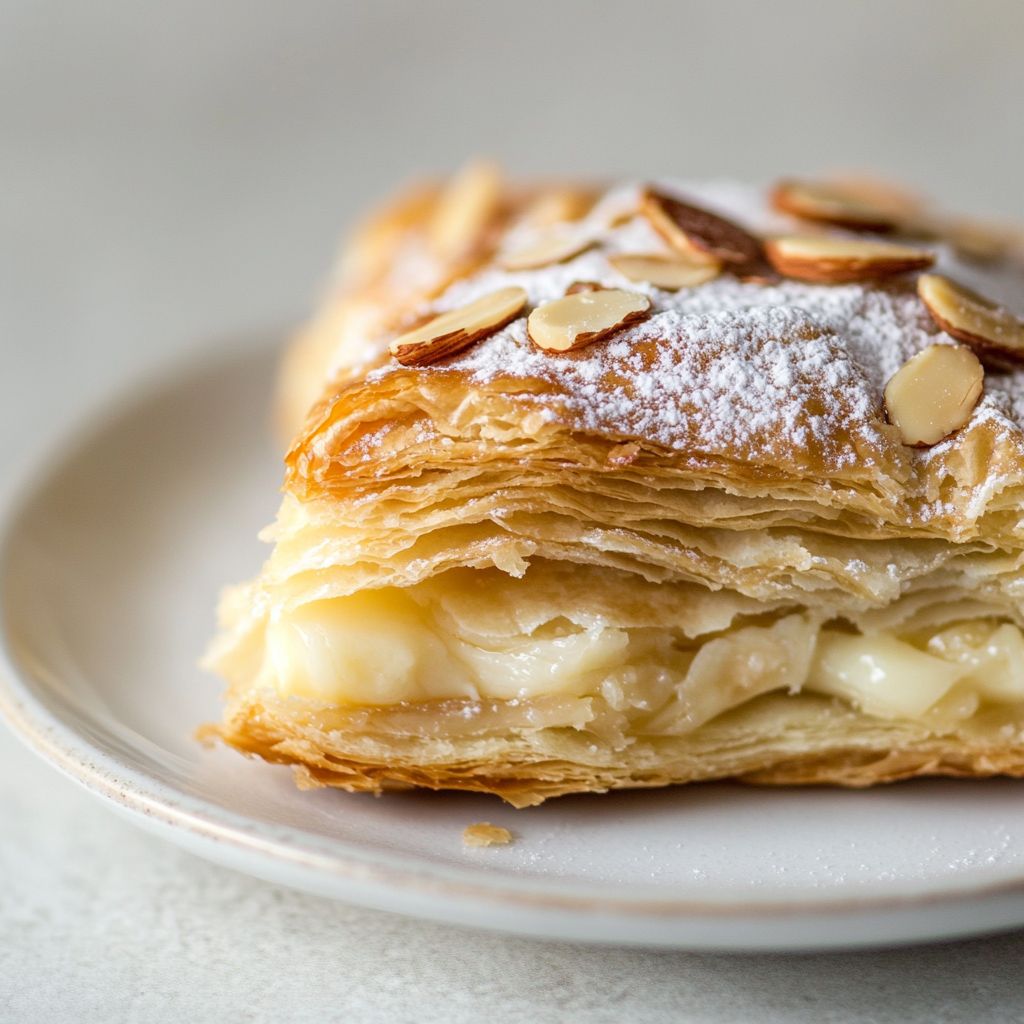
These flaky almond pastries are built on a cold, laminated crust that uses a blend of all-purpose flour and almond flour for a tender, crisp bite and a delicate nutty aroma. Keep the butter very cold and handle the dough with a light touch to maintain distinct layers; chilling the dough between steps helps minimize gluten development and prevents shrinking. The 1 large egg yolk enriches the dough, while ice-cold water (and a touch of vinegar or lemon juice, if you like) brings the dough together without making it tough.
For the almond filling, beat the softened butter with sugar until pale and fluffy, then blend in almond flour, eggs, vanilla, and, if you like, almond extract. The optional extra tablespoon of flour helps stabilize the frangipane so it sets with a custardy texture as it bakes; a pinch of salt rounds the flavors. Room-temperature eggs mix evenly to create a smooth filling.
Assemble and finish with care: roll the crust thin but sturdy, spread the frangipane in the center, brush the edges with egg wash for a glossy finish, and glaze the cooled pastry with warmed apricot jam. Toasted sliced almonds add aroma and crunch; scatter them on top during the last minutes of bake or after the pastry has cooled for best texture. If you prefer a dusting, a light shower of confectioners’ sugar yields a dessert-like look.
Storage and tips: pastries can be baked ahead and stored cool in an airtight container for 1–2 days, or frozen baked pastries for longer storage. You can also freeze unbaked assembled pastries and bake from frozen; add a few extra minutes to the bake time. For gluten-free preparation, substitute a certified gluten-free all-purpose flour blend in place of the regular flour and ensure your almond flour is finely ground; handle the dough gently and chill well for best flakiness. Always refrigerate the dough before rolling for optimal lamination.
Tips
Tips for Easy Flaky Sweet Almond Pastry
Dough and Crust Tips
- Keep everything cold: chill the flour and butter, and use ice-cold water. Cold fat creates distinct laminated layers for flakiness.
- Handle the dough lightly. Mix just until the dough comes together to avoid gluten overdevelopment and a tough crust.
- Sift the flours and use finely ground almond flour to ensure a smooth, tender crust without gritty bits.
- Add water gradually; stop as soon as the dough holds together. Too much water makes the crust tough and greasy.
- Optionally add a teaspoon of white vinegar or lemon juice to gently tenderize gluten and boost flakiness, but keep it small to avoid altering flavor.
- Chill the formed dough for at least 1 hour (or overnight). A rested dough rolls more evenly and stays tender during baking.
- Roll on parchment or a lightly floured surface, rotating the dough 90 degrees as you roll for even thickness.
- If the dough springs back, wrap and refrigerate briefly; don’t overwork it or the layers will clump together.
Almond Filling Tips (Frangipane)
- Beat softened butter and sugar until pale and fluffy to create a custardy, tender base for the frangipane.
- Use room-temperature eggs and beat them in gradually to avoid curdling and achieve a smooth filling.
- Finely ground almond flour gives a rich almond flavor and a moist, custard-like texture; almond meal will be nuttier and slightly coarser.
- Balance vanilla and almond extracts; start with the recommended amounts and adjust to taste.
- Add a tablespoon of all-purpose flour to stabilize the filling and help prevent leaking during baking.
- Finish with a pinch of salt to enhance sweetness and deepen almond flavor.
- If the mixture seems too thick, whisk in a small amount of milk or cream to reach a spreadable consistency.
Egg Wash and Glaze Tips
- Beat 1 large egg with 1 tablespoon water for a shiny, golden finish; brush lightly on the pastry surface to avoid pooling at edges.
- Warm the apricot jam and strain to remove chunks for a smooth glaze; brush onto cooled pastry for a bright sheen without streaks.
- Thin the glaze with a little water if needed to achieve a brushable consistency.
- Toast sliced almonds until lightly golden to maximize flavor; scatter on top before the final bake or immediately after cooling for extra crunch.
- Dust with confectioners’ sugar after the pastry has cooled to add a dessert-like touch without dissolving the glaze.
Baking and Assembly Tips
- Preheat the oven to the recipe’s specified temperature and bake on a parchment-lined sheet for easy cleanup.
- To prevent sogginess, you can blind-bake a bit (partially bake) the crust before adding the frangipane, especially if the filling is very wet.
- Seal the edges well with egg wash to prevent the filling from leaking and to promote even browning.
- Scatter almonds on top before final bake for extra texture, or press them into the surface during the last 10 minutes for a toasted look.
- Allow the pastry to cool completely before glazing or dusting to preserve shine and structure.
- Store leftovers in the refrigerator and gently rewarm to refresh the flakiness; the crust may soften slightly when cold.
FAQ
What is Easy Flaky Sweet Almond Pastry?
Easy Flaky Sweet Almond Pastry is a light, buttery dough flavored with almonds that bakes into crisp, flaky layers. It’s versatile for tarts, turnovers, or simple almond-filled pastries and pairs beautifully with fruit jams, frangipane, or lemon curd.
What ingredients do I need?
Basic dough ingredients and flavor elements:
- 2 cups all-purpose flour (plus extra for rolling)
- 1/2 cup almond flour or finely ground almonds
- 1/2 cup cold unsalted butter, cubed
- 1/3 cup granulated sugar
- 1 large egg
- 1 teaspoon vanilla extract
- 1/2 teaspoon almond extract
- Pinch of salt
- 2–4 tablespoons ice-cold water (as needed)
Can I make this gluten-free?
Yes. Use a 1:1 gluten-free flour blend in place of all-purpose flour and add 1–2 tablespoons of almond flour to help mimic fat content. Consider adding 1/4 teaspoon xanthan gum if your blend lacks elasticity. Chill the dough well and roll between parchment for best results.
Can I make the dough ahead of time?
Absolutely. The dough can be wrapped and refrigerated for 1–2 days or frozen for up to 2–3 months. Thaw in the refrigerator before rolling. If frozen, let it come to a workable chill in the fridge for 6–8 hours.
How do I roll and shape it to get flaky layers?
Keep everything cold. After chilling the dough, roll it between two sheets of parchment to about 1/8 inch (3 mm). If it cracks, chill 10–15 minutes and roll again. Use a light touch and avoid overworking the dough. For a filled tart or turnover, cut shapes, add filling, seal edges with a little water, and brush with an egg wash for shine.
What fillings pair well with this pastry?
Try these classic combinations:
- Frangipane (almond cream) + sliced apples or pears
- Apricot or raspberry jam
- Lemon curd with slivered almonds on top
- Chocolate ganache and toasted almonds
How long and at what temperature should I bake it?
Preheat to 350–375°F (175–190°C). Bake until the pastry is golden and set, typically 25–30 minutes for a tart shell or 16–22 minutes for petit pastries. If you’re making turnovers, bake until the filling is bubbling and the edges are golden.
How should I store leftovers?
Let the pastry cool completely. Store at room temperature in an airtight container for 1–2 days for best flakiness. For longer storage, refrigerate for up to 5–7 days or freeze individual pastries for up to 1 month. Reheat in a 325°F (165°C) oven for 6–8 minutes to restore crispness.
Can I freeze the dough or baked pastries?
Yes. Freeze dough discs wrapped tightly for up to 2–3 months. Bake from thawed dough as directed, or roll while still slightly chilled. Baked pastries freeze well for up to 1 month; reheat gently to avoid sogginess.
Do you have a vegan option?
Yes. Use a plant-based butter substitute and replace the egg with a flax egg or aquafaba (1 tablespoon ground flaxseed whisked with 3 tablespoons water, or 3 tablespoons aquafaba). You may also use a dairy-free glaze if desired. The texture remains flaky when kept cold and not overworked.
Any troubleshooting tips for common issues?
Common fixes:
- Dough too dry and crumbly: add 1–2 teaspoons ice-cold water at a time, mixing gently until it comes together.
- Dough too sticky: chill 20–30 minutes, then roll between parchment; use extra flour sparingly.
- Pastry shrinks in the pan: refrigerate the shaped dough for 15–20 minutes before baking, and avoid stretching when placing.
- Not flaky enough: ensure butter is very cold and cut into small cubes; don’t overwork the dough.