
Introduction / Hook
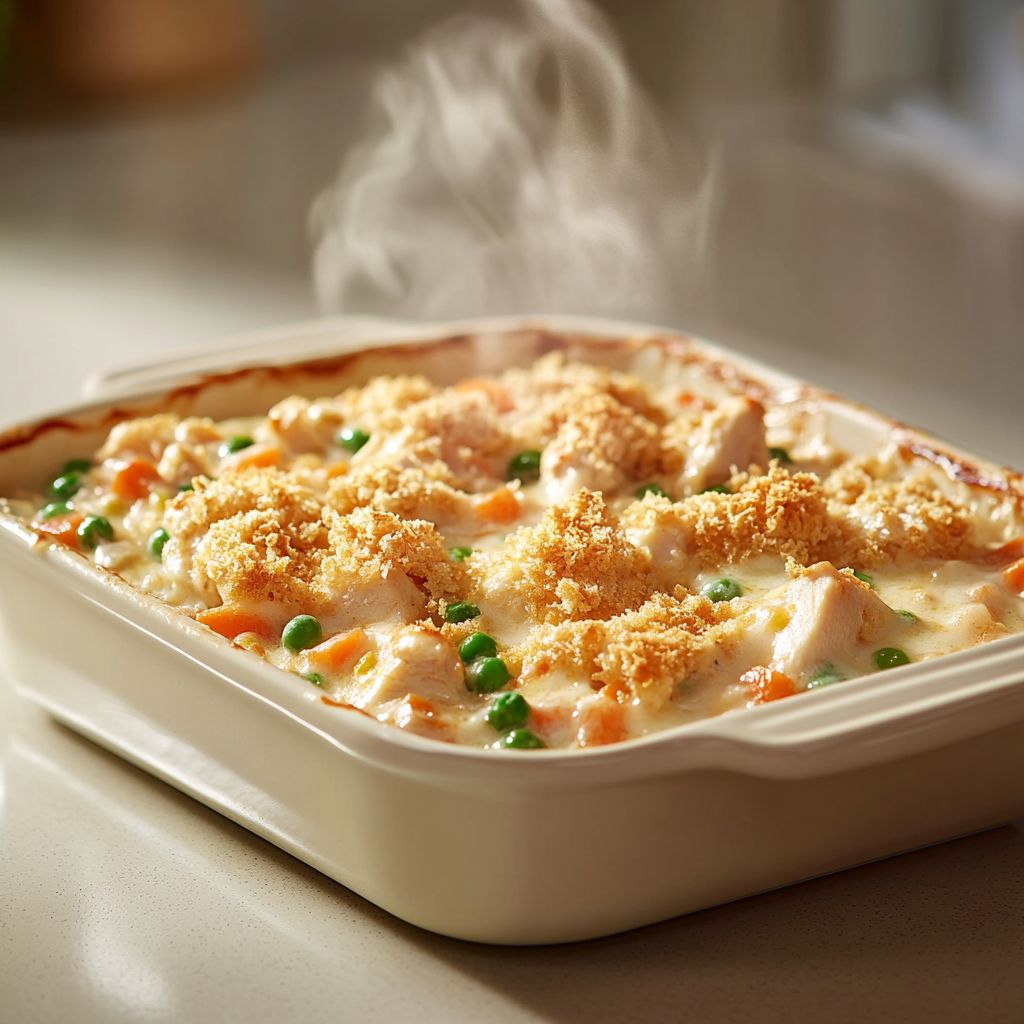
There’s something irresistibly comforting about a simmering dish that fills the kitchen with a warm, inviting aroma and a sense that a hearty, satisfying meal is on the way. Creamy Chicken Casserole is the kind of dish that feels like a hug on a plate—silky and luxurious without being fussy, familiar without being boring. From the moment the lid lifts and steam curls into the air, you’re transported to a cozy family table where laughter echoes and the clink of cutlery signals a shared moment of nourishment. This casserole is not just food; it’s a memory-making ritual—a weeknight end to the chaos, a Sunday ritual, a make-ahead champion that still behaves beautifully when reheated. Imagine velvety richness that glides across the palate, a savory depth that lingers, and a comforting, homey aroma that wraps around you like a soft blanket. Whether you’re feeding a hungry crew after a long day, bringing a dish to a potluck, or simply craving something soothing as the weather cools, Creamy Chicken Casserole delivers a sense of fulfillment that’s both simple and deeply satisfying.
The Story Behind the Dish
Casseroles are one of the enduring heroes of home cooking—a culinary concept born from practicality, frugality, and a love of communal meals. The term itself evokes images of sturdy baking dishes, layered ingredients, and the transformative magic of a single bake turning disparate components into a cohesive, comforting whole. Creamy Chicken Casserole sits at the heart of this tradition, drawing on classic American pantry staples and the universal appeal of a creamy sauce that clings to every tender bite. The dish you’re about to read is a modern homage to those humble beginnings: a recipe that respects the old-school charm of a one-dish supper while embracing the conveniences and flavors of today. In many homes, such casseroles have become seasonal rituals—inviting gatherings on chilly nights, easy weeknight triumphs after hectic days, and nourishing leftovers that taste just as good the next day. My own memories of this classic are filled with the soft crackle of edges turning golden in the oven, the steady hum of conversation, and the unmistakable scent of herbs and simmered goodness filling the home. It’s a dish that invites you to pause, breathe in the comforting scent, and savor the moment of nourishment you’re about to share with others.
Why You’ll Love This Recipe
- Effortless yet impressive: A single baking dish, minimal hands-on time, and a result that looks and tastes like it required more effort than it actually did.
- Creamy, velvety comfort: A luscious sauce that coats each bite, delivering a cozy, restaurant-worthy richness without being overly heavy.
- Family-friendly and versatile: Gentle flavors that appeal to kids and adults alike, with plenty of room for customization to suit different tastes.
- Make-ahead and meal-prep friendly: This casserole scales up beautifully for batch cooking, potlucks, or busy weeknights when time is precious.
- Leftovers that sing: Reheating generates a comforting, even more integrated flavor as the ingredients meld over time.
- Customizable for occasions: From weeknights to holidays, it adapts with ease, becoming a staple dish you can rotate with seasonal produce.
- Balanced texture: The dish offers a satisfying contrast between creamy centers and lightly crisped edges, yielding a mouthfeel that’s always engaging.
- Versatile pairing options: Works beautifully with a simple green salad, a crusty loaf, or a bright, zippy pickle relish to cut through the richness.
Flavor Profile & Texture
At its core, Creamy Chicken Casserole is built on a foundation of comfort: a smooth, luxurious sauce that coats tender morsels and blends seamlessly with gentle aromatics. Expect a harmonious blend of savory, slightly caramelized notes, with hints of onion, garlic, and herbaceous brightness weaving through each spoonful. The sauce tends to be velvety and rich, offering a silkiness that feels indulgent without being heavy—an elegant balance that makes the dish suitable for everyday dinners and special occasions alike. The chicken—when prepared in a casserole—tends to be moist and succulent, its natural sweetness amplified by slow, forgiving heat. Vegetables, whether they are earthy mushrooms, sweet peas, or roasted peppers, offer gentle texture and color, adding pops of flavor and a natural sweetness that complements the creamy base. The overall texture is a comforting tapestry: the core is soft and yielding, the sauce provides a satin-like gloss, and any topping or crust provides a delicate contrast—crisp, golden edges that give way to the creamy interior.
The flavor journey is rounded with a whisper of herbs—thyme, parsley, perhaps a hint of nutmeg or black pepper—that elevate the dish without shouting. There’s a subtle umami depth that lingers on the palate, often driven by slow-simmered components in the sauce and the natural savoriness of the chicken. If you’re fortunate enough to enjoy a slight browning on the surface, you’ll experience a gentle nutty aroma that adds character and a sense of home-cooked mastery. The interplay of salt and cream creates a balanced savory profile that feels both comforting and refined. Whether you serve it to a family who adores classic flavors or to guests who appreciate a timeless, soothing entrée, the flavor profile of Creamy Chicken Casserole tends to win smiles and quiet compliments alike.
Occasions & Pairings
This dish shines in a range of settings, from quick weeknights to larger weekend gatherings. It’s ideal for chilly weather when you crave heartwarming nourishment, yet it’s equally at home on a table during a casual family dinner or a friendly get-together. Its forgiving nature makes it a dependable choice for potlucks, church suppers, or school fundraisers, where a single dish can feed a crowd with dignity and comfort. If you’re cooking for a crowd, you’ll appreciate how well it scales and still tastes cohesive and satisfying. For lighter nights, it can be paired with a crisp salad and a bright vinaigrette to cut through the richness; for more indulgent occasions, a simple side of garlicky bread or a tangy pickled vegetable can provide that needed contrast to the creamy core.
Suggested pairings to consider, depending on the mood and season:
- Salads: A lemon-dressed mixed greens salad, or a kale and apple salad for a touch of brightness.
- Crusty bread: A crusty baguette or handwritten loaf to mop up every last velvety drop.
- Side vegetables: Steamed green beans with almonds, roasted Brussels sprouts, or a light cucumber-tan vinaigrette slaw.
- Drinks: A glass of chilled white wine with good acidity (like a Sauvignon Blanc) or a light sparkling beverage for a festive note.
- Desserts: A citrusy finale, such as lemon bars or a yogurt-poached fruit dessert, to cleanse the palate after such a comforting main.
Tips, Variations & Substitutions
One of the wonderful aspects of a Creamy Chicken Casserole is how adaptable it can be. Here are ideas to tailor the dish to your pantry, dietary needs, or personal preferences, while preserving the essence of comfort and ease that makes it so appealing.
Meat and protein variations
- Swap chicken for turkey or a mix of white and dark meat for different flavor dynamics.
- For a pescatarian angle, consider a white fish or salmon folded into a creamy base with vegetables, keeping in mind cooking times will vary.
Dairy and dairy-free options
- Use a dairy-free creamer or coconut milk-based cream for a vegan or dairy-free version; pair with a gluten-free starch to maintain creaminess.
- Try Greek yogurt or plant-based yogurt for tang and creaminess—add gradually to achieve the desired thickness.
Gluten considerations
- If gluten is a concern, choose gluten-free pasta or rice as the base, and ensure any thickeners used are gluten-free (such as cornstarch or arrowroot).
- For a gluten-free topping, sprinkle with breadcrumbs made from gluten-free bread or crushed crackers that suit your diet.
Herbs, spices & brightness
- Experiment with rosemary, tarragon, chives, or sage to shift the flavor profile.
- Finish with a squeeze of lemon juice or a light zest to add a refreshing lift that cuts through the richness.
Texture twists
- Add a topping with a bit of crunch, such as crushed crackers, toasted nuts, or a breadcrumb herb blend, baked until golden.
- Incorporate sautéed mushrooms or roasted vegetables for added depth and a heartier bite.
Make-ahead and storage-friendly variations
- Assemble the casserole the day before, refrigerate, and bake when ready—this develops flavors and saves time.
- Portion into meal-sized servings for quick lunches or dinners; freeze unbaked portions for later use, then bake directly from frozen with extra baking time.
Storage & Make-Ahead Ideas
One of the greatest advantages of Creamy Chicken Casserole is its resilience and flexibility when it comes to storage and planning. You can prepare this dish ahead of time, store it safely, and reheat with minimal loss of texture or flavor. If you’re baking the casserole fresh, you’ll enjoy a straightforward process that rewards you with a comforting, ready-to-serve centerpiece. When it comes to leftovers, the dish generally stores well in the refrigerator for several days, maintaining much of its creamy appeal. For longer-term storage, you can portion it into individual containers and freeze; the sauce tends to chill into a beautifully cohesive mass that reheats smoothly in the oven or microwave, depending on your preference and schedule.
When reheating, you’ll want to approach it with patience. Reheat slowly to preserve moisture and prevent the sauce from separating. A gentle reheat in the oven—covered until warmed through, then uncovered for a few minutes to restore the top’s texture—helps maintain the integrity of the creaminess and keep the chicken tender. If you’re reheating in a microwave, consider covering the dish and reheating in short intervals, stirring gently between cycles to promote even temperature and prevent hotspots. For make-ahead planning, consider assembling portions that can be peeled apart and reheated individually for quick dinners or lunches, ensuring you always have a comforting, homemade option ready when life gets busy.
Fun Facts & Trivia (Optional)
- casseroles have deep roots in 19th and early 20th-century home cooking, designed to be a practical way to feed a family using affordable ingredients.
- The word “casserole” comes from the French word for a large, deep dish or the dish itself, which traditionally could be used both for cooking and serving.
- In some regions, the term hot dish is used interchangeably with casserole, particularly in parts of the Midwest where such one-dish meals are a staple for gatherings and block parties.
- Creamy sauces in casseroles often rely on a gentle emulsification of dairy and starch, which gives that signature glossy, clingy texture that many find irresistible.
- The popularity of casseroles echoes the social aspect of cooking—food prepared in a single dish that fosters sharing, conversation, and a sense of togetherness.
- Variations of chicken casseroles can be found in many cuisines worldwide, each with its own regional twist on herbs, vegetables, and creamy elements.
- The aroma of a baking casserole is scientifically satisfying: Maillard reactions create those enticing nutty notes on the surface, while the steam carries a chorus of comforting scents through the home.
Whether you’re drawn to the nostalgic charm, the practical ease, or the simply irresistible flavor, Creamy Chicken Casserole offers a delicious invitation to slow down, savor the moment, and share something nourishing with the people you love. Each bite is a reminder that the best meals aren’t just about technique—they’re about warmth, memory, and the small rituals that turn everyday dinners into something a little more special.
Ingredients
Creamy Base
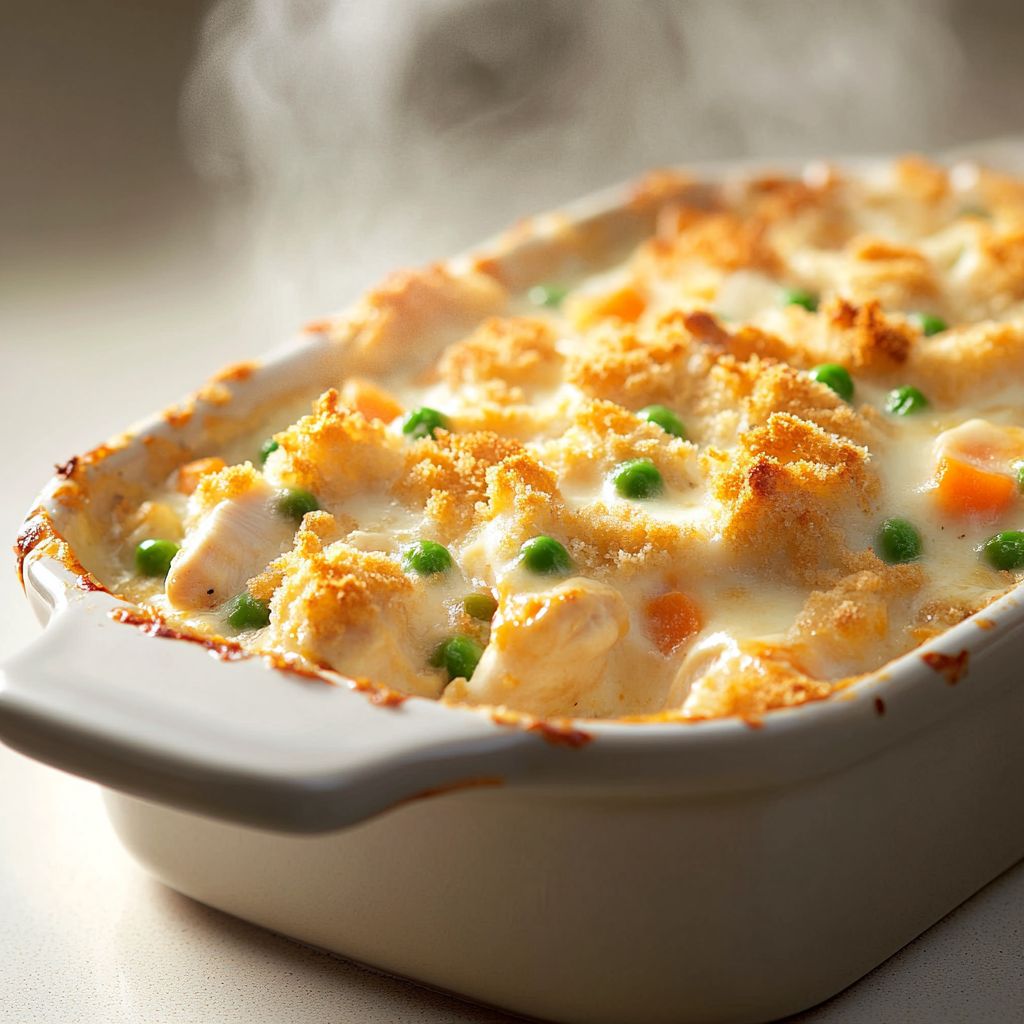
- 2 cups cooked shredded chicken (from about 1 lb raw chicken breasts)
→ The protein base of the casserole. Use cooked chicken and shred into bite-size pieces. If you are starting with raw chicken, bake, poach, or rotisserie-chicken; cool and shred. White meat yields a lighter dish; dark meat adds richness. Mixing is fine. - 1 1/2 cups heavy cream (or substitute half-and-half for a lighter version)
→ Provides the luscious, silky body to the sauce. Warm the cream with the cheese to prevent separation; if using half-and-half, sauce will be lighter and may benefit from a starch slurry to thicken. - 8 oz cream cheese, softened to room temperature
→ Enriches the sauce with a creamy tang and helps thicken; soften and whisk until smooth. If the cream cheese is firm, microwave in short bursts or let it soften longer to avoid lumps. - 1 cup chicken broth (low-sodium)
→ Adds moisture and helps the sauce coat the pasta and vegetables. Use low-sodium to control salt; warm before adding to keep the sauce smooth and homogeneous. - 2 cloves garlic, minced
→ Aromatic base; fresh garlic releases the strongest flavor. Sauté with onion until fragrant, blooming the aromatics without burning. - 1 small onion, finely chopped
→ Provides sweetness and depth to the sauce. Sauté in butter until translucent; avoid over-browning to keep the sauce light. If short on time, substitute with 1/2 teaspoon onion powder. - 2 tablespoons unsalted butter
→ Fat for sautéing the aromatics and enriching the sauce. If you prefer, substitute with 1 tablespoon olive oil plus 1 tablespoon butter; do not let butter burn. - 1/2 teaspoon kosher salt
→ Balances flavors across dairy, chicken, and vegetables. Start conservative if using salted broth or cheese; adjust after combining everything. - 1/4 teaspoon freshly ground black pepper
→ Adds gentle heat and depth, helping to lift the richness of the dairy. Freshly ground pepper yields the best aroma and brightness.
Pasta and Veggies
- 12 ounces egg noodles (or small pasta) cooked until al dente and drained
→ The pasta provides structure and soaks up some of the creamy sauce. Cooking al dente prevents mushiness after baking; for gluten-free, use GF pasta and follow package directions closely. - 2 cups broccoli florets, fresh or frozen (blanched or lightly steamed until just tender)
→ Adds color, fiber, and a crisp-tresh contrast to the creamy filling. If using frozen, thaw and drain well; fresh broccoli should be blanched briefly to maintain vibrant color. - 1 cup frozen peas, thawed and drained well
→ Provides a sweet pop of color and aroma. Thaw completely and pat dry to reduce extra moisture which can thin the sauce.
Cheese and Seasonings
- 1 cup shredded mozzarella cheese
→ Melts into the sauce for a creamy, stretchy texture. For deeper flavor, use a mix of mozzarella with cheddar. Opt for full-fat mozzarella for the best melt. - 1/2 cup grated parmesan cheese
→ Adds sharp, nutty depth and helps thicken the sauce slightly. Freshly grated parmesan is preferred for maximum flavor and a smoother melt. - 1/2 teaspoon dried thyme (or 1 teaspoon fresh thyme, chopped)
→ Subtle earthy herb that complements dairy and chicken without overpowering. If using fresh thyme, add early in the cooking so its aroma infuses the sauce; dried thyme can be added with the onions. - 1/4 teaspoon smoked paprika (optional)
→ Adds a gentle smoky warmth and a touch of color. Use if you want a deeper, savory profile; otherwise omit for a purer white sauce. - 1/4 teaspoon ground nutmeg (optional)
→ A pinch of nutmeg heightens the creaminess and adds warmth. Use sparingly; if you don’t have it, you can omit without significantly changing the dish.
Toppings and Garnish
- 1/2 cup breadcrumbs (panko or regular) for topping (optional)
→ Creates a crunchy, golden crust on top. If avoiding gluten, use gluten-free breadcrumbs. You can also mix the crumbs with the melted butter before sprinkling on top for even browning. - 2 tablespoons melted butter (for topping)
→ Binds the crumbs and helps them crisp and color nicely in the oven. If dairy-free, substitute with olive oil, though browning may differ slightly. - Fresh parsley or chives, chopped for garnish (optional)
→ Adds a fresh green note and polish to the finished dish. Sprinkle after baking; if using dried parsley, use about 1 teaspoon in place of fresh for garnish.
Instructions
- Preheat your oven to 350°F (175°C) and grease a 9×13-inch baking dish or line it with parchment for easy removal.
→ A properly prepared pan prevents sticking and ensures clean slices after baking, while parchment makes lifting the casserole out effortless. - Melt 2 tablespoons unsalted butter in a large, heavy skillet over medium heat and swirl to coat the bottom; add 1 small onion, finely chopped, and sauté until translucent and just starting to soften, about 3–4 minutes. Then add 2 cloves minced garlic and cook until fragrant, 30–60 seconds, stirring to avoid browning.
→ Sautéing aromatics unlocks sweetness in the onion and bloom the garlic’s aroma without burning, which would impart bitterness. - Reduce heat to medium-low and whisk in 8 ounces of softened cream cheese until completely smooth and free of lumps, about 1–2 minutes. Gradually whisk in 1½ cups heavy cream (or substitute half-and-half for a lighter version) and 1 cup low-sodium chicken broth, bringing the mixture to a gentle simmer while whisking constantly to maintain a cohesive emulsion. If using half-and-half, consider a light starch slurry (1 tablespoon cornstarch whisked with 2 tablespoons cold water) added now to ensure adequate thickening as it simmers.
→ Cream cheese must melt fully to avoid graininess, and gentle simmer helps the sauce thicken evenly without breaking. - Season the creamy base with ½ teaspoon kosher salt and ¼ teaspoon freshly ground black pepper; stir in ½ teaspoon dried thyme (or 1 teaspoon fresh thyme, chopped) and ¼ teaspoon smoked paprika (optional) and ¼ teaspoon nutmeg (optional). Simmer 1–2 minutes to let the flavors meld.
→ Seasoning at this stage distributes salt evenly through the sauce and integrates the herbs for a cohesive, aromatic profile. - Fold in 2 cups cooked shredded chicken, ensuring each piece is coated with the sauce; simmer 1–2 minutes so the chicken re-warms evenly and infuses the sauce with moisture.
→ Coating the chicken ensures every bite is creamy and flavorful rather than dry, and warming it prevents cool spots in the finished dish. - Meanwhile, cook 12 ounces egg noodles in salted water until al dente, then drain thoroughly and lightly toss with a small amount of butter or oil to prevent sticking.
→ Al dente noodles hold their structure in the bake and resist turning mushy as the sauce thickens around them. - Blanch 2 cups broccoli florets in boiling salted water for 1½–2 minutes until vibrant but still crisp, then drain and cool briefly under cold water to halt cooking; pat dry to remove excess moisture.
→ Bright green color and crisp-tender texture contrast with the creamy sauce, and drying prevents extra moisture from thinning the bake. - Thaw and drain 1 cup frozen peas completely, squeezing out as much moisture as possible to avoid watering down the sauce.
→ Dry peas distribute evenly in the filling and maintain a distinct sweetness and color without adding excess liquid. - In a large mixing bowl, combine the cooked noodles, creamy chicken mixture, broccoli, and peas; fold gently to distribute evenly without mashing the pasta, then adjust thickening or seasoning with a splash more broth or salt if needed.
→ Even distribution ensures every bite has pasta, vegetables, and chicken with consistent seasoning and creamy sauce. - Spoon the noodle-vegetable-chicken mixture into the prepared baking dish and spread into an even layer; sprinkle 1 cup shredded mozzarella cheese over the top, followed by ½ cup grated parmesan for depth and melt.
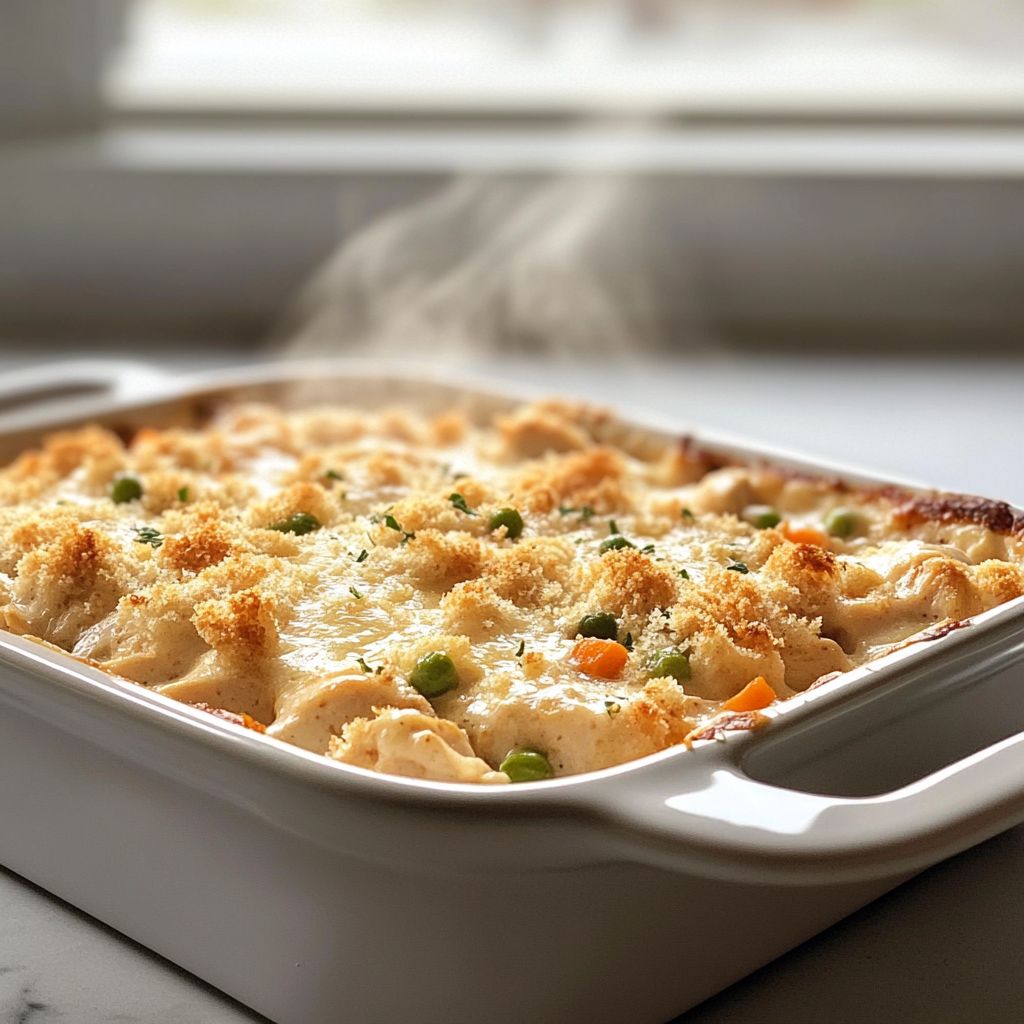
→ Layering cheeses creates a glossy, stretchy top and a nutty aftertaste, while also helping to thicken the surface during baking. - Prepare the topping by combining ½ cup breadcrumbs with 2 tablespoons melted butter; stir to moisten evenly and sprinkle over the cheese layer for a crisp, golden crust (you can use gluten-free breadcrumbs if needed). If you prefer no topping, simply omit.
→ The buttered crumbs bake into a crunchy crust that contrasts with the creamy center, enhancing texture and appearance. - If garnish is desired, sprinkle chopped fresh parsley or chives over the top just before serving for a bright, herbal finish.
→ Fresh herbs add color and a clean, aromatic finish that cuts through the richness of the dish. - Bake uncovered in the preheated oven at 350°F (175°C) for 25–35 minutes, or until the sauce is bubbling around the edges and the top is golden brown; if the topping browns too quickly, tent loosely with foil and continue baking. Allow the casserole to rest 5–10 minutes before slicing to let the sauce set.
→ Resting helps the sauce rebind and makes clean slices possible; baking until bubbling ensures the flavors meld and the cheese fully melts for a cohesive final texture.
Notes
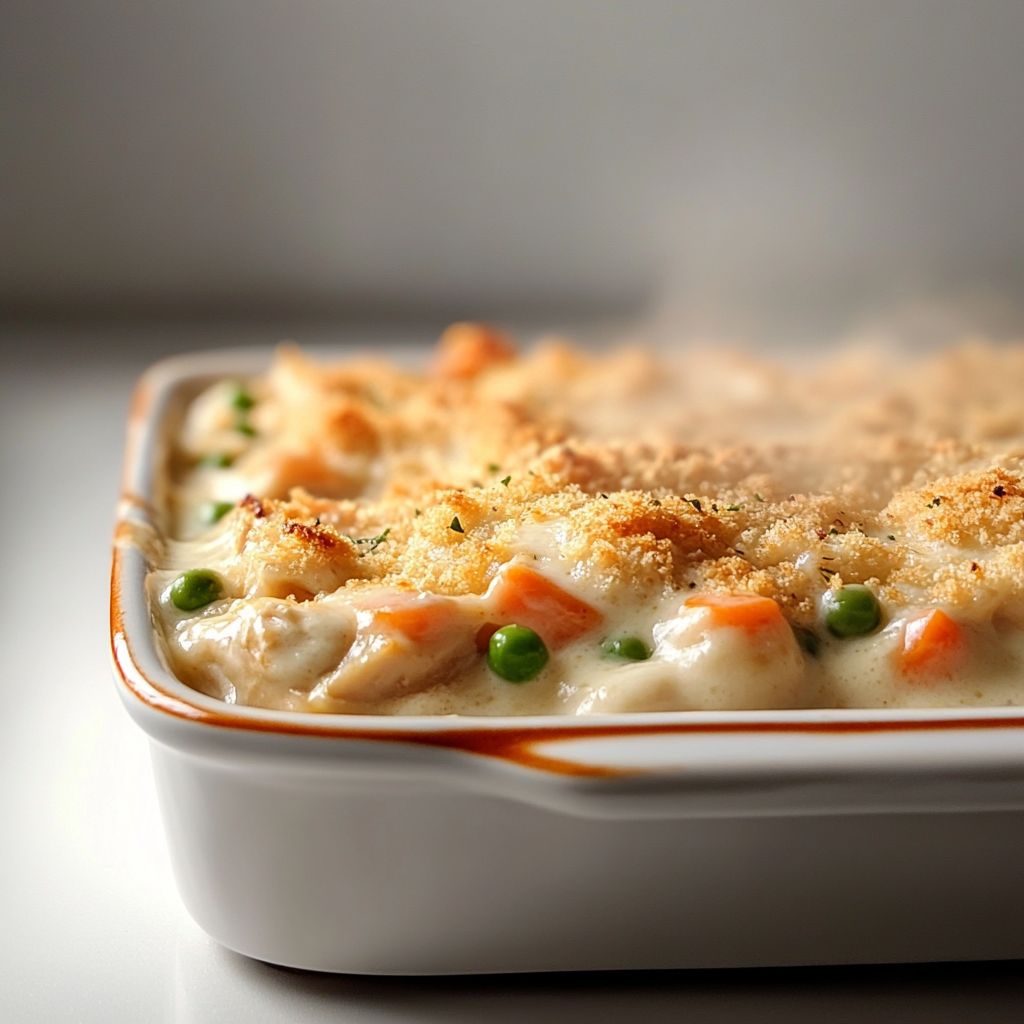
This creamy chicken casserole is a comforting, crowd-pleasing dish built on a luscious sauce of heavy cream, cream cheese, and chicken broth that envelopes shredded chicken, broccoli, and peas tossed with al dente pasta; start by preheating your oven to 375°F (190°C) and sautéing minced garlic and onion in butter until translucent, then whisk the cream cheese into the warm cream and broth to form a smooth base, season with kosher salt, freshly ground black pepper, dried thyme, and a hint of smoked paprika or nutmeg if you like; if you’re starting with raw chicken, bake, poach, or use a rotisserie chicken, cool and shred before adding; fold in the cooked chicken, broccoli, and peas, then stir in the cooked noodles and transfer to a greased baking dish; if the sauce seems too thick, loosen with a bit of chicken broth or milk; sprinkle with mozzarella cheese and grated parmesan on top, and if you want a crisp topping, mix breadcrumbs with melted butter and scatter over the cheese before baking; bake until the sauce is bubbling and the top is golden, about 25–35 minutes; for a lighter version, substitute half-and-half for heavy cream and/or use part-skim cheese, or omit the breadcrumbs; for dairy-free or gluten-free diets, use a dairy-free creamer and cream cheese, gluten-free pasta, and gluten-free breadcrumbs; make-ahead tip: assemble (without baking) and refrigerate up to 24 hours before baking, or freeze the unbaked casserole for longer storage; leftovers reheat well in the oven at 350°F until heated through, or in the microwave in short bursts; serving ideas: pair with a simple green salad or roasted vegetables to balance richness, and finish with a squeeze of lemon juice or fresh parsley for brightness; always taste and adjust the seasoning at the end, since cheeses and broths vary in saltiness and you may need a pinch more salt or a splash of broth to reach the perfect consistency.
Tips
Tips for Creamy Chicken Casserole
- Use properly cooked chicken: If starting with raw chicken, bake, poach, or use a rotisserie bird. Cool completely before shredding for even texture and to prevent the sauce from breaking.
- Softened cream cheese is key: Let the cream cheese come to room temperature or gently warm it in short bursts so it whisks in smoothly without lumps.
- Warm dairy to prevent separation: Gently warm heavy cream (or half-and-half) before adding to the heat to help the sauce emulsify with the cheese and broth. Don’t boil the dairy once it’s blended.
- Milk substitutes and thickening: If you’re using half-and-half, the sauce will be lighter. Consider a small starch slurry (trace amounts of cornstarch whisked with cold water) if you want extra body.
- Temper the dairy with aromatics: Sauté onions and garlic in butter until fragrant and translucent, then gradually whisk in the warm dairy to avoid curdling.
- Avoid over-browning aromatics: Cook onions until translucent and garlic just until fragrant; over-browning can add bitterness to the creamy base.
- Butter and oil balance: Use unsalted butter for the base. If you replace part of the butter with olive oil, add it after sautéing to prevent smoking and preserve flavor.
- Season gradually: Start with a modest salt and pepper, then taste after mixing in all components—the cheese and broth will add salt. Remember low-sodium broth helps control final saltiness.
- Perfect pasta texture: Cook egg noodles or small pasta to al dente. They’ll continue cooking in the oven, so undercook them slightly to avoid mushiness post-bake. Reserve a little pasta water to loosen the sauce if needed.
- Vegetable prep for color and texture: Blanch broccoli briefly to keep a vibrant color and snap. Thaw and drain frozen peas completely to avoid extra moisture in the sauce.
- Cheese layering for the best melt: Use mozzarella for a creamy, stretchy texture and sprinkle parmesan for sharpness and extra body. Freshly grate the parmesan for best flavor.
- Herbs and spice balance: Add dried thyme with the onions; if using fresh thyme, add early so its aroma infuses. Use smoked paprika and nutmeg sparingly—these are optional and should complement, not overpower, the base.
- Breadcrumb topping that browns well: Mix breadcrumbs with melted butter for a crisp, golden crust. Gluten-free breadcrumbs work if you need a gluten-free version; you can also mix in a little grated cheese for extra flavor.
- Even topping browning: Bake casserole uncovered or loosely covered to allow browning. If the top browns too quickly, tent with foil for the remainder of the bake.
- Rest before serving: Let the casserole rest 5–10 minutes after baking to help the sauce thicken and settle for clean serving.
- Make-ahead and storage: The casserole can be assembled and refrigerated for up to 24 hours before baking. It also freezes well—freeze unbaked in a covered dish, then bake from frozen, adding 25–35 minutes to the bake time.
- Variations for dietary needs: To make it lighter, swap half of the heavy cream for milk or use more broth and less cheese. For a gluten-free version, use gluten-free noodles and gluten-free breadcrumbs for the topping (or skip breadcrumbs entirely).
FAQ
What is Creamy Chicken Casserole?
A comforting baked dish featuring tender chicken in a rich, creamy sauce, often with cheese and vegetables, and topped with crunchy crumbs. It’s typically served over pasta, rice, or potatoes and baked until bubbly and golden.
What are the main ingredients?
Common ingredients include cooked chicken (shredded or diced), a creamy base (cream of chicken soup or a homemade cream sauce), sour cream or cream cheese, shredded cheese, onions and garlic, vegetables (such as broccoli, mushrooms, or peas), and a starch like pasta, rice, or potatoes. A topping of breadcrumbs or crushed crackers adds crunch.
Can I customize with different proteins or vegetables?
Yes. Substitute with turkey or ham, or add crispy bacon for extra flavor. Veggies like broccoli, corn, peas, mushrooms, or bell peppers work well. You can also skip the starch or swap for mashed potatoes for a different texture.
Can I make this ahead?
Yes. You can assemble the casserole, cover it, and refrigerate for up to 24 hours before baking. Bake at 350°F (175°C) until heated through and bubbly (about 30–40 minutes). If freezing, assemble uncooked and freeze for up to 2–3 months; thaw in the fridge before baking and increase the bake time slightly.
How do I bake it?
Preheat the oven to 350°F (175°C). Mix all ingredients except the topping, transfer to a baking dish, sprinkle with the topping, and bake for 30–40 minutes, or until the center is hot (165°F/74°C) and the top is golden and bubbly. Let it rest for a few minutes before serving.
Is this recipe gluten-free?
It can be gluten-free by using gluten-free cream soups or a homemade gluten-free sauce, and choosing gluten-free pasta or a different starch. Check labels on any packaged ingredients to ensure they’re certified gluten-free.
Can I make it dairy-free or lower in fat?
Yes. For dairy-free, use dairy-free cream soup, sour cream or yogurt alternatives, and dairy-free cheese. Use olive oil or a light oil instead of butter. For a lighter version, reduce cheese and cream amounts and use low-fat options, though this may affect creaminess.
What are good add-ins or variations?
Try adding sautéed garlic, onions, spinach, or chopped herbs (parsley, thyme). For texture, top with crushed crackers, breadcrumbs, or crushed fried onions. You can also swap in different cheeses (cheddar, mozzarella, Parmesan) for varying flavors.
How long do leftovers keep and how should I store them?
Leftovers refrigerate well for 3–4 days in an airtight container. Reheat in the oven at 325–350°F (165–175°C) until hot or use a microwave in 30–60 second bursts, stirring between intervals. You can also freeze baked leftovers for up to 2 months.
What serving suggestions pair well with Creamy Chicken Casserole?
Serve with a light green salad, steamed vegetables (like broccoli or green beans), and crusty bread or garlic bread. A simple side of fruit or a tangy pickle can balance the richness.