Introduction / Hook
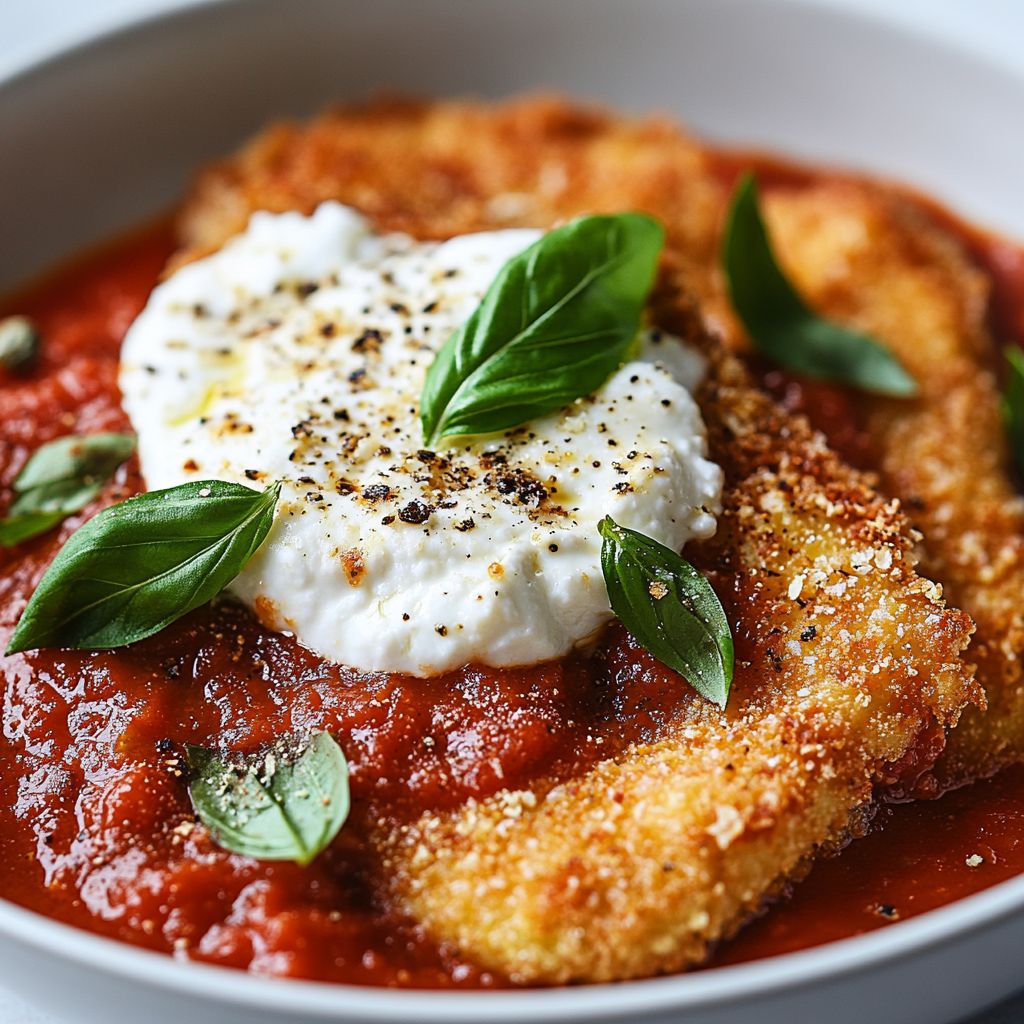
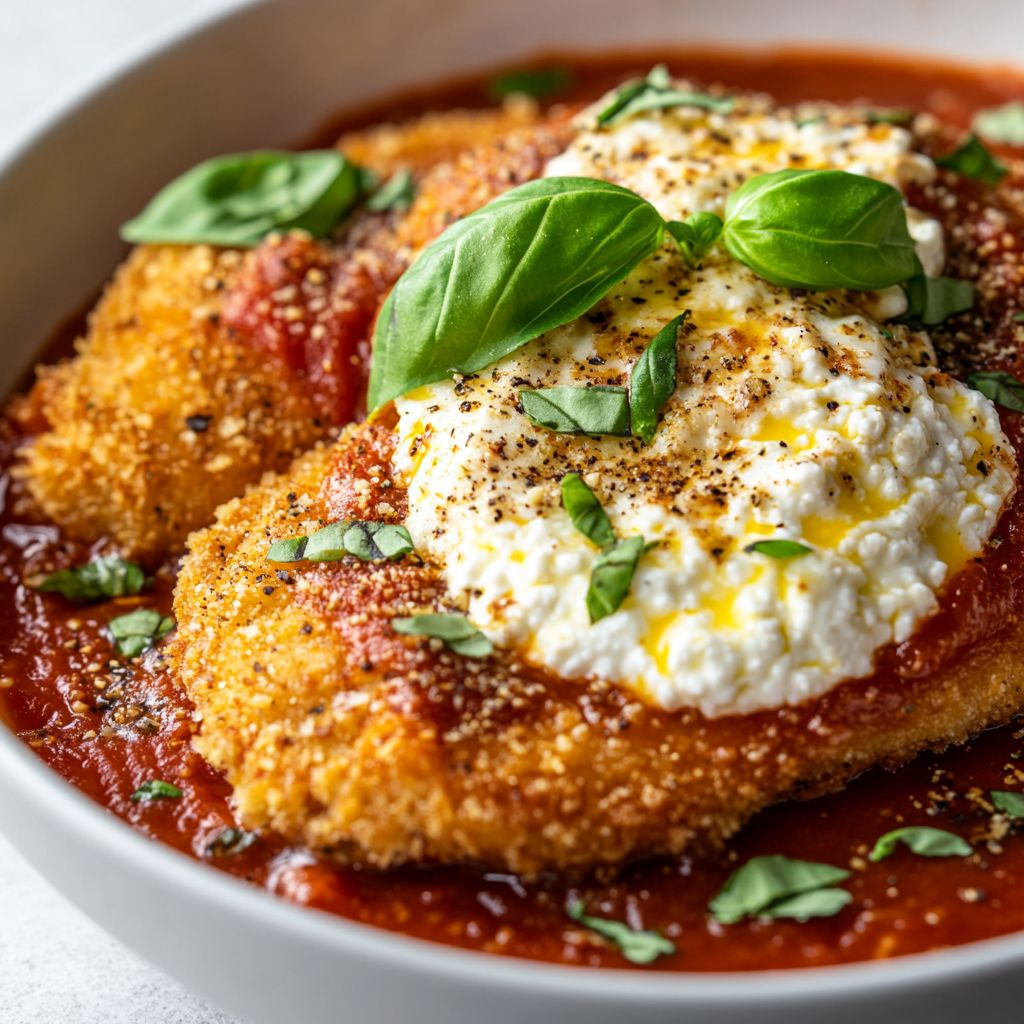
Picture a warm, sunlit bowl that feels like a hug in a hurry. The base sizzles with seared chicken, simmering tomato warmth, and a bright chorus of herbs, all crowned by a fluffy, creamy veil of cottage cheese that melts luxuriously into every bite. This is not your typical chicken parmesan—it’s a modern, lighter take that fits into busy weeknights, meal-prep Sundays, and cozy lunches without sacrificing the soul of the dish. The Cottage Cheese Chicken Parm Bowl is comfort food reinvented as a nourishing, protein-packed bowl that travels beautifully from stove to desk and back again. It invites you to take a spoonful and hear the crackle of a lightly crisped crust, the tang of tomato, and the gentle, almost velvety whispers of cottage cheese swirls mingling with melted cheese and fresh herbs. In a single bowl, you’ll taste tradition and innovation, familiarity and surprise, all harmonizing in a comforting, crave-worthy bite.
The Story Behind the Dish
Chicken parmesan arrived in American kitchens as a bold, indulgent riff on classic Italian flavors: breaded chicken, tangy tomato sauce, and melty cheese. Over time, cheffy technique gave way to homey simplicity, and home cooks began remixing the concept to suit busy lives and evolving dietary preferences. The Cottage Cheese Chicken Parm Bowl is a contemporary homage to that lineage—a dish that preserves the beloved elements—tomato brightness, garlic-scented aroma, and herbaceous lift—while swapping in cottage cheese for a lighter, creamier decadence that doesn’t bog you down. The idea grew from a desire to keep the signature creaminess that cheese typically provides, but with a tangy, fresh spin that pairs perfectly with a hearty grain or greens base. It’s the kind of recipe that feels both familiar and fresh, like a family favorite that has learned a few new dance steps. The bowl format honors the modern dining style that many crave: a complete, balanced plate in one convenient vessel, where each component can shine on its own or blend together in a comforting, cohesive bite.
Why You’ll Love This Recipe
- Quick, weeknight-friendly preparation that fits into a busy schedule without sacrificing flavor or texture.
- High-protein, satisfying meal thanks to lean chicken and cottage cheese, keeping you full longer.
- Comforting yet lighter than traditional parm, delivering the classic flavors without heavy heaviness.
- Highly customizable to suit dietary preferences, pantry staples, and family tastes.
- Great for meal prep: assemble bowls in advance or pull together components for easy weekday lunches.
Flavor Profile & Texture
The Cottage Cheese Chicken Parm Bowl offers a confident balance of bright, savory, and creamy notes. The chicken, ideally cooked to a crisp, golden exterior, provides a confident, rib-sticking protein backbone. Tomato sauce or a bright pomodoro brings a gentle acidity and sweetness that wake up the palate, reminiscent of sunny afternoons and comforting Italian dishes. The cottage cheese acts as a light, airy counterpoint to the tomato’s tang and the chicken’s savoriness—its mild, dairy-forward flavor blends with a touch of salt to mimic the creaminess of ricotta or mozzarella, but with a distinctive lift that feels modern and approachable. When combined with a grain base—whether fluffy quinoa, nutty farro, or tender brown rice—the bowl develops a pleasing, multi-textured experience: the soft creaminess from the cottage cheese, the chew of the grain, the tender bite of chicken, and the slight bite of tomato sauce all mingle into harmonious layers. If you enjoy a little crispness, a sprinkle of toasted breadcrumbs or a light crust on the chicken’s edges adds a satisfying crunch that contrasts beautifully with the smoothness of the cheese. The fragrance is irresistible: garlic, oregano, basil, and a hint of parmesan waft through the air as the dish comes together, making your kitchen feel like a sunny trattoria while keeping it comfortably domestic.
Occasions & Pairings
This dish shines in a multitude of eating occasions, from weeknights to casual gatherings. It’s equally at home on a weeknight dinner table as it is in a bring-a-dowl lunch lineup, a meal-prep Sunday rotation, or a relaxed movie-night spread. The bowl format makes it easy to scale up for family meals or portion out for lunches, ensuring that you have a nourishing, satisfying option ready to go.
- Weeknights: a quick, wholesome alternative to takeout that still delivers big on flavor.
- Meal prep / lunchboxes: components can be prepared in advance and assembled in bowls for grab-and-go meals.
- Casual gatherings: serve in small bowls as a playful, comforting appetizer or main course for a relaxed dinner party.
Pairing ideas to elevate the experience:
- Side: a crusty garlic bread, a fresh green salad with lemon vinaigrette, or roasted vegetables for color and crunch.
- Drinks: a simple red wine with light tannins, a sparkling water with a splash of citrus, or a chilled white wine for a brighter finish.
- Desert: a tart citrus dessert or a light gelato to balance the creamy richness of the bowl.
Tips, Variations & Substitutions
- Protein variations: swap chicken for turkey cutlets, shrimp, or plant-based proteins like chickpeas or seasoned tofu for a vegetarian or pescatarian option.
- Cheese alternatives: if you want even lighter, use a portion of cottage cheese blended with a pinch of softened mozzarella for a creamy, stringy finish; for dairy-free, use a creamy cashew ricotta or a plant-based cheese substitute.
- Bread crumb crunch: for a subtle crunch without making a full breading, sprinkle toasted breadcrumbs or crushed kife crackers over the top just before serving.
- Base customization: choose your favorite grain or greens as a base—quinoa, farro, brown rice, barley, or even a bed of sautéed spinach and farro for a hearty, fiber-rich bowl.
- Herb and spice tweaks: swap oregano for Italian blend, or add a pinch of red pepper flakes for a gentle heat that plays with the tomatoes.
- Gluten-free and dairy-free: ensure any added crusts or toppings are certified gluten-free; use dairy-free cheese substitutes to maintain a dairy-free profile while preserving creaminess.
- Make-ahead ideas: cook the chicken, sauce, and grains separately, then assemble the bowls in the morning for quick lunches, or portion everything into meal-prep containers for the week.
Storage & Make-Ahead Ideas
To preserve texture and flavor, store components separately when possible. The chicken can be stored in an airtight container for up to a few days; the cottage cheese blend stays freshest covered in the refrigerator. The grains or greens base hold well, but for the best texture, keep them separate from the sauce and cheese until serving. When ready to eat, reheat the chicken and sauce gently on the stovetop, then assemble with fresh cottage cheese and the warmed base. If you plan to freeze components, freeze the chicken and sauce separately from the dairy component, as dairy can separate or alter texture after freezing and thawing; for best results, add cottage cheese after reheating rather than freezing it. For make-ahead meals, you can prepare the sauce in advance (if you’re using a tomato-based base) and refrigerate for up to 3–4 days. When it’s time to serve, rewarm and combine with the chicken and the base, finishing with a dollop of cottage cheese and a fresh drizzle of olive oil and herbs to brighten the flavors.
Fun Facts & Trivia
Did you know that chicken parmesan, or “parmigiana di pollo,” grew popular in Italian-American communities as a hearty, affordable dish that could stretch a single chicken breast into a satisfying meal? The dish became a staple in diners and family kitchens across the United States, evolving with regional twists and personal family secrets. Cottage cheese, once a simple farmer’s product, gained prominence in the American pantry for its high-protein content and versatile texture, often used to mimic creaminess without adding heavy fats. In recent years, cooks have embraced cottage cheese in inventive ways beyond breakfast snacks, including as a surprising, airy cheese layer in dishes like this parm-inspired bowl. The Cottage Cheese Chicken Parm Bowl embodies the fusion of old-world comfort with modern nutrition-focused cooking—honoring a beloved classic while offering a lighter, more versatile format that fits into today’s fast-paced culinary landscape.
Final Thoughts
At its heart, this dish invites you to enjoy the best of both worlds: the familiar, comforting flavors of a traditional chicken parmesan and the bright, modern practicality of a bowl that can adapt to mood, season, and pantry. It’s a celebration of texture and contrast—the crisp bite of the chicken, the silky smoothness of cottage cheese, the tangy tomato, and the fresh, verdant lift of herbs. Whether you’re cooking for one or feeding a family, this Cottage Cheese Chicken Parm Bowl is a versatile, satisfying choice that proves supper can be both comforting and clever, simple and indulgent, all in one nourishing plate.
Ingredients
Cottage Cheese Chicken Parm Bowl
Base
-
– 1 cup cooked quinoa
→ Quinoa provides a hearty, protein-rich grain base that soaks up sauce and complements the creamy cottage cheese layer. Prep: rinse quinoa, cook in 2 cups water or broth until fluffy and the liquid is absorbed, then fluff with a fork. Tip: season lightly with salt after cooking to enhance its nutty flavor.
– 1 cup cooked brown rice
→ Alternative grain base with a slightly chewier texture and mild nutty flavor. Prep: cook according to package directions until tender, then fluff and season with a pinch of salt. Tip: use day-old brown rice warmed gently with a splash of water to restore moisture.
Chicken & Coating
-
– 2 boneless skinless chicken breasts (about 1 lb total), pounded to 1/2-inch thickness
→ Provides the protein and ensures even cooking. Pounding creates uniform thickness for crisp coating and quick, even browning. Tip: pat dry and lightly season with salt before breading to help crust adhere.
– 1 large egg, beaten
→ Binds the coating to the chicken, creating a cohesive crust. Tip: whisk with a pinch of salt and pepper, and ensure the egg is well combined with little streaks for even adhesion.
– 1/2 cup breadcrumbs (panko recommended) or gluten-free breadcrumbs
→ Creates a crunchy, Parm-crusted exterior that mirrors classic chicken parm. Tip: for extra flavor, mix with 1/4 cup grated Parmesan and 1/2 teaspoon Italian seasoning; dry the chicken well to help the crust crisp up.
– 1/4 cup grated Parmesan cheese
→ Adds sharp, salty notes and helps browning of the crust. Tip: use freshly grated Parmesan for best flavor and no clumping.
– 1 teaspoon Italian seasoning
→ Provides the essential Italian herb profile that flavors the crust and complements the tomato sauce. Tip: if using a dried blend, give it a quick rub between fingers to release essential oils.
– 1/2 teaspoon garlic powder
→ Delivers classic garlic aroma without moisture; you can replace with 1-2 cloves minced if you prefer fresh garlic, but monitor to prevent burning. Tip: lightly mix into breadcrumb mixture for even distribution.
– 1/4 teaspoon onion powder
→ Adds subtle savory sweetness and aroma that pairs with tomato sauce. Tip: skip if you prefer pure garlic-forward flavors.
– 1/4 teaspoon salt
→ Seasoning for the crust; adjust to dietary needs. Tip: remember the sauce and Parmesan add salt too, so taste as you go.
– 1/4 teaspoon black pepper
→ Adds a mild kick and enhances browning. Tip: use freshly ground pepper for more aroma.
– 2 tablespoons olive oil, for cooking
→ Used to sear and crisp the crust; helps deliver a golden exterior. Tip: keep heat medium-high to avoid burning breadcrumbs; cook in batches if needed to avoid crowding the pan.
Sauce
-
– 1 1/2 cups marinara sauce (look for no added sugar or minimal sugar) or homemade tomato sauce
→ The flavorful base for the Parm bowl; provides acidity to cut richness and a bed for the chicken. Prep: if needed, simmer garlic and onion in a splash of olive oil before adding tomatoes; season with oregano and a pinch of red pepper flakes. Tip: choose a robust sauce for best flavor and simmer to develop depth.
– 2 cloves garlic, minced
→ Builds aroma and depth for the sauce; sauté in olive oil until fragrant before adding tomatoes. Tip: press garlic or mince finely to maximize flavor; avoid burning by controlling heat.
– 1/2 small onion, finely chopped
→ Adds sweetness and body to the sauce; sauté until translucent. Tip: dice finely for even integration and avoid large chunks in the sauce.
– 1 tablespoon olive oil
→ Used to cook aromatics and enrich the sauce’s base. Tip: use extra-virgin for richer flavor; keep pan moderately hot to prevent burning.
– 1/2 teaspoon dried oregano
→ Classic herb that pairs with tomato sauce; a little goes a long way. Tip: crush between your fingers to release aroma before adding to sauce.
– Pinch red pepper flakes (optional)
→ Adds a gentle heat to balance the richness of the dish. Tip: start with a pinch and adjust to taste.
Cottage Cheese Layer
-
– 1 cup small-curd cottage cheese
→ The creamy, protein-rich layer that substitutes for traditional ricotta or mozzarella; it adds moisture and tang. Prep: drain any excess whey briefly if very watery; season lightly with salt and pepper. Tip: for a smoother texture, whisk briefly with a fork to break up lumps.
– 1/4 cup shredded mozzarella cheese (optional for extra melt)
→ Provides a meltier, cheesier finish atop the cottage cheese; omit for a lighter option. Tip: sprinkle on near the end and briefly broil to melt without drying the layer.
– 1 tablespoon chopped fresh basil or parsley
→ Adds fresh herbal brightness that echoes classic parm flavors. Tip: tear or chop finely to distribute evenly through the layer.
Greens & Extras
-
– 2 cups fresh baby spinach or arugula
→ A light bed of greens to add color, nutrients, and a contrasting bite to the creamy cheese and saucy chicken. Prep: rinse and spin dry; you can wilt them in a hot skillet with 1 teaspoon olive oil if you prefer warm greens. Tip: add greens under the chicken to create a nice texture mix in every bite.
– 1 teaspoon olive oil
→ Used to lightly sauté greens if wilted; helps prevent dry greens and adds sheen. Tip: heat pan until shimmering before adding greens and drizzle with a touch of lemon for brightness.
– 1 tablespoon lemon juice (optional)
→ Brightens greens and finishes with a clean acidity that cuts through the creamy cottage cheese. Tip: add in small increments to taste; can substitute with a splash of red wine vinegar if preferred.
Toppings & Garnish
-
– 2 tablespoons grated Parmesan cheese
→ Finishing touch that adds savoriness and helps browning if you broil the assembled bowl. Tip: use freshly grated Parmesan for best aroma and texture.
– Fresh basil leaves or parsley, for garnish
→ Finishing aromatics that lend color and a fresh scent; tear or chop just before serving to preserve oils. Tip: sprinkle over the top at the end for maximum brightness.
– Salt and pepper, to taste
→ Final seasoning to adjust saltiness and balance; start with small amounts and taste as you go. Tip: consider the saltiness of the sauce, cheese, and crust before adding more.
Instructions
- Preheat your oven to 400°F (200°C) and line a baking sheet with parchment paper or a silicone mat to prevent sticking and promote even browning on the crust.
→ This ensures the crust develops a crisp, golden exterior without burning and makes cleanup easier. - Place the chicken breasts between two sheets of plastic wrap and gently pound to an even 1/2-inch thickness using a meat mallet or rolling pin, rotating as needed to avoid tearing; pat dry with paper towels and lightly season on both sides with salt to help the crust adhere and cook evenly.
→ Uniform thickness promotes uniform browning and prevents thicker areas from remaining undercooked while thinner edges overcook. - Set up a dredging station with a shallow bowl of beaten egg seasoned with a pinch of salt and pepper, and a second shallow bowl containing breadcrumbs (panko recommended) mixed with grated Parmesan, Italian seasoning, garlic powder, onion powder, salt, and pepper.
→ Evenly seasoned crumbs create the Parmesan crust and ensure consistent flavor and texture around the chicken. - Dredge each pounded chicken breast first in the egg, allowing excess to drip back into the bowl, then press into the breadcrumb mixture, turning to coat all sides and pressing gently so the crumbs cling without shedding.
→ A thorough coating forms a protective crust that browns well and holds up to sauce without flaking off. - Heat 2 tablespoons olive oil in a large skillet over medium-high heat and sear the coated chicken pieces until the crust is deep golden brown on the first side, about 2–3 minutes, then flip and sear the other side for another 2 minutes; work in batches if necessary to avoid crowding the pan.
→ Searing builds depth of flavor via Maillard browning and creates a sturdy crust that won’t sog in sauce. - Transfer the seared chicken to the prepared baking sheet and finish in the preheated oven until the internal temperature reaches 165°F (74°C), about 8–12 minutes depending on thickness; remove and let rest 5 minutes before slicing to retain juiciness.
→ Oven finishing ensures the chicken is fully cooked through while the crust remains crisp, and resting redistributes juices for moist slices. - Meanwhile, prepare the sauce by heating 1 tablespoon olive oil in a skillet over medium heat, sautéing minced garlic and finely chopped onion until translucent and fragrant, about 2–3 minutes; add marinara, oregano, and red pepper flakes, then simmer gently for 10–15 minutes to meld flavors.
→ Sautéing aromatics builds depth, while simmering concentrates flavors so the sauce coats the chicken nicely instead of tasting watery. - Season the sauce with a pinch of salt and pepper, taste for balance, and adjust with a splash of water if it thickens too much; keep warm until ready to spoon over the chicken.
→ Proper seasoning in the sauce ensures the dish remains bright and cohesive with the crust and cheese. - Prepare the cottage cheese layer by whisking the 1 cup small-curd cottage cheese with a pinch of salt and pepper until smooth, then fold in the 1/4 cup shredded mozzarella and the chopped fresh basil; drain any excess whey if very watery.
→ A smooth, seasoned cottage cheese layer provides creaminess and an even distribution of cheese and herbs over the sauced chicken. - Rinse and dry the greens, then if desired, briefly wilt them in a hot skillet with 1 teaspoon olive oil for 30–60 seconds to soften and brighten their flavor, or keep them raw for more bite; wilted greens create a tender contrast to the creamy layer.
→ Using greens adds color, nutrition, and a refreshing counterpoint to the richness of the crust and cheese. - Reheat the cooked quinoa and/or brown rice: in a small saucepan or microwave, fluff the grains with a fork, add a splash of water or broth, cover, and heat until just steaming; season lightly with salt to taste.
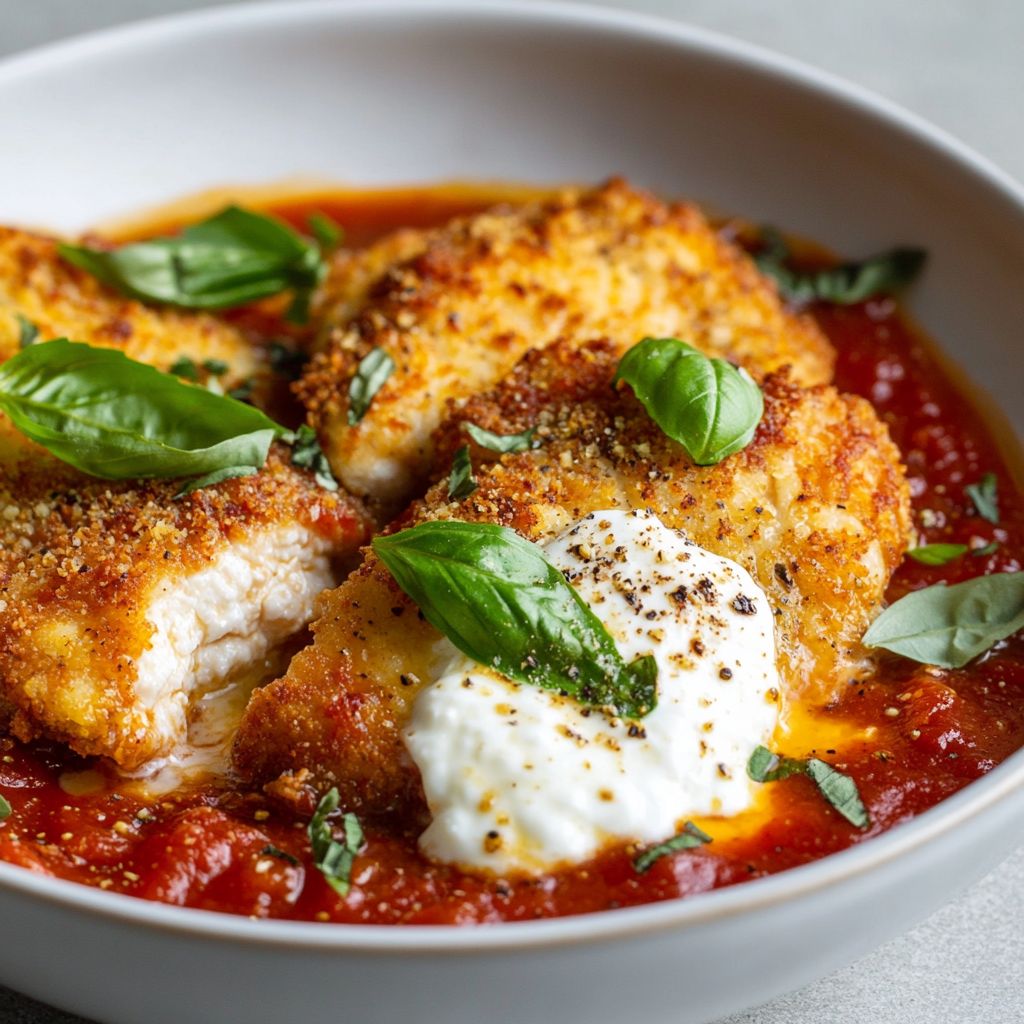
→ Reheating and fluffing ensures the grain base is light and separates into individual grains, preventing a dense, paste-like texture in the bowl. - Assemble the bowls by dividing the warm grain base among four bowls, arranging a bed of greens if using, then placing a chicken breast on each; spoon some sauce over the chicken and top with a portion of the cottage cheese layer.
→ Layering in this order ensures each bite delivers crunch from crust, warmth from chicken, brightness from greens, and creaminess from the cottage cheese for a balanced bite. - Finish the bowls by sprinkling 2 tablespoons grated Parmesan over each, and optionally broil for 1–2 minutes on a high rack until the cheese is bubbly and lightly browned; watch closely to prevent burning.
→ A brief broil adds a toasty finish to the top, enhances aroma, and helps meld the components together without drying the cheese layer. - Garnish with fresh basil or parsley and season to taste with additional salt and pepper; serve immediately to enjoy the contrast of crisp crust, creamy cheese, saucy chicken, and vibrant greens.
→ Finishing with fresh herbs brightens the dish, and tasting at the end ensures the final seasoning is correct for all components combined.
Notes
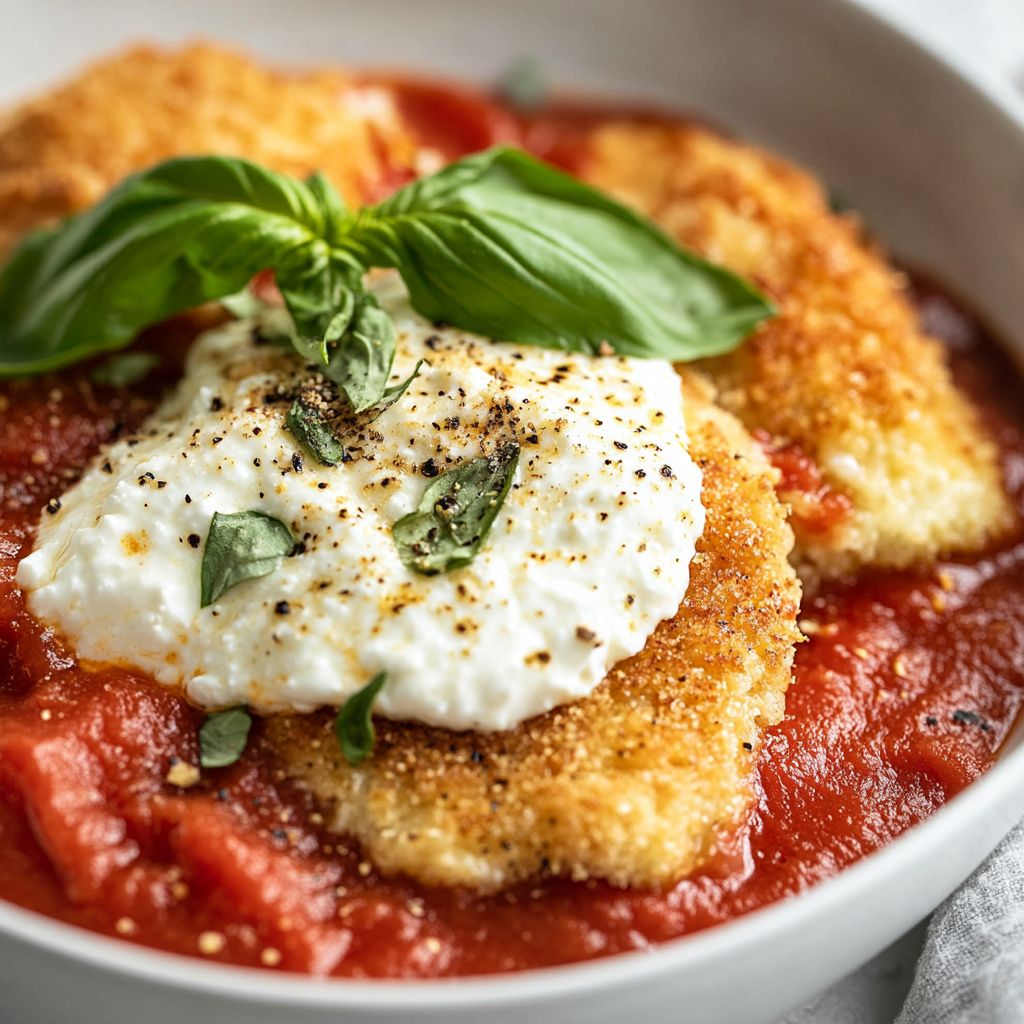
These gluten-free Cottage Cheese Chicken Parm Bowls are a protein-rich, comforting meal built on a crisp Parm-crusted chicken over a bed of fluffy quinoa or brown rice, with a creamy cottage cheese layer and a bright tomato sauce. To keep it gluten-free, use gluten-free breadcrumbs (or crushed gluten-free crackers) and a no-added-sugar marinara. Prep: rinse quinoa and cook in 2 cups water or broth until fluffy, or cook brown rice to package directions; pound the chicken to 1/2-inch thickness and bread with a seasoned mix (1/4 cup breadcrumbs, 1/4 cup grated Parmesan, 1 teaspoon Italian seasoning, 1/2 teaspoon garlic powder, 1/4 teaspoon onion powder, salt and pepper). Pan-sear in olive oil until golden, then finish in a hot oven or under the broiler to set the crust. The cottage cheese layer should be small-curd and lightly seasoned; whisk briefly to smooth and optionally fold in 1/4 cup shredded mozzarella for extra melt, along with fresh basil or parsley. A bed of spinach or arugula adds color and nutrition; wilt greens in a teaspoon of olive oil or serve raw for contrast. Finish with extra Parmesan, a squeeze of lemon, and salt and pepper to taste. For serving, assemble bowls and heat until everything is warm and the sauce is bubbly; bake at 400°F for 10-15 minutes to glaze the top if you like. Leftovers refrigerate 3-4 days and rewarm gently on the stove or in the microwave. For make-ahead meals, prep grains, chicken, and cottage cheese layer separately and assemble when ready. Substitutions: swap quinoa for more veggies under the chicken or use brown rice for a chewier texture; dairy-free options include non-dairy cottage cheese alternatives and dairy-free cheese, plus gluten-free crusts as needed.
Tips
Tips for Cottage Cheese Chicken Parm Bowl
Base tips
- Quinoa: Rinse thoroughly to remove bitterness, then cook in a 2:1 liquid ratio (water or broth) until fluffy. Fluff with a fork off the heat and season lightly with salt to bring out its nutty flavor. If you’re short on time, substitute with cooked brown rice or another grain you enjoy.
- Brown rice: Cook to tender perfection, fluffy and separated. For best texture, use day-old brown rice warmed with a splash of water to restore moisture and prevent clumping.
Chicken & Coating tips
- Pound the chicken to an even 1/2-inch thickness for uniform cooking and crisp coating. Pat dry and lightly season with salt before breading to help the crust adhere.
- Coating: use breadcrumbs or gluten-free breadcrumbs; mix in 1/4 cup grated Parmesan and 1/2 teaspoon Italian seasoning for extra flavor. Dry the chicken well to promote a crisp crust.
- Dip in a beaten egg and press the crumb mixture onto both sides; let the crust set for a minute before cooking to improve adhesion.
- Cook in olive oil over medium-high heat, in batches to avoid crowding. Turn once to achieve an even golden crust and ensure the chicken reaches 165°F (74°C) inside.
- Freshly grated Parmesan enhances browning and aroma. If you want extra melt, sprinkle mozzarella only in the final minute or briefly broil after assembling.
- Crust questions: For an extra-crispy finish, finish in a hot oven (425°F/220°C) for a few minutes or until the crust is deeply golden.
Sauce tips
- Enhance aromatics by sautéing minced garlic and finely chopped onion in olive oil before adding tomatoes. Simmer to develop depth and round out flavors; oregano and a pinch of red pepper flakes amplify the Italian profile.
- Taste and adjust: if the sauce tastes too acidic, add a pinch of sugar or a drizzle of olive oil to balance. Allow the sauce to simmer 10–15 minutes to meld flavors and thicken slightly.
- Texture control: for a smoother sauce, puree lightly or crush tomatoes; for a chunkier sauce, leave some texture intact.
Cottage Cheese Layer tips
- Drain any excess whey if the cottage cheese is very watery. Season with a touch of salt and pepper, then whisk briefly to smooth lumps for a creamier layer.
- For extra creaminess, whisk in a tablespoon of cream cheese or a splash of milk. If using mozzarella, add just before serving for a soft, gooey top.
- Fresh herbs like chopped basil or parsley folded into the cottage cheese add brightness and a cohesive parm flavor.
Greens & extras tips
- Greens add color and balance: rinse and dry well; wilt in a hot skillet with 1 teaspoon olive oil or serve raw for contrast. Placing greens under the chicken helps distribute greens in every bite.
- Finish with a splash of lemon juice or a light drizzle of red wine vinegar to brighten the greens. Season lightly with salt to taste after wilting.
Toppings & garnish tips
- Parmesan: use freshly grated Parmesan for maximum aroma and a better melt when briefly broiled.
- Garnish with fresh basil or parsley right before serving to preserve color and aroma. Tear leaves by hand to release essential oils.
- Season the final dish with salt and pepper to taste, considering the saltiness already present in the sauce and cheese. If in doubt, add less salt at the end and adjust as needed.
FAQ
What is Cottage Cheese Chicken Parm Bowl?
A protein-packed bowl inspired by classic chicken parmesan, featuring tender chicken, marinara, and a topping of cottage cheese for creaminess. Serve over a base like brown rice, quinoa, cauliflower rice, or greens for a complete meal.
What ingredients do I need to make this dish?
Core ingredients:
- Chicken breasts or thighs, cut into tender pieces
- Marinara sauce
- Low-fat or full-fat cottage cheese
- Shredded mozzarella or sliced mozzarella
- Parmesan cheese, grated
- Olive oil
- Italian seasoning, garlic powder, salt, and pepper
- Base options: brown rice, quinoa, cauliflower rice, or greens
- Optional garnishes: fresh parsley or basil
Can I use different greens or bases for the bowl?
Yes. Good options include:
- Base: cooked brown rice, quinoa, cauliflower rice, or a mixed greens bed
- Extras: roasted vegetables (zucchini, bell peppers, mushrooms) or a handful of spinach
Adjust portions to match your nutrition goals and appetite.
How do I cook the chicken for the parm bowl?
Steps:
- Pat chicken dry and season with salt, pepper, garlic powder, and Italian seasoning.
- Heat olive oil in a skillet over medium heat and sear chicken until lightly browned, about 3–4 minutes per side.
- Pour a thin layer of marinara over the chicken, sprinkle mozzarella on top, and cook just until the cheese melts. You can finish in a 400°F (200°C) oven for 5–8 minutes if you prefer.
How do I assemble the Cottage Cheese Chicken Parm Bowl?
Assembly:
- Place your chosen base in a bowl (rice, quinoa, cauliflower rice, or greens).
- Top with the chicken parmesan pieces.
- Top with a generous spoonful of cottage cheese (or a cottage cheese mixture with a pinch of herbs).
- Finish with extra marinara and a sprinkle of Parmesan and fresh herbs.
How can I make this dish lighter or higher in protein?
Suggestions:
- Use 1% or fat-free cottage cheese or reduce the amount of cheese and add more lean chicken for protein.
- Choose whole grains like quinoa or brown rice for extra fiber.
- Skip extra cheese on top or opt for part-skim mozzarella.
- Add more vegetables to increase volume without adding many calories.
How long does it take to make this dish?
Approximate timeline:
- Prep: 5–10 minutes
- Cook chicken and melt cheese: 10–15 minutes (or 15–20 minutes if baked)
- Assemble and serve: 5 minutes
Total: about 20–30 minutes depending on fondness for oven finish.
How should I store and reheat leftovers?
Storage and reheating:
- Store leftovers in an airtight container in the refrigerator for up to 3–4 days.
- Reheat in the microwave in 1–2 minute bursts, stirring in between, or reheat in a skillet over medium heat until warmed through.
- Keep cottage cheese topping separate if you want to preserve texture, then add just before serving.
Can I freeze any components or the whole dish?
Freezing notes:
- Cooked chicken with marinara freezes well. Freeze in portions for convenience.
- Cooked base (rice/quinoa) freezes okay, though texture may change slightly.
- Cottage cheese does not freeze well; best added fresh after reheating.
Are there dairy-free or vegetarian options?
Yes. Alternatives:
- Use dairy-free mozzarella and a dairy-free cottage cheese substitute, or replace cottage cheese with a dairy-free ricotta or blended tofu for creaminess.
- For a vegetarian version, keep the marinara and cheese toppings but ensure the base remains plant-based (brown rice or quinoa with extra vegetables).
What are some tips to get the best flavor and texture?
Tips:
- Pat the chicken dry to get a good sear and prevent steaming.
- Don’t overcook the chicken; aim for juicy pieces with a light crust.
- Use a good quality marinara with a balanced sweetness to pair with the cottage cheese.
- Let the cottage cheese stand for a few minutes at room temperature for creaminess, or stir in a pinch of Italian seasoning.