Introduction / Hook
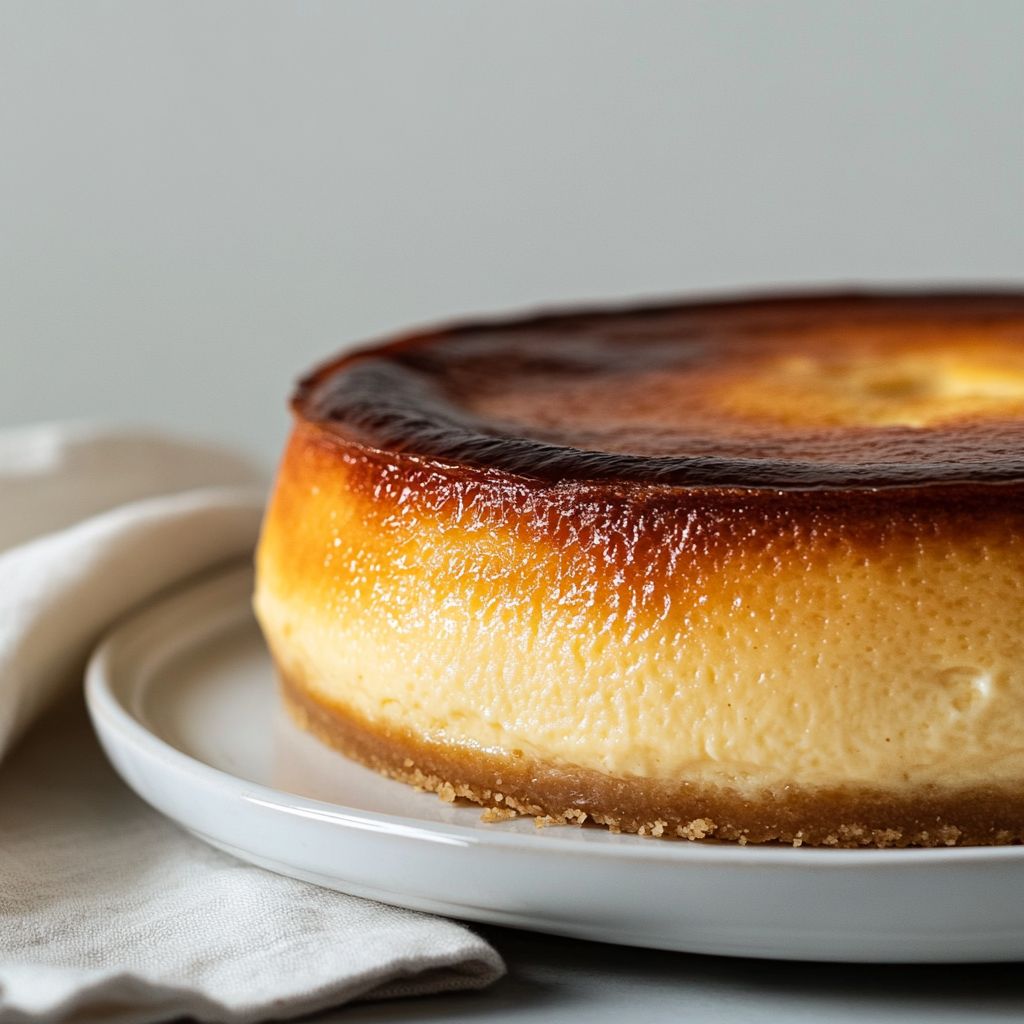
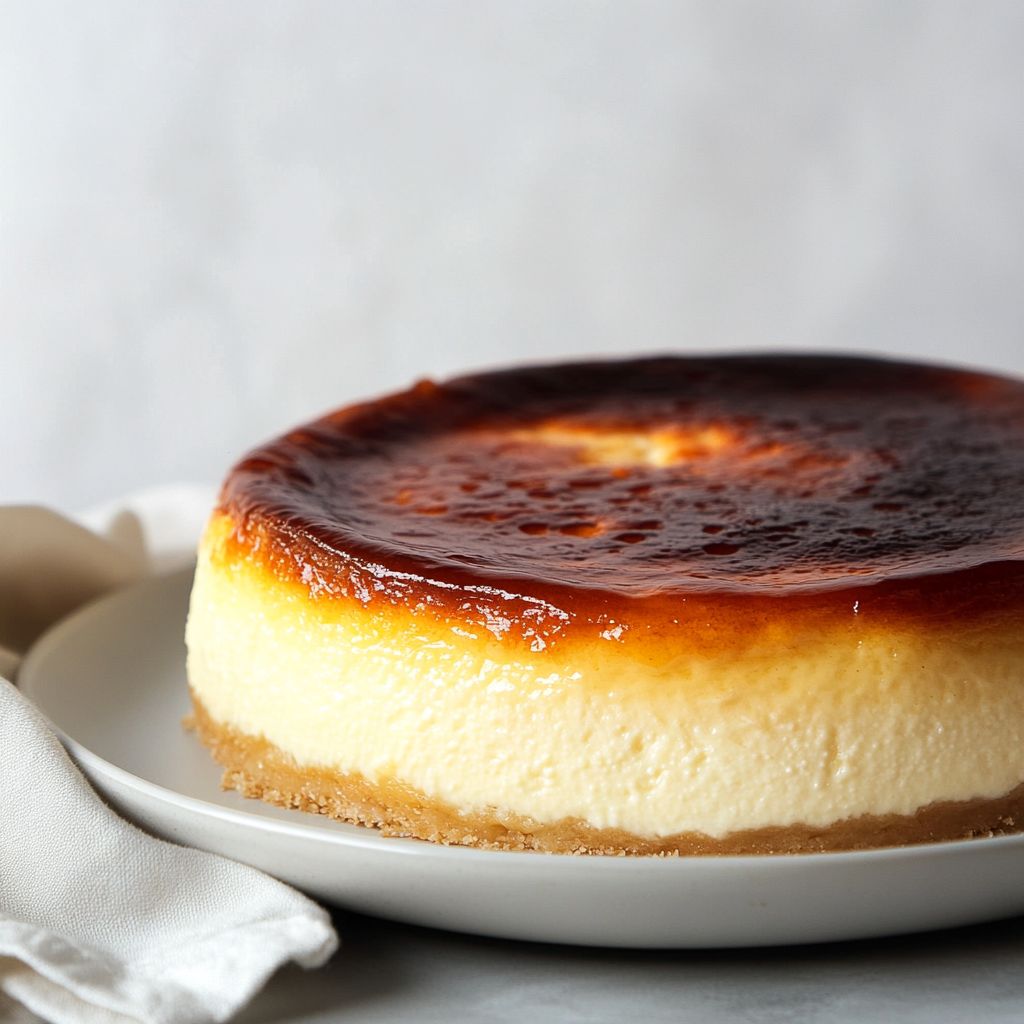
Imagine opening a dessert that seems almost too beautiful to cut, its surface a deep, glossy amber that looks caramelized from a sun-kissed oven. The first bite releases a whisper-soft, velvety cloud of cream cheese custard, rich with vanilla and a hint of dairy sweetness, only to be challenged by a bold, toffee-like top that crackles faintly under the knife. This is Basque cheesecake at its most magnetic: a crustless, fearless creation that celebrates contrast—darkly toasted exterior meeting a pale, creamy center. It’s a dessert that makes a statement without shouting, inviting quiet reverence as much as it invites second helpings. The aroma alone—caramel, vanilla, and warm dairy—is enough to conjure memories of intimate gatherings, candlelit meals, and kitchens where the simplest ingredients have the power to surprise and delight. When you serve it, you’re not simply presenting a cake; you’re sharing an experience that travels from a tiny bakery in the Basque Country to kitchens all over the world, gathering fans with every wobble, every crack, and every luxurious spoonful. This is the kind of dessert that asks to be shared, talked about, and remembered long after the last bite has disappeared.
The Story Behind the Dish
The Basque cheesecake, or tarta de queso as it is affectionately known in its homeland, is a testament to the beauty of simplicity. It grew from a tradition that favors uncomplicated, high-quality ingredients and then turned that tradition into something both dramatic and comforting. The legend most closely tied to its modern identity centers on La Viña, a beloved bakery in San Sebastián, where a bake-master’s intuition transformed a humble filling into a spectacular dessert. The technique—though deceptively straightforward—calls for a high-heat, crustless bake that caramelizes the top to a dark, almost smoky finish while preserving a sumptuously soft interior. Bakers and home cooks alike fell in love with its effortless elegance: no crust to distract from the creaminess, no heavy glaze to conceal the texture, just a pure focus on the filling’s lush mouthfeel and the top’s dramatic shimmer. The cake’s character—dangerously wobbly in the center, with an outer ring that holds a bit more structure—has become a global icon of what happens when culinary courage meets restraint. There’s something almost theatrical about the Basque cheesecake: a cake that looks as if it were burnt by accident, yet is crafted with intention, patience, and a deep respect for the ingredient’s natural flavors. The origins, perhaps grounded in the kitchens of the Basque Country and popularized by a single bakery’s philosophy, remind us that great desserts don’t always need bells and whistles—they thrive on a fearless approach to heat, texture, and balance.
Why You’ll Love This Recipe
- Minimalist base with maximum impact: a few ingredients create a cake that feels luxurious and sophisticated.
- Contrasting textures that linger on the palate—the blistered, caramelized top juxtaposed with a silken, custardy core.
- Crustless by design, offering a gluten-free-friendly dessert that lets the filling shine.
- Quick to assemble and forgiving in spirit, making it approachable for both weeknights and special occasions.
- Visual drama that doubles as a conversation starter—the dark top, the pale interior, and the gentle cracks that tell a story of honest baking.
Flavor Profile & Texture
The Basque cheesecake is a study in delicious contradictions. On the surface, the top is deeply caramelized, with a heat-kissed aroma that echoes burnt sugar and vanilla. The color shift is not merely cosmetic; it signals a concentrated sweetness and a toasty edge that provides a quiet, almost smoky dimension. When you slice into it, the first impression is the scent: a warm bouquet of vanilla, dairy, and a subtle hint of sweetness that invites you to lean in closer. Beneath that aromatic shell lies a cream-cheese filling that is rich, smooth, and seductively soft—almost like a custard that has learned to hold its shape just enough to offer a gentle wobble on the plate. The texture is not uniformly dense; it’s an orchestra of light and indulgent creaminess with pockets of air that keep each bite buoyant rather than heavy. The tang from the cream cheese maintains balance, preventing the dessert from tipping into cloying sweetness, while the eggs lend a satin structure that yields elegantly with every forkful. Flavors of vanilla are bold but not overpowering, and you may notice faint notes of citrus or citrus zest in some iterations, which brighten the composition without stealing attention from the core cheese. All together, it’s a sensory choreography: the crackle of the browned surface, the kiss of sweetness, and the lingering, creamy finish that lingers like a sweet memory after a long conversation with an old friend.
Occasions & Pairings
Basque cheesecake is both a comforting staple and a show-stopper, suited to a spectrum of occasions. It shines as a refined finish to a weeknight dinner, yet its charismatic top and chiseled edges also earn admiration at more festive gatherings. Because it’s crustless, it sits comfortably on a simple dessert table or a post-dinner spread without requiring elaborate plating. For pairing, think balance and a touch of contrast. A glass of dessert wine or a late-harvest sweet wine can mirror the cake’s sweetness, while a small cup of strong coffee or an espresso-based drink can cut through the richness and highlight its vanilla notes. Fresh berries—strawberries, raspberries, or blueberries—provide a bright, tart counterpoint that brightens the overall flavor. A dollop of lightly whipped cream or a quenelle of vanilla custard can add extra creaminess if you’re serving it as part of a more formal dessert course. For brunches or daytime events, consider a light fruit compote or a citrus zest drizzle to add a refreshing lift. The cake’s bold top makes it a natural centerpiece; simple garnishes such as mint leaves, curled citrus zest, or a few delicate berry skewers can elevate the presentation without distracting from the dessert’s core character. In short, it’s a versatile, crowd-pleasing choice that can anchor a dinner party, a holiday meal, or a casual dessert night with equal grace.
Tips, Variations & Substitutions
Tips for the Perfect Texture
To honor the signature crumble-free, crustless texture, focus on quality ingredients and gentle handling. Use softened cream cheese for a smooth, cohesive filling, and blend until just combined to avoid dense pockets. Room-temperature eggs blend in seamlessly and help the batter set with a refined, airy glow. Since there’s no crust, the choice of baking vessel matters less for structure and more for promoting even color on the top; a light-colored pan can help prevent overly scorching the exterior, while parchment lining ensures clean removal and neat slices.
Dietary Variations
Gluten-free by design? Yes, the crustless approach makes this naturally gluten-free, provided all ingredients are certified gluten-free. For dairy-free versions, experiment with a high-fat coconut cream and a dairy-free cream cheese substitute, keeping an eye on texture and balance. Vegan adaptations can be challenging to perfect because the set and creaminess rely on dairy proteins, but creative bakers have achieved admirable results by blending cashews or using silken tofu with coconut cream. If you choose to explore such substitutions, treat the result as a respectful homage to the original rather than a strict replica.
Regional Twists & Flavor Variations
While the classic Basque cheesecake revels in its pure form, there’s room for tasteful experimentation. A whisper of citrus zest can lift the filling without overpowering it. A ribbon of fruit compote on top or a light dusting of cocoa powder can introduce a playful contrast. Some bakers drizzle a thin layer of caramel on the surface to heighten the burnt-sugar effect before serving. For a nutty dimension, a light sprinkle of toasted almond slivers or chopped pecans around the edge provides gentle crunch and aroma. If you’re feeling extra bold, a hint of espresso can marry beautifully with the vanilla and cream cheese, producing a mocha-inspired twist that remains faithful to the cake’s core essence.
Storage & Make-Ahead Ideas
The Basque cheesecake travels well through the day and improves with a short rest in the refrigerator. Once cooled, store it in an airtight container or wrap tightly to preserve moisture and texture. It keeps beautifully for several days in the fridge, developing a slightly firmer set and deeper vanilla-tinted flavor as it chills. When you’re ready to serve, a brief return to room temperature—or a short gentle warm in a low oven or microwave—can restore that luscious, ladylike creaminess that makes the dish so memorable. If making ahead for a party, bake and refrigerate the cake a day in advance; then slice and plate just before guests arrive for maximum impact. Freezing slices is possible, but the texture may shift slightly; if you do freeze, wrap each slice tightly and thaw in the fridge before bringing to room temperature for serving. A quick re-whisk of the surface after slicing can help restore a silkier appearance if it has settled during storage.
Fun Facts & Trivia
- The signature burnt top is a deliberate hallmark of the style, not a burnt mistake—caramelization adds depth and a dramatic contrast to the creamy interior.
- Crustless by design, Basque cheesecake highlights the filling’s texture as the star of the show.
- Though widely associated with Basque Country, this dessert has become a global favorite, with pastry lovers adding their own regional accents wherever it’s made.
- La Viña in San Sebastián helped to popularize the modern Basque cheesecake, turning a regional specialty into an international phenomenon.
- Its simplicity makes it a favorite “date-night” dessert and a comforting, crowd-pleasing option for gatherings of all sizes.
Serving Suggestions & Final Thoughts
When you present Basque cheesecake, let its natural beauty speak for itself. Slice with a sharp knife warmed slightly to keep cuts clean, and plate with a single berry or a light dusting of powdered sugar for a minimalist, elegant finish. Pair with a coffee, a glass of dessert wine, or a sparkling drink to cleanse the palate between bites. The first forkful should reveal a warm, creamy interior punctuated by a crackled top—an invitation to savor, linger, and share. This dessert doesn’t demand complex sauces or elaborate garnishes; its charm lies in the balance of bold top and velvety center, the sweet meeting the tangy, the familiar becoming something unexpectedly sophisticated. Every bite honors the story of its origins—the Basque insistence on honest ingredients and simple, effective technique—while also embracing the modern kitchen’s love for texture, contrast, and pure comfort. Whether you’re cooking for a quiet night in or a lively dinner with friends, this Basque cheesecake is a surefire way to end on a note that feels both timeless and exciting. Enjoy the journey from the first aroma to the last lingering crumb, and let this iconic dessert become a favorite in your ongoing baking story.
Ingredients
Basque Cheesecake Base
- Cream cheese, softened, full-fat (900 g / 2 lb, typically two 450 g bricks)
→ Cream cheese forms the creamy, dense base of the Basque cheesecake. Use bricks of cream cheese at room temperature and beat until completely smooth to avoid lumps. Using full-fat cheese yields a richer, custard-like texture. Do not use low-fat or whipped cream cheese, which can cause a lighter, unstable filling. - Granulated sugar (150 g / 3/4 cup)
→ Sugar sweetens the batter and helps with browning on the deeply caramelized top. Cream the sugar with the cream cheese until very smooth and fluffy for a silkier custard; if your sugar is clumpy, whisk it with the cheese briefly before adding eggs. - Eggs, large (4 eggs)
→ Eggs contribute structure, richness and moisture. Add one egg at a time, mixing on low until just combined; overmixing after the eggs are added can incorporate too much air and lead to cracks or an overly fluffy interior. - Heavy cream (360 ml / 1 1/2 cups)
→ Heavy cream adds moisture, richness, and a velvety custard-like interior. Use room-temperature cream for easier emulsification; avoid adding cold cream directly into hot batter to prevent curdling. Whisk in gently with the cheese mixture. - All-purpose flour (2 tablespoons, about 16 g)
→ A small quantity of flour stabilizes the custard to help it set without becoming overly dense, and reduces moisture separation. Sift the flour and whisk into the cheese mixture just until incorporated; avoid lumps and overmixing after adding flour. - Pure vanilla extract (2 teaspoons)
→ Vanilla adds depth and warmth to the filling. Use high-quality pure vanilla extract or paste for best aroma; if using vanilla bean, scrape seeds and mix with the cheese mixture for intensified flavor. - Salt (1/4 teaspoon)
→ Salt enhances the dairy sweetness and balances the richness; adjust if your cream cheese is salted. If using salted cheese, reduce or omit the added salt accordingly. - Parchment paper, to line a 9-inch (23 cm) springform pan (and optional melted butter or nonstick spray to help the parchment adhere)
→ Lining with parchment ensures clean release of the tall Basque cheesecake without a crust. Leave a small overhang to easily lift the cake out when cooled; lightly grease the parchment if you want extra assurance against sticking.
Optional Add-ins
- Lemon zest, finely grated (1 teaspoon)
→ Adds a bright citrus note that balances the richness and highlights the vanilla. Use very fresh lemon zest; zest only the yellow outer layer, avoiding the white pith which can impart bitterness. Fold zest into the cream cheese and sugar mixture just before adding the eggs for even distribution.
Instructions
- Preheat the oven to 400°F (205°C) and line a 9-inch (23 cm) springform pan with parchment paper, letting the parchment extend about 2 inches beyond the rim on all sides to form a tall overhang; lightly grease the parchment with melted butter to help it cling.
→ This high heat drives the deep caramelization and the signature burnt exterior of Basque cheesecake, while parchment ensures clean release without a crust. - Set the prepared pan on a rimmed baking sheet to catch any overflow and to stabilize the pan during the high-heat bake.
→ The sheet helps prevent spills from smoking in the oven and keeps your oven cleaner. - Remove the cream cheese from the refrigerator and cut it into 3–4 pieces; let it sit at room temperature for about 60 minutes until very soft and pliable.
→ Softened cream cheese blends smoothly, preventing lumps and ensuring a dense, creamy filling. - In a large bowl or on a stand mixer fitted with a paddle attachment, beat the cream cheese on medium speed until completely smooth and creamy, about 2–3 minutes; scrape the bowl midway to incorporate any unmixed bits.
→ A smooth base avoids graininess and contributes to a velvety custard texture. - Add the granulated sugar and continue beating on medium-high speed until the mixture is very smooth, pale, and fluffy, about 2–3 minutes; ensure the sugar is fully dissolved to prevent gritty texture.
→ Sugar helps with sweetness, moisture balance, and browning on the top, yielding a glossy, silky filling. - If using lemon zest, fold in 1 teaspoon of finely grated zest now using a spatula, distributing it evenly through the cheese-sugar mixture.
→ Zest provides a bright citrus note that offsets richness and enhances vanilla aroma; add before eggs to ensure even distribution. - With the mixer on low speed, add the eggs one at a time, beating after each addition until just combined and the batter looks cohesive; avoid overmixing to prevent incorporating excess air that can crack the surface.
→ Adding eggs gradually and not overmixing preserves the custard’s delicate structure and reduces cracks. - With the mixer on low, gradually pour in the heavy cream in a thin, steady stream, beating until the mixture is smooth and fully emulsified; stop as soon as it is homogeneous.
→ Cream contributes moisture, richness, and a luscious, custardy texture; overheating can cause separation, so emulsify gently. - Beat in the pure vanilla extract and the salt on low speed until just combined; scrape the bowl to ensure even distribution.
→ Salt enhances the dairy sweetness and balances richness; vanilla deepens aroma and ties the flavors together. - Sift in the all-purpose flour and fold it in using a gentle motion with a spatula until just incorporated; do not overwork once the flour is added.
→ A small amount of flour stabilizes the custard, helping it set while remaining indulgently creamy, without making it dense. - Pour the batter into the prepared pan, smooth the surface with a spatula, and tap the pan firmly on the counter a few times to release any trapped air bubbles.
→ The tap removes air pockets that could cause cracks and an uneven top; a smooth surface bakes more evenly. - Bake on the center rack at 400°F (205°C) for 45–50 minutes, or until the top is deeply caramelized and the center still wobbles slightly when the pan is gently jiggled.
→ The high heat creates the characteristic burnt, caramelized top while the center remains custardy; the wobble ensures it is set but not overcooked. - Turn off the oven, crack the door open, and let the cheesecake rest in the oven for 15 minutes to finish setting gradually and minimize cracking.
→ A gentle finish in the oven stabilizes the interior and preserves the dramatic top color. - Remove the pan from the oven and allow the cheesecake to cool on a rack at room temperature for 2–4 hours, then refrigerate for at least 4 hours or overnight to fully set and develop flavor.
→ Chilling firms the custard, improves clean slicing, and mellow flavors after the intense bake. - Carefully run a thin knife or offset spatula around the inside of the parchment to separate any softened edges, then release the springform ring and lift the cake by the parchment overhang onto a serving platter.
→ This gentle release prevents tearing the tall, delicate top and makes presentation neat. - Slice into wedges and serve at room temperature or lightly chilled; offer optional accompaniments such as fresh berries or a dusting of powdered sugar if desired.
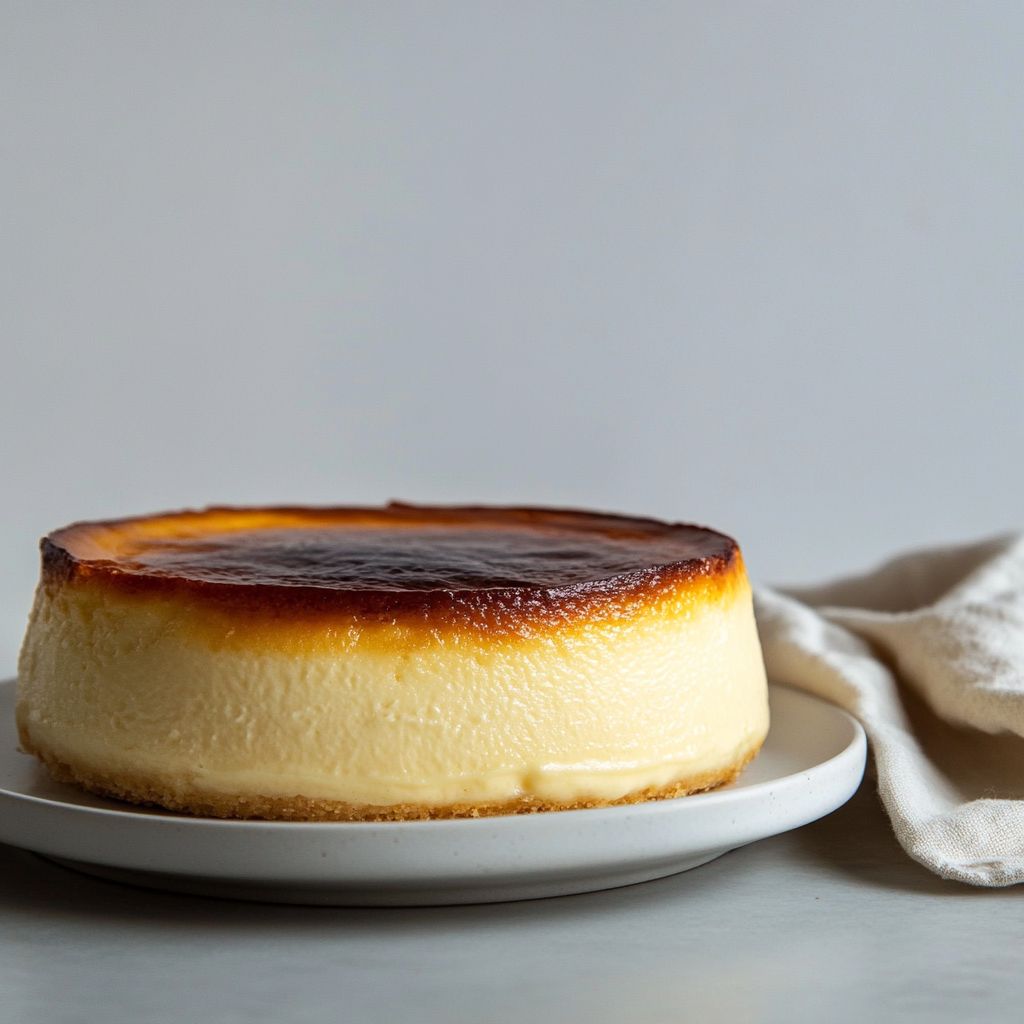
→ Basque cheesecake is typically enjoyed without crust, with a luxuriously creamy interior and a visually striking burnt top that remains tender inside.
Notes
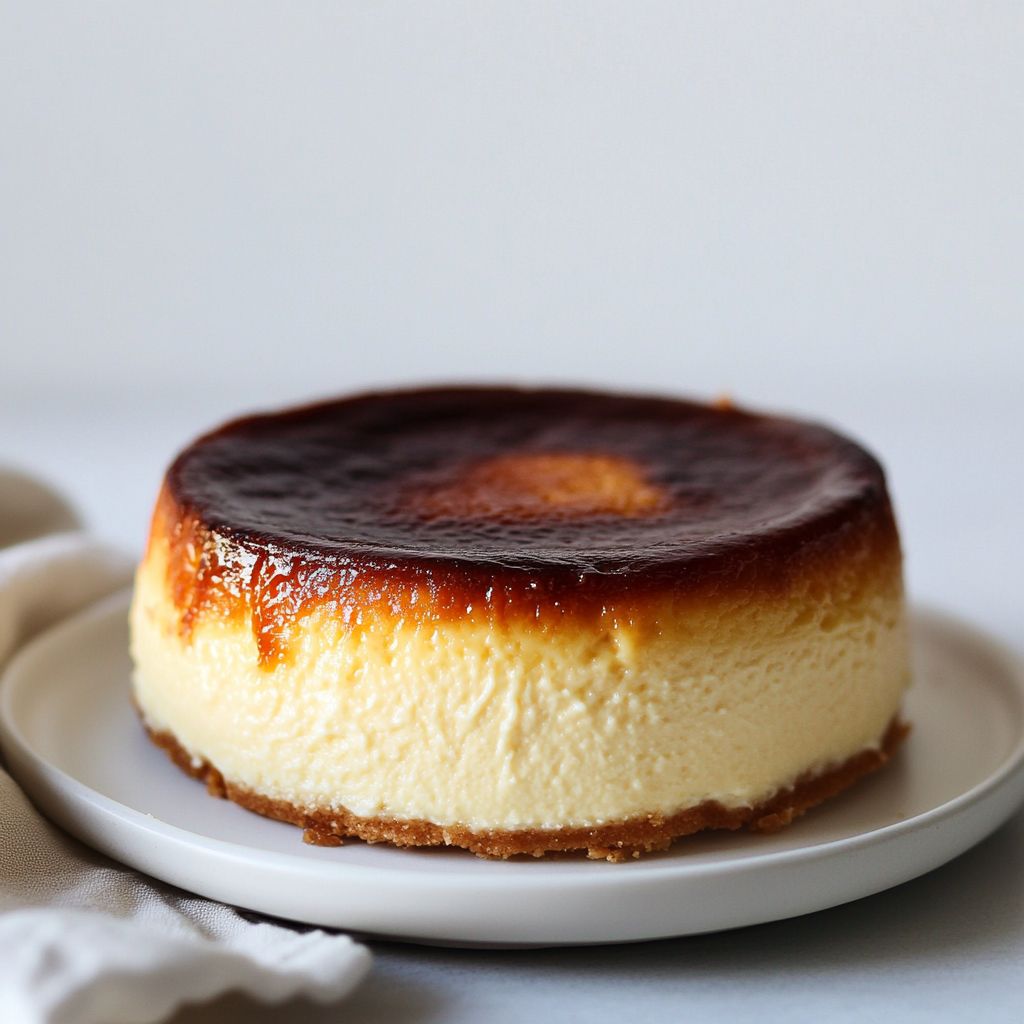
These Basque cheesecakes are rich, creamy, and deeply caramelized on top, with a crustless, rustic finish. For best results, use full-fat cream cheese at room temperature and beat until completely smooth to avoid lumps; cream the sugar with the cream cheese until very smooth and fluffy for a silkier custard. Add eggs one at a time on low speed, mixing just until combined to prevent overmixing and cracks. Whisk in heavy cream until the mixture is silky, then sift in the all-purpose flour and whisk just until incorporated. Stir in pure vanilla and a pinch of salt, adjusting for salted cheese. Line a 9-inch (23 cm) springform pan with parchment, leaving overhang to lift the cake, and lightly grease the parchment for easier release. Bake in a hot oven (about 400–425°F / 205–220°C) until the top is deeply caramelized and the center still jiggles slightly, typically 45–60 minutes; the cake will puff and then deflate as it cools. Cool completely in the pan, then refrigerate for several hours or overnight before slicing for clean cuts. Serve plain or with a light dusting of powdered sugar, and optionally add lemon zest for brightness or a berry compote on the side. Leftovers keep refrigerated for up to 5 days, and the cake freezes well for longer storage. If using the optional lemon zest, fold it into the cheese mixture just before adding the eggs for even distribution. Always use fresh ingredients and avoid low-fat or whipped cream cheese to maintain the signature dense, custardy texture.
Tips
Tips for Best Basque Cheesecake
- Let all dairy come to room temperature before mixing. Softened cream cheese (and heavy cream) emulsify better and help you achieve a silky, lump-free filling.
- Cut the cream cheese into smaller pieces and beat with the sugar until completely smooth and very fluffy. This creates a creamy custard base and reduces the chance of graininess.
- Add eggs one at a time on low speed, mixing just until combined after each addition. Overmixing after eggs are added can whip in too much air and cause cracks or an overly airy interior.
- Whisk in the heavy cream gently until the mixture is smooth. If it looks curdled at first, keep mixing on low until it comes together.
- Sift the flour and whisk it in just until incorporated. Too much mixing after adding flour can create a denser texture or lumps.
- Use high-quality vanilla extract or paste for a warm, aromatic note. If using a vanilla bean, scrape the seeds and fold them in with the cheese mixture for deeper flavor.
- Balance the salt by considering your cream cheese. If you use salted cheese, reduce or omit the added salt to avoid overly salty filling.
- Line a 9-inch (23 cm) springform pan with parchment paper, leaving some overhang for easy lifting. Lightly grease the parchment to help it adhere and prevent sticking.
- Optional add-in: lemon zest (1 teaspoon) can brighten the filling. Fold the zest into the cheese and sugar mixture before adding the eggs for even distribution.
- Pour the batter into the pan and gently tap it on the counter to release any trapped air bubbles. Smooth the top with a spatula for an even bake.
- Bake at a high temperature (roughly 400–425°F / 200–220°C) until the top is deeply caramelized and the center remains slightly wobbly. The characteristic Basque top is dark, almost burnt looking—this is intentional.
- Avoid cracking by minimizing oven door openings during baking and cooling. Let the cake cool in the oven with the door cracked slightly for 15–30 minutes, then transfer to the counter to finish cooling.
- Cool completely, then refrigerate for at least 4 hours or overnight. Chilling helps the filling set and makes slicing cleaner.
- When slicing, use a sharp knife warmed under hot running water, wipe clean between cuts for neat, clean slices. Remove the cake from the pan using the parchment overhang if desired.
- Store leftovers in the refrigerator, covered, for up to 5 days. For longer storage, wrap slices and freeze; thaw in the refrigerator before serving.
- Serving ideas: serve plain to savor the caramelized top, or pair with a simple berry compote or fresh berries to add a tart contrast to the rich filling.
FAQ
What makes Basque cheesecake unique and why is it considered the “Best”?
Basque cheesecake is known for its crustless,-topped appearance and intensely caramelized top. It’s baked at a high temperature to create a deeply browned, almost burnt surface while the center stays creamy and smooth. The “Best” method focuses on using room-temperature ingredients, proper pan prep, and the traditional no-crust bake to achieve that signature texture and look.
Do I need a crust for Basque cheesecake?
No crust is traditional. The batter is poured directly into the pan, which allows it to bake into a tall, rustic cake with a dark, caramelized top. If you really want a crust, you can add a thin crust, but it won’t be the classic Basque style.
What pan size and lining do you recommend?
Use an 8-inch (20 cm) round springform pan for the classic height. Line the bottom and sides with parchment paper (grease lightly if needed) so the batter can rise and release cleanly. A taller, well-lined pan helps prevent sticking and yields the signature tall, bake-often domed cake.
What ingredients are needed and are there substitutions?
Common choices: cream cheese (at least 2 cups), granulated sugar, eggs, heavy cream, vanilla extract, and a pinch of salt. Optional: 1–2 tablespoons of all-purpose flour for a slightly firmer texture. Substitutions: use lactose-free cream cheese or dairy-free cream alternatives (texture will vary); eggs at room temperature help with emulsification; you can omit flour for a purer custard texture, or use a gluten-free flour blend if needed.
What is the baking temperature and approximate time?
Bake at a high temperature, typically 400–450°F (200–230°C), for about 40–55 minutes. The top should be deeply golden to dark brown and the center will be slightly jiggly when you remove it from the oven. If your oven runs hot or you see excessive browning, you can drop to 375–400°F (190–200°C) and bake a bit longer.
Should I use a water bath?
No water bath is traditional for Basque cheesecake. It’s baked dry to help achieve the characteristic tall, brûléed top and creamy interior. If you’re worried about cracking, avoid opening the oven door during the first half of baking and ensure your oven temperature is accurate. A slight crack is normal and part of the style.
How should I cool, slice, and serve Basque cheesecake?
Let the cake cool in the pan on a rack for about 1–2 hours until it’s stable but still slightly warm, then refrigerate for at least 2 hours or overnight for clean slicing. Use a warm knife to slice for neat squares. Serve plain or with a dusting of powdered sugar, fresh berries, or a berry coulis. It’s delicious at room temperature or slightly chilled.
How long does it stay fresh and can I freeze it?
Store slices in the fridge for 3–4 days. For longer storage, wrap slices tightly and freeze for up to 2–3 months. Thaw overnight in the fridge, then bring to room temperature before serving for best texture.
What are common problems and how can I fix them?
Cracks on top: usually from overbaking or temperature fluctuations. Fix by ensuring oven is accurate, bake until just set in the center, and avoid opening the door mid-bake. Sinking or wobbliness: the center should be gently jiggly when hot and set as it cools; if it sinks dramatically, it may have been underbaked or cooled too quickly. Burnt top with undercooked center: reduce heat slightly or bake a bit longer at a lower temperature, and position the cake in the middle of the oven. If the top browns too fast, tent with foil or rotate the pan halfway through baking. Sticking to the pan: line well with parchment and allow the cake to cool before attempting to release it.
Can I customize flavors or toppings?
Yes. Add a teaspoon of vanilla or a zest of lemon or orange for brightness. Toppings like fresh berries, berry compote, salted caramel, or a dusting of powdered sugar pair nicely. For variation, you can swirl in a small amount of citrus purée or a spoon of cocoa powder for a chocolatey Basque version. You can also experiment with a pinch of cinnamon or cardamom for subtle warmth.
How do I adjust the recipe for a larger or smaller pan?
To scale for a different pan, compensate the batter volume roughly by the pan area. A larger pan will yield a thinner cake, so reduce baking time slightly; a smaller pan will be thicker and may need a bit longer. If you’re changing pan sizes, aim for similar batter-to-pan height, and monitor the cake closely during bake—the center should remain slightly jiggly when it comes out of the oven.