Introduction / Hook
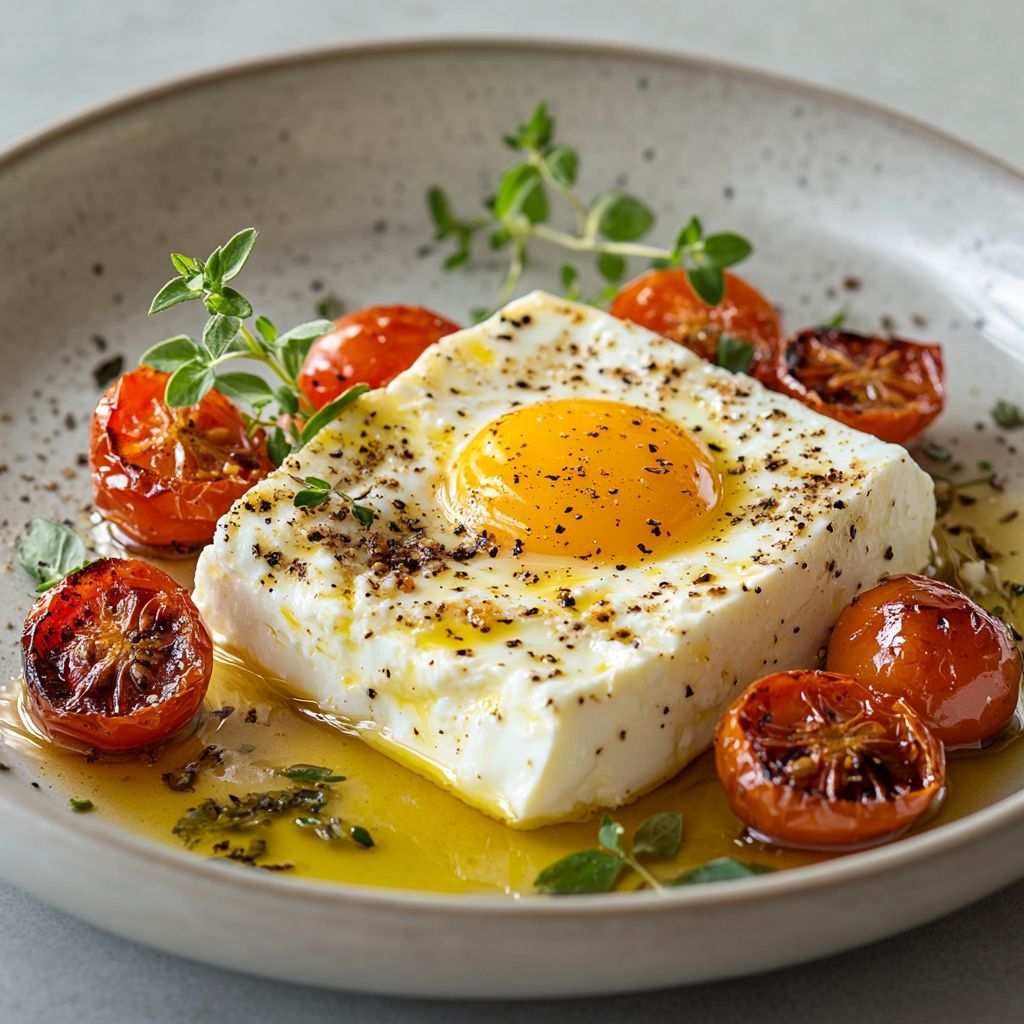
Imagine a pan that glows with the warm glow of a Mediterranean sunset, where the air carries a whisper of olive oil, cherry tomatoes, and herbs. The aroma swirls through the kitchen, tucking itself into every corner, promising a comforting, bright, impossible-to-resist breakfast-for-anytime dish. This is Baked Feta Eggs: a simple, radiant skillet that transforms humble pantry staples into a brunch-worthy centerpiece that tastes like a vacation in a single bite. The first spoonful offers a paradox you’ll crave again: the feta, baked to creamy, slightly crumbly perfection, meets the silken yolk of gently cooked eggs, all held together by roasted tomatoes that burst with sweetness and acidity. A drizzle of olive oil, a crack of black pepper, a scatter of fresh herbs, and suddenly morning has a story—and you’re the author, turning a few everyday ingredients into something unexpectedly magical.
What makes this dish so irresistible isn’t just the flavors, but the mood it creates. It’s the kind of recipe that invites you to slow down, to savor the moment as the oven does the heavy lifting, and to share something that feels both comforting and celebratory. The sizzle as the eggs crack into the pan, the way the feta softens into a lush, tangy silk, and the way a crusty slice of bread stands ready to soak up every last bit of roasted tomato sauce—these sensations mingle to create a memory worth repeating. And because it’s inherently adaptable, it invites you to improvise with what you have on hand, turning a humble ingredient list into a soulful dish that tastes like home, no matter where home happens to be for you.
From the first bite, you’ll understand why this style of baked egg has captured hearts across kitchens around the world. It’s not just a meal; it’s a ritual of simplicity, warmth, and shared bites. The feta’s tang anchors the dish, the eggs provide richness, and the tomatoes brighten the whole with sun-kissed sweetness. The fragrance of oregano or thyme lingers in the air, inviting conversations and compliments. In short, Baked Feta Eggs is the kind of recipe you turn to when you want food that feels generous, quick to assemble, and endlessly adaptable to your mood or season.
The Story Behind the Dish
The concept of baking cheese with tomatoes and eggs sits at an intersection of rustic Mediterranean cooking and modern improvisation. In traditional Greek and Balkan kitchens, feta is a staple—crumbly, salty, and wonderfully tangy, often crumbled into salads, folded into pastries, or dolloped onto grilled vegetables. The idea of pairing feta with olive oil, herbs, and oven warmth is deeply rooted in how cooks previously coaxed rich flavor from modest ingredients, relying on the cheese’s natural brine and the tomatoes’ sweetness to do most of the heavy lifting.
Over the years, storytellers and home cooks started translating that philosophy into a more brazen, comforting format: a single pan in which feta, tomatoes, and eggs converge and bake together. It’s become a modern favorite across homes that crave a dose of sunshine on a plate. The dish has traveled beyond its earthly origins—spreading into tapas bars, brunch menus, and neighborhood kitchens—because it embraces the idea that good food can be both simple and show-stopping. In many households, it’s become a playful, weekend ritual: a pan heated with olive oil, feta laid in like a little beacon, tomatoes scattered around, and eggs tucked into wells, ready to be kissed by heat until their yolks glow with languid richness. There’s something irresistibly comforting about watching the ingredients mingle and soften, releasing aromas that feel like a greeting from an old friend who knows how to feed the soul as well as the body.
There are little regional variations that add texture to the myth. In some places, a handful of chili peppers delivers a gentle heat that wakes the senses; in others, a squeeze of lemon brightens the feta’s saltiness and elevates the tomato’s sweetness. Herbs—oregano, thyme, dill, or parsley—offer aromatic notes that recall sunlit balconies and market stalls. The story of Baked Feta Eggs is less about a rigid recipe and more about a culinary conversation: a chorus of Greek culinary heritage and contemporary kitchen improvisation, where the end result is delicious, nourishing, and shareable in spirit as well as in taste.
Why You’ll Love This Recipe
- One-pan ease: a complete dish built in a single skillet, with minimal cleanup and maximum flavor.
- Versatile and forgiving: you can adapt the flavor profile with herbs, spice, and accompaniments to suit your pantry or mood.
- Brunch-friendly and weeknight-ready: it feels special enough for guests, but quick enough for a cozy weeknight meal.
- Vegetarian by default: no meat required, with eggs and feta providing protein and richness.
- Bright, comforting, and balanced: the tang of feta anchors the dish, while tomatoes bring natural sweetness and acidity to brighten every bite.
- Perfect for bread lovers: the thick, luscious sauce sops up beautifully with crusty bread, pita, or warm flatbreads.
- Customizable for dietary needs: swap feta for a plant-based option and adjust eggs accordingly, or add greens for extra nutrients.
- Budget-friendly: uses pantry staples and seasonal produce, delivering big flavor without breaking the bank.
Flavor Profile & Texture
The character of Baked Feta Eggs rests on a few core elements that sing together in harmony. The feta cheese, when heated, softens into a velvety, slightly crumbly cream with a tart, saline bite. Its saltiness acts as a natural seasoning, enhancing the tomatoes’ sweetness rather than overpowering it. The cherry or plum tomatoes, roasted until shrunken and blistered, release their juices and form a glossy, vivid ribbon of sauce that coats every ingredient in a bright, sunlit glaze. The eggs, once cracked into the pan and baked until just set, contribute a silken richness that melts into the feta and tomato mixture, creating pockets of creamy yolk that mingle with the tangy, crumbly cheese and the sweet-tart tomato bath. There’s a delicate balance between tang and warmth, a savory perfume of olive oil and herbs, and a hint of peppery bite that lingers on the palate.
Texture-wise, you’ll encounter a pleasing contrast: the feta’s slight graininess contrasting with the eggs’ smoothness, the tomatoes’ yielding softness against the feta’s crumb, and the occasional bite of a tomato skin or a crisp-edged piece of cheese that has caramelized a touch at the pan’s edge. When you dip a thick slice of rustic bread into this sauce, it absorbs the liquid gold—creamy, tangy, bright—making the experience tactile as well as flavorful. The aromas are equally compelling: the cheese’s savory scent melding with olive oil, garlic (if you choose to add it), and herbs, all rising together in a chorus that greets you as soon as you open the oven door. It’s a fragrance that promises warmth, comfort, and a little bit of indulgence without feeling heavy.
Occasions & Pairings
This dish shines in so many settings. It’s a natural for leisurely weekend brunches where guests linger over coffee while the skillet remains hot in the center of the table. It’s equally at home as a cozy weeknight supper, where a quick bake can bring a sense of celebration to a simple dinner. And it’s crowd-pleasing enough for easy entertaining—serve it as a shared platter with crusty bread and a bright salad, letting everyone spoon their own generous portions onto a warm plate.
Pairings that elevate the experience include:
- Crusty bread, crusty bread, and more crusty bread for dipping and sopping up the sauce.
- A simple green salad with a lemon vinaigrette to add freshness and crunch.
- Wine options: a crisp Sauvignon Blanc or Pinot Grigio for white lovers, a dry rosé for a summery vibe, or a light red like Beaujolais for a heartier palate.
- Additional accompaniments: marinated olives, roasted peppers, feta crumbles sprinkled on top, or a few torn fresh herbs for brightness.
- For a Mediterranean-inspired spread: serve with hummus, cucumber ribbons, and warm pita wedges.
In terms of occasions, think beyond traditional meals. It’s a fantastic centerpiece for a lazy Sunday brunch, a celebratory breakfast-in-bed moment, or a casual “we cooked this together” dinner with friends. The dish also scales well for a small family gathering or a larger, potluck-style event when paired with other tapas or small plates. Its comfort-food aura makes it especially appealing during cooler months, when the warmth in every bite feels restorative, while still staying light enough to avoid heaviness after a satisfying meal.
Tips, Variations & Substitutions
Tips
- Choose good feta: a high-quality feta with a good brine will deliver the best tang and creaminess when baked. If your feta is extra salty, rinse lightly or use in moderation.
- Tomatoes matter: try to use ripe cherry or grape tomatoes for sweetness and natural moisture. If you only have larger tomatoes, chop them into chunks so they roast and soften evenly.
- Heat control: you want the feta to soften and mingle with the egg and tomato, not dry out. Bake just until the eggs reach your desired doneness; overbaking can lead to a dry, crumbly texture.
- Herbal flexibility: oregano is traditional and fragrant, but thyme, dill, or parsley all work beautifully. A pinch of lemon zest can brighten the dish at the very end.
- Finishing touch: a light drizzle of extra-virgin olive oil right before serving enhances the flavors and adds a glossy finish.
Variations
- Herb-forward version: magnify the herb notes with a generous sprinkling of oregano, thyme, and fresh dill for a garden-fresh aroma.
- Spicy kick: add a pinch of red pepper flakes or a dash of smoked paprika for warmth and complexity.
- Green glow: fold in a handful of spinach or baby kale around the edges of the dish so they wilt naturally in the heat.
- Sea breeze variant: scatter a few capers or sliced olives for a briny contrast that uplifts the feta’s tang.
- Vegan-friendly option: omit the eggs and use extra-firm tofu or a plant-based feta alternative; bake until the tofu is warmed through and the feta alternative achieves a creamy texture. Note that this shifts the dish from eggs to a different protein source.
- Whole grain twist: serve over warm quinoa, bulgur, or couscous to create a heartier, grain-forward meal.
Substitutions
- Feta alternatives: goat cheese or a tangy manchego can provide a sharp profile, though the saltiness and texture will differ.
- Oil swap: if you prefer a subtler flavor, use a light olive oil or a neutral oil combined with a splash of good extra-virgin olive oil for finishing.
- Tomato swap: if tomatoes are scarce, use roasted peppers or a splash of tomato passata to maintain moisture and color.
Storage & Make-Ahead Ideas
While this dish is best enjoyed freshly from the oven, you can plan ahead or store leftovers for quick future meals. Here are practical options to keep in mind:
- Make-ahead flavor base: you can prepare the tomato-feta base (without the eggs) a day in advance and refrigerate it. When you’re ready to cook, simply crack the eggs into the prepared base and bake, adjusting the bake time as needed.
- Refrigeration: store any leftovers in an airtight container in the refrigerator for up to 2 days. Rewarm gently on the stovetop over low heat or in a warm oven, so the eggs don’t overcook.
- Freezing: this dish doesn’t freeze well with baked eggs, as the texture of the eggs may become rubbery when reheated. If you’re planning ahead, freeze the feta-teta mixture separately (without eggs) and assemble with eggs later, or seal portions of the baked dish before freezing and reheat carefully, knowing the texture may vary slightly.
- Reheating tip: add a splash of olive oil or a little water to the pan when reheating to rehydrate the topping and bring back some moisture to the sauce and feta.
Fun Facts & Trivia (Optional)
– Feta cheese has a long history in the Mediterranean region, with different regions claiming variations in brining practices and aging methods. Its distinctive tang makes it a natural match for tomatoes and olive oil, a combination that has delighted cooks for generations.
– The idea of baking eggs in a flavorful sauce is a universal concept found in many cuisines, from shakshuka-inspired dishes to Italian eggs en cocotte. Baked Feta Eggs sits comfortably in this family of comforting egg-forward preparations, but its feta-driven tang provides a unique profile that instantly signals the Mediterranean influence.
– The simple combination of pantry staples—feta, tomatoes, olive oil, and eggs—exemplifies a culinary principle: extraordinary flavor can emerge from few ingredients when treated with care and warmth. This dish is a testament to that idea, inviting you to savor the essence of quality ingredients and the magic that heat can unleash in a skillet.
Ingredients
Baked Feta Eggs
- 4 large eggs
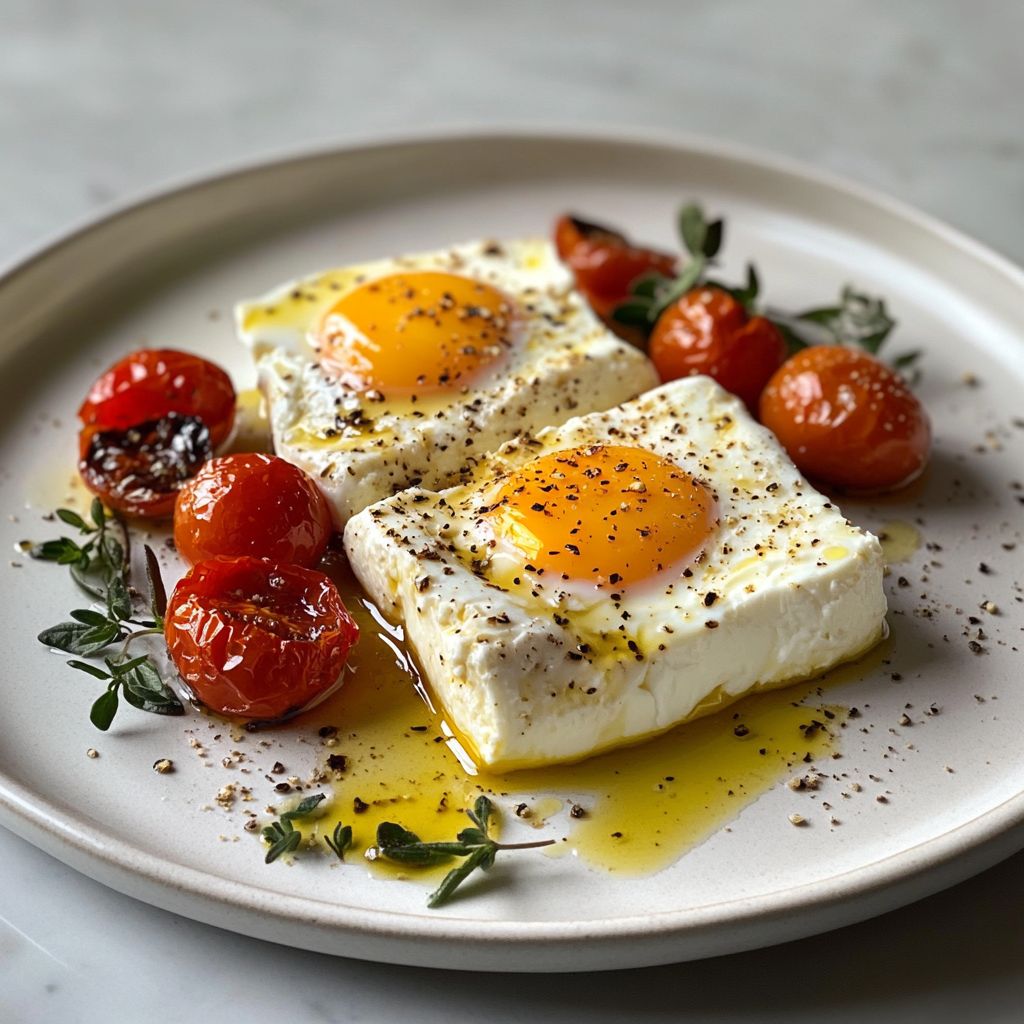
→ Eggs provide the essential structure and protein that set into a cohesive baked dish. They form the foundation of the egg pockets once baked, with the yolk adding richness. For best results, bring eggs to room temperature (about 20 minutes out of the fridge) so they bake evenly and set nicely without overcooking the whites. If you prefer a firmer yolk, bake a little longer; if you want a runny yolk, remove earlier. - 200 g feta cheese, block, coarsely crumbled
→ Feta contributes the signature salty, tangy creaminess that becomes a creamy, slightly saucy layer around the eggs as it bakes. Using a block and crumbling just before assembly yields better texture than pre-crumbled feta, and rinsing the cheese briefly can reduce overly salty notes if your feta is particularly briny. Distribute evenly in the dish so every bite contains feta. - 1 cup cherry tomatoes, halved
→ Tomatoes bring moisture, sweetness, and acidity to balance the feta’s saltiness. Halving allows juices to mingle with the feta and olive oil, creating a juicy base. Choose ripe, firm cherry tomatoes for best flavor; if very small, you can halve or simply leave them whole if you prefer more burst of tomato flavor per bite. For a roasted glaze, you can blister them slightly in the oven before adding eggs. - 2 tablespoons extra-virgin olive oil
→ Olive oil helps roast the feta and tomatoes, preventing sticking and adding a fruity richness that ties the flavors together. Drizzle evenly over the tomatoes and feta, or whisk with minced garlic to create a fragrant oil that infuses the base. Use a high-quality EVOO for best aroma; avoid heat-degraded oils over long bake times. - 2 garlic cloves, minced
→ Garlic adds aromatic warmth and depth that complements the saltiness of the feta and the brightness of the tomatoes. Mince finely or press to release maximum flavor. Sautéing the garlic briefly in the olive oil before assembling can mellow its bite, or press raw for a stronger bite in each bite after baking. - 1/2 teaspoon salt
→ Salt balances the dish and enhances the feta and tomato flavors. Keep in mind feta is often salty, so you may want to start with less and taste after baking; you can always finish with a light sprinkle of salt if needed. If using very salty olives, reduce or omit this amount to prevent over-salting. - 1/4 teaspoon black pepper
→ Black pepper introduces a gentle warmth and rounds out the flavor. Grind fresh if possible for a sharper aroma, and adjust to taste depending on the saltiness of your feta and olives. A pinch of white pepper can be used if you prefer a milder pepper note. - 1/2 teaspoon dried oregano or thyme
→ Dried herbs impart classic Mediterranean nuance that pairs perfectly with feta. Oregano gives a bright, peppery note while thyme offers earthy warmth. If you have fresh herbs on hand, you can substitute with about 1 tablespoon finely chopped, added after baking for maximum brightness rather than during baking. - 2 tablespoons fresh parsley, chopped
→ Fresh parsley adds a crisp, green finish and color to the dish. Sprinkle over the baked eggs as a finishing touch or stir into the feta after baking for an integrated herby note. For stronger herb presence, increase to 1–2 tablespoons and use curly parsley for a vibrant look.
Optional Add-ins
- 1/4 cup pitted black olives, sliced
→ Olives contribute a briny, savory bite that echoes the feta’s saltiness and adds depth to every mouthful. Slice evenly so pieces are distributed throughout. If using very salty olives, rinse briefly and pat dry to avoid oversalting. - 1/2 teaspoon chili flakes (adjust to taste)
→ Chili flakes introduce a gentle heat that lifts the entire dish without overpowering the feta. Add to the oil with garlic or sprinkle on top after baking for a lingering heat. Start with a small amount and increase if you want more spice. - Crusty bread slices, for serving (optional)
→ Slices of crusty bread are perfect for mopping up the feta-tomato sauce and runny yolk. Toast lightly and rub with a cut clove of garlic if you like garlic bread with your eggs. Serve warm for best texture.
Instructions
- Preheat your oven to 400°F (200°C) and lightly oil a 9×13-inch baking dish, or grease it well with parchment to prevent sticking and to promote easy release of the baked feta and eggs.
→ Preheating ensures even cooking; oiling or parchment helps the feta and tomatoes release cleanly without tearing the edges. - Rinse the feta briefly if it tastes overly briny and pat dry, then crumble 200 g block into roughly 1/2-inch pieces and distribute evenly across the dish so every bite can mingle with the tomato juices.
→ A brief rinse reduces excessive salt; crumbling just before assembly yields a creamier melt and more consistent texture. - Halve the cherry tomatoes and scatter them around and over the feta in a single layer to ensure even roasting and juicy pockets in the finished dish.
→ Halving exposes the juicy flesh so the tomatoes release their juices into the feta while roasting, balancing saltiness with sweetness. - Drizzle 2 tablespoons of extra-virgin olive oil over the feta and tomatoes, then if desired, whisk the minced garlic into a small amount of oil and drizzle this garlic oil evenly to infuse the base with aroma.
→ The oil conducts heat, helps the feta glaze slightly, and carries the garlic’s flavor so it distributes uniformly rather than concentrating in one spot. - Mince the 2 garlic cloves finely and distribute them evenly across the dish so the garlic flavor is present in every bite without large bits.
→ Fine mince releases more surface area for quick aromatic sautéing in the oil and ensures the garlic doesn’t burn during baking. - Season with 1/2 teaspoon salt, 1/4 teaspoon black pepper, and 1/2 teaspoon dried oregano or thyme, then if using the optional add-ins, scatter 1/4 cup sliced black olives and/or 1/2 teaspoon chili flakes evenly to integrate their briny and hot notes throughout the dish.
→ Salt boosts the feta and tomato flavors, while pepper and dried herbs provide depth; olives contribute savory depth and chili flakes add warmth without overwhelming the feta’s tang. - Place the dish in the preheated oven and bake for 12–15 minutes, or until the feta softens, edges begin to color, and the tomatoes take on a roasted glow.
→ This initial bake softens the feta so the eggs will nest into a creamy base and ensures the tomatoes blister slightly, intensifying their sweetness. - Remove the dish from the oven and use the back of a spoon to create four shallow wells in the feta–tomato mixture, spacing them evenly for the eggs to sit without crowding.
→ Creating wells prevents the eggs from running together and helps them set evenly around their yolks. - Crack 4 large eggs, one into each well, taking care not to break the yolks; if a shell fragment falls in, use a clean finger or small spoon to fish it out before continuing.
→ Centering the yolks encourages uniform cooking and yields a visually pleasing presentation when sliced or served. - Return the dish to the oven and bake until the eggs reach your desired doneness, about 6–9 minutes for runny yolks, 9–12 minutes for medium, or 12–15 minutes for firm yolks; start checking at the 6-minute mark to avoid overcooking.
→ Eggs cook quickly in this setup; frequent checks ensure the yolks stay at your preferred consistency while whites set through the feta and tomato base. - Remove from the oven, garnish with 2 tablespoons chopped fresh parsley, and, if desired, finish with a light drizzle of olive oil to brighten flavors; this fresh herb note provides color and contrast to the rich feta.
→ Parsley adds a fresh, aromatic finish and a pop of color that makes the dish more appealing and balanced in flavor. - Let the baked feta eggs rest for 2 minutes before serving to allow the sauce to settle and the yolks to complete their final set; resting helps the flavors emulsify and makes handling easier.
→ Resting lets fats recombine with juices, improving texture and ensuring you don’t burn your tongue on a scorching yolk. - Serve immediately with crusty bread slices on the side, to be used for mopping up the feta–tomato sauce and runny yolk; toast the bread lightly and rub with a cut garlic clove if you like a garlicky toast.
→ Fresh bread provides a perfect vehicle for enjoying the luscious sauce and yolk, creating a satisfying, cohesive meal.
Notes
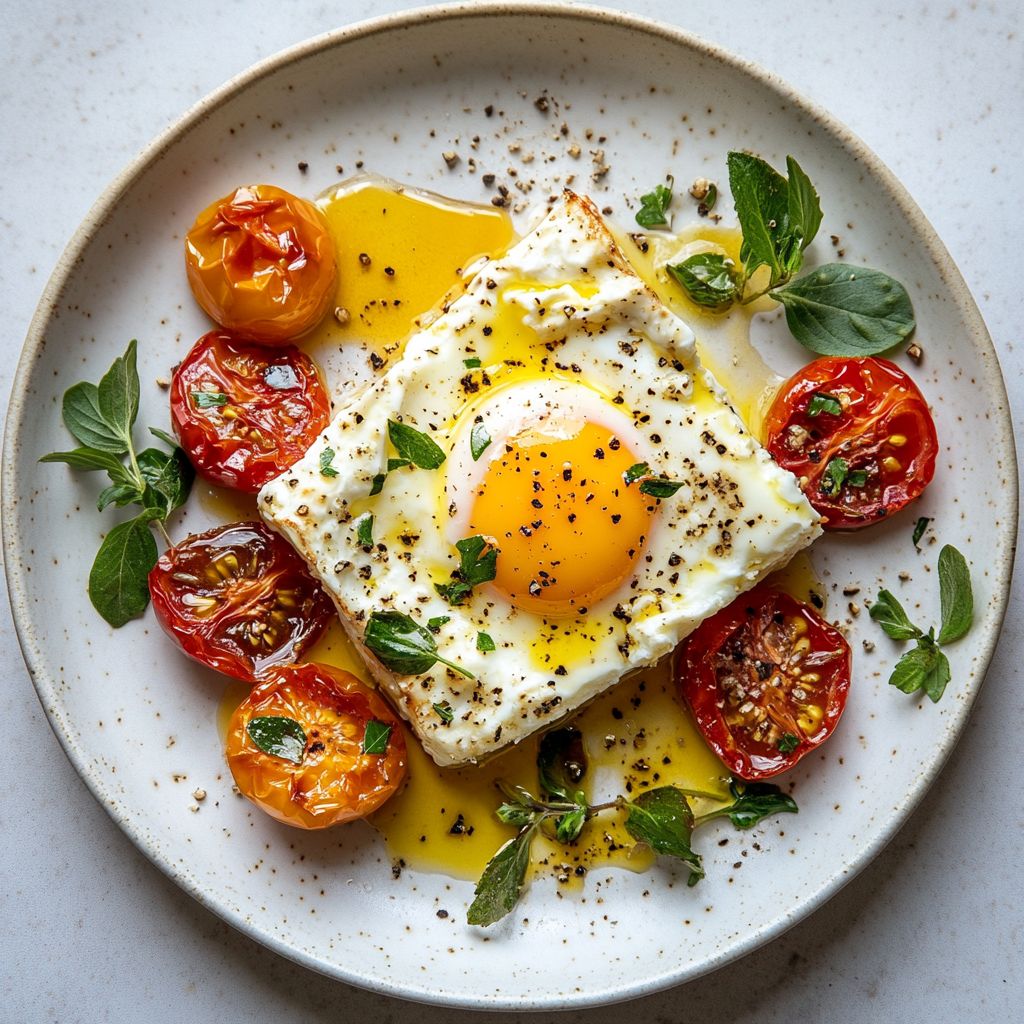
These baked feta eggs are a savory, cozy brunch option featuring creamy feta, juicy cherry tomatoes, garlic, and gently set eggs baked to perfection. You can customize them by adding olives, chili flakes, or a handful of fresh herbs to brighten the dish.
They reheat well for quick dinners and pair beautifully with crusty bread or a simple dollop of yogurt for extra richness. For best texture, bring the eggs to room temperature before baking and bake until the whites are just set and the yolks reach your preferred doneness.
This dish is naturally gluten-free as written; if you plan to serve with bread, choose gluten-free options to keep it GF. Leftovers store in the fridge for 2-3 days and reheat gently in the oven or microwave.
To maximize flavor, sprinkle fresh parsley after baking and consider a light drizzle of olive oil over the top. If you like more heat, add chili flakes or swap dried oregano with thyme for a different herbal note.
Tips
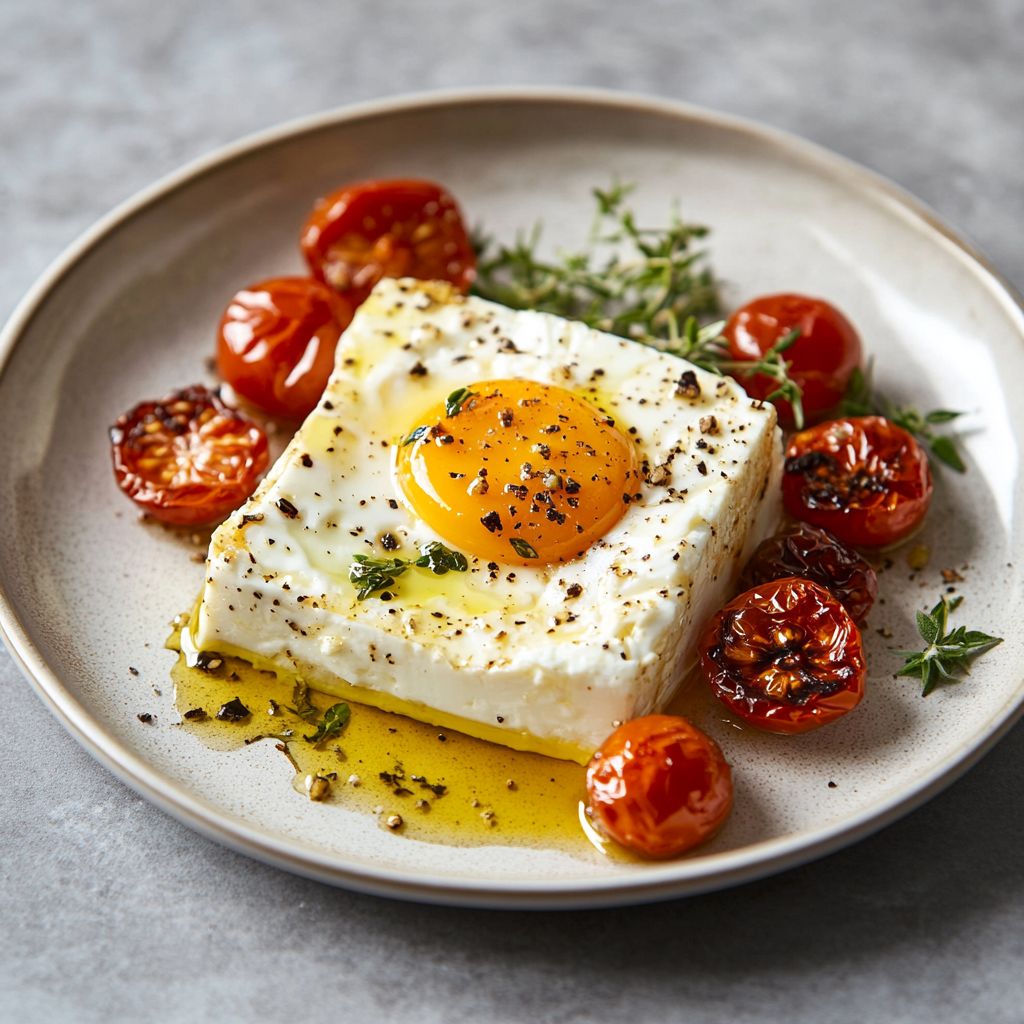
Tips for Perfect Baked Feta Eggs
- Bring the eggs to room temperature (about 20 minutes out of the fridge) before baking to help them set evenly; if you’re short on time, place them in warm water for a few minutes.
- Crumble the feta from a block just before assembly and rinse briefly if it’s very briny; distribute the feta evenly so every bite includes creaminess and saltiness.
- Pat the cherry tomatoes dry after halving to reduce excess moisture; their juices will mingle with the feta and olive oil, creating a luscious base without making the dish too watery.
- Drizzle extra-virgin olive oil evenly over the feta and tomatoes, or whisk the oil with minced garlic to infuse fragrance and richness into the base.
- Garlic tip: sauté the minced garlic briefly in the oil to mellow its bite, or add raw for a sharper note that comes through after baking.
- Salt thoughtfully: feta can be quite salty, so start with 1/2 teaspoon and taste after baking; you can finish with a light sprinkle if needed. If using very salty olives, reduce or omit salt.
- Black pepper adds gentle warmth; grind fresh for the best aroma and adjust to taste based on feta/olive saltiness. A pinch of white pepper works for a milder bite.
- Herbs matter: use 1/2 teaspoon dried oregano or thyme for classic Mediterranean flavor; if you have fresh herbs, substitute with about 1 tablespoon finely chopped and add after baking for brightness.
- Fresh parsley brightens the dish: add 2 tablespoons chopped parsley after baking, or stir into the feta after baking for a more integrated herby note. Increase to 1–2 tablespoons for a stronger finish.
- Olives add a briny depth: slice evenly so every bite has flavor; rinse if particularly salty and pat dry to prevent oversalting.
- Chili flakes introduce warmth: start with 1/4 teaspoon and adjust to taste; you can sprinkle on top after baking for a lingering kick or mix into the oil with garlic.
- Crusty bread is ideal for serving: toast slices and rub with a cut garlic clove to make garlic bread that complements the dish; use warm, crusty bread for best mopping action.
- Oven and dish prep: ensure you use an oven-safe, well-oiled dish to prevent sticking; preheat to about 190°C (375°F) for even cooking.
- Timing and yolk doneness: bake until the eggs just set; 12–15 minutes typically yields a runny yolk, while 15–18 minutes firms the yolk—remove earlier if you prefer it runny.
- Rest briefly after baking: let the dish rest 2–5 minutes; carryover heat will continue to cook the eggs slightly and the sauce will thicken a bit.
- Make-ahead option: you can assemble the feta-tomato base a day ahead and refrigerate; bake with the eggs just before serving for a fresher result.
FAQ
What is Baked Feta Eggs?
Baked Feta Eggs is a quick, savory brunch dish where a block of feta is placed in a small baking dish with tomatoes, olive oil, and herbs, and eggs are cracked over the feta to bake until the eggs are set. The feta gets creamy and slightly crispy, while the yolks vary from runny to softly set depending on baking time.
What ingredients do I need?
For a simple version (serves 2):
- 200 g block of feta cheese
- 1 cup cherry tomatoes, halved
- 2 eggs
- 2 tablespoons olive oil
- 1 garlic clove, minced (optional)
- Salt and pepper to taste
- Herbs: oregano, basil, or dill
- Optional toppings: chili flakes, olives, spinach
What size dish works best?
A small 8×8 inch (20 cm) baking dish or a 6–8 inch cast-iron skillet works well. It should be shallow enough for the eggs to set quickly and evenly. This recipe typically serves 2, with about 1 egg per serving.
How do I assemble it?
Steps:
- Preheat oven to 400°F (205°C).
- Lightly oil the baking dish to prevent sticking.
- Place feta block in the center and scatter tomatoes around it. If using garlic, add it now and drizzle with a bit of olive oil.
- Crack the eggs over the feta and tomatoes. Lightly season with salt, pepper, and herbs.
How long and at what temperature do I bake it?
Bake at 400°F (205°C) for about 12–15 minutes for runny yolks. For a firmer yolk, bake 15–20 minutes. Keep an eye on it after 12 minutes the first time you try this recipe, as ovens vary.
How do I know when it’s done?
Look for the edges of the dish to be lightly golden and the feta to be soft and creamy. The yolks should reach your preferred doneness: runny (12–13 minutes), slightly set (14–16 minutes), or fully set (16–20 minutes).
Can I customize with add-ins?
Absolutely. Try:
- Spinach or kale stirred in with the tomatoes
- Olives, artichoke hearts, or roasted peppers
- Sun-dried tomatoes, fresh herbs, or a pinch of chili flakes for heat
- Crumbled cooked bacon or pancetta for non-vegetarian versions
Is this dish dairy-free or vegan?
Traditional baked feta eggs use feta and eggs, so it’s not vegan. For a dairy-free approach, use a firm vegan feta substitute and consider replacing eggs with a plant-based option, such as crumbled firm tofu or chickpeas to add protein. The texture will differ, but you can still enjoy a savory bake with tomatoes and herbs.
How should I serve and pair it?
Serve warm with crusty bread, rustic toast, or pita for scooping. A light green salad on the side works well. Garnish with fresh herbs like basil or dill and a drizzle of extra olive oil. A sprinkle of chili flakes adds a nice kick if you like spice.
How do I store and reheat leftovers?
Let cool, then refrigerate in an airtight container for up to 3 days. Reheat gently in the oven at 350°F (175°C) for 6–8 minutes, or reheat briefly in the microwave until warmed through. If reheating in the oven, you can add a splash of olive oil or a few extra tomatoes to refresh the dish.
Can I freeze baked feta eggs?
Freezing baked eggs is not ideal because the texture of eggs changes after freezing. For best results, enjoy fresh. If you must freeze, bake the dish first without the eggs, add eggs after reheating, but note the texture may differ.
Top tips for perfect results
- Use room-temperature eggs for more even cooking.
- Oil the dish generously to prevent sticking and help the feta crisp slightly.
- Don’t overfill the dish with liquids; too much tomato juice can make the eggs steam rather than bake.
- Adjust baking time based on your oven and preferred yolk consistency.