Introduction / Hook
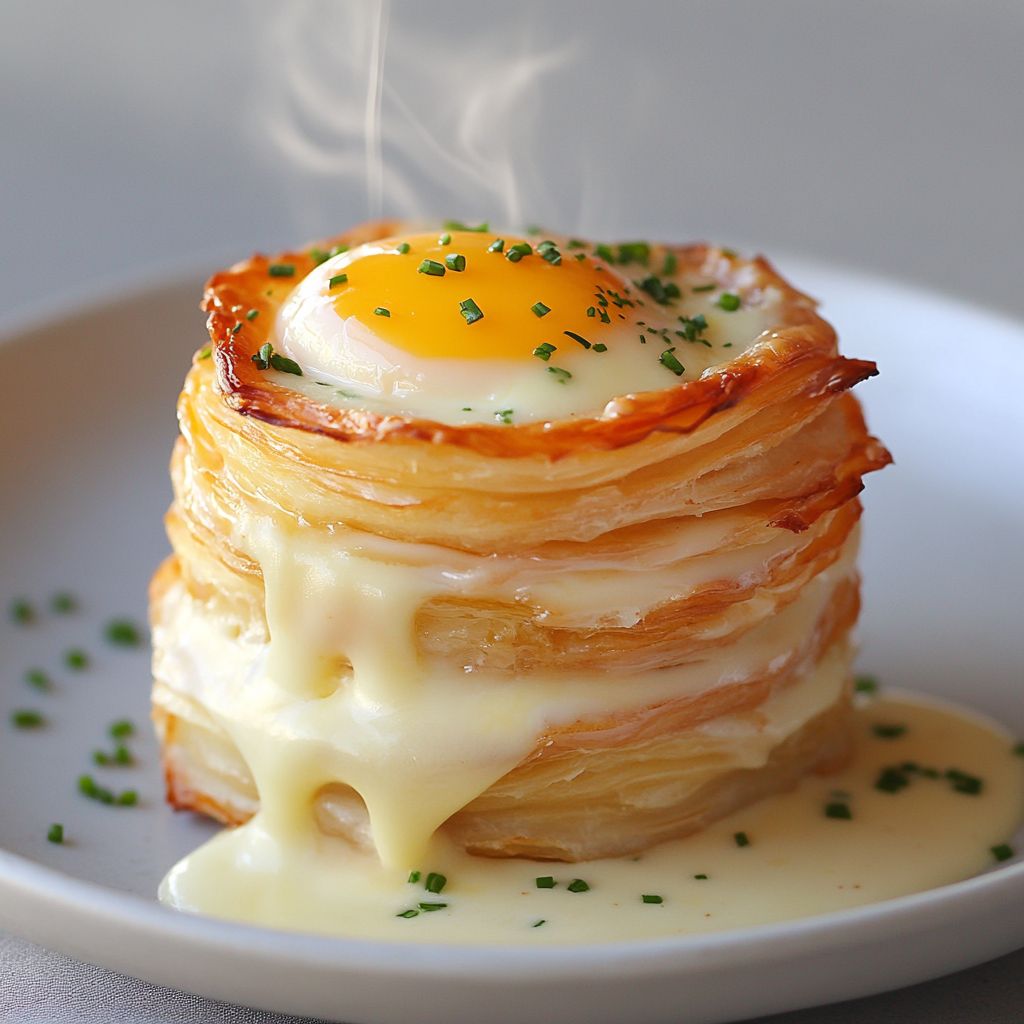
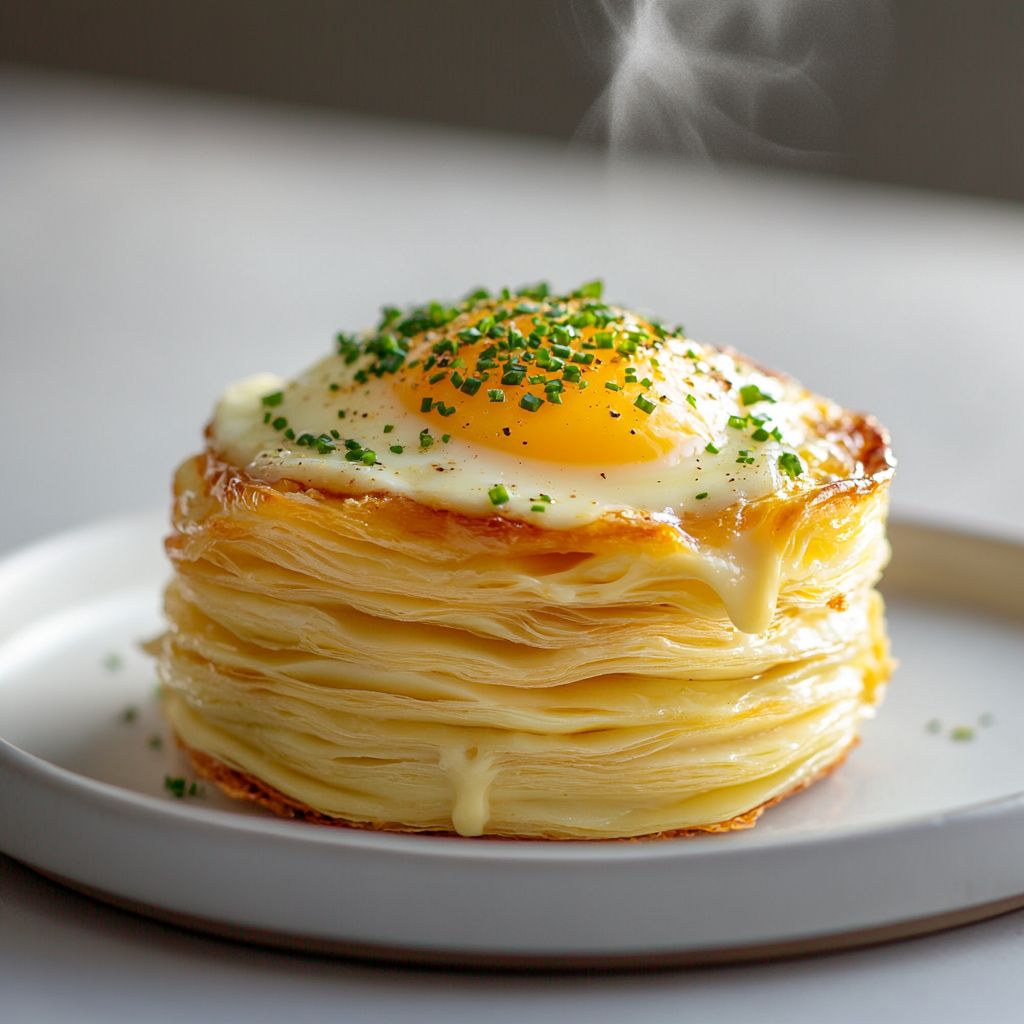
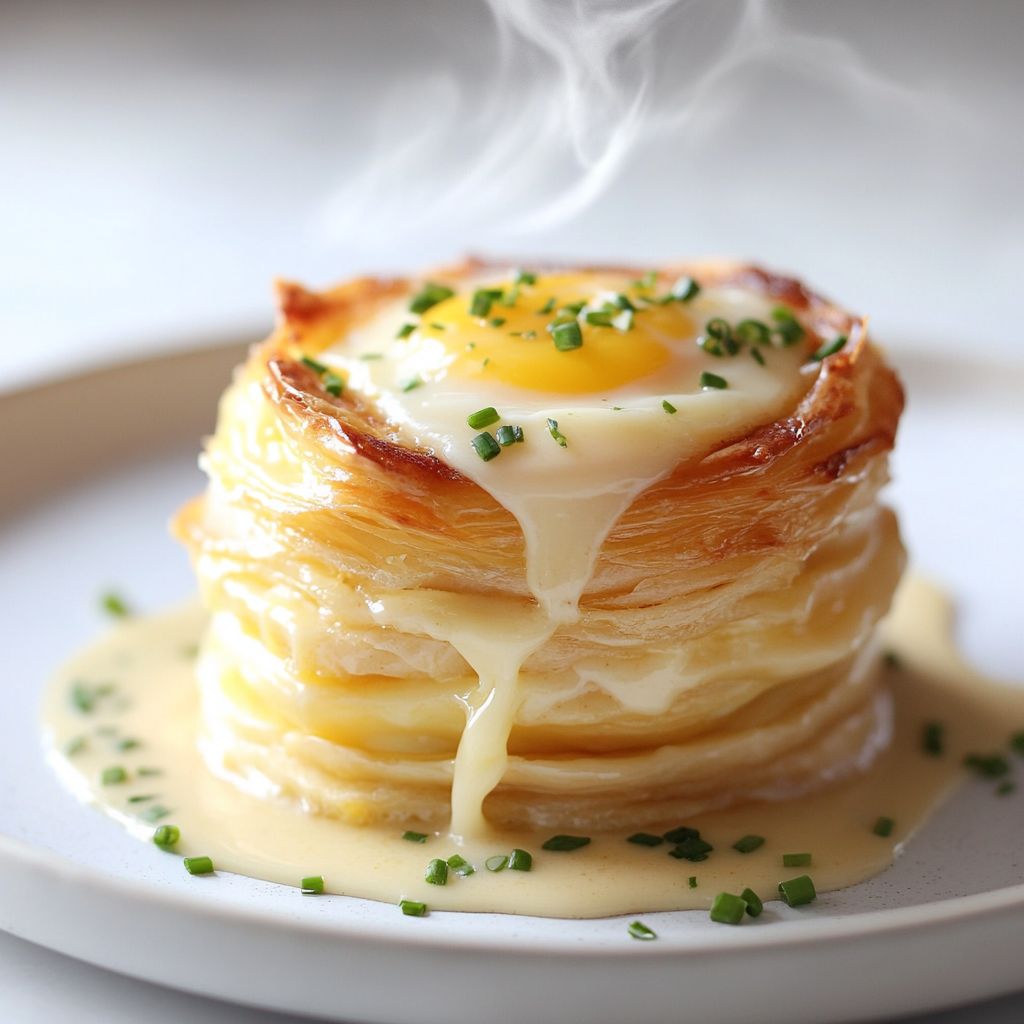
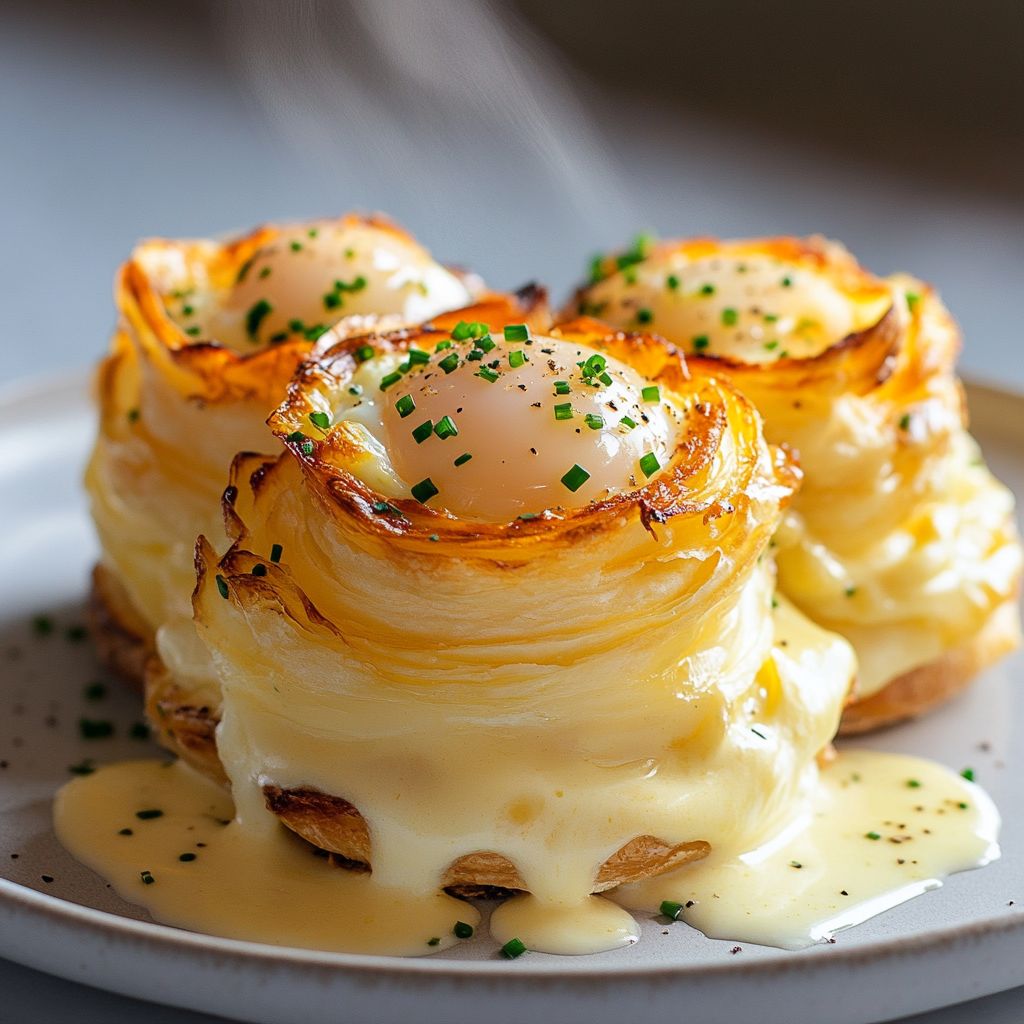
Imagine a morning revelation served on a warm plate: golden, flaky layers of pastry, edges crisp with a gentle butteriness, and the sunken richness of a perfectly poached egg nestled in a yolk-bright center. Baked Eggs Napoleon is not just a dish; it’s an invitation to slow down, to gather friends and family around the table, and to savor a moment where simple ingredients become something quietly, elegantly spectacular. The name itself conjures a touch of classic French refinement—the same air of indulgence that surrounds a mille-feuille, but reimagined for brunch and cozy weekend mornings. When you break into the top layers, you should hear a soft crack, like a kiss of snowfall on a copper pan, and beneath it, a silky, custardy interior that swirls with herbs, cheese, and bright yolks. The aroma would be nothing short of intoxicating: butter sizzling with delicate pastry, garlic and herbs waking up the air, a veil of melted cheese that streams into the soft center. It’s the kind of dish that makes a kitchen feel like a warm kitchen in a quaint Parisian bistro, even if you’re at home in sneakers and a coffee-stained apron. And the beauty of it is that you can coax that magic from everyday ingredients: eggs, pastry, dairy, herbs, and a little pantry romance.
The Story Behind the Dish
The name Baked Eggs Napoleon evokes more than a single recipe; it hints at a culinary spirit that loves layers, texture, and a touch of theatrical presentation. The classical Napoleon, or mille-feuille, is a pastry built from countless thin sheets of puff pastry and a decadent pastry cream, a confection that has traveled through time from grand patisseries to modern kitchens around the world. Transplanting that layering sensibility into a savory brunch dish creates something both familiar and novel: a savory homage that borrows the idea of layering from the dessert side of French patisserie and applies it to eggs, cheese, and aromatics. In Europe, brunch and late-morning meals often celebrate the seduction of texture—crisp tops yielding to tender interiors—so it’s natural to reinterpret a famous pastry concept into a hearty, egg-forward dish. Legend has it that French cooks, always lovers of technique and theater, began to pair flaky pastry with eggs for celebratory Sundays and festive gatherings, turning humble ingredients into a showpiece worthy of a toast and a round of compliments. The result is a dish that feels both indulgent and approachable: a baked ensemble where every bite offers a chorus of textures, from crisp pastry to creamy yolk to melty cheese, all bound together by herbaceous brightness and a whisper of spice. If you’ve ever dreamed of a breakfast that tastes like a celebration, Baked Eggs Napoleon leans into that dream with confident, playful elegance.
Why You’ll Love This Recipe
- Impressive presentation with minimal effort: a single baking dish yields a shareable, elegant centerpiece that looks haute cuisine but is surprisingly simple to assemble.
- Versatile and forgiving: adaptable to what you have in your pantry or to dietary preferences, from vegetarian to dairy-conscious to gluten-free variations.
- Brunch-friendly and crowd-pleasing: perfect for weekend gatherings, holidays, or a special weekday treat that makes ordinary mornings feel extraordinary.
- Textural contrast that delights: crisp, flaky pastry layers give way to a creamy, yolk-rich center, with cheese providing a savory depth and savory herbs lifting the whole plate.
- One-dish convenience: no long, fiddly steps—just assembly, bake, and serve, with plenty of room for make-ahead prep if you wish.
- Comforting yet refined: the dish feels luxurious without being indulgent to the point of heaviness, striking a balance between warmth and airiness.
- Pairable with a range of beverages and sides: from sparkling wine to a bright green salad, it plays well with many brunch companions.
Flavor Profile & Texture
The flavor profile of Baked Eggs Napoleon rests on a delicate balance of buttery pastry, oozing yolk, and savory dairy. The pastry provides a flaky, lightly crisp exterior that crackles as you cut through the top, releasing a warm scent of butter and toasted flour. Inside, the egg yolk remains luxuriously creamy, its richness mellowed by a gentle kiss of cream or béchamel. The cheese—think Gruyère, Comté, or a sharp aged cheddar—adds a savory, slightly nutty bite that melts into the layers, pulling the elements together with a silky, substratal savor. Herbs—tarragon, chives, parsley, or a hint of thyme—brighten the dish with a green, fresh aroma; a whisper of garlic or shallot can deepen the savory backbone without overpowering the eggs or pastry. Salt and pepper accentuate the egg’s natural sweetness while a subtle heat from red pepper flakes can awaken the palate if you desire a touch of warmth. The result is a multi-sensory experience: you’ll hear the pastry crack at the moment of serving, see the glossy surface of the cheese, smell the herbs and butter, and taste the contrast between crisp exterior and luscious interior. The texture is what makes it memorable—the external shell is crisp and light, but as you break into the layers, the interior becomes a velvet pool of yolk and cheese intermingled with the gentle bite of pastry, each bite offering a new discovery as the mixture blends and expands across your tongue.
Occasions & Pairings
Baked Eggs Napoleon shines in a variety of social settings and occasions. It makes an exquisite centerpiece for a weekend brunch with friends, a Mother’s Day or Father’s Day celebration, or a festive pre-hest of the holidays where a crowd demands something more than the standard eggs and toast. Its level of elegance also invites a touch of romance for a quiet, luxurious morning shared between partners. When planning pairings, consider these ideas:
- Beverages: a glass of sparkling wine or Champagne helps lift the richness; a crisp white like Sauvignon Blanc or a light rosé also works nicely. For coffee lovers, a strong, freshly brewed cup with a splash of cream creates a perfect counterpoint to the pastry’s fat and the yolk’s richness.
- Salads and sides: a simple arugula salad with lemon vinaigrette adds brightness and peppery bite; roasted tomatoes or aCalendar of seasonal vegetables—grilled asparagus, sautéed mushrooms, or a bright number of sautéed greens—offers color and contrast to the dish.
- Dessert-like finale: if your brunch feels indulgent, a light fruit sorbet or a citrus-based dessert can clean the palate after the rich main course.
Tips, Variations & Substitutions
Here are ideas to tailor Baked Eggs Napoleon to your kitchen, dietary needs, or mood. Each variation keeps the dish cohesive while introducing new textures or flavors.
- Vegetarian-friendly: omit any meat-based additions and emphasize mushrooms, spinach, leeks, or roasted peppers layered with a light bechamel or cream layer to add moisture and depth.
- Gluten-free option: substitute a gluten-free puff pastry or use thinly sliced potatoes as a layered base for a “potato mille-feuille” effect. You’ll still maintain the flaky, layered texture without gluten.
- Vegan adaptation: replace eggs with a thickened cashew cream or silken tofu mixture, using vegan cheese and a dairy-free pastry that holds together in the bake. Be mindful of texture; you may want an extra layer of flavor with mushrooms or tomatoes to keep it satisfying.
- Low-carb approach: skip the pastry entirely and build a “baked egg nest” in a ramekin with parchment or a lightly oil-sprayed base, layered with a cheese-thickened cream and greens for moisture.
- Regional twists: swap in smoky paprika or saffron for a subtle regional twist; incorporate sun-dried tomatoes for a Mediterranean vibe or wild garlic in spring for a woodland aroma.
- Herb-forward version: increase the green herb content—chives, dill, parsley—to create a vibrant, almost lawn-fresh aroma that lifts the eggs and pastry without overpowering them.
- Protein accents: add slices of smoked salmon, prosciutto, or a gentle layer of sautéed mushrooms for umami depth. Ensure the pastry remains the star but the protein notes add a whisper of indulgence.
Storage & Make-Ahead Ideas
The beauty of this dish is that a good portion of the work can be done ahead of time, making it ideal for a stress-free morning or a sophisticated brunch event. Here are practical strategies to keep the dish as delicious as the day you made it:
- Make ahead and bake later: assemble the dish up to the point of baking, cover tightly, and refrigerate for up to 24 hours. When you’re ready to serve, bake until the pastry is golden and the yolk is set to your liking, allowing a few extra minutes for the chill factor in the oven.
- Freezer-friendly: you can freeze assembled, uncooked portions in individual ramekins or a baking dish, wrapped tightly. Bake from frozen, adding 10–15 minutes to the standard bake time and watching carefully to avoid over-browning.
- Reheating leftovers: once baked, leftovers will reheat nicely in a low oven (around 325°F / 165°C) for 10–15 minutes. If the pastry has softened, place the dish under the broiler for 1–2 minutes to re-crisp the top, watching closely to avoid burning.
- Storage for freshness: store any leftover pastry in a loosely covered container in the refrigerator for up to 2 days. Bring to room temperature briefly before reheating to regain some of the original texture.
- Make-ahead tips: prepare the egg mixture and cheese sauce a day ahead, refrigerate separately, and layer with pastry just before baking. This ensures you have burger-level speed with breakfast-level indulgence.
Fun Facts & Trivia
Delightful tidbits can deepen your appreciation for a dish. Consider these fun facts as you plan to serve Baked Eggs Napoleon:
- The term Napoleon is often used in pastry to describe the mille-feuille, a layered pastry that has a storied history across French patisserie, with origins tracing back to the 19th century or earlier in various European kitchens. The exact origin of the name in connection with savory dishes is skewed toward romanticized culinary storytelling rather than strict culinary canon, which makes this dish even more charming as a modern homage to classic techniques.
- Eggs baked in a bed of pastry or a creamy sauce are a timeless comfort in many cuisines, from the classic eggs en cocotte to Italian baked eggs with polenta. Baked Eggs Napoleon sits at the intersection of these traditions, showing how technique—the stacking of delicate layers, the careful heat, and the gentle set of egg—translates across borders and courses.
- Texture is a central theme in French cooking—pastry crispness, egg silk, cheese melt—an intentional balancing act that keeps the dish light enough to eat in generous portions, yet rich enough to feel luxurious. The name Napoleon nods to a style of culinary reverence for layered, refined construction, even in everyday meals.
- For a playful, culinary-education twist, compare this dish to a savory mille-feuille: the pastry acts as a scaffold for eggs and cheese, while the layers evoke an elegant structure similar to the classic dessert, but designed for breakfast or brunch flavors.
Ingredients
Puff Pastry Base
- 2 sheets puff pastry, thawed, cut into rounds (3-4 inches) to form the flaky layers of the napoleon-style bake
→ Puff pastry provides the signature lift and crisp, buttery layers between the creamy and saucy components. Keep the pastry cold until assembly and bake on parchment to prevent sticking; avoid overworking the dough to maintain tenderness.
Bechamel & Tomato Sauces
- 2 cups béchamel sauce (homemade or store-bought), warmed to a pourable consistency
→ The béchamel acts as a creamy, binding layer that smooths the texture and helps eggs set without drying out. If making from scratch, whisk milk gradually into a pale roux for a silky finish; keep at gentle heat to avoid lumps. - 1 cup tomato sauce or passata with garlic and oregano, simmered briefly to concentrate flavors
→ Adds acidity, brightness, and a mild tang that contrasts the richness of the béchamel. If using canned tomatoes, crush and simmer to reduce excess water for a thicker layer that won’t soggy the pastries.
Vegetables & Aromatics
- 1 tablespoon olive oil for sautéing
→ High-quality olive oil adds fruitiness and helps vegetables brown without sticking. Use extra-virgin for best aroma and flavor. - 1 clove garlic, minced
→ Aromatic foundation that enhances the savory depth of the vegetables. Sauté with mushrooms until fragrant, but avoid burning for a smoother flavor profile. - 1 cup sliced mushrooms, sautéed until browned and moisture evaporated
→ Provides earthy umami and texture. Cook mushrooms in a hot pan with a pinch of salt to draw out moisture; cool slightly before layering to prevent soggy pastry. - 1 cup fresh spinach, wilted and squeezed dry
→ Adds vibrant color and gentle greens to balance richness. Wilt quickly in a hot pan, then press to remove excess moisture so the layers remain crisp.
Eggs
- 4 large eggs, cracked on top before baking
→ The centerpiece that becomes the soft, custardy yolk against the flaky layers. Bake until whites are set and yolks reach your desired doneness (slightly runny to fully set). If you prefer firmer yolks, bake a few minutes longer and ensure internal temperature reaches safe levels.
Cheese, Seasonings & Finishing
- 1 cup grated Gruyère (or a Gruyère-Parmesan mix)
→ Melts into a luscious, nutty layer that browns beautifully on top. Freshly grate for best melt and flavor; a mix with Parmesan adds a saltier, crisper top texture. - 1/2 teaspoon sea salt, or to taste
→ Amplifies cheese and sauce flavors; remember béchamel and tomato will contribute salt, so adjust gradually to avoid oversalting. - 1/4 teaspoon freshly ground black pepper
→ Subtle heat and aroma that lifts the overall dish. Freshly ground pepper has a brighter, more pungent profile than pre-ground. - Pinch of nutmeg or paprika (optional)
→ Nutmeg adds warm creaminess to the béchamel; paprika adds a gentle smoky depth. Use sparingly to avoid overpowering the delicate layers. - 1 tablespoon fresh parsley or chives, finely chopped, for finishing (optional)
→ Bright herbaceous note at the end enhances color and aroma; sprinkle after baking to preserve freshness.
Dairy & Thickening
- 2 tablespoons unsalted butter
→ Used to start the béchamel roux, contributing to the sauce’s gloss and silkiness. For a lighter version, you can substitute with olive oil, but butter gives the classic texture. - 2 tablespoons all-purpose flour
→ Thickens the béchamel and provides structure to the sauce. Cook the roux briefly to remove raw flour taste, then gradually whisk in milk for a smooth pourable consistency. - 2 cups milk (whole or 2%)
→ Primary liquid for the béchamel; whole milk yields a richer, creamier sauce, while lower-fat milk results in a lighter finish. Warm before whisking to prevent lumps. - 1/4 cup heavy cream (optional)
→ Adds extra richness and a satin mouthfeel to the béchamel; omit if aiming for lighter calories or when using very rich cheese.
Optional Add-ins
- 1/4 cup sun-dried tomatoes, chopped (optional)
→ Provides concentrated sweetness and tang; rehydrate briefly if very dry to incorporate smoothly into layers without releasing excess moisture. - 1/2 cup crumbled feta or goat cheese (optional)
→ Introduces a tangy, creamy bite that contrasts with the milder béchamel and milder pastry. Use sparingly if other cheeses are already salty.
Garnish
- Fresh parsley leaves or microgreens for serving (optional)
→ Finishes the dish with a pop of color and a fresh aroma that cuts through richness. Tear or chop just before serving to preserve bright flavor.
Instructions
- Preheat your oven to 375°F (190°C) and line a large baking sheet with parchment; cut the thawed puff pastry sheets into rounds 3–4 inches in diameter and keep the rounds cold on the sheet until ready to bake.
→ Keeping the rounds cold helps maintain clean edges and prevents the butter from sliding, which preserves the pastry’s crisp, flaky layers when baked. - Arrange the rounds on the parchment-lined sheet, lightly dock each round with a fork to prevent large air pockets and uneven puffing, then bake for 8–10 minutes until lightly golden; remove and cool on a rack before assembling.
→ Docking and partial baking create a sturdy, flat base that won’t crumble or trap extra steam as the napoléon bakes with sauces and eggs. - Gently warm the béchamel sauce in a small saucepan over low heat until just pourable, whisking occasionally to prevent scorching; set aside off heat until assembly.
→ Warm béchamel flows smoothly between layers and helps bind the components without cooling the other ingredients. - Simmer the tomato sauce with garlic and oregano for 5–7 minutes to concentrate flavors and reduce excess moisture; taste and adjust salt, then keep warm.
→ A concentrated sauce provides brightness and tang that contrast the richness of the béchamel while preventing soggy pastry. - In a skillet, heat 1 tablespoon olive oil over medium-high heat and sauté minced garlic for 20–30 seconds until fragrant, then add sliced mushrooms with a pinch of salt; cook until browned and moisture evaporates, about 5–6 minutes, then transfer to a plate and cool.
→ Browning mushrooms develops deep umami; removing moisture prevents them from watering the layers. - In the same skillet, wilt the spinach over high heat for about 30 seconds, then transfer to a clean surface and squeeze out as much moisture as possible; chop roughly if needed and set aside.
→ Dry greens keep the layers crisp and prevent soggy pastry during baking. - If using sun-dried tomatoes, chop them finely and fold them into the mushroom mixture now; if using feta, crumble it and set aside to sprinkle over the top later.
→ Optional add-ins introduce brightness or tang, and distributing them evenly prevents gaps in texture and flavor. - In a 9×13-inch baking dish lined with parchment, place one par-baked pastry round as the base; spread a thin coat of béchamel to create a binding surface, then spoon an even layer of tomato sauce over it and scatter half of the mushroom-spinach mixture.
→ Layering in this order builds distinct, tender strata and ensures the fillings adhere to the pastry without sliding off. - Top the first layer with the second par-baked pastry round, press gently to seal, then spread a final light layer of béchamel over the top to create a smooth surface for the cheese and eggs.
→ A sealed top keeps fillings contained and the béchamel on top helps the cheese melt evenly without pooling. - Sprinkle the grated Gruyère (or Gruyère-Parmesan mix) evenly over the top; this yields a luscious, nutty crust and helps caramelize the surface for color and flavor.
→ Cheese on the exterior browns and forms a crisp, flavorful cap that contrasts with the creamy interior. - Crack four large eggs onto the top in a evenly spaced pattern, taking care not to break yolks; press each yolk slightly to center so they bake evenly and set to your preferred doneness.
→ Evenly distributed eggs create uniform custardy yolks against crisp pastry, while intact yolks bake to your desired richness. - Season the surface with 1/2 teaspoon sea salt and 1/4 teaspoon freshly ground black pepper, and add a pinch of nutmeg or paprika if desired; distribute seasoning evenly over the eggs for balanced flavor.
→ Salt and spice heighten the béchamel and tomato layers without oversalting, while nutmeg or paprika adds warmth or subtle smokiness. - Bake in the preheated oven for 18–22 minutes, rotating the pan halfway to ensure even browning, until the eggs are set to your liking and the cheese is melted and lightly bronzed.
→ Uniform heat and rotation promote even texture from edge to center and prevent hotspots that could scorch the pastry. - Remove from the oven and let rest 5–10 minutes to set the layers, then slice carefully into portions and serve; the rest helps the fillings reabsorb moisture for neat slices.
→ Resting prevents the fillings from slumping and ensures clean, tidy portions for serving. - Garnish with freshly chopped parsley or chives if desired for a bright color contrast and a fresh aroma just before serving.
→ Fresh herbs lift the dish’s aroma and color, balancing richness with a verdant finish.
Notes
These Baked Eggs Napoleon are a savory, multi-layered bake that pairs flaky puff pastry with a silky béchamel and a bright tomato sauce, finished with a custardy egg on top. The assembly builds distinct buttery layers between creamy and saucy components, delivering a luxurious yet comforting dish. Keep the pastry cold until assembly and bake on parchment to prevent sticking; avoid overworking the dough to maintain tenderness.
- Keep puff pastry rounds cold and work quickly during assembly so they stay crisp once baked. Bake on parchment-lined trays to prevent sticking and to make cleanup easy.
- Bechamel and tomato sauces should be warm and pourable. If making béchamel from scratch, whisk milk gradually into a pale roux over gentle heat to achieve a smooth, glossy finish; rewarm gently before layering to avoid lumps.
- Sauté the mushrooms with a little salt until browned and moisture has evaporated; wilt the spinach quickly in a hot pan and press out excess moisture so the pastry layers stay crisp.
- Crack the eggs on top before baking as directed. Bake until the whites are set and the yolks reach your preferred doneness; shorter bake for runny yolks, longer for firmer yolks. If you prefer firmer yolks, bake a few minutes longer and ensure internal temperature is safe.
- Use 1 cup grated Gruyère (or a Gruyère-Parmesan mix) for a creamy, nutty melt that browns beautifully. Freshly grate cheese for best flavor and texture.
- Season thoughtfully with sea salt and black pepper; the béchamel and tomato sauce contribute salt, so taste as you go to avoid oversalting. A pinch of nutmeg or paprika is optional and can add warm depth—use sparingly.
- Finish with fresh parsley or chives for a bright, herbaceous note. Add just before serving to preserve color and aroma.
- Make-ahead and storage: you can prepare the sauce and vegetables in advance, assemble up to the point of cracking the eggs, cover and refrigerate, then bake when ready. Leftovers reheat well in a low oven; enjoy the flavors as they mellow overnight.
- Gluten-free option: to adapt for a gluten-free diet, substitute gluten-free puff pastry and ensure the béchamel and tomato sauce are certified gluten-free. This keeps the dish accessible while preserving the layered texture.
- Plating and serving: slice carefully to keep the layers intact, and serve with a simple green salad or lightly dressed greens to balance richness. A light drizzle of olive oil or a splash of balsamic can finish the plate nicely.
Tips
Tips for assembling and cooking Baked Eggs Napoleon
Puff Pastry Base tips
- Keep puff pastry cold until assembly and bake on parchment-lined sheets to prevent sticking and ensure even lifting. Chill rounds briefly if they feel soft to the touch.
- Handle dough as little as possible and avoid overworking to maintain flakiness. If your dough is very warm, chill it for 10–15 minutes before cutting rounds.
- Prick pastries lightly with a fork before baking to control puff and help create stable layers for stacking with sauces.
Bechamel & Tomato Sauces tips
- Warm béchamel to a pourable consistency just before layering; if it thickens, whisk in a splash of milk or cream until smooth.
- Whisk the béchamel gradually to avoid lumps; if lumps form, whisk vigorously or strain for a silky sauce.
- Simmer tomato sauce with garlic and oregano to concentrate flavors. If using canned tomatoes, crush and reduce to a thicker consistency to prevent soggy pastry.
- Let tomato sauce cool slightly before assembling to reduce steam that can sog the pastry.
Vegetables & Aromatics tips
- Use high-quality extra-virgin olive oil and heat until shimmering before sautéing garlic and mushrooms to promote browning and depth of flavor.
- Dry sauté mushrooms until all moisture evaporates; this enhances umami and prevents a watery layer.
- Sauté garlic only until fragrant—avoid browning to prevent bitterness.
- Wilt spinach quickly in a hot pan, then wring out as much moisture as possible to keep layers crisp.
Eggs tips
- Crack eggs on top after assembling to ensure even distribution; bake until whites are set and yolks reach your preferred doneness. If you want firmer yolks, bake a few minutes longer and verify doneness with a gentle press.
- Season lightly on top before baking if the sauces and cheese aren’t salty; otherwise rely on the salt in the béchamel and cheese.
Cheese, Seasonings & Finishing tips
- Grate Gruyère fresh for optimal melt and nutty flavor; a Gruyère-Parmesan mix yields a crisper top and more pronounced color.
- A pinch of nutmeg or paprika can add warmth or subtle smokiness; use sparingly to keep the delicate balance of the dish.
- Finish with fresh parsley or chives after baking to add color and a bright aroma; chop finely for even distribution.
Dairy & Thickening tips
- For a classic béchamel, cook the roux briefly to remove the raw flour taste, then whisk in warm milk gradually for a smooth, glossy sauce.
- To lighten, reduce butter slightly and use more milk; to deepen richness, add a touch of cream or extra cheese.
- Warm milk before adding to the roux to prevent lumps; whisk constantly during addition for a silky texture.
- Optional heavy cream adds silkiness and richness; omit if you prefer a lighter version or dairy-free adaptation.
Optional Add-ins tips
- Sun-dried tomatoes contribute concentrated sweetness and tang; rehydrate briefly and blot excess oil to avoid soggy layers.
- Feta or goat cheese introduces tanginess; balance with milder cheeses if other ingredients are salty; crumble and distribute sparingly.
Garnish tips
- Fresh parsley or microgreens add color and brightness; tear or chop just before serving to preserve freshness.
- Serve with a light drizzle of olive oil or a subtle aromatic herb oil to finish the dish.
FAQ
What is Baked Eggs Napoleon?
A savory brunch dish built in layered components, typically featuring a base of flaky pastry or sturdy bread, a creamy sauce, and eggs baked until just set. It often includes vegetables, cheese, and optional meats, creating a rich, comforting entree that echoes the elegance of a Napoleon in flavor and presentation.
What are typical ingredients?
- Puff pastry sheets or thick slices of baguette or brioche as the base
- Cream or béchamel sauce for richness
- Eggs (large)
- Cheese such as Gruyère, mozzarella, or Parmesan
- Vegetables like spinach, tomatoes, mushrooms, or onions
- Protein options like ham, prosciutto, or bacon (optional)
- Seasonings: salt, pepper, nutmeg, fresh herbs (parsley, chives)
What equipment do I need?
- Oven and a baking dish or individual baking cups
- A skillet or pan for sautéing vegetables
- A whisk or spoon for sauce
- Knife and cutting board
- Optional: pastry brush, parchment paper, or foil for browning control
How do I assemble it?
- Preheat your oven to about 375°F (190°C). Lightly grease the baking dish.
- Prepare the base: cut pastry into rounds or line a shallow dish with bread slices.
- Sauté vegetables until tender; season lightly.
- Spread a thin layer of béchamel or cream over the base, then add vegetables and a handful of cheese.
- Crack one egg over each portion (or for a larger dish, crack eggs in wells).
- Top with more sauce and cheese, then bake until the eggs are just set and the pastry is golden.
How long and at what temperature should I bake it?
Preheat to 375°F (190°C). Bake until the eggs are just set and the pastry is golden, typically about 12–18 minutes for individual servings or 20–25 minutes for a larger casserole. If the top browns too quickly, tent with foil.
Can I customize it for dietary preferences?
- Vegetarian: omit meat; load with extra vegetables and a cheese-based sauce.
- Gluten-free: use gluten-free puff pastry or a thick slice of gluten-free bread as the base.
- Dairy-free: use a plant-based béchamel (almond or oat milk) and vegan cheese.
- Low-carb: use a cauliflower-based “crust” or skip pastry and bake in a shallow ramekin with egg and vegetables.
How should I store and reheat leftovers?
Store cooled leftovers in an airtight container in the refrigerator for up to 2 days. Reheat in the oven at 325°F (165°C) for 8–12 minutes until heated through, or microwave briefly in 30–60 second intervals until warm. Reheat gently to avoid overcooking the eggs.
Can I make this ahead or freeze it?
You can assemble and refrigerate unbaked portions for up to 24 hours before baking. For freezing, freeze unbaked portions on a tray, then transfer to a freezer bag. Bake from frozen, adding about 5–10 minutes to the bake time. Note that textures may shift slightly after freezing.
What should I serve with Baked Eggs Napoleon?
Pair with a simple green salad or arugula with lemon vinaigrette, a side of roasted or grilled tomatoes, and crusty bread or a light toast. A fruit salad or fresh berries also complements the richness nicely for brunch.