Introduction / Hook
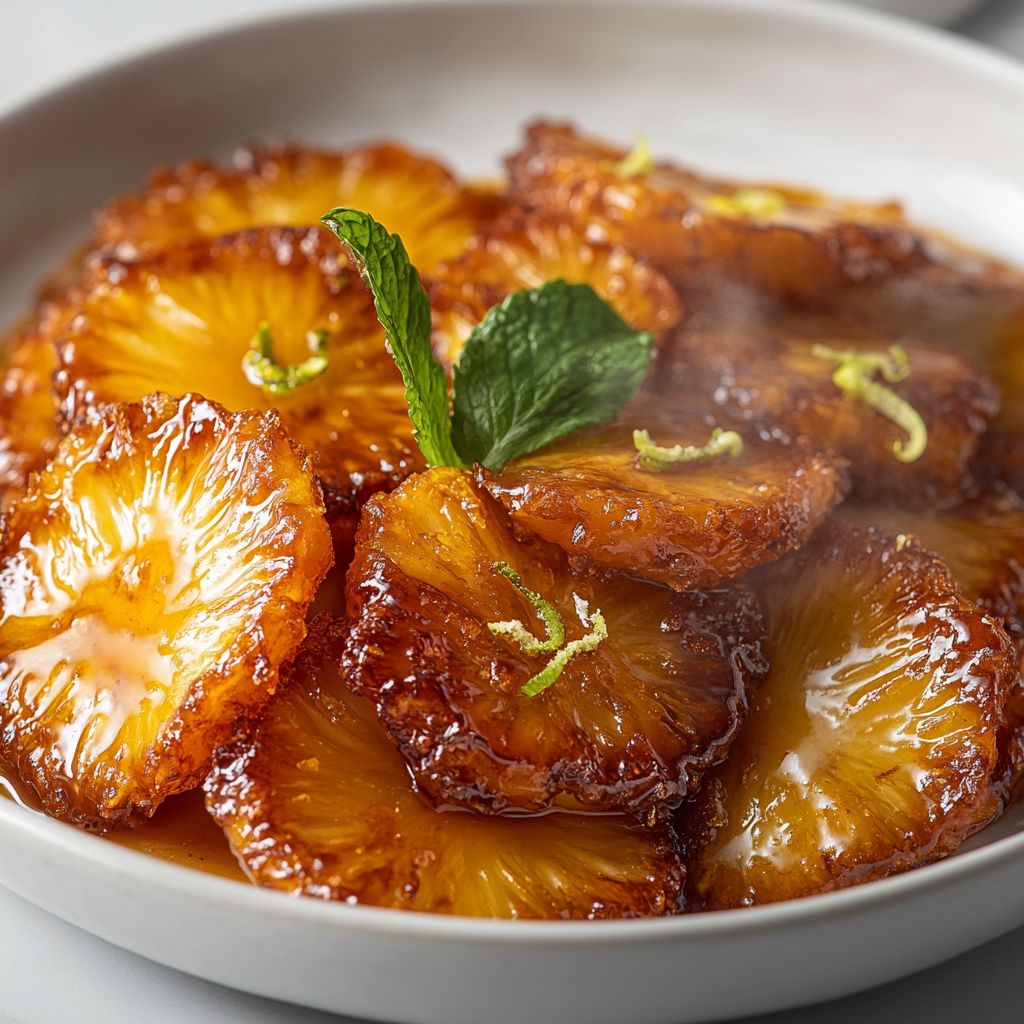
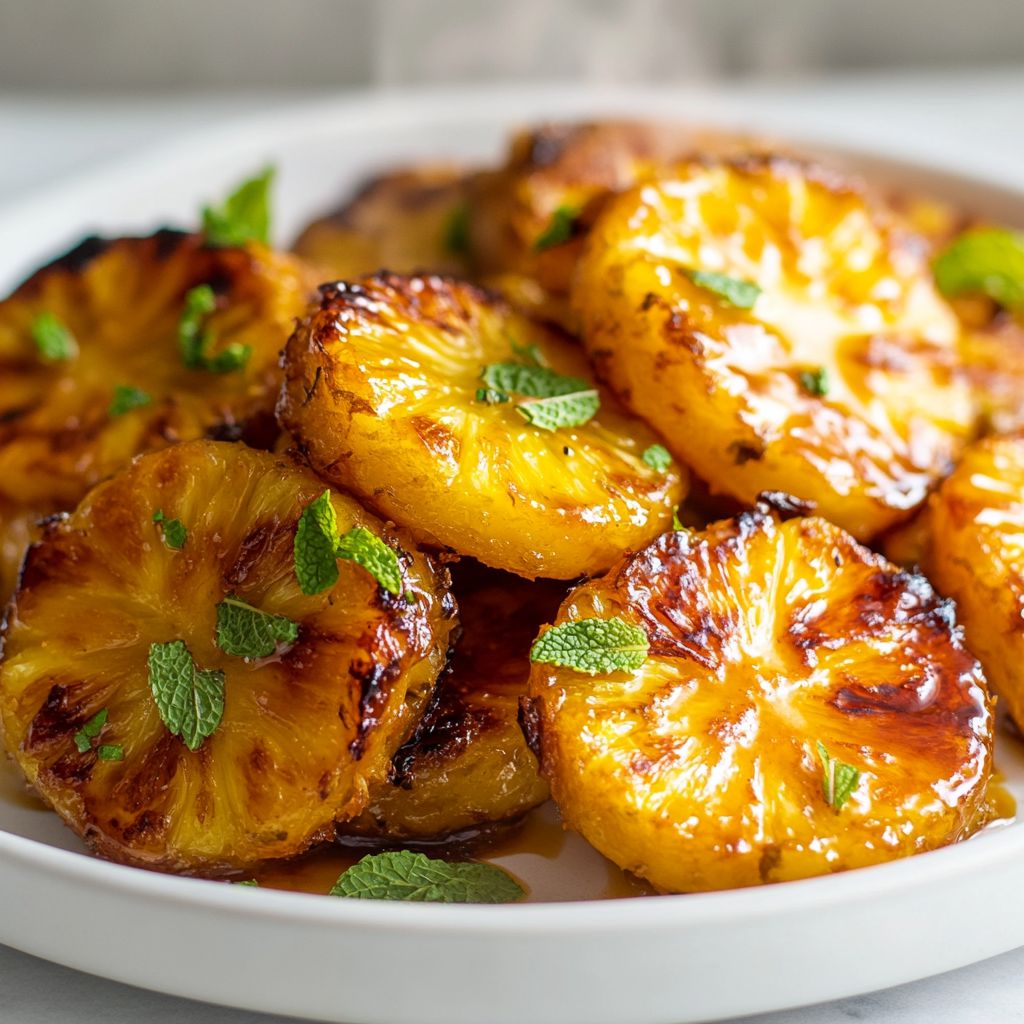
Imagine a sun-dappled carnival of tropical warmth resting on a plate: coins of pineapple with a kiss of amber rum glaze, edges caramelized to a gentle crackle, and a perfume of coconut, vanilla, and smoky sugar drifting through the air. Rum-Soaked Fried Pineapple is a celebration of contrast—bright, juicy fruit meeting a kiss of heat and depth, crisp on the outside, tender and fragrant within. Each bite waltzes from sweet to tangy to a whisper of char, like a beach bonfire that lingers long after the last wave has receded. This dish isn’t just dessert or topping; it’s a mood—an invitation to slow down, savor, and let the sun-warmed flavors transport you to a sunlit terrace, a luau, or a quiet kitchen where conversation and laughter simmer alongside the pan. It’s approachable enough for a weeknight finale and exuberant enough to star at a party; a little caramel magic that makes ordinary moments feel extraordinary.
The Story Behind the Dish
Pineapple has long been a symbol of hospitality and warm welcomes in many island cultures, a bright tuft of sweetness handed to guests as a sign of good cheer. The fruit’s natural acidity and robust perfume pair beautifully with sugar and heat, a pairing that goes back centuries in tropical kitchens where fruit, spice, and distilled spirits converge. Rum, with its deep Caribbean roots and notes of vanilla, citrus, and molasses, has historically been used not just for drinking, but as a culinary companion—marinating, flambéing, and finishing dishes to lift flavors without overpowering them. When you marry pineapple with a kiss of rum and a touch of sizzling oil or butter, you awaken a bridge between sun-drenched island snacks and the comfort of a homey skillet technique. The result is a dish that feels both festive and familiar: a nod to tiki bars, a wink to family dinners, and a reminder that simple ingredients, treated with warmth and intention, become something magical.
In many kitchens around the world, variations of fried fruit with a spirited glaze have evolved as part of celebratory feasts and everyday joy alike. The idea is elegantly simple: you illuminate the pineapple’s natural sweetness and bright acidity with heat, letting the edges caramelize and the center stay juicy, then finish with a rum-bright sheen that ties all the flavors together. This particular interpretation—rum-soaked fried pineapple—embraces that heritage while leaning into modern sensibilities: a quick, satisfying treat that can be enjoyed warm from the pan, spooned over ice cream or yogurt, or served as a luscious topping for pancakes, waffles, or brunch bowls. It’s a recipe that invites storytelling as you cook, a reminder that flavors carry memory and place as surely as they carry aroma and texture.
Why You’ll Love This Recipe
- Quick and forgiving: This approach to pineapple balances speed with technique, so you can enjoy something impressive without spending hours in the kitchen.
- Layered flavor in every bite: The fruit remains bright and juicy while the exterior gains a delicate, crisp caramel crust with a hint of smoky sweetness from the pan.
- Versatile finish: Perfect as a dessert on its own, a topping for ice cream or yogurt, or a glamorous addition to brunch plates with pancakes or Belgian waffles.
- Impressive with minimal fuss: A small handful of pantry staples creates a big, party-worthy flavor profile that feels celebratory.
- Adaptable to different diets and preferences: The concept works with dairy-free toppings, vegan ice creams, or dairy-based creams without losing its charm.
- Comforting nostalgia with a tropical twist: It evokes the warmth of sunshine and vacation memories while staying grounded in everyday comfort food.
Flavor Profile & Texture
At first bite, you’ll encounter a tantalizing contrast: the pineapple’s lively, fruity brightness gives way to the toasty, almost-but-not-quite-crispy edge that forms where sugar caramelizes in a hot pan. The interior stays succulently juicy, a refreshing counterpoint to the exterior’s caramel-kissed depth. The rum introduces a gentle, warm-adjacent complexity—vanilla-laced with a whisper of spice—without intruding on the pineapple’s orchard-fresh essence. There’s a subtle saltiness from the pan or a light sprinkle of finishing salt, which serves to sharpen the flavors and keep them from tipping too sweet. If you add a drizzle of cream, a dollop of vanilla ice cream, or a chiffon of coconut cream, you’ll introduce a creamy, cooling community of textures that makes each mouthful feel luxurious yet effortless.
The texture journey is part of the delight: the fruit’s natural moisture keeps the center tender, while the outside forms a crisp, caramelized crust. The sugar that melts and then recrystallizes as it cools gives a gentle snap, almost like a candied shell that yields to the softness beneath. The rum, when used thoughtfully, doesn’t overpower—it rounds the sweetness, adds a peppery warmth, and brightens the fruit’s aroma, creating a bouquet of tropical notes that feel both nostalgic and fresh. The aromatics—the scent of caramelized sugar, toasted butter, vanilla, and a faint kiss of citrus—float through the kitchen, inviting conversation and anticipation before the first taste. This is a dish that dances between brightness and indulgence, a celebration of contrasts that never clobbers the palate.
Occasions & Pairings
This dish shines in multiple settings, making it a versatile choice for entertaining or a simple weeknight treat.
- Holiday gatherings and festive dinners: A dessert or a refined topping that brings a tropical glow to the table without requiring elaborate preparation.
- Brunch or weekend breakfasts: Pair with warm pancakes, waffles, or French toast for a sunny, indulgent start to the day.
- Summertime barbecues and tiki nights: The fruit’s brightness and the rum’s warmth harmonize with grilled everything and fruity cocktails.
- Dessert with a twist: A scoop of vanilla or coconut ice cream or a spoonful of tangy yogurt can elevate the experience into a show-stopping finish.
Pairing ideas to consider, depending on your mood and occasion, include:
- Vanilla or coconut ice cream to create a creamy counterpoint that melts into the warm fruit.
- Plain or Greek yogurt for a tangy, refreshing balance that brightens the sweetness.
- A light drizzle of lime or orange zest to add a citrusy zing that lifts the dish even more.
- A side of coconut whipped cream or a splash of coconut milk for extra indulgence.
- Complementary beverages like a lightly spiced rum punch, a citrusy sparkling soda, or a cold brew coffee to contrast with the warmth of the dish.
Tips, Variations & Substitutions
Here are ideas to adapt the concept to your pantry, guests, or dietary needs:
- Alcohol-free version: Use a splash of pineapple juice or a non-alcoholic rum-flavored syrup to capture the aroma without the alcohol.
- Health-conscious angle: Use a heart-healthy oil like avocado oil instead of butter for frying, and opt for a lighter touch of sweetener or a drizzle of honey sparingly.
- Vegan adaptation: Ensure any fats used for frying are plant-based and pair with dairy-free ice cream or yogurt for serving.
- Gluten-free: The dish is naturally gluten-free; ensure any serving accompaniment (like ice cream or toppings) is gluten-free certified if needed.
- Regional twists: Swap pineapple for other tropical fruits like mango or jackfruit to explore new aromatics and textures, or add a pinch of warm spices—nutmeg, cinnamon, or allspice—for a cozy twist.
- Textural variation: For extra crunch without losing juiciness, finish with a light dusting of toasted coconut or chopped roasted nuts just before serving.
- Make-ahead note: The pineapple can be prepared ahead (without the final frying step) and fried quickly right before serving, keeping the fruit juicy and the crust crisp.
Storage & Make-Ahead Ideas
Because this dish centers on a delicate balance of caramelized exterior and juicy interior, storage considerations matter for texture and flavor retention.
- Leftovers: Store cooled fried pineapple in an airtight container in the refrigerator for up to 2 days. Reheat gently in a skillet over low heat, reserving a touch of fat to re-crisp the edges. Avoid overcrowding the pan to preserve the crispiness.
- Make-ahead approach: If you’re planning a party, you can prepare the pineapple slices and marinate them in a light rum syrup ahead of time. When ready to serve, finish with a quick fry or pan-sauté to re-activate the caramelization and warm through the fruit.
- Freezing: Freezing fried pineapple is not ideal for best texture, as the caramelized crust can become less crisp upon thawing. If you must freeze, freeze in a single layer on a sheet tray first, then transfer to an airtight container. Reheat in a hot pan to reclaim some of the crisp edges.
Fun Facts & Trivia (Optional)
Did you know that pineapple is not only a tasty fruit but also a symbol of hospitality across many cultures? Its distinctive crown makes it instantly recognizable and often used in decorative motifs that evoke the idea of welcome and festive sharing. Rum, meanwhile, has a storied history tied to the Caribbean and the global trade networks that connected distant islands to bustling ports. The fusion of pineapple and rum in cooking echoes centuries of exploration, colonization, and cultural exchange—each bite a reminder that food travels, evolves, and becomes something more than the sum of its origins. And the “fried” technique? It draws from a long tradition of skillet sweet treats where high heat creates a caramel-crust that crackles under a tender fruit interior, offering a comforting, almost universal appeal—from island markets to grandmother’s kitchen tables.
Inspiration Notes
For cooks seeking an emotionally resonant dish that still feels modern, Rum-Soaked Fried Pineapple hits a sweet spot. It blends nostalgia with novelty, the familiar with the adventurous. The dish invites storytelling—about family gatherings, tropical travels, or simply a moment when you decide to treat yourself with something bright and indulgent. Use it as a canvas to tailor sweetness, acidity, and aroma to your own taste profile, and you’ll find it becomes a personal signature, perfect for sharing with friends and loved ones.
Ingredients
- Pineapple Prep
- 1 medium pineapple, peeled, cored, cut into thick rings or chunky pieces
→ The star of the dish; choose ripe but firm pineapple to balance tartness with sweetness. Cutting into uniform rings or chunks ensures even soaking and frying. Remove the tough core to avoid fibrous bites. If using rings, trim uneven edges for consistent cooking. - 1/2 cup white or gold rum for soaking
→ Infuses pineapple with aroma and a light sweetness; use a light to medium rum so the flavor remains balanced. Soak the pineapple for about 20–30 minutes to impart flavor without turning the flesh mushy. Reserve any soaking liquid to use in the glaze if desired, but discard if strongly concentrated. - 2 tablespoons light brown sugar (optional)
→ Helps balance tartness and promotes caramelization during soak and frying. If you prefer less sweetness, reduce or omit. Dissolve the sugar in the soaking liquid to ensure even distribution. - 1 tablespoon fresh lime juice
→ Brightens pineapple flavors and helps cut through the richness of the fried crust. Use freshly squeezed lime for best acidity; strain to remove seeds if necessary.
- 1 medium pineapple, peeled, cored, cut into thick rings or chunky pieces
- Batter and Coating
- 1 cup all-purpose flour (or gluten-free all-purpose flour)
→ Forms the dry base of the batter. All-purpose yields a light, crisp crust; gluten-free blends can be used in the same ratio but may require a touch more liquid. Sift to remove lumps for an even coating. - 1/3 cup cornstarch
→ Improves crispness and helps the coating cling to the pineapple. It also creates a delicate crust that stays crisp after frying; substitute with potato starch if needed. - 1/2 teaspoon baking powder
→ Provides lightness to the batter so the crust puffs slightly rather than staying dense. Do not skip or texture may be heavy. - 1/4 teaspoon salt
→ Enhances overall flavor and helps shell crispness; balances sweetness. Use fine sea salt for best results. - 1/2 teaspoon ground cinnamon (optional)
→ Adds warm spice that complements pineapple and rum. If you prefer a cleaner fruit flavor, leave out. - 1 cup very cold sparkling water or club soda
→ Creates a light, aerated batter that fries into a crisp crust. Keep the liquid ice-cold; for a thicker crust, slightly reduce the liquid or add a little more flour as needed.
- 1 cup all-purpose flour (or gluten-free all-purpose flour)
- Frying and Glaze
- Neutral frying oil (vegetable, canola, or peanut) enough to fill your pan 1 to 2 inches deep
→ For frying, maintain a steady temperature around 350°F (175°C) for a crisp crust without scorching. Do not overcrowd the pan to preserve oil temperature and even cooking. - 2 tablespoons unsalted butter (for glaze)
→ Melts with sugar to create a glossy glaze that coats the pineapple. If dairy-free, substitute with coconut oil or omit and rely on sugar and rum glaze instead. - 2 tablespoons light brown sugar (for glaze)
→ Caramelizes with the butter and rum to form a luscious glaze that complements the tropical fruit. Adjust sweetness to taste; simmer until syrupy but not burned. - 2 tablespoons dark or spiced rum (for glaze)
→ Intensifies aroma and depth of flavor in the glaze; warm gently with butter and sugar to release complexity. If avoiding alcohol, omit and rely on a vanilla-imbued syrup or additional glaze sugar. - 1 teaspoon pure vanilla extract
→ Adds depth to the glaze; use genuine vanilla for best aroma. Add after the glaze has thickened slightly to preserve aroma during finishing. - Pinch of salt
→ Balances sweetness and enhances overall flavor of the glaze. Add toward the end of reduction for best integration.
- Neutral frying oil (vegetable, canola, or peanut) enough to fill your pan 1 to 2 inches deep
- Finish and Serving
- Whipped cream or coconut cream for topping (optional)
→ Provides a creamy contrast to the hot, crisp pineapple and glossy glaze. For dairy-free, use whipped coconut cream; serve immediately for best texture. - Toasted shredded coconut (optional)
→ Adds extra tropical aroma and texture. Lightly toast in a dry skillet until lightly golden to release oils before sprinkling over the finished dish. - Fresh mint leaves (optional)
→ Adds a pop of color and a fresh aroma that brightens the overall flavor. Tear or finely chop and scatter on top just before serving.
- Whipped cream or coconut cream for topping (optional)
Instructions
- Prepare the pineapple by selecting a ripe but firm fruit and cutting it into uniform thick rings or chunky pieces for even soaking and frying; stand the pineapple on its base, trim the crown and base, then slice away the skin, core if desired, and cut into pieces of consistent thickness to prevent uneven cooking; pat dry with paper towels to remove surface moisture that would hinder coating adhesion.
→ Uniform pieces ensure even heat transfer and soaking, and dry surfaces help the batter adhere for a crisp crust. - Whisk together the soaking liquid by combining 1/2 cup rum, 2 tablespoons light brown sugar, and 1 tablespoon fresh lime juice in a wide bowl until the sugar dissolves completely and the mixture is smooth; taste for balance and adjust if needed; set aside briefly so the flavors meld.
→ Dissolving sugar ensures even sweetness and a smooth soak; the lime juice brightens the pineapple, countering richness later. - Immerse the pineapple pieces in the prepared soaking liquid, turning to coat fully, then cover and refrigerate for 20–30 minutes to infuse aroma without turning the flesh mushy; reserve any soaking liquid to use in the glaze if desired, but discard if it becomes strongly concentrated.
→ Soaking imparts tropical aroma and a touch of sweetness; do not over-soak to preserve texture for frying. - While the pineapple soaks, prepare the batter by sifting 1 cup all-purpose flour (or gluten-free alternative) with 1/3 cup cornstarch, 1/2 teaspoon baking powder, and 1/4 teaspoon salt in a large bowl; whisk in 1/2 teaspoon ground cinnamon (if using) to evenly distribute spice; chill or rest the dry mixture briefly to keep it light.
→ Sifting removes lumps for a smoother batter; airiness from the baking powder helps the crust puff lightly during frying. - Introduce the cold liquid to the dry mix by gradually whisking in 1 cup very cold sparkling water or club soda until the batter is thick enough to coat a piece but still flows; avoid overmixing to keep the batter light and aerated; if too thick, add a tiny splash more sparkling water.
→ The carbonation creates a crisper crust; cold liquid minimizes gluten development and yields a lighter fry. - Line a rack or baking sheet with parchment and pat the soaked pineapple pieces dry again to remove surface moisture; then dip each piece into the batter, turning to coat completely, and allow any excess batter to drip back into the bowl; place coated pieces on the rack so crust is set slightly before frying.
→ A thorough coating ensures a uniform crust; excess batter can cause greasy hot spots or clumping. - Heat neutral frying oil in a heavy, deep pan or skillet to 350°F (175°C); use a thermometer to monitor temperature and maintain it within 340–360°F during frying; avoid overcrowding the pan to prevent temperature drop and soggy crust.
→ A steady, hot oil produces a crisp crust and prevents greasy results; crowding lowers oil temperature and leads to uneven browning. - Fry the battered pineapple pieces in batches, cooking until golden brown and crisp, about 2–3 minutes per batch, flipping once if necessary for even color; use a slotted spoon to turn pieces and maintain control, then transfer to a wire rack over a sheet pan to drain excess oil.
→ Proper frying time yields a crisp exterior while keeping the pineapple tender inside; draining prevents sogginess from residual oil. - Prepare the glaze by in a small saucepan combining 2 tablespoons unsalted butter, 2 tablespoons light brown sugar, and 2 tablespoons dark or spiced rum; warm gently over medium heat until the butter melts and the sugar dissolves, then simmer briefly until the mixture thickens to a glossy syrup; remove from heat and stir in 1 teaspoon pure vanilla extract and a pinch of salt.
→ Gentle warming releases the rum’s aroma and integrates flavors; a light simmer ensures a coatable glaze that clings to the hot pineapple. - Add the fried pineapple to the glaze in small batches or brush the glaze over each piece; toss or swirl to coat completely, allowing the glaze to glossy coat and set slightly on the hot surface; if desired, keep glazed pieces warm on a rack while finishing the rest.
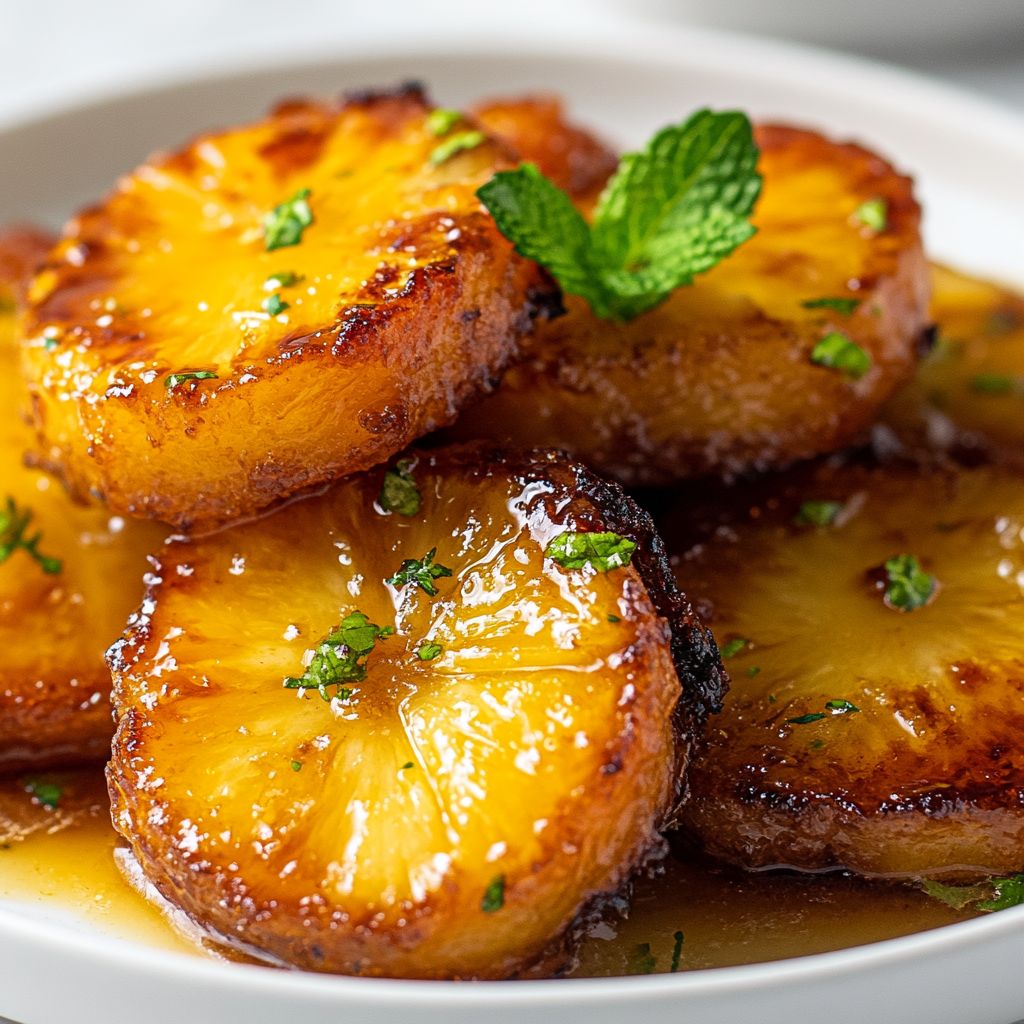
→ Coating while hot ensures adhesion and a luscious, shiny finish; stirring too vigorously can remove the crust, so handle gently. - Finish with optional toppings by dolloping whipped cream or coconut cream alongside the glazed pineapple, sprinkling toasted shredded coconut over the top for extra tropical aroma, and scattering fresh mint leaves for color and brightness; add these just before serving to preserve texture and aroma.
→ Cream and coconut add contrast to the hot, crisp pineapple and glossy glaze; toasted coconut heightens aroma and texture while mint provides a fresh finish.
Notes
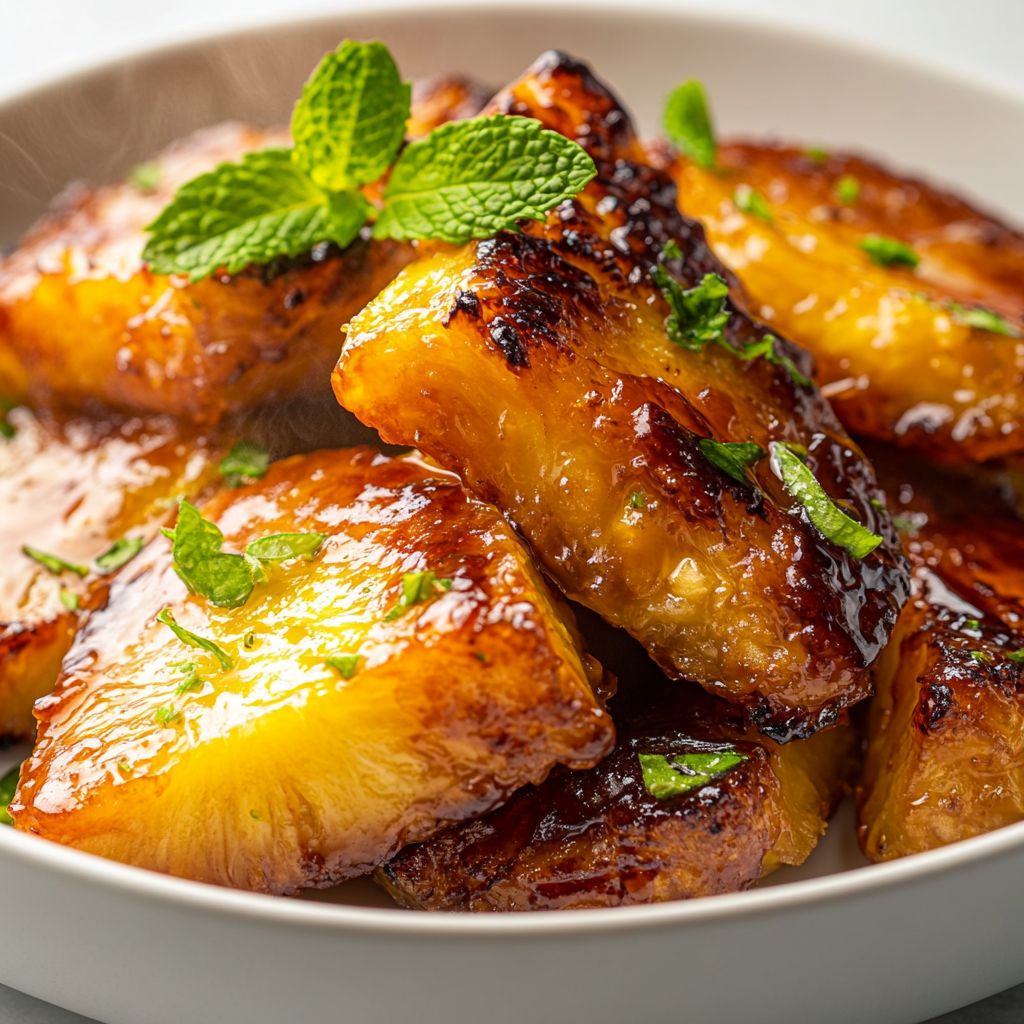
These rum-soaked fried pineapple pieces are a tropical treat with a crisp, caramel-glazed crust. The pineapple is briefly soaked in light rum to infuse aroma and a touch of sweetness before being coated in a delicate batter and fried until golden. For best results, choose ripe but firm pineapple and cut it into uniform chunks to ensure even soaking and frying. A squeeze of fresh lime juice in the soak brightens the fruit, while a pinch of cinnamon in the batter adds warm depth that pairs beautifully with the tropical flavors. The glaze—made with butter, brown sugar, vanilla, and a little more rum—forms a glossy syrup that clings to the hot pineapple and enhances the aroma as it cooks. Keep your frying oil at about 350°F (175°C) and fry in small batches to avoid crowding, which can dull the crust and lower the oil temperature. Serve with whipped coconut cream or a light dusting of toasted coconut and fresh mint for contrast; dairy-free options substitute coconut oil for butter and use coconut cream as topping. To accommodate gluten-free diets, use gluten-free all-purpose flour and ensure the baking powder is gluten-free; you may need a touch more liquid if using a gluten-free blend. Leftovers reheat well in a 350°F (175°C) oven to re-crisp, though they are at their best fresh from the fryer.
Tips
Tips for Rum-Soaked Fried Pineapple
Pineapple prep tips
- Choose pineapple that smells sweet at the crown and feels heavy for its size. Firm flesh with a little give is ideal for soaking and frying.
- Cut into uniform thick rings or chunky pieces to ensure even soaking and consistent cooking; remove the tough core to avoid fibrous bites.
- Pat the pineapple dry after cutting. Excess moisture can dilute the rum soak and cause splattering during frying.
- Soak the pineapple for 20–30 minutes in the rum mixture. Keeping the soak brief but thorough preserves texture while imparting aroma; refrigerate during soak if you’re scaling up the time.
- Dissolve the brown sugar in the soaking liquid to promote even caramelization during the soak and subsequent fry. If you prefer less sweetness, reduce or omit.
- If using rings, trim uneven edges to promote uniform soaking and frying; arrange pieces in a single layer for even exposure.
- Reserve soaking liquid for glaze only if it tastes balanced; discard if it’s too concentrated or strong.
Batter and coating tips
- Sift dry ingredients (flour, cornstarch, baking powder, salt) to remove lumps and ensure a smooth, crisp crust.
- Warmth and aeration matter: use very cold sparkling water and keep it on ice until ready to mix for a lighter, crisper coating. If the batter thickens, whisk in small amounts of cold water.
- For a lighter crust, use 1 cup all-purpose flour with the indicated amount of cornstarch; for a slightly sturdier crust, you can increase cornstarch by up to 1–2 tablespoons.
- Keep the pineapple pieces dry before dipping to improve batter adhesion. A quick pat with paper towels helps.
- If you want a bit of extra warmth, add the optional 1/2 teaspoon ground cinnamon to the batter; for a cleaner fruit flavor, leave it out.
- If you’re avoiding gluten, use a gluten-free all-purpose flour blend in the same ratio; you may need to adjust liquid slightly.
- Test-fry a small piece first to check the crust thickness and oil temperature before proceeding with all pieces.
Frying and glaze tips
- Maintain neutral frying oil at a steady 350°F (175°C). Use a thermometer and avoid overcrowding to prevent temperature drops and uneven cooking.
- Pat the batter-coated pineapple briefly to remove excess batter; this prevents a thick, gummy crust.
- Fry in batches until the crust is golden and crisp, about 2–3 minutes per batch. Transfer to a rack to drain excess oil.
- For the glaze, melt butter with brown sugar over medium heat, then stir in the rum. Simmer until the mixture thickens to a glossy syrup; remove from heat before it scorches.
- Add a splash of vanilla extract and a pinch of salt toward the end of the glaze reduction to deepen flavor and balance sweetness.
- If you’d like a lighter glaze, you can substitute part of the rum with a touch of pineapple juice or water and simmer until syrupy but not overly thick.
- Warmly glaze the fried pineapple while it’s still hot so the coating accepts the glaze evenly. Reserve a small amount for serving on the side if desired.
- Alcohol notes: if you prefer no alcohol, omit the rum in the glaze and replace with a vanilla syrup or a small amount of pineapple juice reduced with sugar.
Finish and serving tips
- Serve immediately for the best contrast between the hot crisp crust and the glossy glaze. If needed, keep warm in a 200–250°F (90–120°C) oven in a single layer until ready to plate.
- Top with whipped cream or coconut cream for a creamy counterpoint to the warm fruit. For dairy-free, use whipped coconut cream.
- To add texture and tropical aroma, sprinkle toasted shredded coconut just before serving; lightly toast in a dry skillet until fragrant and golden.
- Finish with fresh mint leaves and a light drizzle of any remaining glaze for color and brightness.
- If prepping ahead, keep the pineapple and batter components separate; fry just before serving to maintain crispness.
FAQ
What is Rum-Soaked Fried Pineapple?
A tropical dessert where pineapple chunks are briefly soaked in rum to infuse flavor, then coated and fried until crisp and caramelized. It’s typically served warm with vanilla ice cream or whipped cream. Note that some alcohol remains after cooking, but much of it cooks off during frying.
What ingredients do I need?
You’ll need a few ingredients for the pineapple, the rum soak, and the fried coating:
- 1 medium pineapple, peeled, cored, and cut into 1-inch chunks (or rings)
- 2–4 tablespoons light or dark rum (for soaking)
- 2–3 tablespoons brown sugar (adjust to taste)
- 1/2 teaspoon vanilla extract
- Batter/coating: 1/2 cup all-purpose flour, 1/4 cup cornstarch, 1/2 teaspoon baking powder, pinch of salt, about 2/3 cup cold water or club soda
- Oil for frying (neutral oil like canola or peanut)
- Optional for serving: vanilla ice cream, whipped cream, mint leaves
Should I use fresh pineapple or canned?
Fresh pineapple is preferred for texture and brightness. Choose ripe but firm fruit, then cut into chunks. If you must use canned pineapple, drain well (and pat dry) and consider reducing extra sugar since the fruit may be sweeter from syrup. You may also rinse and pat dry to remove excess syrup before soaking.
How long should I soak the pineapple in rum?
Soak the pineapple for about 15–30 minutes. Soaking helps impart rum flavor, but too long can make the pineapple soggy. If you’re short on time, 10–15 minutes still adds noticeable aroma without compromising texture.
Can I omit the alcohol or use a substitute?
Yes. For a non-alcohol version, use pineapple juice with a few drops of almond extract or rum-flavoring, or simply skip the flavoring altogether for a milder version. The dish will still be delicious with a touch of vanilla or caramel notes from the fried coating.
What oil and frying method should I use?
Use a deep, heavy pan or a wide skillet with high sides. Heat oil to 350–375°F (175–190°C). Fry pineapple in batches to avoid overcrowding, about 2–4 minutes per batch until the coating is golden and crisp. Drain on a rack or paper towels.
How do I get a crispy coating and caramelized pineapple?
Tips for best results:
- Pat the pineapple dry after soaking to help the coating stick and to prevent oil splatter.
- Prepare the batter with ice-cold liquid and keep it just thin enough to coat the pineapple.
- Dust the pineapple pieces lightly with a touch of cornstarch before dipping in batter for extra crisp.
- Maintain consistent oil temperature and fry in small batches to avoid soggy results.
- Let fried pieces drain well and serve immediately for maximum crispiness.
Is it safe to flambé the rum after frying?
Flambéing is optional. If you choose to flame, heat a small amount of rum separately and ignite it away from the pan, or carefully flame a warmed rum-soaked portion with a long lighter away from the fryer. Always prioritize safety: keep hair tied back, use a long-handled tool, and have a lid or fire extinguisher handy in case of emergencies.
How should I serve and pair it?
Serve the warm fried pineapple with vanilla ice cream or whipped cream. A light caramel sauce or extra rum sauce drizzled on top is nice, and a sprinkle of fresh mint or a pinch of cinnamon adds aroma and color.
How do I store leftovers and reheat?
Leftovers can be treated best when kept crisp. Store fried pieces on a rack in the refrigerator or a container with ventilation for up to 2–3 days. Reheat in a 350°F (175°C) oven or air fryer for a few minutes to restore crispiness. Avoid microwaving, which can soften the coating.