Introduction / Hook
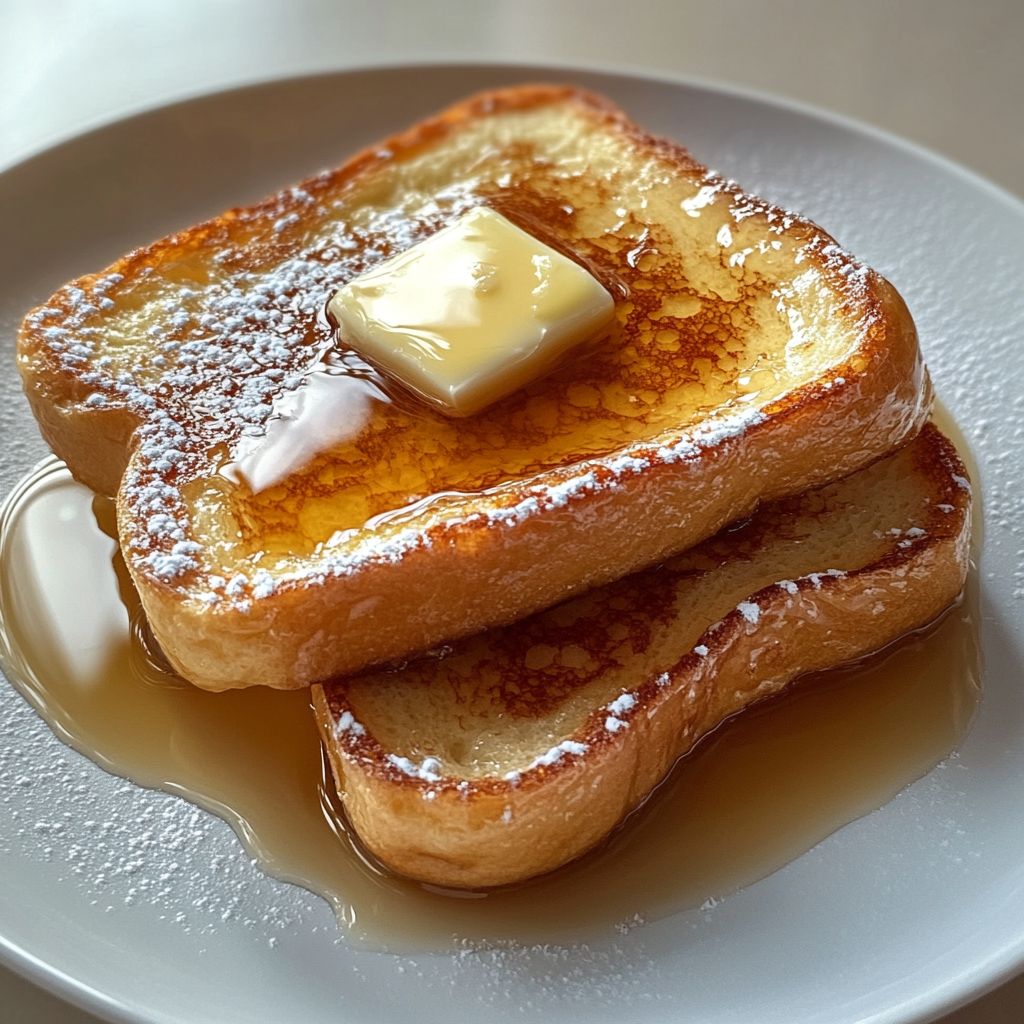
In the soft glow of a bustling cha chaan teng, where the clatter of cutlery harmonizes with the hiss of a hot griddle and the scent of caramelized sugar wafts through the air, there exists a toast that feels almost magical: the Hong Kong French Toast. It is not merely breakfast; it is a sensory invitation—an edible postcard from the city where East meets West in the most deliciously affectionate way. Imagine a thick, stalwart slice of bread, its edges crisped to a caramel kiss, its interior tender and custardy like a sunrise over Victoria Harbour. Envision a chorus of textures playing across your palate: the first crack of a perfectly fried crust, a whisper of butter melting into the crumb, and then a gentle flood of sweet-silver syrup or velvety condensed milk that streams through the gap between bread and memory. This is comfort food with urban swagger, a dish that speaks of early mornings in crowded stairwells, rain on sidewalks, and the quiet ritual of turning ordinary bread into something truly transcendent. Hong Kong French Toast is more than a recipe—it’s a celebration of texture, nostalgia, and the simple joy of feeding the people you love with something that tastes like a window to a city’s soul.
The Story Behind the Dish
Origins in a Crossroads Kitchen
The Hong Kong French Toast emerged from the cha chaan tengs, the lively, cluttered, endlessly inventive tea restaurants that became the heartbeat of Hong Kong’s culinary scene in the mid-20th century. These eateries were built to feed a city that moved at a brisk pace—from ferry riders to office clerks to students—and they answered with a menu that fused Western techniques with Chinese pantry staples. French toast itself was adapted from the French and American classics, but the Hong Kong version took a playful detour: a thick slice of white bread, often treated with a bit of butter, sealed with jam or peanut butter, then dipped in an eggy wash and fried until the crust turned a sugary bronze. It was, in its essence, a humble dish—meant to satisfy a craving and a budget—yet it quickly became iconic, a symbol of a city that could borrow from the world and turn it into something unmistakably local.
As decades passed, this toast evolved. The traditional method—two thick slices pressed together, a generous smear of something sweet or savory in the middle, and a crispy, custardy exterior—became a canvas for personal expression. Some stall owners perfected the double-fry technique to ensure a snap that persisted with every bite; others experimented with different fillings and toppings, layering flavors the way a Cantonese speaker layers meaning in a sentence. The dish traveled beyond the bustling markets and into home kitchens, where families added their own touches—perhaps a drizzle of condensed milk, a pool of golden syrup, or a swirl of peanut butter—creating a tapestry of regional variations that still feels unmistakably Hong Kong in spirit.
From Street Corners to Breakfast Tables
Today, the Hong Kong French Toast is as comfortable on a lazy weekend brunch as it is on a weeknight supper, as beloved in a quiet apartment as in a neon-lit dining hall. It survives in a modern world of Instagram-worthy plated desserts and grand Sunday roasts because it remains unfussy, surprisingly quick, and endlessly forgiving. The traditional technique—though it can feel like a tiny culinary feat—still fits neatly into a busy morning or a relaxed afternoon when you want a dish that rewards patience and a little attention to heat. The story of this toast is really the story of a city that loves to eat with friends and families, turning a simple slice of bread into a memory you can hold in your hand and revisit at will.
Why You’ll Love This Recipe
- It delivers instant nostalgia: a taste of Hong Kong’s cha chaan teng culture that feels both retro and radiant.
- Texture heaven: a crisp, caramelized crust encasing a soft, custardy center that remains tender as it cools.
- Fast and forgiving: with a few pantry staples, you can craft a comforting hug of a toast in under 20 minutes.
- Versatile pairing: it shines solo, but also pairs beautifully with creamy condensed milk, amber syrup, or fruit compotes.
- Crowd-pleasing and shareable: the thick slices slice into generous breakfast portions perfect for family brunches or weekend gatherings.
- Customizable to suit different diets and tastes: vegan options, gluten-free bread, or dairy-free toppings can be explored without losing its soul.
- Presence and aroma: the sizzling sound, the perfume of butter and sugar, and the warm glow from the pan create an irresistible multisensory experience.
- Perfect canvas for toppings: from peanut butter and jam to fresh fruit and a dusting of cinnamon, the dish invites creative embellishments.
Flavor Profile & Texture
The Hong Kong French Toast dances between sweet and comforting, with a sweet-salty balance that feels indulgent without being heavy. The bread, thick-cut and hardy, forms a sturdy shell that holds up to the eggy coating. When it hits the hot pan, the exterior sizzles into a glossy, bronzed crust, inviting a crisp bite that breaks open to reveal a cloudlike interior. The egg wash—often seasoned with a pinch of vanilla or a whisper of sugar—coaxes the bread toward a custard-like center, slightly creamy and airy, with a gentle flavor that lets the bread’s natural sweetness shine through. If you opt for fillings like peanut butter or jam, you’ll experience a layered surprise: the creamy peanut spreading through in a ribbon of salty-sweet richness, or the fruity brightness of jam providing a tart counterpoint to the richness of the egg and butter—each bite offering a different personality of the same dish.
The butter undertones are essential, not merely for richness but for the magical crust that forms when melted butter caramelizes with a touch of sugar. The result is a crust that is crisp on the outside and tender on the inside, with just enough bite to hold its shape as you slice through. If you choose to add a finishing drizzle of condensed milk, you’ll witness a luxurious cascade that pools in the crevices, adding dairy-sweet depth and a velvety mouthfeel that coats the palate. When the toast is served alongside a mug of hot tea or milk tea, the encounter between toasted sweetness and the tea’s tannins creates a harmony that is truly emblematic of Hong Kong’s afternoon rituals. In short, this toast offers a symphony of textures and flavors: crisp exterior, tender interior, sweet and slightly savory accents, and the comforting warmth that lingers long after the plate has been cleared.
Occasions & Pairings
This dish shines at a variety of occasions, from quick weekday breakfasts to leisurely weekend brunches. It’s equally at home as a comforting mid-morning treat, a post-school snack, or a lazy Sunday dessert that pairs with a cup of tea or coffee. Its richness makes it ideal for cooler mornings when a lighter breakfast won’t suffice but a full pastry bief isn’t necessary; it offers enough satisfaction to start the day with a smile without weighing you down. For celebrations, it can be a playful option on a breakfast-for-dinner menu, or a charming addition to a brunch spread alongside fresh fruit, yogurt parfaits, and a pot of jasmine tea or strong Hong Kong milk tea.
Pairings to consider include:
- Drinks: Hong Kong-style milk tea, strong black tea, coffee, or a mug of hot chocolate for a comforting pairing.
- Accompaniments: a dollop of whipped cream, a drizzle of condensed milk or maple syrup, or a light berry compote for a touch of acidity to balance sweetness.
- Side options: fresh fruit (pineapple, mango, berries) for brightness, or a small side of yogurt with a hint of vanilla.
- Sweet contrasts: a tiny slice of candied ginger or a sprinkle of cinnamon to warm the palate.
Tips, Variations & Substitutions
Core Techniques & Best Practices
To achieve that signature crisp crust and tender interior, pay attention to heat and timing. A moderately hot pan—enough to sizzle upon contact yet not so hot that the exterior scorches before the interior sets—will work best. Let the bread slices rest briefly after assembling with any fillings to help them hold together during frying, if you choose to add fillings like peanut butter or jam between slices.
Butter and oil both play roles. Butter contributes flavor and browning, while a touch of neutral oil helps raise the smoke point, ensuring a crisp exterior without burning. The bread choice matters: a thick-cut, sturdy loaf or a fresh, soft white bread that won’t crumble holds up better to the egg bath and frying. If you love a deeper caramel note, a light brush of warm sugar on the surface before frying can intensify color and texture in a pleasing way.
Vegan, Gluten-Free, and Dietary Variations
- Vegan option: Use plant-based milk (soy, almond, oat) and a flaxseed or aquafaba-based egg substitute to create a similar batter. Choose a vegan butter or oil for frying, and skip any dairy toppings, substituting with a vegan condensed milk or coconut cream drizzle if desired.
- Gluten-free option: Choose a sturdy gluten-free bread that won’t crumble under the egg coating. Most gluten-free breads will fry up nicely using the same technique; just be mindful of the crumb’s dryness and adjust the fry time slightly.
- Dairy-free option: Fry in a neutral oil (like canola or avocado oil) and finish with a dairy-free drizzle, such as coconut condensed milk or a maple syrup with a splash of coconut cream for silkiness.
Regional Twists & Flavor Variations
- Peanut butter twist: A thin spread of peanut butter sandwiched between bread slices before dipping yields a creamy, toasty center that pairs perfectly with a light drizzle of honey or maple.
- Jam-filled version: A thin layer of your favorite jam or marmalade adds a fruity brightness that cuts the richness and enhances aroma.
- Syrup pairing: Traditional Golden Syrup or a spoonful of thick condensed milk can be used to finish; you can also try a light drizzle of caramel or a citrus honey syrup for a modern edge.
- Citrus lift: A whisper of orange zest added to the batter (or dusted on top) brings a fragrant zing that brightens the dish without overpowering the sweetness.
Storage & Make-Ahead Ideas
The Hong Kong French Toast is best enjoyed fresh, when the crust maintains its crispness and the interior remains luxuriously soft. However, you can plan ahead and still savor it later with a few practical tips. If you know you’ll have extra portions, assemble the components in advance: keep the bread ready for dipping in an airtight container, and prepare any fillings or toppings separately. When you’re ready to cook, rewarm the slices in a moderate oven to refresh the crust rather than microwaving, which can make the exterior soft. Leftover toast can be stored in the refrigerator for up to a day if kept in a sealed container, though the edges may lose some of their crispness. Re-crisp in a hot skillet or oven for best results before serving again.
For make-ahead brunch scenarios, you can pre-slice the bread and keep it in the fridge, then quickly prepare the egg wash and frying while you brew tea. If you prefer freezer-friendly options, freeze pre-sliced bread thaws quickly; however, for optimal texture, fry the slices fresh rather than freezing after battering. The beauty of this dish lies in its simplicity and speed: in about 15 to 20 minutes, you can transform ordinary bread into an extraordinary breakfast or brnight-time treat.
Fun Facts & Trivia (Optional)
1. The term cha chaan teng literally translates to “tea restaurant” in Cantonese, a nod to the place where Western-style beverages and dishes were adapted to local tastes. The Hong Kong French Toast is one of the enduring stars on these menus, beloved by generations for its nostalgia and comforting richness.
2. Some stories say the Hong Kong twist on French toast owes its soul to the city’s resourcefulness—using simple, affordable ingredients to create something indulgent and satisfying. A portion of butter, a smear of peanut butter, and a drizzle of condensed milk could turn a plain slice into a dessert-like breakfast that felt like a small luxury in a bustling urban landscape.
3. The ritual of dipping bread in an egg wash and frying is a technique shared by many cultures, but the Hong Kong version elevates it with a delicate balance—enough egg to coat and bind, enough sweetness to tempt, and enough precision in heat to deliver that coveted crisp crust without drying the interior. It’s a microcosm of Hong Kong cooking: practical, comforting, and deeply satisfying.
4. In many cha chaan tengs, the toast is not simply a standalone dish; it’s part of a broader breakfast culture that pairs heavily with tea. Milk tea, often strong and slightly sweet, acts as the perfect companion, cutting through the richness of the toast and refreshing the palate for the next bite. This pairing channels a daily ritual that has persisted for decades, proving that a simple breakfast can be a moment of calm amidst a rapidly changing city.
Ingredients
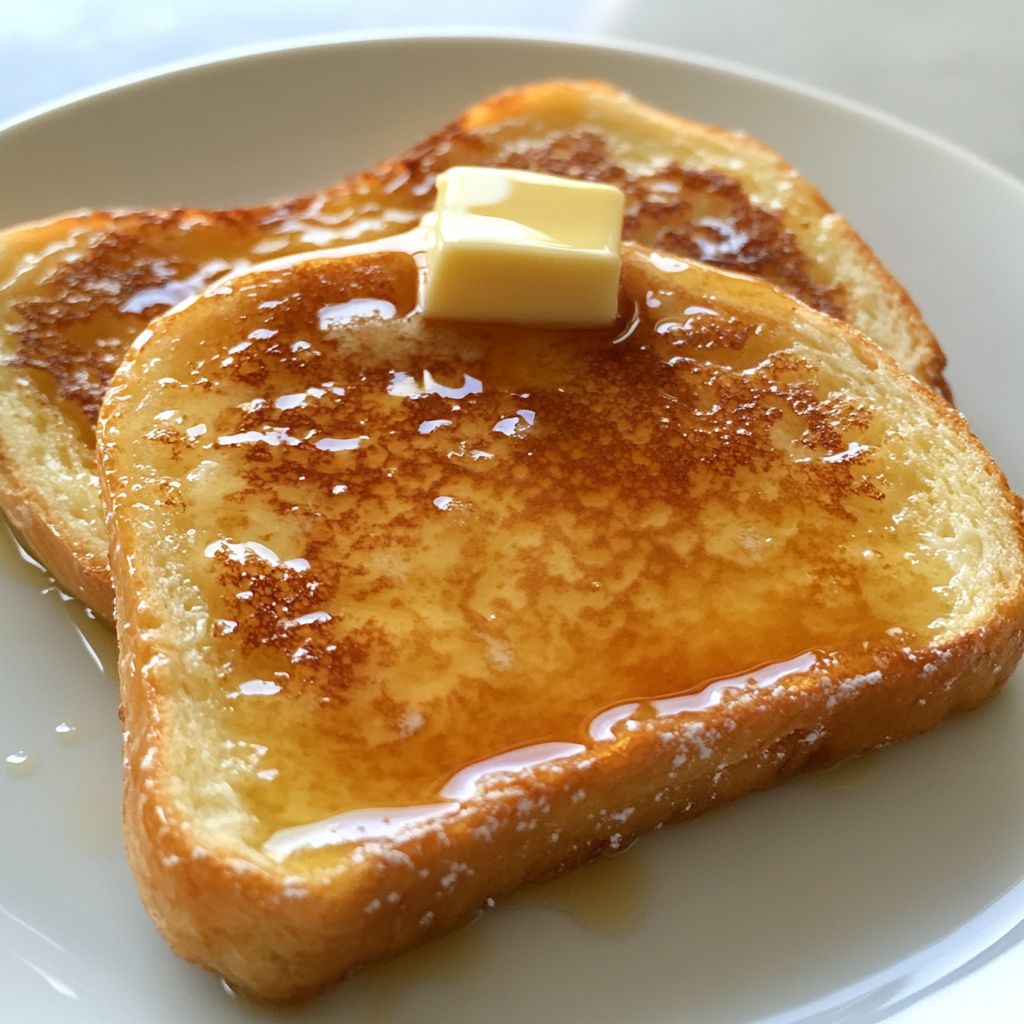
Hong Kong French Toast
Fillings
- 2 slices white sandwich bread (crusts removed; day-old preferred)
→ The bread is the foundation of HK French toast. It should be slightly stale to soak up the egg mixture without tearing. Remove crusts for a neat square shape, or keep them for extra texture if you like. If your bread is very fresh, dry it out briefly by leaving it uncovered for 10–15 minutes or toasting lightly. - 2 teaspoons smooth peanut butter
→ Filling that creates a creamy, nutty center; spread evenly on one slice to act as a binder between slices. Use natural, unsweetened peanut butter for best flavor; if you prefer kaya, you can use it as an alternative filling or in addition to peanut butter, but keep the layer thin to prevent leakage during frying. - 2 teaspoons kaya jam
→ Alternative or additional sweet filling offering coconut-egg richness. Spread in a thin layer to prevent leaking during frying; kaya adds moisture and a fragrant aroma. If the kaya is very sweet, adjust other sugars in the recipe accordingly.
Egg Mixture
- 2 large eggs
→ The binding agent that forms the coating and helps develop a custardy interior once fried. Whisk thoroughly until completely blended, with no streaks. For best soaking, use eggs at room temperature to improve emulsification and even saturation of the bread. - 1/4 cup milk or evaporated milk
→ Dilutes the eggs to create a pourable coating that coats the bread evenly and browns nicely. Evaporated milk yields a creamier texture; dairy-free milk can be used as a substitute, though it may alter richness slightly. - 1 tablespoon granulated sugar
→ Adds gentle sweetness and aids browning during frying. If your chosen fillings are already very sweet, you may reduce sugar to 1 teaspoon or omit entirely. - 1/2 teaspoon vanilla extract
→ Provides warm, aromatic depth to the coating. Pure vanilla extract is preferred for a more robust flavor; if using vanilla sugar, reduce the granulated sugar accordingly. - Pinch salt (optional)
→ Enhances overall flavor and balances sweetness; omit if using salted fillings or salted butter.
Frying
- 1 tablespoon unsalted butter
→ Delivers rich flavor and helps achieve a crisp, golden crust characteristic of Hong Kong toast. Fry over medium heat to avoid burning; for a crisper edge and lower risk of scorching, you can blend in a small amount of neutral oil. - 1 teaspoon neutral oil (optional)
→ Raises the smoking point and assists in crisping the exterior if your pan tends to brown butter too quickly. Use if you prefer a lighter browning or want to reduce butter exposure.
Serving
- Syrup, honey, or sweetened condensed milk for serving
→ Typical HK presentation includes a drizzle of a sweet topping. Sweetened condensed milk is traditional and pairs beautifully with the eggy toast; warm it slightly for easy pouring. If you prefer, use maple syrup or honey as a lighter alternative. - Powdered sugar for dusting (optional)
→ Finishes the dish with a delicate sweetness and visual appeal. Best sprinkled after the toast has rested briefly to allow any excess moisture to settle and prevent clumping.
Instructions
- Assemble the filling sandwich by spreading 2 teaspoons smooth peanut butter on one bread slice and 2 teaspoons kaya jam on the other, then press the slices together to enclose the fillings; you may remove the crusts for a neat square shape, or leave them on for extra texture if you prefer.
→ The bread is the foundation of HK French toast. It should be slightly stale to soak up the egg mixture without tearing. Remove crusts for a neat square shape, or keep them for extra texture if you like. If your bread is very fresh, dry it out briefly by leaving it uncovered for 10–15 minutes or toasting lightly. - Prepare the egg mixture by whisking 2 large eggs with 1/4 cup milk or evaporated milk until completely blended and smooth; then whisk in 1 tablespoon granulated sugar, 1/2 teaspoon vanilla extract, and a pinch of salt until the mixture is uniform and glossy.
→ The binding agent that forms the coating and helps develop a custardy interior once fried. Whisk thoroughly until completely blended, with no streaks. For best soaking, use eggs at room temperature to improve emulsification and even saturation of the bread. - Dip the assembled sandwich into the egg mixture, turning to saturate both sides evenly; allow to soak for about 15–25 seconds per side, until the bread is thoroughly saturated but not falling apart.
→ Dilutes the eggs to create a pourable coating that coats the bread evenly and browns nicely. Avoid oversoaking to prevent a soggy center. - Preheat a nonstick skillet over medium heat and add 1 tablespoon unsalted butter, letting it melt and foam; if your pan runs hot, swirl in a teaspoon of neutral oil to raise the smoke point and reduce browning speed.
→ The butter provides rich flavor and a crisp, golden crust; oil helps control browning and keeps the exterior from scorching when your heat is high. - Gently lay the soaked sandwich in the hot pan and cook the first side until deep golden brown and the crust is crisp, about 2–3 minutes; press lightly with a spatula to ensure even contact and browning.
→ A steady, even heat builds a custardy interior and a crisp exterior without tearing the bread; avoid moving the sandwich too soon to form a good crust. - Flip the sandwich carefully and cook on the other side until it is equally golden and the center is set and creamy, about 2–3 more minutes; if the underside browns too quickly, reduce the heat to medium-low and cook slowly.
→ Even browning ensures a delicious contrast between the crisp crust and soft interior; controlling temperature prevents a burned exterior with an underdone center. - Transfer the toast to a warm plate or rack and let it rest for 1–2 minutes to set the custard inside and prevent overflowing when cut.
→ Resting allows the interior to finish cooking and helps the fillings stabilize, making slicing neater and the texture creamier. - Slice the French toast diagonally into two or three portions for an appealing presentation. Drizzle syrup, honey, or sweetened condensed milk over the top and serve immediately; warm the condensed milk slightly first if using for a smoother pour.
→ A traditional HK serving style; warm toppings enhance the flavor and adjust sweetness; condensed milk pairs beautifully with the eggy bread and contrasts with the crispy crust. - Dust with powdered sugar if desired once the toast has rested briefly, providing a delicate sweetness and visual contrast without adding excessive moisture.
→ Finishes the dish with a light sweet finish that makes the dish look polished and adds a subtle finish to the overall sweetness.
Notes
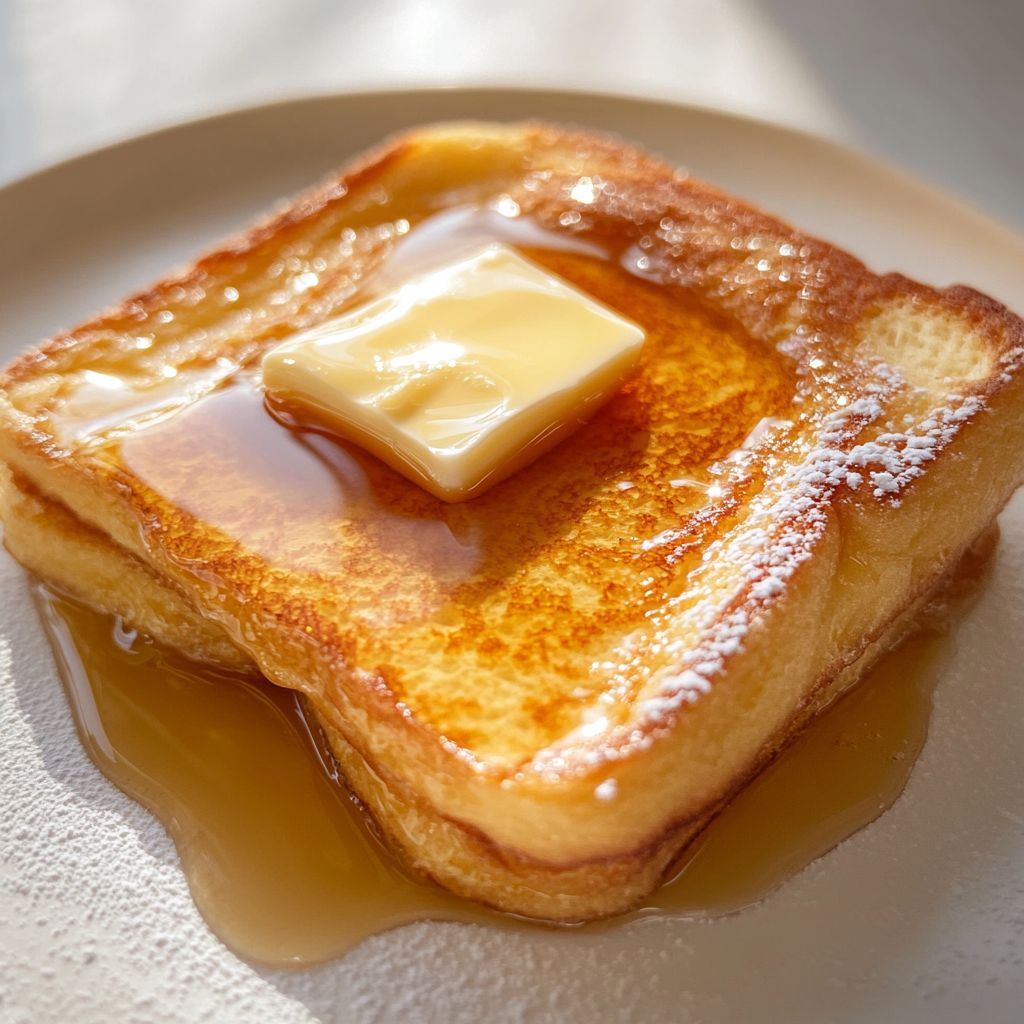
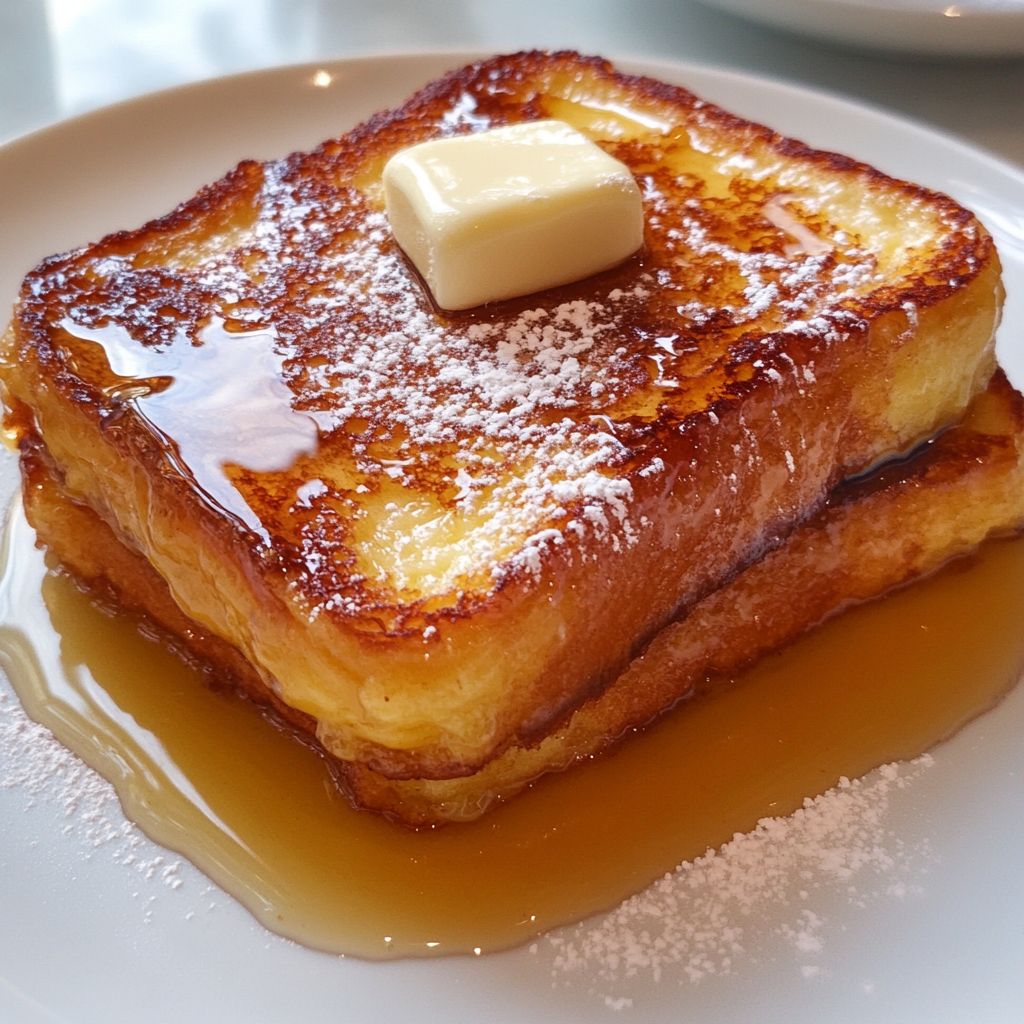
These Hong Kong-style French toast is a decadent, custardy treat fried until the outside is crisp and the inside stays soft. For best results, use day-old white sandwich bread with the crusts removed for neat squares; spread 2 teaspoons smooth peanut butter on one slice and 2 teaspoons kaya jam on the other to create a creamy, sweet center, or customize with your favorite fillings. In a bowl, whisk 2 large eggs with 1/4 cup milk (or evaporated milk for a richer interior), 1 tablespoon granulated sugar, 1/2 teaspoon vanilla extract, and a pinch of salt until completely blended. Assemble by sandwiching the filling between the slices and then dip briefly in the egg mixture, ensuring an even coat without soaking through. Fry in a nonstick or well-seasoned skillet with 1 tablespoon unsalted butter over medium heat, adding 1 teaspoon neutral oil if you prefer lighter browning or to prevent the butter from burning. Cook until the exterior is deep golden and crisp, about 2–3 minutes per side, adjusting heat as needed. Serve warm with syrup, honey, or warm sweetened condensed milk; dust with a light coating of powdered sugar after the toast rests briefly to prevent clumping. This dish can be customized with extra toppings like sliced banana, toasted coconut, or an extra drizzle of kaya. If you’re gluten-sensitive, choose gluten-free bread and check that your fillings are gluten-free. Leftovers refrigerate well for a day and reheat gently in a skillet to restore crispness or toast briefly to refresh the exterior.
Tips
Tips for Hong Kong French Toast
- Bread selection: Use day-old white sandwich bread for the best soak. Remove crusts if you prefer neat squares, or keep them for extra texture. If your bread is very fresh, dry it out briefly by leaving it uncovered for 10–15 minutes or toasting lightly to prevent tearing.
- Soaking strategy: Whisk the egg mixture well and let the bread soak just long enough to saturate without becoming mushy. Too long soaking can cause a custard leak when frying; too short can leave the center undercooked.
- Filling balance: Apply a thin, even layer of peanut butter to one slice as a binder and flavor base. Kaya jam can be added as a secondary layer or a substitute, but keep fillings thin to minimize leakage during frying.
- Room temperature eggs: Use eggs at room temperature to improve emulsification and even saturation of the bread. This yields a creamier, more uniform coating.
- Milk choice and richness: Evaporated milk gives a creamier interior; dairy-free milk can be used if needed, but it may alter richness slightly. If using regular milk, you may increase the soaking time slightly for better absorption.
- Sweetness control: The recipe uses 1 tablespoon sugar in the egg mixture. If your fillings are very sweet (like kaya), consider reducing the sugar to 1 teaspoon or omitting it to keep the balance.
- Vanilla and salt: Vanilla adds warmth; use pure vanilla extract for depth. A pinch of salt helps balance sweetness; omit if your fillings are already salted.
- Butter and oil for frying: Use 1 tablespoon unsalted butter for a rich, crisp crust. Adding a teaspoon of neutral oil can raise the smoking point and help prevent browning too quickly, giving you a more even crust.
- Pan temperature and technique: Cook over medium heat to develop a golden crust without burning. If your pan tends to brown butter too fast, use a small amount of neutral oil or lower the heat slightly.
- Handling the batter: After dipping, let excess coating drip off before placing in the pan to reduce sogginess and leaks.
- Frying tips: Flip carefully with a wide spatula once the underside is deeply golden. Press lightly to maximize contact with the pan for even browning.
- Resting and serving: Let the finished toast rest for 1–2 minutes on a rack to settle the custard and prevent clumping when dusting with powdered sugar.
- Finish with toppings: Traditional HK presentation uses a drizzle of sweet toppings. Warm sweetened condensed milk for easy pouring; or swap with maple syrup or honey if you prefer a lighter sweetness.
- Storage and reheating: leftovers can be stored in the fridge and reheated in a 350°F (175°C) oven for a few minutes to restore crispness.
FAQ
What is Hong Kong style French toast?
Hong Kong style French toast is a popular breakfast or snack that features thick slices of soft white bread (often milk bread) pressed together with fillings like kaya (c coconut jam) and/or peanut butter. The sandwich is dipped in a beaten egg mixture and fried in butter until the outside is deeply golden and crisp, while the inside stays soft. It’s typically served hot with a pat of butter and a drizzle of syrup or condensed milk.
How is it different from regular French toast?
Traditional French toast usually uses thinner slices and is served plain or with jam. Hong Kong style is typically a thick, sometimes layered sandwich with sweet fillings, fried to achieve an extra crispy exterior, and often topped with extra butter and sweet sauces like condensed milk or kaya. The result is richer, sweeter, and more dessert-like.
What bread should I use?
Use soft, thick-sliced white bread such as milk bread or brioche. In HK, people often cut loaf bread into thick slabs. Day-old bread can hold up better to soaking, but fresh bread also works for a tender interior. Trim crusts if you prefer neater edges, though crusts add texture.
What fillings are traditional?
The classic pairing is kaya (coconut jam) with peanut butter. Other common options include:
- Kaya alone or with butter
- Peanut butter alone
- Jam or cream cheese
- Banana slices for extra sweetness
Fill one slice with the fillings and top with the other slice to form a sandwich before dipping in egg.
What ingredients do I need for the batter and coating?
For the batter: eggs, milk (or cream), a pinch of salt, and a little sugar. Optional additions include:
- Vanilla extract for fragrance
- Condensed milk for extra sweetness
- A tiny amount of cornstarch to help the crust crisp up
You’ll also need the bread, fillings, and butter or oil for frying.
How do I assemble and cook it?
Steps:
- Spread fillings on one slice (e.g., kaya on one side, peanut butter on the other), then top with the second slice to form a sandwich.
- Whisk eggs with milk, salt, and optional vanilla.
- Dip the sandwich in the egg mixture, letting it soak briefly but not become soggy. Let excess drip off.
- Fry in a hot skillet with butter (or oil) until the outside is deeply golden and crisp on both sides. Adjust heat to avoid burning.
- Drain briefly on a rack, then serve immediately with toppings.
How can I achieve extra crispiness?
Tips for a crisp crust:
- Use thick slices and lightly toast the bread before assembling.
- Ensure the bread is well-sealed with fillings to prevent leaks.
- Dip quickly in the egg mixture and fry in hot butter or oil so the exterior browns fast.
- Consider a small amount of cornstarch in the batter for an extra crusty finish.
How should I serve and what toppings are common?
Serve immediately while hot. Common toppings include:
- A pat of butter on top
- Drizzles of maple syrup or corn syrup
- Condensed milk or extra kaya
- Powdered sugar or fresh fruit for contrast
Pairs well with a hot cup of Hong Kong-style milk tea or coffee.
Can I adapt this for dietary needs or substitutions?
Yes, with some caveats:
- Dairy-free: fry with a neutral oil or dairy-free butter and use plant-based milk.
- Gluten-free: use gluten-free bread; fillings can stay the same.
- Vegan attempt: the traditional recipe relies on eggs, so you can try a flax-egg or aquafaba soak and a plant-based milk with dairy-free butter, but keep in mind the texture will differ from the classic version.
Can I make this in an air fryer or oven?
Yes. Options include:
- Air fryer: Preheat to about 180°C (350°F). Lightly brush or spray the sandwich with oil and air-fry for 6–8 minutes, flipping once, until crisp.
- Oven: Bake at 190°C (375°F) for 10–12 minutes, then optional quick sear in a hot pan with a little butter for color.
Note: The texture may be less crisp than pan-frying, but it’s a convenient alternative.
How should I store or reheat leftovers?
Hong Kong-style French toast is best eaten fresh. If you must store:
- Keep fillings separate if possible and reheat the toast in a toaster oven or regular oven to restore crispness.
- Avoid microwaving, which can make the bread soggy.
- Freezing is not ideal, but you can freeze unassembled bread slices with fillings for later assembly and fry later.