Introduction / Hook
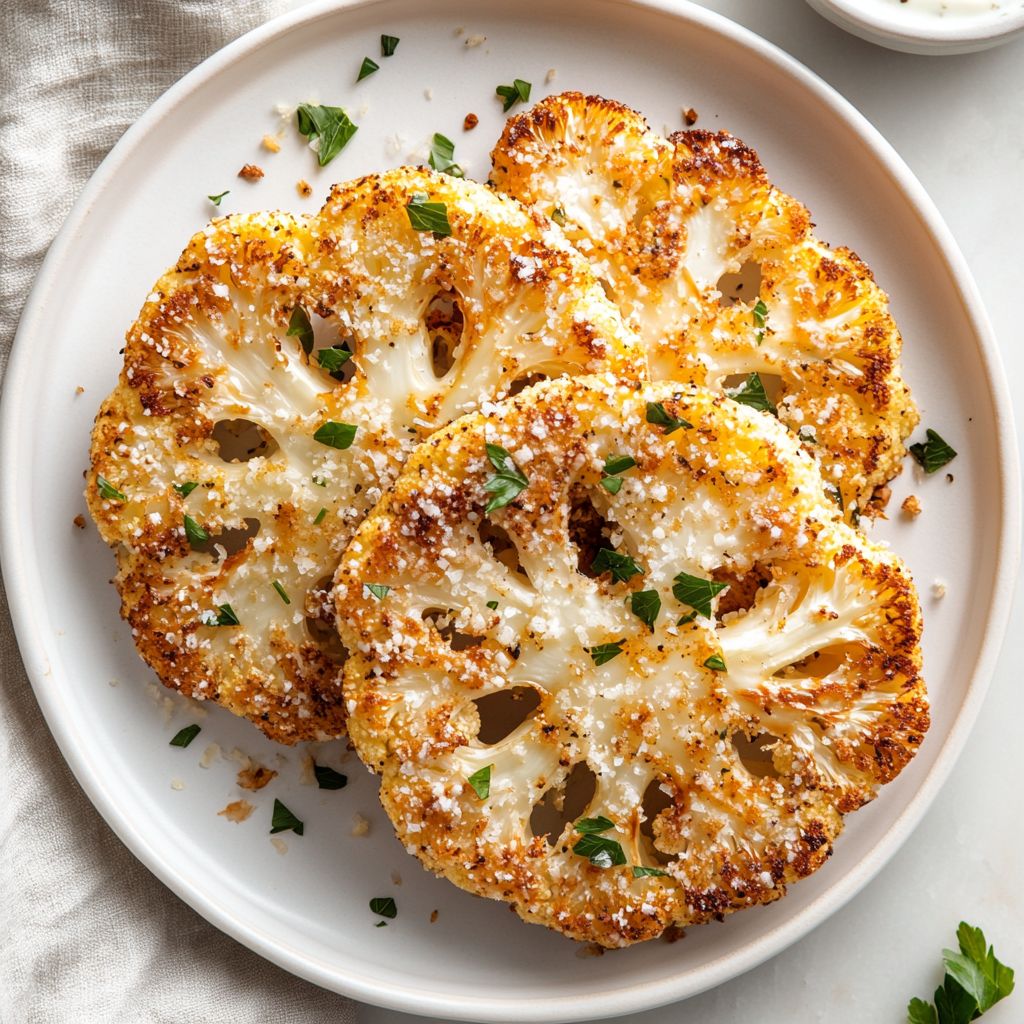
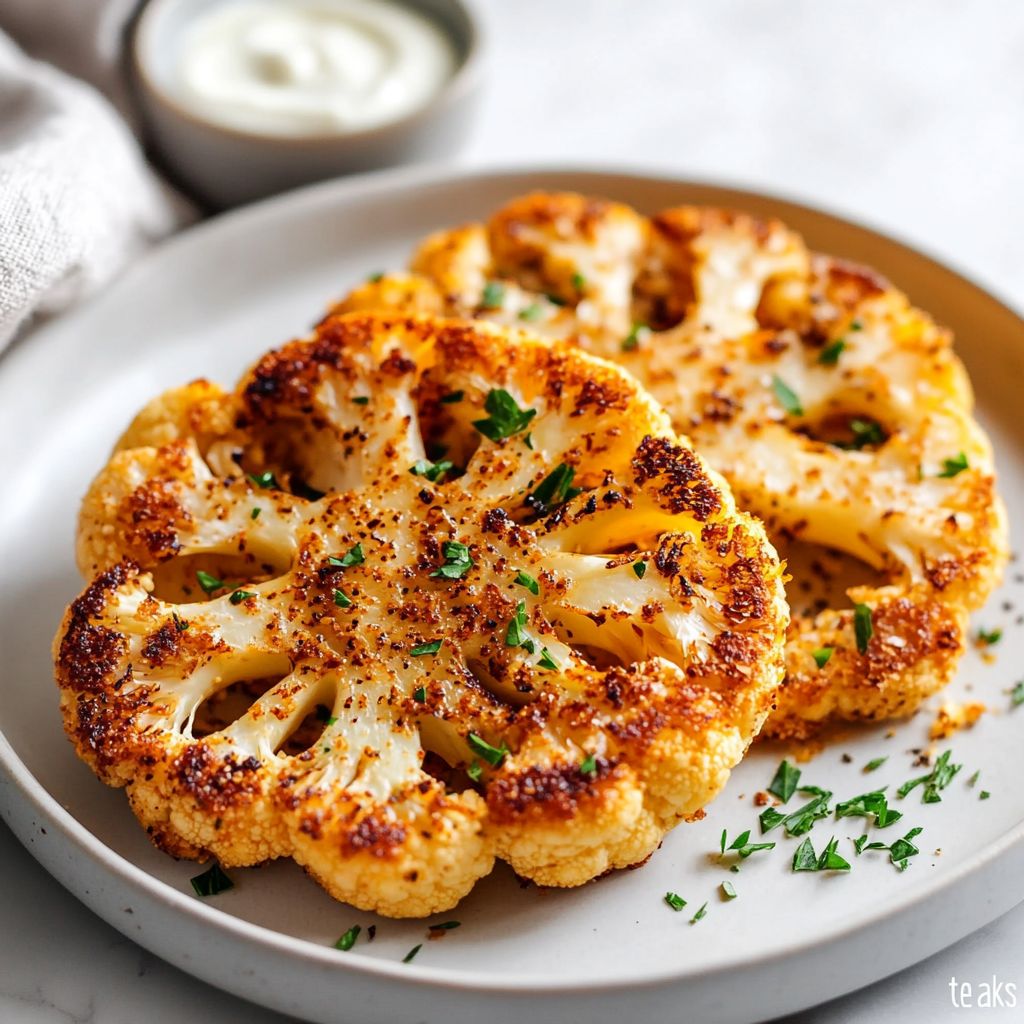
There’s something almost magical about a single cauliflower transformed into a gleaming, golden “steak”—crisp on the outside, tender within, and infused with the comforting warmth of caramelized edges. Crispy Baked Cauliflower Steaks are not just a side dish; they’re a conversation starter, a centerpiece that proves you don’t need meat to achieve satisfying heft and depth. As the oven hums and the kitchen fills with a toasty, savory perfume, you’ll feel the anticipation rise: a plate that looks impressive enough for a dinner party, yet friendly enough for a weeknight crowd. Each bite offers a satisfying crack of crust, a whisper of nutty sweetness from the roasted cauliflower, and a delicate, almost creamy interior that gates the flavor with a gentle, lingering finish. This dish invites you to slow down, savor the aroma, and let the textures do the talking. It’s one of those recipes that makes you want to pull up a chair, plate seconds, and tell stories while the pan glistens with a sun-kissed glaze and the room smells like a warm, inviting kitchen on a late autumn afternoon.
What makes Crispy Baked Cauliflower Steaks so appealing isn’t merely the taste—it’s the confidence they bring to the table. There’s a sense of theater in presenting thick, uniform slices that hold their shape, a dramatic sizzle when they emerge from the oven, and a versatility that turns them into a canvas for countless flavor profiles. You can reach for a simple, bright finish with citrus and herbs, or lean into a deeper, smoky glaze that evokes cozy winter meals. The result is a plant-based star that can stand shoulder to shoulder with meat dishes, offering protein-friendly satisfaction without compromising on texture or aroma. In short, these cauliflower steaks celebrate vegetables in all their glory: sturdy, striking, and surprisingly indulgent.
Beyond the visual appeal, this recipe is a practical ally for any cook. It’s easy to prepare in advance, forgiving when a spice blend doesn’t quite hit the mark, and wonderfully adaptable to dietary needs or ingredient availability. The method embraces the natural porous structure of cauliflower, inviting it to soak up flavors while forming that coveted crust—crisp, nutty, and deeply toasted in every bite. It’s a dish that travels well from oven to table, pairs beautifully with a variety of sauces, and remains a comforting, familiar favorite even for those who aren’t sure what to do with a head of cauliflower. When you serve Crispy Baked Cauliflower Steaks, you’re serving a moment of culinary theater—without a lot of fuss—where simple ingredients are elevated by technique, care, and a touch of culinary bravado.
The Story Behind the Dish
The idea of turning vegetables into substantial, steak-like slices has roots in the modern plant-forward movement, where cooks began reimagining familiar shapes to celebrate vegetables as the centerpiece rather than a supporting cast. Cauliflower, with its compact cross-section and sturdy stalks, is uniquely suited to become a sliceable, shareable “steak.” The appeal is practical as well: when you slice a head into thick rounds, you reveal a clean geometry that bakes evenly and presents dramatically on a plate. The kitchen folklore around this dish suggests that the success lies in treating the cauliflower kindly—let it dry a bit after slicing, give it a gentle browning on all sides, and finish with a glaze or seasoning that evokes a contrast of toasted savoriness with bright, zesty notes. It’s a modern riff on classic roasts, a vegetable-forward homage to the concept of a hearty entrée, and a reminder that plant-based cuisine can offer the same satisfying textures and aromatic complexity you expect from traditional meat-centered dishes.
As with many iconic dishes, this recipe has traveled through home kitchens, test kitchens, and café menus before arriving at the confident place it occupies today. The cauliflower steak captures a trend—turning a humble vegetable into a visually striking and deeply flavorful main course—while maintaining accessibility. It’s the kind of dish that travels well: a café menu might feature it with a drizzle of lemon-tahini sauce and a sprinkle of herbs, a family dinner might pair it with a dollop of garlicky yogurt or a smoky pepper relish, and a weeknight rotation might see it dressed with olive oil, paprika, and a touch of grated cheese if desired. The story isn’t just about technique; it’s about how a simple head of cauliflower can become a canvas for seasonality, texture, and creative cooking that speaks to both tradition and experimentation.
Historically, vegetables have always played a starring role in many cuisines, and this dish is part of a broader dialogue about honoring plant-based ingredients with respect for how they’re cooked. The cross-sectional “steak” format evokes a sense of familiarity—an invitation to treat vegetables as you would a cut of protein—while reminding us that the most satisfying flavors often come from honest, time-honored techniques like roasting, searing, caramelizing, and finishing with a bright accent that lifts the profile. In that sense, Crispy Baked Cauliflower Steaks is more than a recipe; it’s a small celebration of how far home cooking has come, how delicious vegetables can be when given room to shine, and how a little heat, a little salt, and a little patience can transform something as unassuming as cauliflower into a centerpiece worthy of sharing with family and friends.
Why You’ll Love This Recipe
- Impressive centerpiece without the heaviness: Thick, wine-stain slices that hold their shape and present beautifully on a plate.
- Ultra-crispy crust with a tender interior: A contrast that feels indulgent and comforting, like a roasted vegetable au gratin without the dairy burden.
- Versatile flavor canvas: Works with bright citrus, herby greens, smoky paprika, garlic-tinged sauces, or a tangy yogurt-based drizzle—perfect for customization.
- Plant-based, gluten-free, and easily dairy-free: A friendly option for a wide range of dietary preferences without sacrificing taste or texture.
- Make-ahead friendly: Slices can be prepared in advance, then crisped and finished just before serving for a streamlined weeknight or entertaining plan.
- Great for meal prep: A single well-cooked head yields multiple satisfying portions that reheat nicely without losing flavor or texture.
- High culinary versatility: Pairs beautifully with grains, legumes, salads, roasted vegetables, or a bright smear of sauce, making it suitable for everyday dinners and special occasions alike.
Flavor Profile & Texture
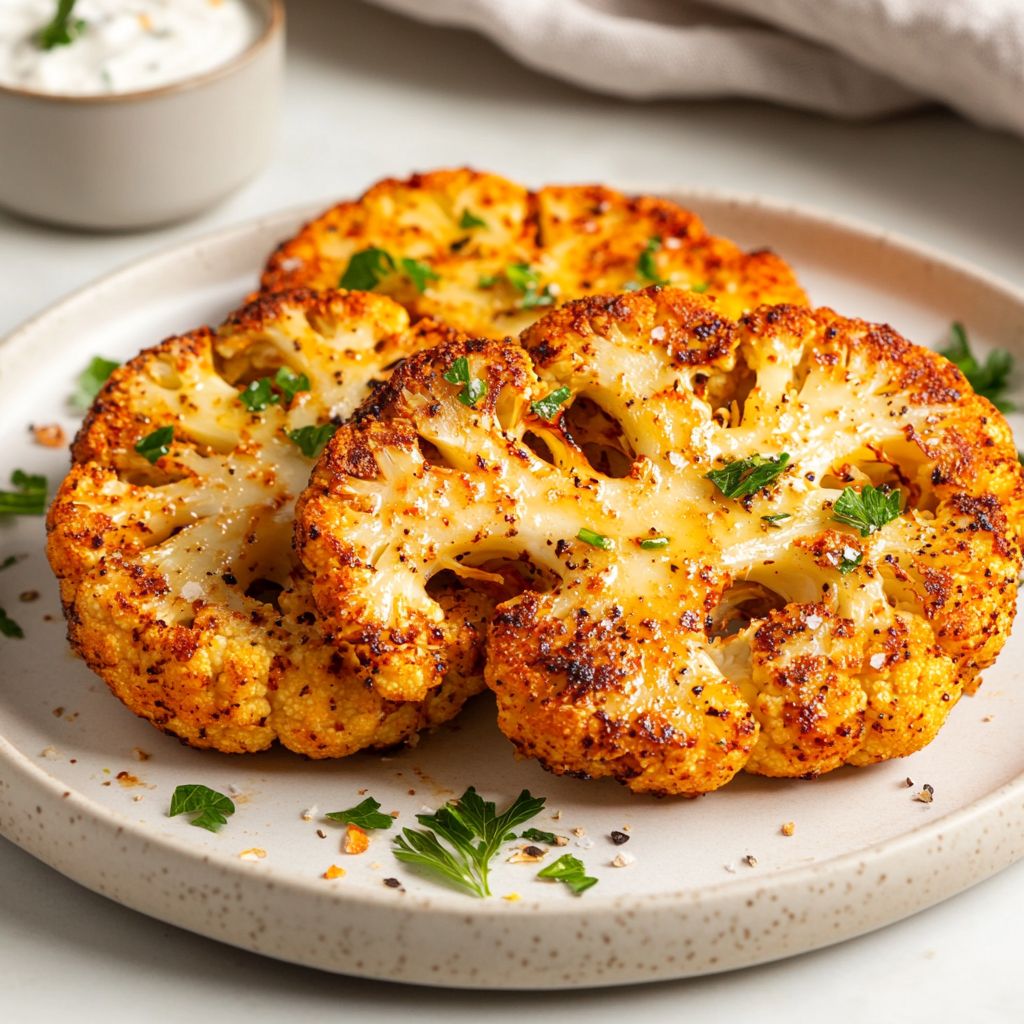
The flavor profile of Crispy Baked Cauliflower Steaks is a harmonious balance of roasted, nutty, and slightly sweet notes, with a toasty, caramelized crust that provides a direct hit of savoriness. The exterior develops a deep, amber-brown crust—almost like a crust that forms on a good roast—thanks to the natural sugars in the cauliflower and the gentle browning that occurs in a hot oven. This crust offers a crisp bite that’s as satisfying as potato skin, yet lighter, with a delicate crumb that reveals the soft interior beneath.
The interior is creamy and fork-tender, with the cauliflower’s natural sweetness peeking through. It isn’t mushy or watery; it holds shape and yields a comforting bite that invites you to savor each mouthful. The careful balance between the crust and the center is what makes these steaks so alluring: you get the best of both worlds—crisp texture and a tender, forgiving middle. Depending on how you season or glaze them, you can dial the flavor profile toward brightness and lift or toward warmth and depth. A subtle touch of lemon zest or a drizzle of olive oil with herbs can brighten the palate, while garlic, paprika, cumin, or smoked spices can deepen the profile and create a more roasty, comforting theme.
In terms of aroma, expect a toasty perfume that mingles with the soft, earthy scent of roasted cauliflower. The onion-and-garlic notes from seasonings (even if used lightly) fill the kitchen with a savory warmth, and any fresh herbs added at the finish release a hint of piney brightness or citrus lift. Texture-wise, the contrast between the crisp exterior and the tender center creates a sensory experience that’s both satisfying and elegant—an interplay of sound and softness that makes each bite a little celebration.
Occasions & Pairings
Crispy Baked Cauliflower Steaks shine in a variety of settings. They’re equally at home as a weeknight main course for vegetarians and as an impressive centerpiece at a dinner party. Their versatility makes them a wonderful option for seasonal menus, holiday tables, or casual family gatherings where you want something a bit luxe without a lot of fuss.
Here are a few ideas for occasions and pairings to help you envision the finished plate:
- Weeknight comfort with a bright finish: Serve the steaks with a lemon-tahini drizzle or a garlicky yogurt sauce and a side of quinoa or farro for a complete, satisfying meal.
- Entertaining with flair: Pair the steaks with a vibrant chimichurri, preserved lemon relish, or a herbaceous gremolata, plus a colorful salad and roasted root vegetables.
- Holiday tables with a modern touch: Plate alongside roasted squash, braised greens, and a grain pilaf, finishing with a candied citrus zest to add festive brightness.
- Meatless Mondays or plant-forward feasts: Use as a central protein-like element in a larger spread featuring legumes, grains, and seasonal vegetables.
Pairings to consider, depending on your flavor direction:
- Sauces and drizzles: Lemon-tahini, garlic yogurt (dairy or dairy-free), herb chimichurri, roasted red pepper relish, or a smoky paprika-miso glaze.
- Fresh, bright accompaniments: A cucumber-dill yogurt salad, simple arugula and citrus salad, or a tomato-caper relish to cut through the richness.
- Starches and grains: Quinoa, barley, farro, or a small handful of herbed couscous offer a welcome textural contrast and balance.
- Drink pairings: A crisp white such as Sauvignon Blanc or Vermentino; or a light red with gentle spice notes like Gamay or Pinot Noir; for non-alcoholic options, a sparkling citrus soda or a cold-pressed green juice can be refreshing contrasts.
Tips, Variations & Substitutions
Here are ideas to tailor Crispy Baked Cauliflower Steaks to your pantry, dietary needs, and taste preferences. The goal is to maintain the magic of the crust while letting you explore different flavor roads without stepping away from the core technique.
General Tips
– Dry the cauliflower slices well before applying any oil or seasonings; removing surface moisture helps the crust develop and adhere evenly.
– Don’t overcrowd the baking sheet; give each steak space so air can circulate and promote even browning.
– Consider finishing with a bright, fresh element at the end—such as a squeeze of lemon or a handful of chopped herbs—to keep flavors lively and not heavy.
Vegan & Dairy-Free Variations
– Use olive oil or a neutral oil with your preferred spice blend; skip any dairy-based toppings or sauces, opting for plant-based yogurts or tahini sauces instead.
– A miso-glazed finish can add a savory, umami-rich layer that remains dairy-free and adds depth.
Gluten-Free & Grain-Free Variations
– Use gluten-free breadcrumbs or ground nuts (like almonds or pistachios) for a crunchy crust alternative that adheres well to the surface of the steaks.
– For a grain-free option, finish with a sesame crust or a simple herb crust and a drizzle of olive oil and lemon.
Flavor Variations
– Mediterranean vibes: Za’atar, sumac, lemon zest, and a drizzle of olive oil before roasting; finish with fresh parsley and a dollop of almond yogurt.
– Smoky & savory: Smoked paprika, cumin, garlic powder, and a chili crunch topping to add a little heat and complexity.
– Herby and bright: Fresh dill, parsley, lemon juice, and a light yogurt or cashew-based sauce for contrast.
Regional Twists
– Indian-inspired: Turmeric, garam masala, coriander, and a yogurt-based raita-style topping to balance the heat and spice.
– North African-inspired: Ras el hanout, sesame seeds, preserved lemon zest, and a drizzle of olive oil to bring warmth and aromatics.
Storage & Make-Ahead Ideas
Cacking on a few practical strategies can help you plan ahead and keep the dish vibrant even when you’re short on time. These tips are designed to maintain texture and flavor so leftovers remain appealing.
Leftovers can be stored in an airtight container in the refrigerator for up to 3 days. Reheat in the oven or toaster oven to restore crispness; avoid microwaving if you want to preserve the crust, as moisture can soften it. If you anticipate hosting or meal-prepping, you can slice the cauliflower in advance and keep the raw slices wrapped in a damp cloth in the refrigerator for a short period or season lightly to reduce prep time on the day of cooking. Freezing is possible for very prepared portions, but note that freezing and thawing may affect the texture of the crust and interior softness; for the best texture, cook fresh when possible, or re-crisp thoroughly in a hot oven after thawing.
Make-ahead ideas include marinating the surfaces with olive oil, garlic, and herbs a few hours before cooking, or preparing a bright, citrusy sauce in advance to drizzle over just before serving. If you’re entertaining, you can roast extra heads, slice into steaks, and hold them at room temperature briefly before finishing in a hot oven; this allows plates to be ready to go without losing the crust’s crisp edge.
Fun Facts & Trivia (Optional)
- Cauliflower is a member of the Brassica oleracea family, related to broccoli, kale, and cabbage—making it a versatile seed of flavors in many culinary traditions.
- The “steak” presentation is a modern culinary trend that celebrates vegetables as the main attraction, encouraging creative plating and bold flavor pairings.
- Cauliflower contains fiber, vitamins, and minerals that support digestion and satiety, making it a satisfying plant-based option for meals that feel indulgent without heaviness.
- Roasting or baking cauliflower at high heat caramelizes its natural sugars, creating a nutty, slightly sweet profile that pairs surprisingly well with acidic, bright, or smoky accents.
- Experiments with crusts and coatings let home cooks tailor texture, from crumbly granules to a crisp, crunchy crust that echoes roasted nuts.
Ingredients
- – 1 large head cauliflower (about 1.5 pounds / 680 g), trimmed of leaves and core, cut into 1-inch thick steaks
→ The cauliflower acts as the base and center of the dish; keeping the core helps slices stay intact and hold toppings. Wash the head well and thoroughly dry the surface to help crisping in the oven. If some slices crumble, you can shave them into florets and roast as a separate side dish. - – 2 tablespoons extra-virgin olive oil, divided
→ Oil provides moisture for the steaks to roast and helps the crust adhere; divide so you can brush the steaks first and also moisten the crumb coating if needed. If you prefer less fat, you can reduce to 1 tablespoon, but expect a softer crust. - – 1/2 teaspoon kosher salt
→ Salt enhances natural cauliflower flavor and helps draw out surface moisture, promoting crisper edges during baking. Use fine kosher or sea salt for even distribution; adjust to taste if your cheese is salty. - – 1/4 teaspoon ground black pepper
→ Adds subtle heat and aroma to balance richness; freshly ground pepper releases more flavor and should be evenly distributed on all sides of each steak for consistent seasoning.
- – 1/2 cup breadcrumbs (plain or gluten-free)
→ The crumb layer forms the crisp outer crust. Plain breadcrumbs keep the flavor neutral and crisp; gluten-free options work well. For extra crunch, mix with a portion of panko or crushed nuts, if desired. - – 1/4 cup grated parmesan cheese (or 2 tablespoons nutritional yeast for vegan)
→ Parmesan adds a salty, nutty depth and helps brown the crust; if avoiding dairy, use nutritional yeast to achieve a cheesy, savory flavor and color. - – 1 teaspoon garlic powder
→ Garlic powder gives concentrated savory aroma without introducing moisture that could make the crust soggy; evenly mix into the crumb to ensure consistent flavor in every bite. - – 1/2 teaspoon smoked paprika (or use regular paprika for milder flavor)
→ Imparts color and a gentle smoky note that pairs beautifully with roasted cauliflower; adjust to taste depending on how bold you want the crust. - – 1/2 teaspoon onion powder
→ Builds a deeper savory profile in the crust and complements garlic; it helps create a more rounded, restaurant-like finish without needing fresh onion. - – 2 tablespoons chopped fresh parsley (optional)
→ Adds color and a burst of fresh herb aroma; fold into the crumb mix for even distribution or sprinkle on after baking for garnish. If using dried parsley, reduce to 1 teaspoon. - – 1/4 teaspoon red pepper flakes (optional)
→ A touch of heat to balance the richness; cancel if you prefer a milder result; adjust amount to tolerance. - – 1-2 tablespoons warm water or dairy-free milk (optional, to moisten crumb)
→ If the crumb mixture feels dry or doesn’t cling well, whisk in a small amount of liquid until it just comes together; this helps the coating adhere to the cauliflower steaks without pooling moisture.
- – 1 tablespoon fresh lemon juice (optional, for serving)
→ A bright splash of acidity helps cut through the rich crust and enhances overall flavor; squeeze a little over the steaks just before serving or offer lemon wedges on the side. - – Fresh parsley leaves for garnish (optional)
→ A final green accent and fresh aroma; tear or chop leaves and scatter lightly over the hot steaks; parsley adds visual appeal and a clean finish.
Instructions
- Preheat your oven to 425°F (220°C) and line a large rimmed baking sheet with parchment paper or lightly grease it to prevent sticking and promote even browning; a hot, prepared surface helps the crust set quickly and yields crisper edges.
→ Ensures the cauliflower steaks start roasting immediately when they hit the sheet, which aids in achieving a firm crust rather than a soggy surface. - Wash the cauliflower head, remove the outer leaves and the fibrous core, and trim so that you can slice into even 1-inch thick steaks; uniform thickness ensures even cooking and crust adhesion.
→ Keeping the core helps the steaks stay intact; if some slices crumble, reserve them as florets for roasting or another side dish. - Slice the head into roughly 1-inch thick “steaks” by cutting straight downward through the stem and keeping as much core as possible intact; handle gently to avoid breaking delicate edges; place on the prepared sheet spaced apart.
→ Uniform slices roast evenly; the core acts like a natural backbone to hold the shape during baking. - Pat both sides of each cauliflower steak thoroughly dry with a clean kitchen towel or paper towels to remove surface moisture that would steam the crust; dryness promotes browning and crisp texture.
→ Moisture on the surface creates steam when heated, which undermines crust formation and softens the exterior. - Brush the tops and the sides of the steaks with 1 tablespoon of the extra-virgin olive oil (reserve the remaining 1 tablespoon for later use) and season with 1/2 teaspoon kosher salt and 1/4 teaspoon black pepper; even coating ensures consistent browning and flavor.
→ Oil helps moisture balance, carries fat-soluble flavors into the crust, and aids adhesion of the crumb coating; salt enhances surface dryness and taste perception. - In a separate bowl, whisk together 1/2 cup breadcrumbs, 1/4 cup grated parmesan (or 2 tablespoons nutritional yeast for vegan), 1 teaspoon garlic powder, 1/2 teaspoon smoked paprika, 1/2 teaspoon onion powder, and 2 tablespoons chopped fresh parsley (optional) until evenly combined; this forms a cohesive, flavorful crust.
→ Even distribution of the spices and cheese ensures every bite has consistent aroma and color, while parsley adds brightness. - If the crumb mixture seems dry and will not cling, whisk in 1–2 tablespoons warm water or dairy-free milk a little at a time until the mixture just holds together when pressed; avoid soggy crumbs that slide off.
→ A moistened crumb coats better without pooling moisture, yielding a crisp, adherent crust. - Gently press the crumb mixture onto the top and sides of each cauliflower steak, turning to coat all surfaces and pressing firmly so the crust adheres; if needed, brush a thin layer of the reserved olive oil onto the crust to help it grab.
→ Firm adhesion prevents the crust from flaking off during flipping and baking, producing a uniform crust throughout. - Place the coated steaks back on the prepared sheet, giving each space to breathe; lightly mist or brush the tops with the remaining 1 tablespoon olive oil to promote golden-brown coloration during bake.
→ A light oil boost on the crust encourages Maillard browning, enhancing both flavor and appearance. - Bake for 25–30 minutes, flipping the steaks once halfway through the cooking time to ensure even crusting and tenderness; monitor for doneness as ovens vary.
→ Flipping ensures both sides develop crust and prevents one side from over-roasting while the other remains pale. - For extra crispness, optionally broil on high for 1–2 minutes at the end, watching closely to prevent burning; this intensifies color and edge crunch.
→ Brief high heat finishing enhances crust texture and deepens caramelization without drying the interior. - Remove from the oven and let the cauliflower steaks rest on the sheet for 5 minutes; resting helps the crust set and makes them easier to handle when serving.
→ Resting allows juices to redistribute slightly and the crust to firm up, reducing the risk of breaking apart when plated. - Optional finishing and serving: squeeze fresh lemon juice over the hot steaks and scatter extra chopped parsley for a bright contrast; serve immediately to enjoy the crisp crust at its best.
→ Acidity from lemon cuts richness and enhances color and aroma, while fresh parsley provides a vibrant finish.
Notes
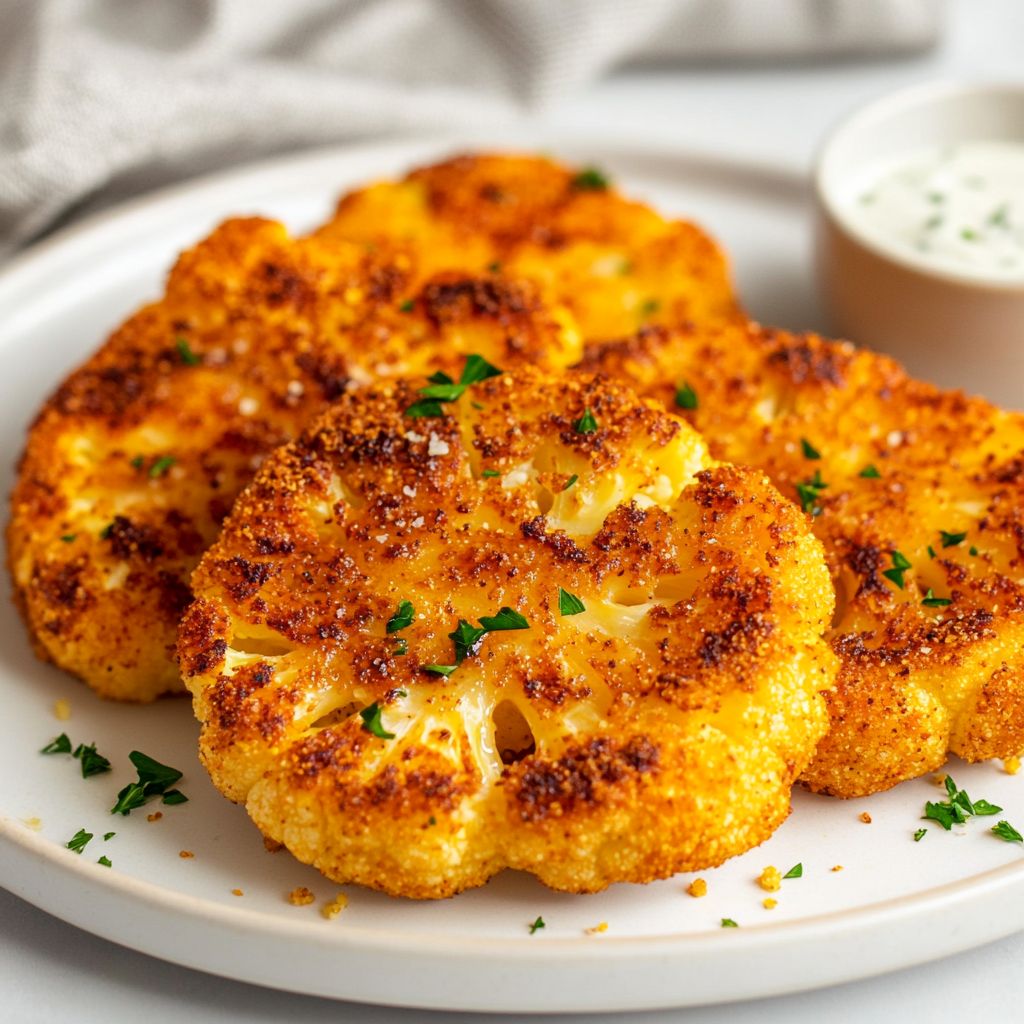
These crispy baked cauliflower steaks deliver a savory, crisp crust while keeping the creamier interior of the cauliflower. Start with a large head to yield sturdy, 1-inch thick steaks; trim leaves and core, rinse well, and dry completely to promote browning and crust adhesion. If some slices crumble, save them as extra florets to roast separately or toss into a side dish.
Prepare the steaks by slicing straight down through the stem to maintain stability; keep the core intact so the steaks hold their shape during roasting. Brush the steaks with olive oil (the full 2 tablespoons divided) to help moisture the surface and aid the crust, reserving a portion to moisten the crumb if needed. If you prefer fewer calories, you can use 1 tablespoon of oil, but expect a slightly softer crust.
Season lightly with salt and pepper to enhance natural cauliflower flavor and draw surface moisture for crisper edges. Sprinkle 1/2 teaspoon kosher salt and 1/4 teaspoon ground black pepper, distributing evenly on all sides of each steak.
For the crust, combine 1/2 cup breadcrumbs (plain or gluten-free) with 1/4 cup grated parmesan cheese (or 2 tablespoons nutritional yeast for vegan). Add 1 teaspoon garlic powder, 1/2 teaspoon smoked paprika, 1/2 teaspoon onion powder, and optional 1/4 teaspoon red pepper flakes for a gentle kick. Fold in 2 tablespoons chopped fresh parsley if available for color and brightness. If using dried parsley, reduce to 1 teaspoon.
To help the crust cling, whisk in 1-2 tablespoons warm water or dairy-free milk as needed until the crumb mixture just comes together. Avoid adding too much liquid, which can make the crust soggy or runoff from the steaks.
Optional finishing touches: finish with a squeeze of fresh lemon juice over the hot steaks to brighten the flavors, and scatter extra parsley leaves for a fresh, colorful garnish. You can also serve lemon wedges on the side.
Cooking tips: preheat your oven to about 425°F (220°C) and line a baking sheet with parchment or a light coating of oil. For the crispiest crust, place the steaks on a rack set over the sheet to allow air to circulate; you can also bake directly on the sheet. Press the crumb mixture onto the top and sides of each steak, then bake about 20-25 minutes, flipping halfway, until the crust is golden and the cauliflower is tender inside. If you want extra crispness, broil for 1-2 minutes at the end, keeping a close eye to prevent burning.
Storage and variations: leftovers refrigerate well for 2-3 days; reheat in a hot oven to restore crispness. For dairy-free versions, rely on nutritional yeast for cheesy flavor and use gluten-free breadcrumbs. If you’re gluten-sensitive, ensure your gluten-free breadcrumbs are certified gluten-free. The crumb mixture can be customized with crushed nuts for extra crunch or a peppery kick with additional red pepper flakes.
Tips
- Thoroughly dry the cauliflower after washing. Moisture on the surface will steam the crust rather than crisp it. After trimming, pat dry with a clean towel and let the florets sit uncovered for a few minutes to air-dry as needed before cutting into 1-inch steaks.
- Keep the core intact when slicing to maintain structure. If any steak crumbles, don’t waste it—roast the pieces as florets on the side and enjoy them as a crunchy, separate component.
- Oil helps both moisture and crust adhesion. Brush each steak with olive oil on all sides before coating, using the remaining oil to moisten the crumb if it seems dry. Avoid puddling oil, which can make the crust greasy.
- To maximize crust crunch, toast plain or gluten-free breadcrumbs lightly in a dry skillet for 1–2 minutes until just golden before mixing with cheese and spices. This deepens flavor and improves browning of the crust.
- Parmesan adds a salty, nutty depth and browning color. If you’re dairy-free, substitute with nutritional yeast and consider a small extra pinch of salt if needed to achieve a similar savory profile.
- Distribute the garlic powder, onion powder, smoked paprika, and red pepper flakes evenly in the crumb mixture to ensure every bite is balanced. Freshly ground pepper also enhances aroma—don’t skip it.
- Binder the crust with liquid as needed. If the crumb feels dry or isn’t clinging, whisk in 1–2 tablespoons warm water or dairy-free milk until the mixture just comes together. Too much liquid will soggy the crust, so add gradually.
- Use a parchment-lined sheet or a wire rack over a sheet to bake. A rack allows air to circulate around each steak, promoting even browning and a crisper bottom. If you don’t have a rack, rotate the pan halfway through.
- Roast at 425–450°F (220–230°C) for about 18–25 minutes, flipping halfway for even browning. If you have convection, or if you prefer extra crispness, run the oven with convection and keep an eye on color—the crust should be deep golden and the cauliflower just tender.
- Finish with bright contrast. A squeeze of fresh lemon juice just before serving brightens the dish and cuts through richness. Garnish with chopped parsley for color and aroma; if using dried parsley, reduce to a light sprinkle.
- Storage and reheating: refrigerate leftovers in an airtight container for up to 3 days. Reheat in a hot oven (375–400°F) for 8–12 minutes to recapture crispiness; a brief broil at the end helps re-crisp the crust.
FAQ
How do I choose a good cauliflower and cut it into steaks?
Look for a firm, dense head with tight white florets and minimal browning leaves. Remove the outer leaves, trim the stem ends, and slice the head into 3/4 to 1-inch thick steaks. Cut straight down through the core to create sturdy “steaks.” You may get 2–3 good steaks per head; the extra bits can crumble into florets.
What makes these cauliflower steaks crispy?
Dry the surface well, use a crunchy coating, and bake on a hot, parchment-lined sheet with space between each steak. A crust formed from panko and Parmesan (or almond flour for gluten-free) with a touch of oil crisps nicely. Flip halfway and finish under the broiler for extra crispness if you like.
What should I use for the crispy crust?
Classic Parmesan–Panko crust: 1/2 cup panko, 1/4 cup grated Parmesan, 1 teaspoon garlic powder, 1/2 teaspoon paprika, salt and pepper to taste, plus 1–2 tablespoons olive oil to help bind. For gluten-free, substitute almond flour (about 1/2 cup) in place of breadcrumbs. You can also add a pinch of Italian seasoning or lemon zest for brightness.
What temperature and how long should I bake them?
Preheat to 425°F (220°C). Line a baking sheet with parchment, arrange the steaks, and brush or spray lightly with oil. Bake 20–25 minutes, flip, then bake another 5–10 minutes until the coating is golden and crisp. If you want extra crispness, broil for 1–2 minutes at the end, watching closely.
Do I need to preheat the sheet or avoid crowding?
Yes. A preheated, hot sheet helps crisp the crust. Keep about 1 inch of space between steaks; overcrowding causes steaming and soggy crusts.
Are these recipes dairy-free or vegan-friendly?
Yes. Use dairy-free Parmesan substitutes or nutritional yeast for cheesy flavor, and oil or dairy-free mayo as a binder. For gluten-free prep, use almond flour or crushed nuts in place of breadcrumbs. Most ingredient lists are naturally vegan with these substitutions.
What flavor variations can I try?
Try lemon zest and chopped parsley after baking, or a drizzle of tahini–lemon sauce. Add a pinch of cayenne for heat, smoked paprika for depth, or garlic–butter (dairy-free if needed) after baking. Nutritional yeast also provides a cheesy note without dairy.
How should I store and reheat leftovers?
Cool completely, then refrigerate in an airtight container for up to 3 days. Reheat in a 350°F (175°C) oven for 5–7 minutes until hot and crisp again. The oven helps restore crispness better than the microwave.
Can I freeze cauliflower steaks?
Fresh baked steaks freeze best for up to 1 month. Reheat from frozen in a 350°F (175°C) oven until hot and crisp. Freezing raw steaks is not recommended, as texture can degrade after thawing.
What are common problems and how can I fix them?
Problems like soggy crust or uneven cooking can be caused by excess moisture, overcrowding, or uneven steak thickness. Pat the cauliflower dry, cut steaks to uniform thickness, apply a thin, even coating, and ensure space on the baking sheet. If edges brown too quickly, tent with foil and adjust the rack height or oven temperature slightly.