Introduction / Hook
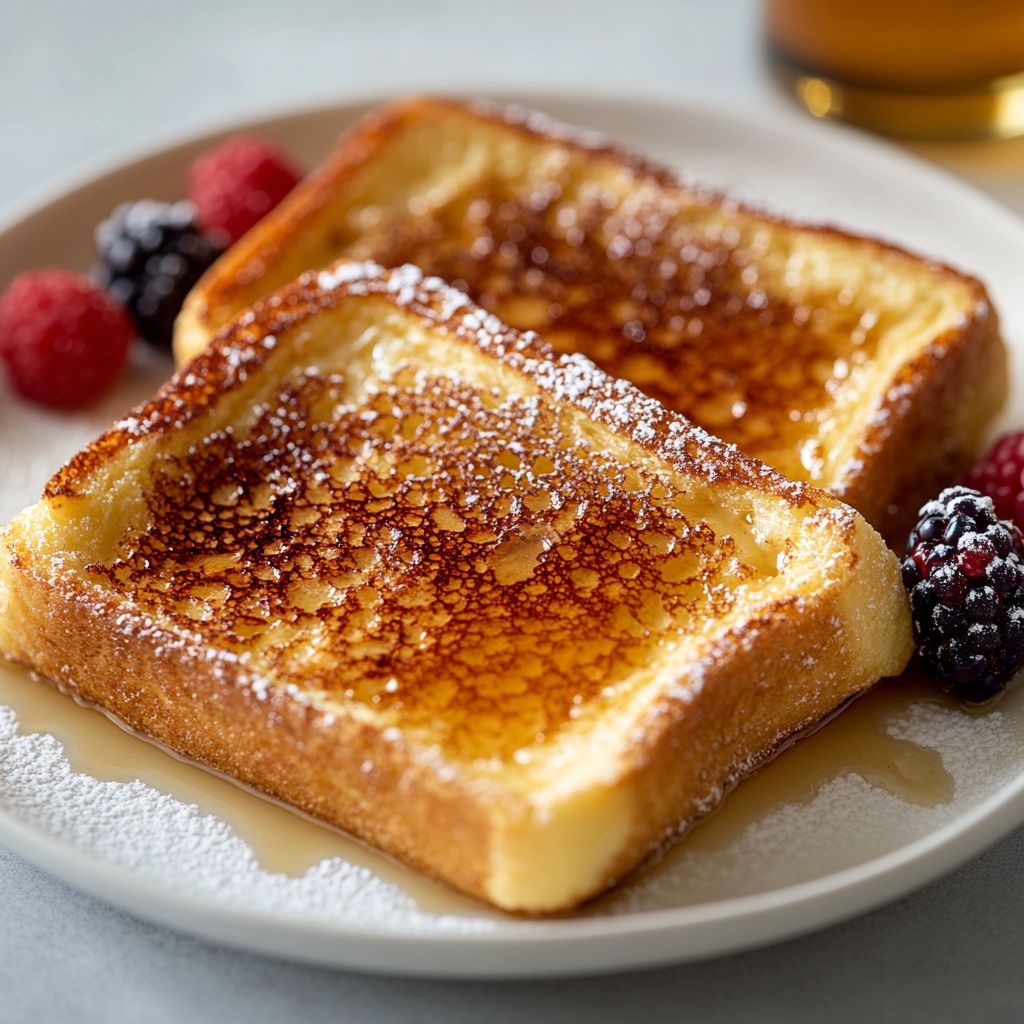
Imagine biting into a slice of toast that tastes like a dream you didn’t know you were allowed to have for breakfast. Crème Brûlée French Toast is where brunch elegance meets comforting childhood favorites. The outside wears a crackling caramel crust that shimmers like glass, giving way to a supremely tender, custard-soft center that whispers vanilla, cream, and a kiss of citrus. The aroma unfurls through the kitchen in warm waves—brown butter, vanilla bean, and a faint citrus brightness that lifts the dish from comforting to celebratory. This is a recipe that feels both luxe and familiar, a testament to the magic that happens when a storied classical dessert is reimagined for a lazy weekend morning or a festive brunch with friends and family. It’s the sort of dish that earns a chorus of “wow” before the first bite and a chorus of “again, please” after. The ritual begins with choosing the right bread—thick-sliced brioche or challah that can soak up custard without losing its structure—and ends with that satisfying crack of caramel meeting a silk-smooth interior. The taste memory lingers: butter-soft bread, vanilla-sweet custard, a whisper of orange or lemon zest, and a caramel top that crackles beneath a fork. It’s decadence without pretension, simple techniques elevated by a single, transformative finishing touch. If you’re seeking a breakfast that doubles as a dessert-worthy showstopper, this Crème Brûlée French Toast invites you to savor every moment—crispy, creamy, fragrant, and deeply comforting all at once.
The Story Behind the Dish
The idea of French toast is steeped in the history of thrifty, delicious breakfasts—a clever way to revive stale bread and turn it into something irresistible. The French call it pain perdu, literally “lost bread,” and for centuries cooks have embraced the humble loaf, soaking it in enriched custard and cooking until it achieves a soft custard interior and lightly fried exterior. Crème brûlée, by contrast, is a quintessential French dessert—a silky custard finished with a brittle sugar crust created by torched caramel. The beauty of Crème Brûlée French Toast lies in marrying these two culinary cousins: the comforting, custard-soaked bread of a grand brunch and the dramatic, dessert-like sugar crust that crackles with a precisely torched sweetness.
One might picture a sunlit kitchen in a vintage French home, where generations of cooks passed down the practice of elevating simple ingredients with patient technique. The modern twist—combining the custard-soaked slices with a caramelized top that shatters under a fork—represents a culinary conversation between old-world technique and contemporary brunch culture. It’s the kind of dish that could originate from a family breakfast table that wanted to feel special without straying too far from the familiar. In many ways, Crème Brûlée French Toast embodies a global breakfast philosophy: honor quality ingredients, embrace thoughtful contrasts of texture, and let a single, well-executed flourish do the heavy lifting. The result is a plate that feels celebratory, almost festive, but remains approachable enough to become a beloved weekend ritual in homes across the world.
Why You’ll Love This Recipe
- Impressively luxe, with minimal effort. The crust delivers a show-stopping crack, while the interior stays luxuriously custardy—no complicated techniques required beyond a simple caramelizing finish.
- Make-ahead friendly. The bread can be prepared in advance by letting it soak in a custard-like mixture, making weekend mornings easier and more relaxed.
- Versatile and adaptable. Use your favorite bread (brioche, challah, or even sturdy morning rolls), and adjust sweetness and citrus notes to taste.
- Perfect for brunch or special occasions. It looks like a dessert but works beautifully as a celebratory breakfast or a sophisticated brunch centerpiece.
- Balanced flavor profile. The vanilla custard brings creaminess and depth, the citrus adds a brightness, and the caramelized sugar provides a crisp contrast that lingers on the palate.
- Kid-friendly and adult-friendly alike. It’s indulgent enough for grown-up mornings and approachable enough to win over younger palates with comforting flavors.
- Pairs beautifully with accompaniments. Fresh berries, whipped cream, a dusting of extra citrus zest, or a splash of maple syrup all enhance the experience without overpowering the core flavors.
Flavor Profile & Texture
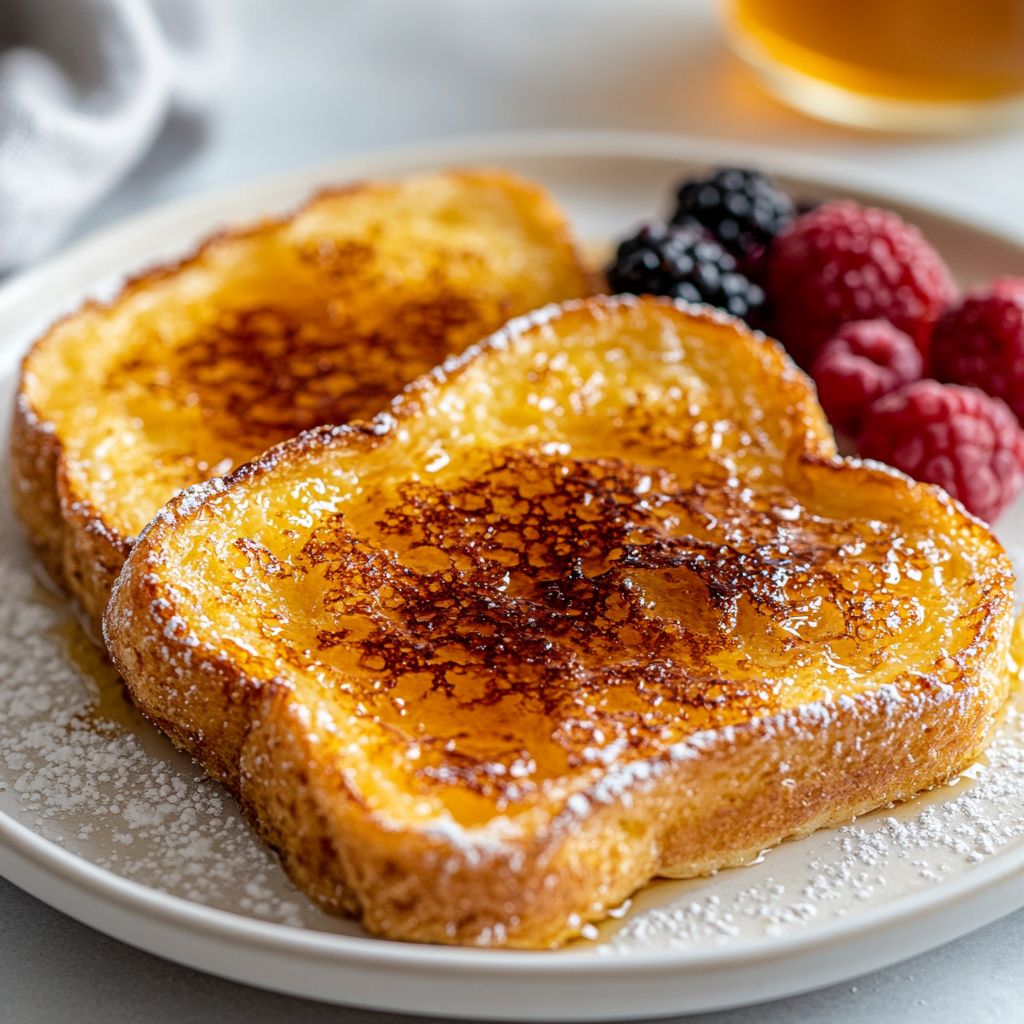
Crème Brûlée French Toast is a study in contrasts—soft versus crisp, warm versus bright, indulgent versus familiar. The base is bread that has soaked in a custardy bath until it’s supremely tender and aromatic. Think silky vanilla bean custard, enriched with cream or milk, gently perfumed by vanilla and a hint of citrus zest. When the slices hit the hot pan, they set into a delicate, custard-soft interior that remains resilient enough to hold its shape. The exterior transforms into a glossy, amber-gold surface that caramelizes into a thin, crackling crust—a sugar crust that crackles with the bite of a dessert while staying perfectly edible with the fork’s press.
The flavor journey starts with the comfort of butter and vanilla. The bread’s natural sweetness—especially if you choose brioche or challah—provides the perfect canvas for the custard’s richness. The citrus essence, subtle but precise, lifts the dish from heavy indulgence to something more nuanced and refreshing on the palate. A pinch of salt balances sweetness and heightens flavor, mirroring the delicate alchemy of a classic crème brûlée. When you slice through the top, the crack reveals a velvety interior that glides across the tongue, followed by the crisp, tiny shards of caramel that provide texture and a satisfying snap. The overall experience is both comforting and exciting: a brunch dish that behaves like a dessert, yet remains wholeheartedly suited to the morning table.
Texture-wise, you’ll love the interplay: the outer shell offers a delicate crunch that gives way to a creamy, custard center, each bite releasing a chorus of vanilla, dairy richness, and a whisper of citrus. The bread’s crumb holds its own without becoming stodgy; the custard bridges the gap between soft and structured, and the final sugar top delivers that iconic brûlée crack that makes this dish feel special every single time.
Occasions & Pairings
Crème Brûlée French Toast is a versatile star that can anchor a weekend brunch, a special holiday breakfast, or a celebratory breakfast-in-bed surprise. Its showpiece finish and universally appealing flavors make it an ideal centerpiece for gatherings where you want to impress without feeling overwhelmed in the kitchen. Here are some occasions and pairing ideas to consider.
Serve with a cevitable spread of fresh berries, yogurt, granola, and a light syrup or honey. The dish’s richness pairs well with brighter accompaniments and a sparkling beverage to brighten the table. Elevate a festive spread with a few citrus twists and edible flowers as garnish, turning a simple weekend breakfast into a memorable holiday indulgence. A single, perfectly prepared slice on a warm plate, a side of fresh fruit, and a mug of strong coffee or a light mimosa to set the tone for a cozy morning. The custard sweetness and caramel top tend to be a hit with kids, especially when served with a dollop of whipped cream or a sprinkle of powdered sugar and berries. Since the bread can soak and the custard can sit in the fridge for a short while, you can stagger the assembly and have a hot, crispy finish ready just as guests arrive.
Pairings to consider:
- Fresh berries and citrus zest for a bright contrast.
- Whipped cream or a dollop of vanilla yogurt for extra creaminess.
- A warm maple or spiced syrup to drizzle as you cut into the crackling top.
- A light dusting of cinnamon, nutmeg, or cardamom to accent the custard’s warmth.
- Complementary beverages: a flat white, a robust black coffee, or a sparkling wine for brunch celebrations.
- Side dishes: buttery, salted roasted nuts, a small fruit compote, or a tangy yogurt parfait to balance the richness.
Tips, Variations & Substitutions
Here are practical ideas to tailor Crème Brûlée French Toast to your kitchen, dietary needs, and taste preferences. Each tip preserves the magic of the dish while offering flexible options to fit your life.
Make it vegan
Use a plant-based milk with a thick creaminess (such as coconut cream mixed with almond milk) and a flaxseed or chia “egg” to mimic richness. Replace butter with a plant-based butter substitute, and opt for a vegan caramelizing option, such as a maple-syrup-based glaze with a touch of coconut sugar to achieve a crackly top. Use a sturdy vegan bread that soaks well without dissolving.
Gluten-free and grain-free options
Choose a gluten-free brioche or challah alternative, or use thick slices of a sturdy gluten-free bread. The custard itself is naturally gluten-free; ensure any toppings, syrups, or flavorings are gluten-free and avoid cross-contamination if you’re serving guests with celiac disease.
Low-sugar or alternative sweeteners
To reduce sugar, you can replace part of the sugar in the custard with a natural sweetener such as tightly controlled amounts of monk fruit or erythritol. For the brûlée top, you can use a brown sugar substitute or a smaller amount of sugar with a higher caramelization technique. The key is to maintain the balance between the top crunch and the interior’s creaminess.
Flavor variations
Add more zest to the custard and a touch of orange blossom water or lemon oil for a brighter finish. A pinch of cinnamon, nutmeg, or a tad of ground clove can provide a warm, autumnal note that pairs beautifully with maple syrup. A few drops of almond extract or a pinch of finely ground nuts in the custard add depth and a nutty aroma. A light pinch of sea salt and a drizzle of olive oil over the finished slices can create an intriguing savory-sweet contrast for adventurous palates (serve with fruit or yogurt to balance).
Regional twists
Fold a little finely ground espresso or coffee into the custard for a mocha-inspired finish that pairs perfectly with chocolate-dipped fruits. Use a cinnamon-spiced syrup or glaze to echo the flavors of classic maple-cinnamon breakfasts.
Storage & Make-Ahead Ideas
Crème Brûlée French Toast offers several practical paths for make-ahead preparation and storage, making it friendly for busy mornings as well as leisurely weekend plans.
- Make-ahead custard soak: Slice the bread and lay it in a dish, then pour over the custard mixture and refrigerate. The bread can soak for several hours or overnight, soaking up flavors and becoming deeply tender. When ready to cook, simply finish with the brûlée topping and caramelize just before serving for the best crackle.
- Storage of baked portions: If you bake slices to serve later, store them in an airtight container in the refrigerator for up to 2 days. Reheat gently in a low oven or toaster oven to restore some crispness, and re-crystallize a fresh sugar top for the brûlée finish if desired.
- Freezing tips: Bread slices freeze well before soaking. Freeze slices after they are cut, then thaw and soak as usual. After cooking, the top can be caramelized quickly to regain that crisp crystalline crust.
- Make-ahead topping: Caramelize the sugar just before serving to preserve the signature crack. If you must prepare in advance, keep the topping separate and apply the brûlée crust when you’re ready to plate.
Fun Facts & Trivia (Optional)
Delightful anecdotes and culinary trivia can deepen appreciation for this dish. For instance, the act of caramelizing sugar with a kitchen torch is a technique famously associated with desserts like crème brûlée and some modern brunch dishes alike. The contrasting textures—a crisp caramel top and a soft, custardy interior—mirror the way chefs in brasserie kitchens modernize classic comfort food. The use of brioche or challah bread pays homage to bread-making traditions that celebrate enrichment with eggs and butter, creating a luxurious base that absorbs custard while maintaining structure. And while crème brûlée and French toast may hail from different culinary heritages, Crème Brûlée French Toast is a fascinating synthesis—an edible bridge between a beloved, hedonistic dessert and a timeless, comforting breakfast—embodying the best of both worlds in a single, memorable bite.
Ingredients
Crème Brûlée French Toast
Crème Brûlée French Toast Base
- 8 thick-sliced brioche or challah bread slices (about 1 inch thick)
→ The bread acts as the vessel for the custard. Choose sturdy, day-old bread for best soakability and structure; fresh bread may become overly soft, so if using fresh, lightly toast or dry it for 10–15 minutes to firm up the crust. - 4 large eggs
→ Eggs provide the custard’s binding and structure, yielding a creamy interior after cooking. Whisk until completely blended and slightly airy to promote even absorption and a smooth texture. - 1 cup heavy cream
→ The heavy cream delivers rich, velvety custard and a decadent mouthfeel typical of crème brûlée-inspired dishes. For a lighter version, substitute with an equal amount of whole milk or a 50/50 mix, understanding it will be less luscious. - 1/2 cup whole milk
→ Adds moisture and helps balance the richness of the cream. Using whole milk preserves some creaminess without tipping into heaviness; adjust to taste if you prefer a lighter custard. - 1/3 cup granulated sugar
→ Sweetens the custard base and aids in a tender texture by slightly browning during cooking. You can adjust down a bit if you prefer less sweetness, but keep some sugar to maintain the classic crème brûlée balance. - 1 teaspoon pure vanilla extract
→ Imparts a warm, aromatic sweetness that drives the flavor of the custard. Use high-quality vanilla; if you have vanilla bean, scrape seeds into the custard and simmer briefly for extra depth. - 1/4 teaspoon fine sea salt
→ Enhances overall flavor and counteracts sweetness, ensuring the custard tastes well-rounded rather than flat. Even in rich mixtures, a pinch of salt is essential. - 1/2 teaspoon ground cinnamon (optional)
→ Adds a comforting warmth that complements the egg custard. If omitted, the toast will still be delicious; you can also sprinkle cinnamon on top just before serving for aroma. - 2 tablespoons unsalted butter, plus more for the pan
→ Used to cook the French toast, providing flavor and preventing sticking. Add a small amount of butter to the pan between batches to maintain a nice, even crust.
Brûlée Topping
- 1/4 cup granulated sugar for topping
→ This sugar creates the caramelized brûlée crust once torched or broiled. Distribute evenly over the cooked French toast; use a fine or superfine sugar for a smoother shell, and ensure the toast is hot but not steaming when applying the sugar so it caramelizes correctly.
Serving Suggestions (Optional)
- Pure maple syrup for serving
→ A light drizzle of maple syrup adds sweetness and moisture without overshadowing the brûléed crust. Serve warm to maintain crispness on top. - Fresh berries or sliced fruit for serving
→ Adds brightness and acidity to balance the richness of the custard and the sweetness of the brûlé shell. Choose seasonal berries or stone fruits for best flavor. - Powdered sugar for dusting (optional)
→ A delicate dusting enhances presentation and a touch more sweetness without adding much moisture, helping the dish look as appealing as it tastes.
Instructions
- Dry the bread slices if using fresh brioche or challah by toasting in a 300°F (150°C) oven for 10–15 minutes, turning once, until the exterior feels firm to the touch; this preserves structure during soaking.
→ Dry bread absorbs custard without becoming soggy and helps maintain a sturdy, souffle-like interior after cooking. - In a large bowl, whisk the 4 eggs with 1/3 cup granulated sugar, 1/4 teaspoon fine sea salt, and 1 teaspoon pure vanilla extract until completely blended and slightly airy; the aeration promotes an even, tender custard.
→ A smooth, airy mixture ensures uniform binding and prevents pockets of raw egg in the finished toast. - Whisk in 1 cup heavy cream and 1/2 cup whole milk until the custard is homogeneous and no streaks remain; the dairy provides richness and a silky mouthfeel.
→ Fully combined dairy prevents separation during soaking and results in a creamy interior once cooked. - If desired, whisk in 1/2 teaspoon ground cinnamon to the custard for warmth; omit if you prefer a pure vanilla profile.
→ Cinnamon adds a comforting aroma and depth that pairs well with the brûléed crust. - Measure 1/4 cup granulated sugar and set aside for topping, using a fine-grained sugar for a smoother brûlée crack; keep it ready near the stove.
→ A uniform sugar layer caramelizes evenly, forming a crisp, glassy shell when torched or broiled. - Dip each bread slice into the custard, allowing about 60–90 seconds per side for thorough soaking without oversaturation, then transfer to a rack to drain briefly before cooking.
→ Proper soaking ensures a creamy interior while the crust remains intact for a good sear. - Warm a large skillet over medium heat and add 1–2 tablespoons unsalted butter, swirling to coat; wait until the butter foams and just begins to brown for nutty aroma.
→ The butter provides flavor and helps develop a golden, crisp exterior without sticking. - Cook the soaked slices in the buttered pan until deeply golden on the first side, about 2–3 minutes; flip with tongs and cook the second side for another 2–3 minutes, adjusting heat to prevent burning.
→ Medium heat yields an even crust and a tender center, essential for a crème brûlée-style finishing. - Transfer finished slices to a warm oven (200°F/93°C) on a rack to keep them crisp while you complete the remaining slices.
→ Gentle warmth prevents moisture from building on the crust and maintains consistent texture across the batch. - Sprinkle a thin, even layer of the reserved 1/4 cup sugar over each warm slice just before brûlée; avoid piling sugar so it caramelizes uniformly.
→ An even sugar distribution ensures a uniform caramel shell and predictable browning during torching or broiling. - Use a handheld culinary torch to sweep the flame over the sugar in small circles until it melts, bubbles, and turns a deep amber, moving steadily to avoid hot spots; rotate the slice as needed for even coverage.
→ Direct heat creates a glassy, crackly crust that contrasts with the creamy custard underneath and should be applied evenly for uniform color. - If you do not have a torch, preheat the oven broiler on high, place the sugared toast on a parchment-lined sheet, and broil 1–2 minutes, watching constantly and rotating for even caramelization; remove as soon as the top is amber and crisp.
→ Broiling provides an alternative caramelization method, but requires vigilant attention to prevent scorching or soggy edges. - Serve the brûléed French toast immediately while the top remains crisp; drizzle with pure maple syrup and garnish with fresh berries or sliced fruit for brightness, offering a contrast to the rich custard.
→ The hot, crackly shell should crack on first bite, revealing the creamy interior and balanced sweetness from syrup and fruit. - Optionally dust lightly with powdered sugar just before serving to enhance presentation and add a touch more sweetness without moisture.
→ A delicate final touch elevates plating and aroma without sogginess.
Notes
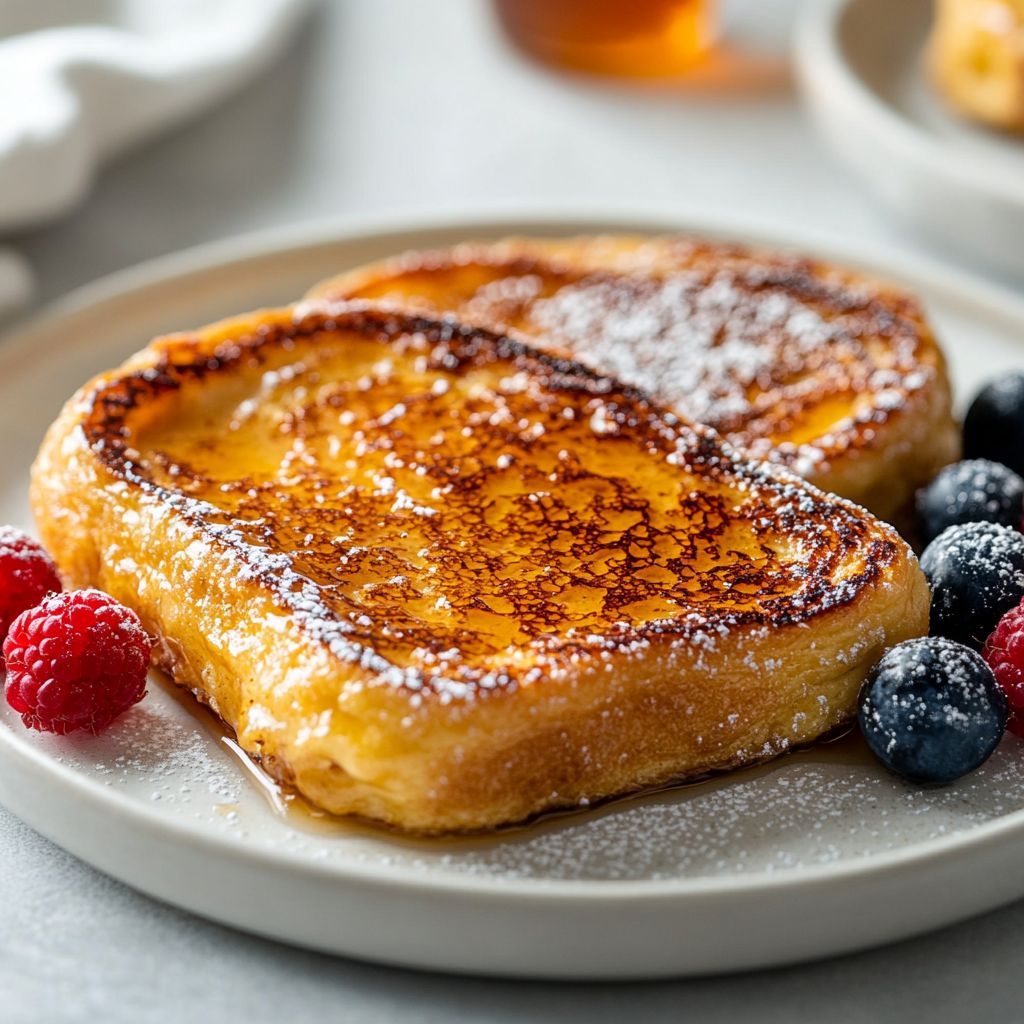
“These Crème Brûlée French Toasts are indulgent and crowd-pleasing, built from sturdy brioche or challah soaked in a custard of eggs, heavy cream, milk, vanilla, sugar, and a pinch of salt for balance. Use day-old bread for the best soak and structure; if your bread is fresh, lightly toast or dry slices for 10–15 minutes before dipping. Whisk the eggs, cream, milk, sugar, vanilla, salt, and optional cinnamon until completely blended and slightly airy to encourage even absorption. Dip each slice briefly (do not oversoak) and cook in butter over medium heat until the edges are set and the surface is golden. The brûlée crust is created after cooking by sprinkling 1/4 cup sugar over the hot toast and caramelizing with a culinary torch or under a hot broiler until glossy and crackly. Serve immediately with maple syrup, fresh berries, or a dusting of powdered sugar, and consider a dollop of yogurt or crème fraîche for tang. Leftovers can be stored refrigerated for 1–2 days and gently reheated; re-brûlée the top quickly to refresh the crust. For a lighter version, substitute part of the cream with milk and/or reduce the sugar, keeping enough sweetness to maintain the brûlée signature. If making ahead for guests, you can prepare the custard and bread soak up to 24 hours in the fridge, then proceed with cooking and topping just before serving.”
Tips
Tips for Crème Brûlée French Toast
- Bread selection and prep: Use thick-sliced, sturdy brioche or challah about 1 inch thick. If using fresh bread, dry or toast it lightly (10–15 minutes) to firm the crust so it soaks up the custard without becoming mushy. Trim uneven edges for even cooking.
- Custard technique: Whisk eggs and sugar until pale and slightly airy. Warm the heavy cream and milk just to a gentle steam, then slowly whisk into the eggs to temper and prevent scrambling. Strain the mixture for an ultra-smooth custard. If using vanilla bean, scrape seeds into the cream for deeper flavor.
- Soaking it right: Dip each bread slice in the custard and soak for about 8–12 minutes total, turning halfway. Thicker slices will hold more custard for a creamier interior. Avoid over-soaking to prevent the bread from disintegrating.
- Seasoning balance: A pinch of fine sea salt enhances the custard’s sweetness. The optional 1/2 teaspoon cinnamon adds warmth; if omitted, you can finish with a light cinnamon dust just before serving for aroma.
- Cook with flavor: Use a small amount of unsalted butter in a nonstick skillet and cook over medium heat. Let the pan come to temperature before adding the bread, and cook 2–3 minutes per side until deeply golden and the custard is set through.
- Butter management: Add a touch more butter between batches to maintain flavor and prevent sticking. Wipe the pan with a paper towel between batches for even browning.
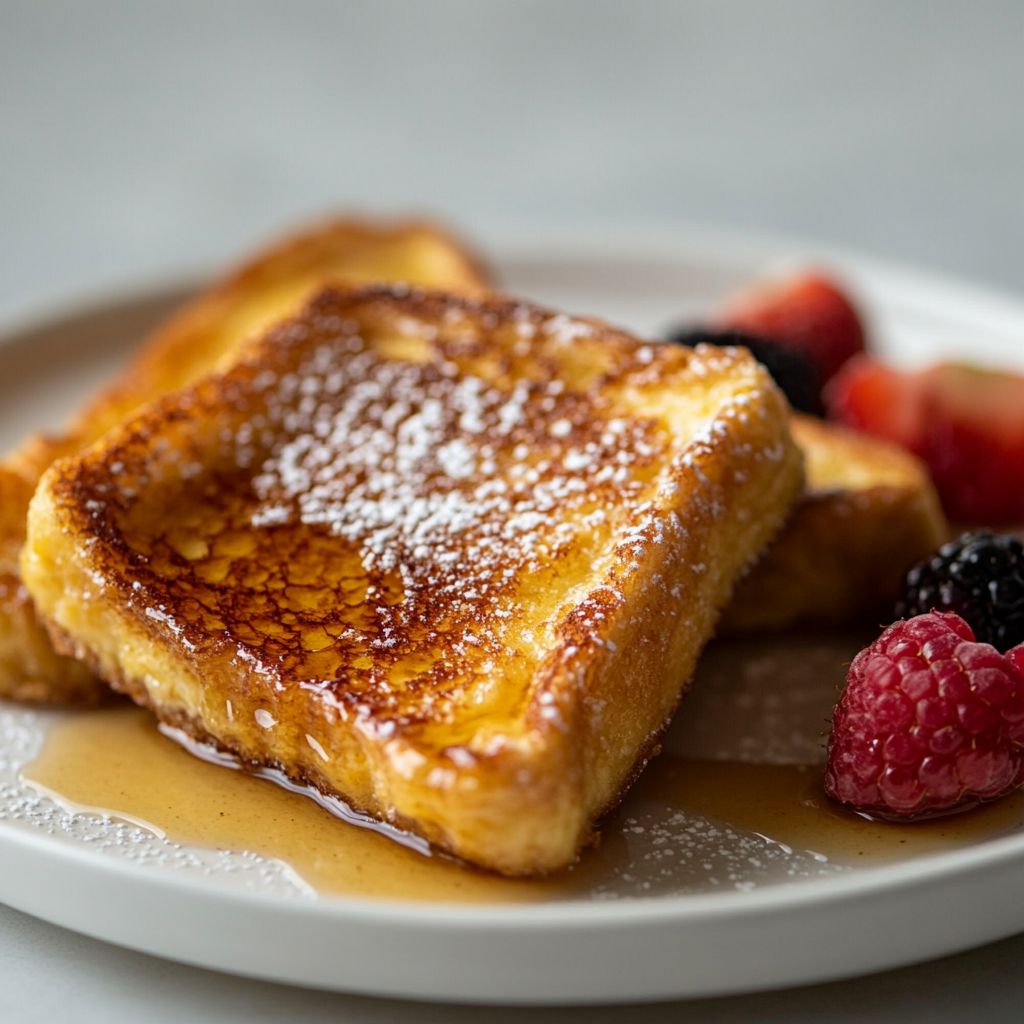
- Applying the brûlée crust: After the toast is cooked, sprinkle a thin, even layer of granulated sugar on top. Use superfine sugar for a smoother shell. Apply the sugar while the toast is hot but not steaming to promote even caramelization.
- Caramelizing the sugar: Caramelize with a culinary torch held about 6 inches away, moving in small circles to avoid hot spots. If using a broiler, place under a hot broiler for 1–2 minutes, watching closely to prevent burning.
- Safety and control: Keep a damp towel handy and never rush the torch. If sugar begins to burn, move to a fresh slice and reapply sugar after a brief rest.
- Make-ahead and serving notes: The custard can be prepared ahead; soak the bread and refrigerate for up to 24 hours before cooking. Let the brûléed crust rest 1–2 minutes to set, then serve immediately with maple syrup, berries, or a dusting of powdered sugar.
FAQ
Crème Brûlée French Toast — FAQ
What is Crème Brûlée French Toast?
Crème Brûlée French Toast is a custard-soaked French toast that captures the creamy interior and caramelized sugar crust of crème brûlée. Thick slices of bread are saturated in a rich egg–cream mixture, pan-fried until golden, and finished with a brûléed sugar topping for a crisp, glassy crust.
What ingredients do I need?
Essential ingredients:
- Thick-cut brioche or challah bread
- Eggs
- Heavy cream (or a mix of milk and cream)
- Milk
- Granulated sugar
- Vanilla extract
- Salt
- Butter for frying
- Coarse sugar (demerara or turbinado) for the top
Optional serving ideas: fresh berries and maple syrup.
What bread should I use?
Use thick slices of sturdy bread like brioche or challah. Day-old bread is ideal because it soaks up the custard without falling apart. Avoid soft sandwich loaves that are too fresh and may become soggy.
How do I soak the bread?
Whisk together eggs, heavy cream, milk, sugar, vanilla, and a pinch of salt (and cinnamon if you like). Dip each bread slice in the custard, allowing it to absorb for about 30–60 minutes. For a stronger custard, you can soak overnight in the refrigerator, covered.
How do I cook Crème Brûlée French Toast?
Preheat a skillet over medium heat and melt a tablespoon of butter. Fry the soaked bread slices 2–3 minutes per side until golden and set. You can finish them in a 350°F (175°C) oven for 8–12 minutes to ensure the centers are cooked through. Remove from heat and prepare for brûlée topping.
How do I caramelize the top?
Sprinkle an even layer of coarse sugar over each slice. Use a culinary torch to caramelize the sugar until it’s melted and golden, forming a crisp crust. If you don’t have a torch, place the slices under a hot broiler for 1–2 minutes, watching closely to prevent burning.
How can I prevent soggy or undercooked centers?
Tips for best results:
- Use thick, sturdy bread and not the freshest, most airy loaf.
- Do not over-soak; 30–60 minutes is usually enough, and overnight soaking is optional.
- Cook the slices on medium heat until the exterior is golden and the interior is set; finishing in the oven helps.
Can I prepare this ahead or store leftovers?
Yes. You can soak the bread overnight in the fridge (unbrowned). When ready to serve, cook the slices and brûlée the topping just before serving. Leftovers can be refrigerated for 1–2 days. Reheat in a toaster oven or moderate oven, then re-brûlée the top for a fresh crust if desired.
What variations can I try?
Try these tasty twists:
- Add citrus zest (orange or lemon) to the custard for brightness.
- Spice it with cinnamon, nutmeg, or cardamom.
- Include a splash of liqueur (like Grand Marnier) for depth.
- Top with fresh berries, a dollop of whipped cream, or a drizzle of maple syrup.
- For a dairy-free version, use almond milk with coconut cream and a dairy-free butter substitute, and ensure the bread is dairy-free.