Introduction / Hook
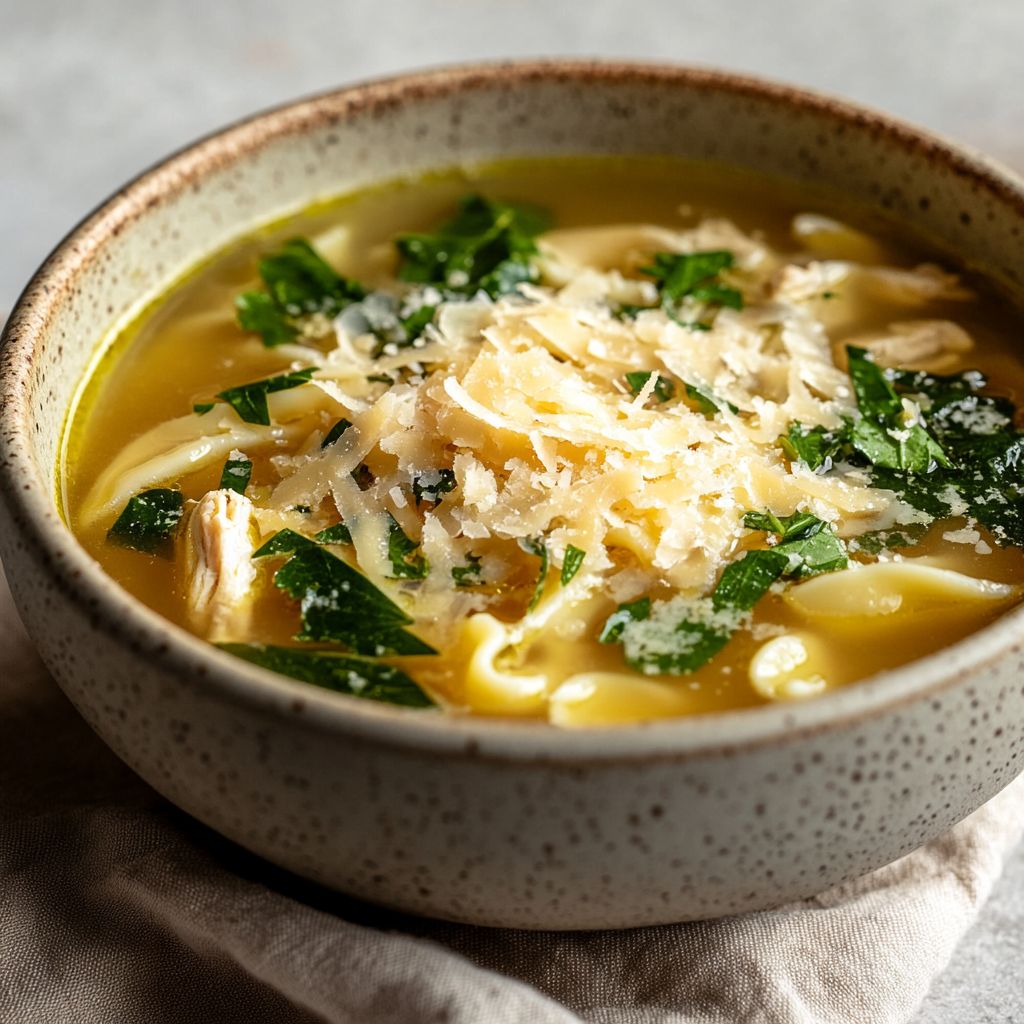
Imagine a bowl that feels like a warm hug from a grandmother who learned to coax flavor from a simple pantry. A simmering pot, steam curling into the kitchen with the scent of garlic and olive oil, tomatoes glistening like morning sun, and a medley of vegetables and beans turning humble ingredients into something almost miraculous. This is Penicillin Soup, the Healing Italian Penicillin Soup—a comforting, nutrient-dense ritual you can pull together any night of the week and turn into a celebration of nourishment. It’s not just a soup; it’s a restorative ceremony, a one-pot promise that dinner can be satisfying, soothing, and deeply satisfying at the same time. The moment you ladle it into a bowl, you’ll taste the balance of earthiness, brightness, and velvety broth that lingers on the palate and in the memory. It’s a dish that whispers: you deserve something soothing, something wholesome, something that tastes like home—on days when you need a little extra care or whenever you crave a comforting, uncomplicated, and incredibly satisfying meal.
The Story Behind the Dish
Penicillin Soup has a storied place in Italian-American kitchens, where generations have turned a few stalwart ingredients into a pot that nourishes body and soul. The name isn’t about medicine or a cure-all in the literal sense; it’s a fond nod to the “sick-day” healing heuristics that older generations swore by—simple, honest, and robust enough to ease fatigue and appetite. The soup grew out of the Italian tradition of minestra, a broad category of soups that vary by region but share a common thread: vegetables, legumes, and grains simmered together until the flavors mingle in a comforting union. In many households, this soup became a weekly staple during gloomy weather or after a long day, a dish that was always there to lift spirits and restore energy. The “healing” reputation comes not from any miracle ingredient, but from the way the dish invites you to slow down, breathe in the aroma, and allow nourishment to do its quiet, restorative work. As families migrated, adapted, and swapped stories, the recipe picked up a few modern touches—pasta shapes that soften to al dente perfection, a kiss of tang from tomatoes, a splash of olive oil, and leafy greens that brighten both color and flavor. Today, Penicillin Soup stands as a comforting bridge between tradition and practicality: it’s easy to make, deeply satisfying, and flexible enough to accommodate whatever is in the pantry while still feeling like a spoonful of warmth on a chilly evening.
Why You’ll Love This Recipe
- One-pot simplicity: All the elements simmer together in a single pot, minimizing cleanup and maximizing flavor development.
- Budget-friendly nourishment: Built from pantry staples like beans, tomatoes, vegetables, and pasta, with a flexible approach to what you have on hand.
- Wholesome, comforting, and versatile: A nourishing meal that can be cozy or bright, depending on your mood and add-ins.
- Customizable for diets: Easily vegan, vegetarian, or gluten-friendly with simple substitutions; a forgiving canvas for creativity.
- Kid-friendly appeal: Gentle flavors, a comforting texture, and a soup that feels like a hug—often a hit with children and adults alike.
- Make-ahead and meal-prep friendly: Flavors deepen with time; it reheats beautifully and can be portioned for quick lunches.
- Texture and depth: A satisfying contrast of silky broth, tender beans, al dente pasta, and a layer of greens that bring brightness and color.
- Perfect for sick-day comfort: When the stomach isn’t hungry for heavy meals, this soup offers nourishment without being overpowering.
Flavor Profile & Texture
The flavor profile of Penicillin Soup is a harmonious blend of comforting, savory, and subtly bright notes. The broth, often tomato-based, carries a gentle acidity that wakes up the palate without overwhelming it. Garlic and onion form a savory foundation, releasing their fragrance as they soften and sweeten in olive oil. Beans contribute a creamy, earthy richness that makes the soup feel substantial and satisfying while keeping the texture light enough to enjoy with a spoon. The pasta adds a nostalgic bite—an al dente chew that holds up even as the soup continues to simmer, releasing starches that thicken the broth ever so slightly.
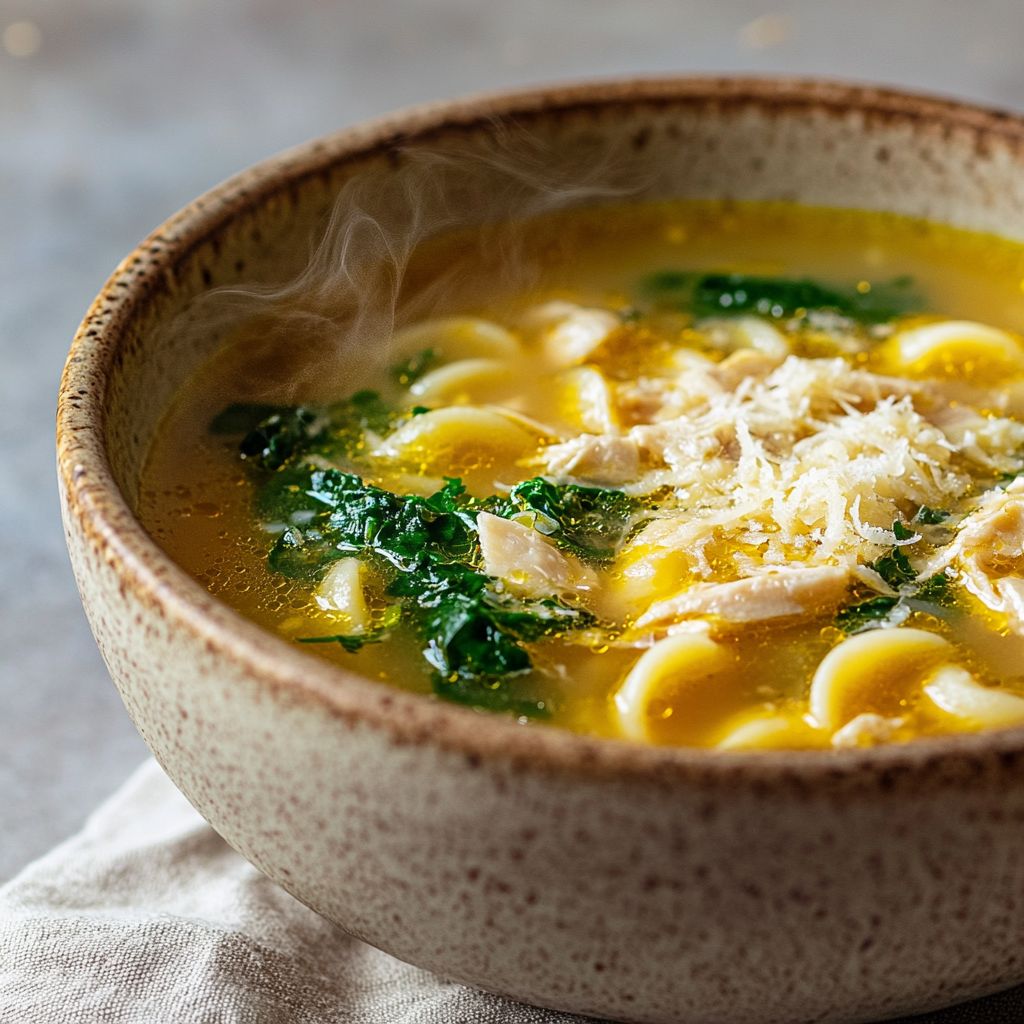
Leafy greens—whether spinach, kale, or Swiss chard—introduce a vibrant, peppery note and a pop of color, finishing the bowl with a fresh, vegetal aroma. A grated or shaved cheese on top can add a salty, umami-rich finish, melting into the broth for a luxurious finish; for a dairy-free version, you can skip the cheese and rely on a splash of olive oil and a squeeze of lemon to brighten the finish. The overarching taste is rustic and heartwarming—watchful of the pantry’s rhythm, generous with herbs, and generous with care. You’ll notice familiar Italian flavors without any single element shouting for attention; instead, they mingle into a soft, comforting chorus that lingers on the tongue. The texture is a masterclass in contrast: the broth is silky and light, the beans offer a creamy bite, the pasta is tender yet a touch firm, and the greens provide a fresh, almost crisp counterpoint. It’s a bowl of balance—the kind of dish that feels like a recovery, a celebration, and a practical, weeknight staple rolled into one.
Occasions & Pairings
This soup shines in a variety of settings, from quiet weeknights to lively casual gatherings. Its forgiving nature makes it ideal for family meals, sick days, and meal-prep Sundays. Here are a few occasions and pairing ideas to elevate the experience:
- Weeknights: A quick, comforting dinner after work. Serve with warm crusty bread or garlic knots and a simple green salad for a complete meal.
- Sick days or chilly weather: A soothing, nutrient-dense option that’s easy on the stomach but deeply satisfying. Pair with a mug of herbal tea and a light dessert if desired.
- Casual gatherings: A potluck-friendly dish that travels well in a thermal container and holds up for reheating at the venue.
- Comfort-food Sundays: A family staple that can be varied with add-ins like small pasta shapes, extra greens, or a swirl of pesto for a bright finish.
Pairings to consider:
- Salads: A crisp, tangy salad with lemon vinaigrette to brighten the meal—think arugula with shaved parmesan or a simple cucumber-tenn salad.
- Proteins (optional): If you’re not vegetarian, a light poached chicken breast or Italian sausage can be added for extra heartiness; if you prefer plant-based, roasted chickpeas or white beans work beautifully.
- Drinks: A dry white wine like Pinot Grigio or a light red such as Dolcetto can complement the soup without overpowering it; non-alcoholic options include sparkling water with a squeeze of lemon or a spritz of citrusy soda.
Tips, Variations & Substitutions
Penicillin Soup is wonderfully adaptable. Here are some ideas to tailor it to your pantry, dietary needs, or flavor preferences:
- Vegan or dairy-free: Omit cheese or use a dairy-free parmesan alternative. A drizzle of extra-virgin olive oil at the end adds richness without dairy.
- Gluten-free: Use gluten-free pasta or swap with brown rice, quinoa, or barley substitutes, depending on your preference and dietary needs.
- Beans and legumes: Swap in the beans you love or have on hand—cannellini, borlotti, chickpeas, or even lentils all work well and contribute their own textures.
- Greens and vegetables: Kale, chard, spinach, or a mix of any leafy greens add color and brightness. You can also fold in grated zucchini, carrots, or celery for extra depth.
- Herbs and aromatics: Fresh parsley, oregano, thyme, or a bay leaf can elevate the aroma. A pinch of red pepper flakes adds a gentle kick if you like spicy warmth.
- Acid and brightness: A splash of white wine, a squeeze of lemon or a dash of balsamic vinegar at the end can lift the flavors and keep the dish from feeling heavy.
- Cheese options: If you’re including dairy, a modest grating of parmesan or pecorino adds a savory finish; for a richer finish, finish with a swirl of cream or a small knob of butter (optional).
- Make-ahead twists: The soup often tastes even better the next day as flavors meld. Consider cooking a larger batch and refrigerating or freezing portions for quick future meals.
- Regional twists: Add fennel seeds for a scent reminiscent of Italian home kitchens, or incorporate a small amount of crushed tomatoes for a deeper tomato presence.
Storage & Make-Ahead Ideas
Penicillin Soup stores beautifully and lends itself to make-ahead preparation. Here are practical tips to keep the soup at its best:
- Refrigeration: Store any leftovers in an airtight container in the refrigerator for up to 4-5 days. Reheat gently on the stove over low heat, adding a little water or stock if the broth thickens too much.
- Freezing: Freeze in individual or family-sized portions for up to 2-3 months. Thaw in the fridge overnight, then reheat on the stovetop, adding a splash of water or broth if needed.
- Make-ahead: You can prepare the base components in advance (sauté aromatics, simmer beans and tomatoes, and have greens ready). Combine and finish with pasta and greens when you’re ready to serve for a quicker weeknight dinner.
- Storing greens: If you plan to freeze the soup, consider adding greens after reheating to maintain color and texture; greens can wilt slightly during freezing, but they still offer a pleasant finish when reheated.
- Flavor boosts: A Parmesan rind or a splash of olive oil added just before serving can elevate a cold or reheated batch, restoring its depth and mouthfeel.
Fun Facts & Trivia (Optional)
Delightful tidbits that might spark a conversation at the table or inspire a small culinary adventure:
- The nickname “Penicillin Soup” conjures images of kitchens as sanctuaries—places where simple ingredients become restorative rituals, especially during the cold season or after a long day.
- Soups like this are part of a long lineage of minestra in Italian cuisine, where every family has its own version shaped by regional vegetables, beans, and grain pairings.
- In many households, soups are more than meals; they’re a way to teach children about patience and savoring, as good flavors often require gentle simmering and time for ingredients to mingle.
- Vegetable-forward, bean-rich soups like this one are excellent examples of plant-forward nutrition, offering fiber, protein, and satisfying textures with a relatively low environmental footprint compared to meat-forward dishes.
- If you ever wonder why such soups feel so comforting, you’re tapping into the science of sensory memory—aromas and textures trigger fond memories, making a simple bowl feel like a warm, familiar tradition.
Closing Notes
Penicillin Soup is a versatile, heartening dish that celebrates the beauty of restraint and the joy of nourishment. It invites you to lean into the rhythm of the kitchen: sautéing aromatics until they perfume the room, letting vegetables and legumes mingle in a simmer, and finishing with greens that lift the mood and color. It’s a dish you can tailor to your pantry, your dietary needs, and your mood, all while preserving the essence of home-cooked Italian comfort. Whether you’re cooking for a family, feeding yourself after a restful but tired day, or preparing a pot for a crowd, this soup offers warmth, sustenance, and a sense of well-being—one bowl at a time.
Ingredients
Penicillin Soup Base
- 2 tablespoons extra-virgin olive oil
→ This oil forms the flavor-rich base for sautéing the aromatics and softening vegetables. Use a good quality extra-virgin olive oil to impart fruitiness and depth; heat it gently before adding onions to prevent browning too early and to bloom the garlic’s aroma. - 1 medium onion, diced
→ Provides natural sweetness, body, and a foundational flavor for the soup. Dice finely so it cooks evenly and blends with other ingredients. If you prefer a smoother texture, you can blend a portion of the onions with the tomatoes at the end. - 2 carrots, diced
→ Adds subtle sweetness, color, and texture. Dice small so they soften at the same rate as other vegetables; for a quicker finish, you can grate one carrot and stir it in. - 2 celery stalks, diced
→ Contributes classic soffritto flavor and a crisp-tresh contrast. Small dice help release aromatic compounds quickly and distribute evenly through the soup. - 3 garlic cloves, minced
→ Delivers the characteristic punch that defines this healing Italian-style soup. Mince finely to maximize surface area and avoid strong bursts of raw garlic; add after the onions have softened to prevent burning. - 8 oz cremini or white button mushrooms, sliced
→ Impart earthy umami and body to the broth. Slice evenly and brown lightly in the oil to deepen flavor; this step enhances the soup’s comforting, rustic character.
Tomatoes, Stock, and Moisture
- 1 (28 oz) can crushed tomatoes (or whole tomatoes crushed by hand)
→ Provides acidity, brightness, and body to the soup. If using whole tomatoes, crush them in the pot to release pulp before simmering for a smoother, thicker broth. Tomatoes set the flavor foundation for the dish. - 4 cups low-sodium chicken stock or vegetable stock
→ The primary savory liquid that forms the soup’s backbone. Choose stock with a flavor you enjoy; using low-sodium allows better control over the final salt level. If you prefer a lighter soup, start with 3 cups and adjust with water. - 1 cup water
→ Additional moisture to reach your desired consistency. Add gradually and adjust as the soup simmers to avoid thinning out flavors; you can omit this if you prefer a heartier result.
Cannellini Beans
- 1 can (15 oz) cannellini beans, drained and rinsed
→ Adds protein, creaminess, and substantial texture. Rinse well to remove canning liquid and excess salt; you may mash a portion of the beans for a slightly velvety texture or leave them whole for more bite.
Optional Add-ins
- 1 cup cooked shredded chicken (optional)
→ Extra protein and heartiness for a more substantial meal. Fold in near the end to warm through without overcooking the chicken; use leftovers for convenience or poach fresh chicken beforehand.
Greens and Brightness
- 2 cups kale leaves, stems removed, chopped (or spinach as alternative)
→ Adds vibrant color, nutrients, and a pleasant contrast to the tomato base. Remove tough stems and tear or chop into bite-sized pieces so they wilt evenly and maintain some texture during simmering. - 1 tablespoon fresh lemon juice (or 1 teaspoon lemon zest)
→ Brightens and balances the richness of the soup. Add at the end of cooking to preserve brightness; if using zest, grate finely and stir in just before serving for a fresh citrus aroma. - 1 teaspoon dried oregano (or Italian seasoning)
→ Classic Italian flavor that ties the ingredients together. If using dried oregano, bloom it in the oil with the aromatics early in cooking to release its aroma; you can supplement with fresh herbs at the end for brightness.
Seasonings
- Salt to taste
→ Essential for bringing out the depth of flavor in tomatoes, stock, and beans. Add gradually and taste as you go, since stock and tomatoes contribute salt along with the cheese later if used. - Freshly ground black pepper to taste
→ Adds subtle heat and a touch of bite that enhances the overall flavor profile. Grind right before serving for maximum aroma. - Red pepper flakes, to taste (optional)
→ For a gentle warmth; start with a pinch and adjust. This is optional and can be omitted for a milder, family-friendly version.
Finishing Touches
- 2 tablespoons grated parmesan cheese or nutritional yeast (for vegan option)
→ Finishes the soup with a savory, umami note. Stir in at the end or sprinkle over bowls; parmesan adds a silky richness, while nutritional yeast provides a dairy-free umami boost. - Fresh parsley, chopped for garnish (optional)
→ Adds a fresh, bright aroma and color just before serving; scatter on top to lift the dish and provide a pleasant herbal finish.
Instructions
- Arrange all ingredients and equipment on the counter so you can move in a clean, efficient line during cooking.
→ This mise en place minimizes delays, ensures you measure ingredients accurately, and keeps the heat steady as you begin sautéing. - Heat a large heavy-bottomed soup pot over medium heat and add 2 tablespoons extra-virgin olive oil, swirling to coat the bottom.
→ Heating the oil first prevents the aromatics from scorching and allows the fat to carry flavor into onions and garlic, creating a cohesive base. - Add the diced onion, diced carrots, and diced celery to the pot and sauté until the vegetables are tender and the onions are translucent, about 6 to 8 minutes, stirring occasionally and seasoning lightly with a pinch of salt to draw out moisture.
→ Sweating the vegetables builds sweetness and depth; not browning too quickly preserves a fresh savory foundation for the soup. - Add sliced mushrooms to the pot and cook until they release their moisture and begin to brown, about 5 minutes, stirring occasionally so they caramelize evenly.
→ Browning mushrooms deepens umami and adds body to the broth, reinforcing the comforting character of the dish. - Add the minced garlic and cook for 30 to 60 seconds until fragrant, watching closely and lowering the heat if it starts to sizzle too aggressively.
→ Finely minced garlic has more surface area for aroma; cooking briefly avoids bitterness from overcooking. - Sprinkle in the dried oregano (or Italian seasoning) and cook for another 15 to 30 seconds to bloom the herbs in the warm fat, stirring to evenly distribute.
→ Blooming the oregano releases its essential oils, enhancing the soup’s Italian flavor profile rather than leaving a raw herbal bite. - Pour in the crushed tomatoes (or add crushed whole tomatoes with their juices) and bring the mixture to a gentle simmer, using a spoon to crush any larger chunks if you used whole tomatoes.
→ Tomatoes provide acidity, brightness, and body; breaking up large pieces ensures a uniform texture and steady thickening as it cooks. - Add the four cups of stock and one cup of water (if you prefer a thicker soup, start with less water or omit it), then increase the heat to bring the pot to a gentle boil before lowering to a simmer.
→ The stock forms the savory backbone; water is used to control thickness and intensity, allowing you to tailor to your preference. - Simmer the soup uncovered for 15 to 25 minutes to soften vegetables and meld flavors, adjusting the heat as needed to maintain a gentle simmer.
→ Gentle simmer prevents breaking the tomato pulp, keeps the aromatics intact, and concentrates flavors without scorching the bottom. - Stir in the drained and rinsed cannellini beans and simmer 5 to 7 minutes to heat through and integrate their creamy texture with the broth.
→ Beans add protein and creaminess; warming through ensures they absorb some flavor without disintegrating. - If you are using optional cooked shredded chicken, fold it into the soup now and heat through for 2 to 3 minutes without simmering vigorously, so the meat stays tender.
→ Folding in already cooked chicken at the end avoids toughening and keeps it moist while distributing its flavor evenly. - Add the chopped kale (or spinach) and simmer 2 to 4 minutes until the greens are bright, tender, and just wilted, then taste and adjust salt and pepper.
→ Greens provide color and a fresh bite; timing preserves a bit of texture and nutritional value. - Finish the soup with fresh lemon juice (or grated lemon zest) added off the heat, stirring to distribute brightness evenly throughout the pot.
→ The citrus cuts richness and lifts the overall flavor; adding off the heat preserves the lemon’s aroma and vibrancy. - Season the soup with salt and freshly ground black pepper to taste, and if desired, add a pinch of red pepper flakes for gentle heat, then stir thoroughly.
→ Proper seasoning balances acidity from the tomatoes, salt from the stock, and the savoriness from beans and cheese; adjust gradually and taste. - Stir in 2 tablespoons grated parmesan cheese (or nutritional yeast for a vegan option) to introduce a silky, umami finish, then taste and adjust seasoning again before serving.
→ The cheese or yeast enhances depth and rounds the acidity; adding at the end prevents it from becoming gritty or separating. - Ladle the Penicillin Soup into warm bowls, garnish with chopped fresh parsley, and serve with crusty bread on the side while the soup is hot and fragrant.
→ A warm bread accompaniment helps sop up the broth and creates a comforting, hearty experience; parsley adds a final aromatic lift and color.
Notes
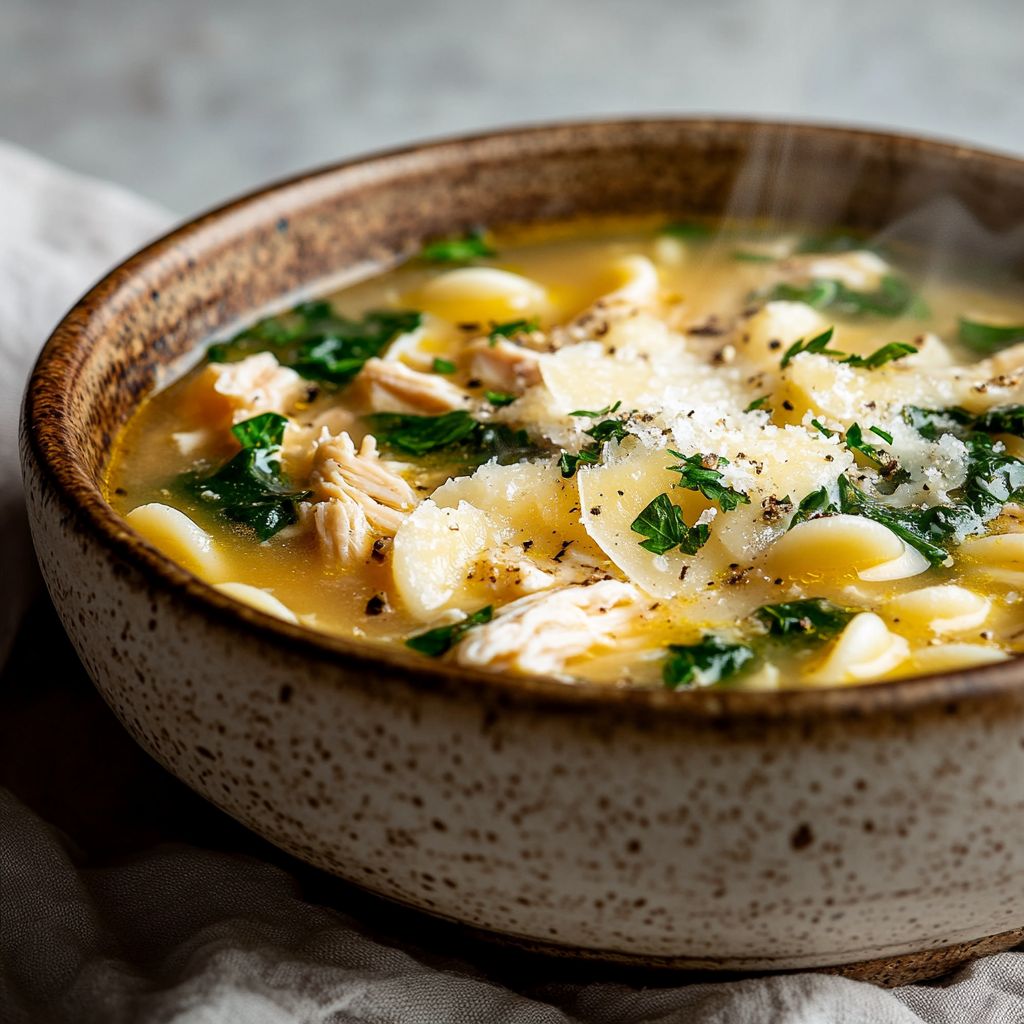
This healing Italian Penicillin Soup is a comforting, nourishing bowl built on a flavor-rich base of sautéed aromatics, mushrooms, and a bright tomato-bean broth that come together into a cozy, soothing dish.
Flavor-building tips: heat the olive oil gently, sauté the onion until translucent, then add carrots and celery to soften; add garlic after the vegetables have begun to soften to bloom its aroma, and brown the mushrooms for deeper umami to enrich the broth.
Texture and protein: use the drained cannellini beans for natural creaminess; mash a portion if you like a silkier texture, or leave them whole for more bite; fold in 1 cup cooked shredded chicken near the end if you want extra protein and heartiness.
Greens and brightness: stir in 2 cups kale (stems removed) or spinach for color and nutrients, and finish with 1 tablespoon lemon juice or grated zest to brighten the richness; bloom the oregano early in the oil with the aromatics if using dried, or add fresh herbs at the end for a fresh aroma.
Seasoning and finishing: salt to taste, freshly ground black pepper to taste, and a pinch of red pepper flakes if you like gentle heat; finish with 2 tablespoons grated parmesan or nutritional yeast for a savory, dairy-free umami boost.
Make-ahead and storage: this soup keeps well in the fridge for up to 4 days and freezes nicely in portions; reheat gently on the stove or in the microwave, adjusting thickness with a splash of stock or water after reheating if needed.
Gluten-free note: if you need gluten-free, ensure the stock and any added flavorings are certified gluten-free and check all packaging; this soup can be naturally gluten-free with careful ingredient choices.
Tips
Tips for Perfect Penicillin Soup
- Mise en place matters: have all ingredients prepped and within reach before you start. This helps you stay in the flow and prevents overcooking aromatics.
- Oil temperature: heat the olive oil gently to bloom the garlic and onions without browning them too quickly. This keeps the base from tasting bitter and lets the aromatics release their sweetness evenly.
- Aromatics order: sauté onions, celery, and carrots until the vegetables begin to soften and release their aroma, then add garlic just before the mushrooms to prevent garlic from burning.
- Mushroom magic: dry mushrooms well and brown them in a single layer for best color and umami. Don’t overcrowd the pan; you may need to work in batches.
- Tomatoes: crush whole tomatoes by hand if you’re using a whole product. A gentle simmer helps the tomatoes mingle with the aromatics and thicken the broth; for a smoother broth, partially blend after simmering.
- Stock and salt: use low-sodium stock and taste as you go. Add salt gradually—stock and tomatoes contribute salt, so you’ll want to adjust at the end after the beans and cheese are in.
- Bean handling: drain and rinse cannellini beans to remove canning liquid. For a velvety texture, mash a portion of the beans and fold back in; for more texture, leave them whole.
- Protein options: if using chicken, fold it in near the end so it stays tender. Leftover chicken works great and saves time.
- Greens timing: kale or spinach should be added toward the end so they wilt but don’t turn mushy. Remove tough kale stems and tear leaves into bite-sized pieces for even cooking.
- Brighten at the end: lemon juice or zest should be added after simmering to preserve brightness. A squeeze of lemon right before serving lifts the entire dish.
- Herb strategy: bloom dried oregano with the aromatics early to release its fragrance; finish with fresh herbs if available for a brighter finish.
- Taste and adjust: keep tasting as you go. Adjust salt, pepper, and heat (red pepper flakes) to suit your preference before serving.
- Finishing touches: stir in parmesan or nutritional yeast at the end for depth and savoriness. If you’re dairy-free, nutritional yeast adds a similar umami boost.
- Texture balance: if you prefer a thicker soup, reserve a cup of beans and vegetables, blitz gently, and stir back in, or puree a portion of the soup briefly with an immersion blender.
- Make-ahead and storage: flavors deepen overnight. Reheat gently on the stove to preserve texture; store leftovers in airtight containers in the fridge up to 3–4 days, or freeze for longer.
FAQ
Penicillin Soup (Healing Italian Penicillin Soup) — FAQ
What is Penicillin Soup and why is it called that?
Penicillin Soup is a comforting Italian-inspired chicken soup filled with garlic, lemon, vegetables, and pasta. The name is a playful nod to its reputation for feeling soothing when you’re under the weather. It is not an actual antibiotic.
Is this soup actually penicillin?
No. It does not contain penicillin or act as a medical antibiotic. It’s a nourishing, home-style soup meant to comfort and support recovery. If you have a medical infection, follow your healthcare provider’s instructions.
What are the core ingredients?
Typical core ingredients include: chicken (bone-in or boneless), chicken broth, garlic, onion, carrot, celery, lemon juice, parsley, oregano or Italian seasoning, small pasta (or rice), olive oil, salt, and pepper. Optional add-ins: grated parmesan or a splash of cream for richness.
How do I make Penicillin Soup?
Basic method: Sauté aromatics (onion, carrot, celery, garlic) in olive oil. Add chicken and broth, simmer until the chicken is cooked. Remove and shred the meat, return to the pot, add pasta and cook until tender. Finish with lemon juice and chopped parsley. Adjust seasoning to taste. Optional finishing touches: a drizzle of olive oil or parmesan.
Can I make a vegetarian or vegan version?
Yes. Use vegetable broth and substitute meat with white beans, chickpeas, or cubes of firm tofu. Use pasta, rice, or quinoa for texture. The soup remains comforting without meat.
Is Penicillin Soup gluten-free?
Gluten-free option: use gluten-free pasta or substitute with rice or quinoa. If you skip pasta, the dish becomes naturally gluten-free as long as you use gluten-free broth. Be mindful of added sauces or parmesan that may contain gluten.
How should I store and reheat leftovers?
Cool the soup and refrigerate in an airtight container for 3–4 days. For best texture, store pasta separately or reheat and add freshly cooked pasta. Reheat on the stove over medium heat until steaming, or microwave in short intervals, stirring in between.
How long does the recipe take?
Most cooks can prepare it in about 30–40 minutes from start to finish, depending on whether you’re using raw chicken or pre-cooked meat. Slower simmering can deepen the flavors.
How can I customize the flavor or add extra healing ingredients?
Try adding more garlic, lemon zest, or a pinch of red pepper flakes for warmth. Add greens like spinach or kale near the end for extra nutrition. Finish with chopped parsley, a drizzle of good olive oil, or a light sprinkle of parmesan (omit for vegan). A bay leaf during simmer adds depth of flavor.
What about allergens and nutrition?
Allergens: dairy is optional if you skip parmesan or cream; gluten is an issue if using wheat-based pasta. The soup provides protein from chicken or beans, vitamins from garlic and vegetables, and a comforting broth. Sodium will vary with the broth; consider a low-sodium option if needed.