

Introduction / Hook
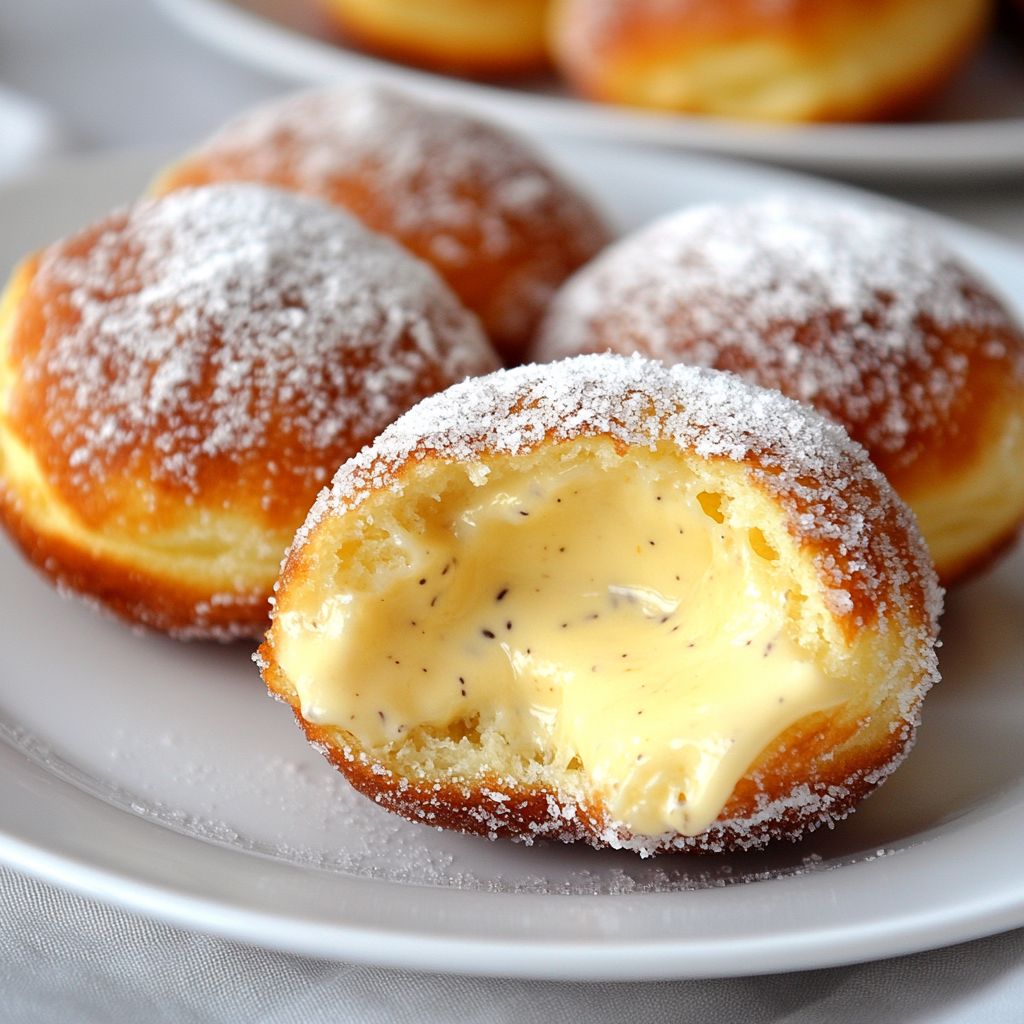
Imagine a Sunday bakery at dawn, the air perfumed with vanilla and warm sugar. A golden lantern of dough emerges from the fryer, its surface kissed by a delicate crust that crackles when touched. Inside, a clandestine treasure waits: a silky, custard-filled heart that oozes with creamy sweetness the moment you bite. These are Italian custard bomboloni — not merely doughnuts, but little celebrations wrapped in pastry and memory. They are the kind of treat that makes a kitchen feel like a tiny trattoria, where time slows, conversations deepen, and every bite carries the quiet drama of a well-loved family recipe. The scent alone—note of citrus, a whisper of almond, a touch of vanilla—can summon childhood mornings or long-held travel dreams, all at once. If you crave something that is at once comforting and exhilarating, familiar yet unexpectedly luxurious, you’ve found it in this beloved Italian classic: a doughy pillow, a custard plume, and a sugar-dusted halo that glitters like a street festival in Naples.
The Story Behind the Dish
Bomboloni, or bombolini in some regions, is a term that evokes street-side bakers, warm windows, and the soft glow of dawn light over Italy’s piazzas. These doughnuts are deeply rooted in Italian pastry culture, with their most recognizable incarnation being the custard-filled variety that Naples and its surrounding towns have celebrated for generations. The name itself hints at drama: “bombolone” translates loosely to a big bomb, not for danger, but for the glorious explosion of flavors and textures packed into a single bite. The tradition of fried dough in Italy stretches far back, drawing from centuries of technique and regional twists. What makes custard-filled bomboloni distinct is the marriage of a light, airy interior with a luscious, vanilla-scented custard that offers a smooth counterpoint to the crisp, sugar-crusted exterior. In many Italian bakeries, you’ll find bomboloni lined up like little golden moons, some plain, some dusted with granulated sugar, and others lovingly stuffed with custard, jam, or chocolate. The custard-filled version—aboard by a pastry chef’s deft touch or a grandmother’s practiced hand—embodies a shared ritual: the fun of filling, the satisfaction of the first bite, and the lingering pleasure of a treat that’s meant to be shared and savored, ideally with a strong coffee or a sweet dessert wine on the side.
Historically, Italian desserts have always been about balance—humble ingredients elevated by technique and a touch of lemon zest or citrus blossom. Bomboloni fit neatly into this tradition. They existed in a landscape of carnival pastries, Sunday markets, and festive breakfasts where households would gather to celebrate meals, neighbors, and the joy of good food. The custard filling is a nod to the Italian love for creaminess and vanilla, while the dough itself carries the memory of patiently fermented doughs and the comforting aroma of fried dough, which makes the entire kitchen feel welcoming and alive. Across regions, you’ll hear different names and subtle differences—some prefer a simpler jam filling, others adore a rich, custardy center. But the essence remains the same: a soft, pillowy dough exterior that gives way to a luxurious center, all wrapped in a delicate dusting of sugar and a whisper of citrus. This dish is as much about the ritual as the result—the moment of dipping, the gleam of the pastry, the first pull to reveal the creamy treasure beneath, and the shared laughter that often follows. It’s a small, portable celebration of Italian comfort and culinary artistry.
Why You’ll Love This Recipe
- Quick-to-approach comfort with a truly indulgent finish. The dough yields a tender crumb that stays soft, even when enjoyed a little after the fact, making it ideal for gatherings or a special weekend treat.
- Silky custard filling that delivers a luxurious surprise in every bite. The contrast between the light, airy dough and the smooth, creamy center is a delight to the senses, offering both warmth and a touch of luxury.
- Versatile flavor options. Beyond classic vanilla custard, you can imagine citrus-bright fillings, chocolate, or almond-flavored creams to suit your mood or the season, all while preserving the iconic bomboloni texture.
- Textural balance that feels celebratory. The outer layer—glossy, slightly crisp from light frying and dusted with sugar—gives way to a cloud-like interior that releases aromatic steam with each bite.
- Perfect for entertaining. They look irresistible on a dessert table or a weekend brunch spread, and they pair beautifully with coffee, sparkling wine, or a dessert wine for a touch of indulgence.
- Family-friendly appeal. They’re a crowd-pleaser for kids and adults alike, inviting stories, shared bites, and a sense of togetherness that makes meals memorable.
What to Expect in Each Bite
From the moment you gently bite into a bombolone, you’ll notice a crisp, sugared crust that yields to a whisper-light, airy interior. The custard filling offers a mellow sweetness that never feels heavy, often with a kiss of vanilla and faint floral notes from a hint of citrus zest or orange blossom water. The texture is a rhythm: the outside crackles, the middle melts, and the experience ends with a lingering sweetness that invites the next bite. It’s a balanced dessert that isn’t too sweet, but deeply comforting and thoroughly Italian in its devotion to texture and mood.
The Flavor Profile & Texture
These custard-filled bombs are where contrast becomes the star. The exterior presents a delicate, almost bread-like chew with a satisfying crust that has been lightly fried to golden perfection. This is not a heavy dough; it’s a soft, supple foundation that carries air pockets, making the interior feel like a cloud waiting to be punctured by a spoon or a fork. The custard at the center is the heart—silky, creamy, and fragrant with vanilla, sometimes tempered by a whisper of lemon or orange zest to lift the sweetness and brighten the profile. The result is a dessert that feels luxurious yet approachable, like a pastry you could enjoy at any pace, from a quick bite to a lingering after-dinner indulgence. When you pair bomboloni with coffee or a light dessert wine, the flavors intertwine with the roasted notes of the beverage, creating a comforting duet of bitter, sweet, and aromatic vibes.
The texture story is equally important as the flavor. The dough’s interior is airy and soft, with a tender crumb that almost dissolves on the tongue. The exterior offers a subtle resistance that yields to a creamy, luscious filling, providing a mouthfeel that’s both decadent and comforting. The sugar coating adds a light crunch that contrasts beautifully with the smooth custard—each element playing its part so that the whole is more than the sum of its parts. The aroma alone—vanilla, a hint of citrus, warm fried dough—awakens memories and conjures images of bakeries, markets, and Sunday family rituals. The sensory combination is deliberately balanced: sweet without being cloying, rich without heaviness, and aromatic without overwhelming the palate. It’s a texture-forward dessert that rewards slow, thoughtful bites and conversation with friends and family.
Occasions & Pairings
Bomboloni are incredibly versatile and shine in a range of settings. Here are moments when they feel especially at home:
- Weekend brunches: a show-stopping pastry to accompany coffee, fresh juice, and fruit.
- Festive celebrations: add a playful centerpiece to dessert tables at birthdays, anniversaries, or holiday gatherings.
- Italy-inspired dinners: a fitting finale to a menu that highlights Italian flavors and stories.
- Tea time and indulgent afternoons: pair with a robust espresso or a sweet dessert wine for a refined treat.
- Casual get-togethers: a crowd-pleasing option that’s easy to share and delight in with friends and family.
Pairings that complement bomboloni include:
– Espresso or cappuccino: the bitter edge of coffee amplifies the vanilla sweetness and the citrus notes in the pastry.
– Moscato d’Asti or sparkling rosé: light, fruity wines that refresh the palate between bites.
– Simple berry compote or fresh fruit: a bright counterpoint to the richness inside the dough.
– A drizzle of dark chocolate or a side of hazelnut spread: for chocolate lovers who want a more decadent experience.
Tips, Variations & Substitutions
While the classic custard-filled bomboloni are a timeless choice, there are many ways to adapt and personalize them. Here are ideas to explore, with an emphasis on flexibility rather than precise instructions:
Tips for Enjoying the Best Version
- Freshness is key. Bomboloni shine when enjoyed soon after frying, while the crust remains pleasantly crisp and the interior remains soft.
- Gently dust with sugar just before serving to preserve the texture and sheen.
- Choose a smooth, rich custard that balances sweetness with a creamy mouthfeel for a refined center.
Variations to Try
- Classic vanilla custard: the traditional, timeless choice that highlights the dessert’s elegant simplicity.
- Citrus-infused custard: bright lemon or orange zest in the cream to add a lively aroma and a clean finish.
- Chocolate custard: a decadent alternative for chocolate lovers, offering a deeper flavor profile.
- Almond or amaretto custard: a nutty, aromatic variation that pairs beautifully with the fried dough.
- Jam or fruit preserves: a more accessible filling option that still delivers a delightful contrast with the crust.
Dough Variations & Dietary Alternatives
- Gluten-free version: use a gluten-free pastry blend that yields a soft, springy crumb while preserving the light texture.
- Vegan option: replace dairy components with plant-based milk and a dairy-free custard or piped almond cream; ensure the dough uses a vegan leavening approach or egg substitutes if needed.
- Low-fat or lighter-crust option: bake instead of fry to achieve a lighter crust while maintaining the dough’s tenderness, though the texture will differ from traditional fried bomboloni.
- Nutty coatings: finish with finely chopped toasted almonds or pistachios for extra crunch and aroma.
Regional Twists
- Naples-inspired: keep the custard classic and finish with a gentle dusting of powdered sugar and a hint of citrus zest.
- Sicilian influence: a hint of pistachio or almond cream in the center, with a light sugar glaze on the outside.
- Venetian twist: pair with a light vanilla custard and saffron-scented dairy for a subtle golden hue and aroma.
Storage & Make-Ahead Ideas
Bomboloni are best enjoyed fresh, but with thoughtful storage and a few make-ahead options, you can extend their life and keep their charm intact:
- Unfilled dough: refrigerate or freeze the dough rounds (before proofing) for a short period, then fry or bake when you’re ready to serve. This allows you to prepare ahead without sacrificing too much texture.
- Filled bombs: fill just before serving to preserve the integrity of the dough’s exterior and the cream’s texture. If you must store filled bombs, keep them in an airtight container in the refrigerator for a day or two, noting that the soft interior may soften as time passes.
- Custard can be prepared in advance: make a smooth custard a day ahead and refrigerate. Bring to a cooler room temperature before filling to maintain a pleasant, not overly cold custard center.
- Reheating: if you’re reheating, do so gently to preserve the outer crust’s crispness, and avoid overheating the custard to prevent curdling or a mealy texture.
- Make-ahead serving: consider a “serve-by” plan for gatherings—have the dough ready to fry or bake, and prepare custard in advance so you can assemble fresh as guests arrive for maximum contrast in textures.
Fun Facts & Trivia (Optional)
- “Bomboloni” is the plural form; the singular is “bombolone.” In many Italian bakeries, the display cases celebrate both forms with a charming assortment.
- Custard-filled bomboloni often appear at markets and fairs as a quintessential Italian street food, reflecting the country’s love for fried sweets that balance richness with lightness.
- There is no shortage of regional fillings in Italy: while custard is iconic, you’ll also encounter jam, chocolate cream, or ricotta-based fillings in various towns.
- The ritual of filling—the precise moment when a pastry bag or spoon punctures the dough to reveal the custard—has become a small performance that delights both the maker and the eater.
- Bomboloni embody a broader Italian pastry tradition of transforming simple pantry ingredients into something celebratory, illustrating how technique and simplicity can merge into a dish that feels both timeless and modern.

Ingredients
Bomboloni Dough
- 4 cups all-purpose flour (unbleached)
→ Provides the base structure for the yeasted dough. Preparation: sift with 1/4 cup granulated sugar and 1/2 teaspoon salt to distribute evenly; measure by spooning into the cup and leveling to avoid packing. The dough should be soft and slightly tacky—avoid overworking to keep the crumb tender. If dough feels dry, add small amounts of warm milk as needed. - 1/4 cup granulated sugar
→ Sweetens the dough and supports yeast activity. Preparation: whisk with the flour mixture to distribute evenly; tip: a tiny amount of vanilla added here can boost aroma. Ensure sugar is evenly integrated to prevent uneven sweetness. - 2 1/4 teaspoons active dry yeast
→ Leavening agent that yields a light, airy dough. Preparation: proof the yeast in 1/4 cup of the warm milk with a pinch of sugar until foamy, about 5–10 minutes; if it doesn’t foam, your yeast may be dead. Once foamed, proceed with mixing into the dough. - 1 cup warm milk (110°F/43°C)
→ Hydrates flour and helps activate the yeast; use whole milk for richer crumb. Preparation: keep milk at a steady warm temperature; too hot kills yeast, too cold slows rising. Reserve a portion to dissolve the yeast as described above. - 2 large eggs
→ Enriches dough and provides structure; preparation: bring eggs to room temperature for smoother mixing; lightly beat and whisk into the wet ingredients to create an even emulsion with the milk and butter. - 1/4 cup unsalted butter, melted
→ Adds richness and tenderness to the crumb; preparation: cool melted butter briefly before adding to the dough to avoid cooking the eggs; you can substitute with 2 tablespoons olive oil for a dairy-free version if desired. - 1 teaspoon vanilla extract
→ Aromatic depth that complements the custard filling; preparation: add to the wet ingredients to evenly distribute flavor; use pure vanilla for best aroma; if using vanilla bean, scrape seeds and infuse with the milk. - 1/2 teaspoon salt
→ Balances sweetness and enhances overall flavor of the dough; preparation: whisk with the flour before mixing to ensure even salt distribution throughout the dough. - 1 teaspoon lemon zest (optional)
→ Bright citrus aroma that pairs well with the vanilla and custard filling; preparation: zest finely with a microplane, avoiding white pith; fold into the dough with the wet ingredients for even distribution.
Custard Filling
- 2 cups whole milk
→ Base for the crema pasticcera; preparation: warm gently just to a light simmer, then gradually whisk into the yolk mixture; use full-fat milk for a silkier custard. For dairy-free versions, alternative milks can be used but will affect texture and flavor. - 4 large egg yolks
→ Thickens the custard and provides richness; preparation: reserve the whites for other uses; temper the yolks by whisking in a small amount of hot milk before returning to the pan to prevent scrambling. - 1/2 cup granulated sugar
→ Sweetens the custard and helps achieve a smooth, glossy finish; preparation: whisk with yolks until pale, then gradually whisk in cornstarch and hot milk; be careful not to scorch the sugar at the bottom while heating. - 3 tablespoons cornstarch
→ Thickening agent that gives the custard body; preparation: whisk with a few tablespoons of cold milk to make a slurry before adding to hot milk; cook until it thickens and coats the back of a spoon. - 1 teaspoon vanilla extract
→ Classic custard flavor; preparation: stir in off the heat to preserve aroma; for intensified vanilla, add seeds from half a vanilla bean in addition to the extract. - Pinch of salt
→ Enhances sweetness and rounds the flavor; preparation: add with the yolk mixture to evenly distribute. - 2 tablespoons unsalted butter (optional)
→ Adds silkiness and sheen to the finished custard; preparation: whisk in off the heat until melted and smooth; cool completely before filling bombs to avoid a runny filling.
Frying & Finishing
- 6 to 8 cups neutral oil for frying (canola, grapeseed, or light peanut oil)
→ For deep-frying the dough; high smoke-point oil yields a crisp exterior without imparting heavy flavors. Preparation: heat to 350–365°F (175–185°C) and maintain temperature during frying; do not crowd the pan to avoid temperature drop; strain and reuse oil if clean. - 1/2 to 3/4 cup granulated sugar (for coating)
→ Sweetens the freshly fried bomboloni; preparation: roll the warm doughnuts in sugar immediately after removing from oil so it adheres best; optional cinnamon can be added for a spiced finish. - Powdered sugar for dusting (optional)
→ Finishing touch for presentation; preparation: dust after donuts have cooled slightly to prevent clumping; optional lemon zest can be added to the sugar mix for aroma.
Instructions
- Prepare the dry and aromatic components by sifting 4 cups all-purpose flour (unbleached) with 1/4 cup granulated sugar and 1/2 teaspoon salt into a large mixing bowl to distribute evenly; if using lemon zest, add 1 teaspoon zest now to integrate fragrance.
→ Sifting aerates the flour and distributes sugar and salt evenly, ensuring the dough will rise uniformly and have a tender crumb; zest adds a fresh citrus note that pairs with the custard filling. - Proof the yeast by warming 1/4 cup of the milk to about 110°F (43°C), whisking in a pinch of sugar, and sprinkling 2 1/4 teaspoons active dry yeast over the surface; let sit 5–10 minutes until foamy.
→ Foamy activity confirms the yeast is alive and ready to leaven the dough; if no foam forms, the yeast is inactive and should be replaced for proper rise. - Whisk 2 large eggs to break the yolks and lightly combine, then whisk in 1 cup warm milk (110°F/43°C), 1/4 cup melted unsalted butter cooled, and 1 teaspoon vanilla extract to create a smooth, emulsified wet mixture.
→ Warming the liquids helps them integrate with the dry ingredients without cooling the yeast-activated mixture; a smooth emulsion prevents greasy patches and contributes to an even crumb. - Stir the foamy yeast mixture into the wet ingredients until fully incorporated, forming a loose, cohesive batter-like dough; do not rush the integration to avoid breaking the emulsion.
→ Proper integration ensures even fermentation and a uniform crumb structure; if the dough seems too loose, proceed to combine with the dry ingredients and adjust with small amounts of warm milk as needed. - Add the wet components to the bowl with the sifted dry ingredients and mix on low speed (or with a wooden spoon) until a soft, tacky dough forms; if the dough feels dry, incorporate small amounts of warm milk sparingly until the dough is cohesive.
→ A soft, tacky dough yields a light, airy interior after frying; overworking or adding too much flour will lead to a dense texture. - Knead the dough by hand on a lightly floured surface for 8–10 minutes (or knead with a stand mixer on low for about 6–8 minutes) until smooth and elastic; perform a windowpane test by stretching a small piece until translucent to verify gluten development.
→ Gluten development provides structure and chewiness characteristic of bomboloni; the windowpane test ensures the dough is ready to rise without tearing. - Oil a clean bowl lightly, place the dough inside, turn to coat with oil, cover with plastic wrap or a damp towel, and let rise in a warm area until doubled in size, about 1 to 1.5 hours.
→ A proper first rise builds flavor, tenderness, and volume; keep the dough away from drafts and maintain a steady warm temperature for an even rise. - While the dough rises, prepare the custard filling: in a medium bowl whisk 4 large egg yolks with 1/2 cup granulated sugar until pale and thick, then whisk in 3 tablespoons cornstarch to form a smooth paste.
→ Crema pasticcera relies on thoroughly beaten yolks and a smooth starch paste to avoid lumps and ensure a glossy, thick texture. - Warm 2 cups whole milk in a medium saucepan until just steaming (do not boil), then gradually whisk the hot milk into the yolk mixture to temper; return the combined mixture to the saucepan and whisk in 1 teaspoon vanilla and a pinch of salt.
→ Tempering prevents scrambling the yolks; returning to the pan activates the cornstarch thickening that creates a rich, scoopable custard. - Cook the custard over medium heat, whisking constantly until it thickens and coats the back of a spoon; remove from heat and whisk in 2 tablespoons unsalted butter (if using) until melted and smooth; transfer to a clean bowl, cover with plastic wrap flush to the surface, and cool completely in the refrigerator.
→ Proper thickening ensures a creamy filling that won’t leak out of the bombs; chilling helps it hold its shape during filling. - Once the dough has risen, punch it down gently to expel excess gas, then cover and rest for 10 minutes to relax the gluten for easier shaping.
→ A brief rest prevents springing back when rolling and helps achieve evenly thick donuts that fry evenly. - Roll the dough on a lightly floured surface to a 1/2 to 3/4 inch (1.25–2 cm) thickness; cut rounds using a 2.5–3 inch (6–7.5 cm) round cutter, re-rolling scraps as needed to maximize yield; keep the rounds evenly thick.
→ Consistent thickness ensures uniform fry and color; re-rolling scraps minimizes waste but excessive re-rolling can toughen the dough. - Arrange the dough rounds on a parchment-lined sheet, leaving at least 1 inch (2.5 cm) between them, cover loosely, and let proof until puffed but not overly loose, about 25–45 minutes.
→ A gentle second rise yields light, airy bomboloni; over-proofing can cause them to deflate or blub when fried. - Heat neutral oil in a heavy, deep pot to 350–365°F (175–185°C); monitor with a candy / thermometer and adjust the heat to maintain temperature during frying; fry no more than 4–6 donuts at a time to prevent crowding.
→ Stable oil temperature ensures a crisp exterior without absorbing excess fat, and prevents undercooked centers. - Fry the dough rounds, turning once, until golden brown and puffed, about 1–2 minutes per side; use a slotted spoon to transfer to a rack and drain briefly; repeat with remaining rounds.
→ A quick fry yields a crisp surface and moist interior; cooling on a rack prevents sogginess from steam buildup. - While the donuts are still warm, roll them gently in granulated sugar (2/3 cup to 3/4 cup for all of them) to help the coating adhere; you can add a pinch of cinnamon if desired for a warm spice note.
→ Sugar adheres best when the surface is warm and slightly oil-slicked after frying, producing a sparkling, sweet crust. - Fill each bomboloni by piping cooled custard into the center: insert the tip of a pastry bag into the side or poke a small hole, then pipe custard in until you feel resistance and the center is fully filled; avoid overfilling to prevent bursting.
→ Proper filling delivers a creamy, indulgent center without leaks; use a steady, slow squeeze and rotate the donut to fill evenly. - Dust with powdered sugar just before serving (optional) or serve with a light lemon zest dusting for aroma; display on a platter and offer with additional warm custard for dipping if desired.
→ Powdered sugar provides an elegant finish and contrasts with the rich custard; lemon zest can lift the overall sweetness with a bright note.

Notes
These custard-filled Italian doughnuts are light and fluffy with a silky vanilla crema tucked inside. For best rise, proof the yeast in 1/4 cup warm milk with a pinch of sugar until foamy, then fold it into the dough and keep the dough in a warm spot until doubled. Handle the dough gently and avoid adding extra flour; it should stay soft and slightly tacky. Sift the flour and measure by spooning into the cup and leveling to ensure even structure, and consider adding a touch of lemon zest for a bright aroma at the end. The custard filling should be thick yet pipeable: whisk the yolks with sugar and cornstarch, gradually whisk in warm milk, then return to the pan and cook until it coats the back of a spoon. Off heat, stir in vanilla, salt, and optional butter, then chill completely and strain if you want a ultra-smooth filling. Fry the bombs in 350–365°F (175–185°C) oil until golden, turning as needed, then drain and roll in granulated sugar while still warm so it clings. Dust with powdered sugar for a finishing touch or a whisper of lemon zest. If you’re dairy-free, substitute plant-based milk and a neutral oil, but expect a slightly different texture and flavor. Always monitor the oil temperature to maintain a crisp exterior and tender crumb.
Tips
Tips for Perfect Italian Custard Bomboloni
- Yeast and temperature: Always proof the active dry yeast in 1/4 cup warm milk with a pinch of sugar until foamy (about 5–10 minutes). If it doesn’t foam, discard and restart with fresh yeast to ensure a light, airy dough.
- Dough handling: The dough should be soft and slightly tacky. Avoid adding too much flour; overworking or stiff dough leads to a dense crumb. If it’s too sticky to handle, oil your hands and the work surface lightly, then fold rather than knead.
- Ingredient temperature: Use ingredients at room temperature (eggs, milk, butter) for a smooth emulsion. Cool melted butter briefly before adding to the dough to prevent cooking the eggs.
- Flavor balance: The optional lemon zest adds brightness. If using, fold it in with the wet ingredients to distribute evenly. For a deeper vanilla aroma, add vanilla seeds from half a bean along with the extract.
- Rising times: Allow the dough to rise until doubled in a warm, draft-free spot. If your kitchen is cool, consider a longer rise or a short warm prove in an oven set to a very low temperature (around 85–95°F/29–35°C).
- Shaping and scraps: Roll dough to about 1/2 inch thick and cut with a round cutter. Gather scraps, re-roll once, and let the cut rounds rest briefly before frying to maintain good puff in the final bomboloni.
- Oil management: Use neutral oil with a high smoke point (canola, grapeseed, or light peanut oil). Maintain frying temperature at 350–365°F (175–185°C). Too hot oil will brown quickly but burn inside; too cool oil will yield greasy donuts.
- Frying technique: Fry a few at a time to avoid temperature drop, turning once for even color. Expect 1–2 minutes per side until deep golden.
- Custard consistency: The custard should be thick enough to coat the back of a spoon. If it’s too loose, whisk in a little extra cornstarch slurry (cold milk whisked with cornstarch) and cook a bit longer until thickened, then cool completely before filling.
- Cooling and filling: Chill the custard completely before filling to prevent it from oozing. Fill bombs with a piping bag fitted with a long narrow tip, inserting into the side or bottom and injecting until plump but not bursting.
- Finish and flavor: Toss hot fried bomboloni in granulated sugar (and optionally cinnamon) while they’re still warm so it adheres nicely. A light dusting of powdered sugar just before serving adds a pretty finish.
- Variations and extras: For a dairy-free version, substitute milk with almond or oat milk and replace butter with a neutral oil (e.g., olive oil can be used in moderation). The crumb will be slightly different, so adjust folding and rising times accordingly.
- Storage and freshness: Best enjoyed the day they’re made. If needed, store unfried dough portions covered in the fridge for up to 12–24 hours (bring to room temp and let them relax before frying). Fried bombs are best eaten fresh; reheat briefly in a low oven to re-crisp.
- Safety tip: Do not leave freshly prepared dough or custard at room temperature for more than 2 hours to ensure safety and quality.
FAQ
What are bomboloni and how do they differ from regular doughnuts?
Bomboloni are soft, fluffy Italian doughnuts traditionally fried until golden and filled with a creamy custard or jam. They’re usually dusted with sugar and often served warm, offering a richer interior compared to plain glazed doughnuts.
What makes Italian custard bomboloni special?
The hallmark is the creamy crema pasticcera (Italian custard) injected inside after frying. The dough is enriched with eggs and butter, yielding a tender crumb that pairs perfectly with the smooth custard.
What ingredients do I need for the dough?
Typical dough ingredients include:
– All-purpose flour
– Active dry yeast
– Milk (warm)
– Sugar
– Eggs
– Unsalted butter (softened)
– Vanilla extract
– Lemon zest (optional)
– Pinch of salt
What ingredients do I need for the custard filling?
For a classic crema pasticcera:
– Milk
– Sugar
– Egg yolks
– Cornstarch (or flour)
– Vanilla extract or a vanilla bean
– Pinch of salt
How do I make the custard filling?
Steps:
– Warm milk with vanilla; whisk yolks, sugar, and cornstarch until smooth.
– Slowly temper yolks with hot milk, then return to the stove.
– Cook over medium heat, whisking until thickened.
– Strain, cool to at least room temperature, then refrigerate until needed. The custard should be thick but pipeable.
What oil is best for frying bomboloni, and at what temperature?
Use a neutral oil with a high smoke point (like canola, sunflower, or refined peanut oil). Heat to about 350°F (175°C). Fry until the bombs are golden and puffed, usually 2–3 minutes per side. Avoid overheating to prevent browning too quickly.
How do I shape and proof the dough?
Shape into small rounds or pinch off pieces to form discs. Place on a lightly floured surface, cover, and let rise until puffy and about 1.5x their original size. Maintain a warm, draft-free environment to help proofing.
How do I fill the doughnuts with custard?
Best method:
– Fit a pastry bag with a long, narrow tip (or a clean piping bag).
– Poke a small hole or cut a slit in the side of each doughnut.
– Pipe a generous amount of custard into the center, then seal the opening with a light press.
– Dust with powdered or granulated sugar before serving.
How should I store bomboloni, and how long do they stay fresh?
Fresh bomboloni are best the day they’re made. Store at room temperature in an airtight container for up to 1 day. For longer storage, refrigerate the filled doughnuts for up to 2 days, though custard fillings may soften the dough. Reheat gently if desired.
Can I bake bomboloni instead of frying?
Baking yields a lighter result with less rich flavor. If you prefer baking, shape into rounds, lightly brush with oil, and bake at around 350°F (175°C) until puffy and cooked through. They won’t be as airy or custard-filled by default, but you can still pipe custard into them after cooling.
What are some flavor variations I can try?
Suggestions:
– Add lemon or orange zest to the dough and custard for a bright, citrus note.
– Flavor custard with vanilla bean paste or a splash of liqueur (e.g., amaretto, rum).
– Dust with cinnamon sugar or roll in finely grated orange zest sugar.
– Try a chocolate custard filling or raspberry jam in place of custard for a different twist.