Introduction / Hook
Imagine a cupcake that feels like a cloud resting on a plate—light as a sigh, golden as pre-dawn sunlight, and whispering of vanilla, citrus, and summer afternoons. Golden Angel Food Cupcakes are the sort of treat you reach for when you crave something delicate yet indulgent, something that lifts your mood with every bite. They’re not just desserts; they’re a gentle celebration of air and sweetness, a reminder that less can be more when the ingredients sing in harmony. The moment you slice into one, you’ll hear a quiet cheer in your mouth: a soft crack, a tender crumb, and a clean finish that leaves you ready for the next bite without heaviness. These cupcakes are an invitation to slow down, breathe in the scent of warm vanilla and citrus zest, and share a simple, elegant pleasure with friends, family, or a quiet afternoon alone with a good book. They’re the kind of treat that makes ordinary moments feel special, the kind you’ll return to again and again for birthdays, brunches, and sunny weekend gatherings.
The Story Behind the Dish
Angel food cake has a storied place in American baking lore, a dessert born from resourceful kitchens where batter was whisked to airy heights and baked in tall, ungreased pans. Its very name evokes lightness and grace, as if each bite were a miniature slice of sunshine. The concept traveled through generations, evolving from humble gatherings to the refined sweet that graces elegant brunch spreads today. The “angel” moniker likely nods to the ethereal texture—snow-white, feather-light, and almost otherworldly in its tenderness. Golden Angel Food Cupcakes honor that heritage while adding a sunlit twist: a gentle infusion of color and flavor that comes from careful handling of the batter and a careful balance of sweetness. The result is a modern rendition that respects tradition yet feels fresh enough for contemporary tables—perfect for a spring celebration, a bridal shower, or a garden party where the sun itself seems to dip just a touch lower to admire the dessert lineup.
In many homes, angel food has long been a dessert of celebrations, where family recipes were passed down with pride and a smile. The light crumb is achieved by folding delicate air into the batter and avoiding any heavy mixing that could deflate it. Bakers learned to treat this cake with reverence: no grease on the pan, careful lifting, and a slow, steady bake that yields a uniformly pale, golden crust. The result is a cake that tastes of the clean sweetness of sugar, the warm embrace of vanilla, and the bright lift of citrus—an ideal canvas for toppings, glazes, and summer berries. Golden Angel Food Cupcakes carry that tradition forward, offering a portable, single-portion version of a classic that doesn’t sacrifice the integrity of the original texture. Each cupcake is a small, celebratory package—airy, tender, and irresistible when you bite into it with a little reverence for the craft that created such a light, airy sweetness.
Why You’ll Love This Recipe
- Incredibly light and delicate texture that melts on the tongue without feeling fragile.
- Golden crust with a soft, pale interior that reveals a comforting vanilla and citrus aroma.
- Wholesome and versatile—pairs beautifully with fresh berries, yogurt, citrus curd, or a drizzle of honey.
- Naturally lower in heaviness than traditional butter-based cupcakes, making them a crowd-pleasing, everyday treat.
- Ease of assembly and elegance in presentation—perfect for brunches, showers, and tea parties.
- Adaptable to different dietary needs with thoughtful substitutions that don’t compromise the texture.
- Bright, memory-making aroma that fills the kitchen and lingers in conversations long after the last bite.
Flavor Profile & Texture
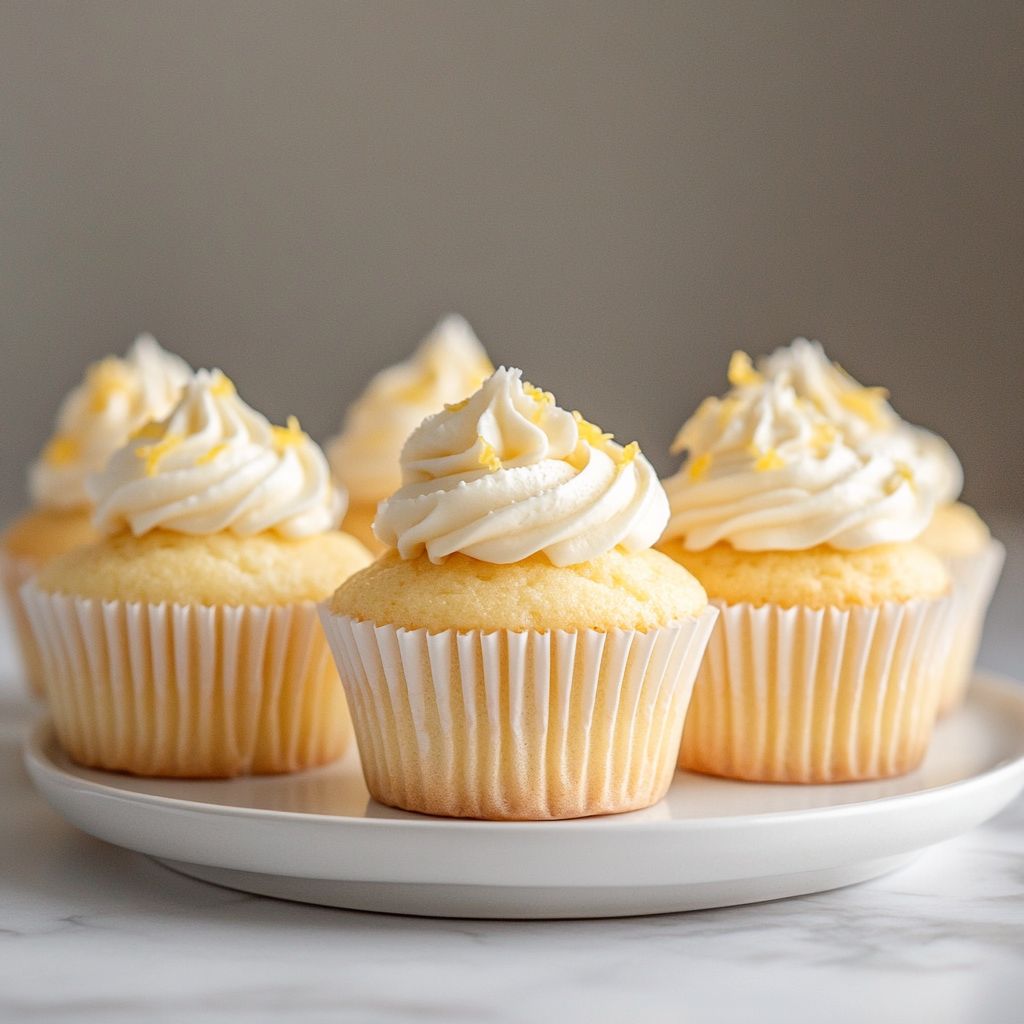
At first glance, you’ll notice the sun-kissed glow of the cupcake’s exterior—a pale gold that hints at the gentle sweetness inside. Take a bite, and you’ll experience a feather-light crumb that dissolves with the airiness of a sigh. The flavor profile centers on a clean, sweet vanilla base that’s brightened by citrus—think a whisper of lemon or orange zest that mingles with the vanilla without overpowering it. There’s a subtle acidity and freshness that keeps the sweetness from tipping into cloying territory, offering a balanced finish.
The texture is where these cupcakes truly shine. The crumb is ultra-soft, almost melt-in-your-mouth, with a buoyant lift that suggests it rose as if bathed in sunshine. There’s a gentle, almost velvety mouthfeel, followed by a delicate crust that provides just enough contrast to enhance the eating experience. If you bite into a well-made Golden Angel Food Cupcake, you’ll notice how the crumb remains tender years after baking, a testament to careful whisking and mindful handling. When paired with a light glaze or a dollop of whipped cream and a scatter of fresh berries, the flavors become a bright, harmonious dance of vanilla, citrus, and fruit that feels both celebratory and comforting.
Occasions & Pairings
These cupcakes are versatile enough to shine at a wide range of occasions. They work beautifully for:
- Brunches and tea parties: a refined sweet that complements delicate pastries and fruit plates.
- Spring and summer gatherings: pair with fresh berries, lemon curd, or a light honey-vanilla drizzle.
- Weddings and showers: a touch of elegance and airy sweetness that won’t overwhelm the palate.
- Weeknight desserts: a quick, satisfying treat that feels special without being heavy.
- Gifts and favors: wrap individually with translucent wrap and a ribbon for a charming, edible token.
Pairing ideas to elevate the experience:
- Fresh fruit compotes or berry coulis to add a vibrant contrast.
- Light whipped cream or a dollop of vanilla yogurt for a creamy balance.
- Herbal tea or a sparkling citrus beverage to mirror the citrus notes.
- A Limoncello or orange blossom glaze for a radiant finish (use sparingly to maintain balance).
- Edible gold leaf or a light dusting of powdered sugar for a festive touch.
Tips, Variations & Substitutions
While the essence remains the same—a delicate, golden cupcake—there are many ways to tailor Golden Angel Food Cupcakes to your preferences, dietary needs, or seasonal ingredients. Here are ideas to inspire creativity without drowning you in steps.
- Vegan option: Explore aquafaba as a substitute for egg whites. Whip aquafaba to stiff peaks and fold gently into the batter for a similar floaty crumb with a plant-based twist.
- Gluten-free approach: Use a gluten-free cake flour blend or a carefully chosen gluten-free all-purpose mix that preserves the tender crumb. Avoid heavy substitutions that alter texture.
- Flavor twists: Swap the citrus zest for almond, lime, or grapefruit for a different aroma profile. A touch of vanilla bean paste can deepen the vanilla character.
- Herbal or floral accents: Add a pinch of edible dried lavender, rose, or thyme to the batter or glaze for an aromatic surprise. Use sparingly to avoid overpowering the vanilla.
- Color accents: A tiny amount of turmeric or saffron in the batter can yield a warmer golden hue and a subtle warmth of flavor, perfect for autumnal or celebratory presentations.
- Nutty crust or topping: A light sprinkle of toasted almond slivers or pistachio bits on top adds texture and color, while still maintaining the cupcake’s delicate essence.
- Glaze ideas: A thin lemon glaze or a vanilla glaze complements the cupcakes without weighing them down. For a dairy-free option, use a light glaze made with plant-based milk and a touch of citrus zest.
- Make-ahead strategy: Bake a batch, cool completely, and store in an airtight container. They stay tender for several days; frost or glaze just before serving for maximum freshness.
Storage & Make-Ahead Ideas
Golden Angel Food Cupcakes are forgiving when it comes to freshness and timing, making them ideal for events where timing is everything. Here are practical tips to keep them at their best:
- Storage: Keep baked cupcakes in an airtight container at room temperature for up to 2-3 days. They stay tender and light, with minimal drying if kept away from direct sunlight and heat.
- Refrigeration: If you’re topping with fresh fruit or dairy-based creams, refrigerate within a few hours to maintain quality. Bring to room temperature before serving for optimal texture and aroma.
- Freezing: Freeze baked cupcakes individually wrapped or in a freezer-safe container for up to 1-2 months. Thaw at room temperature, then re-glaze or re-whip any toppings if desired for a refreshed finish.
- Make-ahead strategy: Bake and cool the cupcakes in advance, then store. In the hours before serving, whisk a light glaze, cream, or fresh berries to top them, creating a moment of fresh, just-made appeal.
Fun Facts & Trivia (Optional)
- The term “angel food” likely reflects the cake’s cloud-like texture and pale, delicate crumb—the kind of dessert you imagine angels might nibble after a long day.
- Angel food cupcakes offer a way to enjoy the classic texture in a compact, single-portion form, making it easier to portion for guests at gatherings.
- Historically, angel food cake was baked in ungreased tubes or pans to maintain maximum height and avoid deflation, a practice rooted in the science of aeration and the control of fats and oils in the batter.
- Using citrus zest in angel food models a bright, modern touch that bridges traditional technique with contemporary flavors, appealing to both nostalgia and novelty.
- Small touches—like a light glaze or a handful of fresh berries—can elevate these cupcakes from everyday treats to show-stoppers at celebrations, while preserving their airy core.
Ingredients
- 8 large egg whites, at room temperature
→ The egg whites are the light and airy foundation of angel food cupcakes. They provide most of the structure and lift when whipped into stiff peaks. For best volume, ensure no yolk or oil contaminates the whites, separate eggs cleanly, and let them come to room temperature before whipping. - 1 cup granulated sugar
→ Sugar stabilizes the whipped egg white foam and contributes sweetness and moisture as it dissolves during beating. Add the sugar gradually in 3–4 additions as the whites whip to stiff, glossy peaks, which helps set a tall, tender crumb. If you have superfine sugar, it can dissolve more quickly for a silkier batter. - 1 cup cake flour, sifted
→ Cake flour yields the ultra-light, delicate crumb characteristic of angel food. Sifted flour should be measured after sifting to ensure accuracy, then gently folded into the whipped whites to preserve volume. Do not overwork; fold in small batches just until incorporated. - 1/4 teaspoon salt
→ A touch of salt balances sweetness and enhances the vanilla aroma. It also helps strengthen the batter’s structure without adding noticeable saltiness. If you’re on a strict low-sodium plan, you can omit it, but it does improve flavor balance. - 1/2 teaspoon cream of tartar
→ Cream of tartar stabilizes the whipped egg whites, helping them hold their volume and stay stiff longer during baking. It’s most effective when added at the beginning of whipping. If you don’t have cream of tartar, you can substitute a pinch of lemon juice, but the texture may be slightly less stable. - 1 teaspoon vanilla extract
→ Pure vanilla adds warmth and depth to the delicate crumb. Use high-quality vanilla for a more pronounced aroma. Add during or immediately after whipping the whites to evenly distribute flavor without collapsing the foam. - 1/2 teaspoon lemon zest (optional)
→ Lemon zest introduces bright citrus aroma that complements the light cake and helps create a sunny, golden flavor. Use only the yellow part of the rind; grate finely and fold in gently to avoid releasing bitter oils from the white pith. - 1/4 teaspoon almond extract (optional)
→ A small amount adds a subtle nutty almond note that pairs nicely with lemon. Use sparingly, as almond flavor can overpower the delicate angel food if used in excess. If used, add along with vanilla for a harmonious fragrance. - 12–16 paper cupcake liners (optional)
→ Liners make portioning and removal easy when baking cupcakes. If you prefer a more rustic look, you can bake directly in a greased muffin pan, but liners greatly simplify serving and cleanup.
- 1/2 cup powdered sugar (confectioners’ sugar)
→ The glaze base; sift to remove lumps and whisk with lemon juice until smooth. The sugar dissolves into a glossy coating that gently sweetens and brightens the lemon flavor. If the glaze is too thick, add a tiny amount of lemon juice or a splash of water to reach drizzle consistency. - 2 tablespoons fresh lemon juice
→ Provides acidity and vibrant lemon flavor that cuts through the sweetness of the cake. Use fresh juice for the best brightness; strain to remove seeds and pulp if a clearer glaze is desired. Adjust with more juice or sugar to reach your preferred thickness. - 1 teaspoon lemon zest (optional)
→ Intensifies lemon aroma in the glaze. Zest finely and whisk into the glaze at the end to preserve the citrus oils. Avoid zesting the white pith, which can introduce bitterness.
- Whipped cream, lightly sweetened (optional)
→ A fluffy crown adds richness and pairs beautifully with lemon. Whip cold cream to soft-to-medium peaks and fold in a touch of sugar and vanilla. Apply just before serving to maintain the light texture. - Fresh berries (optional)
→ Provides color, tartness, and bright contrast. Rinse gently and pat dry; layer berries around or on top of the glazed cupcakes for an eye-catching finish. Choose berries that are in season for the best flavor.
Instructions
- Preheat your oven to 350°F (175°C) and line a 12-cup muffin tin with paper liners or grease it well.
→ This ensures the delicate angel food batter releases cleanly from the cups and the liners prevent sticking, which preserves the light crumb and makes removal easy without tearing the cakes. - Separate 8 large egg whites from the yolks, placing the whites in a clean, dry bowl and reserving the yolks for another use or discard.
→ Any yolk or fat in the whites will inhibit full-volume whipping, so ensure all equipment is squeaky clean and yolks remain separate to maintain pure foam that can lift the cake high. - Bring the egg whites to room temperature and measure; wipe the mixing bowl and beaters with a trace of lemon juice or vinegar to remove any residual fat.
→ Room-temperature whites whip to a more stable, voluminous foam, and a clean, slightly acidic surface helps stabilize the structure for maximum lift. - Add 1/2 teaspoon cream of tartar to the whites and start beating on low speed until foamy, then increase to medium-high to form soft peaks.
→ Cream of tartar provides stability to the meringue, helping the foam hold its shape during folding and baking, which is essential for a tall, tender crumb. - Gradually add 1 cup granulated sugar in 3–4 additions while continuing to whip to stiff, glossy peaks; stop as soon as the sugar is fully dissolved and the peak holds its shape.
→ Slow sugar incorporation builds a stable meringue by strengthening the protein network; add in stages to prevent weeping or deflation and to maintain a shiny, smooth batter texture. - Sift 1 cup cake flour with 1/4 teaspoon salt, then measure; sift again if necessary to ensure an ultra-light powder.
→ Cake flour is finer and lower in protein, yielding the characteristic delicate crumb; sifting after measuring preserves accurate weight and prevents gritty pockets that would weigh the batter down. - In three additions, fold the dry ingredients into the whipped whites using a large spatula with a gentle cutting motion, rotating the bowl as you go and stopping as soon as there are no visible flour streaks.
→ Folding preserves the aeration from the whipped whites; overworking will deflate the batter and reduce rise, whereas light, methodical folding keeps the crumb tender and lofty. - Stir in 1 teaspoon vanilla extract and, if using, 1/2 teaspoon lemon zest (and 1/4 teaspoon almond extract) until evenly distributed without deflating the batter.
→ Vanilla deepens the aroma of the delicate cake, lemon zest brightens the citrus note, and almond adds a subtle nuttiness; fold gently to keep flavor even without breaking the foam. - Spoon or pipe the batter into the prepared liners, filling each about two-thirds full to allow room for expansion.
→ Angel food batter rises dramatically; filling cups to two-thirds prevents overflow and ensures a tall, uniform cupcake height with a gentle domed top. - Bake in the preheated oven for 14–18 minutes, or until the tops are pale, feel springy to a light touch, and a toothpick inserted near the edge comes out clean or with a few tender crumbs.
→ Short bake time minimizes drying; the foam structure sets quickly to hold the lift, while the pale color indicates proper moisture and delicate crumb rather than browning that would indicate Maillard reactions overpowering the fine texture. - While the cupcakes bake, whisk 1/2 cup powdered sugar with 2 tablespoons fresh lemon juice until smooth and glossy, adding more juice or sugar as needed to reach a drizzleable consistency; optionally whisk in 1 teaspoon lemon zest at the end.
→ The glaze provides bright acidity and a glossy finish that complements the light cake; straining the juice can remove seeds for a cleaner glaze, and adjusting thickness ensures a nice drizzle without pooling too heavily. - Transfer the baked cupcakes to a cooling rack and let them cool in the liners for about 5 minutes to set slightly before removing; then lift the cupcakes out of the tin and cool completely on the rack.
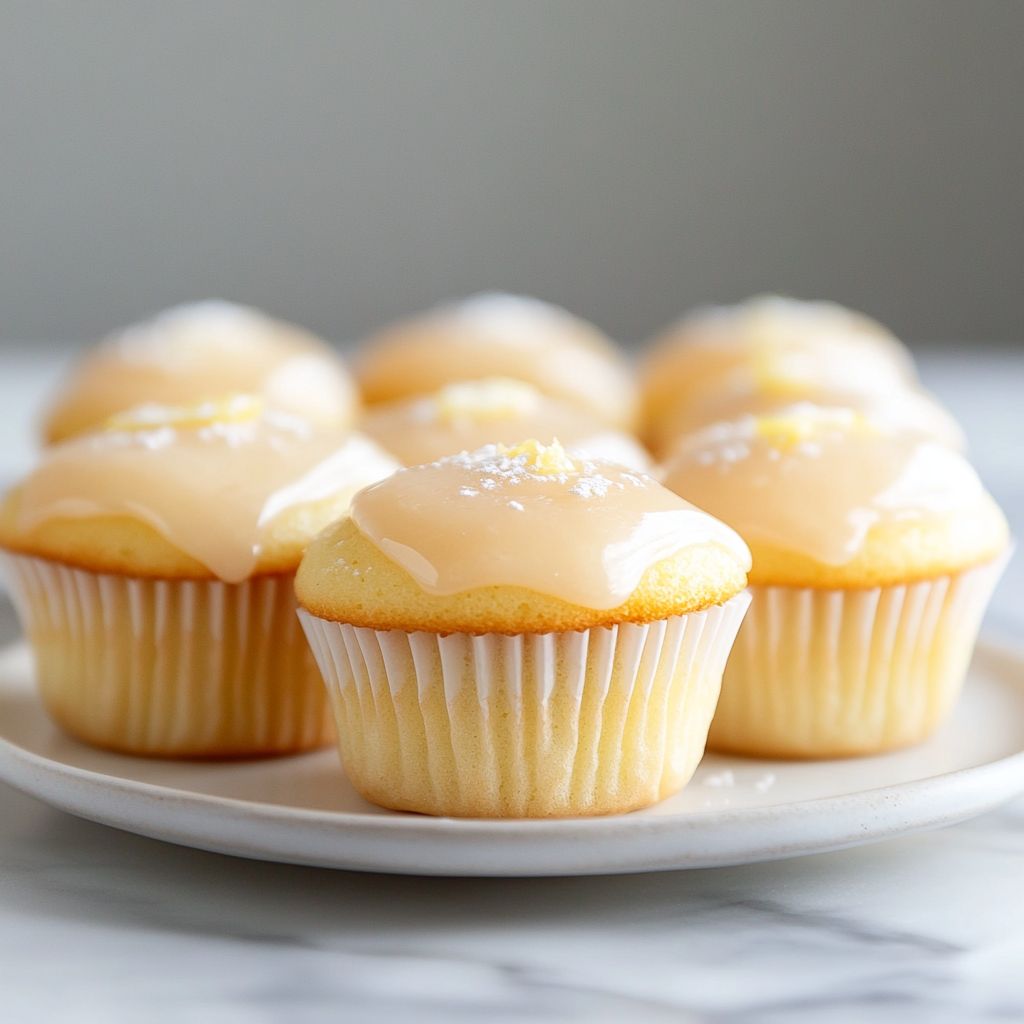
→ Cooling gradually while intact preserves the structure formed during baking; removing too soon risks tearing the delicate crumb, while complete cooling prevents condensation from melting the glaze later. - Drizzle the cooled cupcakes with the lemon glaze, letting it cascade down the sides for an appealing finish, and allow the glaze to set for a few minutes.
→ A quick glaze sets into a glossy sheen that highlights the lemon aroma; a gentle drizzle avoids soggy tops and keeps the cake’s delicate crumb intact. - Prepare optional toppings: whip 1/2 cup cold heavy cream with 1–2 tablespoons powdered sugar and a pinch of vanilla to soft peaks; keep chilled until ready to garnish.
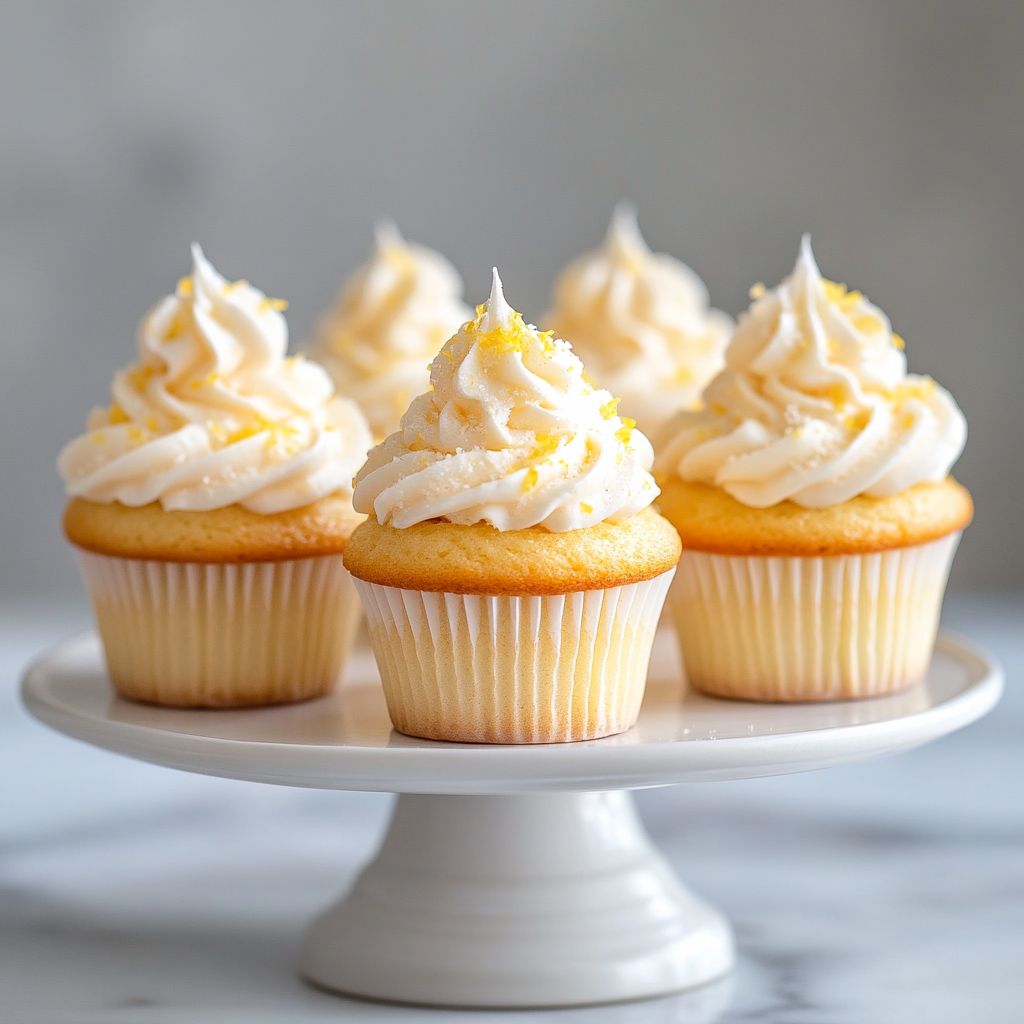
→ Lightly whipped cream adds richness and a cloud-like contrast to the airy cake; chilling prevents the cream from slipping or deflating when applied to the cupcakes. - When ready to serve, dollop or pipe a modest amount of whipped cream onto each glaze-coated cupcake and finish with a few fresh berries for color and tartness.
→ The whipped cream and berries provide textural contrast, balance sweetness, and create an elegant presentation suitable for bright, citrus-forward desserts. - Store any leftovers in an airtight container at room temperature for up to 1–2 days, or refrigerate for up to 3 days; glaze may soften over time, so re-glaze lightly if desired before serving.
→ Angel food cupcakes are best eaten fresh with light toppings; proper storage slows staling and maintains the delicate crumb while allowing flavors to meld.
Notes
These Golden Angel Food Cupcakes are light, delicate treats built on a meringue-like base of whipped egg whites folded with cake flour, vanilla, and optional lemon zest for a sunny, tender crumb. For best volume, ensure the whites are cleanly separated and at room temperature, whip to stiff, glossy peaks, and add the granulated sugar in 3–4 additions so the foam stays stable as you beat. Fold the dry ingredients into the whites in small batches, using gentle, lifting motions to preserve the aeration; finish with vanilla and lemon zest (if using) folded in just until incorporated. Do not grease the cupcake liners or the baking pan; the ungreased surface helps the batter grip and rise fully, creating the signature tall, airy cupcakes. Bake until the tops are pale and springy to the touch, then cool inverted or on a rack to prevent collapsing the delicate structure.
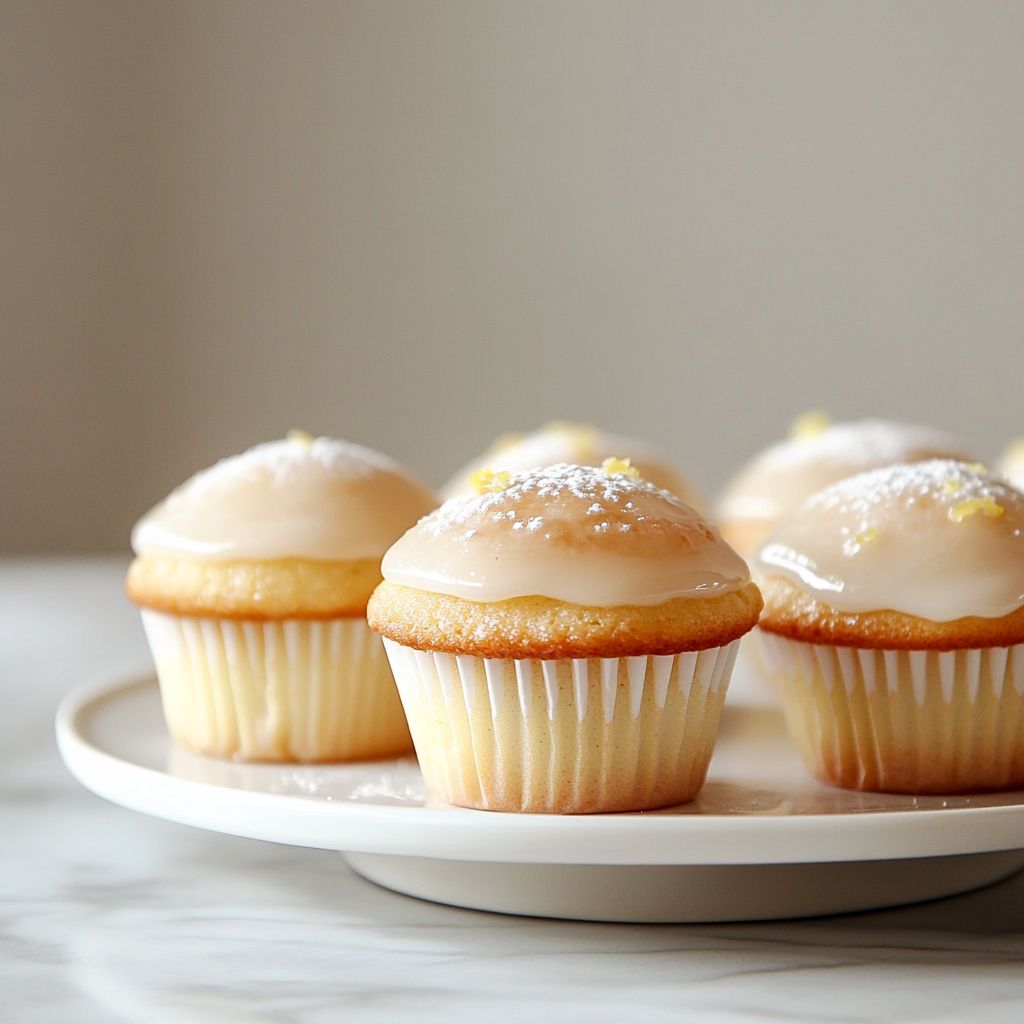
To glaze, whisk together powdered sugar and fresh lemon juice until smooth, adding lemon zest if you want an extra lemon aroma. The glaze should be pourable but not runny; adjust with a tiny splash of water or more juice to reach drizzle consistency. If you prefer a simpler finish, a light amount of whipped cream and a few fresh berries provide a beautiful, balanced finish that complements the lemon note without overpowering the delicate cake. For an extra citrusy punch, serve with a small spoonful of lemon curd on the side.
Storage and gluten-free notes: These cupcakes are best enjoyed the day they’re baked for best tenderness, but they can be kept in an airtight container at room temperature for 1–2 days or refrigerated for up to 3 days. Unfrosted cupcakes freeze well for up to 1–2 months; thaw at room temperature and glaze before serving. If you need a gluten-free version, use a certified gluten-free cake flour or a light gluten-free baking blend designed for tender cakes, and ensure all ingredients (including baking powder) are certified gluten-free to avoid cross-contamination.
Tips
Tips for Perfect Golden Angel Food Cupcakes
- Ensure all equipment and bowls are impeccably clean and free of any fat or yolk residues. Any trace of oil can prevent the egg whites from whipping to their fullest volume. Use glass or metal bowls if possible and wipe them with a little white vinegar or lemon juice to degrease.
- Egg whites should be at room temperature (about 68–70°F/20–21°C) to whip to their maximum volume. If they’re chilling in the fridge, let them sit for 30–60 minutes before beating.
- Separate eggs carefully. Even a speck of yolk will deflate the foam. Use clean, dry egg whites only for best stability and lift.
- Beat the whites with cream of tartar (or a pinch of lemon juice) until they hold stiff, glossy peaks. Add sugar in 3–4 additions as the whites whip to create a stable foam that supports a tall, tender crumb.
- When folding in the cake flour, sift the flour with the salt and gently fold in small batches. Use a light, lift-and-turn motion to preserve the air trapped in the foam; avoid overmixing, which can deflate the batter.
- Do not grease cupcake liners or the muffin cups. Angel food relies on a non-greased surface to climb and set structure. Fill liners about 2/3 full to allow for rising without overflow.
- Flavor boosters like lemon zest and almond extract are optional but work best in small amounts. Fold in zest and extracts near the end of mixing to preserve their aroma without masking the delicate cake.
- For the glaze, sift the powdered sugar first and whisk with fresh lemon juice until smooth. If the glaze is too thick, thin with a small amount of lemon juice or water; if too thin, whisk in a bit more sugar. Add lemon zest at the end for a fragrant finish.
- Apply toppings (whipped cream or fresh berries) just before serving to maintain texture. Keep whipped cream cold and fold in a touch of sugar and vanilla if you’re serving later in the day.
- Storage tips: store baked cupcakes in an airtight container at room temperature for 1–2 days. For longer storage, refrigerate (bringing to room temperature before serving helps the crumb stay tender). Glaze and toppings are best added just before serving to keep the texture light and fresh.
FAQ
What are Golden Angel Food Cupcakes?
Golden Angel Food Cupcakes are light, airy treats made with only egg whites, sugar, and cake flour. They rise tall and tender without any fat, and the tops acquire a delicate golden hue from gentle baking and a touch of vanilla or citrus zest. They’re naturally gluten-free when using a true angel food technique with light cake flour.
What ingredients do I need to make them?
For about 10–12 cupcakes, you’ll need:
– 8 large egg whites, at room temperature
– 1 cup plus 2 tablespoons (about 210 g) granulated sugar, divided
– 1 cup cake flour, sifted with 2 tablespoons cornstarch
– 1/4 teaspoon salt
– 1 teaspoon cream of tartar
– 1 teaspoon vanilla extract (clear vanilla preferred for the light color)
– Optional: 1/2 teaspoon citrus zest (lemon or orange) for aroma
Should I separate the eggs and whip the whites to stiff peaks?
Yes. Separate the whites from the yolks carefully, ensuring no yolk gets into the whites. Use clean, oil-free bowls. Whip the whites with the cream of tartar on medium speed until foamy, then gradually add the sugar in 3–4 additions, beating until stiff, glossy peaks form. Do not overbeat. Gently fold in the vanilla and zest, then fold in the sifted flour mixture in small portions.
Do I need to grease the pan for these cupcakes?
Do not grease the batter surface. Traditional angel food relies on the batter climbing the sides of a non-greased pan. If you’re using muffin tins, use ungreased liners or lightweight silicone cups. Paper liners can work, but they may slightly limit height; for best rise, bake in ungreased, nonstick muffin cups or a lightly greased silicone mold and remove after cooling.
What baking temperature and time should I use?
Bake at 350°F (175°C). Fill cupcake cups about 2/3 full and bake for about 12–15 minutes, until the tops are lightly golden and spring back when touched. Every oven is different, so start checking at 12 minutes and watch for a pale golden color with a soft, spongy texture.
How can I keep the tops looking fluffy instead of shrinking or collapsing?
Keep the batter airy by folding gently, avoid overmixing, and don’t deflate the whites. Do not open the oven during the first 2/3 of baking. Ensure the oven is fully preheated. After baking, let the cupcakes cool inverted if possible (rest them upside down in a clean rack) so they don’t collapse from gravity as they cool.
Can I bake these as regular cupcakes in a standard muffin pan?
Yes, you can bake them in a muffin pan, but results vary. Use ungreased paper liners or silicone cups and fill 2/3 full. The tops may be a bit shorter than traditional angel food, but they’ll still be light and tender. If you want taller cupcakes, consider baking in a dedicated angel food or tube-cake mold instead.
How do I add flavor or color without breaking the light texture?
Flavor options:
– 1/2 teaspoon citrus zest (lemon or orange) for aroma
– 1/2 teaspoon almond extract for a nutty note
– 1/2 teaspoon vanilla extract for warmth (clear vanilla helps keep color light)
For color, avoid adding heavy ingredients that weigh down the batter. A light zest or a small amount of vanilla is enough to enhance aroma without dulling the delicate crumb.
How should I store or freeze Golden Angel Food Cupcakes?
Store at room temperature in an airtight container for 1–2 days. For longer storage, freeze unfrosted cupcakes (wrapped well) for up to 1 month. Thaw at room temperature and frost just before serving. Frosting is optional but recommended if you want a little extra sweetness on top.
What frostings or glazes pair well with these cupcakes?
Because the base is fat-free and delicate, light toppings are best:
– Simple lemon glaze: 1 cup powdered sugar + 1–2 tablespoons lemon juice, a splash of vanilla
– Vanilla glaze: 1 cup powdered sugar + 2–3 tablespoons milk or water + 1/2 teaspoon vanilla
– Fresh berry compote and a dollop of lightly whipped cream (or dairy-free alternative)
For a golden finish, a thin glaze adds shine without weighing down the crumb.
What should I do if the cupcake crumb is too dense or not airy?
Possible causes and fixes:
– Whites not whipped enough: re-whip until stiff, glossy peaks.
– Overfolding: fold more gently and in smaller increments.
– Too much flour: measure flour by scooping and leveling or use a kitchen scale.
– Oven too cool: preheat thoroughly and bake with the rack in the middle.
– Humidity: on very humid days, angel food can be a touch denser; ensure the whites are perfectly stiff and sugar is added gradually.