Introduction / Hook
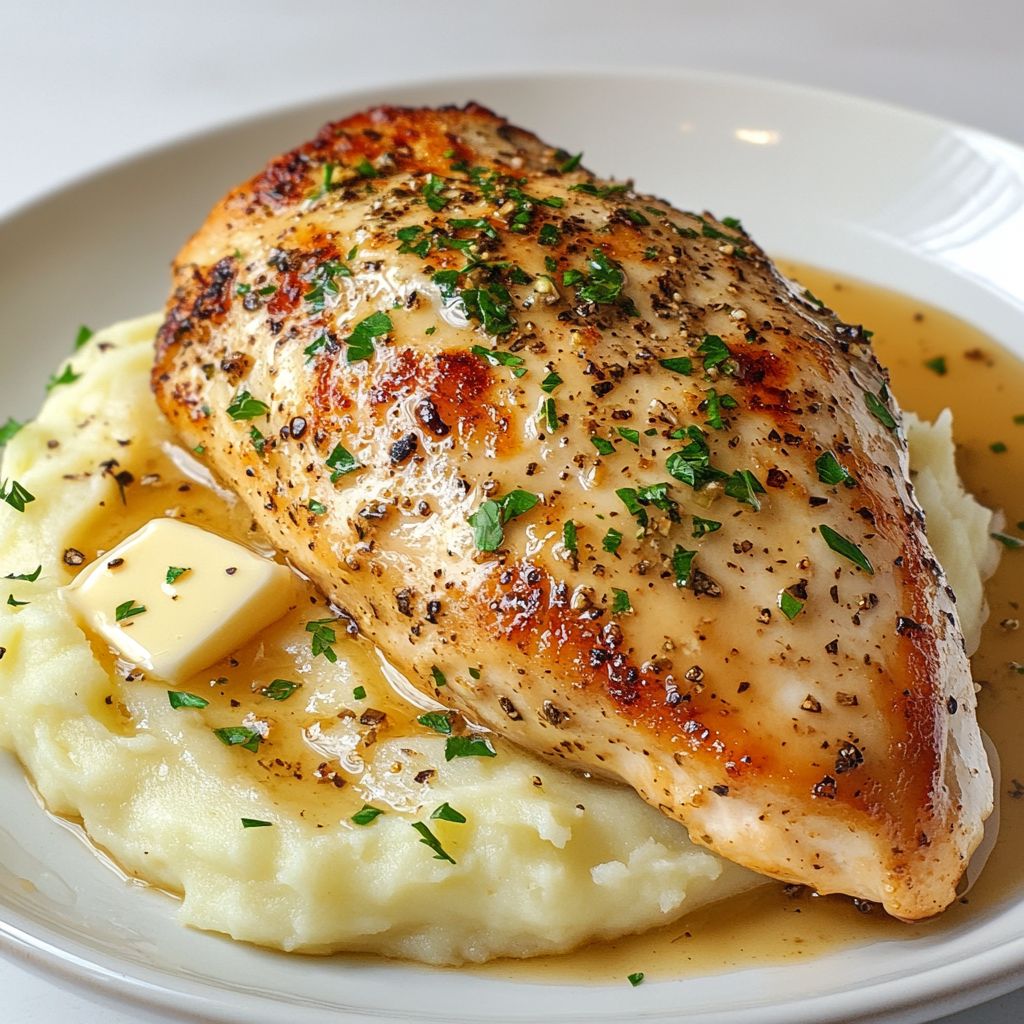
imagine an inviting skillet warming a kitchen with a soft rumble of sizzle, the air instantly filled with the warm fragrance of garlic, fresh herbs, and butter. This Garlic Herb Chicken, finished with a velvety pan sauce, rests atop a bed of luscious mashed potatoes that catch every note of the savory glaze. It’s the kind of dish that feels like a hug in edible form—comforting, hearty, and refined enough to serve for a special weeknight dinner or a quiet Sunday gathering. The beauty lies in its simplicity: everyday ingredients treated with respect, a quick sear to seal in juices, and a simmer that coaxed aroma into your living space. When the skillet is quiet again, you’re left with a plate that looks as good as it tastes, a balance of crispy edges, tender meat, and creamy, cloud-like potatoes that make you linger after the last bite.
The Story Behind the Dish
Garlic and herbs have long traveled through kitchens as ambassadors of warmth and welcome. This dish traces its origin to regions where farmers gather around a single skillet, where garlic bulbs break their papery skins to release their bold, peppery-sweet perfume, and where fresh herbs—thyme, rosemary, parsley—are plucked from a windowsill or a backyard patch. It is the kind of recipe that travels with a family, picked up from a beloved aunt’s cookbook, then gently adapted to reflect local flavors and seasonal produce. My own version grew out of a quiet evening when a roast chicken would not be the star of the show, but a pan sauce with its drippings would. The mashed potatoes were the guarantee of comfort, a canvas that soaks up the savory sauce like a slow-drinking friend. The result is a dish that feels timeless yet fresh—a classic technique reimagined with modern flavor balance. It’s a dish that invites conversation: stories of childhood kitchens, memories of holidays when the table was laden with good things, and the simple joy of savoring something homemade and unapologetically satisfying.
Why You’ll Love This Recipe
- Classic comfort with a bright, aromatic lift: garlic, lemon zest (optional but delightful), and a chorus of herbs brighten the dish while keeping it grounded in comfort.
- Versatile and forgiving: a great match for chicken thighs or breasts, and adaptable to what you have on hand—fresh or dried herbs, citrus notes, or a touch of cream in the mashed potatoes.
- One-pan concept, elegant results: the dish starts with a sear to create a savory crust, then finishes with a flavorful pan sauce that clings to every morsel and soaks into the potatoes below.
- Family-friendly appeal: minimal heat and robust flavors appeal to both adults and children, making it a reliable centerpiece for weeknights or weekend gatherings.
- Make-ahead friendly: the components can be prepared in stages so you’re not stuck in the kitchen for hours, allowing you to enjoy company and finish with a polished plate.
- Glorious aroma that fills the house: garlic scent mingled with herbaceous notes turns ordinary cooking into an inviting experience that everyone looks forward to.
Flavor Profile & Texture
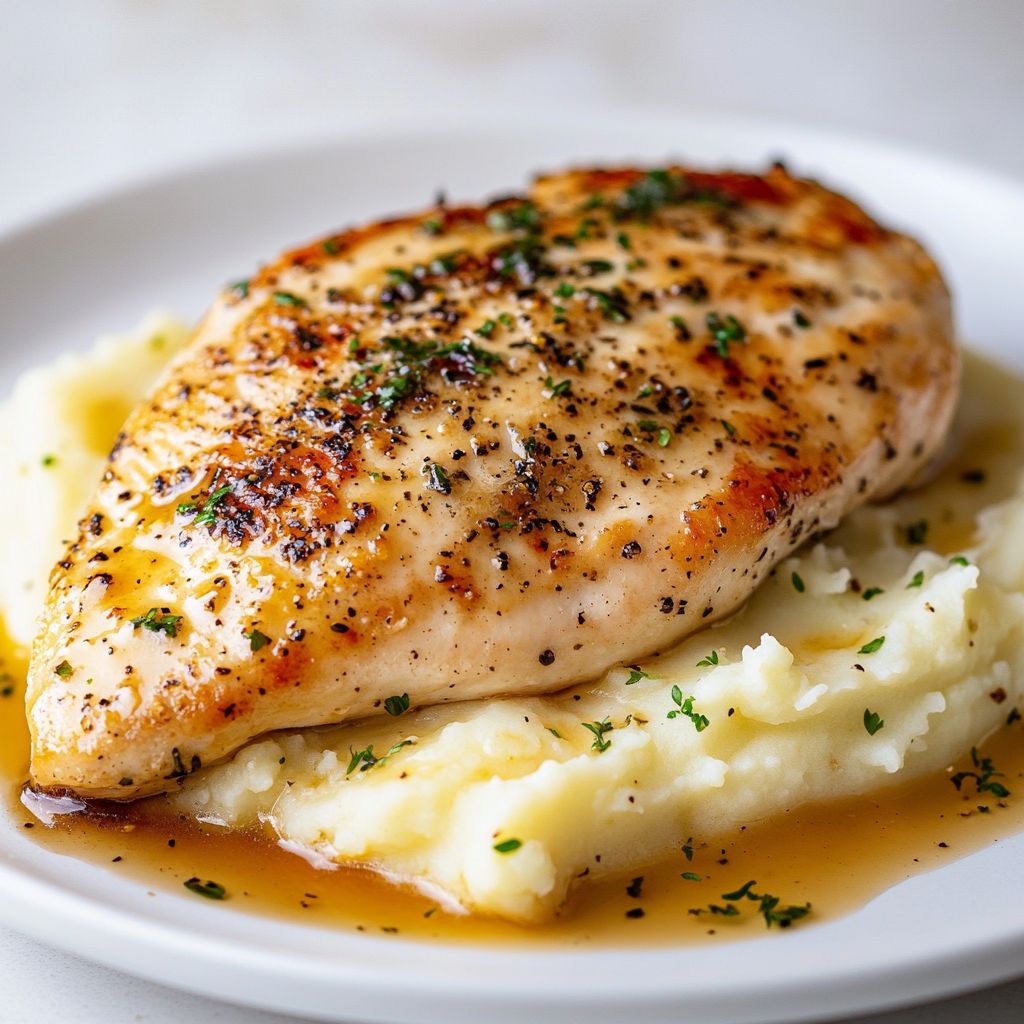
The dish presents a harmonious trifecta of textures and tastes. First, there is the chicken: if you opt for bone-in, skin-on cuts, you’ll hear that satisfying crack as the skin crisps to a golden-brown, followed by a juicy, tender interior that speaks of proper searing and careful cooking. The garlic and herb seasoning brings forward a savory, slightly peppery bite, balanced by the sweetness of caramelized bits that cling to the pan and dissolve into the sauce. The herbs—thyme, rosemary, parsley—provide an earthy, piney brightness that lingers on the palate, with lemon zest (if used) adding a sunny, citrusy lift that keeps the richness from tipping into heaviness.
Then there’s the mashed potatoes, the soft, creamy counterpoint that acts as a comforting cushion for all those flavors. A well-made mash absorbs the pan sauce beautifully, turning into a velvety layer that carries a whisper of butter and cream (or dairy-free equivalents) for lushness without heaviness. The sauce itself, often made from the pan drippings, finishes with a glossier glaze and a depth that might remind you of a fine jus—there’s a subtle acidity, a hint of sweetness from caramelization, and a gentle herbal finish that threads through every bite. In combination, the dish offers crisp, succulent poultry, silky potatoes, and a savory-sweet, herbaceous sauce that ties everything together in a single, satisfying bite. It’s a symphony of texture and flavor: the crunch of a well-seared exterior, the tenderness of the meat, the creaminess of mashed potatoes, and the bright, aromatic sauce that makes each forkful feel complete.
Occasions & Pairings
This Garlic Herb Chicken over mashed potatoes is perfectly suited for a wide range of occasions, from everyday dinners that deserve a touch of restaurant-quality charm to special-occasion meals that feel indulgent without demanding hours in the kitchen. It shines on cold weeknights when you crave something comforting and hearty but still reasonably quick to pull together. It’s equally at home on a holiday table, where you want a centerpiece that’s familiar yet elevated, with enough texture and aroma to spark conversation. The dish also makes a satisfying Sunday supper, paired with a simple green vegetable and a crusty loaf of bread to mop up every last bit of sauce.
Suggested pairings to enhance the experience:
- Side dishes: roasted vegetables (carrots, Brussels sprouts, or green beans), creamy or roasted cauliflower, or a light salad with a tangy vinaigrette to cut through richness.
- Breads: warm buttered dinner rolls, crusty sourdough, or even garlic knots to echo the garlic-forward theme.
- Drinks: a medium-bodied white wine such as Chardonnay or Pinot Grigio, or a light-bodied red like Pinot Noir for those who prefer red. For non-alcoholic options, a sparkling apple cider or a lemon-herb sparkling water pairs nicely.
- Desserts: a simple lemon tart, vanilla custard, or a fruit-based dessert to cleanse the palate after a rich, savory main.
Tips, Variations & Substitutions
Adaptability is at the heart of this dish. Here are ideas to tailor the recipe to your tastes, dietary needs, or what’s in your pantry. Each variation keeps the core concept intact—garlic, herbs, a crisp chicken, and creamy mashed potatoes—while offering a fresh twist.
Tips for Perfect Results
- Pat the chicken dry before searing to promote a crisp, golden skin and to prevent steaming in the pan.
- Use a hot skillet and avoid overcrowding; this ensures browning rather than steaming.
- Let the chicken rest briefly after searing to keep juices from escaping when you cut into it.
- Deglaze the pan with a touch of wine, chicken stock, or water to lift browned bits and create a richer sauce.
- Season thoughtfully: salt in moderation, then finish with a light squeeze of lemon or a final pinch of fresh herbs to brighten the finish.
Variations & Substitutions
- Proteins: swap in pork chops or turkey cutlets for a different take, or use boneless, skinless chicken thighs for extra juiciness.
- Herb blends: try a Mediterranean vibe with oregano, thyme, and a pinch of paprika; or go with tarragon and chives for a bright, anise-like note.
- Garlic options: use roasted garlic for a mellow sweetness, or add a touch of garlic confit for depth.
- Mashed potato variations: mix in roasted garlic, sour cream or yogurt for tang, or use half-and-half for creaminess. For dairy-free, use olive oil or a plant-based butter and unsweetened almond milk or oat milk.
- Gluten-free and dairy-free friendly: this dish naturally fits gluten-free and dairy-free diets if you use appropriate substitutes for mashed potatoes and pan sauce thickeners (e.g., a gluten-free stock and dairy-free butter or oil-based sauce).
- Flavor boosters: add a splash of white wine to the pan for extra depth, or finish with a handful of chopped parsley for color and freshness.
- Make it lighter: use skinless chicken breasts, and skim fat from pan drippings; serve with a lighter mashed potato made with a mix of potato and cauliflower for extra creaminess with less starch.
Storage & Make-Ahead Ideas
Like many comfort-forward dishes, this one benefits from gentle storage and mindful reheating. The components can be prepared ahead of time and combined with minimal effort, so you can enjoy a comforting meal with little last-minute fuss.
- Leftovers: refrigerate cooked chicken, mashed potatoes, and any sauce separately in airtight containers. They’ll stay fresh for up to 3–4 days.
- Reheating: reheat the chicken gently in a skillet with a splash of stock or water to loosen the sauce, then warm the mashed potatoes separately, stirring in a bit of dairy or dairy-free alternative to restore creaminess.
- Freezer note: the mashed potatoes don’t reheat as smoothly from frozen as fresh, so if you’re freezing, consider freezing the chicken with a note to rewarm with a splash of stock and a touch of butter or dairy-free alternative.
- Make-ahead strategy: season the chicken and the mashed potatoes in advance (without cooking) for a quicker cooking process; you can sear and finish everything in stages, so you only need a short window for final assembly.
Fun Facts & Trivia (Optional)
Garlic is more than a kitchen staple; it has carried cultural significance across civilizations. In ancient Egypt, garlic was believed to give workers strength and endurance on long building projects. Across many cuisines, garlic is celebrated not only for its flavor but for its medicinal lore, from aiding digestion to supporting heart health. Mashed potatoes, a staple that evokes cozy family dinners, have a lineage tracing back to the potato’s spread from the Andes to Europe and beyond, where cooks learned to transform a starchy tuber into a creamy, comforting purée that harmonizes with savory proteins. The herb duo of thyme and rosemary evokes a distinctly arid, sun-warmed aroma, reminiscent of Mediterranean hedgerows and rustic kitchens alike. When you plate Garlic Herb Chicken over mashed potatoes, you’re not just serving a meal—you’re inviting a moment of warmth, memory, and shared satisfaction that has traveled through generations of cooks who understood that great flavor often begins with a simple, well-executed technique and a handful of beautiful ingredients.
Final Thoughts
Cooking is a language you speak with your senses, and this dish is a conversation you can have with your table—soft clouds of mashed potatoes, a chicken crusted with garlic and herbs, and a pan sauce that binds the flavors in a single, sighing bite. It’s the kind of recipe you keep in your back pocket for days when you want something that feels both special and comforting, something you can make with confidence and quietly proud of as aromas swirl through your home. Whether you’re feeding a busy family, inviting friends for a casual dinner, or simply treating yourself to a small ceremony of flavor, Garlic Herb Chicken – served over mashed potatoes offers a dependable, delicious, and deeply satisfying experience that turns everyday ingredients into a memory you’ll want to recreate again and again.
Ingredients
Mashed Potatoes
- 4 large russet potatoes, peeled and cut into 2-inch chunks
→ These potatoes are the starch base for fluffy mashed potatoes. Russets yield a light, airy texture due to their high starch and low moisture. Peel for classic smoothness or leave a thin skin for rustic texture. Cut into evenly sized pieces to cook uniformly; start in cold, salted water so the potatoes heat evenly and avoid a gummy mash. Boil until fork-tender, then drain well and steam-dry briefly before mashing. - 3 tablespoons unsalted butter, softened
→ Butter enriches the potatoes, adding creaminess and gloss. Softened butter blends smoothly into hot potatoes for a silky texture. For dairy-free, substitute with olive oil or vegan butter. Add off heat to keep the potatoes light and prevent butter from separating; mash until fully incorporated. - 1/2 cup whole milk or heavy cream, warmed
→ Dairy provides creaminess and helps reach a smooth, luxurious consistency. Warm milk before adding to prevent cooling the potatoes and creating a gluey texture. Start with 1/2 cup and add more if needed to reach your desired creaminess. For lighter mash, use milk; for richer mash, use cream. - Salt, to taste
→ Seasoning for the base; potatoes will absorb salt as they cook and mash. Start with about 3/4 teaspoon for 4 potatoes and adjust after mashing. If you used salted butter or broth elsewhere in the dish, adjust accordingly to avoid over-salting. - Freshly ground black pepper, to taste
→ Adds subtle heat and depth to the potatoes, balancing richness. Freshly ground pepper has a brighter aroma than pre-ground. Add at the end, after mashing, for best distribution.
Optional Mash-ins
- 2 tablespoons chopped fresh chives or parsley (optional)
→ Adds a fresh, herbal brightness and a pop of color. Chop herbs finely and fold into the mashed potatoes just before serving for even distribution. Parsley also helps brighten the flavor; chives add a mild onion note. - 2-3 roasted garlic cloves, mashed (optional)
→ Roasted garlic infuses the mash with a sweet, mellow garlic flavor without the sharp bite of raw garlic. Mash the cloves into the potatoes after mashing for a creamy, savory finish. If you prefer more bite, simply mince raw garlic and mix it in with the butter and milk. - 1-2 tablespoons sour cream or cream cheese (optional)
→ Adds tang and extra creaminess to the mash. Soften if using cold; whisk in with butter and warm milk until smooth. This makes the mash extra lush and silky, perfect for pairing with a pan sauce.
Garlic Herb Chicken
- 4 boneless, skinless chicken breasts or thighs, patted dry and evenly sized (about 1 inch thick)
→ The protein centerpiece; thighs stay juicier but breasts cook faster and are leaner. For even cooking, pound to uniform thickness if needed. Pat dry to encourage browning and season well on all sides before cooking for even flavor development. - 2 tablespoons olive oil
→ Fat for searing and browning; helps create a flavorful crust. Use olive oil with a higher smoke point or a light olive oil for high-heat searing. Heat the pan until the oil shimmers before adding the chicken to ensure a good sear and prevent sticking. - 3 cloves garlic, minced
→ Aromatics that infuse the chicken with savory depth during cooking. Mince finely to maximize surface area so the aroma integrates quickly. If you prefer a milder garlic presence, add later in cooking or reduce to 2 cloves. Avoid burning by adding garlic after the chicken has begun to brown, if using in a high-heat pan. - 1 tablespoon chopped fresh thyme
→ Earthy, lemony notes that pair well with potatoes and the buttery mash. Use fresh thyme leaves stripped from stems and chopped. Add early in cooking to allow the aroma to bloom with the chicken, blending into the pan. - 1 tablespoon chopped fresh rosemary
→ Piney, robust herb that complements roasted notes and garlic. Use finely chopped leaves; rosemary can become overpowering, so balance with thyme and garlic. Add during cooking to release essential oils and integrate into the sauce. - Salt to taste
→ Essential for flavor; season the chicken before searing to help retain moisture and create flavor on the surface. Because the pan sauce may contribute salt, adjust after the sear and before serving. - Freshly ground black pepper to taste
→ Adds a bit of bite and helps with browning. Use fresh pepper for better aroma; adjust after cooking when the sauce reduces. - 1/2 teaspoon smoked paprika or sweet paprika (optional)
→ Adds color and a gentle smoky or mild warmth to the chicken. This is optional; omit if you prefer a cleaner herb-forward profile. If using, mix with salt and pepper and rub evenly over the chicken for a uniform crust.
Pan Sauce
- 1/2 cup chicken broth
→ Deglazes the pan after searing to lift the browned fond into a flavorful sauce. Use low-sodium broth so you can control the final salt level. If you don’t have broth, a splash of water with a pinch of salt works, but broth gives more depth. - 1/4 cup dry white wine (optional) or more chicken broth
→ Adds acidity and brightness to balance the richness of the chicken and potatoes. Choose a dry wine like Sauvignon Blanc; if avoiding alcohol, simply increase the broth. Simmer to reduce and concentrate flavor. - 1 tablespoon lemon juice
→ Brightens the sauce, cutting through richness and adding a fresh note. Use freshly squeezed lemon juice for best flavor. Add toward the end of reduction to preserve brightness rather than cooking it away. - 1 teaspoon Dijon mustard (optional)
→ Helps emulsify the sauce and adds a subtle tang that pairs well with herbs. Stir into the pan with the broth, warming gently to prevent separation. Use a good-quality Dijon for best flavor. - 1 tablespoon cold unsalted butter (to finish)
→ Finishes the sauce with a glossy sheen and luxurious mouthfeel. Remove sauce from heat and whisk in butter off the flame to create a smooth emulsion. For dairy-free, use a neutral oil or vegan butter at the end. - Salt and pepper to taste
→ Final seasoning for the pan sauce. The sauce will pick up salt from the broth and butter, so taste after reduction and adjust accordingly before serving. - 1 tablespoon chopped fresh parsley (optional)
→ Adds a fresh, herbal note and color to finish the sauce. Stir in at the end or sprinkle on top for a bright, herb-forward plate. Parsley also helps emphasize the dish’s flavor.
Garnishes
- Fresh parsley leaves, chopped for garnish
→ Finishing touch to add color and a fresh herbaceous note. Sprinkle over the chicken and mashed potatoes just before serving to brighten the plate. If you have extra, you can mix some into the potatoes for a lively presentation. - Lemon wedges, for serving (optional)
→ A bright citrus twist to squeeze over the chicken and potatoes at the table. Provide wedges on the side to control acidity and refresh the palate with each bite.
Instructions
- Place the peeled russet potatoes into a large pot and cover with cold, salted water.
→ Starting in cold water ensures even heat penetration and helps prevent a gummy mash by avoiding a sudden temperature shock as the potatoes heat gradually to a boil. - Bring the pot to a boil over high heat, then reduce to a gentle simmer and cook the potatoes until fork-tender, about 15-20 minutes.
→ A steady simmer keeps potatoes from breaking apart or breaking down too much starch, which preserves a fluffy texture when mashed. - Drain the potatoes well and return them to the hot pot to steam-dry for 1-2 minutes.
→ Drying the surface of the potatoes removes excess moisture so the mash becomes light and fluffy rather than watery. - Mash the potatoes using a potato ricer or a sturdy potato masher until very smooth.
→ A ricer yields an ultra-smooth texture by breaking the starch cells gently; a masher works but may yield a heartier texture—choose based on your preferred mouthfeel. - Add softened unsalted butter in small pieces and fold into the hot potatoes until fully melted and glossy.
→ Butter emulsifies with hot potatoes to create a rich, satin-smooth mash; adding it in stages helps prevent greasy separation. - Warm the milk or heavy cream in a small saucepan until just steaming.
→ Warm liquid integrates more evenly into the mash and prevents cooling the potatoes, which can lead to a less cohesive texture. - Pour the warm milk into the mashed potatoes in a slow, steady stream while folding until the mixture is creamy and smooth.
→ Adding liquid gradually helps you control the consistency; stop when you reach your desired creaminess without turning the mash soupy. - Season the mashed potatoes with salt and freshly ground black pepper to taste.
→ Potatoes absorb salt as they cook; tasting and adjusting ensures a balanced flavor that complements the chicken and sauce. - If using chopped fresh chives or parsley, fold them into the mash now for color and brightness.
→ Fine herbs distribute evenly and add a fresh note that complements the garlic and herbs in the chicken. - If using roasted garlic, mash the cloves and fold them into the mash after mashing for a mellow garlic boost.
→ Roasted garlic sweetens and softens, imparting a subtle garlic warmth that pairs with the butter and potatoes. - If using sour cream or cream cheese, whisk into the mash with the butter and warm milk to enhance richness.
→ Adds tang and extra silkiness to the mash, creating a luscious base for the chicken dish. - Pat the chicken breasts or thighs dry with paper towels and season on all sides with salt, pepper, and optional paprika.
→ Patting dry improves browning by providing a dry surface; seasoning ensures flavor on the crust, and paprika adds a gentle color and warmth if using. - Heat olive oil in a heavy skillet over medium-high heat until it shimmers.
→ A shimmering oil confirms the pan is hot enough to create an immediate crust, which locks in juices and develops flavor. - Place the chicken in the pan and sear without moving until deeply browned on the bottom, about 2-4 minutes; then flip and sear the other side until browned.
→ A good crust forms best when not disturbed; flipping once ensures even browning and moisture retention inside the meat. - Add minced garlic, chopped thyme, and chopped rosemary to the pan and cook for 30-60 seconds until fragrant, taking care not to burn the garlic.
→ Aromatics bloom quickly in the hot fat, imparting herbal warmth without bitterness; keep the heat steady and move them around to coat the chicken. - Pour in 1/2 cup chicken broth and 1/4 cup dry white wine (or more chicken broth if avoiding alcohol) to deglaze the pan, scraping up all browned fond with a wooden spoon.
→ Deglazing lifts the caramelized bits from the pan to infuse the sauce with depth and complexity; the liquid forms the base of your pan sauce. - Stir in lemon juice and Dijon mustard (if using) and bring to a gentle simmer.
→ Lemon brightens the richness; Dijon helps emulsify the sauce and adds a subtle tang that complements the herbs. - Return the chicken to the sauce and simmer until the internal temperature reaches 165°F (74°C) and the juices run clear, about 5-8 minutes depending on thickness.
→ Proper internal temp ensures safety and juiciness; simmering in the sauce also flavors the meat. - Transfer the chicken to a plate and tent loosely with foil to rest for about 5 minutes.
→ Resting redistributes juices, making the meat more tender and easier to slice without losing moisture. - Remove the pan from heat and whisk in 1 tablespoon cold unsalted butter, added one piece at a time, to finish the sauce with a glossy emulsion.
→ Off-heat whisking prevents butter from separating while creating a silky, cohesive sauce that clings to the chicken and potatoes. - Taste the pan sauce and adjust the seasoning with salt and pepper as needed.
→ Sauces concentrate as they reduce; final seasoning should reflect the flavors of the dish without oversalt. - Stir in 1 tablespoon chopped fresh parsley (optional) to add a fresh herbal note and color to the finish.
→ Parsley brightens the plate and lifts the aromatics without overpowering the dish. - Spoon a generous bed of mashed potatoes onto each plate to create a creamy base for the chicken.
→ The mash provides a luxurious foundation and soaks up the pan sauce for cohesive bites. - Slice the rested chicken into even medallions or serve whole atop the mash for a rustic presentation.
→ Slicing ensures even portioning and helps the sauce reach all the meat surfaces for flavor distribution. - Spoon the pan sauce over the chicken and potatoes, ensuring some of the sauce pools on the potato bed for added depth.
→ The sauce carries the umami from the fond and herbs, finishing the dish with cohesion and shine. - Garnish with additional chopped parsley and arrange lemon wedges on the side for a bright, citrusy aroma with each bite.
→ Fresh garnish communicates freshness, echoes the lemon brightness, and adds visual appeal to the plate. - Serve immediately to enjoy the contrast of warm mashed potatoes, juicy chicken, and glossy pan sauce.
→ Timing is crucial; serving hot ensures the textures stay distinct and the flavors stay vibrant.
Notes
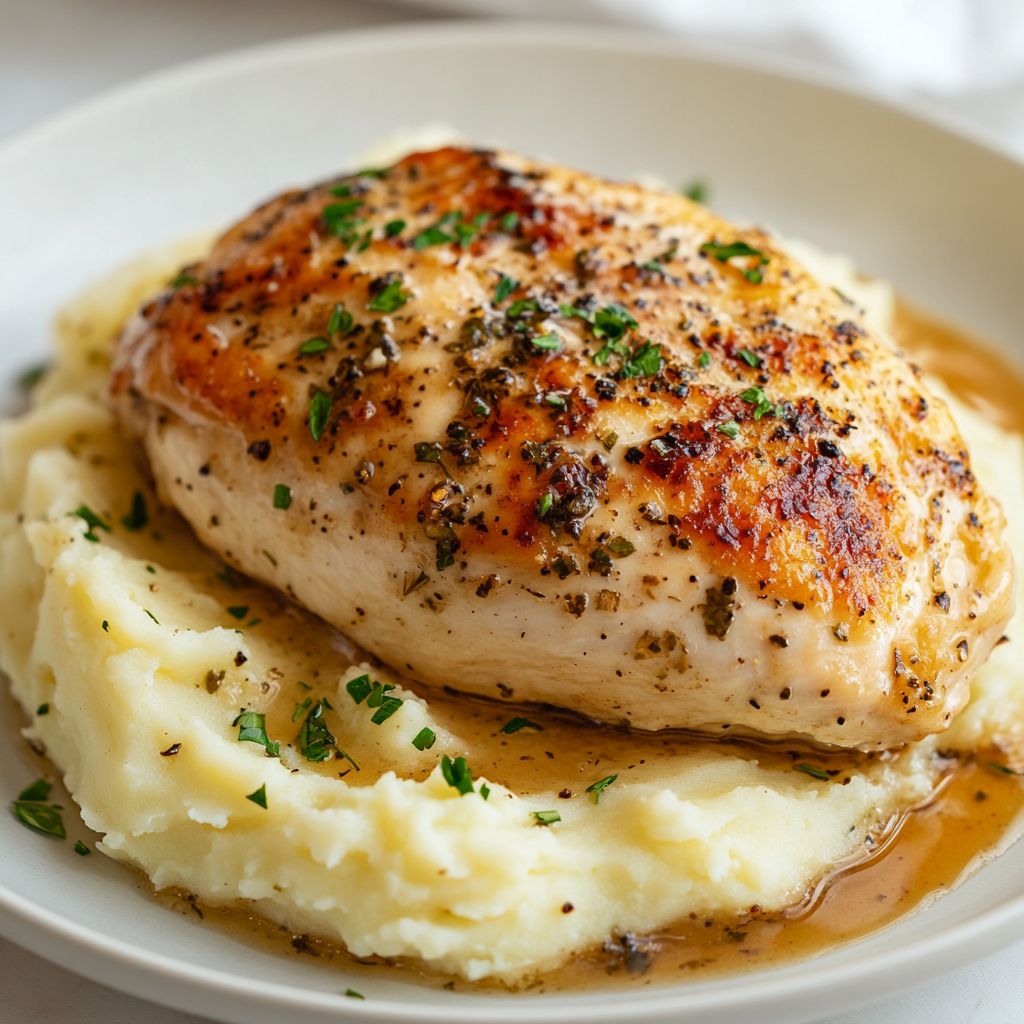
This garlic herb chicken served over mashed potatoes delivers a cozy, flavorful dinner with a glossy pan sauce. Start by patting the chicken dry, seasoning well, and searing in a hot skillet until deeply golden to build rich fond; remove to rest while you flavor the pan with minced garlic, thyme, and rosemary. Deglaze with chicken broth and a splash of dry white wine if you like, simmer to reduce, then finish with lemon juice and a knob of cold butter whisked in off the heat for a silky sheen before returning the chicken to coat in the sauce. For the mash, cook evenly cut russet potatoes in salted water until fork-tender, then mash with warm milk and softened butter until smooth; fold in chopped chives or parsley or, for a deeper aroma, roasted garlic. To make this dish dairy-free or gluten-free, swap butter for olive oil or a dairy-free alternative and use plant-based milk, and ensure your stock, wine (if used), and Dijon are gluten-free; skip any flour-thickened elements in the sauce. Make-ahead tips: you can sear the chicken in advance and finish with the sauce when ready to serve, and you can prepare the mashed potatoes ahead and reheat with a splash of milk to loosen. Finish with a sprinkle of fresh parsley and optional lemon wedges on the side for brightness and color.
Tips
General approach and timing
- Multitask efficiently: start potatoes first, while they boil begin searing the chicken. The pan sauce comes together quickly while the chicken rests.
- Keep heat steady during searing to develop a deep brown crust without burning the garlic. If your pan starts smoking, reduce heat slightly and add the garlic after the chicken has a good sear on one side.
Mashed potatoes tips
- Choose russet potatoes for a light, fluffy mash. If you prefer a bit more texture, leave a thin skin on half the potatoes.
- Cut potatoes into evenly sized pieces and start them in cold, salted water to ensure uniform cooking and prevent a gummy mash.
- Drain thoroughly and dry the potatoes briefly in the pot after boiling; this helps achieve a fluffier texture.
- Warm your milk or cream before adding it to the potatoes to keep the mash hot and help it absorb more evenly.
- Softened butter blends smoothly into hot potatoes; add off the heat to prevent butter from separating and to keep the mash glossy.
- Season the mash in stages: salt to taste after mashing, and adjust pepper at the end for a bright finish.
- For ultra-smooth mash, use a ricer; for a classic rustic mash, a potato masher works beautifully—just be careful not to overwork it.
Optional mash-ins tips
- Herbs: fold in finely chopped chives or parsley just before serving for color and a fresh note.
- Roasted garlic: mash roasted garlic cloves into the potato for a sweet, mellow garlic depth. If using raw garlic, sauté briefly with the olive oil to mellow its bite before mixing.
- Creamy tang: whisk in sour cream or cream cheese after mashing for extra richness and a silky texture; keep warm and then fold in.
Garlic herb chicken tips
- Pat chicken dry and season well on all sides to promote browning and deeper flavor.
- Use a hot pan with enough olive oil to prevent sticking; don’t overcrowd the pan—cook in batches if needed for a crisp crust.
- Minced garlic should be added after the chicken begins to brown to avoid burning and bitterness; this keeps a clean garlic aroma in the dish.
- Toss in thyme early so its aroma blooms and blends with the fond created by the sear; rosemary can be added in the same stage but should be finely chopped to distribute evenly.
- Season with salt and pepper before searing; taste and adjust after the pan sauce is reduced, since the sauce will contribute saltiness.
- If using smoked paprika, rub it evenly with the salt and pepper for a crust with a subtle smoky note; the paprika is optional and complements the herb-forward profile.
- Chicken should reach an internal temperature of 165°F (74°C). Let it rest a few minutes before slicing to keep juices in the meat.
Pan sauce tips
- Deglaze with 1/2 cup chicken broth to lift the browned fond; low-sodium broth helps you control saltiness.
- Optional dry white wine adds brightness; if avoiding alcohol, simply use more broth and simmer a bit longer to reduce.
- Add lemon juice toward the end of reduction to preserve its brightness; excessive heat can dull citrus notes.
- Dijon mustard acts as an emulsifier and adds subtle tang; stir in with the broth and heat gently to prevent separation.
- Finish the sauce by whisking in 1 tablespoon cold butter off the heat for a glossy, velvety finish. Dairy-free option: whisk in a neutral oil or vegan butter instead.
- Season the sauce with salt and pepper after reduction, tasting and adjusting for balance before serving.
- Stir in chopped fresh parsley at the end for a fresh green note and color.
Garnish and plating tips
- Chopped fresh parsley on top brightens the plate and ties the flavors together; scatter a little on the potatoes as well for a cohesive look.
- Lemon wedges on the side provide a bright finish; offer to guests to adjust acidity to taste.
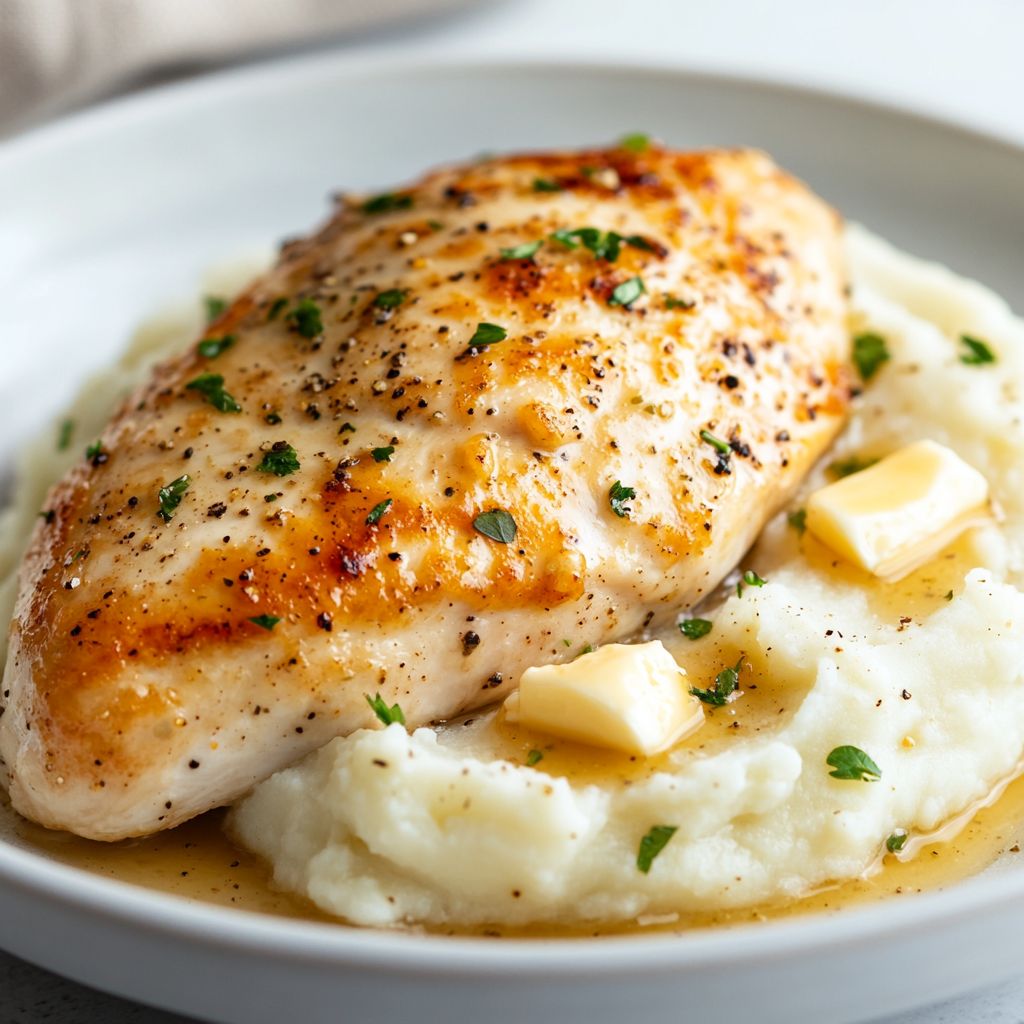
- For a polished plate, spoon a little sauce over the chicken and potato crown, then finish with a small dab of mashed potatoes on the side for height.
FAQ
What is Garlic Herb Chicken – served over mashed potatoes?
A savory skillet dish featuring juicy chicken seasoned with garlic and fresh herbs, finished with a light pan sauce, and served atop creamy mashed potatoes.
What ingredients do I need?
For the chicken and sauce: 4 boneless, skinless chicken breasts, 2–3 cloves garlic (minced), 1–2 tsp dried thyme or 1–2 tbsp fresh thyme, 1–2 tsp dried rosemary or 1–2 tbsp fresh rosemary, salt, pepper, 2 tbsp olive oil, 1/2 cup chicken broth, 1/2 cup heavy cream or half-and-half, 2 tbsp butter. For the mashed potatoes: 2 pounds potatoes (russet or Yukon Gold), 4 tbsp butter, 1/2 cup milk or cream, salt and pepper. Optional: lemon juice or Dijon mustard for brightness; chopped parsley for garnish.
How do I make it step by step?
1) Start the mashed potatoes: peel and cut potatoes, cover with salted water, and boil until tender. 2) Pat chicken dry and season with salt and pepper. 3) Sear chicken in a hot skillet with olive oil until golden on both sides, then remove and set aside. 4) In the same pan, add minced garlic and herbs; cook briefly until fragrant. 5) Deglaze with chicken broth, simmer to reduce slightly, then stir in cream and butter to make a sauce. 6) Return chicken to the pan and cook until cooked through. 7) Mash potatoes with butter and warmed milk/cream; season to taste. 8) Serve the chicken and sauce over the mashed potatoes and garnish with parsley.
Can I use chicken thighs or bone-in chicken?
Yes. Chicken thighs stay juicy and can be used with or without skin. For bone-in pieces, sear first, then finish in the pan, or transfer to a 375°F (190°C) oven to finish cooking for about 15–20 minutes until cooked through.
How do I make creamy mashed potatoes?
Boil peeled potatoes until tender, then mash with butter and warm milk or cream. For extra creaminess, use Yukon Gold potatoes and mash until very smooth. Adjust salt and pepper to taste. For ultra-smooth potatoes, use a potato ricer.
How long does it take to make this dish?
Approximately 50–60 minutes total: about 15–20 minutes for mashed potatoes prep, 25–30 minutes for the chicken and sauce, plus a few minutes to finish and plate.
How should I store and reheat leftovers?
Store leftovers in airtight containers in the fridge for up to 3–4 days. Reheat gently on the stove or in the microwave, adding a splash of broth or milk to loosen the sauce if needed. Reheat potatoes separately if possible for best texture.
Can I make this dairy-free or gluten-free?
Yes. For dairy-free, use olive oil in place of butter and dairy-free milk/cream in the potatoes and sauce. For gluten-free, ensure the chicken broth is gluten-free; the recipe as written is naturally gluten-free. If thickening is desired, avoid flour and use a cornstarch slurry if needed.
What are some flavor variations I can try?
Try swapped or additional herbs (fresh thyme, rosemary, or parsley), a squeeze of lemon or lemon zest for brightness, or sautéed mushrooms added to the sauce. A dash of Dijon mustard can add a subtle tang.
What are common mistakes to avoid?
Avoid crowding the pan, which prevents proper browning. Don’t skip browning the chicken for rich flavor. Don’t overcook the chicken; use a thermometer to reach 165°F (74°C). For mashed potatoes, don’t over-mix or they can become gluey.