Introduction / Hook
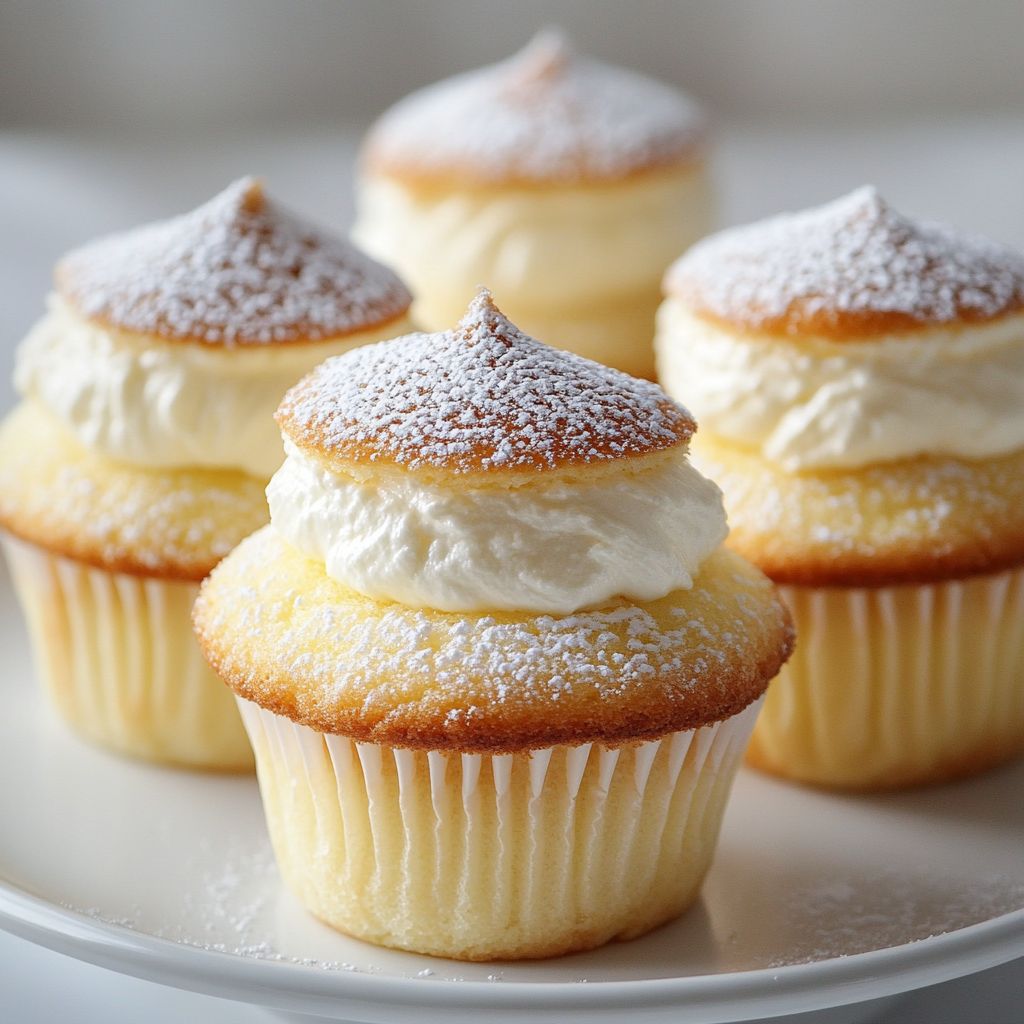
Imagine biting into a cloud—one that feels gentle on the tongue yet undeniably luxurious in taste. Fluffy Japanese Cotton Cheesecake Cupcakes are a masterclass in restraint and elegance: a delicate balance of lightness and richness that somehow feels both everyday-friendly and utterly special. The cupcake-sized version of a classic Japanese soufflé cheesecake, these little wonders rise like pillows of vanilla-tinged air, with a subtle tang that awakens the palate without overpowering it. The moment you slip one from the tray, a faint citrus-y aroma teases your senses, and the surface yields to reveal a springy, cloud-soft interior. They’re not just desserts; they’re a mood lifted into a bite, a reminder that sophistication can arrive in the most approachable, cup-sized form.
In the kitchen, these cupcakes invite a quiet focus: gentle folding rather than aggressive stirring, patience as the batter expands in a warm oven, and the slow magic of a baked cloud taking shape. They’re perfect for a weekend bake that doubles as a centerpiece for a tea party, a low-key celebration, or a thoughtful gift to someone who deserves something airy and tender. The texture is what people remember—an almost souffle-like interior with a custardy, creamy center that lingers on the tongue. The flavor is bright and comforting at once: a whisper of vanilla, a delicate tang, and a finish that feels both indulgent and refreshing. This is the kind of treat that makes ordinary afternoons feel like a small, celebratory ritual.
The Story Behind the Dish
Cotton cheesecake, as it’s affectionately called in many kitchens, traces its charm to the culinary fascination with airy, cloud-like desserts. In Japan, where precision meets playfulness in pastry, bakers sought a texture that was at once elegant and approachable—a cake that rose high, was impossibly soft, and carried a sweetness that felt light as air. The Cotton Cheesecake became a beloved bridge between the soft, wobbly texture of a soufflé and the comforting familiarity of a traditional cheesecake. The result is a dessert that looks ethereal yet behaves with the reliability of a well-made cupcake. Its success lies in a careful balance: the batter must be bright and wavy with air, yet stable enough to support a gentle rise without collapsing into a dense crumb. When baked properly, the cake separates into a tender interior and a wafer-thin crust that crackles ever so slightly, creating a symphony of textures in every bite.
The “cupcake” adaptation is a modern, accessible twist on a classic. By portioning the batter into individual cups, you invite a neat portion control without sacrificing the signature airy texture. It’s a playful homage to street-side cafés and refined patisseries alike, where the aroma of vanilla and a hint of citrus dances through the kitchen. As a story about technique, the Cotton Cheesecake honors patience and respect for the batter: the air you fold in, the gentleness with which you bake, and the careful post-bake handling that keeps the cloud intact. For many families and bakeries, this dessert became a gentle signature—something that looks delicate, tastes luxurious, and feels approachable enough to share with friends, neighbors, and loved ones.
Beyond the kitchen, this dish has traveled through generations of home cooks who treasured the idea that dessert can be light as a feather yet deeply satisfying. The cupcakes become a canvas for small personal touches—a drizzle of something fragrant, a dusting of sugar, or a pairing that elevates the overall experience. The tradition of crafting something so airy also echoes a broader culinary conversation: how to achieve indulgence without heaviness, how to savor sweetness with restraint, and how to transform humble ingredients into something memorable through technique and care.
Why You’ll Love This Recipe
- Ultra-light, cloud-like texture that feels luxurious yet surprisingly gentle on the palate.
- Cupcake form makes serving effortless and elegant, ideal for gatherings, picnics, or gifting.
- Balanced sweetness with a subtle tang and a whisper of vanilla, so flavors feel refined rather than cloying.
- Impressive presentation: the pale, flawless domes and delicate cracks convey artistry with minimal effort.
- Adaptable to different occasions and diets, offering a delightful base for creative twists.
- Minimal equipment and a forgiving batter when treated with care—perfect for confident beginners and seasoned bakers alike.
- Versatile pairing options, from light fruit accents to a sophisticated cup of tea or matcha latte.
- Make-ahead friendly for entertaining; bake in advance and finish with a finishing touch just before serving.
Flavor Profile & Texture
The flavor profile of these cotton cupcakes is an artful balance. The interior carries a creamy, custard-like richness that dissolves into a delicate, airy crumb. There’s a whisper of vanilla that acts as a warm umbrella for the palate, complemented by a gentle brightness—often a citrus note—that lifts the cake rather than competing with it. The crust offers a light kiss of toasty sweetness, a tiny textural contrast that makes each bite feel dynamic rather than uniform. The overall mouthfeel is soft, almost ethereal, with a resilient tenderness that resists crumbling into dry crumbs. The aroma is inviting long before the first bite, with a perfume of vanilla, a hint of citrus zest, and an almost imperceptible dairy scent that signals comfort and familiarity.
Texture-wise, the hallmark is contrast: a thin, resilient outer shell that holds a cloud-soft center, a crumb that springs back with a gentle bounce, and a moistness that stays with you. This is not a dense cheesecake nor a traditional sponge cake; it’s a hybrid of lightness and creaminess that feels like a confection born from patience and precision. The mouthfeel is buoyant enough to be refreshing, but richly satisfying enough to feel indulgent. The result is a treat that makes people lean in, curious to explore the interplay between air, dairy, and that signature, mellow sweetness that lingers in the finish.
Occasions & Pairings
These cupcakes shine in moments when you want something that’s special without being over-the-top. They’re ideal for weekend gatherings, intimate tea parties, or a delicate dessert after a bright, cheerful lunch. Their refined yet approachable nature makes them a crowd-pleaser at baby showers, bridal showers, and book club meetings alike. Because they’re individually portioned, they’re perfect for potlucks and holiday trays, adding an airy luxury to any spread without the need for slicing or plating drama.
Pairing ideas to elevate the experience include:
- Light tea teams: green tea, matcha latte, or citrus-infused black tea.
- Fresh fruit accents: berries, stone fruits, or a simple compote to add a pop of color and brightness.
- Neutral desserts: a dollop of lightly sweetened whipped cream or a faint drizzle of a simple fruit glaze.
- Wine or bubbly notes: a sparkling wine or a glass of late-harvest dessert wine to complement the creaminess.
The beauty of this recipe lies in its versatility. You can keep it clean and understated for sophisticated gatherings, or you can introduce playful twists for birthdays and celebrations. An afternoon with a cup of tea becomes a ceremony when these little cakes are part of the spread, inviting conversation, smiles, and a shared appreciation for the lightness of the moment.
Tips, Variations & Substitutions
Vegan & Dairy-Free
Transforming these cupcakes into a vegan or dairy-free version is a delightful experiment that highlights how adaptable airy desserts can be. A vegan approach typically uses plant-based substitutes for creaminess and structure—think dairy-free cream cheese alternatives and a replacement for any dairy-dependent elements with a neutral, plant-based fat. Egg alternatives, often proteins or aquafaba-based foams, are used to replicate the lift that egg whites contribute to the original texture. The aim is to preserve the signature cotton-like interior while maintaining an indulgent, melt-in-your-mouth finish. Expect a slightly different mouthfeel, but one that remains light, bright, and satisfying. The key is to maintain the overall buoyancy of the batter and to handle it with the same gentle touch you’d apply to the traditional version.
Gluten-Free Options
Gluten-free adaptations can be accomplished with the right choice of flours or gluten-free blends that mimic the tenderness of standard batters. A blend of light gluten-free flours, plus a touch of starch to improve tenderness and lift, can help maintain the cloud-like texture. The same principles—gentle folding, careful handling, and stable heat—apply. If you opt for gluten-free, you may notice a slightly different crumb and a very light bite, but the overall experience remains buoyant and refined. Consider pairing gluten-free cupcakes with similar toppings and serving styles to preserve cohesion across a dessert spread.
Flavor Twists & Add-Ins
While the classic version shines with its own name, there are charming ways to personalize these cupcakes without losing their essence. Subtle citrus zest (like lemon or orange) can brighten the profile without overpowering the creaminess. A touch of vanilla bean adds a luxury aroma. For a more sophisticated angle, a light matcha or green tea infusion can introduce an earthy, aromatic note that pairs beautifully with the dairy sweetness. Chocolate lovers can pursue a quiet cocoa swirl inside the batter or a delicate chocolate drizzle on top. If you’d like a fruit-forward version, a swirl of berry purée folded into a portion of the batter creates miniature flavor landscapes within the same cloud-like cake.
Regional Twists
Drawing on regional flavor profiles is a wonderful way to honor tradition while adapting to modern tastes. A hint of yuzu (or lemon-yuzu) can infuse the cake with an unmistakable brightness associated with East Asian citrus. A light drizzle of roasted sesame or a pearly dusting of ground almonds can add texture and aroma without shifting the dessert away from its airy identity. In some cultures, a gentle spice note—like cardamom or a whisper of cinnamon—gives warmth to the finish while maintaining elegance. The key is to stay within the language of “soft, airy, refined” and to let any additions be modest, serving to enhance the cloud rather than overwhelm it.
Storage & Make-Ahead Ideas
One of the great joys of these cupcakes is their ability to be prepared ahead and enjoyed at leisure. Ideally, bake, cool completely, and store in an airtight container to protect the tender crumb from humidity. They keep well for a couple of days at room temperature if kept in a cool, dry place, and refrigeration can extend their life by a little longer; however, chilling may alter the texture slightly, making it feel more dense than ethereal. If you’re planning ahead for a special event, consider baking the cupcakes a day in advance and finishing with any toppings or garnishes just before serving to preserve their buoyant interior. Freezing is possible for longer storage, but for the best texture, freeze them unadorned and defrost gently at room temperature, re-tilting with a light finishing touch to restore the soft, cloud-like surface.
Make-ahead strategies can also involve preparing the batter in stages if you want to ensure peak lift at serving time. For example, you could prepare a purely whipped, airy component and fold it into a softly integrated base closer to the moment of baking. The result remains the same: a tender, air-filled bite that invites a lingering smile. If needed, a brief reheat after refrigeration can help revive some of the fresh-soft feel, but avoid overheating, which can dull the cake’s delicate texture.
Fun Facts & Trivia (Optional)
Hidden in the airy elegance of these cupcakes are a few small facts that delight pastry enthusiasts. The term “cotton” in Cotton Cheesecake evokes the notion of cotton candy-like airiness, but not the sugary sweetness; it’s a playful metaphor for the light, fluffy crumb that seems to melt almost instantly. In Japan, the technique of incorporating air through careful folding and careful baking mirrors the broader culinary philosophy of precision and balance—a nod to how the simplest, most refined desserts can emerge from meticulous technique and patient execution. The cupcake format is a modern homage to street-side café culture, where the combination of portability and beauty makes a dessert feel both intimate and shareable. Finally, many people love these for their photogenic appeal—the pale domes with a delicate surface crack are a favorite subject for food photography, turning a humble kitchen into a little studio of sweetness.
Ingredients
Cotton Cheesecake Batter
-
– Cream cheese, softened to room temperature (approx 300 g)
→ The creamy base of the cotton cheesecake; cream cheese provides tang and body. Softened to room temperature ensures it blends into a silky batter without lumps. Beat with sugar until smooth and airy, then fold in yolks to maintain lightness. If the cheese is still cold, warm gently in 5–10 second bursts in the microwave or leave at room temperature for 1–2 hours before mixing.
– Granulated sugar – 120 g
→ Adds sweetness and helps create a smooth, pale batter when beaten with the cheese. Add sugar gradually to the cheese and yolk mixture to emulsify fat with moisture, preventing graininess. For the silkiest batter, use superfine sugar; avoid overmixing after adding flour to preserve airiness.
– Egg yolks, large – 5
→ Richness and structure; yolks contribute to a creamy custard-like texture. Whisk yolks with part of the sugar until thick and pale, then whisk into the cheese mixture to ensure smoothness. Temper the yolks with a little of the milk if adding warm liquids to prevent scrambling.
– Whole milk – 60 ml
→ Adds moisture and helps loosen the batter for a light, airy crumb. Use lukewarm milk to aid emulsification with the cheese and yolks; excessive liquid can weigh the batter, so keep to a small amount.
– Melted unsalted butter – 60 g
→ Provides richness and tenderness to the crumb. Cool butter to lukewarm before mixing so it doesn’t cook the yolks; fold in after yolk mixture to maintain a smooth emulsion and avoid greasy separation.
– Lemon juice – 1 tablespoon
→ Brightens the flavor and balances richness with a touch of acidity. Freshly squeezed juice is best; you can add a teaspoon of lemon zest as an optional aroma boost. Ensure to strain to avoid seeds.
– Vanilla extract – 1 teaspoon
→ Adds depth and fragrance; use pure vanilla for the best aroma. If using a vanilla bean, scrape seeds into the batter or infuse the milk briefly for extra flavor.
– All-purpose flour – 40 g
→ Provides a delicate structure to help the batter hold its shape in cupcake form. Sift with cornstarch to keep the crumb extra tender and to minimize lumps; do not overmix after combining to preserve light texture.
– Cornstarch – 15 g
→ Creates the ultra-tender, cloud-like crumb characteristic of cotton cheesecake and helps stabilize the batter. Sift with flour to distribute evenly and prevent lumps; this also helps the cupcakes rise softly rather than collapse.
– Salt – 1/4 teaspoon
→ Enhances overall flavor by balancing sweetness and acidity. Use fine salt for even distribution; a pinch goes a long way in this delicate batter.
Meringue
-
– Egg whites – 5 large
→ The aerating component that gives the cupcakes their signature loft. Whip to stiff, glossy peaks and gently fold into the batter to preserve volume. Bring whites to room temperature before whipping for maximum volume; ensure no yolk contaminates the whites.
– Cream of tartar – 1/4 teaspoon
→ Stabilizes the whipped whites to prevent collapse during baking. If you don’t have cream of tartar, substitute with 1/2 teaspoon lemon juice or white vinegar; this helps achieve stable, foamy meringue.
– Granulated sugar – 60 g
→ Sweetens and hardens the meringue structure; add in 2–3 additions while whipping until the meringue becomes glossy and holds stiff peaks. Dissolve sugar completely to avoid gritty texture and ensure fluffy cupcakes.
Optional Toppings
-
– Powdered sugar – for dusting
→ Finishing touch that adds a light, elegant look and helps hide minor cracking. Sift lightly over cooled cupcakes just before serving for a pristine appearance.
– Fresh berries – 1/2 cup
→ Adds color, brightness, and a pleasant tart contrast to the rich cheesecake. Rinse, pat dry, and if using frozen berries, thaw and pat dry to prevent excess moisture; arrange on top or serve on the side.
Instructions
- Preheat your oven to 350°F (175°C) and line a 12-cup muffin tin with paper liners or grease it well.
→ This ensures the cupcakes release cleanly and the crumb stays tender as it bakes evenly without sticking. - If using a water bath, place the prepared muffin tin in a larger, deep baking dish and arrange it on the rack. Fill the outer dish with hot water to come halfway up the sides of the muffin tin.
→ The water bath provides gentle, even heat that helps the cotton cheesecake rise without cracking and keeps the texture ultra-soft. - Sift the all-purpose flour (40 g) and cornstarch (15 g) together with the salt (1/4 tsp) into a small bowl and set aside.
→ Sifting distributes dry ingredients evenly, minimizes lumps, and the cornstarch helps create the shatteringly tender crumb characteristic of cotton cheesecake. - In a mixer or large bowl, beat the softened cream cheese (300 g) with granulated sugar (120 g) on medium speed until completely smooth and airy, about 2–3 minutes. Scrape the bowl, then continue beating until light and fluffy.
→ Beating until smooth and airy prevents a grainy texture and ensures the batter will emulsify with the other liquids for a cloud-like rise. - Whisk in the egg yolks (5 large) one at a time, allowing each yolk to fully incorporate before adding the next, then whisk in the lemon juice (1 tablespoon) and vanilla extract (1 teaspoon).
→ Adding yolks one by one builds a stable emulsion; lemon juice adds brightness and helps balance richness, while vanilla deepens aroma. - Warm the whole milk (60 ml) to lukewarm, then whisk it in gradually with the melted unsalted butter (60 g) that has cooled to lukewarm.
→ Lukewarm liquid aids emulsification with the cheese base; cool butter prevents partial scrambling of yolks and keeps the emulsion silky. - Stir in the sifted dry ingredients (flour and cornstarch mixture) in two or three additions, folding just until the batter is smooth and uniform; avoid overmixing to preserve air.
→ Gentle folding maintains the batter’s aeration so the cupcakes stay light after baking. - In a separate clean bowl, whip the egg whites (5 large) with cream of tartar (1/4 teaspoon) on medium speed until foamy, then gradually add granulated sugar (60 g) in 2–3 additions and continue whipping to stiff, glossy peaks.
→ Proper meringue stability locks in volume; room-temperature whites whip to maximum volume and the sugar helps form a crisp, glassy structure that folds into the batter without deflating. - Gently fold one third of the meringue into the cheese batter to lighten it, then fold in the remaining two additions in a careful, under-and-over motion until no white streaks remain.
→ This technique preserves trapped air that gives the cupcakes their signature cotton-like crumb while evenly distributing the meringue for uniform rise. - Spoon or pipe the batter into the prepared muffin cups, filling each about two thirds to three quarters full to leave room for expansion.
→ Filling to the right level prevents overflow and ensures a domed, uniform top without cracking. - Bake in the preheated oven (350°F / 175°C) for 18–22 minutes, or until the centers are set and the tops are pale with a slight wobble; to prevent cracking, do not open the oven too early.
→ The gentlest heat and minimal disturbance maintain the delicate structure; a slight jiggle indicates a custardy center without being underdone. - Turn off the oven and leave the cupcakes inside with the door ajar for 8–10 minutes to gradually finish cooking and set, then remove and cool on a wire rack completely.
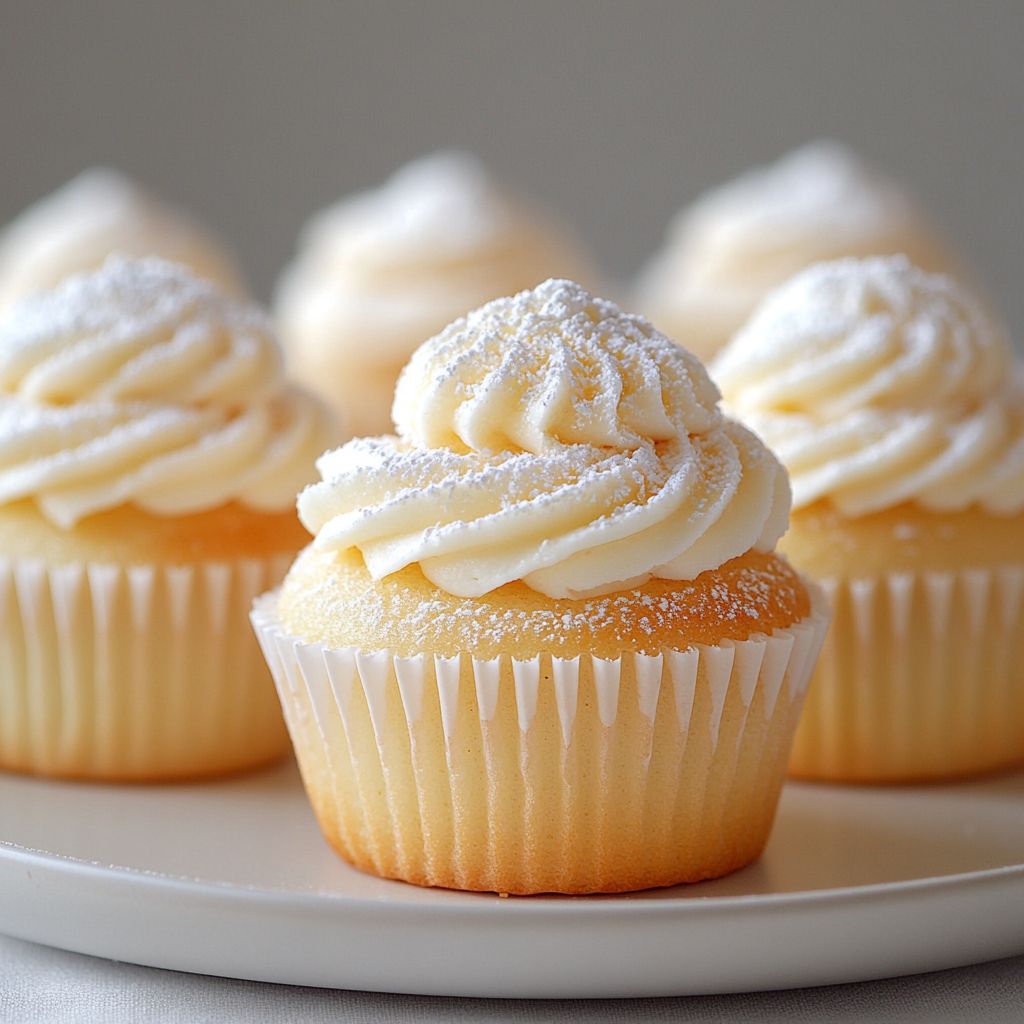
→ Gradual cooling helps prevent sudden contraction that would crack the surface and tear the delicate crumb. - Dust cooled cupcakes with powdered sugar and garnish with fresh berries if desired, arranging berries on top or serve on the side for a bright contrast; keep refrigerated until serving.
→ A light dusting elevates presentation and adds a thin barrier to moisture, while berries provide color and tart balance that complements the cheesecake flavor.
Notes
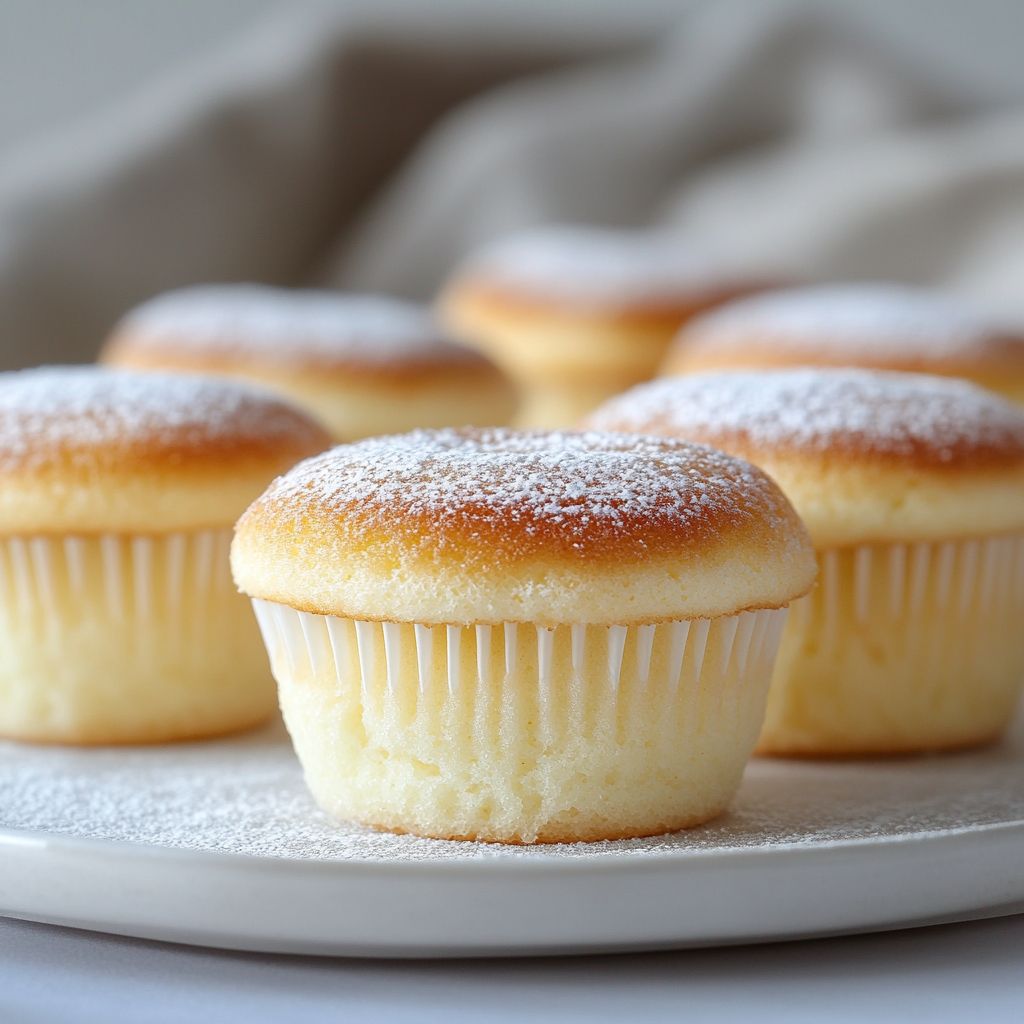
These fluffy Japanese Cotton Cheesecake Cupcakes are light, cloud-like treats formed by folding a silky cream cheese batter with a glossy meringue to create a delicate, souffle-inspired crumb. Using room-temperature ingredients and gentle folding helps maximize height and tenderness. For extra lift and stability, whip the meringue until stiff, then fold into the batter in three additions, taking care to maintain volume.
- Bring cream cheese, eggs, milk, and butter to room temperature (approx 20–25°C) before mixing to ensure a smooth, cohesive batter with no lumps.
- Beat the cream cheese with sugar until completely smooth and airy, then whisk in egg yolks with the milk, melted butter (cool to lukewarm), lemon juice, and vanilla until evenly combined. For extra brightness, you can fold in lemon zest as an aroma boost.
- Sift the flour with the cornstarch and salt; fold lightly into the cheese mixture to give just enough structure without deflating the batter.
- Whip the egg whites with cream of tartar until stiff, glossy peaks, then gradually add granulated sugar in 2–3 additions until the meringue is smooth and stable.
- Gently fold the meringue into the cheese batter in three additions, using quick, folding motions to preserve air and softness.
- Fill muffin cups 3/4 full. For moisture and even rise, bake with a light water bath by placing the muffin tin in a larger pan of hot water, or omit the bath if your oven runs humid and you prefer a crisper top.
- Bake at a low temperature around 150–160°C (300–320°F) until the centers set and the tops are lightly golden, then cool gradually in the pan to avoid sudden shrinkage.
- Let cool completely before dusting with powdered sugar or topping with fresh berries for color and a contrast of acidity.
- Store leftovers in an airtight container in the refrigerator for 2–3 days; bring to room temperature before serving for the best texture. The cupcakes can be gently reheated for a few seconds to revive creaminess.
Optional gluten-free adaptation: Substitute the all-purpose flour with a 1:1 gluten-free baking blend and add 1/2 teaspoon xanthan gum per cup of flour to maintain structure. Fresh lemon juice is preferred; strain to remove seeds.
Tips
Tips for Fluffy Cotton Cheesecake Cupcakes
Preparation and ingredient readiness
Cheesecake batter technique
Meringue technique
Baking, assembly, and the water bath
- Fill cupcake liners about 2/3 full to leave room for a gentle rise without overflow.
- To keep the texture ultra-tender, bake the cupcakes in a water bath: place the filled muffin tin inside a larger roasting pan, then pour hot water into the outer pan halfway up the sides of the muffin tin.
- Double-check that the cupcake tin is well-sealed from the water (wrap the outer pan with foil if needed) and bake at 150–160°C (300–320°F) for about 50–60 minutes, or until the tops are pale and the centers feel set with a gentle jiggle.
- Turn off the oven and leave the cupcakes inside with the door slightly ajar for 1–2 hours to cool gradually and prevent cracking. Then refrigerate (preferably overnight) to firm the interior and intensify flavor.
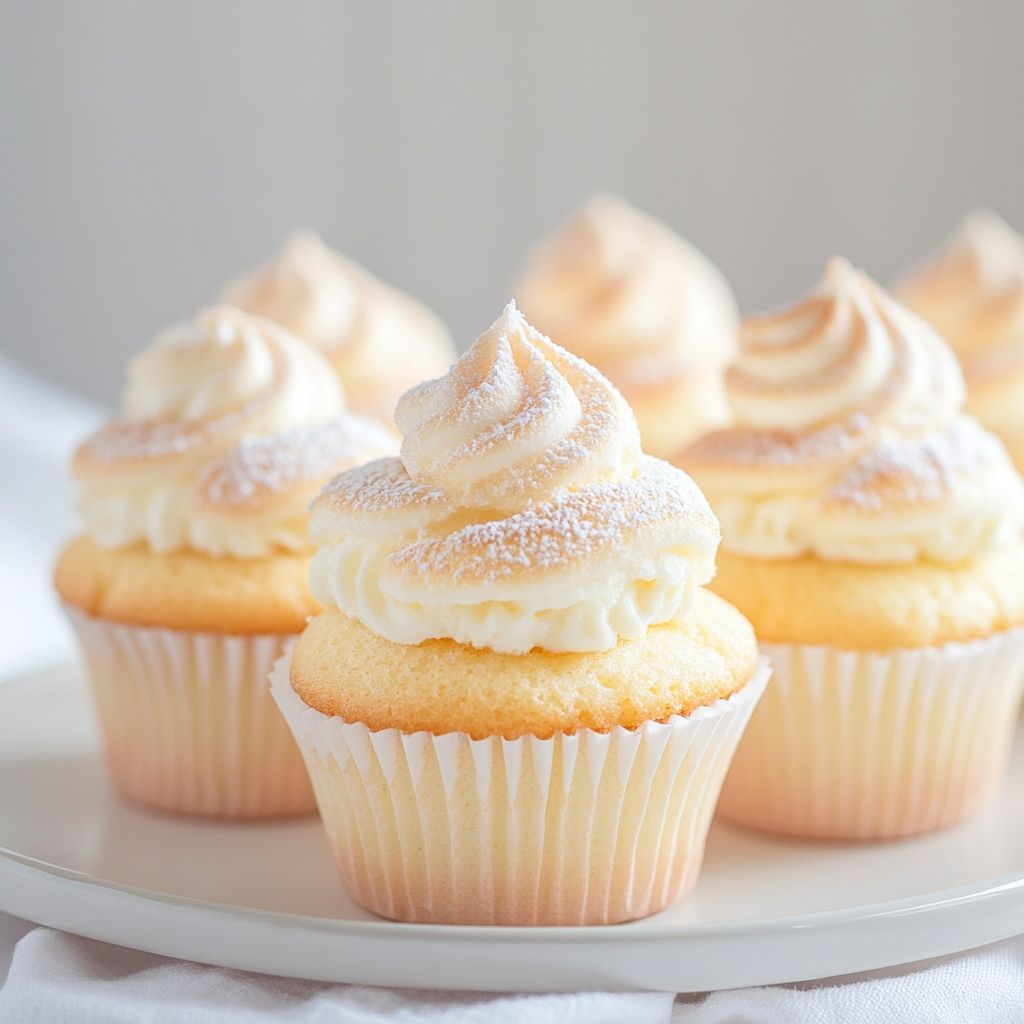
- If cracks appear, dust with powdered sugar or garnish with fresh berries to camouflage and enjoy the characteristic cotton-soft texture.
Cooling, serving, and storage
- Allow cupcakes to cool completely before removing liners to prevent breakage. Chill to set the delicate crumb.
- Store in an airtight container in the refrigerator. Bring to room temperature for 15–20 minutes before serving for best flavor and texture; best consumed within 2–3 days.
- Just before serving, dust with a light shower of powdered sugar and/or top with fresh berries for color and a bright contrast to the creamy interior.
FAQ
What makes Japanese Cotton Cheesecake Cupcakes different from regular cheesecake?
They are lighter and fluffier, with a soufflé-like texture. The batter folds whipped egg whites into a cream cheese base, giving a delicate rise. They are typically baked at a lower temperature in a water bath to stay moist and prevent cracking, and they are sized as cupcakes rather than a single large cheesecake.
What ingredients are typically used?
Common ingredients include cream cheese, sugar, eggs, a splash of milk or cream, melted butter, vanilla, and a small amount of flour or cornstarch to stabilize. Optional additions include lemon zest or juice for brightness. For dairy-free or gluten-free versions, swap with dairy-free cream cheese, plant-based milk, and gluten-free flours as needed.
Do I need a water bath, and how do I set it up?
Yes, a water bath helps maintain moisture and prevents cracking. Place the filled muffin tins in a larger baking pan, then pour hot water into the outer pan until it reaches about halfway up the sides of the muffin cups. Bake as directed, then remove the water bath and cool gradually in the oven or at room temperature.
How can I prevent cracks or a sunken center?
Tips: use room-temperature ingredients, gently fold the whipped whites into the cheese batter, and avoid overmixing. Bake at a lower temperature with a water bath, and do not open the oven door during the first 20–25 minutes. Fill cups about 2/3 full and allow them to cool gradually in the oven with the door slightly ajar before removing.
What pan size and filling amount should I use?
Use a standard 12-cup muffin tin or mini muffin tin. Fill each cup about 2/3 full to give space for rising. Baking times vary: cupcakes may take roughly 18–22 minutes (larger cups) or 12–15 minutes (mini cups); watch for a pale top and a soft jiggle in the center.
Can I make a dairy-free or gluten-free version?
Yes, with adjustments. For dairy-free, substitute cream cheese, butter, and milk with dairy-free alternatives. For gluten-free, use gluten-free flour or cornstarch as a stabilizer. Note that texture and rise can vary with substitutions, so you may need to tweak amounts or mixing times.
How should I store and serve leftovers?
Store leftovers in an airtight container in the refrigerator for up to 3–4 days. Bring to room temperature for about 15–20 minutes before serving for best texture and aroma. They’re lovely with fresh berries or a light dusting of powdered sugar.
Can I freeze these cupcakes?
Yes. Freeze cooled cupcakes wrapped well in plastic wrap and then foil. They keep well for 1–2 months. Thaw in the refrigerator or at room temperature, and re-warm gently if desired. Frosting can be added after thawing if preferred.
Common troubleshooting: my cupcakes sank, cracked, or browned too fast — what went wrong?
Sinking often means underbaking or chilling too soon after baking. Cracking can be caused by too-high oven heat or not using a water bath; keep heat gentle and use a water bath. Excess browning usually means the oven is running hot; consider lowering the temperature by about 25°F (14°C) or tenting lightly with foil if the tops brown too quickly.
What flavors or toppings work well with these cupcakes?
Enhance aroma with vanilla, lemon zest, or a touch of almond extract. For variation, mix in matcha powder for a green-tea twist or cocoa for a chocolate version. Top with fresh berries, a light glaze, whipped cream, or a small dollop of lemon curd. A dusting of powdered sugar also adds a simple finish.