Introduction / Hook
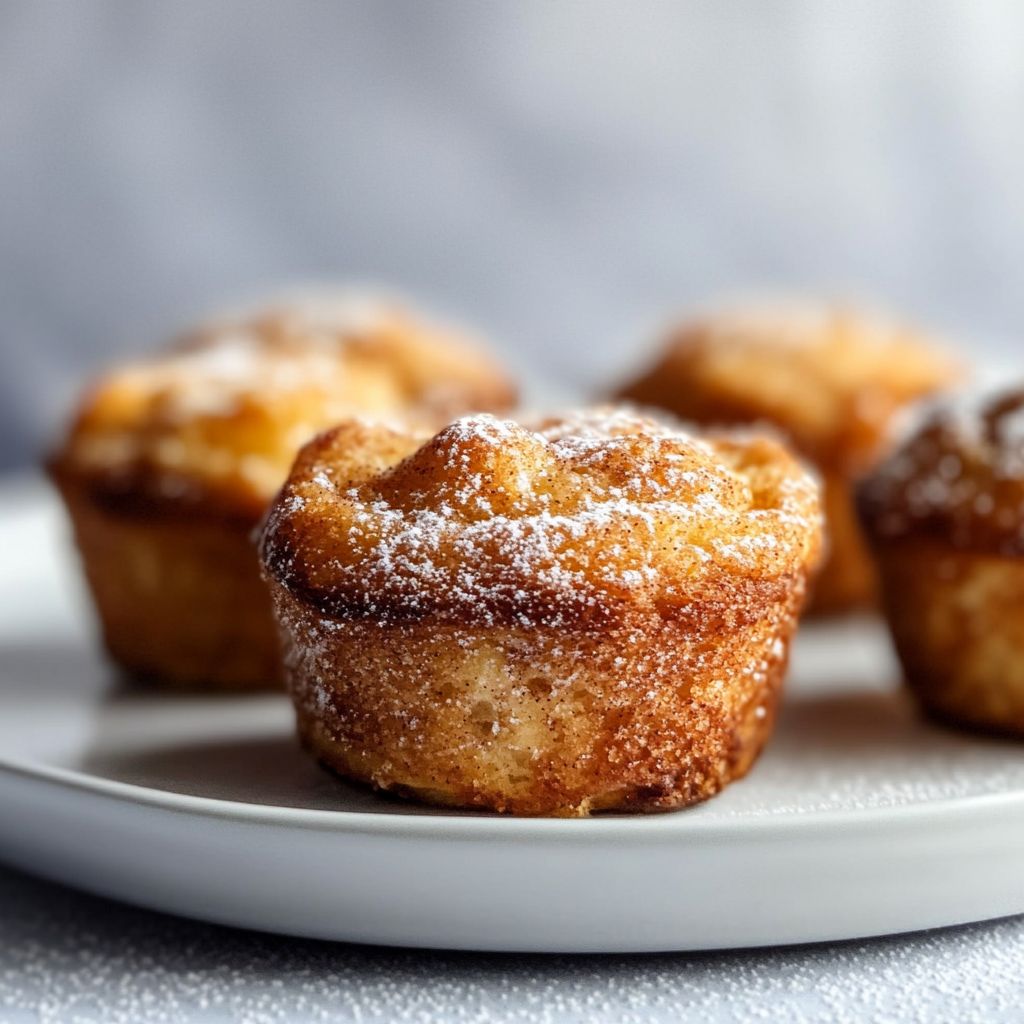
Imagine the first bite of a muffin that tastes like a warm, dreamy slice of French toast. Cinnamon-sugar sweetness embraces a tender crumb, while a gentle shimmer of caramelized edges offers the satisfying snap you crave from a morning treat. These Cinnamon Sugar French Toast Muffins are the kind of breakfast that feels like a hug from your favorite chef—cozy, comforting, and just a little indulgent—yet somehow bright enough to kick-start the day with sunshine.
Take a moment to inhale the aromatic invitation they extend—the scent of toasted bread, vanilla, and brown sugar mingling with a whisper of butter. Each muffin wears a delicate crust that crackles softly under a gentle press, revealing a surprisingly fluffy interior. It’s breakfast nostalgia transformed into a portable, week-starting marvel: an easy way to enjoy a classic French toast experience without the fuss of standing at the griddle. It’s the perfect balance between the comforting ritual of weekend brunch and the practical ease of a grab-and-go morning, ready to be shared with family, coworkers, or anyone who appreciates a mood-elevating bite.
What makes this particular rendition stand out is not merely the flavor, but the texture and the way the cinnamon-sugar glaze seems to caramelize ever so slightly as the muffins bake. The fragrance alone can transport you to a sunlit kitchen, where a grandmother’s recipe card sits beside a bowl of warm batter, and the idea of turning yesterday’s bread into something new feels like a delicious act of culinary alchemy. These muffins capture that sense of everyday magic—something you can bake on a busy weekday and still feel like you’ve treated yourself to something special on a lazy weekend morning.
The Story Behind the Dish
French toast is a time-honored technique with humble beginnings and a universal appeal. It’s the sort of dish that rises from the practical need to rescue stale bread and transform it into something comforting and elegant. Across cultures and kitchens, the idea remains the same: a simple medley of pantry staples turned into a breakfast you can savor slowly or share with a crowd. Cinnamon and sugar, two pantry staples cherished in so many homes, have a way of conjuring memories of grandmother’s kitchen, weekend breakfasts, and holiday mornings where the table is a stage for stories and laughter.
The muffin version of this old favorite is a modern tribute to both convenience and nostalgia. It takes the essence of French toast—egg-drenched bread that becomes custardy inside and lightly crisp on the outside—and folds it into a portable form. The texture is a delicate balance: the crumb is tender and moist, while the exterior has just enough structure to hold its shape and a subtle caramelized edge that crackles with each bite. Cinnamon’s warm spice mingles with vanilla’s smooth sweetness, while a brown sugar finish creates a gentle molasses-like depth that lingers on the palate. This dish speaks to those who crave the comforting familiarity of a breakfast classic, but also relish the novelty of a muffin with a breakfast-flavored personality all its own.
There’s a touch of whimsy in the idea that a dish so rooted in the quiet rituals of morning can become a crowd-pleasing, shareable treat. These muffins are the bridge between a homey, slow Sunday breakfast and a busy weekday rush. They carry the spirit of a cozy kitchen into a practical format—perfect for a make-ahead brunch with friends, a school-day treat that travels well, or a simple weekend breakfast that doesn’t demand you to stand at the stove for half an hour. In every bite, you’ll sense history and warmth—the old world charm of bread turned into something new, the universal appeal of cinnamon sweetness, and the modern joy of a muffin you can enjoy anywhere, anytime.
Why You’ll Love This Recipe
- Portable comfort: Enjoy French toast flavors in muffin form, great for busy mornings, school lunches, or on-the-go cravings.
- Morning nostalgia, without the mess: No standing at a griddle required—all the cozy vibes in a neat, grab-and-go package.
- Soft, tender crumb with a delicate crust: The interior stays moist and fluffy, while the exterior offers a subtle, satisfying bite.
- Warm spice with a touch of sweetness: Cinnamon, vanilla, and a hint of brown sugar create a balanced flavor that feels both comforting and indulgent.
- Make-ahead friendly: These muffins adapt well to batch-baking, pairing well with coffee or tea as part of a leisurely brunch or a busy weekday breakfast.
- Kid- and family-friendly: Familiar flavors and a friendly texture make them a hit with younger tasters and adults alike.
- Adaptable to diets and preferences: The base concept can be tailored with gluten-free flours, dairy-free substitutes, or vegan tweaks without sacrificing the character of the dish.
Flavor Profile & Texture
From the moment you lift the muffin to your nose, a warm fragrance blooms: toasted bread mingles with vanilla bean and melted butter, while cinnamon settles into the air like a soft autumn afternoon. The aroma alone is enough to elicit a smile—the kind that makes someone pause and anticipate the first bite. As you break into a muffin, the exterior offers a light, crisp edge that gives way to an incredibly plush interior. The crumb is tender and moist, with just enough density to feel substantial without weighing you down. The center carries a gentle custardy softness, reminiscent of classic French toast, yet the muffin format prevents any soggy undercurrent; instead, there’s a refined balance between structure and softness that invites slow savoring rather than quick, hurried chewing.
The flavor is a harmonious blend of familiar breakfast nostalgia and a touch of bakery elegance. Cinnamon provides a warm, peppery-sweet heat that lingers pleasantly on the tongue, while vanilla lends a creamy roundness that makes the batter feel almost custardy in character. A brown sugar undertone contributes a subtle molasses note, creating depth and a hint of caramel as the muffins bake. If you bite into the top, you’ll experience a gentle crackle that yields to a moist, cloud-like middle. The sugar crystals on the top caramelize ever so slightly in the heat, creating micro-crunch that contrasts beautifully with the soft interior. The overall effect is a balanced, comforting sweetness—a morning treat that satisfies without being cloying, and a flavor profile that remains recognizable and comforting with each bite.
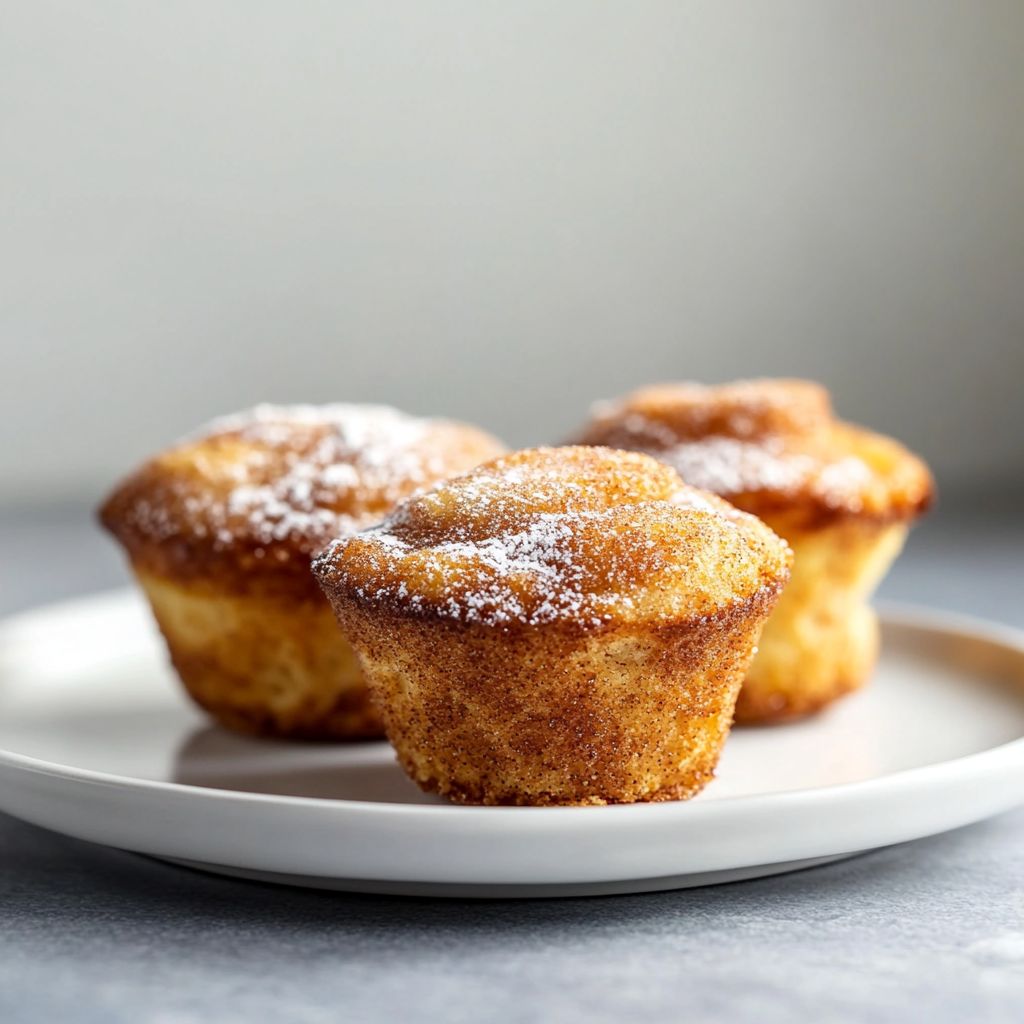
Texture-wise, this dessert-for-breakfast achieves an appealing dichotomy: a sturdy muffin shell and a soft, springy crumb inside. It’s a surface and interior conversation that delights the senses—the outside offers a delicate snap while the interior remains airy and light. The cinnamon-sugar finish on the top adds a light crust with crisp edges, ensuring that every bite begins with a satisfying sound and ends with a melt-in-your-mouth tenderness. There’s a subtle moisture from the “French toast” essence that keeps the muffins lively rather than dry, letting you enjoy them for a morning stretch or a mid-day pick-me-up with equal grace.
Occasions & Pairings
These Cinnamon Sugar French Toast Muffins are versatile enough to shine in many moments. Here are some ideas for occasions and how to pair them for a complete breakfast or brunch spread:
- Weekend brunch brilliance: Offer alongside a fresh fruit platter, a light yogurt parfait, and a pot of good coffee or chai for a crowd-pleasing, balanced spread.
- Holiday mornings: They add a touch of bakery-style sophistication to Christmas, Easter, or Mother’s Day breakfasts, especially when displayed with warm syrup and a dusting of powdered sugar.
- Office mornings & potlucks: Their portable nature makes them ideal for sharing in a work setting or at a potluck, where they pair nicely with fruit salad and a creamy coffee beverage.
- School-day treats: A ready-to-go breakfast option that fits easily into lunchboxes or snack bags, offering a comforting, familiar flavor in a wholesome form.
- Special-occasion breakfast-for-dinner: Yes, these muffins can take center stage at a “breakfast for dinner” night, paired with a light greens salad and a citrusy dressing to balance the sweetness.
Pairings that elevate the experience include maple syrup or a light cream cheese glaze (if you enjoy a glaze, a drizzle provides extra sweetness and silkiness). Fresh berries or a warm fruit compote can add brightness and acidity to cut through the richness. A dollop of lightly sweetened yogurt or a spoonful of lemon-curd on the side can provide a refreshing contrast. For drinks, hot coffee with a splash of vanilla or a creamy latte complements the cinnamon profile beautifully, while a glass of cold milk or a dairy-free plant-based milk beverage provides a comforting, classic pairing for the younger crowd or those who prefer a milder finish.
Tips, Variations & Substitutions
- Flour choices: While a standard muffin batter works beautifully, you can experiment with different flours for texture and dietary needs. For gluten-free lovers, explore reputable gluten-free flour blends that yield a tender crumb. For a nuttier flavor, a small amount of almond flour can be incorporated in limited amounts if the blend is appropriate for your recipe.
- Milk and dairy options: The richness of this treat benefits from room-temperature milk or milk alternatives. If you’re avoiding dairy, consider almond, soy, oat, or coconut milk to maintain creaminess without altering the flavor excessively. A touch of melted plant-based butter or neutral oil can help mimic the dairy fat’s mouthfeel.
- Egg substitutes: If you’re avoiding eggs, there are several commercially available vegan egg substitutes on the market, or you can experiment with aquafaba (the liquid from canned chickpeas) to mimic the binding and moisture without compromising the final texture.
- Sweetness level: Brown sugar provides a caramel note that complements cinnamon well, but you can tweak the sweetness with white sugar, coconut sugar, or a combination. A pinch of salt is a small but impactful way to balance flavors and keep the sweetness from feeling flat.
- Flavor variations: Add a citrus twist by incorporating orange or lemon zest into the batter to brighten the aroma. For spice lovers, a pinch of nutmeg or cardamom can add warmth. If you crave a more indulgent profile, a swirl of cream cheese filling (vegan or dairy) tucked into the center of each muffin can elevate the overall experience without overpowering the cinnamon-sugar character.
- Texture tweaks: If you want a crisper top, you can finish with a light sprinkle of coarse sugar just before baking, which will caramelize in a compelling, sparkling crust. For a softer top, skip the extra sugar or reduce the amount slightly.
- Regional twists: Use brown-butter flavor by browning the butter before mixing it into the batter for a nutty, popcorn-like aroma that deepens the overall flavor profile. In some regions, a touch of vanilla bean paste can intensify the vanilla notes with a little extra depth.
- Vegan and keto-adaptable ideas: To make a vegan version, substitute eggs with a flax egg substitute and use plant-based milk with a healthy fat (like coconut oil or melted vegan butter). For a lower-carb approach, consider a muffin base built on almond flour and a sugar substitute that suits your dietary needs, while preserving the cinnamon aroma and soft interior.
Storage & Make-Ahead Ideas
These muffins are forgiving and friendly to make ahead, which is a big part of their appeal. If you’re planning a brunch or simply want to have breakfast ready for several mornings, consider these ideas:
- Refrigeration: After baking and fully cooling, store muffins in an airtight container in the refrigerator. They will stay moist and show flavors of cinnamon and vanilla without losing their tenderness for several days.
- Freezing: For longer-term storage, freeze fully cooled muffins in a freezer-safe bag or container. They freeze nicely and can be thawed at room temperature or reheated gently in a toaster oven or microwave until warmed through. If reheating, a light toast can help revive the gentle crust and keep the interior soft.
- Make-ahead bake day: If you want to prep ahead, you can prepare the batter base or the dry mix portion in advance and complete the baking process on the day you plan to serve. This minimizes active kitchen time while still delivering freshly baked muffin goodness.
- Reheating tips: Reheat muffins slowly to preserve moisture and texture. A brief stint in a warm oven or a low-temperature toaster oven helps restore the crisp top without drying out the interior. A splash of milk or a light glaze during reheating can reintroduce moisture and a touch of sweetness for a brunch setup.
Fun Facts & Trivia (Optional)
Did you know that the idea of turning bread into a sweet morning treat predates modern bakeries? French toast has a long history dating back centuries, with variations found in many cultures under different names. The concept of dipping stale bread in a custard-like mixture and baking or frying it appears across continents, evolving with each culture’s pantry staples. Cinnamon, often tied to warm, cozy kitchens, has a reputation for providing comfort and a sense of home—tools that have helped this simple breakfast staple stay relevant across generations. Muffin culture—a favorite for grab-and-go mornings—emerges from the broader love for individually portioned, easily portable treats. When you combine these two ideas, you get something that feels both timeless and refreshingly modern—a small bite of morning sunshine that travels wherever life takes you.
There’s also a little science of texture at play. The gentle moisture of a well-balanced batter, the surface tension that creates a slight crust at the top, and the caramelization of sugar as it meets heat—all contribute to a mouthfeel that is both comforting and exciting. Cinnamon’s aroma compounds are released as the muffins bake, creating a scent profile that can trigger appetite and memory at the same time. It’s little moments like these that remind us how food can connect memory with function—turning a routine morning into a moment worth savoring and sharing.
Ingredients
Muffin Base
- 2 cups all-purpose flour
→ Provides the primary structure and crumb for the muffins. If you prefer a lighter texture, you can substitute half of the flour with cake flour or use a mix of all-purpose and whole-wheat flour. For gluten-free needs, substitute with a high-quality gluten-free all-purpose blend and add 1/2 teaspoon xanthan gum if your blend doesn’t already include it. - 1/2 cup granulated sugar
→ Adds sweetness and helps achieve a lightly golden crust as the muffins bake. It also contributes to a slightly tender crumb when evenly distributed. If you like a less sweet muffin, reduce this to 1/3 cup or omit for a more bread-pudding style treat. - 1/4 cup light brown sugar
→ Introduces moisture and a deeper caramel-like flavor thanks to the molasses in the brown sugar. It helps keep the interior moist and adds speckled sweetness that pairs well with cinnamon. Pack the brown sugar into the measuring cup for accuracy, and consider using dark brown sugar for a richer taste. - 1 tablespoon baking powder
→ Leavens the batter to create a fluffy, muffin-like rise rather than a dense loaf. For best results, ensure it’s fresh and evenly dispersed by whisking with the dry ingredients. Do not overmix after adding wet ingredients to keep the crumb tender. - 1/2 teaspoon baking soda
→ Works with the acidic elements (like the optional yogurt or dairy if used) to contribute extra lift and a light, tender crumb. If you omit acidic components, you can still include the soda for a bit of extra rise, but be mindful not to over-bake which can neutralize its effect. - 1/2 teaspoon salt
→ Balances sweetness and enhances overall flavor. In muffins, salt helps to tighten the texture and heighten the aroma of the spices. If you’re using salted butter instead of unsalted, reduce this to a pinch to avoid overly salty notes. - 2 teaspoons ground cinnamon
→ The defining spice that delivers the classic French toast aroma. Use freshly ground cinnamon if possible for a brighter, more complex flavor. If you love bold spice, you can increase to 2 1/2 teaspoons, but start with this amount and adjust next time. - 1/4 teaspoon ground nutmeg (optional)
→ A warm, nutty note that complements cinnamon and enhances the “French toast” profile. Freshly grated nutmeg is preferred for the most vibrant aroma; skip if you’re sensitive to the spice or prefer a milder flavor. - 6 slices day-old bread, torn into 1-inch pieces
→ Adds a bread pudding-like texture and helps mimic the traditional French toast experience. Day-old or stale bread absorbs the custard mixture better and yields a heartier crumb. If you don’t have bread on hand, you can omit this and rely on the batter alone, though the result will be lighter and less “toasty.” - 3 large eggs
→ Bind the batter and enrich the crumb with protein and fat. Eggs help the muffins set properly and provide structure as they cook. For a dairy-free version, you can try an equivalent amount of aquafaba or a flaxseed/egg substitute, though texture may vary slightly. - 1 1/2 cups milk
→ Adds moisture and helps dissolve the sugars and spices. Whole milk yields a richer crumb, while 2% or non-dairy milks will still work well. If using non-dairy milk, consider adding a touch of melted butter or oil to maintain tenderness. - 1/3 cup unsalted butter, melted and cooled
→ Contributes richness, moisture, and a tender crumb. Make sure the butter is cooled so it doesn’t scramble the eggs. You can substitute with an equal amount of neutral oil (like canola or grapeseed) if you prefer a lighter texture or need dairy-free options. - 2 teaspoons vanilla extract
→ Heightens the sweetness and enhances the aroma, pairing beautifully with cinnamon and maple. Use pure vanilla extract rather than imitation for the best flavor. If you have vanilla bean paste, you can substitute 1 teaspoon for a more intense vanilla note. - 2 tablespoons maple syrup
→ Adds a subtle maple sweetness that aligns with the French toast theme. Use real maple syrup for the best flavor; if you prefer, honey or agave can be used, but maple is ideal for an authentic taste. - 1/4 cup heavy cream (optional)
→ Enriches the batter and yields an ultra-tud crumb with a slightly decadent mouthfeel. This is optional; you can substitute with additional milk if you want a lighter texture or dairy-free version. If using heavy cream, reduce the milk by a few tablespoons to keep the batter from becoming too loose. - 1/2 teaspoon almond extract (optional)
→ Provides a subtle almond note that pairs well with cinnamon and maple. Use sparingly, as it can overpower the other flavors. If you’re not a fan of almond, omit entirely and rely on vanilla for flavor.
Cinnamon Sugar Topping
- Cinnamon sugar topping (optional)
→ Mix 1/4 cup granulated sugar with 1 teaspoon ground cinnamon. Sprinkle this mixture over the batter in the muffin cups just before baking to create a crisp, caramelized crust that captures the cinnamon-sugar French toast vibe. For even coverage, tap the tin gently after adding the topping to distribute evenly; you can adjust the amount if you prefer a heavier cinnamon crackle or a lighter finish.
Optional Add-ins
- 1/2 cup chopped pecans or walnuts (optional)
→ Adds a pleasant crunch and toasty nuttiness. Toast the nuts in a dry skillet for 2–3 minutes or in a 350°F (175°C) oven for 5–7 minutes to deepen flavor. Chop coarsely so they’re visible in the muffin but still distribute evenly, ensuring bites with nuts in every few muffins. - 1/2 cup raisins or chopped dates (optional)
→ Introduces pockets of chewy sweetness that contrast nicely with the custardy muffin. If using dried fruit, soak them briefly in warm water or a touch of bourbon or orange juice for 5–10 minutes to rehydrate and plump, then pat dry before mixing in to prevent them from sinking.
Instructions
- Preheat your oven to 350°F (175°C) and line a 12-ccup muffin tin with paper liners or grease it well.
→ This ensures the muffins do not stick to the tin and makes them easier to remove after baking, preserving domed tops and clean liners. - Whisk together the Muffin Base dry ingredients: 2 cups all-purpose flour, 1/2 cup granulated sugar, 1/4 cup light brown sugar, 1 tablespoon baking powder, 1/2 teaspoon baking soda, 1/2 teaspoon salt, 2 teaspoons ground cinnamon, and 1/4 teaspoon ground nutmeg (optional) until evenly dispersed.
→ Uniformly distributing leaveners and spices prevents uneven rise, ensures consistent sweetness, and avoids pockets of cinnamon or baking soda. - Tear day-old bread into 1-inch pieces and measure about 6 cups loosely; spread on a large sheet to inspect for uniform size and to promote even moisture distribution during mixing.
→ Smaller, uniform pieces soak up custard evenly and contribute to a cohesive, muffin-like crumb rather than a gummy center. - Whisk the wet ingredients: 3 large eggs, 1 1/2 cups milk, 1/3 cup unsalted butter melted and cooled, 2 teaspoons vanilla extract, 2 tablespoons maple syrup, and optional 1/4 cup heavy cream and 1/2 teaspoon almond extract in a separate bowl until smooth and fully integrated.
→ Avoid scrambling the eggs by adding warm (not hot) butter and ensuring all ingredients are at about room temperature; a fully emulsified custard yields an even, tender crumb. - Pour the wet mixture into the dry ingredients and stir gently with a spatula until just combined; stop as soon as you no longer see dry flour to prevent overdevelopment of gluten, which would make the muffins tough.
→ A few small flour streaks are normal; overmixing creates a dense, rubbery crumb and can cause tunneling as the muffins bake. - Fold the torn bread pieces into the batter and, if using, fold in optional add-ins such as 1/2 cup chopped pecans or raisins; let the batter rest 5–10 minutes to allow the bread to hydrate and soften slightly, improving texture.
→ The rest period helps the custard penetrate the bread and stabilizes the crumb for a uniform bake. - If using the cinnamon sugar topping, mix 1/4 cup granulated sugar with 1 teaspoon ground cinnamon in a small bowl and set aside; this mixture will create a crisp, caramelized crust on top.
→ The topping intensifies the cinnamon aroma and provides a contrast of texture between a soft interior and a sugared crust. - Fill each muffin cup about 2/3 full with batter and then sprinkle a light layer of the cinnamon sugar topping over each cup; avoid pressing it into the batter to maintain a crisp top that bakes separately from the moist crumb.
→ Proper fill ensures even rise and prevents muffins from overflowing; the topping will caramelize and set as the muffins bake. - Bake in the preheated oven for 20–25 minutes, rotating the pan halfway through if your oven runs hot or uneven; test doneness by inserting a toothpick into the center—if it comes out with a few moist crumbs or clean, the muffins are done; allow to cool in the pan for 5 minutes before transferring to a wire rack.
→ Rotating ensures even browning; the toothpick test confirms interior set without overbaking, which would dry the crumb. - Cool muffins completely on a rack before storing or serving; this rest lets the steam escape and the structure set, preventing a soggy bottom and helping the crumb to become tender and uniform.
→ A proper cool prevents steam from softening the crust and preserves the muffin shape for clean slicing or eating with toppings like maple syrup. - Store leftovers in an airtight container at room temperature for up to 2 days or refrigerate up to 5 days; for longer storage, freeze muffins individually wrapped and rewarm gently to restore tenderness without drying out.
→ Proper storage maintains moisture, prevents drying, and makes reheating quick and even without scorching the edges.
Notes
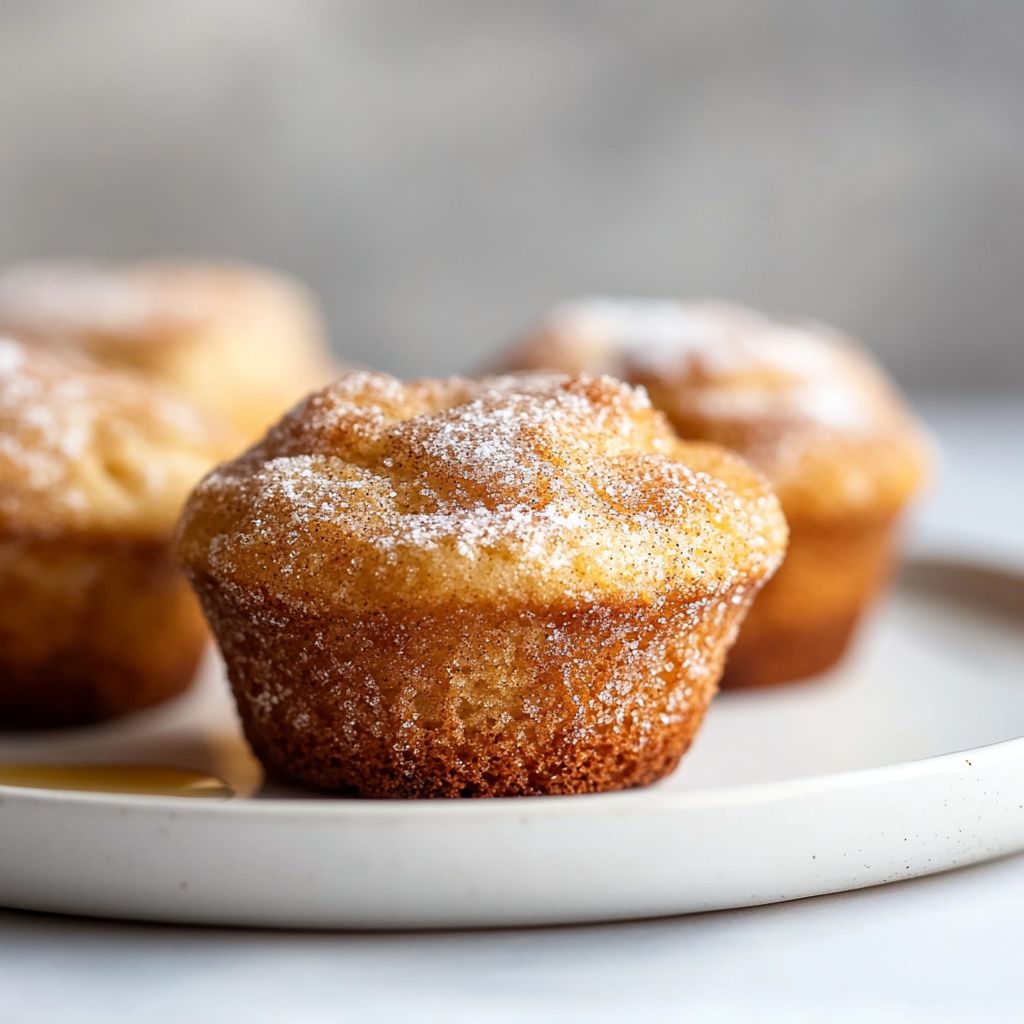
“These Cinnamon Sugar French Toast Muffins are a cozy brunch treat that captures the comforting flavors of classic French toast in a portable muffin form. Use day-old bread torn into bite-sized pieces to soak up the custard, creating a tender interior with a hint of caramel from the cinnamon-sugar crust. For gluten-free needs, substitute the all-purpose flour with a high-quality gluten-free all-purpose blend and add 1/2 teaspoon xanthan gum if your blend doesn’t already include it. You can customize with add-ins like chopped pecans or raisins for extra texture and sweetness. To keep things dairy-free, swap dairy ingredients for non-dairy equivalents (non-dairy milk and neutral oil or dairy-free butter) and reduce or omit the heavy cream if used. To ensure a tender crumb, whisk the dry ingredients separately, then fold in the wet ingredients just until combined and avoid overmixing. Let the batter rest for 5–10 minutes so the bread can fully hydrate before baking. Bake until the muffins are puffed, golden, and a toothpick inserted in the center comes out with only a few moist crumbs. The cinnamon-sugar topping lends a crisp, caramelized crust; sprinkle it over the batter just before baking or omit if you prefer a softer top. These muffins freeze well and reheat beautifully in a 350°F (175°C) oven or toaster oven for about 5–7 minutes. Always use fresh baking powder, and check your cinnamon for brightness to keep the aroma true.”
Tips
Tips for Perfect Cinnamon Sugar French Toast Muffins
- Pan preparation: Line a 12-cup muffin tin with paper liners or grease well with butter or nonstick spray. This helps prevent sticking and makes removal easy, especially when the tops are caramelized from the cinnamon sugar topping.
- Bread handling: Use day-old bread for best texture. If your bread is fresh, dry it in a low oven (300°F/150°C) for 5–7 minutes or toast lightly to reduce moisture that can make the muffins dense.
- Dry ingredients distribution: Whisk together the flour, granulated sugar, light brown sugar, baking powder, baking soda, salt, and ground cinnamon before adding the wet ingredients. Even distribution avoids uneven rise and cinnamon blotches in the muffins.
- Room-temperature components: Let eggs, milk, and cream (if using) sit at room temperature for 20–30 minutes before mixing. This improves emulsification and yields a more tender crumb.
- Wet-to-dry balance: Mix wet ingredients separately and then combine with dry ingredients just until incorporated. A few small lumps are okay; overmixing can create a tough, dense texture.
- Custard texture and dairy substitutions: If you use heavy cream, the batter will be richer and slightly looser. If dairy-free, replace milk with a fortified non-dairy milk and consider adding a little neutral oil or melted dairy-free butter to maintain tenderness.
- Flavor boosts: Freshly grated nutmeg (optional) adds warmth; if you’re sensitive to spice, start with a pinch. For a more pronounced almond note, ensure almond extract is used sparingly (a tiny amount goes a long way).
- Even cinnamon distribution: If you’re concerned about cinnamon sinking, mix it with the dry ingredients thoroughly or sift once to ensure even color and aroma throughout the muffins.
- Custard soaking (optional technique): If using extra bread pieces, you can briefly soak the torn bread in a small portion of the milk and egg mixture for 5–10 minutes to intensify the French toast flavor, then fold into the batter gently.
- Maple flavor: Use real maple syrup for the best aroma. If you substitute with honey or agave, the flavor will vary; you can still achieve a delicious result with these but the final profile won’t be exactly traditional.
Tips for the Cinnamon Sugar Topping
- Texture and coverage: The optional topping creates a crisp, caramelized crust. Mix 1/4 cup granulated sugar with 1 teaspoon ground cinnamon and sprinkle evenly over the batter just before baking. Gently tap the tin after topping to help the sugar settle evenly.
- Thickness control: If you love a stronger crackle, slightly increase the topping amount in small increments in future bakes, but avoid overloading to prevent sugar from burning.
Optional Add-ins
- Nut add-ins: Toast chopped pecans or walnuts in a dry skillet for 2–3 minutes to deepen their nutty flavor before adding. Chop to a size that distributes evenly in the muffins.
- Raisins or dates: Rehydrate dried fruit in warm water, bourbon, or orange juice for 5–10 minutes, then pat dry before folding into the batter to prevent sinking.
Baking and Storage
- Oven temperature and doneness: Bake at a moderate temperature (around 375°F / 190°C) until a toothpick inserted into the center comes out with a few moist crumbs. This typically takes 18–22 minutes, depending on muffin size and oven accuracy.
- Cooling: Let muffins cool in the pan for about 5 minutes, then transfer to a wire rack to finish setting. This helps prevent soggy bottoms.
- Make-ahead and storage: Store muffins in an airtight container at room temperature for up to 2 days, or freeze them for up to 2 months. Reheat in a 350°F (175°C) oven for 5–8 minutes or a quick 15–20 seconds in the microwave per muffin.
Flavor and Texture Tweaks
- Texture variation: For a lighter crumb, substitute half of the all-purpose flour with a light-dant cake flour or a half-and-half blend with whole-wheat flour. For gluten-free bakers, use a quality gluten-free all-purpose blend and add 1/2 teaspoon xanthan gum if your blend doesn’t include it.
- Vanilla and dairy notes: Use pure vanilla extract; a vanilla bean paste can intensify the vanilla presence. If you prefer a hint of almond, keep the almond extract at a conservative level (or omit if you’re not fond of almond).
FAQ
What are Cinnamon Sugar French Toast Muffins?
They’re muffin-sized French toast treats made by soaking bread cubes in a vanilla–cinnamon egg mixture, coating them with cinnamon sugar, and baking until golden. They’re perfect for a quick breakfast or a weekend brunch—soft inside with a light cinnamon-sugar crust.
What ingredients do I need?
Common ingredients include:
- 6 cups day-old brioche or challah bread, cut into 1-inch cubes
- 4 large eggs
- 3/4 cup milk (dairy or dairy-free)
- 1 teaspoon vanilla extract
- 1 teaspoon ground cinnamon
- 2–3 tablespoons brown sugar (plus extra for topping)
- Pinch of salt
- 2 tablespoons melted butter (plus more for greasing)
- Optional: maple syrup or powdered sugar for serving
Optional add-ins: a pinch of nutmeg or cardamom, or a tablespoon of orange zest for a brighter flavor.
How do I prepare the batter and assemble the muffins?
Follow these steps for best results:
- Preheat the oven to 350°F (175°C) and grease a 12-c Cup muffin tin.
- In a large bowl, whisk together eggs, milk, vanilla, cinnamon, brown sugar, and salt.
- In a separate small bowl, mix the remaining cinnamon with a little extra brown sugar (cinnamon-sugar coating).
- Toss bread cubes with the egg mixture until well coated, then let sit 5–10 minutes to absorb.
- Shake or toss the moist bread cubes in the cinnamon-sugar mixture to coat.
- Distribute the coated bread cubes into the muffin cups, pressing lightly so they’re compact.
- Drizzle or brush with melted butter over the tops of the muffins.
- Bake for 18–22 minutes, until the tops are golden and the centers are set. Let cool slightly before serving.
What oven temperature and bake time should I use?
Preheat to 350°F (175°C). Bake for about 18–22 minutes, or until the muffins are puffed, lightly golden, and a toothpick inserted in the center comes out clean. If using a darker muffin tin, start checking around 16 minutes.
Can I use different types of bread?
Yes. Day-old brioche or challah works best due to their richness and texture. You can also use white sandwich bread in a pinch, but the result won’t be as tender. For extra flavor, try cinnamon-raisin or egg bread.
How should I store leftovers?
Store cooled muffins in an airtight container in the refrigerator for up to 4 days. Reheat before serving to regain softness and warmth. They also freeze well when fully cooled.
Can I freeze these muffins?
Yes. Freeze baked muffins in a single layer on a tray, then transfer to a freezer-safe bag for up to 2–3 months. Reheat in the oven at 350°F (175°C) for about 8–10 minutes or until warmed through, or microwave in short bursts.
Are there dairy-free or vegan substitutions?
Absolutely. For a dairy-free or vegan version, use:
- Dairy-free milk (almond, soy, oat, etc.)
- Egg substitute or 2–3 flax eggs (1 tablespoon ground flaxseed + 2.5 tablespoons water per egg)
- Vegan butter or neutral oil instead of melted butter
Note: The texture may be slightly different, but the muffins will still be delicious.
How can I customize flavors or add toppings?
Try these variations:
- Swirl in Cream Cheese: beat 4 oz cream cheese with 1–2 tablespoons sugar and a pinch of vanilla; spoon a small amount into the center of each muffin before baking.
- Orange Zest: add 1 teaspoon orange zest to the egg mixture for a citrus note.
- Caramel Drizzle: drizzle warm maple caramel over the cooled muffins.
- Extra Crunch: sprinkle chopped pecans or walnuts on top before baking.
How many muffins does this yield and how should I plate them?
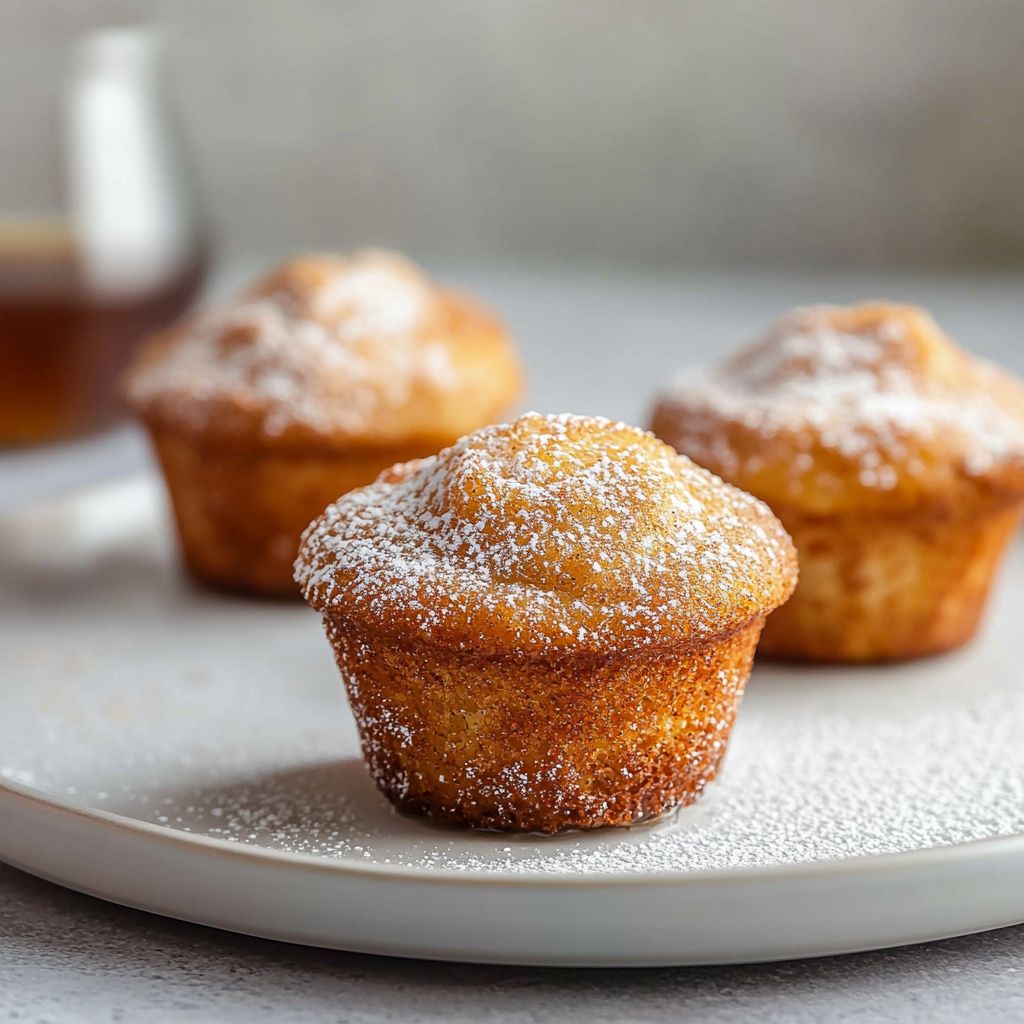
This recipe yields about 12 muffins. For serving, dust with powdered sugar and serve warm with maple syrup or a pat of butter on the side.