Introduction / Hook
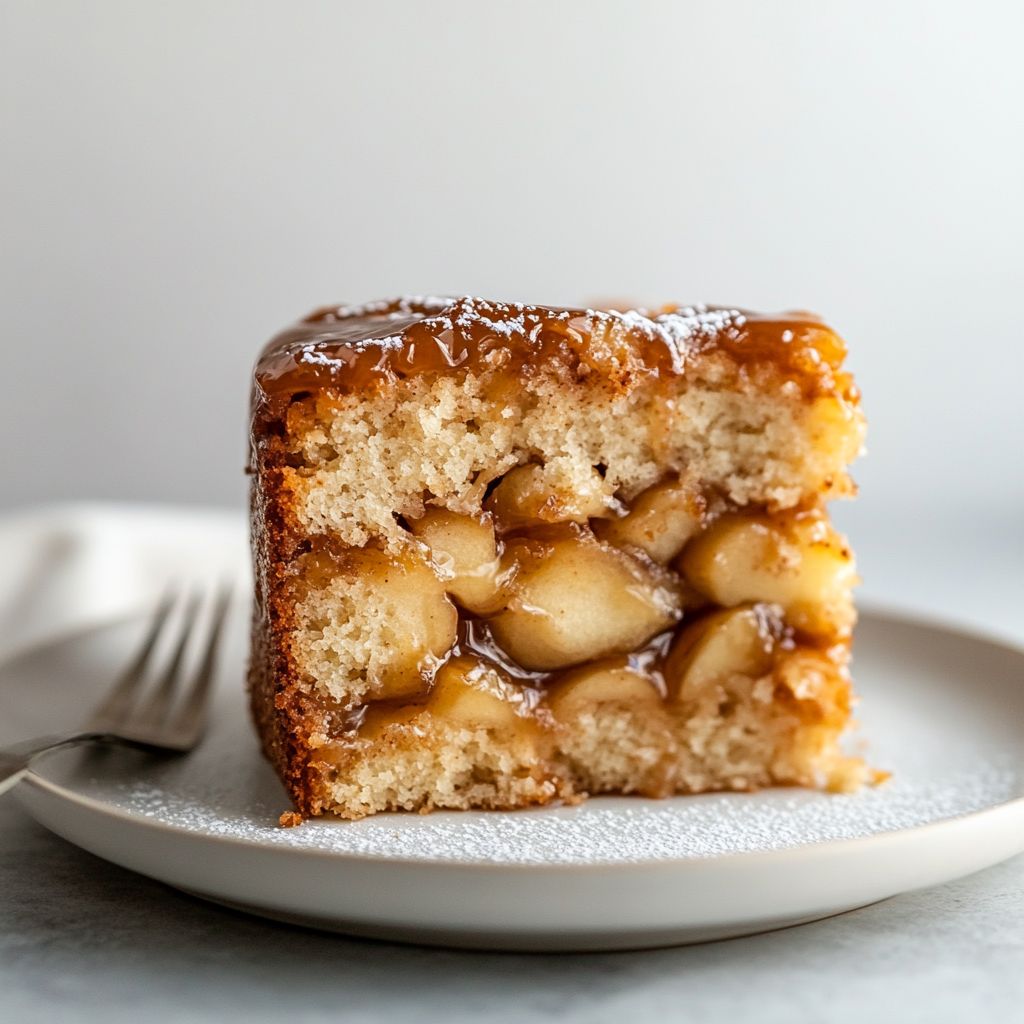
Imagine the scent of a sunlit autumn kitchen: crisp apples surrendering their sweetness to a warm, cinnamon-scented embrace, while a tender cake crumb meets a flirtatious crackle on the surface. The Apple Fritter Cake is not just a dessert; it’s a celebration of contrasts—soft and slightly dense, sweet and a touch tart, fritter’s heartiness with the elegance of a cake’s crumb. Each slice unfolds like a memory: weekend mornings where the air tastes of caramelized apples and the promise of comfort as dependable as a favorite blanket. This cake doesn’t rush you; it invites you to linger, to savor the aroma as it blooms through the room, to slice another piece, and to feel a little piece of fall settle into your day no matter the season outside. If you’ve ever wished for the best of two beloved desserts—the cozy punch of a fritter and the shareable goodness of a cake—this recipe is your bridge between those worlds, a versatile centerpiece for gatherings or a cozy treat for one that somehow feels indulgent without shouting for attention.
In a single bite, you’ll catch the familiar warmth of allspice and cinnamon, the bright juiciness of orchard apples, and a creamy, comforting crumb that holds everything together. The experience is as much about texture as taste: the edge of the cake sporting a delicate crisp—like a gentle, edible crust—while the interior remains moist and generous, a perfect canvas for a drizzle of glaze or a veil of powdered sugar. It’s the kind of dessert that disappears quickly in a lively kitchen, only to leave a sweet glow in its wake—an aroma that clings to your apron and lingers on your fingertips long after the last forkful has vanished.
The Story Behind the Dish
Apple fritters have long enjoyed a glorious reputation in American comfort food lore: sliced apples, a kiss of sugar, a whisper of spice, all dipped in batter and fried to a golden halo. The fritter’s allure lies in the contrast between the crisp exterior and the tender, often juicy interior. But fritters aren’t always convenient for sharing, and a family table can crave something that presents like a cake while delivering the orchard-fresh notes we adore in a fritter. The Apple Fritter Cake emerged as a culinary bridge—a clever adaptation that honors the fritter’s personality while borrowing the cake’s forgiving structure and celebratory vibe. It’s the kind of idea that plants itself in the memory of a kitchen, where a batch of apples on the counter becomes a conversation starter: “What if we baked the apples inside a cake so every slice feels like a fritter, minus the extra oil and mess?” The result is a dessert that travels well, serves a crowd, and adapts to whatever apple variety you have on hand, from tart Granny Smiths to mellow Honeycrisps to fragrant Cortlands.
Historically, cakes have always borrowed from regional flavors and traditions—seasonal fruits providing the bright centerpiece of autumn baking; nuts and spices weaving warmth into the crumb; a glaze or dusting turning a simple slice into a moment of celebration. The Apple Fritter Cake embodies this lineage: it’s rooted in the rustic charm of apple-based treats, but it’s polished enough to present at a brunch, a potluck, or a casual holiday table. The story behind this dish is one of culinary curiosity—an experiment that felt too good to keep to a notebook—and the joy of discovery that comes when two beloved concepts meet in a single, sliceable form.
There’s a gentle nod to nostalgia in every bite, a memory of picking apples at a farm stand, of kitchen windows fogging up with steam while butter melts into sugar, and of the slow, comforting ritual of turning simple ingredients into something truly memorable. The Apple Fritter Cake is a tribute to those small, luminous moments: the crackle of the crust, the softness of the crumb, the way steam lifts the scent of vanilla and spice into the room. It’s a recipe that invites storytelling as much as enjoying, a dessert you can tailor to your story—whether you’re baking it for a cozy family night, a celebratory brunch, or a friendly gathering that calls for something sweet, shareable, and a little bit magical.
Why You’ll Love This Recipe
- Versatile comfort: It’s a cake with the personality of a fritter, giving you the best of both worlds in one slice.
- Impressive yet approachable: It looks like a showpiece but is forgiving to bake, even for bakers who aren’t pastry pros.
- Room-temperature friendly: It remains moist and flavorful for hours, so you can serve it warm or at room temperature.
- Family-friendly and crowd-pleasing: Slices disappear quickly at gatherings, making it a favorite for brunches, potlucks, and holiday mornings.
- Adaptable to your pantry: Works with a variety of apples, spices, and optional flavor accents, so you can tailor it to season and preference.
- Make-ahead potential: Bake ahead and refresh with a quick glaze or a dusting of powdered sugar before serving, easing the day-of workload.
- Gloriously comforting aroma: The kitchen becomes a sanctuary as cinnamon, vanilla, and warm fruit scents fill the air, triggering cozy sensory memories.
Flavor Profile & Texture
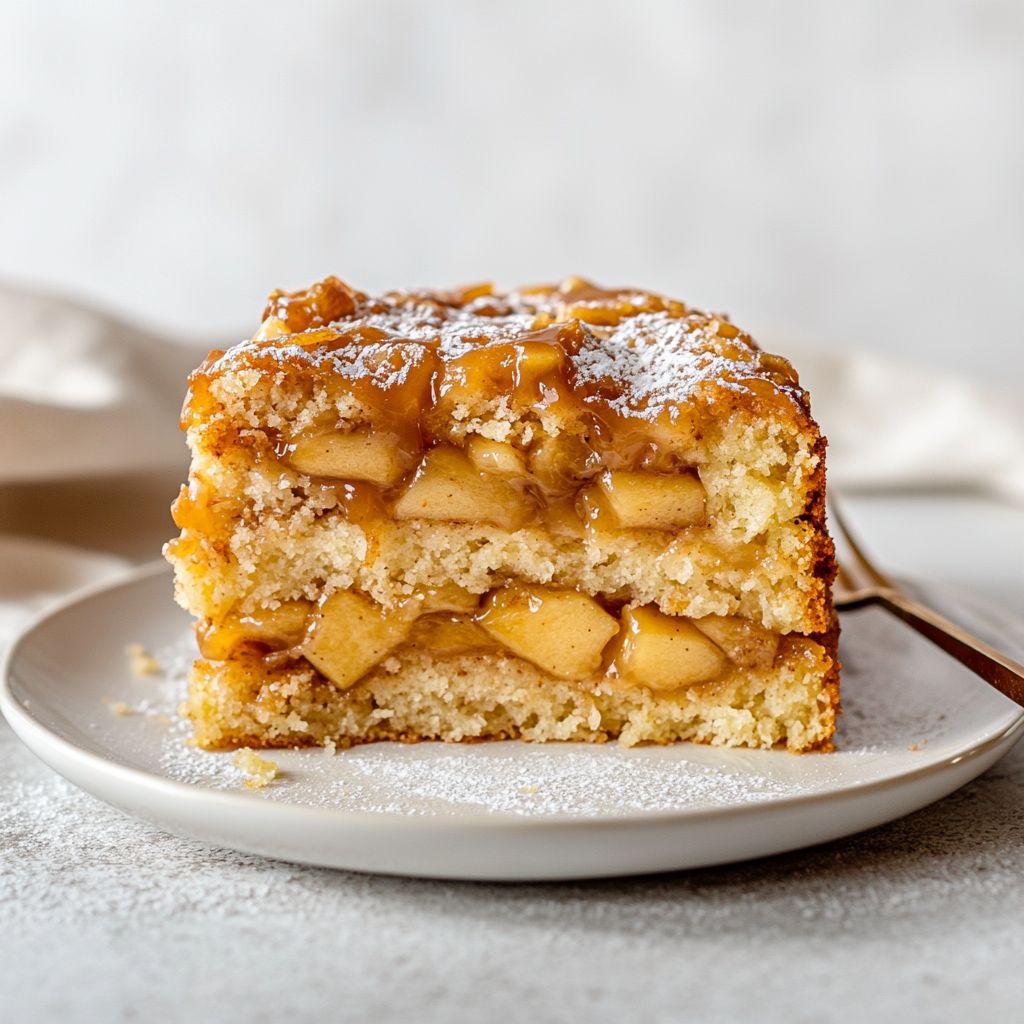
The Apple Fritter Cake is a study in harmonious contrasts. Take a bite and you’ll notice a gentle sweetness that feels like a reassuring hug rather than a shout. The apples provide bright, fresh notes—tart or sweet depending on the variety—balanced by warm spices such as cinnamon, nutmeg, and a whisper of allspice. Vanilla adds a creamy-sweet backbone that carries through every layer of crumb. The cake itself offers a tender, springy crumb that stays moist thanks to the fruit pieces and the richness of the batter, yet it remains structured enough to hold its shape when plated with a slice glaze or a simple dusting.
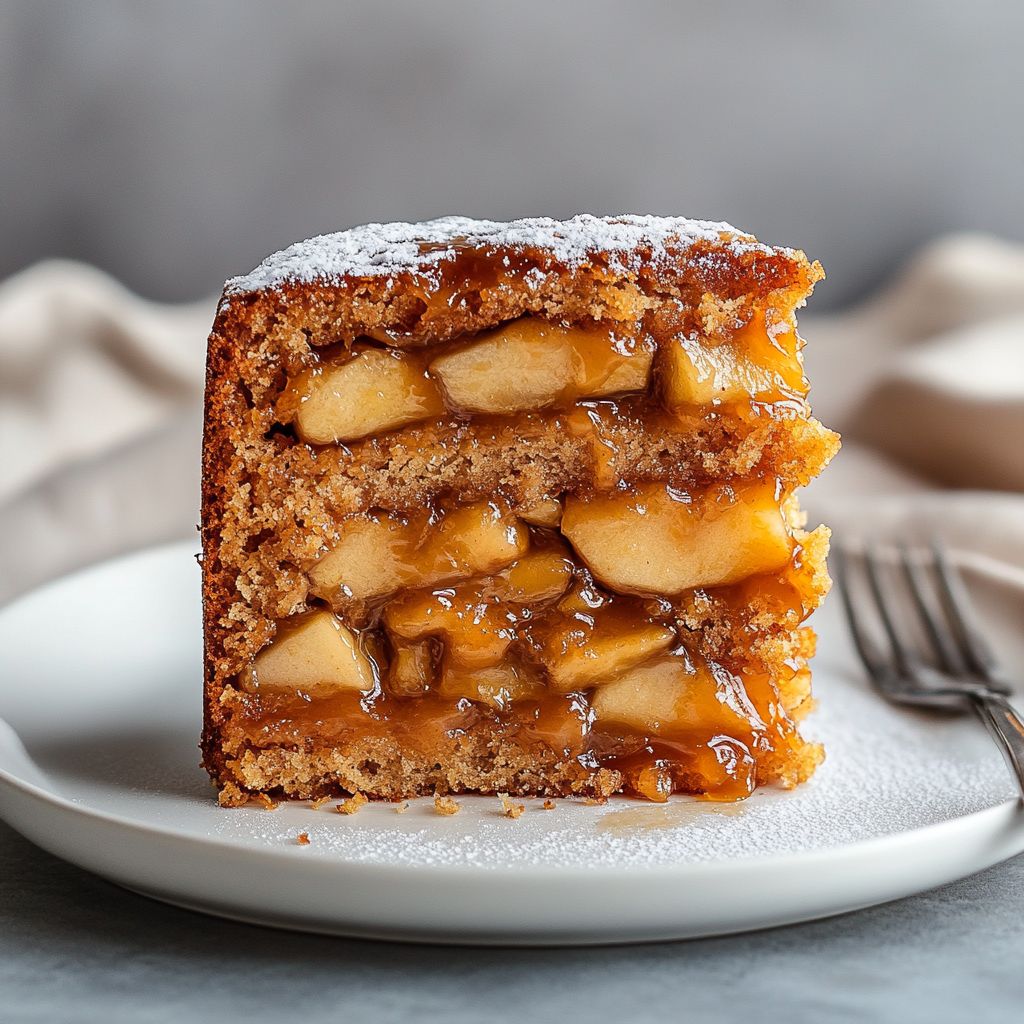
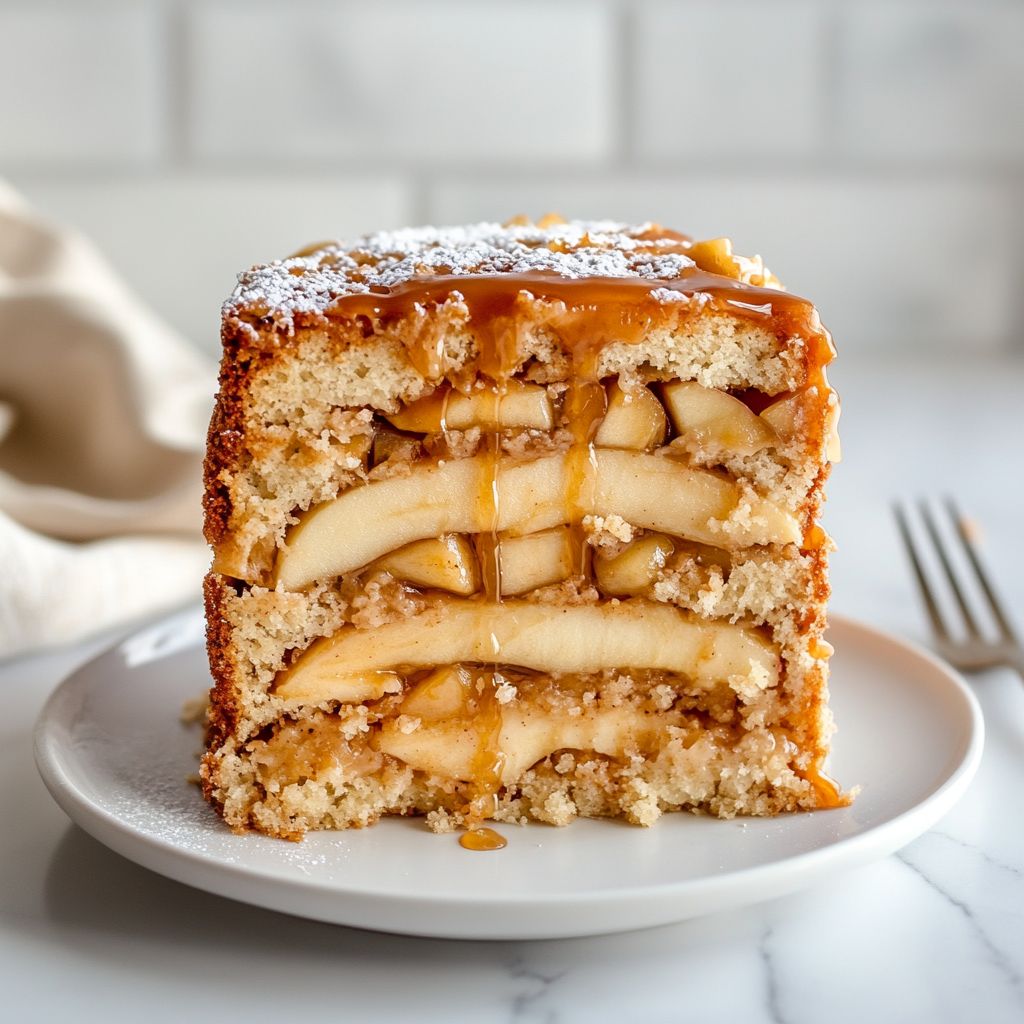
Textures play a starring role. The exterior may reach a light crisp or a delicate crackle, reminiscent of the fritter’s edge, while the interior remains soft, almost velvet-like, with pockets of apple juicy bite in every bite. If you choose to finish it with a glaze, the glaze may pool gently, creating a thin glossy coat that adds a kiss of sweetness without overpowering the fruit. The optional crumble or streusel on top introduces another layer of texture—nutty, crunchy, and warmly spiced—adding an autumnal complexity that makes each mouthful interesting and satisfying. The flavor journey moves from fresh fruit brightness to comforting spice to buttery crumb, and then to the lingering aftertaste of vanilla and caramelized apple, inviting another slice before you even realize it’s happening.
Texture by Section
- Crust/Edge: Slight crisp, with a delicate crackle that signals the fritter-inspired spirit of the dish.
- Crumb: Moist, tender, and springy, with a uniform density that makes every bite feel generous.
- Apple Pieces: Firmer than the cake’s crumb, giving a pleasant bite and bursts of sweet-tresh apple flavor.
- Moisture Balance: Apple pieces release jus to keep the cake lively; proper starch and sugar balance helps maintain moisture without sogginess.
- Aroma: A warm bouquet of cinnamon, vanilla, and apple fills the room as it bakes and cools, inviting conversation and dessert cravings alike.
Occasions & Pairings
This cake thrives anywhere a dessert needs to be both comforting and shareable. Consider its role in these moments:
- Brunch gatherings: A slice alongside bold coffee or a chai makes for a cafe-worthy breakfast-leisure hybrid.
- Holiday mornings: A centerpiece for Christmas, Thanksgiving, or a harvest-table spread brings warmth without requiring heavy prep on the day itself.
- Weekend indulgence: A cozy treat with a movie night or a book-and-tea moment that feels special but not fussy.
- Potlucks and celebrations: Easy to slice and pass around, with the option to dress up with a glaze or whipped topping to elevate the presentation.
Pairings to consider:
- Drinks: Hot apple cider, vanilla latte, almond milk, or a straight-forward black coffee to cut through the sweetness.
- Side options: A dollop of lightly sweetened whipped cream, a scoop of vanilla or cinnamon ice cream, or a spoonful of mascarpone for extra richness.
- Dessert companions: Caramel sauce, cinnamon-sugar dusting, or a light drizzle of maple glaze to deepen the autumnal notes.
Tips, Variations & Substitutions
- Fruit variations: While apples are traditional, consider pears for a softer bite, or a mix of apples with a handful of dried tart cherries for a fruity tang.
- Spice profile: Adjust cinnamon levels to taste; add a pinch of ground ginger, clove, or allspice for a spiced-forward version, or swap in cardamom for a floral twist.
- Gluten-free option: Use a gluten-free all-purpose flour blend with a little extra baking powder to maintain lift. A small amount of almond flour can add nutty depth, but test the batter’s texture as it can stiffen when subbing.
- Vegan adaptation: Replace eggs with flax eggs or applesauce to preserve moisture and binding without dairy or eggs. Use a plant-based milk if needed to adjust batter consistency.
- Dairy-free approach: Choose dairy-free butter or a neutral oil (like light olive oil or melted coconut oil). This keeps the crumb tender while still delivering richness.
- Texture tweaks: For more fritter-like edges, lightly dust the surface with cinnamon-sugar just before baking and consider a short extra bake at a slightly higher heat to form a crisper edge.
- Make-ahead topping: If you love a glaze but want to keep the cake crisp on the day of serving, store glaze separately and only drizzle right before serving.
- Storage-friendly tweaks: If you’re baking ahead, consider slicing the cake and storing slices in an airtight container to keep portions easy to grab and serve later.
- Flavor boosters: A splash of vanilla bean paste or a hint of lemon zest can brighten the overall flavor, particularly when using varieties of apples that are more tart.
Storage & Make-Ahead Ideas
The Apple Fritter Cake plays well with advance planning, making it ideal for busy weekends or hosting. Here are practical tips to keep it at its best:
- Room temperature storage: Store fully cooled slices in an airtight container at room temperature for up to 3 days. If your climate is humid, consider a light wrap to preserve texture, but avoid sealing while still warm to prevent condensation.
- Refrigeration: If you need to keep it longer, refrigerate for up to 5 days. Allow slices to come to room temperature before serving to regain some of the cake’s softness.
- Freezing: Slice the cake and freeze in a single layer on a baking sheet, then transfer to a freezer bag or airtight container. Freeze up to 1 month. Thaw overnight in the fridge or at room temperature and warm gently in the oven if you desire a just-baked feel.
- Make-ahead strategy: Bake the cake a day or two ahead, cool completely, and store sealed. When ready to serve, rewarm gently and add a fresh glaze or dusting to refresh the aroma and taste.
- Glaze considerations: If you’re freezing, drizzle the glaze after thawing and reheating to preserve texture and shine rather than letting the sugar crystallize during freezing.
Fun Facts & Trivia (Optional)
Delightful tidbits to share with guests or tuck into your kitchen conversation:
- The term “fritter” has roots in frying techniques and culinary traditions across many cultures, but the apple fritter we celebrate in this cake is distinctly American in its comforting, home-baked interpretation.
- Apples were one of the earliest fruits cultivated in North America, and their pairing with spices like cinnamon reflects a heritage of pantry-smart cooking that makes the most of fall harvests.
- Varieties of apples you choose will subtly shift the cake’s sweetness and texture. Tart apples (like Granny Smith) brighten the dish and let spice notes shine, while sweeter varieties (like Fuji) enrich the cake’s natural sugar, creating a more caramel-like finish.
- Bringing the fritter spirit into a cake format is a playful reminder that great desserts often emerge when cooks look for cohesion between two beloved concepts rather than just replicating one.
Final Thoughts
The Apple Fritter Cake is more than a dessert; it’s a warm invitation to slow down and savor the moment. It captures the essence of fall—fruit, spice, and a hint of caramel—while offering the comfort and shareability of a classic bake. It’s a recipe that thrives in homes with lively conversation, with family members who hover by the oven watching the cake rise, and with friends who offer to bring coffee to round out the morning ritual. Whether you’re celebrating a small triumph or simply enjoying a quiet Sunday, this cake brings a touch of bakery delight into your kitchen, wrapped in the familiar, generous spirit of home cooking. Each slice tells a story—of orchard trips, of grandma’s pantry, of rainy-day cravings met with something sweet—and invites you to start a new story of your own with the next forkful. May it become a dependable favorite, a reliable crowd-pleaser, and a go-to comfort that you reach for again and again when the air turns crisp and the apples promise sweetness.
Ingredients
-
– 2 cups all-purpose flour
→ All-purpose flour provides the cake’s structure and tender crumb. Sift with the baking powder, baking soda, salt, and cinnamon to ensure even distribution of leaveners and spices, and to prevent clumps. For a gluten-free version, substitute 2 cups gluten-free all-purpose flour (with 1/2 tsp xanthan gum if your blend doesn’t include it). Do not overmix after adding wet and dry ingredients to keep the cake light and airy.
– 1 cup granulated sugar
→ Sugar sweetens the batter and contributes to browning and moisture retention, which helps create a soft, tender crumb. Creaming sugar with melted butter isn’t required here since the butter is melted; it still dissolves and distributes sweetness evenly. For a more tender crumb, you can slightly reduce the sugar by 1–2 tablespoons if you’re aiming for a less sweet cake.
– 2 teaspoons baking powder
→ The primary leavening that makes the cake rise as it bakes, creating a light and fluffy texture. Use fresh, active baking powder for best lift—tap the container to check for strength, and if it’s outdated, the rise will be weak. Do not overmix after adding the dry ingredients to preserve air that has been incorporated.
– 1/2 teaspoon baking soda
→ Provides additional lift and reacts with the acidity in the batter (from buttermilk) to boost browning and tenderness. Ensure it’s evenly distributed by whisking with the dry ingredients. If you omit buttermilk, you can still include soda but combine with a bit more acid elsewhere; otherwise, you can reduce the soda to 1/4 teaspoon.
– 1/2 teaspoon salt
→ Balances sweetness and enhances the overall flavor of the cake, making the apple flavors pop. Salt also helps strengthen the structure by tightening the gluten network just enough for a tender crumb. If you’re using salted butter, reduce added salt to 1/4 teaspoon.
– 1/2 teaspoon ground cinnamon
→ Adds warm spice that complements the apple filling and ties the cake to classic apple fritter flavors. For a stronger spice profile, you can increase to 3/4 teaspoon, but start with this amount and adjust to taste in future batches.
– 1/2 cup unsalted butter, melted and cooled
→ Provides rich flavor and a moist, tender crumb without needing to cream butter with sugar. The melted butter blends quickly with the wet ingredients, yielding a soft crumb. Make sure it’s cooled slightly so it doesn’t scramble the eggs or curdle the batter.
– 2 large eggs, room temperature
→ Eggs act as binders and help emulsify the batter, contributing to structure and moisture. Bringing them to room temperature helps them incorporate more easily with the melted butter and buttermilk, producing a smoother batter. For a dairy-free version, substitute with 2 flax eggs (2 tbsp ground flaxseed meal mixed with 6 tbsp water, let sit 5 minutes).
– 1 cup buttermilk (or 1 cup milk + 1 tablespoon lemon juice, let curdle 5 minutes)
→ Buttermilk adds tang, tenderness, and reacts with baking soda for extra lift. If you’re using regular milk, acidify it with lemon juice or vinegar and let it sit to thicken slightly before use. For non-dairy, use soy or almond milk with a splash of lemon juice and a pinch of cream of tartar for acidity.
– 1 teaspoon pure vanilla extract
→ Imparts warm, aromatic depth that enhances the overall flavor profile of the cake and pairs well with apples. Use only pure vanilla extract for the best flavor; avoid imitation vanilla, which may taste flat in this rich, spiced batter.
-
– 2 cups apples, peeled and diced
→ Apple chunks provide moisture, sweetness, and pockets of tartness that balance the cake. Choose crisp varieties like Granny Smith or Honeycrisp for texture and bright flavor. Tossing with lemon juice helps prevent browning and keeps the color vibrant during baking.
– 2 tablespoons granulated sugar
→ Coats the apples to draw out some juices and add a touch of sweetness that complements the batter’s sugar. If your apples are already quite sweet, you can reduce this to 1 tablespoon or omit it.
– 1 tablespoon all-purpose flour
→ Lightly coats the apples to absorb excess moisture released during baking, helping keep the batter from thinning and ensuring a cohesive cake with a tender crumb.
– 1/2 teaspoon ground cinnamon
→ Reinforces the warm apple spice theme and pairs with the cake’s cinnamon. If you prefer stronger spice, you can increase to 3/4 teaspoon.
– 1 tablespoon lemon juice
→ Brightens the apple flavor and helps prevent browning, especially if the cake batter sits before baking. It also slightly counterbalances the sweetness and enhances overall aroma.
– Pinch of salt
→ Elevates the fruity sweetness and helps balance flavors within the filling. A tiny amount goes a long way in intensifying taste.
-
– 1/2 cup all-purpose flour
→ Creates a crumbly, crunchy topping that contrasts with the soft cake beneath. The flour is the base for a traditional streusel texture.
– 1/3 cup granulated sugar
→ Adds sweetness and helps form a slightly crisp crust when baked with butter. Adjust to taste if your filling is sweeter, and you prefer less sugar.
– 1/4 cup light brown sugar
→ Adds caramel notes and moisture to the topping, contributing to that classic fritter-like streusel crunch. If you want a lighter topping, you can substitute with more granulated sugar.
– 1/4 cup cold unsalted butter, cubed
→ Cut into the dry ingredients to form a crumbly texture that browns nicely in the oven. Keeping the butter cold helps create distinct, sandy morsels rather than a cohesive dough.
– 1/2 teaspoon ground cinnamon
→ Adds warmth and ties the topping to the apple filling. For a stronger spice, double the amount.
-
– 1 cup powdered sugar
→ Provides a smooth, glossy finish that lightly sweetens the cake. The glaze adds moisture and a hint of sweetness on top after cooling.
– 2–3 tablespoons milk (d dairy or plant-based)
→ Adjusts glaze consistency; start with 2 tablespoons and add more as needed until it coats the cake evenly without being runny. For thicker glaze, use less liquid; for a thinner drizzle, add a bit more.
– 1/2 teaspoon vanilla extract
→ Delivers a subtle aroma and depth to the glaze, enhancing the overall apple-cinnamon flavor. Use pure vanilla for best results; omit if you prefer a simpler sugar glaze.
-
– 1/2 cup chopped pecans or walnuts (optional)
→ Adds extra crunch and a toasty, nutty flavor that contrasts with the soft cake. Toast the nuts briefly in a dry pan or oven (about 5–6 minutes at 350°F/175°C) to heighten aroma before folding into the batter or sprinkling on top for texture.
– 1/2 cup raisins or dried cranberries (optional)
→ Introduce pockets of chewy sweetness that complement the apples. If using very dry dried fruit, soak briefly in warm water for 10 minutes to plump them, then drain before mixing.
Instructions
- Preheat your oven to 350°F (175°C) and grease a 9×13-inch baking pan or line it with parchment paper for easy release and even heat distribution.
→ A well-prepared pan prevents sticking, ensures clean slices, and helps the cake bake evenly without tearing when removed. - Whisk the dry ingredients for the cake: 2 cups all-purpose flour, 2 teaspoons baking powder, 1/2 teaspoon baking soda, 1/2 teaspoon salt, and 1/2 teaspoon ground cinnamon in a medium bowl until uniformly distributed.
→ Sifting or whisking breaks up clumps and guarantees the leaveners and spice are evenly dispersed, preventing uneven rise or spicy pockets in the crumb. - Whisk the wet ingredients: in a separate large bowl, whisk 1/2 cup melted and cooled unsalted butter with 1 cup granulated sugar until smooth; add 2 large eggs, one at a time, whisking after each addition; whisk in 1 cup buttermilk (or 1 cup milk with 1 tablespoon lemon juice) and 1 teaspoon pure vanilla extract until the mixture is smooth and fully emulsified.
→ Emulsification creates a uniform batter that traps air for a tender crumb; room-temperature eggs integrate more easily with the melted butter and dairy, preventing curdling. - Fold the wet and dry ingredients together just until combined and there are no visible streaks of flour; stop mixing as soon as the batter comes together to maintain a light, airy texture.
→ Overmixing develops gluten, leading to a dense cake; gentle folding preserves the delicate structure necessary for a fritter-like crumb. - Prepare the Apple Filling: in a bowl, combine 2 cups peeled and diced apples with 2 tablespoons granulated sugar, 1 tablespoon all-purpose flour, 1/2 teaspoon ground cinnamon, 1 tablespoon lemon juice, and a pinch of salt; toss to coat evenly and set aside.
→ The flour helps absorb released juices, lemon juice brightens flavor and slows browning, and cinnamon reinforces the apple-spice profile for depth in every bite. - Prepare the Streusel Topping (optional): in a small bowl, mix 1/2 cup all-purpose flour, 1/3 cup granulated sugar, 1/4 cup light brown sugar, 1/4 cup cold unsalted butter (cubed), and 1/2 teaspoon ground cinnamon; cut in the butter with a pastry cutter or two forks until the mixture resembles coarse crumbs; keep cold until ready to use.
→ Cold butter creates distinct crumbly pockets that caramelize during baking, providing a contrasting texture to the soft cake. - Assemble the batter and apples: pour about two-thirds of the batter into the prepared pan and spread to cover the base; spoon the apple filling in an even layer over the batter; spoon the remaining batter over the apples and gently spread; use a knife to swirl the batter a few times to distribute the apples without fully mixing.
→ Layering creates harmonious pockets of apple sweetness and prevents the filling from sinking completely, while a light swirl preserves distinct components for a fritter-like bite. - Top with streusel (if using): evenly sprinkle the prepared streusel over the batter and apples; lightly press into the surface to help adhesion during baking.
→ The streusel will brown and form a crisp, buttery crust that complements the tender cake beneath. - Bake the cake: place in the oven and bake at 350°F (175°C) for 34–40 minutes, or until a toothpick inserted into the center comes out with a few moist crumbs and the edges are lightly golden.
→ Oven temperatures vary; start checking around 34 minutes and use the toothpick test to confirm doneness while ensuring a moist but cooked crumb. - Cool the cake in the pan for 15–20 minutes, then transfer to a wire rack to cool completely before glazing.
→ Allowing the cake to set prevents the glaze from sliding off and helps the slices hold their shape when cut. - Prepare the glaze (optional): in a small bowl whisk 1 cup powdered sugar with 2–3 tablespoons milk and 1/2 teaspoon vanilla extract until smooth and pourable; adjust consistency with more sugar for a thicker glaze or more milk for a thinner drizzle.
→ A smooth glaze adds a glossy finish and a light sweetness that complements the apple-cinnamon flavors without overpowering them. - Glaze the cake (optional): drizzle the glaze in a thin, even stream over the cooled cake; allow the glaze to set for about 15 minutes before slicing.
→ A set glaze provides a clean, attractive presentation and a subtle moisture boost that enhances the overall mouthfeel. - Serve and store: cut into squares or wedges and serve; store leftovers covered at room temperature for up to 2 days or refrigerate for up to 5 days, or freeze for longer storage.
→ Proper storage maintains moisture and flavor; cooling completely before refrigerating helps preserve texture and crumb structure.
Notes
These Apple Fritter Cake notes are designed to help you bake a tender, cinnamon-spiced cake with apple filling, optional streusel, and a glossy glaze. For best texture, avoid overmixing the batter once the wet and dry ingredients meet, and ensure your leaveners are fresh. If you’re making a gluten-free version, substitute 2 cups gluten-free all-purpose flour (with 1/2 tsp xanthan gum if your blend doesn’t include it) and sift it with the baking powder, baking soda, salt, and cinnamon to distribute them evenly. Bring eggs and butter to room temperature to help emulsify the batter. When preparing the apple filling, toss diced apples with lemon juice to prevent browning and to keep brightness; the filling also includes a touch of sugar, cinnamon, and a little flour to absorb moisture so the cake stays cohesive. For the streusel topping, keep the butter cold and cut it into the dry ingredients to form chunky crumbs that crisp as they bake. The glaze should be whisked from powdered sugar with milk and a splash of vanilla; adjust thickness to coat the cake without pooling. Optional add-ins like chopped pecans or walnuts and raisins or dried cranberries add texture and sweetness; toast the nuts briefly before using for maximum aroma. Bake until a toothpick inserted into the center comes out with a few moist crumbs. Store the cake in an airtight container for several days, or freeze slices for longer storage; reheat gently to restore the warm, fritter-like comfort. Serve with a scoop of vanilla ice cream or a dollop of whipped cream for a dessert that evokes classic apple fritters, and always adapt ingredients and add-ins to fit dietary needs.
Tips
Tips for Apple Fritter Cake
- Dry ingredients with leaveners and spices: Sift the flour, baking powder, baking soda, salt, and cinnamon together to distribute the leaveners evenly and prevent clumps. This helps the cake rise evenly and maintain a tender crumb.
- Melted butter handling: Use melted and cooled butter so it blends quickly with the wet ingredients. Ensure it isn’t hot when combining with eggs to avoid curdling.
- Don’t overmix the batter: Mix wet and dry ingredients just until incorporated. Overmixing develops gluten and can make the cake dense or tough.
- Buttermilk or acidity: If you use regular milk, add lemon juice or vinegar and let it sit a few minutes to thicken, mimicking buttermilk’s tenderness and lift.
- Room-temperature eggs: Eggs at room temperature emulsify more easily, resulting in a smoother batter. If using cold eggs, whisk a bit longer to incorporate air.
- Apple preparation: Choose crisp apples (Granny Smith, Honeycrisp) for texture and bright flavor. Toss with lemon juice to prevent browning and drain excess juice to keep the batter from becoming too wet.
- Macerating the apples: If your apples release a lot of juice, lightly pat them dry after tossing with sugar and cinnamon to avoid a soupy filling.
- Streusel texture tips: Keep the butter cold and cut into the dry ingredients until the mixture resembles coarse crumbs. This yields a crunchy, distinct streusel instead of a doughy layer.
- Streusel aroma: Toast the streusel topping briefly in the oven or a skillet before baking to deepen the nutty aroma and flavor.
- Glaze timing and consistency: Apply glaze once the cake is cooled for a smooth, glossy finish. If the glaze is too thick, whisk in a bit more milk; if too thin, whisk in a little more powdered sugar.
- Glaze flavor balance: Use pure vanilla in the glaze to echo the cake’s apple-cinnamon notes, but omit if you prefer a simple sugar glaze.
- Add-ins for variety: Toasted pecans or walnuts add crunch and nuttiness; raisins or dried cranberries introduce chewy sweetness. If using dried fruit, plump them first in warm water.
- Moisture management with apples: If the apple filling seems overly juicy, drain or pat the apples dry before adding to the batter to prevent a soggy crumb.
- Pan prep and bake readiness: Grease and line the pan with parchment for easy removal. Preheat the oven and bake until a toothpick tests clean with a few moist crumbs for a tender center.
FAQ
What is Apple Fritter Cake?
Apple Fritter Cake is a gently spiced, moist cake studded with chopped apples, echoing the flavors of a fried apple fritter but baked for a simpler, less oily treat. It’s often finished with a light glaze or crumb topping.
How is it different from traditional Apple Fritters?
Traditional fritters are pieces of apple coated in batter and deep-fried until crisp. Apple Fritter Cake uses a cake batter baked in the oven, resulting in a soft, tender crumb with apple pieces distributed throughout—no frying required.
What ingredients do I need?
Core ingredients typically include chopped apples, all-purpose flour, granulated sugar, brown sugar, eggs, milk (or dairy-free milk), oil or melted butter, baking powder, cinnamon, vanilla, and a pinch of salt. Optional glaze or streusel toppings are common.
Can I make this gluten-free?
Yes. Use a 1:1 gluten-free all-purpose flour blend plus 1/2 teaspoon xanthan gum per cup of flour if your blend doesn’t include it. The texture may be a bit denser, but it still tastes great.
Can I make this dairy-free?
Absolutely. Use dairy-free milk (like almond or soy) and substitute oil or dairy-free butter for the butter. If your apples are tart, you might need a touch more sugar to balance flavors.
How do I bake it? Temperature and time?
Preheat to 350°F (175°C). Bake in a greased 9×13-inch pan for about 30–40 minutes, or until the top is golden and a toothpick inserted into the center comes out with a few moist crumbs. If using a loaf pan, bake 50–60 minutes and check for doneness with a toothpick.
How do I know when it’s done?
Look for a golden-brown top and edges pulling slightly away from the pan. A toothpick inserted into the center should come out with only a few moist crumbs. If it’s wet or batter-like, bake a little longer and retest every 5 minutes.
How should I store and reheat leftovers?
Cool completely, then store airtight at room temperature for 1–2 days, or refrigerate up to 5–7 days. Reheat slices in the microwave for 15–25 seconds or warm in a low oven (about 325°F) for 5–10 minutes to freshen the crust. Wrap tightly to prevent drying.
Can I freeze the cake or batter?
Baked Apple Fritter Cake can be frozen for up to 2–3 months. Wrap slices or the whole cake tightly in plastic wrap and foil. Thaw overnight in the fridge or at room temperature, then reheat as above. Batter can be frozen for short periods, but the rise may be affected; best to mix fresh.
What are some topping or variation ideas?
Glaze: mix powdered sugar with a splash of milk (dairy or non-dairy) and vanilla until smooth. Crumble topping: combine brown sugar, flour, cold butter; sprinkle over batter before baking for a crumbly crown. Other ideas include caramel sauce, chopped walnuts, extra cinnamon, or a splash of maple syrup for extra warmth.