Introduction / Hook
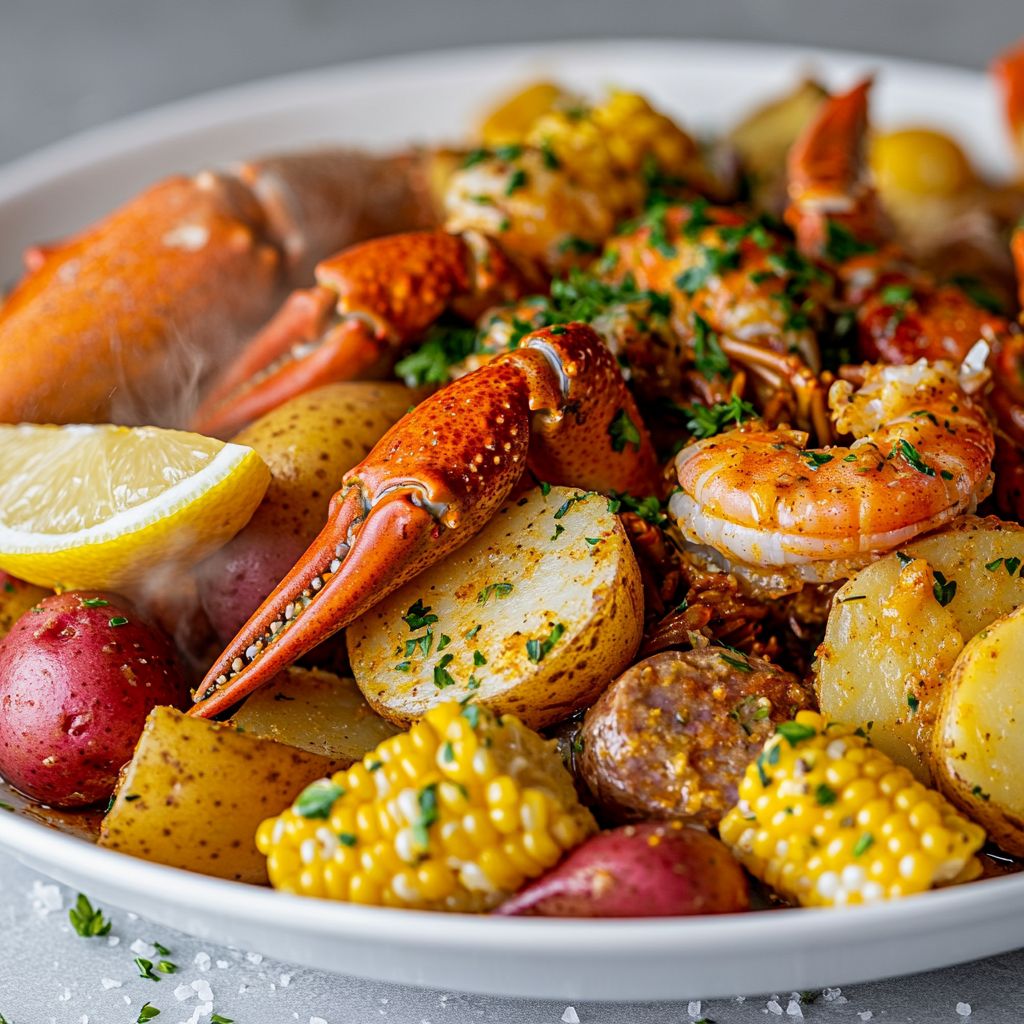
Imagine a sun-soaked table set along a breezy coastline, the air thick with the scent of the sea and a mosaic of spices. Steam unfurls like wisps of cloud, a chorus of sizzling sounds rising from a grand, communal boil. This is more than a dish; it’s a celebration of gathering, of laughter echoing across the table, of fingers stained with gold and orange and the faint glint of lemon at the corner of every smile. A seafood boil is the kind of feast that instantly makes strangers feel like neighbors, neighbors feel like family, and family feel like the best version of themselves: warm, bold, and incredibly alive. Each bite carries a whisper of the ocean, a memory of long summer days, and a spark of fire that lingers just long enough for you to reach across and pass the next plate. Welcome to a one-pot celebration that honors the sea, the season, and the simple joy of sharing a generous, unhurried meal with people you love.
The Story Behind the Dish
The seafood boil is a vibrant thread in the culinary tapestry of coastal communities, with roots that drift through the Gulf Coast, the Atlantic seaboard, and the river towns where families gather to mark birthdays, birthdays of boats, and the annual return of seafood season. Its most spirited iterations often owe a debt to Cajun and Creole traditions, where bold spice profiles, homemade broths, and a sense of theater turn cooking into an event as much as a sustenance. Historically, these boils emerged as practical, communal feasts: a handful of fresh catch, a stockpot, a sturdy flame, and the instinct to share whatever bounty the tide delivered. Friends would bring what they could—corn, tubers, smoky sausages, or herbs from the garden—while someone kept watch over the fire and tasted the bubbling pot with a yes or no that carried the weight of home. Over time, each family or neighborhood added its own signature touches: a particular spice blend, a preferred finishing kick, or a traditional squeeze of citrus that brightens the entire spread. Today, the seafood boil remains an emblem of hospitality—a sensory symphony of briny sweetness, citrus zest, peppery warmth, and the satisfying, communal ritual of pulling apart a well-seasoned feast with your hands and your heart in equal measure.
Why You’ll Love This Recipe
- One-pot celebration: A grand, shareable dish that brings people together around a single, steaming centerpiece.
- Adaptable to any crowd: Easily scaled up or down, with the ability to accommodate different dietary needs and spice preferences.
- Sensory delight: A chorus of aromas—briny, smoky, citrusy, and subtly sweet—builds anticipation from the moment the pot comes to life.
- Palette-friendly complexity: A balance of warm heat, bright acidity, and deep, comforting savor creates layers of flavor in every bite.
- Relaxed yet festive: It feels special enough for a celebration, but the method is forgiving enough for a casual weeknight with friends.
- Make-ahead and social: The prep can be shared among guests, turning cooking into a collaborative, joyful activity rather than a solo task.
Flavor Profile & Texture
This dish delivers a multifaceted flavor profile that feels both coastal and comforting. The core is a brimming pot of broth or seasoned liquid that carries the essence of the sea—oceanic salinity softened by citrus brightness and a kiss of smoke or spice. The spice level—whether mild, medium, or fiery—acts as a warm invitation rather than a jolt, highlighting the natural sweetness of the seafood and the starches that soak up all the good flavors. Texturally, you’ll experience a dance between al dente, almost creamy interior of potatoes if present, the tender yet resistant bite of shellfish, and the yielding softness of corn-like components if included. The sausage or other smoky, savory elements (when part of the boil) contribute a meaty depth that anchors the dish, while fresh herbs and aromatics provide aromatic top notes that lift the whole plate. The result is a mosaic of textures: taut with chew, silky with brine, and juicy with a lingering coastal aftertaste. And then—once you squeeze a bright wedge of citrus over the spread—the entire table seems to glow with a fresh, mouthwatering finish that makes every bite feel like a small victory.
Occasions & Pairings
A seafood boil is inherently social, making it ideal for a variety of occasions beyond the ordinary weeknight. Consider these scenarios to tailor your gathering:
- Summer backyard or beach gatherings where the heat requires a meal that’s forgiving and shareable.
- Family reunions or milestone celebrations that call for a centerpiece dish with communal appeal.
- Game-day feasts or weekend get-togethers where the aroma draws guests from room to room.
- Holiday-forward events that want a coastal twist—something festive, tactile, and interactive.
Pairings can be crafted to suit the mood and season. Consider light, crisp beverages to cut through the richness, or a cool, citrusy drink to echo the brightness of the dish. For sides, think of simple, starchy accompaniments and fresh greens that balance the richness without stealing the spotlight. A bright, zesty finish—lemon, lime, or a splash of vinegar—can elevate the entire spread. If you’re serving a crowd with diverse tastes, a few colorful, crunchy garnishes or dips can provide extra texture and contrast that complement the main event without overpowering it.
Tips, Variations & Substitutions
- Heat and spice: Start with a moderate level and offer additional heat on the side for guests who want more kick. The beauty of a boil is that it’s easy to customize at the table with bowls of hot sauce or pepper flakes.
- Protein options: This concept travels well with a variety of seafood and shellfish. If you’re cooking for a crowd, mix a few types to create a diverse tasting experience. If seafood isn’t available, you can craft a vegetarian or plant-based version featuring hearty vegetables and plant proteins that mimic the textures of a seafood medley.
- Vegetable and starch choices: While traditional boils include a mix of sturdy vegetables and starches, you can swap in seasonal produce to maintain freshness and color throughout the year. The goal is to complement the ocean-savory base with textures that hold up to a lively boil.
- Calibrating the broth: The liquid you choose should be potent enough to carry aromatics and flavors, yet mellow enough to allow the natural sweetness of the seafood to shine through. A good balance of salt, acidity, and warmth is key.
- Regional twists: A touch of coastal herb blends, a nod to smokiness from a favorite wood-smoked spice, or a signature citrus finish can give your boil a distinctive regional fingerprint.
- Allergen-aware options: For guests with dietary restrictions, consider a version that keeps the core flavor profile intact while omitting common allergens or substituting with safer alternatives. The same technique and care apply—the emphasis remains on aroma, texture, and communal enjoyment.
Storage & Make-Ahead Ideas
Seafood boils are best enjoyed fresh, but practical planning can help you prepare ahead or store leftovers properly. Here are ideas to keep the spirit of the dish intact, even when schedules are tight:
- Make-ahead components: If you’re hosting a large gathering, you can prepare the aromatics, broths, and herbs in advance, keeping them refrigerated until ready to cook. This minimizes last-minute rushing and preserves the vibrant flavors that make the boil special.
- Storage for leftovers: Cold leftovers should be stored in airtight containers in the refrigerator and consumed within 1–2 days for best flavor and safety. Reheat gently to avoid overcooking delicate seafood components; a gentle rewarming ensures the texture remains enjoyable.
- Freezing note: Most seafood items don’t reheat well after freezing and thawing, so it’s best to enjoy leftovers within a day or two if possible. If you do freeze components separately, thaw slowly in the fridge and rewarm with patience to maintain tenderness.
- Make-ahead serving: If you’re hosting, consider serving in courses or stations so guests can assemble at their own pace. A well-timed warm-up of the final components can help the dish feel fresh and exciting even as the night goes on.
Fun Facts & Trivia (Optional)
Delightful tidbits that can spark conversations at the table or inspire future variations:
- The concept of community boil gatherings reflects a long-standing maritime tradition of sharing catches and labor, turning cooking into a social event as much as a meal.
- In some coastal communities, the boil is more than sustenance—it’s a ritual of gratitude to the waters, the boats, and the hands that worked to bring seafood to the table.
- Regional spice blends often tell a story of trade routes, local agriculture, and personal family history, giving each boil its own flavorful signature.
- Texture and aroma are not just sensory delights; they signal readiness and safety in cooking—steam and scent guide the cook as much as time and temperature do.
- Secret family touches—such as a particular finishing squeeze, a fragrant herb, or a favorite dipping sauce—turn a standard boil into a personal tradition that travels across generations.
Closing Thoughts
A seafood boil is more than a recipe; it’s an invitation to slow down, to connect, and to revel in shared abundance. It celebrates the sea’s generosity and the kitchen’s warmth, turning a simple meal into a memorable event—one that lingers in the mind long after the last napkin has been folded and the last plate has been cleared. Whether you’re cooking for a bright summer evening with neighbors or a cozy weekend gathering with family, this boil offers a canvas wide enough for your favorite flavors and your most cherished company. So gather your crew, set the table beneath the open sky or the glow of kitchen lights, and let the aromas do the rest. The best part of this feast isn’t just the food—it’s the sense of belonging that comes with every shared scoop, every clink of glasses, and every story told between bites. Enjoy the journey of flavor, texture, and togetherness that a seafood boil so effortlessly embodies.
Ingredients
Seafood Boil Base
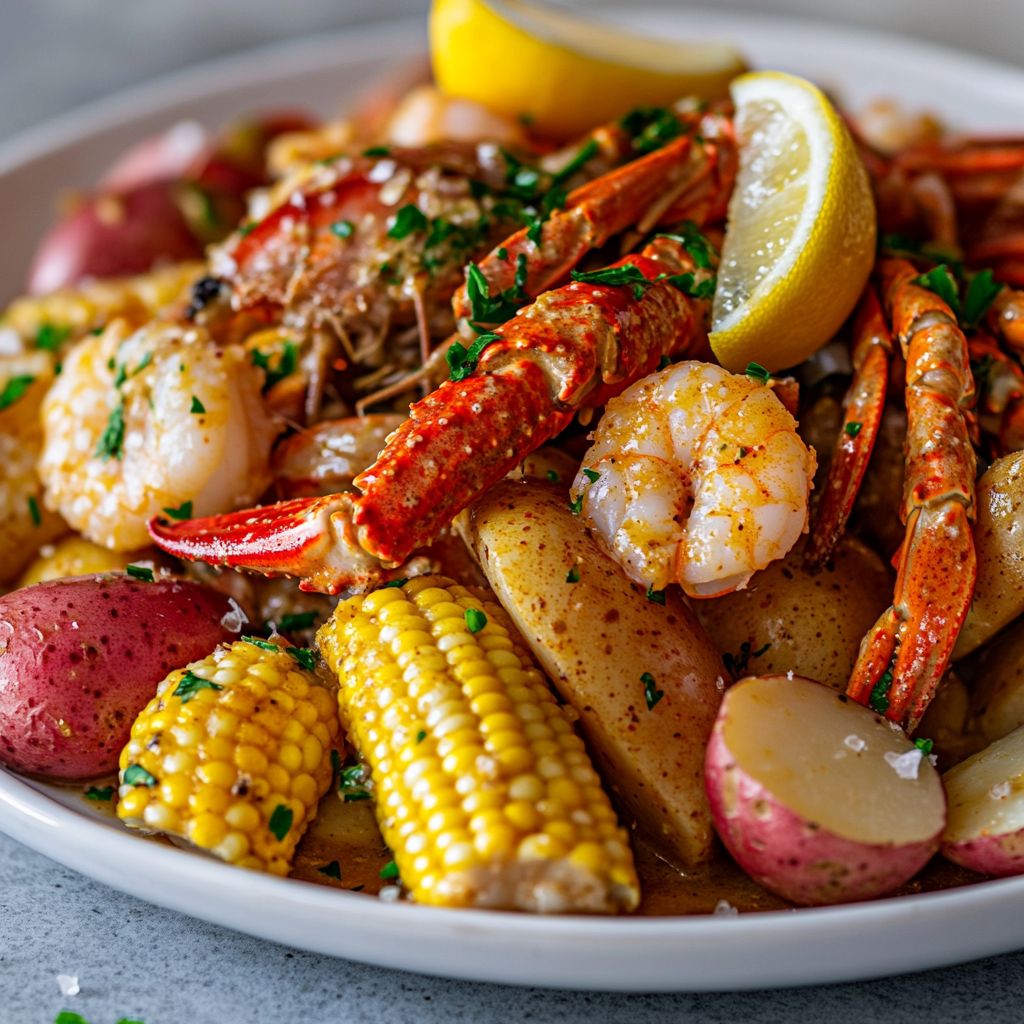
- 2 pounds large shrimp, shells on, tails on
→ Shrimp: Adds a succulent protein that holds up well in boiling broth. Cooking with the shells on infuses the meat with flavor as the shells release briny juices. Keep the shells on until serving, and optionally peel the shrimp after cooking for easier eating. If you prefer peeled shrimp, you can shell and devein them before boiling, but you may lose some flavor that the shells contribute while simmering. - 2 pounds crab legs, thawed and broken into smaller sections
→ Crab legs bring sweet, delicate meat to the boil. Since most crab legs are sold pre-cooked, your goal is to warm them through without overcooking; add them in the last 5–7 minutes. Break the legs into smaller segments to speed cooking and make dipping easier. Fresh, high-quality crab legs yield the most flavor. - 1 pound smoked sausage (Andouille or kielbasa), sliced into 1-inch pieces
→ Sausage adds smoky, spicy richness and fatty notes that help carry flavor throughout the boil. Searing the slices in a hot pan for 1–2 minutes per side before adding to the pot helps render fat and deepen the flavor, though it’s optional if you want to skip extra steps. - 4 ears corn on the cob, husks removed, cut into halves or thirds
→ Corn provides sweetness and starch that soaks up the seasoned broth. You can blanch the corn halves for 2–3 minutes beforehand to speed cooking, but it’s not strictly necessary. Keep the corn pieces large enough to grab easily with tongs. - 1.5 pounds baby potatoes, washed and halved if large
→ Potatoes act as hearty starches that absorb the boil’s seasonings. Halving larger potatoes ensures even cooking; parboiling briefly (5–7 minutes) beforehand can shorten boil time. Check tenderness with a knife; they should be just tender, not mushy. - 1 large onion, cut into thick wedges
→ Onion adds aromatic sweetness to the simmering liquid and helps balance briny seafood. You can keep the skin on for extra flavor or discard after cooking. For more punch, alternate with shallots or add more garlic. - 6 cloves garlic, peeled and smashed or left whole in the pot
→ Garlic releases its pungent aroma and depth into the broth. Smash cloves lightly to help release oils; you can remove during serving if you prefer milder flavor. If you’re sensitive to garlic, you can reduce to 4 cloves. - 1 lemon, cut into wedges
→ Lemon adds bright acidity that enhances seafood sweetness. Add wedges to the pot early on for citrusy notes and finish with a squeeze of fresh juice over the boil at the end to wake up flavors.
Seafood Boil Broth & Seasonings
- 4 cups seafood stock or water
→ The liquid forms the base of the boil, carrying spices into the ingredients. Use seafood stock if available for richer flavor; if using water, compensate with extra seasoning and a splash of white wine or beer for depth. - 2 bay leaves
→ Bay leaves add herbal aroma to the simmering liquid, subtly infusing the entire boil with resinous notes. Remove them before serving to avoid biting into a sharp leaf. - 1/3 cup Old Bay seasoning (or a similar seafood boil spice mix)
→ Old Bay is the signature seasoning for seafood boils, delivering a balanced blend of celery salt, paprika, mustard, and pepper. You can start with 1/4 cup and adjust to taste. If you have a different brand, adapt to the strength of spices by adding gradually. - 1 tablespoon smoked paprika (optional)
→ Paprika adds color and a gentle smoky warmth to the broth. If you don’t have smoked paprika, regular paprika works fine; you can also add a pinch of chipotle powder for more heat. - 1 teaspoon cayenne pepper (adjust to heat level)
→ Cayenne provides heat and a little depth to the broth. Start with a smaller amount and increase in increments, tasting as you go. For milder heat, omit entirely. - Salt to taste
→ Salt amplifies all flavors; since shellfish can vary in saltiness, add gradually toward the end of the boil and adjust as you’re serving. Use a flaky sea salt or kosher salt for better distribution. - Optional: 1–2 cups beer or white wine (for depth)
→ Beer or wine adds a malty or fruity note that complements seafood. If using, pour in after the stock to deglaze any browned bits and let it reduce slightly before adding the rest of the liquid.
Seafood Boil Dipping Sauce
- 1/2 cup unsalted butter, melted
→ The butter serves as a rich, luxurious dipping sauce for the seafood and corn. Melt gently over low heat to avoid separating; add a touch of lemon juice for brightness if desired. - 2 cloves garlic, minced
→ Garlic in the butter creates a savory, aromatic dip that complements seafood. Sauté the minced garlic briefly in the melted butter for more intensity, but keep heat low to avoid browning the garlic, which can become bitter. - 1 tablespoon fresh lemon juice
→ Lemon juice brightens the butter and adds a crisp contrast to the rich fats from the seafood. Freshly squeezed is best; strain out any seeds for a smooth dip. - 1/4 teaspoon salt (adjust to taste)
→ Salt balances the richness of the butter and the brininess of the seafood. Start small and adjust after tasting the sauce with a sample of seafood. - Pinch of red pepper flakes (optional)
→ A light touch of heat from red pepper flakes adds a subtle kick without overpowering the dish. Omit if serving to children or guests who prefer milder flavor.
Seafood Boil Garnish
- 2 tablespoons chopped fresh parsley or cilantro for garnish
→ Fresh herbs add color and a bright finish that lifts the overall flavor. Sprinkle just before serving to preserve vibrant color and aroma; you can also reserve a few leaves to sprinkle on top at the table for extra brightness.
Instructions
- Choose a large, heavy-bottomed stockpot (12–16 quarts) and place it on a stable burner to ensure even heat distribution and prevent scorching as the boil develops.
→ A wide, sturdy pot allows the seafood and vegetables to move freely in the liquid, creating an even flavor throughout and reducing the chance of hot spots that could overcook delicate seafood. - Pour 4 cups seafood stock or water into the pot and set the heat to high to establish a strong base for the boil.
→ The liquid carries all the spices and aromatics; starting with enough volume prevents the broth from scorching and helps maintain a vigorous boil as ingredients are added. - Add 2 bay leaves, 1/3 cup Old Bay seasoning, 1 tablespoon smoked paprika (optional), 1 teaspoon cayenne pepper, and salt to taste; stir to combine evenly.
→ Bay leaves and the spice mix infuse the liquid with aroma and depth; stirring ensures that the spices are distributed, preventing clumps and uneven flavor pockets. - If using beer or white wine, pour in 1–2 cups now and use a wooden spoon to scrape up any browned bits from the bottom of the pot as the liquid heats; allow the mixture to simmer and reduce slightly.
→ Deglazing lifts flavorful fond from the pot walls, adding complexity and a bit of acidity to balance the brininess of seafood. - Bring the liquid to a vigorous simmer with rolling bubbles across the surface to ensure even extraction of aromatics and to start cooking the starches and proteins evenly.
→ A roaring simmer ensures the corn, potatoes, and sausage begin to cook promptly and absorb seasonings rather than steaming slowly in a cooler liquid. - Add thick onion wedges and smashed garlic cloves to the simmering liquid, tucking them into the liquid so their aromas permeate the broth; leave skin on the onion for extra sweetness if desired.
→ Aromatics release sweetness and depth as they soften, building a balanced base that harmonizes with seafood flavors. - Squeeze the lemon wedges over the pot, then drop the wedges into the liquid to release bright citrus oils; this step brightens the overall flavor profile.
→ The acidity of lemon lifts the briny notes of seafood and enhances the perception of freshness in the finished boil. - Add the baby potatoes to the pot and simmer until they are just tender, about 8–12 minutes depending on size; test with a knife to ensure they yield with slight resistance.
→ Paring time to achieve just-tender potatoes prevents mushiness and ensures they hold up when mixed with other components. - Stir in the corn pieces and continue to simmer for 5–7 minutes until the kernels are tender but still crisp; adjust cut pieces to ensure uniform cooking.
→ Fresh corn provides sweetness and texture that pairs well with the savory broth and briny seafood, absorbing spices without turning mushy. - Add sliced smoked sausage to the pot and simmer for 5–7 minutes to render some fat and infuse the broth with smoky, savory notes; if you prefer a deeper crust, sear the sausage in a hot skillet for 1–2 minutes per side before adding to the boil.
→ Rendering fat early helps distribute rich flavors throughout the boil, while searing adds a caramelized exterior and more pronounced smokiness if you choose that path. - Gently place the thawed crab legs into the simmering broth, breaking them into smaller sections as needed; cook for the last 5–7 minutes so they warm through without overcooking.
→ Crab meat is delicate and can become rubbery if overheated; warming just enough preserves sweetness and texture. - Finally, add the large shrimp with shells on and simmer for 2–4 minutes until they are pink, opaque, and just cooked through; if using peeled shrimp, reduce time accordingly to avoid toughness.
→ The shells contribute flavor to the broth; leaving them on during cooking also helps keep the shrimp moist and juicy. Peel after serving if desired. - Turn off the heat and, if desired, squeeze a little extra lemon juice over the boil; taste and adjust salt or spice level, adding more Old Bay or cayenne in small increments if necessary.
→ Finishing with a touch more acidity and seasoning helps balance the dish and ensures the flavors are vibrant at service. - Prepare the seafood boil dipping sauce by melting 1/2 cup unsalted butter on low heat, then whisking in 2 minced garlic cloves and 1 tablespoon fresh lemon juice; season with 1/4 teaspoon salt and a pinch of red pepper flakes if desired.
→ Gentle heat prevents butter from separating; garlic and lemon create a luminous, savory condiment that complements the seafood without overpowering it. - Transfer the contents of the pot to a large serving platter or a lined table surface, arranging the shrimp, crab legs, potatoes, corn, and sausage in even layers for easy access; keep warm with a tent of foil if needed.
→ A presentation-friendly spread makes it easier for guests to grab portions and enjoy the variety while maintaining moisture and flavor. - Sprinkle 2 tablespoons chopped fresh parsley or cilantro over the spread as a bright garnish to add color and a fresh aroma just before serving.
→ Fresh herbs finish the dish with vibrant color and a crisp aroma that enhances the overall perception of freshness and balance. - Serve with lemon wedges on the side and a small dish of the melted garlic butter dipping sauce for dipping; provide plenty of napkins and extra bowls for shells and peels.
→ Offering generous citrus, dipping sauce, and convenient cleanup tools ensures a relaxed, enjoyable communal eating experience.
Notes
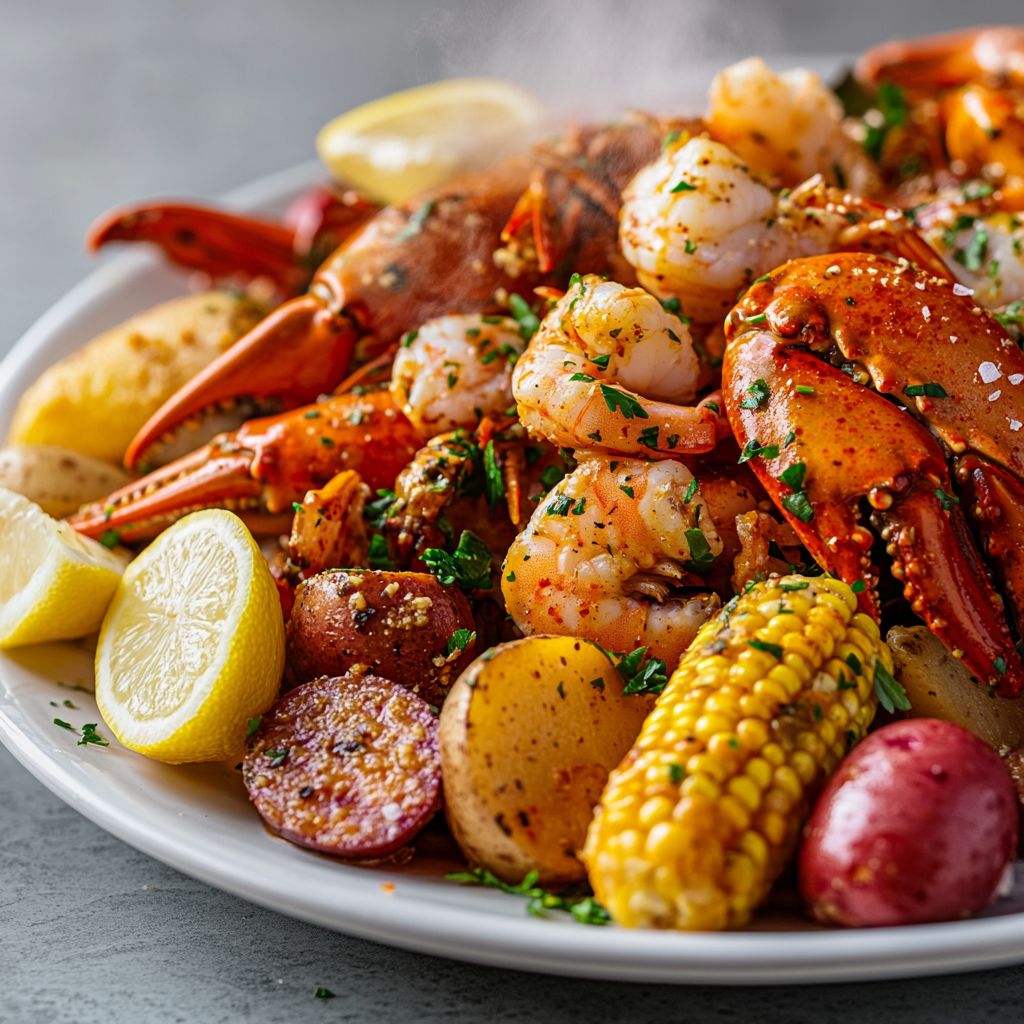
These seafood boil notes are designed to help you craft a vibrant, crowd-pleasing feast at home. Start with fresh, high-quality seafood and simmer in a well-seasoned broth built with seafood stock, bay leaves, Old Bay, smoked paprika, cayenne, and a splash of beer or white wine if you like extra depth. Keep the shrimp in their shells (and the tails on) and add crab legs in the last 5–7 minutes so they warm through without overcooking. If using sausage, sear slices in a hot pan for 1–2 minutes per side to render fat and deepen flavor before adding to the pot. Parboil larger potatoes to shorten cook time, and you can blanch corn briefly to speed things up; cut corn into manageable pieces for easy grabbing. Add lemon wedges early for bright citrus notes and finish with a squeeze of lemon over the finished boil; serve with a garlicky melted-butter dipping sauce, lightly salted and enriched with lemon juice and optional red pepper flakes. Finish with chopped parsley or cilantro for color. This dish is naturally gluten-free if you use gluten-free spice blends and skip gluten-containing beer; always read labels and adjust salt and spice to taste. Leftovers refrigerate well for a day or two and reheat gently in the broth to preserve tenderness.
Tips
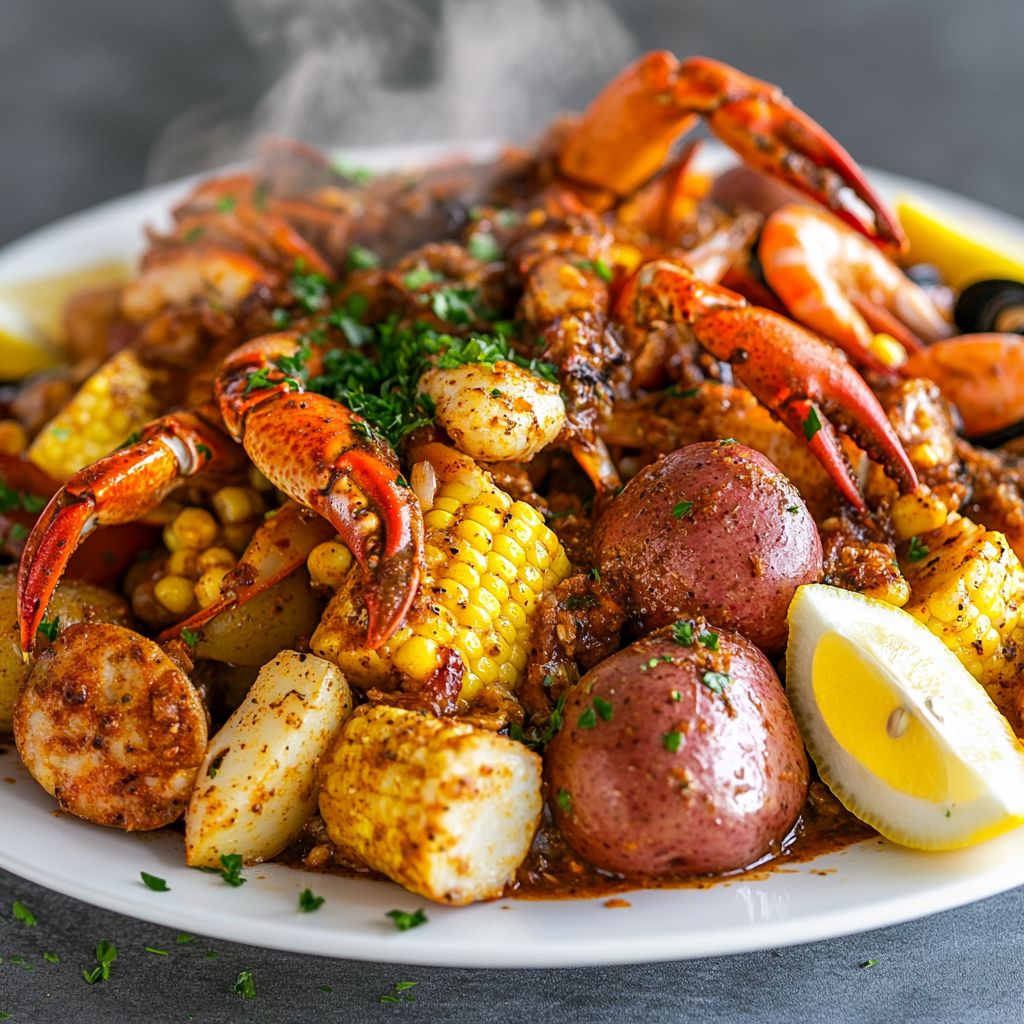
Pro tips for a flavorful and efficient seafood boil.
- Use a large pot with plenty of headspace. For the quantities listed, choose a 12–16 quart pot and a strong burner to maintain a steady simmer without overflow.
- Prep everything in advance. Have the potatoes halved, corn cut, shrimp and crab chilled, sausage sliced, and aromatics ready so you can stay focused on the boil once it starts.
- Parboil starches if you’re pressed for time. Parboil potatoes 5–7 minutes and corn 2–3 minutes before the main boil to shorten total cooking time and ensure even tenderness.
- Brown the sausage first. Sear the sliced sausage in a hot dry pan for 1–2 minutes per side to render fat and deepen flavor before adding to the pot.
- Build a robust flavor base. In the pot, render some onion in a little oil until translucent, then add garlic and let it bloom for 30–60 seconds before adding liquids and spices.
- Deglaze to lift flavor. After browning aromatics, pour in seafood stock (and optional beer or wine) and scrape up any browned bits from the bottom for richer depth.
- Season in layers. Start with 1/3 cup Old Bay (or a similar seafood boil blend) and 1 teaspoon smoked paprika if using. Add cayenne gradually, tasting as you go to reach your preferred heat level.
- Keep bay leaves in until mid-simmer, then remove them. They add aroma without leaving a sharp bite; remove before serving.
- Use citrus wisely. Add lemon wedges early to infuse brightness; finish with a squeeze of fresh lemon over the boil for a final lift.
- Add ingredients in stages by cooking time. Begin with potatoes and corn, then sausage, followed by crab legs, and finally shrimp. This keeps everything from overcooking.
- Shrimp last and watch the time. Large shrimp cook quickly; add them for 2–4 minutes and remove as soon as they’re pink, opaque, and curled.
- Heat crab legs just through. Since they’re typically pre-cooked, warm them in the boil for about 5–7 minutes, breaking larger legs into smaller pieces for easier eating.
- Maintain a lively but controlled simmer. A roaring boil can break apart delicate seafood and reduce broth too quickly; adjust the heat to keep a steady simmer.
- Taste and adjust salt near the end. Shellfish vary in saltiness, so add salt gradually as you near service and taste with a sample of the boil.
- Whimsical dipping sauce benefits from gentle technique. Melt butter slowly, add minced garlic, lemon juice, and a pinch of salt; a light red pepper flakes pinch adds a subtle kick if desired.
- Finish with fresh herbs. Scatter chopped parsley or cilantro just before serving for color and a bright aroma that cuts through the richness.
- Serving setup matters. Line a large platter with paper or parchment, use tongs and seafood crackers, and offer plenty of napkins for a hands-on feast.
- Storing and reheating leftovers. Refrigerate promptly in shallow containers. Reheat by steaming or simmering briefly in a little broth to re-warm without overcooking.
- Substitutions and tweaks. If Old Bay isn’t available, combine paprika, celery salt, black pepper, dry mustard, and a pinch of cayenne to mimic the flavor profile; adjust to taste.
- Keep your workspace clean. Have a separate bowl for shells and a clean area to place finished portions to maintain flavor and avoid cross-contamination.
FAQ
Seafood Boil — Frequently Asked Questions
What is a seafood boil?
A seafood boil is a communal, one‑pot meal where shellfish (such as shrimp, crab, crawfish, mussels or clams), corn on the cob, potatoes, and sometimes sausage are boiled in a heavily seasoned, aromatized liquid. The flavors come from spice blends, garlic, lemon, and butter, and the dish is typically enjoyed by pouring the contents onto a table for casual, shareable eating.
What seafood should I choose for a boil?
Popular choices include shrimp (with shells on for flavor), crab legs or clusters, crawfish, mussels, and clams. You can mix several kinds depending on what’s fresh and affordable. If using lobster or scallops, add them closer to the end to prevent overcooking. Always use fresh or properly thawed seafood for best texture.
What spices and flavorings should I use?
Common bases are Cajun seasoning or Old Bay, garlic, onion, paprika, cayenne or chili powder, black pepper, and bay leaves. Add lemon juice or slices for brightness, and finish with melted butter or a garlic-butter sauce. Some tables also use beer or a splash of fish stock to deepen the flavor.
What other ingredients are typically included?
Potatoes and corn on the cob are staples because they absorb flavor and hold up to long simmering. Sausage (like andouille or kielbasa) is often added for extra richness. You can also include mushrooms or onions, but keep the starches and seafood the focus.
How do I cook a seafood boil step by step?
Fill a large pot with enough water to cover everything and bring to a boil. Add your spice mix, lemon, garlic, and aromatics. Parboil potatoes for about 10–12 minutes, then add corn and sausage for another 5–7 minutes. Finally, add seafood and cook until shrimp turn pink, mussels or clams open, and everything is heated through (times vary by size). Drain and spread the contents on a table or platter; toss with melted butter and extra seasonings if desired.
How do I adjust for different pot sizes or servings?
Scale the water and seasonings proportionally to the volume of ingredients. For very large groups, use a bigger pot or cook in batches to avoid overcrowding, which can dilute flavor. If you’re cooking in stages, start each batch with the spice base and combine contents before serving.
How can I tell when the seafood is cooked?
Shrimp should be opaque and pink (tails may curl). Mussels and clams should open; discard any that don’t open after cooking. Crab legs should be firm, not mushy, and lobster pieces should be opaque. Overcooked seafood becomes chewy, so watch the times closely and remove items as soon as they’re ready.
How should I serve it and what sauces or sides work well?
Traditionally served on a large table covered with newspaper or disposable parchment. Provide melted butter or garlic-butter for dipping, lemon wedges, and optional hot sauces or remoulade. Sides like crusty bread or garlic bread, pickles, and a simple green salad complement the rich flavors without overpowering them.
Can I make a seafood boil if someone has dietary restrictions or allergies?
Yes. For shellfish allergies, skip the seafood and still enjoy potatoes, corn, and sausage with a dairy-free butter substitute for dipping. If fish or shellfish are allowed for others, you can prepare a separate, fully seafood boil batch and keep it separate to avoid cross-contact.
How long do leftovers keep and how should I store/reheat?
Leftovers refrigerate well for 2–3 days in an airtight container. Reheat gently in a steamer, on the stovetop with a splash of broth, or briefly in a hot oven to avoid overcooking the seafood. Do not re‑freeze seafood after it’s thawed and cooked, as texture and flavor deteriorate.