Introduction / Hook
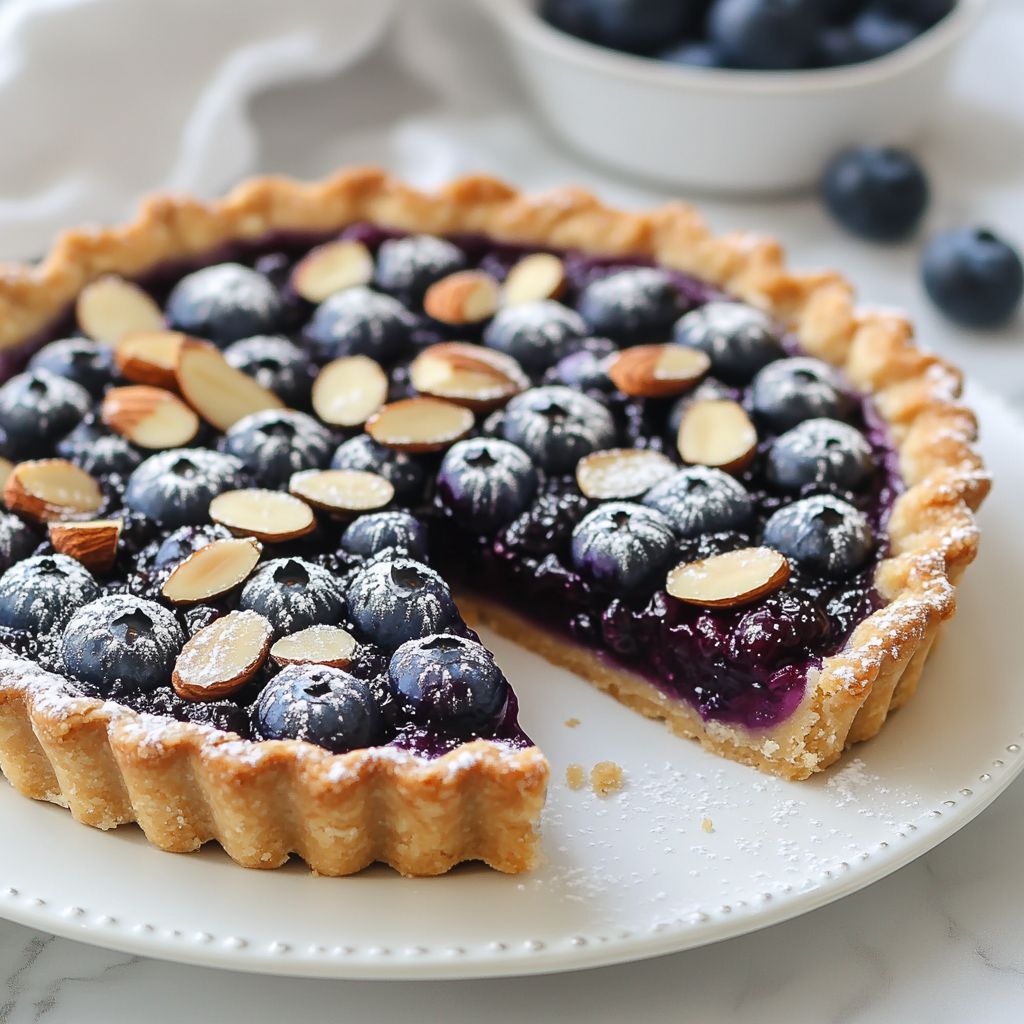
Imagine stepping into a sun-warmed kitchen where the air is perfumed with the sweet tang of blueberries and the toasty, nutty aroma of almonds. A bowl of deep indigo mirtilli sits beside a jar of honey, a splash of vanilla, and a scatter of citrus zest, inviting you to pause and savor. Mirtilli e Mandorle is more than a dessert or a snack; it’s a celebration of contrasts—the bright juiciness of berries meeting the muted, comforting depth of almonds, the softness of a tender crumb against a delicate crunch, and the gentle kiss of sweetness that never oversteps its welcome. This dish embodies a philosophy of cooking that values simplicity, seasonality, and a touch of rustic elegance. It’s the kind of recipe that makes an ordinary afternoon feel ceremonial, a moment to gather friends and family around the table and let the flavors do the talking. Each bite is a little trip—an ode to summer meadows, orchard lanes, and granny’s kitchen, where memories and flavors mingle like notes in a beloved song.
The Story Behind the Dish
Blueberries, or mirtilli, have a long, wandering compass—found in wild hedgerows of northern Europe, cultivated in neat rows across American farms, and cherished across the Mediterranean for their bright, tart finish. Almonds, meanwhile, are among the oldest nut companions in cooking, a staple that crosses borders and centuries with grace. Put these two ingredients together, and you get a dish that feels both familiar and adventurous—like a bridge between sunlit Italian summers and the cooler, pine-scented air of northern orchards. In many Italian-inspired kitchens, almonds are ground into meal or folded into pastry to create a gentle crumb that cradles fruit flavors without overpowering them. The blueberries bring a whispered acidity that cuts through the richness of nuts and any dairy that might accompany them, while their blue-black skins glow like tiny midnight flags, signaling the kiss of ripe warmth. There is a poetic balance here: the land’s sweetness and the gardener’s care, meeting in a plate that invites conversation as much as indulgence.
Historically, both ingredients have stories of daily life and celebration. Almonds were a symbol of good fortune and abundance in many cultures, traded along ancient routes and gifted in harvest festivals. Blueberries, often harvested in late spring and summer, became emblematic of short, glorious seasons—moments to be celebrated, not hurried. When chefs and home cooks began weaving these two ingredients into the same dish, they created something that felt timeless: a recipe that could comfort on a rainy day and still sparkle in the sun. The result is not merely a dessert; it’s a narrative of hospitality, a ritual of sharing that invites people to linger, to talk, to laugh, and to let the flavours unfold slowly—like a good story told over a long afternoon.
In contemporary kitchens, Mirtilli e Mandorle has become a canvas for regional twists and creative improvisation. A drizzle of lemon or orange zest lifts the blueberry brightness; a pinch of vanilla or almond extract deepens the aroma; a scattering of sea salt enhances the interplay between fruit and nut. Some cooks add a light crumble or a soft, almond-forward pastry base, while others fold roasted almond slices into a contrasting layer that crackles between bites. The beauty of this dish lies in its adaptability: it can be rustic and homey for a family dinner, or polished enough for a summer picnic, a dessert buffet, or a casual dinner party where guests are invited to spoon it out of a shared dish and into their own bowls.
Why You’ll Love This Recipe
- Seasonal and comforting: Highlights the peak flavors of blueberries and almonds, delivering brightness and warmth in every mouthful.
- Versatile for different diets: Naturally lends itself to gluten-free and dairy-free adaptations with simple ingredient swaps.
- Quick to assemble: Designed for simplicity, with components that can be prepared ahead or combined in minutes for a speedy, satisfying treat.
- Kid-friendly and crowd-pleasing: A gentle sweetness that appeals to young palates while offering sophisticated notes for adults.
- Low-effort elegance: Achieves a refined, bakery-style finish without requiring advanced pastry skills or specialized equipment.
- Ingredient-driven excellence: Lets the quality of the fruit and nuts shine, with minimal bells and whistles to distract from their natural goodness.
- Perfect for many occasions: Works beautifully as a breakfast treat, a teatime indulgence, a light dessert, or a dessert-to-go option for gatherings.
Flavor discoveries within easy reach
As you ponder this dish, you’ll notice how the blueberries release a tart-sweet juice that seems to awaken the almond’s gentle nuttiness. The almond brings a toasty, slightly caramelly underscore that lingers on the palate, inviting another bite. If a hint of citrus appears, it brightens the finish, like a sunbeam slipping through leaves. The texture ranges from tender, fruit-forward bite to a delicate crunch depending on how you choose to present it—whether with a crumbly topping, a soft almond cream, or simply baked to a glossy fruit confit that glistens under a glaze of natural sweetness.
Flavor Profile & Texture
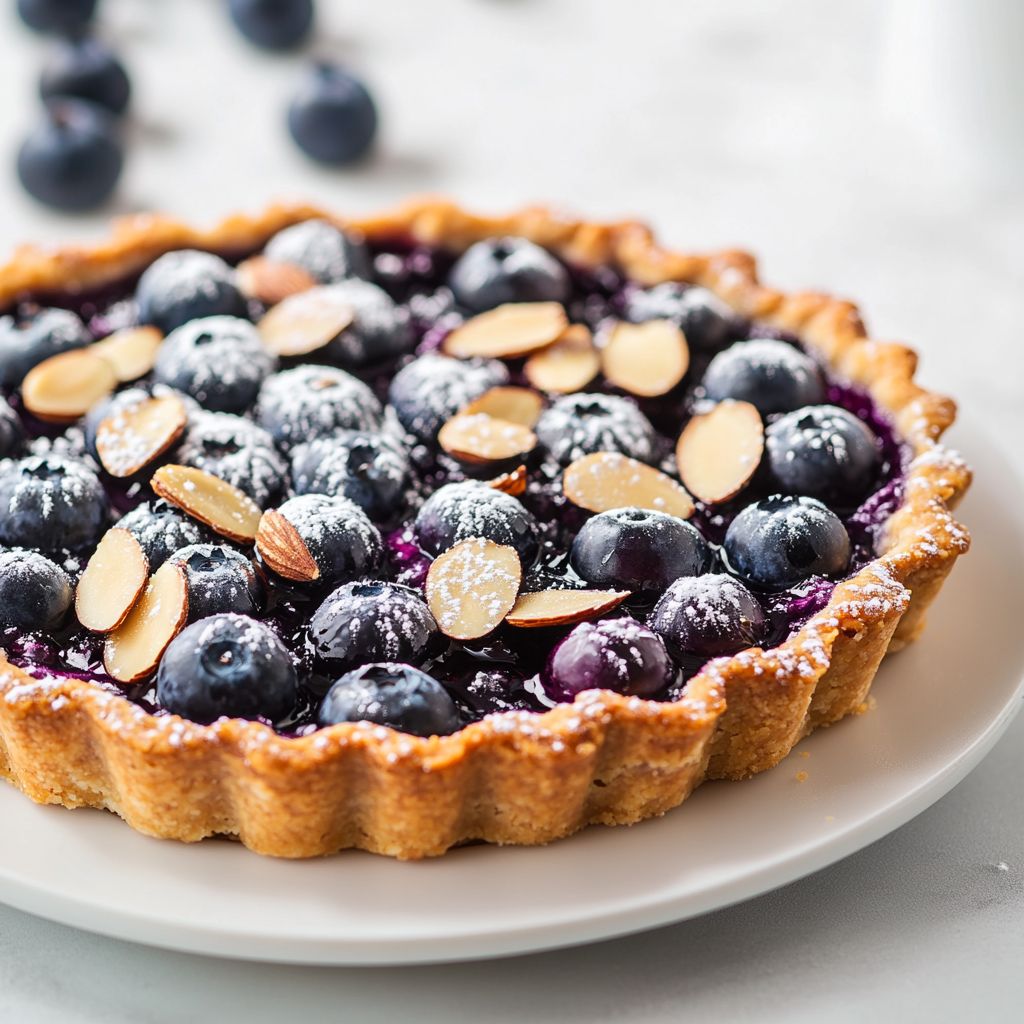
Mirtilli e Mandorle speaks in contrasts: tartness and sweetness, softness and crunch, brightness and depth. The blueberries provide vibrant acidity that cuts through the nutty undertones of almonds, creating a balanced profile that is neither cloying nor sparse. The almonds contribute a gentle, toasty warmth, a faint nutty butteriness that rounds out the fruit’s sharp edge. In texture, you might expect a harmony of succulence and crumb. Juicy, bursting berries offer a pop of juice with every bite, while toasted or ground almonds lend a subtle graininess and a low-sweet, malty finish. If there is a crust or crumble involved, it tends to be crumbly and delicate, designed to cradle the fruit without overshadowing it. In a more refined interpretation, an almond paste or frangipane layer can add creamy depth, providing a velvety counterpoint to the lively blueberries. The scent—roasted almonds mingled with fresh blueberries and a whisper of citrus—creates an irresistible sensory memory that lingers long after the plate is empty.
Occasions & Pairings
This dish is relentlessly versatile. It shines as a bright Sunday brunch centerpiece, a light summer dessert after a hearty pasta, or a comforting afternoon snack paired with a dollop of yogurt or a scoop of vanilla gelato. It also adapts gracefully to celebrations and casual gatherings alike. For a festive touch, serve with a drizzle of honey or a lemon-vanilla glaze that adds a glossy sheen and an extra layer of aroma. In terms of pairings, consider:
- Drinks: Prosecco or Moscato d’Asti for a sparkling, festive note; a sparkling mineral water with a lemon twist for a refreshing non-alcoholic option; a light dessert wine for a more indulgent pairing.
- Side dishes: A dollop of Greek yogurt, a scoop of mascarpone or ricotta, or a light vanilla custard can complement and balance the almond’s richness.
- Garnishes: Fresh mint, lemon zest, a pinch of sea salt, or a light dusting of powdered sugar to finish and highlight flavors.
- Occasions: Summer picnics, weekend breakfasts, holiday tables, or as a bright finale for a pasta night with friends.
Tips, Variations & Substitutions
One of the most appealing aspects of Mirtilli e Mandorle is its adaptability. Here are a few ideas to tailor the dish to your pantry, dietary needs, or mood:
- Gluten-free: Use almond meal as the base and ensure any added crust is made with gluten-free flours or oats labeled gluten-free.
- Vegan: Replace dairy components with coconut yogurt, almond milk, or a plant-based butter substitute. Ensure any glaze uses a plant-based sweetener or maple syrup.
- Nut variations: Swap almonds for pistachios, hazelnuts, or walnuts to introduce different textures and flavor notes. Toast the nuts lightly to deepen aroma.
- Fruit variations: While blueberries are classic, blackberries, raspberries, or sliced peaches can bring their own charm. Mix and match seasonal berries for a colorful medley.
- Flavor boosters: A pinch of cardamom, cinnamon, or a splash of vanilla extract can deepen the warmth. Citrus zest (lemon, orange) brightens the finish; a teaspoon of orange blossom water adds a delicate floral hint.
- Texture plays: For a crisper topping, add a small amount of rolled oats or a touch of sesame seeds. For a softer, more custardy profile, incorporate a light almond cream or a silken tofu-based filling.
- Make-ahead ideas: Prepare a blueberry compote ahead of time and mix with almonds just before serving to preserve the contrast between juicy fruit and crisp nuts.
Storage & Make-Ahead Ideas
To keep the magic of Mirtilli e Mandorle intact, consider how to store and streamline preparation across days. If you are assembling a layered or baked version, assemble components ahead of time and refrigerate until ready to finish in the oven or to serve cold. Blueberries can be prepared in advance as a compote or a fresh topping, kept in an airtight container in the refrigerator for up to 3–4 days. Toasted almonds retain their aroma best when stored in an airtight jar away from light and heat; they can be prepared in advance and re-crisped quickly in a warm oven for serving. If you are making a dairy-based version with almond cream or a light yogurt topping, keep the dairy component separate until serving to maintain texture and prevent sogginess. For freezing, freeze blueberries uncooked for longer storage, and freeze almond components separately if you anticipate needing to thaw and assemble quickly later. When reassembling after chilling or freezing, allow time for components to come to room temperature to recapture the intended texture and aroma.
Fun Facts & Trivia (Optional)
– Blueberries are not just delicious; they’re also packed with antioxidants called anthocyanins, which give the berries their characteristic color and offer potential health benefits. Their flavor peaks at the height of summer, making them a favorite seasonal treat.
– Almonds have a storied history that traces back thousands of years. They were once considered a luxury item and a symbol of prosperity in several ancient cultures, and they continue to be beloved for their distinct aroma and versatility in both sweet and savory dishes.
– The combination of fruits and nuts is a recurring motif in many culinary traditions because they balance each other so well: the acidity and brightness of fruit offset the richness of nuts, while both bring distinct textures to the plate.
– In Italian-inspired kitchens, almond paste or frangipane is a classic pairing with fruit; it adds a velvety richness that can elevate a simple fruit dish into something that feels raffinato—elegant and refined—without requiring elaborate techniques.
Final Thoughts
Mirtilli e Mandorle is a recipe that invites you to slow down, to trust your senses, and to lean into the natural harmony of ingredients that grew under the sun. Its charm lies in its ability to be both comforting and bright, rustic and refined, simple and memorable. Whether you’re serving it as a lush weekend breakfast, a breezy dessert after a weeknight meal, or a centerpiece for a summer gathering, this dish offers a graceful balance between fruit’s lively tang and almonds’ quiet depth. Keep the ingredients close, stay curious about what flavors you can coax from them, and let the preparation become a ritual of hospitality you’ll want to repeat—again and again, with different fruits, different nuts, different memories. When you plate it, do so with a touch of care: a final sprinkle of zest, a drizzle of honey, or a small curl of almond cream can transform everyday ingredients into something worth savoring, something that tastes like a story worth telling.
Ingredients
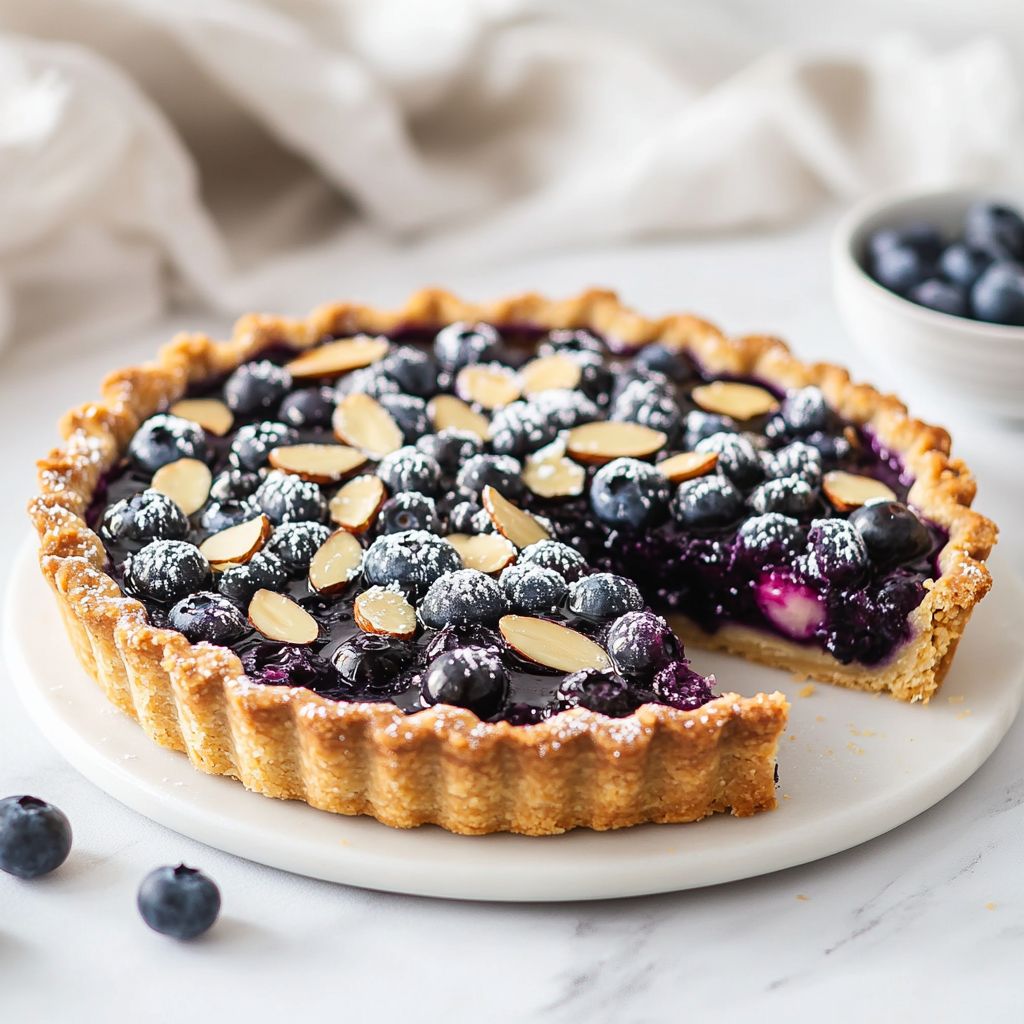
Mirtilli e Mandorle
Muffin Base
- 1 1/2 cups almond flour (blanched, finely sifted)
→ Provides a tender, moist crumb with a pronounced almond flavor. Almond flour yields a gluten-free batter that benefits from the addition of oats or another binder to mimic a traditional muffin texture. For best texture, weigh the flour; avoid packing to prevent a dense crumb. If you prefer a lighter texture, substitute up to 1/2 cup with a gluten-free all-purpose flour blend. - 1/2 cup gluten-free rolled oats (certified gluten-free)
→ Adds texture, moisture, and structure. If you want a finer crumb, pulse oats briefly in a blender to a coarse meal before mixing. Use certified GF oats to ensure gluten-free results. Do not overmix; fold gently to keep oats intact. - 2 large eggs (room temperature)
→ Bind and aerate the batter, contributing to rise and cohesion. Room-temperature eggs emulsify more easily with oil and milk; whisk eggs with sugar before adding to the batter for a smooth emulsion. For vegan option, substitute with 2 flax eggs (2 tablespoons ground flaxseed mixed with 6 tablespoons water per egg; let sit 5 minutes). - 1/3 cup neutral oil (such as avocado or light olive oil) or melted butter (cooled)
→ Provides moisture and tenderness; avoid heavy oils that overpower blueberry flavor. If using butter, melt and cool slightly to prevent scrambling the eggs; for dairy-free, oil is preferred. - 1/2 cup unsweetened dairy-free milk (almond, oat, or soy) or dairy milk
→ Hydrates batter and helps activate the leavening; choose unsweetened to control sweetness and avoid unwanted flavors. If using thicker coconut milk from a can, dilute with water to reach a similar consistency as other milks. - 1/3 cup granulated sugar (adjust to taste)
→ Sweetness balance and contributes to browning. You can reduce or replace with maple syrup or honey for a different flavor; if using liquid sweeteners, reduce the milk slightly to keep batter consistency. - 1 teaspoon vanilla extract
→ Adds depth of flavor; vanilla enhances almond and blueberry notes. If desired, use vanilla bean paste for a stronger, flecked vanilla presence. - 1 teaspoon baking powder (gluten-free)
→ Leavening that gives a light, fluffy crumb. Ensure it’s fresh; replace if you notice a weak rise. For extra lift, you can add 1/4 teaspoon baking soda with a splash of lemon juice or yogurt to react. - 1/4 teaspoon fine salt
→ Balances sweetness and enhances flavors; adjust if using salted butter. - Zest of 1/2 lemon (optional)
→ Adds citrus brightness that complements blueberries; zest the lemon before juicing, and fold zest into sugar to release oils for stronger flavor. If you prefer orange, use orange zest.
Blueberries
- 1 1/2 cups fresh blueberries (washed and dried)
→ The star berries; handle gently to avoid crushing. If berries are large, you can halve them to distribute more evenly. For best color retention, pat dry before folding. If using frozen berries, do not thaw completely; toss with 1 tablespoon gluten-free flour to prevent sinking and color bleed. - 1 tablespoon gluten-free flour or cornstarch (to coat berries)
→ Coats the berries to reduce color bleed and help prevent sinking in the batter. Dust the berries with flour or starch in a separate bowl, then fold them in gently at the end.
Optional Add-ins
- 1/4 cup sliced almonds (toasted)
→ Adds extra almond flavor and a satisfying crunch. Toast almonds in a dry skillet over medium heat until fragrant and lightly browned, then cool completely and fold into batter or sprinkle on top. Toasting enhances their nuttiness and aroma; store leftovers airtight to maintain crunch. - 2 tablespoons chopped crystallized lemon peel (optional)
→ Provides bright citrus bursts that pair beautifully with blueberries and almonds. Chop finely for even distribution; if using preserved lemon bits, rinse quickly to reduce extra salt and sugar before adding.
Toppings
- 1 tablespoon coarse sugar for topping (optional)
→ Creates a sparkling, crunchy top and helps browning; sprinkle lightly over batter-filled cups just before baking. If you prefer a softer crust, skip this topping.
Instructions
- Preheat your oven to 350°F (175°C) and line a 12-cup muffin tin with paper liners or grease it well.
→ This ensures the muffins do not stick to the tin and makes them easier to remove after baking. - In a small bowl, combine the 1/3 cup granulated sugar with the zest of 1/2 lemon (optional) and rub with your fingertips until the oils are released and the mixture looks slightly damp.
→ Zest aromas are intensified when rubbed with sugar, helping lemon notes carry through the batter in the baked muffin. - In a separate bowl, whisk the eggs with the lemon-sugar mixture and 1 teaspoon vanilla until the mixture is pale and thick.
→ This creates an emulsion that traps air for a lighter crumb and distributes sweetness evenly. - Whisk in the 1/3 cup neutral oil (or cooled melted butter) and the 1/2 cup unsweetened dairy-free milk (or dairy milk) until the batter is smooth and cohesive.
→ Oil or melted butter provides moisture and tenderness; milk hydrates the dry ingredients to support rise and structure. - In a large bowl, whisk together the 1 1/2 cups almond flour, 1/2 cup gluten-free rolled oats, 1 teaspoon gluten-free baking powder, and 1/4 teaspoon fine salt until evenly distributed.
→ Sifting and whisking prevent clumps and ensure even leavening, yielding a tender, cohesive crumb in gluten-free batter. - In a small bowl, toss the 1 1/2 cups fresh blueberries with 1 tablespoon gluten-free flour or cornstarch until evenly coated.
→ Coating berries reduces color bleed and helps prevent sinking during baking for a uniform speckled crumb. - Gently fold the wet ingredients into the dry ingredients along with the coated blueberries until just incorporated, stopping as soon as there are no visible streaks of dry flour.
→ Overmixing can toughen gluten-free batters and cause a dense crumb; folding keeps the batter light and moist. - If using toasted almonds, toast 1/4 cup sliced almonds in a dry skillet over medium heat until fragrant and lightly browned, then cool completely before adding.
→ Toasting concentrates almond flavor and enhances crunch; avoid burning and cool fully to prevent cooking the batter when folded in. - Fold 1/4 cup toasted sliced almonds and 2 tablespoons chopped crystallized lemon peel into the batter, distributing evenly but without overworking.
→ Adds citrus brightness and nutty texture for extra complexity in each bite. - Divide the batter evenly among the prepared muffin cups, filling each about 2/3 to 3/4 full to allow room for doming.
→ Proper portioning ensures uniform rise and prevents batter from overflowing during baking. - Sprinkle 1 tablespoon coarse sugar over the tops of the batter-filled cups if you want a sparkling, crunchy crust.
→ The sugar aids browning and adds a pleasant crunch; omit for a softer crust or lower sugar. - Bake in the preheated oven for 18–22 minutes, or until the tops are lightly golden and a toothpick inserted into a center muffin comes out with a few moist crumbs.
→ Oven performance varies; start checking at 18 minutes and rely on the toothpick test to confirm doneness without drying the muffins. - Remove muffins from the oven and allow them to rest in the tin for 5 minutes before transferring to a wire rack to cool completely.
→ Resting helps set the crumb and makes removal from the pan clean, while cooling stabilizes texture for eating. - Serve the muffins once cooled, and store leftovers in an airtight container at room temperature for up to 2–3 days or freeze for longer storage.
→ Proper cooling and storage preserve moisture, prevent mold, and maintain flavor and texture over time.
Notes
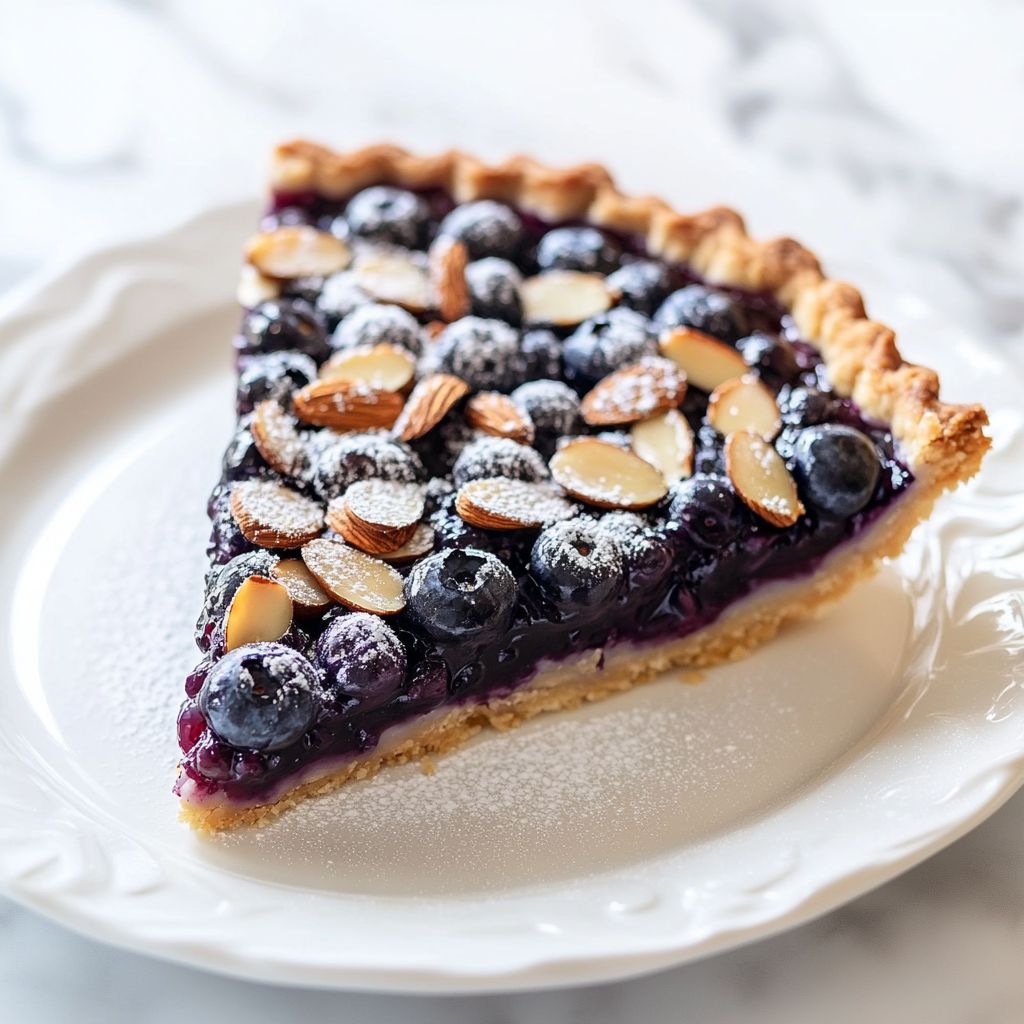
These gluten-free blueberry almond muffins are lightly sweetened with sugar and the natural brightness of blueberries, making them a wholesome and satisfying breakfast or snack option.
You can customize them by adding your favorite nuts, seeds, or dried fruits. For extra texture, fold in a few tablespoons of crushed almonds or a handful of gluten-free oats reserved from the batter mix.
They freeze well and make a great grab-and-go treat. To enjoy later, cool completely, wrap individually, and freeze; reheat in a 350°F (175°C) oven for 8–12 minutes or until warmed through.
For an extra boost, serve with a dollop of yogurt, a drizzle of honey or maple syrup, or a smear of almond butter.
Tips for best results: use blanched almond flour and sift it well for a tender crumb. Use certified gluten-free oats and fresh gluten-free baking powder for consistent rise. If you’re using frozen blueberries, toss them with 1 tablespoon gluten-free flour to prevent sinking and color bleed. If you’d like a brighter citrus note, fold in the zest of half a lemon before mixing.
Optional substitutions: for vegan preparation, replace eggs with 2 flax eggs (2 tablespoons ground flaxseed mixed with 6 tablespoons water per egg; let sit 5 minutes). You can also substitute dairy milk with an unsweetened plant milk of your choice.
Tips
Consigli utili per Mirtilli e Mandorle
Questi consigli sono pensati per ottenere muffin soffici, umidi e dal gusto equilibrato tra mandorle e mirtilli, sfruttando al meglio gli ingredienti della ricetta.
Consigli generali
- Pesa la farina di mandorle e la farina GF per una consistenza costante; evita di pressarla per non ottenere una torta troppo densa.
- Per una consistenza più leggera, puoi sostituire fino a metà della farina di mandorle con una miscela di farine senza glutine universale (GF all-purpose).
- Usa ingredienti a temperatura ambiente (uova, latte vegetale o latte) per una migliore emulsione e una margine di lievitazione più uniforme.
- Se vuoi una nota in più di aroma, aggiungi un filetto di scorza di limone solo appena grattugiato e mescola con lo zucchero prima di incorporarlo all’impasto.
Consigli per l’impasto
- Non mescolare troppo: lavora gli ingredienti solo finché sono amalgamati per mantenere una giusta morbidezza e una consistenza leggera.
- Se usi olio neutro, evita oli che coprano il sapore; se usi burro, falla raffreddare leggermente prima di unirlo agli altri liquidi per non cuocere le uova.
- Per un impasto più stabile, è utile mescolare i liquidi separatamente e poi aggiungerli ai soli ingredienti secchi fino a ottenere una massa omogenea.
- La scorza di limone (opzionale) va inserita con lo zucchero per liberare al meglio gli oli essenziali.
Consigli per i mirtilli
- Lavare e asciugare bene i mirtilli per evitare umidità in eccessiva che potrebbe rendere l’impasto piuttosto umido.
- Per evitare che i mirtilli affondino e che il colore tinga troppo l’impasto, rivestire i mirtilli con 1 cucchiaio di farina GF o amido di mais prima di aggiungerli alla massa.
- Se usi mirtilli congelati, non scongelarli completamente: mantienili parzialmente congelati e aggiungili delicatamente all’impasto per evitare che perdano colore troppo rapidamente.
Consigli per gli add-in opzionali
- Mandorle a scaglie (tosate) aggiungono croccante e intensificano l’aroma: tostatele in una padella asciutta finché non dorano, poi incorporale all’impasto o usale come decorazione.
- scorza di limone candita o scorza di limone finemente tritata: distribuirla in modo uniforme per un’esplosione di freschezza.
Toppings
- Lo zucchero grossolano sulla sommità crea una crosticina croccante; se preferisci una superficie più morbida, ometti il topping.
Consigli di cottura e presentazione
- Inforna a 180°C (350°F) fino a doratura leggera e fino a quando uno stecchino inserito al centro esce pulito. Il tempo può variare a seconda del forno, quindi controlla spesso.
- Riempire gli stampi 2/3 dell’altezza e utilizzare pirottini o stampi ben imburrati per facilitare la rimozione.
- Se usi forno con ventilazione (convezione), riduci la temperatura di circa 20°C per evitare una doratura troppo rapida all’esterno.
Conservazione e varianti
- I muffin si conservano in contenitore ermetico a temperatura ambiente per 2-3 giorni; per tempi più lunghi, congela una volta raffreddati.
- Per una versione vegana, sostituisci ogni uovo con 2 uova di lino (2 cucchiai di semi di lino macinati mescolati con 6 cucchiai d’acqua, lasciare rassodare 5 minuti) e usa latte vegetale senza zucchero.
FAQ
Che cos’è “Mirtilli e Mandorle”?
“Mirtilli e Mandorle” è una ricetta semplice che unisce mirtilli freschi o surgelati e mandorle tostate o tritate, ideale come snack, dessert leggero o merenda. Può essere realizzata in diverse versioni (muffin, torta, crumble o barrette) a seconda degli ingredienti scelti e del tempo disponibile.
Quali ingredienti servono per la versione base?
Ingredienti tipici per una versione base (puoi adattare le dosi a seconda della consistenza desiderata):
- 200 g farina di avena (gluten-free se certificata) o farina normale
- 100 g mandorle tritate grossolanamente
- 150 g mirtilli freschi o surgelati
- 100 g zucchero di canna (o miele/sciroppo d’acero)
- 100 ml olio neutro o olio d’oliva leggero (o burro fuso)
- 2 uova (o 2 cucchiai di semi di lino macinati + 6 cucchiai d’acqua per versione vegana)
- 1 cucchiaino lievito per dolci
- Scorza di mezzo limone (opzionale) e un pizzico di sale
Posso rendere questa ricetta vegana?
Sì. Ecco alcune sostituzioni comuni:
- Uova: 2 cucchiai di semi di lino macinati mescolati con 6 cucchiai d’acqua (letto come “uovo di lino”) oppure purè di banana lieve.
- Zucchero: miele o sciroppo d’agave/colza; usare sciroppo d’acero come alternativa vegana.
- Olio: olio di cocco o olio di oliva dolce al posto del burro.
Con queste modifiche, la ricetta resta gustosa e adatta a una dieta vegana.
Qual è il metodo di preparazione per questa ricetta?
Procedimento di base:
- Preriscalda il forno a 180°C e prepara una teglia o una placca rivestita di carta forno.
- In una ciotola, mescola gli ingredienti secchi: farina, mandorle, lievito, sale e scorza di limone.
- In un’altra ciotola, unisci gli ingredienti liquidi: olio, zucchero, uova (o alternativa vegana) e vaniglia.
- Unisci gli elementi liquidi a quelli secchi mescolando fino a ottenere un composto omogeneo.
- Aggiungi i mirtilli e mescola delicatamente per non romperli troppo.
- Versa l’impasto in teglia o distribuiscilo in stampi per muffin; inforna.
Tempo totale vario in base alla forma scelta, ma l’impasto di base si cuoce in forno caldo finché dorato.
A che temperatura e per quanto tempo devo cuocere?
Temperatura consigliata: 180°C (forno statico). Tempi indicativi:
- Torta o plumcake: 25–30 minuti, controllando con uno stuzzicadenti alla fine (uscire asciutto).
- Muffin: 18–22 minuti (varia in base al forno).
- Crumbles o barrette: 25–30 minuti, finché la superficie è dorata.
Come si conserva questa ricetta?
Conservazione consigliata:
- Confezionata in contenitore ermetico, a temperatura ambiente, si mantiene 2–3 giorni.
- In frigorifero, dura circa 4–5 giorni.
- Per prolungarne la durata, è possibile congelare porzioni già tagliate fino a 2 mesi. Scongelare in frigorifero o a temperatura ambiente prima di servire.
Posso variare con altri frutti di bosco o agrumi?
Sì. Prova aggiunte come:
- Frutti di bosco alternativi (fragole a pezzetti, lamponi, more)
- Una punta di scorza d’arancia o limone in più per un profumo agrumato
- Una spolverata di cannella o vaniglia per profondità di gusto
Questo piatto è adatto a una dieta senza glutine o senza lattosio?
Dipende dagli ingredienti utilizzati. Consigli:
- Usa farina di avena certificata senza glutine per una versione gluten-free.
- Assicurati che l’olio, lo zucchero e gli altri ingredienti non contengano tracce di lattosio.
- Se utilizzi burro, sostituiscilo con olio neutro o olio di cocco per una versione senza lattosio.
Come servire al meglio “Mirtilli e Mandorle”?
Suggerimenti di presentazione:
- Tiepido, accompagnato da yogurt greco o yogurt di mandorle.
- Con una pallina di gelato alla vaniglia o una cucchiaiata di crema di mandorle.
- Tagliato a fette e servito come dolce da fine pasto, o come snack accompagnato da una bevanda calda.
Quali sono i valori nutrizionali approssimativi per porzione?
Valori indicativi per porzione (variano in base agli ingredienti scelti e alla dimensione della porzione):
- Calorie: circa 180–320 kcal per porzione
- Proteine: 5–9 g
- Grassi: 9–18 g
- Carboidrati: 22–40 g
Questi valori sono approssimativi e dipendono dalle dosi precise e dalle varianti utilizzate.