
Introduction / Hook
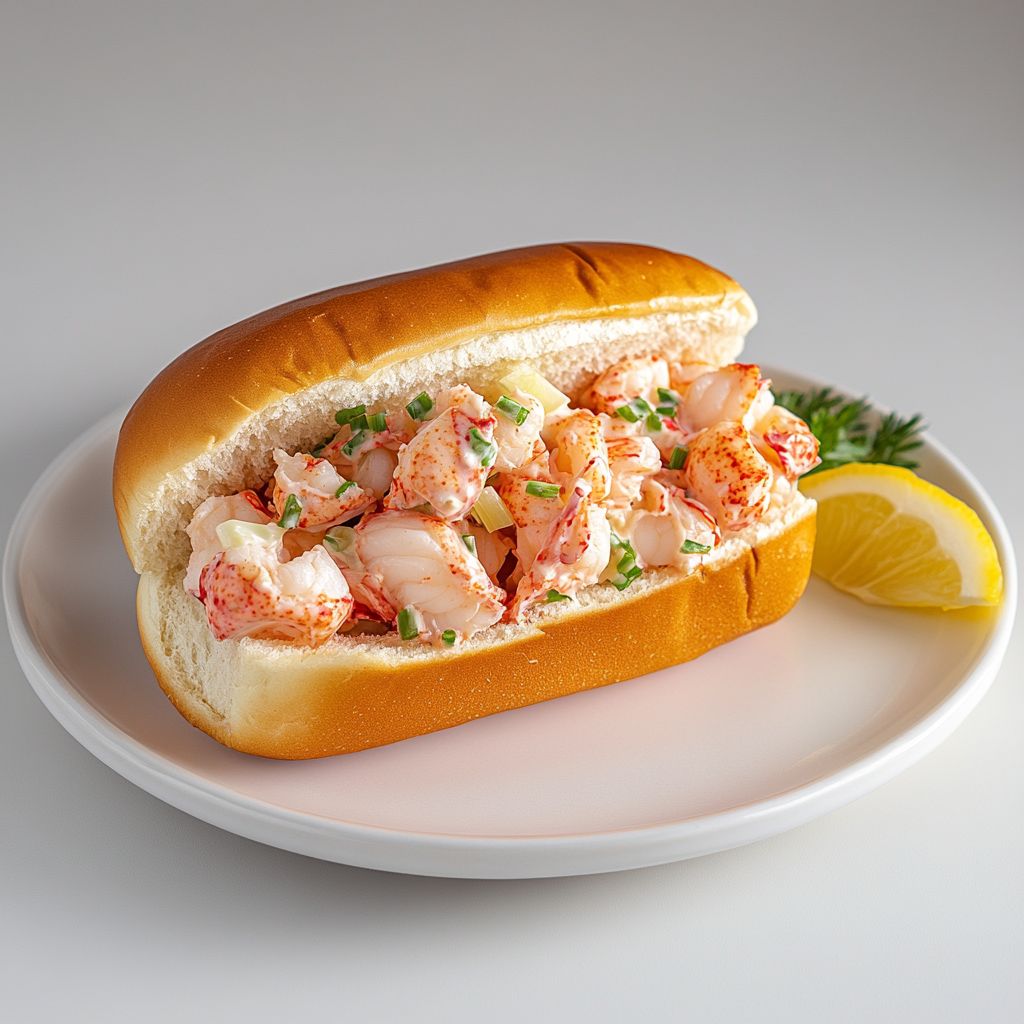
Imagine a sun-washed afternoon by the coast, where light breezes carry the scent of sea salt and the soft crunch of a butter-toasted bun gives way to a delicate, ocean-sweet treasure within. A lobster roll is not just a sandwich; it’s a moment of pure seaside indulgence that feels both timeless and effortlessly modern. This Lobster Roll Recipe invites you to savor coastal elegance with every bite. The meat—the tender, briny sweetness of lobster—meets a whisper of richness and a bright kiss of lemon and crunch, all tucked into a warm, glossy roll. It’s comfort that still feels celebratory, a dish you can share with friends on a summer evening or treat yourself to after a long day. The aroma alone—thin wisps of buttery toasting, a hint of citrus, the purity of fresh seafood—promises an experience that lingers long after the last bite disappears. Whether you’re near the water or simply chasing that coastal mood in your kitchen, this lobster roll captures the essence of a seaside restaurant without demanding a passport or a long meal. It’s a dish that invites you to slow down, savor, and toast to memories made around a simple, well-crafted bite.
The Story Behind the Dish
The lobster roll is a quintessential emblem of New England coastal culture, a dish born from practicality, abundance, and a love of crisp, satisfying simplicity. For generations, lobstermen hauled in their daily catch, and families turned the bounty into quick, nourishing meals that could travel—whether to a picnic on a fog-draped pier or a bustling seaside shore lunch. The concept of a lobster salad tucked into a soft bun emerged from the desire to combine the ocean’s prize with portability and comfort. In the early 20th century, clever cooks in Maine and parts of New England started pairing lightly dressed lobster with buttery, split-top buns—an idea that caught on in bistros, roadside shacks, and seasonal eateries across the coast. The result was a dish that felt luxurious without being fussy, a celebration of peak-sweet lobster meat, tender bread, and a creamy—but not heavy—balance of texture and flavor.
Over time, regional interpretations grew up around this humble sandwich. Some prefer a lean, almost bare rendition that lets the lobster shine; others crave a touch more creaminess, a sprinkle of celery for crunch, or a bright citrus note to mimic the sea air. The beauty of the lobster roll lies not only in its ingredients but in its adaptability—the way a single, well-made bite can evoke a day’s worth of memories: sun-warmed sunlit docks, cool sea spray, the laughter of friends, a gentle cheers of clinking glasses. The dish has traveled well beyond New England, finding homes in urban bistros and cozy home kitchens around the world, where cooks honor the same core ideas: fresh, pristine seafood, a comforting roll, and a balance that allows each element to speak for itself. This recipe captures that heritage while remaining approachable, a bridge between tradition and contemporary flavor that feels both nostalgic and entirely new with every serving.
Why You’ll Love This Recipe
- Fast and satisfying: A lobster roll can come together in a matter of minutes, making it perfect for a quick lunch, a relaxed weekend dinner, or a standout addition to a casual gathering.
- Elegant simplicity: The dish relies on high-quality lobster meat and a well-made roll, letting the ocean’s sweetness and the bread’s toasty warmth shine through without overwhelming the palate.
- Versatile appeal: The lobster roll works beautifully for weeknights, weekend gatherings, or sunny al fresco meals. It adapts to a range of sides and dressings, from crisp greens to tangy pickles, depending on your mood.
- Texture contrast that sings: Tender, succulent lobster against a softly crunchy, lightly buttered bun creates a balanced bite with each mouthful.
- Luxurious feel, everyday practicality: Even though it feels indulgent, the dish is surprisingly approachable and can be assembled with pantry-friendly shortcuts if needed.
- Family-friendly charm: It’s a crowd-pleaser that both kids and adults can enjoy, with room to customize the amount of dressing, spice, or lemon brightness to suit different tastes.
Flavor Profile & Texture
The lobster roll is a study in clean, bright contrasts. The lobster meat itself is typically tender, with a sweetness that hints at the ocean’s depth. When nestled in a split-top bun that has been gently warmed or lightly brushed with a bit of butter, the bread contributes a subtle, toasty crust and a soft, chewy crumb that yields with a delicate press of the teeth. This contrast—soft interior, crisp exterior—gives the bite a satisfying texture from the first to the last bite.
The overall flavor profile tends toward the refined and seaworthy: a pristine, almost pristine sweetness from the lobster is complemented by creamy richness from a dressing that binds without weighing down the meat. A touch of brightness—often from citrus or a touch of acidity—cuts through the richness and lifts the dish, keeping it feeling light and lively rather than heavy. There’s a gentle saltiness that mirrors the sea, balanced by the bun’s mild sweetness and a whisper of aromatics that can range from delicate herbs to a subtle savoriness from pepper or onion notes in the dressing. The result is a cohesive chorus of flavors: the sea’s own sweetness meeting toasty bread, where each bite reveals tenderness in the lobster and crispness in the bun. It’s a sandwich that tastes like summer—airy, bright, and deeply satisfying all at once.
A well-made lobster roll doesn’t overwhelm the senses with one dominant flavor. Instead, it invites you to explore the layers: the succulent meat’s natural sweetness, the bread’s comforting warmth, the dressing’s creamy tang, and a citrusy zing that reminds you of sunlit docks and breezy afternoons. The textures and flavors are designed to complement each other, so you notice each component as you take your next bite—the way the roll keeps the lobster juicy without sogginess, the contrast of warm bread and cool meat, and the subtle whisper of herbs or citrus that clean the palate between bites.
Occasions & Pairings
This dish shines in a range of settings, making it a versatile centerpiece for your menu. Its elegance and simplicity suit weekend lunches as well as more festive evenings. Here are some ideas to help frame occasions and pairings:
- Summer picnics and beach days: A classic choice for warm-weather gatherings where a crisp salad, sliced fruit, or pickled vegetables offer a refreshing counterpoint.
- Casual cocktails and social bites: Pair with light, sparkling beverages or cold beers to keep the mood breezy and fun.
- Weeknight dinners: A quick, impressive option that feels special without requiring a long cooking session.
- Celebrations and coastal-inspired menus: Elevate the experience with small, complementary courses like a crisp slaw, a light citrus salad, or a chilled seafood starter.
Pairings to consider (without stepping into actual recipe instructions):
- Side dishes with crunch: A tangy coleslaw, a fennel and apple salad, or crisp pickle spears add brightness and textural contrast.
- Bevy companions: A chilled white wine with bright acidity, a sparkling rosé, or a cold lager can harmonize with the dish’s oceanic notes.
- Dessert options: A light lemon gelée, a vanilla bean ice cream, or a sorbet to cleanse the palate after the rich, creamy bite.
Tips, Variations & Substitutions
Here are ideas to tailor the lobster roll to your preferences, dietary needs, or available ingredients, all while preserving the dish’s core charm:
Classic Spin
Keep the essence of the traditional lobster roll by favoring a clean lobster-meat-forward approach with a lightly dressed mixture and a soft, toasted roll. The balance should feel airy and luxe rather than heavy, allowing the sweet lobster to remain the focal point.
Flavor Elevations
- Herb accents: A gentle whisper of fresh chives, tarragon, or parsley can brighten the dish without overpowering the lobster’s natural sweetness.
- Citrus lift: A subtle citrus note—fresh lemon or a hint of zest—can awaken the flavors and add a refreshing edge to the bite.
- Crunchy contrasts: A light crunch from finely shredded celery or cucumber can provide a playful textural counterpoint while keeping the dish bright and light.
Vegan or Alternative Versions
- Vegan substitutes: For those avoiding shellfish, a sea-inspired plant-based option can echo the texture and saltiness through carefully chosen plant proteins and a tangy, creamy dressing that mimics the mouthfeel of a classic lobster roll.
- Non-shellfish seafood substitutes: If lobster isn’t available, other white, delicate seafood options or even crab can offer a similar tenderness and sweetness, adjusted with respectful seasoning and balance.
Gluten-Free & Dietary Adjustments
- Gluten-free bun: Swap in a gluten-free roll or a sturdy gluten-free option that toasts nicely and holds up to the filling without crumbling.
- Lightening the dressing: If you’re watching fat or calories, you can emphasize a lighter emulsified dressing while keeping the shellfish’s natural moisture and flavor.
Regional Twists
- Mid-Atlantic influence: A touch of celery seed or a dash of cracked black pepper can give a nod to regional seasoning traditions while staying true to the dish’s spirit.
- Southern coastal flare: A hint of a pale paprika or a delicate chili oil drizzle can introduce a subtle warmth and depth to the roll.
Storage & Make-Ahead Ideas
While lobster rolls are best enjoyed fresh, there are practical ways to plan ahead and reduce last-minute stress without sacrificing quality:
- Properly cooled components: If you’re preparing elements ahead of time, keep the lobster meat and any dressing refrigerated separately from the bread. This helps prevent sogginess and keeps textures vibrant.
- Rolls for serving: Toast or warm the buns just before serving to preserve the ideal contrast of textures. If you’re entertaining, you can toast a batch of buns in advance and store them in a clean, dry container to reheat gently as needed.
- Leftovers: If you have leftover lobster meat, it can be stored in an airtight container in the refrigerator for a short period. Reheat gently and assemble fresh rolls when you’re ready to enjoy again; avoid prolonged refrigeration that could affect texture.
- Freezing considerations: Freezing lobster meat is not generally ideal for quality, as moisture loss can alter texture. If you anticipate needing to store, consider freezing only the meat in a way that preserves its moisture, then thawing carefully and assembling fresh when possible.
Fun Facts & Trivia (Optional)
- Historical abundance: Lobsters were once so plentiful in parts of New England that they were considered food for the poor. Today, they symbolize coastal luxury and culinary refinement, with the lobster roll acting as a bridge between everyday practicality and gourmet experience.
- Regional pride: Maine is often celebrated as the home of the lobster roll, but the dish has a vibrant presence across coastal communities, each adding its own subtle twist to honor local ingredients and traditions.
- Eating culture: The lobster roll’s popularity reflects a broader trend toward simple, high-quality ingredients prepared with respect. It embodies the idea that great flavors can come from a few well-chosen components, treated with care and balanced with texture and brightness.
- A sensory tradition: The ritual of toasting the bun, selecting the freshest lobster, and savoring the first bite is a sensory experience that often becomes a shareable memory—one that lingers well beyond the meal itself.
- Seasonality matters: In many regions, lobster is a seasonal treasure, and the lobster roll becomes a seasonal emblem—best enjoyed when the seafood is at its peak, enhancing both flavor and texture.
Closing Thoughts
A lobster roll is more than a sandwich—it’s a celebration of land and sea, a small luxury that fits into everyday life with effortless grace. This description-prelude aims to transport you, if only for a moment, to a breezy coastal afternoon where the world slows down and the pleasures of a well-crafted bite take center stage. By focusing on the lobster’s natural sweetness, the bread’s gentle warmth, and a balance of brightness and creaminess, this dish invites you to savor the sea’s bounty with a touch of nostalgia and a spark of novelty. Whether you’re recreating a classic by the coast or capturing that seaside mood in your kitchen, may every bite feel like a vacation you can savor again and again.
Ingredients
Lobster Roll Filling
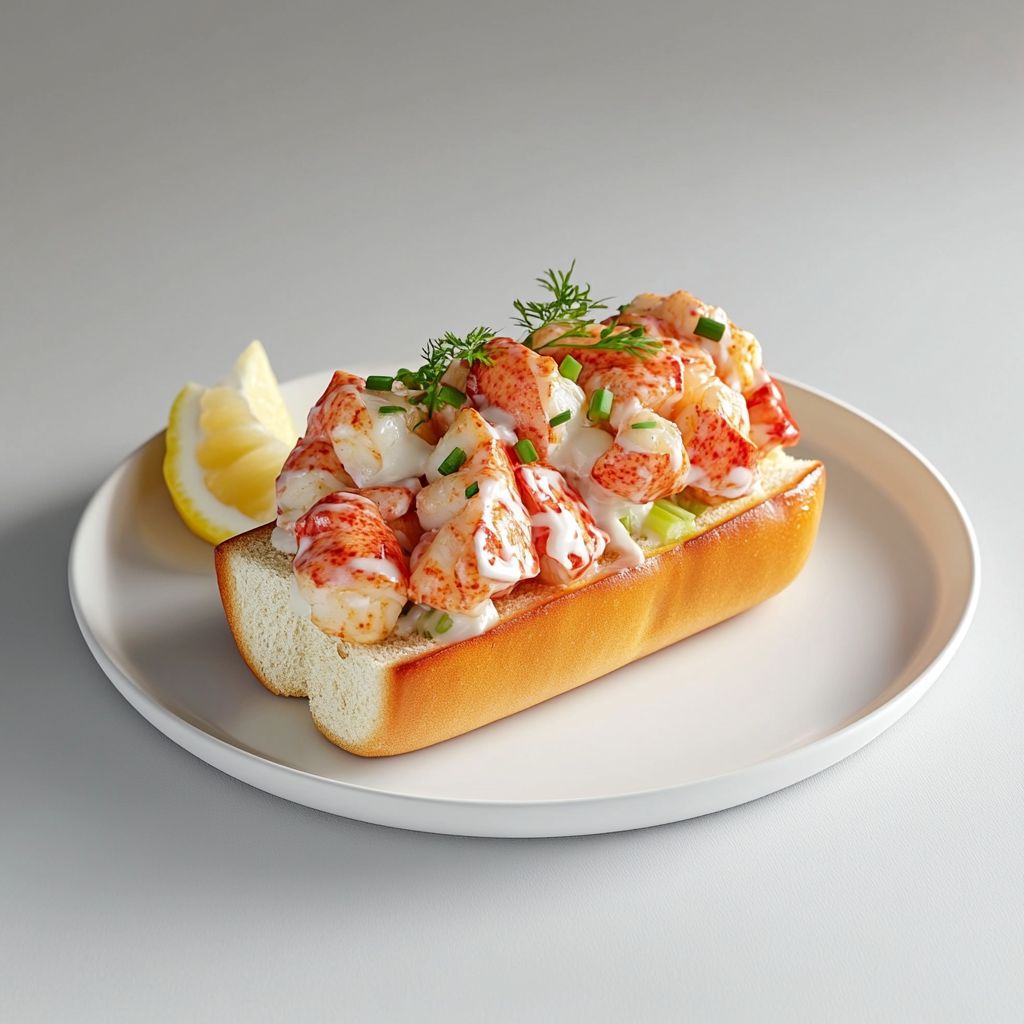
- – 1 1/2 to 2 pounds cooked lobster meat, chopped into bite-sized pieces
→ The star of the dish. Use freshly cooked lobster for the best sweetness and texture; if using leftovers, pat the meat dry to remove excess moisture so the dressing coats nicely rather than becoming watery. Break into uniform chunks to ensure each bite has lobster and dressing. - – 1/2 cup mayonnaise (full-fat)
→ Provides the creamy binding that holds the filling together without being dry. Use a high-quality mayonnaise for rich flavor. If you prefer a lighter dressing, you can mix in a small amount of sour cream or yogurt, but this will alter the texture and flavor profile. - – 2 tablespoons fresh lemon juice
→ Brightens the dressing and enhances the lobster sweetness while cutting through the richness of the mayo. Freshly squeezed juice yields a cleaner, more lively acidity than bottled substitutes. - – 1/4 cup finely chopped celery
→ Adds crisp texture and a subtle vegetal note that contrasts with creamy dressing. Dice celery finely so it distributes evenly without large crunchy chunks. - – 2 tablespoons finely chopped fresh chives
→ Provides mild onion-like aromatics and a pop of green color. Snip finely to release delicate flavor without overpowering the lobster. - – 1 tablespoon minced fresh dill (optional)
→ Dill pairs beautifully with seafood, imparting a light, grassy note. If using, fold in gently to preserve its aroma; omit if you dislike anise-like flavors. - – 1 teaspoon Dijon mustard (optional)
→ Adds a touch of tang and helps emulsify the dressing for a smoother texture. If not using mustard, a splash of white wine vinegar can provide similar brightness. - – 1/2 teaspoon kosher salt
→ Seasoning baseline; start here and adjust after tasting the mixture. Kosher salt blends more evenly with mayo than iodized salt, avoiding a metallic finish. - – 1/4 teaspoon freshly ground black pepper
→ Gives subtle sharpness that enhances all components. Grind just before use for maximum aroma. - – 1 teaspoon lemon zest (optional)
→ Adds a fragrant citrus lift without extra acidity; zest only the outer yellow layer to avoid bitterness.
Lobster Roll Buns
- – 6 New England-style split-top hot dog buns (or brioche hot dog buns), lightly toasted with butter
→ Classic lobster roll buns that cradle the filling and stay sturdy when dressed. Split-top buns hold more dressing and toast beautifully; toast until lightly golden to add crunch and flavor. If you cannot find split-top buns, standard hot dog buns can work but won’t hold as much filling. - – 2 tablespoons unsalted butter, melted
→ For toasting the buns, this butter creates a glossy, crisp surface and helps keep the edges from getting soggy. Brush evenly on the cut sides before toasting.
Optional Add-ins
- – 1/2 teaspoon Old Bay seasoning (optional)
→ A classic seafood spice that adds a gentle warmth and maritime character. Mix into the lobster filling or dust lightly on the surface for a coastal touch. Start with less if you’re sensitive to spice, then adjust to taste. - – 1 tablespoon finely chopped celery leaves or dill fronds (optional)
→ Extra herbaceous brightness; adds color and aroma without overpowering the lobster. Fold in at the end to preserve fresh flavor. - – 1 teaspoon capers, finely chopped (optional)
→ Introduces a briny bite that accents the sweetness of the lobster. Rinse and pat dry to control saltiness, then mince finely so they distribute evenly.
Serving & Garnish
- – Lemon wedges, for serving
→ Offer additional acidity to brighten the roll at the table. Squeeze over the filling just before eating if desired to refresh the flavors. - – Fresh parsley or chives, for garnish (optional)
→ Fresh herbs add a final pop of color and aroma. Finely chop and sprinkle over the assembled rolls for a restaurant-worthy finish.
Instructions
- Prepare the lobster meat by breaking it into uniform bite-sized chunks.
→ Uniform pieces ensure even distribution of filling in every bite and prevent stringy texture; if using leftovers, pat dry with paper towels to remove moisture so the dressing coats nicely rather than becoming watery. - Make the dressing by whisking full-fat mayonnaise, fresh lemon juice, and salt and pepper in a medium bowl until smooth and emulsified.
→ A stable emulsion helps the dressing cling to the lobster and prevents separation while you spoon it into the buns, yielding a creamy, cohesive filling. - Fold in finely chopped celery and fresh chives, then add dill if using; mix just until evenly distributed.
→ The crisp celery and bright herbs provide texture and aromatic contrast to the creamy dressing; dice celery finely so it distributes evenly without large crunches. - Season and brighten the mixture with optional lemon zest and Dijon mustard (if using); adjust salt and pepper to taste.
→ Zest adds a fragrant citrus lift without extra acidity, while mustard can enhance emulsion and tang; taste and balance to your preference for a clean, seafood-forward profile. - Incorporate optional add-ins such as Old Bay and finely chopped capers if desired; fold gently to avoid breaking the lobster chunks.
→ Old Bay imparts a maritime warmth and a touch of spice; capers introduce a briny bite that complements the lobster’s sweetness without overwhelming it. - Chill the filling for 15 to 20 minutes in the refrigerator to meld flavors and help the dressing cling to the lobster.
→ Chilling firms the mixture, improves ease of handling during assembly, and prevents the filling from sliding out of the buns. - Toast the split-top New England-style buns (or brioche buns) with melted butter on their cut sides until lightly golden and crisp.
→ Toasting creates a flavorful crust, helps prevent sogginess, and gives structural support to hold the filling without collapsing. - Fill each toasted bun generously with the lobster mixture, mounding slightly while keeping a neat edge; press gently to compact without crushing the lobster.
→ A well-packed filling ensures each bite delivers lobster and dressing together, and a tidy presentation is easier to eat. - Serve immediately with lemon wedges and a sprinkle of fresh parsley or chives for garnish.
→ A squeeze of lemon brightens the richness just before eating, and fresh herbs provide a restaurant-quality aroma and color.
Notes
These lobster rolls are best enjoyed with freshly cooked lobster for maximum sweetness and a tender bite; pat any leftovers dry to prevent a watery dressing so the mixture coats evenly without pooling.
For the dressing, use a full-fat mayonnaise to achieve creamy binding and brighten with freshly squeezed lemon juice; finely chopped celery and chives add crunch and color, while dill is optional for a classic seafood note.
A small amount of Dijon mustard helps emulsify the mixture and add a subtle tang; if you skip mustard, a splash of white wine vinegar can provide a similar brightness. Season with kosher salt and freshly ground black pepper, tasting and adjusting as needed.
Toast New England-style split-top buns brushed with melted butter until lightly golden to create a crisp edge that holds up to the filling. If you prefer a lighter version, reduce mayo and substitute some of it with yogurt or sour cream, keeping in mind texture will be looser and flavors may mellow slightly.
Optional add-ins like Old Bay, chopped capers, or celery leaves can add coastal nuance—add gradually to taste. For best results, assemble just before serving and serve with lemon wedges and a garnish of fresh parsley or chives for color. If making ahead, keep the filling and buns separate and refrigerate until ready to assemble.
Tips
Tips for Perfect Lobster Roll
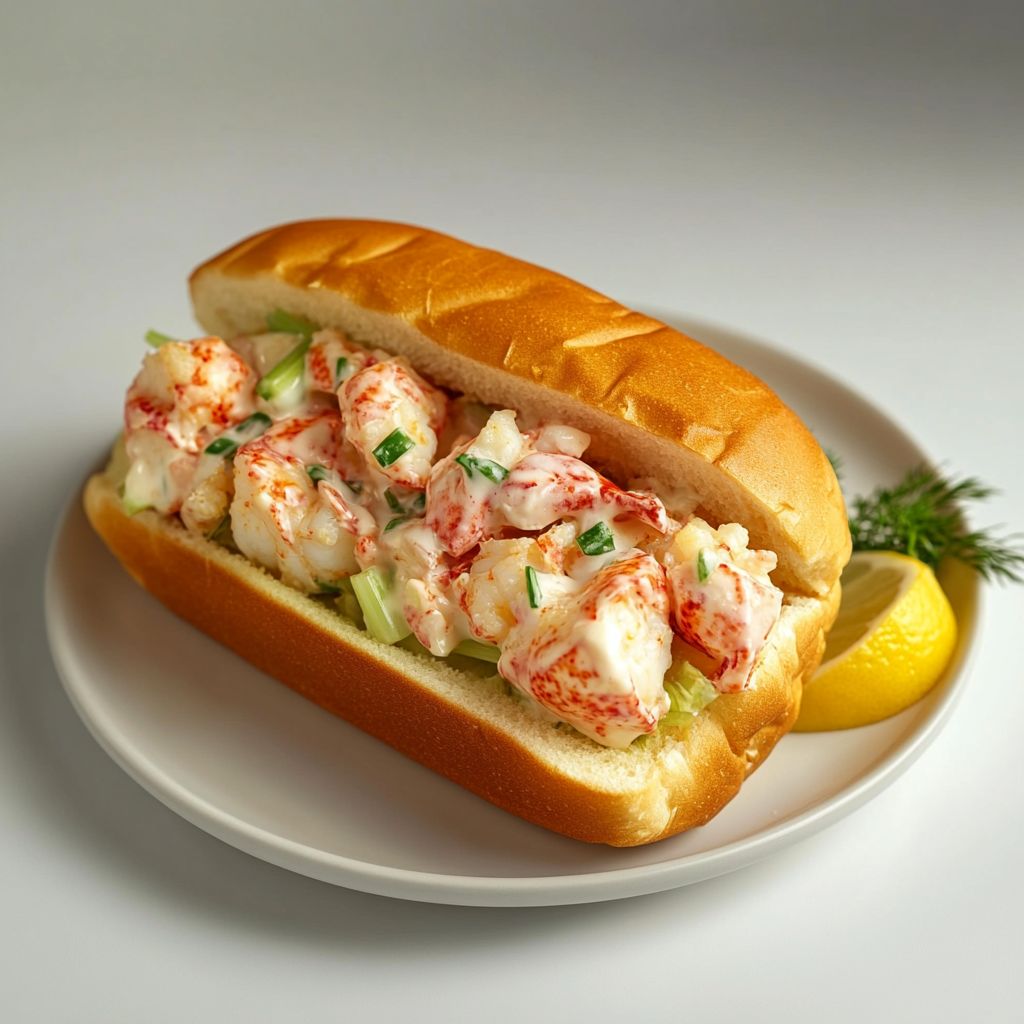
- Use the best lobster you can get: Freshly cooked lobster meat has the sweetest flavor and best texture. If you’re using leftovers, pat the meat very dry with paper towels to prevent a watery dressing and to help the dressing cling.
- Keep the lobster chunks uniform: Break the meat into bite-sized, uniform pieces so every bite has a balanced lobster-to-dressing ratio. Avoid mashing the meat; you want distinct chunks for texture.
- Emulsify the dressing properly: Whisk mayonnaise with lemon juice (and Dijon if using) until smooth and glossy. If the mix looks separated, whisk in a splash of cold water or a tiny bit more mayo to bring it back together.
- Balance acidity and brightness: Fresh lemon juice brightens the filling, but be mindful of too much acidity. Add lemon zest (optional) for fragrance without adding more liquid.
- Chop textures uniformly: Finely dice celery and chives to distribute crunch and aroma evenly. If you prefer more bite, you can leave a few pieces slightly larger, but keep the majority uniform.
- Herbs and add-ins: Fold in dill (optional) and chives gently at the end to preserve their delicate aroma. If using Old Bay or capers, start with a small amount and taste before adding more.
- Creaminess without sogginess: The mayo-based dressing should coat the lobster lightly, not drown it. Start with the recommended amount and add more only if needed to bind.
- Toast the buns correctly: Use split-top New England buns or brioche buns. Toast with butter until lightly golden and crisp on the edges to create a barrier against sogginess from the filling.
- Butter the buns generously: Lightly brush both sides of the cut surfaces with melted butter before toasting for a glossy finish and extra flavor.
- Make ahead tips: The dressing can be prepared a day ahead, but keep the lobster chilled and add it to the dressing just before assembly to preserve texture. Assemble the rolls close to serving for best texture.
- Assembly guidance: Spoon filling into the buns and press gently to help it stay put. Don’t overfill; you want a neat, easy-to-eat roll with a good lobster-to-dressing balance.
- Safety and freshness: Keep the dressed lobster refrigerated if not serving immediately. Do not leave perishable seafood at room temperature for extended periods.
- Garnish and serving: Offer lemon wedges and a sprinkle of chopped parsley or chives for color. A light squeeze of lemon just before eating brightens the flavors on the plate.
FAQ
What is a lobster roll?
A lobster roll is a sandwich featuring tender lobster meat dressed lightly with mayo or butter, packed into a split-top bun. This version uses a mayo-based relish, a touch of lemon, celery for crunch, and toasted buns for extra flavor.
What ingredients do I need?
For 4 servings: 1 to 1.25 pounds lobster meat (knuckle and claw meat is ideal), 3–4 tablespoons mayonnaise, 1–2 celery stalks finely chopped, 1 tablespoon lemon juice, 1–2 teaspoons chopped fresh chives or parsley, salt and pepper, unsalted butter, 4 split-top hot-dog buns. Optional: a pinch of paprika or Old Bay, scallions, or tarragon.
Can I use imitation lobster or other seafood?
Imitation lobster (surimi) is not ideal for authentic flavor. You can substitute langoustine or crab in a pinch, but it won’t taste exactly like lobster. If using canned lobster meat, drain well and pat dry.
How do I cook or prepare the lobster?
Boil or steam live lobsters until the shells are bright red and the meat is opaque (about 8–10 minutes for 1–1.25 lb lobsters). Let cool, then remove meat from tails, claws, and knuckles; chop into bite-sized pieces.
How do I dress the lobster for the roll?
In a bowl, mix the chopped lobster with mayonnaise, lemon juice, celery, chives, and a pinch of salt and pepper. For a lighter version, use half mayo and half Greek yogurt. Taste and adjust seasoning.
What bread should I use?
Classic Maine-style lobster rolls use split-top hot dog buns toasted in butter. You can also use brioche or soft sandwich rolls if you can’t find the real buns. Toast or butter the cut sides for extra flavor and to prevent sogginess.
How do I assemble the rolls?
Butter and toast the buns, then fill with a generous amount of dressed lobster. Keep extra dressing separate to add as needed. Serve immediately for best texture.
What are the differences between Maine and Connecticut styles?
Maine style is typically cold lobster meat mixed with mayo and served on a butter-toasted bun, often with lettuce. Connecticut style is warm lobster tossed in melted butter, served warm in a split-top bun. This recipe is closest to Maine style but can be adapted to Connecticut by using warm butter instead of mayo dressing.
How should I store leftovers?
Store lobster meat and dressing separately in the fridge for up to 1 day. Assembled rolls are best eaten the same day. Reheat lobster meat gently if using warm butter style, but do not reheat the mayonnaise-based dressing.
Can I prep this ahead or freeze it?
You can prep the dressing and chop the celery in advance. Hold off mixing with lobster until ready to serve. Fresh lobster meat does not freeze well; if you have frozen lobster, thaw and drain well before mixing.
Any tips for preventing soggy buns?
Toast buns with butter until golden, and mix just enough dressing to coat the lobster. Keep extra dressing separate and add at serving, so the buns stay crisp.